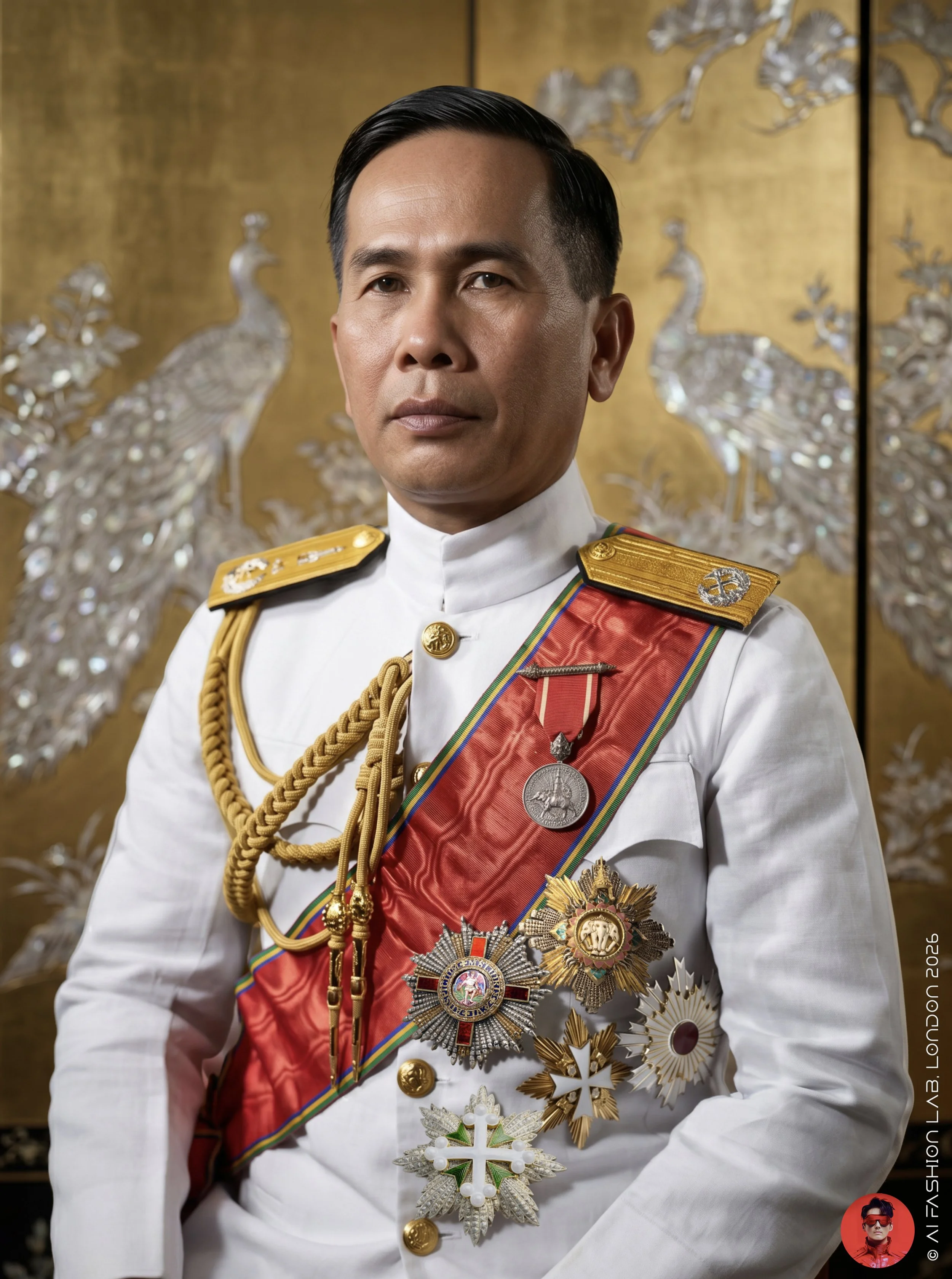
จอมพล แปลก พิบูลสงคราม
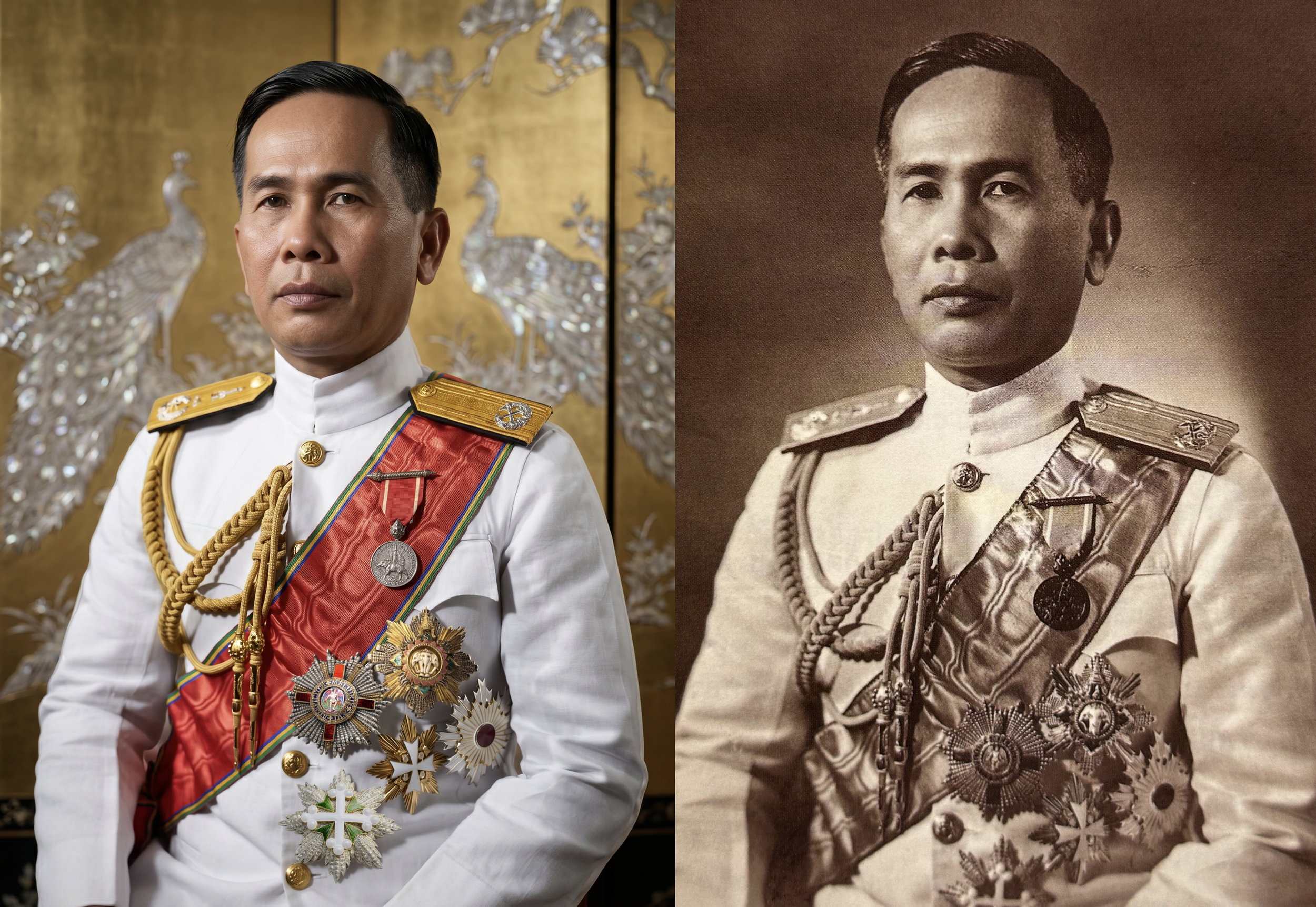
จอมพล แปลก พิบูลสงคราม
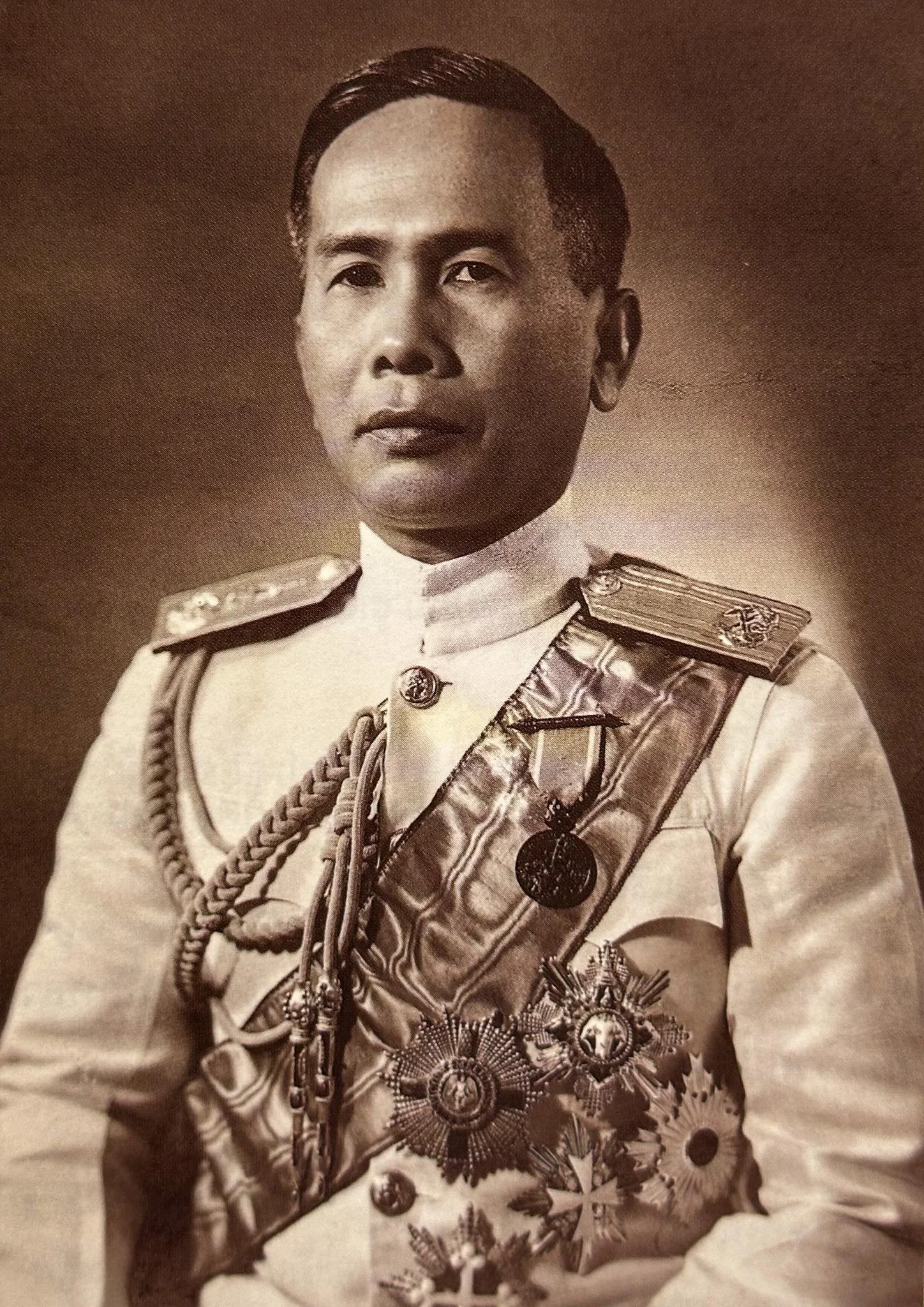
ภาพที่ได้รับการบูรณะและสร้างสรรค์ด้วยเทคโนโลยี AI นี้ คือภาพถ่ายของ จอมพลเรือ หลวงพิบูลสงคราม (แปลก ขีตตะสังคะ) ในเครื่องแบบเต็มยศกองทัพเรือ ชั้นจอมพลเรือ พ.ศ. ๒๔๘๔
จอมพล แปลก พิบูลสงคราม (๑๔ กรกฎาคม พ.ศ. ๒๔๔๐ – ๑๑ มิถุนายน พ.ศ. ๒๕๐๗) หรือ ป. พิบูลสงคราม บรรดาศักดิ์เดิมคือ หลวงพิบูลสงคราม นามเดิม แปลก ขีตตะสังคะ เป็นนายทหาร นักการเมือง และผู้นำการเปลี่ยนแปลงทางการเมืองคนสำคัญของไทย ดำรงตำแหน่งนายกรัฐมนตรีไทยคนที่ ๓ ระหว่าง พ.ศ. ๒๔๘๑–๒๔๘๗ ในช่วงสงครามโลกครั้งที่ ๒ และกลับมาดำรงตำแหน่งนายกรัฐมนตรีอีกครั้งระหว่าง พ.ศ. ๒๔๙๑–๒๕๐๐
แปลกก้าวขึ้นสู่อำนาจในฐานะสมาชิกคนสำคัญของคณะราษฎร โดยได้เป็นนายกรัฐมนตรีใน พ.ศ. ๒๔๘๑ และต่อมาได้เพิ่มอิทธิพลของตนขึ้นในฐานะผู้นำทหาร ระบอบการปกครองของแปลกเป็นพันธมิตรกับจักรวรรดิญี่ปุ่นในช่วงสงครามโลกครั้งที่ ๒ และการบริหารประเทศในสมัยของเขาโดดเด่นด้วยนโยบายอำนาจนิยมและการส่งเสริมชาตินิยมไทย แปลกมีบทบาทสำคัญทั้งในด้านการปฏิรูปภายในประเทศและนโยบายต่างประเทศในช่วงสงคราม อีกทั้งยังมีส่วนสำคัญในการกำหนดอุดมการณ์รัฐไทยสมัยใหม่
แปลกเป็นสมาชิกของคณะราษฎรฝ่ายทหาร ซึ่งเป็นคณะการเมืองสำคัญในการปฏิวัติสยาม พ.ศ. ๒๔๗๕ อันนำไปสู่การเปลี่ยนแปลงจากระบอบสมบูรณาญาสิทธิราชย์สู่ระบอบราชาธิปไตยภายใต้รัฐธรรมนูญ ต่อมาแปลกขึ้นดำรงตำแหน่งนายกรัฐมนตรีคนที่ ๓ ของประเทศไทยใน พ.ศ. ๒๔๘๑ ขณะดำรงตำแหน่งผู้บัญชาการทหารบก เขาได้รับแรงบันดาลใจบางส่วนจากลัทธิฟาสซิสต์อิตาลีของเบนิโต มุสโสลินี และได้สถาปนาระบอบเผด็จการทหารโดยพฤตินัย ส่งเสริมลัทธิชาตินิยมไทยและแนวคิดต่อต้านจีนในสังคมไทย รวมทั้งเป็นพันธมิตรกับจักรวรรดิญี่ปุ่นในสงครามโลกครั้งที่ ๒
จอมพลแปลกยังริเริ่มโครงการปรับปรุงวัฒนธรรมไทยให้ทันสมัย ซึ่งมักถูกกล่าวถึงในฐานะ “การปฏิวัติวัฒนธรรมไทย” โดยมีนโยบายรัฐนิยมเป็นเครื่องมือสำคัญ รวมถึงการเปลี่ยนชื่อประเทศจาก “สยาม” เป็น “ไทย”
แปลกพ้นจากตำแหน่งนายกรัฐมนตรีใน พ.ศ. ๒๔๘๗ และถูกแทนที่โดยควง อภัยวงศ์ แต่กลับเข้าสู่อำนาจอีกครั้งหลังการรัฐประหารใน พ.ศ. ๒๔๙๐ โดยมีคณะรัฐประหารเป็นกลไกสำคัญ เมื่อกลับมาเป็นนายกรัฐมนตรี เขาสนับสนุนให้ประเทศไทยมีจุดยืนต่อต้านคอมมิวนิสต์ในช่วงสงครามเย็น เข้าร่วมสงครามเกาหลีภายใต้การบัญชาการของสหประชาชาติ และละทิ้งภาพลักษณ์ทางการเมืองแบบฟาสซิสต์ เพื่อสร้างภาพของการเป็นผู้นำในระบอบประชาธิปไตย
ในการดำรงตำแหน่งนายกรัฐมนตรีสมัยที่ ๒ แปลกต้องเผชิญกับความไม่มั่นคงทางการเมืองและความพยายามก่อรัฐประหารหลายครั้ง รวมถึงกบฏเสนาธิการใน พ.ศ. ๒๔๙๑ กบฏวังหลวงใน พ.ศ. ๒๔๙๒ และกบฏแมนฮัตตันใน พ.ศ. ๒๔๙๔ แปลกพยายามผลักดันให้ประเทศไทยพัฒนาไปสู่ประชาธิปไตยแบบการเลือกตั้งตั้งแต่กลางทศวรรษ ๒๔๙๐ เป็นต้นมา แต่ท้ายที่สุดถูกโค่นล้มโดยจอมพลสฤษดิ์ ธนะรัชต์ ผู้บัญชาการทหารบกและนายทหารคนสนิทของเขาใน พ.ศ. ๒๕๐๐ ก่อนลี้ภัยไปยังประเทศญี่ปุ่น และถึงแก่อสัญกรรมใน พ.ศ. ๒๕๐๗ ด้วยอาการหัวใจวาย
ในภาพนี้ จอมพล ป. พิบูลสงคราม สวมเครื่องแบบเต็มยศกองทัพเรือ ชั้นจอมพลเรือ และประดับเครื่องราชอิสริยาภรณ์ดังต่อไปนี้
พ.ศ. ๒๔๘๑ — Order of Saints Maurice and Lazarus หรือเครื่องราชอิสริยาภรณ์นักบุญมอริซและลาซารัส Order of Saints Maurice and Lazarus หรือในภาษาอิตาลี Ordine dei Santi Maurizio e Lazzaro ย่อว่า OSSML เป็นเครื่องราชอิสริยาภรณ์อัศวินของราชวงศ์ซาวอย มีความเกี่ยวข้องกับธรรมเนียมคาทอลิก และถือเป็นหนึ่งในเครื่องราชอิสริยาภรณ์อัศวินที่เก่าแก่ที่สุดแห่งหนึ่งของโลก โดยสามารถสืบประวัติย้อนกลับไปถึง ค.ศ. ๑๑๑๙ อีกทั้งยังเป็นหนึ่งในเครื่องราชอิสริยาภรณ์อัศวินที่ได้รับการยอมรับโดยพระบรมราชานุญาตของพระสันตะปาปา
ในกรณีนี้ พระสันตะปาปาเกรกอรีที่ ๑๓ ได้พระราชทานสิทธิแก่เอ็มมานูเอล ฟิลิแบร์ต ดยุคแห่งซาวอย และผู้สืบทอดตำแหน่งในราชวงศ์ซาวอย ให้สามารถพระราชทานเครื่องราชอิสริยาภรณ์นี้ได้ตลอดไป ปัจจุบันประมุขแห่งเครื่องราชอิสริยาภรณ์คือเจ้าชายเอ็มมานูเอล ฟิลิแบร์โตแห่งซาวอย เจ้าชายแห่งเวนิส หรือที่รู้จักกันในพระนามดยุคแห่งซาวอย พระราชนัดดาของสมเด็จพระเจ้าอุมแบร์โตที่ ๒ กษัตริย์พระองค์สุดท้ายของอิตาลี อย่างไรก็ตาม ยังมีข้อถกเถียงภายในราชวงศ์ซาวอยเกี่ยวกับสถานะของผู้ทรงสิทธิ์ในตำแหน่งประมุขแห่งเครื่องราชอิสริยาภรณ์
เดิมทีเครื่องราชอิสริยาภรณ์นี้ได้รับพระราชทานโดยราชอาณาจักรอิตาลี ค.ศ. ๑๘๖๑–๑๙๔๖ โดยมีประมุขแห่งราชวงศ์ซาวอยในฐานะกษัตริย์แห่งอิตาลีเป็นผู้พระราชทาน เดิมเป็นเครื่องราชอิสริยาภรณ์สำหรับอัศวินผู้มีคุณธรรมสูงส่ง และจำกัดเฉพาะสมาชิกในตระกูลขุนนางที่สามารถแสดงหลักฐานสายตระกูลได้หลายชั่วอายุคน เครื่องราชอิสริยาภรณ์นี้มีลักษณะทั้งทางทหาร เกียรติยศ และคุณธรรม อีกทั้งยังคงรักษาความเกี่ยวข้องกับธรรมเนียมโรมันคาทอลิกไว้
ภายหลังการล้มเลิกระบอบกษัตริย์และการสถาปนาสาธารณรัฐอิตาลีใน พ.ศ. ๒๔๘๙ มรดกของเครื่องราชอิสริยาภรณ์นี้ยังคงได้รับการดูแลโดยผู้อ้างสิทธิ์ในราชวงศ์ซาวอยและราชบัลลังก์อิตาลีในต่างแดน คาดว่าเครื่องราชอิสริยาภรณ์นี้มีสมาชิกประมาณ ๒,๐๐๐ รายทั่วโลก โดยมีประมาณ ๒๐๐ รายในสหรัฐอเมริกา และยังมีสถานะที่ปรึกษาตามบัญชีรายชื่อของสหประชาชาติในส่วนที่เกี่ยวข้องกับ ECOSOC
พ.ศ. ๒๔๘๒ — เครื่องอิสริยาภรณ์อินทรีเยอรมัน เครื่องอิสริยาภรณ์อินทรีเยอรมัน หรือ Order of the German Eagle / Verdienstorden vom Deutschen Adler เป็นอิสริยาภรณ์ทางการทูตในสมัยนาซีเยอรมนี สถาปนาขึ้นโดยอดอล์ฟ ฮิตเลอร์ เมื่อวันที่ ๑ พฤษภาคม ค.ศ. ๑๙๓๗ โดยหลักแล้วมอบให้แก่ชาวต่างชาติที่มีความเห็นอกเห็นใจหรือทำคุณประโยชน์แก่พรรคนาซีและรัฐเยอรมันในช่วงเวลานั้น
พ.ศ. ๒๔๘๒ — เครื่องราชอิสริยาภรณ์นักบุญไมเคิลและนักบุญจอร์จ เครื่องราชอิสริยาภรณ์นักบุญไมเคิลและนักบุญจอร์จ หรือ The Most Distinguished Order of Saint Michael and Saint George เป็นเครื่องราชอิสริยาภรณ์ของสหราชอาณาจักร สถาปนาขึ้นเมื่อวันที่ ๒๘ เมษายน พ.ศ. ๒๓๖๑ โดยสมเด็จพระเจ้าจอร์จที่ ๔ แห่งสหราชอาณาจักร ชื่อของเครื่องราชอิสริยาภรณ์ตั้งขึ้นเพื่อเป็นเกียรติแก่อัครทูตสวรรค์มีคาเอลและนักบุญจอร์จ
เดิมทีเครื่องราชอิสริยาภรณ์นี้สร้างขึ้นเพื่อพระราชทานแก่เจ้าหน้าที่ทางการทหารและข้าราชการในบริบทของสงครามนโปเลียน สมาชิกส่วนมากในระยะแรกมักเป็นบุรุษ ปัจจุบันพระมหากษัตริย์แห่งสหราชอาณาจักรสามารถพระราชทานเครื่องราชอิสริยาภรณ์นี้แก่ทั้งบุรุษและสตรี ทั้งชาวอังกฤษและชาวต่างประเทศ ที่ประกอบคุณประโยชน์อย่างยิ่งต่อราชการของสหราชอาณาจักรและเครือจักรภพ
พ.ศ. ๒๔๘๓ — เครื่องราชอิสริยาภรณ์อันเป็นที่เชิดชูยิ่งช้างเผือก ดวงดาราชั้นมหาปรมาภรณ์ช้างเผือก เครื่องราชอิสริยาภรณ์อันเป็นที่เชิดชูยิ่งช้างเผือก หรือ The Most Exalted Order of the White Elephant เป็นหนึ่งในตระกูลเครื่องราชอิสริยาภรณ์ไทย สำหรับพระราชทานแก่พระบรมวงศานุวงศ์ ข้าราชการ และผู้กระทำคุณความดี ทั้งบุรุษและสตรี เครื่องราชอิสริยาภรณ์ตระกูลนี้พระราชทานแก่ผู้กระทำความดีความชอบอันเป็นประโยชน์แก่ราชการหรือประชาชน โดยพิจารณาเสนอขอพระราชทานจากรัฐบาล เพื่อเป็นบำเหน็จความชอบและเป็นเครื่องหมายเชิดชูเกียรติยศอย่างสูงแก่ผู้ได้รับพระราชทาน
เมื่อทรงพระกรุณาโปรดเกล้าฯ แล้ว จะมีการประกาศรายนามผู้ได้รับพระราชทานในราชกิจจานุเบกษา โดยในรัชกาลปัจจุบันมักมีการประกาศในวันเฉลิมพระชนมพรรษา วันที่ ๒๘ กรกฎาคม ของทุกปี
พ.ศ. ๒๔๘๔ — เหรียญชัยสมรภูมิ สงครามอินโดจีน เหรียญชัยสมรภูมิ สงครามอินโดจีน เป็นเหรียญที่เกี่ยวข้องกับการปฏิบัติราชการและการรบในช่วงสงครามอินโดจีน ซึ่งเป็นเหตุการณ์สำคัญในประวัติศาสตร์การทหารและการเมืองของไทยในช่วงต้นทศวรรษ ๒๔๘๐
พ.ศ. ๒๔๘๕ — เครื่องราชอิสริยาภรณ์อาทิตย์อุทัย เครื่องราชอิสริยาภรณ์อาทิตย์อุทัย หรือ 旭日章 (Kyokujitsu-shō) ในภาษาญี่ปุ่น และ Order of the Rising Sun ในภาษาอังกฤษ เป็นเครื่องราชอิสริยาภรณ์ของญี่ปุ่น สถาปนาขึ้นเมื่อ ค.ศ. ๑๘๗๕ โดยสมเด็จพระจักรพรรดิเมจิ ถือเป็นเครื่องราชอิสริยาภรณ์แรกที่มอบโดยรัฐบาลญี่ปุ่น และได้รับการสถาปนาขึ้นเมื่อวันที่ ๑๐ เมษายน ค.ศ. ๑๘๗๕ โดยกฤษฎีกาของสภาแห่งรัฐ
ดวงตราของเครื่องราชอิสริยาภรณ์มีลักษณะเป็นแสงอาทิตย์อุทัยฉายรัศมี การออกแบบดังกล่าวสื่อถึงพลังอันเจิดจ้าและทรงอานุภาพดุจดวงอาทิตย์แรกขึ้น
____________
Field Marshal Plaek Phibunsongkhram
This AI-restored and creatively reconstructed image depicts Admiral of the Fleet Luang Phibunsongkhram (Plaek Khittasangkha) in full dress naval uniform, holding the rank of Admiral of the Fleet, in 1941.
Field Marshal Plaek Phibunsongkhram (14 July 1897 – 11 June 1964), also known as P. Phibunsongkhram, formerly titled Luang Phibunsongkhram and born Plaek Khittasangkha, was a Thai military commander, politician, and revolutionary figure. He served as the 3rd Prime Minister of Thailand from 1938 to 1944, during the Second World War, and again from 1948 to 1957.
Plaek rose to power as a key member of the Khana Ratsadon, the political group that led the Siamese Revolution of 1932, which transformed Siam from an absolute monarchy into a constitutional monarchy. He became Prime Minister in 1938 while serving as Commander-in-Chief of the Royal Thai Army. During his first period in power, he consolidated his authority as a military leader and presided over an authoritarian regime marked by Thai nationalism, cultural reform, and close alignment with the Empire of Japan during the Second World War.
Inspired in part by the Italian Fascism of Benito Mussolini, Plaek established a de facto military dictatorship that promoted nationalist ideology and anti-Chinese sentiment within Thai society. His government played a major role in shaping the ideology of the modern Thai state, both through domestic reform and wartime foreign policy.
Field Marshal Plaek also initiated a programme of cultural modernisation often referred to as the “Thai Cultural Revolution”. This included the state-sponsored cultural mandates known as ratthaniyom, as well as the official change of the country’s name from “Siam” to “Thailand”.
Plaek left office in 1944 and was replaced by Khuang Aphaiwong. However, he returned to power after the coup of 1947, with the support of the coup group. During his second premiership, he aligned Thailand with anti-communist policy during the Cold War, sent Thai forces to the Korean War under United Nations command, and abandoned his earlier fascist image in favour of a more democratic public persona.
During his second term as Prime Minister, Plaek faced repeated political instability and several coup attempts, including the General Staff Plot in 1948, the Palace Rebellion in 1949, and the Manhattan Rebellion in 1951. From the mid-1940s onwards, he attempted to move Thailand towards electoral democracy, but he was eventually overthrown in 1957 by Field Marshal Sarit Thanarat, the Commander-in-Chief of the Royal Thai Army and one of his former close military allies. Plaek then went into exile in Japan, where he died of a heart attack in 1964.
In this image, Field Marshal P. Phibunsongkhram wears the full dress uniform of the Royal Thai Navy, holding the rank of Admiral of the Fleet, and is decorated with the following orders and medals:
1938 — Order of Saints Maurice and Lazarus The Order of Saints Maurice and Lazarus, in Italian Ordine dei Santi Maurizio e Lazzaro, abbreviated as OSSML, is a dynastic chivalric order of the House of Savoy. It is associated with Roman Catholic tradition and is considered one of the oldest orders of chivalry in the world, with origins traceable to 1119. It is also one of the rare orders of chivalry recognised through papal authority.
In this case, Pope Gregory XIII granted Emmanuel Philibert, Duke of Savoy, and his successors in the House of Savoy, the right to bestow this order in perpetuity. The present Grand Master is Prince Emanuele Filiberto of Savoy, Prince of Venice, also known as Duke of Savoy, the grandson of Umberto II, the last King of Italy. However, there have been disputes within the House of Savoy concerning the legitimate claim to the grand mastership of the order.
The order was formerly awarded by the Kingdom of Italy from 1861 to 1946, when the head of the House of Savoy also reigned as King of Italy. Originally, it was an order for knights of noble standing and high moral virtue, and membership was historically restricted to those who could prove noble ancestry across several generations. The order retains military, honorific, and charitable characteristics, while continuing to preserve its Roman Catholic associations.
After the abolition of the Italian monarchy and the establishment of the Italian Republic in 1946, the legacy of the order continued to be maintained by claimants to the House of Savoy and the former Italian throne in exile. It is estimated that the order has around 2,000 members worldwide, including approximately 200 in the United States. It also holds consultative status with the United Nations Economic and Social Council, ECOSOC.
1939 — Order of the German Eagle The Order of the German Eagle, or Verdienstorden vom Deutschen Adler, was a diplomatic decoration of Nazi Germany, established by Adolf Hitler on 1 May 1937. It was primarily awarded to foreign nationals who were sympathetic to, or had rendered service to, the Nazi Party and the German state during that period.
1939 — The Most Distinguished Order of Saint Michael and Saint George The Most Distinguished Order of Saint Michael and Saint George is an order of chivalry of the United Kingdom, established on 28 April 1818 by King George IV. The name of the order honours the Archangel Michael and Saint George.
The order was originally created to recognise military officers and officials in the context of the Napoleonic Wars. In its early period, most members were men. Today, the British monarch may confer the order upon both men and women, British subjects and foreign nationals, who have rendered distinguished service to the United Kingdom, the Commonwealth, or in relation to foreign affairs.
1940 — The Most Exalted Order of the White Elephant, Knight Grand Cordon The Most Exalted Order of the White Elephant is one of the principal orders of Thailand. It is conferred upon members of the royal family, civil servants, military officers, and individuals who have rendered meritorious service, regardless of gender. The order is awarded to those whose service has benefited the state, public administration, or the people, and is granted upon the recommendation of the government as a mark of high honour and distinction.
Once royally approved, the names of recipients are published in the Royal Gazette. In the present reign, such announcements are commonly made on the occasion of the royal birthday anniversary on 28 July each year.
1941 — Victory Medal for the Franco-Thai War The Victory Medal for the Franco-Thai War was associated with military service and participation in the Franco-Thai War, a significant episode in Thailand’s military and political history during the early 1940s.
1942 — Order of the Rising Sun The Order of the Rising Sun, or 旭日章 / Kyokujitsu-shō in Japanese, is a Japanese order established in 1875 by Emperor Meiji. It was the first national decoration awarded by the Japanese government and was formally instituted on 10 April 1875 by decree of the Council of State.
The badge of the order features rays of the rising sun. Its design symbolises the radiant and powerful energy of the sun at dawn.
____________
เรียนเชิญกด Subscribe ได้ที่ลิงก์นี้ครับ เพื่อร่วมติดตามงานสร้างสรรค์ต้นฉบับ งานวิจัยประวัติศาสตร์แฟชั่น และผลงานอนุรักษ์มรดกวัฒนธรรมด้วยเทคโนโลยี AI ของ AI Fashion Lab, London ซึ่งมุ่งตีความอดีตผ่านมิติใหม่ของการบูรณะภาพ การสร้างสรรค์ภาพ และการเล่าเรื่องด้วยศิลปะเชิงดิจิทัล https://www.facebook.com/aifashionlab/subscribe/
#aifashionlab #AI #aiartist #aiart #aifashion #aifashiondesign #aifashionstyling #aifashiondesigner #fashion #fashionhistory #historyoffashion #fashionstyling #fashionphotography #digitalfashion #digitalfashiondesign #digitalcostumedesign #digitaldesign #digitalaiart #ThaiFashionHistory #ThaiFashionAI #thailand #UNESCO