“คนัง” เงาะป่าผู้ทะยานด้วยวาสนา มาเป็นมหาดเล็กพิเศษ “คุณพ่อหลวง” ร.๕
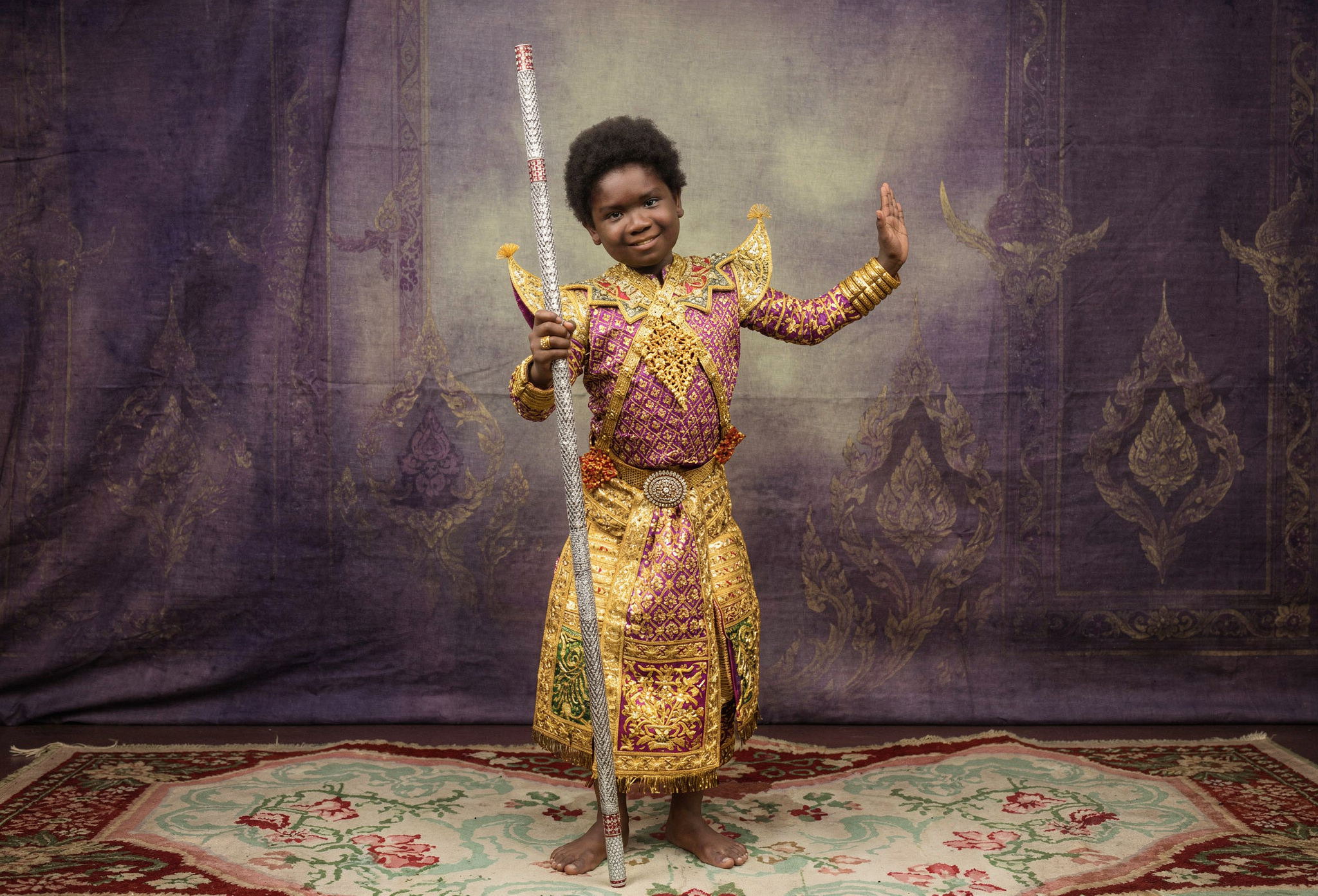
“คนัง” เงาะป่าผู้ทะยานด้วยวาสนา มาเป็นมหาดเล็กพิเศษ “คุณพ่อหลวง” ร.๕!!! โดย โรม บุนนาค
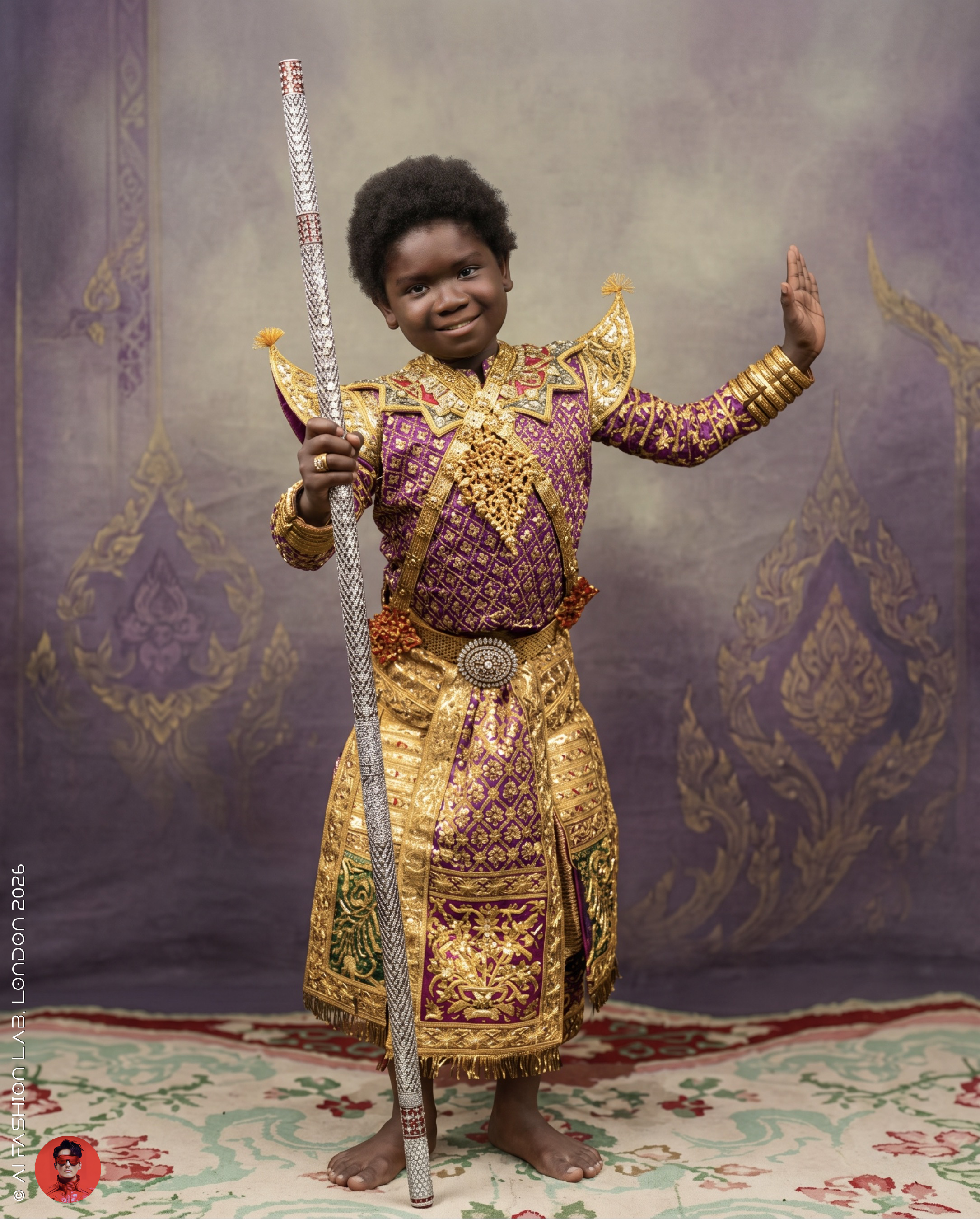
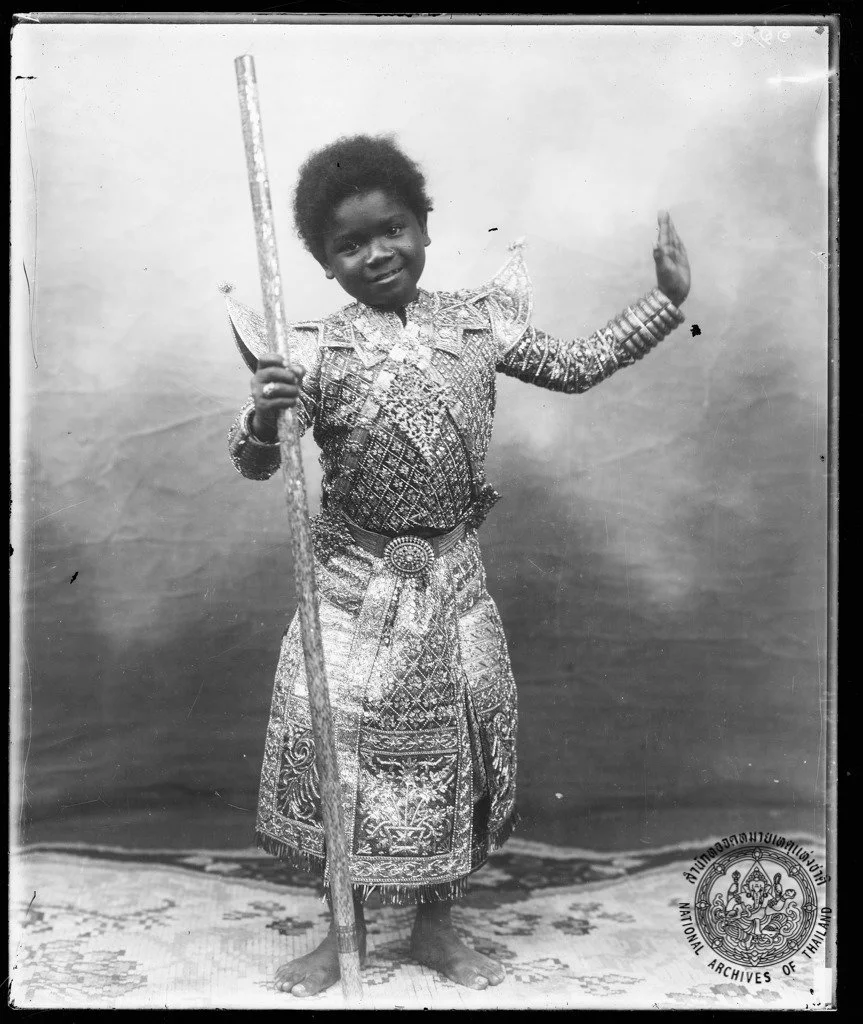
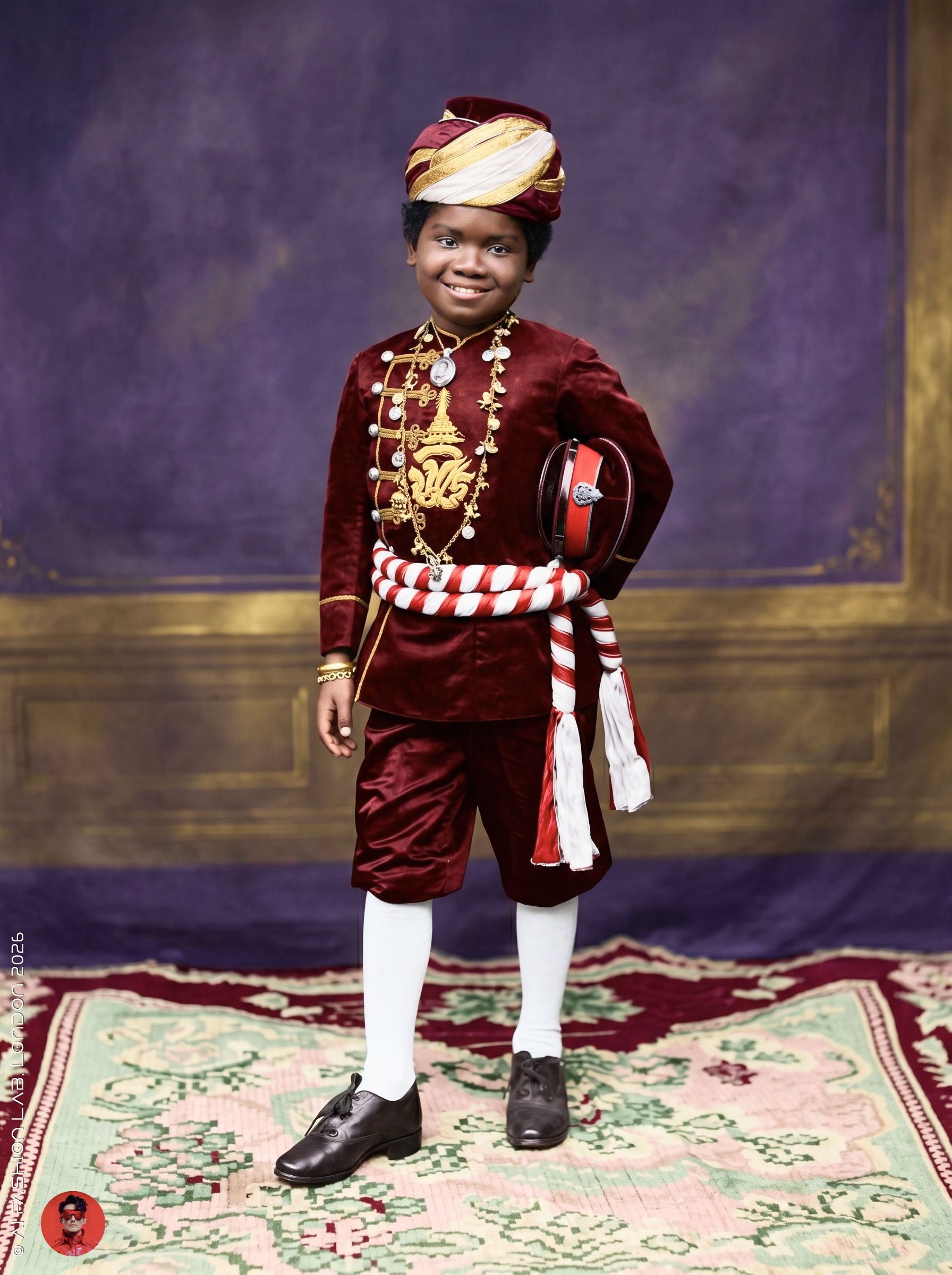
ภาพที่ผ่านการบูรณะและสร้างสรรค์ด้วยเทคโนโลยี AI ภาพนี้ เป็นภาพของ "คนัง” เงาะป่า
“เงาะ” เป็นคนป่าเผ่าหนึ่งอาศัยอยู่ในจังหวัดทางภาคใต้ของไทย ภาษามลายูเรียกว่า “เซมัง” หรือ “ซาไก” แต่คนพวกนี้เรียกตัวเองว่า “ก็อย”
ทุกวันนี้คนเผ่าเงาะก็ยังมีอยู่ แต่ความเจริญของบ้านเมืองทำให้คนป่าเผ่านี้กลายเป็นคนเมืองไปเกือบหมดแล้ว มีทะเบียนสำมะโนครัว เช่นเดียวกับคนไทยทั่วไป นามสกุลที่ตั้งขึ้นก็มักจะมีชื่อตำบลที่อยู่อาศัยร่วมอยู่ด้วย เช่นพวกที่อยู่ยะลาก็มีคำว่า “ธารโต” พวกที่อยู่พัทลุงก็มีคำว่า “บรรพต” เป็นต้น
ในอดีต เงาะป่าซาไกคนหนึ่งมีวาสนาสูงส่ง แม้จะเกิดในดงดอน แต่แรงวาสนาทำให้เขาทะยานมาเป็นคนดังในราชสำนัก ร.๕ ในฐานะมหาดเล็กพิเศษที่โปรดปรานของพระพุทธเจ้าหลวง เฝ้ารับใช้ใกล้ชิดถึงกับเรียกพระองค์ว่า “คุณพ่อ”
ทั้งนี้จากการเสด็จประพาสจังหวัดพัทลุงในปี พ.ศ. ๒๔๔๗ พระบาทสมเด็จพระจุลจอมเกล้าเจ้าอยู่หัว มีพระราชประสงค์จะได้ลูกเงาะมาชุบเลี้ยงไว้สักคนหนึ่ง โดยไม่ให้มีการบังคับจับกุม หลวงทิพกำแหง ผู้รั้งราชการเมืองพัทลุง จึงรับหน้าที่สนองพระราชประสงค์ และบอกต่อไปยัง นายสินนุ้ย ผู้ใหญ่บ้านที่คุ้นเคยกับพวกเงาะดี ในที่สุดก็เห็นว่ามีเงาะกลุ่มหนึ่งกำลังจะโยกย้ายที่อยู่ ในกลุ่มนี้มีเด็กผู้ชายอายุ ๑๐ ขวบอยู่คนหนึ่งชื่อ “คนัง” กำพร้าพ่อแม่ และจะต้องได้รับความลำบากในการเคลื่อนย้าย เพราะไม่มีใครดูแลอุปการะ แต่การเกลี้ยกล่อมให้สมัครใจคงไม่สำเร็จแน่ จะต้องใช้วิธีหลอกล่อจับตัว จึงมอบหมายให้นายยาง หรือยัง เงาะด้วยกันเป็นผู้รับหน้าที่นี้
วันหนึ่งขณะคนังไปเที่ยวป่ากับ “ไม้ไผ่” เพื่อนเกลอ นายยังได้ล่อหลอกให้มาดูมโนราของโปรดของเงาะที่บ้าน และปรนเปรออาหารเสียอิ่มแปล้ คนังง่วงนอนหลับไป นายยังจึงได้โอกาสอุ้มไปให้ผู้ใหญ่สินนุ้ยนำตัวไปถวาย
คนังตื่นขึ้นมาก็พบว่ากำลังอยู่ในเต็นท์ที่หลวงทิพกำแหงไปนอนรอรับ ไม่ใช่ทับที่พำนักของตัว ก็ร้องไห้แผลงฤทธิ์ดิ้นหนี หลังจากปลอบประโลมจนคนังคลายความตื่นตระหนกเลิกร้องไห้แล้ว แต่ก็ยังดิ้นรนที่จะกลับไปสู่ถิ่นให้ได้ หลวงทิพกำแหงพยายามปลอบขวัญตลอดเวลาที่นั่งหลังช้างมาด้วยกัน คนังก็ยังตื่นกลัวไม่รู้ว่ากำลังถูกพาตัวไปไหน แม้จุดหมายปลายทางจะเป็นสถานที่ที่ทำให้ชีวิตของเขาได้พบกับความเริดหรูเฟื่องฟูยิ่งกว่าเงาะคนใดจะได้รับ
เมื่อมาถึงวังหลวง มีพิธีทำขวัญคนังกันอย่างเอิกเกริก มีพราหมณ์มาอ่านคาถาทำขวัญ ลั่นฆ้องสนั่นสามรา คนังได้รับการเลี้ยงดูอย่างดีและเข้มงวดกวดขันในด้านสุขภาพ เพราะเกรงกันว่าจะเจ็บป่วยจากการผิดน้ำผิดอากาศที่เปลี่ยนจากป่ามาสู่เมือง มีพี่เลี้ยงถึง ๒ คนช่วยอาบน้ำแต่งตัว หัดให้ใช้ช้อนส้อมกินข้าวและภาษาพูด แต่คนังก็ไม่ได้เจ็บป่วยแต่อย่างใด
พระองค์เจ้าสายสวรีภิรมย์ กรมพระสุทธาสินีนาฎ พระอรรคชายา ทรงเป็นผู้อุปการะเลี้ยงดูคนังด้วยความรัก ฝึกสอนให้รู้จักระเบียบต่างๆของราชสำนัก เพราะคนังจะต้องอยู่ใกล้ชิดเบื้องพระยุคลบาทพระพุทธเจ้าหลวงในฐานะมหาดเล็กพิเศษ ซึ่งพระเจ้าอยู่หัวทรงมีพระราชหัตถเลขาไปถึงเจ้าพระยายมราช สมุหเทศาภิบาลมณฑลนครศรีธรรมราช เกี่ยวกับพระเมตตาของพระอรรคชายาที่มีต่อคนังว่า
“...อ้ายคนังตั้งแต่มายังไม่เจ็บเลย เจ้าสาย (กรมพระสุทธาสินีนาฎ) นั้นหลงรักเหลือเกินทีเดียว เพราะมันไม่ได้ไปเที่ยวข้างไหนเลย อยู่แต่บนเรือน ช่างประจบด้วยความรู้ความประมาณตัวเองในสันดาน ทั้งถือตัวว่าเป็นลูก ก็พูดอยู่เสมอว่าลูกข้า ไม่ได้ไว้ตัวเทียบเจ้านายลูกเธอ รักแลนับถือไม่เลือกว่าใคร ไว้ตัวเองเสมอหม่อมเจ้า ไม่มีใครสั่งสอนเลย”
เมื่อได้รับการดูแลและพระเมตตาจากพระอรรคชายาเช่นนี้ คนังจึงเรียกท่านว่า “คุณแม่” เรียกพระเจ้าอยู่หัวว่า “คุณพ่อหลวง” และเรียกสมเด็จหญิงเล็ก หรือสมเด็จเจ้าฟ้านิภานภดลว่า “คุณพี่”
ชีวิตในรั้ววังชั้นในของคนังแตกต่างจากชีวิตในป่าเมืองพัทลุงอย่างสิ้นเชิง แต่คนังก็ปรับตัวรับสภาพใหม่ได้อย่างมีความสุข ทำตัวให้เป็นที่รักใคร่เอ็นดูของคนทั่วไป
พระราชหัตถเลขาถึงเจ้าพระยายมราชได้กล่าวตอนหนึ่งอีกว่า
“...การที่แสดงกิริยาเศร้าโศกเวลาพูดถึงบ้านอย่างแต่ก่อนไม่มี ด้วยว่ารู้จักคนกว้างขวาง ตั้งแต่เจ้านาย ข้าราชการผู้ใหญ่ลงไปจนถึงผู้น้อย ทั้งข้างหน้าข้างใน เขาแสดงความเมตตาเล่นหัวได้ทั่วไป อยู่ข้างจะเพลิดเพลินมาก อดนอนก็ทน แลคุณสมบัติในส่วนตัวซึ่งได้สังเกตแต่แรกไม่มีเสื่อมทรามลงไปคือ ตาไว ความคิดเร็ว จงรักภักดีมาก กตัญญูมาก นับว่าเป็นเฟเวอริตของราชสำนักนี้ได้...”
เครื่องแต่งตัวชุดมหาดเล็กพิเศษของคนังออกแบบใหม่โดยเฉพาะ เป็นสีแดงสด อันเป็นสีโปรดของเงาะทั่วไป ตามเสด็จฯไปทุกหนทุกแห่งเป็นที่สะดุดตา เพราะชุดสีแดงคนแต่งตัวดำ ยิ้มเห็นฟันขาว
พระพุทธเจ้าหลวงได้ทรงพระราชนิพนธ์บทละครเรื่อง “เงาะป่า” ขึ้นในปี พ.ศ.๒๔๔๘ ซึ่งในคำนำของบทละครเรื่องนี้ทรงอธิบายไว้ว่า
“...ส่วนศัพท์ภาษาก็อยู่ไล่เลียงจากอ้ายคนังทั้งนั้น แต่ไม่ใช่เลียงขึ้นสำหรับหนังสือเล่มนี้ ได้ชำระกันแต่แรกมาเพื่อจะอยากรู้รูปภาษาว่ามันเป็นอย่างไร แต่คำให้การนั้นได้มากแต่เรื่องนก หนู ต้นไม้ รากไม้ เพราะมันยังเป็นเด็ก...”
ทรงให้ โรเบิร์ต เลนซ์ ช่างภาพฝรั่ง ถ่ายรูปคนังในเครื่องแต่งกายชุดต่างๆ ซึ่งคนังก็ชอบใจมากที่เห็นรูปของตัวเองและคิดถึงญาติพี่น้องในป่าที่จากมา ไม่รู้ว่าย้ายถิ่นฐานไปอยู่ที่ไหนกันบ้าง อยากจะส่งรูปเหล่านี้ไปให้ดู เพื่อจะอวดว่าเดี๋ยวนี้เขาโตขึ้นและโก้ขึ้นมาก ทั้งไม่เจ็บไข้ได้ป่วยเลย
พระพุทธเจ้าหลวงก็ทรงรับเป็นพระธุระจัดการให้มหาดเล็กคนโปรด โดยมีพระราชหัตถเลขาไปถึงเจ้าพระยายมราชพร้อมด้วยรูปของคนัง
“...ด้วยอ้ายคนังฝากรูปไปให้พี่น้อง ได้ส่งออกมาด้วยแล้ว ถ้ามีช่องทางที่ใครไปตรวจราชการที่นั้น ขอให้นำส่งให้มันด้วย...”
จะมีใครในแผ่นดินที่ทำได้เช่นนี้ นี่คือวาสนาของเงาะป่าที่ชื่อ คนัง แห่งเมืองพัทลุง
รูปของคนังไม่ว่าในชุดเงาะของบทละคร ที่ไม่ต้องใส่หัวเงาะเหมือนคนอื่น หรือในท่าอื่นๆ ได้รับความสนใจจากคนทั่วไปมาก พระพุทธเจ้าหลวงจึงให้นำออกจำหน่ายเป็นการกุศลในงานประจำปีของวัดเบญจมบพิตร ซึ่งเป็นงานใหญ่ในยุคนั้น ทรงมีพระราชหัตถเลขาถึงเจ้าพระยายมราชในเรื่องนี้ว่า
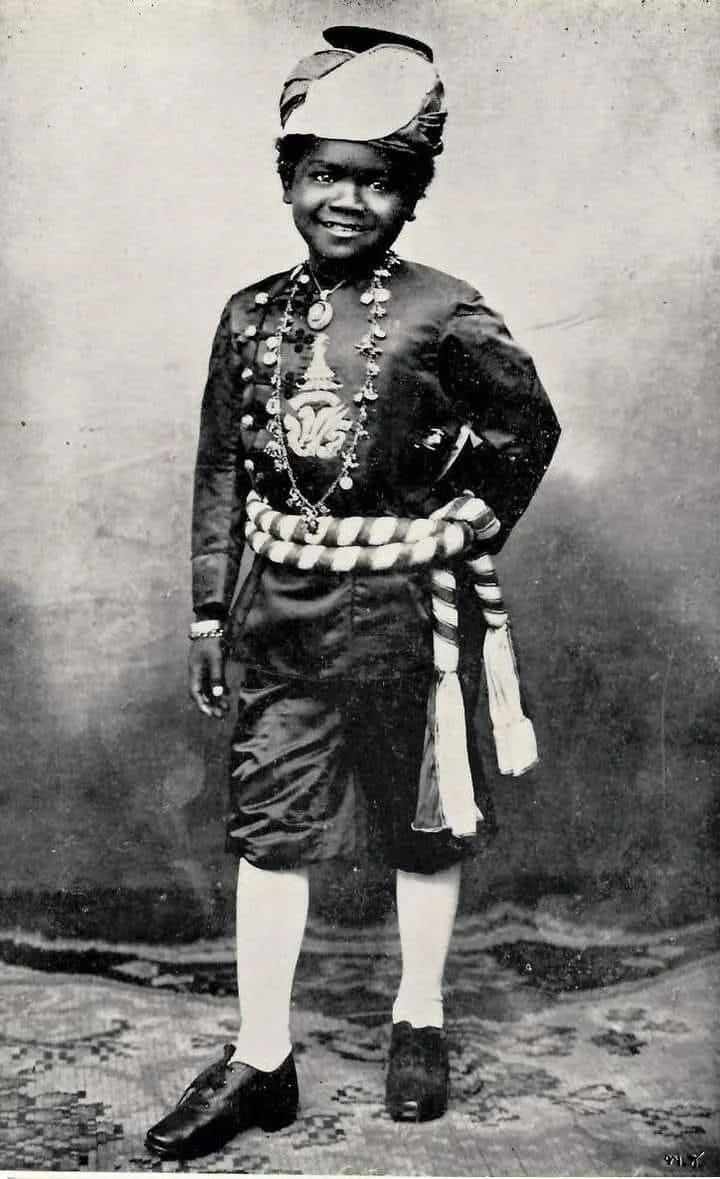
“...บัดนี้ได้ส่งรูปอ้ายคนังที่ขายเมื่องานวัด (เบญจมบพิตร) มีคนชอบมาก เดิมพิมพ์ขึ้นไว้แค่ ๒๓๐ เร่งกันให้พิมพ์ในเวลางาน กระดาษเหลือเท่าใดก็ได้พิมพ์อีกสัก ๓๐-๔๐ รูปขายไม่ทัน ยังหาซื้อกันเรื่อยอยู่จนเดี๋ยวนี้ อีกรูปหนึ่งนั้นได้ถ่ายในวันก่อนเริ่มงาน ด้วยนึกว่าฝรั่งจะไม่เข้าใจเรื่องเงาะ จึงได้ถ่ายรูปแต่งธรรมดาก็ถูกต้อง ฝรั่งชอบรูปนั้นมากกว่ารูปที่แต่งเป็นเงาะ ขายในเวลางานแผ่นละ ๓ บาท ได้เงิน ๑,๐๐๐ บาทเศษ แบ่งออกเป็นสามส่วน ให้วัดส่วนหนึ่ง เป็นค่ากระดาษค่าน้ำยาส่วนหนึ่ง เป็นของอ้ายคนังส่วนหนึ่ง ได้เงินส่วนอ้ายคนังเกือบ ๔๐๐ บาท เดี๋ยวนี้สมบัติอ้ายคนังมีกว่า ๔๐๐ บาทขึ้นไปแล้ว ถ้าอยู่ไปจนแก่เห็นจะมีเงิน เพราะมันไม่ได้ใช้เลย.....”
ในพระราชหัตถเลขา อีกตอนได้กล่าวไว้ว่า
“...เสียแต่อย่างไรๆ ก็ยังนับเงินไม่ถูกอยู่เช่นนั้นเอง หนังสือเห็นจะพอสอนง่ายกว่าเลข เลขนั้นดูเหมือนไม่มีกิฟสำหรับชาติมันทีเดียว ได้ลองให้ขายของ ซ้อมกันอยู่หลายวัน ก็ยังรางๆอยู่เช่นนั้น สาเหตุนั้นด้วยมันไม่รู้จักรักเงิน ยังไม่รู้เลยว่าเงินมีราคาอย่างไรจนเดี๋ยวนี้...”
ต่อมายังทรงให้คนังถ่ายรูปในชุดตามเสด็จเต็มยศ อัดจำหน่ายในราคารูปละ ๑๐ บาท ซึ่งพระบรมวงศานุวงศ์และข้าราชบริพารซื้อกันมาก เงินที่ได้โปรดฯให้นำไปบำรุงการกุศลวัดวาอารามต่างๆ
การมีส่วนร่วมบำเพ็ญพระราชกุศลหาเงินเจ้าวัดด้วยการขายรูปตัวเองนี้ เป็นกุศลส่งให้คนังเป็นที่โปรดปรานของพระเจ้าอยู่หัว ได้รับความรักใคร่เอ็นดูจากเจ้านายและข้าราชบริพารทั่วไป เป็นมหาดเล็กที่เด่นที่สุดของราชสำนัก ชีวิตของคนังได้รับความสุขความอบอุ่นอย่างที่ไม่เคยมีชาวป่าชาวดอยคนใดจะได้รับ
แม้พระพุทธเจ้าหลวงจะทรงโปรดคนังเพียงไร แต่เมื่อคนังอายุเข้า ๑๔ ปีก็ไม่สามารถจะอยู่ในพระราชวังต่อไปได้ ต้องออกไปอยู่ข้างนอกเหมือนผู้ชายคนอื่นๆ พระเจ้าอยู่หัวทรงฝากคนังไว้กับพระยาบุรุษรัตนราชพัลลภให้เป็นผู้เลี้ยงดูต่อ โดยคนังจะต้องมาเข้าเวรมหาดเล็กเช่นเคย
โลกอิสระภายนอกวังทำให้ชีวิตคนังเปลี่ยนไปอีกแบบ ประกอบกับเริ่มเป็นหนุ่ม ทั้งยังมีฐานะการเงินระดับขุนนางทีเดียว ที่ “คุณพ่อหลวง”ว่าคนังยังไม่รู้เลยว่าเงินมีราคาอย่างไร ก็เริ่มรู้ คนังจึงท่องราตรีไปตามสถานเริงรมย์ต่างๆ ที่มีอยู่ในสมัยนั้น คบเพื่อนประเภทเสเพล ที่สำคัญคือ เริ่มรักผู้หญิง
ชีวิตสนุกสนานนอกวังยามราตรี ทำให้คนังเพลิดเพลินลุ่มหลงจนถึงขั้นทิ้งการเข้าเวร พระเจ้าอยู่หัวทรงกริ้วในความเหลวไหลของคนัง แม้จะทรงเมตตาอย่างไรคนังก็ต้องได้รับโทษตามกฎระเบียบ คนังจึงถูกลงพระอาญา รับสั่งให้เฆี่ยนต่อหน้าข้าราชบริพาร เพื่อมิให้กระทำความผิดเช่นนี้อีก
ชีวิตของคนังเริ่มเฉาและตกต่ำลงเมื่อพระพุทธเจ้าหลวงสวรรคต คนังท่องเที่ยวตามอำเภอใจ แม้พระบรมวงศานุวงศ์และข้าราชบริพารทั้งหลายยังคงให้ความเมตตาแก่คนังเช่นเดิม แต่คนังใจแตกเสียแล้ว เที่ยวเตร่และคบเพื่อนเสเพลมากขึ้น มีเรื่องผู้หญิงมาเกี่ยวพันมากขึ้น จนกระทั่งต้องจบชีวิตลงในวัยหนุ่มกำดัดนั้นเอง
สาเหตุการตายของคนังไม่ปรากฏชัด บ้างก็ว่าเขาเสียชีวิตเพระโรคร้ายที่ติดมาจากผู้หญิงเสเพล
บ้างก็ว่า แม้คนังจะแสดงเป็นเงาะในบทพระราชนิพนธ์เรื่อง “เงาะป่า” โดยไม่ต้องใส่หัวเงาะเช่นคนอื่น แต่เขาก็ไม่อาจถอดรูปเงาะเป็นพระสังข์ได้ ฉะนั้นยากที่จะหารจนามาเสี่ยงพวกมาลัยให้ คนังจึงต้องปีนบ้านขึ้นไปหารจนาในยามวิกาล แต่นางก็ไม่เล่นด้วยและร้องโวยวายขึ้น คนังจึงโดนทั้งไม้พลองกระบองสั้นจนซมซานไปด้วยความบอบช้ำ
ไหนจะช้ำทั้งกายช้ำทั้งใจ ในที่สุด คนัง เงาะที่ทะยานจากป่ามาสู่ราชสำนักด้วยแรงวาสนา ก็สิ้นวาสนาไปก่อนวัยอันควร เหลือไว้เพียงตำนานให้เล่าขานกันถึง ซึ่งเป็นหนึ่งเดียวของคนป่าเผ่าซาไก ที่ได้มาเป็นมหาดเล็กพิเศษคนโปรดของสมเด็จพระปิยะมหาราช
__________
“Khanang”: the Ngo Forest Boy Whose Fortune Carried Him to Become the Special Page of King Rama V, His “Royal Father”
By Rome Bunnag
The “Ngo” were a forest-dwelling people who lived in the southern provinces of Thailand. In Malay, they were called Semang or Sakai, though the people themselves called themselves Koi. These are historical terms and should be understood within the language and attitudes of their period.
Today, the people once referred to as Ngo still exist, though the modern development of the country has meant that many of these forest communities have become integrated into town and village life. They are now registered in household records like other Thai citizens. Their surnames often include the names of the places where they live. For example, those living in Yala may include the word Than To, while those in Phatthalung may include Banphot.
In the past, one Sakai forest boy rose to an extraordinary fate. Though born in the deep forest, his fortune carried him into fame within the royal court of King Chulalongkorn, Rama V [พระบาทสมเด็จพระจุลจอมเกล้าเจ้าอยู่หัว, รัชกาลที่ ๕]. He became a favoured special page of the beloved king, serving so closely that he called His Majesty “Khun Pho”, or “Father”.
During King Chulalongkorn’s visit to Phatthalung Province in 1904, His Majesty wished to bring up one Ngo child under royal care, but without using force or coercion. Luang Thip Kamhaeng [หลวงทิพกำแหง], who was acting governor of Phatthalung, therefore took responsibility for fulfilling the royal wish. He passed the matter on to Nai Sinnui [นายสินนุ้ย], a village headman who knew the Ngo people well.
It was eventually discovered that one group of Ngo were about to move their settlement. Among them was a ten-year-old boy named Khanang [คนัง], who had been orphaned and would face great difficulty during the move because there was no one to care for him. Yet it was thought that persuading him to go willingly would not succeed, and that he would have to be tricked and taken. The task was therefore given to Nai Yang, or Yang [นายยาง/ยัง], another Ngo man.
One day, while Khanang was wandering in the forest with his close friend Mai Phai [ไม้ไผ่], Nai Yang lured him by saying that he would take him to see manora, a form of performance much loved by the Ngo, at a house. Khanang was then given plenty of food until he was completely full. When he grew sleepy and fell asleep, Nai Yang took the opportunity to carry him away and deliver him to Village Headman Sinnui, who then presented him to the authorities.
When Khanang woke, he found himself in a tent where Luang Thip Kamhaeng was waiting to receive him, not in his own forest shelter. He cried out, struggled, and tried to escape. After he had been comforted and his panic began to subside, he stopped crying, but still struggled to return to his home. Luang Thip Kamhaeng tried constantly to console him as they travelled together on elephant-back. Khanang remained frightened, not knowing where he was being taken, although the destination was a place that would give his life a splendour and prosperity far beyond anything any other Ngo person had ever received.
When he arrived at the Grand Palace [พระบรมมหาราชวัง], a grand soul-calling ceremony was held for him. Brahmins were invited to recite sacred verses, and gongs were sounded loudly three times. Khanang was well cared for and closely watched in matters of health, as there was concern that the change from forest to city life might make him ill. Two attendants helped bathe and dress him, and he was taught to eat with a spoon and fork, as well as to speak the language used around him. Yet Khanang did not fall ill at all.
Princess Saisavali Bhiromya [พระองค์เจ้าสายสวลีภิรมย์], later Krom Phra Suddhasininat Piyamaharaj Padivaradda [กรมพระสุทธาสินีนาฏ ปิยมหาราชปดิวรัดา], the Royal Princess Consort, cared for Khanang with affection. She trained him in the customs and discipline of the royal court, for Khanang was to live close to the person of King Chulalongkorn as a special page.
In a royal letter to Chao Phraya Yommarat [เจ้าพระยายมราช], the Superintendent Commissioner of Nakhon Si Thammarat Monthon [สมุหเทศาภิบาลมณฑลนครศรีธรรมราช], His Majesty described the Princess Consort’s kindness towards Khanang:
“As for Ai Khanang, since he arrived he has not been ill at all. Chao Sai [Krom Phra Suddhasininat] is completely devoted to him, because he does not go wandering anywhere and stays only in the residence. He knows how to please others, with an instinctive awareness of his own place and proportion. He also regards himself as her child, always saying, ‘my child’, without presuming to compare himself with the royal children. He loves and respects everyone without distinction, and carries himself like a mom chao. No one has had to teach him this.”
Because of this care and affection from the Princess Consort, Khanang called her “Khun Mae”, or “Mother”. He called the King “Khun Pho Luang”, or “Royal Father”, and called Princess Nipha Nobhadol [สมเด็จเจ้าฟ้านิภานภดล], known as Somdet Ying Lek [สมเด็จหญิงเล็ก], “Khun Phi”, or “elder sibling”.
Khanang’s life within the inner court was entirely different from his life in the forests of Phatthalung. Yet he adapted happily to his new circumstances and made himself beloved by everyone around him.
Another passage from the royal letter to Chao Phraya Yommarat states:
“The sorrowful manner he used to show when speaking of home is no longer present. He has come to know many people, from princes and senior officials down to those of lower rank, both in the outer and inner courts. They all show him kindness and play with him freely. He seems very much entertained. Even when deprived of sleep, he can endure it. The personal qualities observed in him from the beginning have not diminished: quick eyes, quick thinking, great loyalty, and great gratitude. He may be counted as a favourite of this court.”
Khanang’s special page uniform was designed especially for him. It was bright red, a colour generally favoured by the Ngo. When he followed the royal procession everywhere, he stood out clearly: a red costume, dark skin, and a smile that showed his white teeth.
King Chulalongkorn composed the play Ngo Paa [เงาะป่า] in 1905. In the preface to the play, His Majesty explained:
“As for the vocabulary, it was all questioned out of Ai Khanang. But it was not collected specifically for this book. It had been examined from the beginning because I wished to know what the form of the language was like. However, most of the information obtained concerned birds, rats, trees, and roots, because he was still a child.”
His Majesty also had Robert Lenz [โรเบิร์ต เลนซ์], a Western photographer, take photographs of Khanang in various costumes. Khanang was delighted to see images of himself and thought of his relatives in the forest from whom he had been separated. He did not know where they had moved to, and he wanted to send them these photographs so that he could show them how much he had grown, how fine he now looked, and that he had not fallen ill at all.
King Chulalongkorn took it upon himself to arrange this for his favourite page. He sent a royal letter to Chao Phraya Yommarat together with Khanang’s photographs:
“Ai Khanang has entrusted these photographs to be sent to his brothers and sisters. I have sent them out with this letter. If there is an opportunity for anyone going to inspect that area, please have them delivered to him.”
Who else in the land could have done such a thing? This was the fortune of the forest Ngo boy named Khanang from Phatthalung.
Photographs of Khanang, whether in the Ngo costume of the play, for which he did not need to wear a Ngo mask like the others, or in other poses, attracted great public interest. King Chulalongkorn therefore had them sold for charity at the annual fair of Wat Benchamabophit [วัดเบญจมบพิตร], one of the great public events of the time. His Majesty wrote to Chao Phraya Yommarat about this:
“I have now sent the photographs of Ai Khanang that were sold at the temple fair [Wat Benchamabophit]. Many people liked them. At first only 230 copies were printed, but during the fair people urged that more be printed. As much paper as remained was used to print another thirty or forty copies, yet they could not be sold quickly enough, and people are still trying to buy them even now. Another photograph was taken before the fair began, because I thought foreigners would not understand the matter of the Ngo. So he was photographed in ordinary dress as well, and indeed foreigners liked that photograph more than the one in which he was dressed as Ngo. They were sold during the fair at three baht each. More than 1,000 baht was raised. It was divided into three parts: one part for the temple, one part for the cost of paper and chemicals, and one part for Ai Khanang. Ai Khanang’s share came to almost 400 baht. Now Ai Khanang’s property amounts to more than 400 baht. If he lives to old age, he will likely have money, because he does not spend any of it.”
In another passage of the royal letter, His Majesty observed:
“The only problem is that, no matter what, he still cannot count money correctly. Reading will probably be easier to teach than arithmetic. As for numbers, it seems there is no gift for them in his race at all. I tried having him sell things, rehearsing with him for several days, but he still remained uncertain. The reason is that he does not yet love money. Even now, he still does not know what value money has.”
Later, His Majesty also had Khanang photographed in full formal dress as a royal attendant, and the prints were sold for ten baht each. Many members of the royal family and court officials bought them. The proceeds were graciously directed towards charitable support for temples and monasteries.
This participation in royal charity, raising money for temples through the sale of his own photographs, contributed to Khanang becoming a favourite of the King. He was loved and indulged by princes, princesses, and court officials alike. He became the most prominent page in the royal court. His life was filled with warmth and happiness of a kind no forest or hill person had ever received before.
However much King Chulalongkorn favoured Khanang, when Khanang reached the age of fourteen he could no longer remain inside the palace. Like other males, he had to move outside. His Majesty placed him under the care of Phraya Burut Rattanaratchaphanlop [พระยาบุรุษรัตนราชพัลลภ], while Khanang was still required to come for page duty as before.
The freer world outside the palace changed Khanang’s life once again. He was entering young manhood and had a financial status comparable to that of a nobleman. As the “Royal Father” had once said, Khanang still did not know the value of money, but now he began to learn it. Khanang started going out at night to the entertainment venues of the time, keeping company with dissolute friends. Most importantly, he began to fall in love with women.
The pleasures of night-time life outside the palace absorbed him so much that he began neglecting his page duties. King Chulalongkorn was angered by Khanang’s irresponsibility. However merciful His Majesty might be, Khanang still had to be punished according to the rules. He was therefore subjected to royal punishment and ordered to be flogged in front of court officials, so that he would not commit such an offence again.
Khanang’s life began to fade and decline after the death of King Chulalongkorn. He wandered as he pleased. Although members of the royal family and court officials continued to show him kindness as before, Khanang had already gone astray. He spent more time roaming about, associating with dissolute companions, and becoming increasingly entangled in affairs with women, until his life ended while he was still a young man.
The cause of Khanang’s death is not clearly recorded. Some say he died from a serious disease contracted from dissolute women.
Others say that although Khanang could perform as the Ngo in King Chulalongkorn’s royal play Ngo Paa, without needing to wear a Ngo mask like the others, he could not transform from the Ngo form into Phra Sang. Therefore, it was difficult for him to find a Rojana who would throw the garland to choose him. Khanang, it was said, climbed into a woman’s house at night in search of his Rojana. But she wanted nothing to do with him and cried out. Khanang was then beaten with sticks and cudgels until he staggered away, badly bruised.
Bruised in both body and heart, Khanang, the Ngo who had risen from the forest into the royal court through the force of fortune, finally reached the end of that fortune before his time. What remained was only a legend: the singular story of a Sakai forest boy who became the favoured special page of King Chulalongkorn the Great [สมเด็จพระปิยมหาราช].
__________
เรียนเชิญกด Subscribe ได้ที่ลิงก์นี้ครับ เพื่อร่วมติดตามงานสร้างสรรค์ต้นฉบับ งานวิจัยประวัติศาสตร์แฟชั่น และผลงานอนุรักษ์มรดกวัฒนธรรมด้วยเทคโนโลยี AI ของ AI Fashion Lab, London ซึ่งมุ่งตีความอดีตผ่านมิติใหม่ของการบูรณะภาพ การสร้างสรรค์ภาพ และการเล่าเรื่องด้วยศิลปะเชิงดิจิทัล https://www.facebook.com/aifashionlab/subscribe/
#aifashionlab #AI #aiartist #aiart #aifashion #aifashiondesign #aifashionstyling #aifashiondesigner #fashion #fashionhistory #historyoffashion #fashionstyling #fashionphotography #digitalfashion #digitalfashiondesign #digitalcostumedesign #digitaldesign #digitalaiart #ThaiFashionHistory #ThaiFashionAI #thailand #UNESCO