เจ้าฟ้าจักรพงษ์ฯ พระราชโอรสรัชกาลที่ 5 ทรงทำคะแนนสูงสุด “โรงเรียนนายร้อยมหาดเล็ก” รัสเซีย
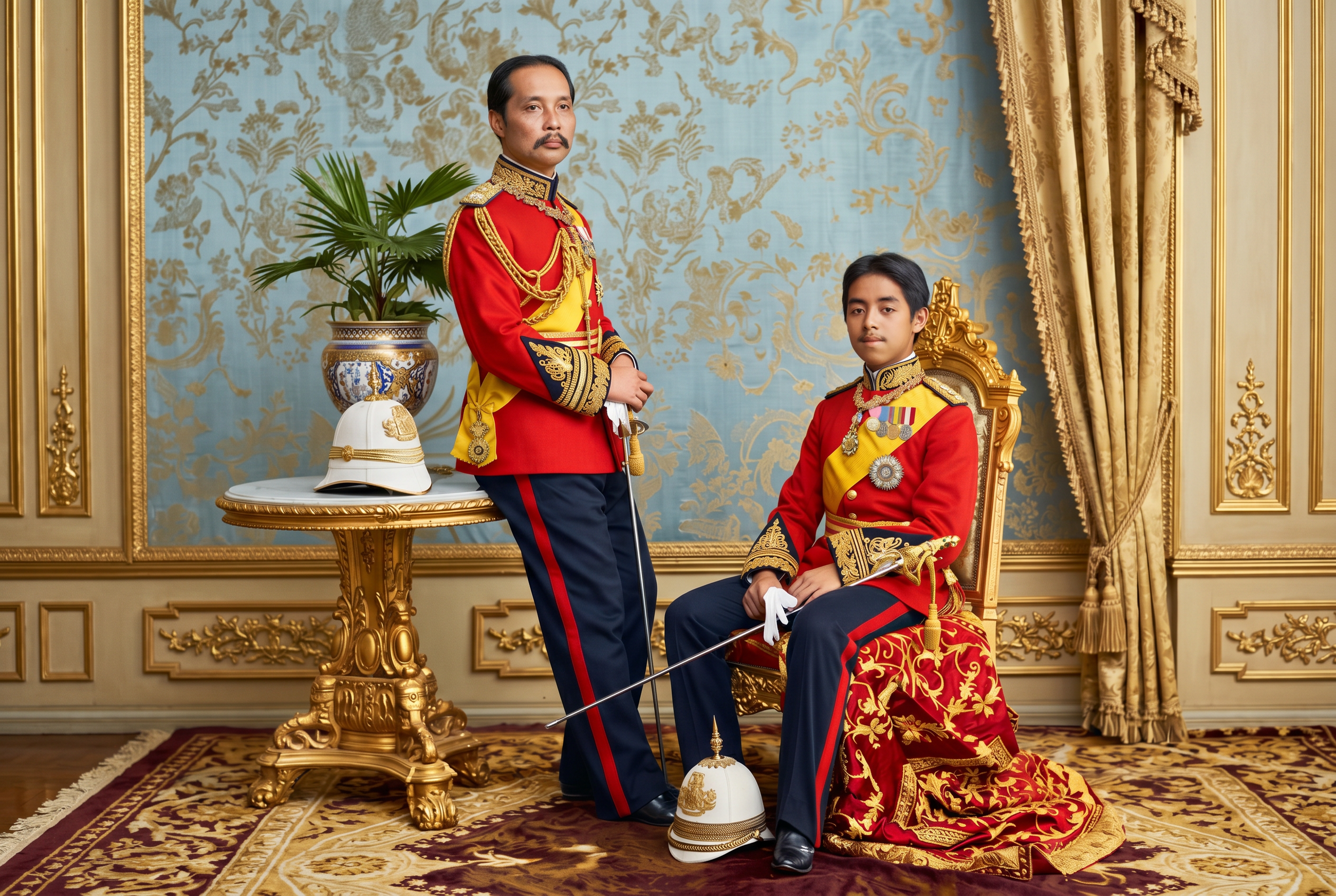
เจ้าฟ้าจักรพงษ์ฯ พระราชโอรสรัชกาลที่ 5 ทรงทำคะแนนสูงสุด “โรงเรียนนายร้อยมหาดเล็ก” รัสเซีย
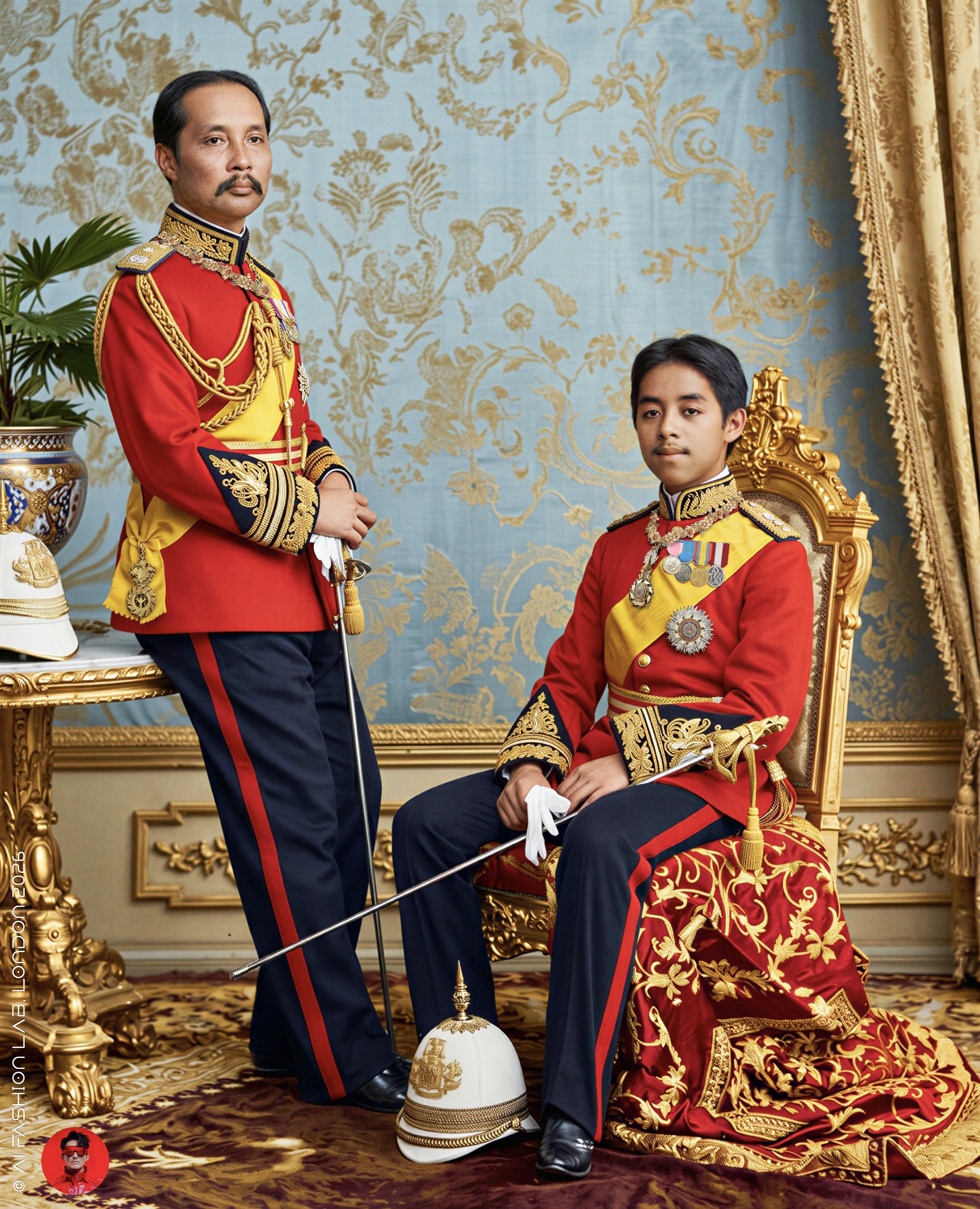
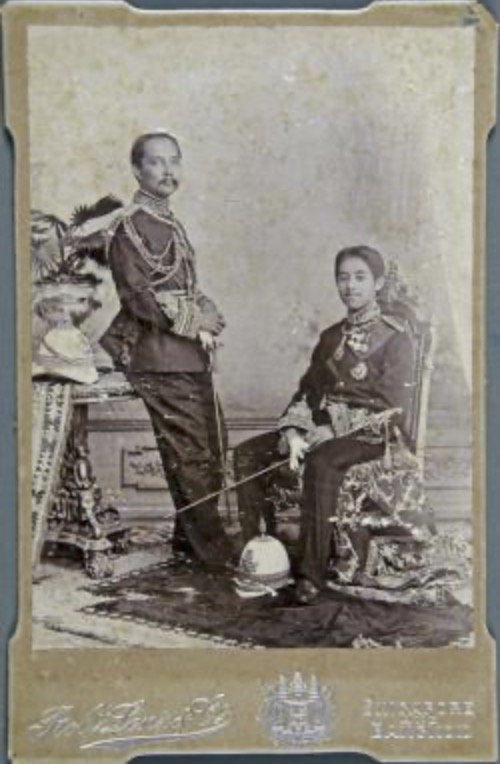
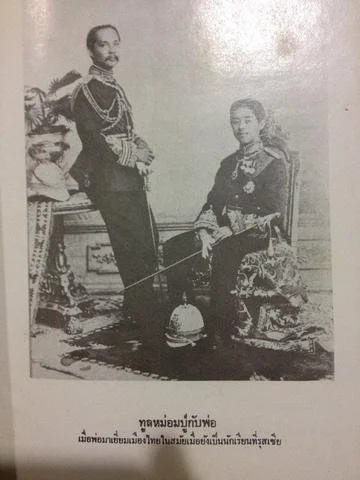
ภาพที่ผ่านการบูรณะและสร้างสรรค์ด้วยเทคโนโลยี AI ภาพนี้ เป็นพระบรมฉายาลักษณ์ พระบาทสมเด็จพระจุลจอมเกล้าเจ้าอยู่หัว และสมเด็จพระเจ้าบรมวงศ์เธอ เจ้าฟ้าจักรพงษ์ภูวนาถ กรมหลวงพิษณุโลกประชานาถ ทั้งสองพระองค์ทรงฉลองพระองค์เต็มยศ เครื่องแบบทหารมหาดเล็กราชวัลลภรักษาพระองค์ ฉายเมื่อครั้งสมเด็จพระเจ้าบรมวงศ์เธอ เจ้าฟ้าจักรพงษ์ภูวนาถ เสด็จเยี่ยมเมืองไทยเมื่อครั้งยังทรงเรียนที่รัสเซีย
รัชสมัยพระบาทสมเด็จพระจุลจอมเกล้าเจ้าอยู่หัว (รัชกาลที่ 5) มีการปฏิรูปประเทศหลายด้าน พระองค์จึงทรงส่งพระราชโอรสไปศึกษาต่อยังต่างประเทศ เพื่อเป็นกำลังสำคัญในการกลับมาพัฒนาสยามให้ก้าวหน้า ทั้งเพื่อสร้างสายสัมพันธ์อันดีกับผู้นำชาติมหาอำนาจในยุโรป
พระราชโอรสรุ่นแรกที่ทรงส่งไปศึกษาต่อในประเทศแถบยุโรปมีด้วยกัน 4 พระองค์ ได้แก่ พระเจ้าลูกยาเธอ พระองค์เจ้ากิติยากรวรลักษณ์ (พระเจ้าบรมวงศ์เธอ กรมพระจันทบุรีนฤนาถ) ทรงจบการศึกษาด้านบูรพคดีศึกษาจากอังกฤษ, พระเจ้าลูกยาเธอ พระองค์เจ้ารพีพัฒนศักดิ์ (พระเจ้าบรมวงศ์เธอ กรมหลวงราชบุรีดิเรกฤทธิ์) ทรงจบด้านกฎหมายจากอังกฤษ, พระเจ้าลูกยาเธอ พระองค์เจ้าประวิตรวัฒโนดม (พระเจ้าบรมวงศ์เธอ กรมหลวงปราจิณกิติบดี) ทรงศึกษาด้านภาษาที่ประเทศอังกฤษ ฝรั่งเศส และเยอรมนี และพระเจ้าลูกยาเธอ พระองค์เจ้าจิรประวัติวรเดช (พระเจ้าบรมวงศ์เธอ กรมหลวงนครไชยศรีสุรเดช) ทรงศึกษาด้านการทหารที่เดนมาร์ก
เมื่อพระราชโอรสรุ่นกลางเจริญพระชนม์พอจะดูแลตัวเองได้บ้างแล้ว รัชกาลที่ 5 ก็ทรงส่งพระราชโอรสรุ่นนี้ราว 10 พระองค์ ไปศึกษาต่อต่างประเทศ รวมถึง สมเด็จพระเจ้าลูกยาเธอ เจ้าฟ้าจักรพงษ์ภูวนาถ (สมเด็จพระอนุชาธิราช เจ้าฟ้าจักรพงษ์ภูวนาถ กรมหลวงพิษณุโลกประชานาถ ต้นราชสกุล “จักรพงษ์”) พระราชโอรสชั้นเจ้าฟ้า ที่ประสูติแต่สมเด็จพระนางเจ้าเสาวภาผ่องศรี พระอรรคราชเทวี (สมเด็จพระศรีพัชรินทราบรมราชินีนาถ พระบรมราชชนนีพันปีหลวง) ที่ทรงศึกษาวิชาทหารที่รัสเซีย ตามคำเชิญของพระเจ้าซาร์นิโคลัสที่ 2 แห่งรัสเซีย
เหตุที่เจ้าฟ้าจักรพงษ์ฯ พระราชโอรสรัชกาลที่ 5 ทรงศึกษาด้านการทหาร เนื่องด้วยรัชกาลที่ 5 มีพระราชประสงค์ให้พระราชโอรสชั้นเจ้าฟ้าศึกษาเล่าเรียนด้านการทหารทุกพระองค์ ดังที่มีพระราชดำรัสว่า “คงจะต้องเป็นทหารทุกคน เว้นไว้แต่ที่กําลังกายไม่พอ แต่ต้องเรียนรู้วิชาพลเรือนด้วย. ส่วนพระองค์เจ้านั้นจะเป็นทหารฤาพลเรือนก็ไม่สู้กีดขวางอันใดนัก”
เจ้าฟ้าจักรพงษ์ฯ พระราชโอรสรัชกาลที่ 5 กับชีวิตอีกซีกโลกที่ “รัสเซีย”
ก่อนจะทรงเดินทางไปศึกษาต่อที่รัสเซียนั้น ใน พ.ศ. 2439 เจ้าฟ้าจักรพงษ์ฯ ต้องไปประทับที่อังกฤษ เพื่อทรงเรียนรู้ และฝึกฝนภาษาอังกฤษเสียก่อน โดยมีนายนกยูง มหาดเล็กคนสนิทตามเสด็จ
ต่อมา พ.ศ. 2440 นายพุ่ม สาคร สามัญชนอายุไล่เลี่ยกับเจ้าฟ้าจักรพงษ์ฯ ที่สามารถสอบชิงทุนเล่าเรียนหลวงได้เป็นคนแรกก็เดินทางมาสมทบ ไม่เพียงเพื่อเป็นพระสหายในต่างแดน แต่ด้วยรัชกาลที่ 5 มีพระราชประสงค์ให้นายพุ่มเป็นแรงส่งเสริมให้เจ้าฟ้าจักรพงษ์ฯ ทรงตั้งใจเรียนอย่างเต็มพระกำลัง
เมื่อทรงศึกษาภาษาอังกฤษจนสามารถใช้สื่อสารได้ดีแล้ว ใน พ.ศ. 2441 เจ้าฟ้าจักรพงษ์ฯ และนายพุ่มก็เดินทางไปยังโรงเรียนนายร้อยมหาดเล็ก (Corps des Pages) กรุงเซนต์ปีเตอร์สเบิร์ก จักรวรรดิรัสเซีย ซึ่งเมื่อไปถึงทั้งสองต้องเรียนภาษารัสเซียเพิ่มขึ้นอีกหนึ่งภาษา
ด้วยพระเจ้าซาร์นิโคลัสที่ 2 ทรงเชิญเจ้าฟ้าจักรพงษ์ฯ มาศึกษาด้วยพระองค์เอง จึงทรงตระเตรียมที่พักไว้ให้อย่างสมพระเกียรติ เจ้าฟ้าจักรพงษ์ฯ และนายพุ่มได้พำนักที่พระราชวังฤดูหนาวขนาดใหญ่โต ซึ่งจัดไว้ให้เป็นที่รับรองราชอาคันตุกะของจักรพรรดิซาร์ และได้เข้าเฝ้าจักรพรรดิซาร์ ณ พระราชวังปีเตอร์ฮอฟ ซึ่งเป็นพระราชวังฤดูร้อนอันงดงามโอฬาร ห่างจากกรุงเซนต์ปีเตอร์สเบิร์กไปราว 30 ไมล์
หลังจากพำนักที่พระราชวังฤดูหนาวได้ราว 2 สัปดาห์ เจ้าฟ้าจักรพงษ์ฯ และนายพุ่มได้ไปพักผ่อนตากอากาศตลอดช่วงฤดูร้อน ที่วิลลา คราสซอฟสกายา (Villa Krassovskaya) ซึ่งอยู่ไม่ไกลจากพระราชวังปีเตอร์ฮอฟ และในสัปดาห์สุดท้ายของเดือนสิงหาคมช่วงปลายฤดูร้อนสั้น ๆ ของรัสเซีย ทั้งสองก็เดินทางกลับมายังเซนต์ปีเตอร์สเบิร์ก เพื่อเตรียมตัวสำหรับการเรียน
หนังสือ “แคทยาและเจ้าฟ้าจักรพงษ์ :เรื่องรักและการจากลา” (สำนักพิมพ์ริเวอร์ บุ๊คส์) โดย ม.ร.ว. นริศรา จักรพงษ์ บรรยายถึงชีวิตของเจ้าฟ้าจักรพงษ์ฯ พระราชโอรสรัชกาลที่ 5 เมื่อแรกเข้าโรงเรียนนายร้อยมหาดเล็กรัสเซียไว้อย่างละเอียดว่า
ตามกฎเกณฑ์ บรรดามหาดเล็กจะคัดเลือกจากบุตรชายของครอบครัวขุนนาง นายทหารระดับสูง ข้าราชการชั้นผู้ใหญ่ และพระราชวงศ์ต่างชาติ แล้วจึงเข้าสู่ระบบอันเคร่งครัด และการศึกษาที่เข้มข้น เพื่อเตรียมความพร้อมก่อนเข้ารับราชการประจำกรมทหารมหาดเล็กรักษาพระองค์
ทว่า ไม่ใช่ทุกคนจะได้เป็นมหาดเล็ก เพราะในการสอบไล่ครั้งสุดท้ายต้องได้คะแนนอย่างน้อย 9 คะแนน จากคะแนนเต็ม 12 คะแนน มิฉะนั้นจะถูกลดชั้นไปเป็นนายทหารในกรมทหารทั่วไปเป็นเวลา 3 ปี ก่อนจะได้เข้าประจำการอยู่ในกรมทหารมหาดเล็กรักษาพระองค์ต่อไป
อย่างไรก็ดี แม้ไม่ได้ระบุเป็นลายลักษณ์อักษร แต่เป็นที่ทราบกันทั่วไปอยู่แล้วว่า ไม่ว่าจะได้คะแนนมากน้อยแค่ไหน ก็ใช่ว่านักเรียนคนใดก็ตามจะสามารถเป็นนายทหารมหาดเล็กรักษาพระองค์ได้ หากไม่มีฐานะร่ำรวยพอที่จะใช้ชีวิตอย่างหรูหราให้สมเกียรติของนายทหารมหาดเล็กรักษาพระองค์ อันเป็นกรมทหารที่โอ่อ่าที่สุด
โรงเรียนนายร้อยมหาดเล็กรัสเซียมีการเรียนการสอน 7 วิชา เทียบเท่าหลักสูตรโรงเรียนมัธยมสามัญทั่วไป รวมถึงการฝึกภาคสนามสำหรับรายวิชาเฉพาะด้านการทหารอีก 2 วิชา
เนื่องจากเจ้าฟ้าจักรพงษ์ฯ ทรงอยู่ภายใต้พระอุปถัมภ์ของพระเจ้าซาร์นิโคลัสที่ 2 อีกทั้งทรงเป็นเชื้อพระวงศ์ชั้นสูง พระองค์ และนายพุ่มจึงมีคณาจารย์พิเศษช่วยสอน เพื่อช่วยให้ติดตามบทเรียนได้ทัน ถึงอย่างนั้นก็ยังเป็นเรื่องท้าทายไม่น้อย เพราะต้องเรียนเป็นภาษารัสเซีย และอังกฤษทั้งหมด เจ้าฟ้าจักรพงษ์ฯ และนายพุ่มจึงต้องเผชิญแรงกดดันอย่างหนัก
ทั้งสองต้องตื่นนอน 7 โมงเช้า เรียนคณิตศาสตร์เวลา 8 โมง พอถึง 11 โมงก็รับประทานอาหารกลางวันร่วมกับร้อยเอกครูลอฟ (Captain Khrulov) แห่งกรมทหารม้ารักษาพระองค์ ที่เป็นผู้อภิบาลเจ้าฟ้าจักรพงษ์ฯ และปิยอตร์ วาสิลิเยวิช เปตรอฟ (Pyotr Vasilievich Petrov) อาจารย์ภาษารัสเซีย (ต่อมาได้ถวายการสอนให้พระราชโอรส และพระราชธิดาของพระเจ้าซาร์นิโคลัสที่ 2) ระหว่างเที่ยงถึงบ่าย 2 มีชั้นเรียนอื่น ๆ และตั้งแต่บ่าย 2 ถึง 4 โมง เป็นการฝึกภาคสนาม และเรียนวิชาพละ
เวลา 4 โมงเย็น กลับพระราชวังฤดูหนาวไปเรียนต่อจนถึง 5 โมง แล้วรับประทานอาหารค่ำพร้อมกับฝึกพูดภาษารัสเซียเพิ่มเติม จากนั้นเรียนต่อตั้งแต่ 6 โมงเย็นจนถึง 3 ทุ่ม เว้นแต่ร้อยเอกครูลอฟจะจัดกิจกรรมพิเศษให้ เช่น ออกไปชมละคร อุปรากร ละครสัตว์ ส่วนด้านดนตรี ทั้งเจ้าฟ้าจักรพงษ์ฯ และนายพุ่มได้เรียนเปียโน ไวโอลิน และบาลาไลกา (balalaika) ซึ่งเจ้าฟ้าจักรพงษ์ฯ โปรดบาลาไลกาเป็นพิเศษ ทั้งยังทรงเปียโนได้เป็นอย่างดีอีกด้วย
ทุกเช้าวันอาทิตย์มีชั้นเรียนเต้นรำ ที่ห้องโถงพระราชวังฤดูหนาว โดยมีผู้อำนวยการคณะบัลเลต์หลวง (Imperial Ballet) รับหน้าที่ครูสอนลีลาศฉบับสมบูรณ์ถวายเจ้าฟ้าจักรพงษ์ฯ ทั้งจังหวะง่ายจนถึงยาก ตลอดจนการเต้นรำที่งดงามนานาประเภทของรัสเซีย และฮังการี
ยังมีชั้นเรียนวาดเขียน เรียนขี่ม้าที่โรงม้าหลวงหรือที่โรงเรียนนายร้อยมหาดเล็ก ส่วนในฤดูหนาว เดือนละครั้งในวันอาทิตย์ ทั้งสองจะขับเลื่อนทรอยกา (troika) เทียมม้า 3 ตัว กับร้อยเอกครูลอฟ และนายทหารอื่น ๆ ไปไกลราว 30 กิโลเมตร เพื่อล่ากระต่ายป่า นกกระทา และนกคุ่ม แต่ทั้งคู่ไม่ได้เพลิดเพลินกับการล่าสัตว์นัก เพราะถือเป็นการฆ่าสัตว์ตัดชีวิต
การเรียนของเจ้าฟ้าจักรพงษ์ฯ และนายพุ่มก้าวหน้าเป็นลำดับ ในเดือนพฤษภาคม พ.ศ. 2444 ทั้งคู่ออกฝึกอีกครั้ง ที่คราสนอเยอ ซีโล (Krasnoye Selo) เป็นเวลา 3 สัปดาห์ ทั้งฝึกภาคสนาม และการลาดตระเวน โดยไม่อาศัยเครื่องมือช่วย ศึกษาการใช้เครื่องมือสนาม การวัดระยะทางบนพื้นที่โล่ง และยุทธศาสตร์การวางกำลังรบ
เดือนเมษายน พ.ศ. 2445 เจ้าฟ้าจักรพงษ์ฯ พระราชโอรสรัชกาลที่ 5 ทรงสอบไล่ได้เป็นลำดับที่ 1 ได้รับการจารึกพระนามบนแผ่นหินอ่อนร่วมกับชื่อของนักเรียนที่เคยได้คะแนนสูงสุดคนอื่น ๆ ในอดีต โดยคะแนนที่เจ้าฟ้าจักรพงษ์ฯ ทรงทำได้ คือ 11.82 คะแนน นับเป็นสถิติสูงสุดในประวัติของโรงเรียนนายร้อยมหาดเล็ก ส่วนนายพุ่มได้คะแนน 11.53 มาเป็นลำดับที่ 2
_______________
Prince Chakrabongse, Son of King Rama V, Achieved the Highest Score at Russia’s Imperial Corps of Pages
This photograph, restored and creatively enhanced using AI technology, depicts His Majesty King Chulalongkorn, or King Rama V, together with His Royal Highness Prince Chakrabongse Bhuvanath, Prince of Phitsanulok. Both are dressed in full ceremonial uniform of the Royal Pages Guard. The photograph was taken during one of Prince Chakrabongse’s visits to Siam while he was still studying in Russia.
During the reign of King Chulalongkorn, Thailand—then known as Siam—underwent extensive reforms in many areas. The King therefore sent a number of his sons abroad for further education, intending that they would return to play important roles in the modernisation of Siam. Their education overseas also helped to strengthen diplomatic relationships with the rulers of Europe’s major powers.
The first group of four royal sons sent to study in Europe comprised:
Prince Kitiyakara Voralaksana, later Prince of Chanthaburi, who studied Oriental languages and subjects in Britain;
Prince Rabi Badhanasakdi, later Prince of Ratchaburi, who studied law in Britain;
Prince Pravitra Vadhanodom, later Prince of Prachin, who studied languages in Britain, France, and Germany;
and Prince Chirapravati Voradej, later Prince of Nakhon Chaisi, who received military training in Denmark.
When the middle generation of royal sons had reached an age at which they could take greater responsibility for themselves, King Rama V sent approximately ten more princes abroad for further education.
Among them was His Royal Highness Prince Chakrabongse Bhuvanath, later Prince of Phitsanulok and founder of the Chakrabongse family. He was a son of Queen Saovabha Phongsri, later Queen Sri Bajrindra, the Queen Mother. Prince Chakrabongse was sent to Russia to study military science at the personal invitation of Tsar Nicholas II.
King Rama V intended Prince Chakrabongse to pursue military studies because he wished all his sons of the rank of Chao Fa, or royal princes born to a queen, to receive military training. The King stated:
“They will probably all have to become soldiers, except those whose physical strength is insufficient, although they must also acquire knowledge of civil affairs. As for princes of the rank of Phra Ong Chao, it is of rather less importance whether they become soldiers or civil servants.”
Prince Chakrabongse and His Life in Russia
Before travelling to Russia, Prince Chakrabongse went to Britain in 1896 to study and practise English. He was accompanied by Nokyung, one of his close royal pages.
In 1897, Poom Sakorn, a commoner of approximately the same age as the Prince, joined him in Britain. Poom had become the first person to win a Royal Scholarship through competitive examination. He was sent not only to serve as a companion to Prince Chakrabongse while abroad, but also because King Rama V hoped that his presence would encourage the Prince to devote himself fully to his studies.
After Prince Chakrabongse had acquired sufficient command of English, he and Poom travelled in 1898 to the Imperial Corps of Pages in Saint Petersburg, in the Russian Empire. Upon their arrival, they were required to learn yet another language: Russian.
Because Tsar Nicholas II had personally invited Prince Chakrabongse to study in Russia, suitable accommodation was prepared for him in accordance with his royal status. Prince Chakrabongse and Poom initially stayed in the magnificent Winter Palace, which was used to receive the Tsar’s distinguished guests.
They were also granted an audience with the Tsar at Peterhof Palace, the splendid imperial summer residence situated approximately thirty miles from Saint Petersburg.
After staying at the Winter Palace for about two weeks, Prince Chakrabongse and Poom spent the summer at Villa Krassovskaya, not far from Peterhof Palace. During the final week of August, as Russia’s brief summer drew to a close, they returned to Saint Petersburg to prepare for the beginning of their studies.
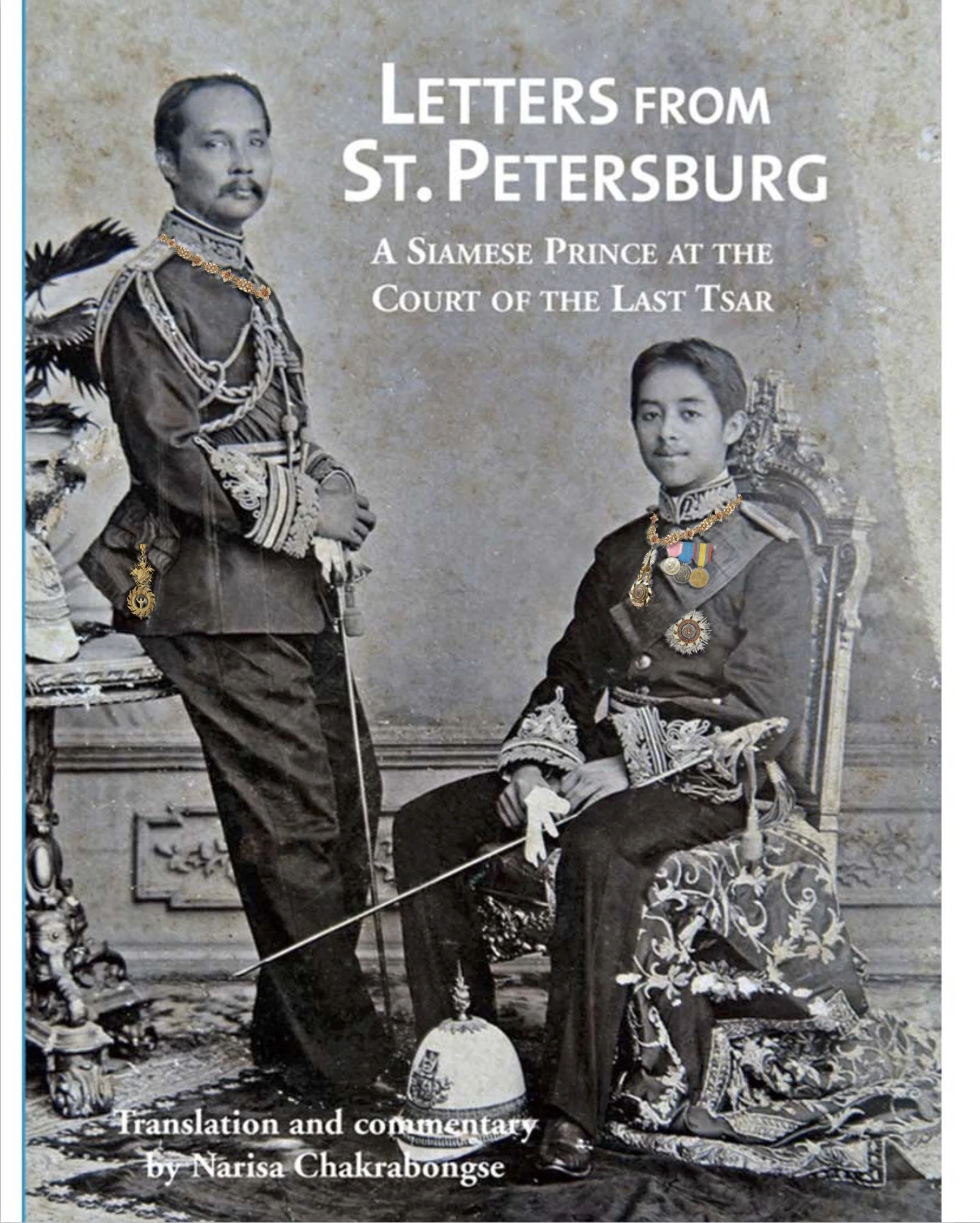
In Katya and the Prince of Siam: A Story of Love and Separation, published by River Books, Mom Rajawongse Narisa Chakrabongse gives a detailed account of Prince Chakrabongse’s early life at the Russian Imperial Corps of Pages.
Under the school’s regulations, the pages were selected from among the sons of noble families, senior military officers, high-ranking civil servants, and foreign royal houses. They were then subjected to a rigorous system of discipline and an intensive education designed to prepare them for service in the Imperial Guard.
Not every student, however, was able to become an officer of the Imperial Guard. In the final examination, a student had to obtain a score of at least 9 out of 12. Those who failed to reach this standard were assigned to an ordinary military regiment for three years before becoming eligible to serve in the Imperial Guard.
Although it was not stated formally in writing, it was widely understood that examination results alone could not guarantee a student a position in the Imperial Guard. A candidate also needed sufficient personal wealth to maintain the luxurious lifestyle considered appropriate to an officer of the most prestigious and splendid regiment in the Russian Empire.
The Imperial Corps of Pages offered instruction in seven academic subjects, broadly equivalent to the curriculum of a general secondary school, together with field training in two specialist military subjects.
Because Prince Chakrabongse was under the patronage of Tsar Nicholas II and was himself a member of a senior royal family, both he and Poom were provided with private tutors to help them keep pace with their studies.
Nevertheless, their education remained extremely challenging because they had to study entirely in Russian and English. Prince Chakrabongse and Poom therefore experienced considerable academic pressure.
They rose at seven o’clock every morning and began mathematics lessons at eight. At eleven, they ate lunch with Captain Khrulov of the Imperial Horse Guards, who served as Prince Chakrabongse’s guardian, and with Pyotr Vasilievich Petrov, their Russian-language tutor. Petrov later became a tutor to the sons and daughters of Tsar Nicholas II.
From midday until two o’clock, they attended further academic classes. Between two and four in the afternoon, they undertook field training and physical education.
At four o’clock, they returned to the Winter Palace and continued their lessons until five. They then ate dinner while practising spoken Russian. Their studies resumed at six in the evening and continued until nine, except on occasions when Captain Khrulov arranged special activities, such as visits to the theatre, opera, or circus.
Prince Chakrabongse and Poom also studied piano, violin, and the balalaika. Prince Chakrabongse was particularly fond of the balalaika and also became an accomplished pianist.
Every Sunday morning, they attended dancing lessons in one of the halls of the Winter Palace. The director of the Imperial Ballet personally instructed Prince Chakrabongse in the complete art of ballroom dancing, from simple steps to more difficult movements, as well as various elegant Russian and Hungarian dances.
They also received drawing lessons and practised horse riding either at the imperial stables or at the Corps of Pages.
During the winter, once a month on a Sunday, they travelled approximately thirty kilometres by troika, a sleigh drawn by three horses, accompanied by Captain Khrulov and other officers. They went hunting for hares, partridges, and quail. Neither Prince Chakrabongse nor Poom, however, particularly enjoyed hunting because they regarded it as the taking of animal life.
The studies of Prince Chakrabongse and Poom progressed steadily. In May 1901, they undertook a further three weeks of training at Krasnoye Selo. The exercises included field operations and reconnaissance without the assistance of navigational instruments, the use of field equipment, the measurement of distances across open terrain, and strategies for the deployment of military forces.
In April 1902, Prince Chakrabongse, son of King Rama V, placed first in the final examinations. His name was inscribed on a marble plaque alongside those of previous students who had achieved the highest results.
Prince Chakrabongse received a score of 11.82 out of 12, the highest score ever recorded in the history of the Imperial Corps of Pages.
Poom Sakorn achieved a score of 11.53 and placed second.
_______________
อ่านข่าวต้นฉบับได้ที่ : https://www.silpa-mag.com/history/article_161091
ผู้เขียน สุทธาสินี จิตรกรรมไทย เจียจันทร์พงษ์
เผยแพร่ วันพุธที่ 14 มกราคม พ.ศ.2569
เรียนเชิญกด Subscribe ได้ที่ลิงก์นี้ครับ เพื่อร่วมติดตามงานสร้างสรรค์ต้นฉบับ งานวิจัยประวัติศาสตร์แฟชั่น และผลงานอนุรักษ์มรดกวัฒนธรรมด้วยเทคโนโลยี AI ของ AI Fashion Lab, London ซึ่งมุ่งตีความอดีตผ่านมิติใหม่ของการบูรณะภาพ การสร้างสรรค์ภาพ และการเล่าเรื่องด้วยศิลปะเชิงดิจิทัล 🔗 https://www.facebook.com/aifashionlab/subscribe/
#aifashionlab #AI #aiartist #aiart #aifashion #aifashiondesign #aifashionstyling #aifashiondesigner #fashion #fashionhistory #historyoffashion #fashionstyling #fashionphotography #digitalfashion #digitalfashiondesign #digitalcostumedesign #digitaldesign #digitalaiart #ThaiFashionHistory #ThaiFashionAI #thailand #UNESCO