History of Fashion
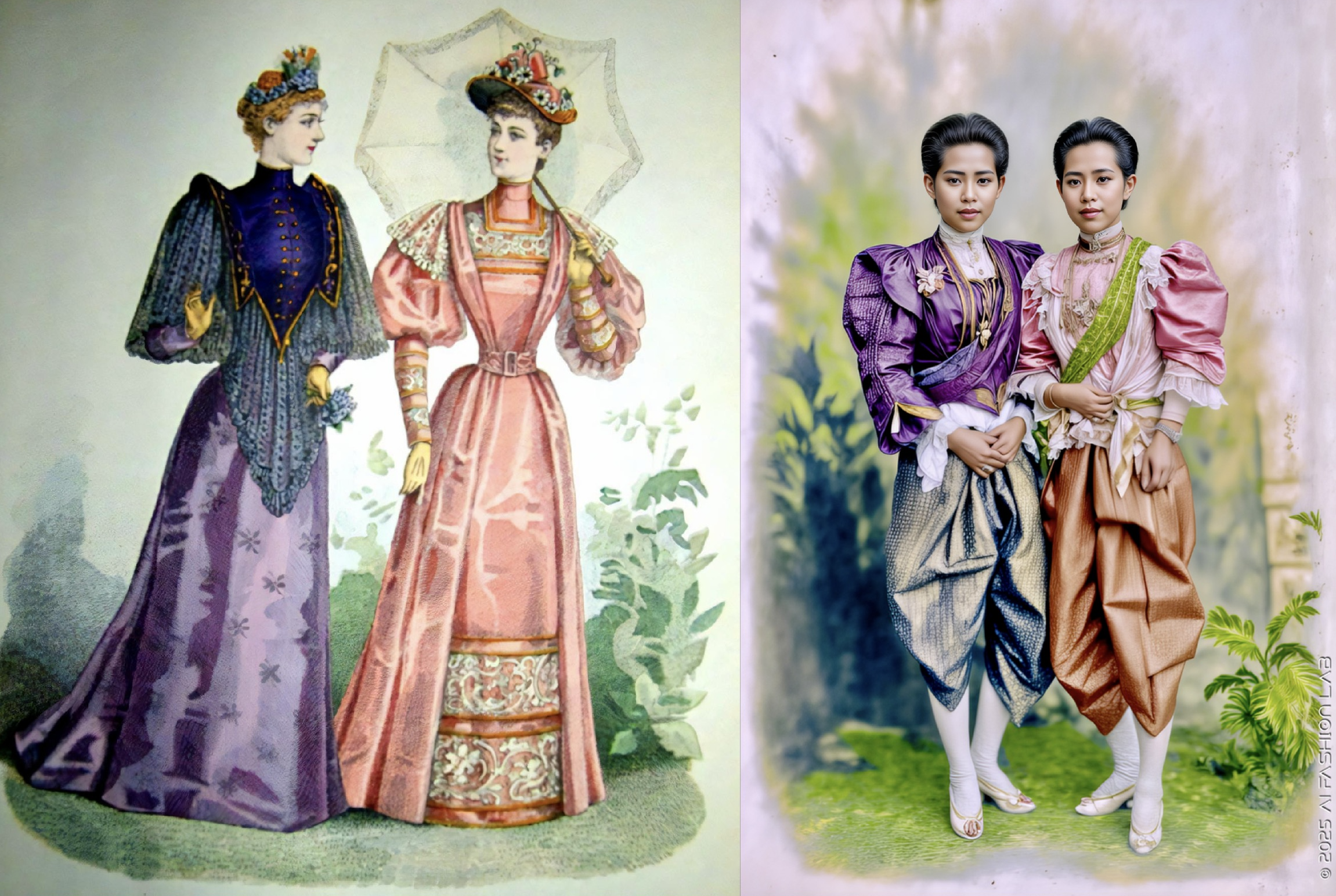
Victorian Leg of Mutton Sleeves and Their Influence on the Thai Royal Court in the 1890s
The Leg of Mutton Sleeve: A Symbol of Victorian Fashion
The leg of mutton sleeve emerged as a quintessential feature of late 19th-century Victorian fashion, encapsulating the era's emphasis on dramatic silhouettes and refined elegance. This distinctive style, characterised by voluminous puffed sleeves that gradually tapered to a snug fit at the wrist, reached its zenith during the 1890s (1890–1899). Drawing inspiration from the Romantic period of the 1830s, the leg of mutton sleeve resurfaced with renewed popularity, becoming a defining element of women's attire during the Victorian era's final decade.
The 1890s marked the exclusive prominence of this sartorial innovation, with its popularity peaking in 1895. By the mid-decade, the sleeves had expanded to their most exaggerated proportions, commanding attention as a hallmark of high fashion. Typically paired with tightly corseted bodices and A-line skirts, this silhouette accentuated the hourglass figure, epitomising the Victorian ideals of femininity and opulence.
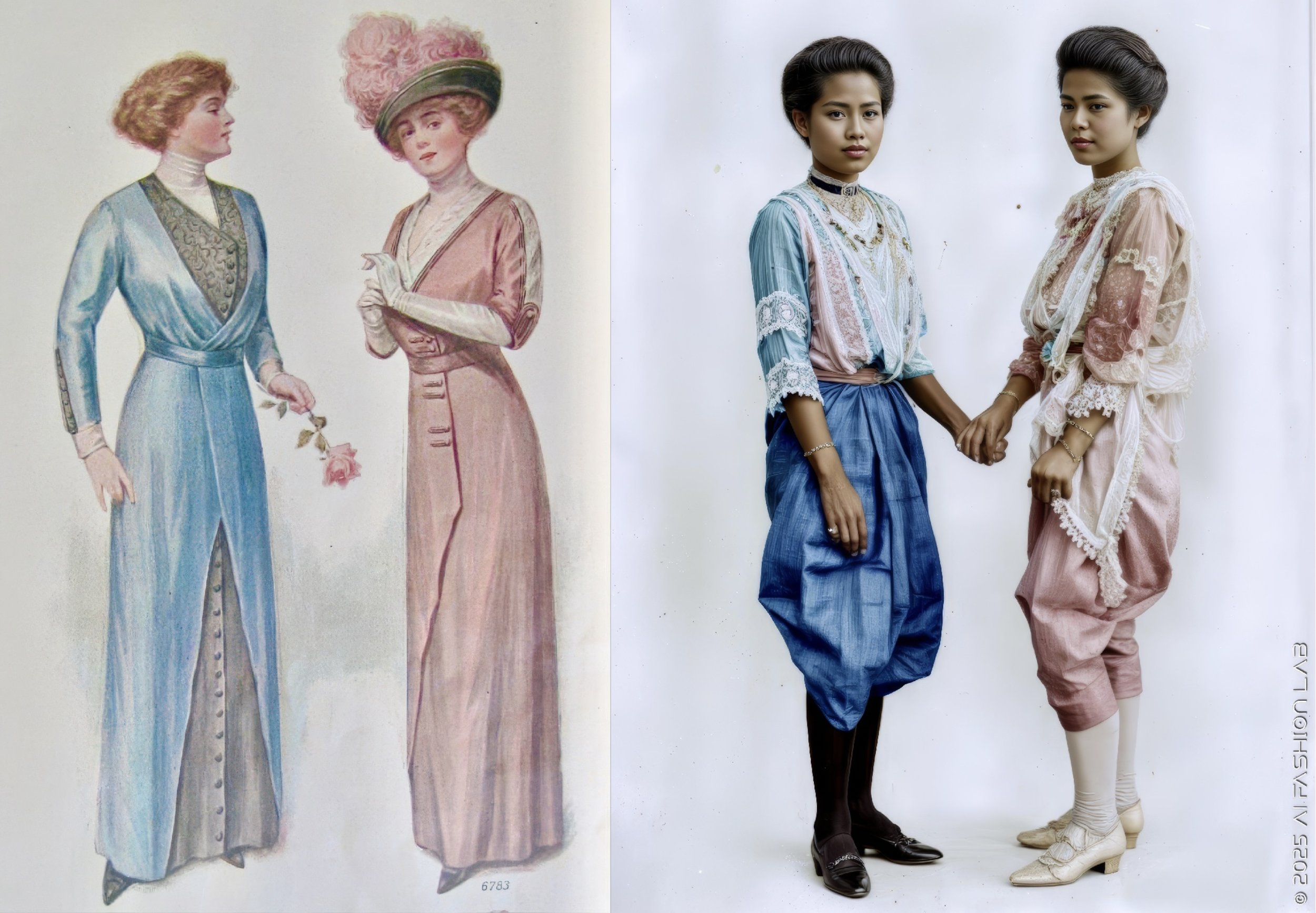
East Meets West: Thai Fashion in the Edwardian Era
The Edwardian era (1901–1910), often called the "Belle Époque," was a period of sophistication and elegance in Western fashion. Women’s clothing featured the iconic S-bend corset, paired with lace-adorned blouses and flowing skirts that accentuated a narrow waist. Upswept hairstyles with ornate hats were essential accessories, while men’s fashion leaned towards tailored suits with minimal decoration, signifying the shift towards more streamlined styles. Evening wear reflected opulence with luxurious fabrics such as silk and velvet, often embellished with intricate beadwork.
In Thailand, during the reigns of King Chulalongkorn (Rama V) and King Vajiravudh (Rama VI), Edwardian styles were adapted into traditional Thai fashion, reflecting a unique blend of cultures. Thai women incorporated Western blouses with lace, embroidery, and puffed sleeves into their attire, pairing them with the traditional chong kraben, a wrapped lower garment similar to trousers. This fusion maintained the elegance of Western silhouettes while preserving Thai cultural identity. Hairstyles were also influenced, with Thai women adopting the upswept style, enhanced by traditional jewellery and floral accents.
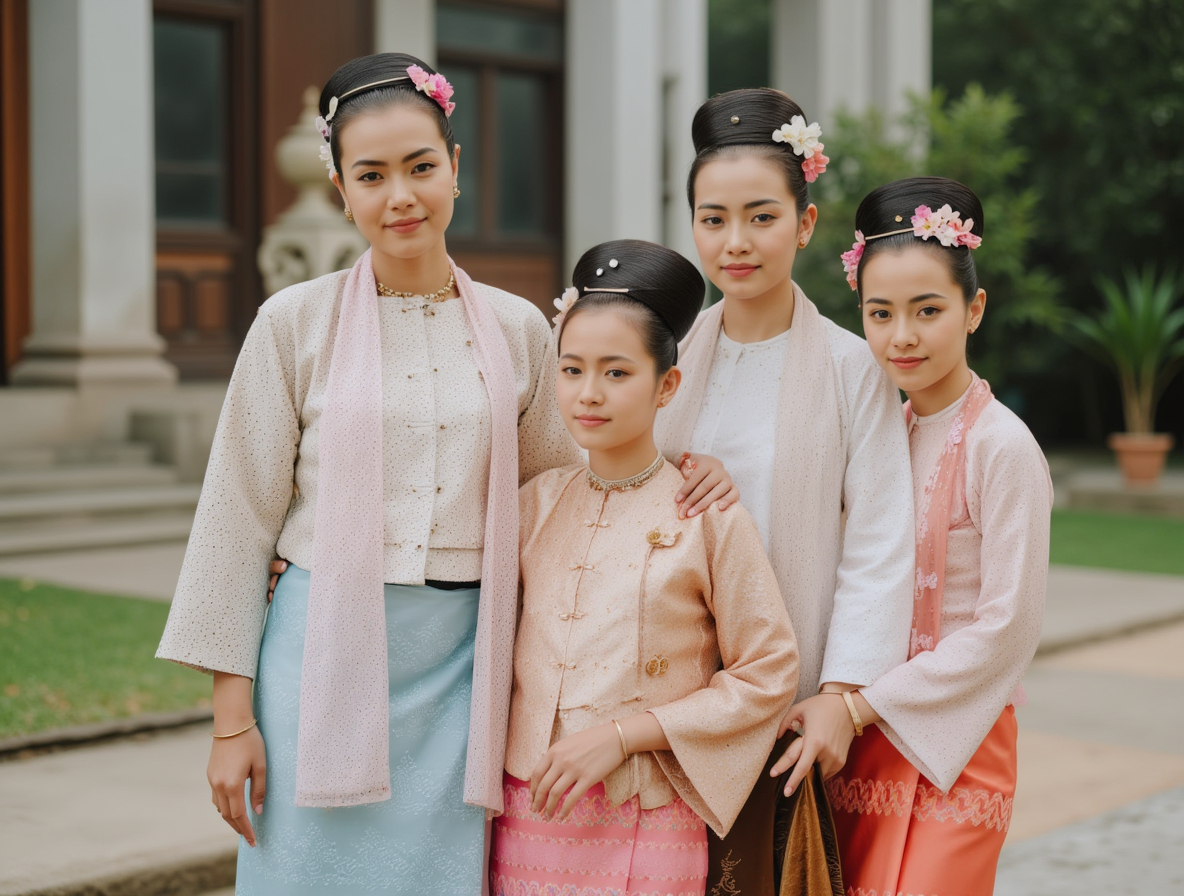
Elegance in Resistance: Burmese Women’s Fashion of the 1930s
During the British colonial era, clothing became a symbol of anti-colonial sentiment. Traditional garments such as the Yaw Longyi, a type of Longyi from the Yaw region, and the Pinni Taikpon, a fawn-coloured, collarless jacket, were associated with nationalism and resistance. These outfits became symbols of Burmese pride and opposition to British rule. However, wearing such attire often resulted in arrests by British authorities as they were seen as passive symbols of defiance. Wearing “traditional” clothing thus became a method of peaceful resistance. Additionally, inspired by Mahatma Gandhi’s Swadeshi movement, Burmese nationalists campaigned to boycott imported goods, including clothing, to promote the use of locally produced garments, further boosting traditional attire's significance.
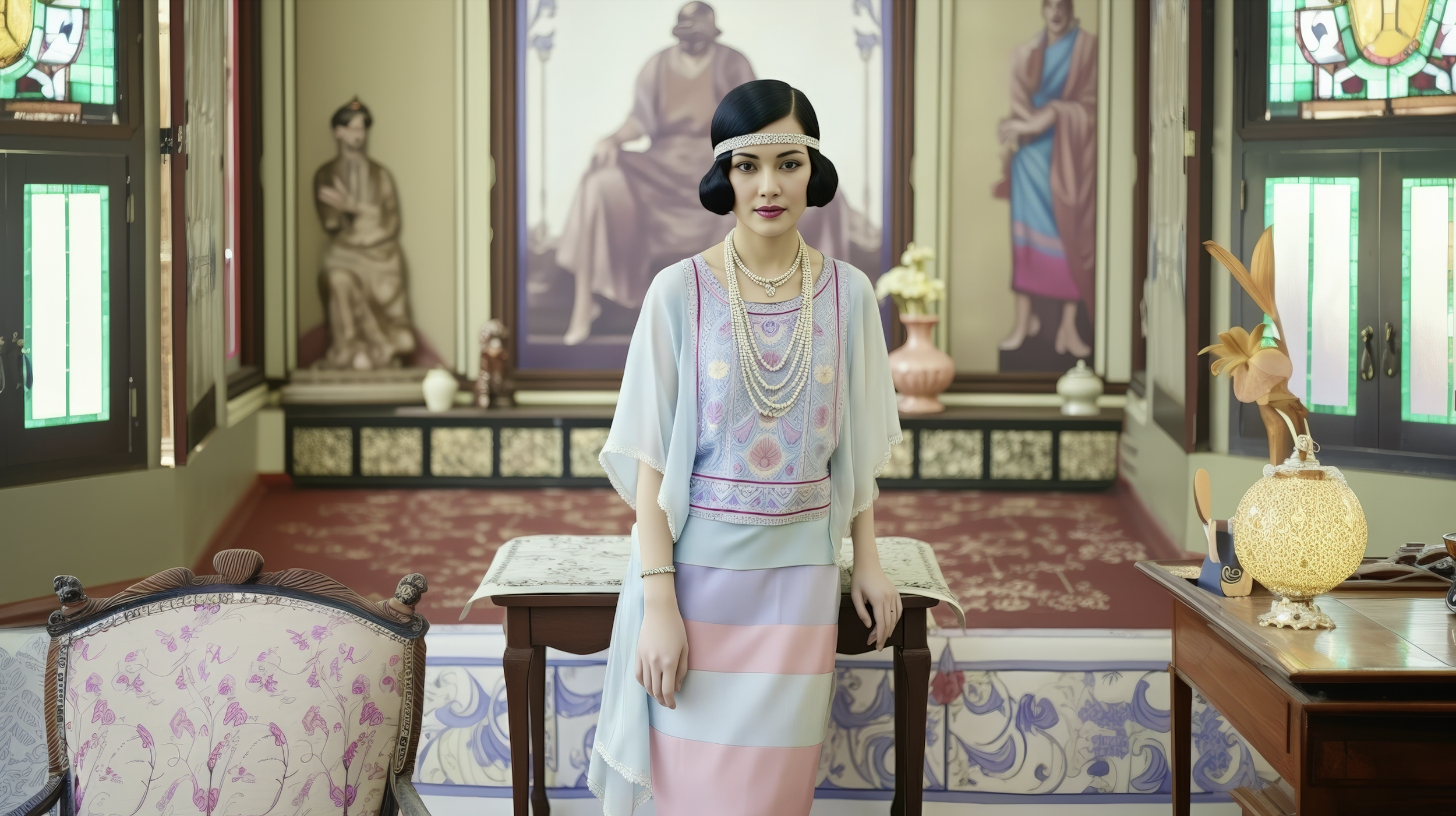
Rama VII’s Era Reimagined: Pastel Dreams
This latest collection delves into an alternative interpretation of 1920s Siamese fashion, featuring designs that embrace a vivid pastel colour palette. These designs stay true to the elegant drop-waist silhouette of the era, combining long blouses with traditional Thai tubular skirts (ผ้าซิ่น), but are reimagined in soft and delicate pastel tones. This colour scheme creates a sweet, elegant, and romantic aesthetic—a delightful contrast to the bold and rich colours traditionally used during the 1920s.
To achieve this, I recently trained a new AI model focused on a pastel palette tone, combining it with two other models to generate this collection. The first model represents authentic fashion from the Rama VII era, ensuring the historical accuracy of the silhouettes and overall design. The second model focuses on pastel colour tones, providing a fresh, soft, and dreamy reinterpretation of the traditional look. The third model is dedicated to Thai tubular skirts, capturing the rich diversity of patterns, textures, and styles from various regions of Thailand. By mixing these three models with different weightings, I’ve created a harmonious blend of historical authenticity, modern colour creativity, and cultural heritage.
Reimagining 1920s Fashion with AI: A Thai Perspective
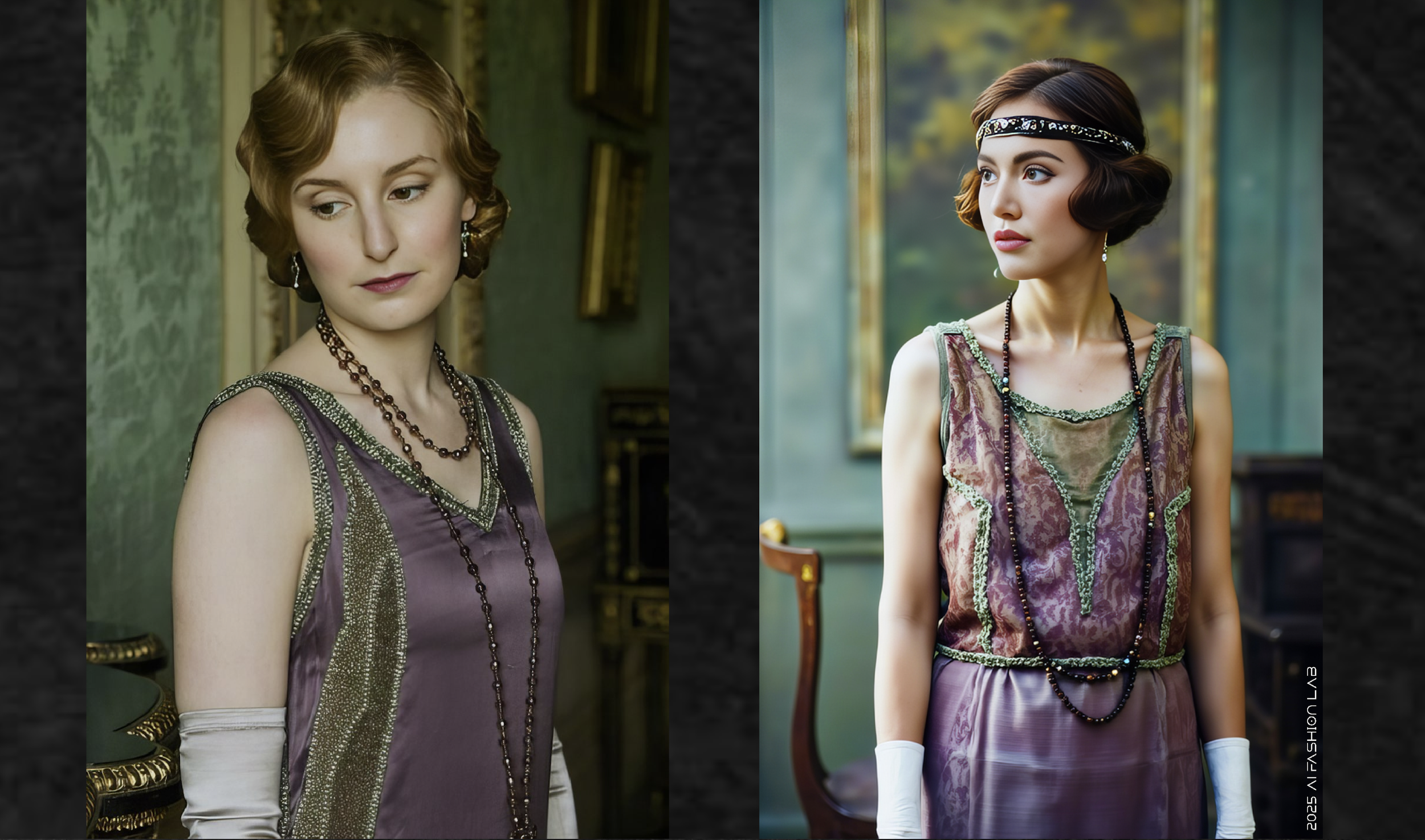
One project I’m particularly excited to share involves reimagining the iconic styles of the British television series Downton Abbey in a Thai context. Downton Abbey, set in the early 20th century, chronicles the lives of the aristocratic Crawley family and their staff. Its costume design is celebrated for showcasing the transition from Edwardian opulence to the sleek, modern lines of the 1920s.
The series’ three leading ladies—Mary, Edith, and Rose—each have distinct styles. Mary’s wardrobe is elegant and structured, reflecting her confidence and sophistication. Edith’s attire features soft, romantic details, often in pastel tones with delicate embroidery. Rose’s youthful and daring outfits embrace the playful spirit of flapper fashion. Together, their costumes are a stunning representation of 1920s Western elegance.
Using these designs as inspiration, I trained my AI model to adapt them for a Thai setting. The results have been extraordinary. The AI preserved the glamour of the original designs while infusing them with a distinctly Thai identity. For example, where Western flapper dresses might feature sequins and Art Deco patterns, their Thai counterparts incorporate traditional motifs, handwoven silk, and draped silhouettes reminiscent of Thai royal attire from the era. Accessories like tiaras and headbands were reinterpreted with Thai-inspired designs, such as floral garlands and intricately crafted gold ornaments.
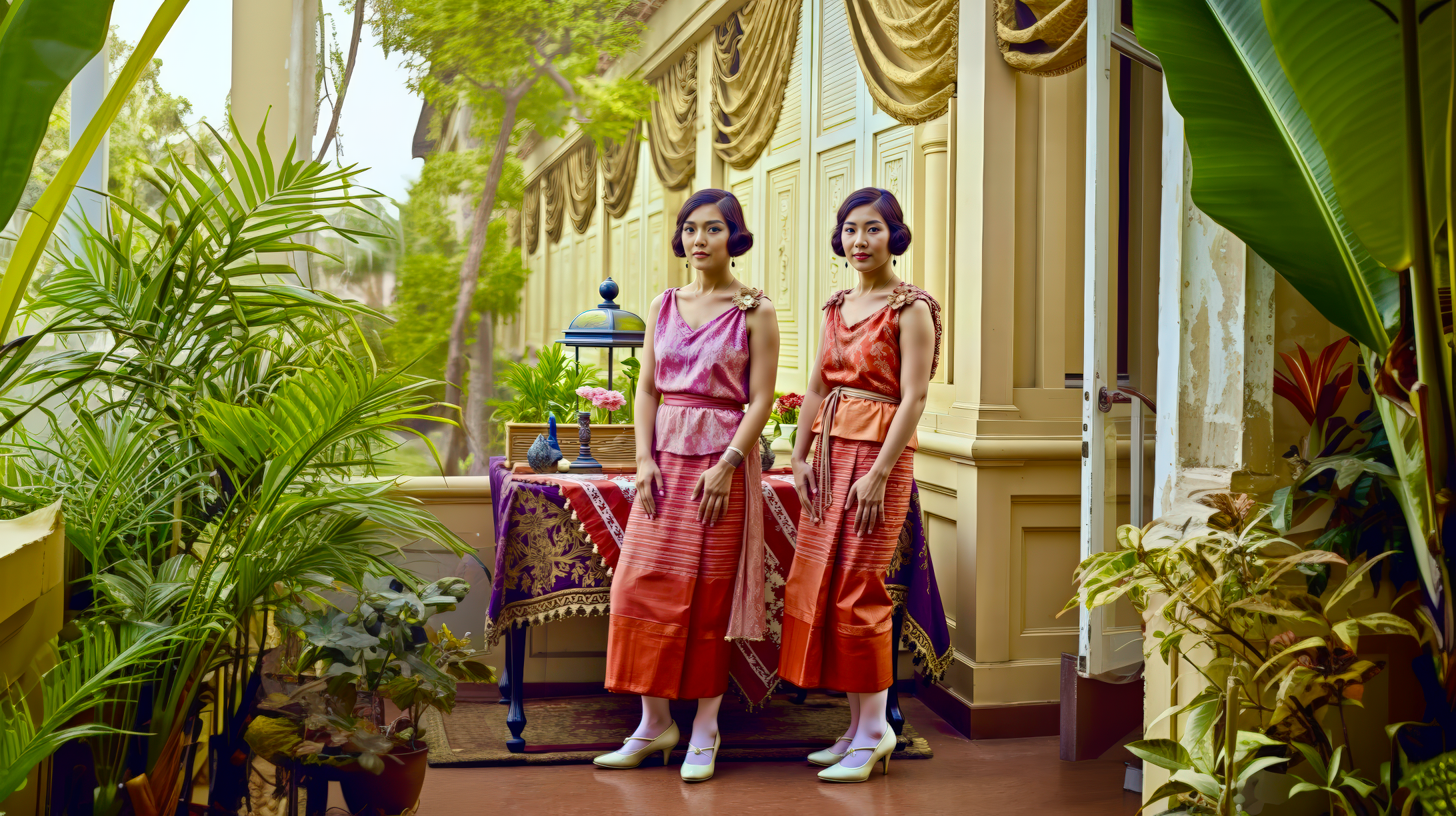
Integrating AI for Historical Fashion Recreation: Fashion History of 1920s Thailand During the Reign of King Rama VII
This project explores the elegant fusion of historical accuracy and modern AI creativity, focusing on the fashion of Siam during the reign of King Rama VII in the 1920s. The designs in this project integrate the flapper silhouette, which gained widespread popularity in the West, with a uniquely Thai aesthetic by incorporating drop-waist outlines created through the combination of long blouses and traditional Thai tubular skirts.
To carry out this project, I trained two AI models and used them together with different weightings. For the first model, I used an AI application to colourise original black-and-white photographs from Thailand’s National Archives. This meticulous and time-consuming process ensured that the dataset maintained a high degree of historical accuracy. The second model was specifically trained on Thai tubular skirts from various regions across Thailand, with most of the dataset consisting of tubular skirts from northern Thailand. This model captured the diversity of styles, patterns, and textures, reflecting the richness of Thailand’s textile heritage during that era.
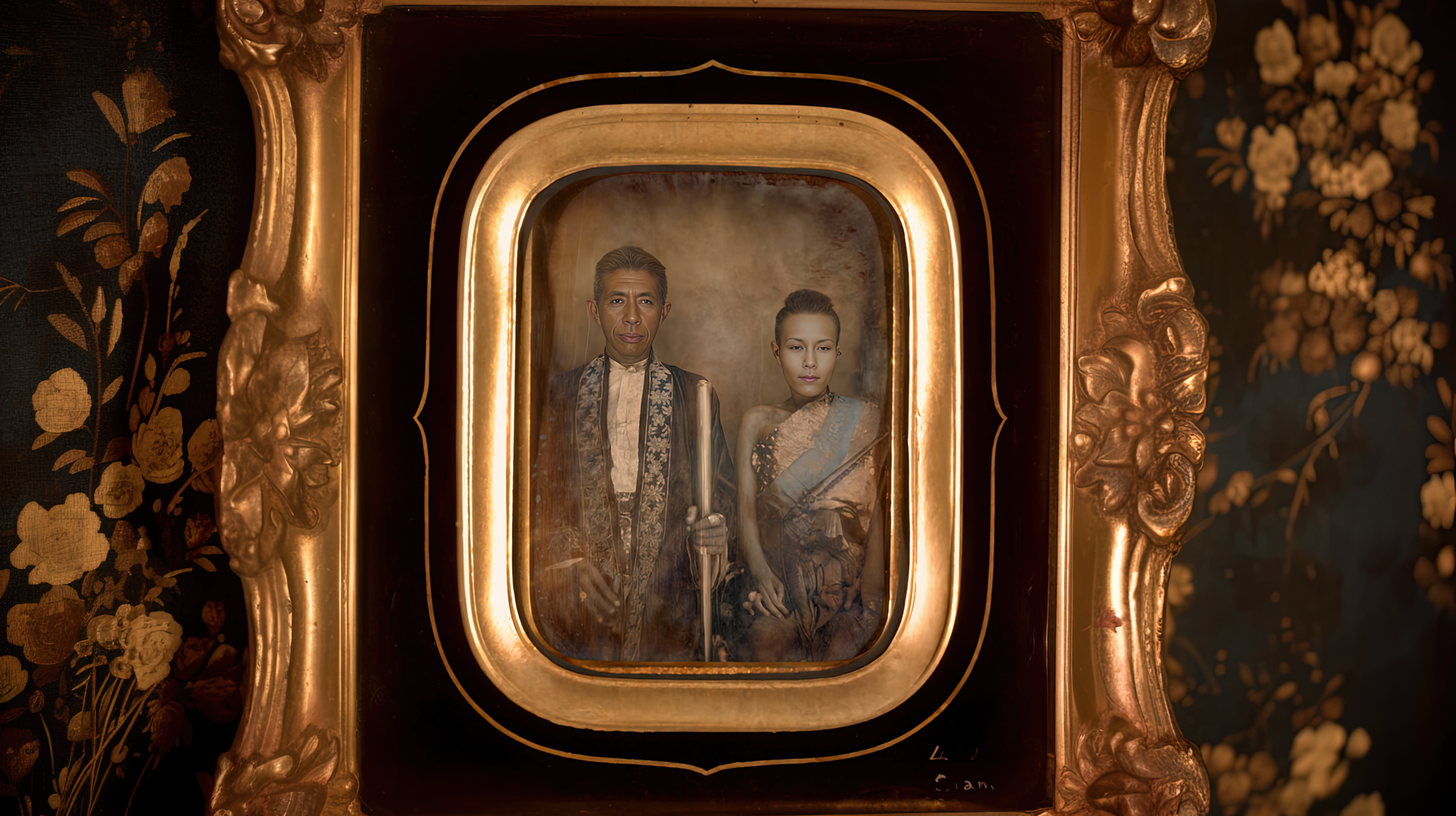
The AI Restoration Project: Reviving the Daguerreotype of King Mongkut and Queen Thepsirin 1856
Photography was introduced to Siam (now Thailand) in the mid-19th century, a period marked by increasing interactions with Western nations. The daguerreotype, an early photographic process invented by Louis Daguerre in 1839, was among the first photographic techniques to reach Siam.
In 1845, French Bishop Jean-Baptiste Pallegoix, a close confidant of King Mongkut, facilitated the introduction of photography to the Siamese court. Pallegoix, serving as the Vicar Apostolic of Eastern Siam, brought photographic equipment from France, enabling the creation of some of the earliest photographs in the region.
King Mongkut, known for his keen interest in science and technology, embraced photography as a means to document and modernize the kingdom. The king’s engagement with photography not only demonstrated Siam's openness to Western innovations but also served as a diplomatic tool. Photographs of the royal family and significant landmarks were shared with foreign dignitaries, showcasing Siam's rich culture and progressive outlook.
The daguerreotype of King Mongkut and Queen Thepsirin, which I digitally restored, holds historical significance as one of the earliest visual records of Siamese royalty. These images were instrumental in shaping international perceptions of Siam during a time when visual documentation was becoming increasingly important in global diplomacy.

Recreating Early Rama VI Era Fashion (1910–1920) by Training an AI Model: A Journey of Patience and Precision
Recreating Early Rama VI Era Fashion (1910–1920) by Training an AI Model: A Journey of Patience and Precision
Recreating the fashion of the early Rama VI era (1910–1920) through AI is both a creative and historically significant endeavour. The era’s unique blend of Thai and Western styles posed significant challenges, but the results are immensely rewarding. In this article, I’ll share my workflow, breaking it down step-by-step, to showcase how I trained an AI model to authentically recreate this fascinating period of Thai fashion.
The early Rama VI era was characterised by a hybridisation of styles. Women wore chong kraben (a traditional lower garment) paired with tailored blouses inspired by Edwardian fashion but adapted to Thai traditions. Accessories such as lace details, belts, and jewellery, combined with upswept hairstyles adorned with combs or floral accents, highlighted the era’s elegance. These nuanced elements required an AI model trained with patience and meticulous historical references to accurately capture the essence of this period.

Recreating Early Rama VI Era Fashion (1910–1920) with AI: A Creative Journey
One of the unique challenges of this endeavour lies in the distinct characteristics of Thai fashion during the reign of King Rama VI. The era was marked by a fascinating hybridisation of Western and Thai styles. Women often wore elaborate chong kraben (a traditional lower garment) paired with tailored blouses, inspired by Edwardian fashion but adjusted to suit Thai tastes and traditions. The silhouette featured a blend of Western corseted forms and looser Thai designs, while accessories like belts, jewellery, and lace details added layers of sophistication. Hairstyles, too, reflected a transitional period, with upswept buns adorned with decorative combs or floral accents, echoing both Thai traditions and Western influences.
Sir Gerald Festus Kelly and the Legacy of Sao Ohn Nyunt: A Vision of Burma’s Lost Independence
Sir Gerald Festus Kelly and the Legacy of Sao Ohn Nyunt: A Vision of Burma’s Lost Independence
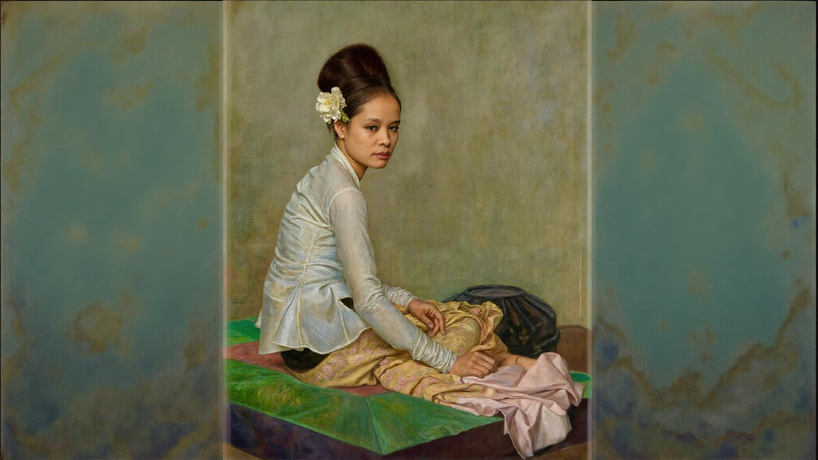
Sir Gerald Festus Kelly (1879–1972) found profound inspiration in Burma (Myanmar), a country that shaped much of his artistic career. In 1908, he journeyed to Burma and created early masterpieces capturing the nation’s vibrant culture through paintings of Burmese dancers and landscapes. Over two decades later, his encounter with Sao Ohn Nyunt (เจ้านางอ่องยุ้นท์) in London inspired a series of portraits that have since become cultural icons.
In 1931, Sao Ohn Nyunt, a princess of Shan State, accompanied her brother-in-law, Sao Ohn Kya (เสืออุ่งจ่า), Saopha of Hsipaw, and her sister, Mahadevi Sunanda (มหาเทวีสุนันทา), to London for the Round Table Conference at St. James’s Palace. The conference, held on 12 January 1932, sought to discuss Burma’s future governance as a federal state. Sao Ohn Nyunt’s beauty and grace captivated Sir Gerald, who requested her to sit as a model for a series of portraits.
Sir Gerald painted eight iconic portraits of Sao Ohn Nyunt, imagining her in traditional Burmese attire. One particularly renowned painting depicts her seated on a green velvet cushion, dressed in an ivory silk blouse and golden htamein, her hair adorned with gardenia blossoms. This portrait earned her the title “Mona Lisa of Asia” and remains a timeless testament to her elegance.

Sir Gerald Kelly’s 1936 Cambodian Dancers: A Fusion of History and Artistic Inspiration
Inspired by Sir Gerald Kelly’s paintings of Cambodian dancers, I have reimagined his sitters using AI technology to explore his work in alternative medium and to bring to life his sitters from 1936. These AI renderings aim to bridge historical artistry with modern innovation, offering a new lens through which to appreciate his timeless work.
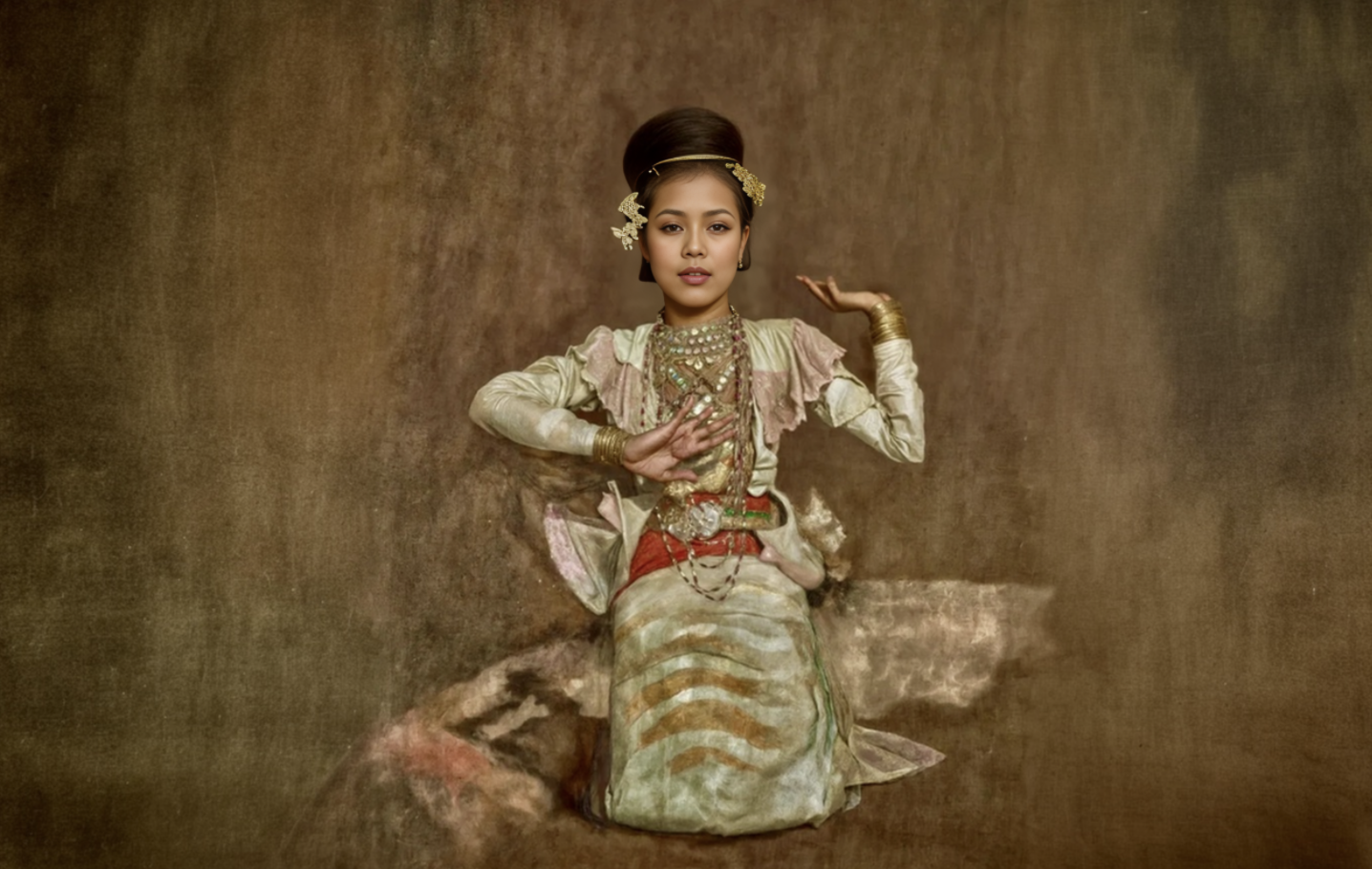
Enhanced Visual Tribute to Sir Gerald Kelly's Burmese Dancers
Sir Gerald Kelly, a renowned British portrait artist, is celebrated for his mesmerising depictions of Burmese dancers, which have become iconic in the art world. In honour of his extraordinary legacy, I have reimagined his artworks using AI enhancement, transforming them into realistic photographic interpretations that retain their original aesthetic. This collection breathes life into Kelly’s sitters, enabling us to visualise how Ma Si Gyaw and other dancers might have looked in real life. By blending traditional artistry with modern technology, this collection offers a fresh lens through which to appreciate Kelly’s invaluable contribution to art history.
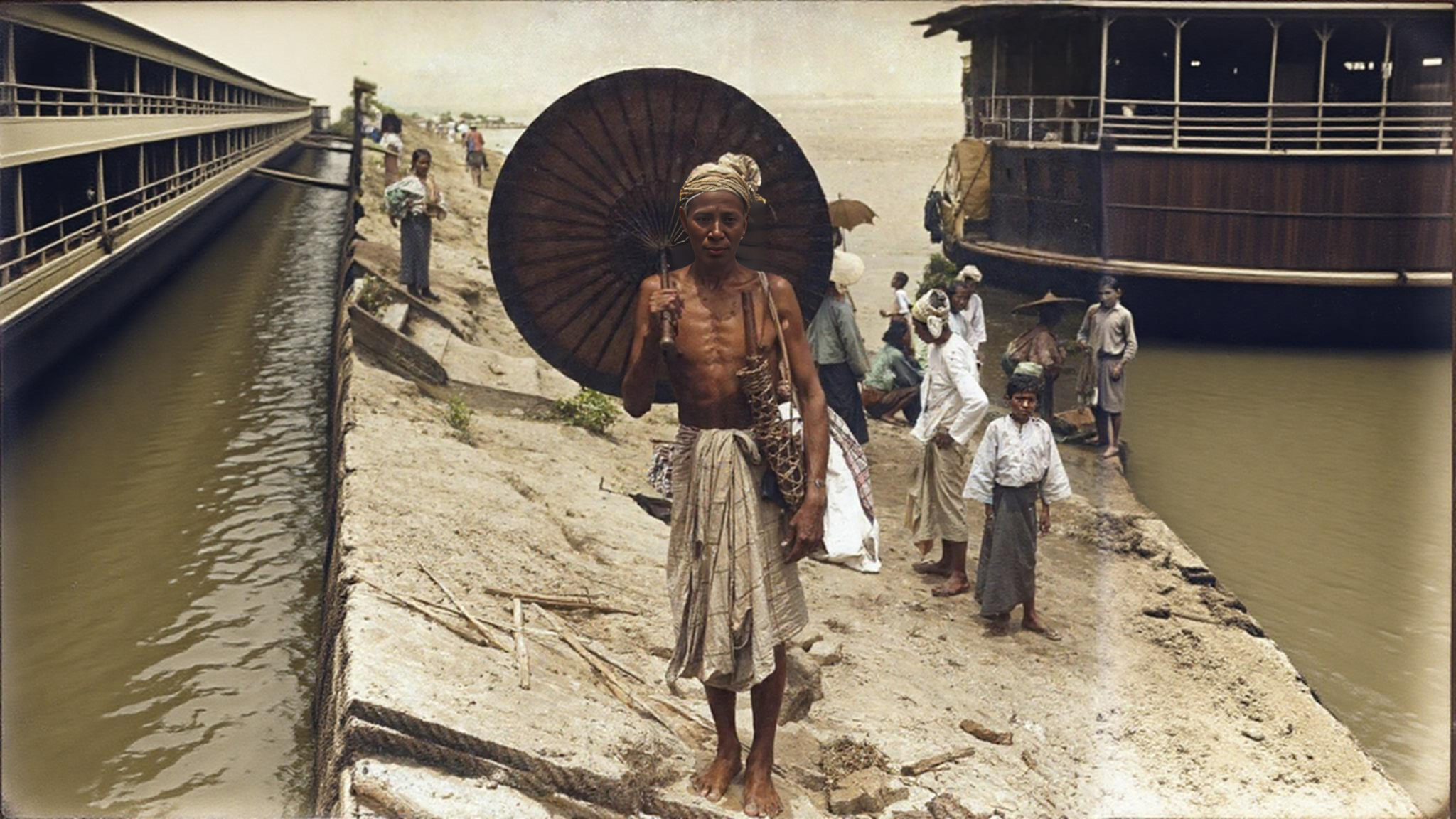
Life and Commerce in Colonial Burma, 1908: A Colourised Perspective
The colourised images provide a vivid portrayal of Rangoon in 1908 under British colonial administration, originally captured by the Stereo Travel Company. The company was renowned during the late 19th and early 20th centuries for producing stereoscopic photographs, a popular medium for experiencing faraway lands in three-dimensional detail. These images were part of a broader movement that catered to Western audiences eager to explore the "exotic" corners of the British Empire from the comfort of their homes. Burma, as part of British India at the time (from 1886 to 1937), was frequently featured in such collections, showcasing its landscapes, bustling cities, and diverse cultures.
By the time these photographs were taken, stereoscopic views had become a key form of popular entertainment, often sold in sets alongside stereoscopic viewers. The images offered an immersive glimpse into colonial life, blending visual appeal with subtle imperialist narratives, as they highlighted the economic activity, cultural diversity, and administrative control of the British Empire. Burma, and specifically Rangoon, was portrayed as an industrious hub at the crossroads of commerce, migration, and colonial governance.
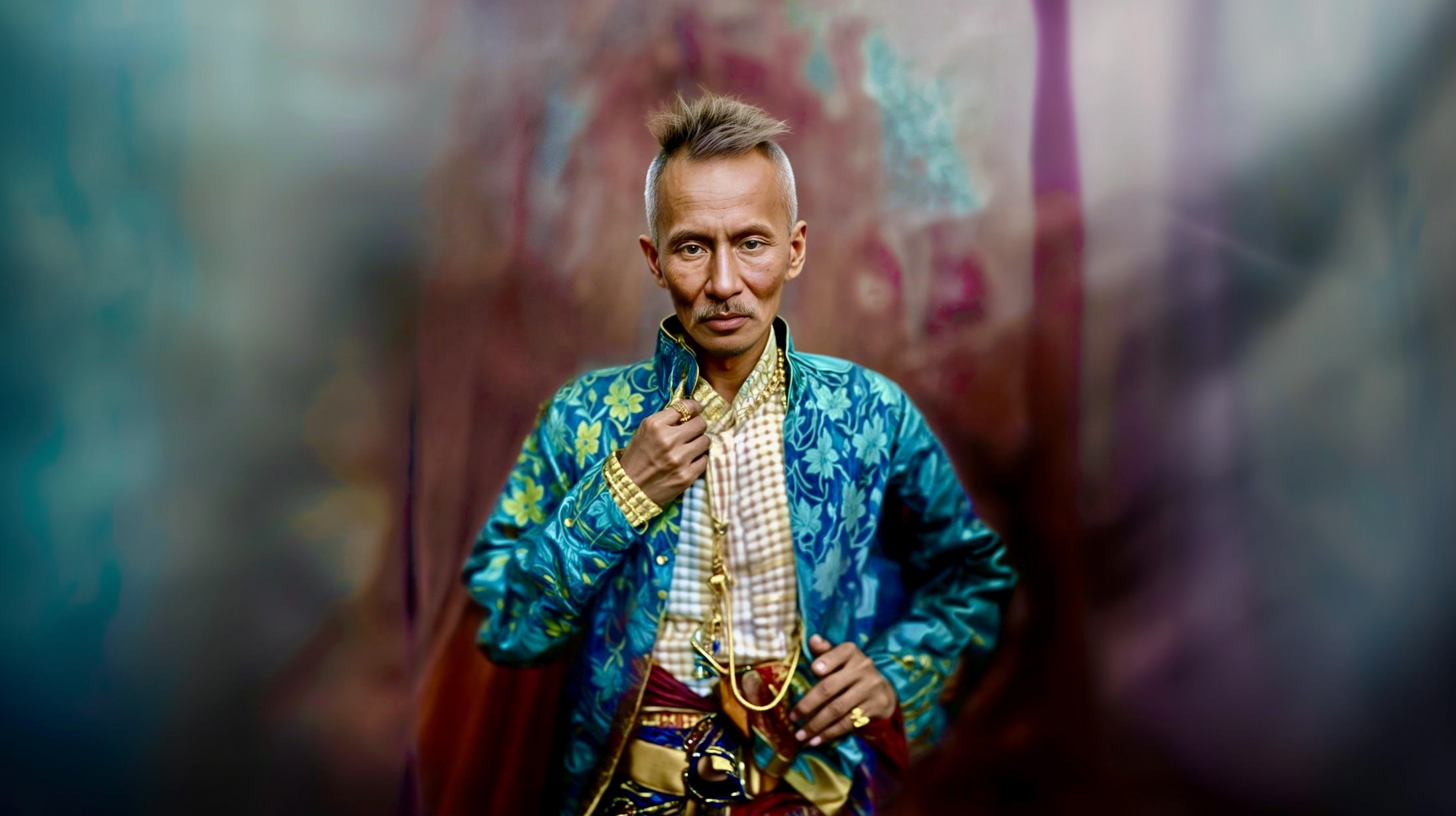
Mom Rachothai: The Diplomat Who Bridged Siam and the West Through Poetry and Elegance
In 1857, Mom Rachothai joined the diplomatic mission to England, delivering royal letters and gifts to Queen Victoria. This journey inspired him to write Nirat London, a travelogue in poetic form. The work captures his observations, emotions, and reflections on his voyage and experiences in England, providing a rare glimpse into how Siamese people perceived the Western world during that era. It remains a unique and historically significant piece of literature.
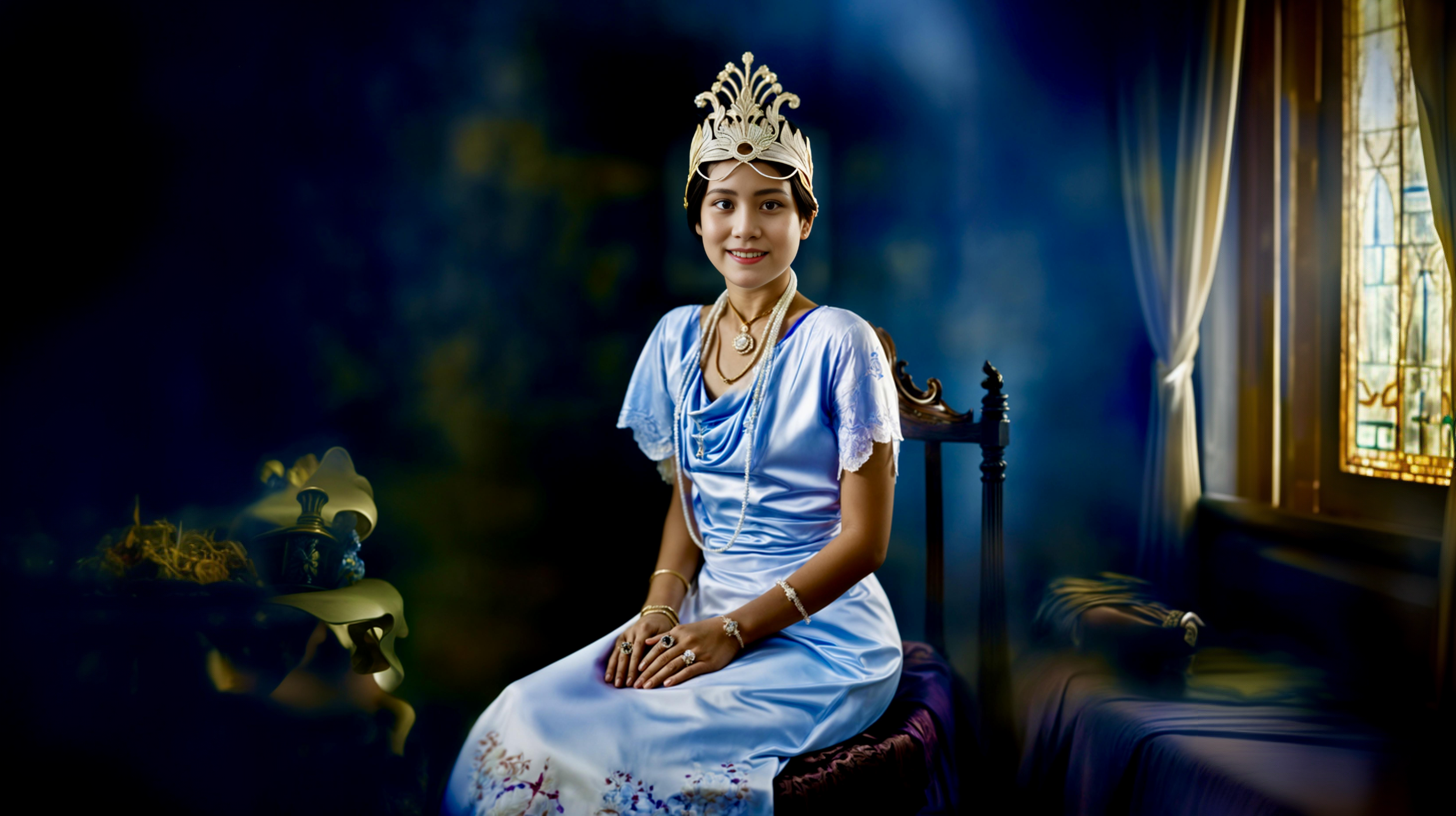
Celebrating New Year 2025: Timeless Beauty and New Beginnings
The First Miss Siam Contest and the Stunning AI Renderings of the First Five Winners
In 1934, the Ministry of Interior hosted the inaugural "Miss Siam" contest at Saranrom Park, which at the time served as a key venue for the People's Party. The contest was part of the second-anniversary celebrations of the 1932 Constitution, aiming to crown the nation’s most beautiful woman and to create a platform for women to express their identity in a modernising society. The event gained widespread attention, with nearly every province sending their representatives to Bangkok.
The first Miss Siam in history, Kanya Thiansawang, was awarded a range of prestigious prizes, including a silver crown adorned with diamonds and covered in velvet with silver embroidery, a gold locket, a personalised silver bowl, and 1,000 baht in cash. Over time, the contest became a symbol of democracy and gender equality in that era.
Due to the impact of World War II, the Miss Siam contest could not continue uninterrupted and eventually ended in 1954.
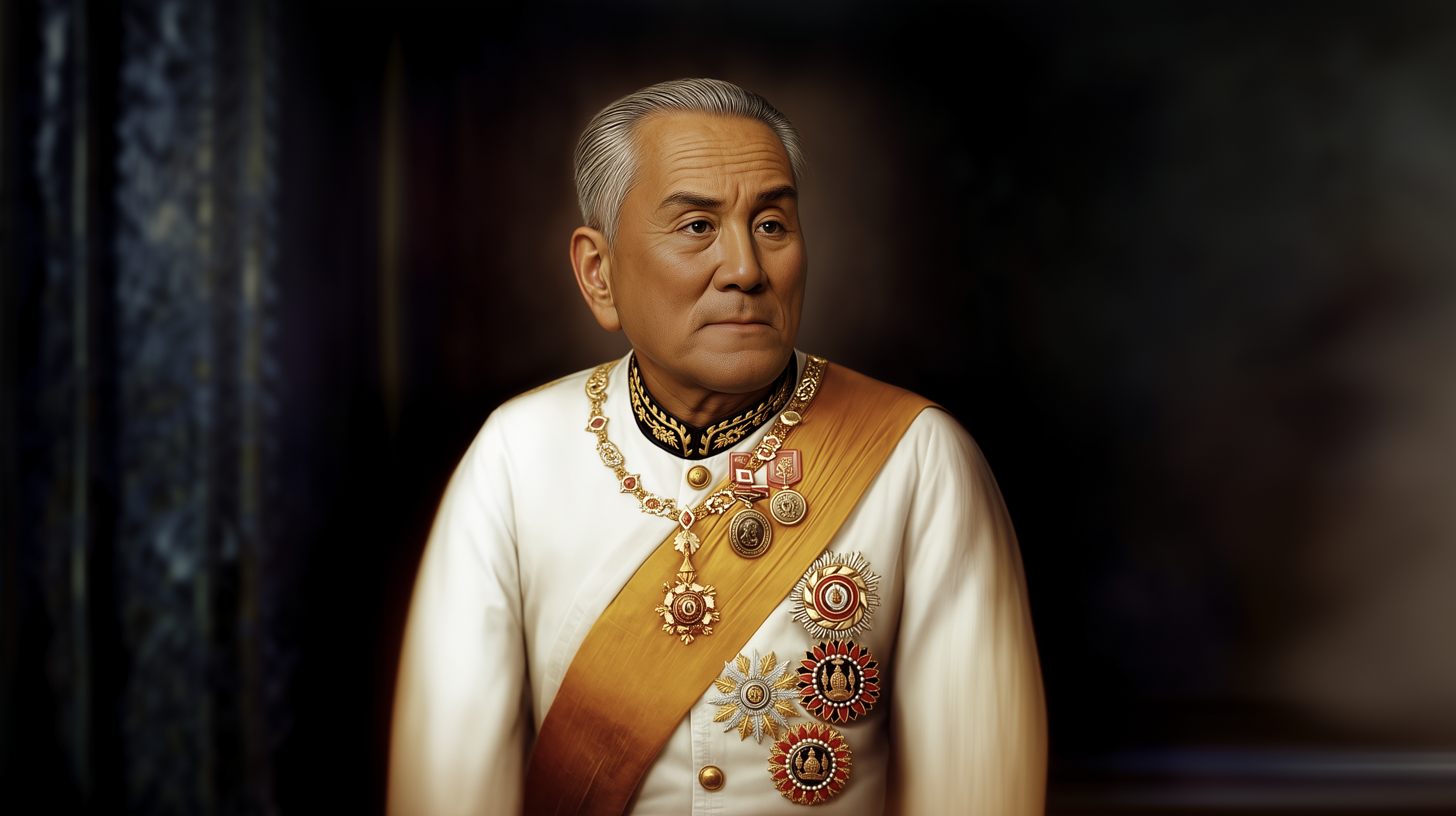
The Nine Kings of Chiang Mai: A Tribute
Chiang Mai’s history as a vassal state of the Thonburi Kingdom and later the Rattanakosin Kingdom is closely tied to its rulers, known as the “Phaya Prathet Rat” (Lords of a Vassal State). The first of these was Phaya Wichian Prakan (Boonma), who became the first Phaya of Chiang Mai during the Thonburi era. Later, during the Rattanakosin period, some rulers, such as King Kawila and King Mahotaraprathet, were granted the honorary title of “King of a Vassal State” (Phra Chao Prathet Rat).
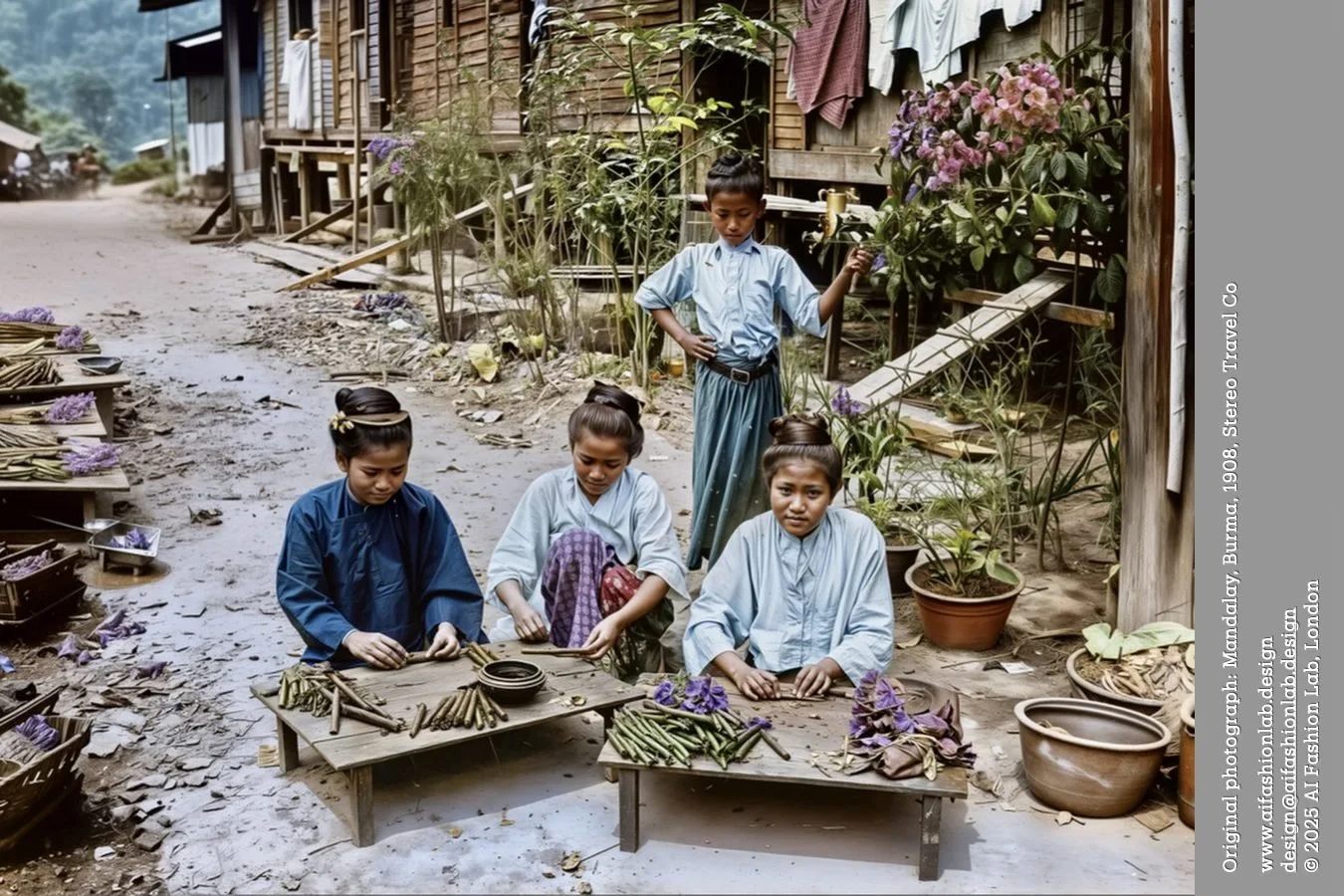
Stereo Travel Company: Burma (1)
บริษัท Stereo Travel Company ซึ่งเป็นผู้ผลิตภาพถ่ายสามมิติที่มีชื่อเสียงในช่วงต้นศตวรรษที่ 20 ได้นำเสนอภาพชีวิตประจำวัน วัฒนธรรม และประเพณีของดินแดนอันห่างไกล รวมถึงพม่า (เมียนมาในปัจจุบัน) ด้วยเทคโนโลยี AI ที่ล้ำสมัย ภาพถ่ายขาวดำในอดีตเหล่านี้ได้รับการปรับปรุงสีสันให้สดใส ราวกับมีชีวิตชีวา ช่วยให้ผู้ชมยุคใหม่สามารถสัมผัสกับรายละเอียด สีสัน และความงดงามของวิถีชีวิตชาวพม่าในช่วงยุคอาณานิคมของอังกฤษได้อย่างสมจริงยิ่งขึ้

King Mongkut (Rama IV)Photographed by John Thomson in 1865 (2)
“A shrill blast of horns heralded the approach of the King and caused us hastily to descend into the court,” Thomson wrote of the occasion. “His Majesty entered through a massive gateway, and I must confess that I felt much impressed by his appearance, as I had never been in the presence of an anointed sovereign before. He stood about five feet eight inches, and his figure was erect and commanding; but an expression of severe gravity was settled on his somewhat haggard face. His dress was a robe of spotless white, which reached right down to his feet; his head was bare.
“All was prepared beneath a space in the court when, just as I was about to take the photograph, His Majesty changed his mind, and without a word to anyone, passed suddenly out of sight. We patiently waited, and at length the King reappeared, dressed this time in a sort of French Field Marshal’s uniform. The portrait was a great success, and His Majesty afterwards sat in his court robes, requesting me to place him where and how I pleased.”
In the photograph of King Mongkut in the French field marshal uniform, he wears the sash of the Legion d’honneur and the Star First Class presented to him on behalf of Emperor Napoleon III by the admiral of the French fleet in Indochina. On a side table rests a small telescope, reflecting the King’s interest in astronomy and its Western methods of study.
AI Fashion Lab has meticulously transformed the original glass photonegative by John Thomson into a lifelike (realistic portrait) and three-dimensional representation. This endeavour pays tribute to the enduring legacy of King Mongkut, while thoughtfully presenting the historical significance of this iconic photograph in a manner that resonates with and engages modern audiences.
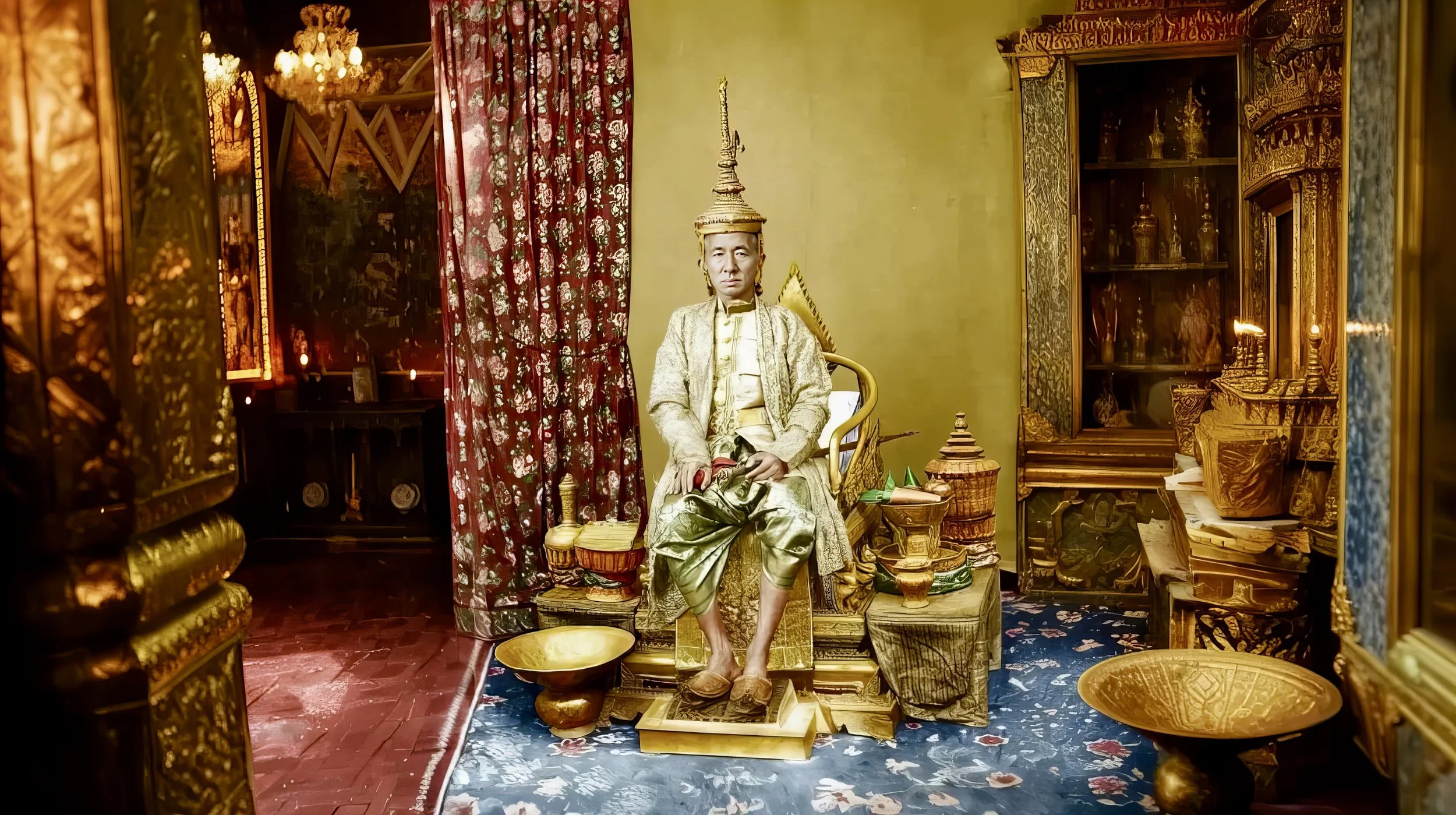
King Mongkut (Rama IV)Photographed by John Thomson in 1865
King Mongkut (Rama IV)
Photographed by John Thomson in 1865
Colourisation by S. Phormma Colorizations
Realistic rendering by AI Fashion Lab
This photograph, taken in 1865 by John Thomson in Bangkok, is a royal portrait of King Mongkut (Rama IV) of Siam. The King is depicted in full ceremonial attire, including a brocade jacket intricately woven with elaborate patterns, reflecting his regal status and the grandeur of the Siamese court.
The lower part of his attire features the traditional chongkraben, a type of draped garment commonly worn in the Thai royal court, crafted from intricately patterned fabric befitting his rank. The King is seated on a royal throne in a dignified pose, surrounded by ceremonial objects such as engraved containers and beautifully adorned vessels, symbolising the traditions of the Siamese monarchy.
This photograph illustrates the blend of Thai cultural heritage with early Western photographic techniques during a transformative era of modernisation in Siam under King Mongkut's reign.
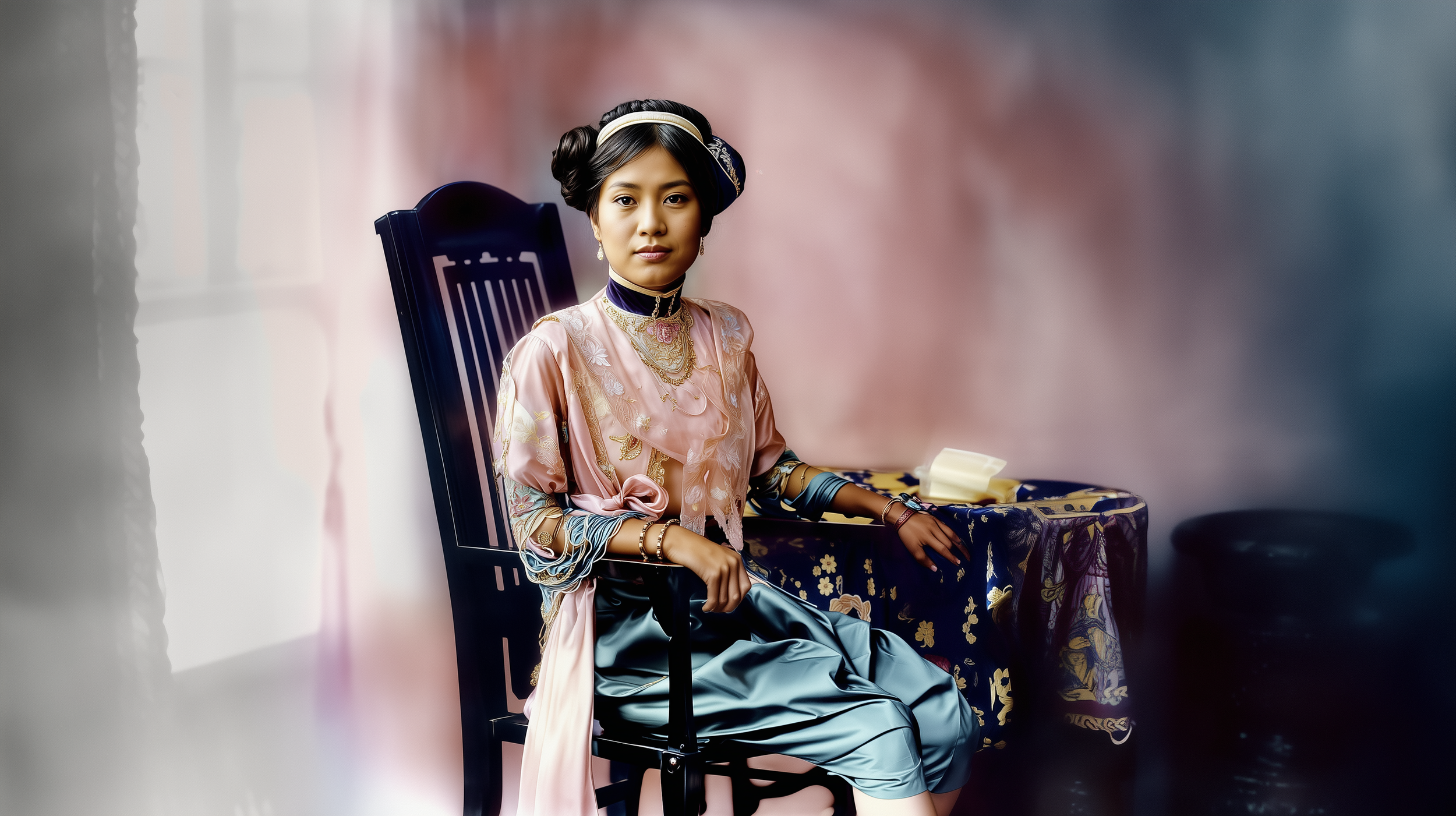
Fashion in Thailand During the Reign of King Rama VI: A Fusion of Tradition and Modernity
Fashion in Thailand During the Reign of King Rama VI: A Fusion of Tradition and Modernity
The reign of King Rama VI (1910–1925) marked a fascinating period of transformation in Thai fashion, where the country’s elite embraced a unique fusion of traditional and Western influences. As Thailand, then known as Siam, sought to modernise and strengthen its position on the global stage, its cultural expressions, including fashion, reflected this delicate balance of maintaining national identity while embracing global trends. The hybridised style that emerged during this time became a symbol of the Thai elite’s sophistication and adaptability.
One of the most iconic aspects of this era was the combination of Western-style blouses with traditional Thai garments like the chongkraben. Influenced by Edwardian fashion, women of the elite class wore lace blouses with high collars, intricate embroidery, and delicate fabric details. These Western blouses symbolised modernity and refinement, their modest yet elegant silhouettes appealing to the conservative tastes of the Thai aristocracy. Paired with the traditional chongkraben, a wrapped lower garment resembling trousers, this fusion of styles created a uniquely Thai adaptation of global fashion trends. This combination allowed women to incorporate modern influences while honouring their cultural heritage.