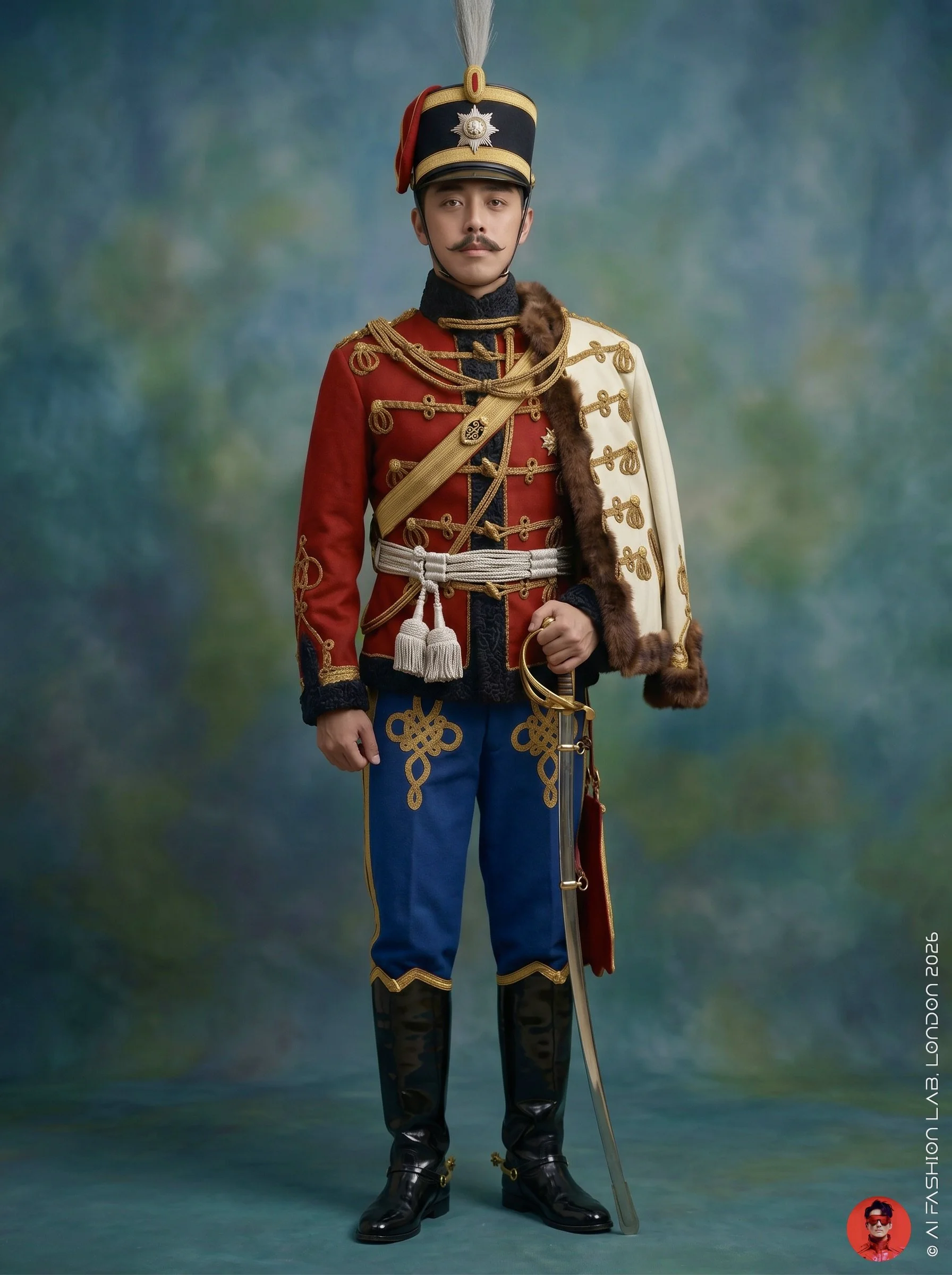
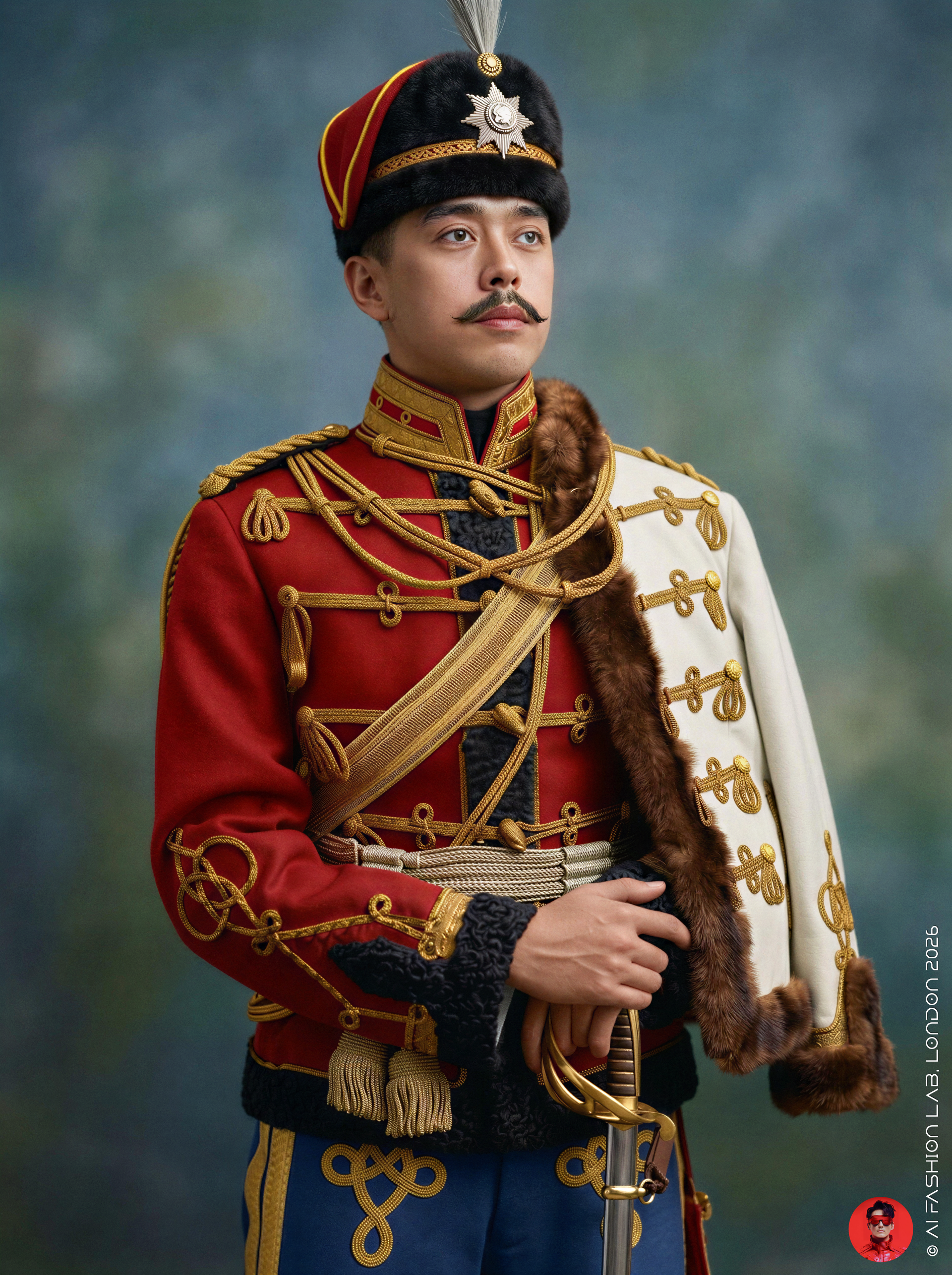
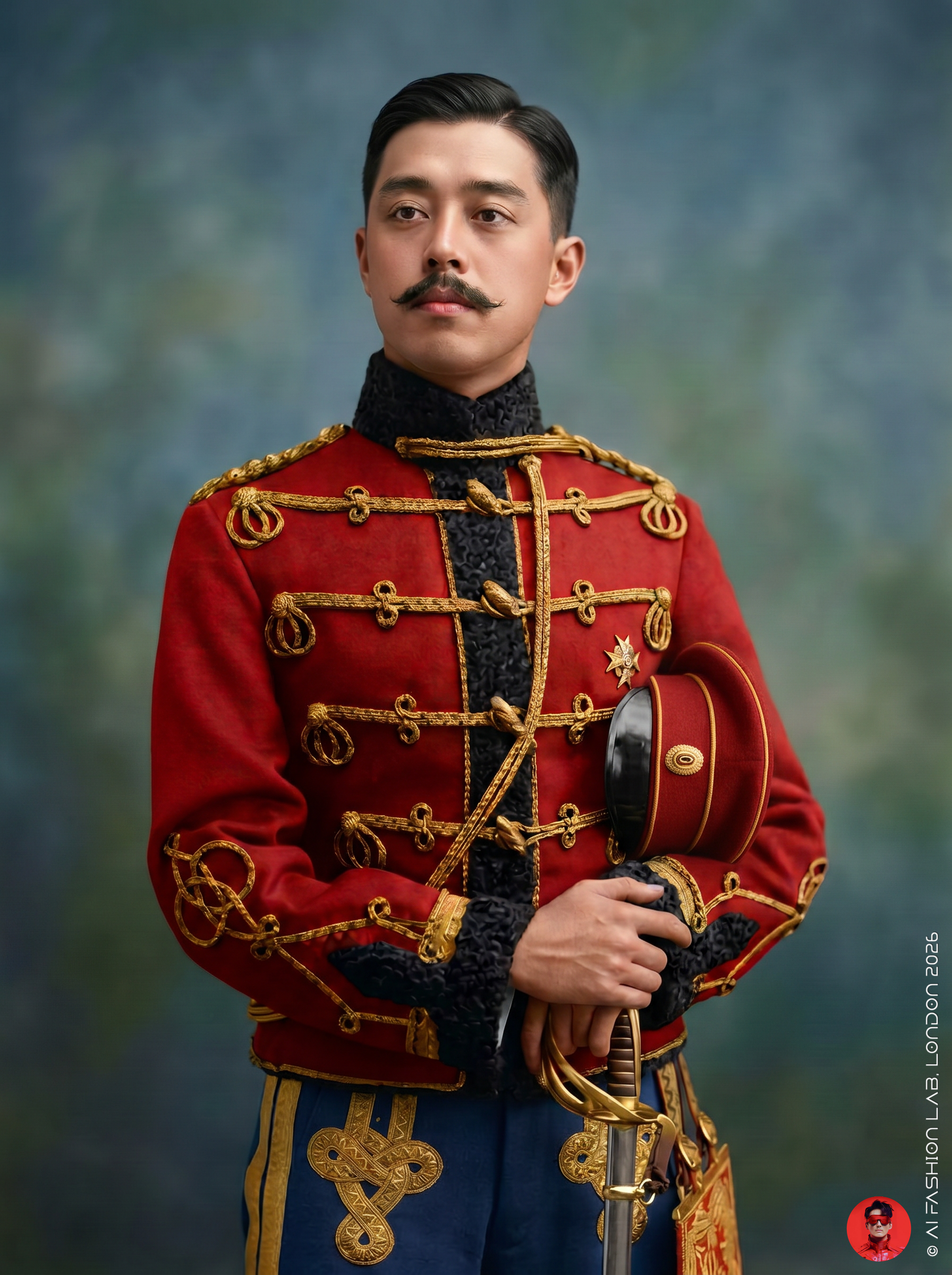
นายพุ่ม หรือ นิโคไล นิโคลาเยวิช นาย-พุ่ม
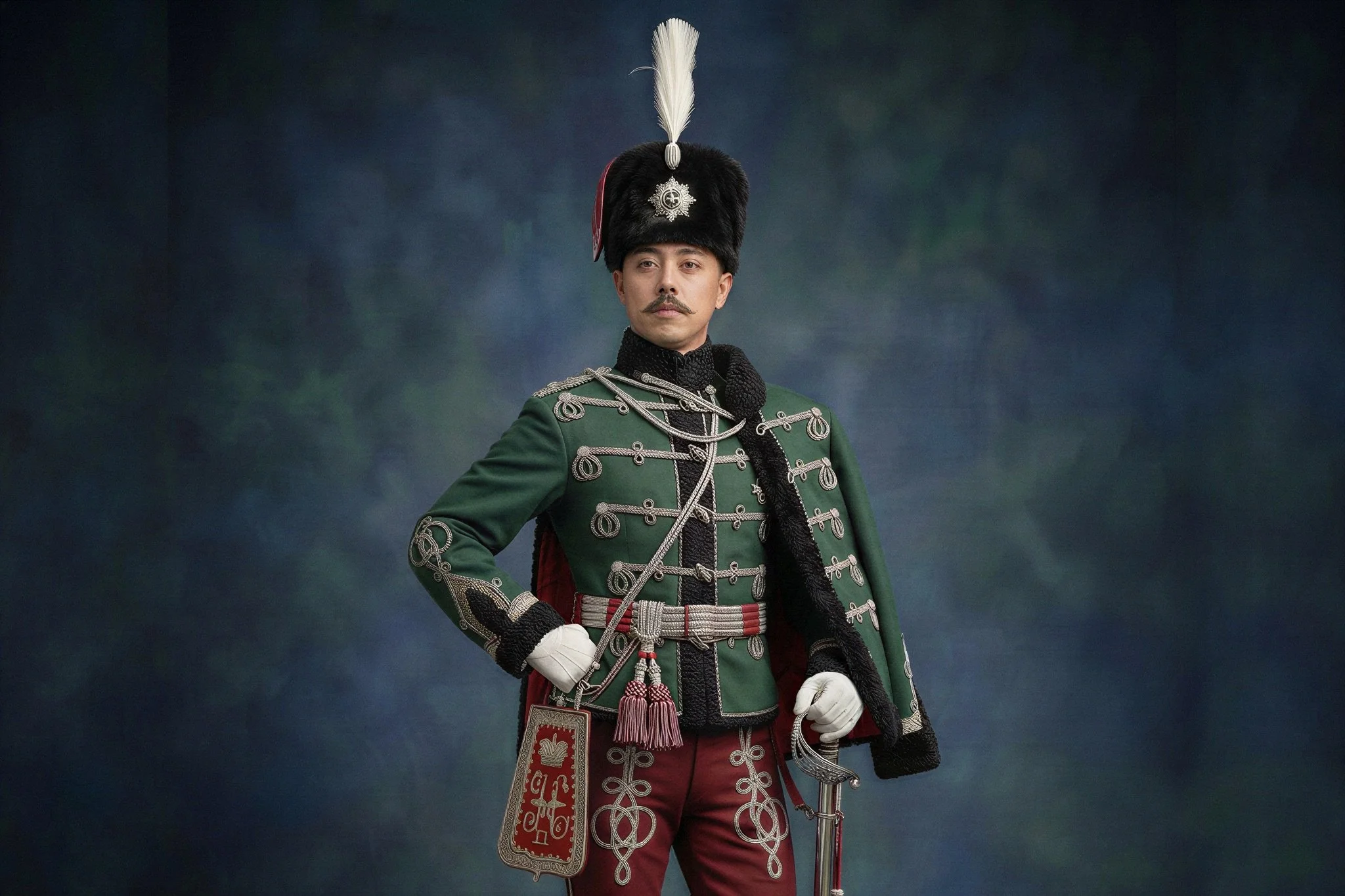
นายพุ่ม หรือ นิโคไล นิโคลาเยวิช นาย-พุ่ม
ชาวสยามในเครื่องแบบฮุสซาร์รักษาพระองค์แห่งจักรวรรดิรัสเซีย
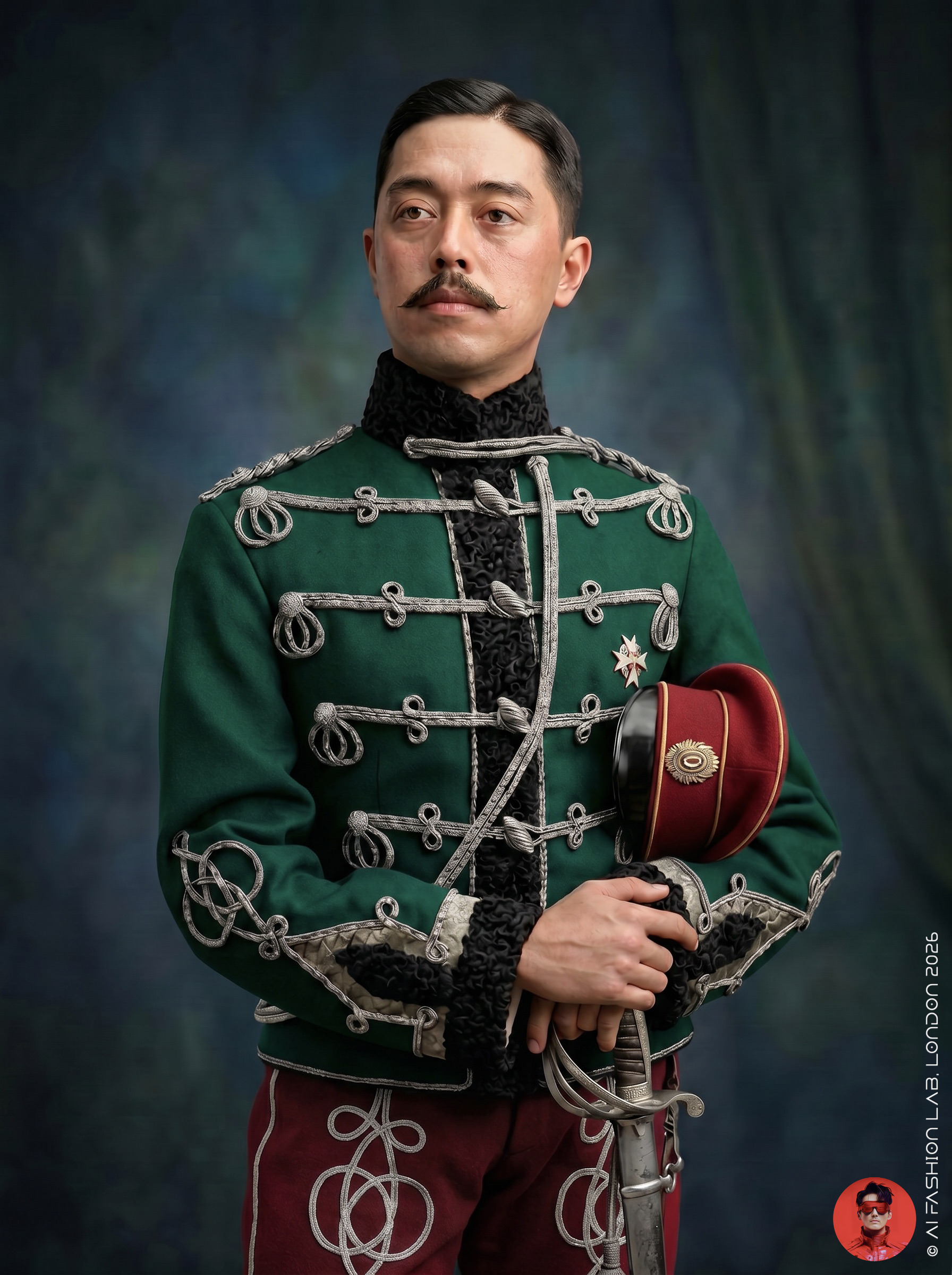
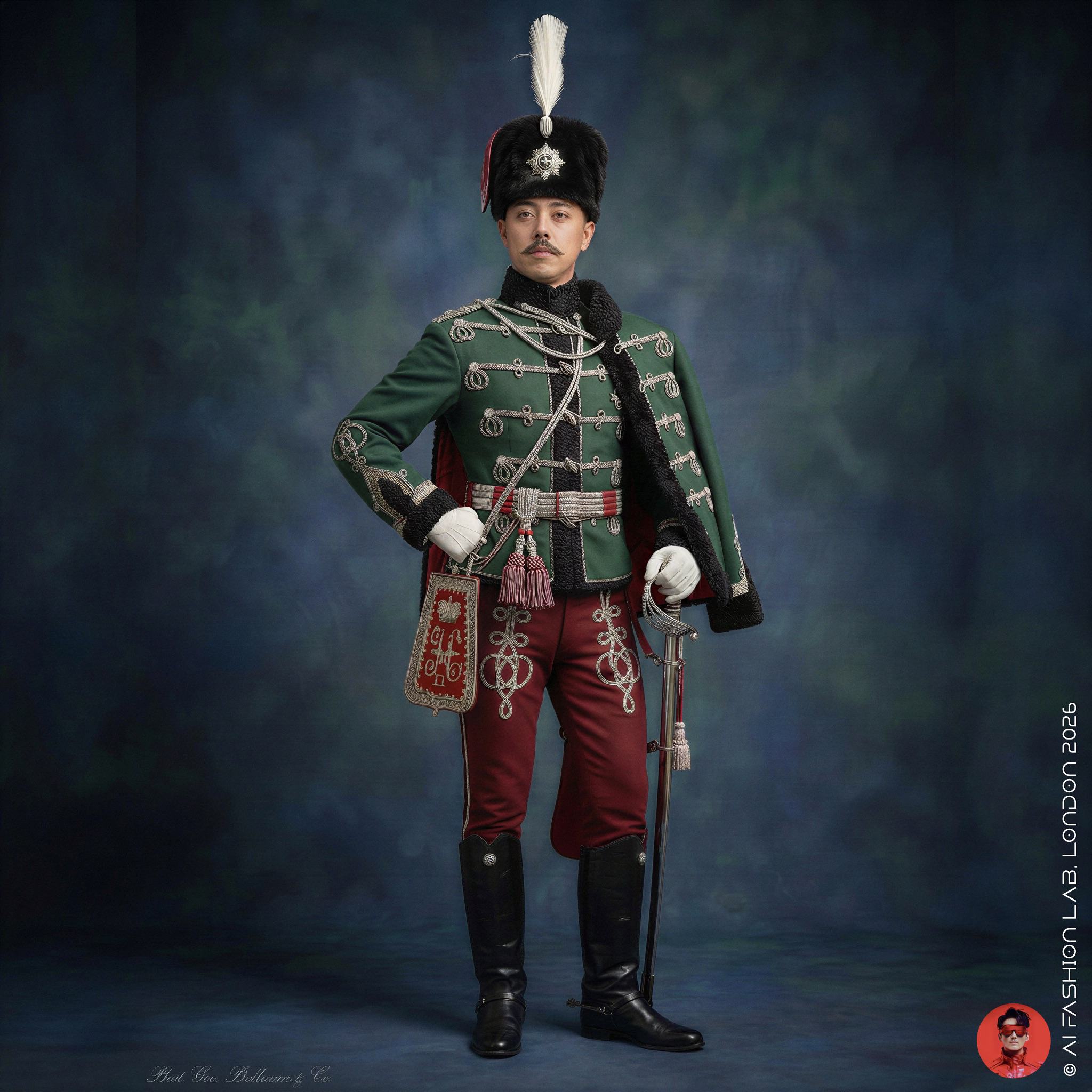
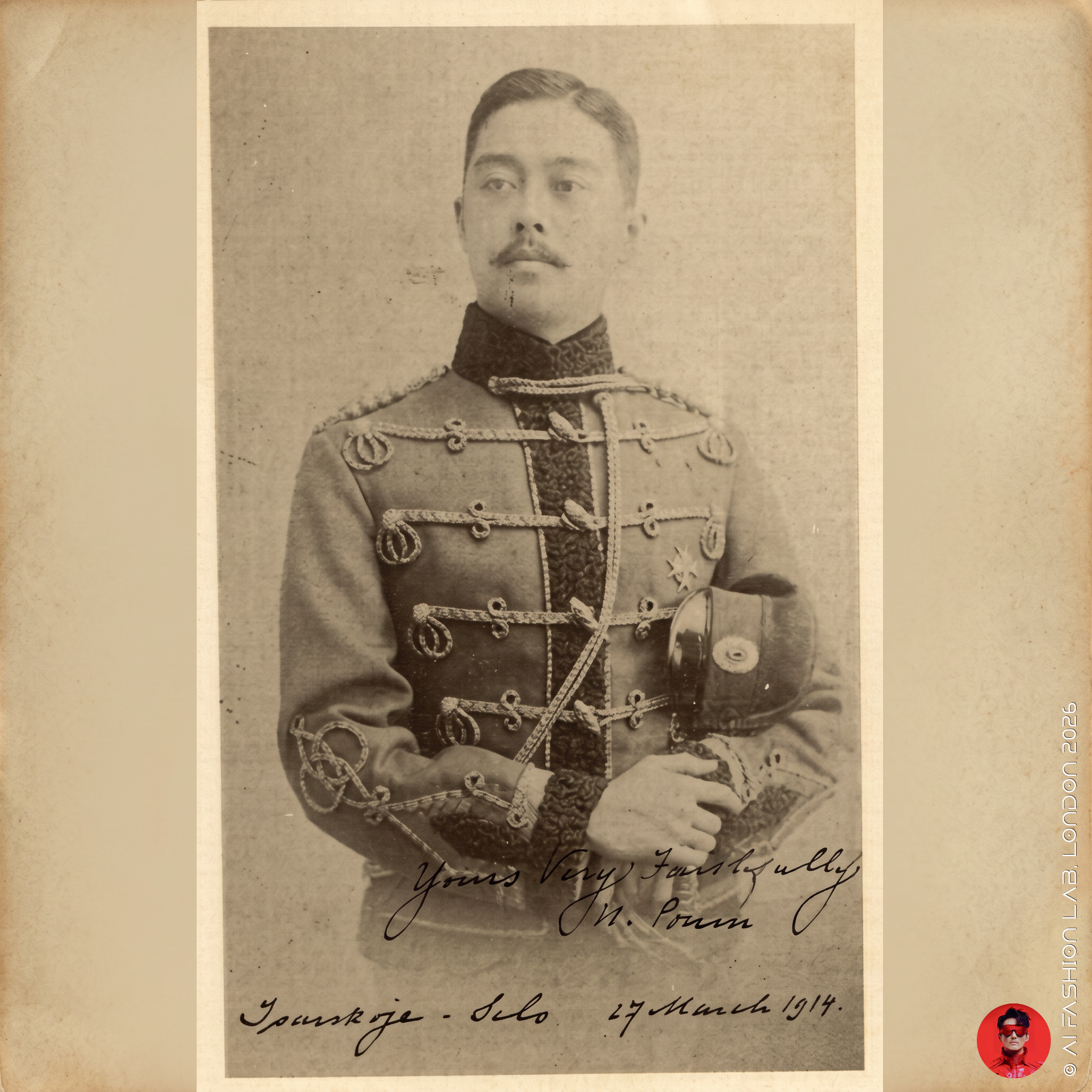
ภาพที่ได้รับการบูรณะและสร้างสรรค์ขึ้นด้วยเทคโนโลยี AI ในคอลเล็กชันนี้ เป็นภาพของ นายพุ่ม หรือในภายหลังเป็นที่รู้จักในรัสเซียว่า นิโคไล นิโคลาเยวิช นาย-พุ่ม (Николай Николаевич Най-Пум) เป็นหนึ่งในบุคคลชาวสยามที่มีชะตาชีวิตพิเศษอย่างยิ่งในประวัติศาสตร์ความสัมพันธ์ระหว่างราชสำนักสยามและจักรวรรดิรัสเซียช่วงปลายคริสต์ศตวรรษที่ 19 ถึงต้นคริสต์ศตวรรษที่ 20 เขาเกิดที่กรุงเทพฯ เมื่อวันที่ 11 มกราคม ค.ศ. 1883 และต่อมาได้กลายเป็นนายทหารใน กรมทหารม้าฮุสซาร์รักษาพระองค์ในสมเด็จพระจักรพรรดิรัสเซีย หรือ Life Guards Hussar Regiment of His Majesty แห่งกองทัพจักรวรรดิรัสเซีย
ในปี ค.ศ. 1898 พระบาทสมเด็จพระจุลจอมเกล้าเจ้าอยู่หัวทรงส่งสมเด็จเจ้าฟ้าจักรพงษ์ภูวนาถไปทรงศึกษาวิชาทหาร ณ กรุงเซนต์ปีเตอร์สเบิร์ก โดยมีนายพุ่มเดินทางไปด้วย ทั้งสองได้เข้าศึกษาในโรงเรียนนายร้อยมหาดเล็กแห่งจักรวรรดิรัสเซีย หรือ Corps des Pages ซึ่งเป็นสถาบันการทหารชั้นสูงสำหรับบุตรหลานชนชั้นสูงและขุนนางใกล้ชิดราชสำนักรัสเซีย ภาพถ่ายของนายพุ่มระหว่างศึกษาในโรงเรียนดังกล่าวมีการระบุปี ค.ศ. 1901 ไว้ในคำอธิบายภาพของไฟล์ประวัติศาสตร์รัสเซียด้วย
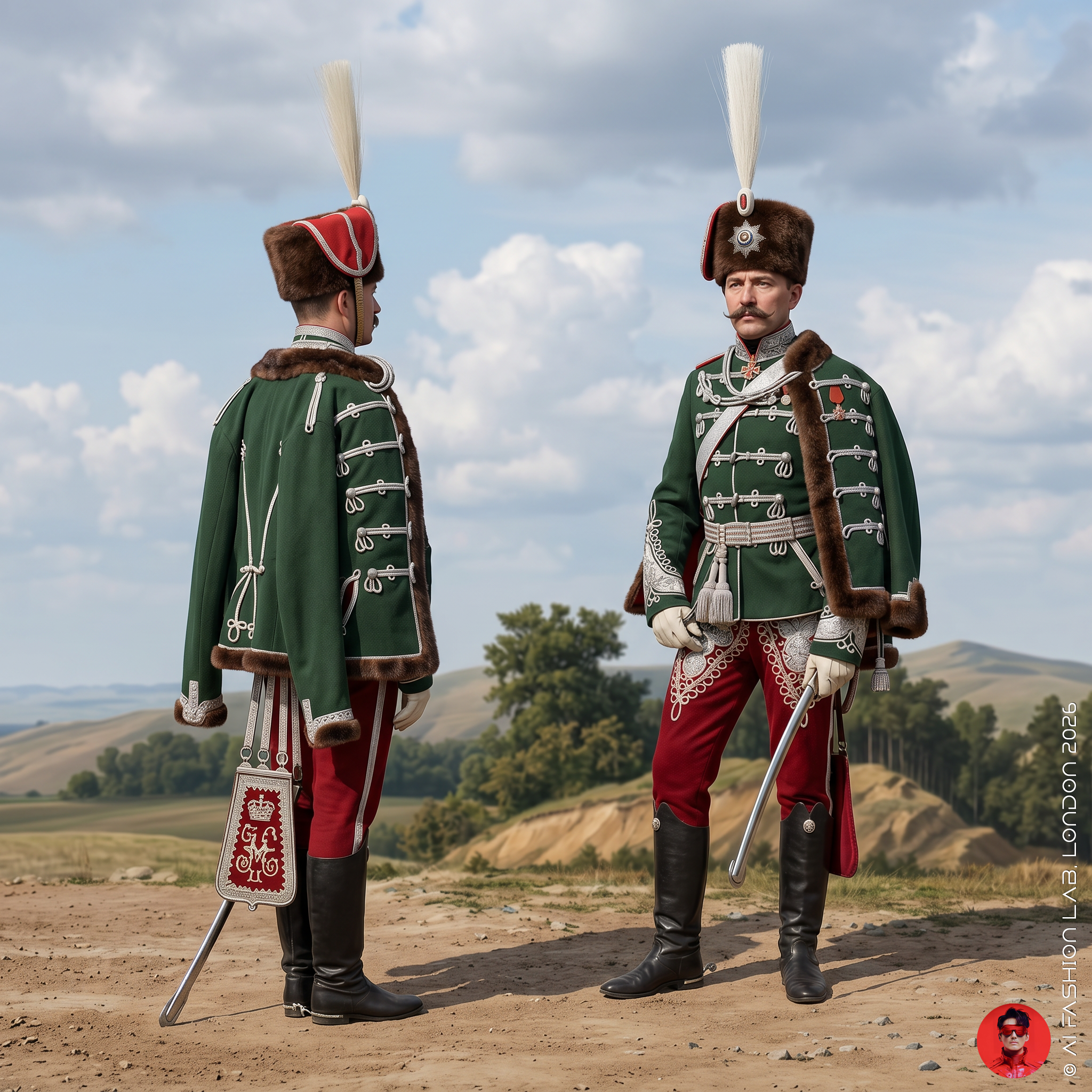
หลังสำเร็จการศึกษาในปี ค.ศ. 1902 นายพุ่มและเจ้าฟ้าจักรพงษ์ภูวนาถได้เข้าประจำการใน กรมทหารม้าฮุสซาร์รักษาพระองค์ในสมเด็จพระจักรพรรดิ ซึ่งเป็นหน่วยทหารม้ารักษาพระองค์ระดับสูงของจักรวรรดิรัสเซีย เครื่องแบบฮุสซาร์ของหน่วยนี้เป็นหนึ่งในเครื่องแบบทหารม้าที่สง่างามที่สุดของยุโรป ประกอบด้วยเสื้อทหารประดับเชือกถักแบบฮุสซาร์ เครื่องประดับโลหะ สายคาดเอว เครื่องหมายพระปรมาภิไธยของจักรพรรดิ และหมวกขนสัตว์หรือเครื่องศีรษะตามระเบียบของหน่วย เป็นเครื่องแบบที่แสดงทั้งสถานะทางทหาร ความใกล้ชิดกับราชสำนัก และรสนิยมแบบอัศวินทหารม้าในวัฒนธรรมจักรวรรดิรัสเซีย
จุดเปลี่ยนสำคัญในชีวิตของนายพุ่มเกิดขึ้นในปี ค.ศ. 1906 เมื่อเจ้าฟ้าจักรพงษ์ภูวนาถเสด็จกลับสยามตามพระบรมราชโองการ แต่นายพุ่มเลือกที่จะอยู่ต่อในรัสเซีย เขาขอรับสัญชาติรัสเซีย เปลี่ยนมานับถือศาสนาคริสต์นิกายออร์ทอดอกซ์ และได้รับชื่อใหม่ว่า นิโคไล นิโคลาเยวิช โดยมีสมเด็จพระจักรพรรดินิโคลัสที่ 2 เป็นพ่อทูนหัวในการรับศีลล้างบาป แหล่งข้อมูลรัสเซียระบุว่าเมื่อวันที่ 6 ธันวาคม ค.ศ. 1906 นายพุ่มได้รับสัญชาติรัสเซียและกลับเข้าประจำการในกรมทหารม้าฮุสซาร์รักษาพระองค์ในยศคอร์เน็ต
ในเส้นทางทหาร นายพุ่มได้รับการเลื่อนยศอย่างต่อเนื่อง จากชั้นผู้น้อยในปี ค.ศ. 1900 เป็นคอร์เน็ตแห่งกองทหารรักษาพระองค์ในปี ค.ศ. 1902 ร้อยโทในปี ค.ศ. 1907 และชตาบส์-รอตมิสเตอร์ในปี ค.ศ. 1911 ต่อมาในช่วงสงครามโลกครั้งที่ 1 เขาบังคับบัญชากองร้อยที่ 3 ของกรมทหารฮุสซาร์รักษาพระองค์ และได้รับเครื่องราชอิสริยาภรณ์ทางทหารของรัสเซียหลายชั้น เช่น เครื่องราชอิสริยาภรณ์นักบุญอันนา ชั้นที่ 3, นักบุญสตานิสลาฟ ชั้นที่ 2 พร้อมดาบ และนักบุญวลาดิเมียร์ ชั้นที่ 4 พร้อมดาบและโบว์ ซึ่งสะท้อนการปฏิบัติหน้าที่ในสงครามอย่างกล้าหาญ
ชีวิตของนายพุ่มจึงมิใช่เพียงเรื่องของ “ชาวสยามในต่างแดน” แต่เป็นเรื่องของการแปรเปลี่ยนอัตลักษณ์ผ่านสถาบันการทหาร ศาสนา ราชสำนัก และจักรวรรดิ เขาเป็นคนสามัญจากสยามที่ได้รับการศึกษาทางทหารระดับสูงในรัสเซีย ได้เข้าสังกัดหน่วยทหารรักษาพระองค์ และกลายเป็นนายทหารที่มีสถานะในกองทัพจักรวรรดิรัสเซีย เส้นทางนี้แทบเป็นไปไม่ได้ในสยามสำหรับบุคคลที่ไม่ได้มีชาติกำเนิดสูงส่งในระดับเจ้านายหรือขุนนางใหญ่ แหล่งข้อมูลรัสเซียฉบับหนึ่งจึงอธิบายว่า ความก้าวหน้าในอาชีพทหารอาจเป็นหนึ่งในเหตุผลสำคัญที่ทำให้นายพุ่มตัดสินใจอยู่ต่อในรัสเซีย
หลังการปฏิวัติรัสเซีย ชีวิตของเขาเปลี่ยนไปอย่างสิ้นเชิง นายพุ่มออกจากรัสเซียและใช้ชีวิตในฝรั่งเศสร่วมกับ เอลิซาเวตา อีวานอฟนา คห์ราพาวิตสกายา (Elizaveta Ivanovna Khrapovitskaya) ผู้มีความเกี่ยวข้องใกล้ชิดกับเขาทางสังคมและศาสนา ในเอกสารบางแห่ง เธอถูกกล่าวถึงในฐานะแม่ทูนหัวหรือผู้ดูแลทางชีวิตของเขา ช่วงลี้ภัยในยุโรปเต็มไปด้วยความยากลำบากทางการเงินและสุขภาพ แหล่งข้อมูลรัสเซียระบุว่าในทศวรรษ 1920 ทั้งสองใช้ชีวิตอย่างลำบากในฝรั่งเศส และนายพุ่มต้องทำงานรับค่าจ้างเล็กน้อยในธนาคารอังกฤษแห่งหนึ่ง
ในช่วงบั้นปลายชีวิต นายพุ่มยังคงผูกพันกับความทรงจำของสยามและราชวงศ์จักรีอย่างลึกซึ้ง มีบันทึกว่าขณะเดินทางกลับมาสยามอีกครั้งหลังจากไม่ได้กลับบ้านเกิดมากว่า 30 ปี เขายืนนิ่งอยู่บนดาดฟ้าเรือด้วยความสะเทือนใจ น้ำตาไหลโดยไม่พูดอะไร ก่อนจะจับมือผู้ที่พาเขากลับมา แสดงความขอบคุณอย่างเงียบงัน ภาพนี้ทำให้ชีวิตของนายพุ่มกลายเป็นเรื่องเล่าของคนที่ “มีสองแผ่นดิน” แต่ในเวลาเดียวกันก็เหมือนสูญเสียทั้งสองแผ่นดินไปจากแรงสั่นสะเทือนของประวัติศาสตร์โลก
นายพุ่มถึงแก่อสัญกรรมเมื่อวันที่ 21 พฤศจิกายน ค.ศ. 1947 ที่ประเทศอังกฤษ หลังเดินทางไปพักที่บ้านของพระวรวงศ์เธอ พระองค์เจ้าจุลจักรพงษ์ในคอร์นวอลล์ได้เพียงไม่กี่วัน แหล่งข้อมูลรัสเซียระบุว่าเขาเสียชีวิตกะทันหันด้วยอาการหัวใจวาย และหลุมศพของเขาอยู่ใกล้บ้านของพระองค์เจ้าจุลจักรพงษ์ในมณฑลคอร์นวอลล์
ในเชิงประวัติศาสตร์เครื่องแต่งกาย ภาพของนายพุ่มในเครื่องแบบฮุสซาร์รักษาพระองค์มีความสำคัญอย่างยิ่ง เพราะไม่ได้แสดงเพียงความงามของเครื่องแบบทหารม้ารัสเซีย หากยังสะท้อนการเดินทางของคนสยามคนหนึ่งเข้าสู่โลกของจักรวรรดิยุโรป ผ่านเครื่องแบบที่ทำหน้าที่เป็นทั้งสัญลักษณ์ของเกียรติยศ ระเบียบวินัย อำนาจรัฐ และการกลืนกลายทางวัฒนธรรม นายพุ่มจึงเป็นบุคคลที่ควรถูกจดจำในฐานะชาวสยามผู้ยืนอยู่ตรงรอยต่อระหว่างกรุงเทพฯ เซนต์ปีเตอร์สเบิร์ก แนวรบสงครามโลกครั้งที่ 1 และโลกของผู้อพยพหลังการล่มสลายของจักรวรรดิรัสเซีย
ชีวิตของเขาเป็นประวัติศาสตร์ขนาดเล็กที่สะท้อนประวัติศาสตร์ขนาดใหญ่ของศตวรรษที่ 20: การศึกษาแบบจักรวรรดิ ความสัมพันธ์สยาม-รัสเซีย ความฝันของนายทหารต่างแดน สงครามโลก การปฏิวัติ การลี้ภัย และความทรงจำของบ้านเกิดที่ไม่เคยหายไปจากใจ
_____________
Nai Pum, or Nikolai Nikolaevich Nai-Pum
A Siamese Officer in the Life Guards Hussar Regiment of Imperial Russia
Nai Pum, later known in Russia as Nikolai Nikolaevich Nai-Pum, was one of the most remarkable Siamese figures connected with the military and diplomatic relationship between Siam and the Russian Empire in the late nineteenth and early twentieth centuries. Born in Bangkok on 11 January 1883, he would eventually become an officer in His Majesty’s Life Guards Hussar Regiment, one of the elite cavalry regiments of the Imperial Russian Army.
In 1898, King Chulalongkorn, Rama V of Siam, sent his son, Prince Chakrabongse Bhuvanath, to Saint Petersburg to study at the prestigious Corps des Pages, the imperial military school for the sons of aristocratic and court-connected families. Nai Pum travelled with the prince. Both completed their studies successfully and, in 1902, entered His Majesty’s Life Guards Hussar Regiment, a distinguished Guards cavalry unit closely associated with the Russian imperial court.
The uniform of the Life Guards Hussar Regiment was among the most visually striking military dress of Imperial Russia. It belonged to the highly decorative European hussar tradition, with braided frogging, elaborate cords, metallic fittings, a tightly structured cavalry silhouette, and imperial insignia. For an officer, such a uniform did not merely indicate military service. It also signified courtly prestige, aristocratic discipline, proximity to the sovereign, and participation in the ceremonial culture of empire.
A crucial turning point in Nai Pum’s life came in 1906. When Prince Chakrabongse returned to Siam by royal order, Nai Pum chose to remain in Russia. He accepted Russian citizenship, converted to Orthodox Christianity, and was baptised with the name Nikolai Nikolaevich. According to Russian sources, Emperor Nicholas II became his godfather, which explains the patronymic “Nikolaevich”. From this moment, Nai Pum became not only a Siamese man trained in Russia, but a naturalised subject of the Russian Empire who continued his military career in the Guards.
His rise within the regiment was steady. He began as a lower rank in 1900, became a Guards cornet in 1902, a Guards lieutenant in 1907, and a staff-rotmistr in 1911. By the time of the First World War, he commanded the third squadron of the Life Hussars. He was awarded several Russian orders, including the Order of Saint Anna, 3rd Class, the Order of Saint Stanislav, 2nd Class with Swords, and the Order of Saint Vladimir, 4th Class with Swords and Bow. These decorations indicate active military service and recognition within the imperial army during wartime.
Nai Pum’s life is therefore not simply the story of a Siamese man abroad. It is a story of transformation through military education, imperial service, religion, court culture, and personal allegiance. As a non-royal Siamese man, his position within the Russian Guards was highly unusual. In Siam, such proximity to elite military and courtly structures would normally have been difficult for someone outside the highest aristocratic circles. In Russia, however, his education, discipline, personal ability, and connection to Prince Chakrabongse placed him within one of the most prestigious regiments of the empire.
After the Russian Revolution, his life changed dramatically. Like many officers of the old imperial army, Nai Pum left Russia after the collapse of the empire. He emigrated to France with Elizaveta Ivanovna Khrapovitskaya, who was closely connected to him in exile. The years that followed were marked by financial difficulty, displacement, and the loss of the imperial world to which he had dedicated his adult life.
Yet Nai Pum’s attachment to Siam never disappeared. Accounts of his later life suggest that when he finally returned to Siam after many decades away, he was deeply moved. Having lived between two worlds, he had in some sense gained and lost both: Siam, the land of his birth, and Russia, the land of his military identity.
Nai Pum died on 20 or 21 November 1947, after a life shaped by the great political upheavals of the twentieth century. His story links Bangkok, Saint Petersburg, the Corps des Pages, the Life Guards Hussar Regiment, the First World War, the Russian Revolution, and the émigré world of post-imperial Europe.
From the perspective of costume and military dress history, images of Nai Pum in Russian uniform are especially significant. They do not merely show the splendour of Imperial Russian cavalry dress. They reveal how uniform could function as a language of identity, hierarchy, allegiance, and transformation. In the case of Nai Pum, the hussar uniform marked his passage from Siamese subject to imperial Russian officer, from companion of a Siamese prince to a soldier of the Tsar, and from a young man sent abroad for education to a figure caught between empire, exile, and memory.
His life may be read as a small but powerful history of the modern world: imperial education, Siamese-Russian diplomacy, military ambition, cultural adaptation, war, revolution, exile, and the enduring emotional pull of home.
_____________
เรียนเชิญกด Subscribe ได้ที่ลิงก์นี้ครับ เพื่อร่วมติดตามงานสร้างสรรค์ต้นฉบับ งานวิจัยประวัติศาสตร์แฟชั่น และผลงานอนุรักษ์มรดกวัฒนธรรมด้วยเทคโนโลยี AI ของ AI Fashion Lab, London ซึ่งมุ่งตีความอดีตผ่านมิติใหม่ของการบูรณะภาพ การสร้างสรรค์ภาพ และการเล่าเรื่องด้วยศิลปะเชิงดิจิทัล https://www.facebook.com/aifashionlab/subscribe/
#aifashionlab #AI #aiartist #aiart #aifashion #aifashiondesign #aifashionstyling #aifashiondesigner #fashion #fashionhistory #historyoffashion #fashionstyling #fashionphotography #digitalfashion #digitalfashiondesign #digitalcostumedesign #digitaldesign #digitalaiart #ThaiFashionHistory #ThaiFashionAI #thailand #UNESCO