John Thomson: Siam — A Colourisation Project
John Thomson: Siam — A Colourisation Project
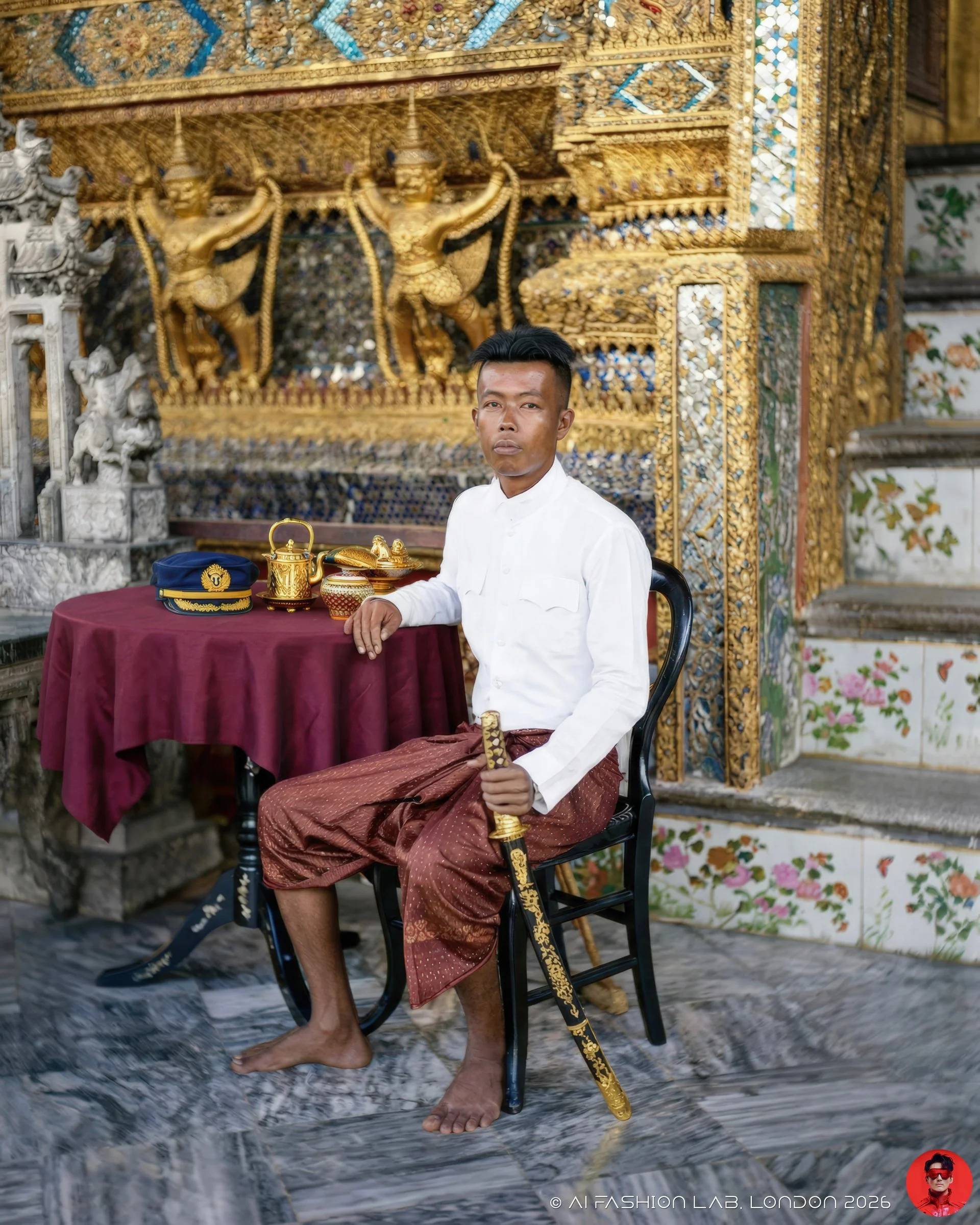
ขุนนางสยาม ณ พระอุโบสถวัดพระศรีรัตนศาสดาราม (วัดพระแก้ว)
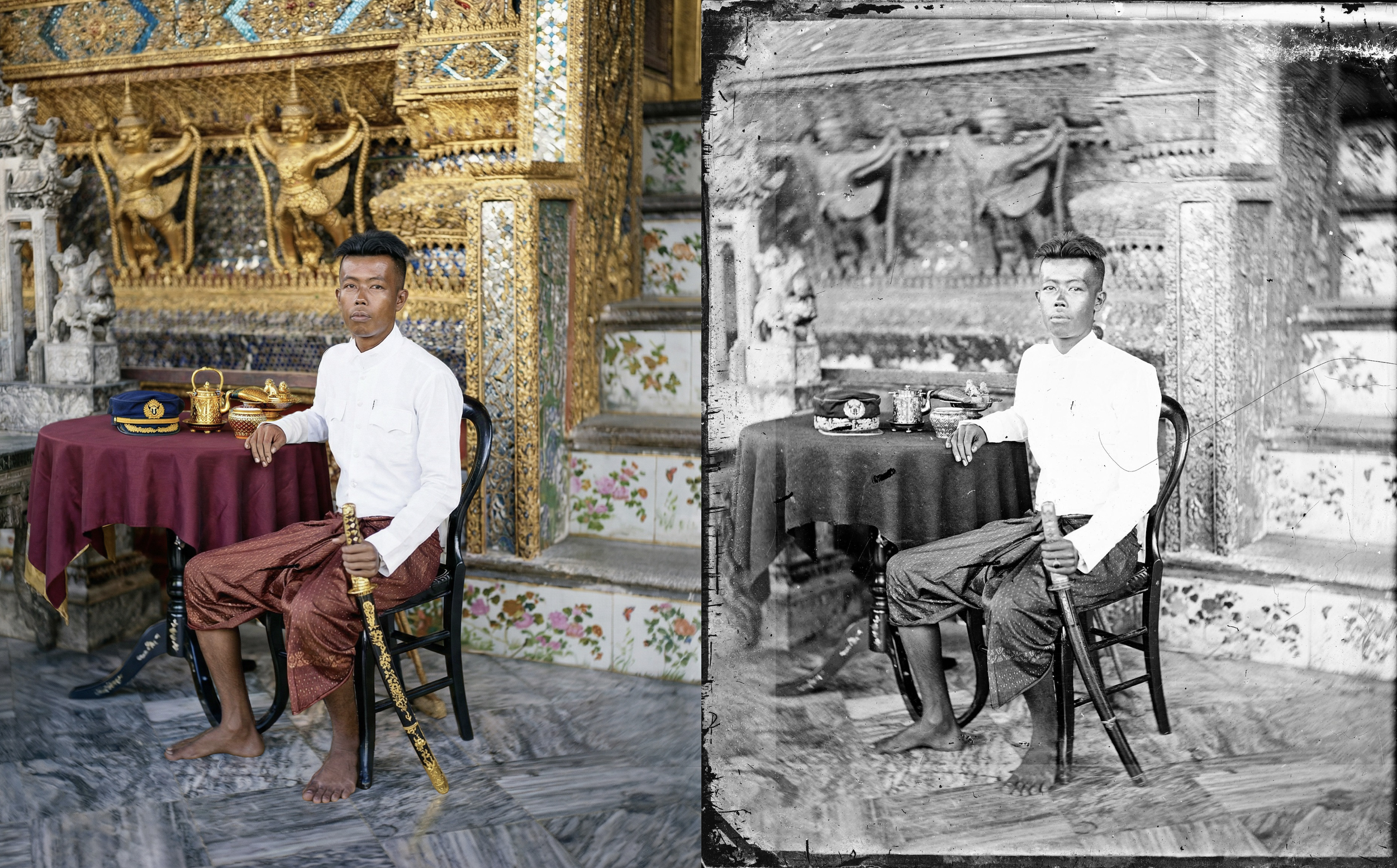
ภาพนี้นับเป็นผลงานชิ้นแรกในชุด John Thomson: Siam — A Colourisation Project ซึ่งเป็นงานศึกษาทางภาพอย่างต่อเนื่อง มุ่งฟื้นฟูและตีความหลักฐานภาพถ่ายยุคแรกเริ่มของสยามในคริสต์ศตวรรษที่ ๑๙ ใหม่อีกครั้ง ผ่านกระบวนการลงสีด้วยเทคโนโลยี AI บนพื้นฐานข้อมูลทางประวัติศาสตร์อย่างรอบคอบ
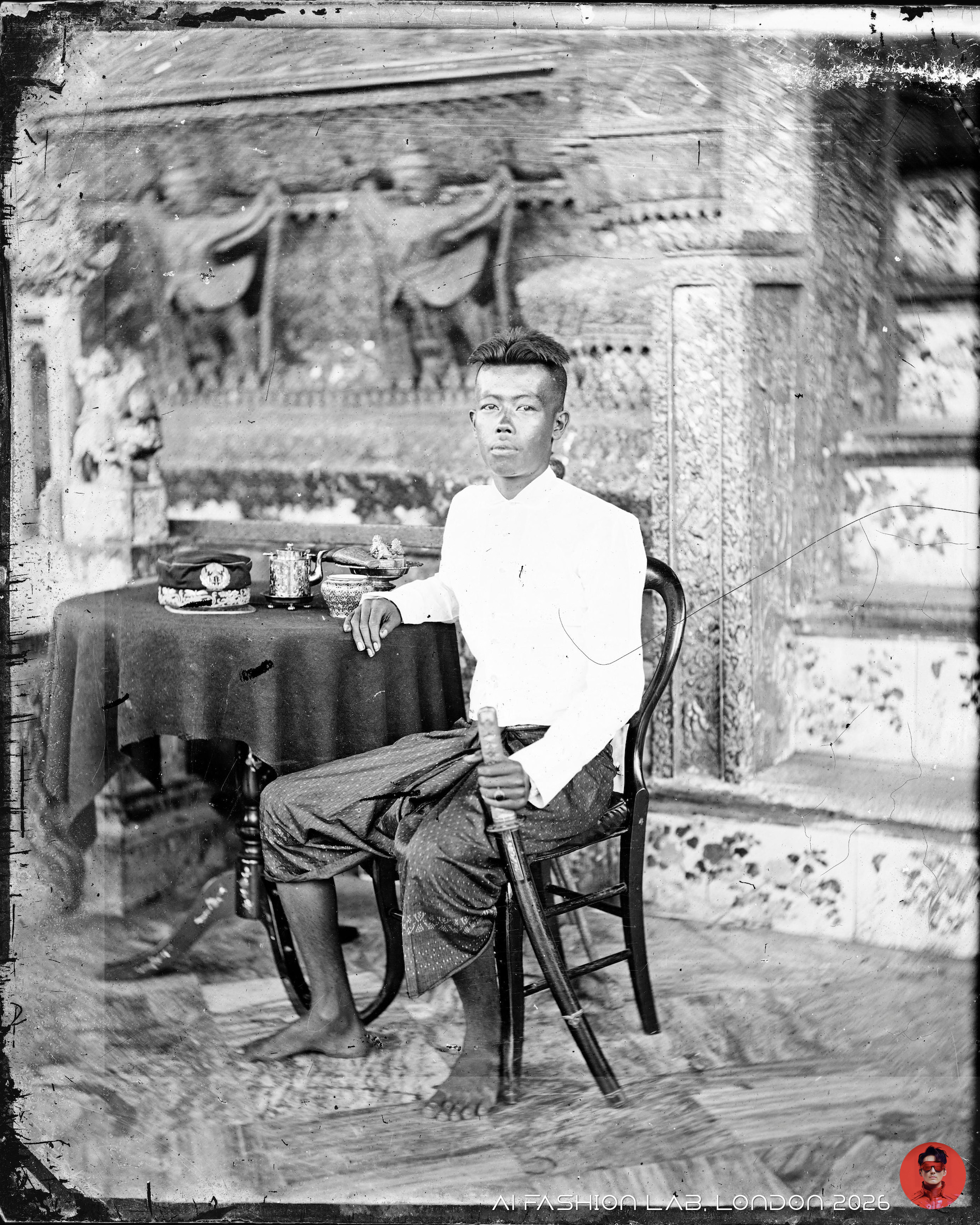
ภาพถ่ายนี้บันทึกเมื่อปี ค.ศ. ๑๘๖๕ (พ.ศ. ๒๔๐๘) โดยจอห์น ทอมสัน ในรัชสมัยพระบาทสมเด็จพระจอมเกล้าเจ้าอยู่หัว (รัชกาลที่ ๔ ครองราชย์ พ.ศ. ๒๓๙๔–๒๔๑๑) แสดงภาพขุนนางชาวสยามนั่งอยู่บนขั้นบันไดทางขึ้นพระอุโบสถวัดพระศรีรัตนศาสดาราม ภายในพระบรมมหาราชวัง กรุงเทพมหานคร การพำนักของทอมสันในสยามระหว่างปี ค.ศ. ๑๘๖๕–๑๘๖๗ ส่งผลให้เกิดการบันทึกภาพอย่างเป็นระบบชุดแรก ๆ ของราชอาณาจักร โดยใช้เทคนิคเว็ตเพลตคอลโลเดียน (wet plate collodion) หรือฟิล์มกระจกเปียก ซึ่งเป็นกระบวนการที่ต้องใช้เวลาเปิดหน้ากล้องนานและล้างอัดภาพทันทีภายใต้ขั้นตอนทางเคมีที่ละเอียดอ่อน
ในปี พ.ศ. ๒๕๖๐ ผู้เขียนได้มีโอกาสศึกษาแผ่นฟิล์มกระจกต้นฉบับ (glass plate negative) ของจอห์น ทอมสันโดยตรงที่ The Welcome Collections ณ กรุงลอนดอน ระหว่างการทำวิจัยระดับปริญญาเอกด้านประวัติศาสตร์การถ่ายภาพยุคแรกในสยาม การได้พิจารณารายละเอียดจากต้นฉบับจริง—ร่องรอยของอิมัลชัน และความคมชัดของรายละเอียด บ่งบอกถึงกระบวนการผลิต—ช่วยให้เข้าใจทั้งมิติทางเทคนิคและเจตนาทางศิลปะของทอมสันอย่างลึกซึ้งยิ่งขึ้น นอกจากนี้ ผู้เขียนยังได้จัดการประชุมวิชาการเกี่ยวกับภาพถ่ายของจอห์น ทอมสัน ณ SOAS มหาวิทยาลัยลอนดอน ซึ่งมุ่งสำรวจบทบาทของภาพถ่ายชุดนี้ในบริบทการเมือง วัฒนธรรม และการสร้างภาพลักษณ์ของสยามในสายตาตะวันตก
บริบททางสถาปัตยกรรมและความศักดิ์สิทธิ์
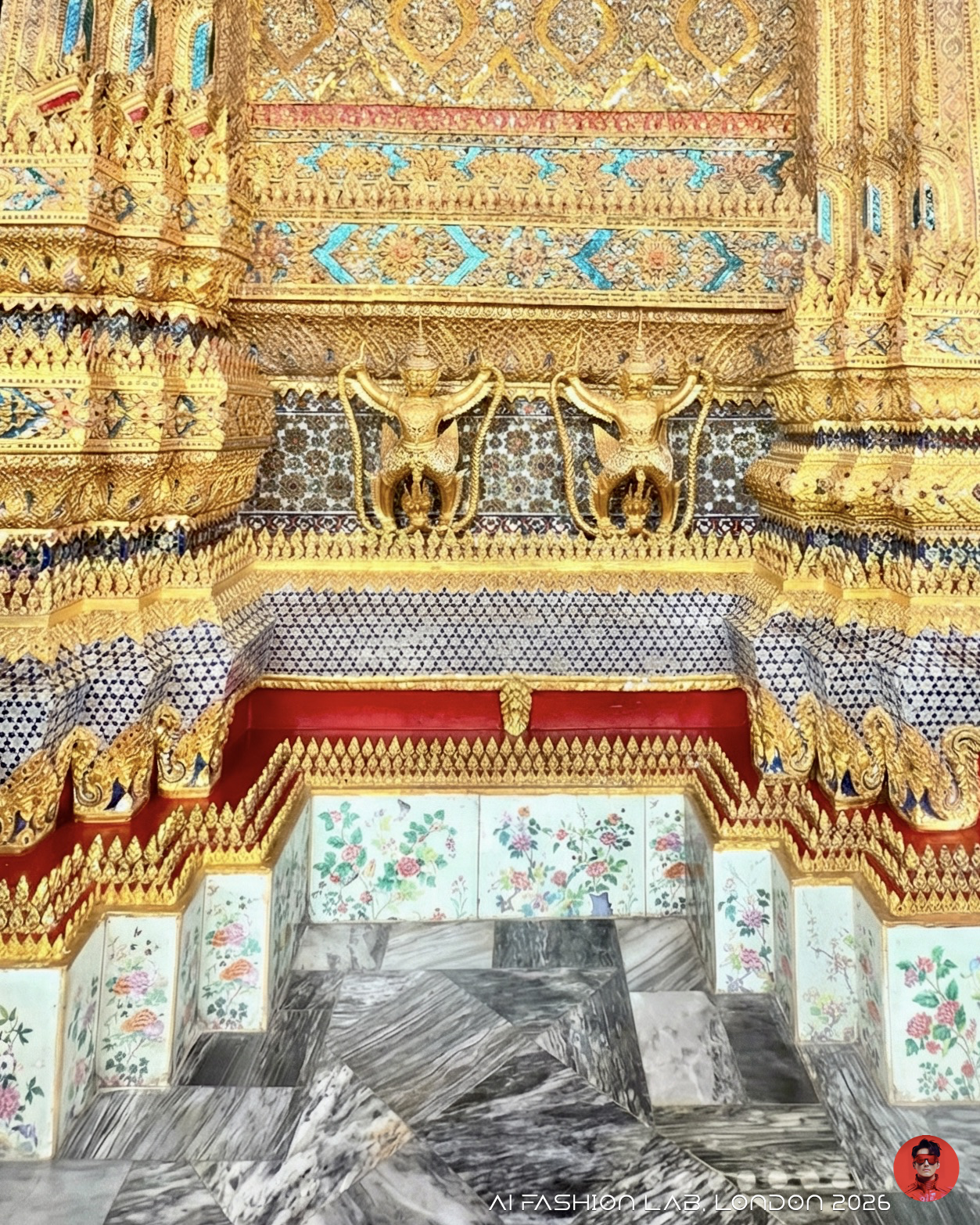
บุคคลในภาพถูกจัดวางอยู่ในพื้นที่ที่เปี่ยมด้วยนัยสำคัญเชิงสัญลักษณ์ที่สุดแห่งหนึ่งของราชอาณาจักร พระอุโบสถวัดพระแก้วคือศูนย์กลางทางจิตวิญญาณของราชวงศ์จักรี บริเวณฐานพระอุโบสถประดับด้วย “ครุฑยุดนาค” หล่อด้วยโลหะปิดทอง เชื่อมต่อด้วยลวดลายล้อมรอบเขตพัทธสีมา
ในคติจักรวาลวิทยาแบบไทย ครุฑ—พาหนะของพระวิษณุ—เป็นสัญลักษณ์แห่งพระราชอำนาจและสมมติเทพ ส่วนพญานาคหมายถึงพลังดั้งเดิม น้ำ และความอุดมสมบูรณ์ การประสานกันของทั้งสองในงานประติมากรรมสะท้อนโครงสร้างจักรวาลคติแบบฮินดู–พุทธที่ฝังแน่นในศิลปกรรมราชสำนักไทย ครุฑยุดนาคจึงทำหน้าที่ทั้งเป็นองค์ประกอบตกแต่งและเป็นผู้พิทักษ์พื้นที่ศักดิ์สิทธิ์
การจัดวางขุนนางผู้นี้ในกรอบสถาปัตยกรรมดังกล่าว ทำให้ภาพถ่ายเชื่อมโยงเขาเข้ากับแกนศักดิ์สิทธิ์–การเมืองของราชอาณาจักร กล่าวคือ สถาบันพระมหากษัตริย์ พระพุทธศาสนา และความชอบธรรมเชิงจักรวาลที่ประสานกันอย่างแนบแน่น
เครื่องแต่งกายและลำดับชั้นราชสำนัก
เครื่องแต่งกายของขุนนางให้ข้อมูลสำคัญเกี่ยวกับยศและสถานะ เขาสวมเสื้อราชสำนักสีขาวแขนยาว ซึ่งในช่วงกลางคริสต์ศตวรรษที่ ๑๙ เริ่มมีรูปแบบที่เป็นมาตรฐานมากขึ้นในหมู่ขุนนางชั้นสูง สะท้อนทั้งรสนิยมแบบราชสำนักดั้งเดิมและอิทธิพลการตัดเย็บแบบตะวันตกอย่างแผ่วเบา
ส่วนที่สำคัญที่สุดคือผ้านุ่ง “ผ้าสมปักปูม” หรือผ้ามัดหมี่ไหมเขมรที่เรียกว่า “ผ้าปูม” สิ่งทอลวดลายวิจิตรเหล่านี้เป็นเครื่องราชบรรณาการจากกัมพูชาที่ถวายแก่ราชสำนักสยาม ในช่วงกลางคริสต์ศตวรรษที่ ๑๙ ผ้าปูมถูกพระราชทานเป็นเบี้ยหวัดรายปีแก่ขุนนางฝ่ายหน้าและผู้มีตำแหน่งสูงในวังหน้า การใช้ผ้าประเภทนี้อยู่ภายใต้ระเบียบแบบแผนของราชสำนัก
ดังนั้น การนุ่งผ้าปูมจึงมิใช่เพียงเรื่องความงาม หากเป็นการประกาศสถานะ ความโปรดปรานจากพระมหากษัตริย์ และอำนาจทางราชการอย่างชัดเจน ตัวผ้าเองยังสะท้อนเครือข่ายบรรณาการและความสัมพันธ์ทางการเมืองระหว่างสยามกับรัฐใกล้เคียง
วัตถุประกอบและการแลกเปลี่ยนข้ามวัฒนธรรม
บนโต๊ะด้านข้างปรากฏหมวกทรงตะวันตกคล้ายหมวกเจ้าหน้าที่หรือหมวกตำรวจ การมีอยู่ของหมวกดังกล่าวสะท้อนการค่อย ๆ รับระบบบริหารราชการแบบตะวันตกเข้าสู่สยามในรัชสมัยพระบาทสมเด็จพระจอมเกล้าเจ้าอยู่หัว ซึ่งทรงดำเนินนโยบายทางการทูตและการปรับปรุงประเทศอย่างต่อเนื่อง
ในมือของเขาถือดาบญี่ปุ่นที่ประดับตกแต่งอย่างงดงาม อาวุธนำเข้าจากญี่ปุ่นและเอเชียตะวันออกเป็นสิ่งที่ชนชั้นนำให้คุณค่าอย่างสูง ดาบเล่มนี้จึงเป็นสัญลักษณ์ของเกียรติยศ ภาพลักษณ์เชิงนักรบ และการมีส่วนร่วมในเครือข่ายการค้าระดับภูมิภาค
เมื่อพิจารณาร่วมกัน เสื้อราชสำนักสยาม ผ้าบรรณาการจากกัมพูชา หมวกตะวันตก และดาบญี่ปุ่น ได้ก่อรูปเป็นภาพสะท้อนของราชอาณาจักรที่กำลังเจรจาต่อรองกับโลกสมัยใหม่ ขณะเดียวกันก็ยังรักษาอัตลักษณ์และอธิปไตยของตนไว้
การถ่ายภาพและความทันสมัยทางการเมือง
กล้องของทอมสันเองเป็นเครื่องมือแห่งความทันสมัย ภาพถ่ายของเขามิใช่เพียงภาพท่องเที่ยว หากเป็นองค์ประกอบที่จัดวางอย่างรอบคอบ เพื่อนำเสนอสยามแก่สาธารณชนตะวันตกผ่านหนังสือภาพและการฉายภาพสไลด์
ในรัชสมัยรัชกาลที่ ๔ การถ่ายภาพเริ่มสัมพันธ์กับการทูตและการสร้างภาพลักษณ์ของชาติ สยามตระหนักถึงความสำคัญของการนำเสนอภาพลักษณ์ต่อสายตานานาชาติ ผลงานของทอมสันจึงอยู่ ณ จุดตัดสำคัญระหว่างศิลปะ ชาติพันธุ์วิทยา และการสื่อสารทางการเมือง
ความสำคัญในฐานะภาพแรกของชุด
ในฐานะภาพแรกของชุดนี้ ภาพดังกล่าววางรากฐานทั้งกรอบวิชาการและมาตรฐานด้านสุนทรียะสำหรับการบูรณะต่อไปในอนาคต ภาพเดียวได้รวบรวมระเบียบราชสำนัก สถาปัตยกรรมศักดิ์สิทธิ์ วัฒนธรรมสิ่งทอบรรณาการ และการแลกเปลี่ยนระดับโลกไว้ในกรอบเดียว
การบูรณะและลงสีด้วย AI มิได้มุ่งแทนที่ต้นฉบับขาวดำ หากเสนอการศึกษาทางภาพในมิติคู่ขนาน—การตีความใหม่บนฐานข้อมูลทางประวัติศาสตร์ด้านสิ่งทอ เทคนิคการปิดทอง และวัสดุทางสถาปัตยกรรม
ขุนนางผู้นี้ ซึ่งนั่งอยู่หน้าพระอุโบสถแห่งพระอารามหลวงที่ศักดิ์สิทธิ์ที่สุดของราชอาณาจักรในปี พ.ศ. ๒๔๐๘ จึงเป็นประจักษ์พยานทางสายตาของสยามในห้วงเวลาสำคัญยิ่ง—ระหว่างจารีตกับการเปลี่ยนแปลง ระหว่างอธิปไตยกับการทูต และระหว่างระเบียบศักดิ์สิทธิ์กับความทันสมัยของโลกยุคใหม่.
____________
John Thomson: Siam — A Colourisation Project
Siamese Nobleman at the Ordination Hall (Phra Ubosot) of Wat Phra Si Rattana Satsadaram (the Temple of the Emerald Buddha)
This image marks the first in the series of John Thomson: Siam — A Colourisation Project, an ongoing visual study dedicated to restoring and reinterpreting the earliest photographic records of nineteenth-century Siam through historically informed AI colourisation.
Photographed in 1865 by John Thomson during the reign of King Mongkut (Rama IV, r. 1851–1868), this portrait depicts a Siamese nobleman seated at the steps leading to the Ordination Hall (Phra Ubosot) of Wat Phra Si Rattana Satsadaram, located within the Grand Palace complex in Bangkok. Thomson’s presence in Siam between 1865 and 1867 resulted in one of the earliest systematic photographic surveys of the kingdom, produced using the wet plate collodion process—an exacting method requiring long exposures and immediate chemical development.
In 2017, I had the opportunity to examine the original glass plate negatives of John Thomson at the Wellcome Collection in London, while undertaking doctoral research on early photography in Siam. The close study of the original material—its emulsion traces and the remarkable sharpness of detail revealing aspects of the production process—provided deeper insight into both the technical dimensions and the artistic intentions of Thomson’s work.
In addition, I organised an academic conference on John Thomson’s photographs at SOAS, University of London, which explored the role of this photographic corpus within the political, cultural, and representational contexts through which Siam was presented to Western audiences.
Architectural and Sacred Context
The sitter is positioned within one of the most symbolically charged spaces in the kingdom. The Ubosot of Wat Phra Kaew represents the spiritual centre of the Chakri dynasty. Surrounding its base are the gilded metal figures of Krut Yut Nak (Garuda grasping Nāga), linked by chains demarcating the consecrated boundary.
In Thai cosmology, Garuda—vehicle of Vishnu—embodies royal authority and divine kingship, while the Nāga symbolises primordial power, water, and fertility. Their dynamic union in sculptural form reflects the Hindu–Buddhist cosmological framework embedded within royal Thai art. The figures function both decoratively and symbolically as guardians of sacred space.
By situating the nobleman within this architectural frame, the photograph visually associates him with the sacred-political axis of the kingdom: monarchy, Buddhism, and cosmic legitimacy intertwined.
Dress and Court Hierarchy
The nobleman’s attire provides critical insight into rank and status. He wears a white long-sleeved court shirt, a garment increasingly standardised among high-ranking officials in the mid-nineteenth century, reflecting both traditional Siamese court aesthetics and subtle Western tailoring influence.
Most significant is his lower garment: a pha som pak pum—a Cambodian silk ikat textile known in Siam as pha pum. These richly patterned textiles were presented to the Siamese court as royal tribute from Cambodia. In the mid-nineteenth century, pha pum cloths were granted annually as stipends to high-ranking male officials and members of the Front Palace establishment, and their use was regulated by court protocol.
To wear pha pum was therefore not merely a matter of taste; it was a visible declaration of rank, royal favour, and bureaucratic authority. The textile itself signals Siam’s tributary networks and its political relationship with neighbouring polities.
Objects and Transcultural Exchange
On the table beside him rests a Western-style cap resembling an official or police hat. Its presence indicates the gradual incorporation of Western administrative structures during the reign of King Mongkut, who actively engaged in diplomatic treaties and modernisation efforts.
In his hand, the nobleman holds a finely decorated Japanese sword. Imported weaponry from Japan and other parts of East Asia was highly prized among elites. The sword signifies prestige, martial association, and participation in broader Asian trade networks.
Together, these elements—Siamese court shirt, Cambodian tribute silk, Western headgear, and Japanese blade—form a composite image of a kingdom negotiating global modernity while maintaining its sovereign identity.
Photography and Political Modernity
Thomson’s camera was itself an instrument of modernity. His photographs were not casual travel images but carefully staged compositions that introduced Siam to Western audiences through illustrated publications and lantern slides.
During the reign of King Mongkut, photography became intertwined with diplomacy and image-making. The kingdom understood the importance of visual representation in shaping foreign perceptions. Thomson’s work therefore occupies a critical intersection between art, ethnography, and political communication.
Significance Within the Series
As the first image in this series, the portrait establishes both the scholarly framework and aesthetic standard for subsequent restorations. It encapsulates court protocol, sacred architecture, tributary textile culture, and global exchange within a single frame.
Through AI restoration and colourisation, this project does not replace the monochrome original. Rather, it proposes a parallel visual study—an interpretative reconstruction grounded in historical research on textiles, pigments, gilding techniques, and architectural materials.
This nobleman, seated before the consecrated hall of the kingdom’s most sacred temple in 1865, stands as a visual testament to Siam at a pivotal historical moment: poised between tradition and transformation, sovereignty and diplomacy, sacred order and emerging global modernity.
____________
เรียนเชิญกด Subscribe ได้ที่ลิงก์นี้ครับ เพื่อร่วมติดตามงานสร้างสรรค์ต้นฉบับ งานวิจัยประวัติศาสตร์แฟชั่น และผลงานอนุรักษ์มรดกวัฒนธรรมด้วยเทคโนโลยี AI ของ AI Fashion Lab, London ซึ่งมุ่งตีความอดีตผ่านมิติใหม่ของการบูรณะภาพ การสร้างสรรค์ภาพ และการเล่าเรื่องด้วยศิลปะเชิงดิจิทัล เรียนเชิญกด Subscribe ได้ที่ลิงก์นี้ครับ เพื่อร่วมติดตามงานสร้างสรรค์ต้นฉบับ งานวิจัยประวัติศาสตร์แฟชั่น และผลงานอนุรักษ์มรดกวัฒนธรรมด้วยเทคโนโลยี AI ของ AI Fashion Lab, London ซึ่งมุ่งตีความอดีตผ่านมิติใหม่ของการบูรณะภาพ การสร้างสรรค์ภาพ และการเล่าเรื่องด้วยศิลปะเชิงดิจิทัล Subscribe to AI Fashion Lab
#aifashionlab #AI #aiartist #aiart #aifashion #aifashiondesign #aifashionstyling #aifashiondesigner #fashion #fashionhistory #historyoffashion #fashionstyling #fashionphotography #digitalfashion #digitalfashiondesign #digitalcostumedesign #digitaldesign #digitalaiart #ThaiFashionHistory #ThaiFashionAI #thailand #UNESCO