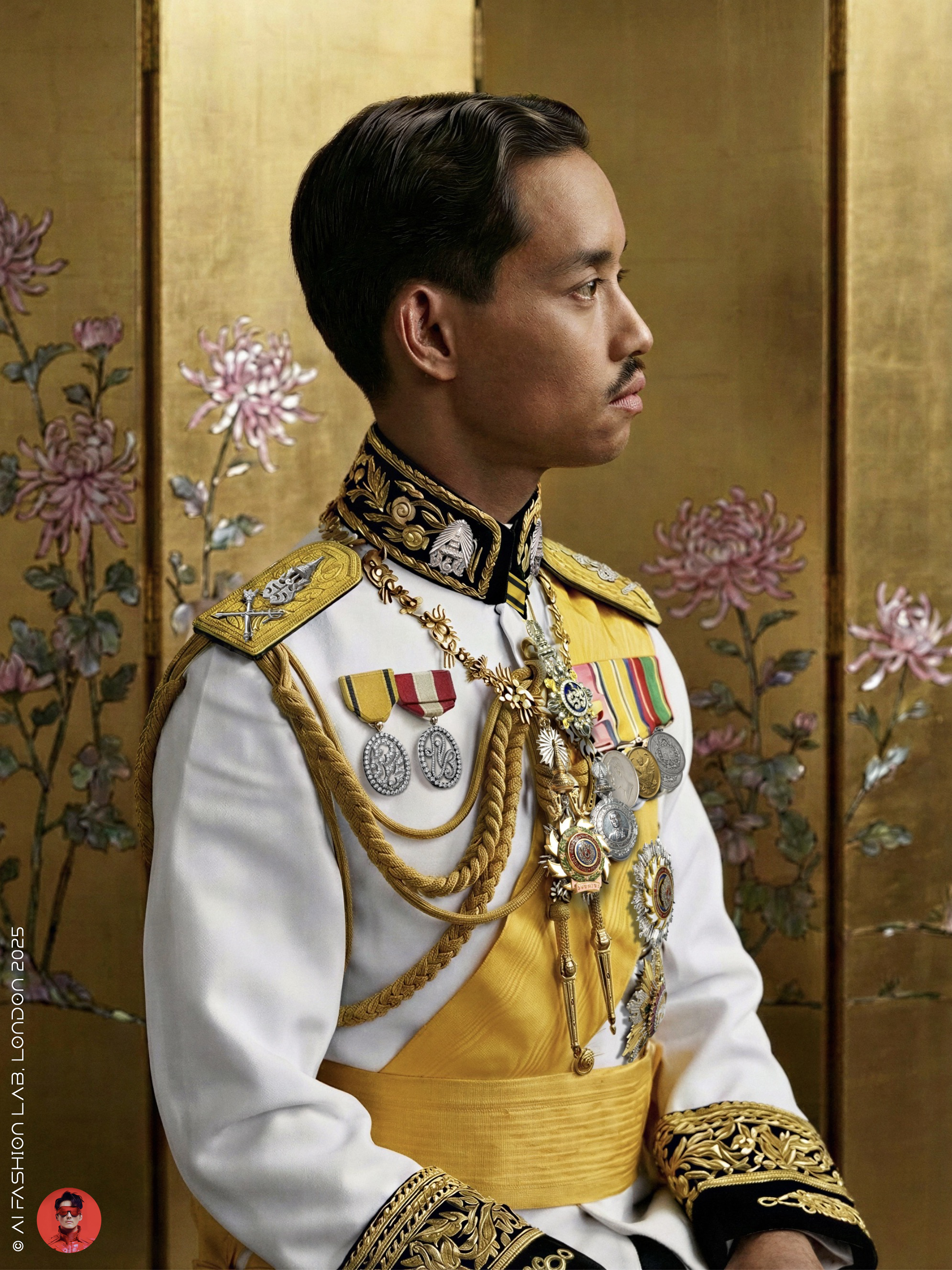
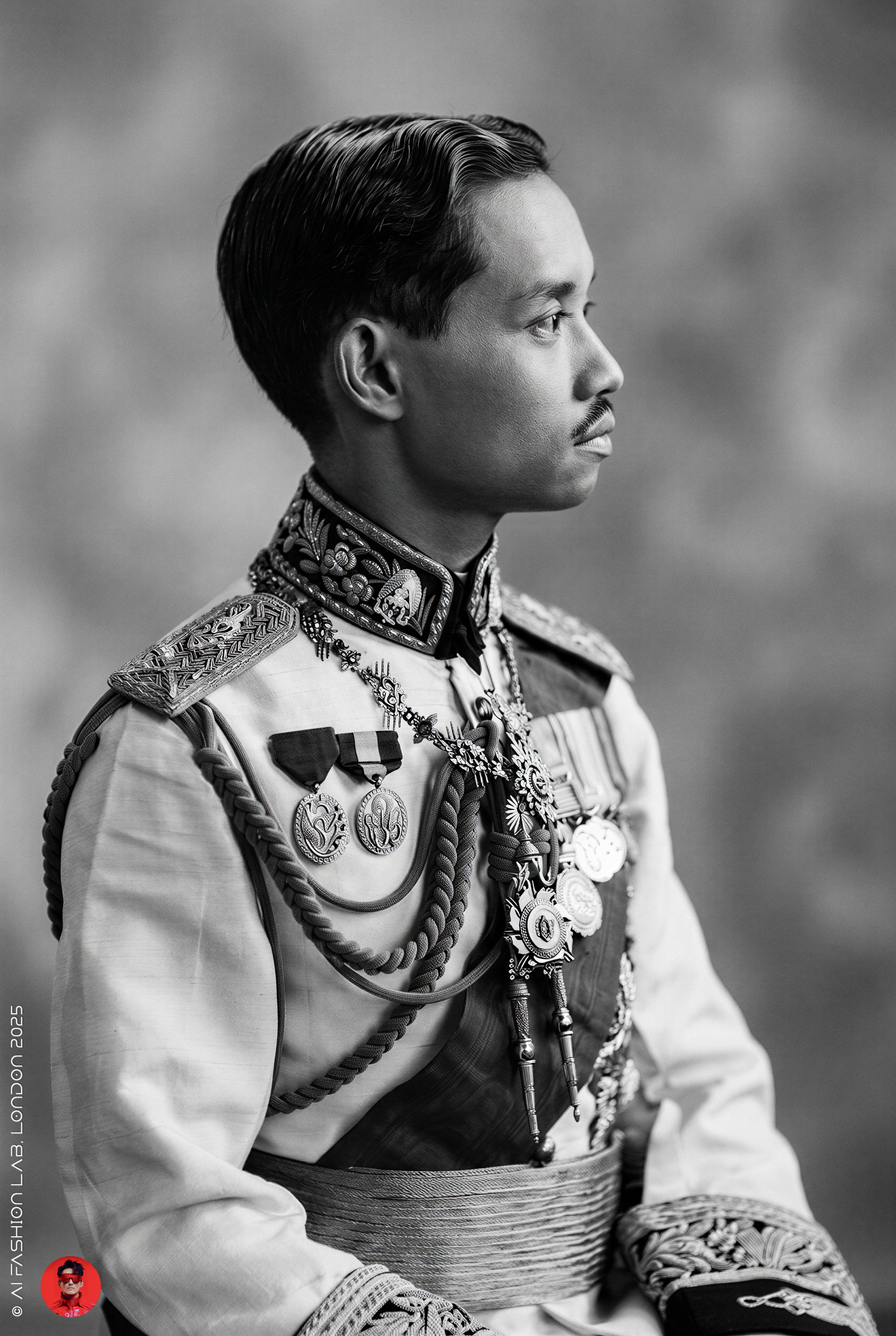
พระบาทสมเด็จพระปรมินทรมหาประชาธิปก พระปกเกล้าเจ้าอยู่หัว จอมทัพสยาม
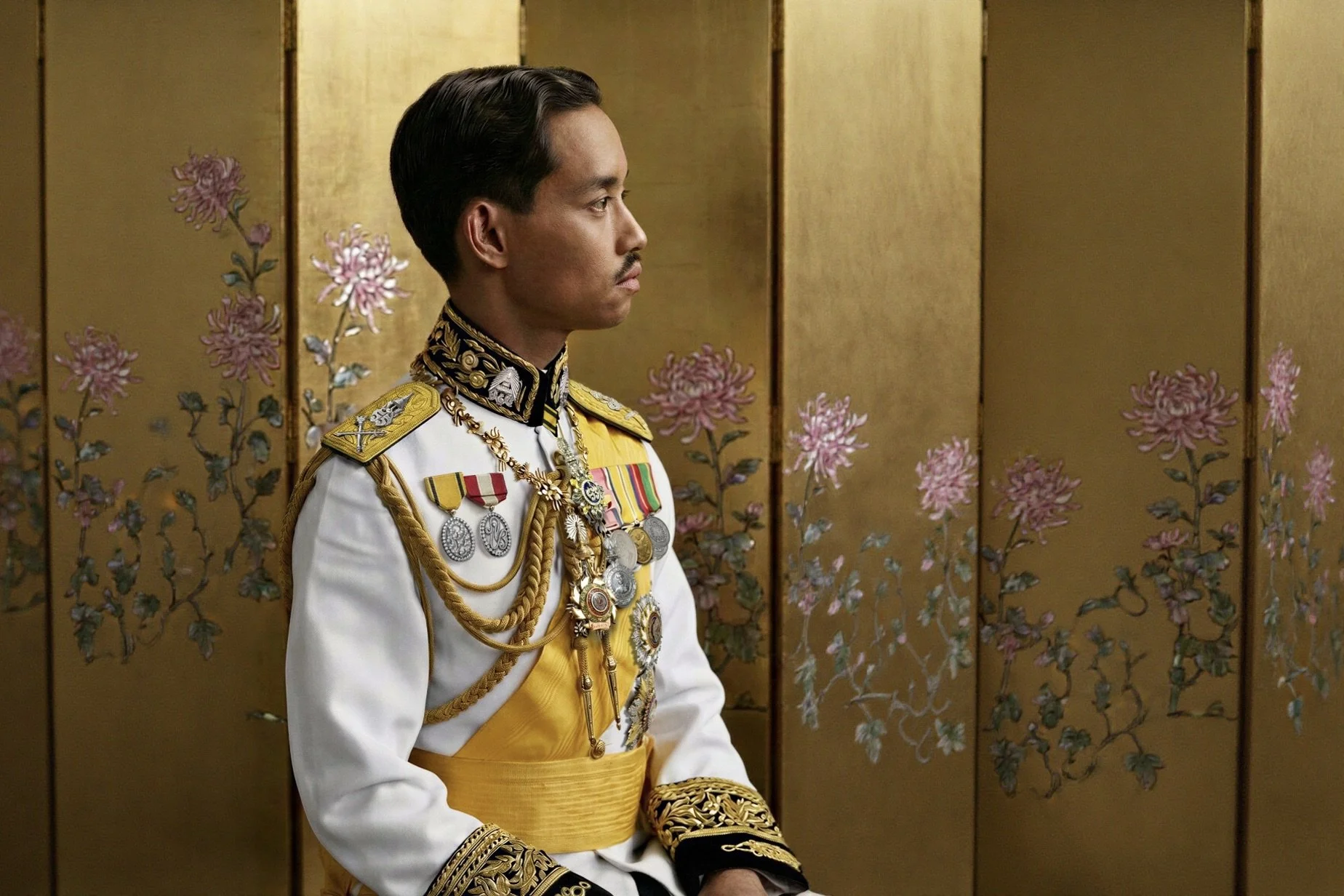
พระบาทสมเด็จพระปรมินทรมหาประชาธิปก พระปกเกล้าเจ้าอยู่หัว
จอมทัพสยามในประวัติศาสตร์รัฐธรรมนูญไทย
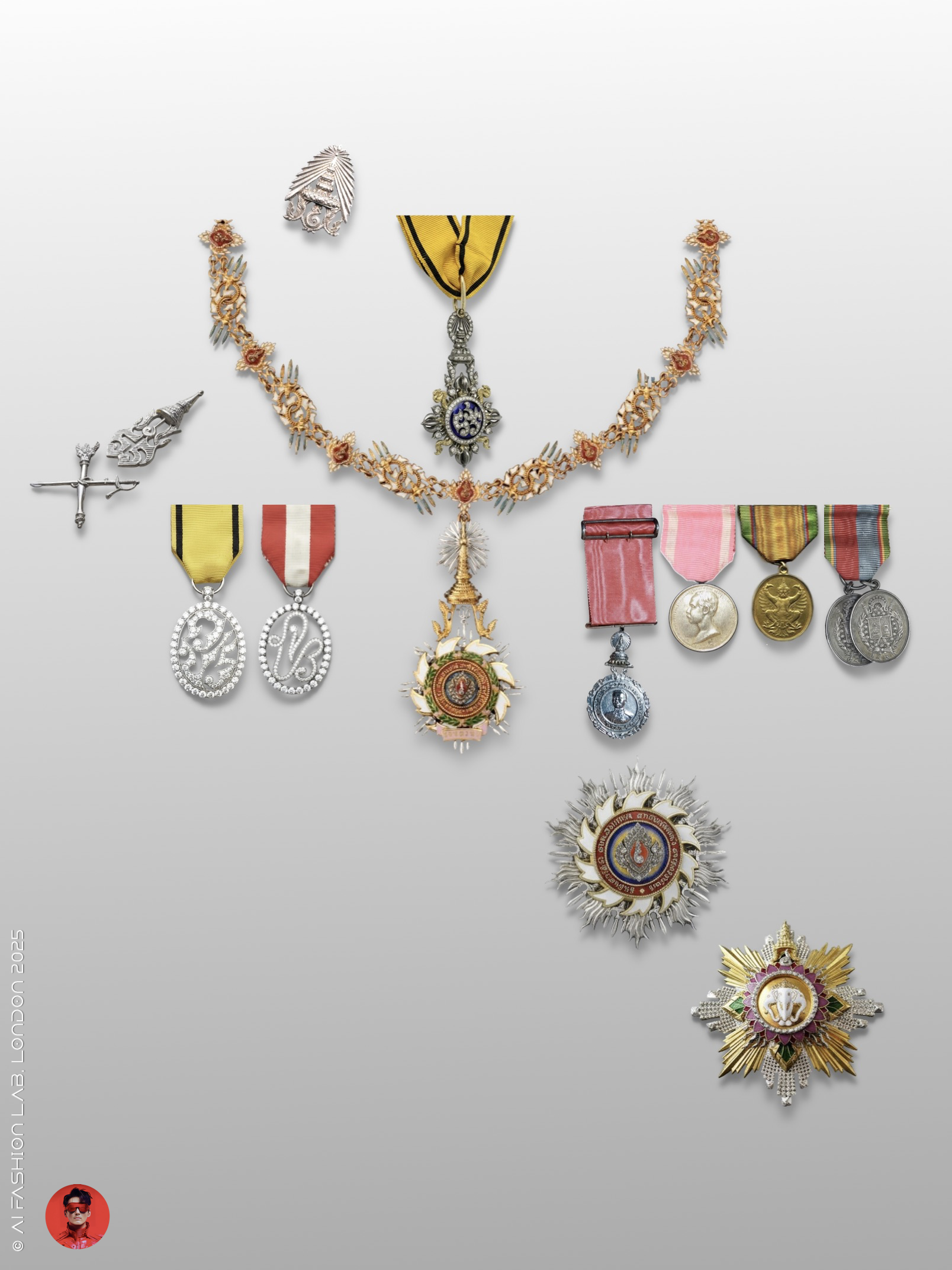
ภาพที่ผ่านการบูรณะและสร้างสรรค์ด้วยเทคโนโลยี AI นี้ เป็นพระบรมฉายาลักษณ์ของ พระบาทสมเด็จพระปรมินทรมหาประชาธิปก ขณะทรงฉลองพระองค์เครื่องแบบเต็มยศจอมทัพสยาม พระองค์ทรงเป็นพระมหากษัตริย์สยาม รัชกาลที่ ๗ แห่งราชวงศ์จักรี เสด็จเถลิงถวัลยราชสมบัติเมื่อวันที่ ๒๖ พฤศจิกายน พุทธศักราช ๒๔๖๘
พระมหากษัตริย์ไทยทรงดำรงตำแหน่ง “จอมทัพ” มาโดยต่อเนื่องยาวนาน ซึ่งได้รับการบัญญัติไว้อย่างชัดเจนในกฎหมายสูงสุดของประเทศ โดยรัฐธรรมนูญแห่งราชอาณาจักรสยาม พุทธศักราช ๒๔๗๕ มาตรา ๑๐ ระบุว่า
“พระมหากษัตริย์ทรงดำรงตำแหน่งจอมทัพสยาม”
และบทบัญญัติในทำนองเดียวกันนี้ได้ปรากฏอยู่ในรัฐธรรมนูญทุกฉบับที่ตราขึ้นภายหลัง รวมถึงรัฐธรรมนูญฉบับปัจจุบันด้วย
____________
จอมทัพกับธรรมเนียมของประมุขรัฐ
ในอดีต ธรรมเนียมนิยมของประมุขแห่งรัฐทั่วโลกคือการเป็นผู้รับผิดชอบสูงสุดในการปกป้องอาณาเขตของชาติ พระมหากษัตริย์ไทยก็ทรงปฏิบัติพระราชภารกิจนี้มาโดยตลอด ตั้งแต่สมัยสุโขทัย อยุธยา จนถึงยุคต้นกรุงรัตนโกสินทร์ โดยในรัชสมัย พระบาทสมเด็จพระพุทธยอดฟ้าจุฬาโลกมหาราช ยังทรงนำทัพออกศึกด้วยพระองค์เอง
แม้เมื่อกาลเวลาผ่านไป รูปแบบของสงครามและการทหารจะเปลี่ยนแปลง จนการนำทัพออกศึกโดยพระมหากษัตริย์มิได้เกิดขึ้นอีก แต่พระราชสถานะของการเป็น “จอมทัพไทย” ยังคงดำรงอยู่ในเชิงสัญลักษณ์และรัฐธรรมนูญ พระมหากษัตริย์ทรงเป็นมิ่งขวัญของเหล่าทหารหาญ และเป็นศูนย์รวมจิตใจของกองทัพและประชาชนทั้งชาติ
____________
จอมทัพในระบอบประชาธิปไตย
เมื่อประเทศเข้าสู่ระบอบประชาธิปไตย พระราชอำนาจในฐานะจอมทัพ เช่น การประกาศกฎอัยการศึก หรือการประกาศสงคราม ยังคงดำรงอยู่ตามบทบัญญัติแห่งรัฐธรรมนูญ แต่ในทางพฤตินัย การใช้อำนาจดังกล่าวจะกระทำผ่านรัฐบาล โดยมีนายกรัฐมนตรีเป็นผู้รับสนองพระบรมราชโองการ
พระราชกรณียกิจในฐานะจอมทัพไทยจึงปรากฏขึ้นเป็นหลักในรูปแบบของพระราชพิธีและพระราชภารกิจเชิงสัญลักษณ์ อาทิ การพระราชทานธงชัยเฉลิมพล พิธีสวนสนาม และพิธีปฏิญาณตนของทหารรักษาพระองค์ ซึ่งมีขึ้นอย่างเป็นทางการครั้งแรกเมื่อวันที่ ๑๑ พฤศจิกายน พุทธศักราช ๒๔๙๖
____________
ชาติ ทหาร และพระมหากษัตริย์
แนวคิดเรื่อง “คนไทยทุกคนเป็นทหาร” ฝังรากลึกอยู่ในประวัติศาสตร์และวัฒนธรรมไทย ดังปรากฏในถ้อยคำที่ว่า
“ชาติของเราเป็นไทยอยู่ได้จนถึงทุกวันนี้ เพราะบรรพบุรุษของเราเอาเลือด เอาเนื้อ เอาชีวิต และความลำบากยากเข็ญเข้าแลกไว้”
ข้อความนี้สะท้อนให้เห็นว่า ความเป็นชาติไทยก่อร่างสร้างขึ้นจากการต่อสู้และการเสียสละของบรรพชน จึงเกิดคติที่สืบทอดกันมาว่า คนไทยมีหน้าที่ร่วมกันป้องกันและรักษาชาติบ้านเมือง
อย่างไรก็ตาม ระบบการศึกษาที่มิได้เอื้อต่อการเรียนรู้ประวัติศาสตร์อย่างลึกซึ้ง ทำให้ความทรงจำร่วมทางประวัติศาสตร์เลือนรางลง ส่งผลให้พลังแห่งความภาคภูมิใจ ความรักชาติ และความสามัคคีอ่อนแรงลงอย่างน่าเสียดาย
____________
พระมหากษัตริย์ : จิตวิญญาณของชาติ
ในสังคมไทย พระมหากษัตริย์มิได้ทรงอยู่ห่างไกลจากไพร่ฟ้าประชาชน หากแต่ทรงเป็นผู้นำที่ “รบเคียงบ่าเคียงไหล่” กับประชาชนในยามศึก และทรงเป็นแบบอย่างในการดำรงชีวิต การทำมาหากิน ตลอดจนการอุปถัมภ์ศิลปะ วัฒนธรรม และวรรณกรรมในยามสงบ
สถาบันพระมหากษัตริย์จึงผูกพันกับชาติไทยอย่างแนบแน่นยาวนาน พระมหากษัตริย์แต่ละพระองค์ทรงเป็นหลักชัยของพสกนิกรตลอดรัชสมัย ทุกข์และสุขของประชาชนย่อมเป็นทุกข์และสุขของพระมหากษัตริย์ด้วย การสืบราชสันตติวงศ์ตามกฎมณเฑียรบาลอย่างเคร่งครัด จึงเป็นหลักประกันว่าพระมหากษัตริย์ไทยทรงดำรงพระราชฐานะเป็น “จิตวิญญาณของชาติ” อย่างแท้จริง
ธรรมเนียมปฏิบัติเหล่านี้ถือเป็นมรดกทางวัฒนธรรมและการเมืองที่สืบทอดมาอย่างต่อเนื่อง และเป็นลักษณะเฉพาะที่หาได้ยากในอารยประเทศอื่น ทำให้สังคมไทยสามารถดำรงอยู่ร่วมกันด้วยความสงบร่มเย็นมาเป็นเวลาช้านาน
การเคารพ เทิดทูน และจงรักภักดีต่อสถาบันพระมหากษัตริย์ จึงมิใช่เพียงความรู้สึกส่วนบุคคล หากแต่เป็นองค์ประกอบสำคัญของความเป็นชาติไทย ที่ผูกโยง ชาติ ศาสนา พระมหากษัตริย์ และการปกครองระบอบประชาธิปไตยอันมีพระมหากษัตริย์ทรงเป็นประมุข เข้าไว้ด้วยกันอย่างแยกไม่ออก
ดังพระราชนิพนธ์ใน พระบาทสมเด็จพระมงกุฎเกล้าเจ้าอยู่หัว ที่ทรงเปรียบเทียบสังคมมนุษย์กับหมู่สัตว์ ซึ่งล้วนต้องมีผู้นำ หากกองทัพไร้จอมทัพ ก็ยากจะต่อสู้กับผู้ใดได้ ฉันใด ประเทศชาติที่ไร้หลักชัยทางจิตวิญญาณ ก็ยากจะดำรงความมั่นคงได้ฉันนั้น
โขลงช้าง ยังมี พญาสาร
ครอบครอง บริวาร ทั้งหลาย
ฝูงโค ขุนโค ก็เป็นนาย
มุ่งหมาย นำพวก ไปหากิน
ฝูงหงส์ มีเหม ราชา
สกุณา มีขุน ปักษิณ
เทวา ยังมี สักรินทร์
เป็นปิ่น เทวัญ ชั้นฟ้า
เผ่าชน จะตั้ง เป็นคณะ
จะต่างคิด เกะกะ ตามประสา
จะอยู่ ได้ดี กี่เวลา
ดูน่า จะยับ อับจน
จำเป็น ต้องมี หัวหน้า
กะการ บัญชา ให้เป็นผล
กองทัพ บริบูรณ์ ผู้คน
ไม่มี จุมพล จะสู้ใคร
(พระราชนิพนธ์ในพระบาทสมเด็จพระมงกุฏเกล้าพระเจ้าอยู่หัว)
____________
King Prajadhipok (Rama VII)
Commander-in-Chief of Siam in the History of Thailand’s Constitutional Monarchy
The AI-restored and creatively colourised image presented here is a royal portrait of King Prajadhipok shown wearing the full dress uniform of the Commander-in-Chief of Siam. He was the seventh monarch of the Chakri dynasty and ascended the throne on 26 November B.E. 2468 (1925).
The Thai monarch has long held the position of “Commander-in-Chief,” a status explicitly enshrined in the highest law of the land. The Constitution of the Kingdom of Siam, B.E. 2475 (1932), Article 10, states:
“The King shall be the Commander-in-Chief of the armed forces of Siam.”
Provisions of the same nature have appeared in every subsequent constitution promulgated thereafter, including the present Constitution.
The Commander-in-Chief and the Tradition of Heads of State
Historically, it has been customary for heads of state throughout the world to bear ultimate responsibility for the defence of their national territory. Thai monarchs have consistently fulfilled this duty, from the Sukhothai and Ayutthaya periods through to the early Rattanakosin era. During the reign of King Rama I, King Phutthayotfa Chulalok the Great, the monarch personally led armies into battle against invading forces.
Although the nature of warfare and military organisation has evolved over time—rendering royal leadership on the battlefield no longer practicable—the royal status of the King as “Commander-in-Chief of Thailand” has endured in both symbolic and constitutional terms. The monarch remains the spiritual anchor of the armed forces and a unifying focus for the nation as a whole.
The Commander-in-Chief in a Democratic System
With Thailand’s transition to a democratic system, the royal authority associated with the role of Commander-in-Chief—such as the declaration of martial law or war—continues to exist under constitutional provisions. In practice, however, such powers are exercised through the government, with the Prime Minister countersigning royal commands.
Royal duties in the capacity of Commander-in-Chief are therefore manifested primarily through ceremonial and symbolic functions, including the presentation of regimental colours, military parades, and oath-taking ceremonies by the King’s Guards. These ceremonies were formally instituted for the first time on 11 November B.E. 2496 (1953).
Nation, Soldier, and Monarch
The idea that “every Thai is a soldier” is deeply rooted in Thai history and culture, as reflected in the oft-quoted passage:
“Our nation has survived as Thailand to this day because our ancestors exchanged their blood, flesh, lives, and hardship for it.”
This statement clearly conveys that Thai nationhood was forged through struggle and sacrifice. From this arose the enduring belief that all Thai people share a collective duty to defend and preserve the nation.
However, an educational system that has not sufficiently fostered historical understanding has led to a fading of collective historical memory. As a result, key foundations for national pride, patriotism, unity, and social cohesion have weakened—an outcome much to be regretted.
The Monarch: The Spiritual Essence of the Nation
In Thai society, the monarch has never stood apart from the people. Rather, the King has historically been a leader who stood “shoulder to shoulder” with the populace in times of war, and who provided guidance in livelihoods, craftsmanship, and the patronage of arts, culture, and literature in times of peace.
The institution of monarchy has therefore been inseparably bound to the Thai nation for centuries. Each monarch has borne responsibility as the pillar of the people throughout his reign. The joys and sufferings of the people are, in turn, the joys and sufferings of the King. The strict adherence to the Palace Law of Succession ensures that every Thai monarch embodies the role of the nation’s spiritual essence in its truest sense.
These traditions constitute a continuous cultural and political heritage, distinctive and rarely paralleled elsewhere, enabling Thai society to coexist in relative peace and stability over a long historical span.
Respect, reverence, and loyalty to the monarchy are thus not merely personal sentiments but essential components of Thai nationhood—binding together Nation, Religion, the Monarchy, and a democratic system of governance with the King as Head of State into an indivisible whole.
This principle is eloquently reflected in the royal writings of King Vajiravudh, who likened human society to animal herds, each of which requires a leader. Just as an army without a commander cannot prevail against its enemies, so too a nation without a spiritual anchor cannot maintain its stability.
“Even a herd of elephants has its leading bull,
Commanding all its followers.
A herd of cattle has its master bull,
Guiding the group to pasture.
A flock of swans has its royal leader,
Birds have their chief.
The gods themselves have Indra
As the pinnacle of the heavenly realm.
When people gather as a society,
Each thinking freely by nature,
How long could order endure?
Disorder would soon prevail.
A leader is therefore essential,
To command and bring results to pass.
An army, no matter how numerous,
Without a supreme commander—how could it fight?”
(Royal composition by King Vajiravudh, Rama VI)
____________
เรียนเชิญกด Subscribe ได้ที่ลิงก์นี้ครับ เพื่อร่วมติดตามงานสร้างสรรค์ต้นฉบับ งานวิจัยประวัติศาสตร์แฟชั่น และผลงานอนุรักษ์มรดกวัฒนธรรมด้วยเทคโนโลยี AI ของ AI Fashion Lab, London ซึ่งมุ่งตีความอดีตผ่านมิติใหม่ของการบูรณะภาพ การสร้างสรรค์ภาพ และการเล่าเรื่องด้วยศิลปะเชิงดิจิทัล 🔗 https://www.facebook.com/aifashionlab/subscribe/
#aifashionlab #AI #aiartist #aiart #aifashion #aifashiondesign #aifashionstyling #aifashiondesigner #fashion #fashionhistory #historyoffashion #fashionstyling #fashionphotography #digitalfashion #digitalfashiondesign #digitalcostumedesign #digitaldesign #digitalaiart #ThaiFashionHistory #ThaiFashionAI #thailand #UNESCO