พระนางศุภยาลัต (စုဖုရားလတ်)
พระนางศุภยาลัต (စုဖုရားလတ်)
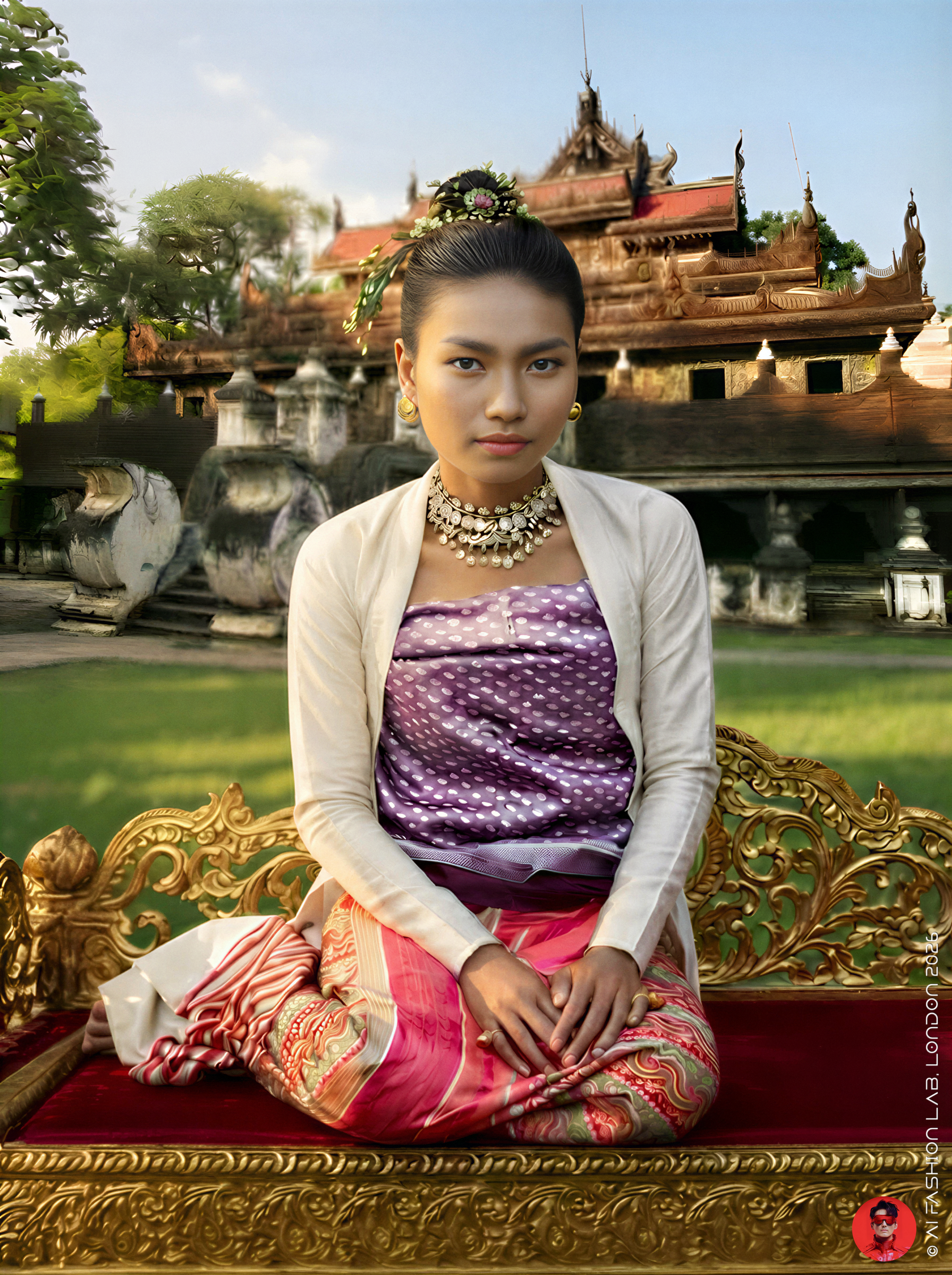
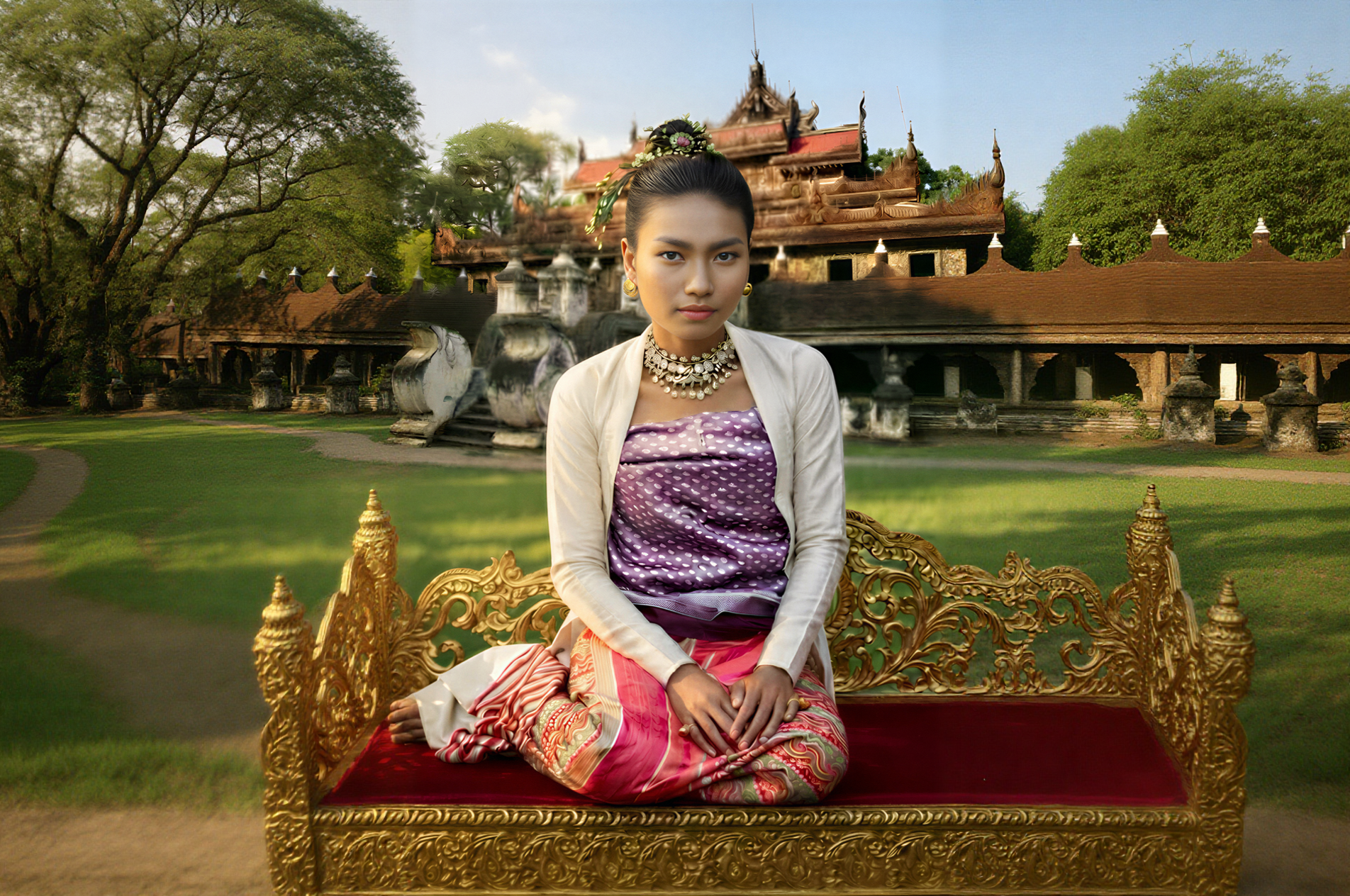
ภาพที่ได้รับการบูรณะและสร้างสรรค์ขึ้นด้วยเทคโนโลยี AI นี้คือ พระรูปพระนางศุภยาลัต (พม่า: စုဖုရားလတ် ซุพะยาละ) พระอัครมเหสีพระองค์สุดท้ายแห่งราชวงศ์อลองพญาพระราชธิดาในพระเจ้ามินดงที่พระราชสมภพแต่พระนางอเลนันดอ พระนางเป็นพระอัครมเหสีในพระเจ้าสีป่อ กษัตริย์พม่าองค์สุดท้ายก่อนที่จะตกเป็นอาณานิคมของอังกฤษ
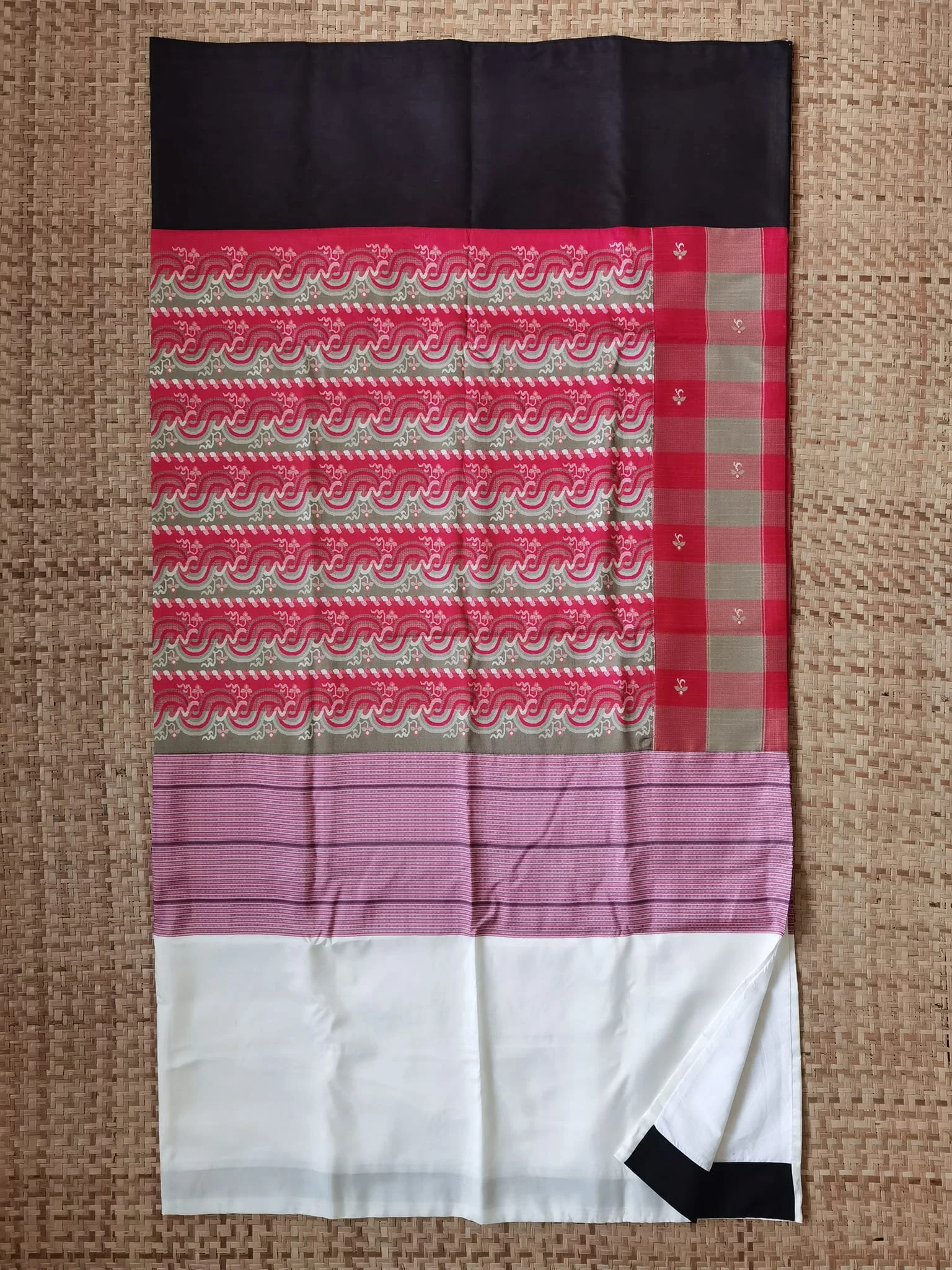
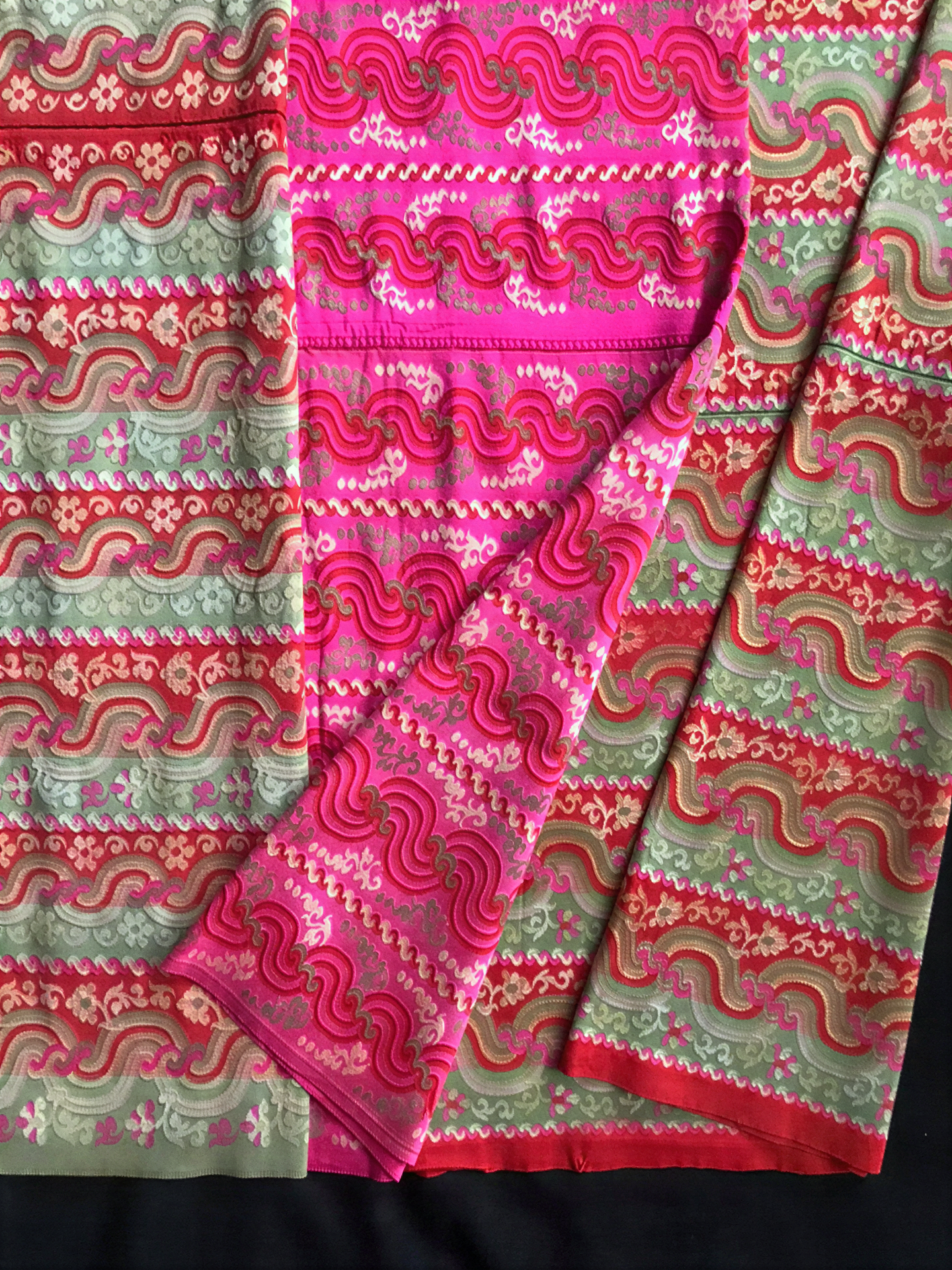
ในภาพนี้ได้มีการสร้างสรรค์ผ้าซิ่นลุนตยา ให้มีสีสันและลวดลายที่ชัดเจนขึ้นกว่าภาพต้นฉบับ เพื่อการศึกษาผ้าและประวัติศาสตร์แฟชั่น ‘ผ้าลุนตยา’ หรือ ลุนตยาอเชะ (Luntaya Acheik) คือผ้าทอที่ใช้สวมใส่ในเชื้อพระวงศ์และขุนนางภายในราชสำนักพม่าแห่งกรุงมัณฑะเลในยุคจารีต ผ้าจะถูกใช้เป็นผ้านุ่งสำหรับทั้งชายและหญิง ผู้ชายจะนุ่งผ้าผืนยาวเรียกว่า ‘ตาวง์เฉ่ญ์ปะโซ’ ส่วนสตรีใช้ผ้าซิ่นที่ไม่เย็บตะเข็บ นุ่งด้วยวิธีการพับปล่อยชายผ้าถุงยาวลากพื้นเรียกว่า ‘ทะเมง’
ลวดลายของผืนผ้าส่วนใหญ่มีลักษณะคล้ายคลื่นที่มีความต่อเนื่อง (คำว่า ‘อเชะ’ หรือ Achiek เป็นภาษาพม่า แปลว่า ‘ตะขอ’ หรือกริยาที่หมายถึง ‘เกี่ยวกันไว้’) นักสะสมผ้ายุคปัจจุบันมองว่าลวดลายลักษณะนี้อาจเป็นได้ทั้งคลื่นน้ำ คลื่นเมฆ ที่ลื่นไหล หรือลายพฤกษา เส้นเรขาคณิตที่คล้องกัน โดยเส้นสายทั้งหมดล้วนเกิดจากการทอแบบเกาะล้วง ผ่านการทอจากด้านหลังของชิ้นงาน และใช้กระจกส่องลายจากด้านล่าง
____________
พระประวัติ
พระนางเป็นพระราชธิดาในพระเจ้ามินดงกับมเหสีรองคือพระนางอเลนันดอ พระนางศุภยาลัตมีพระเชษฐภคินีคือพระนางศุภยาจี และมีพระขนิษฐาคือพระนางศุภยาเล อุปนิสัยของพระนางศุภยลัตมีลักษณะเหมือนพระราชมารดา คือ มีความทะเยอทะยาน เจ้ากลอุบาย ใจร้าย ขี้หึง เชื้อสายดั้งเดิมเป็นสามัญชน เนื่องจากยายของพระนางเป็นแม่ค้าขายของในตลาดมาก่อน โดยพระเจ้าจักกายแมง ทรงรับเอามาเป็นนางสนมตั้งแต่ครั้งพระเจ้าจักกายแมงยังดำรงพระยศเป็นเจ้าฟ้า
พระเจ้ามินดง พระราชบิดาของพระนาง มีเจ้านครญองย่าน กับเจ้านครญองโอ๊ะ เป็นพระราชโอรสที่พอจะมีความสามารถขึ้นครองราชย์ เพราะทั้งสองพระองค์เรียนจบโรงเรียนฝรั่ง มีความฉลาดและเข้มแข็งพอสมควร แต่พระนางอเลนันดอและขุนนางเห็นว่าจะคุมได้ยาก จึงเลือกเจ้านครสีป่อที่อ่อนแอกว่า ซึ่งผนวชเป็นพระมาตลอด นิสัยเชื่องช้า หัวอ่อน และพระเจ้ามินดงเองก็เกรงพระทัยมเหสีรอง จึงไม่ได้ตั้งเจ้าชายพระองค์ใดเป็นรัชทายาทอย่างชัดเจน
____________
การยึดอำนาจ
เมื่อพระเจ้ามินดงทรงพระประชวรหนัก พระนางอเลนันดอจึงเรียกพวกเสนาบดีประชุมในที่รโหฐานและประกาศตั้งเจ้านครสีป่อเป็นรัชทายาท ไล่จับกุมบรรดาเจ้าชายและขุนนางในฝ่ายอื่น ๆ ที่ไม่ใช่ของตัวเองใส่คุกไปมากมาย ต่อมาเมื่อพระเจ้ามินดงสวรรคตแล้ว ก็ให้เจ้านครสีป่อขึ้นเป็นกษัตริย์แห่งกรุงพม่า พอขึ้นครองราชย์ได้พระมเหสีและมารดากับกลุ่มขุนนางก็จัดการสังหารบรรดาพี่น้องตัวเอง และบริวารรวมกันถึงราว 500 กว่าคน เจ้าชายพระองค์ใดถูกปลงพระชนม์ เจ้าจอมมารดา พระญาติและบรรดาลูก ๆ รวมทั้งเจ้าน้ององค์หญิงเจ้าฟ้าองค์นั้น ซึ่งมีทั้งผู้เฒ่าชราและแม้แต่เด็กจนถึงทารกไร้เดียงสาก็ถูกสังหารจนสิ้นด้วยสารพัดวิธีอันหฤโหด ขุนนางที่เคยรับใช้หรือญาติทางฝ่ายจอมมารดาก็จับฆ่าเสียสิ้นเหมือนกัน ด้วยพิธีที่พิสดาร และตามแต่เพชฌฆาตจะเห็นสนุก
การสังหารหมู่ดังกล่าวใช้เวลาอยู่สามวันจึงสังหารได้หมดเพราะต้องฆ่าที่วังแต่เวลากลางคืน เพื่อไม่ให้พวกชาวเมืองรู้ พระนางศุภยาลัตทรงให้จัดงานปอยตลอดสามวันนั้น ให้ชาวเมืองเที่ยวงานให้สนุก พระเจ้าธีบอก็จัดให้ดื่มน้ำจัณฑ์จนเมามายเพื่อไม่ให้สนใจการสังหารครั้งนั้น เมื่อสังหารแล้วก็จับโยนใส่หลุมใหญ่ข้างวังรวมกัน แล้วเอาดินกลบ แต่พอพ้นสามวัน ศพเหล่านั้นเริ่มขึ้นอืดจนเนินหลุมที่ฝังพูนขึ้น ก็เอาช้างหลวงมาเหยียบย่ำให้ดินที่นูนขึ้นมานั้นแบนราบลง แต่สุดท้ายก็ไม่สามารถปิดบังหลุมใหญ่นั้นได้ เพราะจำนวนศพมีมากจนดันเนินดินให้นูนขึ้นซ้ำแล้วซ้ำเล่า สุดท้ายก็ต้องให้ขุดศพใส่เกวียนไปฝังบ้าง ทิ้งน้ำบ้าง[1] เล่ากันว่าคืนนั้นสุนัขเห่าหอนทั้งคืน จนชาวเมืองผวาไม่เป็นอันหลับอันนอน พระนางจัดให้เอาวงดนตรีปี่พาทย์ การแสดงต่าง ๆ มาบรรเลงในวังตลอดเวลาที่ทำการสำเร็จโทษพวกเจ้านาย เพื่อให้เสียงดนตรีปี่กลองกลบเสียงกรีดร้องขอชีวิต แต่ขณะเดียวกันในประวัติศาสตร์พม่านั้นเชื่อว่าพระนางอเลนันดอและเกงหวุ่นเมงจีอยู่เบื้องหลังการสั่งฆ่าโอรสธิดา
____________
การสูญสิ้นอำนาจ
พระนางศุภยาลัต และแตงดาวุ่นกี้ไม่พอใจที่อังกฤษให้ค่าสัมปทานป่าไม้น้อย และฝรั่งเศสทำท่าจะเข้ามาเสนอให้มากกว่าประกอบกับมีการกล่าวหาว่าอังกฤษลอบตัดไม้เกินกว่าที่ได้รับสัมปทาน พม่าเลยสั่งปรับอย่างหนักถึง 1 ล้านรูปี อังกฤษก็ไม่พอใจยื่นประท้วง แต่พม่าไม่ยอม ตอนนั้นพระนางศุภยาลัตคิดว่าตัวเองมีฝรั่งเศสหนุนหลัง แต่ต่อมาเกิดเรื่องจริง ๆ ฝรั่งเศสก็วางตัวเป็นกลาง
วันที่ 17 ตุลาคม พ.ศ. 2428 อังกฤษก็เริ่มส่งข้อเรียกร้องขั้นเด็ดขาด และพม่ายอมไม่ได้ เช่น ให้อังกฤษเป็นคนควบคุมนโยบายการค้าการเดินเรือของพม่าทั้งหมด ฯลฯ มิฉะนั้นจะรบกับพม่า ซึ่งขณะนั้นอังกฤษได้ยึดพม่าได้ทางใต้ได้แล้วจากสนธิสัญญายันดาโบ
พระเจ้าธีบอตามพระทัยมเหสีจึงสั่งให้เตรียมพลไปรบ อังกฤษก็ให้นายพลแฮร์รี เพนเดอร์กาส นำทหารทั้งฝรั่งและอินเดียเคลื่อนพลเข้ารบ จากย่างกุ้งบุกไปตามแม่น้ำอิรวดีถึงมัณฑะเลย์ ใช้เวลาแค่ 14 วันก็ยึดเมืองหลวงได้ นักประวัติศาสตร์ส่วนใหญ่ให้ความเห็นว่า นอกเหนือจากอาวุธที่ดีกว่าอย่างเทียบไม่ติด แต่เหตุผลสำคัญที่สุดคือราษฎรไม่คิดจะต่อสู้เพราะไม่รู้จะสู้ไปเพื่ออะไร เนื่องจากรัฐบาลของพระเจ้าธีบอโดยพระนางศุภยาลัต กดขี่พวกเขามาตลอด บ้านเมืองจึงขาดความสามัคคีขนาดหนัก เนื่องจากกษัตริย์และมเหสีไม่เคยทำตนให้เป็นที่รักของประชาชนพม่าของพระองค์เอง พระเจ้าธีบอ และพระนางศุภยาลัตจึงถูกเชิญให้ไปยังเมืองรัตนคีรี ซึ่งเป็นการสิ้นสุดเอกราชของพม่า และการปกครองโดยราชวงศ์โก้นบองที่มีอย่างยาวนาน
____________
การสูญสิ้นอำนาจ
พระนางศุภยาลัต และแตงดาวุ่นกี้ไม่พอใจที่อังกฤษให้ค่าสัมปทานป่าไม้น้อย และฝรั่งเศสทำท่าจะเข้ามาเสนอให้มากกว่าประกอบกับมีการกล่าวหาว่าอังกฤษลอบตัดไม้เกินกว่าที่ได้รับสัมปทาน พม่าเลยสั่งปรับอย่างหนักถึง 1 ล้านรูปี อังกฤษก็ไม่พอใจยื่นประท้วง แต่พม่าไม่ยอม ตอนนั้นพระนางศุภยาลัตคิดว่าตัวเองมีฝรั่งเศสหนุนหลัง แต่ต่อมาเกิดเรื่องจริง ๆ ฝรั่งเศสก็วางตัวเป็นกลาง
วันที่ 17 ตุลาคม พ.ศ. 2428 อังกฤษก็เริ่มส่งข้อเรียกร้องขั้นเด็ดขาด และพม่ายอมไม่ได้ เช่น ให้อังกฤษเป็นคนควบคุมนโยบายการค้าการเดินเรือของพม่าทั้งหมด ฯลฯ มิฉะนั้นจะรบกับพม่า ซึ่งขณะนั้นอังกฤษได้ยึดพม่าได้ทางใต้ได้แล้วจากสนธิสัญญายันดาโบ
พระเจ้าธีบอตามพระทัยมเหสีจึงสั่งให้เตรียมพลไปรบ อังกฤษก็ให้นายพลแฮร์รี เพนเดอร์กาส นำทหารทั้งฝรั่งและอินเดียเคลื่อนพลเข้ารบ จากย่างกุ้งบุกไปตามแม่น้ำอิรวดีถึงมัณฑะเลย์ ใช้เวลาแค่ 14 วันก็ยึดเมืองหลวงได้ นักประวัติศาสตร์ส่วนใหญ่ให้ความเห็นว่า นอกเหนือจากอาวุธที่ดีกว่าอย่างเทียบไม่ติด แต่เหตุผลสำคัญที่สุดคือราษฎรไม่คิดจะต่อสู้เพราะไม่รู้จะสู้ไปเพื่ออะไร เนื่องจากรัฐบาลของพระเจ้าธีบอโดยพระนางศุภยาลัต กดขี่พวกเขามาตลอด บ้านเมืองจึงขาดความสามัคคีขนาดหนัก เนื่องจากกษัตริย์และมเหสีไม่เคยทำตนให้เป็นที่รักของประชาชนพม่าของพระองค์เอง พระเจ้าธีบอ และพระนางศุภยาลัตจึงถูกเชิญให้ไปยังเมืองรัตนคีรี ซึ่งเป็นการสิ้นสุดเอกราชของพม่า และการปกครองโดยราชวงศ์โก้นบองที่มีอย่างยาวนาน
____________
ถูกเชิญออกนอกประเทศ
เมื่อถูกถอดจากบัลลังก์ อังกฤษก็ได้เชิญพระเจ้าธีบอและพระนางศุภยาลัตไปประทับยังบริติชราช ทั้งสองพระองค์ประทับที่เมืองมัทราสราว 2-3 เดือน ภายหลังจึงถูกส่งไปประทับถาวรที่เมืองรัตนคีรีเมืองเล็ก ๆ ทางชายฝั่งทะเล ทางใต้เมืองบอมเบย์ (มุมไบในปัจจุบัน) พระนางศุภยลัตเกิดทะเลาะกับพระนางอเลนันดอ จนพระนางอเลนันดอต้องขอกลับพม่า อังกฤษก็ยอมให้กลับคุมตัวไว้ที่เมืองเมาะลำเลิงจนสิ้นพระชนม์ พระเจ้าธีบอกับพระนางศุภยลัตถูกเนรเทศอยู่ที่บริติชราชนาน 31 ปี จนพระเจ้าธีบอจึงสิ้นพระชนม์ที่เมืองรัตนคีรีนั่นเอง พระนางจึงได้รับอนุญาตให้พาลูกสาวไปอยู่ย่างกุ้ง ส่วนพระศพพระเจ้าธีบอนั้นฝังไว้ที่อินเดีย
____________
คืนสู่พม่า
ต่อมา พระนางได้กลับมาสู่พม่าที่เมืองย่างกุ้ง ทรงเคียดแค้นขุนนางพม่าที่ไปเข้ากับอังกฤษ ตรัสบริภาษอยู่เป็นประจำ มีฝรั่งเขียนเกี่ยวกับพระนางไว้ว่า เมื่อพระนางแก่ตัวเข้าและรู้สำนึกในชีวิตแล้ว ทรงสงบเสงี่ยม สุภาพ น่าสงสาร ทรงเลี้ยงสุนัขเป็นเพื่อน และเสียพระทนต์ทั้งหมด พระนางอยู่ในตำหนักที่อังกฤษจัดถวายให้ในเมืองย่างกุ้ง 10 ปี จึงสวรรคตเมื่อวันที่ 24 พฤศจิกายน พ.ศ. 2468 ขณะพระชนมายุ 65 พรรษา โดยรัฐบาลอังกฤษจัดการพระบรมศพให้ตามธรรมเนียม แต่ไม่อนุญาตให้เชิญพระบรมศพขึ้นไปที่ราชธานีกรุงมัณฑะเลย์ คงอนุญาตเพียงแต่ทำเป็นมณฑปบรรจุพระบรมอัฐิเท่านั้น ปัจจุบันนี้อยู่ที่ถนนเจดีย์ชเวดากอง ห่างจากบันไดด้านทิศใต้ของพระเจดีย์ชเวดากองมาประมาณ 200 เมตร สร้างเป็นกู่ทรงมณฑปยอดปราสาทแบบพม่า ก่ออิฐฉาบปูนขาว รูปทรงคล้ายที่ฝังพระบรมศพของพระเจ้ามินดงในกรุงมัณฑะเลย์ ที่ฐานล่างมีแผ่นจารึกแผ่นเล็กของตอปยากะเล (Taw Payar Kalay) หรือออง ซาย (Aung Zay) ซึ่งเป็นพระราชนัดดาคนสุดท้ายของพระเจ้าสีป่อ ที่เสียชีวิตเมื่อ พ.ศ. 2549 และนำอัฐิมาฝังไว้ในกู่เดียวกับพระนางศุภยาลัต โดยพระนางมีศักดิ์เป็น "พระอัยยิกา" ของพระราชนัดดาคนนี้ ปัจจุบันยังมีที่ฝังพระบรมศพอยู่ในย่างกุ้ง
____________
Textile references courtesy of Wasin – Thai Handwoven Textiles and Shwe – Luntaya Printed Textiles.
Further reading (English): The Cloud – Shwe Luntaya (readthecloud.co/shwe-luntaya/)
____________
Queen Supayalat (စုဖုရားလတ်)
This AI-restored and creatively enhanced image represents Queen Supayalat (Burmese: စုဖုရားလတ်, Suphaya Lat), the last chief queen consort of the Konbaung Dynasty of Burma. She was a royal daughter of King Mindon Min, born to the secondary queen Ale-nandaw, and later became the principal queen of King Thibaw, the final monarch of Burma before the country fell under British colonial rule.
In this image, the Luntaya silk (Luntaya Acheik) has been re-imagined with heightened colour clarity and sharper pattern definition compared to the original historical photograph, specifically for the study of textiles and fashion history.
Luntaya Acheik is a prestigious woven textile traditionally reserved for royalty and high-ranking courtiers of the Mandalay court in pre-colonial Burma. The cloth was worn by both men and women: men wrapped a long textile known as taung-shay paso, while women wore an unstitched tubular skirt (htamein), draped so that the hem trailed elegantly along the ground.
The patterns are characterised by continuous, wave-like rhythms. The term Acheik (from Burmese, meaning “interlocking” or “hooked together”) refers to the intricate, interlaced motifs. Modern textile scholars interpret these designs as stylised water waves, cloud formations, botanical abstractions, or interlocking geometric lines. Technically, Acheik weaving is exceptionally complex: the patterns are created through a supplementary weft technique, woven from the reverse side of the cloth, with artisans traditionally using mirrors placed beneath the loom to monitor the evolving design.
Biography
Queen Supayalat was the daughter of King Mindon Min and his secondary consort Ale-nandaw. She had an elder sister, Queen Supayagyi, and a younger sister, Queen Supayale. Her temperament was often described as closely resembling that of her mother—ambitious, politically astute, intensely jealous, and ruthless. Unlike many royal consorts, her maternal lineage was of common origin: her grandmother had once been a market trader before being taken as a concubine by Prince Kyagya Min (later King Mindon Min) during his princely years.
King Mindon Min had other sons—most notably the princes of Nyaungyan and Nyaung-ok—who were considered capable potential heirs. They had received Western-style education, were intelligent, and showed strength of character. However, Queen Ale-nandaw and her faction of courtiers believed these princes would be difficult to control. Instead, they supported Prince Thibaw, who had spent much of his life as a monk, was mild-tempered, slow-moving, and politically inexperienced. King Mindon Min himself, wary of opposing his secondary queen, never formally designated a crown prince.
Seizure of Power
When King Mindon Min fell gravely ill, Queen Ale-nandaw convened a secret council of ministers and proclaimed Prince Thibaw as heir apparent. Rival princes and opposing courtiers were arrested and imprisoned in large numbers. After King Mindon Min’s death, Thibaw ascended the throne, and under the influence of his queen and her allies, a brutal purge followed.
Over the course of approximately three days, an estimated five hundred royal relatives, concubines, courtiers, and their children—including infants and the elderly—were executed by various horrific methods. The killings were carried out at night within the palace grounds to conceal them from the public. To distract the population, Queen Supayalat ordered continuous festivities, while King Thibaw encouraged heavy drinking so that the city remained oblivious to the massacres.
The bodies were initially buried in mass graves near the palace. As decomposition caused the earth to swell, royal elephants were used to trample the ground flat. Eventually, the sheer number of corpses made concealment impossible, and some bodies were exhumed and disposed of elsewhere, including being thrown into water. Contemporary accounts describe dogs howling throughout the night, spreading terror among the populace. Music and court performances were staged constantly to drown out the screams of the victims.
However, Burmese historical tradition often places the primary responsibility for the massacre on Queen Ale-nandaw and the powerful minister Kinwun Mingyi, rather than on Supayalat alone.
Loss of Power and the British Conquest
Queen Supayalat and the powerful minister Taingda Wun-gyi grew increasingly dissatisfied with British timber concessions, which they considered insufficient, while France appeared ready to offer more favourable terms. Accusations were made that British companies were illegally over-logging beyond their licensed quotas, leading the Burmese court to impose a massive fine of one million rupees. Britain protested; Burma refused to back down. Supayalat believed France would support Burma diplomatically—but when conflict arose, France remained neutral.
On 17 October 1885, Britain issued an ultimatum demanding, among other conditions, control over Burmese trade and river navigation. Burma rejected these demands. At that time, Britain already controlled Lower Burma following the Treaty of Yandabo. King Thibaw, following the wishes of his queen, ordered preparations for war.
British forces under General Harry Prendergast advanced rapidly from Rangoon up the Irrawaddy River, capturing Mandalay in just fourteen days. Historians widely agree that beyond Britain’s overwhelming military superiority, the decisive factor was the lack of popular support for the monarchy. Years of oppression under King Thibaw’s regime—dominated by Supayalat—had eroded any loyalty among the people. With national unity shattered, resistance collapsed. Burma’s independence ended, along with centuries of Konbaung rule.
Exile
After their deposition, King Thibaw and Queen Supayalat were escorted by the British into exile in British India. They initially stayed in Madras for several months before being sent permanently to Ratnagiri, a small coastal town south of Bombay (modern Mumbai). Supayalat later quarrelled bitterly with her mother, Ale-nandaw, who requested permission to return to Burma. The British allowed her return under supervision, and she died there.
King Thibaw and Queen Supayalat lived in exile for thirty-one years. Thibaw died in Ratnagiri, where he was buried. Supayalat was later permitted to move with her daughters to Yangon, while her husband’s remains remained in India.
Final Years and Death
Back in Burma, Queen Supayalat lived in Yangon under British supervision. She remained deeply resentful of Burmese elites who had collaborated with the colonial authorities and frequently denounced them. Western observers later wrote that, in old age, she became quieter and more reflective, evoking pity rather than fear. She lived modestly, kept dogs for companionship, and lost all her teeth.
She resided for ten years in a residence provided by the British government and died on 24 November 1925 at the age of sixty-five. The British arranged her funeral but forbade the transfer of her remains to Mandalay. Instead, her ashes were interred in a small mausoleum near Shwedagon Pagoda, approximately 200 metres south of the southern stairway. The structure is a Burmese-style whitewashed brick mausoleum with a tiered spire, resembling the tomb of King Mindon Min in Mandalay.
Also interred there is a small inscribed plaque commemorating Taw Payar Kalay (Aung Zay), the last royal grandchild of King Thibaw, who died in 2006. As Supayalat was his great-grandmother, they now rest together. The mausoleum remains in Yangon to this day.
Acknowledgements
Textile references courtesy of Wasin – Thai Handwoven Textiles and Shwe – Luntaya Printed Textiles.
Further reading (English): The Cloud – Shwe Luntaya (readthecloud.co/shwe-luntaya/)
____________
เรียนเชิญกด Subscribe ได้ที่ลิงก์นี้ครับ เพื่อร่วมติดตามงานสร้างสรรค์ต้นฉบับ งานวิจัยประวัติศาสตร์แฟชั่น และผลงานอนุรักษ์มรดกวัฒนธรรมด้วยเทคโนโลยี AI ของ AI Fashion Lab, London ซึ่งมุ่งตีความอดีตผ่านมิติใหม่ของการบูรณะภาพ การสร้างสรรค์ภาพ และการเล่าเรื่องด้วยศิลปะเชิงดิจิทัล 🔗 https://www.facebook.com/aifashionlab/subscribe/
#aifashionlab #AI #aiartist #aiart #aifashion #aifashiondesign #aifashionstyling #aifashiondesigner #fashion #fashionhistory #historyoffashion #fashionstyling #fashionphotography #digitalfashion #digitalfashiondesign #digitalcostumedesign #digitaldesign #digitalaiart #ThaiFashionHistory #ThaiFashionAI #thailand #UNESCO