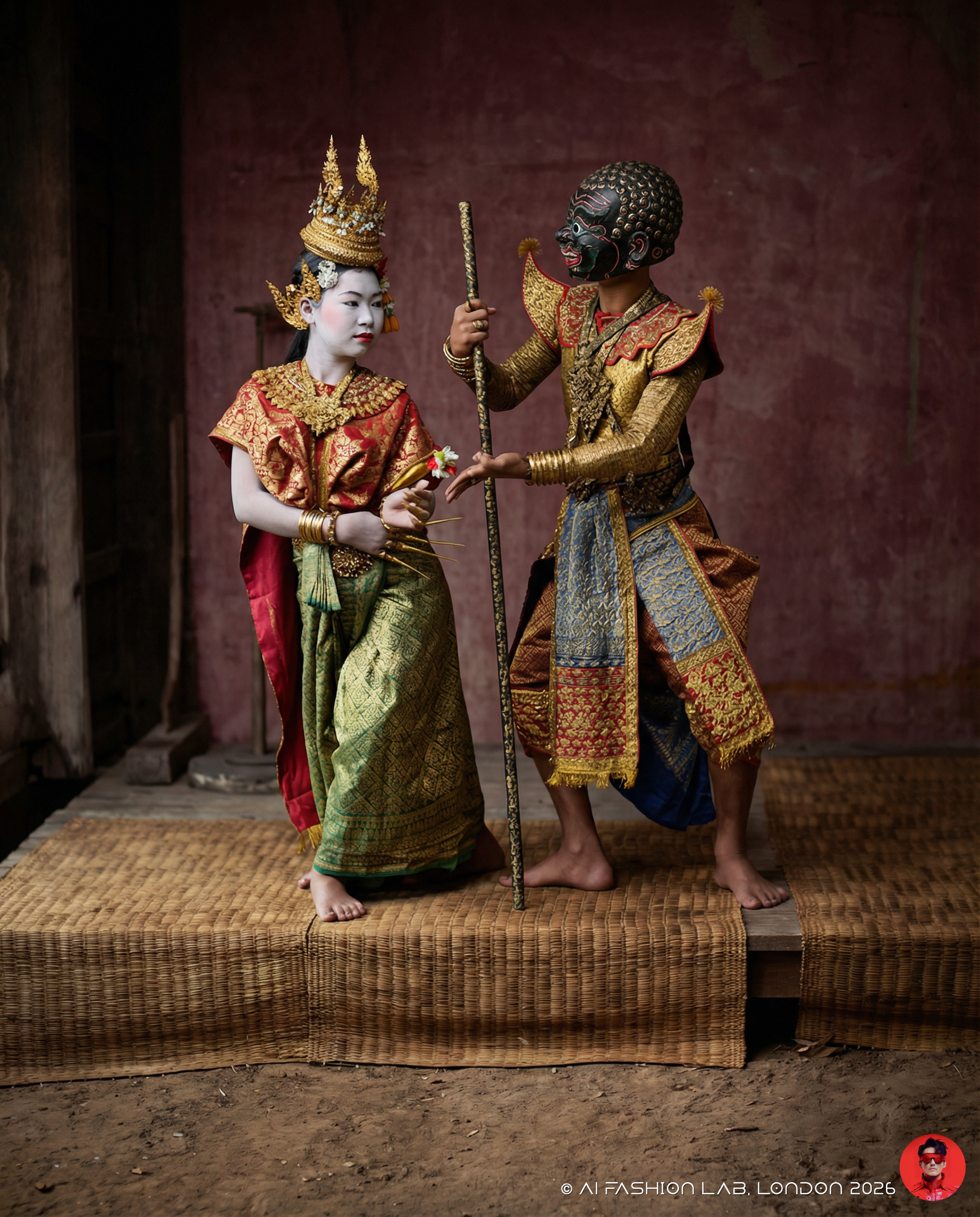
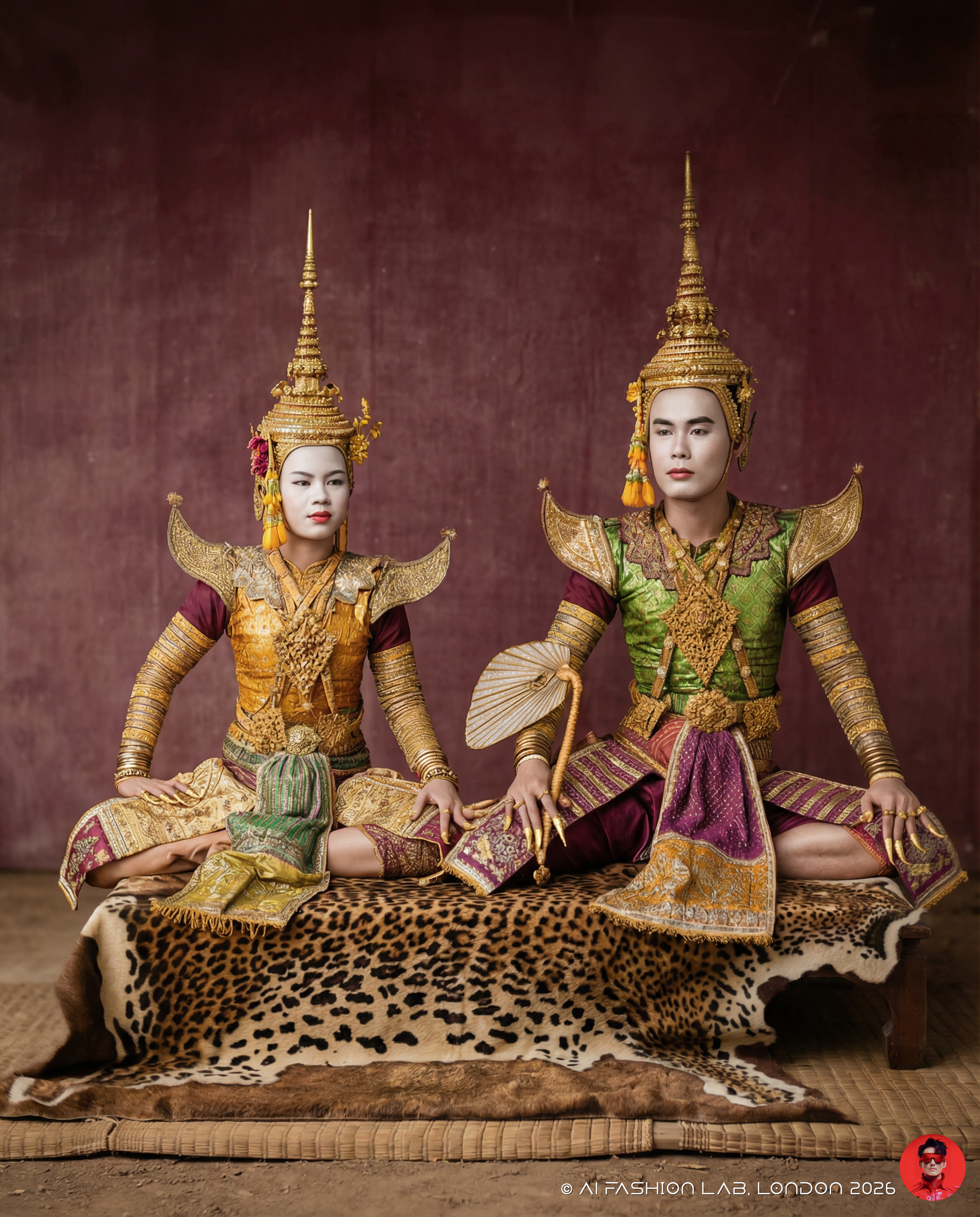
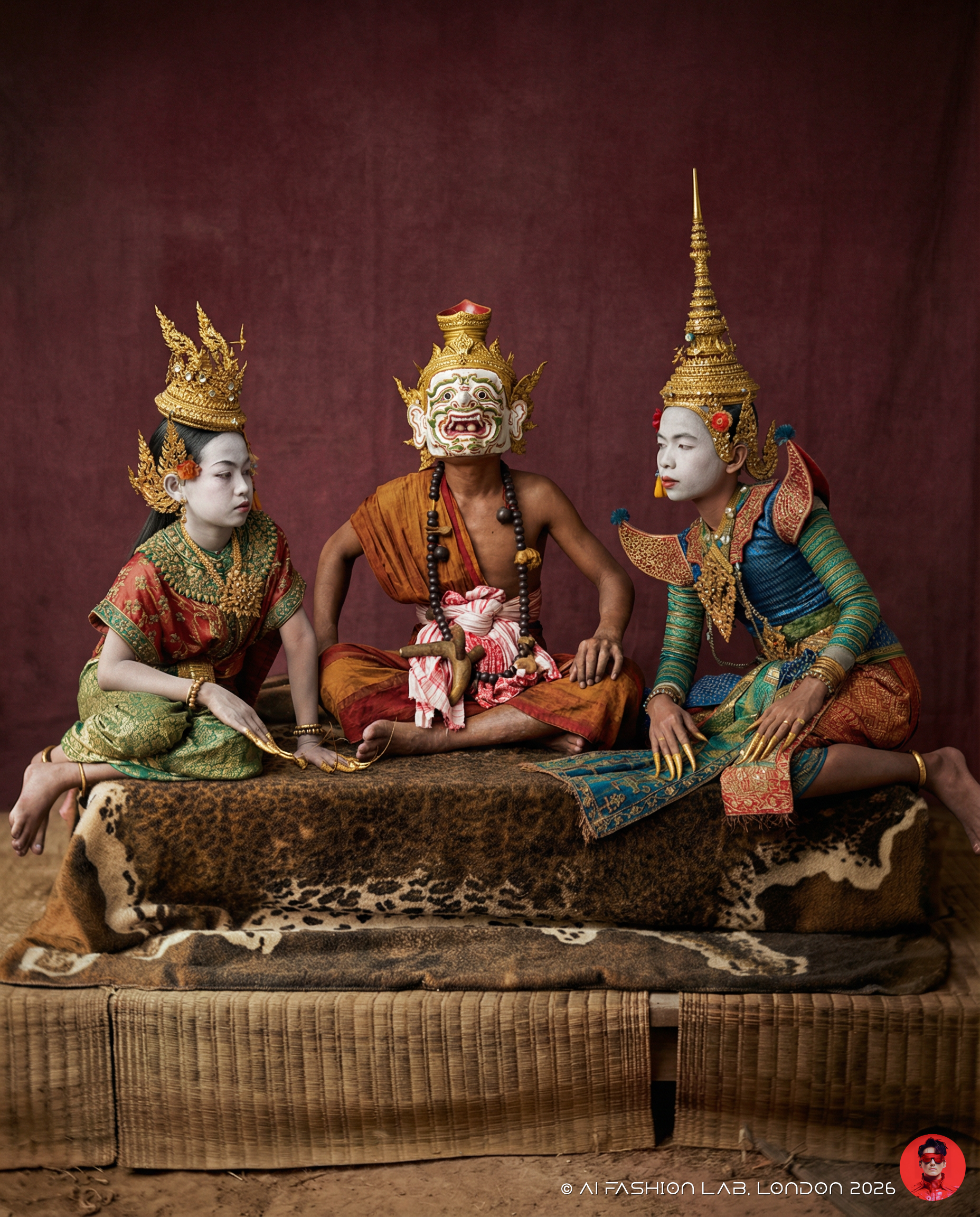
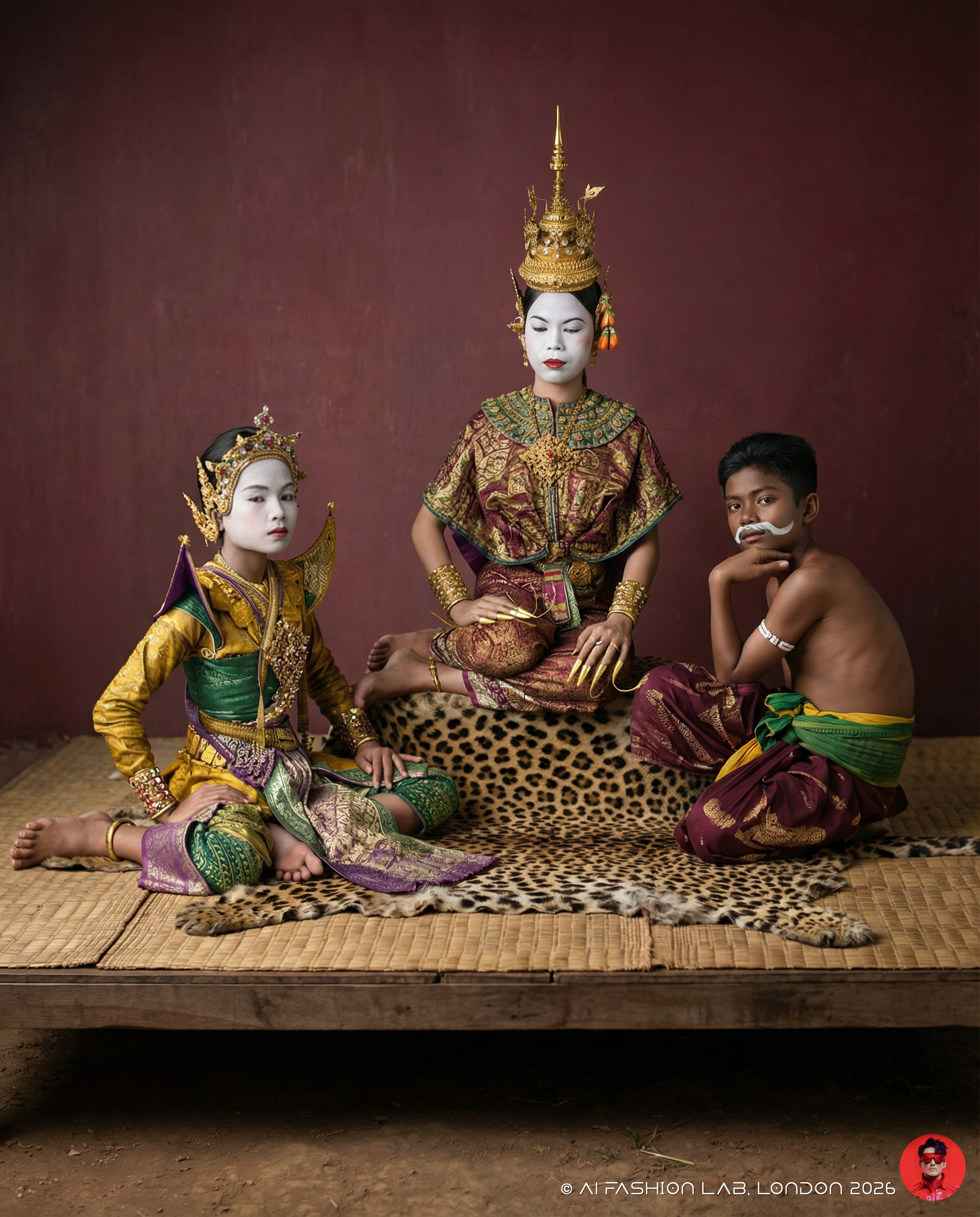
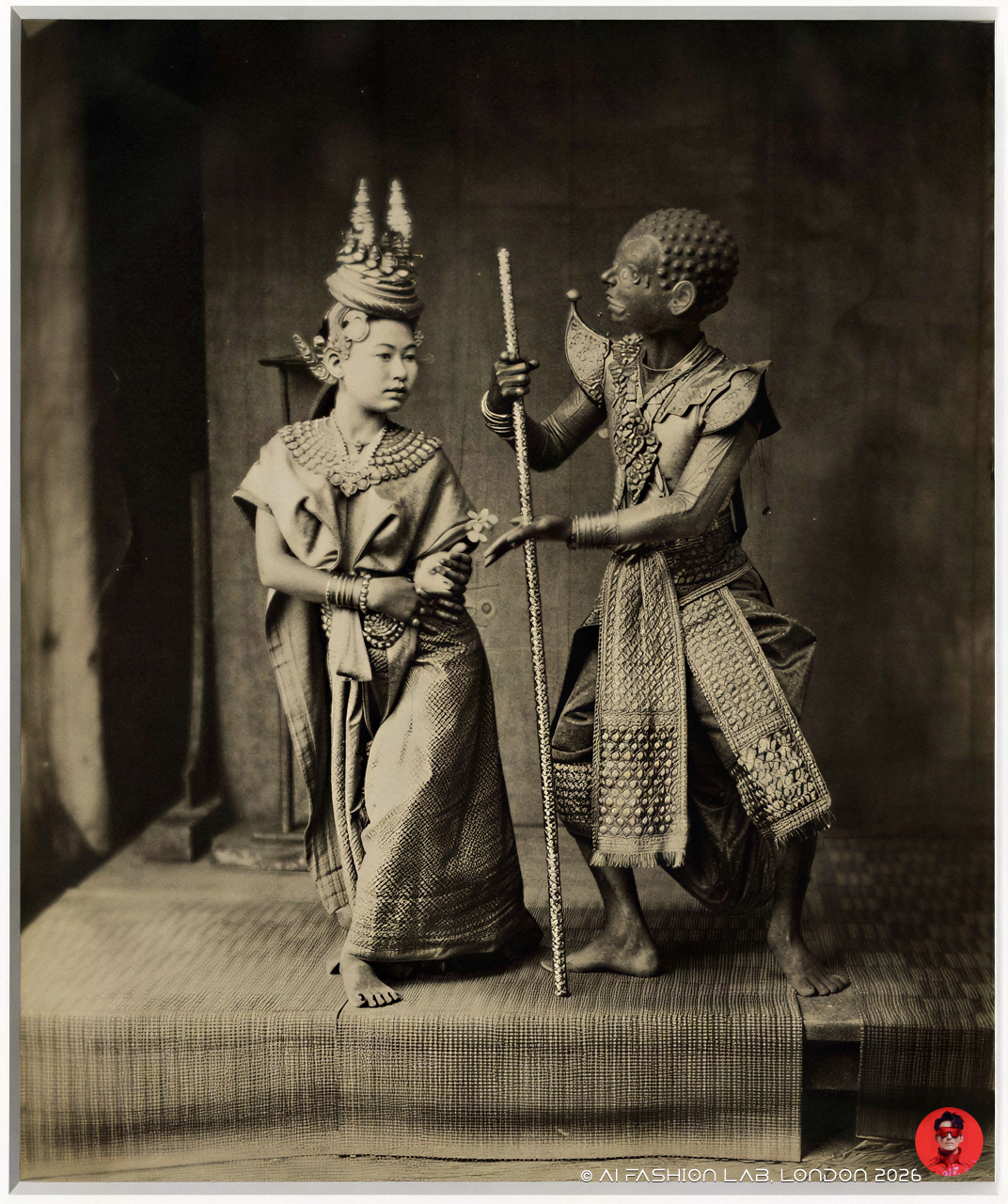
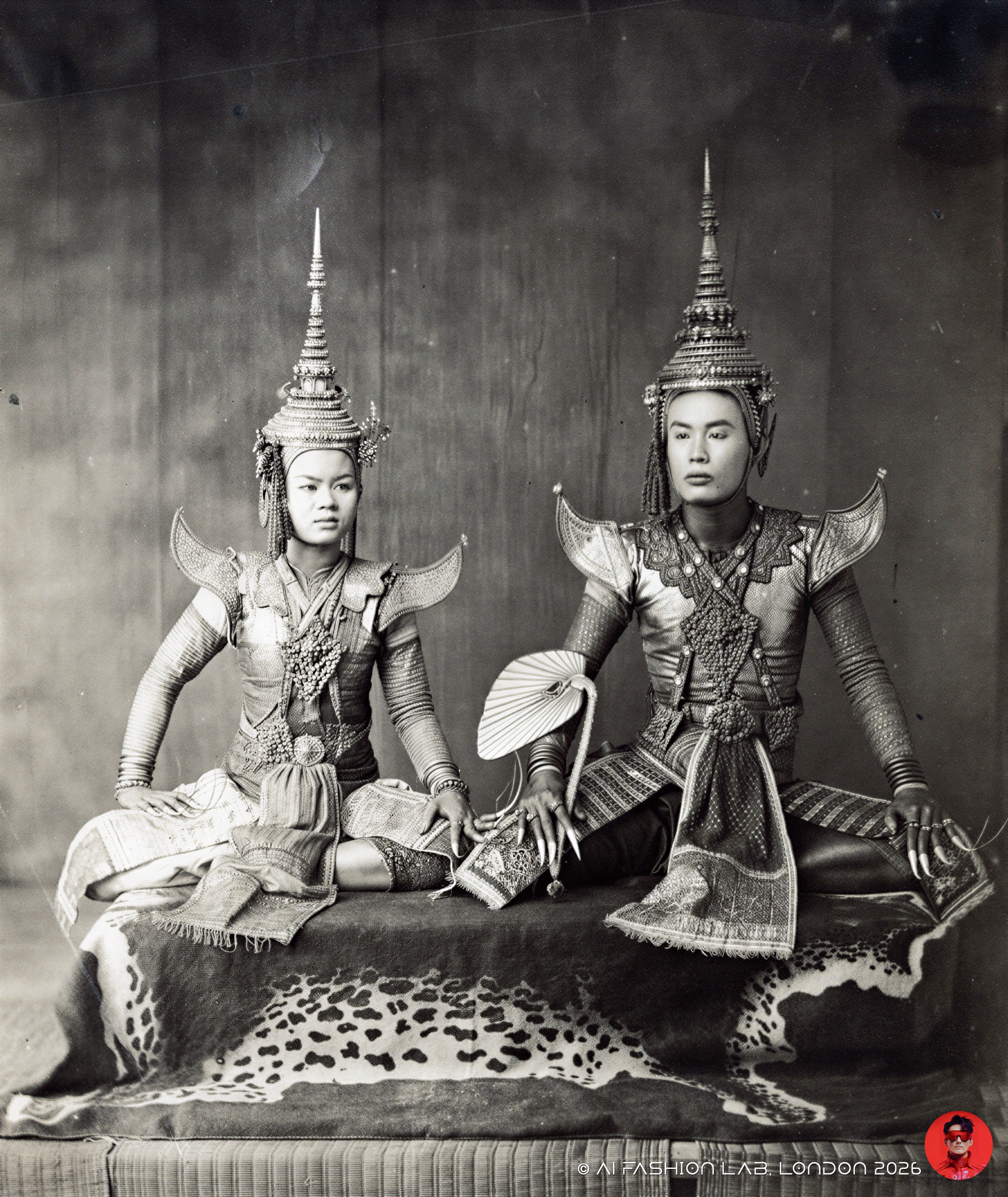
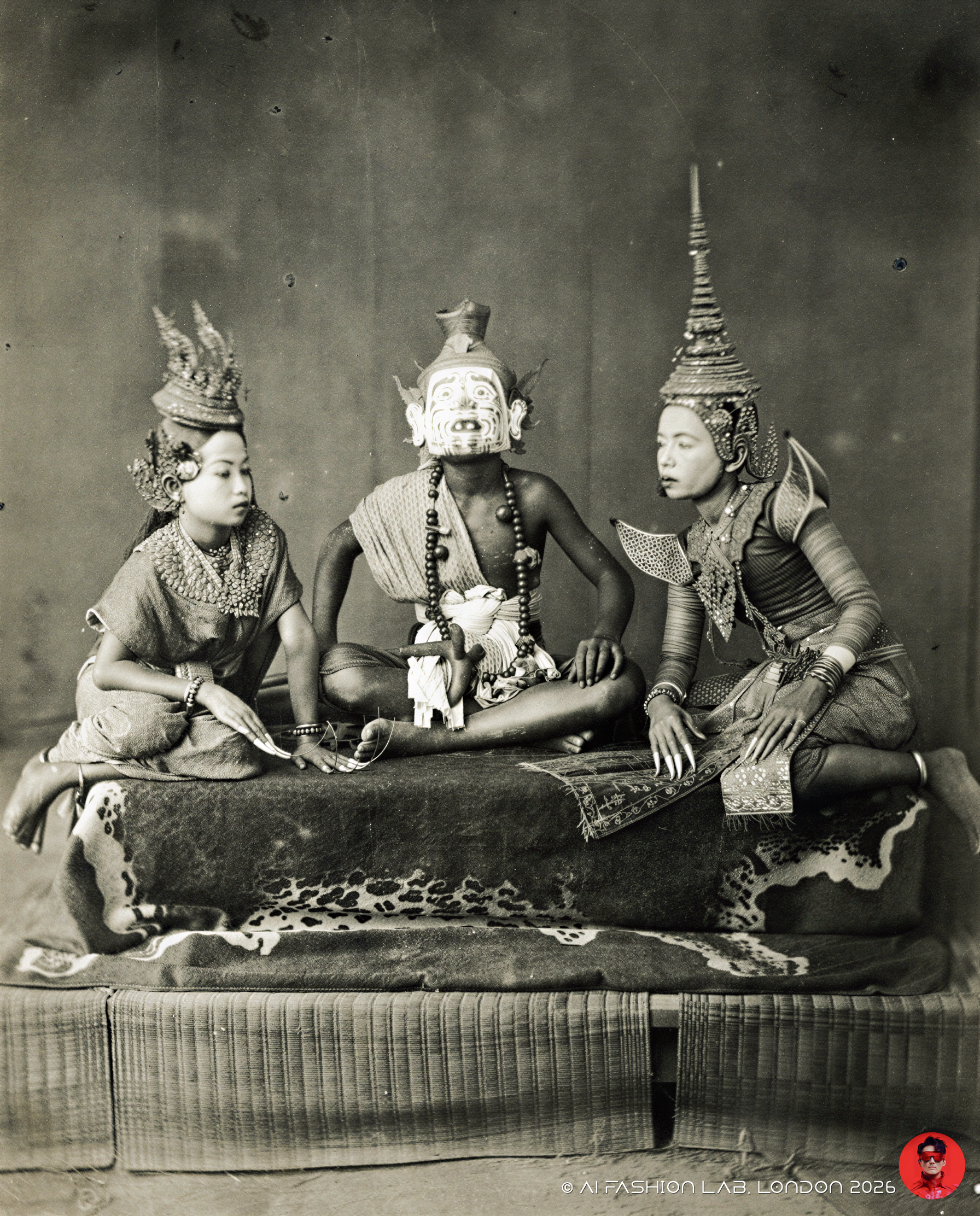
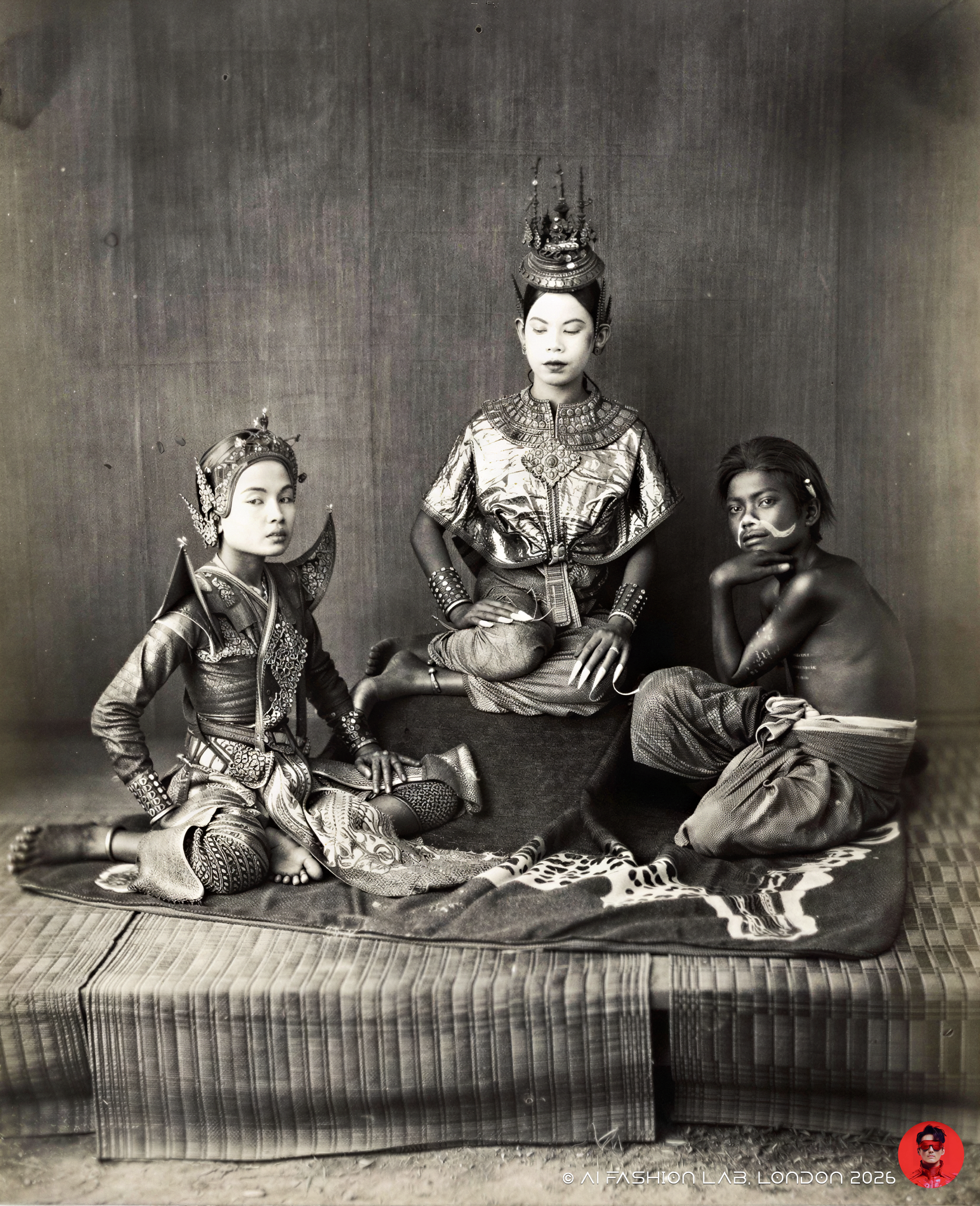
ภาพคณะละครรำสมัยรัชกาลที่ 5 โดย Wilhelm J. Burger
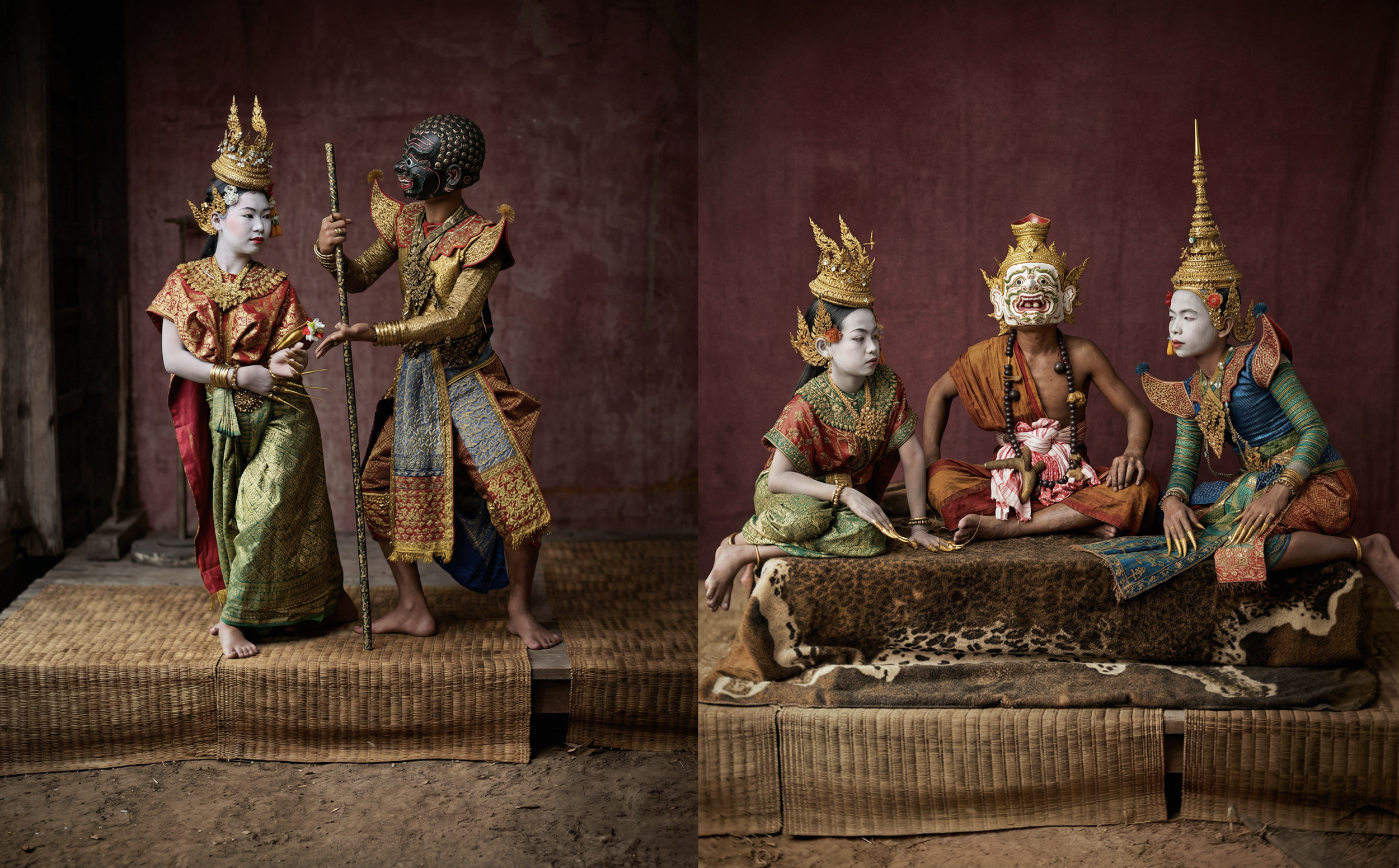
ภาพคณะละครรำสมัยรัชกาลที่ 5 โดย Wilhelm J. Burger
ภาพคณะละครรำสมัยรัชกาลที่ 5 ที่ได้รับการบูรณะและสร้างสรรค์ด้วยเทคโนโลยี AI นี้ เดิมเคยถูกระบุว่าเป็นผลงานของ Wilhelm J. Burger หากแต่จากการศึกษาวิเคราะห์ในเวลาต่อมา มีความเป็นไปได้อย่างยิ่งว่าภาพเหล่านี้อาจเป็นผลงานของช่างภาพหลวงแห่งราชสำนักสยาม ขุนสุนทรสาทิสลักษณ์ (Francis Chit)
Wilhelm J. Burger (ค.ศ. 1844–1920) เป็นช่างภาพและจิตรกรชาวออสเตรีย ประจำอยู่ที่กรุงเวียนนา เขาเรียนรู้การถ่ายภาพจากลุงของเขา Andreas von Ettingshausen (ค.ศ. 1796–1878) ในช่วงคริสต์ทศวรรษ 1860 และในปี ค.ศ. 1874 ได้เปิดสตูดิโอถ่ายภาพที่เวียนนา เมื่อทำงานในภาษาฝรั่งเศส เขาใช้อักษรย่อ “G.” แทนชื่อ Guillaume
ในช่วงปี ค.ศ. 1868–1869 Burger ได้เดินทางมายังสยาม ในฐานะช่างภาพประจำคณะทูตและคณะเรือรบของจักรวรรดิออสโตร-ฮังการี ซึ่งเข้ามาเจริญสัมพันธไมตรีกับราชสำนักสยามในรัชสมัยพระบาทสมเด็จพระจุลจอมเกล้าเจ้าอยู่หัว การเดินทางครั้งนี้ทำให้เขาได้บันทึกภาพกรุงเทพฯ แม่น้ำเจ้าพระยา พระบรมมหาราชวัง วัดวาอาราม และทิวทัศน์ริมแม่น้ำจำนวนหนึ่ง ซึ่งต่อมาถูกจัดรวมเป็น “Siam Photo Collection 1869”
ก่อนหน้านั้น เขาเคยร่วมคณะสำรวจของจักรวรรดิออสโตร-ฮังการีไปยังประเทศญี่ปุ่น ภายใต้การนำของ Karl von Scherzer ราวปี ค.ศ. 1869 และในปี ค.ศ. 1872 ได้ร่วมคณะสำรวจ Wilczek ซึ่งเป็นการเตรียมการสำหรับการสำรวจขั้วโลกของ Payer–Weyprecht
เกี่ยวกับภาพถ่ายสยามช่วงทศวรรษ 1860 ซึ่งเดิมเคยถูกจัดว่าเป็นผลงานของ Wilhelm Burger ได้มีการค้นพบใหม่เมื่อไม่นานมานี้ ภาพเหล่านี้ถูกค้นพบในคอลเลกชันส่วนตัวแห่งหนึ่งในยุโรป และได้รับการตีพิมพ์ในรูปเล่มโดยคุณพิพัฒน์ พงษ์ระพีพรรณ ในปี พ.ศ. 2544
เมื่อมีการนำภาพดังกล่าวมาเปรียบเทียบกับภาพถ่ายร่วมสมัยของขุนสุนทรสาทิสลักษณ์ (Francis Chit) ช่างภาพหลวงแห่งราชสำนักสยาม โดยจัดเรียงภาพเคียงข้างกันอย่างเป็นระบบ จึงพบว่า ภาพที่เคยเข้าใจกันว่าเป็นภาพเดี่ยวจากช่างภาพสองคน แท้จริงแล้วเป็นส่วนหนึ่งของชุดภาพที่ตั้งใจถ่ายเพื่อนำมาต่อประกอบกันเป็นภาพพาโนรามาของกรุงเทพฯ
ภาพชุดสมบูรณ์ซึ่งได้รับการทบทวนการระบุผู้สร้างสรรค์ใหม่ และยืนยันว่าเป็นผลงานของ Francis Chit ได้ถูกส่งคืนประเทศไทย และปัจจุบันกลายเป็นหลักฐานสำคัญที่ช่วยให้คนไทยและนักวิชาการตะวันตก รวมถึงนักศึกษาและผู้สนใจทั่วไป ได้เข้าใจสภาพกรุงเทพฯ ในช่วงคริสต์ทศวรรษ 1860 อย่างชัดเจนยิ่งขึ้น
ในหนังสือเรื่อง Auf den Spuren von Österreichs Marine in Siam ซึ่งตีพิมพ์ครั้งแรกในปี ค.ศ. 2012 และมีฉบับปรับปรุงขยายความในปี ค.ศ. 2022 ผู้เขียน W. Donko สรุปว่า ไม่เพียงแต่ภาพชุดดังกล่าวเท่านั้น หากแต่ภาพถ่ายจำนวนมากในคอลเลกชันสยาม ปี ค.ศ. 1869 ที่เคยระบุว่าเป็นผลงานของ Wilhelm Burger แท้จริงแล้วน่าจะเป็นผลงานของช่างภาพหลวง Francis Chit
อย่างไรก็ตาม บันทึกประจำวันของผู้ช่วยของ Burger คือ Michael Moser ซึ่งได้รับการตีพิมพ์ในปี ค.ศ. 2019 ให้ข้อมูลเพิ่มเติมว่า บางภาพอาจเป็นการถ่ายร่วมกันกับ Francis Chit โดยมีข้อความลงวันที่ 16 พฤษภาคม ค.ศ. 1869 ระบุว่า:
“เรามีช่างภาพสามคน คือ ชาวสยามผู้หนึ่งซึ่งทำงานได้งดงามมาก และทำงานอยู่ริมแม่น้ำด้วย เขาชื่อ Francis Chit นายของข้าพเจ้าซื้อแม่พิมพ์ (แผ่นเนกาทีฟ) ที่งดงามมากจากเขา อีกคนหนึ่งเป็นเจ้าชาย ซึ่งเป็นพระอนุชาต่างพระมารดาของพระมหากษัตริย์”
นอกจากนี้ ในปี ค.ศ. 2011 T. Akiyoshi และ P. Pantzer ได้ตีพิมพ์บทความในวารสาร Photo Researcher ฉบับที่ 15/2011 แสดงให้เห็นว่า Burger ได้ซื้อภาพถ่ายส่วนใหญ่ของญี่ปุ่นในปี ค.ศ. 1869 มาจากสตูดิโอถ่ายภาพท้องถิ่นในญี่ปุ่นเช่นกัน
ส่วนกรณีภาพถ่ายประเทศจีนในปีเดียวกันที่ถูกระบุว่าเป็นผลงานของ Burger นั้น ยังไม่มีการวิเคราะห์เชิงลึกในประเด็นการระบุผู้ถ่ายอย่างเป็นระบบจนถึงปัจจุบัน
__________
Siamese Dance Troupe by Wilhelm Burger 1868
This restored and AI-enhanced image of a classical dance troupe from the reign of King Rama V was originally attributed to Wilhelm J. Burger. However, subsequent scholarly analysis suggests that these photographs were very likely the work of the Siamese royal court photographer, Khun Sunthornsathitsalak (Francis Chit).
Wilhelm J. Burger (1844–1920) was an Austrian photographer and painter based in Vienna. He learned photography from his uncle, Andreas von Ettingshausen (1796–1878), during the 1860s, and in 1874 he opened his own photographic studio in Vienna. When working in French, Burger used the initial “G.” for Guillaume.
Between 1868 and 1869, Burger travelled to Siam as the official photographer attached to an Austro-Hungarian diplomatic and naval mission that visited the Kingdom during the reign of King Chulalongkorn (Rama V). During this visit, he produced a number of images depicting Bangkok, the Chao Phraya River, the Grand Palace, temples, and riverside landscapes. These photographs were later grouped together under the title “Siam Photo Collection 1869.”
Prior to his visit to Siam, Burger had accompanied an Austro-Hungarian expedition to Japan under the leadership of Karl von Scherzer around 1869. In 1872, he joined the Wilczek expedition, a preparatory venture for the Payer–Weyprecht polar expedition.
Regarding the Siamese photographs of the 1860s that were long attributed to Wilhelm Burger, a significant reassessment took place in recent decades. The images, discovered in a private European collection and published in book form by Pipat Pongrapeeporn in 2001, were later carefully compared with contemporary photographs taken by the Siamese court photographer Khun Sunthornsathitsalak (Francis Chit).
When the photographs were aligned side by side, researchers discovered that images previously thought to be separate works by two different photographers were in fact parts of a continuous panoramic sequence intended to be joined together to form a single panoramic view of Bangkok.
The complete set, now correctly attributed to Francis Chit, was returned to Thailand. It has since become an important visual resource for Thai and Western scholars, students, and the wider public, offering valuable insight into what Bangkok looked like in the 1860s.
In the book Auf den Spuren von Österreichs Marine in Siam, first published in 2012 and expanded in a new edition in 2022, the author W. Donko concludes that not only these specific images, but a substantial portion of the 1869 Siam photo collection attributed to Wilhelm Burger was in fact taken by the King of Siam’s court photographer, Francis Chit.
However, the diary of Burger’s assistant, Michael Moser, published in 2019, provides further nuance. It indicates that some photographs may have been produced in collaboration with Francis Chit. An entry dated 16 May 1869 reads:
“We were three photographers: namely a native Siamese who does beautiful things and is also on the river. His name is Francis Chit. My master bought very nice matrices from him. The other photographer is a prince — the king’s stepbrother.”
Furthermore, in 2011, T. Akiyoshi and P. Pantzer demonstrated in an article published in Photo Researcher (No. 15/2011) that Burger had also purchased most of his 1869 photographs of Japan from local photographic studios there.
As for the photographs attributed to Burger in China in the same year, their authorship has not yet been systematically analysed or reassessed in similar detail.
__________
เรียนเชิญกด Subscribe ได้ที่ลิงก์นี้ครับ เพื่อร่วมติดตามงานสร้างสรรค์ต้นฉบับ งานวิจัยประวัติศาสตร์แฟชั่น และผลงานอนุรักษ์มรดกวัฒนธรรมด้วยเทคโนโลยี AI ของ AI Fashion Lab, London ซึ่งมุ่งตีความอดีตผ่านมิติใหม่ของการบูรณะภาพ การสร้างสรรค์ภาพ และการเล่าเรื่องด้วยศิลปะเชิงดิจิทัล 🔗 https://www.facebook.com/aifashionlab/subscribe/
#aifashionlab #AI #aiartist #aiart #aifashion #aifashiondesign #aifashionstyling #aifashiondesigner #fashion #fashionhistory #historyoffashion #fashionstyling #fashionphotography #digitalfashion #digitalfashiondesign #digitalcostumedesign #digitaldesign #digitalaiart #ThaiFashionHistory #ThaiFashionAI #thailand #UNESCO