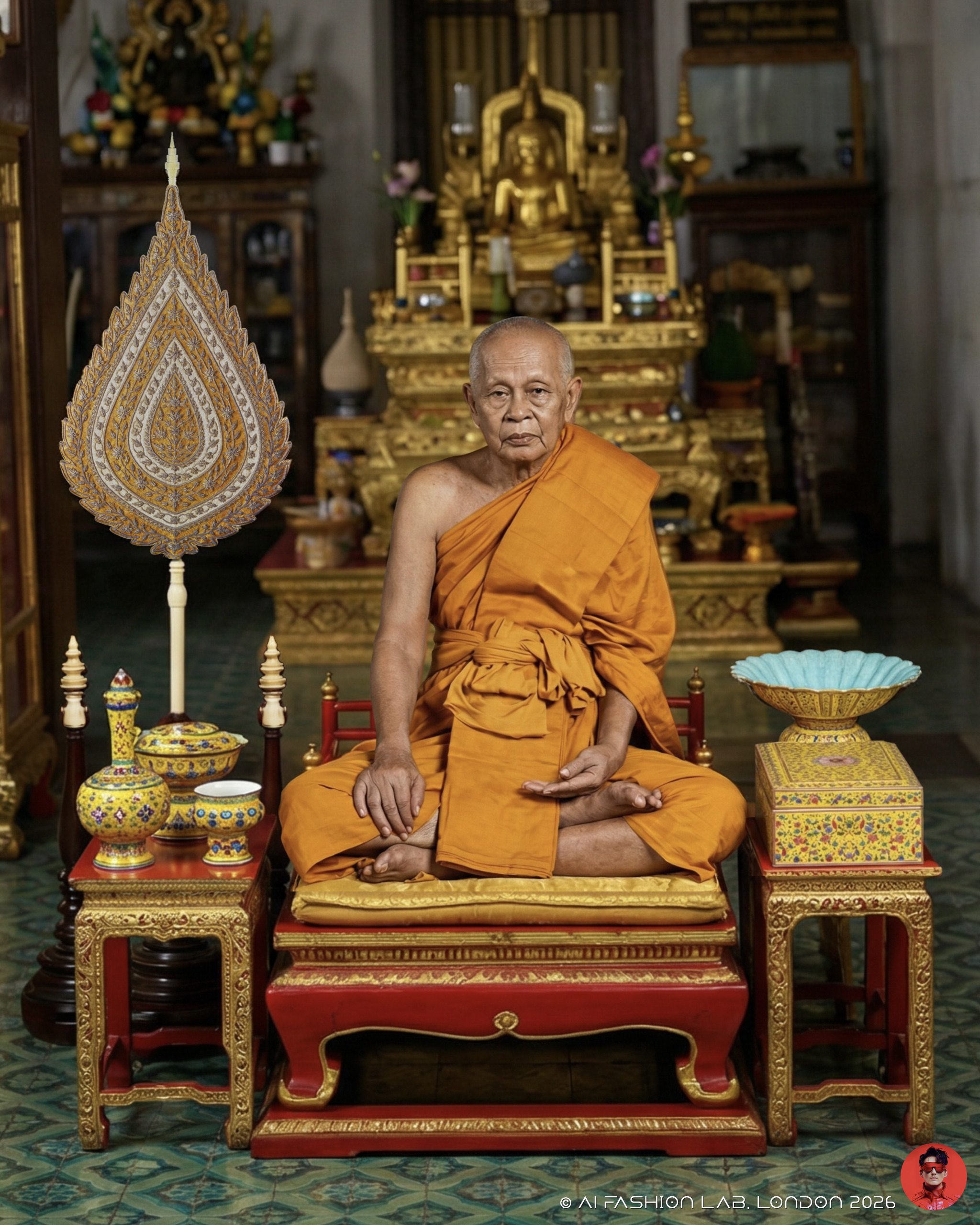
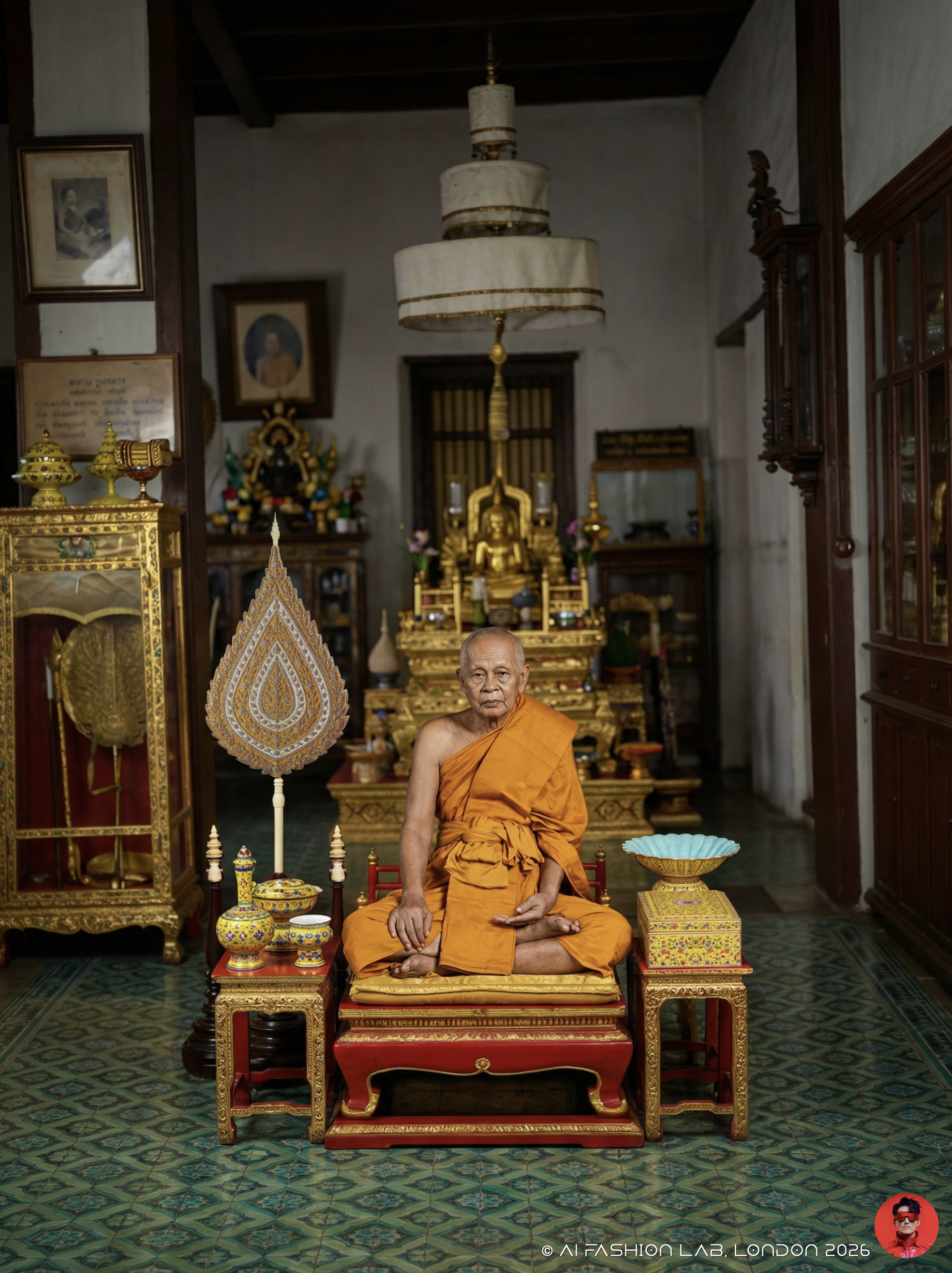
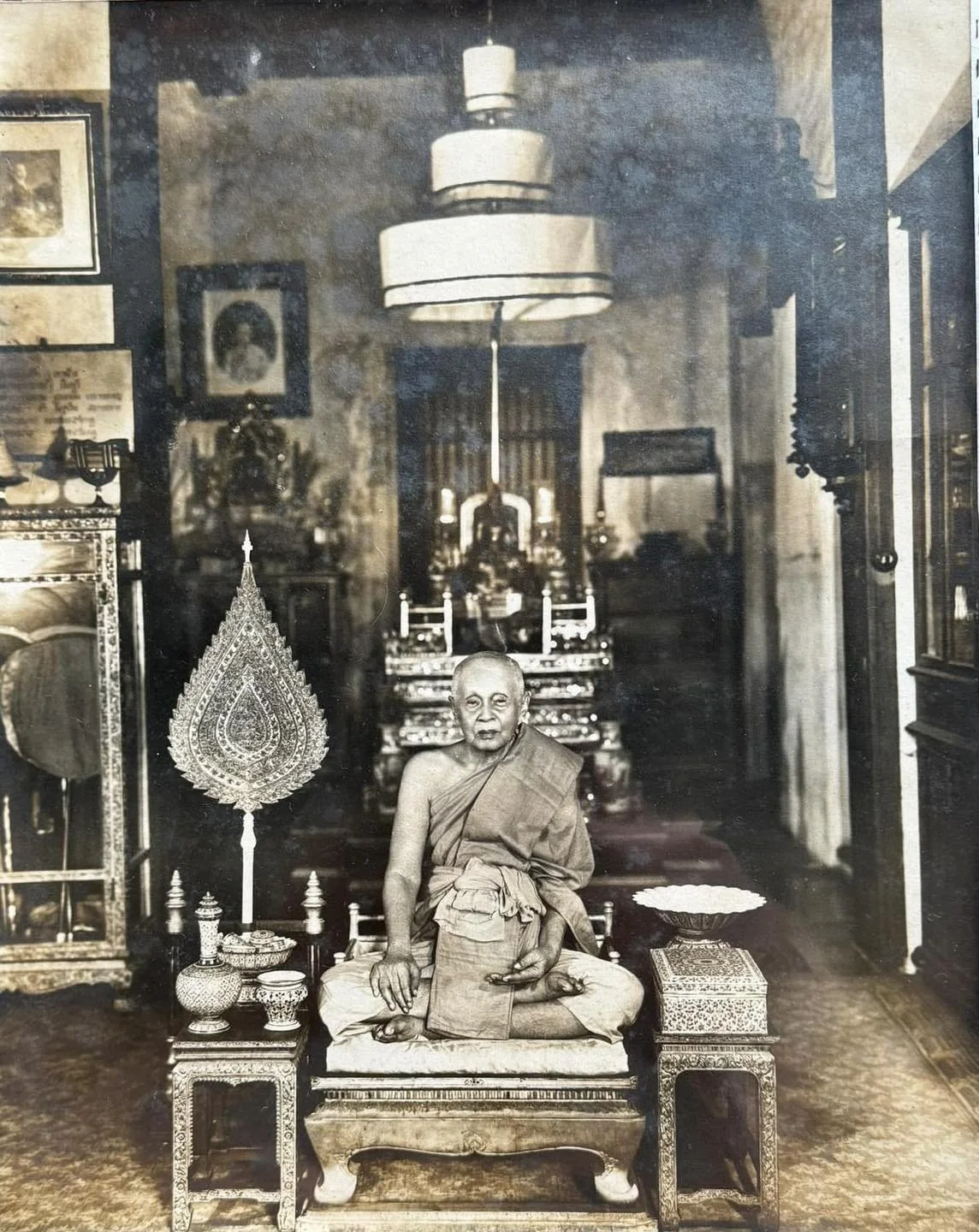
สมเด็จพระสังฆราช พระองค์ที่ ๑๒ แห่งกรุงรัตนโกสินทร์ สมเด็จพระอริยวงศาคตญาณ (แพ ติสฺสเทโว)
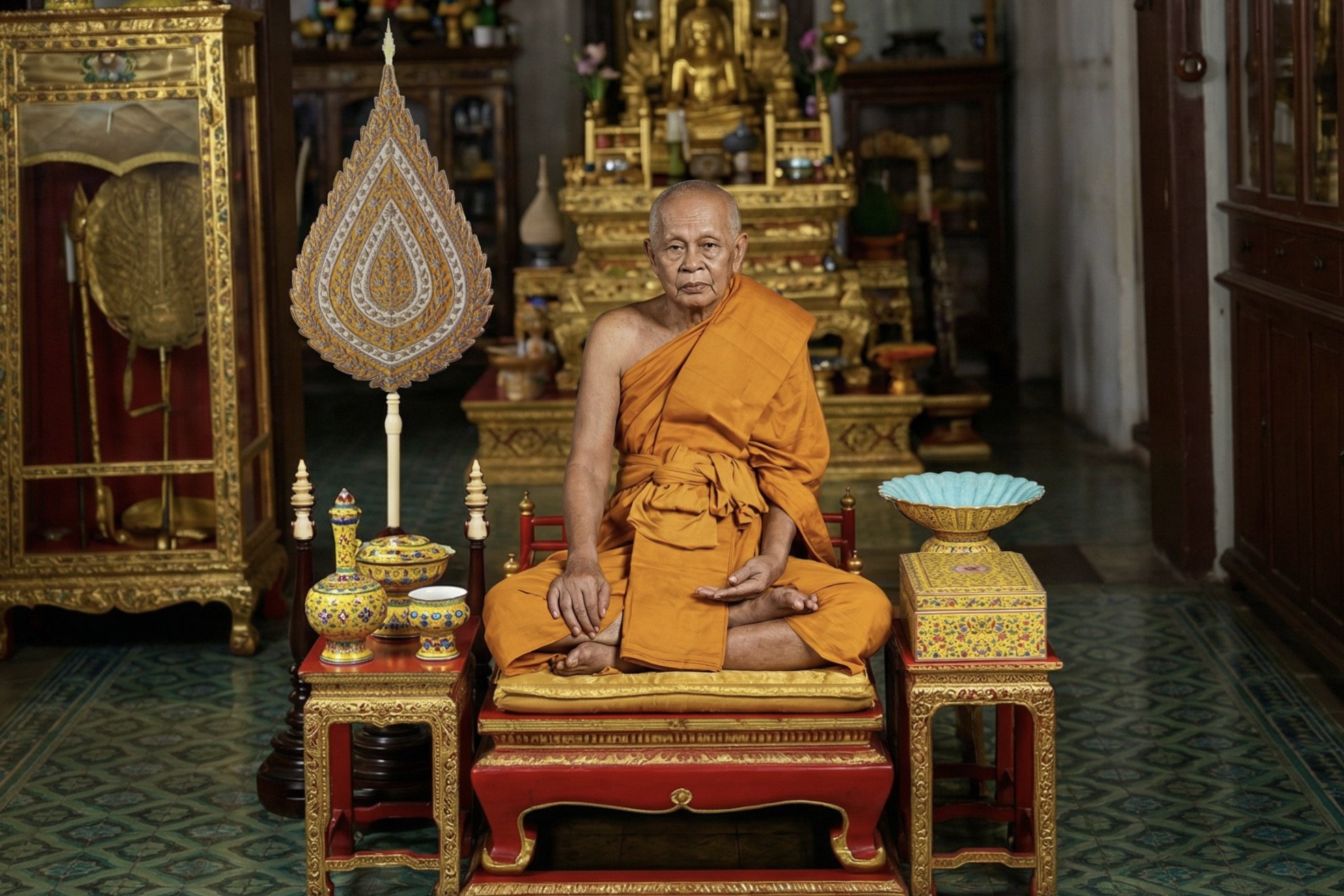
สมเด็จพระสังฆราช พระองค์ที่ ๑๒ แห่งกรุงรัตนโกสินทร์ สมเด็จพระอริยวงศาคตญาณ (แพ ติสฺสเทโว)
ภาพที่ได้รับการบูรณะและสร้างสรรค์ด้วยเทคโนโลยี คือพระรูปแบบเสมือนจริงของ สมเด็จพระอริยวงศาคตญาณ (แพ ติสฺสเทโว) สมเด็จพระสังฆราช พระองค์ที่ ๑๒ แห่งกรุงรัตนโกสินทร์
เป้าหมายของการบูรณะ พระรูปสมเด็จพระสังฆราช แห่งกรุงรัตนโกสินทร์ คือการฟื้นคืนประวัติศาสตร์ด้านภาพเสมือนจริงของสมเด็จพระสังฆราชแห่งกรุงรัตนโกสินทร์ ผ่านหลักฐานภาพถ่ายที่หลงเหลืออยู่จริง
สมเด็จพระอริยวงศาคตญาณ พระนามเดิม แพ พงษ์ปาละ ฉายา ติสฺสเทโว เป็นสมเด็จพระสังฆราช สกลสังฆปริณายกพระองค์ที่ ๑๒ แห่งกรุงรัตนโกสินทร์ สถิต ณ วัดสุทัศนเทพวรารามราชวรมหาวิหาร ทรงดำรงตำแหน่งเมื่อวันที่ ๑๕ พฤศจิกายน พ.ศ. ๒๔๘๑ ในรัชสมัยพระบาทสมเด็จพระปรเมนทรมหาอานันทมหิดล พระอัฐมรามาธิบดินทร ทรงดำรงตำแหน่งอยู่ ๖ ปี สิ้นพระชนม์เมื่อวันที่ ๒๖ พฤศจิกายน พ.ศ. ๒๔๘๗ ขณะพระชันษาได้ ๘๘ ปี ๑๔ วัน
_______________
ในช่วงต้นกรุงรัตนโกสินทร์ สมเด็จพระสังฆราชทุกพระองค์ล้วนสังกัด มหานิกาย ซึ่งเป็นคณะสงฆ์หลักที่สืบทอดจารีตมาตั้งแต่สมัยอยุธยา การแต่งกายของพระสงฆ์ในยุคนี้ยังไม่มีมาตรฐานตายตัว สีจีวรมักเป็นสีเหลืองทอง สีตองอ่อน หรือสีน้ำตาลจากการย้อมด้วยวัสดุธรรมชาติ การห่มจีวรมีความหลากหลาย ทั้งห่มคลุมและห่มเฉวียงตามสายครูบาอาจารย์ ยังไม่ปรากฏความแตกต่างเชิง “นิกาย” อย่างชัดเจนในทางรูปแบบ
เมื่อเข้าสู่รัชสมัย พระบาทสมเด็จพระนั่งเกล้าเจ้าอยู่หัว (รัชกาลที่ ๓, ครองราชย์ พ.ศ. ๒๓๖๗–๒๓๙๔) สมเด็จพระสังฆราชลำดับที่ ๕ คือ สมเด็จพระอริยวงษญาณ (ด่อน) และลำดับที่ ๖ คือ สมเด็จพระอริยวงษญาณ (นาค) ดำรงตำแหน่งต่อเนื่องในช่วงที่คณะสงฆ์ยังเป็นมหานิกายทั้งหมด สมเด็จพระสังฆราช ลำดับที่ ๖ ซึ่งดำรงตำแหน่งระหว่าง พ.ศ. ๒๓๘๖–๒๓๙๒ ประทับ ณ วัดราชบุรณราชวรวิหาร นับเป็นจุดเริ่มต้นสำคัญในเชิงประวัติศาสตร์ภาพเสมือนจริง เพราะอยู่ใกล้ช่วงเวลาที่สยามเริ่มรู้จักเทคโนโลยีการถ่ายภาพ แต่ภาพต้นฉบับที่ใช้ในการบูรณะเป็นภาพเขียน ซึ่งไม่ทราบหลักฐานที่มาแน่นอนว่าใครเป็นผู้วาดและวาดเมื่อไร เหตุผลเพราะมีภาพวาดเสมือนจริงของพระองค์ ทำให้การบูรณะภาพของพระองค์เป็น “จุดตั้งต้น” ของโครงการบูรณะพระรูป สมเด็จพระสังฆราชแห่งกรุงรัตนโกสินทร์
ความเปลี่ยนแปลงครั้งใหญ่ของศาสนจักรไทยเกิดขึ้นในรัชสมัยถัดมา คือรัชสมัย พระบาทสมเด็จพระจอมเกล้าเจ้าอยู่หัว (รัชกาลที่ ๔, ครองราชย์ พ.ศ. ๒๓๙๔–๒๔๑๑) ก่อนเสด็จขึ้นครองราชย์ พระองค์ทรงผนวชยาวนานในสมณเพศในพระนาม พระวชิรญาณเถระ และได้ศึกษาพระไตรปิฎกควบคู่กับวิทยาการตะวันตกจากมิชชันนารี เช่น ภูมิศาสตร์ ดาราศาสตร์ วิทยาศาสตร์ คณิตศาสตร์ และภาษาอังกฤษ แนวคิดแบบเหตุผลและสัจนิยม รวมถึงความเคร่งครัดในพระวินัย ทำให้พระองค์ทรงเห็นความหย่อนยานในคณะสงฆ์ร่วมสมัย และนำไปสู่การสถาปนา ธรรมยุติกนิกาย ขึ้น โดยได้รับแรงบันดาลใจจากรามัญนิกายและสีหลนิกาย โดยมีแนวปฏิบัติที่เคร่งครัดต่อพระวินัย จีวรที่นิยมในธรรมยุตจึงเป็น สีกรักหรือสีน้ำตาลเข้ม ห่มจีวรห่มดอง (เปิดไหล่ขวา) และห่มม้วนซ้าย ไม่มีผ้ารัดอก แสดงถึงความเคร่งครัด มีระเบียบ และสะท้อนแนวคิดสัจนิยมตามพระราชดำริของรัชกาลที่ ๔ เมื่อเทียบกับมหานิกายที่ยังคงใช้สีเหลืองทองและห่มผ้าแบบม้วนขวา (ห่มมังกร) หรือห่มคลุมเพื่อความเรียบร้อย
ในช่วงต้นรัชกาลที่ ๔ สมเด็จพระสังฆราชยังคงเป็นฝ่ายมหานิกาย คือ สมเด็จพระมหาสมณเจ้า กรมพระปรมานุชิตชิโนรส ซึ่งนับเป็นสมเด็จพระสังฆราชฝ่ายมหานิกายพระองค์สุดท้ายก่อนที่ธรรมยุติกนิกายจะก้าวขึ้นสู่ศูนย์กลางอำนาจของศาสนจักรไทยอย่างแท้จริง การแต่งกายในยุคนี้ยังคงสีจีวรแบบดั้งเดิม แต่เริ่มมีความเรียบร้อยและความตระหนักในพระวินัยมากขึ้น
สมเด็จพระสังฆราชลำดับถัดมาในรัชกาลที่ ๕ คือ สมเด็จพระมหาสมณเจ้า กรมพระยาปวเรศวริยาลงกรณ์ (ลำดับที่ ๘) เป็น สมเด็จพระสังฆราชธรรมยุตพระองค์แรก เสด็จสถิต ณ วัดบวรนิเวศราชวรวิหาร และสีจีวรที่นิยมในธรรมยุตก็มักเป็น สีกรักเข้ม แสดงถึงการเคร่งครัดวินัยและคงแนวคิดสัจนิยมที่พระบาทสมเด็จพระจอมเกล้าเจ้าอยู่หัวทรงวางรากฐานไว้ ซึ่งทำให้แบบแผนการแต่งกาย สีจีวร และรูปแบบพิธีกรรมของธรรมยุตได้รับการทำให้เป็นมาตรฐานเดียวกันทั่วทั้งคณะสงฆ์ สอดคล้องกับรัฐสมัยใหม่ที่กำลังจัดระเบียบสถาบันต่าง ๆ อย่างเป็นระบบ และสมเด็จพระสังฆราชพระองค์ต่อมา คือ สมเด็จพระอริยวงศาคตญาณ (ปุสฺสเทวมหาเถร) เป็นสมเด็จพระสังฆราชธรรมยุต (พระองค์ที่ ๒) เช่นกัน
ในรัชสมัย พระบาทสมเด็จพระมงกุฎเกล้าเจ้าอยู่หัว (รัชกาลที่ ๖, พ.ศ. ๒๔๕๓–๒๔๖๘) สมเด็จพระสังฆราชลำดับที่ ๑๐ คือ สมเด็จพระมหาสมณเจ้า กรมพระยาวชิรญาณวโรรส (เป็นสมเด็จพระสังฆราชธรรมยุต พระองค์ที่ ๓ และองค์ที่ ๒ ที่เสด็จสถิต ณ วัดบวรนิเวศราชวรวิหาร ) ซึ่งเป็นยุคที่ภาพถ่ายของพระสงฆ์ชั้นผู้ใหญ่เริ่มปรากฏชัดเจน การแต่งกายของธรรมยุตในยุคนี้ โดยเฉพาะการใช้สังฆาฏิพาดบ่าในพิธี กลายเป็น “ภาพจำ” ของพระสงฆ์ชั้นสูงในต้นคริสต์ศตวรรษที่ ๒๐
ภายหลังจากที่สมเด็จพระมหาสมณเจ้า กรมพระยาวชิรญาณวโรรส สิ้นพระชนม์เมื่อวันที่ 2 สิงหาคม พ.ศ. 2464 พระบาทสมเด็จพระมงกุฎเกล้าเจ้าอยู่หัว มีพระบรมราชโองการโปรดเกล้าฯ ให้สถาปนาพระวรวงศ์เธอ กรมหมื่นชินวรสิริวัฒน์ ขึ้นเป็นสมเด็จพระสังฆราช สกลมหาสังฆปริณายก มีพระนามที่จารึกตามพระสุพรรณบัฏว่า พระเจ้าวรวงศ์เธอ กรมหมื่นชินวรสิริวัฒน์ สมเด็จพระสังฆราชเจ้า เมื่อวันที่ 20 สิงหาคม ปีเดียวกัน นับเป็นสมเด็จพระสังฆราชเจ้าพระองค์แรกในกรุงรัตนโกสินทร์ ต่อมาเมื่อวันที่ 20 เมษายน พ.ศ. 2469 พระบาทสมเด็จพระปกเกล้าเจ้าอยู่หัว มีพระบรมราชโองการโปรดเกล้าฯ ให้เลื่อนกรมขึ้นเป็นกรมหลวง มีพระนามโดยสังเขปว่า พระเจ้าวรวงศ์เธอ กรมหลวงชินวรสิริวัฒน์ สมเด็จพระสังฆราชเจ้า พระองค์เป็นสมเด็จพระสังฆราชธรรมยุต พระองค์ที่ ๔ และเป็นสมเด็จพระสังฆราช พระองค์แรกที่เสด็จสถิต ณ วัดราชบพิธสถิตมหาสีมารามราชวรวิหาร ในทั้งหมด 3 พระองค์ จนถึงสมเด็จพระสังฆราชองค์ปัจจุปัน
ต่อเนื่องถึงรัชสมัย พระบาทสมเด็จพระปกเกล้าเจ้าอยู่หัว (รัชกาลที่ ๗) และ พระบาทสมเด็จพระปรเมนทรมหาอานันทมหิดล (รัชกาลที่ ๘) จะเห็นสมเด็จพระสังฆราชหลายพระองค์ดำรงตำแหน่งคาบเกี่ยวรัชกาล สะท้อนความต่อเนื่องของศาสนจักรเหนือการเปลี่ยนแปลงทางการเมือง ทั้งฝ่ายมหานิกายและธรรมยุติกนิกายปรากฏในภาพถ่ายจริง ทำให้ความแตกต่างด้านการแต่งกาย สีจีวร และวิธีห่มชัดเจนยิ่งขึ้น
_______________
สมเด็จพระอริยวงศาคตญาณ พระนามเดิม แพ พงษ์ปาละ ฉายา ติสฺสเทโว เป็นสมเด็จพระสังฆราช สกลสังฆปริณายกพระองค์ที่ ๑๒ แห่งกรุงรัตนโกสินทร์ สถิต ณ วัดสุทัศนเทพวรารามราชวรมหาวิหาร ทรงดำรงตำแหน่งเมื่อวันที่ ๑๕ พฤศจิกายน พ.ศ. ๒๔๘๑ ในรัชสมัยพระบาทสมเด็จพระปรเมนทรมหาอานันทมหิดล พระอัฐมรามาธิบดินทร ทรงดำรงตำแหน่งอยู่ ๖ ปี สิ้นพระชนม์เมื่อวันที่ ๒๖ พฤศจิกายน พ.ศ. ๒๔๘๗ ขณะพระชันษาได้ ๘๘ ปี ๑๔ วัน พระองค์เป็นสมเด็จพระสังฆราชมหานิกาย อีกครั้งหนึ่งหลังจากที่สมเด็จพระสังฆราช ๔ พระองค์ก่อนหน้านั้นเป็นสมเด็จพระสังฆราชธรรมยุตทั้งหมด
สมเด็จพระอริยวงศาคตญาณ สมเด็จพระสังฆราช มีพระนามเดิมว่าแพ ประสูติในรัชสมัยพระบาทสมเด็จพระจอมเกล้าเจ้าอยู่หัว เมื่อวันที่ ๑๒ พฤศจิกายน พ.ศ. ๒๓๙๙ เป็นชาวสวนบางลำภูล่าง อำเภอคลองสาน จังหวัดธนบุรี พระชนกชื่อนุตร พงษ์ปาละ พระชนนีชื่ออ้น พงษ์ปาละ
เมื่อพระชันษาได้ ๗ ปี ได้ไปศึกษาอักษรสมัยกับสมเด็จพระวันรัตน์ (สมบุรณ์) ขณะนั้นยังเป็นเจ้าอาวาสวัดทองนพคุณ กรุงเทพมหานคร เมื่อสมเด็จพระวันรัตน์ (สมบุรณ์) ย้ายไปครองวัดราชบุรณราชวรวิหาร พระองค์ได้ย้ายตามไปด้วย ได้บรรพชาเป็นสามเณรเมื่อปี พ.ศ. ๒๔๑๑ โดยมีสมเด็จพระวันรัตน์ (สมบุรณ์) เป็นพระอุปัชฌาย์ เมื่อสมเด็จพระวันรัตน์ (สมบุรณ์) ย้ายไปครองวัดพระเชตุพนวิมลมังคลารามราชวรมหาวิหาร ก็ให้รับพระองค์ไปอยู่ด้วย ขณะอยู่วัดพระเชตุพนฯ พระองค์ได้ศึกษากับสมเด็จพระวันรัตน์เป็นหลัก นอกจากนี้ก็ศึกษากับเสมียนตราสุขบ้าง พระโหราธิบดี (ชุ่ม) บ้าง อาจารย์โพบ้าง ได้เข้าสอบครั้งแรกที่พระที่นั่งสุทไธสวรรยปราสาทในปี พ.ศ. ๒๔๑๙ แต่สอบไม่ผ่าน
ถึงปี พ.ศ. ๒๔๑๙ ทรงมีพระชนษาครบที่จะทรงอุปสมบทแล้ว แต่สมเด็จพระวันรัต (สมบุรณ์) อาพาธ พระองค์อยู่พยาบาลจนกระทั่งท่านมรณภาพ จึงไปฝากตัวเป็นศิษย์สมเด็จพระวันรัต (แดง สีลวฑฺฒโน) วัดสุทัศน์ ตามที่สมเด็จพระวันรัต (สมบุรณ์) ฝากไว้ ต่อมาในปีเถาะ พ.ศ. ๒๔๒๒ จึงได้ทรงอุปสมบทเป็นพระภิกษุ ณ วัดเศวตฉัตร โดยมีสมเด็จพระวันรัต (แดง สีลวฑฺฒโน) เป็นพระอุปัชฌาย์ แล้วย้ายมาอยู่วัดสุทัศน์ ศึกษากับสมเด็จพระวันรัต (แดง สีลวฑฺฒโน) เป็นหลัก และไปศึกษากับสมเด็จพระอริยวงศาคตญาณ (สา ปุสฺสเทโว) บ้าง เข้าสอบอีกครั้งที่พระที่นั่งสุทไธสวรรยปราสาทในปีมะเมีย พ.ศ. ๒๔๒๕ ได้เปรียญธรรม ๔ ประโยค ต่อมาปีระกา พ.ศ. ๒๔๒๘ เข้าสอบที่วัดพระศรีรัตนศาสดาราม แปลเพิ่มได้อีก ๑ ประโยค เป็นเปรียญธรรม ๕ ประโยค
_______________
The Twelveth Supreme Patriarch of Rattanakosin
Somdet Phra Ariyavongsagatanana (Pae Tissadevo)
(สมเด็จพระอริยวงศาคตญาณ (แพ ติสฺสเทโว))
The image restored and recreated through technology is a lifelike portrait of Somdet Phra Ariyavongsagatanana (Pae Tissadevo), the 12th Supreme Patriarch of Rattanakosin.
The objective of restoring the portraits of the Supreme Patriarchs of Rattanakosin is to revive their visual history through surviving original photographic evidence, presenting them in a historically grounded yet realistically rendered form.
Somdet Phra Ariyavongsagatanana (แพ พงษ์ปาละ), monastic name Tissadevo (ติสฺสเทโว), served as the 12th Supreme Patriarch (Somdet Phra Sangharaja, Sakol Sangha Parinayok) of the Rattanakosin Kingdom. He resided at Wat Suthat Thepwararam Ratchaworamahawihan (วัดสุทัศนเทพวรารามราชวรมหาวิหาร).
He was appointed on 15 November B.E. 2481 (1938 CE) during the reign of King Ananda Mahidol, Phra Bat Somdet Phra Paramentra Maha Ananda Mahidol (พระบาทสมเด็จพระปรเมนทรมหาอานันทมหิดล), Rama VIII.
He served for six years and passed away on 26 November B.E. 2487 (1944 CE) at the age of 88 years and 14 days.
He was a Supreme Patriarch of the Mahanikaya order, marking the first return of the Mahanikaya to the supreme ecclesiastical leadership after four consecutive Supreme Patriarchs from the Dhammayutika Nikaya.
Historical Context: Mahanikaya and Dhammayutika Traditions
In the early Rattanakosin period, all Supreme Patriarchs belonged to the Mahanikaya, the principal monastic lineage continuing traditions from the Ayutthaya period. Monastic dress had not yet been standardised. Robes were commonly dyed golden yellow, pale saffron, or brown from natural materials. Styles of wearing the robe varied — both fully covered and diagonally draped forms existed — and distinctions between monastic fraternities were not yet clearly defined visually.
During the reign of King Nangklao (Rama III, 1824–1851), the 5th Supreme Patriarch, Somdet Phra Ariyavongsayana (Don) (สมเด็จพระอริยวงษญาณ (ด่อน)), and the 6th, Somdet Phra Ariyavongsayana (Nak) (สมเด็จพระอริยวงษญาณ (นาค)), served while the Sangha remained entirely Mahanikaya.
The 6th Supreme Patriarch (served B.E. 2386–2392 / 1843–1849 CE) resided at Wat Ratchaburana Ratchaworawihan(วัดราชบุรณราชวรวิหาร). This period marks an important visual-historical threshold, as Siam was beginning to encounter photographic technology. However, the surviving source material for restoration is a painted portrait, with no definitive record of the artist or date. This painted likeness therefore serves as the starting point of the restoration project of the Supreme Patriarchs of Rattanakosin.
Reform Under King Mongkut (Rama IV)
A major transformation of the Thai Sangha occurred during the reign of King Mongkut (Rama IV, 1851–1868). Before ascending the throne, he spent 27 years in monastic life under the name Vajirananathera (พระวชิรญาณเถระ). He studied the Pāli Canon alongside Western sciences introduced by missionaries — including geography, astronomy, mathematics, science, and English.
His rationalist and reformist outlook, coupled with a strict interpretation of Vinaya discipline, led to the founding of the Dhammayutika Nikaya. Influenced by the Mon (Raman) and Sri Lankan traditions, Dhammayut monks adopted darker brown or krak (กรัก) robes, worn in the hom dong style (right shoulder exposed), without chest binding cloth — reflecting austerity, order, and doctrinal strictness.
In contrast, the Mahanikaya continued using golden-yellow robes and traditional wrapping styles, including the mangkorn(dragon) fold or full covering drape.
Rise of the Dhammayutika Order
During early Rama IV, the Supreme Patriarch was still from the Mahanikaya:
Somdet Phra Maha Samana Chao Krom Phra Paramanuchit Chinorot (สมเด็จพระมหาสมณเจ้า กรมพระปรมานุชิตชิโนรส), the last Mahanikaya Supreme Patriarch before Dhammayut dominance.
Under Rama V, the 8th Supreme Patriarch,
Somdet Phra Maha Samana Chao Krom Phraya Pavareres Varialongkorn (สมเด็จพระมหาสมณเจ้า กรมพระยาปวเรศวริยาลงกรณ์), became the first Dhammayut Supreme Patriarch. He resided at Wat Bowonniwet Ratchaworawihan (วัดบวรนิเวศราชวรวิหาร).
Dark brown robes became characteristic of Dhammayut identity, and monastic discipline and ceremonial forms were increasingly standardised in alignment with emerging modern state structures.
He was succeeded by
Somdet Phra Ariyavongsagatanana (Pussadeva Maha Thera) (สมเด็จพระอริยวงศาคตญาณ (ปุสฺสเทวมหาเถร)), the second Dhammayut Supreme Patriarch.
During the reign of King Vajiravudh (Rama VI, 1910–1925), the 10th Supreme Patriarch,
Somdet Phra Maha Samana Chao Krom Phraya Vajirananavarorasa (สมเด็จพระมหาสมณเจ้า กรมพระยาวชิรญาณวโรรส), served as the third Dhammayut Supreme Patriarch and the second to reside at Wat Bowonniwet. This era saw the increasing presence of photographic documentation of senior monks. The wearing of the sanghati (ceremonial robe panel) became a recognisable formal element of high-ranking monastic imagery in the early 20th century.
Following his passing on 2 August B.E. 2464 (1921 CE), King Vajiravudh appointed
Prince Chinnaworn Sirivadhan (later Krom Luang Chinworn Sirivadhan) (พระวรวงศ์เธอ กรมหลวงชินวรสิริวัฒน์) as Supreme Patriarch on 20 August the same year. He became the first Supreme Patriarch bearing the title “Somdet Phra Sangharaja Chao” in the Rattanakosin era.
In B.E. 2469 (1926 CE), King Prajadhipok (Rama VII) elevated his royal rank to Krom Luang. He was the fourth Dhammayut Supreme Patriarch and the first to reside at Wat Ratchabophit Sathit Mahasimaram Ratchaworawihan(วัดราชบพิธสถิตมหาสีมารามราชวรวิหาร), beginning a line of residence there that continues to the present Supreme Patriarch.
Return to the Mahanikaya
During the reigns of King Prajadhipok (Rama VII) and King Ananda Mahidol (Rama VIII), several Supreme Patriarchs served across reigns, demonstrating institutional continuity despite political upheaval.
Somdet Phra Ariyavongsagatanana (Pae Tissadevo) thus became the first Mahanikaya Supreme Patriarch after four consecutive Dhammayut incumbents.
Early Life and Education
Somdet Phra Ariyavongsagatanana was born Pae Phongpala (แพ พงษ์ปาละ) on 12 November B.E. 2399 (1856 CE) during the reign of King Mongkut (Rama IV). He was born in Bang Lamphu Lang, Khlong San District, Thonburi. His father was Nut Phongpala (นุตร พงษ์ปาละ) and his mother was On Phongpala (อ้น พงษ์ปาละ).
At age seven, he began studying traditional Thai script under Somdet Phra Wanarat (Sombun) (สมเด็จพระวันรัต (สมบุรณ์)), then abbot of Wat Thong Nopphakhun (วัดทองนพคุณ), Bangkok. When his teacher moved to Wat Ratchaburana Ratchaworawihan, he followed.
He was ordained as a novice in B.E. 2411 (1868 CE), with Somdet Phra Wanarat (Sombun) as his preceptor. Later, when his teacher moved to Wat Phra Chetuphon Wimon Mangkhalaram Ratchaworamahawihan (วัดพระเชตุพนวิมลมังคลารามราชวรมหาวิหาร), he accompanied him.
While at Wat Phra Chetuphon, he studied primarily under Somdet Phra Wanarat, and also with Samantrasa Suk, Phra Horathibodi (Chum), and Ajarn Pho.
He first sat for monastic examinations at Phra Thinang Sutthaisawan Prasat (พระที่นั่งสุทไธสวรรยปราสาท) in B.E. 2419 (1876 CE) but did not pass.
That same year, upon reaching the eligible age for full ordination, his preceptor fell ill. He nursed him until his passing, after which he became a disciple of Somdet Phra Wanarat (Daeng Silavatthano) (สมเด็จพระวันรัต (แดง สีลวฑฺฒโน)) at Wat Suthat.
In the Year of the Rabbit, B.E. 2422 (1879 CE), he was ordained as a monk at Wat Sawet Chat (วัดเศวตฉัตร), with Somdet Phra Wanarat (Daeng Silavatthano) as preceptor. He later returned to Wat Suthat for further study and also studied under Somdet Phra Ariyavongsagatanana (Sa Pussadevo) (สมเด็จพระอริยวงศาคตญาณ (สา ปุสฺสเทโว)).
He retook the examination at Phra Thinang Sutthaisawan Prasat in B.E. 2425 (1882 CE) and attained the level of Parian 4. In B.E. 2428 (1885 CE), at Wat Phra Si Rattana Satsadaram (วัดพระศรีรัตนศาสดาราม), he advanced to Parian 5.
_______________
เรียนเชิญกด Subscribe ได้ที่ลิงก์นี้ครับ เพื่อร่วมติดตามงานสร้างสรรค์ต้นฉบับ งานวิจัยประวัติศาสตร์แฟชั่น และผลงานอนุรักษ์มรดกวัฒนธรรมด้วยเทคโนโลยี AI ของ AI Fashion Lab, London ซึ่งมุ่งตีความอดีตผ่านมิติใหม่ของการบูรณะภาพ การสร้างสรรค์ภาพ และการเล่าเรื่องด้วยศิลปะเชิงดิจิทัล 🔗 https://www.facebook.com/aifashionlab/subscribe/
#aifashionlab #AI #aiartist #aiart #aifashion #aifashiondesign #aifashionstyling #aifashiondesigner #fashion #fashionhistory #historyoffashion #fashionstyling #fashionphotography #digitalfashion #digitalfashiondesign #digitalcostumedesign #digitaldesign #digitalaiart #ThaiFashionHistory #ThaiFashionAI #thailand #UNESCO