หวันหรง 婉容 — จักรพรรดินีองค์สุดท้ายแห่งจีน
หวันหรง 婉容 — จักรพรรดินีองค์สุดท้ายแห่งจีน
โกบูโล หวั่นหรง (郭布羅·婉容, ค.ศ. 1906–1946) เกิดในตระกูลขุนนางมองโกลเผ่าต๋าเอ่อร์ สังกัดกองธงขาวล้วน ในปี ค.ศ. 1922 เมื่ออายุสิบหกปี เธอได้รับเลือกให้เป็นพระมเหสีเอกของจักรพรรดิซวนถ่ง หรือผู่อี๋ (溥儀) จักรพรรดิที่ถูกถอดจากราชบัลลังก์แล้ว และก้าวเข้าสู่พระราชวังต้องห้ามในฐานะจักรพรรดินี — ท่ามกลางราชสำนักที่ในเวลานั้นดำรงอยู่กึ่งกลางระหว่างความทรงจำกับการล่มสลาย
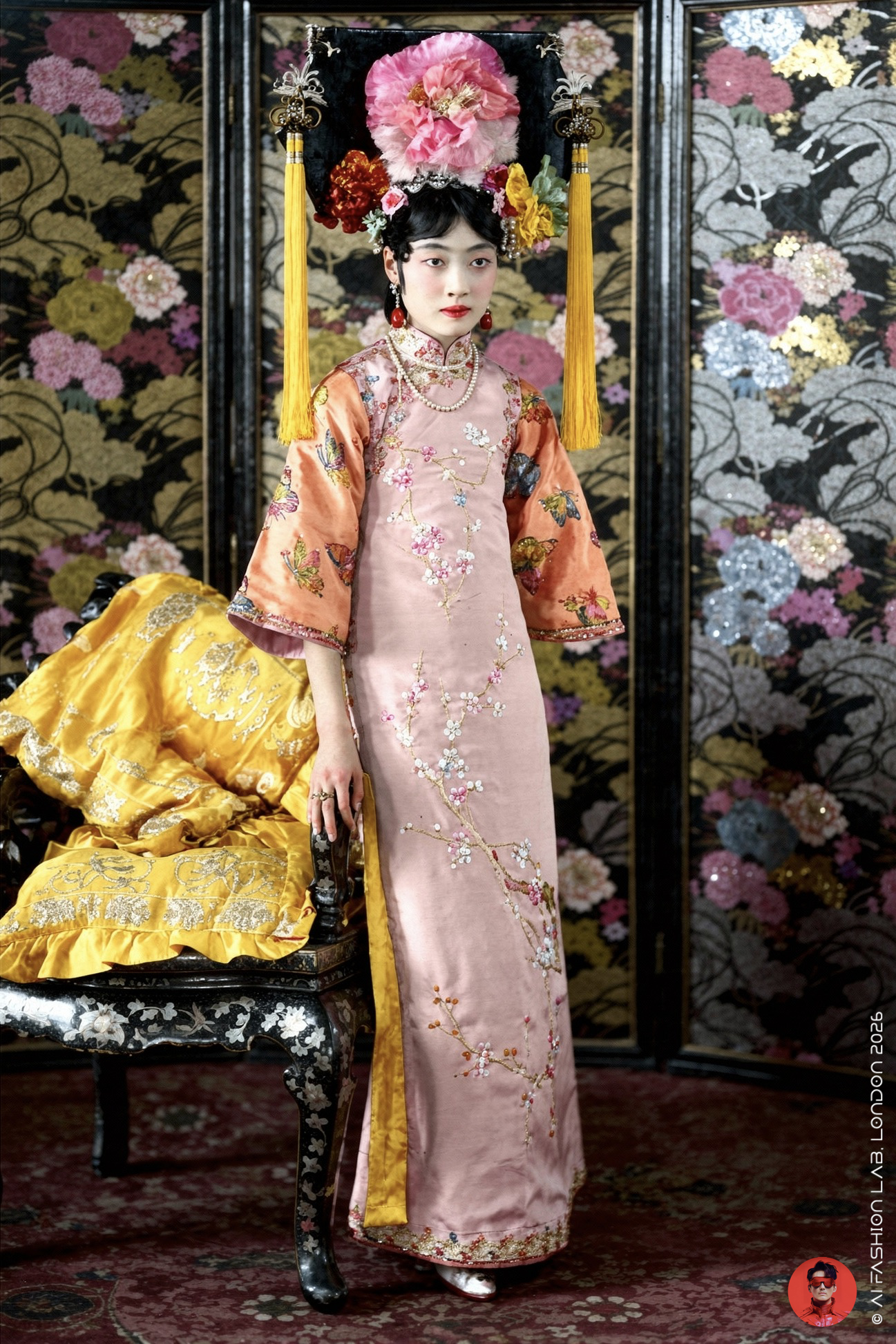
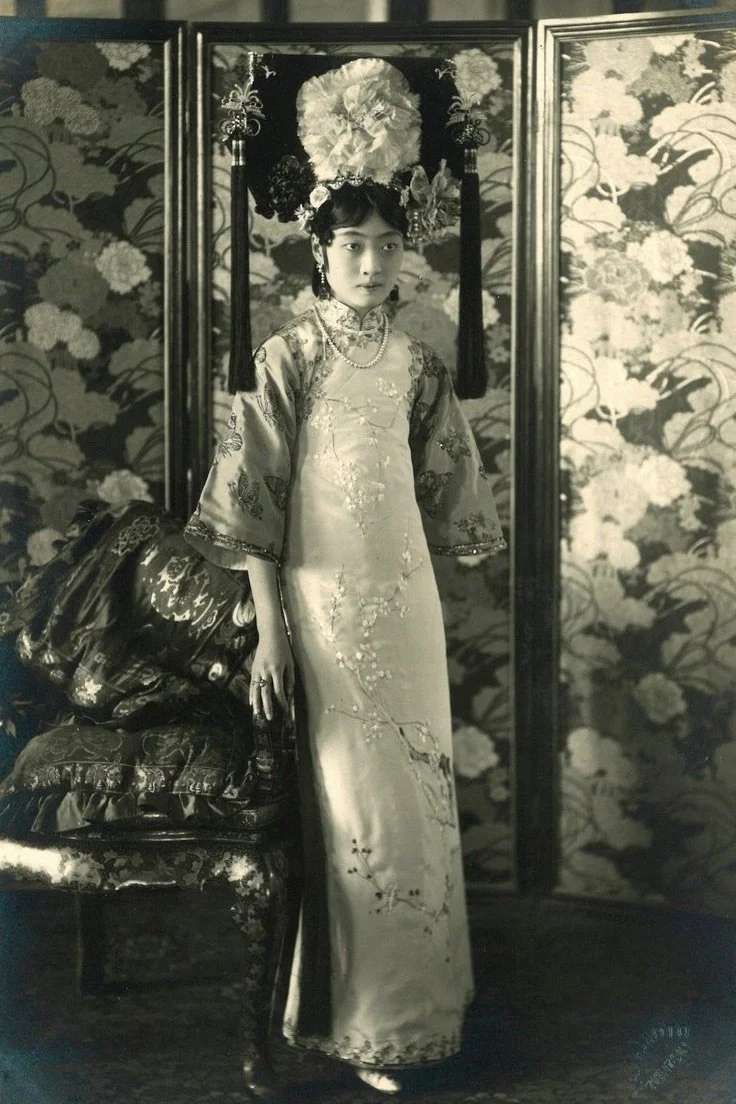
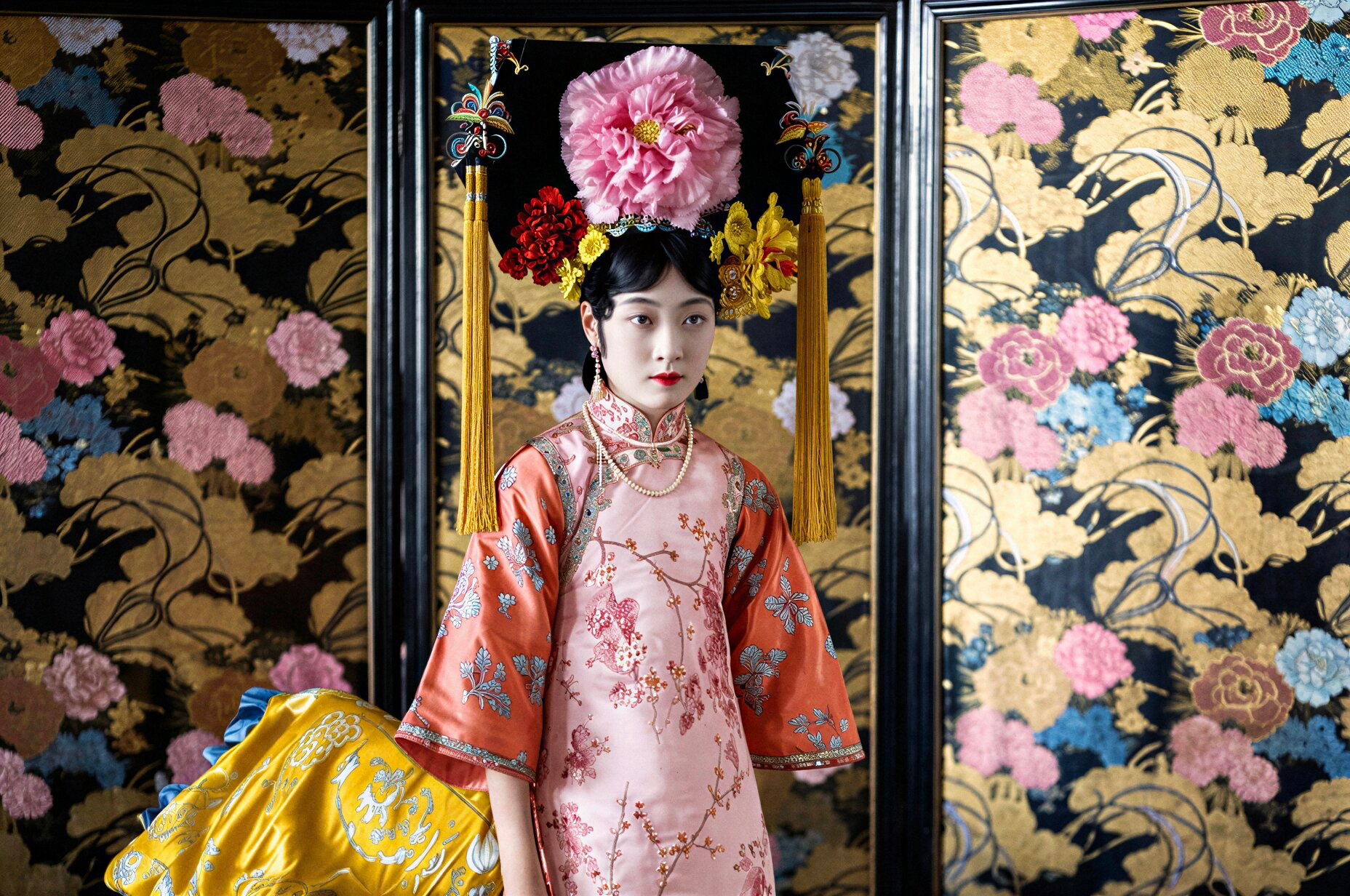
การศึกษาของหวั่นหรงนับว่าแปลกใหม่สำหรับสตรีชั้นสูงชาวแมนจูในยุคนั้น เธอเรียนภาษาอังกฤษกับครูชาวอเมริกัน อิซาเบล อินแกรม สวมทั้งเครื่องแต่งกายตะวันตกและฉลองพระองค์แบบราชสำนักแมนจู สนใจการถ่ายภาพ เล่นเทนนิส และเต้นฟอกซ์ทรอต หญิงสาวในพระฉายาลักษณ์จากต้นทศวรรษ 1920 ผู้มีผมหน้าม้าสั้นอยู่ใต้เครื่องประดับศีรษะแบบ 大拉翅 สวมสร้อยไข่มุกชิดลำคอเหนือฉีผาวไหม คือสตรีราชสำนักองค์สุดท้ายในประวัติศาสตร์จีนที่ยังสวมเครื่องศีรษะเช่นนั้นในบริบทที่ใกล้เคียงกับยุคสมัยเดิม
ชีวิตหลังจากนั้นไม่ได้ปรานีเธอ การถูกขับออกจากพระราชวังต้องห้ามในปี ค.ศ. 1924 การเข้าไปอยู่ในรัฐหุ่นเชิดแมนจูกัวภายใต้อิทธิพลญี่ปุ่น การติดฝิ่น ความห่างเหินในชีวิตสมรส และท้ายที่สุด การเสียชีวิตในโรงพยาบาลเรือนจำที่จี๋หลินในปี ค.ศ. 1946 ขณะมีอายุเพียงสี่สิบปี
แต่พระฉายาลักษณ์นี้อยู่ก่อนเรื่องราวทั้งหมดนั้น เธอน่าจะมีอายุราวสิบเจ็ดหรือสิบแปดปี สีชมพูดอกโบตั๋นของ 鈿子 ยังสดใส แขนเสื้อปักลายผีเสื้อยังเรียบงาม สร้อยไข่มุกยังเย็นอยู่แนบลำคอ หญิงสาวคนหนึ่ง ผู้ได้ยืนอยู่ชั่วขณะ ณ ศูนย์กลางของจักรวรรดิที่แท้จริงแล้วไม่มีอยู่อีกต่อไปแล้ว.
______________
Wanrong 婉容 — The Last Empress of China
Gobulo Wanrong (郭布羅·婉容, 1906–1946) was the daughter of an aristocratic Daur Mongol family of the Plain White Banner. In 1922, at sixteen, she was selected as the principal consort of the deposed Xuantong Emperor Puyi 溥儀 and entered the Forbidden City as Empress — a title that, by then, governed a court already suspended between memory and dissolution.
Her education had been unusual for a Manchu noblewoman of her generation: English lessons with the American tutor Isabel Ingram, Western dress alongside Manchu court robes, photography, tennis, the foxtrot. The young woman who posed for studio portraits in the early 1920s — bobbed fringe beneath the 大拉翅, pearl choker over the silk 旗袍 — was the last court woman in Chinese history to wear that headdress in something resembling its original setting.
The years that followed were not kind. Expulsion from the Forbidden City in 1924; the Japanese-sponsored puppet state of Manchukuo; opium addiction; estrangement; and finally death in a prison hospital in Jilin in 1946, aged forty.
This portrait sits before all of that. She is perhaps seventeen or eighteen here — the peony pink of the 鈿子 still bright, the butterfly-embroidered sleeves still uncreased, the pearls still cool against the throat. A young woman, briefly, at the centre of an empire that no longer existed.
______________
เรียนเชิญกด Subscribe ได้ที่ลิงก์นี้ครับ เพื่อร่วมติดตามงานสร้างสรรค์ต้นฉบับ งานวิจัยประวัติศาสตร์แฟชั่น และผลงานอนุรักษ์มรดกวัฒนธรรมด้วยเทคโนโลยี AI ของ AI Fashion Lab, London ซึ่งมุ่งตีความอดีตผ่านมิติใหม่ของการบูรณะภาพ การสร้างสรรค์ภาพ และการเล่าเรื่องด้วยศิลปะเชิงดิจิทัล https://www.facebook.com/aifashionlab/subscribe/
#aifashionlab #AI #aiartist #aiart #aifashion #aifashiondesign #aifashionstyling #aifashiondesigner #fashion #fashionhistory #historyoffashion #fashionstyling #fashionphotography #digitalfashiondesign #digitalcostumedesign #digitaldesign #digitalaiart #ThaiFashionHistory #ThaiFashionAI #thailand #Wanrong #婉容 #LastEmpress #LateQing #CourtPortrait