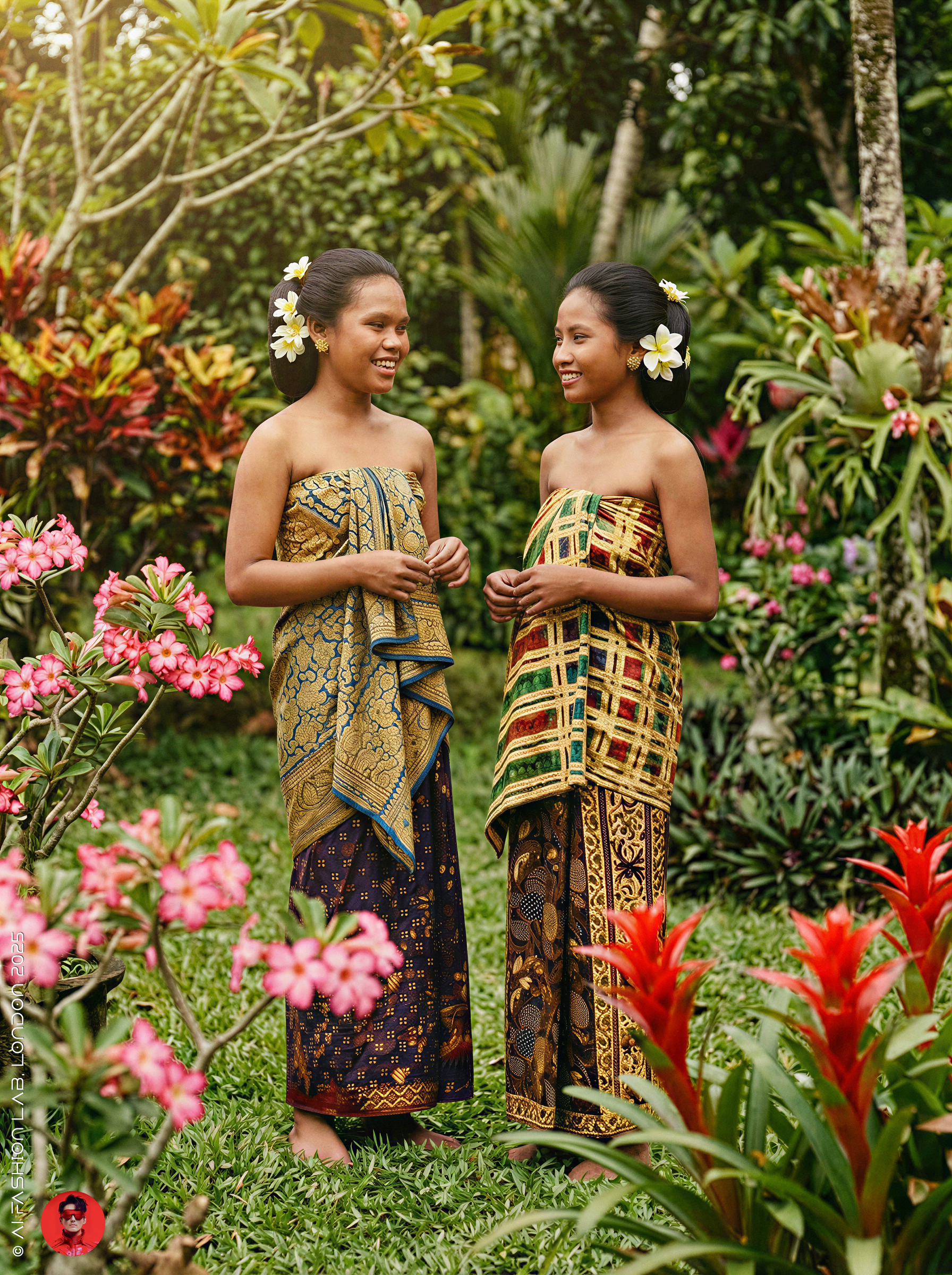
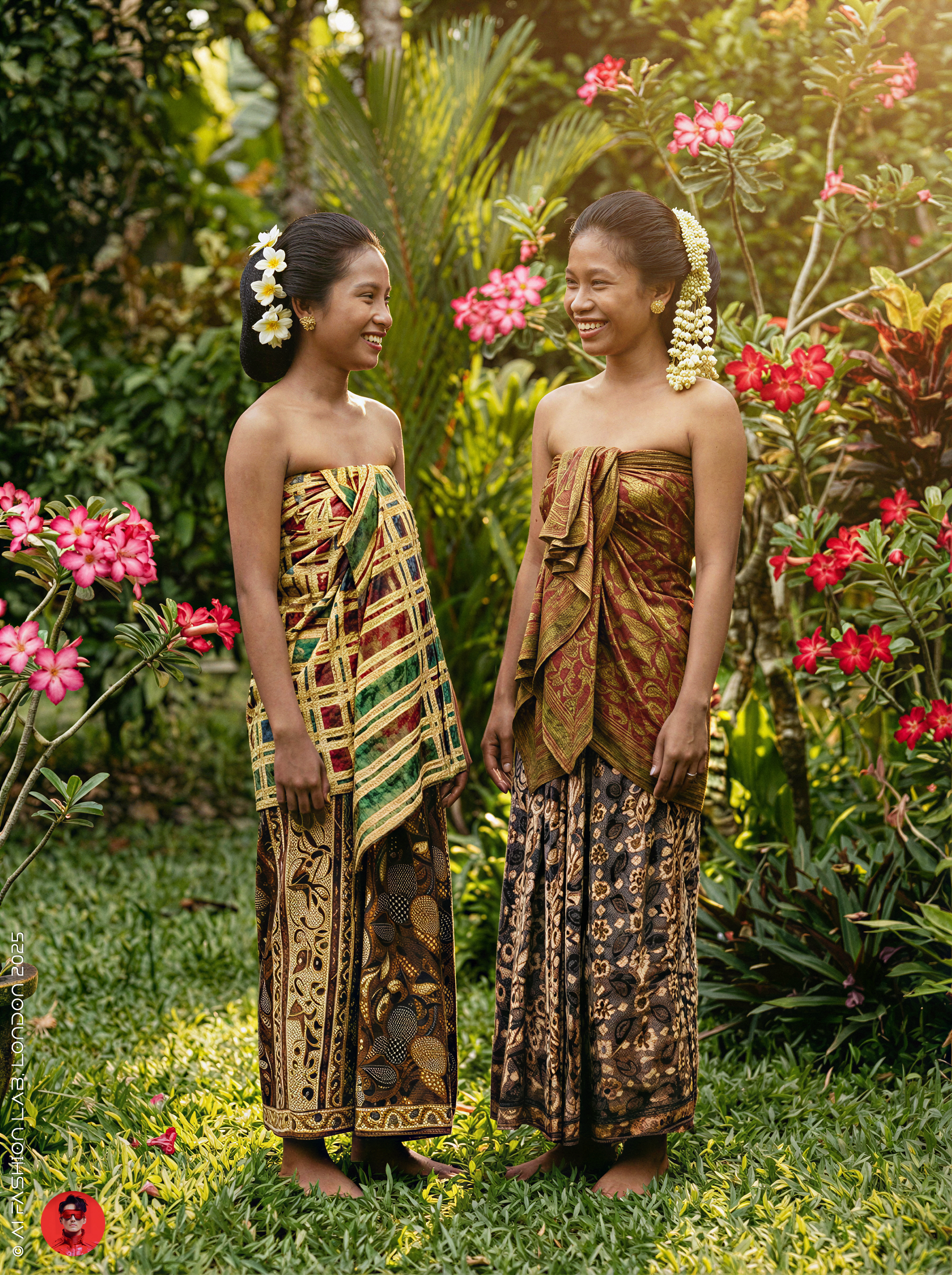
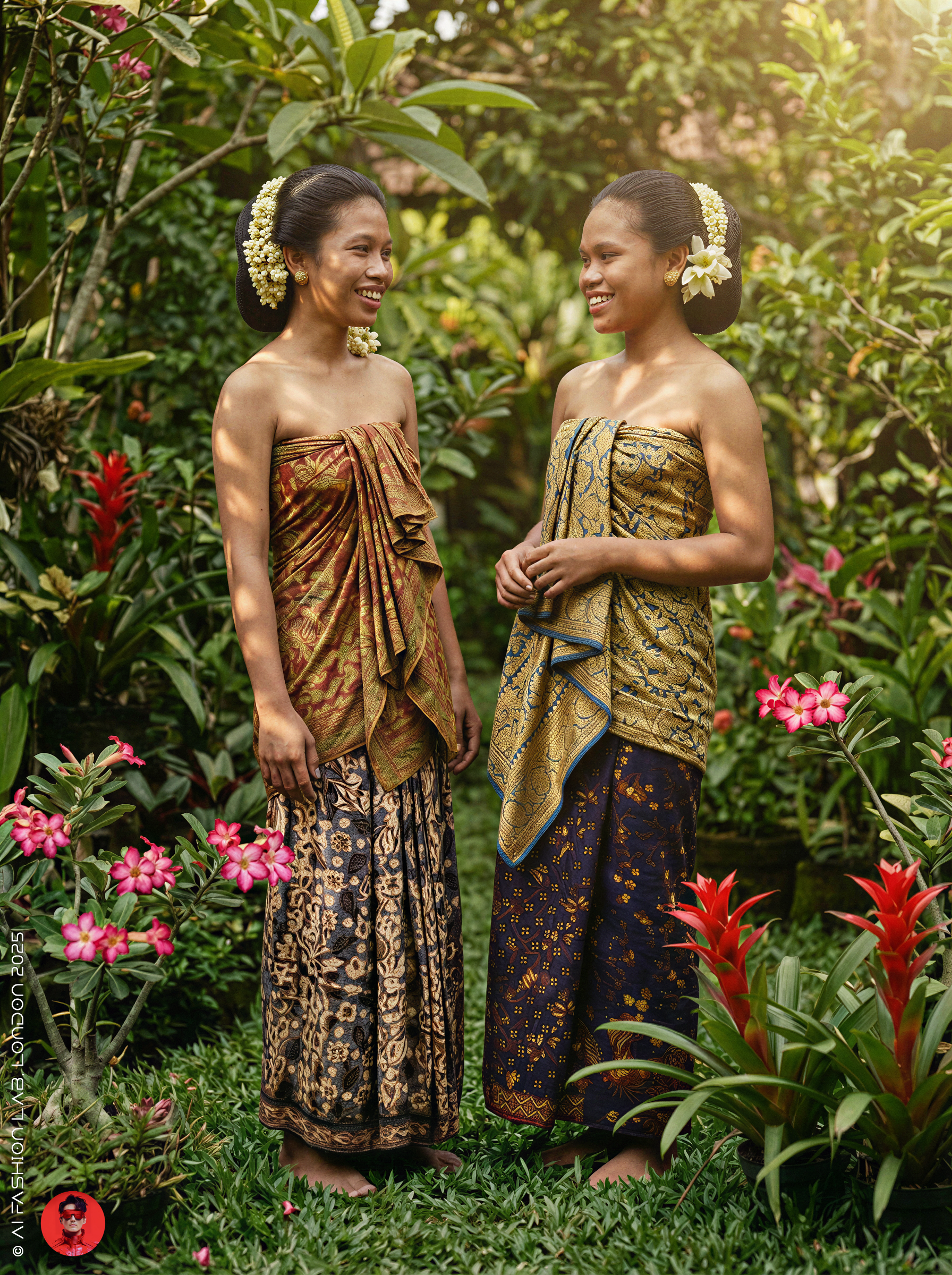
ผ้าแถบแบบบาหยัง ของชาวมลายูปัตตานีทางภาคใต้ของสยาม ในสมัยรัชกาลที่ ๕
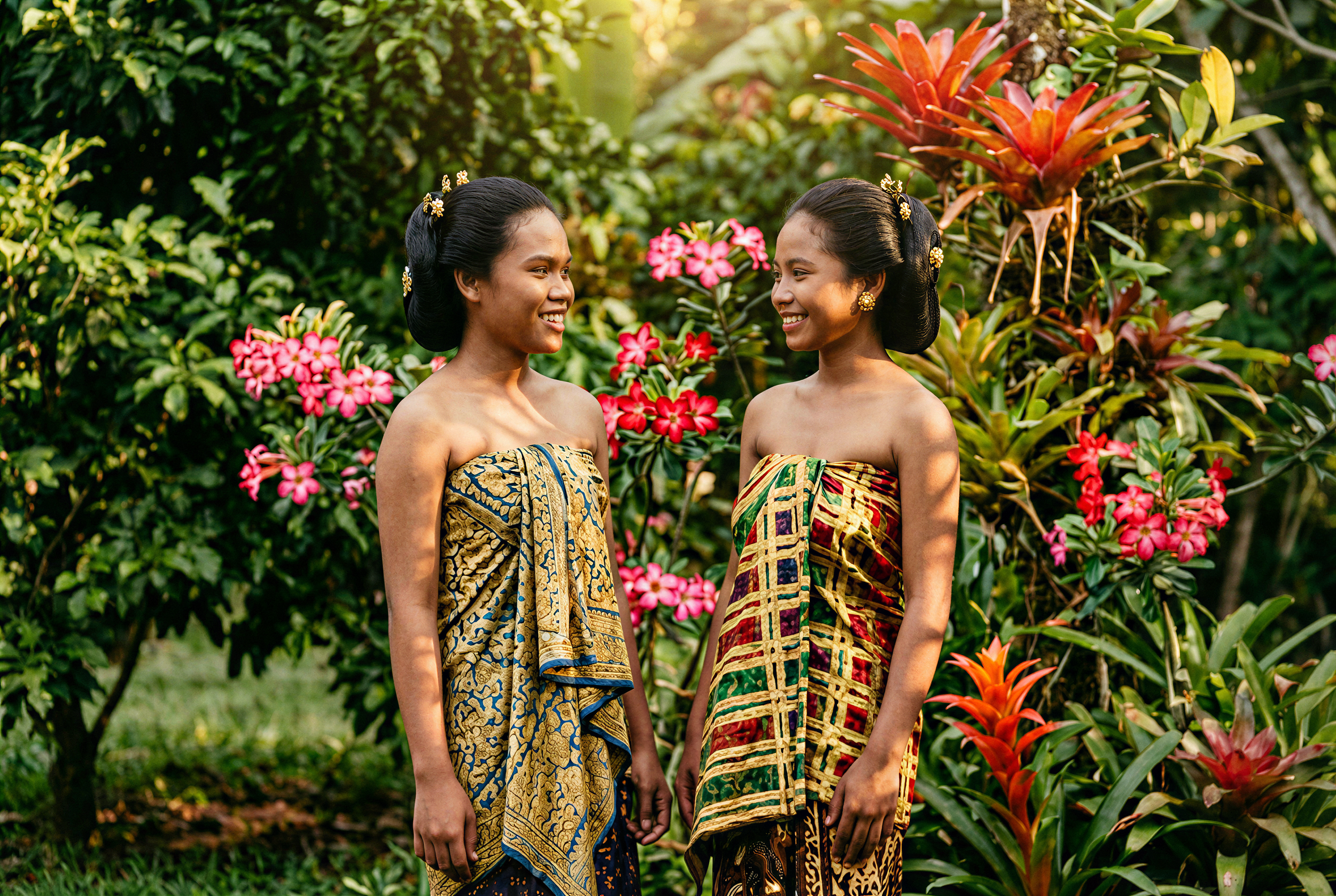
ผ้าแถบแบบบาหยัง เป็นรูปแบบเครื่องแต่งกายสตรีดั้งเดิมที่พบอย่างกว้างขวางในเอเชียตะวันออกเฉียงใต้ โดยเฉพาะในกลุ่มชาวมลายูปัตตานีทางภาคใต้ของสยามและคาบสมุทรมลายู ลักษณะสำคัญคือการใช้ผ้าผืนยาวพันรอบทรวงอกโดยไม่ตัดเย็บเป็นเสื้อ ปล่อยช่วงไหล่และลำคอให้เปลือยอย่างเป็นธรรมชาติ รูปแบบการนุ่งเช่นนี้มิได้สะท้อนความไม่สุภาพ หากแต่เป็นผลจากภูมิอากาศเขตร้อน ความสัมพันธ์ระหว่างร่างกายกับธรรมชาติ และกรอบความงามของสังคมก่อนสมัยใหม่ ซึ่งมองเรือนร่างในฐานะส่วนหนึ่งของชีวิต มิใช่สิ่งที่ต้องปกปิดภายใต้กรอบศีลธรรมแบบสมัยใหม่
ในบริบทของดินแดนอดีตอาณาจักรปัตตานี ผ้าแถบรูปแบบหนึ่งที่มีเอกลักษณ์เฉพาะเรียกว่า บาหยัง (Bahyang) ซึ่งเป็นคำที่ไม่พบใช้ในชุมชนมลายูของมาเลเซียหรืออินโดนีเซีย บาหยังทำหน้าที่เป็นผ้าแถบคลุมหน้าอกของหญิงมลายูปัตตานี ใช้ทั้งในชีวิตประจำวันและในโอกาสพิเศษ โดยลักษณะของผ้าที่นำมาใช้มีความหลากหลายตามบริบททางสังคมและฐานะ ในชีวิตประจำวันมักใช้ผ้าฝ้ายทอพื้นหรือผ้าบาติก ซึ่งมีน้ำหนักเบาและเหมาะสมกับสภาพอากาศร้อนชื้น ขณะที่ในโอกาสสำคัญหรือในราชสำนักปัตตานี จะเลือกใช้ผ้าไหมเนื้อละเอียด ผ้าทอลวดลายประณีต หรือ ซองเก็ต (Songket) ผ้าทอมือแบบ ผ้าทอยกดอกแบบเส้นพุ่งพิเศษ (supplementary weft brocade) อันทรงคุณค่า ชื่อซองเก็ตมาจากคำมลายูว่า “ซุงกิต” (sungkit) แปลว่า “ขอเกี่ยว” อธิบายถึงเทคนิคการทอที่ใช้ไม้ปลายแหลมสะกิดยกเส้นด้ายยืน เพื่อสอด ด้ายพุ่งพิเศษ ซึ่งมักเป็น ด้ายทอง (gold thread) หรือ ด้ายเงิน (silver thread) ให้เกิดลวดลายที่ดูราวกับเส้นด้ายลอยเหนือพื้นผ้า อีกทฤษฎีหนึ่งโยงรากศัพท์กับคำว่า “มะยองเก็ต” ซึ่งหมายถึงการปักด้วยด้ายโลหะ ลวดลายซองเก็ตนิยมเป็นเรขาคณิตแทรกองค์ประกอบธรรมชาติ เช่น ดอกไม้ นก และแมลง สีสันสดใส แวววาว และสงวนใช้ในพระราชพิธี งานมงคล และโอกาสสำคัญทั่วคาบสมุทรมลายู อินโดนีเซีย บรูไน และภาคใต้ของไทย บาหยังในบริบทนี้จึงมิใช่เพียงเครื่องนุ่งห่มพื้นฐาน หากแต่เป็นเครื่องแต่งกายที่สะท้อนรสนิยม ฐานะ และวัฒนธรรมราชสำนักของโลกมลายูชายฝั่งอ่าวไทย
เมื่อพิจารณาในบริบทภูมิภาค จะพบว่าผ้าแถบลักษณะเดียวกันนี้ปรากฏในชวาและหมู่เกาะอินโดนีเซียในชื่อ คัมเบน หรือ เข็มเบน (Kemben / Kemban) ซึ่งเป็นผ้าแถบพันรอบทรวงอกของสตรีชวาก่อนการแพร่หลายของเสื้อแบบตัดเย็บ คัมเบนมีบทบาททั้งในชีวิตประจำวัน พิธีกรรม และราชสำนักเช่นเดียวกับบาหยัง โดยใช้ผ้าบาติกพื้นเรียบในชีวิตประจำวัน และใช้ผ้าไหมหรือผ้าทอด้ายทองในพิธีการ ความคล้ายคลึงทั้งในรูปแบบและวัสดุของบาหยังและคัมเบน สะท้อนถึงเครือข่ายการแลกเปลี่ยนวัฒนธรรม สิ่งทอ และรสนิยมการแต่งกายในโลกมลายู–ชวา ซึ่งเชื่อมโยงกันผ่านการค้า ศาสนา และการเดินเรือมาอย่างยาวนาน
อย่างไรก็ตาม แม้บาหยังและคัมเบนจะมีโครงสร้างทางวัฒนธรรมใกล้เคียงกัน แต่บาหยังกลับค่อย ๆ เลือนหายไปจากการใช้ในชีวิตจริงเร็วกว่าหลายพื้นที่ การเปลี่ยนแปลงนี้เห็นได้ชัดตั้งแต่ช่วงรุ่นย่าหรือรุ่นยาย เมื่อสังคมมลายูปัตตานีเผชิญการปรับตัวด้านศาสนาและอัตลักษณ์ ผู้หญิงมลายูจำนวนมากหันไปสวมใส่เครื่องแต่งกายแบบมุสลิมที่ได้รับอิทธิพลจากโลกอาหรับ เพื่อแสดงออกถึงความศรัทธาและความสุภาพตามกรอบศาสนาอิสลาม ขณะที่ผู้หญิงในชุมชนที่นับถือพุทธศาสนาเลือกปรับตัวเข้าสู่เครื่องแต่งกายแบบไทยหรือสยาม หรือสวม บานง (Banong) ซึ่งเป็นเคบายาแบบไทยที่ได้รับอิทธิพลจากเคบายาอินโดนีเซียและมาเลเซีย แทนที่ผ้าแถบแบบดั้งเดิม
ผลของการเปลี่ยนผ่านดังกล่าวทำให้ ผ้าแถบแบบบาหยัง ค่อย ๆ หลุดออกจากชีวิตประจำวัน เหลืออยู่เพียงในความทรงจำ ภาพเล่าเรื่อง และงานศึกษาทางประวัติศาสตร์แฟชั่น บาหยังในวันนี้จึงมิใช่เพียงเสื้อผ้าที่เลิกใช้ หากแต่เป็นหลักฐานทางวัฒนธรรมที่สะท้อนการทับซ้อนของอัตลักษณ์ ศาสนา การเมือง และการแลกเปลี่ยนทางวัฒนธรรมในภาคใต้ของประเทศไทย ในฐานะผ้าแถบ ไม่ว่าจะอยู่ในรูปของผ้าบาติกพื้นเรียบ ผ้าไหมเนื้อนุ่ม หรือผ้าซองเก็ตทอด้ายทอง บาหยังยังคงเป็นภาพแทนของโลกก่อนสมัยใหม่ ที่เรือนร่าง สังคม และความเชื่อ ดำรงอยู่ร่วมกันอย่างกลมกลืน ก่อนจะค่อย ๆ เลือนหายไปพร้อมการเปลี่ยนแปลงของกาลเวลา
______________
Bahyang-style breast cloth is a traditional form of women’s dress widely found across Southeast Asia, particularly among the Malay communities of Pattani in southern Siam and the Malay Peninsula. Its defining feature is a long rectangular cloth wrapped around the chest without tailoring into a sewn garment, leaving the shoulders and neckline naturally bare. This manner of dress did not signify immodesty; rather, it reflected the tropical climate, an intimate relationship between the body and nature, and the aesthetic framework of pre-modern societies, which regarded the human form as an integral part of everyday life rather than something to be concealed by later moral codes.
Within the context of the former Pattani Kingdom, a distinctive variant of the breast cloth was known as Bahyang, a term not used among Malay communities in present-day Malaysia or Indonesia. Bahyang functioned as a chest wrapper for Malay-Thai women in Pattani, worn both in daily life and on special occasions. The cloth itself could vary greatly in material and refinement. In everyday settings, Bahyang was often made from plain woven cotton or batik cloth, valued for its lightness and suitability to the humid climate. In more formal or courtly contexts, however, it was fashioned from fine silk, elaborately patterned textiles, or songket—a luxurious brocade traditionally woven with supplementary gold or silver threads. These richly decorated fabrics elevated Bahyang beyond a basic garment, transforming it into a marker of taste, status, and refined court culture within the Malay world along the Gulf of Thailand.
Viewed in a broader regional context, a closely related form of breast cloth appears in Java and the Indonesian archipelago under the name Kemben or Kemban. Like Bahyang, Kemben consisted of a cloth wrapped around the chest and was worn by Javanese women before tailored blouses became widespread. It likewise ranged from plain batik cloth for daily wear to finely woven silk and gold-thread brocade for ritual, ceremonial, and court use. These close material and structural similarities point to long-standing networks of cultural exchange within the Malay–Javanese world, shaped by trade, textile circulation, religion, and maritime connections over many centuries.
Despite their shared cultural foundations, Bahyang disappeared from everyday use earlier than its counterparts in several other regions. This shift became particularly evident by the generation of grandmothers, when Malay society in Pattani underwent profound changes in religion and identity. Many Malay women adopted forms of dress influenced by the Arab-Islamic world as a visible expression of faith and religious modesty. At the same time, women in Buddhist communities adjusted to Thai or Siamese styles of dress, or wore Banong, a Thai form of kebaya influenced by Indonesian and Malaysian kebayas, gradually replacing the traditional breast cloth.
As a result of these transitions, the Bahyang-style breast cloth slowly withdrew from daily life, surviving only in memory, visual narratives, and scholarly studies of fashion history. Today, Bahyang is no longer simply a garment that has fallen out of use, but a cultural document that reveals the layered intersections of identity, religion, politics, and textile exchange in southern Thailand. As a form of breast cloth—whether rendered in plain batik, soft silk, or shimmering gold-thread songket—Bahyang stands as a visual trace of a pre-modern world in which the body, society, and belief coexisted in a balanced and harmonious relationship, before gradually fading with the passage of time.
______________
เรียนเชิญกด Subscribe ได้ที่ลิงก์นี้ครับ เพื่อร่วมติดตามงานสร้างสรรค์ต้นฉบับ งานวิจัยประวัติศาสตร์แฟชั่น และผลงานอนุรักษ์มรดกวัฒนธรรมด้วยเทคโนโลยี AI ของ AI Fashion Lab, London ซึ่งมุ่งตีความอดีตผ่านมิติใหม่ของการบูรณะภาพ การสร้างสรรค์ภาพ และการเล่าเรื่องด้วยศิลปะเชิงดิจิทัล 🔗 https://www.facebook.com/aifashionlab/subscribe/
#aifashionlab #AI #aiartist #aiart #aifashion #aifashiondesign #aifashionstyling #aifashiondesigner #fashion #fashionhistory #historyoffashion #fashionstyling #fashionphotography #digitalfashion #digitalfashiondesign #digitalcostumedesign #digitaldesign #digitalaiart #ThaiFashionHistory #ThaiFashionAI #thailand #UNESCO