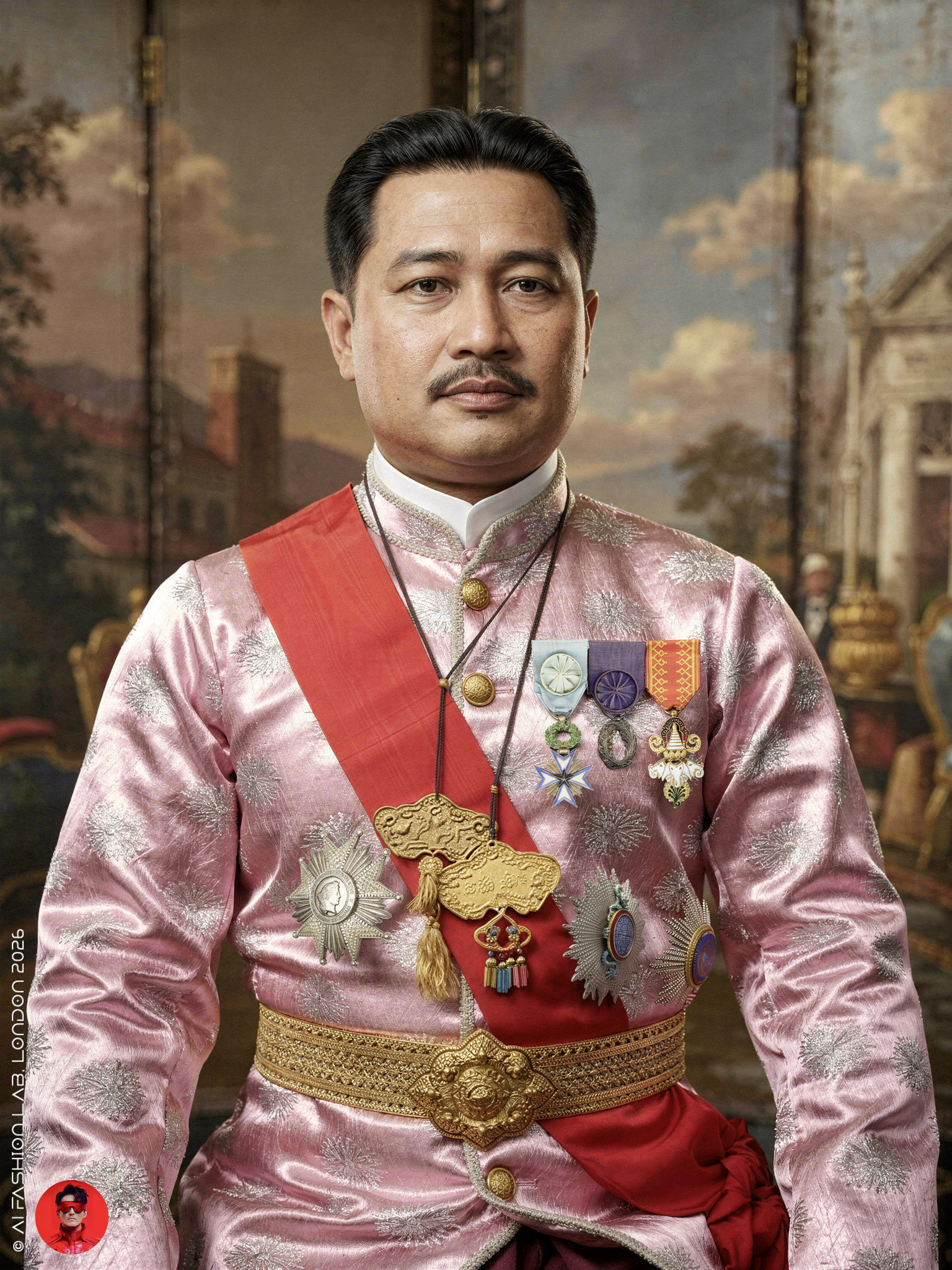
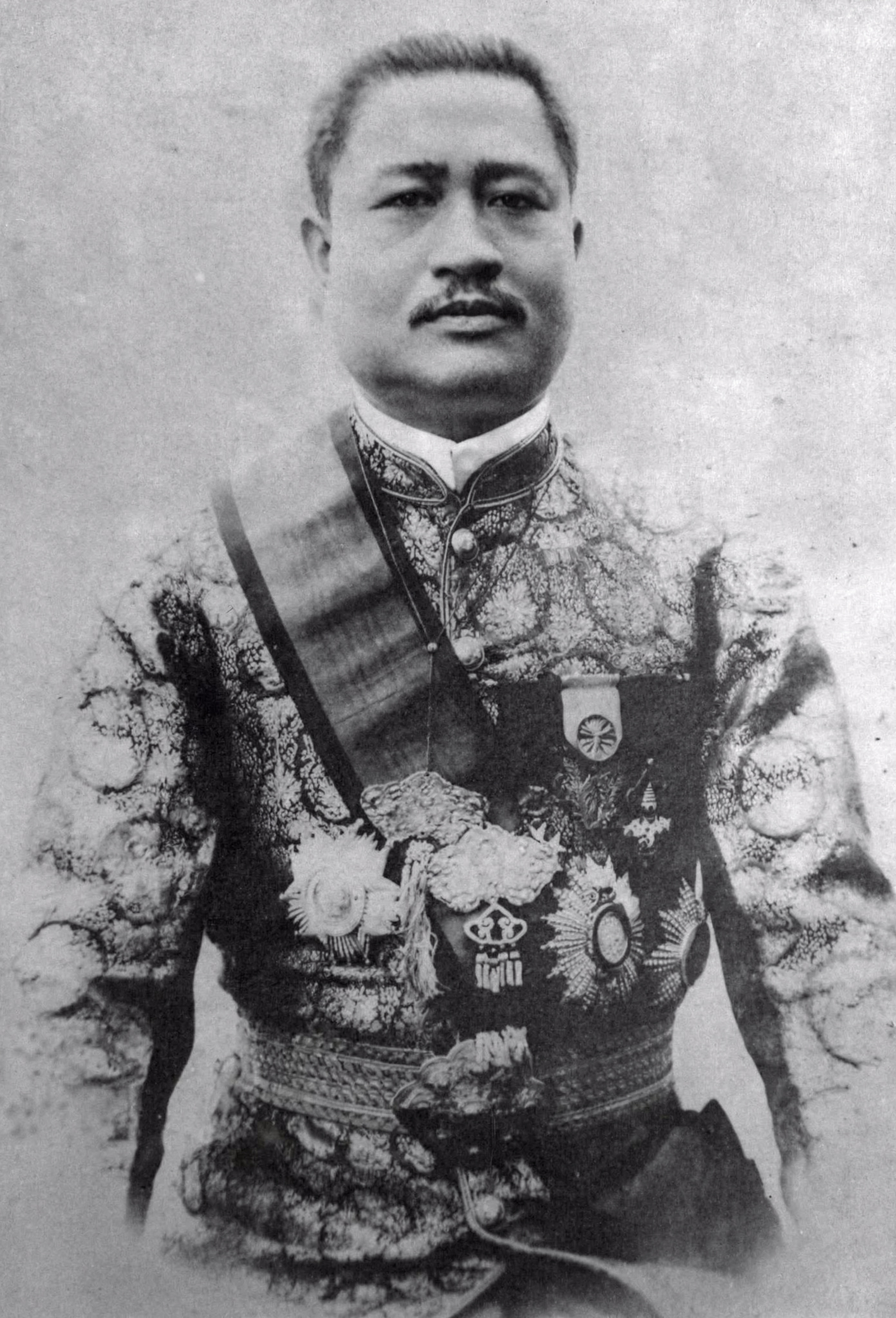
เจ้ามหาชีวิตศรีสว่างวงศ์ (ເຈົ້າມະຫາຊີວິດສີສະຫວ່າງວົງ) แห่งราชอาณาจักรลาว
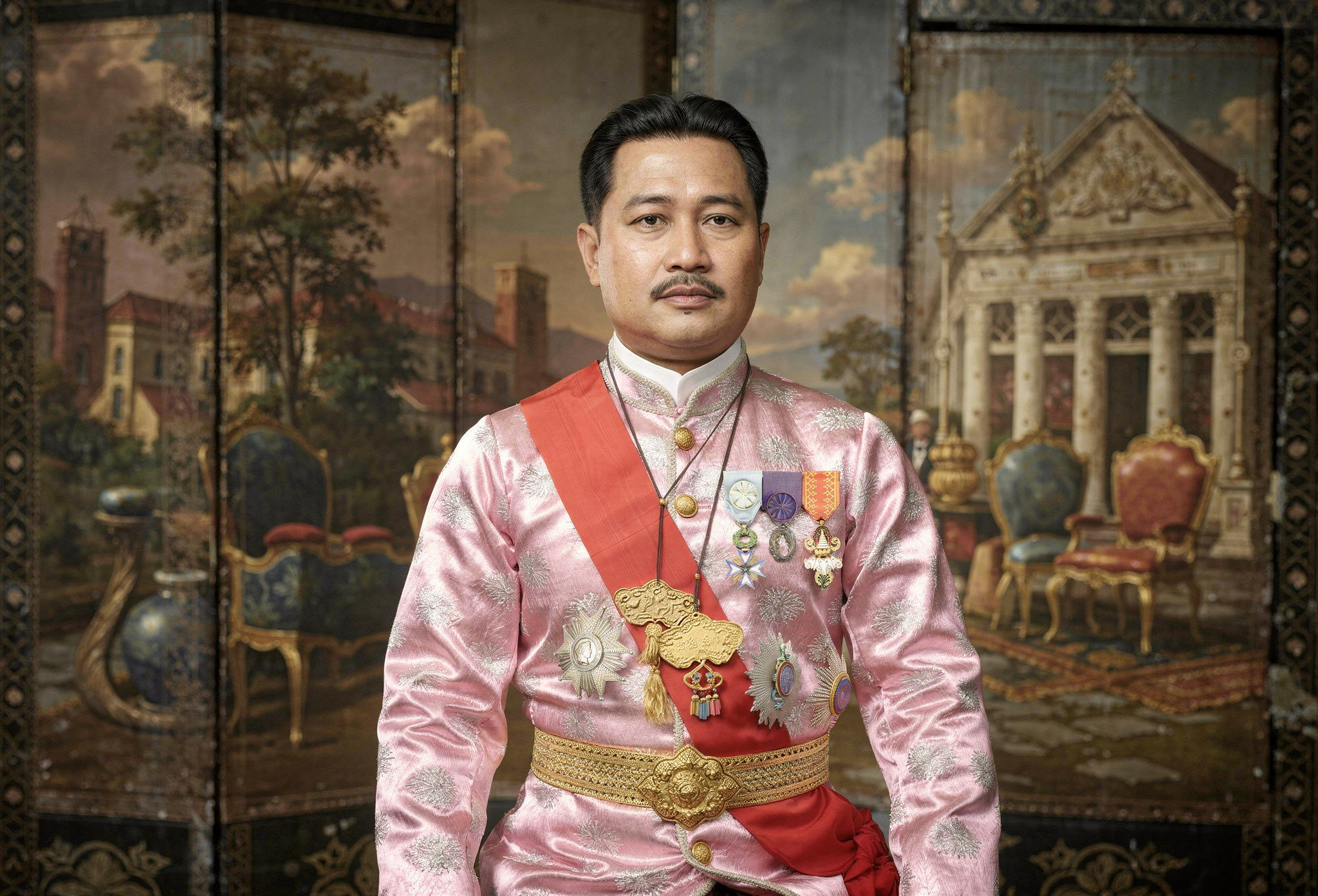
เจ้ามหาชีวิตศรีสว่างวงศ์ แห่งราชอาณาจักรลาว
ภาพที่ผ่านการบูรณะและสร้างสรรค์ด้วยเทคโนโลยี AI ภาพนี้ เป็นพระรูปของ เจ้ามหาชีวิตศรีสว่างวงศ์ (ເຈົ້າມະຫາຊີວິດສີສະຫວ່າງວົງ) แห่งราชอาณาจักรลาว ซึ่งได้รับการสร้างสรรค์ขึ้นด้วยจุดมุ่งหมายเพื่อการศึกษา การค้นคว้า และการทำความเข้าใจประวัติศาสตร์เครื่องแต่งกายและเครื่องราชอิสริยาภรณ์อย่างถูกต้องและรอบด้าน
การสร้างสรรค์พระรูปของ เจ้ามหาชีวิตศรีสว่างวงศ์ ในครั้งนี้ เป็นผลจากแรงบันดาลใจและความร่วมมือระหว่าง AI Fashion Lab และ คุณมูมู่ ชัยกร ปัณฑุรอัมพร โดยอาศัยการศึกษาข้อมูลจากพระรูปต้นฉบับ หลักฐานเอกสารทางประวัติศาสตร์ และการวิเคราะห์เครื่องราชอิสริยาภรณ์ที่ปรากฏในภาพ จากการค้นคว้าของคุณ มูมู่ เพื่อให้การบูรณะมีความถูกต้องทั้งในด้านลำดับศักดิ์ รูปแบบ สีสัน และบริบททางประวัติศาสตร์
การสร้างสรรค์ครั้งนี้มีวัตถุประสงค์สำคัญในการส่งเสริมการใช้เทคโนโลยี AI เป็นเครื่องมือทางการศึกษาและการวิจัยด้านประวัติศาสตร์เครื่องแต่งกาย โดยเฉพาะอย่างยิ่งในส่วนของ เครื่องราชอิสริยาภรณ์ ซึ่งมักเป็นรายละเอียดที่ถูกมองข้ามหรือเข้าใจคลาดเคลื่อนในงานสร้างสรรค์ด้วย AI
ในปัจจุบัน ยังมีผลงานจำนวนไม่น้อยที่นำเสนอภาพบุคคลสำคัญในประวัติศาสตร์โดยปราศจากความเข้าใจอย่างถ่องแท้ถึงชนิด ลำดับ และความหมายของเครื่องราชอิสริยาภรณ์ที่ประดับอยู่ในภาพต้นฉบับ ส่งผลให้เกิดความผิดพลาดและไม่สอดคล้องกับข้อเท็จจริงทางประวัติศาสตร์
ด้วยเหตุนี้ AI Fashion Lab จึงมุ่งหวังที่จะเป็นผู้นำร่องในการสร้างสรรค์ภาพเครื่องราชอิสริยาภรณ์ด้วยกระบวนการ AI ให้ถูกต้อง สง่างาม และมีความสมจริง พร้อมทั้งได้เผยแพร่แนวทางและกระบวนการสร้างสรรค์ภาพเครื่องราชอิสริยาภรณ์ไว้แล้วก่อนหน้านี้ เพื่อเป็นประโยชน์แก่ผู้สร้างสรรค์ นักวิชาการ และผู้สนใจในสาขาประวัติศาสตร์แฟชั่นและราชสำนัก
______________
พระราชประวัติ เจ้ามหาชีวิตศรีสว่างวงศ์
สมเด็จพระเจ้าศรีสว่างวงศ์ มีพระนามเต็มว่า พระบาทสมเด็จพระเจ้าศรีสว่างวงศ์ (ลาว: ພະບາດສົມເດັດພະເຈົ້າສີສະຫວ່າງວົງ) หรือ เจ้ามหาชีวิตศรีสว่างวงศ์ (ลาว: ເຈົ້າມະຫາຊີວິດສີສະຫວ່າງວົງ)
ทรงเป็นพระมหากษัตริย์องค์ที่ ๑๒ แห่งราชอาณาจักรล้านช้างหลวงพระบาง และเป็นพระมหากษัตริย์พระองค์แรกแห่งราชอาณาจักรลาว เสด็จพระราชสมภพ ณ นครหลวงพระบาง เมื่อวันที่ ๑๔ กรกฎาคม พ.ศ. ๒๔๒๘ เป็นพระราชโอรสในพระเจ้าสักรินทรฤทธิ์ และพระนางทองสี
เจ้ามหาชีวิตศรีสว่างวงศ์ เสด็จขึ้นครองราชสมบัติเป็นพระมหากษัตริย์แห่งราชอาณาจักรหลวงพระบาง เมื่อวันที่ ๑๕ เมษายน พ.ศ. ๒๔๔๗ และภายหลังเมื่อประเทศลาวได้รับเอกราชจากฝรั่งเศส พระองค์จึงทรงเป็นพระมหากษัตริย์พระองค์แรกแห่งราชอาณาจักรลาว กระทั่งเสด็จสวรรคตเมื่อวันที่ ๒๙ ตุลาคม พ.ศ. ๒๕๐๒
เครื่องราชอิสริยาภรณ์ที่ปรากฏในพระรูป
ในพระรูปนี้ ทรงประดับเครื่องราชอิสริยาภรณ์สำคัญ ได้แก่
1. เครื่องอิสริยาภรณ์ เลฌียงดอเนอร์ (Legion d’honneur) สาธารณรัฐฝรั่งเศส สมัยสาธารณรัฐที่ ๓ (ค.ศ. 1871–1940)
2. เครื่องอิสริยาภรณ์ นิลดารา (The Order of the Black Star – Ordre de l'Étoile Noire) ประเทศเบนิน
3. เครื่องอิสริยาภรณ์ วิชาการการศึกษา (Ordre des Palmes académiques) ประเทศฝรั่งเศส
4. เครื่องราชอิสริยาภรณ์ ล้านช้างร่มขาว (ลาว: ອິສະຣິຍາພອນລ້ານຊ້າງຮົ່ມຂາວ อังกฤษ: Order of the Million Elephants and the White Parasol ฝรั่งเศส: L'Ordre royal du Million d’Éléphants et du Parasol blanc) ซึ่งเป็นเครื่องราชอิสริยาภรณ์ชั้นสูงสุดแห่งราชอาณาจักรลาว
5. เครื่องอิสริยาภรณ์ ฆ้องทองคำ (Order of Kim Khanh – Golden Gong) ชั้นที่ ๑ แห่งอันนัม อินโดจีนของฝรั่งเศส
6. เครื่องราชอิสริยาภรณ์ มังกรแห่งอันนัม (Imperial Order of the Dragon of Annam)
7. เครื่องราชอิสริยยศแห่งพระราชอาณาจักรกัมพูชา (เขมร: គ្រឿងឥស្សរិយយសព្រះរាជាណាចក្រកម្ពុជា ฝรั่งเศส: Ordre royal du Cambodge)
______________
พระเจ้าศรีสว่างวงศ์: จากเจ้าผู้ครองนครหลวงพระบาง สู่กษัตริย์แห่งราชอาณาจักรลาว
พระเจ้าศรีสว่างวงศ์ทรงเป็นกษัตริย์ผู้มีรัชสมัยยาวนาน และเป็นบุคคลสำคัญยิ่งในประวัติศาสตร์การเปลี่ยนผ่านของลาว จากราชสำนักนครหลวงพระบางภายใต้อำนาจอาณานิคมฝรั่งเศส ไปสู่สถานะของราชอาณาจักรลาวในคริสต์ศตวรรษที่ 20 พระราชประวัติของพระองค์มิได้เป็นเพียงเรื่องราวของกษัตริย์ผู้ทรงครองราชย์ยาวนาน หากยังสะท้อนชะตากรรมของราชสำนักลาวท่ามกลางแรงกดดันของจักรวรรดินิยม สงครามโลก ขบวนการชาตินิยม และการเปลี่ยนแปลงทางการเมืองครั้งใหญ่ในอินโดจีน
ในด้านราชสำนักและราชวงศ์ พระเจ้าศรีสว่างวงศ์ได้อภิเษกสมรสกับเจ้าหญิงคำฝั้น พระขนิษฐาต่างพระมารดา ซึ่งเดิมดำรงฐานะพระมเหสีฝ่ายซ้าย ภายหลังเมื่อพระอัครมเหสีคำอ้วน พระชนนีของเจ้าฟ้าชายสว่างวัฒนา ซึ่งต่อมาคือกษัตริย์ลาวองค์สุดท้าย สิ้นพระชนม์ เจ้าหญิงคำฝั้นจึงได้เลื่อนขึ้นเป็นพระมเหสีฝ่ายขวา และทรงรับอุปถัมภ์ชุบเลี้ยงเจ้าฟ้าเจ้านายฝ่ายพระอัครมเหสีคำอ้วนดุจดังโอรสธิดาของพระองค์เอง
ความสัมพันธ์ระหว่างพระเจ้าศรีสว่างวงศ์กับพระมเหสีคำฝั้น จึงมิได้เป็นเพียงเรื่องของชีวิตสมรสในราชสำนัก หากยังเป็นส่วนหนึ่งของการประคับประคองราชวงศ์หลวงพระบางให้มั่นคงในช่วงหัวเลี้ยวหัวต่อของประวัติศาสตร์ พระนางคำฝั้นทรงมีบทบาทโดดเด่นในฐานะพระราชินี ผู้เป็นที่รู้จักในแวดวงชนชั้นสูงฝรั่งเศสและอินโดจีน แต่ความสำคัญของพระนางย่อมสัมพันธ์โดยตรงกับสถานะของพระเจ้าศรีสว่างวงศ์ ผู้ทรงยกระดับราชสำนักหลวงพระบางจากนครเล็ก ๆ ให้ก้าวขึ้นสู่เวทีการเมืองและพิธีการในระดับเดียวกับราชสำนักเขมรและอันนัมภายใต้กรอบของอินโดจีนฝรั่งเศส
ตลอดรัชสมัยของพระเจ้าศรีสว่างวงศ์ ราชสำนักหลวงพระบางได้เผชิญทั้งช่วงเวลาแห่งความรุ่งโรจน์และช่วงเวลาแห่งความตกอับอย่างรุนแรง ในยามที่พระราชอำนาจได้รับการรับรอง พระองค์ทรงเป็นสัญลักษณ์ของความต่อเนื่อง ความศักดิ์สิทธิ์ และระเบียบแบบแผนของราชวงศ์ลาว แต่ในยามวิกฤต โดยเฉพาะในช่วงสงครามโลกครั้งที่ 2 และภายหลังญี่ปุ่นพ่ายแพ้ บรรยากาศทางการเมืองทั่วอินโดจีนกลับเปลี่ยนแปลงอย่างรวดเร็ว แคว้นต่าง ๆ ต่างเริ่มเรียกร้องเอกราช ขณะที่ราชสำนักหลวงพระบางเกิดความขัดแย้งกับรัฐบาลอิสระในนครเวียงจันทน์
ความขัดแย้งดังกล่าวลุกลามถึงขั้นมีกองกำลังติดอาวุธบุกเข้ายึดพระราชวัง ปลดพระเจ้าศรีสว่างวงศ์ออกจากราชบัลลังก์ และริบทรัพย์สินของราชวงศ์ เหตุการณ์ครั้งนั้นเป็นหนึ่งในช่วงเวลาที่สะเทือนพระเกียรติและพระราชฐานะอย่างยิ่ง แม้พระนางคำฝั้น พระราชินีของพระองค์ ก็ทรงได้รับผลกระทบโดยตรง มีเรื่องเล่าว่าถึงขั้นถูกปลดสร้อยพระศอออกจากพระศอ อันเป็นภาพสะท้อนถึงการล่มสลายชั่วขณะของระเบียบราชสำนักเดิม
อย่างไรก็ตาม การตกต่ำครั้งนั้นเกิดขึ้นเพียงช่วงเวลาหนึ่งเท่านั้น เมื่อข่าวการกลับคืนสู่อินโดจีนของกองทัพฝรั่งเศสแพร่กระจายไปทั่วภูมิภาค รัฐบาลอิสระจึงเข้าเฝ้าพระเจ้าศรีสว่างวงศ์เพื่อขอพระราชทานอภัยโทษ และถวายคืนพระอิสริยยศดังเดิม ก่อนที่ผู้นำและคณะรัฐบาลอิสระจะลี้ภัยออกจากแคว้นลาว เหตุการณ์นี้ทำให้พระเจ้าศรีสว่างวงศ์เสด็จกลับขึ้นสู่พระราชฐานะอีกครั้ง และต่อมาพระองค์มิได้ทรงเป็นเพียงกษัตริย์แห่งหลวงพระบาง หากได้รับสถานะเป็นกษัตริย์แห่งลาว
การกลับคืนสู่ราชบัลลังก์ของพระเจ้าศรีสว่างวงศ์หลังวิกฤตการณ์ครั้งนั้น จึงมีความหมายมากกว่าการฟื้นคืนพระราชอำนาจส่วนพระองค์ หากเป็นสัญลักษณ์ของการประนีประนอมระหว่างอดีตกับอนาคต ระหว่างราชสำนักดั้งเดิมกับการเมืองสมัยใหม่ และระหว่างพระราชอำนาจกับกระแสชาตินิยมที่กำลังขยายตัวในอินโดจีน คติธรรมเรื่อง “อภัยทาน” จึงอาจนับเป็นหัวใจสำคัญของช่วงปลายรัชสมัยของพระองค์ เพราะพระองค์ทรงผ่านทั้งความรุ่งโรจน์ การถูกปลด การได้รับการฟื้นฟู และการเห็นราชอาณาจักรลาวถือกำเนิดขึ้นท่ามกลางความเปลี่ยนแปลงของภูมิภาค
ภายหลังพระเจ้าศรีสว่างวงศ์เสด็จสวรรคต พระราชบัลลังก์ตกทอดสู่พระเจ้าสว่างวัฒนา ซึ่งเป็นพระราชโอรสของพระอัครมเหสีคำอ้วน แต่ได้รับการชุบเลี้ยงอย่างใกล้ชิดจากพระนางคำฝั้น พระมเหสีของพระเจ้าศรีสว่างวงศ์ ในรัชกาลใหม่ พระนางคำฝั้นได้รับพระราชทานเฉลิมพระเกียรติเป็น “สาธุมารดา” หรือตำแหน่งสมเด็จราชพระชนนี และโปรดให้จัดวังพระพันปีเป็นที่ประทับ นับเป็นการสืบต่อเกียรติยศและความทรงจำจากรัชสมัยของพระเจ้าศรีสว่างวงศ์เข้าสู่ยุคของพระเจ้าสว่างวัฒนา
กระทั่งวันที่ 2 ธันวาคม ค.ศ. 1975 ลาวเกิดการเปลี่ยนแปลงครั้งใหญ่ สถาบันกษัตริย์ ระบอบฐานันดรศักดิ์ และอภิสิทธิ์ของราชวงศ์ถูกยกเลิก รัฐบาลใหม่เชิญอดีตกษัตริย์ พระราชินี และพระบรมวงศ์ชายหลายพระองค์ไปพำนัก ณ ศูนย์สัมมนา ขณะที่สาธุมารดาคำฝั้น หรือที่ชาวหลวงพระบางคุ้นกันในนาม “ทุเฒ่าวัดหนอง” ได้รับการงดเว้นเนื่องจากทรงชรามาก
ในบั้นปลายชีวิต พระนางคำฝั้นจึงทรงกลายเป็นเจ้านายในราชวงศ์ลาวที่มีฐานันดรศักดิ์อาวุโสสูงสุดซึ่งยังคงประทับอยู่ในหลวงพระบาง แต่ชีวิตในอดีตราชสำนักได้เปลี่ยนแปลงไปอย่างสิ้นเชิง พระนางทรงดำรงพระชนม์อย่างสามัญชน ไร้ข้าราชบริพารปรนนิบัติดังเดิม มีเพียงหลานสะใภ้และญาติใกล้ชิดคอยแวะเวียนนำอาหารและดูแลตามสมควร จนกระทั่งสิ้นพระชนม์ในปี ค.ศ. 1983 ท่ามกลางข่าวลือเกี่ยวกับการสิ้นพระชนม์ของอดีตกษัตริย์ พระราชินี และองค์มกุฎราชกุมาร ซึ่งยังประทับอยู่ในศูนย์สัมมนา
เมื่อมองย้อนกลับไป พระราชประวัติของพระเจ้าศรีสว่างวงศ์จึงเป็นเรื่องราวของกษัตริย์ผู้ทรงอยู่กลางกระแสประวัติศาสตร์อันปั่นป่วน พระองค์ทรงเริ่มต้นจากการเป็นเจ้าผู้ครองนครหลวงพระบางภายใต้อำนาจฝรั่งเศส ผ่านวิกฤตสงคราม การถูกปลด การฟื้นคืนพระราชฐานะ และการก้าวขึ้นเป็นกษัตริย์แห่งลาว ขณะที่ชีวิตของพระนางคำฝั้นในฐานะพระมเหสีและต่อมาเป็นสาธุมารดา ทำหน้าที่สะท้อนให้เห็นว่า รัชสมัยของพระเจ้าศรีสว่างวงศ์มิได้สิ้นสุดลงเพียงเมื่อพระองค์เสด็จสวรรคต หากยังทิ้งร่องรอยไว้ในชะตากรรมของราชวงศ์ลาวจนถึงวาระสุดท้ายของระบอบกษัตริย์ในประเทศลาว.
______________
Special Thanks:
คุณมูมู่ ชัยกร ปัณฑุรอัมพร
______________
Chao Maha Xivit Sisavang Vong, King of the Kingdom of Laos
(Thai: เจ้ามหาชีวิตศรีสว่างวงศ์; Lao: ເຈົ້າມະຫາຊີວິດສີສະຫວ່າງວົງ)
This AI-restored and AI-created royal portrait depicts Chao Maha Xivit Sisavang Vong, King of the Kingdom of Laos(Thai: เจ้ามหาชีวิตศรีสว่างวงศ์ แห่งราชอาณาจักรลาว; Lao: ເຈົ້າມະຫາຊີວິດສີສະຫວ່າງວົງ). It has been created with the purpose of supporting education, research, and a more accurate and well-rounded understanding of historical dress and orders of decoration.
The creation of this portrait of Chao Maha Xivit Sisavang Vong (Thai: เจ้ามหาชีวิตศรีสว่างวงศ์; Lao: ເຈົ້າມະຫາຊີວິດສີສະຫວ່າງວົງ) is the result of inspiration and collaboration between AI Fashion Lab and Khun Mumu Chaikorn Pandu-amphorn (Thai: คุณมูมู่ ชัยกร ปัณฑุรอัมพร). The work draws upon the study of the original royal portrait, historical documentary evidence, and the analysis of the orders and decorations visible in the image, based on Khun Mumu’s research. This process was undertaken in order to ensure greater accuracy in terms of rank, form, colour, and historical context.
A key objective of this creative work is to promote the use of AI technology as a tool for education and research in the history of dress, particularly in relation to orders, decorations, and royal insignia, details that are often overlooked or misunderstood in AI-generated historical imagery.
At present, there are still many works that present historical figures without a thorough understanding of the type, hierarchy, and meaning of the orders and decorations shown in the original image. This can lead to visual inaccuracies that do not correspond with historical fact.
For this reason, AI Fashion Lab hopes to take a pioneering role in the creation of AI-assisted imagery of orders and decorations in a manner that is accurate, dignified, and convincing. The Lab has also previously shared its methods and creative process for producing such imagery, with the aim of benefiting creators, scholars, and those interested in the history of fashion, royal courts, and visual culture.
______________
Royal Biography of Chao Maha Xivit Sisavang Vong
(Thai: เจ้ามหาชีวิตศรีสว่างวงศ์; Lao: ເຈົ້າມະຫາຊີວິດສີສະຫວ່າງວົງ)
His Majesty King Sisavang Vong (Thai: พระบาทสมเด็จพระเจ้าศรีสว่างวงศ์; Lao: ພະບາດສົມເດັດພະເຈົ້າສີສະຫວ່າງວົງ), also known as Chao Maha Xivit Sisavang Vong (Thai: เจ้ามหาชีวิตศรีสว่างวงศ์; Lao: ເຈົ້າມະຫາຊີວິດສີສະຫວ່າງວົງ), was the twelfth monarch of the Kingdom of Lan Xang Luang Prabang, and the first king of the Kingdom of Laos.
He was born in Luang Prabang (Thai: หลวงพระบาง; Lao: ຫຼວງພະບາງ) on 14 July 1885, as the son of King Sakkarintharit, also known as King Zakarine (Thai: พระเจ้าสักรินทรฤทธิ์; Lao: ພະເຈົ້າສັກກະລິນ), and Queen Thongsy (Thai: พระนางทองสี; Lao: ພະນາງທອງສີ).
Chao Maha Xivit Sisavang Vong ascended the throne as King of the Kingdom of Luang Prabang on 15 April 1904. Later, after Laos gained independence from France, he became the first monarch of the Kingdom of Laos. He reigned until his death on 29 October 1959.
______________
Orders and Decorations Shown in the Royal Portrait
In this portrait, the King is shown wearing several important orders and decorations, including:
1. The Legion of Honour French Republic, Third Republic period, 1871–1940 French: Légion d’honneur
2. The Order of the Black Star French: Ordre de l’Étoile Noire
3. The Order of Academic Palms France French: Ordre des Palmes académiques
4. The Order of the Million Elephants and the White Parasol Thai: เครื่องราชอิสริยาภรณ์ล้านช้างร่มขาว Lao: ອິສະຣິຍາພອນລ້ານຊ້າງຮົ່ມຂາວ English: Order of the Million Elephants and the White Parasol French: L’Ordre royal du Million d’Éléphants et du Parasol blanc This was the highest order of the Kingdom of Laos.
5. The Order of Kim Khanh, or Golden Gong First Class, Annam, French Indochina
6. The Imperial Order of the Dragon of Annam French Indochina
7. The Royal Order of Cambodia Khmer: គ្រឿងឥស្សរិយយសព្រះរាជាណាចក្រកម្ពុជា French: Ordre royal du Cambodge
______________
King Sisavang Vong: From Ruler of Luang Prabang to King of the Kingdom of Laos
(Thai: พระเจ้าศรีสว่างวงศ์; Lao: ພະເຈົ້າສີສະຫວ່າງວົງ)
King Sisavang Vong was a long-reigning monarch and a highly significant figure in the history of Laos’s transition from the royal court of Luang Prabang under French colonial authority to the status of the Kingdom of Laos in the twentieth century. His royal biography is not merely the story of a king who reigned for many decades, but also a reflection of the fate of the Lao royal court amid the pressures of imperialism, world war, nationalism, and major political transformation in Indochina.
Within the royal court and dynasty, King Sisavang Vong married Princess Khamphane (Thai: เจ้าหญิงคำฝั้น; Lao: ເຈົ້າຍິງຄຳຝັ້ນ), his younger half-sister. She originally held the position of Queen of the Left. After the death of Queen Kham-Oun (Thai: พระอัครมเหสีคำอ้วน; Lao: ພະອັກຄະມະເຫສີຄຳອ້ວນ), the mother of Prince Savang Vatthana (Thai: เจ้าฟ้าชายสว่างวัฒนา; Lao: ເຈົ້າຟ້າຊາຍສະຫວ່າງວັດທະນາ), who would later become the last king of Laos, Princess Khamphane was elevated to the position of Queen of the Right. She also took care of Queen Kham-Oun’s royal sons and daughters, raising them with the devotion of a mother.
The relationship between King Sisavang Vong and Queen Khamphane was therefore not merely a matter of royal marriage. It was also part of the stabilising structure of the Luang Prabang dynasty during a crucial historical turning point. Queen Khamphane became a prominent royal figure, well known among the French and Indochinese elite. Yet her significance was inseparable from the status of King Sisavang Vong himself, who raised the small royal court of Luang Prabang to a level of political and ceremonial standing comparable with the royal courts of Cambodia and Annam within the framework of French Indochina.
Throughout the reign of King Sisavang Vong, the royal court of Luang Prabang experienced both periods of splendour and moments of profound decline. When royal authority was recognised, the King stood as a symbol of continuity, sacred legitimacy, and dynastic order. Yet in times of crisis, particularly during the Second World War and after Japan’s defeat, the political atmosphere across Indochina changed rapidly. Different territories began to call for independence, while the Luang Prabang royal court came into conflict with the independent government in Vientiane (Thai: เวียงจันทน์; Lao: ວຽງຈັນ).
This conflict escalated to the point that armed forces entered and seized the royal palace, deposed King Sisavang Vong from the throne, and confiscated royal property. The episode was one of the most humiliating and destabilising moments for his royal dignity and authority. Even Queen Khamphane, his queen, was directly affected. It is said that a necklace was forcibly removed from her neck, an act that powerfully symbolised the temporary collapse of the old courtly order.
However, this period of decline lasted only briefly. As news spread across the region that French forces were returning to Indochina, the independent government sought an audience with King Sisavang Vong, asking for royal pardon and restoring his titles and honours before its members went into exile from Laos. This event allowed King Sisavang Vong to return once again to royal authority. In time, he would no longer be merely King of Luang Prabang, but King of Laos.
King Sisavang Vong’s return to the throne after this crisis therefore meant more than the restoration of his personal royal power. It symbolised a compromise between past and future, between the traditional royal court and modern politics, and between royal authority and the expanding force of nationalism in Indochina. The Buddhist virtue of forgiveness, or abhaya-dāna — the giving of pardon — may be understood as an important moral principle in the later part of his reign. He had passed through splendour, deposition, restoration, and the birth of the Kingdom of Laos amid the immense transformations of the region.
After the death of King Sisavang Vong, the throne passed to King Savang Vatthana (Thai: พระเจ้าสว่างวัฒนา; Lao: ພະເຈົ້າສະຫວ່າງວັດທະນາ). He was the son of Queen Kham-Oun, but had been raised closely by Queen Khamphane, the consort of King Sisavang Vong. In the new reign, Queen Khamphane was honoured with the title Sathu Marada (Thai: สาธุมารดา; Lao: ສາທຸມາຣດາ), equivalent to Queen Mother. A royal residence was also arranged for her, known as the Palace of the Queen Grandmother. This marked the continuation of honour and memory from the reign of King Sisavang Vong into the reign of King Savang Vatthana.
On 2 December 1975, Laos underwent a major political transformation. The monarchy, the system of aristocratic rank, and the privileges of the royal family were abolished. The new government summoned the former king, queen, and several male members of the royal family to reside at a seminar centre.
Sathu Marada Khamphane (Thai: สาธุมารดาคำฝั้น; Lao: ສາທຸມາຣດາຄຳຝັ້ນ), also affectionately remembered as Thu Thao Wat Nong (Thai: ทุเฒ่าวัดหนอง; Lao: ທຸເຖົ້າວັດໜອງ), was exempted because of her advanced age. She therefore became the most senior surviving member of the Lao royal family still living in Luang Prabang, though now as an ordinary person and without royal attendants. Only her granddaughter-in-law and close relatives would visit and bring her food. She died in 1983, amid rumours concerning the deaths of the former king, queen, and crown prince, who had been held at the seminar centre.
Looking back, the royal biography of King Sisavang Vong is the story of a monarch who stood at the centre of turbulent historical change. He began as ruler of Luang Prabang under French authority, passed through the crises of war, deposition, restoration, and ultimately became King of Laos. Meanwhile, the life of Queen Khamphane, as his consort and later as Sathu Marada, shows that the legacy of King Sisavang Vong did not end with his death. It continued to leave its mark on the fate of the Lao royal family until the final chapter of the monarchy in Laos.
______________
Special Thanks
Khun Mumu Chaikorn Pandu-amphorn Thai: คุณมูมู่ ชัยกร ปัณฑุรอัมพร
______________
เรียนเชิญกด Subscribe ได้ที่ลิงก์นี้ครับ เพื่อร่วมติดตามงานสร้างสรรค์ต้นฉบับ งานวิจัยประวัติศาสตร์แฟชั่น และผลงานอนุรักษ์มรดกวัฒนธรรมด้วยเทคโนโลยี AI ของ AI Fashion Lab, London ซึ่งมุ่งตีความอดีตผ่านมิติใหม่ของการบูรณะภาพ การสร้างสรรค์ภาพ และการเล่าเรื่องด้วยศิลปะเชิงดิจิทัล https://www.facebook.com/aifashionlab/subscribe/
#aifashionlab #AI #aiartist #aiart #aifashion #aifashiondesign #aifashionstyling #aifashiondesigner #fashion #fashionhistory #historyoffashion #fashionstyling #fashionphotography #digitalfashion #digitalfashiondesign #digitalcostumedesign #digitaldesign #digitalaiart #ThaiFashionHistory #ThaiFashionAI #thailand #UNESCO