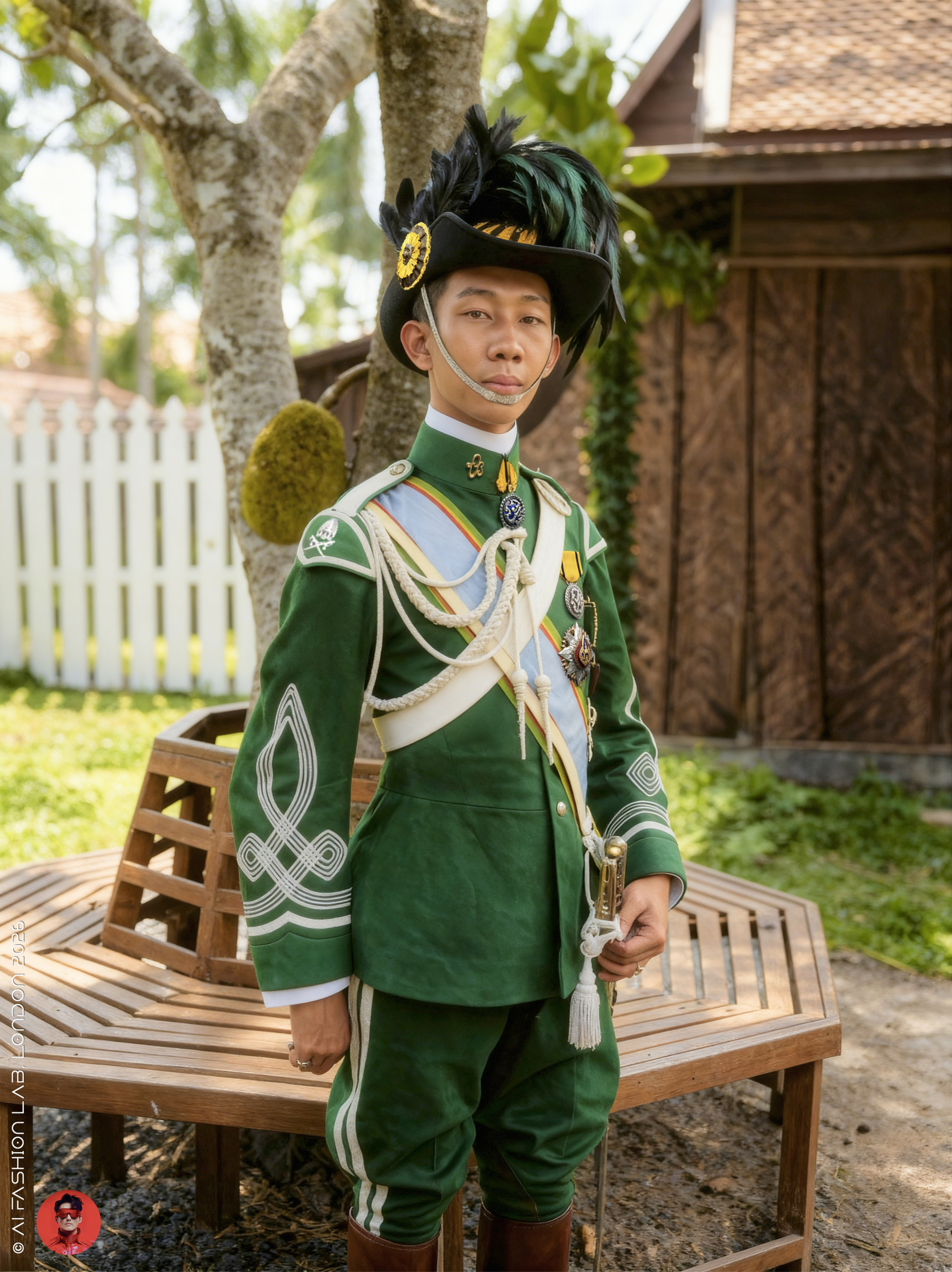
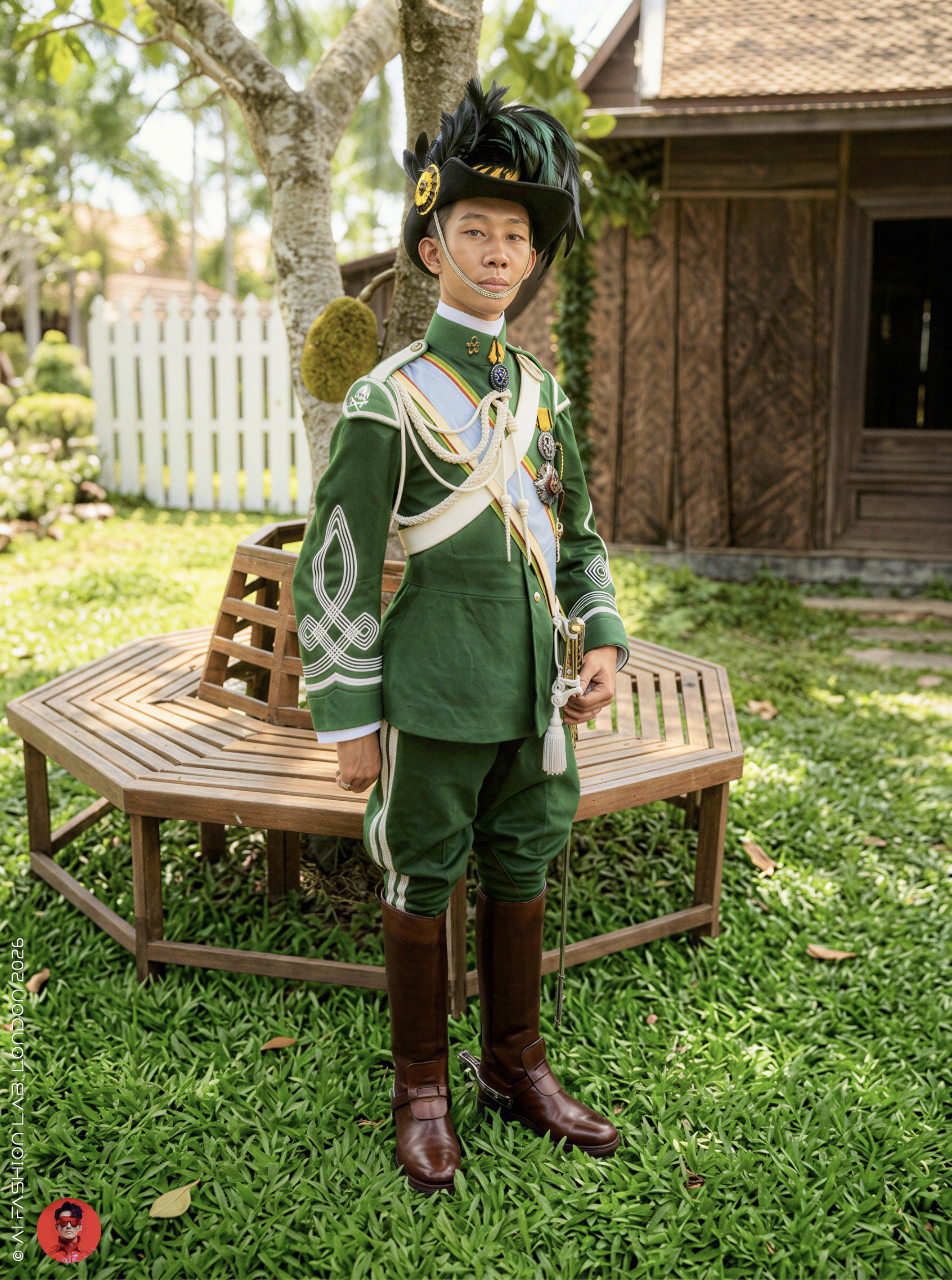
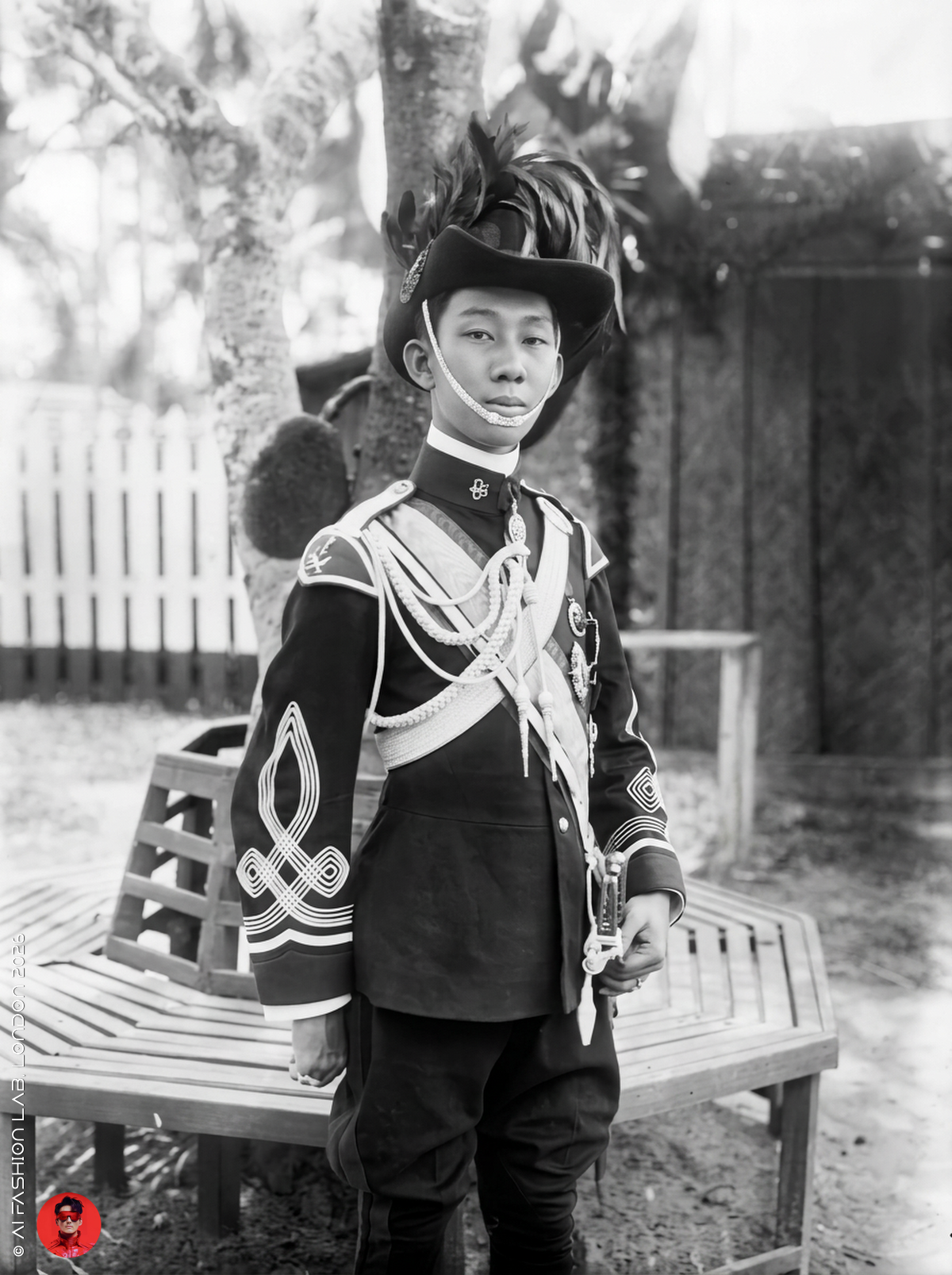
เจ้าพระยารามราฆพ (ม.ล.เฟื้อ พึ่งบุญ)
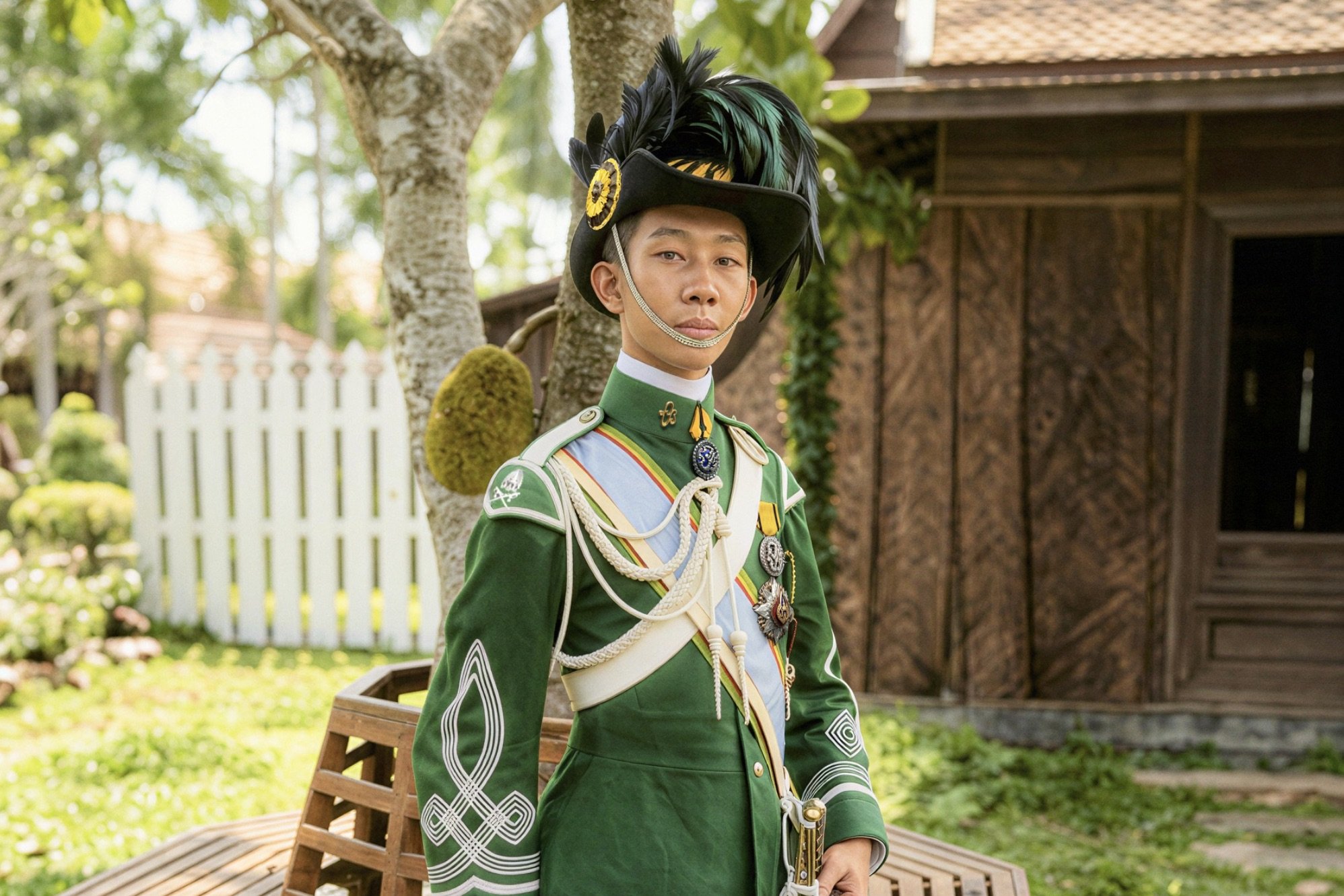
เจ้าพระยารามราฆพ (ม.ล.เฟื้อ พึ่งบุญ)
ภาพที่ได้รับการบูรณะและสร้างสรรค์ด้วยเทคโนโลยี AI นี้ เป็นภาพของ เจ้าพระยารามราฆพ (ม.ล.เฟื้อ พึ่งบุญ)
เจ้าพระยารามราฆพ เกิดเมื่อ 5 ตุลาคม พ.ศ. 2433 เป็นบุตรเจ้าพระยาประสิทธิ์ศุภการ (ม.ร.ว. ละม้าย) และพระนมทัด พึ่งบุญ ณ อยุธยา
พระราชสำนักฝ่ายในสมัยรัชกาลที่ 6 มีข้าบาทบริจาริกาถวายงานรับใช้กษัตริย์เป็นมหาดเล็กชายหนุ่มที่พระองค์ทรงคัดเลือกไว้มากกว่าจะเป็นหน้าที่ของข้าราชสำนักฝ่ายในเพศหญิง ในบรรดานายในที่โปรด เจ้าพระยารามราฆพ (ม.ล. เฟื้อ พึ่งบุญ ณ อยุธยา) คือบุคคลที่ว่ากันว่า เป็นนายในที่ทรงรักใคร่เชื่อถืออย่างมากแต่ไม่มีใครทราบอย่างแน่ชัดว่าเป็นเพราะเหตุใด (นอกเหนือจากการเป็นผู้รู้พระราชหฤทัยอย่างยิ่ง)
จากบันทึกของม.จ. พูนพิศมัย ดิศกุล นามสกุลว่า “พึ่งบุญ” นั้นอ้างอิงพระราชดำรัสว่า สกุลนี้อยู่มาได้ก็เพราะพระบารมีของพระบาทสมเด็จพระเจ้าอยู่หัวทุกพระองค์ทรงชุบเลี้ยงต่อกันมา
_______
สายตระกูล
สายตระกูลของเจ้าพระยารามฯ มาจากกรมหลวงรักษ์รณเรศร์ (พระองค์เจ้าไกรศร) พระราชโอรสของพระบาทสมเด็จพระเจ้าอยู่หัวรัชกาลที่ 1 ซึ่งในเวลาต่อมามีอำนาจไม่ใช่น้อย ม.จ. พูนพิศมัย ดิศกุล เล่าเรื่องที่เจ้านายทรงบอกกันต่อๆ มาว่า กรมหลวงรักษ์ฯ ทรงปราดเปรื่อง มีอำนาจมากในรัชกาลที่ 3 ว่าการหลายแผนกซึ่งรวมขึ้นอยู่ในกระทรวงวัง อีกทั้งยังเป็นผู้รู้พระราชหฤทัยของสมเด็จพระเจ้าอยู่หัวรัชกาลที่ 3 อย่างไรก็ตาม ภายหลังเกิดกรณีขุนนางถวายฎีกาเรื่องลูกชายถูกกรมหลวงรักษ์ฯ ทรงตัดสินประหาร รวมถึงคดีเรื่องพฤติกรรมทางเพศกับพวกโขนละครชาย ต่อมาจึงถูกลดพระยศเป็นหม่อมไกรศร จากนั้นก็ถูกประหารในพ.ศ. 2391 ผลกระทบถึงวงศ์วานเพราะถูกลดอิสริยศักดิ์ผู้สืบสาย
หม่อมไกรศร (หม่อมไกรสร) มีลูกหลายคน โดยคนหนึ่งคือหม่อมเจ้ากัมพล (อำพล) ซึ่งมีลูกคนหนึ่งคือหม่อมราชวงศ์ละม้าย นั่นเอง
ส่วนฝั่งมารดา พระนมทัด ม.จ. พูนพิศมัย บรรยายว่า “เป็นคนดีเรียบร้อย, เป็นคนมีสาสนา (สะกดตามต้นฉบับ), ไม่หลงไหลในบุญบาระมีจนเกินควร. และเป็นคนตรงนิ่งๆ ไม่พลิกแพลงยุ่งยิ่งกับใคร.”
พระนมทัดมีลูกกับ พระยาประสิทธิ์ศุภการ (ละม้าย พึ่งบุญ) เป็นบุตรชื่อเฟื้อ ดังกล่าว และบุตรอีกคนชื่อฟื้น ซึ่งก็คือ “พระยาอนิรุทธเทวา” นายในคนโปรดในรัชกาลที่ 6 เช่นกัน ชานันท์ ยอดหงษ์ ผู้ทำวิทยานิพนธ์เกี่ยวกับ “นายใน” เล่าว่า สายตระกูลของกรมหลวงรักษ์ณเรศร์ที่ต้องโทษอยู่อย่างไม่ค่อยสง่างามในราชสำนัก จนกระทั่งรุ่นเหลน นั่นคือ เจ้าพระยารามราฆพ และพระยาอนิรุทธเทวา เมื่อมีพระราชบัญญัติขนามนามสกุล จึงพระราชทานนามสกุลใหม่ว่า “พึ่งบุญ” เนื่องจากพึ่งบุญบารมีในรัชกาลที่ 6 จนยกระดับทางสังคมมีบารมีอีกครั้ง
เจ้าพระยารามฯ สมัยเยาว์ เคยเข้าไปอยู่ในพระบรมมหาราชวังในสำนักพระพันปีหลวงกับพี่สาวมาแล้ว ได้เรียนหนังสือที่วัดบพิตร์ภิมุข ชานันท์ ยอดหงษ์ บรรยายว่า เข้ามาถวายตัวเมื่ออายุ 14 ปี แต่บันทึกของ ม.จ. พูนพิศมัย ลงอายุว่าถวายตัวเมื่ออายุ 13 ปี
_______
เข้าถวายตัว
การถวายตัวครั้งนั้นเป็นการอยู่กับสมเด็จพระบรมโอรสาธิราช เจ้าฟ้ามหาวชิราวุธ สยามมกุฎราชกุมาร หลังพระองค์เสด็จนิวัติกลับพระนคร ม.จ. พูนพิศมัย เล่าว่า ถวายตัวพร้อมกับพระยาอนิรุทธเทวา ผู้เป็นน้องชาย
ทรงพระกรุณาโปรดเกล้าฯ ให้ศึกษาขนบธรรมเนียมราชการที่โรงเรียนมหาดเล็กของรัชกาลที่ 5 (โรงเรียนมหาดเล็กหลวง) จนถึงอายุ 18 ปี เมื่อเข้าปฏิบัติหน้าที่ สมเด็จพระบรมโอรสาธิราชฯ ทรงพระกรุณาโปรดเกล้าฯ ให้เข้ารับราชการในพระองค์ตำแหน่งสำรองราชการนายเวรขวา ดูแลเครื่องเสวยและปฏิบัติราชกิจทั่วไป
ในบันทึกของม.จ. พูนพิศมัย ยังเสริมว่า เป็นผู้รับใช้อยู่ในห้องบรรทม เจ้าพระยารามฯ เป็นผู้ได้ปรนนิบัติใกล้ชิดตั้งแต่ตื่นบรรทมจนถึงเข้าบรรทม ซึ่งม.ล. เฟื้อ ก็ไม่ขาดเฝ้าขาดงาน และสร้างความประทับใจได้อย่างรวดเร็ว ได้รับความไว้วางพระราชหฤทัยอย่างมาก ความนี้ปรากฏในพระราชหัตถเลขาในวันครบรอบ 21 ปี ขณะเป็นจ่ายง ใจความส่วนหนึ่งว่า “…เป็นอุปถากอันถูกใจหาผู้ใดจะเสมอเหมือนได้โดยยาก…” และ “…นับว่าเป็นคนหนุ่มที่อัศจรรย์ไม่เหมือนคนหนุ่มทั้งหลาย…”
ที่สามารถเป็นที่ประทับใจได้นั้น ไม่เพียงต้องมาจากลักษณะส่วนบุคคลแล้ว อีกประการหนึ่งคือ เจ้าพระยารามฯ เป็นผู้ได้ใกล้ชิดพระองค์มากที่สุด ตั้งแต่ตื่นบรรทมถึงเข้าบรรทม ร่วมโต๊ะเสวยแทบทุกมื้อ เป็นผู้ตามเสด็จ จนถึงแทบทุกกิจกรรมที่พระองค์ทรงริเริ่ม แม้แต่ในเวลาที่พระองค์ไม่สบพระราชหฤทัย ก็มีเจ้าพระยารามราฆพที่อยู่ข้างๆ ขณะที่ข้าราชการไม่กล้าเข้าใกล้ เมื่อรุ่นหนุ่มก็ได้เป็นตัวละครผู้หญิงในละครพูด ม.จ. พูนพิศมัย เล่าว่า เนื่องเพราะหน้าตาดีและเหมาะสมกับอายุ จึงมักได้เป็นนางเอกเสมอ
บันทึกของ ม.จ. พูนพิศมัย เล่าถึงตำแหน่งของเจ้าพระยารามฯ ว่า
“ถึงเวลาเสด็จขึ้นเสวยราชย์เป็นพระเจ้าแผ่นดิน, เจ้าพระยารามได้เป็นนายขันหุ้มแพรกรมมหาดเล็กหลวงเป็นคั่นแรก แล้วเลื่อนขึ้นเป็นจ่ายง-พระนายสรรเพ็ชร์-แล้วเป็นพระยาประสิทธิ์ศุภการ ถึง พ.ศ. 2464 ได้เป็นเจ้าพระยารามราฆพ อันเป็นชื่อผู้นั่งกลางช้างชนของสมเด็จพระนเรศวรมหาราชของเรา, และเป็นผู้ส่งสาตราวุธถวายตามพระราชประสงค์, จนทรงช้างชนะในยุทธหัตถีเมื่อ 300 ปีเศษมาแล้ว…”
เมื่อพ.ศ. 2457 ในวันเฉลิมพระชนมพรรษา เจ้าพระยารามราฆพ ยังได้เป็นอธิบดีกรมมหาดเล็ก ซึ่งปกติแล้วตำแหน่งนี้เป็นตำแหน่งที่ให้เชื้อพระวงศ์ใกล้ชิดและไว้วางพระราชหฤทัย จากนั้นยังได้รับราชการตำแหน่งสมุหราชองครักษ์ เมื่อ พ.ศ. 2460 สามารถตามเสด็จโดยลำพัง
บทบาทอำนาจของเจ้าพระยารามราฆพขยายออกมานอกเหนือจากกรมมหาดเล็กด้วย โดยเป็นผู้ช่วยกระทรวงวังใน พ.ศ. 2456 ปีถัดมายังได้เป็นองคมนตรี เมื่อถึงปีพ.ศ. 2467 ยศทหารของเจ้าพระยารามฯ ยังขึ้นถึงตำแหน่งพลเอกกองทัพบก จากที่เริ่มต้นด้วยร้อยเอกกรมทหารรักษาวัง ว.ป.ร. เมื่อยังอยู่ในตำแหน่งจ่ายง
ในปีเดียวกันยังได้เป็นพลเรือโท ต่อมาใน พ.ศ. 2468 ยังได้เป็นผู้ช่วยราชการกระทรวงทหารเรือ เมื่อเปลี่ยนรัชกาลในปีนั้นเองจึงได้ออกจากราชการ รับพระราชทานบำนาญปีละ 8,000 บาท ขณะนั้นเป็นอัตราสูงสุดสำหรับผู้ไม่ใช่เสนาบดีจึงพ้นจากหน้าที่ในกรมมหาดเล็กหลวงและหน้าที่ด้านการทหารทั้งหมด
ม.จ. พูนพิศมัย เล่าเพิ่มเติมว่า
“ในตอนปลายรัชกาลนี้, เจ้าพระยารามฯ มีอำนาจสูงสุด … จะไปไหนก็ปักธงตราของตัว (พื้นแดงมีมานพยืนเชิญพระขรรค์สีขาว) ที่หน้ารถ, โปลิศก็เป่านกหวีดบอกกันให้ดูหนทาง-อย่างในหลวงเสด็จ, เวลามีการงานที่บ้านคนเต็มหมดและปูพรมทาง พอเจ้าพระยามรามฯ เดินมาคนก็ลุกขึ้นยืนพรึ้บพร้อมๆ กัน. ทำให้พวกที่ถูกหาว่าจะเป็นขบถพูดนินทาในหลวงกันว่า-‘เที่ยวสงสัยคนอื่นว่าเขาจะเป็นขบถ, อ้ายขบถจริงๆ อยู่ข้างๆ…’ ที่จริง, ก็เป็นคำค่อนที่ค่อนจะแรงไป, แต่เห็นได้ว่าน้ำใจคนภายนอกปั่นป่วน-เพราะเหตุเล็กน้อยได้เป็นอันมาก…”
_______
ทรัพย์สิน
เจ้าพระยารามฯ ยังได้รับเครื่องราชอิสริยาภรณ์จำนวนมาก พร้อมกับขึ้นเงินเดือน อีกทั้งยังได้รับพระราชทานสิ่งของต่างๆ เมื่อครั้งอายุครบ 24 ปี รัชกาลที่ 6 พระราชนิพนธ์คำร้อยกรองพระราชทานพรและพระบรมราโชวาท เจ้าพระยารามฯ ได้รับพระราชทานคฤหาสน์ “นรสิงห์” (ยังสร้างไม่สมบูรณ์) พระองค์มีพระราชหัตถเลขายืนยันการพระราชทานที่ดินแปลงนี้ ใจความดังนี้
“ที่ดินซึ่งได้ทำเปนสวนเพาะปลูกพรรณไม้ต่างๆ อันอยู่หลังโรงทหารราบที่ 1 (มหาดเล็กรักษาพระองค์ในพระบาทสมเด็จพระจุลจอมเกล้าเจ้าอยู่หัว) ตำบลสวนดุสิตแปลงหนึ่งนี้เปนที่ของพระคลังข้างที่ มีจำนวนกว้างยาวคือ ทิศเหนือยาวไปตามถนนคอเสื้อ 4 เส้น 15 วา 2 ศอกคืบ ทิศใต้ยาวไปตามถนนลูกหลวง 4 เส้น 11 วา ทิศตวันออกยาวไปตามถนนฮก 6 เส้น 7 วา 2 ศอกคืบ ทิศตวันตกจดคลองแลยาวไปตามคลอง 6 เส้น 3 วาศอก…
ข้าพเจ้าเห็นว่าพระยาประสิทธิศุภการ (หม่อมหลวงเฟื้อ พึ่งบุญ) เปนผู้ที่ได้รับใช้ใกล้ชิดกราดกรำมาด้วยความจงรักภักดีอันมั่นคงต่อข้าพเจ้ามาช้านาน บัดนี้สมควรจะให้ที่บ้านอยู่เพื่อความศุขสำราญจะได้เปนกำลังที่จะรับราชการสืบไป จึงทำหนังสือสำคัญฉบับนี้ยกที่ดินอันกล่าวมาแล้วข้างต้นให้เปนสิทธิเปนทรัพย์แก่พระยาประสิทธิศุภการ (หม่อมหลวงเฟื้อ พึ่งบุญ) สืบไป
พระยาประสิทธิศุภการ (หม่อมหลวงเฟื้อ พึ่งบุญ) จะปลูกสร้างเปลี่ยนแปลงในที่รายนี้ ฤๅจะซื้อขายให้ปันแก่ผู้หนึ่งผู้ใดก็ตามแต่ใจพระยาประสิทธิศุภการ (หม่อมหลวงเฟื้อ พึ่งบุญ) ทุกประการ แต่ข้าพเจ้าขอคงอำนาจไว้ว่า ถ้าข้าพเจ้าเห็นว่า พระยาประสิทธิศุภการ (หม่อมหลวงเฟื้อ พึ่งบุญ) ประพฤติตนไม่สมควรจะปกปักรักษาที่นี้ได้เมื่อใด ฤๅข้าพเจ้าเห็นสมควรจะแลกเปลี่ยนอย่างหนึ่งอย่างใด ข้าพเจ้ามีอำนาจจะเรียกคืนที่รายนี้ฤๅแลกเปลี่ยนได้ทุกเมื่อทุกเวลา
เว้นแต่ผู้หนึ่งผู้ใดจะมาถือเอาอำนาจอันนี้ เพื่อคืนฤๅแลกเปลี่ยนเอาที่รายนี้จากพระยาประสิทธิศุภการ (หม่อมหลวงเฟื้อ พึ่งบุญ) ฤๅจากผู้หนึ่งผู้ใดที่จะได้รับทรัพย์มรฎกของพระยาประสิทธิศุภการ (หม่อมหลวงเฟื้อ พึ่งบุญ) ไม่ได้เปนอันขาด ถ้าพระเจ้าแผ่นดินฤๅผู้ใดผู้หนึ่งที่มีอำนาจจะต้องประสงค์ที่รายนี้ด้วยเหตุหนึ่งเหตุใด ก็ขอให้พระยาประสิทธิศุภการ (หม่อมหลวงเฟื้อ พึ่งบุญ) ได้รับพระราชทานราคาตามสมควรแก่ที่นี้เถิด
หนังสือสำคัญฉบับนี้ ได้ลงชื่อแลประทับพระราชลัญจกรสำหรับแผ่นดินแลสำหรับตัวข้าพเจ้ามอบให้ พระยาประสิทธิศุภการ (หม่อมหลวงเฟื้อ พึ่งบุญ) รักษาไว้ แลได้คัดสำเนาความต้องกันมอบให้เจ้าพนักงานกรมพระคลังข้างที่รักษาไว้เปนพยานด้วยฉบับหนึ่ง”
สิ่งที่น่าสนใจอีกประการหนึ่งคือ รัชกาลที่ 6 ทรงฉายพระรูปคู่กับเจ้าพระยารามฯ บนพระรูปมีพระราชหัตถเลขาว่า “ให้พระยาประสิทธิ์ศุภการ เป็นพยานแห่งความสเนหา”
_______
ลักษณะนิสัยและชีวิตส่วนตัว
สำหรับเรื่องส่วนตัวแล้ว บันทึกของม.จ. พูนพิศมัย อธิบายเสริมว่า เจ้าพระยารามฯ มีผู้หญิงหลงใหลมากมายมาตั้งแต่วัยหนุ่ม ไม่เพียงเป็นเพราะได้เป็นนายโรงเอกของละครแล้ว เจ้าพระยารามฯ ก็เป็นผู้มีบารมีอีกประการหนึ่ง อย่างไรก็ตาม เจ้าพระยารามฯ มักสนุกในการ “ทำให้คนสงสัยว่าติดคนนั้นบ้างคนนี้บ้างอยู่เสมอ” แต่ไม่ได้ชอบใครจริงจัง ม.จ. พูนพิศมัย เล่าว่า เจ้าพระยารามฯ เคยพูดว่า
“ใครเขาจะรักหม่อมฉันจริง, นอกจากอยากเป็นท่านผู้หญิงใส่สายสะพายกลัดเข็มพระบรมนามาภิธัยให้เต็มไหล่!”
ด้านชีวิตครอบครัว เจ้าพระยารามราฆพได้รับพระมหากรุณาธิคุณสมรสพระราชทานจากพระบาทสมเด็จพระมงกุฎเกล้าเจ้าอยู่หัว กับคุณหญิงประจวบ พึ่งบุญ ณ อยุธยา ต.จ. ธิดาของมหาอำมาตย์นายก เจ้าพระยายมราช (ปั้น สุขุม) และท่านผู้หญิงตลับ (สกุลเดิม ณ ป้อมเพชร์) ณ พระที่นั่งบรมพิมาน เมื่อ วันที่ 18 สิงหาคม พ.ศ. 2467 และสมรสกับภรรยาท่านอื่น ๆ รวมมีบุตร-ธิดา 34 ท่าน
การแต่งงานครั้งนั้นยังทำให้ได้รับพระบรมราชานุญาตไม่ต้องร่วมในเวลาทรงกีฬาขณะที่ประทับในพระนคร
ความในบันทึก ม.จ. พูนพิศมัย ยังบอกเล่าอีกว่า เมื่อครั้งที่โปรดเกล้าฯ ให้รวมกระทรวงนครบาลเข้ากับมหาดไทยนั้น เจ้าพระยายมราช ทูลกับสมเด็จฯ กรมพระยาดำรงราชานุภาพ ว่า “รับไว้ชั่วคราว, ข้าพระพุทธเจ้าคิดจะให้พระยารามฯ เขารับต่อไป.” ภายหลังเจ้าพระยายมราชมาทูลว่า “เจ้าพระยารามฯ เขาไม่เอา. เขาบอกว่าราชสำนักไกลไม่ได้, ถ้าไปไกลก็หลุดเลย!”
_______
ปลายรัชกาลที่ 6
ในช่วงที่รัชกาลที่ 6 ทรงพระประชวร เจ้าพระยารามฯ ก็มาเข้าเฝ้าทุกคืน งานเขียนของชานันท์ ยอดหงษ์ ยังเล่าโดยอ้างอิงบทความชื่อ “I lost a king” โดย ราล์ฟ วาลโด เมนเดลสัน ซึ่งบรรยายว่า เมื่อใกล้สวรรคต เจ้าพระยารามราฆพเป็นผู้ที่รัชกาลที่ 6 ทรงวางพระราชหัตถ์ที่มือจนกระทั่งสวรรคต หลังสวรรคต มีบันทึกว่า พระราชสมบัติส่วนพระองค์ที่พระองค์ทรงซื้อมาด้วยทุนส่วนพระองค์เองก็มักตกเป็นของเจ้าพระยารามฯ และพระยาอนิรุทธเทวา
ครั้นเมื่อเปลี่ยนรัชกาล สมเด็จพระปกเกล้าเจ้าอยู่หัวขึ้นครองราชย์ ภายหลังมีการตัดทอนรายจ่ายในพระราชสำนัก ม.จ. พูนพิศมัย เล่าว่า เจ้าพระยารามฯ กราบถวายบังคมลา ทูลว่าจะไปหาวิชาความรู้ในยุโรป พร้อมด้วยครอบครัว
“…ความเจริญรุ่งเรืองของยุโรปประเทศมิได้เปลี่ยนแปลงความรู้สึกหรือนึกคิดของเจ้าพระยารามได้แต่อย่างหนึ่งอย่างใด. แม้ผู้หญิงฝรั่งซึ่งน้อยคนนักจะหนีพ้นกลับมาได้, เจ้าพระยารามฯ ก็ไม่ชอบ. การได้อยู่ในยุโรป 7 ปีกว่านั้น, เจ้าพระยารามก็คงคลุกคลีอยู่กับคนไทยด้วยกันเป็นส่วนมาก และนอกจากเที่ยวเตร่แล้วก็เล่นไพ่ตองเป็นงานประจำ. ผิดกับคนไทยทั้งปวดหมด,
แม้หม่อมราโชทัยผู้เป็นล่ามของราชทูตไทยไปยุโรปใน พ.ศ. 2400 ก็ยังเขียนรำพรรณอยากให้เมืองไทยมีสิ่งนั้นสิ่งนี้บ้าง, และแม้นักเรียนที่เรียนตก, ก็เก็บเอาความชั่วต่างๆ ของยุโรปกลับมาฝากบ้านด้วย. แต่-เจ้าพระยารามฯ ไม่รับมาทั้งชั่วและดี, จึงควรยกให้เป็นคนพิเศษ, เพราะยุโรปประเทศก็ต้องแพ้เจ้าพระยารามฯ เหมือนกัน!”
เจ้าพระยารามฯ กลับมาเมืองไทยในช่วงที่รัชกาลที่ 7 เสด็จไปยุโรป พ.ศ. 2477 ใช้ชีวิตอย่างสงบ ดำรงตำแหน่งในบริษัทจำกัดบ้าง เป็นประธานหรือกรรมการบ้าง เมื่อถึงพ.ศ. 2506 ในสมัยรัชกาลที่ 9 ทรงพระกรุณาโปรดเกล้าฯ ให้เจ้าพระยารามราฆพดำรงตำแหน่งสมุหพระราชวังและประธานกรรมการพระราชวัง โดยยังไปปฏิบัติหน้าที่ฉลองพระเดชพระคุณตามที่สุขภาพอำนวย
เอกสารประวัติของเจ้าพระยารามฯ บรรยายว่า ท่านเริ่มป่วยเมื่อเดือนกันยายน พ.ศ. 2510 เข้ารับการรักษาในเดือนเดียวกัน และถึงอสัญกรรมในวันเสาร์ที่ 21 ตุลาคม พ.ศ. 2510 รวมอายุ 77 ปี 16 วัน
อ่านบทความต้นฉบับได้ที่ : https://www.silpa-mag.com/history/article_39095
_______
Chaophraya Ramrakhop [เจ้าพระยารามราฆพ]
This AI-restored and creatively reimagined portrait depicts Chaophraya Ramrakhop [เจ้าพระยารามราฆพ] or (Mom Luang Fuea Phuengbun na Ayutthaya [หม่อมหลวงเฟื้อ พึ่งบุญ ณ อยุธยา])
Chaophraya Ramrakhop [เจ้าพระยารามราฆพ] was born on 5 October 1890. He was the son of Chaophraya Prasitsupphakan [เจ้าพระยาประสิทธิ์ศุภการ] or Mom Rajawongse Lamai [หม่อมราชวงศ์ละม้าย], and Phra Nom That Phuengbun na Ayutthaya [พระนมทัด พึ่งบุญ ณ อยุธยา].
In the Inner Court during the reign of King Vajiravudh [พระบาทสมเด็จพระมงกุฎเกล้าเจ้าอยู่หัว รัชกาลที่ 6], personal attendance upon the King was often carried out not by female court attendants, but by carefully selected young male pages. Among the King’s favoured inner attendants, Chaophraya Ramrakhop [เจ้าพระยารามราฆพ], or Mom Luang Fuea Phuengbun na Ayutthaya [หม่อมหลวงเฟื้อ พึ่งบุญ ณ อยุธยา], was regarded as one of the individuals whom the King trusted and cherished most deeply, though no one could say with certainty exactly why, apart from his extraordinary ability to understand the royal mind.
According to the writings of Mom Chao Phunphitsamai Diskul [ม.จ. พูนพิศมัย ดิศกุล], the family name Phuengbun [พึ่งบุญ] was explained through a royal remark stating that this family had endured because each reign had sustained and nurtured it under royal favour.
Family Lineage
The lineage of Chaophraya Ramrakhop [เจ้าพระยารามราฆพ] can be traced back to Krom Luang Rak Ronaret [กรมหลวงรักษ์รณเรศร์] or Prince Kraison [พระองค์เจ้าไกรศร], a son of King Rama I [พระบาทสมเด็จพระพุทธยอดฟ้าจุฬาโลกมหาราช รัชกาลที่ 1]. In later years, this branch of the family attained considerable influence. Mom Chao Phunphitsamai Diskul [ม.จ. พูนพิศมัย ดิศกุล] recounted what senior royals had passed down orally: that Krom Luang Rak Ronaret [กรมหลวงรักษ์รณเรศร์] was highly intelligent and held great power in the reign of King Rama III [พระบาทสมเด็จพระนั่งเกล้าเจ้าอยู่หัว รัชกาลที่ 3], overseeing various departments which would now be understood as falling under the Ministry of the Royal Household, and that he knew the royal mind of Rama III [รัชกาลที่ 3] extremely well.
However, a later scandal arose when a nobleman submitted a petition concerning the execution of his son, which had been ordered by Krom Luang Rak Ronaret [กรมหลวงรักษ์รณเรศร์]. There were also accusations concerning sexual conduct involving male khon and theatre performers. As a result, he was stripped of rank and reduced to Mom Kraison [หม่อมไกรศร], and was later executed in 1848. The repercussions extended throughout his descendants, whose rank and standing were diminished.
Mom Kraison [หม่อมไกรศร], also written Mom Kraisor [หม่อมไกรสร], had many children. One of them was Mom Chao Kamphon [หม่อมเจ้ากัมพล], also known as Ampol [อำพล], whose son was Mom Rajawongse Lamai [หม่อมราชวงศ์ละม้าย].
On the maternal side, Phra Nom That [พระนมทัด] was described by Mom Chao Phunphitsamai [ม.จ. พูนพิศมัย] as “a good and modest person, religious in character, not excessively dazzled by power or prestige, and a straightforward, quiet person who did not entangle herself unnecessarily with others.”
Phra Nom That [พระนมทัด] had children with Phraya Prasitsupphakan [พระยาประสิทธิ์ศุภการ] or Lamai Phuengbun [ละม้าย พึ่งบุญ]. Their sons included Fuea [เฟื้อ] and Fuen [ฟื้น], the latter being Phraya Anirutthewa [พระยาอนิรุทธเทวา], another favoured inner attendant of King Vajiravudh [รัชกาลที่ 6]. According to Chanan Yodhong [ชานันท์ ยอดหงษ์], whose thesis examined the institution of royal inner attendants, the descendants of Krom Luang Rak Ronaret [กรมหลวงรักษ์รณเรศร์] had long carried the burden of an inglorious family history at court. It was not until the generation of great-grandsons — namely Chaophraya Ramrakhop [เจ้าพระยารามราฆพ] and Phraya Anirutthewa [พระยาอนิรุทธเทวา] — that the family regained standing. With the introduction of the Surname Act, they were granted the new surname Phuengbun [พึ่งบุญ], signifying that they had once again risen in society through the royal merit and favour of Rama VI [รัชกาลที่ 6].
In his youth, Chaophraya Ramrakhop [เจ้าพระยารามราฆพ] had already spent time in the Grand Palace [พระบรมมหาราชวัง], living in the household of the Queen Dowager [พระพันปีหลวง] together with his elder sister. He studied at Wat Bophit Phimuk [วัดบพิตรภิมุข]. Chanan Yodhong [ชานันท์ ยอดหงษ์] wrote that he entered royal service at the age of fourteen, though Mom Chao Phunphitsamai [ม.จ. พูนพิศมัย] recorded that he was thirteen when heถวายตัว.
Entering Royal Service
His entry into service took place under Crown Prince Maha Vajiravudh [สมเด็จพระบรมโอรสาธิราช เจ้าฟ้ามหาวชิราวุธ สยามมกุฎราชกุมาร], after the Prince returned to Siam. Mom Chao Phunphitsamai [ม.จ. พูนพิศมัย] wrote that he entered service together with his younger brother, later known as Phraya Anirutthewa [พระยาอนิรุทธเทวา].
He was graciously instructed to study court customs and official protocol at the Royal Pages School [โรงเรียนมหาดเล็กหลวง] founded in the reign of King Chulalongkorn [พระบาทสมเด็จพระจุลจอมเกล้าเจ้าอยู่หัว รัชกาลที่ 5]. At the age of eighteen, when he began his duties in earnest, the Crown Prince appointed him to a post in personal service as a reserve officer of the right-hand watch, responsible for overseeing the royal table and assisting in general royal duties.
The writings of Mom Chao Phunphitsamai [ม.จ. พูนพิศมัย] further note that he served within the royal bedchamber. Chaophraya Ramrakhop [เจ้าพระยารามราฆพ] attended the future King closely from the moment he awoke until he retired for the night. Mom Luang Fuea [ม.ล. เฟื้อ] was never absent from duty and rapidly made a strong impression, earning an extraordinary degree of royal confidence. This is reflected in a royal letter written on the occasion of his twenty-first birthday, while he still held the rank of Chaiyong [จ่ายง], in which the King praised him in part as one whose support was so pleasing that few could compare, and described him as “a remarkable young man unlike other young men”.
Part of what made him so impressive, of course, lay in his own personal qualities. Yet another crucial factor was proximity. Chaophraya Ramrakhop [เจ้าพระยารามราฆพ] remained closer to the King than almost anyone else, from morning to night, dining with him at nearly every meal, accompanying him on royal engagements, and participating in almost every activity the King initiated. Even when the King was in an irritable mood and others dared not approach, Chaophraya Ramrakhop [เจ้าพระยารามราฆพ] remained by his side. In his youth, he also played female roles in spoken drama. Mom Chao Phunphitsamai [ม.จ. พูนพิศมัย] remarked that because of his good looks and youthful suitability, he was often cast as the heroine.
She also recorded the progression of his appointments as follows:
“When the King ascended the throne, Chaophraya Ramrakhop first became Nai Khan Hum Phrae in the Royal Pages Department, then rose to Chaiyong, then Phra Nai Sapphet, and then Phraya Prasitsupphakan. By 1921 he had become Chaophraya Ramrakhop, a title taken from the warrior seated in the centre of King Naresuan’s war elephant, the one who handed him weapons according to royal command, until victory was won in the elephant duel more than three hundred years ago...”
In 1914, on the occasion of the King’s birthday celebrations, Chaophraya Ramrakhop [เจ้าพระยารามราฆพ] was also appointed Director-General of the Royal Pages Department [อธิบดีกรมมหาดเล็ก], a position usually entrusted only to royals or to those in whom the King placed exceptional confidence. Later, in 1917, he became Commander of the Royal Guards [สมุหราชองครักษ์] and could accompany the King on his own.
His influence extended far beyond the Department of Royal Pages. In 1913, he became an assistant in the Ministry of the Household [กระทรวงวัง], and the following year he was appointed a Privy Councillor [องคมนตรี]. By 1924, his military rank had risen to that of General [พลเอก] in the army, having begun as a Captain [ร้อยเอก] in the King’s Bodyguard Regiment [กรมทหารรักษาวัง ว.ป.ร.] while still holding the rank of Chaiyong [จ่ายง].
In the same year he was also appointed Vice Admiral [พลเรือโท]. Then, in 1925, he became assistant in the Ministry of the Navy [กระทรวงทหารเรือ]. With the change of reign in that same year, he retired from service and was granted a royal pension of 8,000 baht per year, at that time the highest rate given to anyone who was not a minister. Thus ended both his role in the Royal Pages Department and his military career.
Mom Chao Phunphitsamai [ม.จ. พูนพิศมัย] further wrote:
“Towards the end of this reign, Chaophraya Ramrakhop held the highest power... Wherever he went, the flag bearing his own emblem was fixed to the front of his car — a red ground with a standing figure holding up a white sword — and the police would whistle to clear the الطريق, just as when the King travelled. Whenever there was an event at someone’s house, it would be full of people, carpets laid down, and as soon as Chaophraya Ramrakhop approached, everyone rose to their feet at once. This caused those accused of plotting rebellion to gossip about the King, saying, ‘He suspects others of being rebels, yet the real rebel is the one beside him...’ In truth, this was a rather harsh remark, but it shows how agitated people outside the court had become, and how even small causes could provoke great unease...”
Wealth and Property
Chaophraya Ramrakhop [เจ้าพระยารามราฆพ] received numerous decorations and honours, together with repeated increases in salary. He was also granted many gifts by the King. On the occasion of his twenty-fourth birthday, King Vajiravudh [พระบาทสมเด็จพระมงกุฎเกล้าเจ้าอยู่หัว] composed a verse offering blessings and royal advice. He was also granted the mansion Norasingh [นรสิงห์], though it was not yet complete. The King issued a royal letter confirming the grant of this plot of land, the substance of which stated:
That the land, formerly laid out as a garden for cultivating various plants, located behind the 1st Infantry Regiment in the Dusit Garden area [ตำบลสวนดุสิต], belonged to the Privy Purse Bureau [พระคลังข้างที่]; that its measurements and boundaries were duly recorded; and that, in view of the loyal and steadfast service rendered over many years by Phraya Prasitsupphakan [พระยาประสิทธิศุภการ], or Mom Luang Fuea Phuengbun [หม่อมหลวงเฟื้อ พึ่งบุญ], the King deemed it proper to grant the land as his rightful property, so that he might enjoy comfort and continue in royal service with renewed strength.
The letter further stated that Phraya Prasitsupphakan [พระยาประสิทธิศุภการ] might build, alter, sell, or divide the land as he wished. However, the King reserved the right to reclaim or exchange the land if he deemed that its holder no longer behaved suitably or if circumstances required. No one else, however powerful, was to exercise that authority. Should any future sovereign or authority wish to recover the property, a proper price was to be paid to Phraya Prasitsupphakan [พระยาประสิทธิศุภการ] or to his heirs.
Another striking detail is that King Vajiravudh [พระบาทสมเด็จพระมงกุฎเกล้าเจ้าอยู่หัว] was photographed together with Chaophraya Ramrakhop [เจ้าพระยารามราฆพ], and on the photograph the King wrote the words:
“Given to Phraya Prasitsupphakan [พระยาประสิทธิ์ศุภการ] as witness to my affection.”
Character and Private Life
As for his private life, Mom Chao Phunphitsamai [ม.จ. พูนพิศมัย] wrote that Chaophraya Ramrakhop [เจ้าพระยารามราฆพ] attracted the admiration of many women from his youth onwards. This was not only because he was the leading actor in court drama, but also because he possessed great personal charisma and prestige. Even so, she observed that he often amused himself by “making people suspect that he was attached to this person or that person”, while not taking any affection truly seriously. She records him as once saying:
“Who would ever really love me, except those who want to become a titled lady wearing a sash and a royal monogram brooch across the shoulder?”
In family life, Chaophraya Ramrakhop [เจ้าพระยารามราฆพ] was graciously granted a royal marriage by King Vajiravudh [พระบาทสมเด็จพระมงกุฎเกล้าเจ้าอยู่หัว] to Khunying Prachuap Phuengbun na Ayutthaya [คุณหญิงประจวบ พึ่งบุญ ณ อยุธยา], daughter of Maha Amat Nayok Chaophraya Yommarat [มหาอำมาตย์นายก เจ้าพระยายมราช] or Pan Sukhum [ปั้น สุขุม], and Thanphuying Talap [ท่านผู้หญิงตลับ], née na Pombejra [ณ ป้อมเพชร์]. The marriage took place at Borom Phiman Hall [พระที่นั่งบรมพิมาน] on 18 August 1924. He also had other wives, and in total had 34 children.
This marriage also brought him the royal privilege of being excused from certain duties during the King’s sporting activities while the court was resident in Bangkok.
The writings of Mom Chao Phunphitsamai [ม.จ. พูนพิศมัย] also recount that when the Ministry ofนครบาล [กระทรวงนครบาล] was merged with the Ministry of the Interior [กระทรวงมหาดไทย], Chaophraya Yommarat [เจ้าพระยายมราช] told Prince Damrong Rajanubhab [สมเด็จฯ กรมพระยาดำรงราชานุภาพ] that he was only taking it on temporarily, as he intended that Chaophraya Ramrakhop [เจ้าพระยารามราฆพ] should later succeed him. Yet later, Chaophraya Yommarat [เจ้าพระยายมราช] reported that Chaophraya Ramrakhop did not want the position, saying simply that he could not live far from the royal court — if he went too far away, he would be lost entirely.
The Final Years of the Reign of Rama VI
During the final illness of King Vajiravudh [พระบาทสมเด็จพระมงกุฎเกล้าเจ้าอยู่หัว], Chaophraya Ramrakhop [เจ้าพระยารามราฆพ] came to attend upon him every night. The work of Chanan Yodhong [ชานันท์ ยอดหงษ์] also refers to an article entitled I Lost a King by Ralph Waldo Mendelson, which describes how, as the King neared death, Chaophraya Ramrakhop [เจ้าพระยารามราฆพ] was the one whose hand the King held until the moment of his passing. After the King’s death, it was recorded that many items of the monarch’s personal property, acquired with his own private funds, passed to Chaophraya Ramrakhop [เจ้าพระยารามราฆพ] and Phraya Anirutthewa [พระยาอนิรุทธเทวา].
When the reign changed and King Prajadhipok [พระบาทสมเด็จพระปกเกล้าเจ้าอยู่หัว รัชกาลที่ 7] ascended the throne, court expenditure was reduced. Mom Chao Phunphitsamai [ม.จ. พูนพิศมัย] recorded that Chaophraya Ramrakhop [เจ้าพระยารามราฆพ] took leave of the court and said that he would go to Europe with his family in search of knowledge and experience.
She then commented, with some wit, that the sophistication of Europe altered neither his feelings nor his way of thinking in the slightest. Even European women, from whom few men could return untouched, failed to win his interest. During more than seven years in Europe, she wrote, he continued to mix chiefly with fellow Thais, and apart from travelling about, he spent much of his time playing cards. In this respect, she said, he differed from many Thais who brought home either admiration or the vices of Europe. But Chaophraya Ramrakhop [เจ้าพระยารามราฆพ] brought back neither vice nor virtue, and for that very reason deserved to be regarded as a special kind of person — one whom even Europe itself could not change.
He returned to Thailand in 1934, during the period when King Rama VII [รัชกาลที่ 7] was in Europe. Thereafter he lived quietly, holding positions in limited companies, sometimes as chairman and sometimes as a director. In 1963, during the reign of King Bhumibol Adulyadej [พระบาทสมเด็จพระเจ้าอยู่หัวภูมิพลอดุลยเดช รัชกาลที่ 9], he was graciously appointed Lord Chamberlain [สมุหพระราชวัง] and Chairman of the Palace Committee [ประธานกรรมการพระราชวัง], and continued to perform duties in royal service as far as his health allowed.
Biographical records state that he first fell ill in September 1967, was admitted for treatment that same month, and died on Saturday 21 October 1967, aged 77 years and 16 days.
Original Thai article source: Silpa-Mag.
_______
เรียนเชิญกด Subscribe ได้ที่ลิงก์นี้ครับ เพื่อร่วมติดตามงานสร้างสรรค์ต้นฉบับ งานวิจัยประวัติศาสตร์แฟชั่น และผลงานอนุรักษ์มรดกวัฒนธรรมด้วยเทคโนโลยี AI ของ AI Fashion Lab, London ซึ่งมุ่งตีความอดีตผ่านมิติใหม่ของการบูรณะภาพ การสร้างสรรค์ภาพ และการเล่าเรื่องด้วยศิลปะเชิงดิจิทัล https://www.facebook.com/aifashionlab/subscribe
#aifashionlab#AI#aiartist#aiart#aifashion#aifashiondesign#aifashionstyling#aifashiondesigner#fashion#fashionhistory#historyoffashion#fashionstyling#fashionphotography#digitalfashion#digitalfashiondesign#digitalcostumedesign#digitaldesign#digitalaiart#ThaiFashionHistory#ThaiFashionAI#thailand #UNESCO