พระยาอนิรุทธเทวา (หม่อมหลวงฟื้น พึ่งบุญ)
พระยาอนิรุทธเทวา
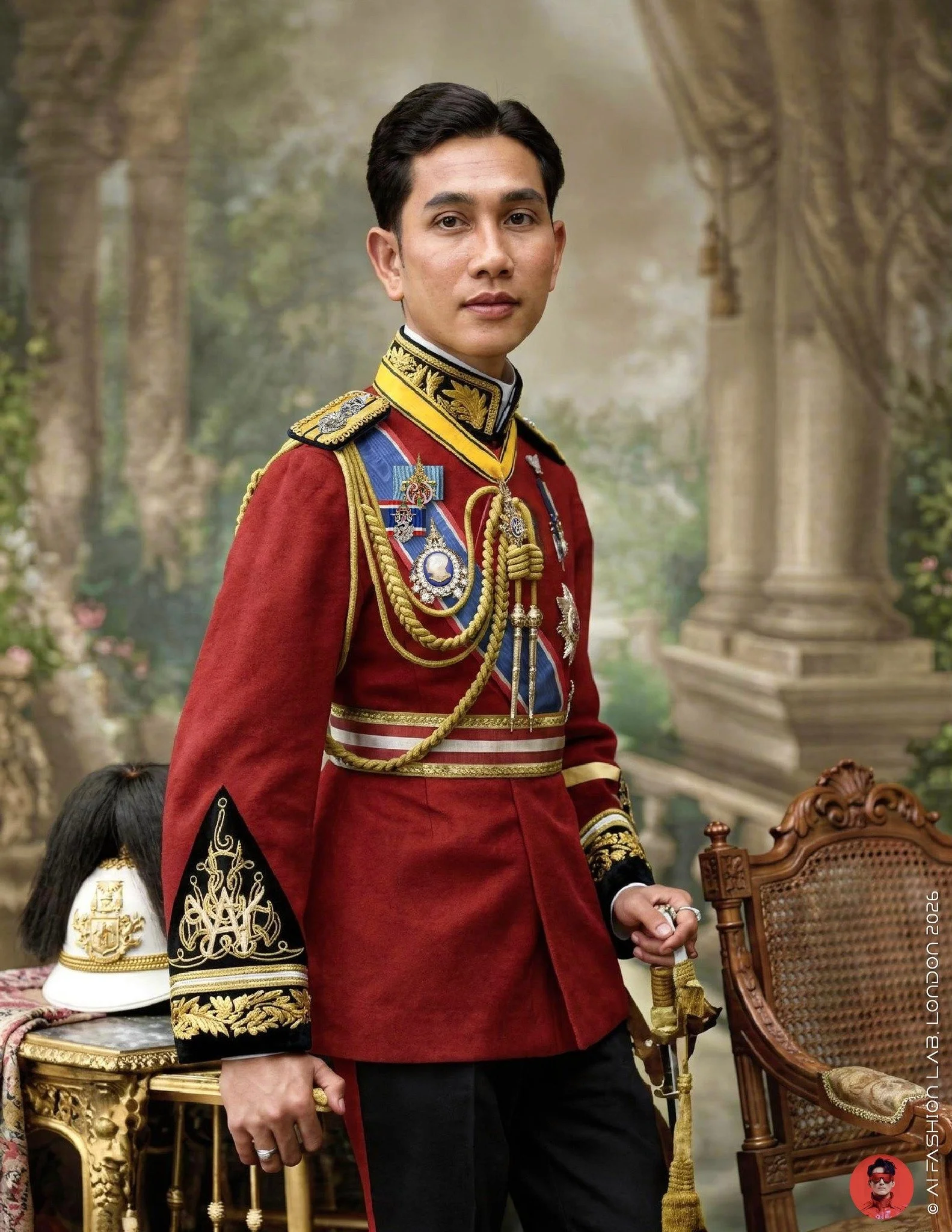
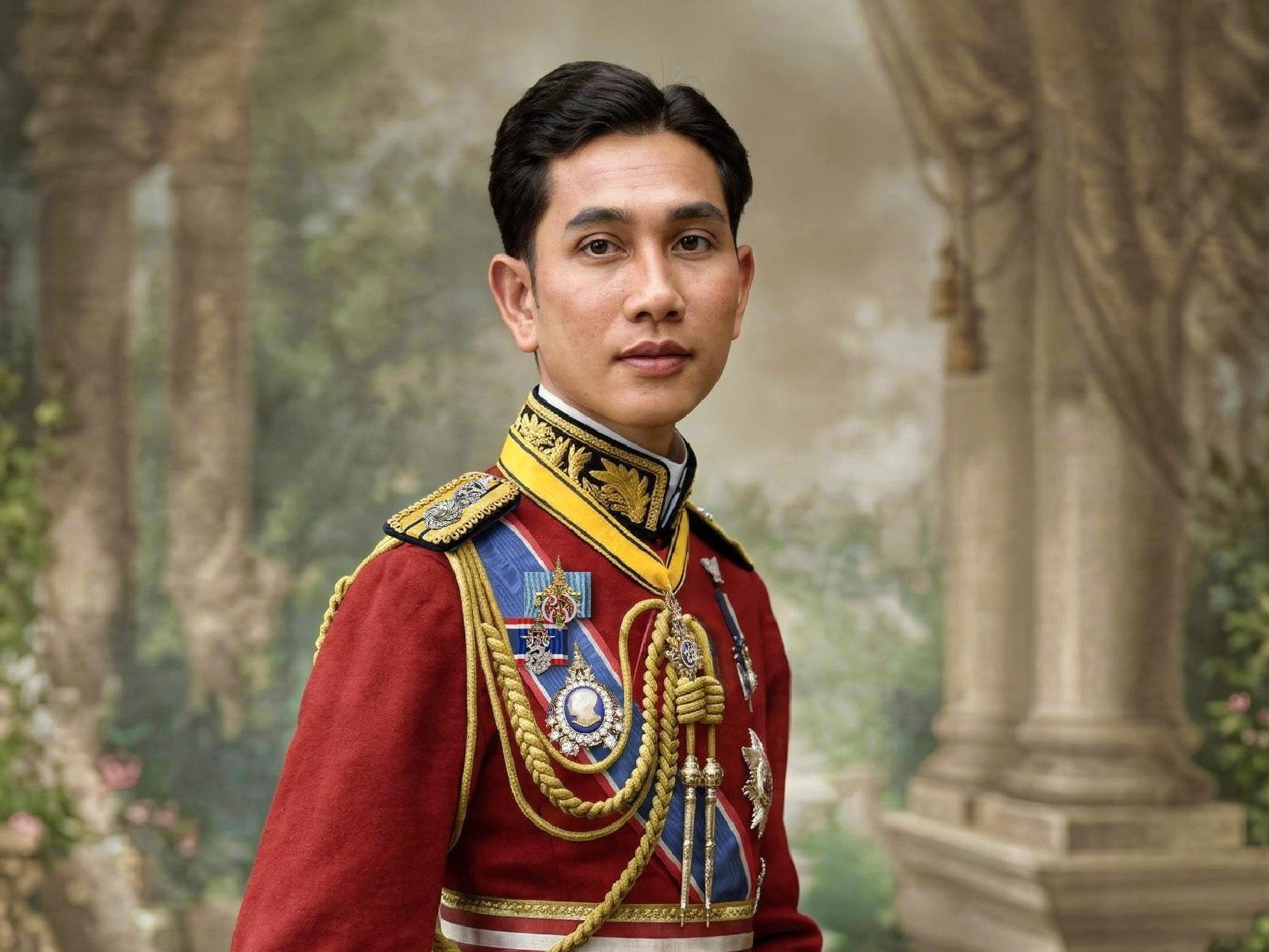
ภาพที่ได้รับการบูรณะและสร้างสรรค์ด้วยเทคโนโลยี AI นี้ เป็นภาพของ พลตรี พระยาอนิรุทธเทวา หรือ หม่อมหลวงฟื้น พึ่งบุญ เกิดเมื่อวันที่ 23 พฤษภาคม พ.ศ. 2436 เป็นบุตรของ พระยาประสิทธิ์ศุภการ (หม่อมราชวงศ์ละม้าย พึ่งบุญ) กับพระนมทัต พึ่งบุญ ณ อยุธยา พระนมในพระบาทสมเด็จพระมงกุฎเกล้าเจ้าอยู่หัว รัชกาลที่ 6
มีพี่ชายคือ เจ้าพระยารามราฆพ (หม่อมหลวงเฟื้อ พึ่งบุญ) ทั้งคู่ได้ถวายงานสนองเบื้องพระยุคลบาทรัชกาลที่ 6 ตั้งแต่ครั้งยังดำรงพระอิสริยยศเป็นสยามมกุฎราชกุมาร
พระยาอนิรุทธเทวาถวายตัวพร้อมกับพี่ชายเมื่อ ค.ศ. 1906 หลังรัชกาลที่ 6 เสด็จนิวัติจากทวีปยุโรปคืนสู่พระนคร
จากนั้นหน้าที่การงานได้เจริญเติบโตขึ้นเรื่อยๆ ในปี ค.ศ. 1911 ได้เลื่อนบรรดาศักดิ์เป็น นายสมุทรมโนมัย ชั้นหุ้มแพร มีหน้าที่เป็นนายม้าต้นสังกัดกรมพระอัศวราช นายสมุททรมโนมัย ขณะนั้นมีชื่อเสียงเรื่องลือว่า มีความสามารถด้านขี่ม้ามากยากจะหาใครเทียมในยุคนั้น
ในที่สุดในปี ค.ศ. 1916 หรืออีก 5 ปีต่อมา ได้เลื่อนบรรดาศักดิ์เป็น “พระยาอนิรุทธเทวา” ได้ดำรงตำแหน่งสำคัญๆ เช่น อธิบดีกรมมหาดเล็กและผู้บัญชาการกรมมหรสพ และเป็นมหาดเล็กส่วนพระองค์ถวายงานสนองเบื้องพระยุคลบาทเรื่อยมา เรียกได้ว่าเป็นบุคคลที่เติบโตในหน้าที่การงานอย่างรวดเร็ว
_________
งามดั่งเทวดา
ความงามของพระยาอนิรุทธเทวา นอกจากจะมีรูปภาพที่เป็นหลักฐานแล้วยังเห็นได้จากบันทึกหลายๆ ฉบับ
เช่น บันทึกของ หม่อมหลวงเนื่อง นิลรัตน์ บันทึกไว้ว่าว่าเมื่อครั้งที่ท่านไปงานที่วังสราญรมย์ ท่านได้ไปเจอ “ชายงาม” ที่ทำให้ท่านติดตาติดใจ หลับตาก็ยังเห็นภาพของชายผู้นั้น ทุกคนต่างชมว่าชายผู้นั้นงาม “งามเหมือนเทวามาจากสวรรค์
เป็นผู้ชายใส่เครื่องเพชรทั้งตัวงามวูบวาบไปหมด มองดูกลับไม่น่าเกลียด กลับเห็นเป็นน่ารัก แม้จะใส่สร้อยเพชรที่ข้อเท้า ก็ดูเก๋ดีออกจะตาย หน้าท่านก็ขาวสวย ผมก็ดำสนิทหยักศกสวย ลูกตาใสแวววาว ดูไปทั้งตัวสวยไปทั้งนั้น สมแล้วที่ท่านชื่ออนิรุทธเทวา แสดงว่าเทวดาจุติมาจากสวรรค์”
ส่วนบันทึกของหม่อมเจ้าพูนพิศมัยทรงบันทึกไว้ว่า “พวกที่ไม่ชอบก็ไม่มีอะไรจะติเตียนนอกจากหัวเราะกันว่าพระยาอนิรุทธฯ ชอบแต่งตัวใกล้ ๆ ผู้หญิง” อย่างไรก็ตาม พระยาอนิรุทธเทวามิได้แต่งกายเป็นหญิงทุกวัน หากแต่แต่งตามโอกาสสำคัญเท่านั้น ถึงอย่างนั้นก็มิพ้นคำนินทา
เมื่อมีเสียงชมก็ต้องมีเสียงตำหนิ เป็นสัจธรรมของมนุษย์ “จนใคร ๆ พากันโจษว่าท่านเป็นกะเทย” ซึ่งคุณหญิงเฉลาปฏิเสธเรื่องดังกล่าว โดยอธิบายว่า “จนใคร ๆ นึกว่าพ่อใจเป็นผู้หญิง ชอบเลียนแบบอย่างผู้หญิง เพราะพ่อเป็นคนเอวบางร่างน้อย จริตกิริยาเหมือนผู้หญิง แต่แท้จริงพ่อเป็นสุภาพบุรุษที่มีใจเข้มแข็ง บึกบึน เด็ดเดี่ยว มั่นคง อดทน กล้าหาญไม่แพ้ชายชาติชาตรีทั้งหลาย
_________
มหาดเล็กคนโปรด
มีข้อสังเกตจากหลักฐานทางประวัติศาสตร์ว่าพระยาอนิรุทธเทวา เป็นมหาดเล็กที่รัชกาลที่ 6 ทรงโปรดอย่างมาก
เห็นได้จากพระยาอนิรุทธเทวาเป็นมหาดเล็กที่ถวายงานรับใช้รัชกาลที่ 6 อย่างใกล้ชิดเสมอมา เช่นครั้งที่เสด็จบางปะอิน ถ้ารัชกาลที่ 6 ทรงเรือกรรเชียง พระยาอนิรุทธเทวาจะนั่งเรือลำเดียวกับพระองค์ ส่วนเจ้าพระยารามราฆพจะแล่นเรือยนต์โฉบไปมาเพื่อตรวจตราความเรียบร้อย ขณะที่มหาดเล็กคนอื่นจะตามเสด็จด้วยเรือกรรเชียงลำอื่น จึงแสดงให้เห็นถึงการเป็นมหาดเล็กคนโปรด
ขณะที่พระยาอนิรุทธเทวามีหน้าที่ที่ต้องถวายงานรับใช้อย่างใกล้ชิด เช่น หน้าที่ตัดแต่งพระนขา (เล็บ) ปลงพระมัสสุ (โกนหนวด) ซึ่งไม่มีใครถวายงานนี้ได้ดีเท่าท่าน และนอนอยู่ใกล้ชิดห้องพระบรรทมหรือพื้นปลายพระแท่น (เตียง) เพื่อถวายอารักขา ครั้นเมื่อรัชกาลที่ 6 ทรงตื่นบรรทมจะมีรับสั่งว่า “ฟื้น พ่อตื่นแล้ว” นอกจากนี้ท่านยังได้ร่วมโต๊ะเสวยกับรัชกาลที่ 6 อีกด้วย
สะท้อนให้เห็นถึงความเป็นคนสนิทที่ได้ใกล้ชิดพระเจ้าแผ่นดิน ซึ่งเราไม่อาจปฏิเสธได้ว่าการเติบโตในหน้าที่การงานของพระยาอนิรุทธเทวา มีรัชกาลที่ 6 เป็นหนึ่งในปัจจัย
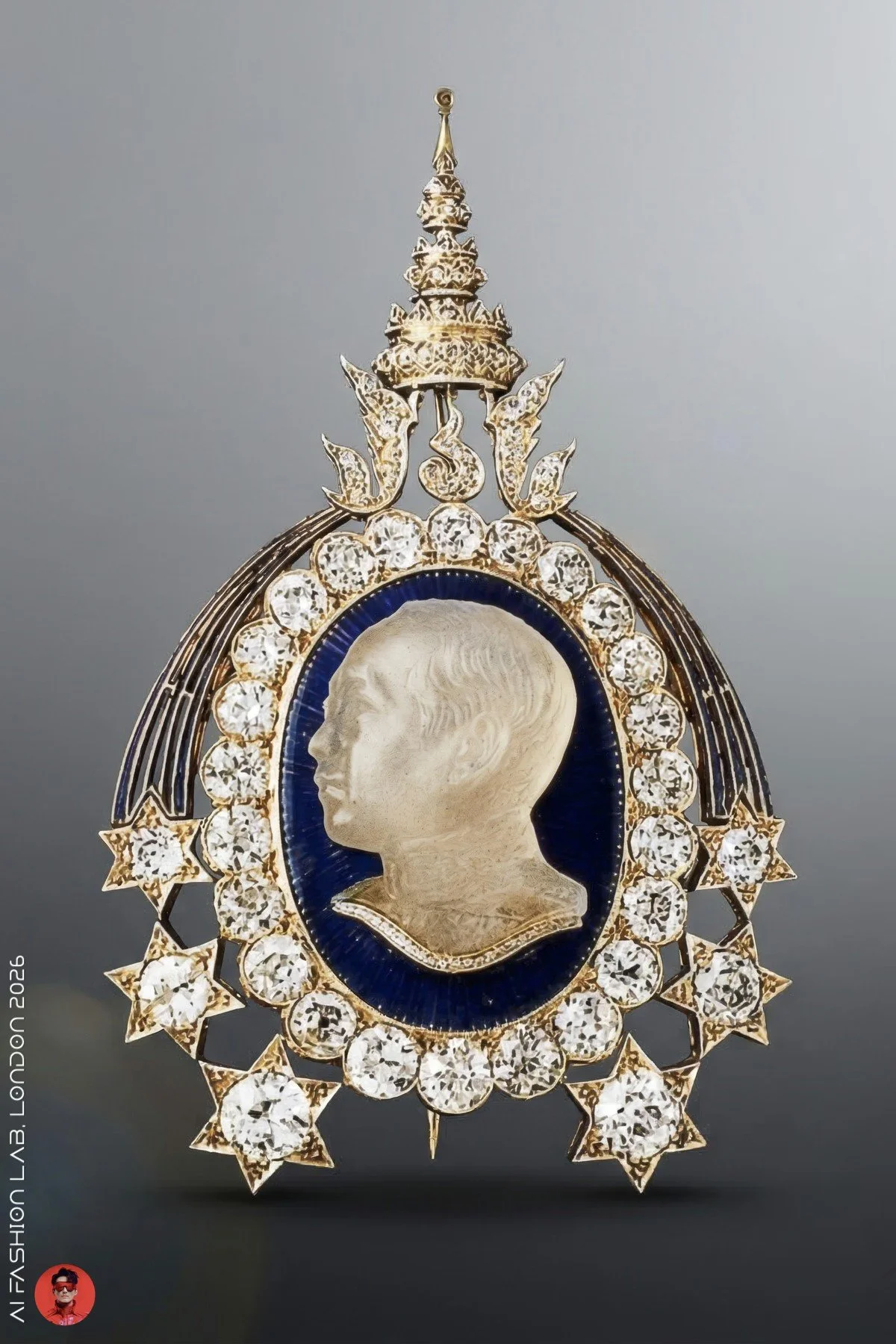
อีกประการหนึ่งที่แสดงให้เห็นอย่างชัดเจนถึงฐานะมหาดเล็กคนโปรด คือ การที่พระบาทสมเด็จพระมงกุฎเกล้าเจ้าอยู่หัวทรงพระราชทานเข็มส่วนพระองค์พิเศษแก่พระยาอนิรุทธเทวา ดังที่เห็นในภาพนี้
เข็มส่วนพระองค์ดังกล่าว ประดับเพชรล้อมรอบพระบรมสาทิสลักษณ์ของพระบาทสมเด็จพระมงกุฎเกล้าเจ้าอยู่หัว และทำด้วยมูนสโตน ภายในพื้นลงยาสีนำ้เงิน
(Moonstone) หรือที่รู้จักในภาษาไทยว่า มุกดาหาร หรือ จันทรกานต์ อันเป็นอัญมณีในตระกูลแร่เฟลด์สปาร์ (Feldspar) จุดเด่นของอัญมณีชนิดนี้คือการเกิดแสงเหลือบสีขาวหรือสีฟ้า คล้ายแสงจันทร์ ซึ่งเรียกว่า adularescence ทั้งยังมีความเชื่อกันโดยทั่วไปว่าเป็นหินแห่งโชคดี ความรัก และความอ่อนโยน
_________
โปรดมากถึงสร้างบ้านบรรทมสินธุ์ให้
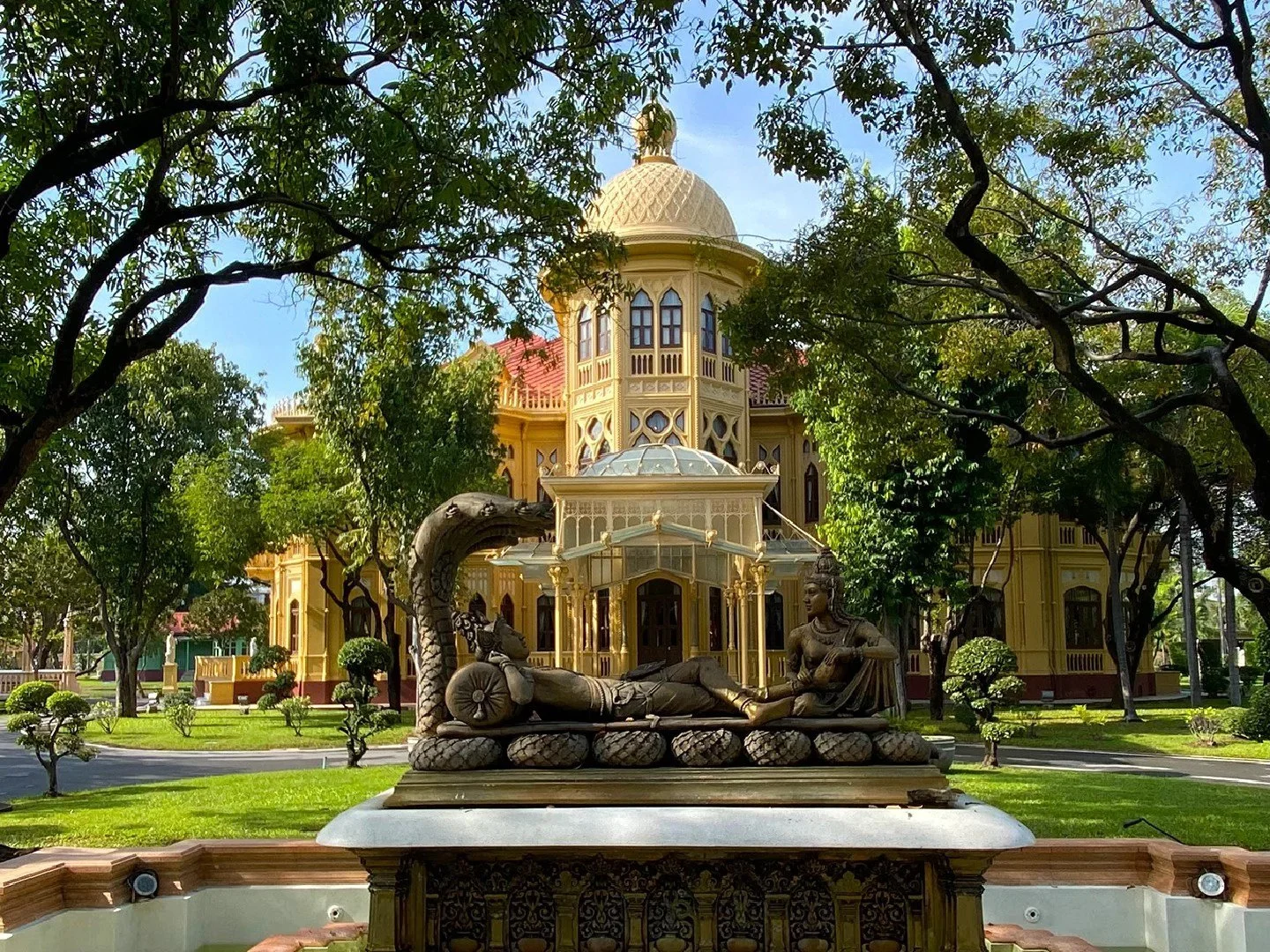
รัชกาลที่ 6 ทรงโปรดพระยาอนิรุทธเทวามากถึงขนาดสร้างบ้านบรรทมสินธุ์ จากพระราชทรัพย์ส่วนพระองค์ ในปี ค.ศ. 1922 บนที่ดินประมาณ 50 ไร่
แรกเริ่ม “บ้านบรรทมสินธุ์” ไม่ได้เป็นดังเช่น “บ้านพิษณุโลก” ที่เราเห็นในปัจจุบัน หากแต่เป็น “บ้านสวน” อันร่มรื่นแถวชานกรุงติดกับกรมอัศวราช (กรมพิธีแห่นำตามเสด็จ) ที่เป็นสนามม้าชานเมืองชายพระนคร เรียกได้ว่าเป็นพื้นที่ที่ห่างไกลจากความเป็นเมือง
การคมนาคมไม่สะดวกสบายเหมือนเวลานี้ รถราไม่ยอมไปเพราะเปลี่ยว ถนนจึงเป็นที่สำหรับปั่นจักรยานและม้าเดิน
การก่อสร้าง “บ้านบรรทมสินธุ์” ต้องขี่ม้าไปดูสถานที่ และขุดสระใหญ่เอาดินขึ้นมาถมที่ปลูกบ้าน และขนหินบางส่วนจากราชบุรีกับสระบุรีมาเป็นฐานสร้างตึกใหญ่ ซึ่งรัชกาลที่ 6 ทรงเลือกแบบจากฝีมือนายช่างสถาปนิกชาวอิตาลีที่ว่างจากการมาก่อสร้างพระที่นั่งอนันตสมาคมในสมัยนั้น
จากข้อมูลเป็นหลักฐานชั้นดีเลยทีเดียวว่ามหาดเล็กท่านนี้เป็นที่โปรดปรานอย่างมาก ถึงขนาดสร้างบ้านจากทรัพย์สินของพระองค์เลย รวมถึงการออกแบบบ้านด้วยสถาปัตยกรรมแบบยุโรป และใช้พื้นที่ชานเมือง ในสมัยนั้น ซึ่งเป็นรสนิยมที่รัชกาลที่ 6 ทรงโปรดเนื่องจากพระองค์ใช้ชีวิตที่ยุโรปรวมถึงอังกฤษมานาน
_________
จากบ้านบรรทมสินธุ์ถึงบ้านพิษณุโลก
ต้องบอกก่อนว่าเดิมนั้นบ้านพิษณุโลก มีชื่อเดิมว่าบ้านบรรทมสินธุ์ ซึ่งต่อมาเมื่อระบอบสมบูรณาญาสิทธิราชย์สิ้นสุดลง จนถึงสงครามโลกครั้งที่ 2 ล้วนมีผลต่อบ้านหลังนี้ด้วย
กล่าวคือหลังสิ้นระบอบสมบูรณาญาสิทธิราชย์ ตระกูลอนิรุทธเทวา ก็ไม่ได้มีบทบาททางการเมืองมากนัก เพราะถือว่าเป็นตระกูลใกล้ชิดระบอบเก่า เรียกได้ว่าตระกูลอนิรุทธเทวาอยู่อย่างสงบเรื่อยมาไม่ได้ยุ่งเกี่ยวกับการเมืองมากนัก
จนกระทั่งสงครามโลกครั้งที่ 2 อุบัติขึ้น ตระกูลอนิรุทธเทวา ได้อพยพไปอยู่ต่างจังหวัดเพื่อหนีภัยสงคราม ประกอบกับรัฐบาลไทยในยุคนั้นคือยุค จอมพล ป. พิบูลสงคราม ได้ตัดสินใจจับมือกับญี่ปุ่นกระโดดเข้าสู่สงครามโลกครั้งที่ 2 ในปี ค.ศ. 1942 ได้มีการซื้อบ้านบรรทมสินธุ์ในราคา 500,000 บาท เป็นที่ประสานงานระหว่างไทยและญี่ปุ่น ในที่สุดได้มีการเปลี่ยนชื่อจากบ้านบรรทมสินธุ์ เป็นบ้านพิษณุโลกนับตั้งแต่นั้นมา โดยตั้งชื่อตามถนนพิษณุโลกที่ตัดผ่านหน้าบ้าน
หลังจากนั้นไม่นานในปี ค.ศ.1951 หรืออีก 9 ปี ต่อมาพระยาอนิรุทธเทวาป่วยด้วยโรคหัวใจพิการ ถึงแก่อนิจกรรมเมื่อวันที่ 11 มกราคม สิริอายุ 58 ปี
ปิดตำนานเจ้าของบ้านพิษณุโลกเดิม เหลือไว้เพียงความทรงจำและตัวบ้านซึ่งเป็นสัญลักษณ์ของมหาดเล็กคนโปรดที่ต่อมาบ้านดังกล่าวกลายเป็นบ้านพักประจำตำแหน่งของนายกรัฐมนตรี
อ่านบทความต้นฉบับได้ที่ : https://www.springnews.co.th/news/politics/852909
____________
Phraya Anirut Deva [พระยาอนิรุทธเทวา]
This AI-restored and creatively reimagined portrait depicts Major General Phraya Anirut Deva [พลตรี พระยาอนิรุทธเทวา], also known as Mom Luang Fuen Phuengbun [หม่อมหลวงฟื้น พึ่งบุญ]. He was born on 23 May 1893, the son of Phraya Prasit Supphakan [พระยาประสิทธิ์ศุภการ] or Mom Rajawongse Lamai Phuengbun [หม่อมราชวงศ์ละม้าย พึ่งบุญ], and Phra Nom That Phuengbun na Ayutthaya [พระนมทัต พึ่งบุญ ณ อยุธยา], who served as a royal wet nurse to King Vajiravudh [พระบาทสมเด็จพระมงกุฎเกล้าเจ้าอยู่หัว รัชกาลที่ 6].
His elder brother was Chao Phraya Ramrakhop [เจ้าพระยารามราฆพ], or Mom Luang Fua Phuengbun [หม่อมหลวงเฟื้อ พึ่งบุญ]. Both brothers entered royal service under Rama VI [รัชกาลที่ 6] from the time when the King was still Crown Prince of Siam [สยามมกุฎราชกุมาร].
Phraya Anirut Deva entered royal service together with his brother in 1906, after the future Rama VI [รัชกาลที่ 6]returned to Siam from Europe.
From then onwards, his career advanced steadily. In 1911, he was promoted to the noble title of Nai Samutmanomai [นายสมุทรมโนมัย], with the rank of huam phrae [ชั้นหุ้มแพร], and served as a royal equerry attached to the Department of the Royal Stables [กรมพระอัศวราช]. At that time, Nai Samutmanomai was reputed to be an exceptionally accomplished horseman, considered difficult to equal in that era.
In 1916, five years later, he was elevated to the title of Phraya Anirut Deva [พระยาอนิรุทธเทวา]. He went on to hold a number of important positions, including Director-General of the Department of Royal Pages [อธิบดีกรมมหาดเล็ก]and Commander of the Department of Royal Entertainment [ผู้บัญชาการกรมมหรสพ], while continuing to serve as one of the King’s personal pages. It may fairly be said that he rose through the ranks with remarkable speed.
Handsome as a Heavenly Being [งามดั่งเทวดา]
The beauty of Phraya Anirut Deva [พระยาอนิรุทธเทวา] is evidenced not only by surviving photographs, but also by a number of written recollections.
For instance, Mom Luang Nueang Nilarat [หม่อมหลวงเนื่อง นิลรัตน์] recorded that when she once attended an event at Saranrom Palace [วังสราญรมย์], she encountered a “beautiful man” whose appearance remained vividly in her mind even after she had closed her eyes. Everyone admired him, saying that he was beautiful “as though a deity had descended from heaven”.
She described him as a man adorned in diamonds from head to toe, dazzling in every direction. Yet rather than appearing excessive, it somehow seemed charming. Even a diamond anklet, she wrote, looked stylish on him. His complexion was fair and refined, his hair jet black and naturally wavy, and his eyes bright and sparkling. Every part of him seemed beautiful. His name, Anirut Deva, she felt, suited him perfectly, as though he truly were a celestial being come down from the heavens.
Meanwhile, Mom Chao Phunphitsamai [หม่อมเจ้าพูนพิศมัย] wrote that those who disliked him could find nothing to criticise except to laugh that Phraya Anirut “liked to dress almost like a woman”. Even so, Phraya Anirut Deva did not dress in feminine fashion every day; he did so only on special occasions. Yet gossip was inevitable.
Where there is admiration, there is also criticism. Such is human nature. At one point, people openly whispered that he was kathoey. Khunying Chala [คุณหญิงเฉลา], however, rejected such talk outright, explaining that although many assumed he was feminine because of his slender waist, delicate frame, and graceful manner, in truth he was a gentleman of strong character: resolute, sturdy, steadfast, patient, and courageous no less than any other man.
The King’s Favourite Page [มหาดเล็กคนโปรด]
Historical evidence suggests that Phraya Anirut Deva [พระยาอนิรุทธเทวา] was one of the most favoured pages of King Vajiravudh [พระบาทสมเด็จพระมงกุฎเกล้าเจ้าอยู่หัว รัชกาลที่ 6].
This can be seen in the closeness with which he served the King. For example, during royal visits to Bang Pa-In [บางปะอิน], if Rama VI [รัชกาลที่ 6] travelled by rowing boat, Phraya Anirut Deva would sit in the same boat as the King, while Chao Phraya Ram Raghava [เจ้าพระยารามราฆพ] would speed back and forth in a motor launch inspecting arrangements. Other royal pages followed in separate rowing boats. This clearly reflected Phraya Anirut Deva’s status as a royal favourite.
He also carried out highly intimate duties in personal attendance upon the King, such as trimming the King’s nails and shaving his beard, tasks which, it was said, no one performed as well as he did. He would also sleep near the royal bedchamber, at the foot of the royal bed, in order to keep watch. When the King awoke, he is said to have called out, “Fuen, I’m awake.” Phraya Anirut Deva was even permitted to dine at the royal table.
All this reflects the position of a trusted intimate who enjoyed unusual closeness to the monarch. It is difficult to deny that King Vajiravudh [พระบาทสมเด็จพระมงกุฎเกล้าเจ้าอยู่หัว] was one of the key factors behind the rapid advancement of Phraya Anirut Deva’s career.
Another especially clear sign of his favoured status was the fact that the King presented him with a special personal brooch, visible in this portrait
This royal brooch was set with diamonds surrounding a portrait medallion of King Vajiravudh [พระบาทสมเด็จพระมงกุฎเกล้าเจ้าอยู่หัว], with a moonstone centre against a blue enamel ground.
Moonstone, known in Thai as mukdahan [มุกดาหาร] or chanthrakarn [จันทรกานต์], is a gemstone in the feldspar family. Its most distinctive feature is its soft white or bluish sheen, resembling moonlight, an optical effect known as adularescence. It is also widely regarded as a stone associated with good fortune, love, and gentleness.
So Favoured That the King Built Him Ban Banthomsin [โปรดมากถึงสร้างบ้านบรรทมสินธุ์ให้]
Rama VI [รัชกาลที่ 6] favoured Phraya Anirut Deva [พระยาอนิรุทธเทวา] so greatly that in 1922 he had Ban Banthomsin [บ้านบรรทมสินธุ์] built for him using the King’s personal funds, on an estate of approximately fifty rai. The Thai government’s archive for Phitsanulok Mansion [บ้านพิษณุโลก] confirms that the house was commissioned by King Vajiravudh as a royal gift to Phraya Anirut Deva, and that it was formerly known as Ban Banthomsin. (archives.thaigov.go.th)
At first, Ban Banthomsin [บ้านบรรทมสินธุ์] did not resemble the Phitsanulok Mansion [บ้านพิษณุโลก] we know today. It began as a leafy country house on the edge of the city, beside the Department of the Royal Stables [กรมอัศวราช], which at that time occupied what was effectively a suburban raceground on the outskirts of Bangkok. It was, in every sense, an area far removed from urban life.
Transport in those days was not convenient as it is now. Motorcars were reluctant to travel there because the area felt isolated. The roads were more suited to bicycles and horses.
The construction of Ban Banthomsin [บ้านบรรทมสินธุ์] required journeys on horseback to inspect the site. A large pond was excavated, and the earth removed from it was used to raise the level of the land for the house. Some of the stone used for the main structure was brought from Ratchaburi [ราชบุรี] and Saraburi [สระบุรี]. The design chosen by the King was by the Italian architect Mario Tamagno, who is associated with other major royal commissions of the period, including Ananta Samakhom Throne Hall [พระที่นั่งอนันตสมาคม]. (archives.thaigov.go.th)
These facts offer strong evidence of just how deeply favoured this royal page was. The King not only built him a residence from his own private funds, but also chose for it a European architectural style and a large suburban site, reflecting the taste that Rama VI [รัชกาลที่ 6] had acquired during his long years in Europe, especially in Britain. (archives.thaigov.go.th)
From Ban Banthomsin to Phitsanulok Mansion [จากบ้านบรรทมสินธุ์ถึงบ้านพิษณุโลก]
It should first be understood that Phitsanulok Mansion [บ้านพิษณุโลก] was originally known as Ban Banthomsin [บ้านบรรทมสินธุ์]. Later political changes, beginning with the end of the absolute monarchy and continuing through the Second World War, had a profound effect on the history of the house. Government and reference sources identify Phitsanulok Mansion as the former Ban Banthomsin, built in 1922 and later converted into what is now the official residence of the Prime Minister of Thailand. (archives.thaigov.go.th)
After the end of the absolute monarchy, the Anirut Deva family no longer played a major role in politics, as they were closely associated with the old regime. They appear to have lived on quietly and without much political involvement.
Then, during the Second World War, the family relocated to the provinces in order to escape the dangers of wartime Bangkok. In that period, under the government of Field Marshal Plaek Phibunsongkhram [จอมพล ป. พิบูลสงคราม], Thailand entered the war on Japan’s side. In 1942, Ban Banthomsin [บ้านบรรทมสินธุ์] was purchased for 500,000 bahtand used as a coordination centre between Thailand and Japan. It was then renamed Phitsanulok Mansion [บ้านพิษณุโลก], after Phitsanulok Road [ถนนพิษณุโลก], which runs in front of the property. Sources differ on some of the wartime details, but they agree that the mansion passed from its original private ownership into state use during the war years and thereafter became known as Phitsanulok Mansion. (springnews.co.th)
Not long afterwards, in 1951, nine years later, Phraya Anirut Deva [พระยาอนิรุทธเทวา] died of heart disease on 11 January, at the age of 58. Thus ended the life of the original owner of what is now Phitsanulok Mansion [บ้านพิษณุโลก]. What remains today is both memory and architecture: a house that once symbolised the favour bestowed upon a royal page, and which later became the official residence of the Prime Minister of Thailand. His birth in 1893 and death in 1951 at age 58 are consistent with biographical references, while the mansion’s later role as the Prime Minister’s official residence is confirmed by government and reference sources. (th.wikipedia.org)
Original Thai article source: Spring News. (springnews.co.th)
____________
เรียนเชิญกด Subscribe ได้ที่ลิงก์นี้ครับ เพื่อร่วมติดตามงานสร้างสรรค์ต้นฉบับ งานวิจัยประวัติศาสตร์แฟชั่น และผลงานอนุรักษ์มรดกวัฒนธรรมด้วยเทคโนโลยี AI ของ AI Fashion Lab, London ซึ่งมุ่งตีความอดีตผ่านมิติใหม่ของการบูรณะภาพ การสร้างสรรค์ภาพ และการเล่าเรื่องด้วยศิลปะเชิงดิจิทัล https://www.facebook.com/aifashionlab/subscribe
#aifashionlab#AI#aiartist#aiart#aifashion#aifashiondesign#aifashionstyling#aifashiondesigner#fashion#fashionhistory#historyoffashion#fashionstyling#fashionphotography#digitalfashion#digitalfashiondesign#digitalcostumedesign#digitaldesign#digitalaiart#ThaiFashionHistory#ThaiFashionAI#thailand #UNESCO