มกุฎราชกุมารีอันโตเนียแห่งบาวาเรีย [Crown Princess Antonia of Bavaria]
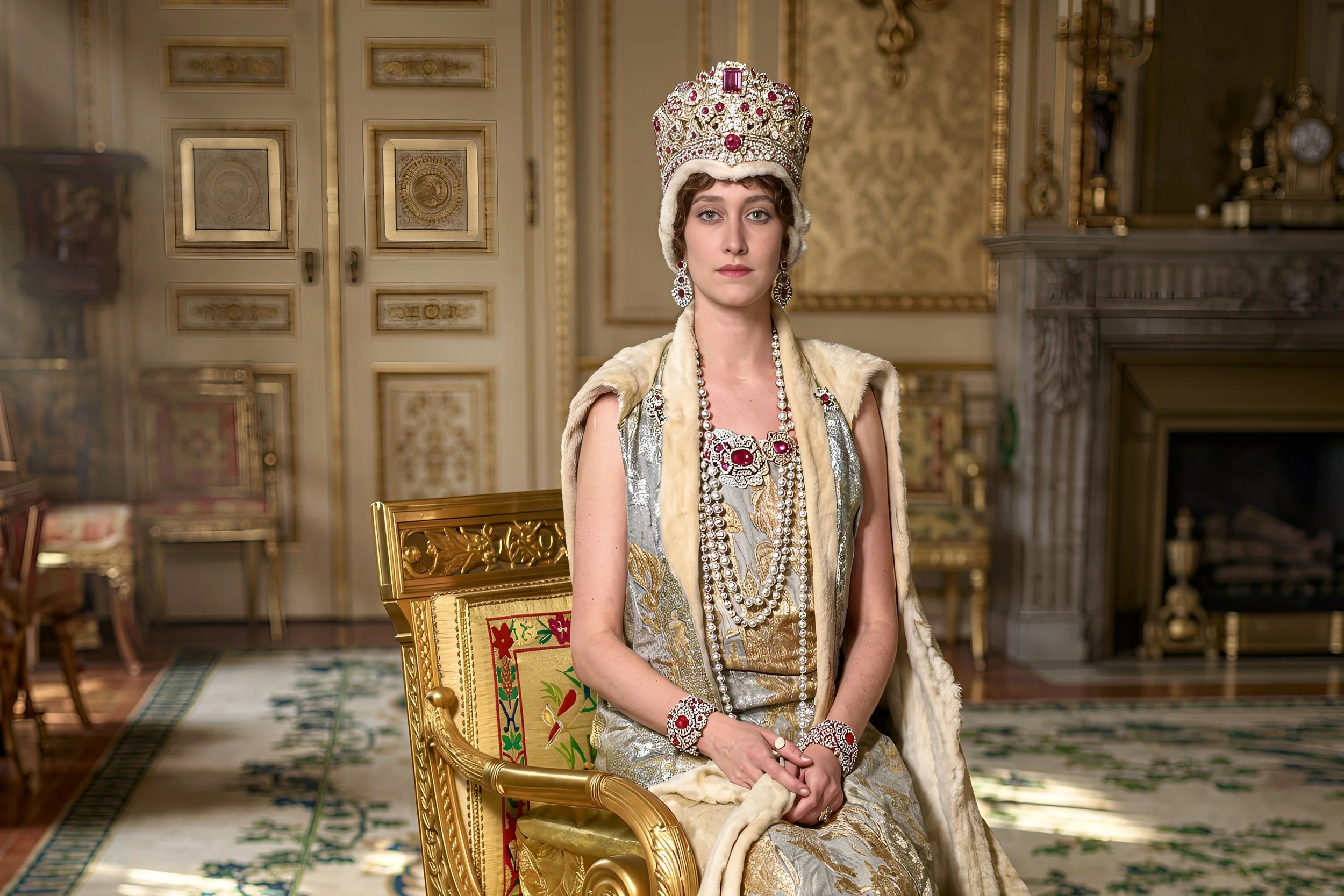
มกุฎราชกุมารีอันโตเนียแห่งบาวาเรีย [Crown Princess Antonia of Bavaria]
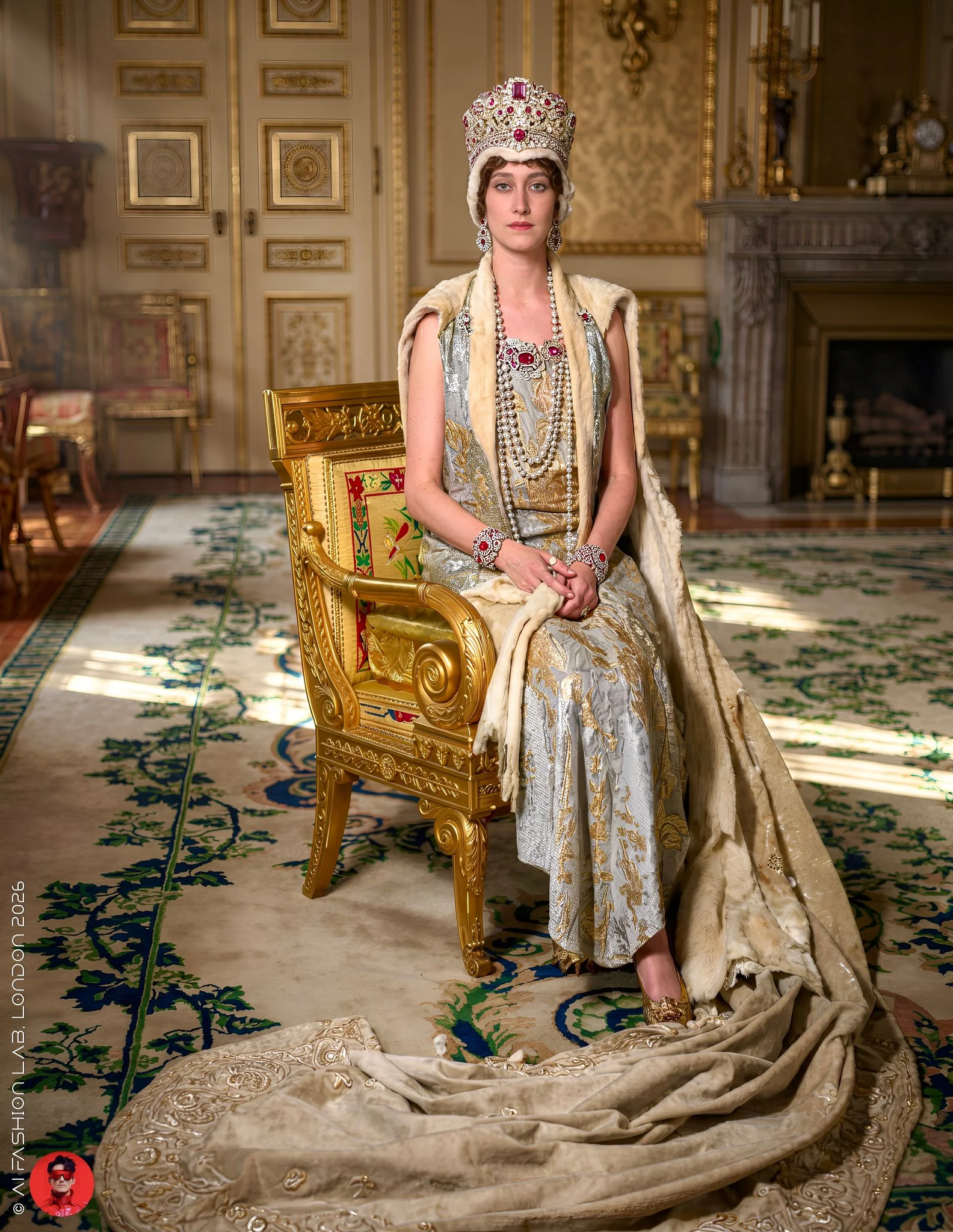
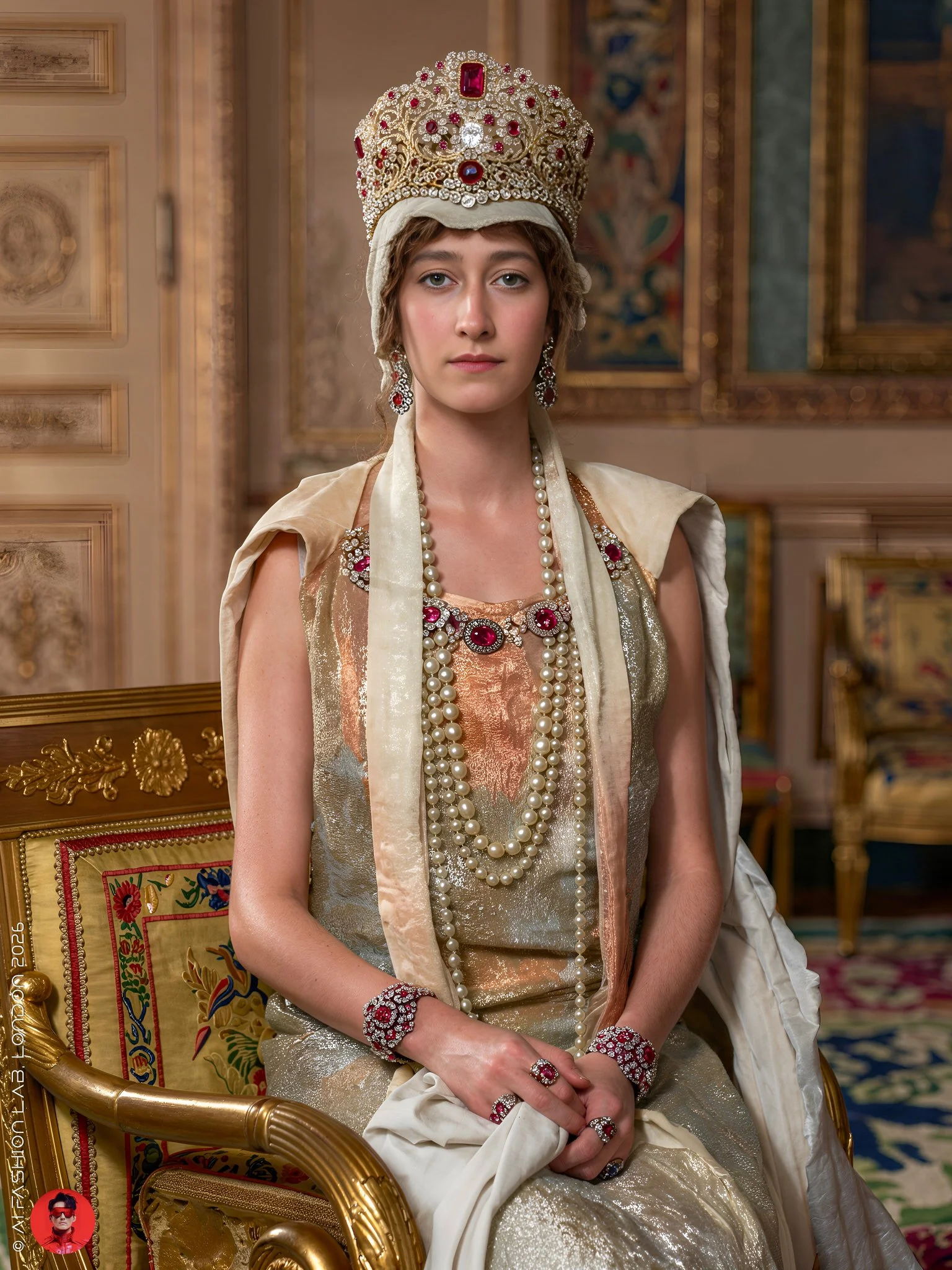
ภาพที่ได้รับการบูรณะและสร้างสรรค์ขึ้นด้วยเทคโนโลยี AI ในคอลเลกชันนี้ เป็นพระรูปของ มกุฎราชกุมารีอันโตเนียแห่งบาวาเรีย [Crown Princess Antonia of Bavaria] พระนามเดิม เจ้าหญิงอันโตเนียแห่งลักเซมเบิร์กและนัสเซา [Princess Antonia of Luxembourg and Nassau] ขณะทรง มงกุฎทับทิมและสปิเนลแห่งบาวาเรีย [Bavarian Ruby and Spinel Tiara] หนึ่งในศิราภรณ์แห่งราชสำนักยุโรปคริสต์ศตวรรษที่ ๑๙ ที่มีขนาดใหญ่ หนัก และทรงพลังมากที่สุดชิ้นหนึ่ง
นี่คือมงกุฎที่หนักเสียจนมิได้กำหนดเพียงรูปลักษณ์ของผู้สวมใส่ หากยังส่งผลต่อการเคลื่อนไหว การยืน การวางพระองค์ และการแบกรับน้ำหนักของสถาบันกษัตริย์อย่างแท้จริง
มงกุฎทับทิมและสปิเนลแห่งบาวาเรีย [Bavarian Ruby and Spinel Tiara] สร้างขึ้นราว ค.ศ. ๑๘๓๐ ตามพระราชประสงค์ของ พระเจ้าลุดวิกที่ ๑ แห่งบาวาเรีย [King Ludwig I of Bavaria] เพื่อพระราชทานแก่พระมเหสี คือ สมเด็จพระราชินีเทเรซาแห่งบาวาเรีย [Queen Therese of Bavaria] เดิมคือ เจ้าหญิงเทเรซาแห่งซัคเซิน-ฮิลด์บวร์กเฮาเซิน [Princess Therese of Saxe-Hildburghausen]
ศิราภรณ์ชิ้นนี้มิได้ถูกสร้างขึ้นเพียงเพื่อความงดงาม หากเป็นถ้อยแถลงเชิงราชวงศ์ที่แสดงถึงพระเกียรติยศ ความมั่นคง และบารมีของราชวงศ์บาวาเรีย ในช่วงเวลาที่สถาบันกษัตริย์บาวาเรียต้องการแสดงสถานะ ความสง่างาม และความต่อเนื่องของราชวงศ์ในเวทียุโรป
มงกุฎนี้สร้างโดย คาสปาร์ รีลันเดอร์ [Caspar Rieländer] ช่างทองและช่างอัญมณีประจำราชสำนัก โครงสร้างทำด้วยทอง ประดับด้วยทับทิม สปิเนล และเพชร จัดวางเป็นลวดลายพฤกษาอันซับซ้อน สะท้อนรสนิยมแบบโรแมนติกของราชสำนักยุโรปในคริสต์ศตวรรษที่ ๑๙ ซึ่งนำรูปทรงจากธรรมชาติมาแปรเปลี่ยนเป็นสัญลักษณ์แห่งอำนาจ พระเกียรติยศ และสายสืบสันตติวงศ์
แม้จะงดงามอย่างยิ่ง แต่มงกุฎชิ้นนี้มีชื่อเสียงในด้านน้ำหนักและความไม่สะดวกสบายในการสวมใส่ มีบันทึกว่า สมเด็จพระราชินีเทเรซา [Queen Therese] ไม่โปรดมงกุฎชิ้นนี้นัก เนื่องจากมีขนาดใหญ่และหนักมาก จึงมักทรงเลือกใช้ศิราภรณ์ชิ้นอื่นของราชวงศ์ที่มีขนาดเล็กกว่าและสวมใส่ได้ง่ายกว่า ด้วยเหตุนี้ มงกุฎทับทิมและสปิเนลจึงถูกนำออกมาใช้เฉพาะในพระราชพิธีหรือโอกาสทางการสำคัญเท่านั้น
ในเวลาต่อมา มงกุฎชิ้นนี้มีความเกี่ยวข้องอย่างเด่นชัดกับ มกุฎราชกุมารีอันโตเนียแห่งบาวาเรีย [Crown Princess Antonia of Bavaria] ซึ่งทรงสวมในพระฉายาลักษณ์ทางการ ภาพดังกล่าวบันทึกเสียงสะท้อนช่วงปลายของธรรมเนียมราชสำนักแบบเก่าไว้ได้อย่างทรงพลัง ในยุคที่เครื่องประดับอันวิจิตรและหนักหน่วงเช่นนี้ยังคงทำหน้าที่แสดงฐานันดร มรดกทางราชวงศ์ และอำนาจเชิงพิธีกรรม
เจ้าหญิงอันโตเนียทรงหมั้นครั้งแรกกับ มกุฎราชกุมารรุปเพรชท์แห่งบาวาเรีย [Crown Prince Rupprecht of Bavaria] ใน ค.ศ. ๑๙๑๘ ไม่นานก่อนสิ้นสุดระบอบกษัตริย์ในดินแดนที่ปัจจุบันคือประเทศเยอรมนี อย่างไรก็ตาม ด้วยเหตุผลทางการเมือง ทั้งสองพระองค์ไม่อาจอภิเษกสมรสได้ในทันที ต่อมาจึงทรงหมั้นกันอีกครั้ง และอภิเษกสมรสใน ค.ศ. ๑๙๒๑
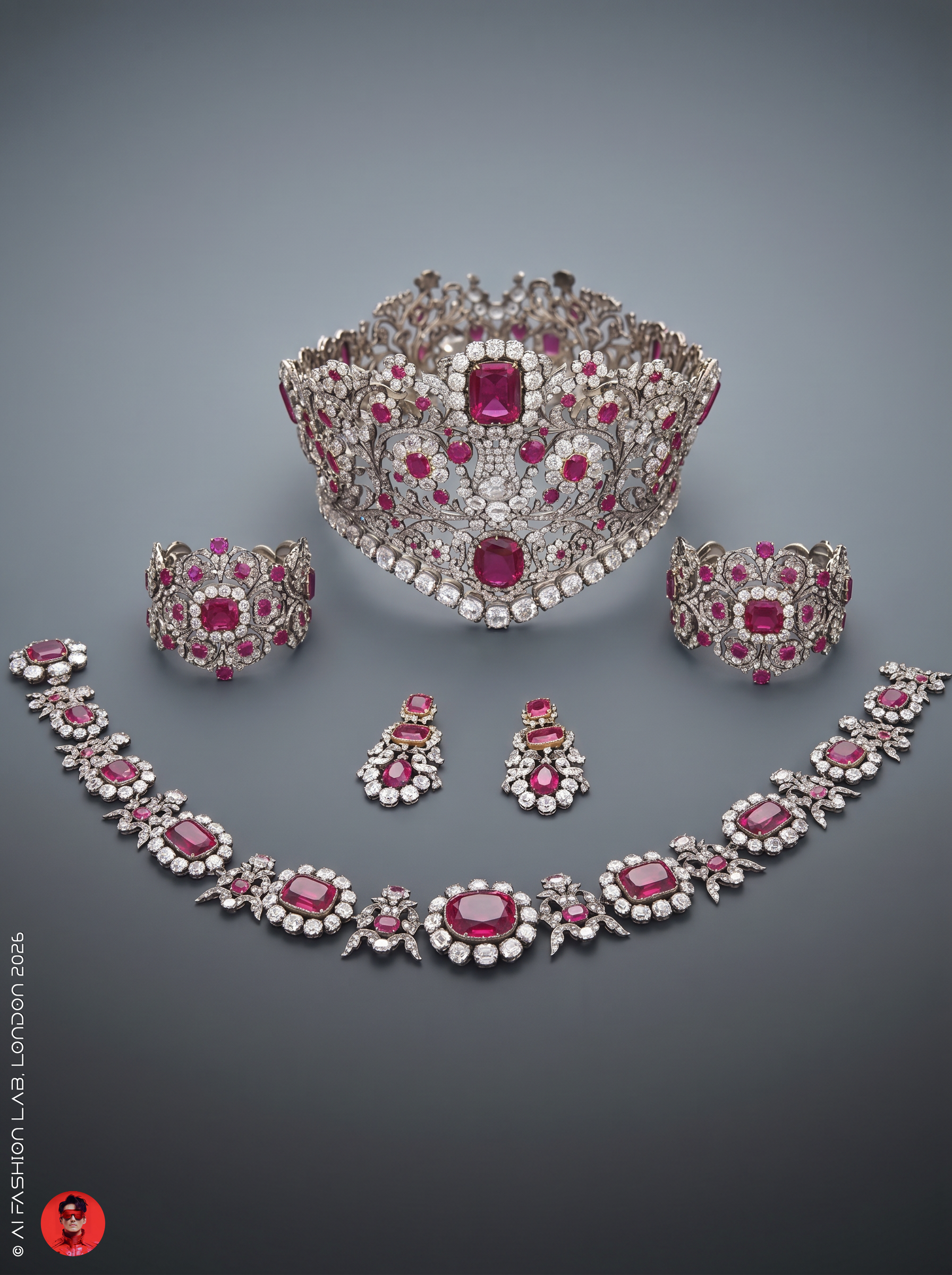
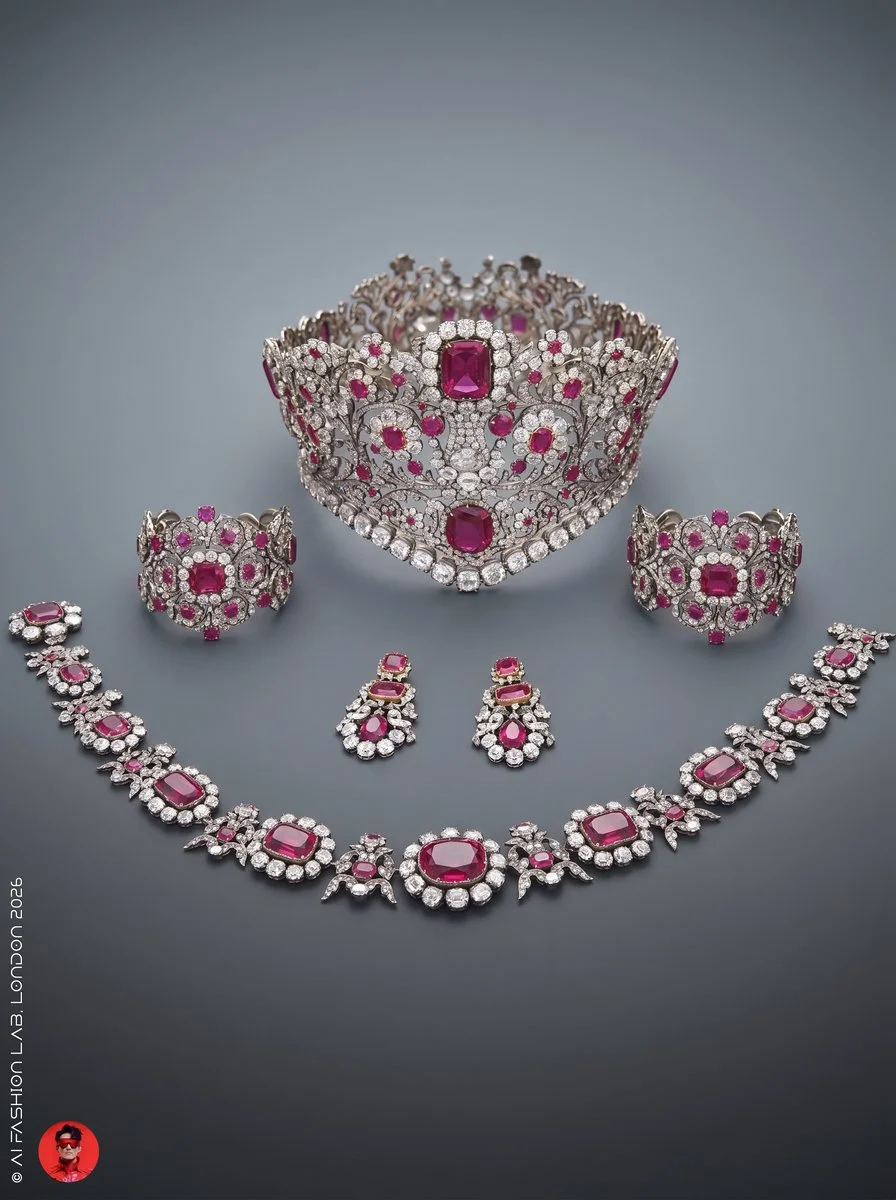
หลังการอภิเษกสมรส หนึ่งในศิราภรณ์แห่งราชวงศ์บาวาเรียที่มกุฎราชกุมารีอันโตเนียทรงใช้ในพระฉายาลักษณ์ทางการ คือมงกุฎจาก ชุดเครื่องประดับทับทิมและสปิเนลแห่งบาวาเรีย [Bavarian Ruby and Spinel Parure] ชุดเครื่องประดับนี้ประกอบด้วยมงกุฎ สร้อยพระศอ ต่างพระกรรณ และกำไลพระกรสองวง ประดับด้วยทับทิม สปิเนล และเพชร
ที่น่าสนใจคือ ทุ่งเทเรเซียนวีเซอ [Theresienwiese] สถานที่จัดงาน อ็อกโทเบอร์เฟสต์ [Oktoberfest] อันมีชื่อเสียงระดับโลก ได้รับชื่อตามพระนามของ สมเด็จพระราชินีเทเรซา [Queen Therese] และงานอ็อกโทเบอร์เฟสต์ครั้งแรกก็จัดขึ้นเพื่อเฉลิมฉลองพระราชพิธีอภิเษกสมรสระหว่างพระองค์กับ พระเจ้าลุดวิกที่ ๑ [King Ludwig I]
ปัจจุบัน มงกุฎทับทิมและสปิเนลแห่งบาวาเรีย [Bavarian Ruby and Spinel Tiara] จึงมิได้เป็นเพียงผลงานชั้นสูงของงานช่างอัญมณีราชสำนัก หากยังเป็นวัตถุประวัติศาสตร์ที่เก็บรักษาความทรงจำของยุคสมัยหนึ่งไว้ — ยุคที่สถาบันกษัตริย์ถูกแสดงออกผ่าน อัญมณี พิธีการ และน้ำหนักจริงของเครื่องประดับที่ต้องทรงไว้เหนือพระเศียร
____________
Crown Princess Antonia of Bavaria née Princess Antonia of Luxembourg and Nassau
This AI-restored and AI-enhanced image in this collection shows Crown Princess Antonia of Bavaria wearing the Bavarian Ruby and Spinel Tiara — a crown-like ceremonial jewel and one of the most imposing, physically demanding, and visually powerful royal head ornaments created in nineteenth-century Europe.
This was a crown so heavy that it shaped not only the appearance of the woman who wore it, but also the way she could move, stand, and physically endure the weight of monarchy itself.
The Bavarian Ruby and Spinel Tiara was created around 1830 at the command of King Ludwig I of Bavaria as a gift for his wife, Queen Therese of Bavaria, née Princess Therese of Saxe-Hildburghausen. It was not designed simply as an ornament, but as a dynastic statement of royal grandeur, stability, and continuity at a time when the Bavarian monarchy sought to project dignity and prestige within the wider European courtly world.
The crown was made by the court jeweller Caspar Rieländer. Its gold structure is set with rubies, spinels, and diamonds, arranged in elaborate floral motifs. The design reflects the Romantic royal aesthetics of the nineteenth century, when forms inspired by nature were transformed into symbols of power, lineage, and ceremonial authority.
Despite its beauty, the crown became famous for its exceptional size and weight. Historical accounts suggest that Queen Therese was not especially fond of wearing it, precisely because it was so large and physically uncomfortable. She is said to have preferred smaller and more manageable diadems from the Bavarian royal collection. For this reason, the Bavarian Ruby and Spinel crown was worn only on selected formal occasions rather than as a regular part of court dress.
In later generations, this magnificent crown became closely associated with Crown Princess Antonia of Bavaria, who wore it for official portraits after her marriage into the Bavarian royal family. Her image captures the final echoes of an older royal tradition, in which jewels of extraordinary scale and splendour were used to embody rank, dynastic inheritance, and ceremonial power.
Princess Antonia was first engaged to Crown Prince Rupprecht of Bavaria in 1918, shortly before the end of the monarchy in what is now Germany. Political circumstances initially prevented the couple from marrying. They later became engaged again, and finally married in 1921.
After her marriage, one of the Bavarian royal jewels Antonia wore for official portraits was the crown from the Bavarian Ruby and Spinel Parure. The parure, made of rubies, spinels, and diamonds, also includes a necklace, earrings, and two bracelets.
There is also a charming historical connection to Queen Therese herself. The Theresienwiese, the official grounds of the world-famous Oktoberfest, is named after her. The first Oktoberfest was originally celebrated in honour of the wedding of Therese and Ludwig.
Today, the Bavarian Ruby and Spinel Tiara stands as more than a masterpiece of royal jewellery. It is a preserved artefact of an age when monarchy was performed through gold, gemstones, ceremony, and the very real physical weight of jewels carried upon the head.
____________
เรียนเชิญกด Subscribe ได้ที่ลิงก์นี้ครับ เพื่อร่วมติดตามงานสร้างสรรค์ต้นฉบับ งานวิจัยประวัติศาสตร์แฟชั่น และผลงานอนุรักษ์มรดกวัฒนธรรมด้วยเทคโนโลยี AI ของ AI Fashion Lab, London ซึ่งมุ่งตีความอดีตผ่านมิติใหม่ของการบูรณะภาพ การสร้างสรรค์ภาพ และการเล่าเรื่องด้วยศิลปะเชิงดิจิทัล https://www.facebook.com/aifashionlab/subscribe/
#aifashionlab #AI #aiartist #aiart #aifashion #aifashiondesign #aifashionstyling #aifashiondesigner #fashion #fashionhistory #historyoffashion #fashionstyling #fashionphotography #digitalfashion #digitalfashiondesign #digitalcostumedesign #digitaldesign #digitalaiart #ThaiFashionHistory #ThaiFashionAI #thailand #UNESCO