Émile Gsell และภาพถ่ายกัมพูชาในช่วงปลายรัชกาลที่ ๔ ถึงต้นรัชกาลที่ ๕
📷✨Émile Gsell และภาพถ่ายกัมพูชาในช่วงปลายรัชกาลที่ ๔ ถึงต้นรัชกาลที่ ๕
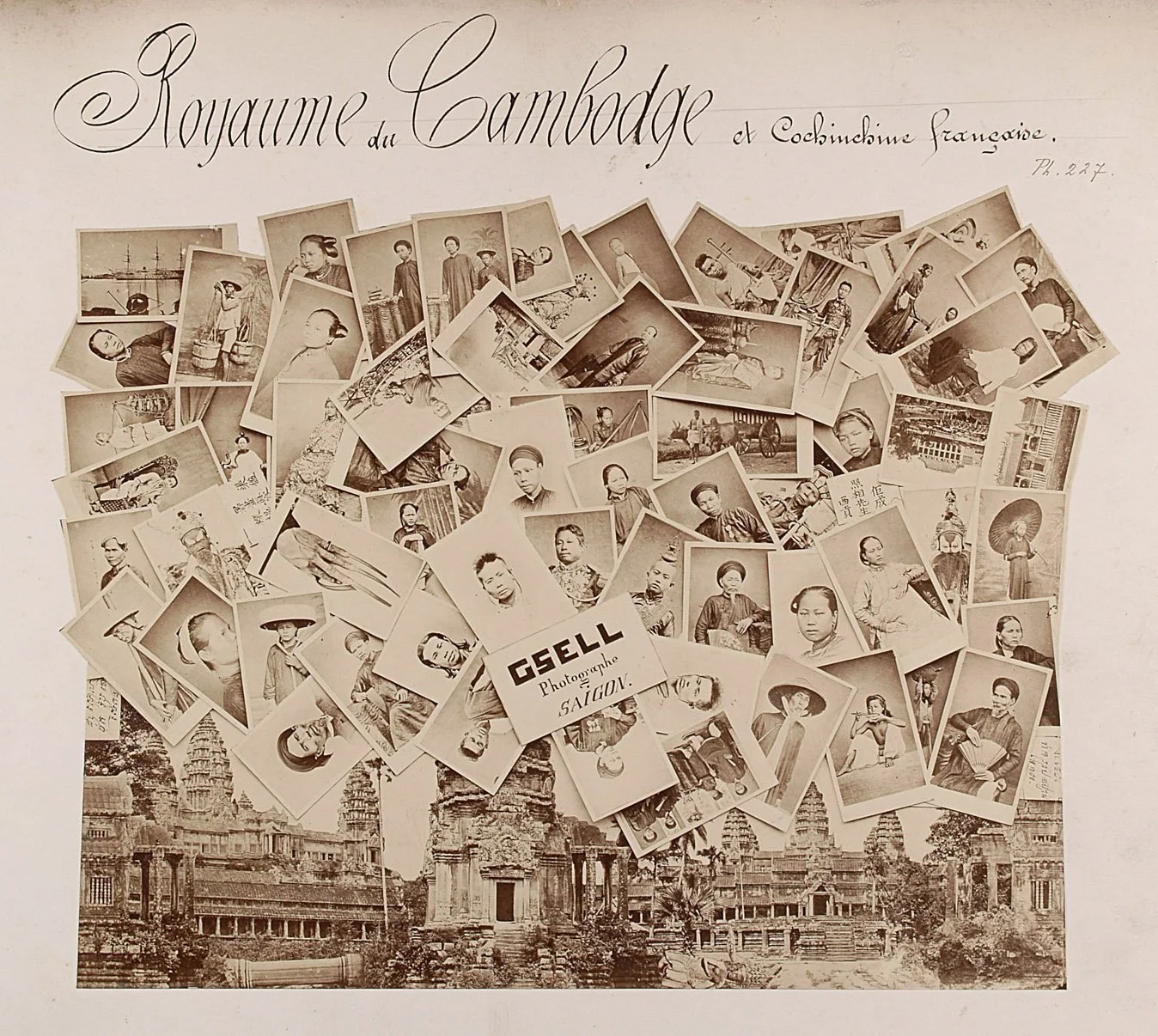
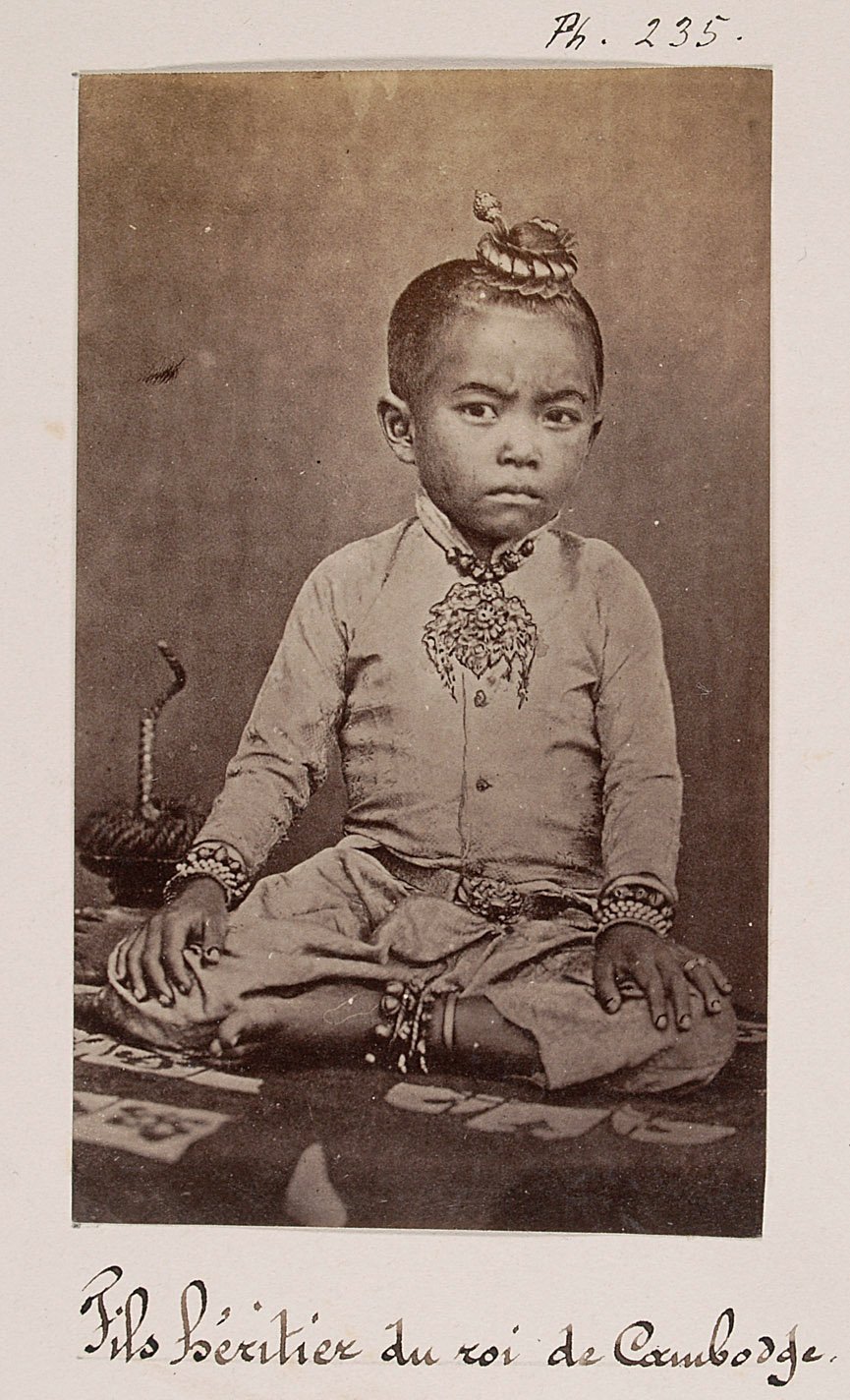
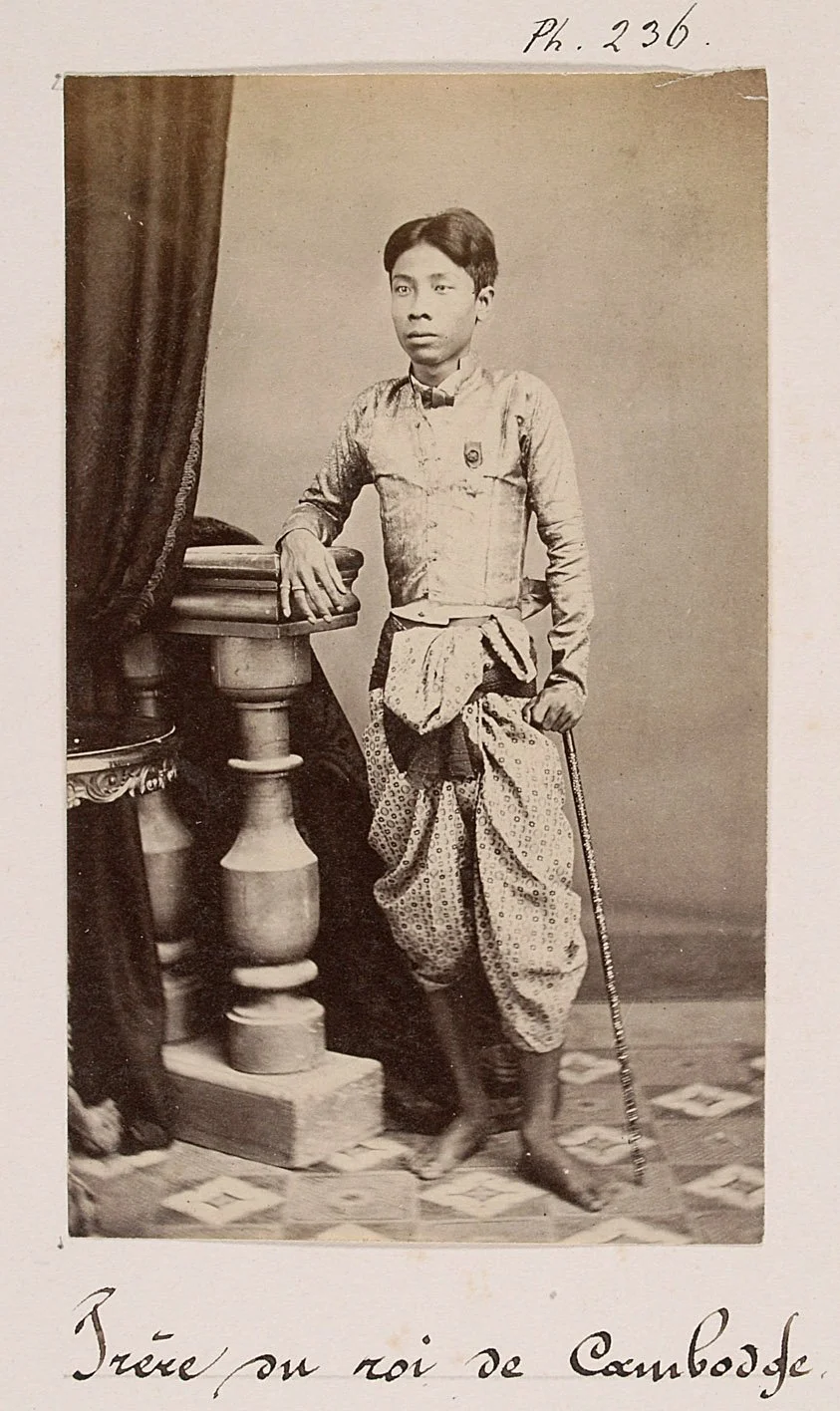
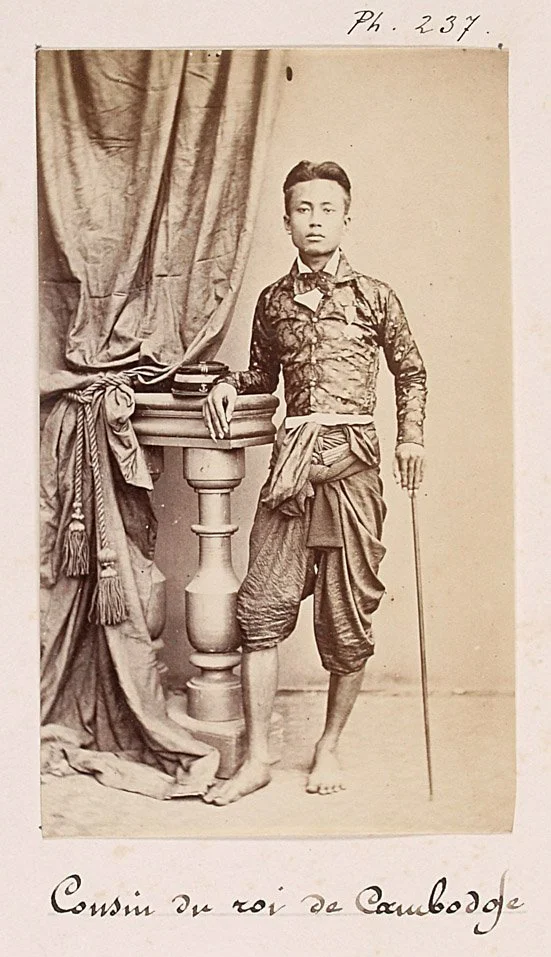
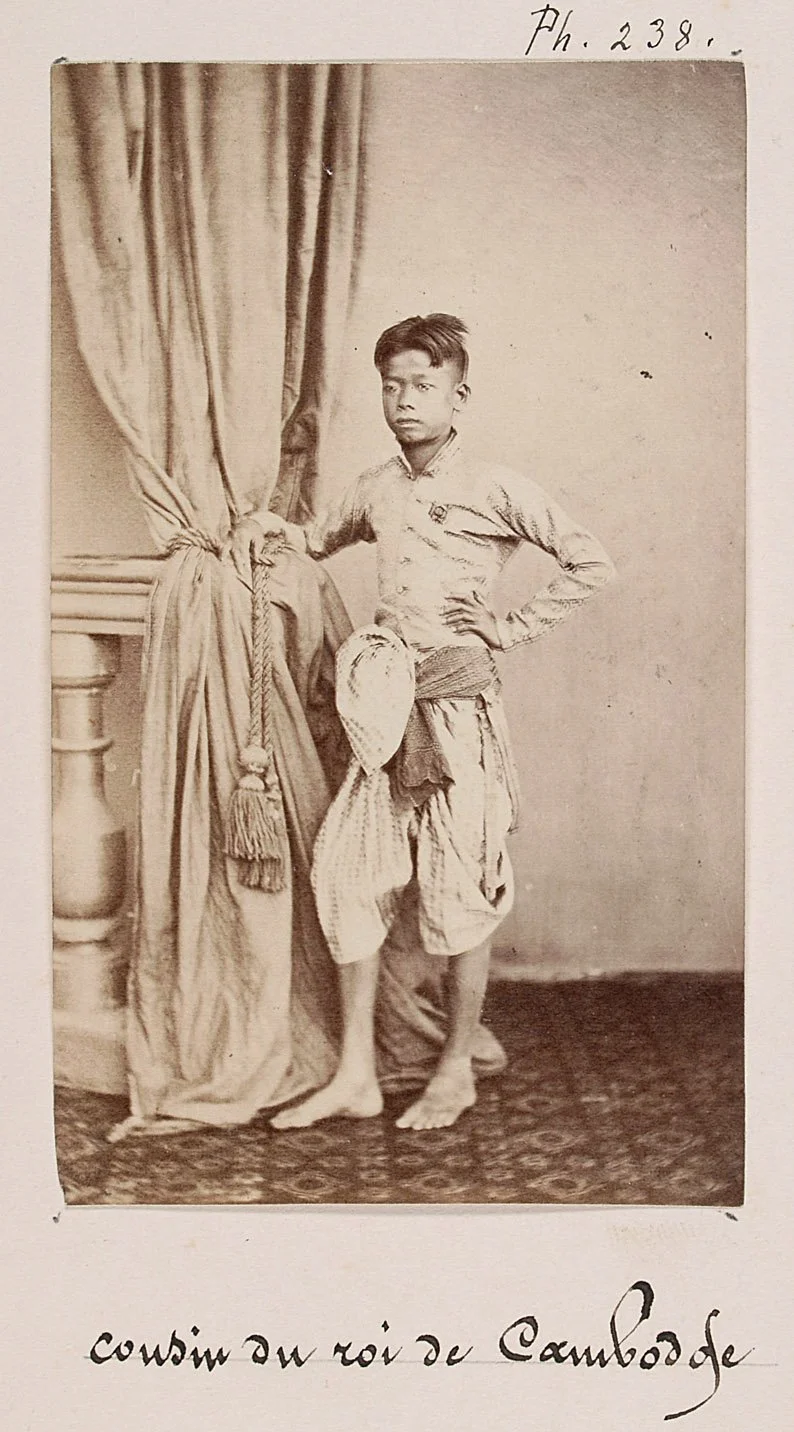
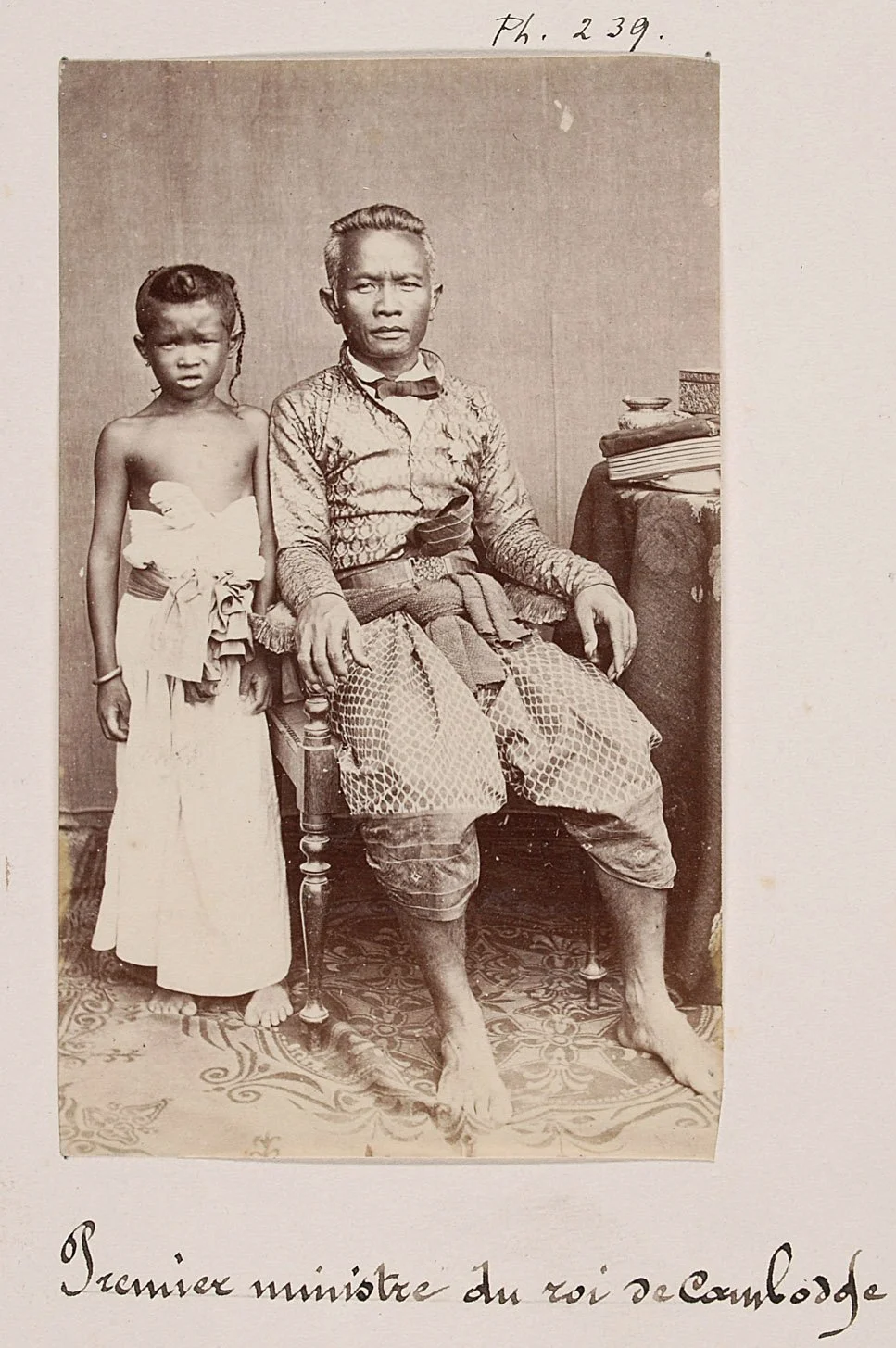
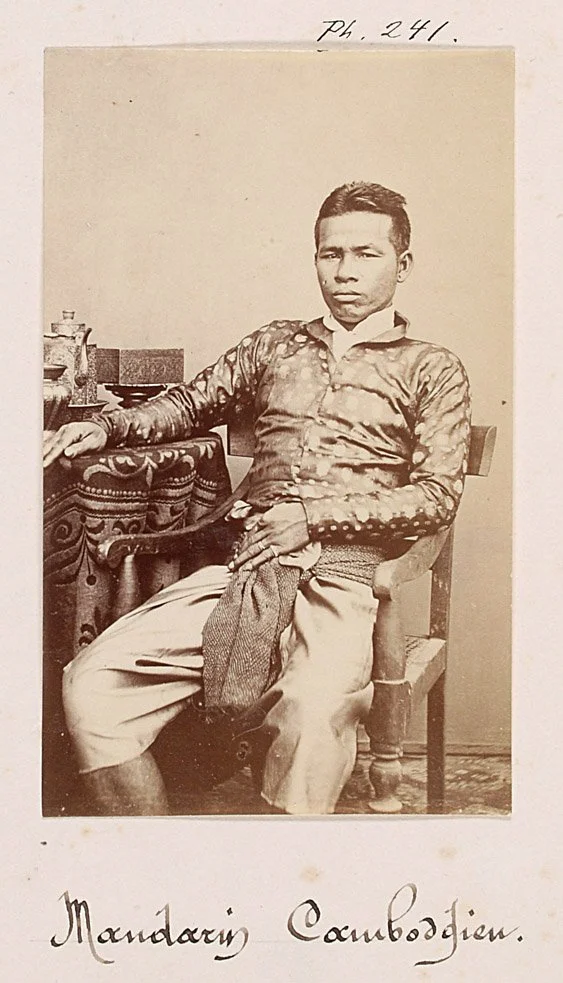
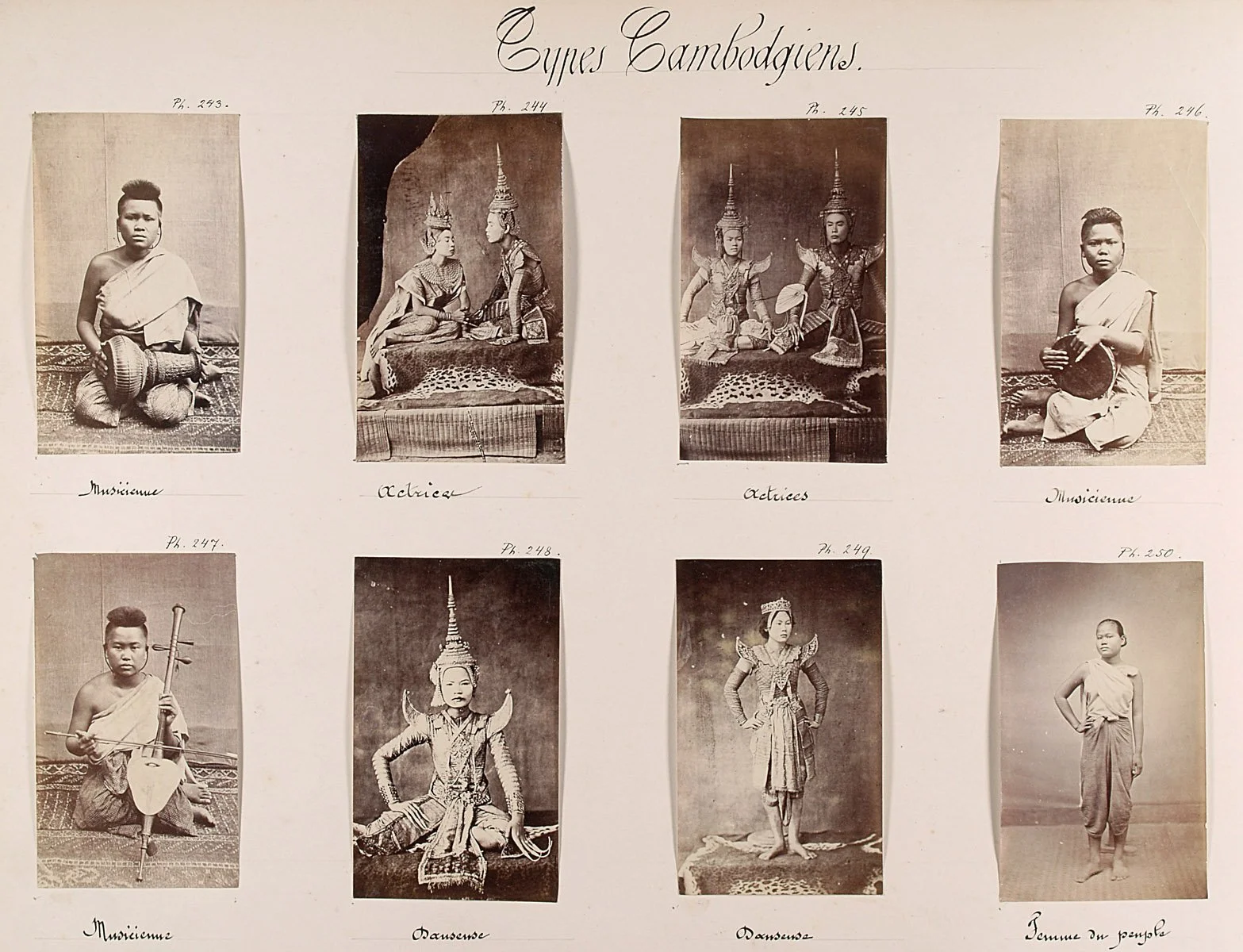
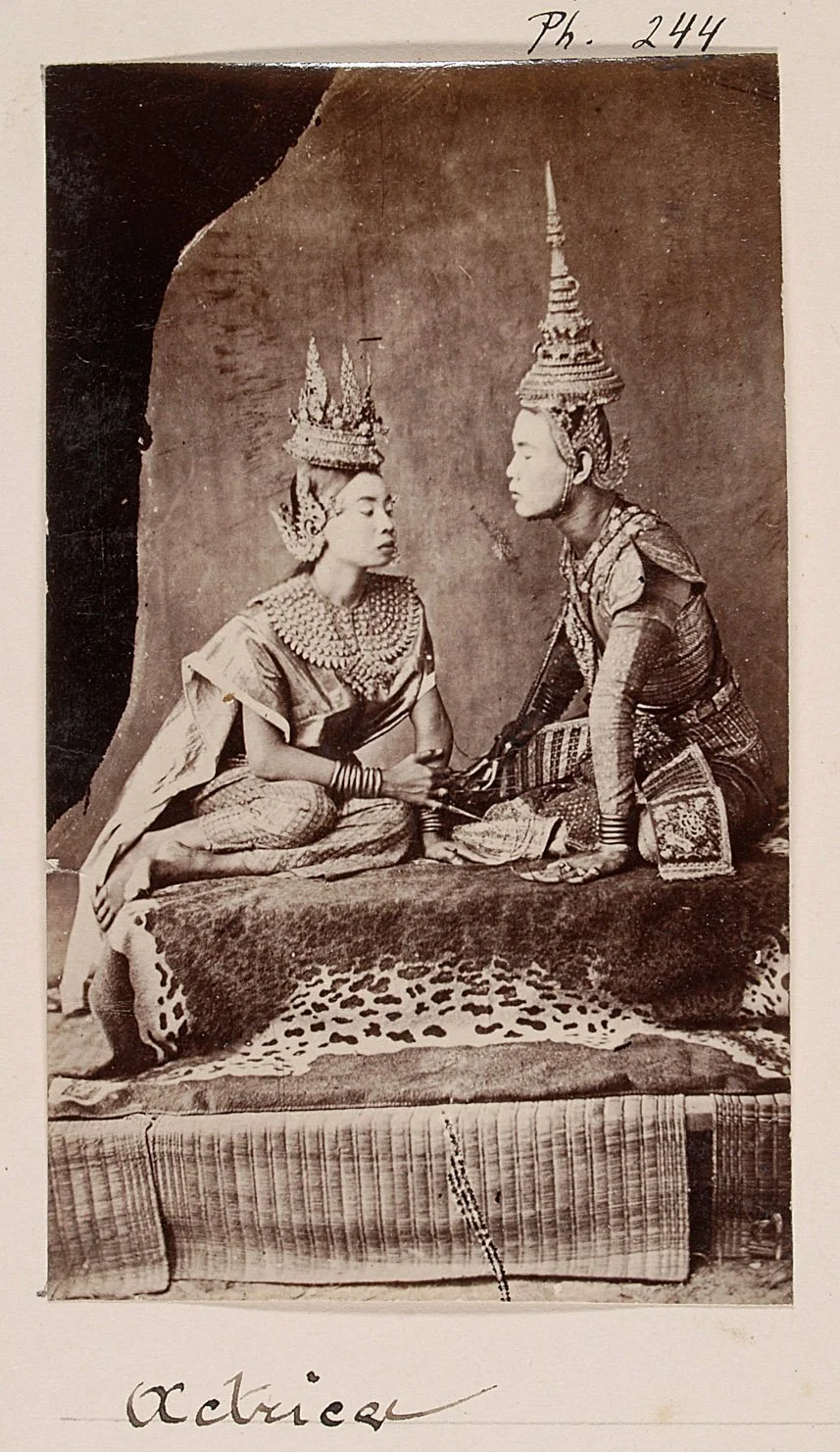
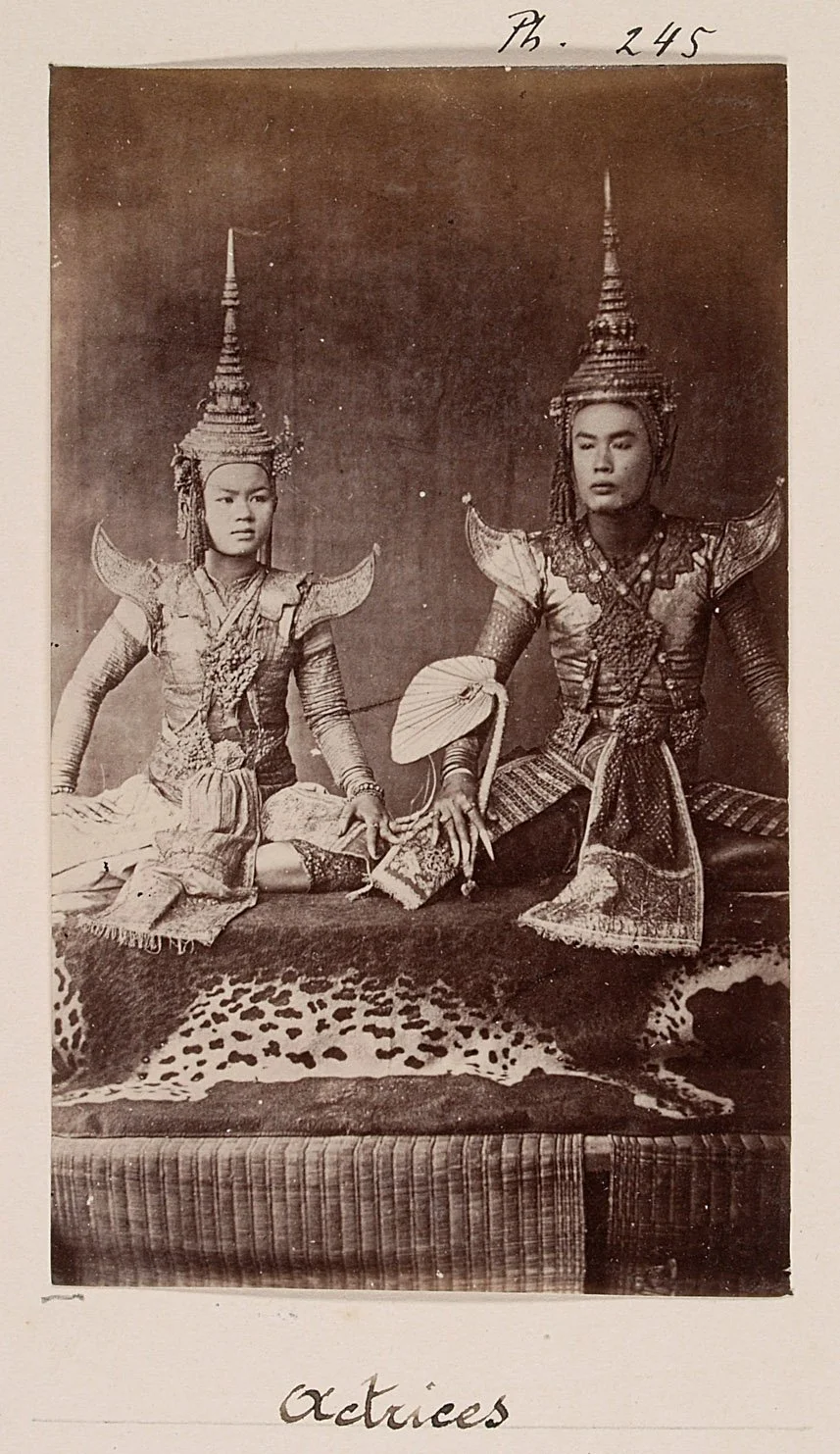
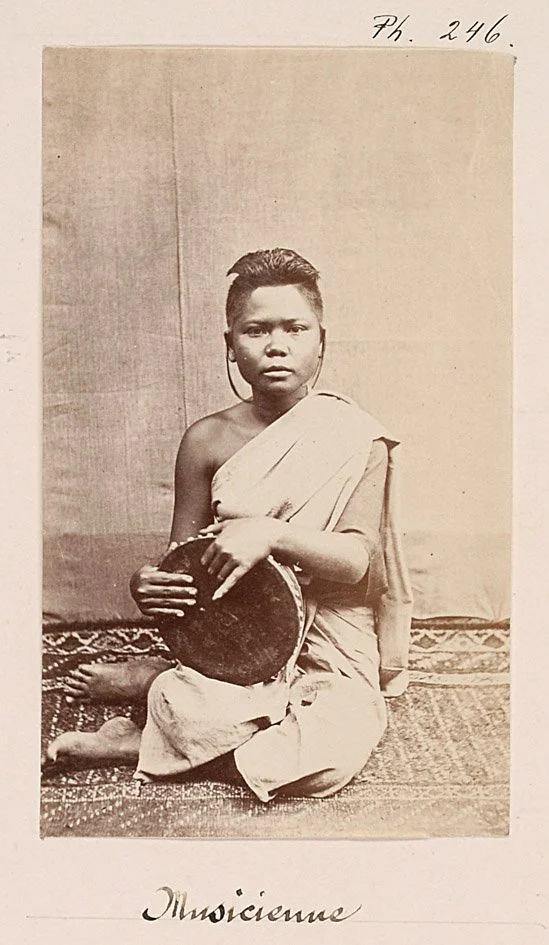
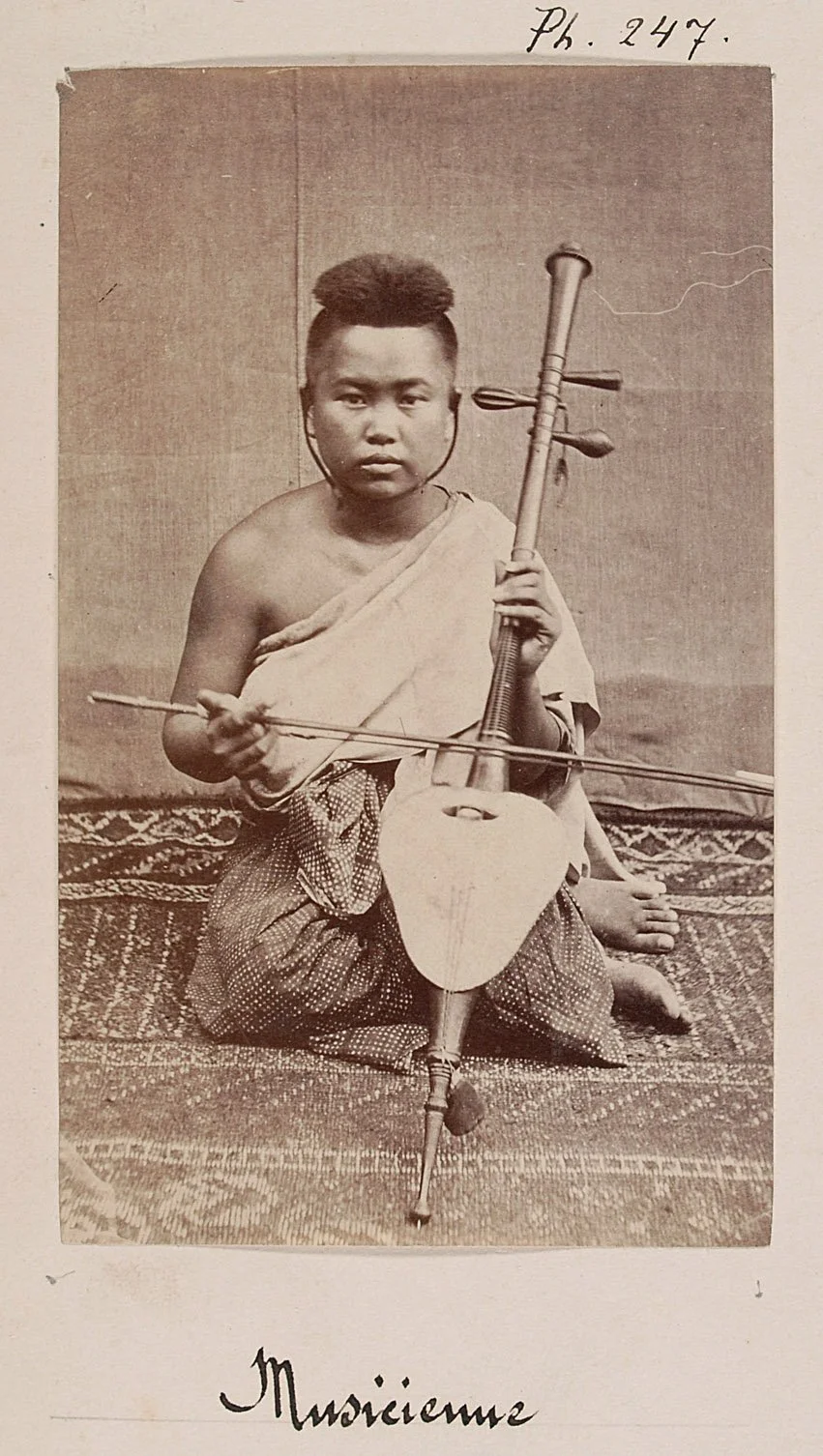
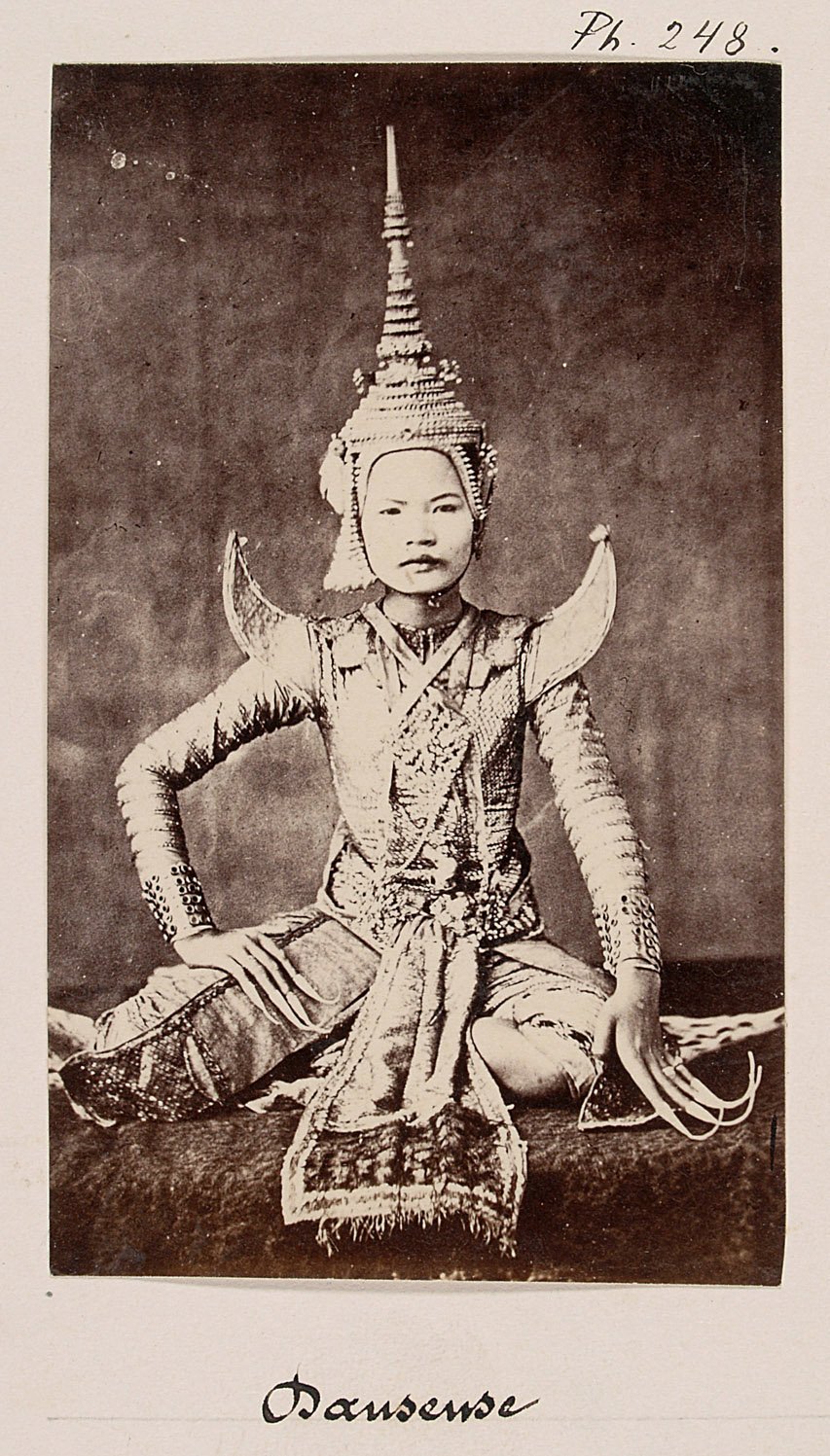
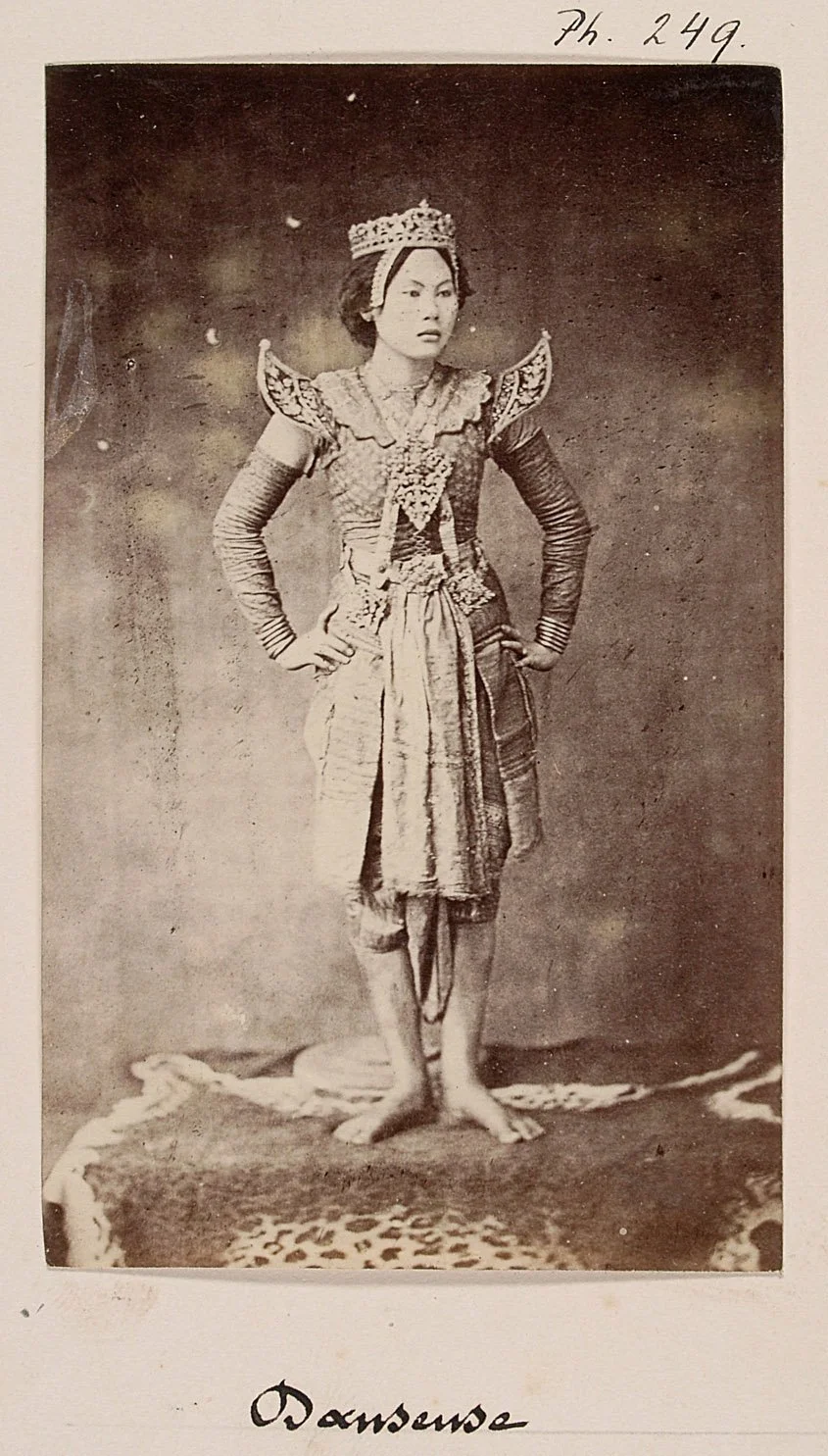
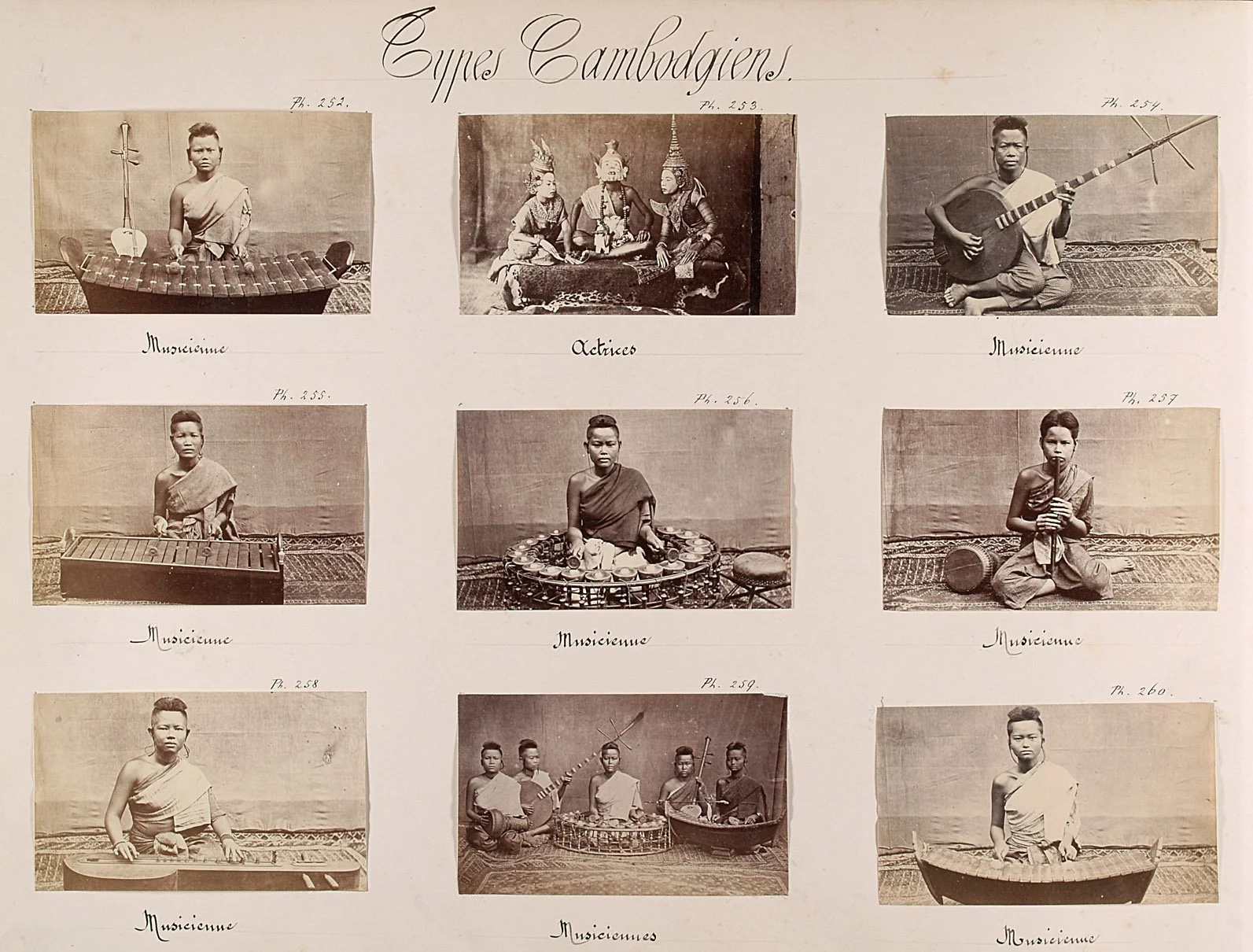
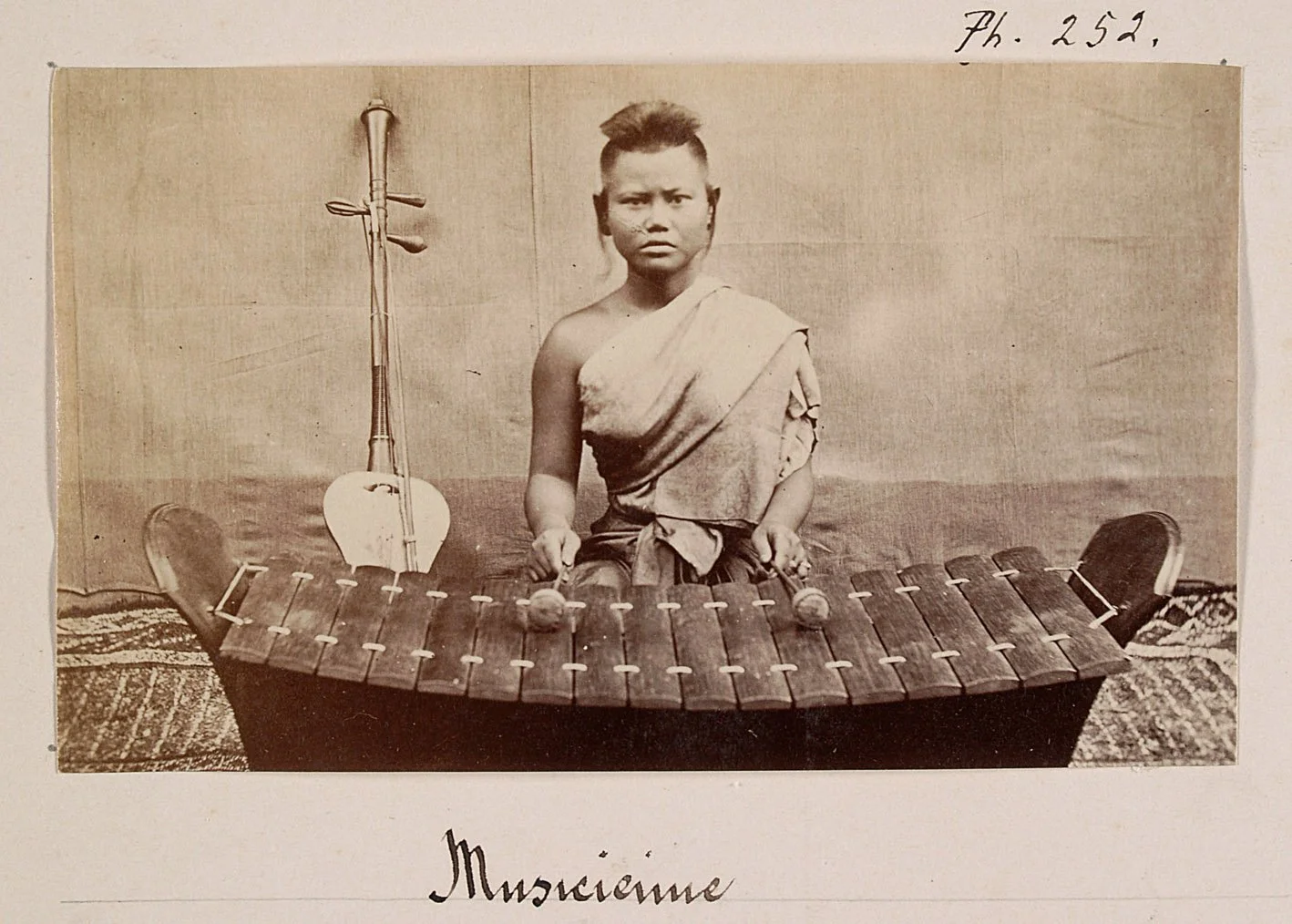
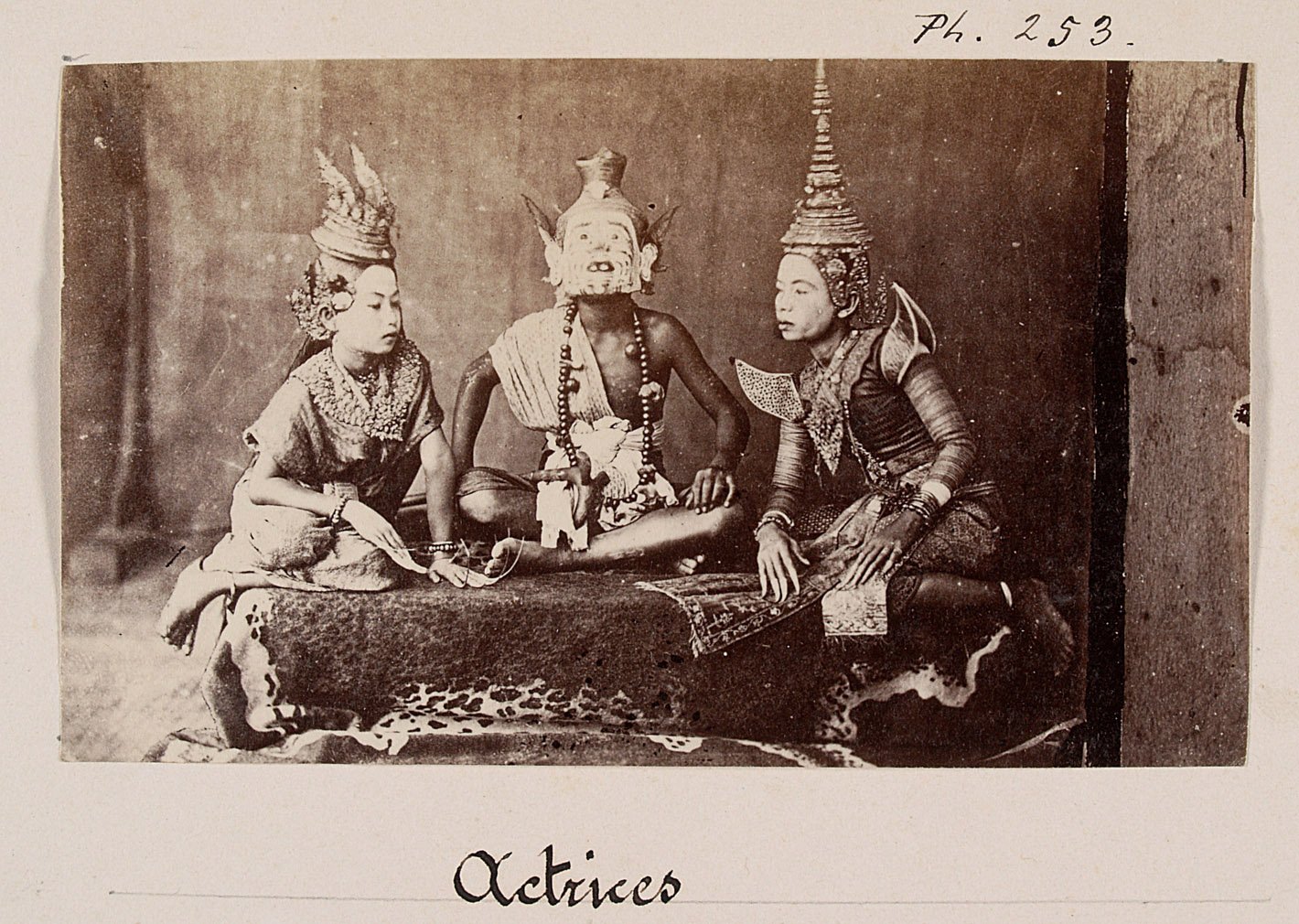
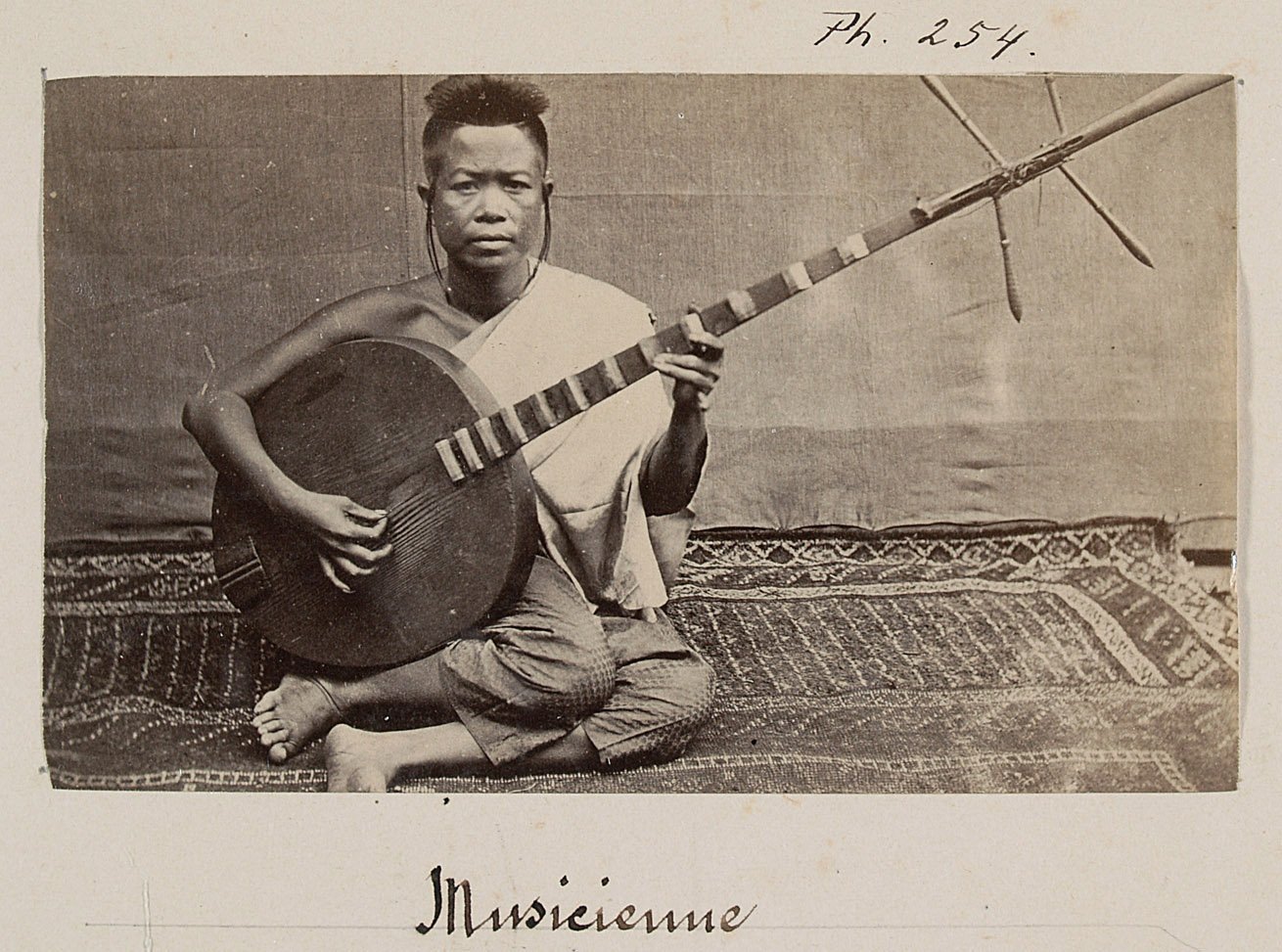
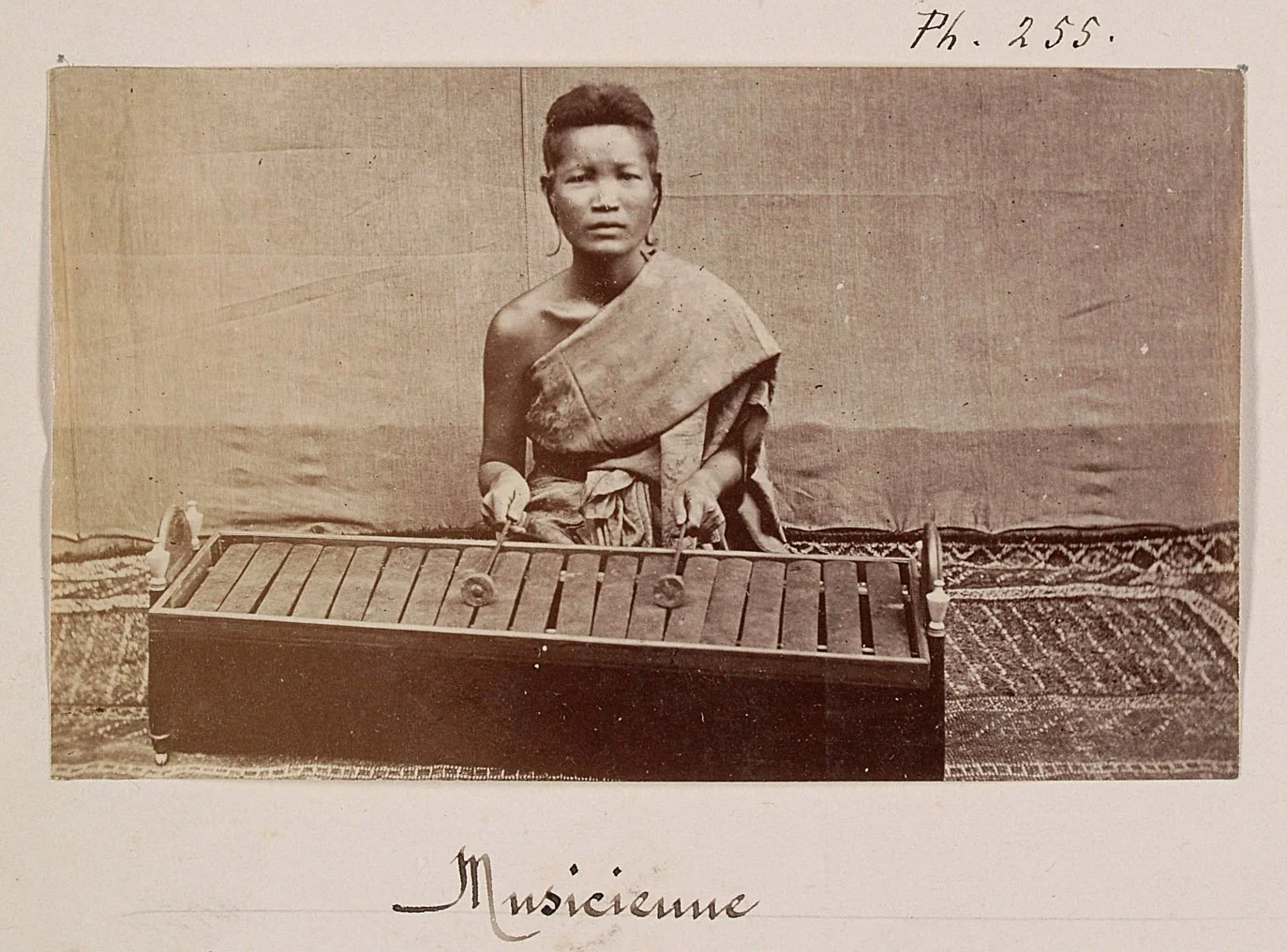
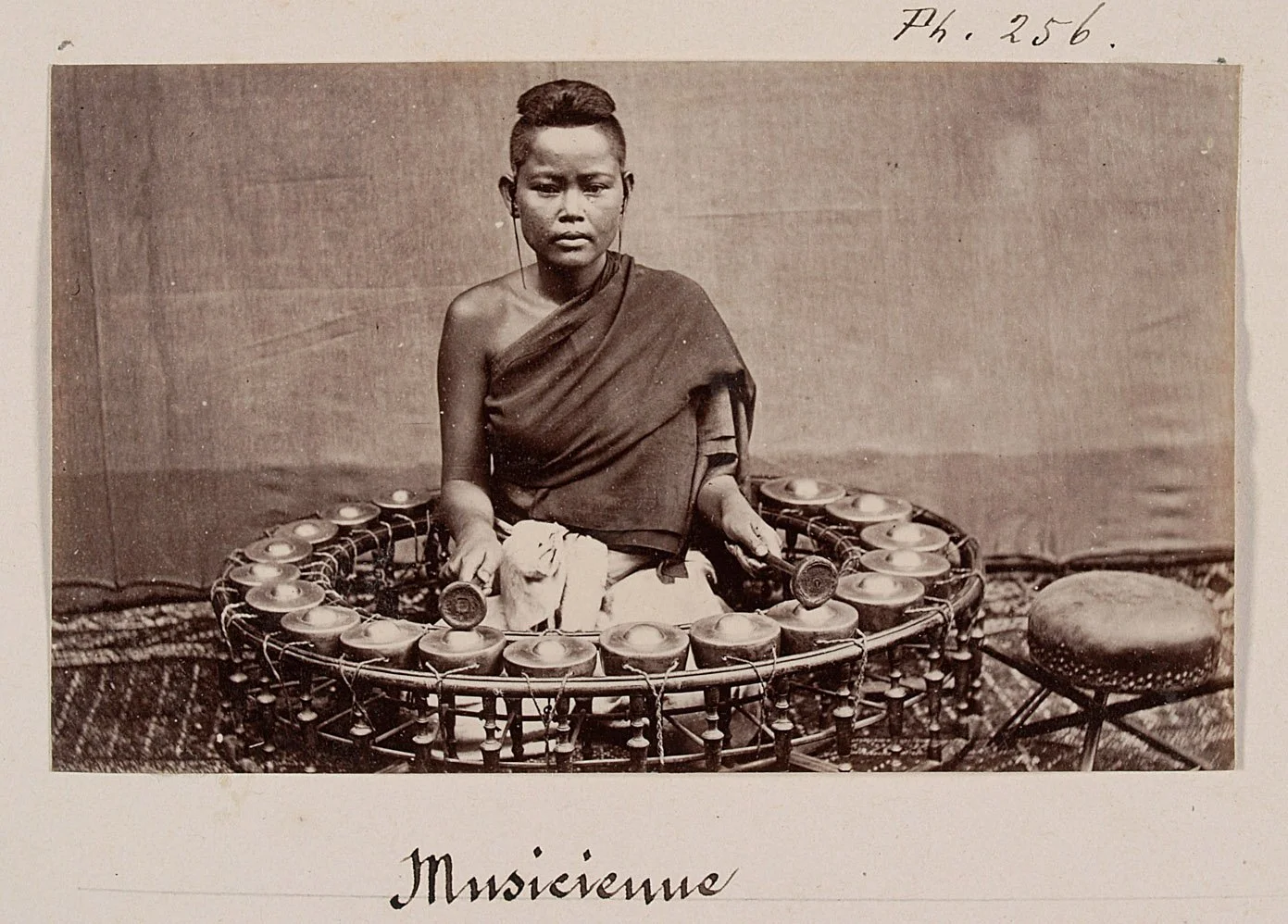
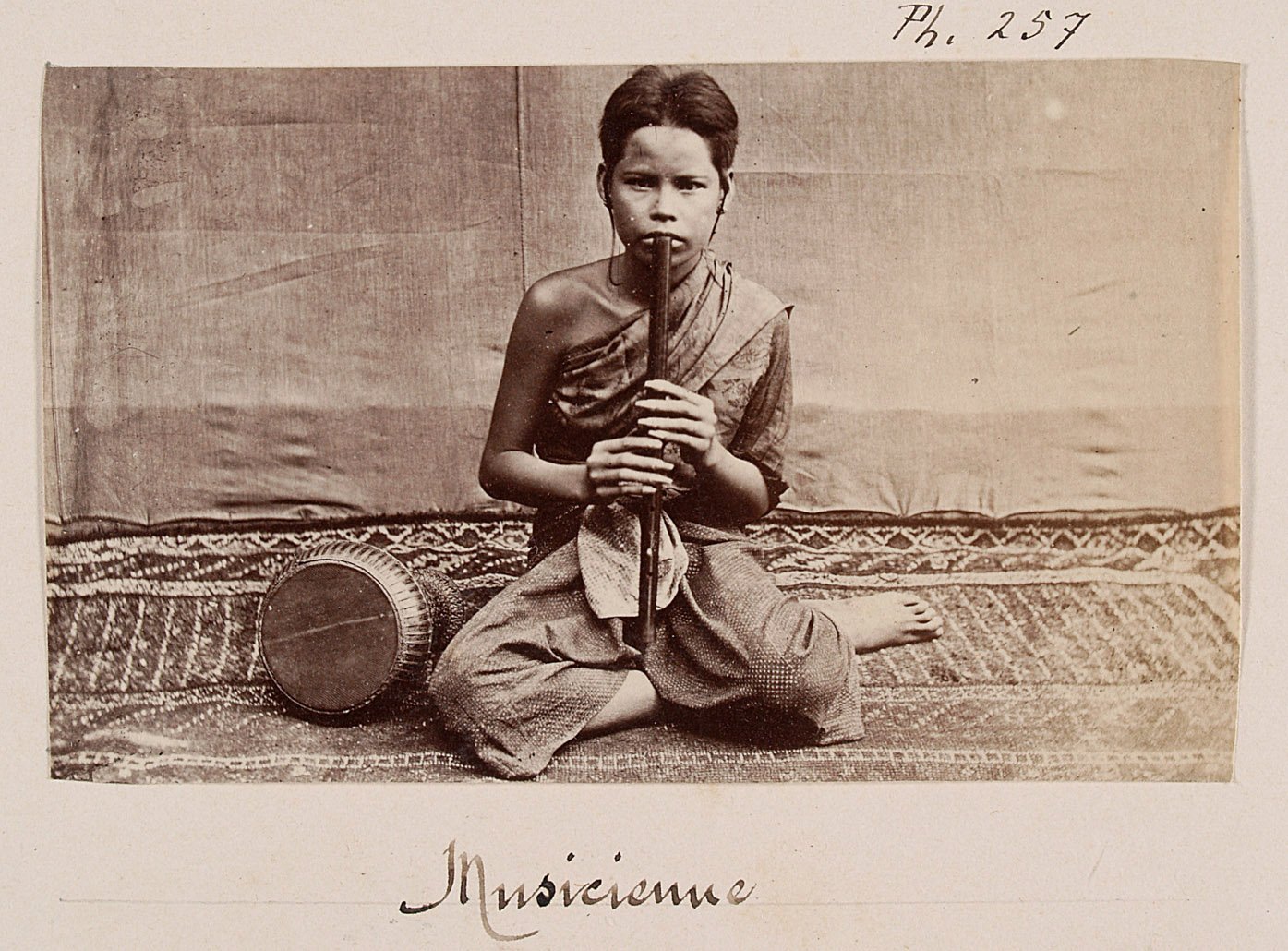
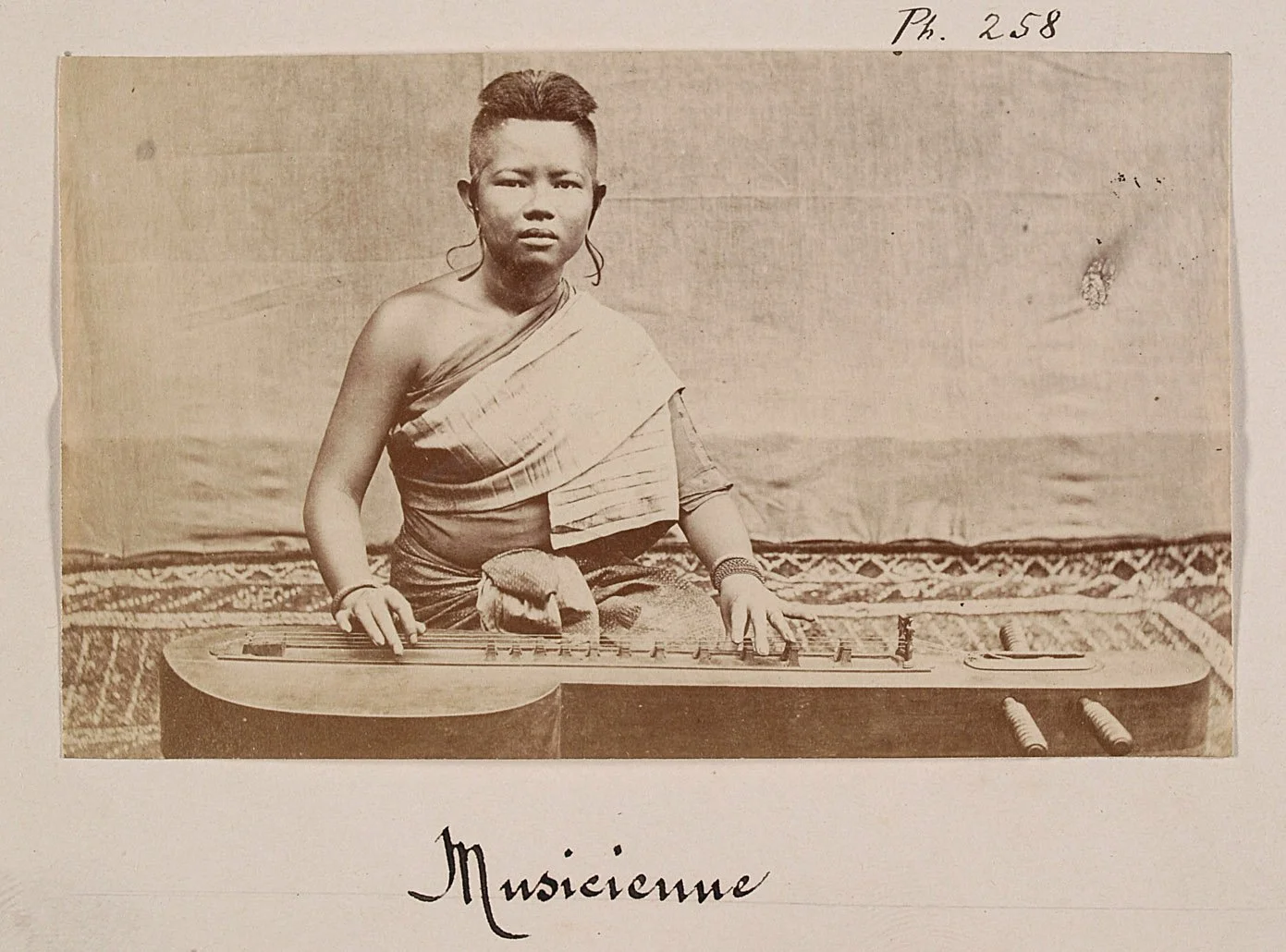
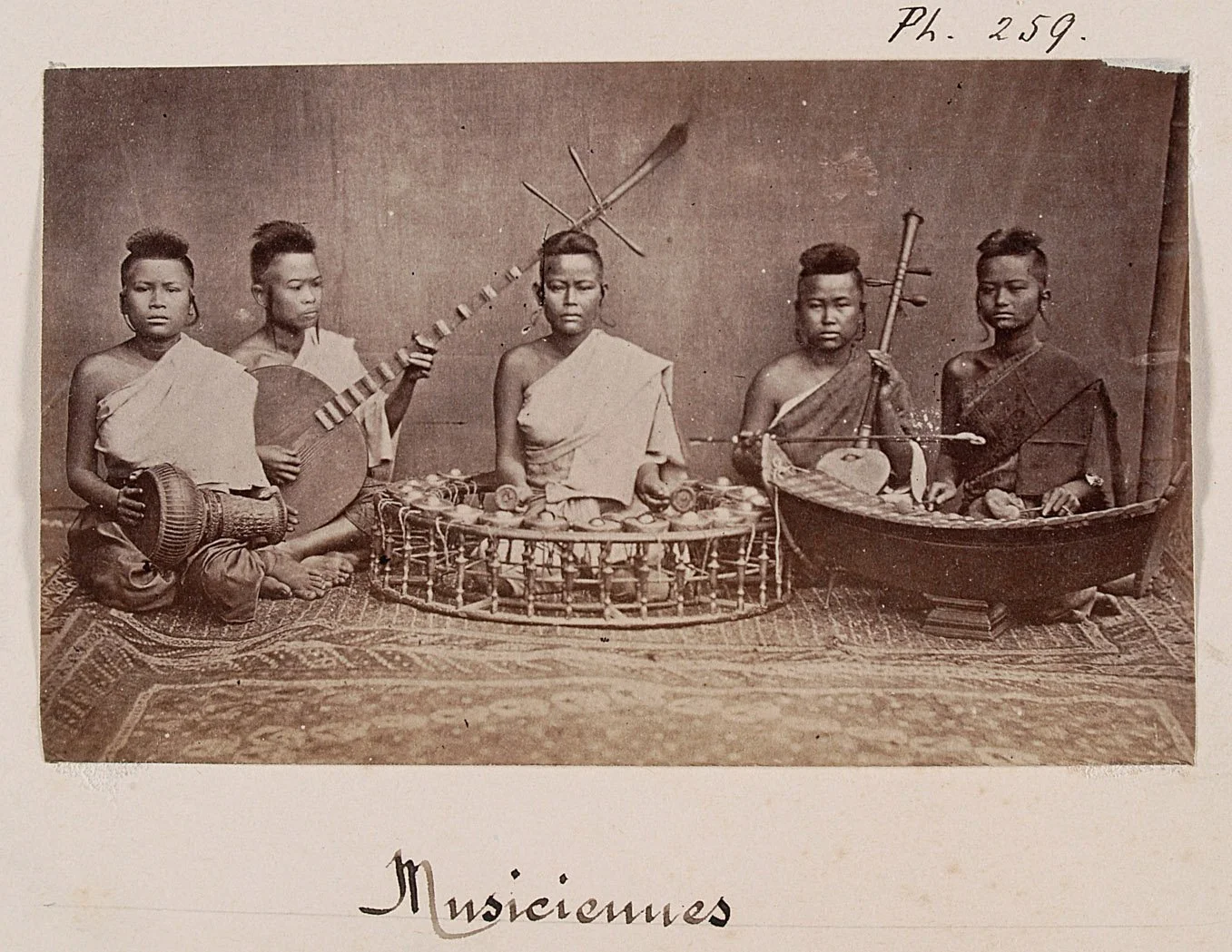
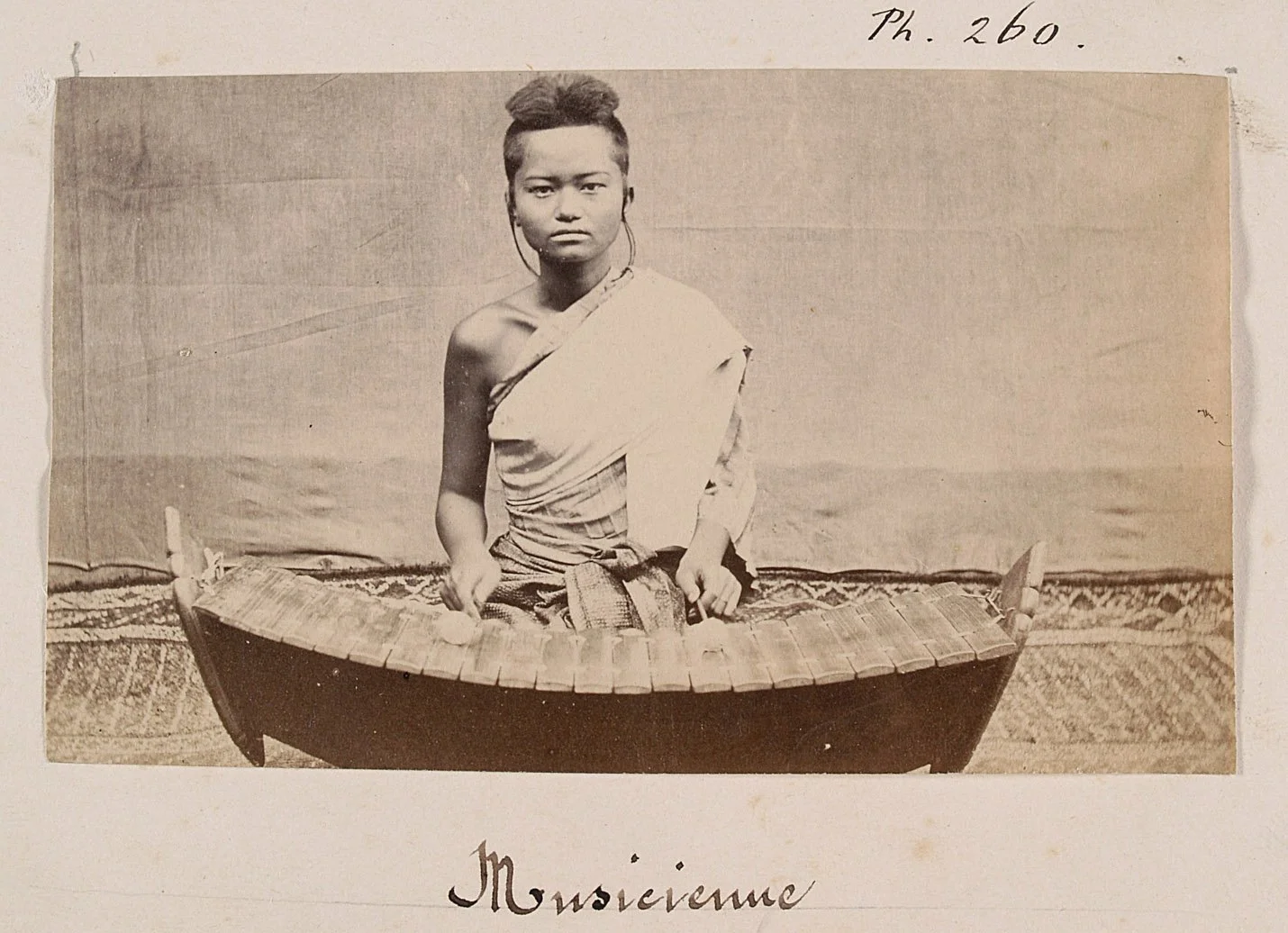
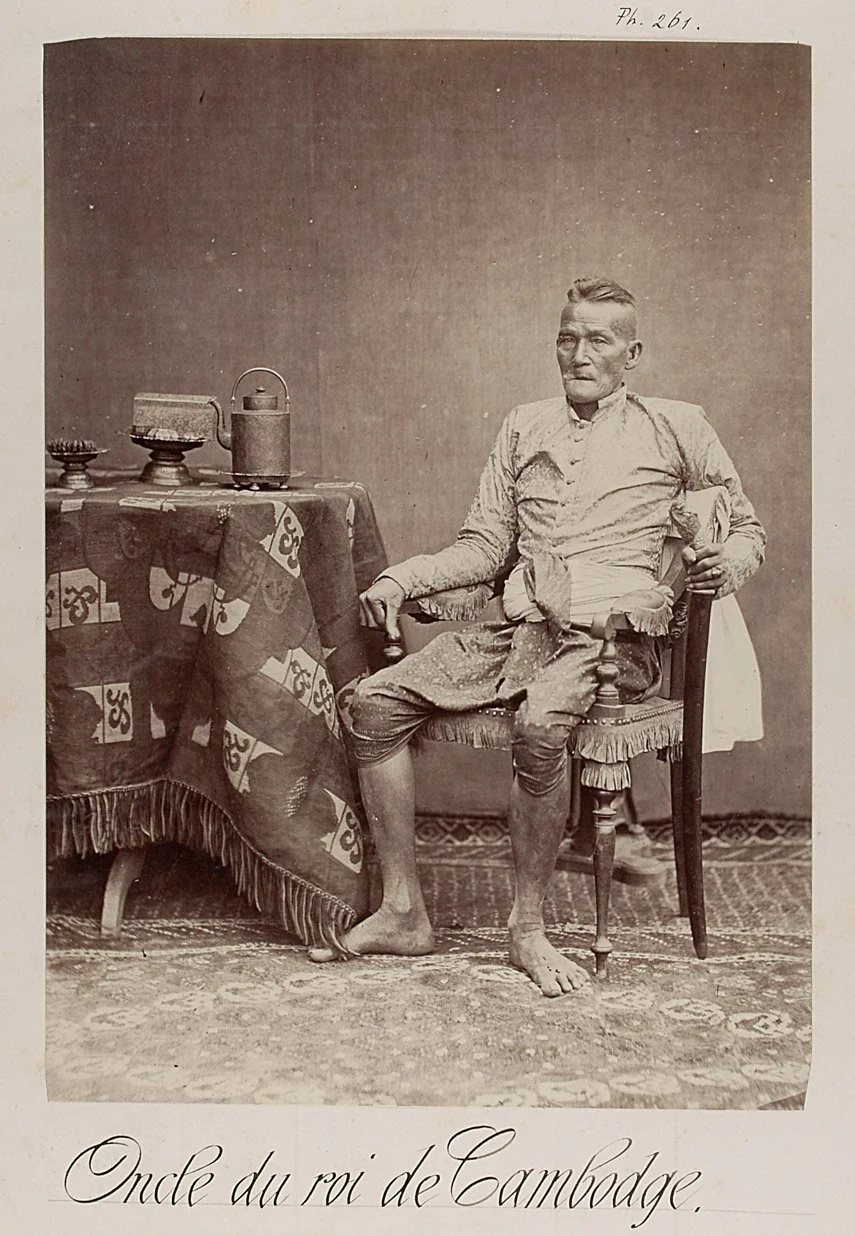
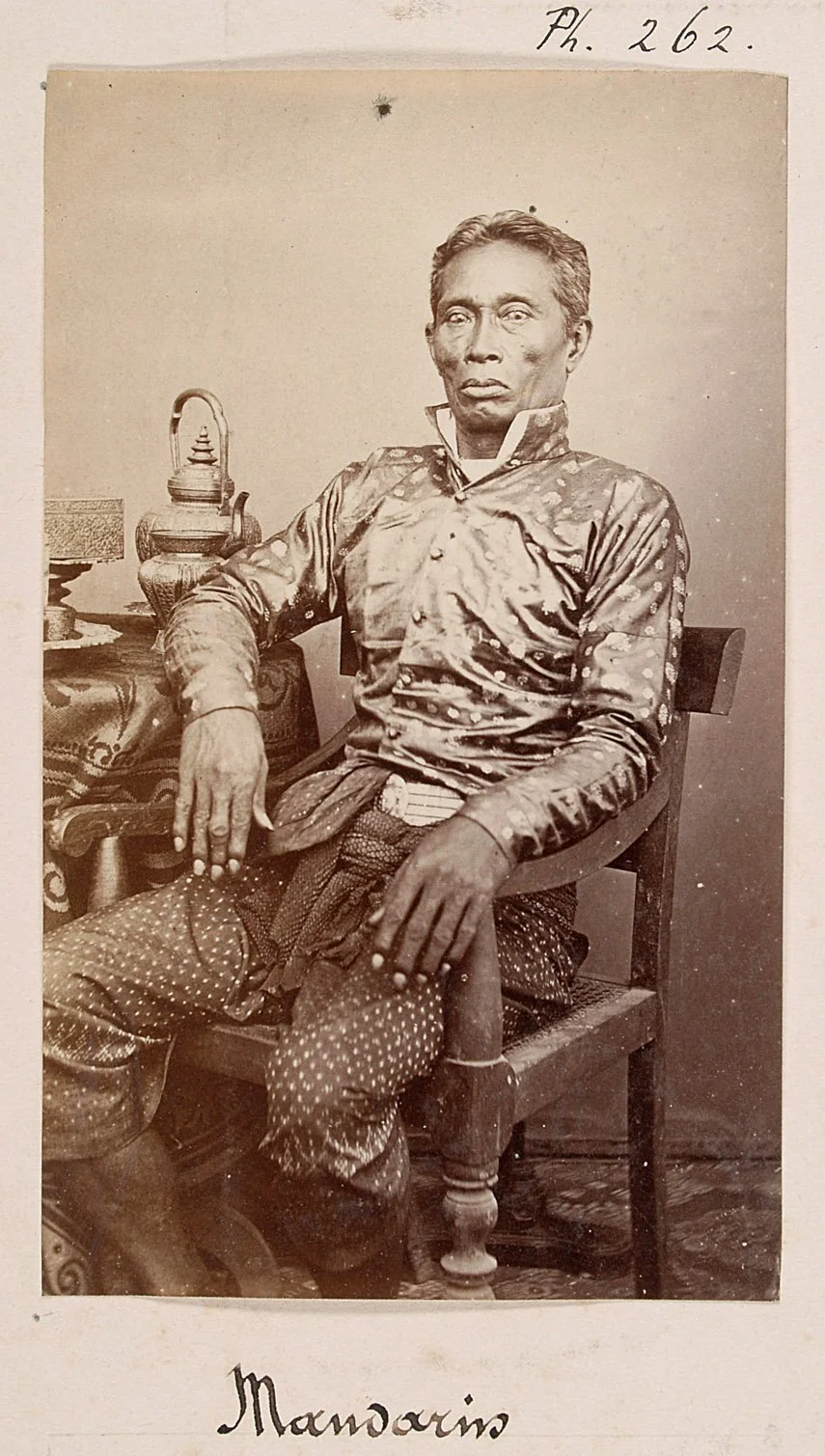
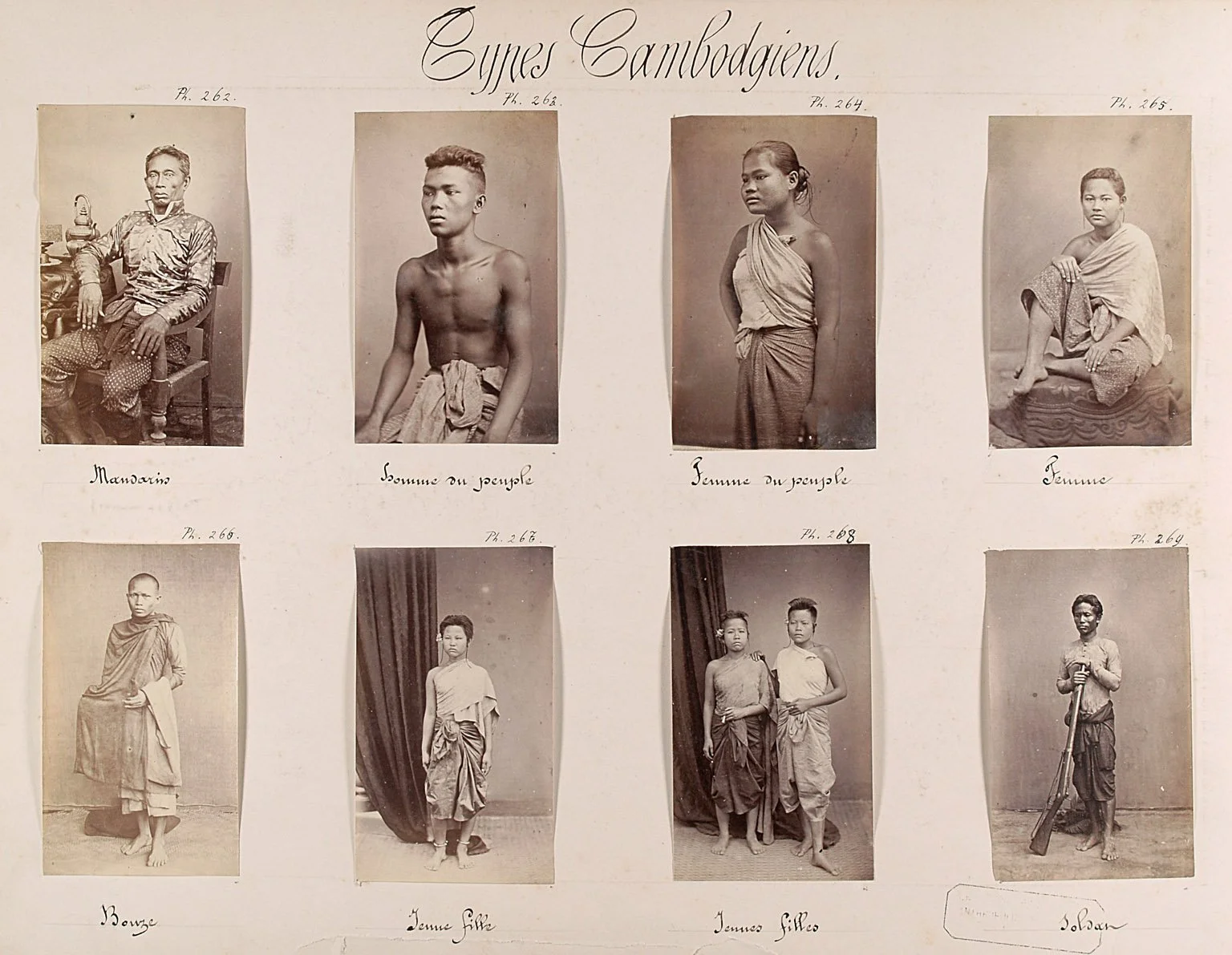
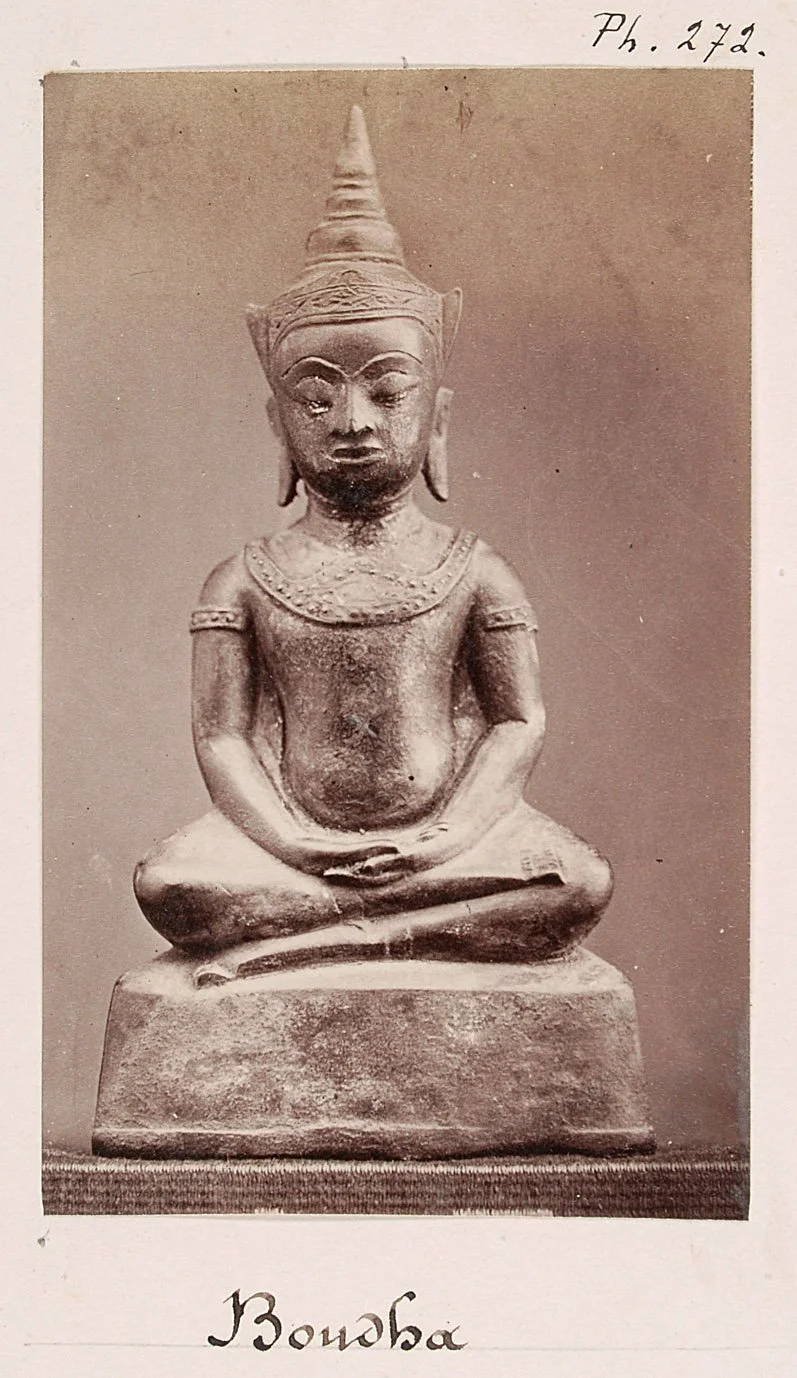
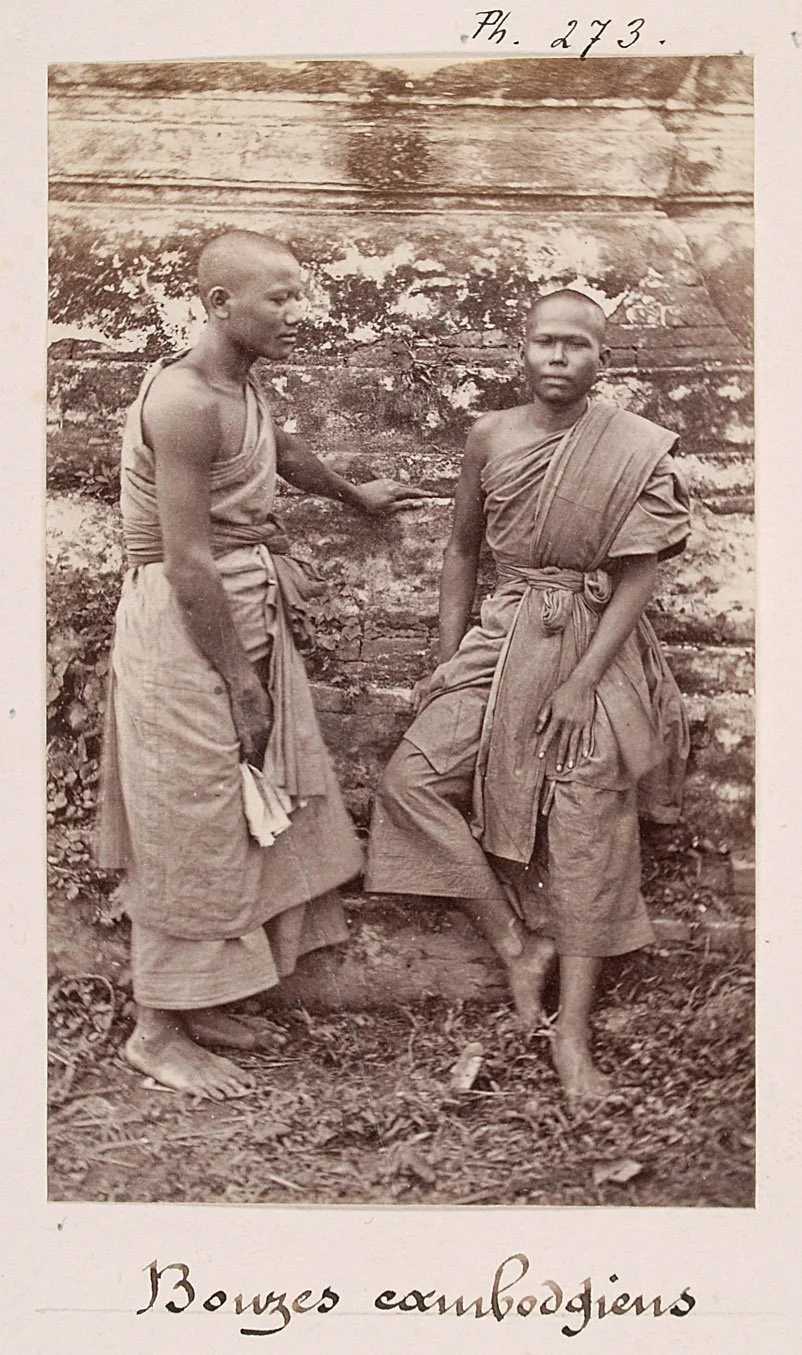
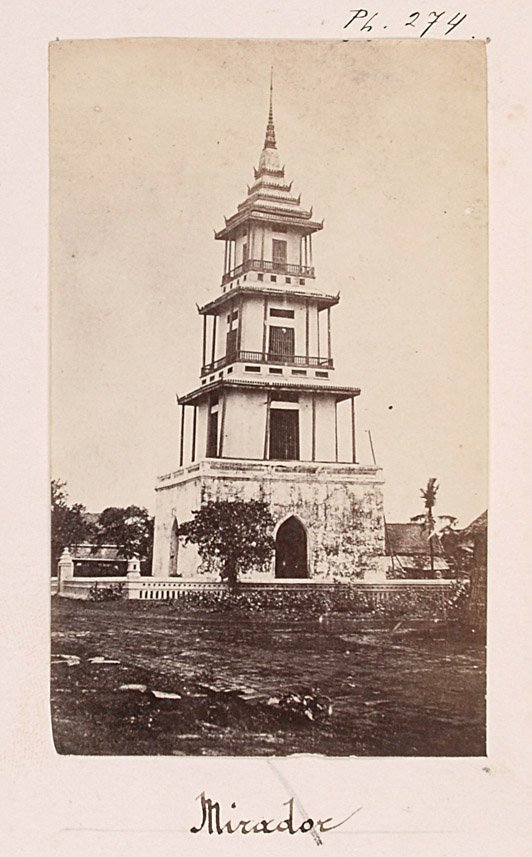
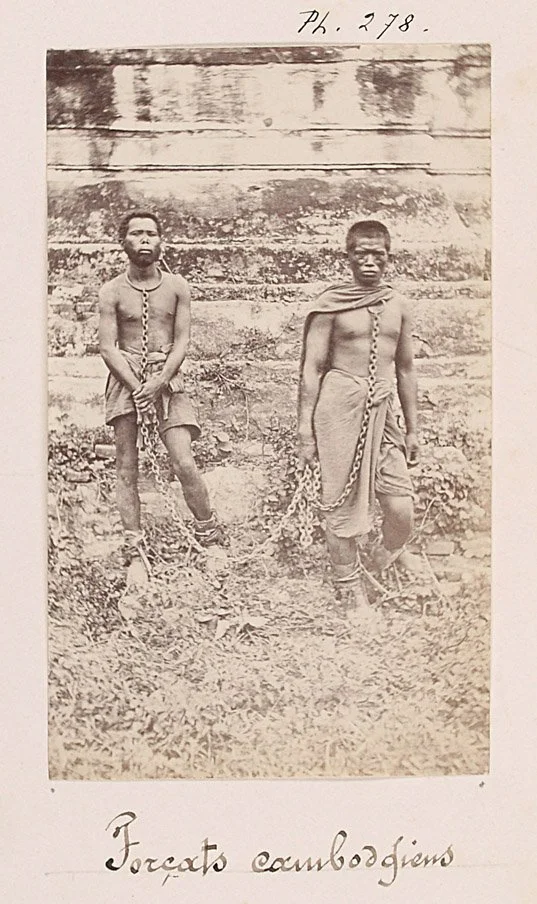
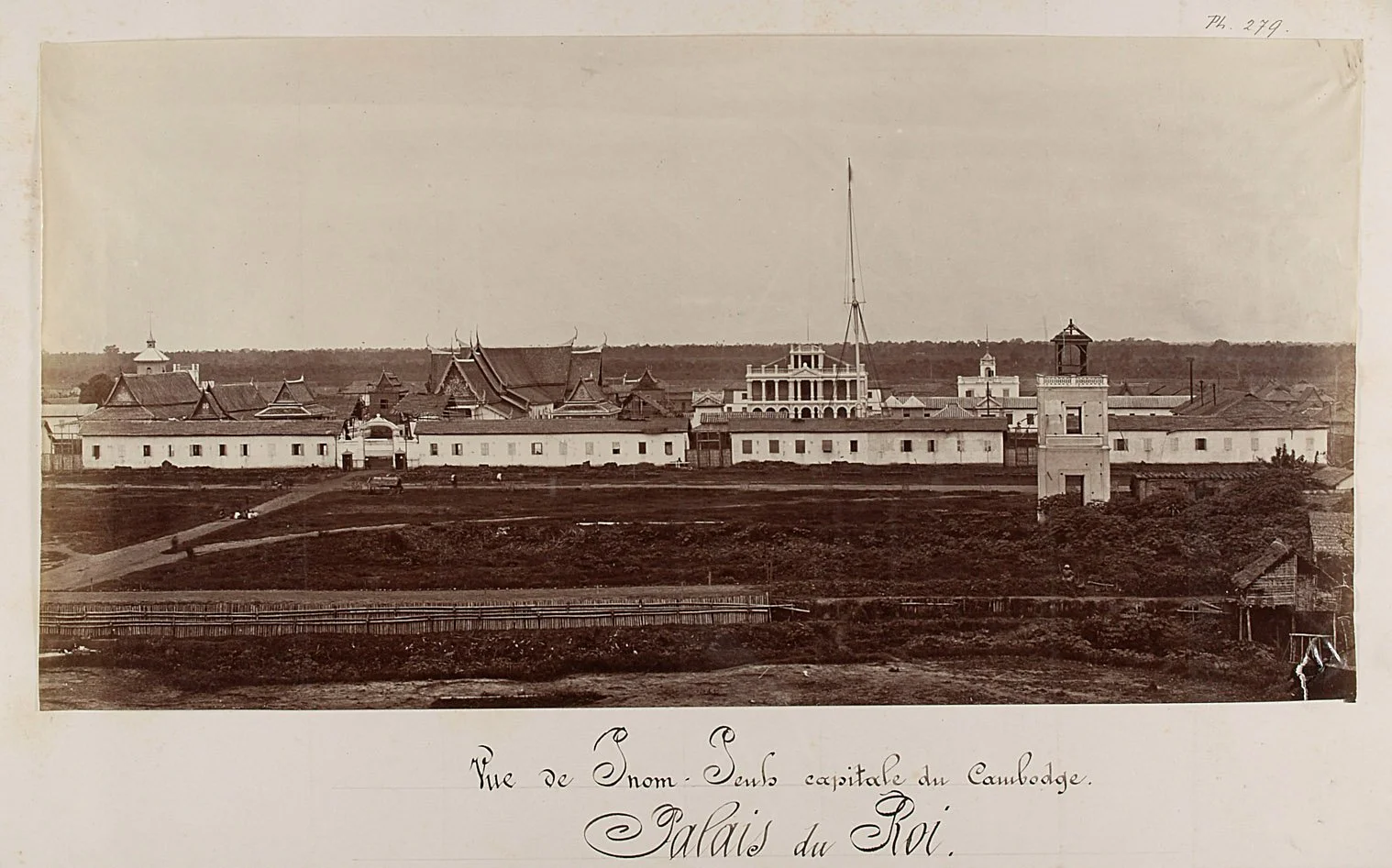
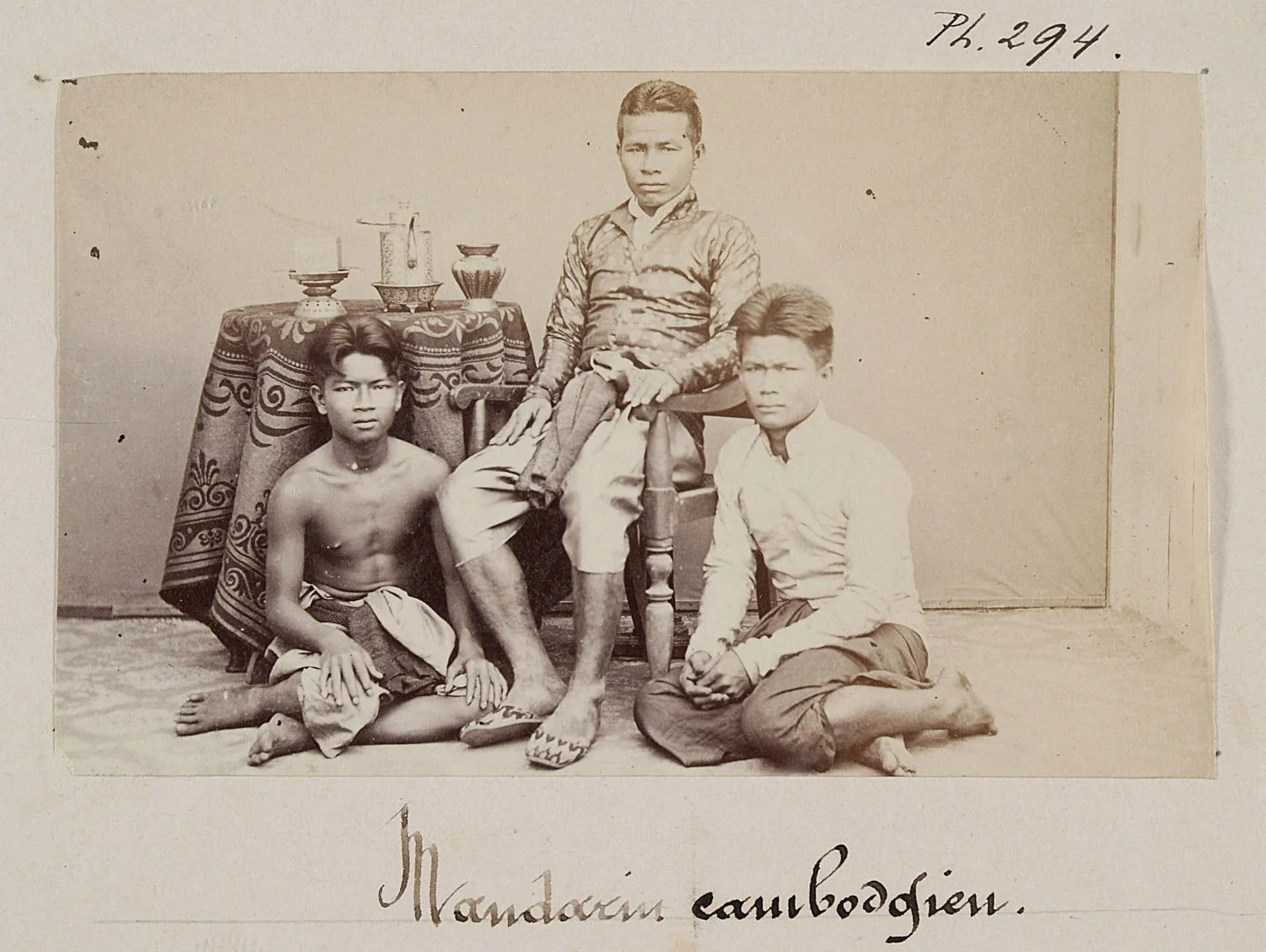
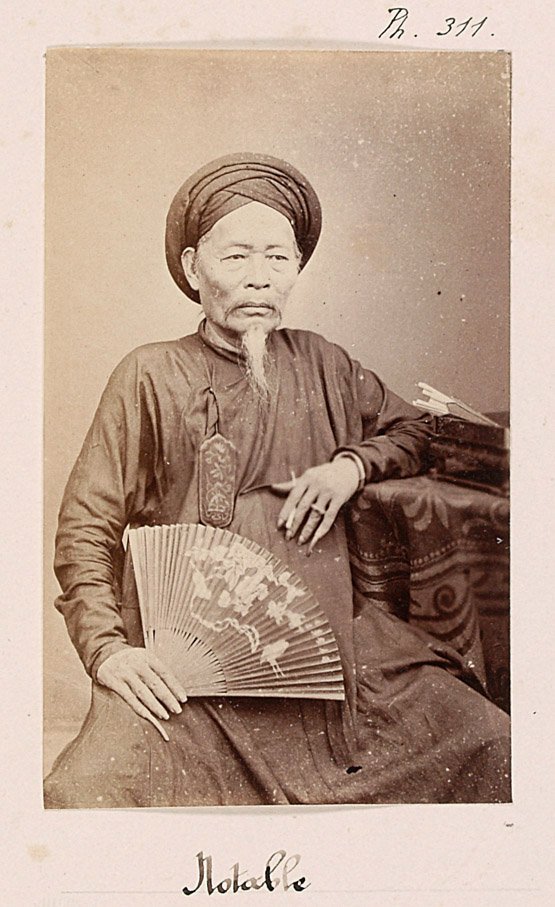
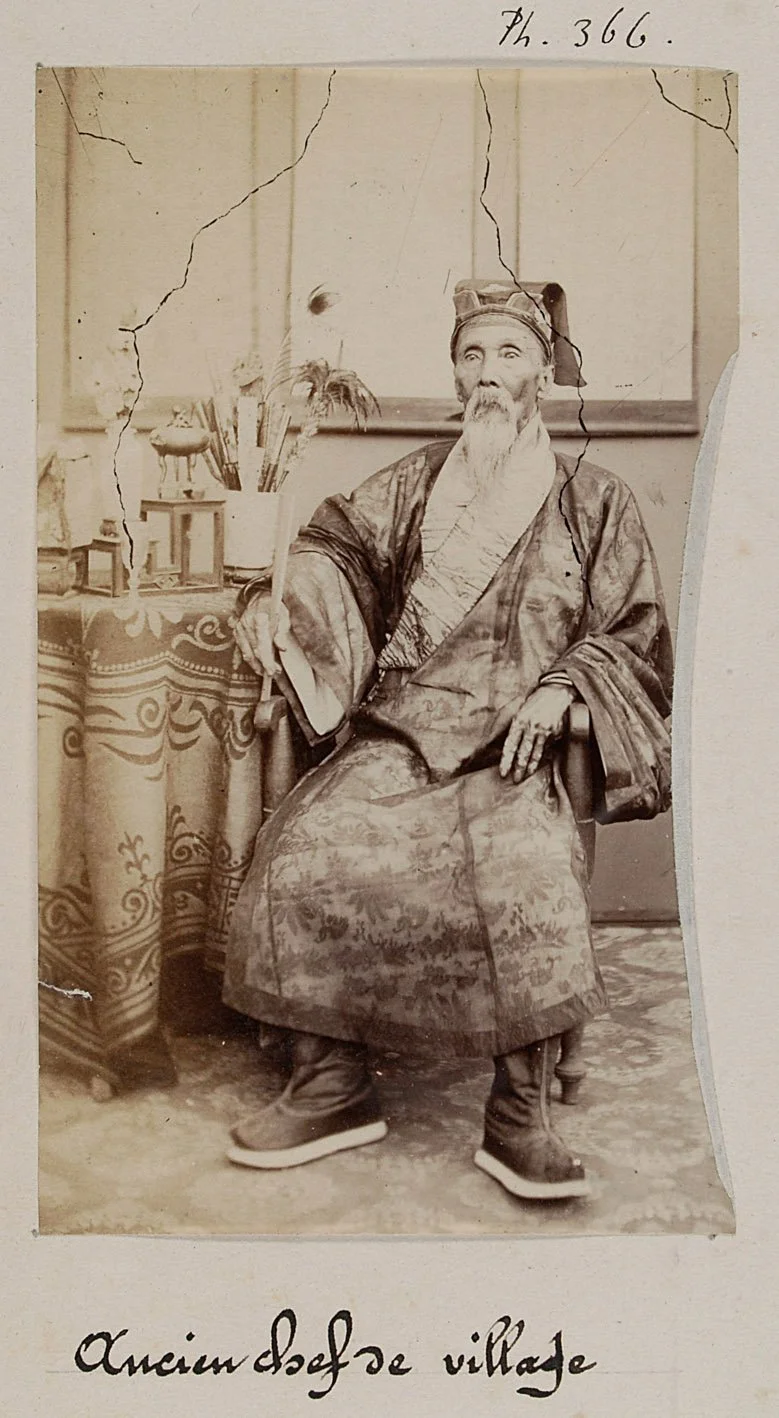
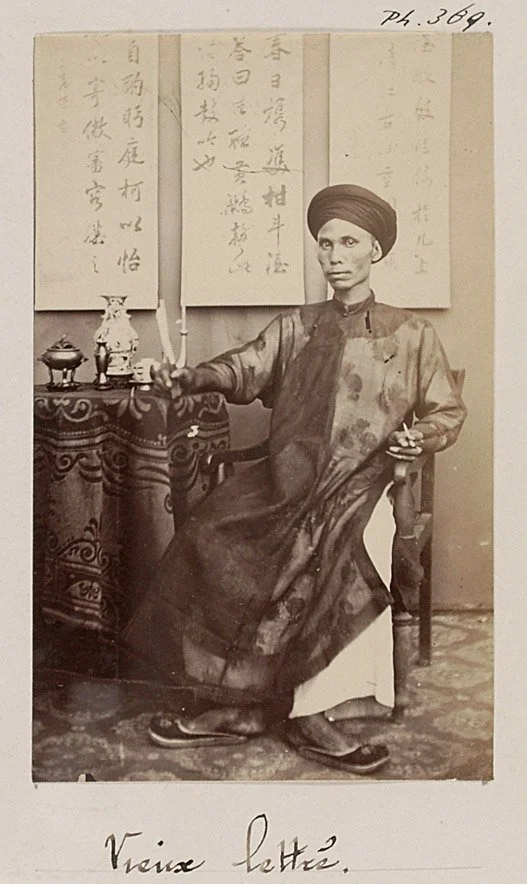
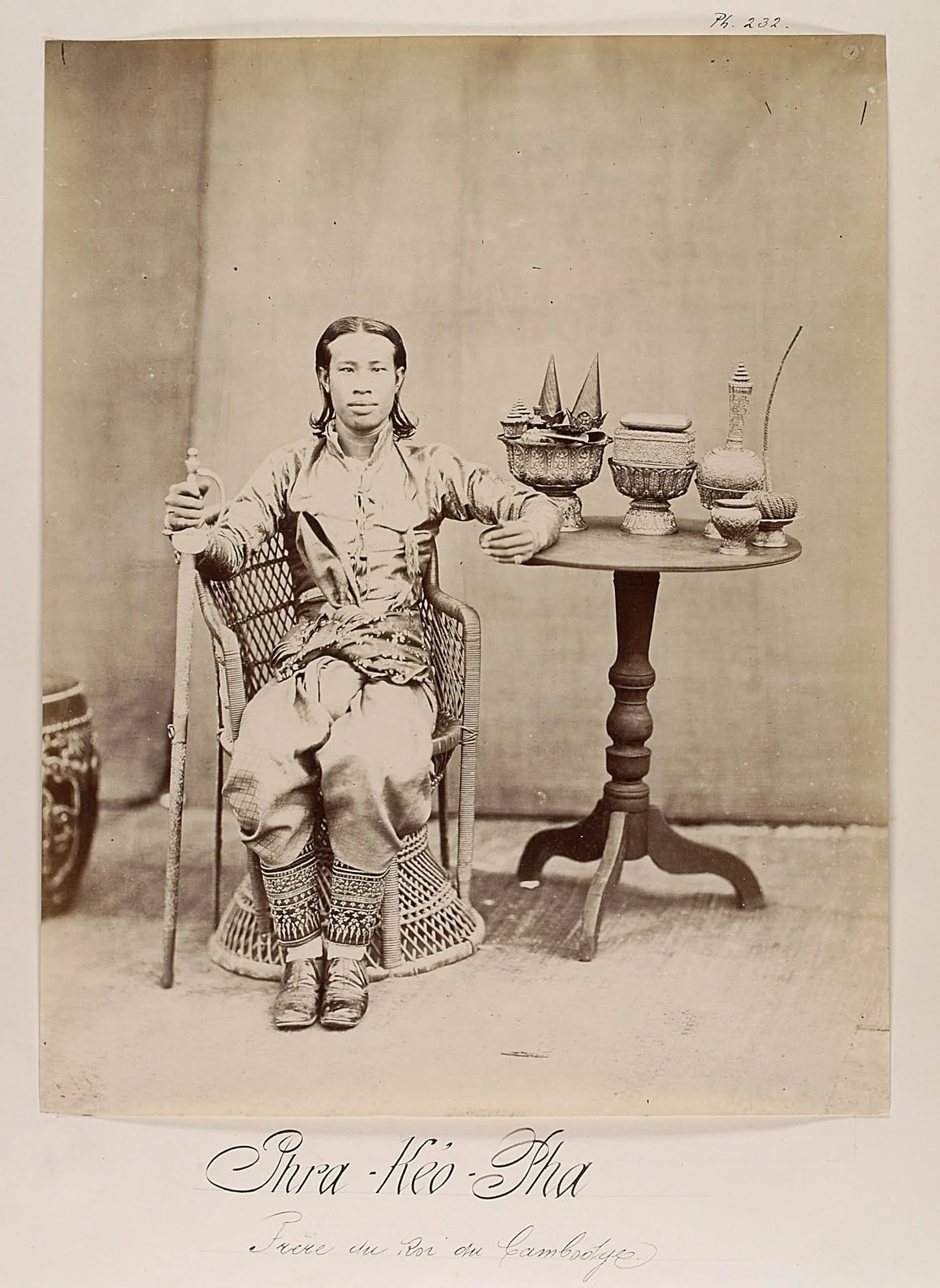
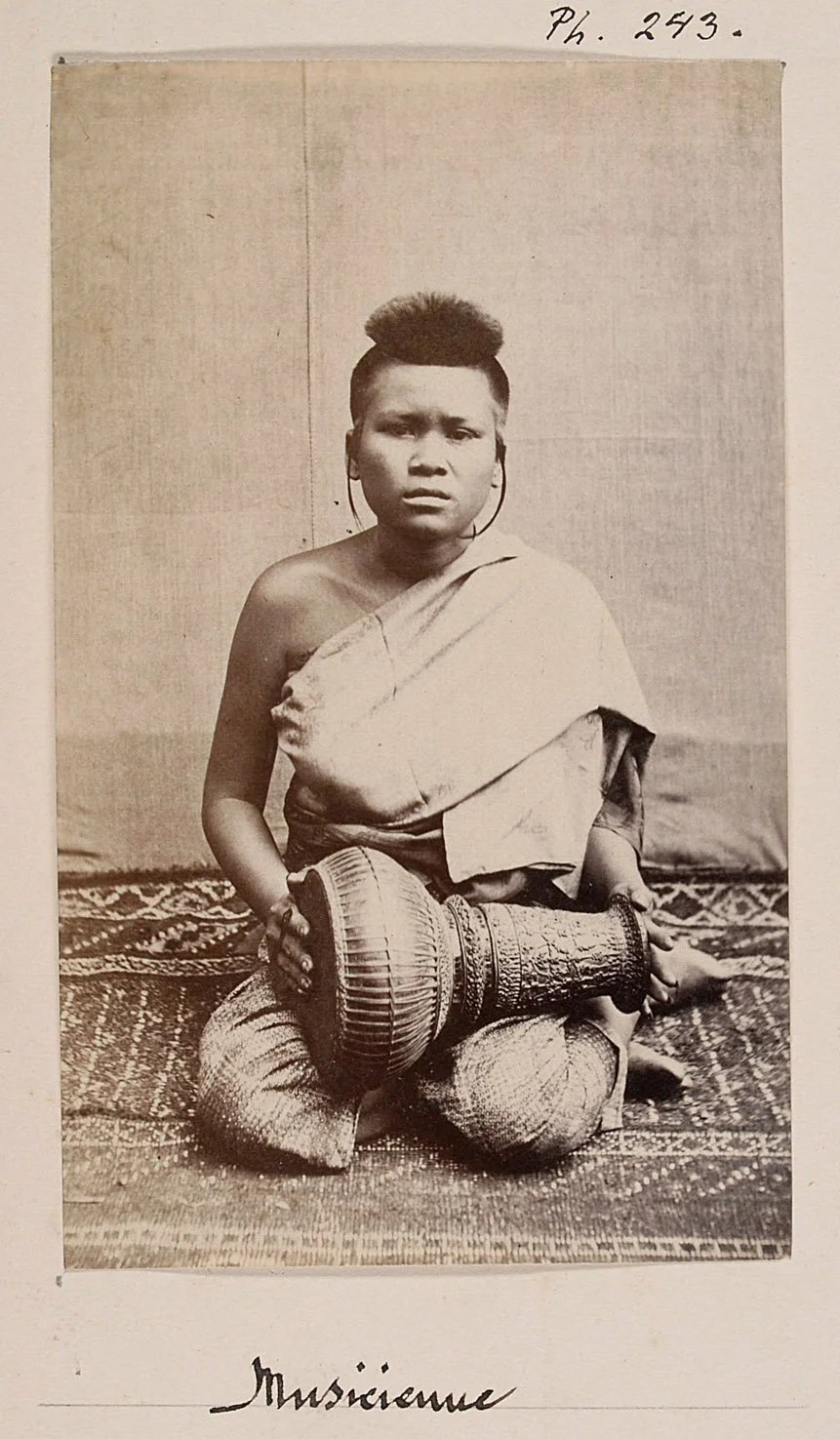
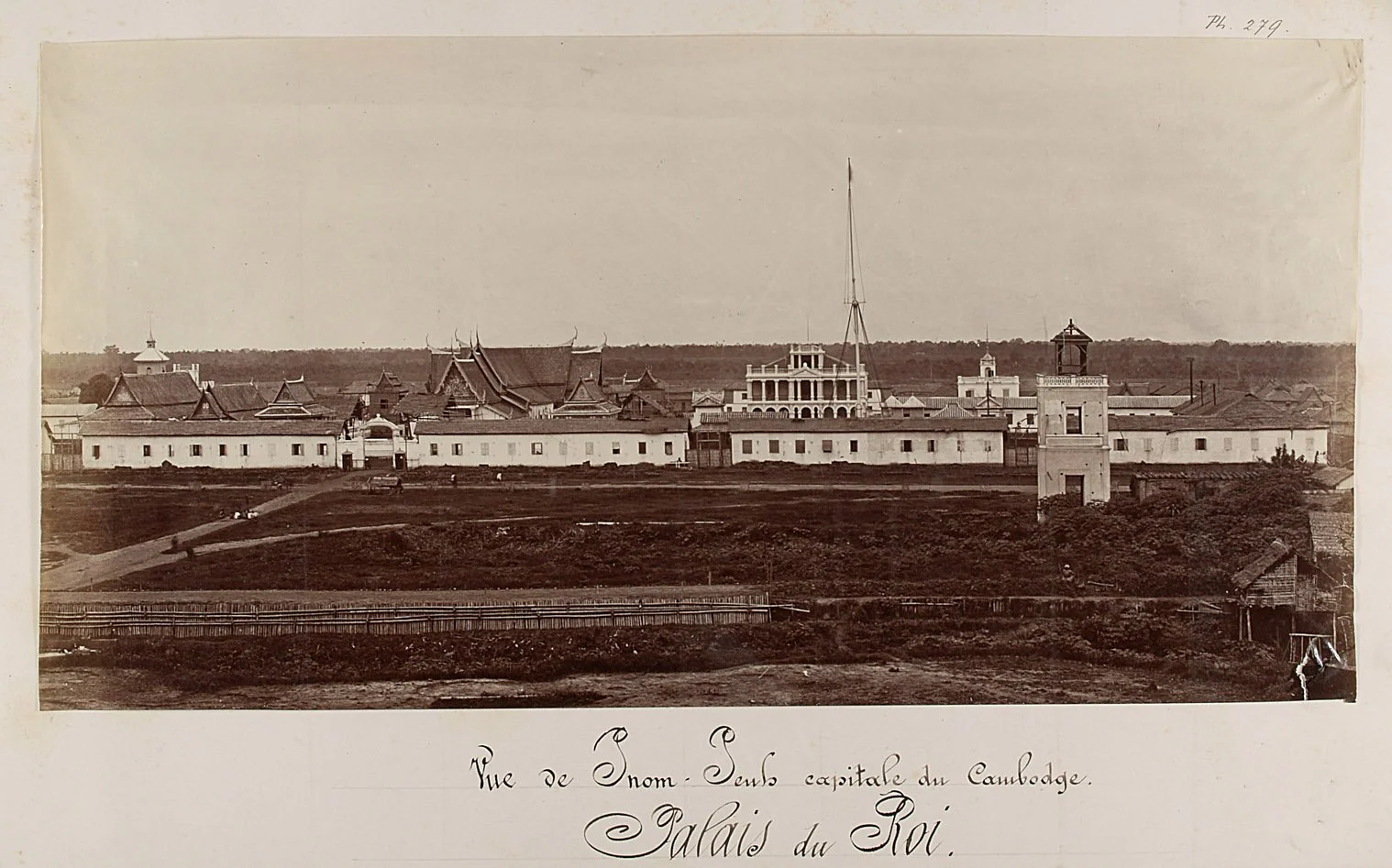
Émile Gsell เป็นช่างภาพชาวฝรั่งเศสคนสำคัญในประวัติศาสตร์การถ่ายภาพยุคแรกของเอเชียตะวันออกเฉียงใต้ เขาทำงานอยู่ในไซ่ง่อน และถือเป็นหนึ่งในช่างภาพเชิงพาณิชย์ยุคแรก ๆ ของภูมิภาค ผลงานของเขามีความสำคัญอย่างยิ่ง เพราะบันทึกภาพกัมพูชา อังกอร์ ผู้คน เครื่องแต่งกาย และบุคคลในแวดวงราชสำนักกัมพูชา ในช่วงเวลาที่การถ่ายภาพยังเป็นเทคโนโลยีใหม่และมีข้อจำกัดอย่างมาก
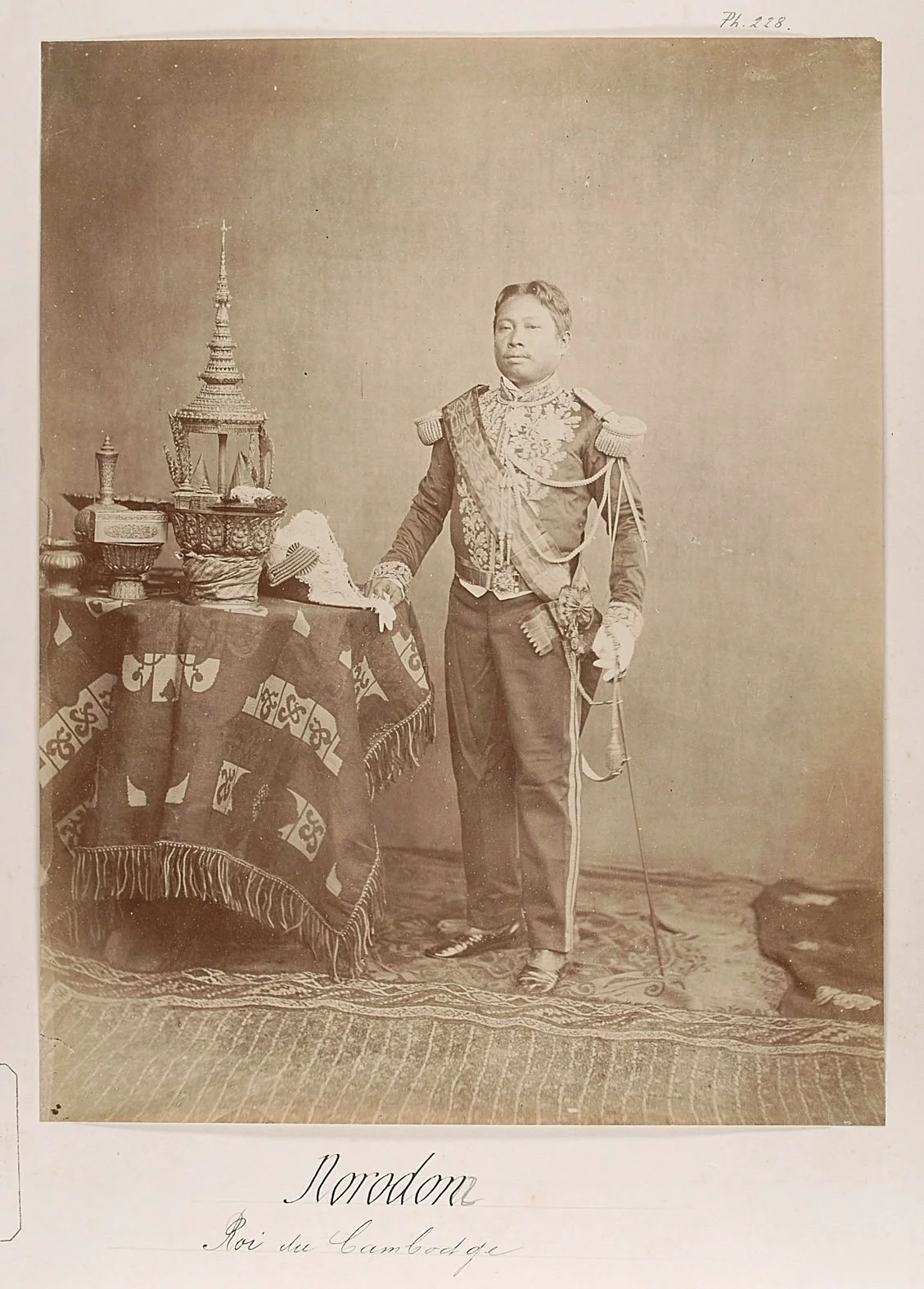
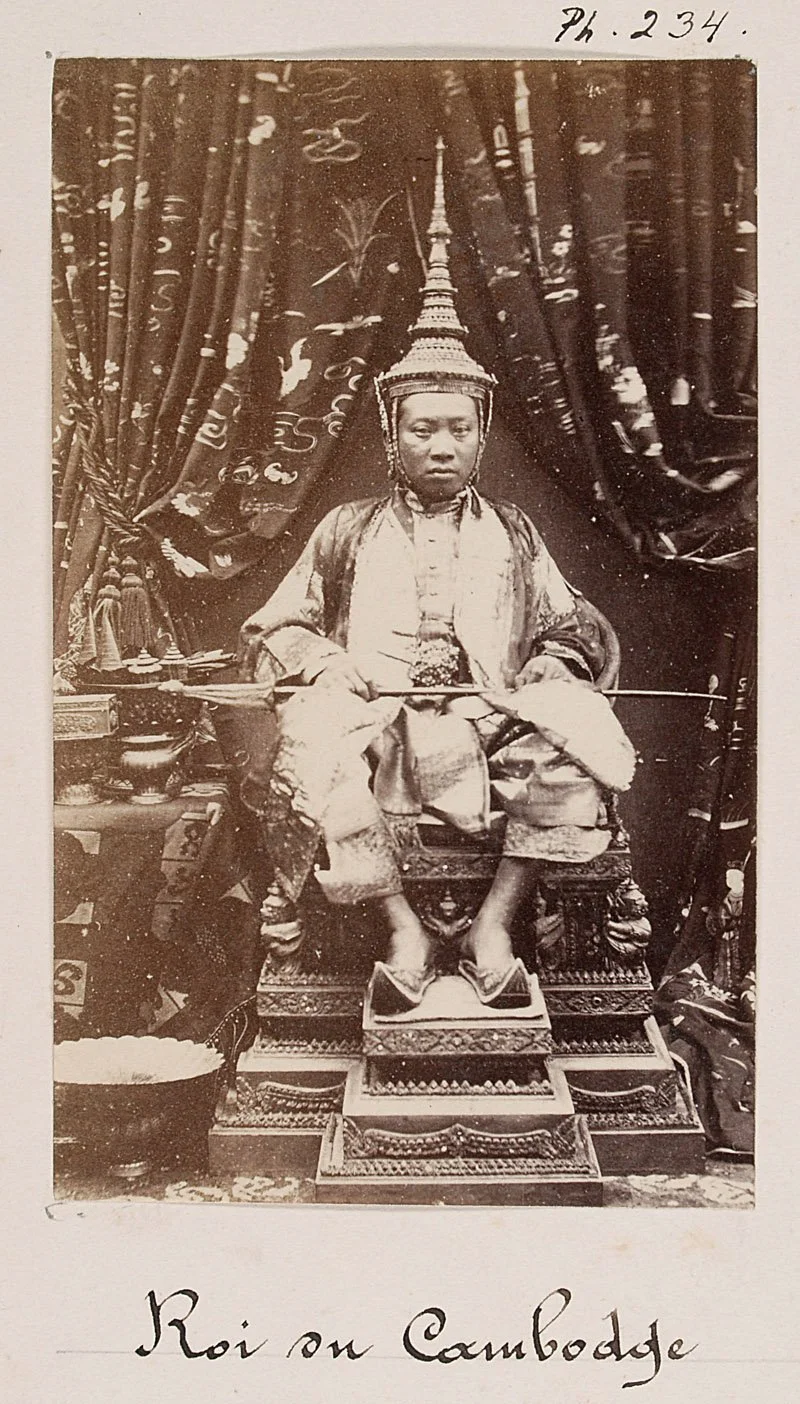
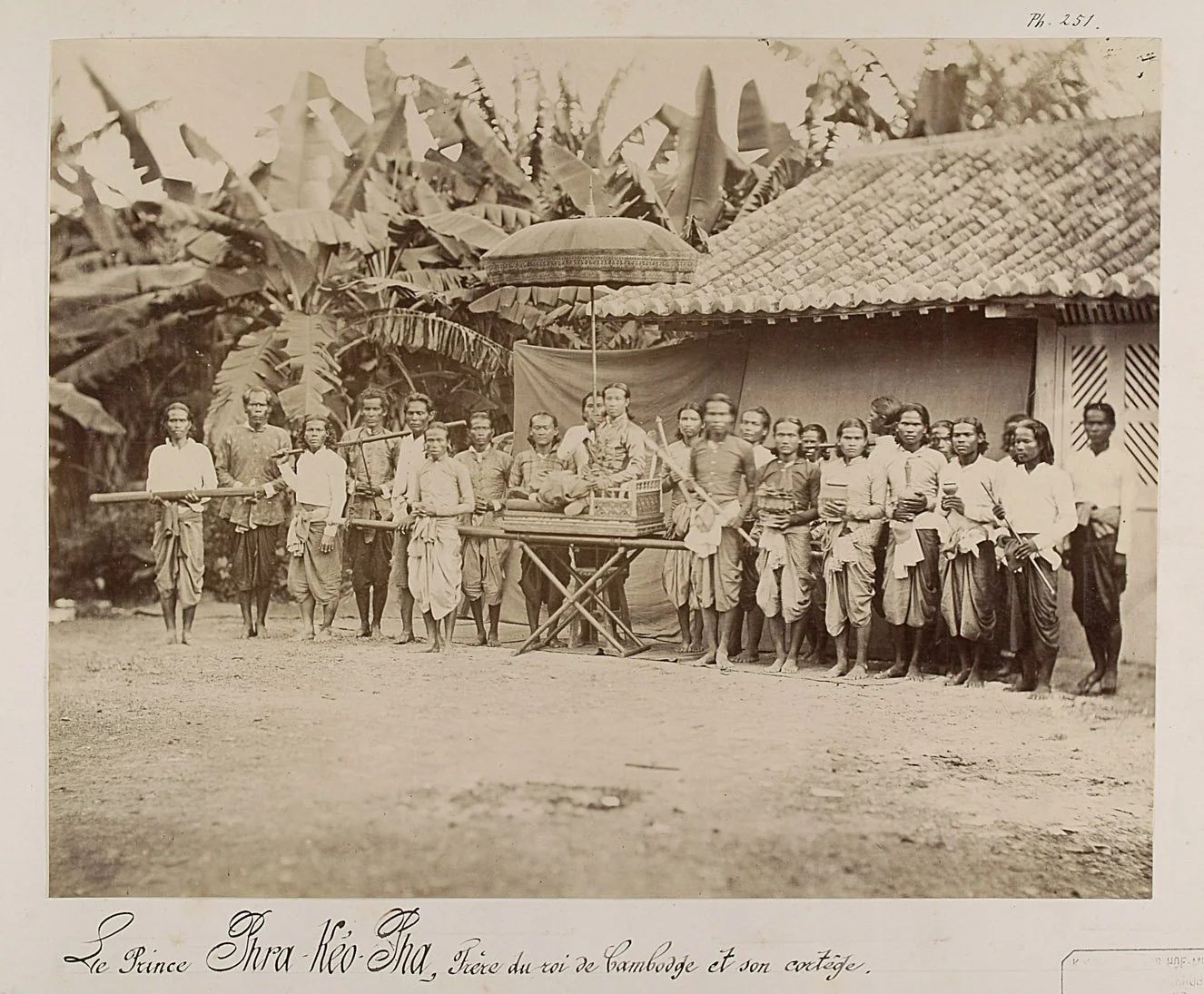
ช่วงเวลาของภาพถ่ายเหล่านี้อยู่ในรัชสมัยสมเด็จพระนโรดมแห่งกัมพูชา — ព្រះបាទសម្ដេចព្រះនរោត្តម (Preah Bat Samdech Preah Norodom) — ซึ่งครองราชย์ระหว่าง ค.ศ. 1860–1904 ตรงกับช่วงปลายรัชกาลพระบาทสมเด็จพระจอมเกล้าเจ้าอยู่หัว รัชกาลที่ ๔ และต้นรัชกาลพระบาทสมเด็จพระจุลจอมเกล้าเจ้าอยู่หัว รัชกาลที่ ๕ ของสยาม
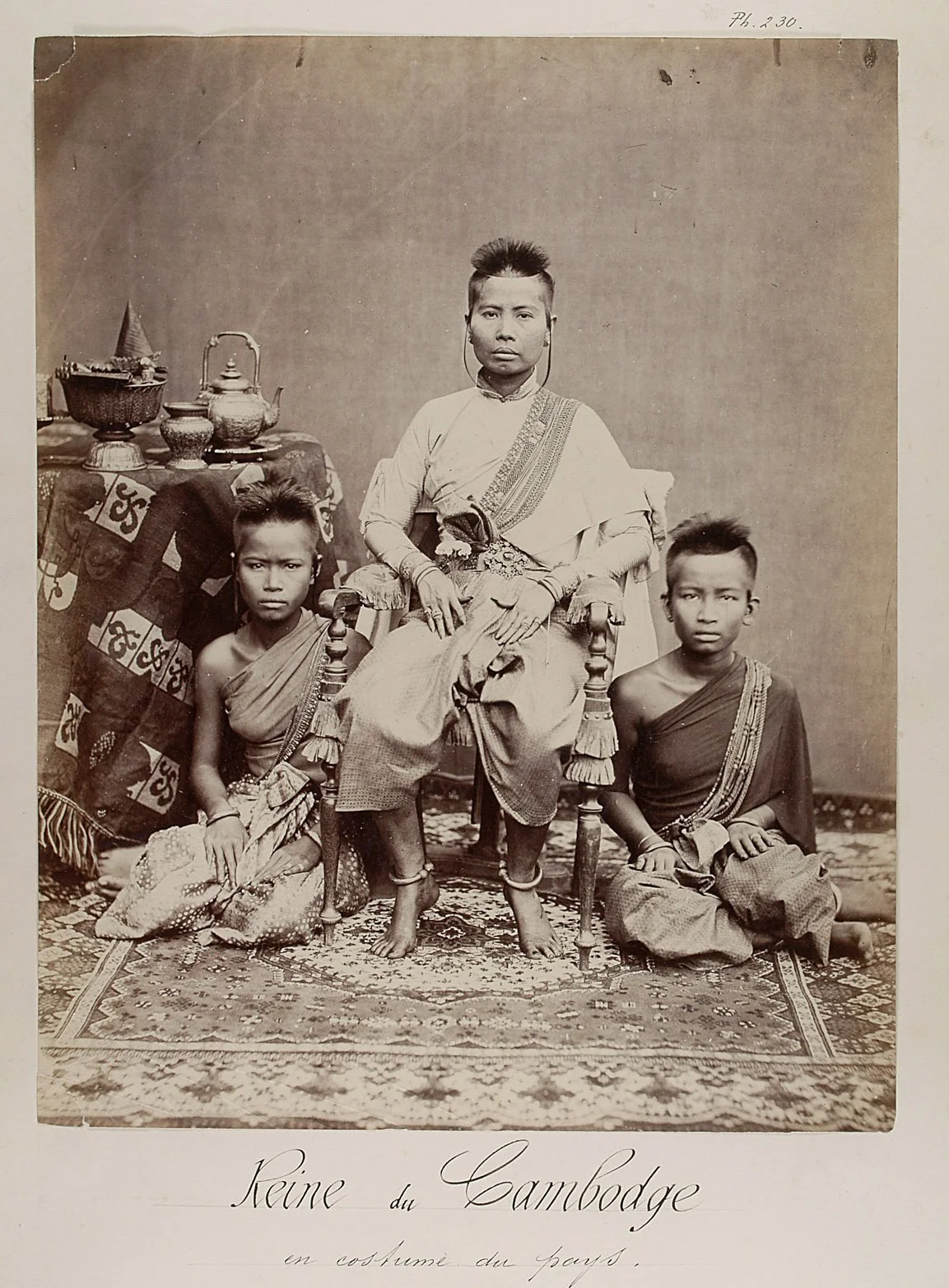
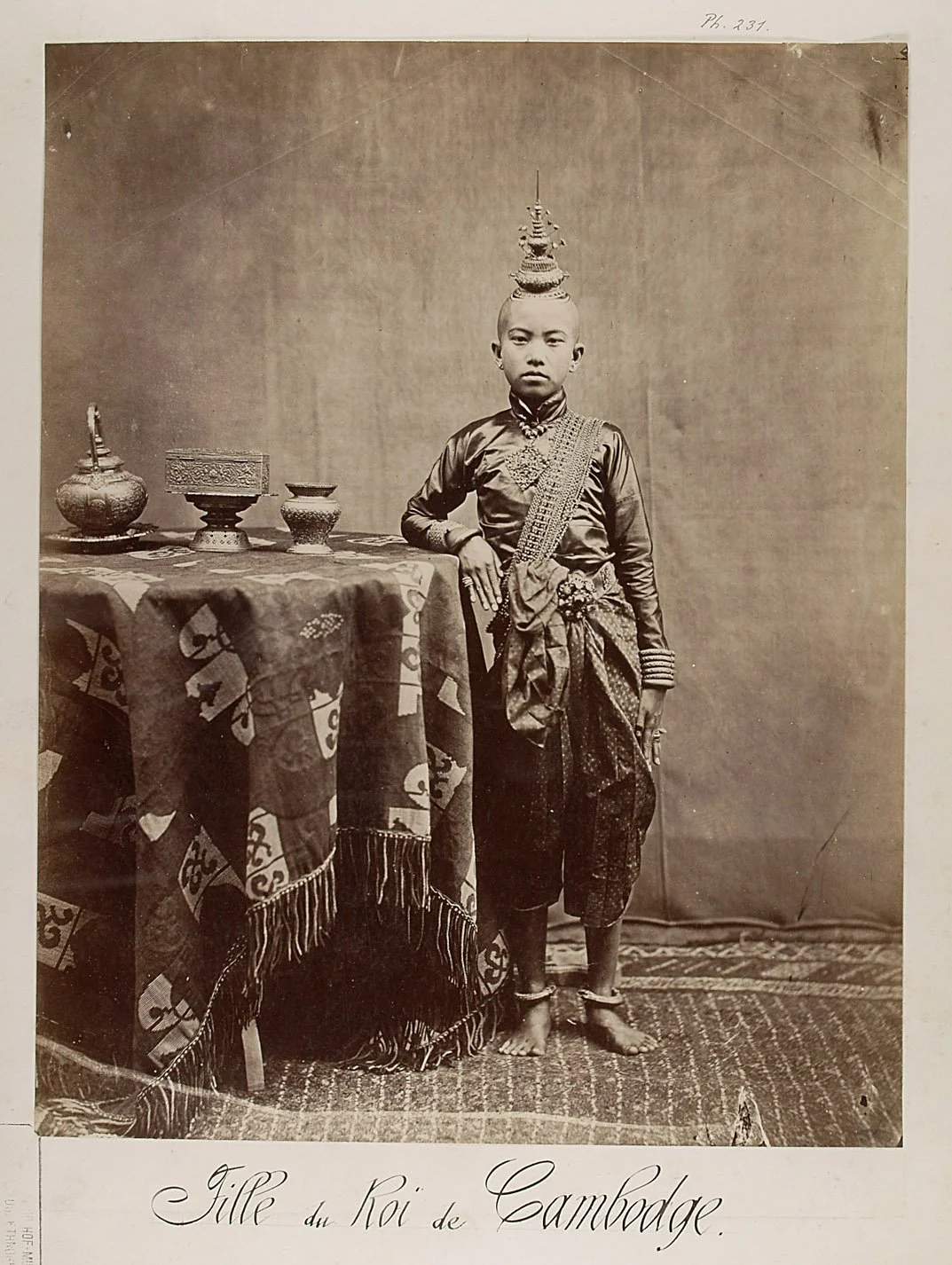
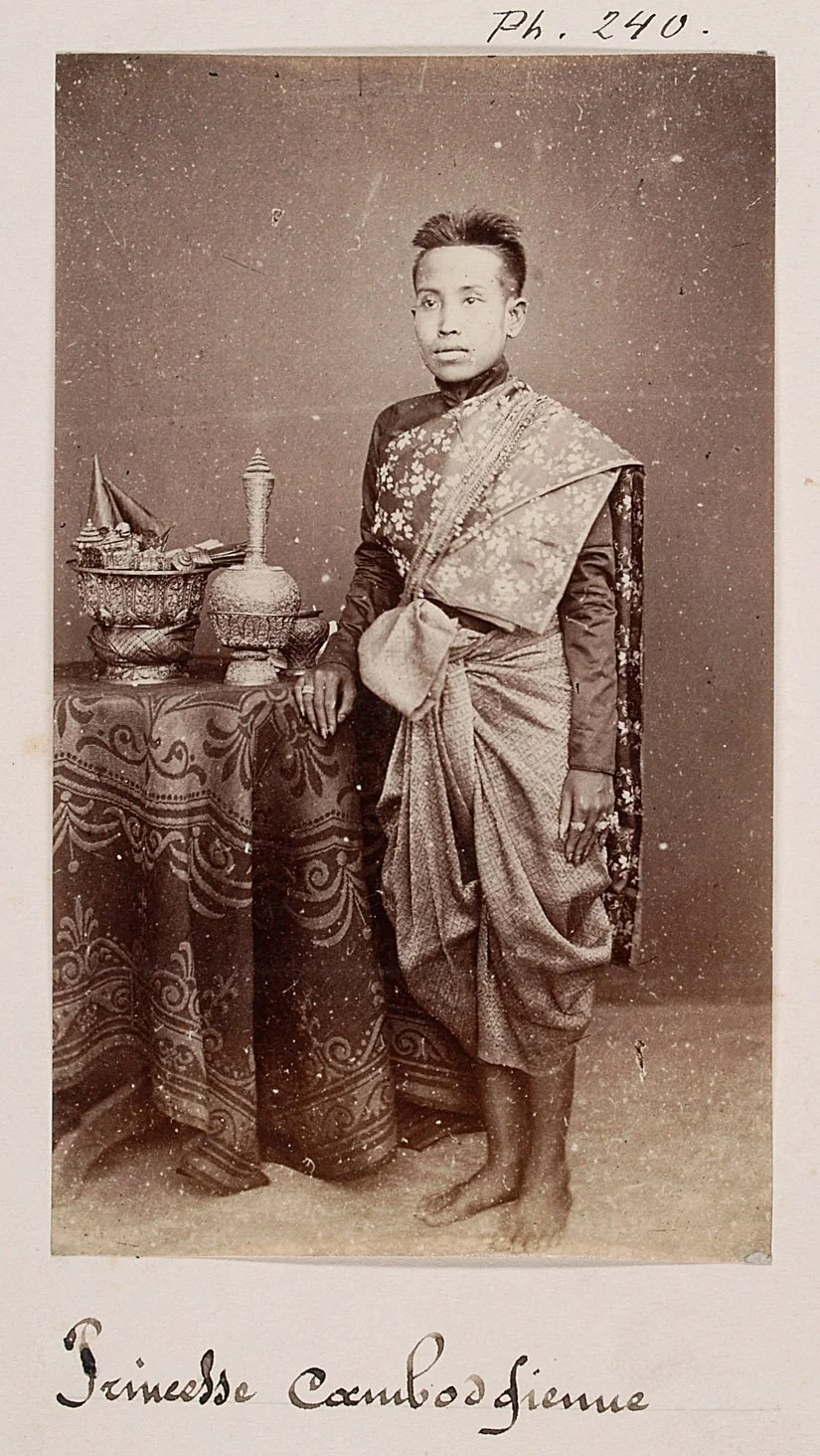
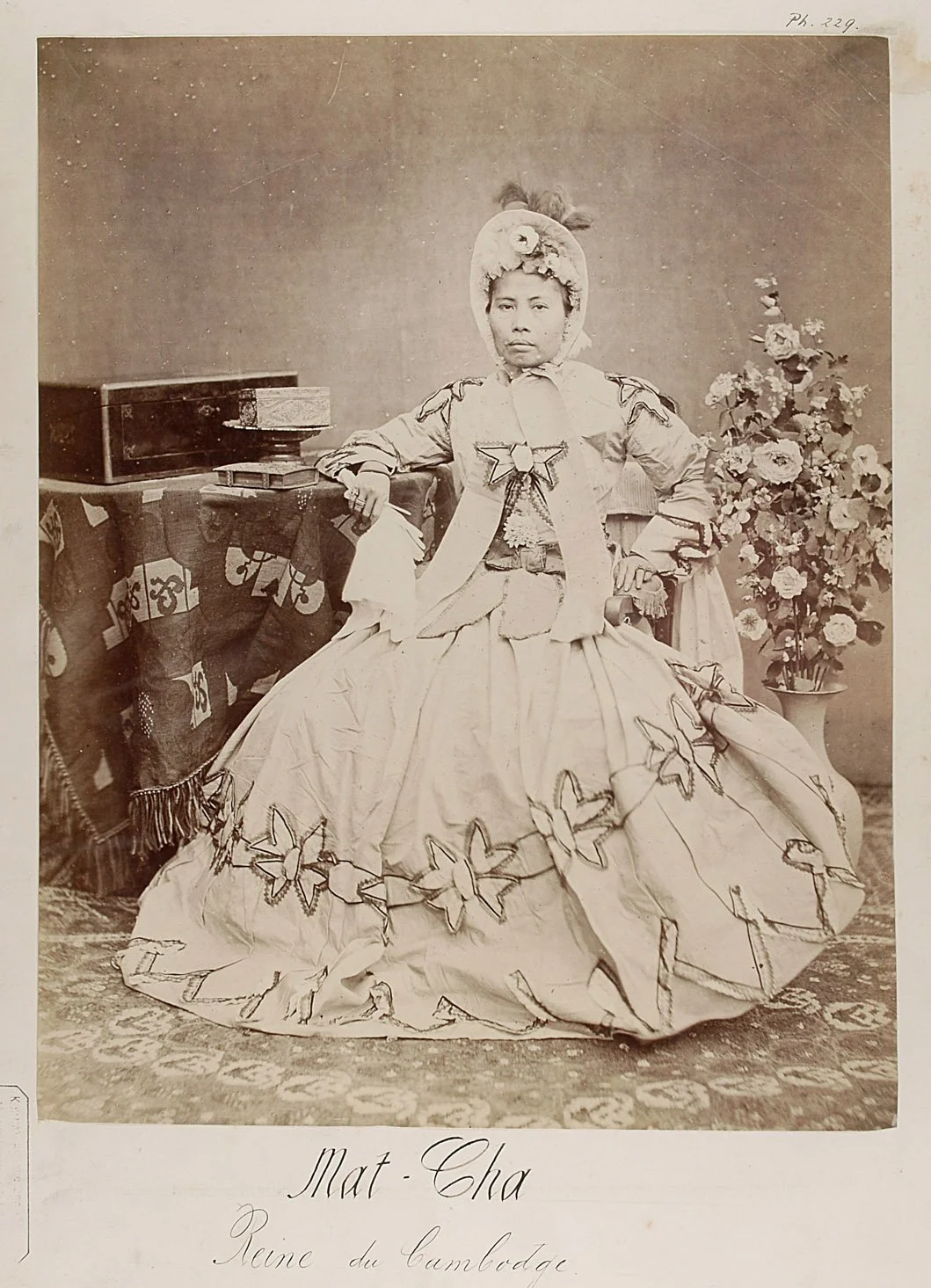
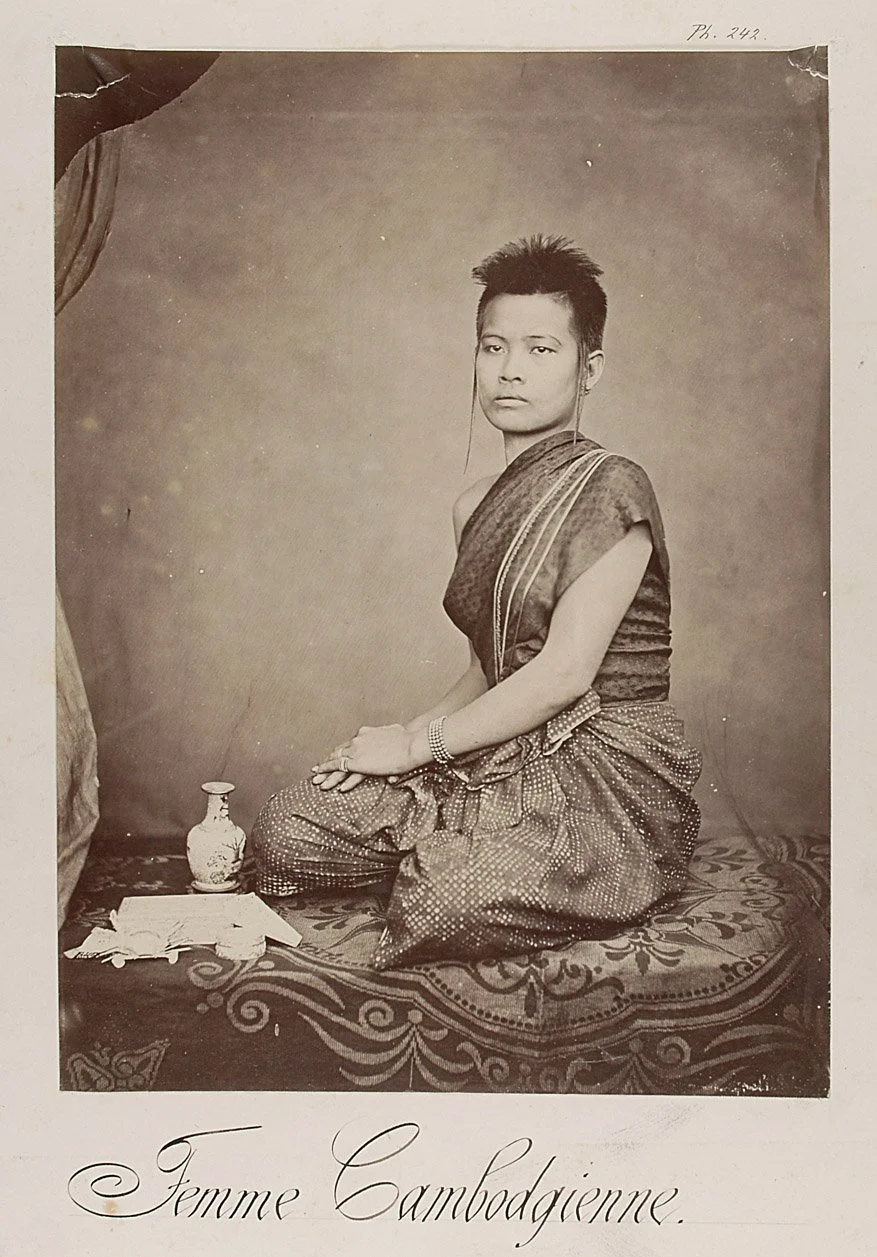
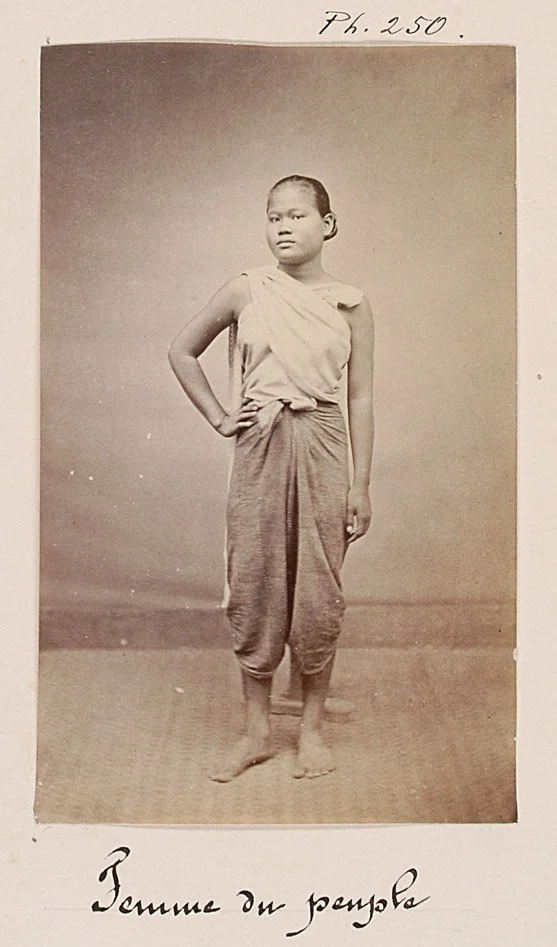
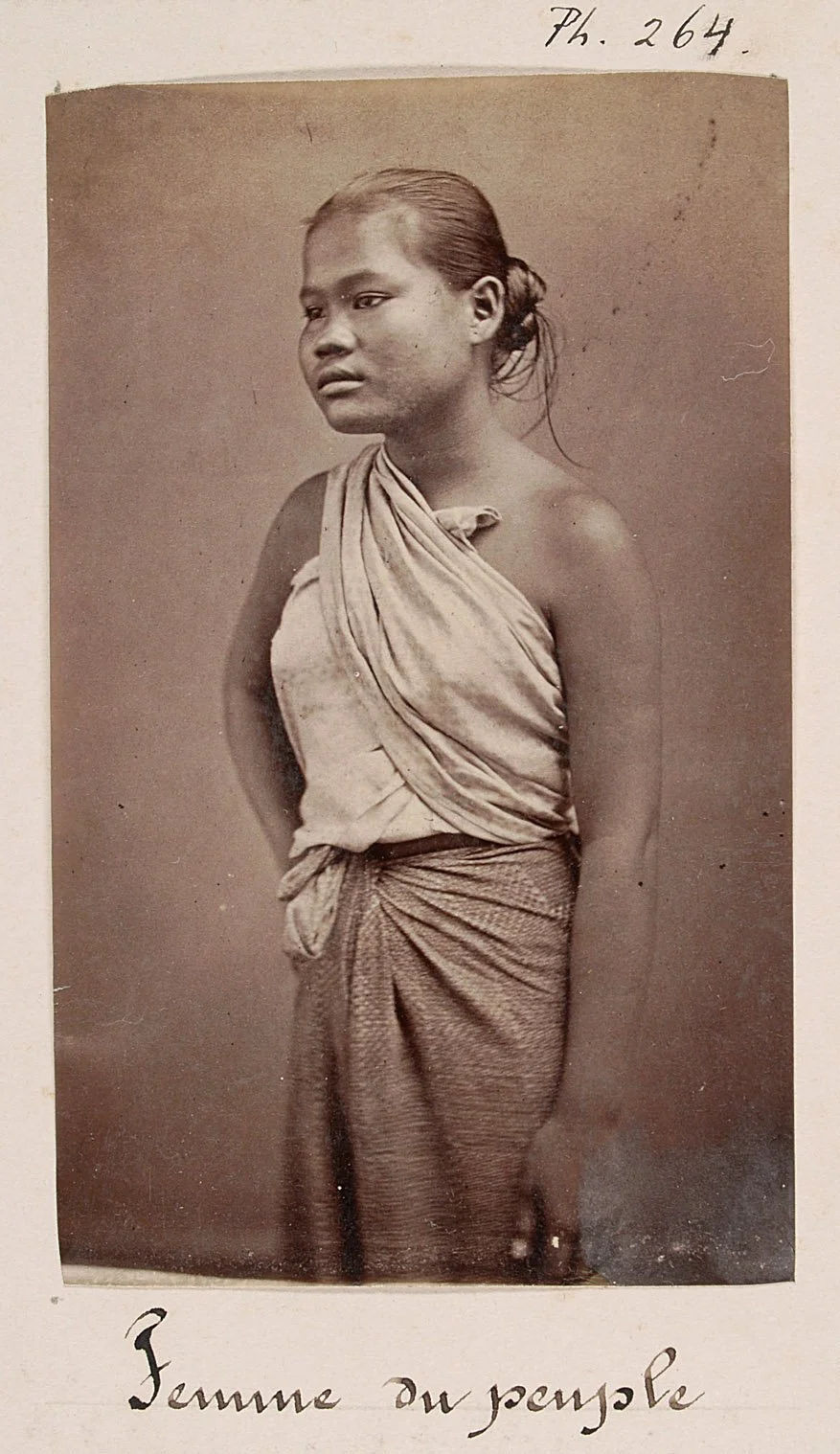
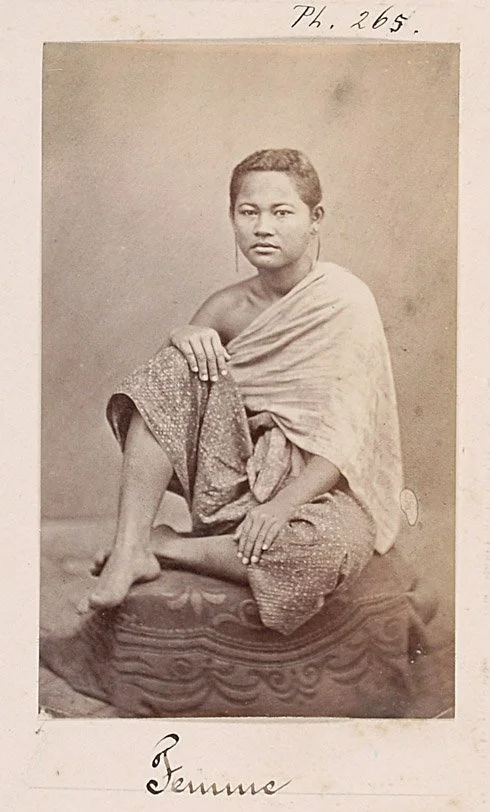
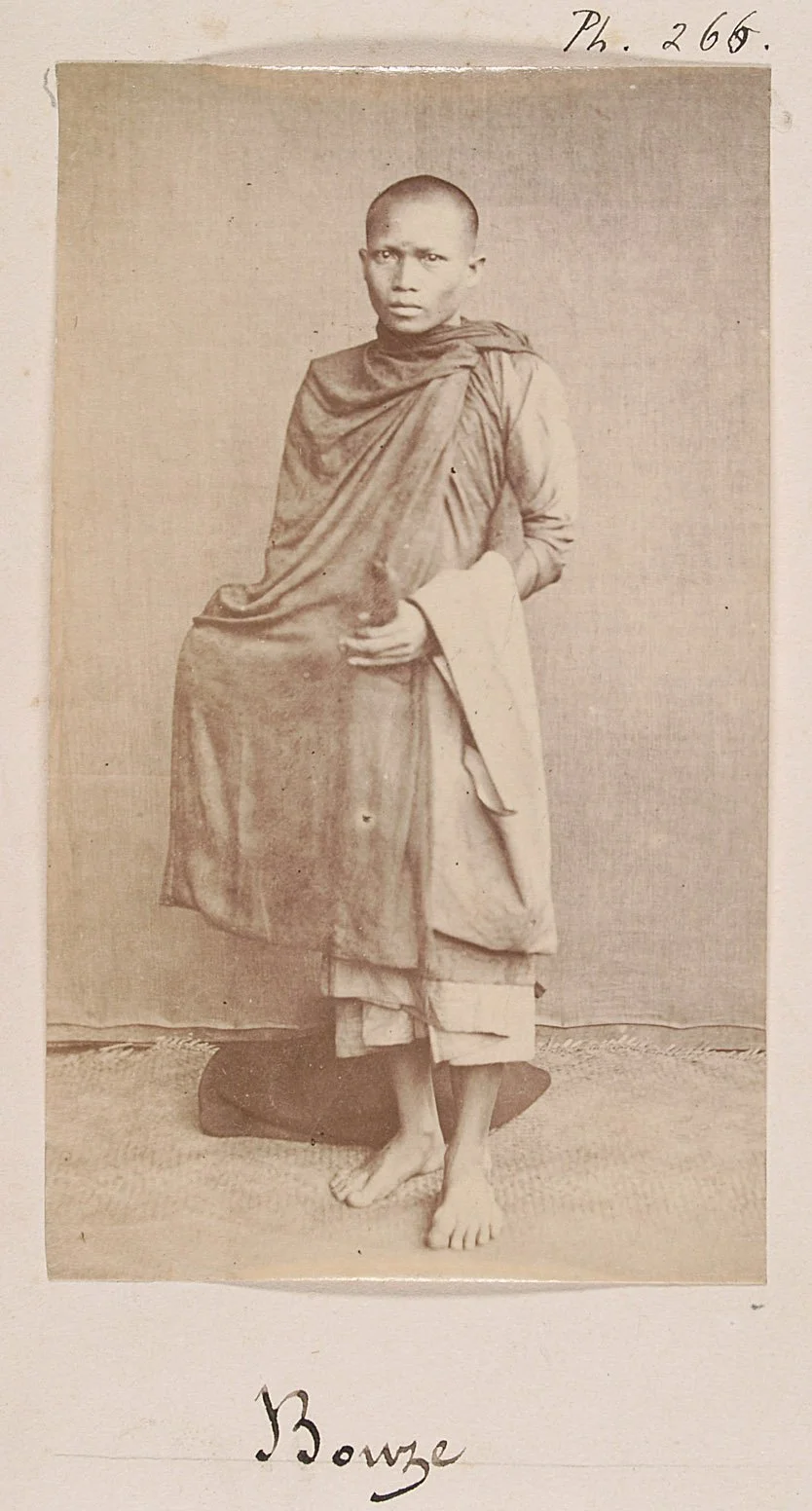
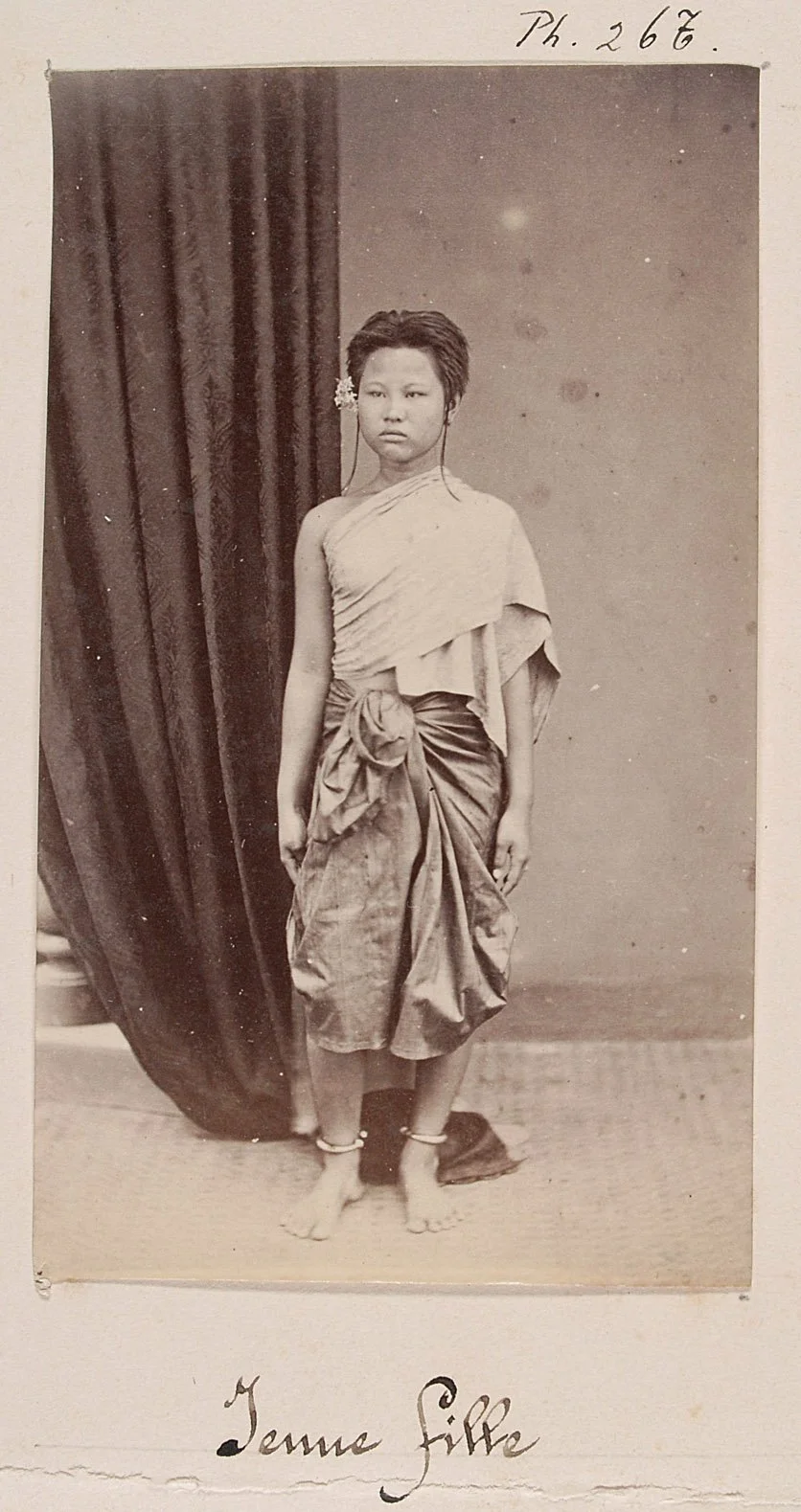
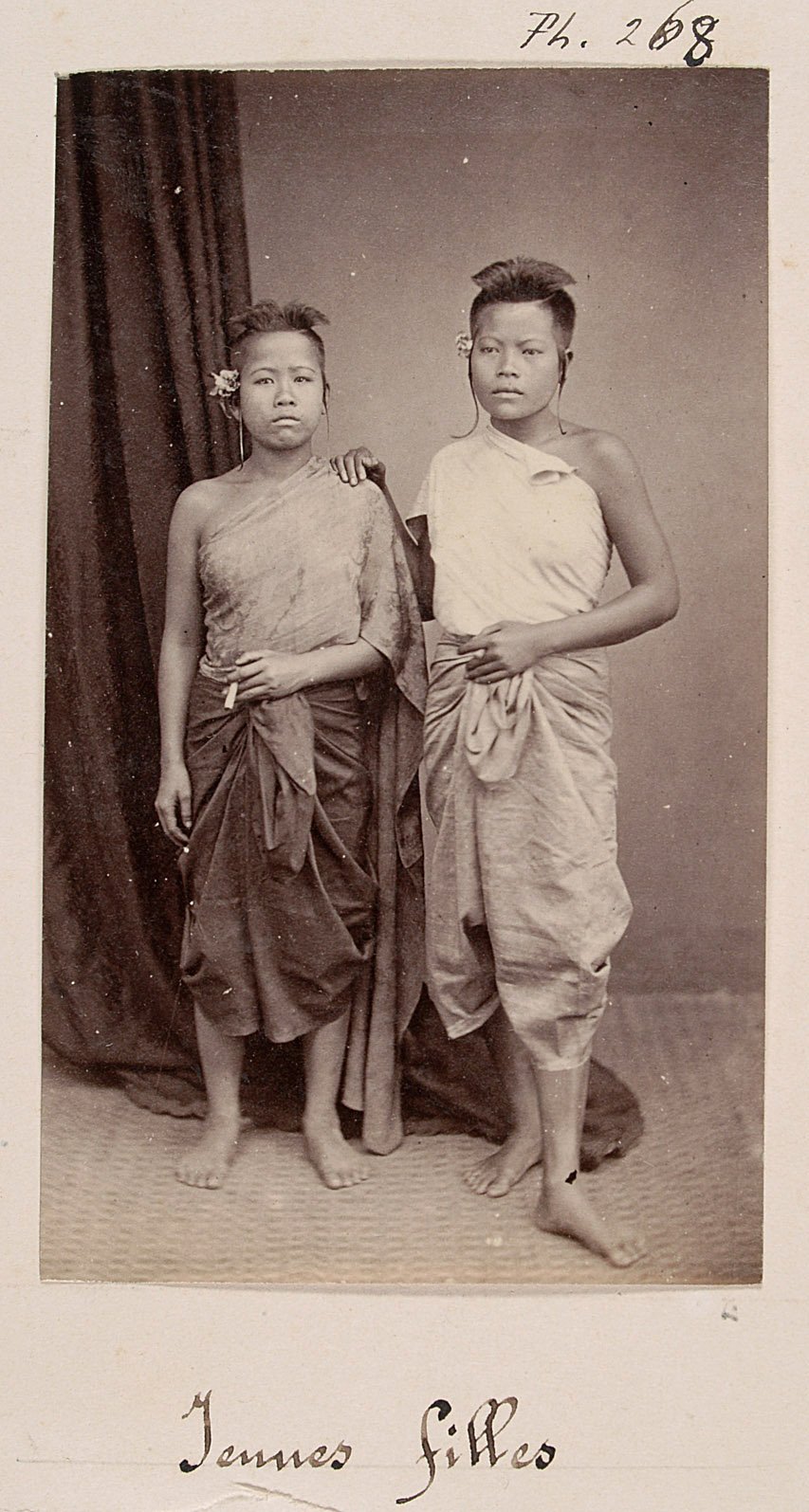
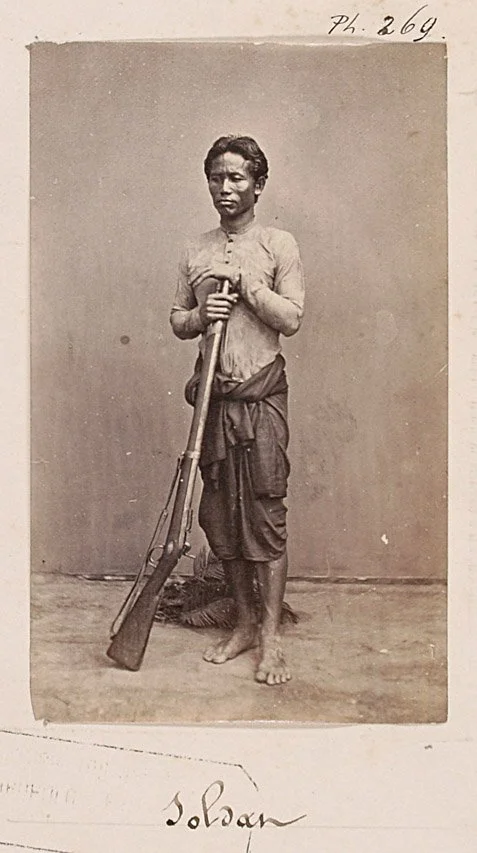
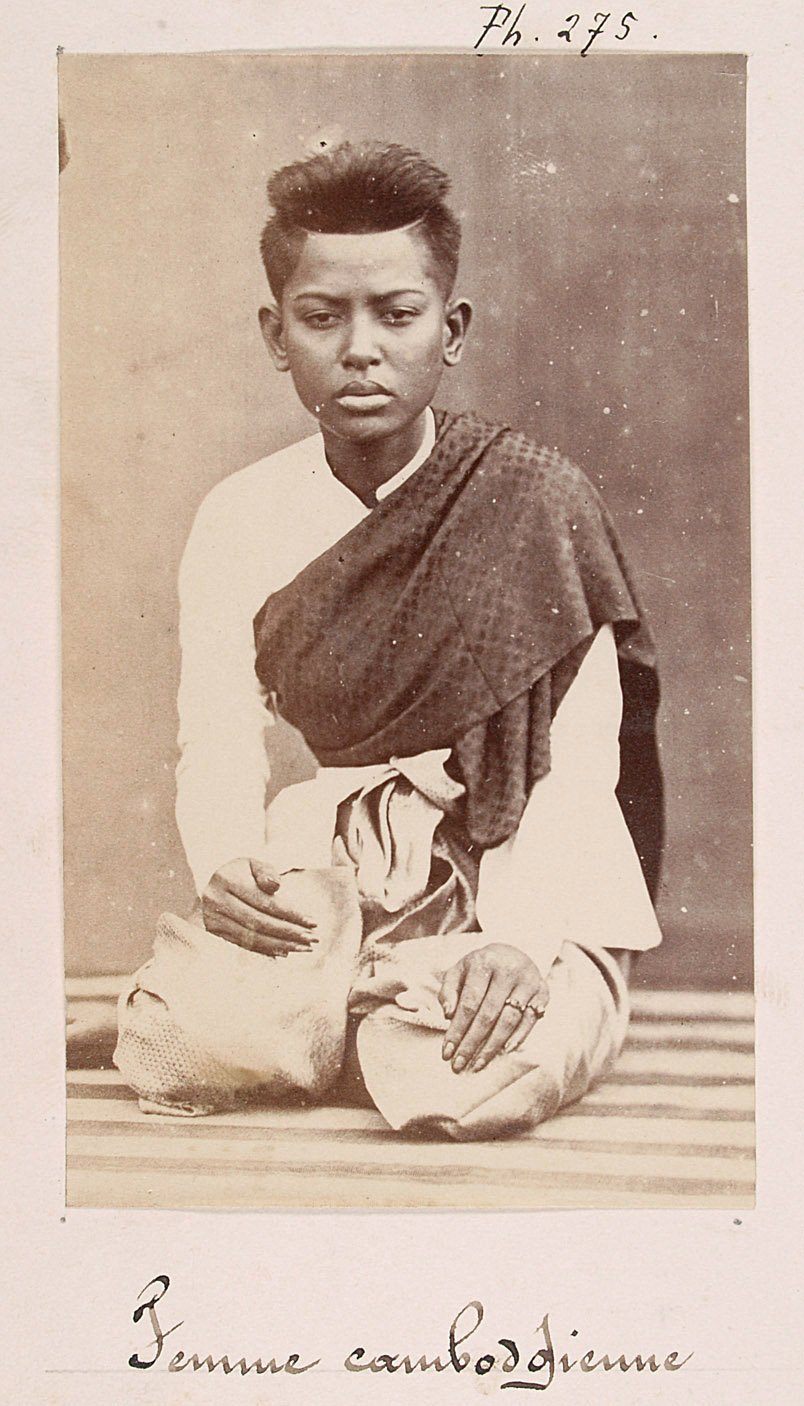
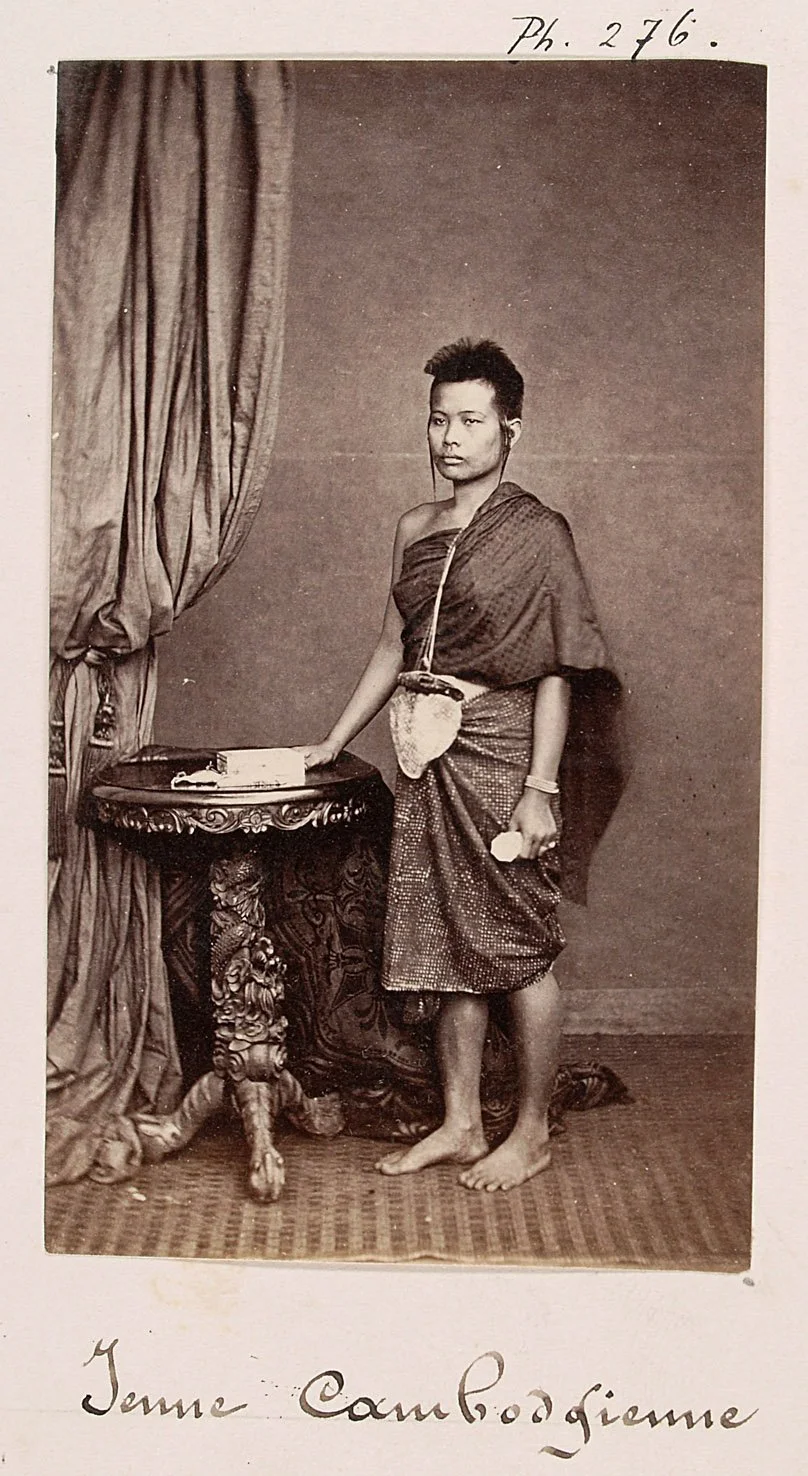
ภาพถ่ายของ Gsell ไม่ได้มีคุณค่าเพียงในฐานะภาพโบราณเท่านั้น แต่ยังเป็นหลักฐานทางประวัติศาสตร์ด้านเครื่องแต่งกาย วัฒนธรรมราชสำนัก และความสัมพันธ์ทางสายตาระหว่างสยามกับกัมพูชาในคริสต์ศตวรรษที่ ๑๙ อีกด้วย เมื่อพิจารณาภาพสตรีกัมพูชาในราชสำนัก จะเห็นได้ว่าการแต่งกายมีความใกล้เคียงกับสตรีสยามในช่วงเวลาเดียวกันอย่างน่าสนใจ โดยเฉพาะการนุ่งผ้า การห่มสไบ และการใช้ผ้าทอเนื้อดีที่สะท้อนสถานะทางสังคม
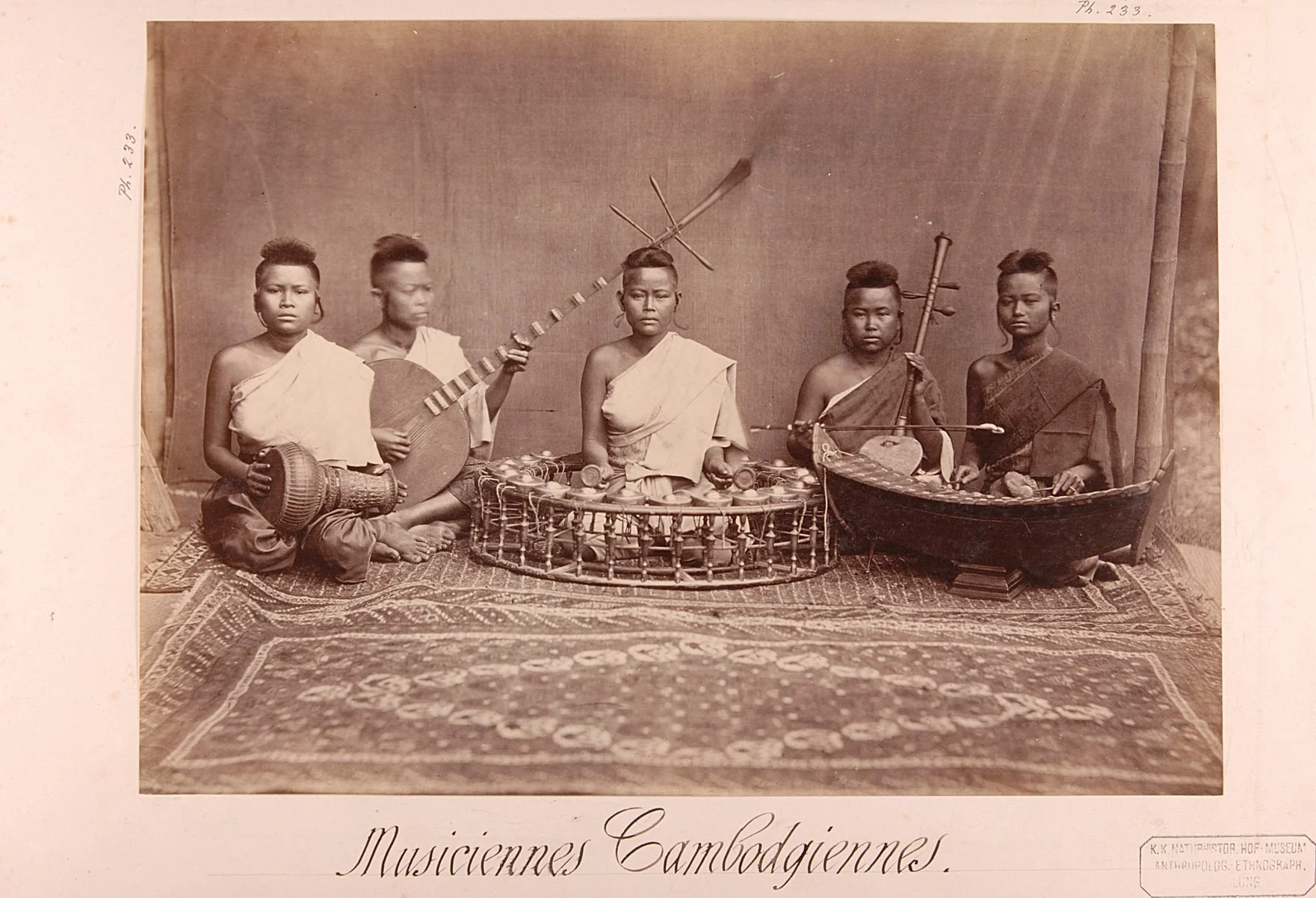
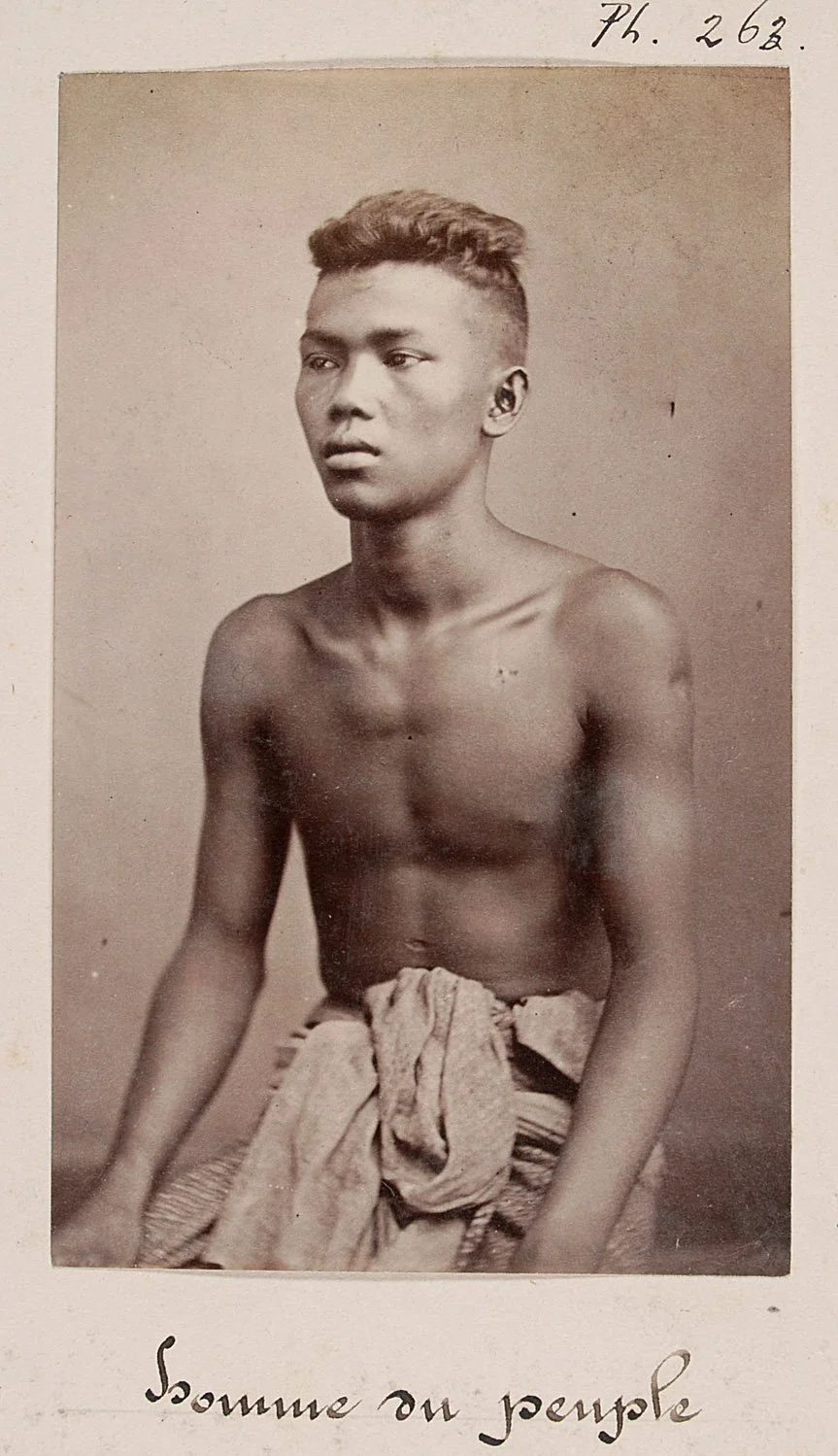
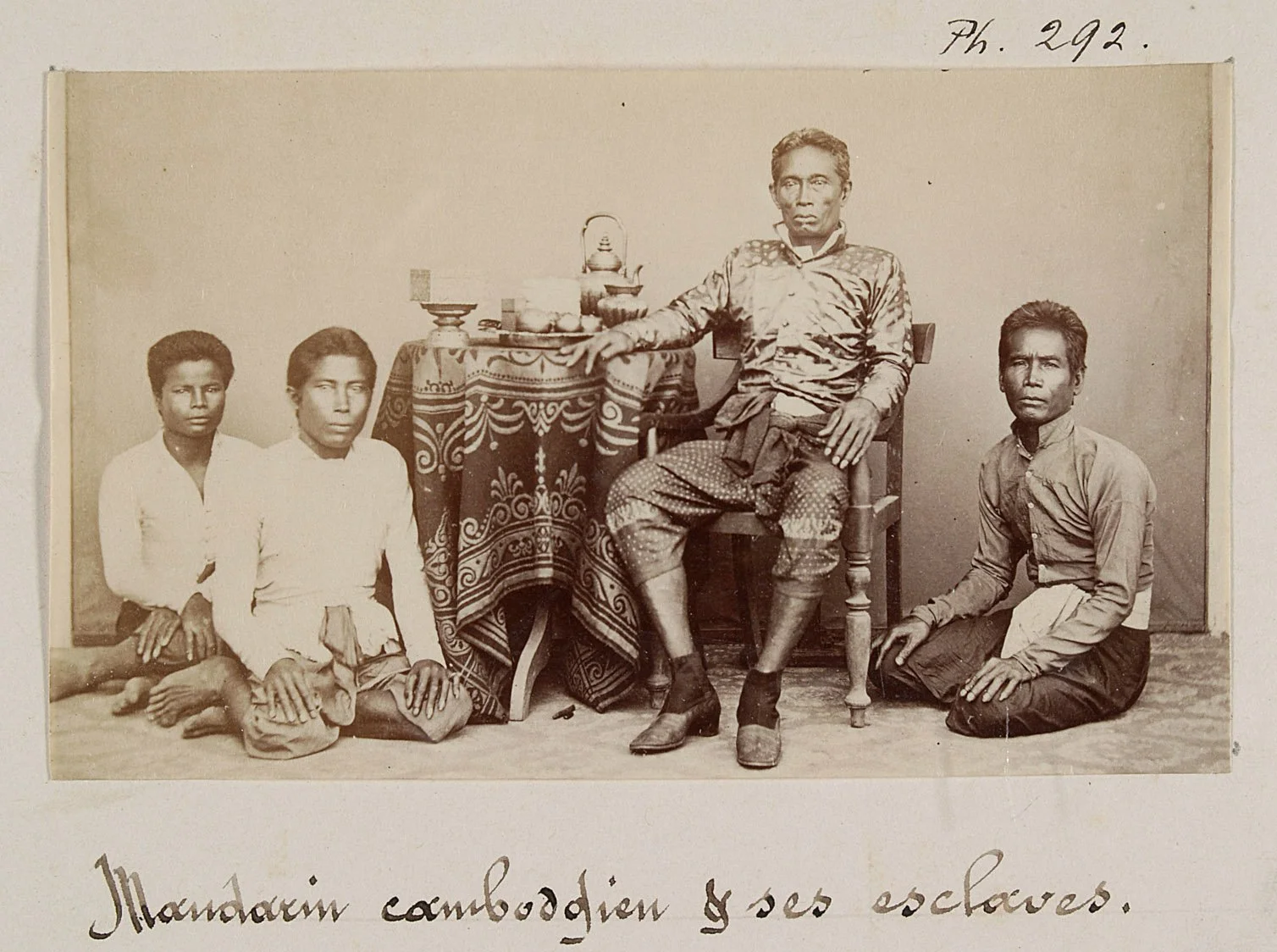
อย่างไรก็ตาม ความคล้ายกันนี้ไม่ได้หมายความว่าเหมือนกันทั้งหมด รายละเอียดของสไบ ผ้าห่มเฉียง ลายผ้า การจัดจีบ และวิธีการวางผ้าบนเรือนร่าง มีลักษณะเฉพาะของแต่ละราชสำนัก สตรีกัมพูชาในภาพของ Gsell มักปรากฏด้วยผ้าห่มเฉียงหรือสไบที่มีเนื้อผ้าและลวดลายแบบราชสำนักเขมร ขณะที่สตรีชั้นสูงของสยามในยุคใกล้เคียงกันมักมีรายละเอียดเรื่องการจัดริ้วผ้า การจีบผ้า และการใช้ผ้าทรงสะพักปักในบริบทพิธีการของราชสำนัก และทรงผมจะต่างกันเล็กน้อย ผู้ชายกัมพูชามักจะไว้ผมยาวประบ่า ผู้หญิงทรงผมปีกแต่การกรีดผมและจอนผมจะมีความต่างกันค่อนข้างมาก
ภาพเหล่านี้จึงเปิดพื้นที่ให้เราอ่าน “เครื่องแต่งกาย” ไม่ใช่เพียงเรื่องความงาม แต่เป็นหลักฐานของวัฒนธรรม การแลกเปลี่ยน และอำนาจทางภาพระหว่างสยาม กัมพูชา และโลกอาณานิคมในคริสต์ศตวรรษที่ ๑๙
ปัจจุบัน ภาพถ่ายจำนวนมากของ Émile Gsell ยังคงถูกเก็บรักษาอยู่ในพิพิธภัณฑ์และคลังภาพสำคัญ เช่น Weltmuseum Wien ที่เวียนนา ประเทศออสเตรีย และ The Metropolitan Museum of Art ที่นิวยยอร์ก
ภาพเหล่านี้เป็นหน้าต่างสำคัญที่ทำให้เราเห็นผู้คน ราชสำนัก และเครื่องแต่งกายในโลกเอเชียตะวันออกเฉียงใต้เมื่อกว่าหนึ่งร้อยห้าสิบปีก่อน ผู้ที่สนใจสามรถเข้าชมภาพต้นฉบับได้ตามลิ้งนี้ครับ
ภาพถ่ายทั้งหมดได้รับความอนุเคราะห์จาก Weltmuseum Wien เวียนนา ประเทศออสเตรีย
All photographs courtesy of Weltmuseum Wien.
_____________
📷✨Émile Gsell and Cambodian Photography
Émile Gsell was an important French photographer in the early history of photography in Southeast Asia. Based in Saigon, he is regarded as one of the earliest commercial photographers working in the region. His photographs are especially significant because they documented Cambodia, Angkor, local people, dress, and members of the Cambodian royal court at a time when photography was still a new and technically demanding medium.
The period represented in these photographs corresponds to the reign of King Norodom of Cambodia — ព្រះបាទសម្ដេចព្រះនរោត្តម (Preah Bat Samdech Preah Norodom) — reigned from 1860 to 1904. This places Gsell’s Cambodian photographs within the late reign of King Mongkut, Rama IV of Siam, and the early reign of King Chulalongkorn, Rama V.
Gsell’s photographs are valuable not only as historic images, but also as visual evidence for the study of dress history, court culture, and the visual relationship between Siam and Cambodia in the nineteenth century. When looking at his photographs of Cambodian court women, one can see striking similarities with the dress of Siamese women during the same period, particularly in the wearing of lower garments, the draped shoulder cloth or sabai (สไบ), and the use of fine woven textiles that reflected social status.
However, these similarities do not mean that the dress was identical. The details of the sabai (สไบ), the diagonal draped cloth, textile patterns, pleating, and the placement of fabric on the body all reveal the distinctive visual language of each court. Cambodian women in Gsell’s photographs often appear wearing diagonal shoulder cloths or sabai with textile qualities and patterns associated with Khmer court dress, while elite Siamese women of a comparable period often show different details in the arrangement of pleats, the handling of cloth, and the use of embroidered saphak cloth (สะพักปัก) within court ceremonial contexts.
Hairstyles also reveal subtle but important differences. Cambodian men often wore their hair longer, sometimes reaching the shoulders. Women wore forms of the winged hairstyle, or song phom pik (ทรงผมปีก), but the parting of the hair and the treatment of the side locks differed quite noticeably from Siamese examples.
These images therefore allow us to read “dress” not simply as beauty or ornament, but as evidence of culture, exchange, and visual power between Siam, Cambodia, and the colonial world of the nineteenth century.
Today, many of Émile Gsell’s photographs are preserved in major museums and photographic collections, including Weltmuseum Wien in Vienna, Austria, and The Metropolitan Museum of Art in New York.
These photographs are important windows into the people, courts, and dress cultures of Southeast Asia more than 150 years ago. Those interested can view the original images through the link below:
All photographs courtesy of Weltmuseum Wien, Vienna, Austria.
_____________
เรียนเชิญกด Subscribe ได้ที่ลิงก์นี้ครับ เพื่อร่วมติดตามงานสร้างสรรค์ต้นฉบับ งานวิจัยประวัติศาสตร์แฟชั่น และผลงานอนุรักษ์มรดกวัฒนธรรมด้วยเทคโนโลยี AI ของ AI Fashion Lab, London ซึ่งมุ่งตีความอดีตผ่านมิติใหม่ของการบูรณะภาพ การสร้างสรรค์ภาพ และการเล่าเรื่องด้วยศิลปะเชิงดิจิทัล https://www.facebook.com/aifashionlab/subscribe/
#aifashionlab #AI #aiartist #aiart #aifashion #aifashiondesign #aifashionstyling #aifashiondesigner #fashion #fashionhistory #historyoffashion #fashionstyling #fashionphotography #digitalfashion #digitalfashiondesign #digitalcostumedesign #digitaldesign #digitalaiart #ThaiFashionHistory #ThaiFashionAI #thailand #UNESCO