พระยาอินทรมนตรีศรีจันทรกุมาร (Francis Henry Gile)
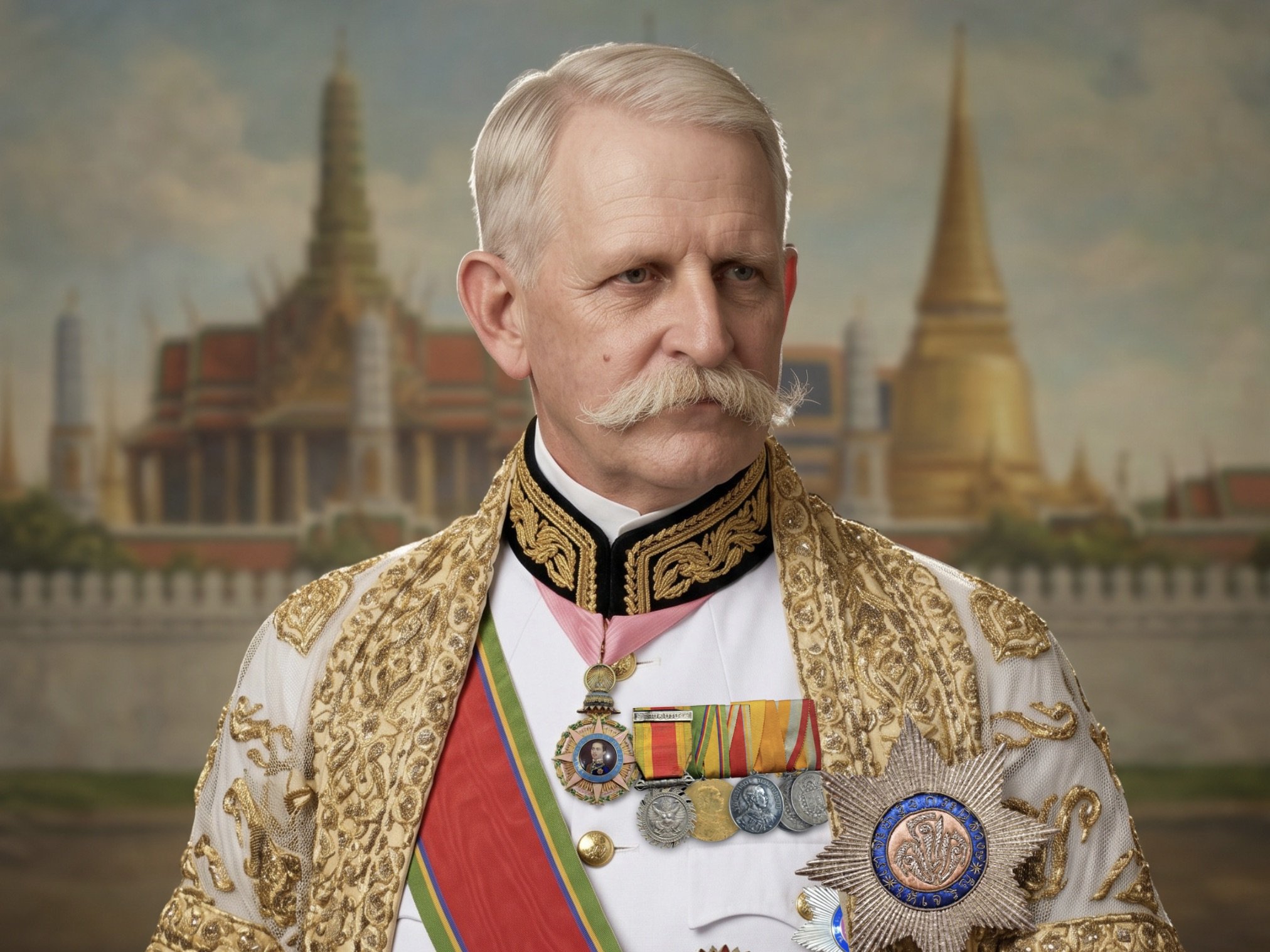
พระยาอินทรมนตรีศรีจันทรกุมาร (Francis Henry Gile)
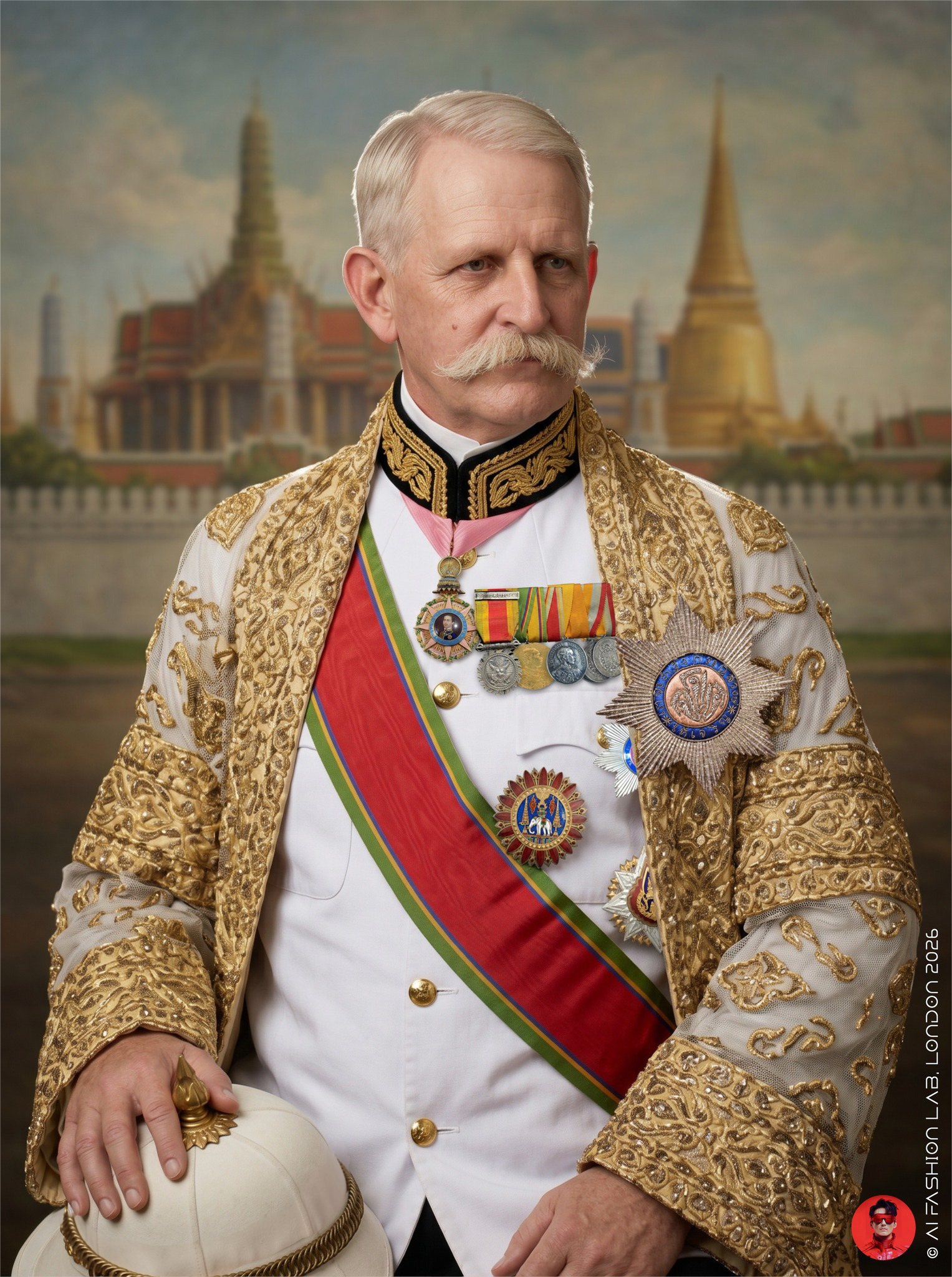
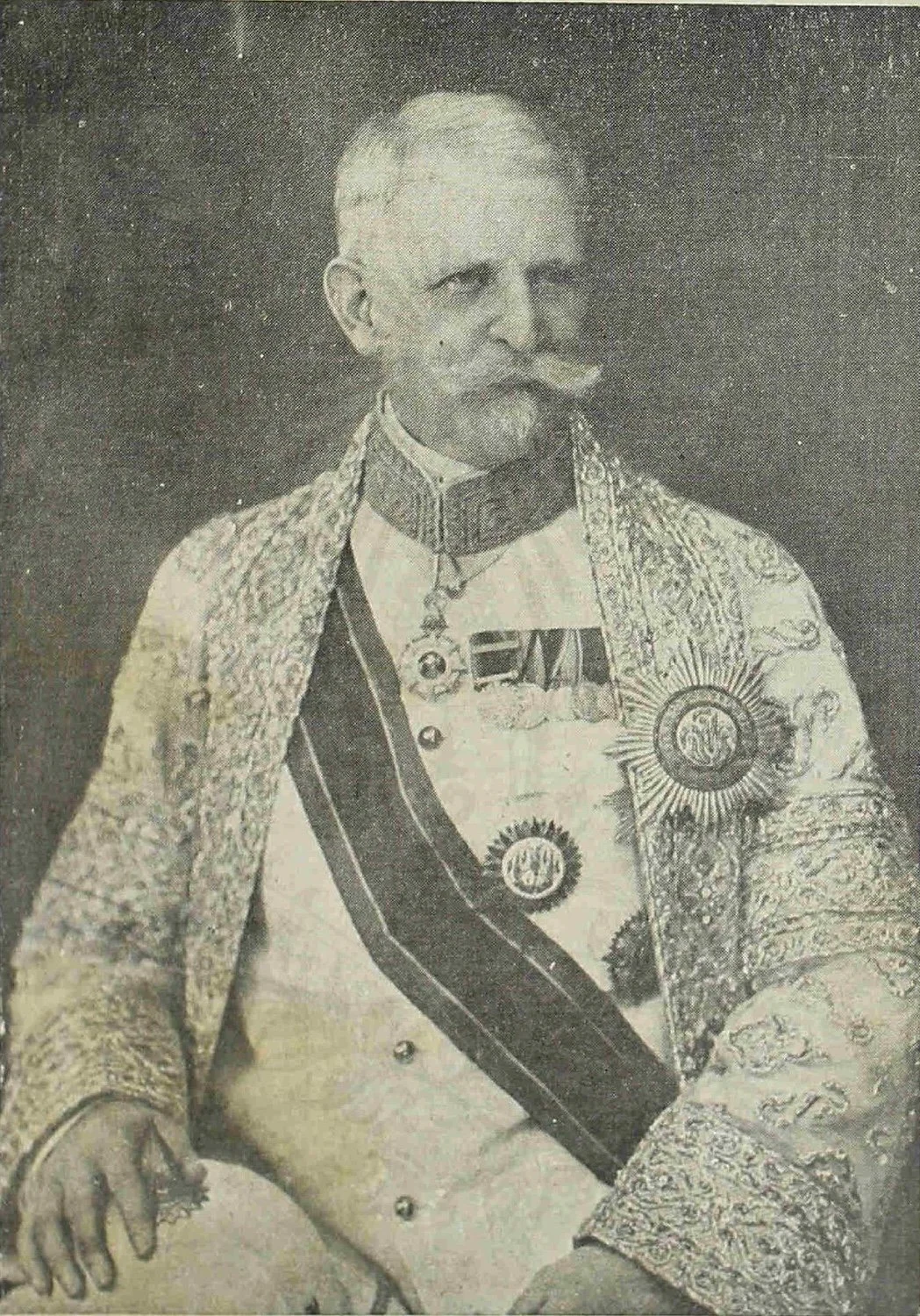
ภาพที่ได้รับการบูรณะและสร้างสรรค์ขึ้นด้วยเทคโนโลยี AI ในคอลเล็กชันนี้ เป็นภาพของ พระยาอินทรมนตรีศรีจันทรกุมาร เดิมชื่อ ฟรานซิส เฮนรี ไจลส์ (Francis Henry Gile) เป็นชาวอังกฤษผู้เข้ามารับราชการในสยาม และมีบทบาทสำคัญอย่างยิ่งในการวางรากฐานระบบสรรพากรสมัยใหม่ของประเทศ จนได้รับการยกย่องให้เป็นอธิบดีกรมสรรพากรคนแรกของสยาม ท่านเกิดเมื่อวันที่ ๒๓ สิงหาคม พ.ศ. ๒๔๑๒ ณ เมืองพลิมัท (Pymounth) ประเทศอังกฤษ ก่อนจะเข้ารับราชการกับรัฐบาลอังกฤษในพม่า และต่อมาได้ถูกยืมตัวเข้ามารับราชการในสยามเมื่อ พ.ศ. ๒๔๔๐ ในรัชสมัยพระบาทสมเด็จพระจุลจอมเกล้าเจ้าอยู่หัว
ด้วยความรู้ความสามารถด้านการบริหารและการคลัง ท่านได้รับมอบหมายให้ช่วยจัดระเบียบการจัดเก็บภาษีทั่วราชอาณาจักร ผลงานของท่านมีความสำคัญอย่างมากต่อการปฏิรูประบบราชการสยาม รัฐบาลจึงชักชวนให้ลาออกจากราชการอังกฤษและเข้ารับราชการกับสยามโดยตรง ต่อมาเมื่อวันที่ ๒๒ พฤษภาคม พ.ศ. ๒๔๕๗ พระบาทสมเด็จพระมงกุฎเกล้าเจ้าอยู่หัวทรงพระกรุณาโปรดเกล้าฯ พระราชทานบรรดาศักดิ์เป็น พระยาอินทรมนตรีศรีจันทรกุมาร และพระราชทานนามสกุล “จิลลานนท์” ให้แก่ท่าน
เมื่อมีการรวมกรมสรรพากรนอกและกรมสรรพากรในเข้าเป็นกรมสรรพากรเดียวกันใน พ.ศ. ๒๔๕๘ ท่านจึงได้รับแต่งตั้งเป็นอธิบดีกรมสรรพากรคนแรกอย่างเป็นทางการ และดำรงตำแหน่งนี้ต่อเนื่องมาจนกระทั่งสุขภาพทางสายตาทรุดโทรมลง จึงต้องลาออกจากราชการใน พ.ศ. ๒๔๗๓ ภายหลังเกษียณ ท่านยังคงพำนักอยู่ในสยาม ใช้ชีวิตอย่างเรียบง่าย อ่านหนังสือ เขียนงาน และมีบทบาทในสยามสมาคมอย่างต่อเนื่อง จนถึงแก่อนิจกรรมเมื่อวันที่ ๓๑ ตุลาคม พ.ศ. ๒๔๙๔ หลังประสบอุบัติเหตุหกล้มได้เพียง ๗ วัน
ในด้านยศเกียรติและเครื่องราชอิสริยาภรณ์ ท่านได้รับพระราชทานบรรดาศักดิ์และเลื่อนชั้นเป็น มหาอำมาตย์ตรี เมื่อ พ.ศ. ๒๔๕๗ และ มหาอำมาตย์โท เมื่อ พ.ศ. ๒๔๖๑ อีกทั้งยังได้รับพระราชทานเครื่องราชอิสริยาภรณ์สำคัญหลายรายการ อาทิ ประถมาภรณ์ช้างเผือก ประถมาภรณ์มงกุฎไทย ทุติยจุลจอมเกล้าวิเศษ เหรียญรัตนาภรณ์รัชกาลที่ ๖ และ เหรียญรัตนาภรณ์รัชกาลที่ ๗ ชั้นที่ ๒
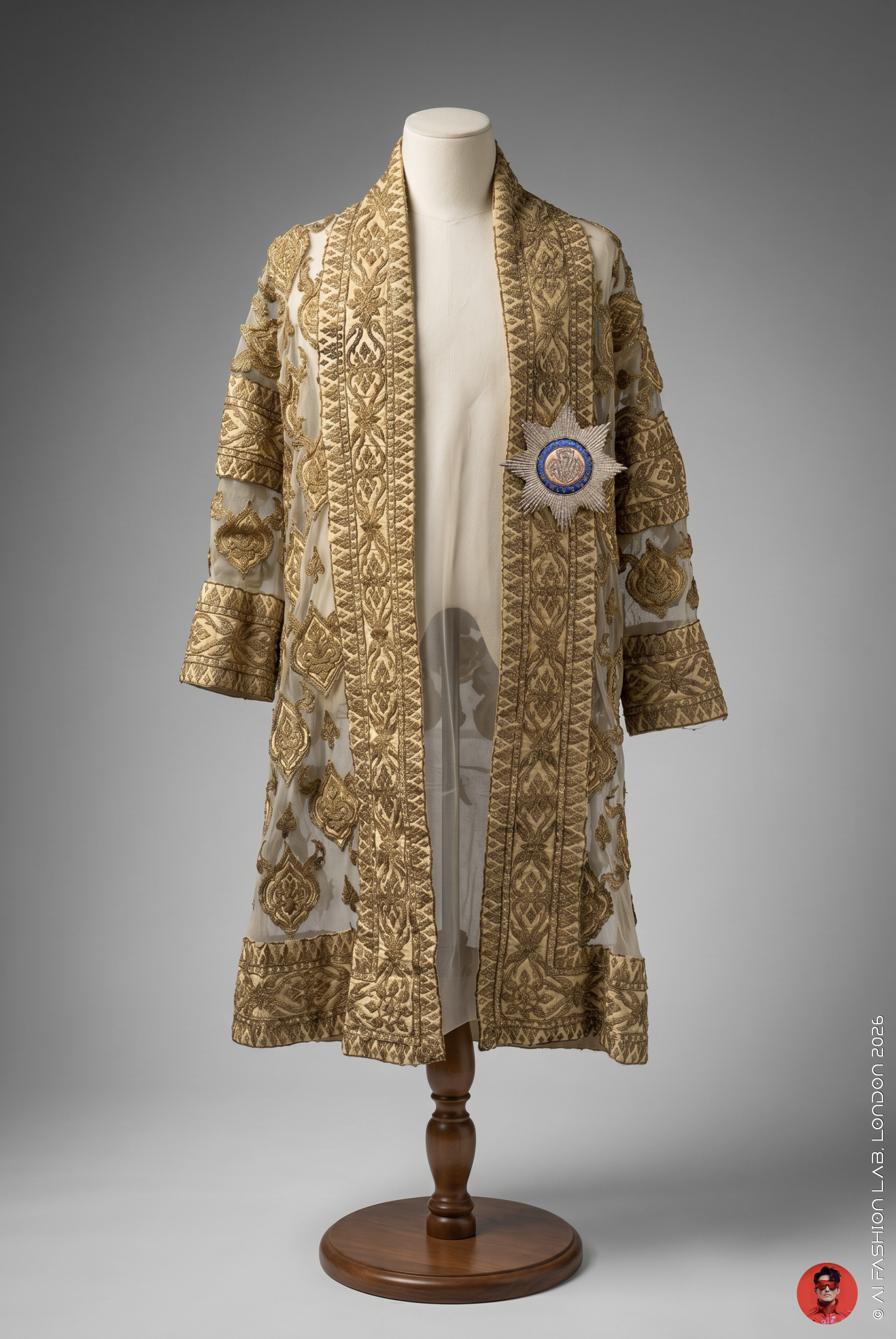
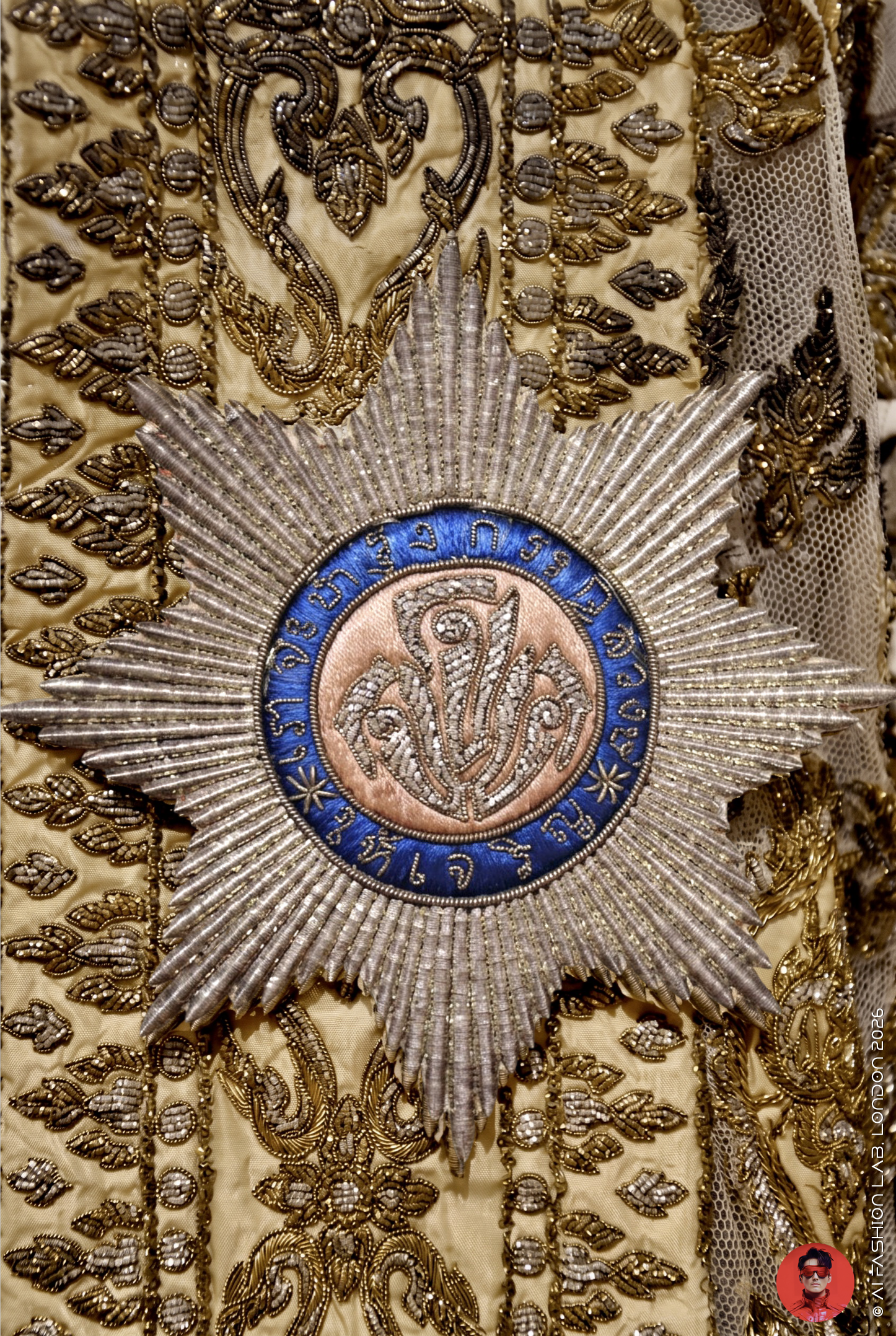
สิ่งที่ทำให้คอลเล็กชันนี้โดดเด่นเป็นพิเศษ มิได้มีเพียงความงดงามของ เสื้อครุยราชสำนักสำหรับแต่งเต็มยศ และ เสื้อครุยจุลจอมเกล้า ชั้นพระยา ประดับด้วยดวงดาราทุติยจุลจอมเกล้า ซึ่งปักด้วยดิ้นเงินและไหมสีน้ำเงินกับสีชมพูเท่านั้น หากยังรวมถึง วิธีการจัดเรียงเหรียญและแพรแถบ ที่มีลักษณะเฉพาะอีกด้วย
แทนที่จะติดเหรียญแยกเป็นชิ้นตามแบบแผนทั่วไป เหรียญอิสริยาภรณ์ชุดนี้กลับจัดในลักษณะ “แบบมัด” คือการนำแพรแถบมาพับและรวบรวมเป็นชุดเดียวกัน แล้วแขวนเหรียญลงมาเป็นแถวอย่างเป็นระเบียบดังที่ปรากฏในภาพ วิธีการเช่นนี้ทำให้เกิดความต่อเนื่องของสีสัน จังหวะของผืนแพรที่พับซ้อนกัน และองค์ประกอบที่กระชับเป็นหนึ่งเดียว
การจัดเรียงในลักษณะนี้ก่อให้เกิดความงดงามอีกแบบหนึ่งที่แตกต่างจากการติดเหรียญเดี่ยว กล่าวคือมีความเป็นระเบียบ เรียบร้อย และสง่างามในเชิงองค์ประกอบภาพ พร้อมทั้งสะท้อนถึงฐานันดร เกียรติยศ และรสนิยมของการแต่งกายเต็มยศในราชสำนักสยาม ที่ให้ความสำคัญทั้งในด้านแบบแผนและความงามควบคู่กันอย่างกลมกลืน
__________
Phraya Inthramontri Srichanthrakuman, originally Francis Henry Giles, was an Englishman who entered Siamese government service and played a major role in establishing the modern revenue system in Siam. He was born on 23 August 1869 in Plymouth, England, and first served in British Burma before being seconded to Siam in 1897 during the reign of King Chulalongkorn (Rama V).
Because of his administrative and financial ability, Giles was entrusted with reorganising tax collection across the kingdom. His work became so important to Siam’s administrative reforms that the Siamese government persuaded him to leave British service and serve Siam directly. On 22 May 1914, King Vajiravudh (Rama VI) granted him the title Phraya Inthramontri Srichanthrakuman and bestowed upon him the surname Jillanont.
When the inland and urban revenue departments were merged into a single Revenue Department in 1915, he became its first Director-General. He remained in this position until worsening eyesight forced him to retire in 1930. After leaving office, he continued to live in Siam, spending his later years reading, writing, and remaining active in the Siam Society. He died on 31 October 1951, seven days after suffering a serious fall.
In recognition of his service, he was appointed Maha Amat Tri in 1914 and promoted to Maha Amat Tho in 1918. He also received several important decorations, including the First Class of the Order of the White Elephant, the First Class of the Order of the Crown of Siam, the Second Class of the Order of Chula Chom Klao, and the royal commemorative medals of King Vajiravudh and King Prajadhipok.
What makes this collection especially striking is not only the splendour of the full-dress court robe and the Chula Chom Klao ceremonial robe of Phraya rank, adorned with the breast star, with its silver embroidery and blue and pink silk detailing. It is also the manner in which the medals and ribbons are arranged.
Rather than being mounted individually in the conventional manner, the decorations are presented in a bound ribbon-bar formation, where the ribbons are folded and grouped together as a single unit. This “bound” (bundled) arrangement, as seen in the image, creates a far more unified and visually refined composition. The continuity of colour, rhythm of the folded silk, and compact structure lend the decorations a distinctive elegance of their own.
This method not only enhances the aesthetic harmony of the ensemble but also reflects a particular refinement in Siamese court dress—where honour, rank, and visual composition are considered together as part of a complete ceremonial appearance.
__________
เรียนเชิญกด Subscribe ได้ที่ลิงก์นี้ครับ เพื่อร่วมติดตามงานสร้างสรรค์ต้นฉบับ งานวิจัยประวัติศาสตร์แฟชั่น และผลงานอนุรักษ์มรดกวัฒนธรรมด้วยเทคโนโลยี AI ของ AI Fashion Lab, London ซึ่งมุ่งตีความอดีตผ่านมิติใหม่ของการบูรณะภาพ การสร้างสรรค์ภาพ และการเล่าเรื่องด้วยศิลปะเชิงดิจิทัล https://www.facebook.com/aifashionlab/subscribe/
#aifashionlab #AI #aiartist #aiart #aifashion #aifashiondesign #aifashionstyling #aifashiondesigner #fashion #fashionhistory #historyoffashion #fashionstyling #fashionphotography #digitalfashion #digitalfashiondesign #digitalcostumedesign #digitaldesign #digitalaiart #ThaiFashionHistory #ThaiFashionAI #thailand #UNESCO