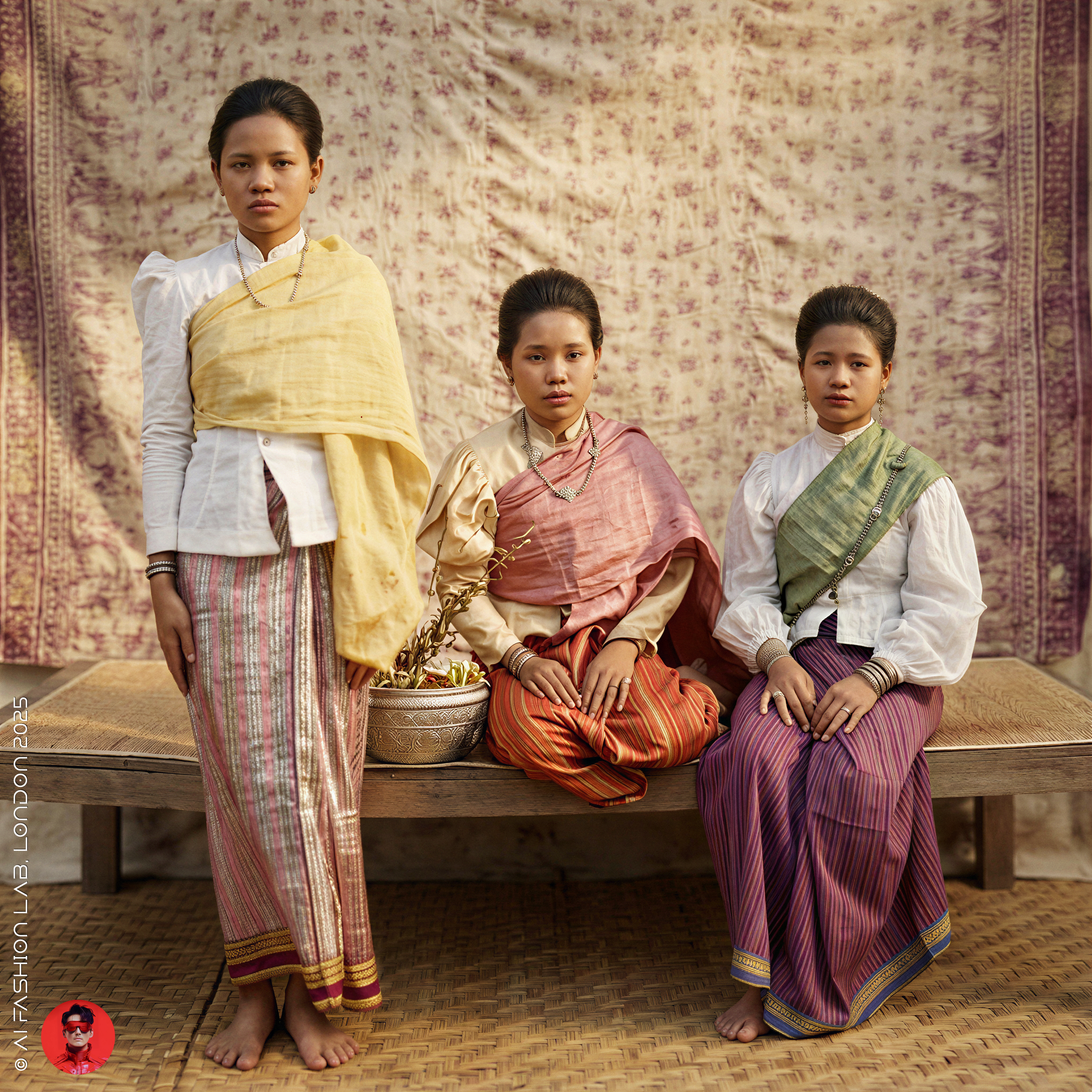
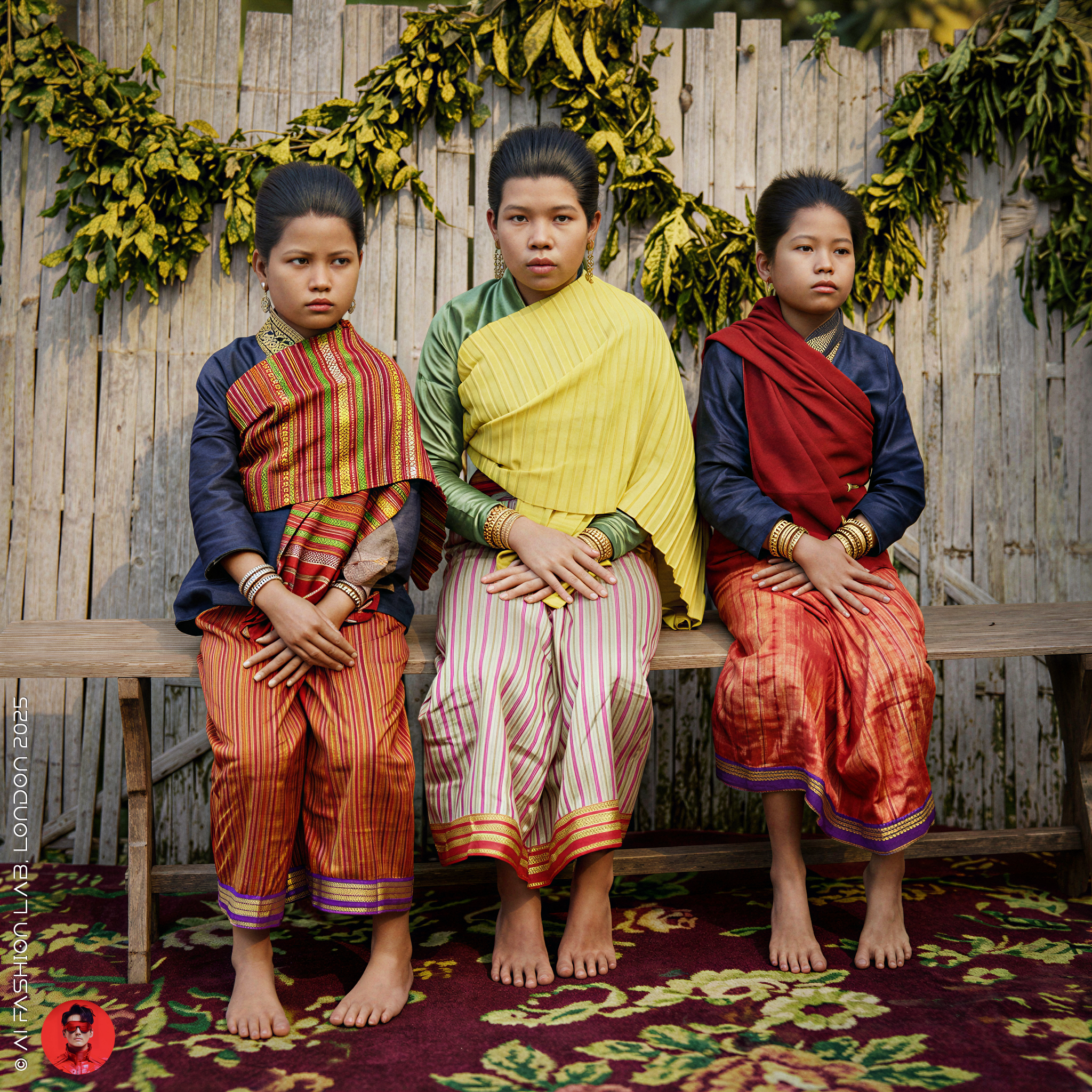
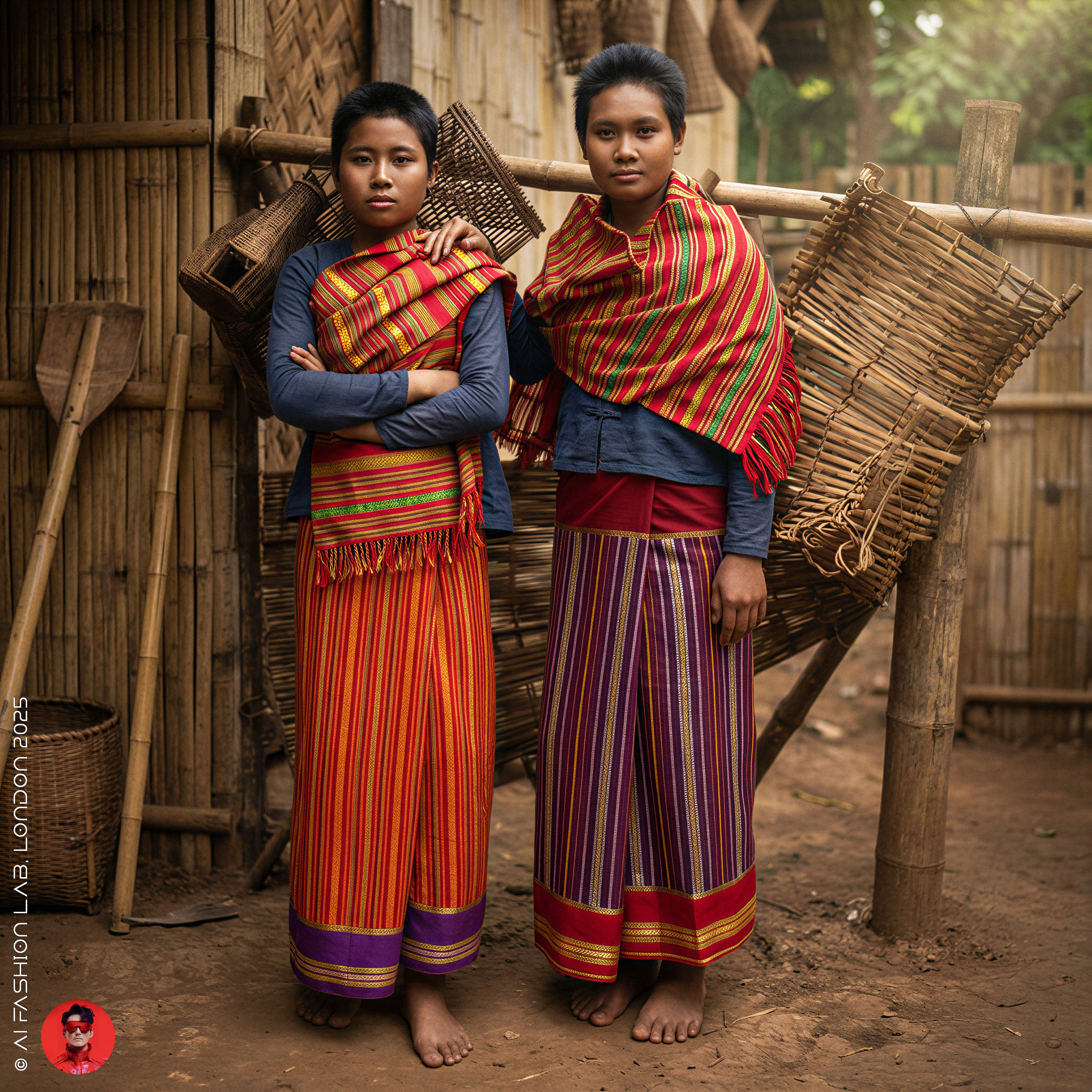
หญิงชั้นผู้ดีภาคอุดร: แฟชั่นอีสานในสมัยรัชกาลที่ 5 ตอนปลาย
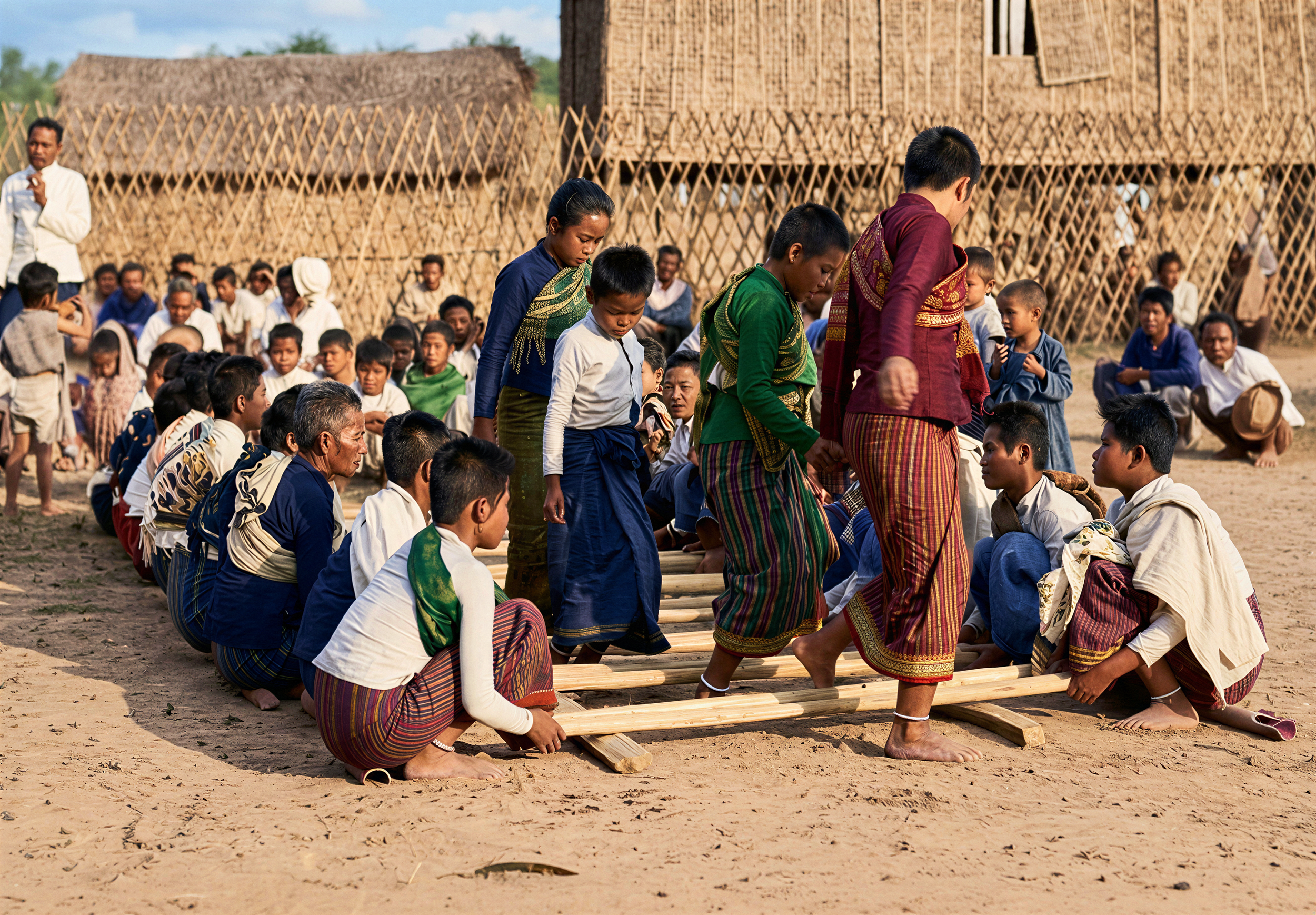
หญิงชั้นผู้ดีภาคอุดร: แฟชั่นอีสานในสมัยรัชกาลที่ 5 ตอนปลาย
ภาพที่ผ่านการบูรณะและสร้างสรรค์ด้วยเทคโนโลยี AI นี้ เป็นภาพของ หญิงชั้นผู้ดีแห่งมณฑลอุดร ภาคอีสานในช่วงการตรวจราชการของสมเด็จกรมพระยาดำรงราชานุภาพในปี พ.ศ. 2449
ผมได้รับแรงบันดาลใจจาก ภาพถ่ายอีสานโบราณ "สตรีสูงศักดิ์" (ในวงศ์เจ้าเมืองนครพนม) ซึ่งเป็นภาพถ่ายในอดีตของ มณฑลอุดร เมื่อราว ๑๑๘ ปีที่ผ่านมา ภาพนี้ถ่ายขึ้นที่เมืองนครพนม โดยสตรีที่นั่งตรงกลางคือ นางจันทร์เกษี ภรรยาของ พระสุรากรณ์พนมกิจ (ภูมิ) ยกบัตรเมืองนครพนม ผู้มีบทบาทสำคัญในระบบการปกครองของเมืองในขณะนั้น
ในช่วงเวลาดังกล่าว สมเด็จพระเจ้าบรมวงศ์เธอ กรมพระยาดำรงราชานุภาพ ซึ่งดำรงตำแหน่งเสนาบดีกระทรวงมหาดไทย ได้เสด็จออกตรวจราชการในมณฑลต่างๆ ทางภาคอีสาน เมื่อปี พ.ศ. ๒๔๔๙ โดยมี ช่างภาพติดตามการเสด็จ เพื่อบันทึกภาพวิถีชีวิต สังคม และวัฒนธรรมของผู้คนในหัวเมืองชายขอบของสยาม ภาพถ่ายเหล่านี้กลายเป็นหลักฐานสำคัญที่ช่วยให้เราสามารถศึกษารูปแบบการแต่งกายและบทบาทของสตรีชั้นสูงในภาคอีสานยุคนั้นได้อย่างดี
_______
มณฑลเทศาภิบาลคืออะไร?
ในบริบทของยุโรป มณฑลเทศาภิบาล (Monton, มณฑล) อาจเปรียบได้กับ หน่วยปกครองระดับภูมิภาค ที่คล้ายกับ Département ในฝรั่งเศส, Regierungsbezirk ในเยอรมนี หรือ Colonial Residency ในอาณานิคมของอังกฤษ
ระบบมณฑลเทศาภิบาลเป็นส่วนหนึ่งของ การปฏิรูประบบปกครองของสยามในสมัยรัชกาลที่ 5 ซึ่งแทนที่ ระบบเมืองประเทศราช แบบดั้งเดิม ด้วย โครงสร้างบริหารแบบรวมศูนย์ภายใต้กระทรวงมหาดไทย
ในช่วงต้นศตวรรษที่ 20 สยามถูกแบ่งออกเป็น 18 มณฑล รวมถึง มณฑลอุดร มณฑลนครราชสีมา และมณฑลอีสาน ในภาคตะวันออกเฉียงเหนือ การปฏิรูปนี้มีจุดมุ่งหมายเพื่อ ทำให้การบริหารราชการมีประสิทธิภาพมากขึ้น ปรับปรุงการสื่อสารระหว่างรัฐบาลกลางและท้องถิ่น และป้องกันการรุกล้ำของเจ้าอาณานิคมตะวันตก
_______
มณฑลอุดร: ศูนย์กลางการปกครองและวัฒนธรรมในภาคอีสาน
มณฑลอุดร หรือที่รู้จักในชื่อ มณฑลลาวพวน ก่อตั้งขึ้นเมื่อปี พ.ศ. 2433 จากการรวมกลุ่มหัวเมืองลาวฝ่ายเหนือที่ตั้งอยู่ริมฝั่งแม่น้ำโขง หลังจากสยามเสียดินแดนฝั่งขวาแม่น้ำโขงให้แก่ฝรั่งเศส ที่ตั้งของมณฑลถูกย้ายมายังบริเวณบ้านเดื่อหมากแข้ง ซึ่งปัจจุบันคือจังหวัดอุดรธานี มณฑลอุดรประกอบด้วยเมืองสำคัญ 6 แห่ง ได้แก่ เมืองอุดรธานี เมืองขอนแก่น เมืองเลย เมืองนครพนม เมืองหนองคาย และเมืองสกลนคร
ในสมัยรัชกาลที่ 5 ประเทศสยามได้จัดตั้ง มณฑลเทศาภิบาล ขึ้นเพื่อปรับปรุงระบบการปกครองให้มีความเป็นระเบียบและมีประสิทธิภาพมากขึ้น ในช่วงเวลานั้น มีการจัดตั้งมณฑลทั้งหมด 18 มณฑล ทั่วราชอาณาจักร
_______
แฟชั่นของหญิงชั้นสูงในอีสานสมัยรัชกาลที่ 5 ตอนปลาย
จากการศึกษาภาพถ่ายและเอกสารทางประวัติศาสตร์ สามารถวิเคราะห์แนวโน้มแฟชั่นของหญิงชั้นสูงในภาคอีสานช่วงปลายรัชสมัยของรัชกาลที่ ๕ ได้ดังนี้
๑. เสื้อแขนยาวสไตล์ตะวันตก
หญิงบางท่านสวม เสื้อแขนยาวคอตั้ง ซึ่งได้รับอิทธิพลจากแฟชั่น วิกตอเรียน-เอ็ดเวิร์ดเดียน ที่แพร่หลายในสยามช่วงปลายรัชกาลที่ ๕ เสื้อประเภทนี้เป็นที่นิยมในหมู่สตรีชั้นสูงในกรุงเทพฯ ก่อนแพร่เข้าสู่หัวเมืองต่างๆ
เสื้อบางตัวมีแขนพองเล็กน้อยและติดกระดุมด้านหน้า ซึ่งสะท้อนถึงการปรับตัวให้เข้ากับแฟชั่นสมัยใหม่
๒. ผ้าซิ่นลายทางและลายพื้นเมือง
สตรีทุกท่านในภาพสวม ผ้าซิ่นลายทาง ซึ่งเป็นเอกลักษณ์ของกลุ่มชาติพันธุ์ ไทลาวและผู้ไท ในภาคอีสาน ลวดลายที่พบบ่อย ได้แก่ ลายขิด ลายจก และลายหมี่
สีของผ้าซิ่นมักเป็น โทนน้ำเงิน แดง ดำ และขาว ซึ่งเป็นสีที่นิยมในยุคนั้น และมักใช้ฝ้ายหรือไหมที่ทอขึ้นด้วยมือ
๓. ผ้าเบี่ยง (สไบ)
หญิงบางท่านในภาพใช้ ผ้าเบี่ยงหรือสไบเฉียง พาดไหล่ ซึ่งเป็นลักษณะของการแต่งกายแบบดั้งเดิมของไทลาว-อีสาน
ผ้าเบี่ยงของหญิงชั้นสูงมักทำจากผ้าไหมเนื้อดี และใช้โทนสีเรียบง่ายหรือมีลวดลายละเอียด
๔. ทรงผมสั้น: สัญลักษณ์ของความทันสมัย
ผมสั้นแบบ "ดอกกระทุ่ม" เป็นทรงที่ได้รับอิทธิพลจากกระแสปฏิรูปของสยาม หญิงสูงศักดิ์ในเมืองใหญ่อย่างนครพนม สกลนคร และอุบลราชธานีเริ่มนิยมตัดผมสั้นมากขึ้น แทนการไว้ผมยาวเกล้ามวยแบบดั้งเดิม
ทรงนี้สะท้อนถึง ความศิวิไลซ์และการปรับตัวเข้าสู่สังคมใหม่
๕. เดินเท้าเปล่า: เครื่องหมายของวิถีชีวิตที่เรียบง่าย
หญิงชนชั้นสูงในกรุงเทพฯ มักสวมรองเท้า แต่ในอีสาน การเดินเท้าเปล่ายังคงเป็นที่นิยมแม้ในกลุ่มหญิงสูงศักดิ์
_______
Elite Women of the Udon Region:
Isan Fashion in the Late Reign of King Chulalongkorn (Rama V)
This AI-restored and creatively reinterpreted image depicts an elite woman of Monthon Udon in the Isan region during the official inspection tour of Somdet Phra Chao Borommawongse Ther Krom Phraya Damrong Rajanubhab(Prince Damrong Rajanubhab) in 1906 (B.E. 2449).
The work is inspired by a historical Isan photograph titled “High-Status Woman”, taken in Nakhon Phanom, then part of Monthon Udon, approximately 118 years ago. The woman seated at the centre of the original photograph is Nang Chankasi, wife of Phraya Surakorn Phanomkit (Phum), yokabat (deputy governor) of Nakhon Phanom, a key figure within the provincial administrative system of the period.
At that time, Prince Damrong Rajanubhab, serving as Minister of the Interior, undertook extensive inspection tours across the northeastern monthon of Siam. Accompanied by official photographers, these journeys documented the lives, social structures, and cultural practices of people in the kingdom’s peripheral regions. The resulting photographs have since become invaluable historical records, allowing scholars to study regional dress, social hierarchy, and the roles of elite women in Isan society during the late nineteenth and early twentieth centuries.
What Was the Monthon Thesaphiban System?
In a European context, the Monthon Thesaphiban system may be compared to a regional administrative unit, similar to a département in France, a Regierungsbezirk in Germany, or a colonial residency within the British Empire.
The system formed part of King Chulalongkorn’s administrative reforms, replacing the traditional tributary city-state (mueang prathetsarat) model with a centralised bureaucratic structure under the Ministry of the Interior.
By the early twentieth century, Siam was divided into 18 monthon, including Monthon Udon, Monthon Nakhon Ratchasima, and Monthon Isan. These reforms aimed to improve administrative efficiency, strengthen communication between the central government and provincial authorities, and safeguard Siamese sovereignty against Western colonial encroachment.
Monthon Udon:
Administrative and Cultural Centre of Northeastern Siam
Monthon Udon, also known as Monthon Lao Phuan, was established in 1890 (B.E. 2433) through the consolidation of northern Lao-speaking towns along the Mekong River. Following Siam’s territorial losses east of the Mekong to France, the administrative centre was relocated to Ban Duea Makhaeng, now modern Udon Thani Province.
Monthon Udon encompassed six major cities:
Udon Thani
Khon Kaen
Loei
Nakhon Phanom
Nong Khai
Sakon Nakhon
During the reign of King Chulalongkorn, the monthon system represented a decisive step towards modern statehood, with 18 monthon established throughout the kingdom.
Fashion of Elite Isan Women in the Late Reign of Rama V
Based on photographic evidence and historical documentation, the fashion of elite women in northeastern Siam during the late reign of King Chulalongkorn may be analysed as follows:
1. Long-Sleeved Western-Style Blouses
Some women wore high-collared, long-sleeved blouses, influenced by Victorian and Edwardian fashion, which had become fashionable in Bangkok before spreading to provincial centres. Certain garments featured slightly puffed sleeves and front button closures, reflecting adaptation to modern Western dress while retaining local sensibilities.
2. Striped and Indigenous Sinh Textiles
All women in the photographs wore striped sinh skirts, characteristic of Tai-Lao and Phu Tai communities in Isan. Common patterns included khit, chok, and mat mi. Colours typically favoured deep blues, reds, blacks, and whites, woven by hand from cotton or silk.
3. Phabieng (Diagonal Shoulder Cloth)
Some women draped a phabieng, or diagonal shoulder cloth, across one shoulder—a traditional Tai-Lao style of dress. Among elite women, these were often made of fine silk in subdued tones or with delicate patterning.
4. Short Hairstyles as a Marker of Modernity
The “dok krathum” short haircut gained popularity among elite women in urban centres such as Nakhon Phanom, Sakon Nakhon, and Ubon Ratchathani. Influenced by Siamese reformist ideals, this style replaced the traditional long, coiled bun and symbolised civilisation, progress, and adaptation to modern society.
5. Barefoot Walking: A Sign of Regional Lifestyle
While elite women in Bangkok commonly wore shoes, walking barefoot remained customary in Isan, even among women of high status. This practice reflected local environmental conditions and a lifestyle rooted in regional tradition rather than social inferiority.
_______
เรียนเชิญกด Subscribe ได้ที่ลิงก์นี้ครับ เพื่อร่วมติดตามงานสร้างสรรค์ต้นฉบับ งานวิจัยประวัติศาสตร์แฟชั่น และผลงานอนุรักษ์มรดกวัฒนธรรมด้วยเทคโนโลยี AI ของ AI Fashion Lab, London ซึ่งมุ่งตีความอดีตผ่านมิติใหม่ของการบูรณะภาพ การสร้างสรรค์ภาพ และการเล่าเรื่องด้วยศิลปะเชิงดิจิทัล 🔗 https://www.facebook.com/aifashionlab/subscribe/
#aifashionlab #AI #aiartist #aiart #aifashion #aifashiondesign #aifashionstyling #aifashiondesigner #fashion #fashionhistory #historyoffashion #fashionstyling #fashionphotography #digitalfashion #digitalfashiondesign #digitalcostumedesign #digitaldesign #digitalaiart #ThaiFashionHistory #ThaiFashionAI #thailand #UNESCO