ซูสีไทเฮา (慈禧太后) (ตอนที่ ๒)
ซูสีไทเฮา (慈禧太后) (ตอนที่ ๒)
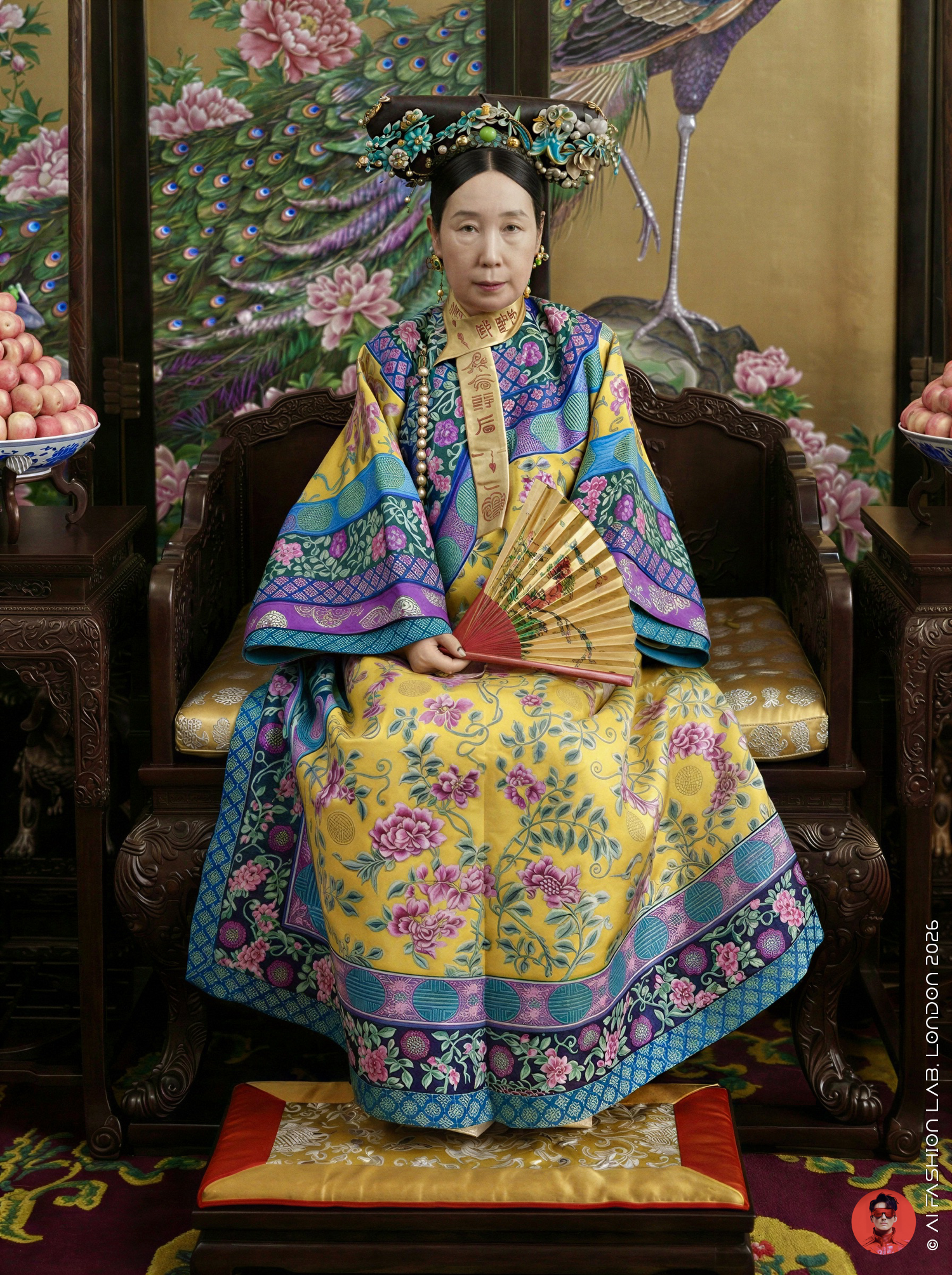
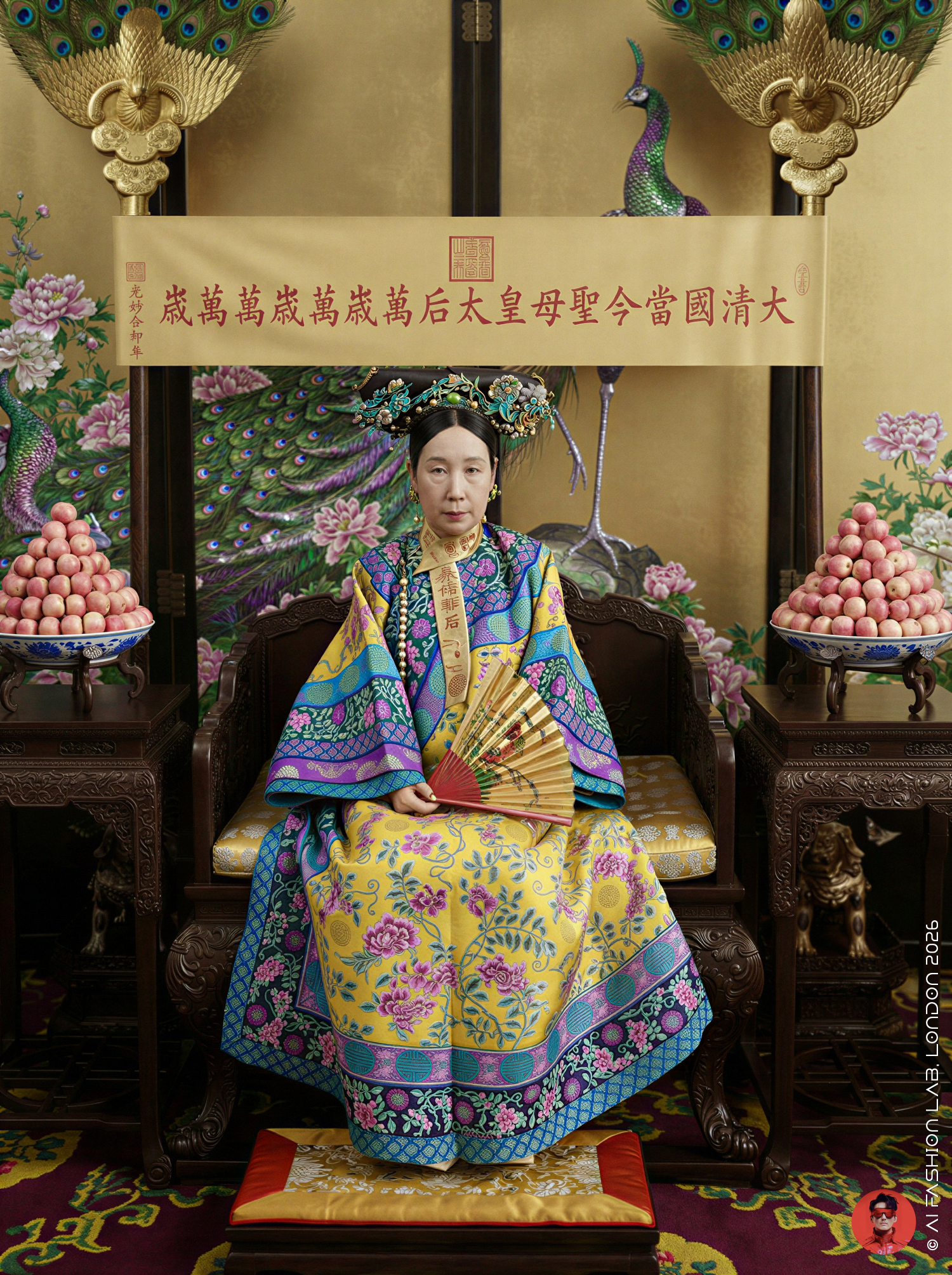
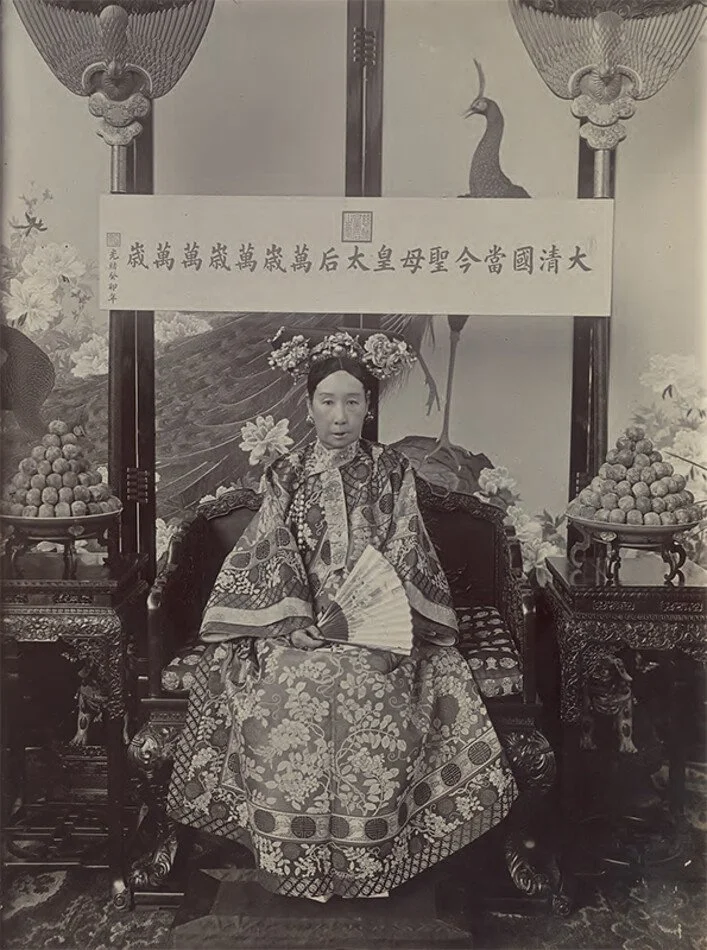
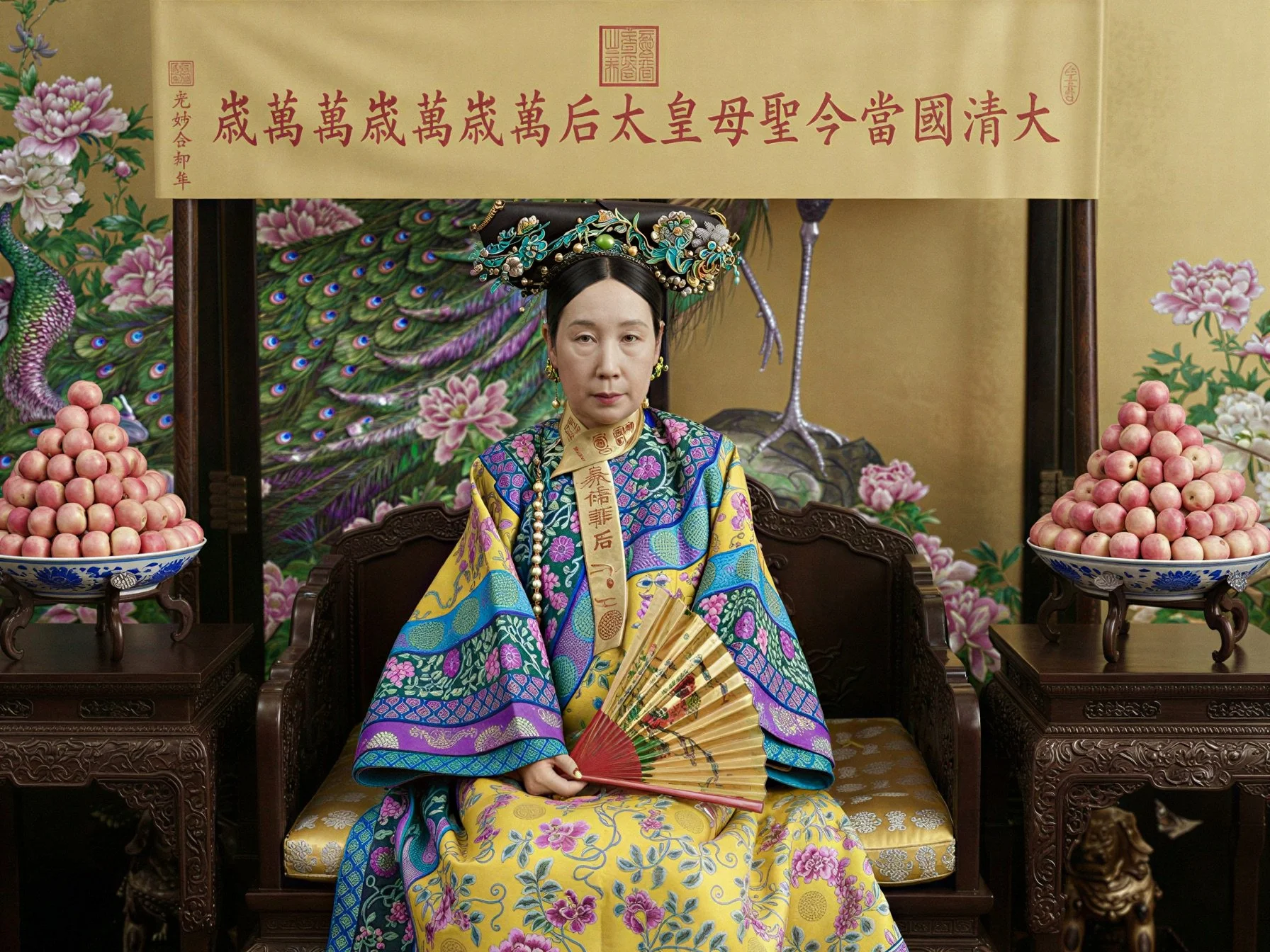
ภาพที่ได้รับการบูรณะและลงสีด้วยเทคโนโลยี AI ภาพนี้ คือพระฉายาลักษณ์ของ ซูสีไทเฮา (慈禧太后, Cíxǐ Tàihòu) ผู้ทรงเป็นผู้กุมอำนาจสูงสุดโดยพฤตินัยของราชวงศ์ชิงในช่วงปลายคริสต์ศตวรรษที่ 19 ถึงต้นคริสต์ศตวรรษที่ 20 ภาพต้นฉบับถ่ายขึ้นราว ค.ศ. 1904 ซึ่งเป็นช่วงเวลาที่การถ่ายภาพได้กลายเป็นสื่อสำคัญของราชสำนักชิงในการสร้างภาพแทนอำนาจ ความชอบธรรม และจักรวาลทัศน์ของรัฐจักรพรรดิ
ในช่วงปลายราชวงศ์ พระนางซูสีไทเฮาทรงตระหนักถึงพลังของการถ่ายภาพในฐานะสื่อสมัยใหม่ พระฉายาลักษณ์เหล่านี้มิใช่ภาพเหมือนส่วนพระองค์ หากเป็นภาพที่ถูกจัดวางอย่างพิถีพิถัน ภายใต้การควบคุมโดยตรงของพระองค์ เพื่อใช้เป็นสื่อเชิงสัญลักษณ์ ไม่ว่าจะเป็นของขวัญทางการทูต ภาพที่ระลึกในวาระมงคล หรือการยืนยันความต่อเนื่องของอำนาจราชวงศ์
องค์ประกอบทุกส่วนในภาพถูกเลือกอย่างมีความหมาย ตั้งแต่พระที่นั่ง เครื่องประกอบฉาก ผลไม้มงคล ดอกไม้ ไปจนถึงสัตว์มงคลในฉากหลัง ซึ่งร่วมกันสร้างภาษาทางสัญลักษณ์ว่าด้วยความยืนยาว ความกลมเกลียว และคุณธรรมของผู้ปกครอง หนึ่งในองค์ประกอบที่สำคัญคือ นกยูง (孔雀, kǒngquè) ซึ่งในวัฒนธรรมจีนเป็นสัญลักษณ์ของศักดิ์ศรี ความสง่างาม คุณธรรม และความรุ่งเรือง นกยูงยังเชื่อมโยงกับเกียรติยศและตำแหน่ง เนื่องจาก ขนนกยูง (huālíng 花翎) เคยใช้เป็นเครื่องหมายเชิดชูเกียรติขุนนางชั้นสูง ลวดลาย “ตานกยูง” บนแพนหางยังสื่อถึงการมองเห็นรอบด้าน ความรอบรู้ และการคุ้มครองจากสวรรค์ อันสอดคล้องกับภาพลักษณ์ของผู้ปกครองที่เปี่ยมด้วยปัญญาและคุณธรรม
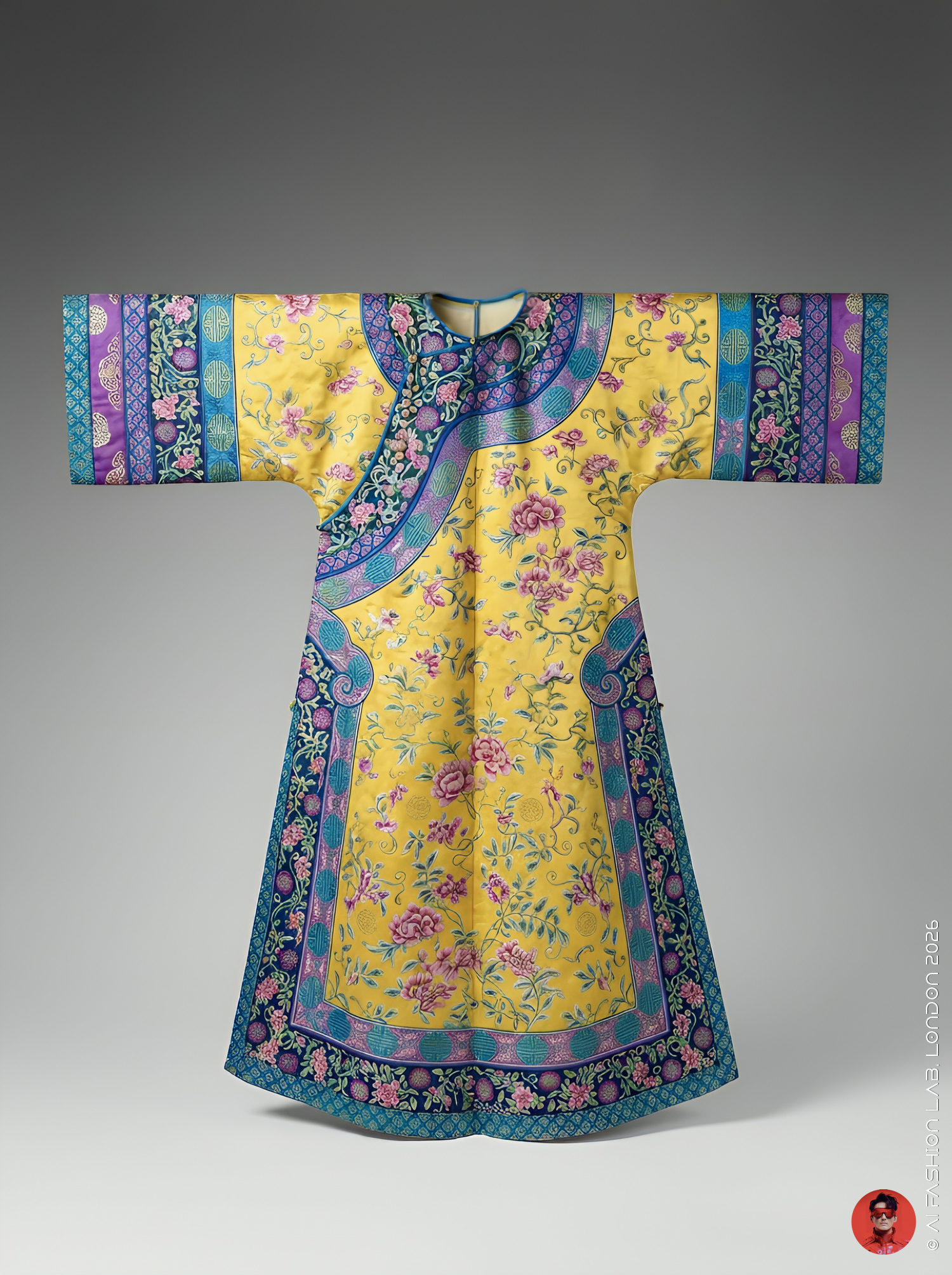
ฉลองพระองค์ที่ปรากฏในภาพนี้เป็นเครื่องแต่งกายสตรีชั้นสูงของราชสำนักชิงประเภท จี๋ฝู (吉服, jifu) หรือ “ฉลองพระองค์มงคล” ซึ่งเป็นเครื่องแต่งกายที่ใช้ในโอกาสเฉลิมฉลอง พิธีกรรมมงคล และการฉายพระฉายาลักษณ์ เครื่องแต่งกายประเภทนี้มิได้เน้นการแสดงยศเชิงการปกครอง หากเน้นภาษาเชิงสัญลักษณ์ด้านคุณธรรม ความเป็นสิริมงคล และอายุยืน โดยเฉพาะอย่างยิ่งสำหรับสตรีผู้ทรงอำนาจอย่างซูสีไทเฮาในช่วงบั้นปลายพระชนมชีพ
ลวดลายปักบนฉลองพระองค์มีความหนาแน่นและต่อเนื่องทั่วทั้งผืนผ้า โดดเด่นด้วย ดอกโบตั๋น (牡丹, mǔdān) ซึ่งในวัฒนธรรมจีนถือเป็น “ราชาแห่งบุปผชาติ” สื่อถึงความมั่งคั่ง เกียรติยศ และคุณธรรมของสตรีชั้นสูง ผสานกับลวดลาย เถาองุ่น (葡萄, pútáo) ซึ่งหมายถึงความอุดมสมบูรณ์ ความเจริญงอกงาม และความต่อเนื่องของสายสกุล ลวดลายองุ่นมีนัยสำคัญเป็นพิเศษในบริบทของการเฉลิมอายุยืน เนื่องจากพวงผลที่ต่อเนื่องกันสื่อถึงความไม่ขาดสายของราชวงศ์และความรุ่งเรืองยั่งยืน
กระจายอยู่ท่ามกลางลวดลายดอกไม้คือเหรียญกลมที่บรรจุตัวอักษรจีน 壽 (shòu) ซึ่งแปลว่า “อายุยืน” อักษรนี้มิใช่เพียงการตกแต่ง หากเป็นสัญลักษณ์มงคลที่มีความหมายลึกซึ้งในวัฒนธรรมราชสำนัก ตัวอักษร shòu มักใช้ในฉลองพระองค์สำหรับงานวันประสูติหรือวาระสำคัญด้านอายุ และเมื่อจัดวางซ้ำเป็นจังหวะทั่วทั้งผืนผ้า จะทำหน้าที่เสมือนคำอวยพรที่สวมใส่ได้ รูปทรงวงกลมของเหรียญยังสะท้อนแนวคิดเรื่องความสมบูรณ์ ความเป็นนิรันดร์ และวัฏจักรของจักรวาลตามคติเต๋า
การสร้างสรรค์ด้านสีของฉลองพระองค์ด้วยเทคโนโลยี AI มีบทบาทเชิงสัญลักษณ์ไม่ยิ่งหย่อนไปกว่าลวดลายปัก ผู้สร้างสรรค์ได้คำนึงถึงความหมายของสีและบริบททางวัฒนธรรมของจีนในสมัยราชวงศ์ชิงอย่างรอบคอบ สีที่เลือกใช้ประกอบด้วยพื้นสีเหลือง ซึ่งเป็นสีแห่งอำนาจสูงสุดและสื่อถึงความใกล้ชิดกับราชสำนักจักรพรรดิ ขอบและส่วนประกอบสีฟ้าและเทอร์ควอยซ์เชื่อมโยงกับสวรรค์ ความเป็นอมตะ และคุณธรรมอันสงบสุข ขณะที่สีม่วงซึ่งปรากฏเป็นจุดเน้น สื่อถึงความสูงศักดิ์และความประณีตทางจิตวิญญาณ ทั้งหมดนี้สะท้อนรสนิยมและภาษาทางสีของราชสำนักชิงในช่วงปลายราชวงศ์ได้อย่างชัดเจน
รูปแบบการตัดเย็บของฉลองพระองค์เป็นไปตาม โครงร่างการแต่งกายแบบแมนจู ซึ่งเน้นเส้นตรง ทรงยาว และโครงสร้างที่เป็นระเบียบ มากกว่าการเน้นสัดส่วนร่างกาย ลักษณะดังกล่าวช่วยขับให้ลวดลายปักและสีสันทำหน้าที่เป็นภาษาหลักของเครื่องแต่งกาย และยังเหมาะสมอย่างยิ่งกับการถ่ายภาพขาวดำในยุคต้นของการถ่ายภาพราชสำนัก
ส่วนศีรษะประดับด้วยทรงผมราชสำนักสตรีแมนจูที่เรียกว่า เหลี่ยงป่าถัว (兩把頭, liǎng bǎ tóu) หรือ “ทรงสองปีก” ซึ่งเป็นเอกลักษณ์ของสตรีชั้นสูงชาวแมนจู ผมถูกจัดให้แผ่ออกด้านข้างอย่างสมมาตร สร้างรูปทรงที่สมดุลกับแนวตั้งของฉลองพระองค์ และประดับด้วยดอกไม้ เครื่องประดับหยก ขนนกกระเต็น (翠羽 cuìyǔ) และปิ่นปักผม ซึ่งล้วนมีนัยมงคลด้านฤดูกาล อายุยืน และคุณธรรมของสตรี ในช่วงปลายรัชสมัยของซูสีไทเฮา ทรงผมและเครื่องประดับเหล่านี้ยิ่งทวีความอลังการ กลายเป็นภาพจำที่สะท้อนอำนาจและสถานะของพระองค์อย่างเด่นชัด
เมื่อพิจารณาร่วมกัน ฉลองพระองค์และเครื่องศีรษะในภาพนี้มิใช่เพียงการแต่งกาย หากเป็น “ความหมายที่มองเห็นได้” ที่สื่อถึงความยืนยาว ความกลมกลืน และอำนาจเชิงศีลธรรมของผู้ปกครอง ในการบูรณะและลงสีภาพด้วย AI การทำความเข้าใจโครงสร้างลวดลาย ระบบสัญลักษณ์ และภาษาของสีอย่างถูกต้อง จึงเป็นหัวใจสำคัญ เพื่อให้ภาพที่สร้างขึ้นใหม่ทำหน้าที่เป็นเครื่องมือทางประวัติศาสตร์นิพนธ์เชิงทัศนา (visual historiography) มากกว่างานจินตนาการ และยังคงความถูกต้องระหว่างหลักฐานทางประวัติศาสตร์กับการตีความเชิงสร้างสรรค์อย่างมีจริยธรรม
_____________
Empress Dowager Cixi (慈禧太后) (Part 2)
This AI-restored and colourised image is of Empress Dowager Cixi (慈禧太后, Cíxǐ Tàihòu), the de facto ruler of the Qing dynasty during the late nineteenth and early twentieth centuries. The photograph dates to circa 1904, a period when photography had become an established and carefully controlled medium of imperial representation at the Qing court. By this time, the Empress Dowager had fully embraced photography as a modern tool through which authority, longevity, and cosmological legitimacy could be visually articulated. These portraits were meticulously staged and produced under her direct supervision, intended not as personal likenesses but as symbolic affirmations of moral authority and dynastic continuity.
Every element within the composition was deliberately chosen. The throne-like armchair, symmetrical fruit offerings, floral arrangements, and auspicious animals in the background form a coherent symbolic programme associated with longevity, harmony, and virtuous rule. Among these elements, the peacock (孔雀, kǒngquè) occupies a particularly significant position. In Chinese visual culture, the peacock symbolised dignity, elegance, moral refinement, and prosperity. It was also closely associated with rank and honour, as peacock feathers (huālíng 花翎) were historically awarded as marks of distinction to high-ranking officials. The “eye” patterns of the peacock’s tail further evoked ideas of all-seeing awareness, vigilance, and heavenly protection. In the context of imperial portraiture, the peacock thus reinforces an image of cultivated authority grounded in wisdom and ethical order rather than overt power.
The garment worn in this image belongs to the category of auspicious court dress, most commonly described in Qing terminology as 吉服 (jifu), meaning “auspicious robe.” This type of garment occupied an important position within the court dress system, distinct from strictly ritual or administrative attire. Jifu were worn for celebratory occasions, longevity rites, commemorations, and photographic sittings, where symbolic richness was prioritised over bureaucratic rank display. For senior imperial women, particularly the Empress Dowager, such robes functioned as vehicles of cultural meaning, communicating ideals of harmony, virtue, and longevity.
The embroidery covering the robe is exceptionally dense and carefully organised, forming a continuous textile field rather than isolated decorative panels. Dominating the surface are peonies (牡丹)—long regarded in Chinese culture as the “king of flowers”—symbolising wealth, honour, and refined feminine virtue. Interwoven among them are grape vines (葡萄), whose clustered fruit and trailing tendrils represent abundance, fertility, and the continuity of lineage. The choice of grapes is particularly significant in garments associated with longevity, as the motif suggests unbroken generational succession and enduring prosperity.
Scattered rhythmically across this floral ground are circular medallions enclosing the Chinese character 壽 (shòu), meaning longevity. These shou medallions are not incidental embellishments but highly codified auspicious symbols deeply embedded in late imperial visual culture. Their repetition transforms the robe into a wearable blessing, invoking long life, cosmic harmony, and heavenly favour. The circular format of the medallions reinforces concepts of completeness and eternity, echoing Daoist notions of cyclical time and balance. Such robes were particularly associated with birthday celebrations and milestone anniversaries, contexts in which the Empress Dowager’s image as a living embodiment of longevity was most strongly emphasised.
The colour design of the robe, created through AI-assisted restoration, plays a symbolic role equal in importance to the embroidered motifs. The creator has carefully considered the cultural meanings of colour within the context of Qing dynasty China. The yellow ground signifies supreme authority and close association with the imperial household, while blue and turquoise borders and decorative elements are linked to heaven, immortality, and calm moral virtue. Accents of purple, used sparingly as highlights, convey nobility and spiritual refinement. Together, these colours reflect the aesthetic sensibilities and chromatic language of the late Qing court with clarity and historical sensitivity.
The cut and structure of the robe follow the Manchu court silhouette, characterised by a straight, columnar body, wide sleeves, and a frontal opening, designed to drape smoothly rather than emphasise bodily contours. This architectural formality enhanced the garment’s symbolic weight, allowing embroidery and colour to dominate the visual field. When photographed, such robes translated exceptionally well into monochrome imagery, their dense patterns and strong contrasts lending themselves to the controlled aesthetics of early court photography.
Completing the ensemble is the Empress Dowager’s distinctive Manchu court headdress, commonly referred to as the 兩把頭 (liǎng bǎ tóu), or “two-winged hairstyle.” This coiffure, emblematic of Manchu elite women, features hair arranged horizontally on either side of the head, creating a broad silhouette that balanced the vertical lines of the robe. The hairstyle is adorned with elaborate floral ornaments, silk flowers, kingfisher-feather decorations, and jewelled hairpins, many of which carried their own auspicious meanings related to longevity, seasonal renewal, and feminine virtue. In later portraits, these headdresses often became increasingly elaborate, reinforcing the Empress Dowager’s visual authority and iconic recognisability.
Together, the robe and headdress form a carefully orchestrated visual statement. They present the Empress Dowager not simply as a political figure, but as a symbolic embodiment of longevity, harmony, and maternal authority within the Qing cosmological order. When approached through AI-assisted restoration and colourisation, close attention to embroidery structure, textile symbolism, colour hierarchy, and dress terminology is essential. Grounded in historical knowledge and cultural context, such reconstruction allows the image to function as a form of visual historiography—bringing renewed clarity to Qing court fashion while remaining transparent about the interpretive nature of the process.
_____________
เรียนเชิญกด Subscribe ได้ที่ลิงก์นี้ครับ เพื่อร่วมติดตามงานสร้างสรรค์ต้นฉบับ งานวิจัยประวัติศาสตร์แฟชั่น และผลงานอนุรักษ์มรดกวัฒนธรรมด้วยเทคโนโลยี AI ของ AI Fashion Lab, London ซึ่งมุ่งตีความอดีตผ่านมิติใหม่ของการบูรณะภาพ การสร้างสรรค์ภาพ และการเล่าเรื่องด้วยศิลปะเชิงดิจิทัล 🔗 https://www.facebook.com/aifashionlab/subscribe/
#aifashionlab #AI #aiartist #aiart #aifashion #aifashiondesign #aifashionstyling #aifashiondesigner #fashion #fashionhistory #historyoffashion #fashionstyling #fashionphotography #digitalfashion #digitalfashiondesign #digitalcostumedesign #digitaldesign #digitalaiart #ThaiFashionHistory #ThaiFashionAI #thailand #UNESCO