ซูสีไทเฮา (慈禧太后) (ตอนที่ ๘)“ซูสีไทเฮาและฉลองพระองค์ลายองุ่นไข่มุก”
ซูสีไทเฮา (慈禧太后) (ตอนที่ ๘)
“ซูสีไทเฮาและฉลองพระองค์ลายองุ่นไข่มุก”
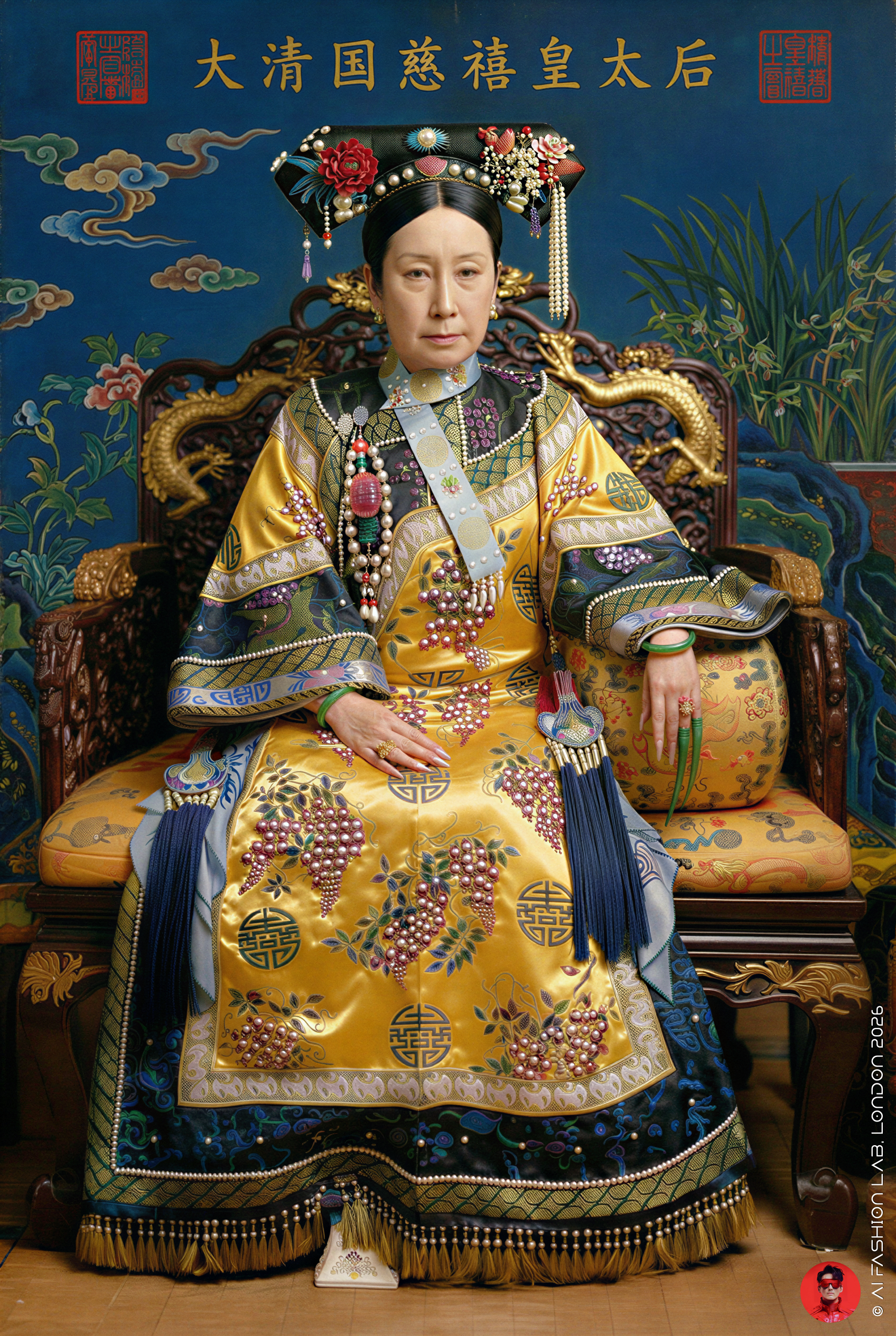
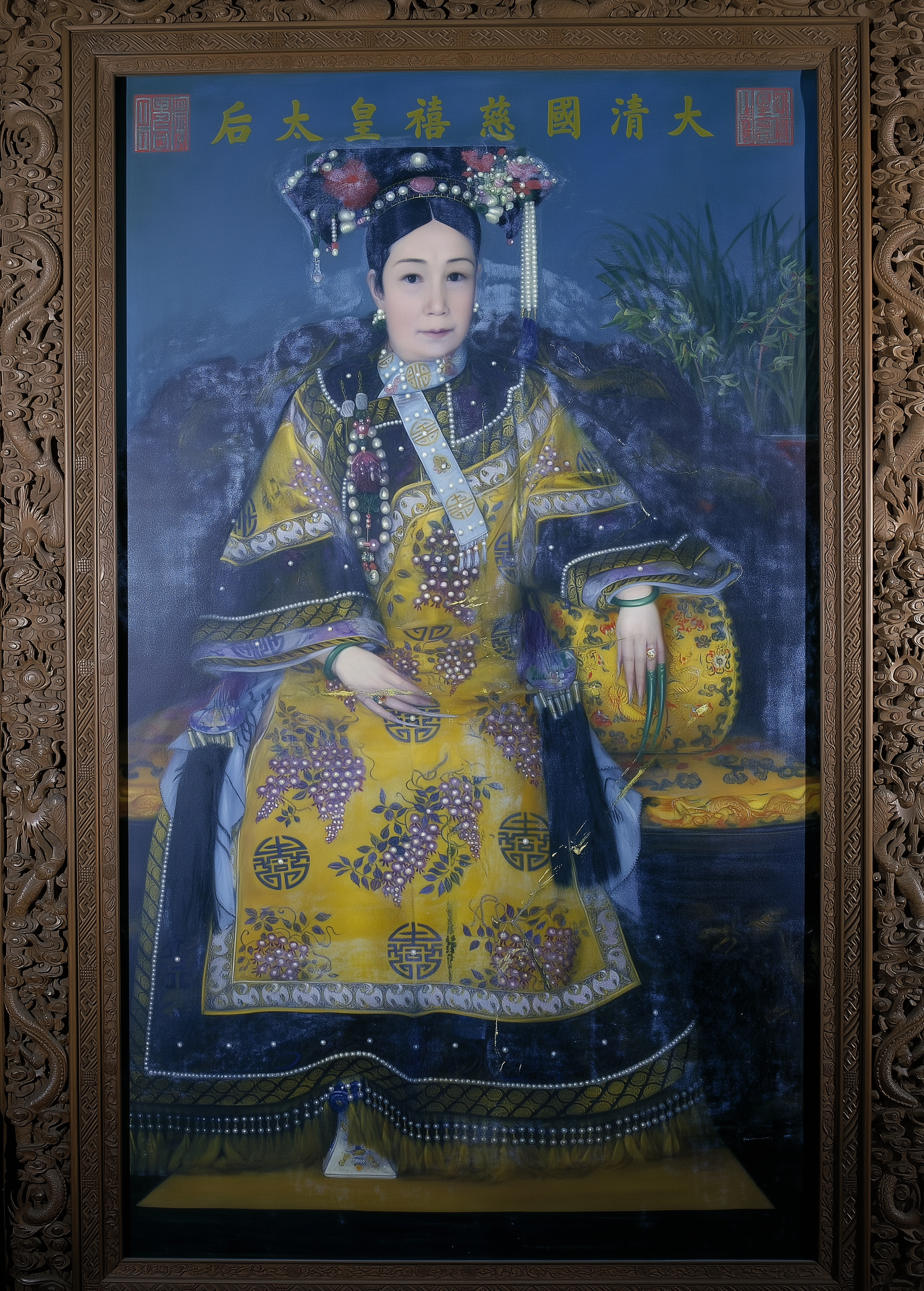
ภาพที่ได้รับการบูรณะและสร้างสรรค์ด้วย AI ภาพนี้อ้างอิงจากพระฉายาทิสลักษณ์สีน้ำมันแบบตะวันตกของซูสีไทเฮา (慈禧太后) (หรือ ฉือสี่ไท่โฮ่ว ในสำเนียงจีนกลาง) ซึ่งวาดขึ้นในช่วงปี ค.ศ. 1903–1904 โดย Katharine Carl ภาพดังกล่าวเกิดขึ้นในช่วงเวลาที่ราชสำนักชิงให้ความสำคัญอย่างยิ่งต่อการจัดการภาพลักษณ์ของซูสีไทเฮาในสายตาของโลกภายนอก โดยเฉพาะต่อผู้ชมชาวตะวันตกซึ่งมีความรู้เกี่ยวกับจักรวรรดิจีนอยู่อย่างจำกัด ปัจจุบันภาพต้นฉบับเก็บรักษาอยู่ในพิพิธภัณฑ์พระราชวังปักกิ่ง ณ กรุงปักกิ่ง
ในพระฉายาทิสลักษณ์ต้นฉบับ ซูสีไทเฮาทรงฉลองพระองค์ ฉางอี (常衣) สีเหลืองจักรพรรดิ ซึ่งเป็นเครื่องแต่งกายราชสำนักแบบเป็นทางการ แม้จะไม่ใช่เครื่องทรงพิธีการเต็มรูปแบบ พระเกศาทรงจัดเป็นทรง เหลียงปาโถว (兩把頭) ลักษณะปีกผมแนวนอนกว้าง ซึ่งเป็นทรงผมของสตรีแมนจูชั้นสูงและเป็นที่จดจำได้ทันที นอกจากนี้ พระองค์ยังทรงสวม ปลอกนิ้ว ซึ่งใช้ป้องกันเล็บยาวและบ่งบอกสถานะของผู้ใช้ ที่นิ้วนางและนิ้วก้อย รายละเอียดเล็กๆนี้แต่สำคัญ เพราะเป็นการบ่งบอกถึงฐานะ ความประณีต ความหรูหรา และการยกเว้นจากการทำงานทางกายภาพ
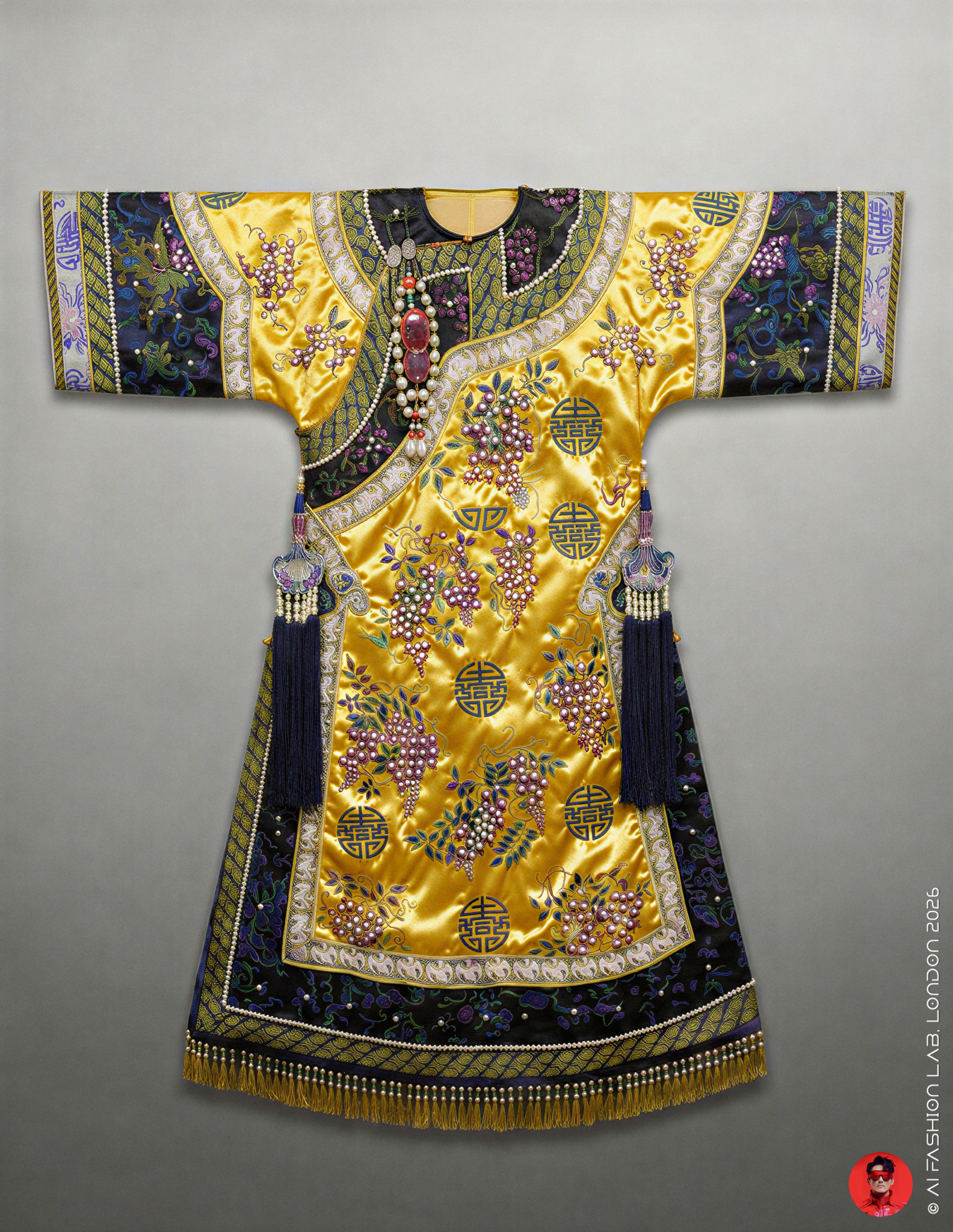
สิ่งที่ดึงดูดสายตาที่สุดคือลายปักและการตกแต่งฉลองพระองค์ ผืนผ้าไหมปักลวดลายเถาองุ่น และผลองุ่นถูกสร้างขึ้นจาก ไข่มุก ที่เย็บติดลงบนผืนผ้าโดยตรง และจำนวนของไข่มุกนั้นโดดเด่นอย่างยิ่ง ด้วยปริมาณจำนวนมากจนทำให้ผู้ชมสามารถรับรู้ถึงมูลค่าของฉลองพระองค์ได้ในทันที
ในความหมายของสัญลักษณ์ของราชสำนักชิง ลวดลายองุ่นมักสื่อถึง ความอุดมสมบูรณ์ องุ่นออกผลเป็นพวงหนาแน่น จึงให้ภาพของการมีทรัพยากรอย่างเหลือเฟือ ไข่มุกช่วยตอกย้ำความหมายนี้ในเชิงวัตถุอย่างตรงไปตรงมา ไข่มุกธรรมชาติเป็นวัสดุที่มีมูลค่าสูงมาก และการนำมาใช้ประดับฉลองพระองค์ในปริมาณเช่นนี้คือการแสดงฐานะและทรัพยากรของราชสำนักอย่างชัดเจน จุดประสงค์มิใช่การสื่อสัญลักษณ์อย่างซับซ้อน หากแต่เป็นการแสดงความมั่งคั่งของราชสำนักต่อโลกตะวันตกให้เห็นอย่างชัดแจ้ง
เนื่องจากภาพนี้ถูกวาดขึ้นเพื่อผู้ชมชาวต่างชาติ ความชัดเจนจึงมีความสำคัญ ทุกองค์ประกอบของภาพ การใช้ผ้าไหมสีเหลืองจักรพรรดิ งานปักที่ละเอียดและวิจิตรบรรจง พร้อมกับไข่มุกจำนวนมาก และพระอิริยาบถที่สงบนิ่ง ล้วนทำงานร่วมกันเพื่อสื่อสารอำนาจผ่านวัฒนธรรมวัตถุ สำหรับข้อความที่ภาพต้องการสื่อสารนั้นเรียบง่ายและตรงไปตรงมา: ราชสำนักชิงคือราชสำนักที่มั่งคั่งและยืนอยู่บนขนบธรรมเนียมอันมั่นคงมาอย่างยาวนาน
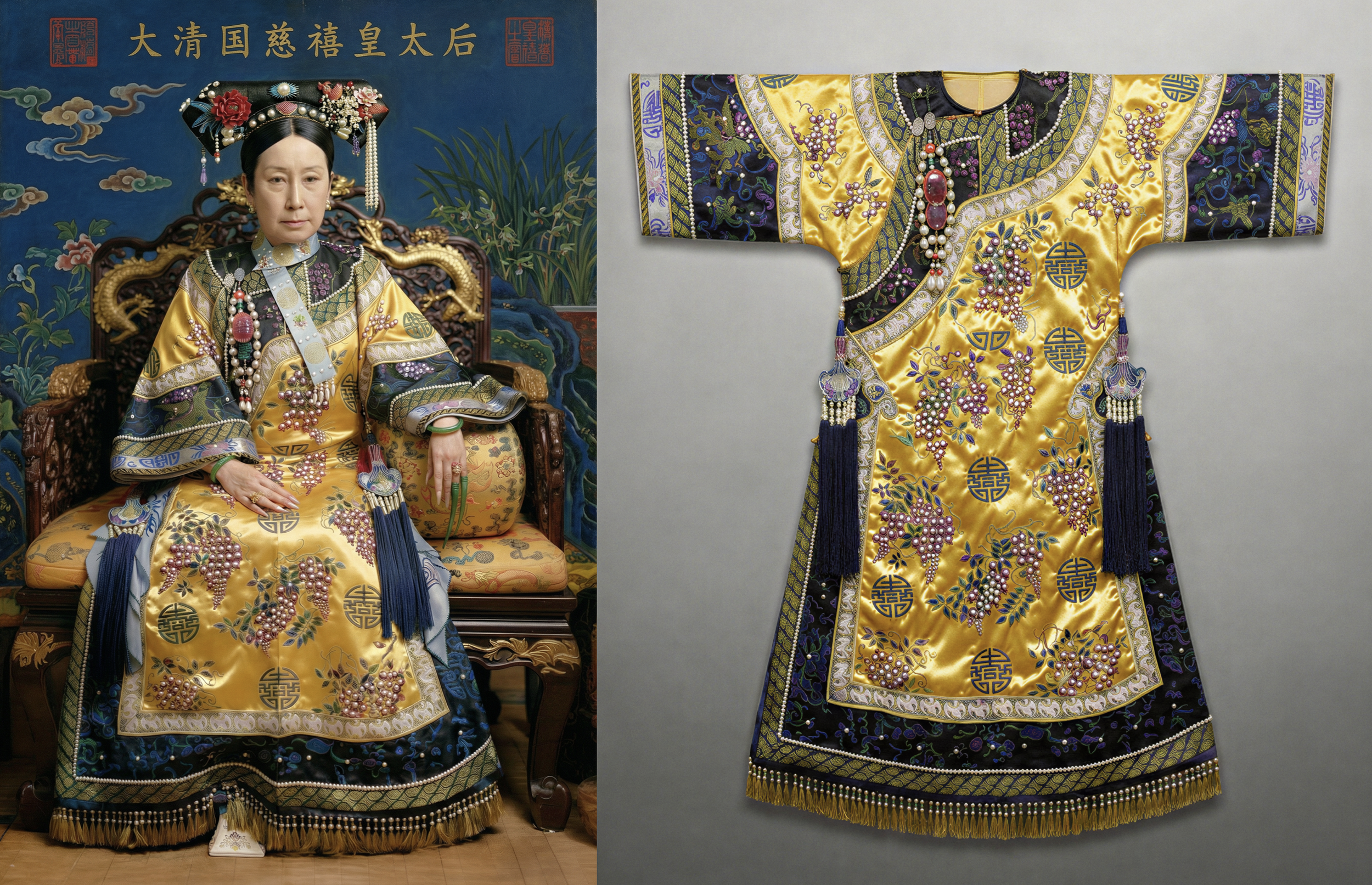
ภาพที่ได้รับการบูรณะและสร้างสรรค์ด้วย AI ภาพนี้ แปลภาพวาดต้นฉบับให้อยู่ในรูปแบบภาพถ่ายเสมือนจริง เพื่อสนับสนุนการศึกษา วัฒนธรรมวัตถุและประวัติศาสตร์แฟชั่น ภาพวาดสีน้ำมันมักทำให้พื้นผิวและรายละเอียดของวัตถุดูต่างจากของจริง ขณะที่การนำเสนอในลักษณะภาพถ่ายช่วยให้พิจารณาโครงสร้าง ผิวสัมผัส และสัดส่วนได้ใกล้ชิดยิ่งขึ้น ทำให้เห็นได้ชัดว่าไข่มุกถูกเย็บอย่างหนาแน่นเพียงใด งานปักวางตัวบนผ้าไหมอย่างไร และโครงสร้างของชุดสไตล์ฉางอีเป็นเช่นไร
ภาพนี้มิได้มีจุดประสงค์เพื่อแทนที่ภาพต้นฉบับ หรือเพื่อตีความใหม่ในเชิงสัญลักษณ์ หากแต่เป็นเครื่องมือสำหรับการมองเครื่องแต่งกายในฐานะวัตถุ เมื่อมองในกรอบนี้ ฉลองพระองค์ลายองุ่นไข่มุก สามารถสื่อสารกับผู้ชมได้อย่างชัดเจน - ผ่านผ้าและเครื่องประดับ - ซึ่งแสดงถึง ความอุดมสมบูรณ์ ทรัพยากรที่มีมากมาย และอำนาจของผู้สวมใส่
การการบูรณะและสร้างสรรค์ด้วย AI ช่วยให้คุณลักษณะเหล่านี้ชัดเจนยิ่งขึ้นขึ้น และทำให้ภาพนี้มีคุณค่าไม่เพียงในฐานะภาพเหมือน หากแต่เป็นแหล่งอ้างอิงสำหรับการศึกษาการแต่งกายแบบราชสำนักชิง พร้อมทั้งการตีความในแง่มุมของวัฒนธรรมวัตถุและประวัติศาสตร์แฟชั่น
_______________
Empress Dowager Cixi and the Grape-and-Pearl Dress
This AI-restored and re-created image is based on a Western oil portrait of Empress Dowager Cixi (慈禧太后, Cíxǐ Tàihòu), also known as Ci Xi Taihou in Mandarin pronunciation. The original painting was executed between 1903 and 1904 by Katharine Carl. It was created at a moment when the Qing court placed great importance on managing how Empress Dowager Cixi appeared to the outside world, particularly to Western audiences who had limited understanding of imperial China. Today, the original painting is held at the Palace Museum in Beijing.
In the original portrait, Empress Dowager Cixi is shown wearing an imperial yellow changyi (常衣), a form of formal court dress, though not full ceremonial attire. Her hair is styled in the liangbatou (兩把頭) coiffure, characterised by its wide horizontal wings, a hairstyle associated with elite Manchu women and immediately recognisable as a marker of high status. She also wears finger guards on her ring finger and pinkie. These were used to protect long fingernails and served as indicators of rank. Though small in scale, such details are significant, signalling refinement, luxury, and exemption from physical labour.
The most visually striking feature of the dress is its surface decoration. The silk is embroidered with grape vines, and the grapes themselves are formed from pearls sewn directly onto the fabric. The number of pearls is remarkable. They are used in such abundance that the value of the garment is immediately apparent to the viewer.
Within Qing court decorative traditions, grape motifs were commonly associated with abundance and prosperity. Grapes grow in dense clusters and convey a sense of plentiful resources. The pearls reinforce this meaning in a direct and material way. Natural pearls were extremely valuable, and their use in such large quantities on a single garment constitutes a clear display of wealth and court resources. The intention here was not subtle symbolism, but a straightforward presentation of prosperity aimed at Western viewers.
Because the portrait was created for a foreign audience, clarity was essential. Every element—the imperial yellow silk, the finely executed embroidery, the generous use of pearls, and the composed posture—works together to communicate authority through material culture. The message conveyed by the image is direct and unambiguous: the Qing court was wealthy and firmly grounded in long-established traditions.
This AI-restored and re-created image translates the original painting into a photographic form to support the study of material culture and fashion history. Oil paintings often soften surfaces and alter the perception of texture, whereas a photographic approach allows closer examination of construction, surface detail, and proportion. It becomes easier to observe how densely the pearls are applied, how the embroidery sits on the silk, and how the structure of the changyisupports such rich ornamentation.
The image is not intended to replace the original painting, nor to reinterpret it symbolically. Rather, it serves as a tool for examining dress as an object—its materials, construction, and the visual language of wealth and rank embedded in Qing court clothing. Seen in this way, the grape-and-pearl dress communicates clearly, through fabric and ornament, ideas of abundance, extensive resources, and authority.
The AI restoration and re-creation help bring these qualities into sharper focus, giving the image value not only as a portrait, but also as a reference for the study of Qing court dress within the broader context of material culture and fashion history.
_______________
เรียนเชิญกด Subscribe ได้ที่ลิงก์นี้ครับ เพื่อร่วมติดตามงานสร้างสรรค์ต้นฉบับ งานวิจัยประวัติศาสตร์แฟชั่น และผลงานอนุรักษ์มรดกวัฒนธรรมด้วยเทคโนโลยี AI ของ AI Fashion Lab, London ซึ่งมุ่งตีความอดีตผ่านมิติใหม่ของการบูรณะภาพ การสร้างสรรค์ภาพ และการเล่าเรื่องด้วยศิลปะเชิงดิจิทัล 🔗 https://www.facebook.com/aifashionlab/subscribe/
#aifashionlab #AI #aiartist #aiart #aifashion #aifashiondesign #aifashionstyling #aifashiondesigner #fashion #fashionhistory #historyoffashion #fashionstyling #fashionphotography #digitalfashion #digitalfashiondesign #digitalcostumedesign #digitaldesign #digitalaiart #ThaiFashionHistory #ThaiFashionAI #thailand #UNESCO