แฟชั่นในภาพถ่ายนางละครคณะกรมพระนราฯ

แฟชั่นในภาพถ่ายนางละครคณะกรมพระนราฯ
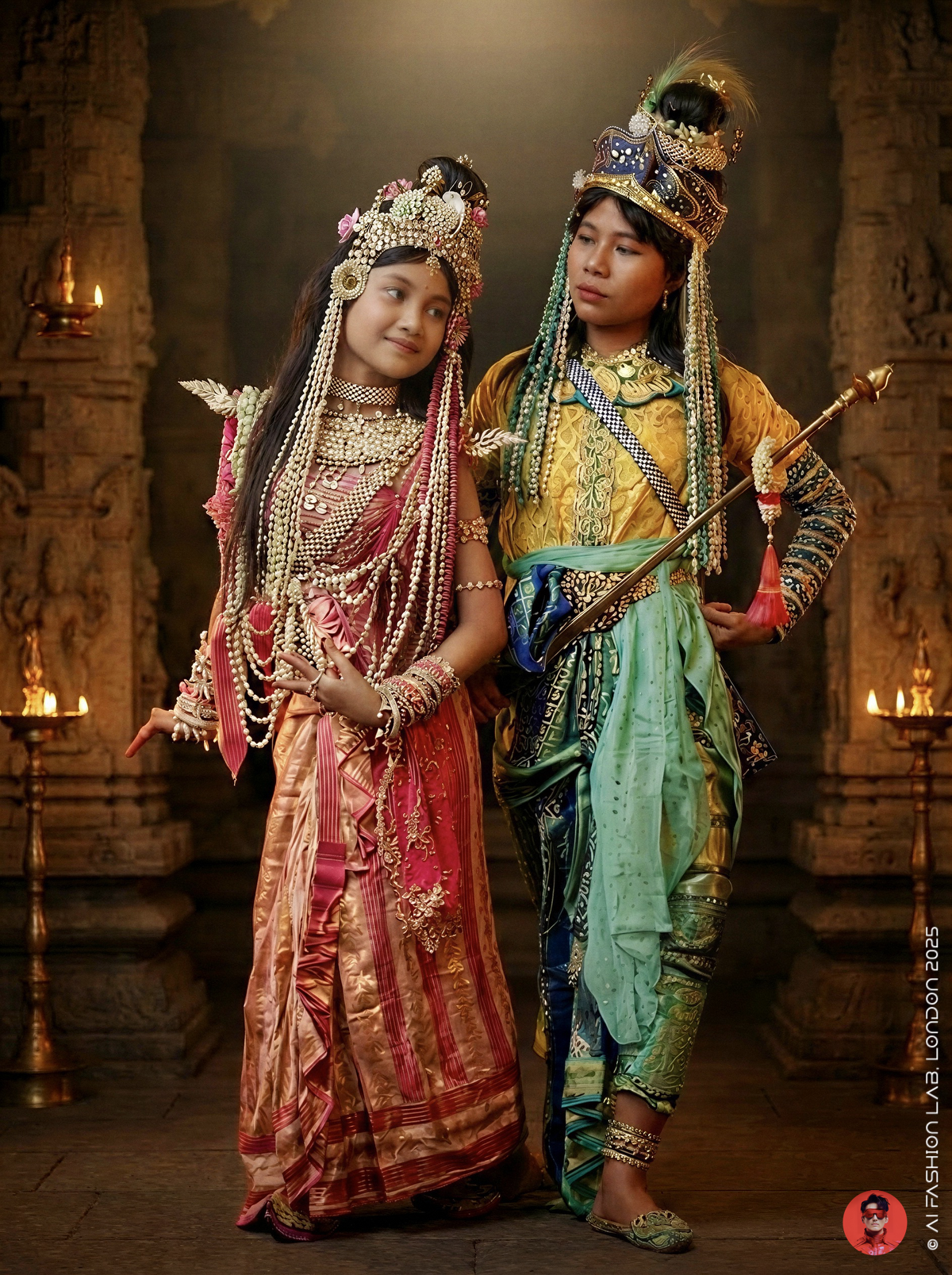
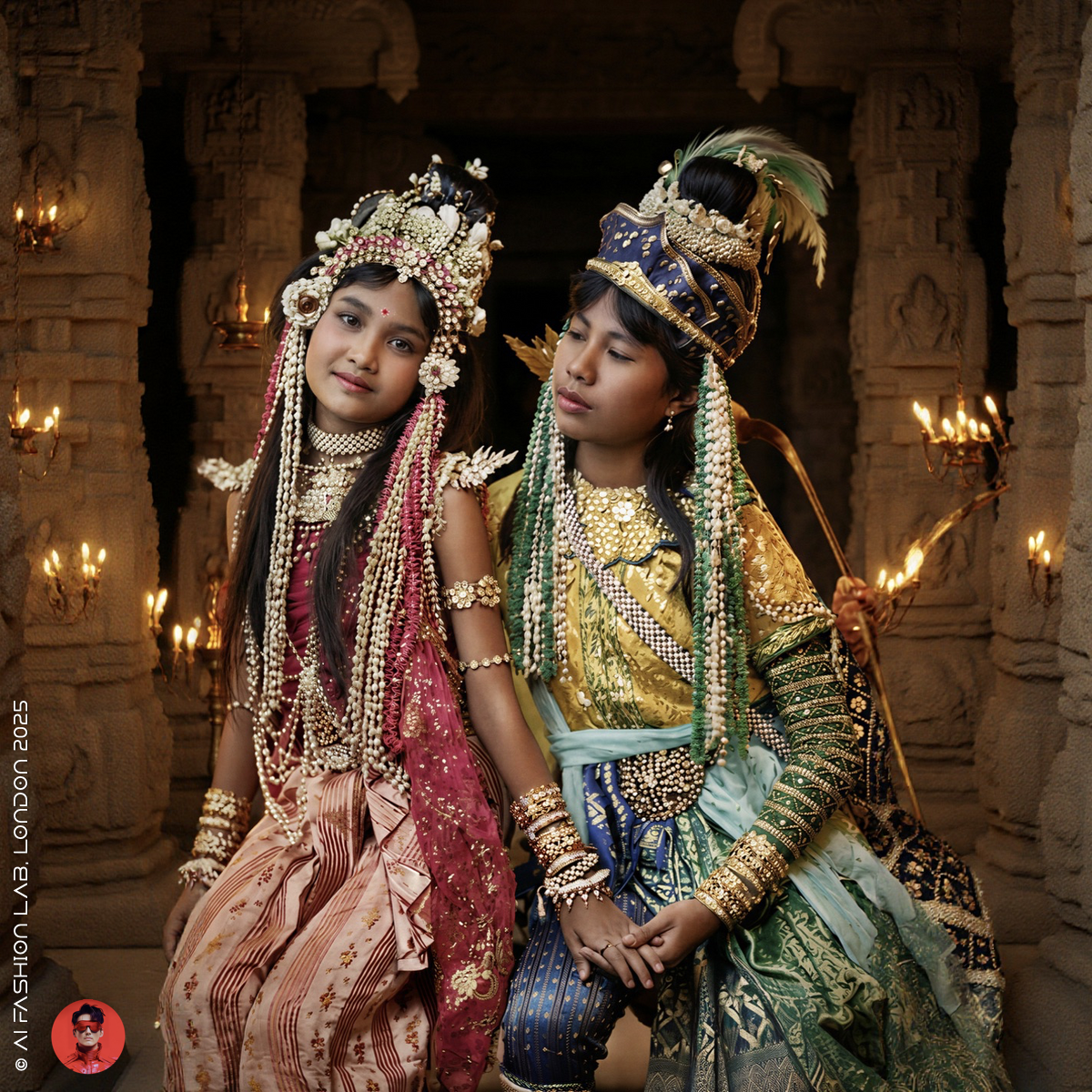
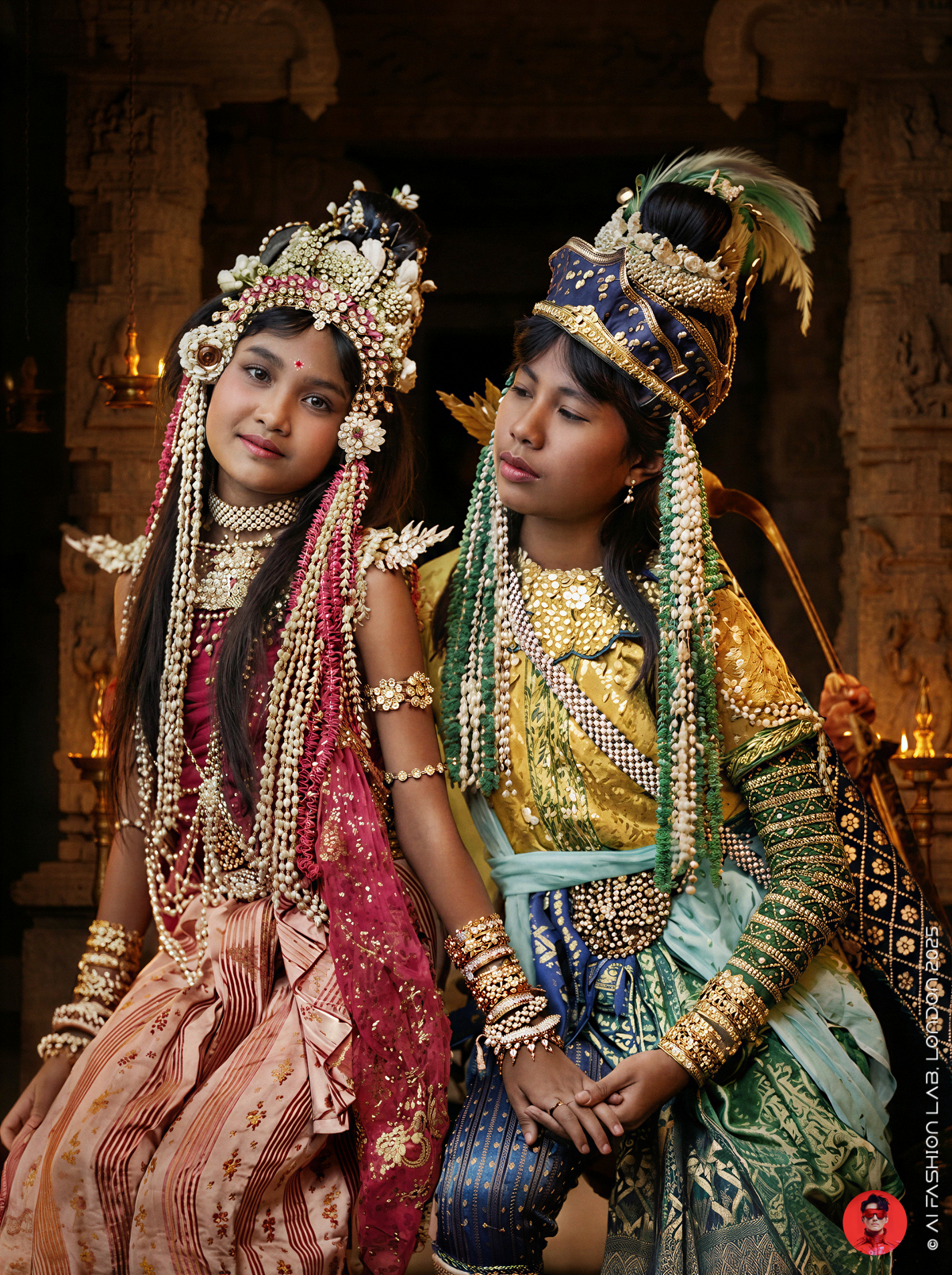
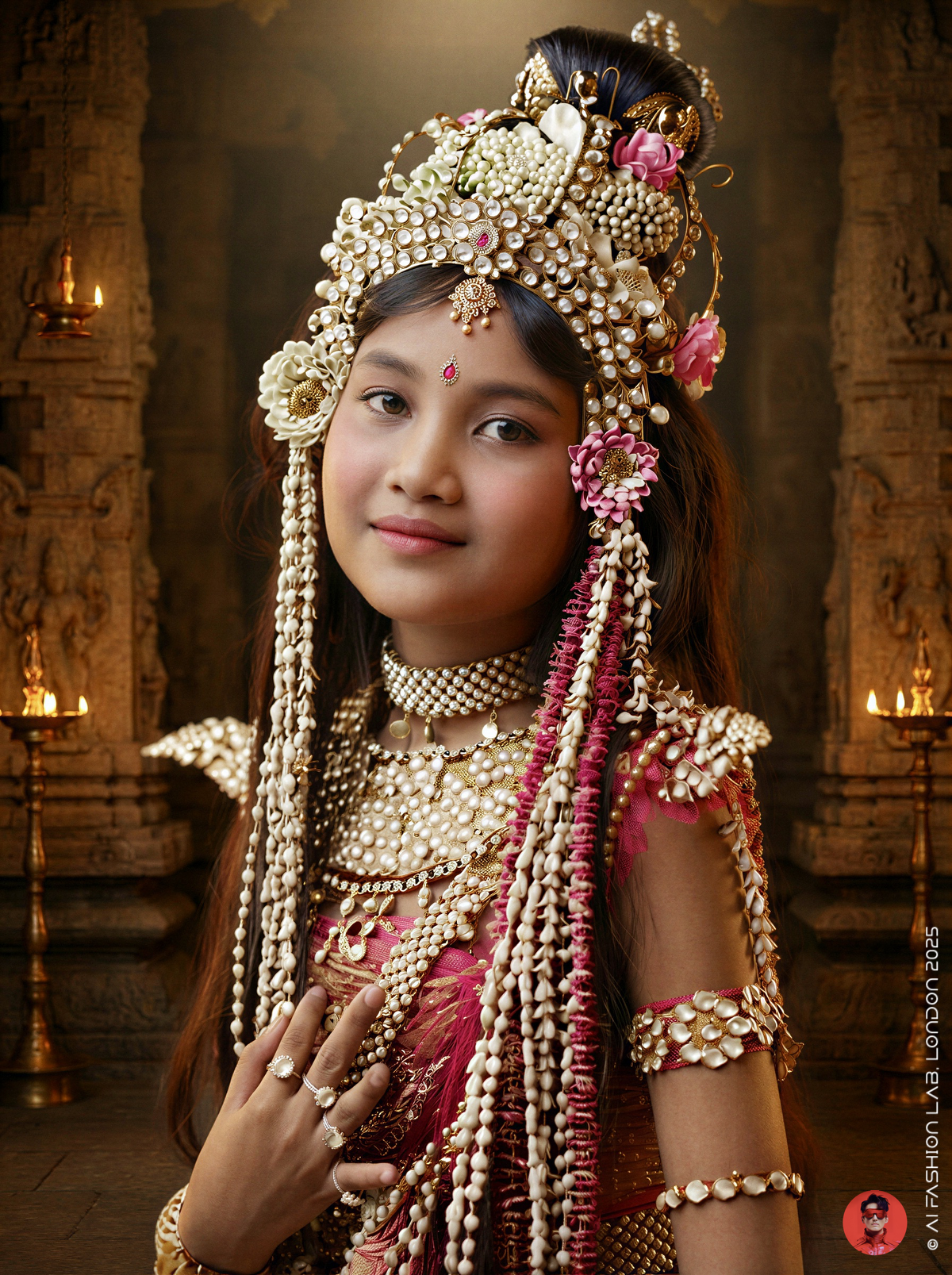
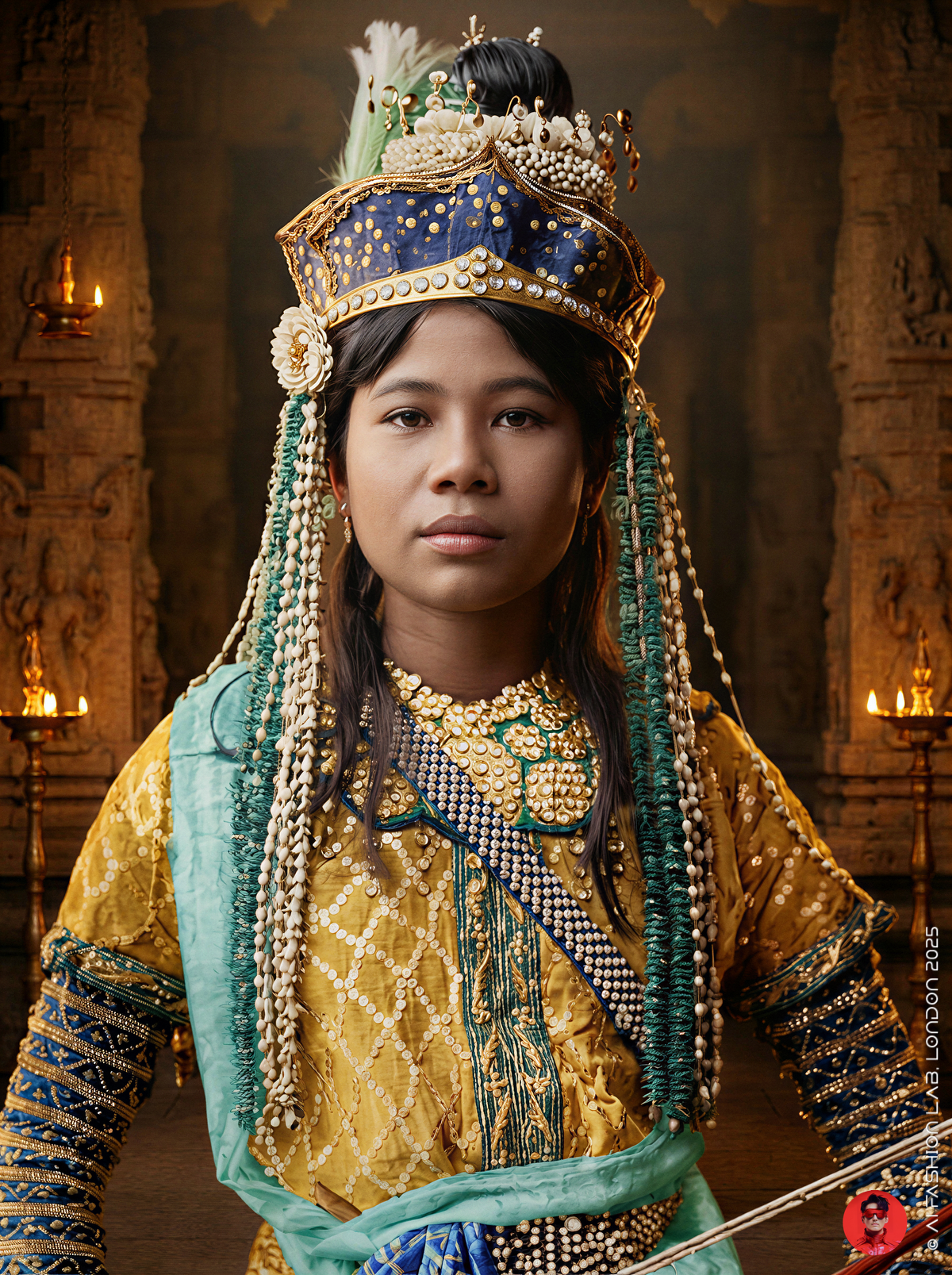
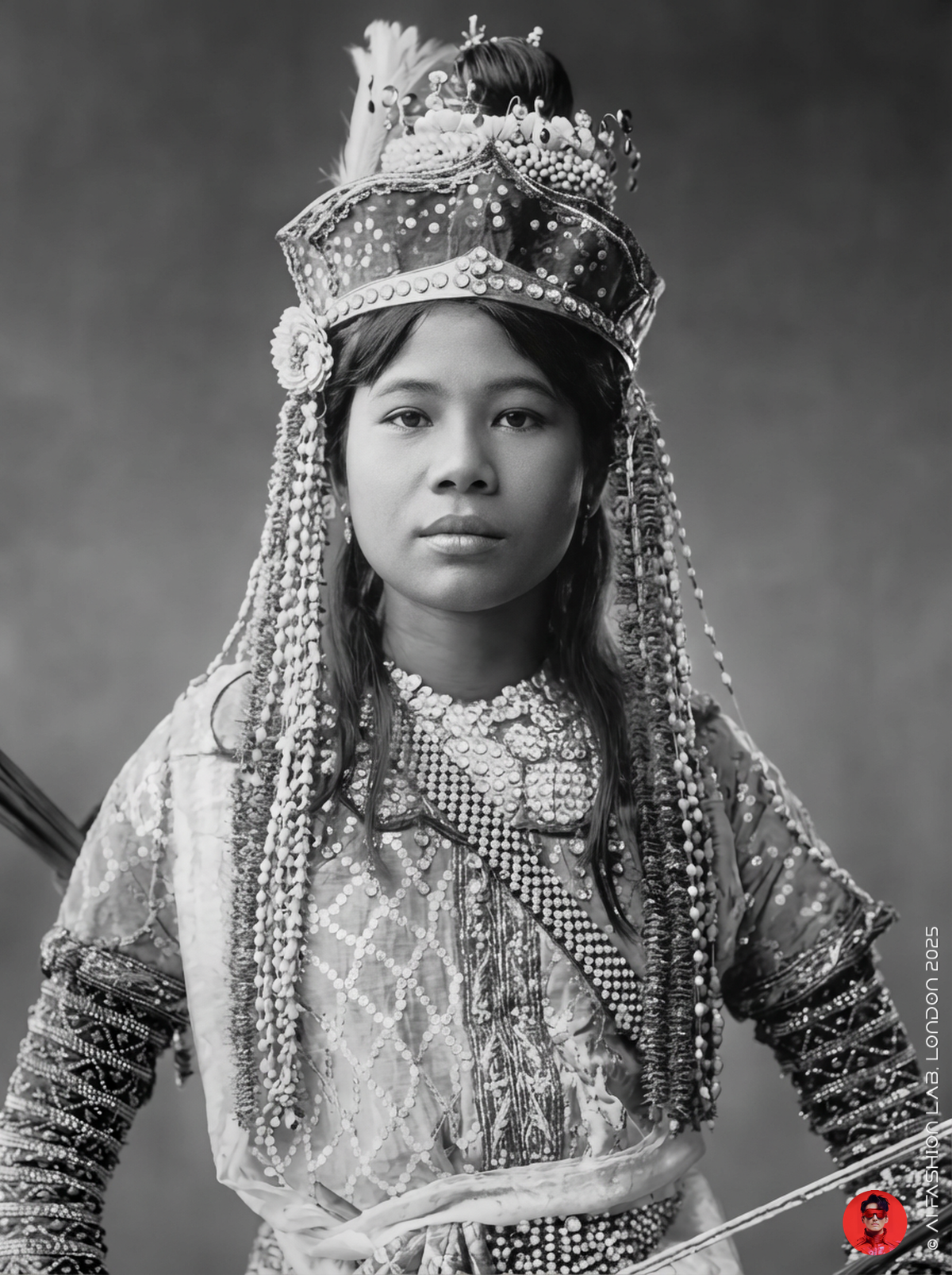
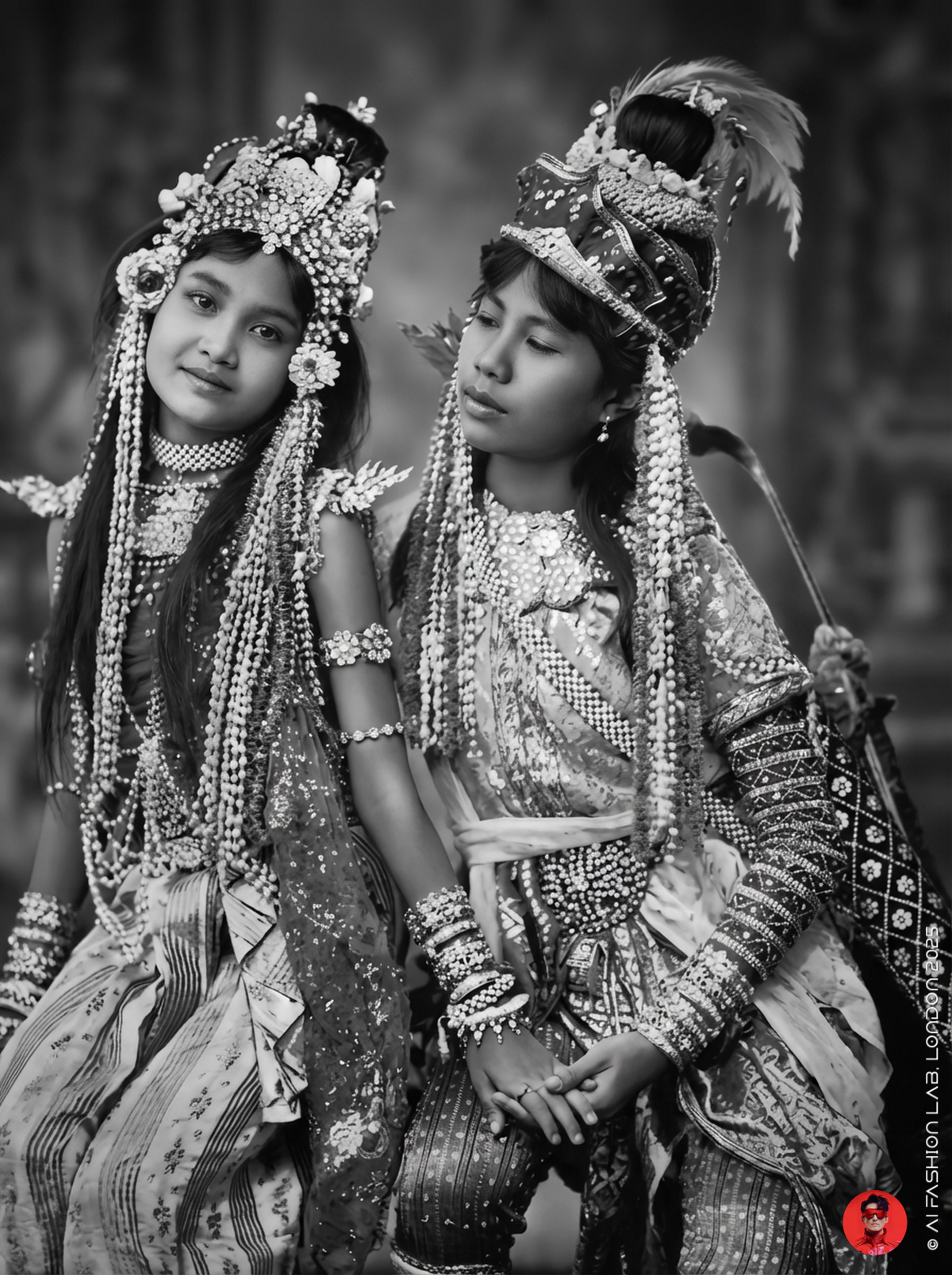
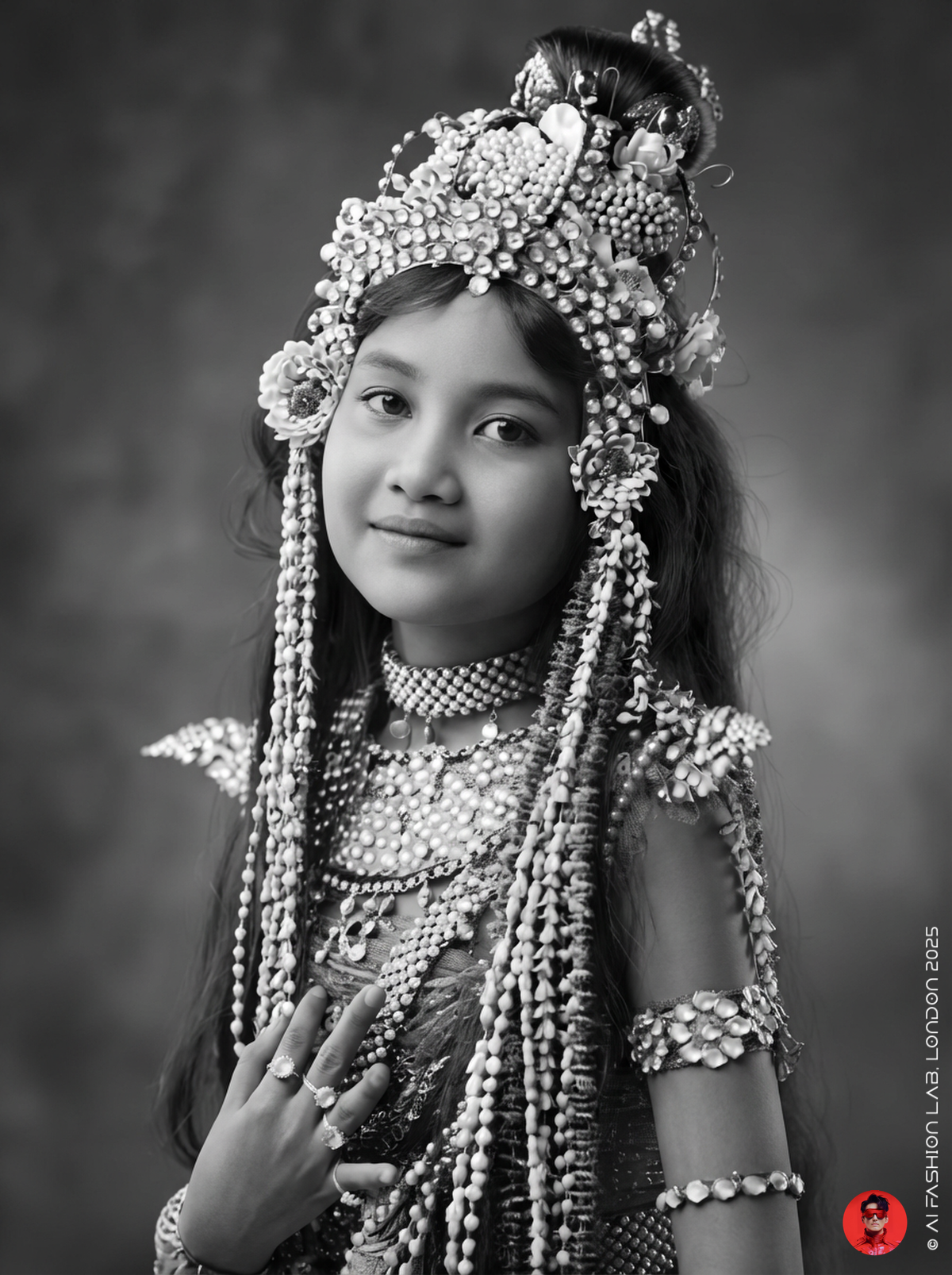
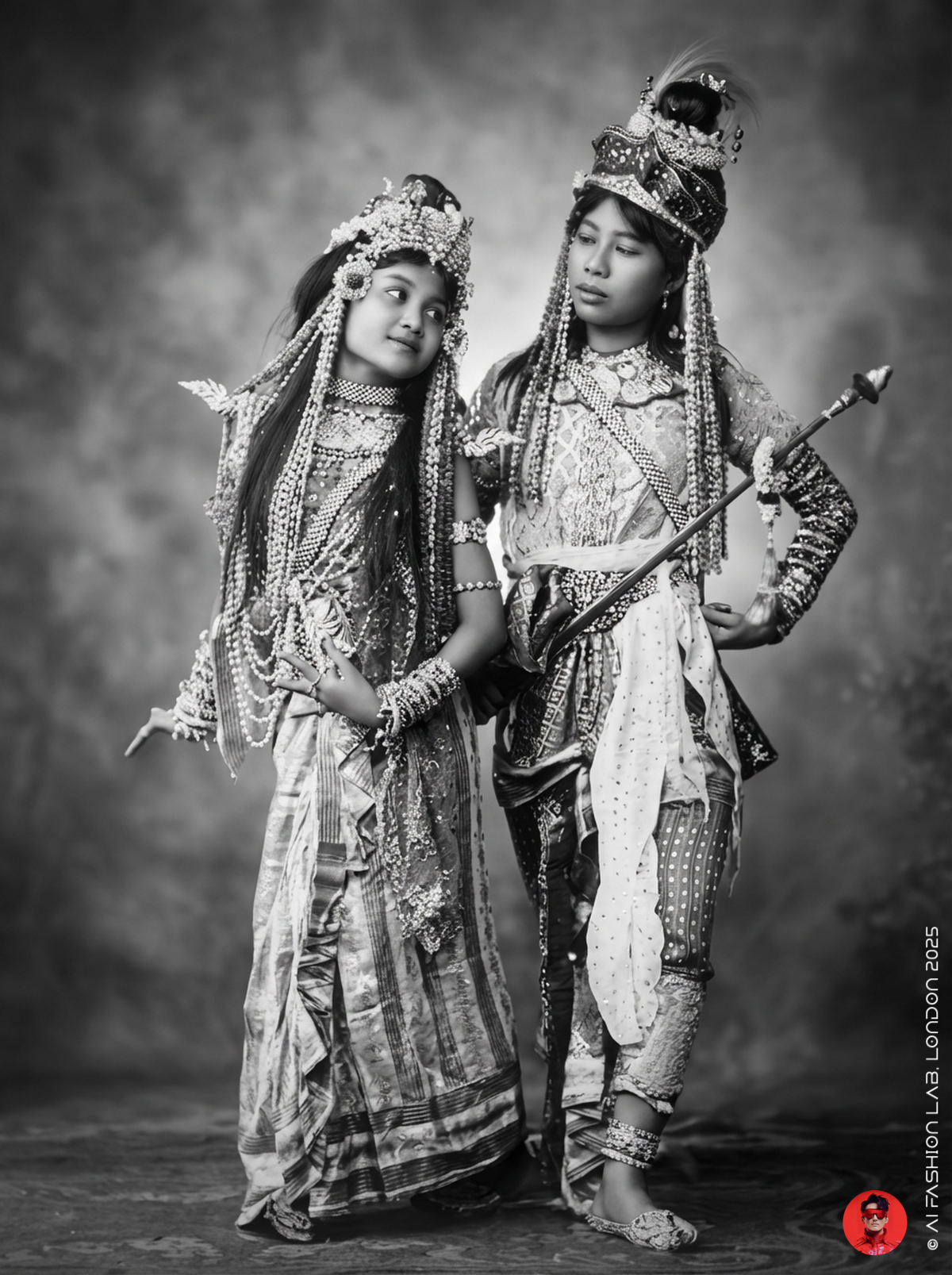
ภาพที่ได้รับการบูรณะและสร้างสรรค์ด้วยเทคโนโลยี AI ชุดนี้ คาดว่าคือภาพนางละครคณะกรมพระนราฯ ซึ่งเป็นหลักฐานอันทรงคุณค่าในประวัติศาสตร์นาฏศิลป์ไทย
สะท้อนโลกของศิลปะการละครในสมัยรัตนโกสินทร์ตอนกลาง ซึ่งเป็นช่วงเวลาที่คณะละครชั้นสูงและราชสำนักต่าง ๆแข่งขันกันด้านความวิจิตรของเครื่องแต่งกายและการแสดงอย่างที่ไม่เคยมีมาก่อน
ยังสะท้อนกระแสศิลปะอินเดีย–อาหรับที่เริ่มปรากฏในสังคมชั้นสูงช่วงปลายรัชกาลที่ ๕ ตลอดจนความนิยมเครื่องแต่งกายสไตล์บาหลีที่แพร่หลายในรัชกาลที่ ๗ ซึ่งล้วนเป็นองค์ประกอบที่ทำให้แฟชั่นละครไทยในยุคนั้นมีความหลากหลาย เปิดรับอิทธิพลจากต่างวัฒนธรรมมากขึ้นในช่วงเปลี่ยนผ่านสู่ความทันสมัยของสยามระหว่าง พ.ศ. 2420–2470 (ค.ศ. 1877–1927)
แม้จะมีข้อสันนิษฐานหลากหลาย เช่น การเชื่อมโยงภาพนี้กับละครเรื่อง อาบูหะซัน ในสมัยรัชกาลที่ ๕ หรือแฟชั่นละคร อิเหนาแบบบาหลีในสมัยรัชกาลที่ ๗ แต่เมื่อพิจารณาจากองค์ประกอบแฟชั่น ท่วงท่าทาง และความเห็นจากครูผู้เชี่ยวชาญด้านนาฏศิลป์ เช่น ผศ.ดร.สุรัตน์ จงดา ยิ่งทำให้เห็นความเป็นไปได้สูงว่าภาพนี้มาจากคณะละครกรมพระนราธิปประพันธ์พงศ์ หรืออาจเป็นการแต่งองค์เพื่อถ่ายภาพของศิลปินในคณะ ซึ่งมีตัวละครหลักสองคนที่มีชื่อเสียงมากในยุคนั้น ได้แก่ ตัวนาง—หม่อมแก้ว วรวรรณ และ ตัวพระ—หม่อมช้อย วรวรรณ คู่ขวัญที่ได้รับความนิยมจากผู้ชมและวงการละครหลวงอย่างมากในช่วงปลายคริสต์ศตวรรษที่ ๑๙
ความเชื่อมโยงระหว่างแฟชั่นในภาพกับคณะละครกรมพระนราฯมีรากฐานลึกซึ้งย้อนไปถึงพระประวัติของกรมพระนราธิปประพันธ์พงศ์เอง พระองค์ทรงเป็นพระราชโอรสลำดับที่ ๕๖ ในพระบาทสมเด็จพระจอมเกล้าเจ้าอยู่หัว ประสูติเมื่อวันที่ 20 พฤศจิกายน พ.ศ. 2404 (ค.ศ. 1861) โดยเจ้าจอมมารดาเขียน ผู้เป็นนางละครสาย “อิเหนา” อย่างแท้จริง จึงทรงได้รับพระราชทานพระแสงกริชวางในกระด้งตั้งแต่แรกประสูติ เป็นสัญลักษณ์ว่าทรงเป็น “ลูกอิเหนา” สื่อถึงชะตาที่จะผูกพันกับศิลปะการละครตั้งแต่วัยเยาว์ เมื่อทรงเจริญพระชันษา พระองค์ทรงมีหม่อมผู้เชี่ยวชาญการละครสองท่านเป็นกำลังสำคัญ คือ หม่อมต่วน วรวรรณ ผู้สืบท่ารำอิเหนาสายกรมหลวงพิทักษ์มนตรีตั้งแต่สมัยรัชกาลที่ ๒ และ หม่อมผัน วรวรรณ สายพระเจ้าตากสิน ผู้ดูแลการฝึกซ้อมและสรรค์สร้างลีลาการรำรูปแบบใหม่ ความร่วมมือของทั้งสองทำให้รูปแบบการรำของคณะละครกรมพระนราฯมีเอกลักษณ์พิเศษกว่าคณะอื่น และกลายเป็นหมุดหมายสำคัญในประวัติศาสตร์การแสดงไทยยุคใหม่
ภาพลักษณ์ของคณะละครจึงเติบโตขึ้นอย่างต่อเนื่อง โดยเริ่มจากการแสดงภายในวังเพื่อความบันเทิงในหมู่งานราชสำนัก ต่อมาในยุครัชกาลที่ ๕ ได้เกิดเหตุการณ์สำคัญเมื่อพระบาทสมเด็จพระจุลจอมเกล้าเจ้าอยู่หัวทรงบนกับต้นลิ้นจี่ หากออกผลจะให้ละครหม่อมต่วนมาแสดงถวาย เมื่อต้นลิ้นจี่ออกผลจริง จึงมีการแสดงขึ้นในพระราชสำนัก และการแสดงครั้งนั้นได้สร้างความตื่นเต้นและเป็นที่ชื่นชมอย่างยิ่ง นับเป็นจุดเริ่มต้นที่ทำให้คณะละครของกรมพระนราฯเป็นที่รู้จักกว้างขวางยิ่งขึ้น จากนั้นจึงมีการดัดแปลง ลิลิตพระลอ ให้เป็น ละครพันทางเรื่องพระลอ โดยใช้ทำนองเพลงลาวและออกแบบท่ารำใหม่ที่ผสมผสานความอ่อนช้อยแบบโบราณกับรูปแบบร่วมสมัยในปลายศตวรรษที่ ๑๙ จนกลายเป็นผลงานคลาสสิกของยุคนั้น
ด้วยความสำเร็จอย่างสูง กรมพระนราฯจึงทรงตั้ง โรงละครหลวงนฤมิตร บริเวณวังวรวรรณขึ้นในช่วงทศวรรษ 2430 ปลาย–2440 ต้น (ประมาณค.ศ. 1890s) โรงละครแห่งนี้มีลักษณะสถาปัตยกรรมแบบตะวันตก มีที่นั่งเป็นตอน ๆ แบ่งตามสถานะทางสังคม ห้องรับแขกสำหรับเจ้านาย และรูปแบบการจำหน่ายบัตรเข้าชมเหมือนโรงโอเปราในยุโรป ทำให้ที่นี่กลายเป็น “โรงมหรสพสมัยใหม่แห่งแรกของสยาม” ในความหมายเชิงโครงสร้างและการบริหารจัดการทางวัฒนธรรม หลังเกิดเหตุไฟไหม้ โรงละครถูกสร้างขึ้นใหม่ในชื่อ โรงละครปรีดาลัย ซึ่งเจริญรุ่งเรืองที่สุดในช่วง พ.ศ. 2440–2460 ช่วงเวลาเดียวกับการปฏิรูปสังคมและเมืองสมัยรัชกาลที่ ๕–๖ เมื่อพระนครกำลังกลายเป็นมหานครสมัยใหม่ของภูมิภาค
โรงละครปรีดาลัยมีบทบาทสำคัญที่สุดในประวัติศาสตร์นาฏศิลป์ไทยเพราะเป็นสถานที่กำเนิดของ “ละครร้อง” หรือ musical theatre แบบไทย โดยเริ่มจากละครร้องเรื่อง สาวเครือฟ้า ระหว่าง พ.ศ. 2448–2450 ดัดแปลงจากเรื่อง Madame Butterfly ซึ่งได้รับความนิยมอย่างล้นหลามและเป็นต้นแบบของละครเพลงไทยในเวลาต่อมา ละครร้องที่ตามมามีทั้ง ขวดแก้วเจียระไน, ตุ๊กตายอดรัก, อีนากพระโขนง, และ สีป่อมินทร์ ล้วนเป็นการแสดงที่รวมการร้องสดกับการพูด ท่ารำสามัญ และเครื่องแต่งกายที่ออกแบบให้สอดคล้องกับเนื้อเรื่องแบบละครสมัยใหม่ จนทำให้คณะปรีดาลัยกลายเป็นแรงบันดาลใจให้คณะละครยุคหลัง เช่น ปราโมทัย ไฉวเวียง และเฟื้องนคร ก่อนที่แนวทางนี้จะพัฒนาเป็นละครดนตรีสากลในต้นรัชกาลที่ ๙
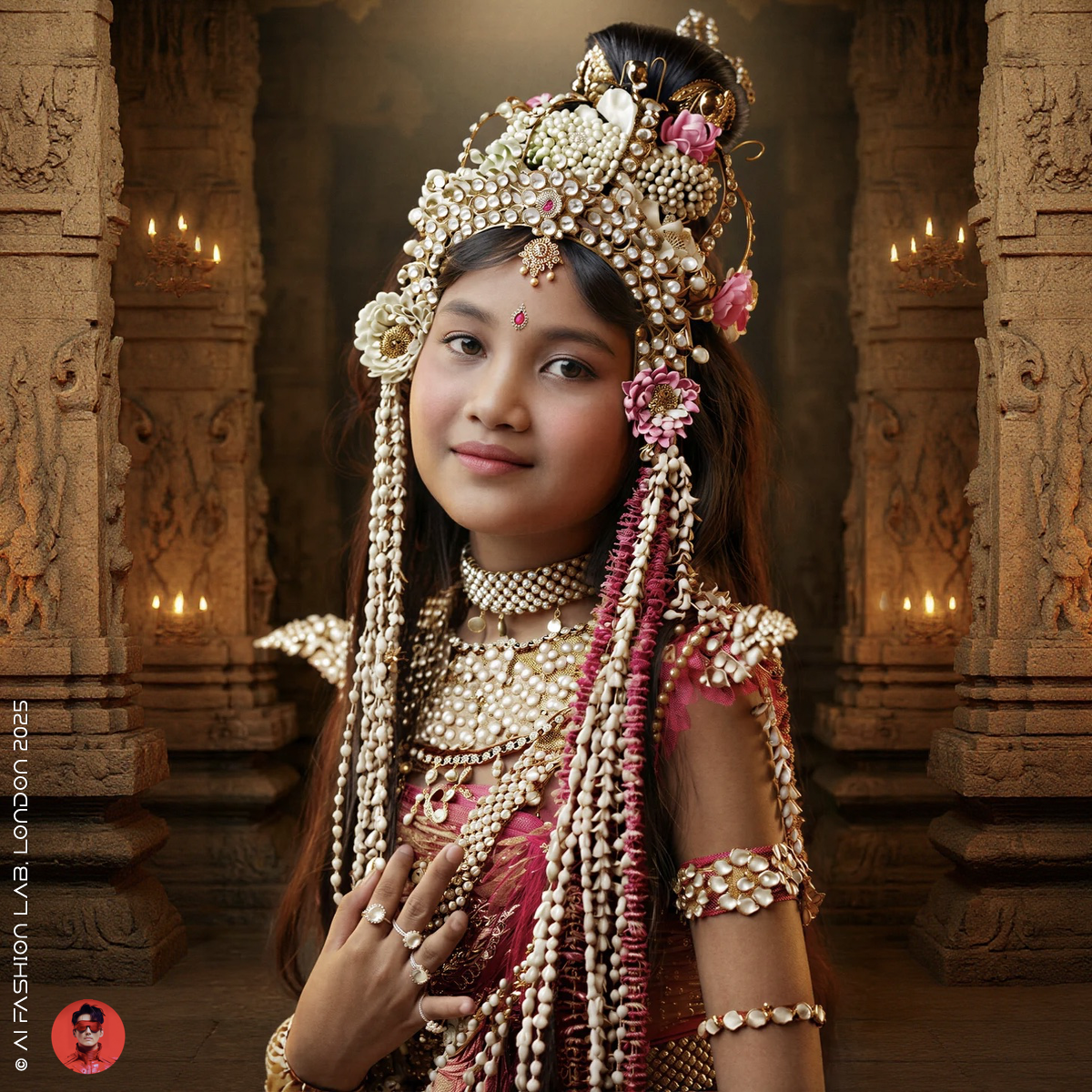
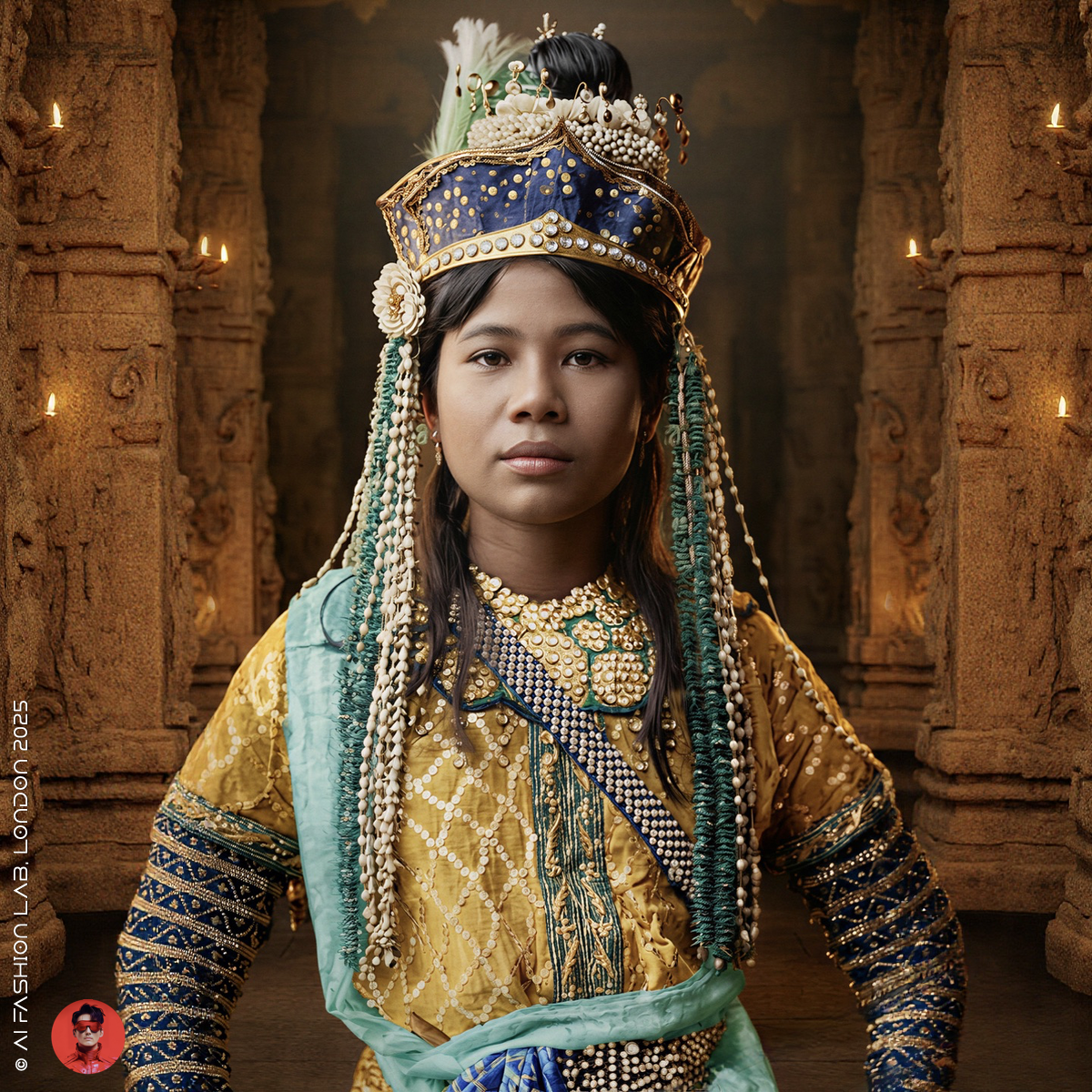
ในบริบทเช่นนี้ ภาพถ่ายของหม่อมแก้วและหม่อมช้อยจึงเป็นมากกว่าเพียงภาพบุคคลในอากัปกิริยาอ่อนช้อย หากแต่เป็นภาพที่จับความเปลี่ยนแปลงของแฟชั่นละครในยุคที่สยามกำลังเปิดรับศิลปวัฒนธรรมจากหลายภูมิภาคทั่วเอเชีย ทั้งความอ่อนช้อยของนาฏศิลป์ไทยแบบชาววัง ความระยิบระยับของผ้าสไตล์อินเดีย กลิ่นอายโลกอาหรับจากวรรณกรรม อาหรับราตรี ไปจนถึงอิทธิพลเครื่องแต่งกายแบบบาหลีที่นิยมในสมัยรัชกาลที่ ๗ องค์ประกอบเหล่านี้ปรากฏอยู่ในเครื่องแต่งกายของทั้งคู่—ตั้งแต่ผ้าคลุมศีรษะ ศิราภรณ์ ตกแต่งด้วยดอกไม้สด ไปจนถึงลวดลายอัญมณีที่ประดับอยู่บนผืนผ้า—ล้วนสะท้อนความวิจิตรของแฟชั่นละครชั้นสูงในช่วงระหว่างปลายศตวรรษที่ ๑๙ ถึงต้นศตวรรษที่ ๒๐ อย่างโดดเด่น
ทั้งหมดนี้ทำให้ภาพถ่ายใบนี้มิใช่เพียงภาพนางละคร แต่เป็นภาพที่ถ่ายทอดช่วงเวลาแห่ง “ยุคทองของแฟชั่นละครไทย” ได้อย่างสมบูรณ์ เป็นเอกสารภาพที่บอกเล่าความรุ่มรวยของสุนทรียะ ความกล้าในการทดลองรูปแบบใหม่ และความประณีตของศิลปินในคณะละครกรมพระนราฯ ที่ยังคงมีอิทธิพลต่อพัฒนาการนาฏศิลป์ไทยและวงการแฟชั่นการแสดงของสยามอย่างยาวนาน
ขอขอบพระคุณ
ครูไก่ ผศ.ดร.สุรัตน์ จงดา ผู้ช่วยอธิการบดี สถาบันบัณฑิตพัฒนศิลป์
เป็นอย่างสูงสำหรับข้อมูลอันทรงคุณค่าในงานชิ้นนี้
_________________________
Fashion in a Photograph of the Narathip Theatre Troupe
This AI-restored and artistically reimagined image is believed to depict performers from the Narathip Theatre Troupe, making it a valuable visual document in the history of Thai performing arts. It reflects the vibrant theatrical world of mid-Rattanakosin Siam, a time when elite theatre troupes and royal households competed in their mastery of costume design, staging, and artistic sophistication—an era marked by unprecedented refinement.
The photograph also reveals the cosmopolitan aesthetic currents embraced by Siam’s upper classes: influences from Indian and Arab artistic traditions, which grew fashionable during the late reign of King Chulalongkorn (Rama V), and later the Balinese-inspired costuming that flourished under King Prajadhipok (Rama VII). These layered cultural impressions demonstrate how theatrical fashion in Siam between 1877 and 1927 (B.E. 2420–2470) became increasingly diverse and receptive to global influences during the kingdom’s transition toward modernity.
Although various hypotheses have been proposed—linking the image to the production Abu Hassan in the Rama V era, or to Balinese-inspired Inao fashion in the Rama VII period—an analysis of the costumes, poses, and stylistic nuances, together with insights from distinguished dance scholar Asst. Prof. Dr. Suranat Jongda (ผศ.ดร.สุรัตน์ จงดา), strongly suggests that this portrait originated from the Narathip Theatre Troupe (คณะละครกรมพระนราธิปประพันธ์พงศ์). It may depict either an actual performance or a formal portrait session involving two of the troupe’s most celebrated performers of the late nineteenth century:
the principal female-role performer Mom Kaeo Worawan (หม่อมแก้ว วรวรรณ) and
the principal male-role performer Mom Choi Worawan (หม่อมช้อย วรวรรณ)—a pair beloved by audiences and widely admired in the royal theatrical circle.
The artistic identity of the troupe can be traced to the profound influence of its founder, Prince Narathip Phraphanphong (พระเจ้าบรมวงศ์เธอ กรมพระนราธิปประพันธ์พงศ์). Born on 20 November 1861 (B.E. 2404) as Prince Worawannakorn (พระเจ้าลูกยาเธอ พระองค์เจ้าวรวรรณากร), he was the fifty-sixth son of King Mongkut (Rama IV) and the son of Chao Chom Manda Khian (เจ้าจอมมารดาเขียน), a court dancer of the Inao tradition. Upon his birth, he was ceremonially presented with a kris placed in a tray—an auspicious sign marking him as a symbolic “child of Inao,” foreshadowing his lifelong connection to theatrical arts.
Prince Narathip later served as Deputy Minister of the Royal Treasury and as a Privy Councillor to both King Chulalongkorn (Rama V) and King Vajiravudh (Rama VI). Renowned as a poet, playwright, and cultural innovator, he became celebrated as the Father of Thai Musical Theatre, and the founder of the Worawan royal lineage (ราชสกุลวรวรรณ).
In shaping his theatre troupe, the Prince relied upon two master artists of the Worawan family:
Mom Tuan Worawan (หม่อมต่วน วรวรรณ), who inherited Inao-style choreography originating in the reign of Rama II, and
Mom Phan Worawan (หม่อมผัน วรวรรณ), a descendant of King Taksin, who supervised rehearsals and developed innovative choreographic ideas.
Their collaboration imbued the troupe with a distinctive performance style that blended classical court aesthetics with modern sensibilities, creating one of the most influential artistic identities in early modern Thai theatre.
The troupe steadily gained prominence. Initially performing within palace circles, it achieved wider prestige during the reign of King Chulalongkorn, when the King vowed that if a lychee tree in the garden bore fruit, he would summon Mom Tuan’s performers to stage a production. When the tree indeed produced fruit, the performance was held, delighting the royal household and propelling the troupe into broader recognition.
This success encouraged Prince Narathip to adapt the classical Lilit Phra Lo into the celebrated “Phra Lo Pantomime” (ละครพันทางเรื่องพระลอ), combining Lao musical modes with newly created choreography. The work became one of the defining masterpieces of nineteenth-century Siam.
Around the late 1880s–1890s, the Prince established the Royal Naruemit Theatre (โรงละครหลวงนฤมิตร) at Worawan Palace—a pioneering Western-style playhouse featuring ticketed seating, tiered social sections, and reception halls for royalty. It is considered the first modern theatrical venue in Siam, reflecting the kingdom’s cultural transformation during the modernising reigns of Rama V and Rama VI.
After a destructive fire, the venue was rebuilt and renamed the Pridalai Theatre (โรงละครปรีดาลัย), which thrived between 1897 and 1917 (B.E. 2440–2460)—a period when Bangkok was rapidly evolving into a cosmopolitan capital. It was here that Thai musical theatre was born. The first major production, Sao Khruea Fa (สาวเครือฟ้า), staged between 1905 and 1907, was adapted from Puccini’s Madame Butterfly. Its success established a new theatrical genre that integrated spoken dialogue, live singing, modern movement vocabulary, and narrative-appropriate costuming.
This legacy continued through numerous later works—Khuat Kaew Chiaranai, Tukkata Yod Rak, E-Nak Phra Khanong, Si Po Min—and inspired subsequent theatre groups such as Pramotai, Chaiwiang, and Fueang Nakhon, paving the way for Thai musical theatre’s evolution into the early reign of King Bhumibol (Rama IX).
Within this richly layered historical and artistic context, the portrait of Mom Kaeo and Mom Choi emerges not merely as an image of performers but as a moment encapsulating the golden age of Thai theatrical fashion. Their attire reflects a synthesis of regional aesthetics: the elegance of Thai court dance, the luminous sheen of Indian textiles, motifs reminiscent of the Arabian Nights, and Balinese-inspired silhouettes that later captivated Siamese audiences. Their jewelled headdresses, floral adornments, patterned cloths, and ornamented fabrics embody the sophistication of elite theatrical costume design between the late nineteenth and early twentieth centuries.
This image therefore stands as a cultural document of exceptional value—preserving the aesthetic richness, creative experimentation, and refined craftsmanship of the Narathip Theatre Troupe, whose influence continues to shape Thai performing arts and stage fashion today.
_________________________
Acknowledgements
My deepest gratitude goes to Asst. Prof. Dr. Suranat Jongda (ผศ.ดร.สุรัตน์ จงดา), Assistant to the President at the Bunditpatanasilpa Institute (สถาบันบัณฑิตพัฒนศิลป์), for his invaluable insights and generous guidance, which have greatly enriched the interpretation of this work.
เรียนเชิญกด Subscribe ได้ที่ลิงก์นี้ครับ เพื่อร่วมติดตามงานสร้างสรรค์ต้นฉบับ งานวิจัยประวัติศาสตร์แฟชั่น และผลงานอนุรักษ์มรดกวัฒนธรรมด้วยเทคโนโลยี AI ของ AI Fashion Lab, London ซึ่งมุ่งตีความอดีตผ่านมิติใหม่ของการบูรณะภาพ การสร้างสรรค์ภาพ และการเล่าเรื่องด้วยศิลปะเชิงดิจิทัล 🔗 https://www.facebook.com/aifashionlab/subscribe/
#aifashionlab #AI #aiartist #aiart #aifashion #aifashiondesign #aifashionstyling #aifashiondesigner #fashion #fashionhistory #historyoffashion #fashionstyling #fashionphotography #digitalfashion #digitalfashiondesign #digitalcostumedesign #digitaldesign #digitalaiart #ThaiFashionHistory #ThaiFashionAI #thailand #UNESCO