กรมพระราชวังบวรสถานมงคล หรือ “วังหน้า”
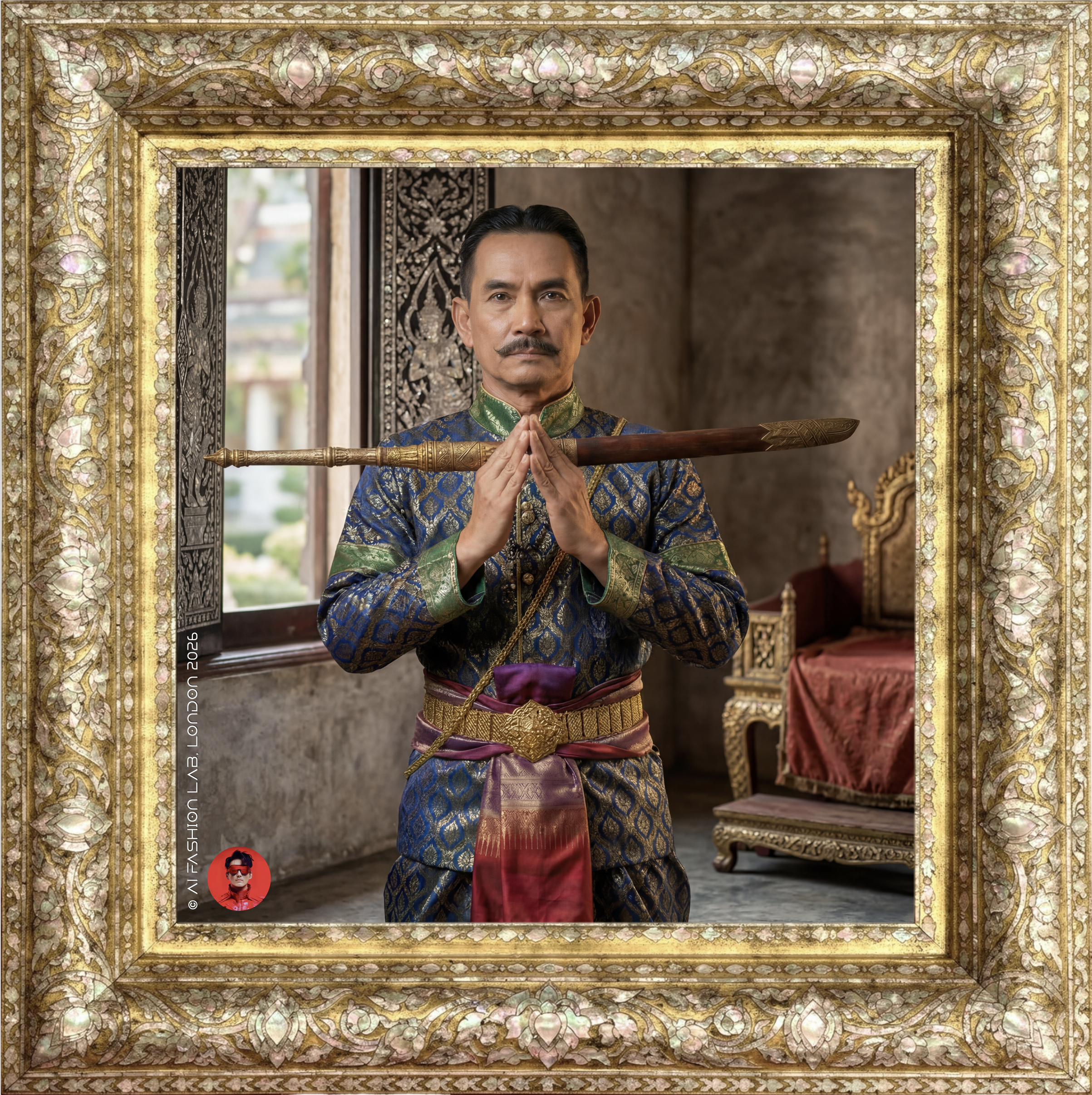
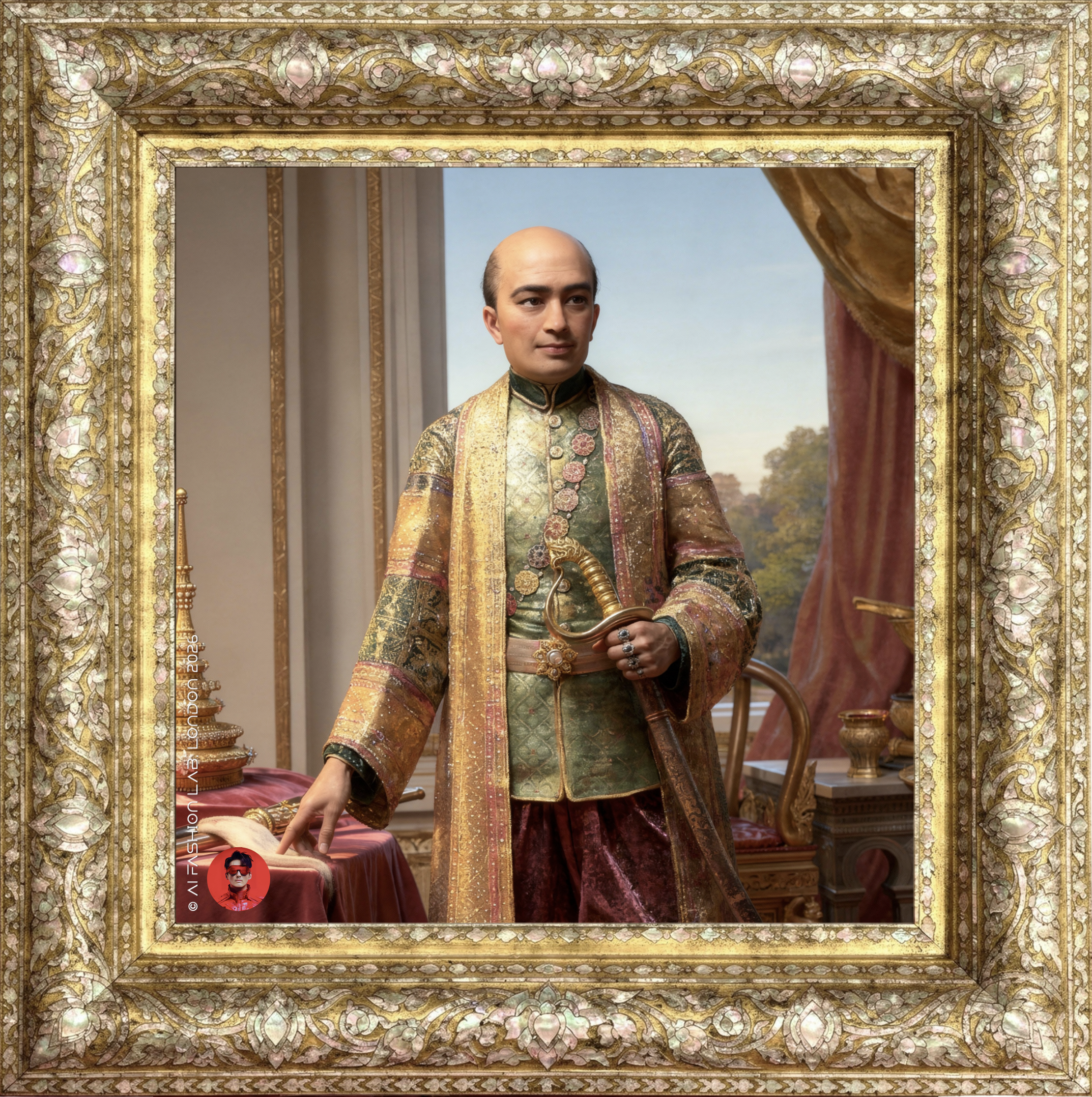
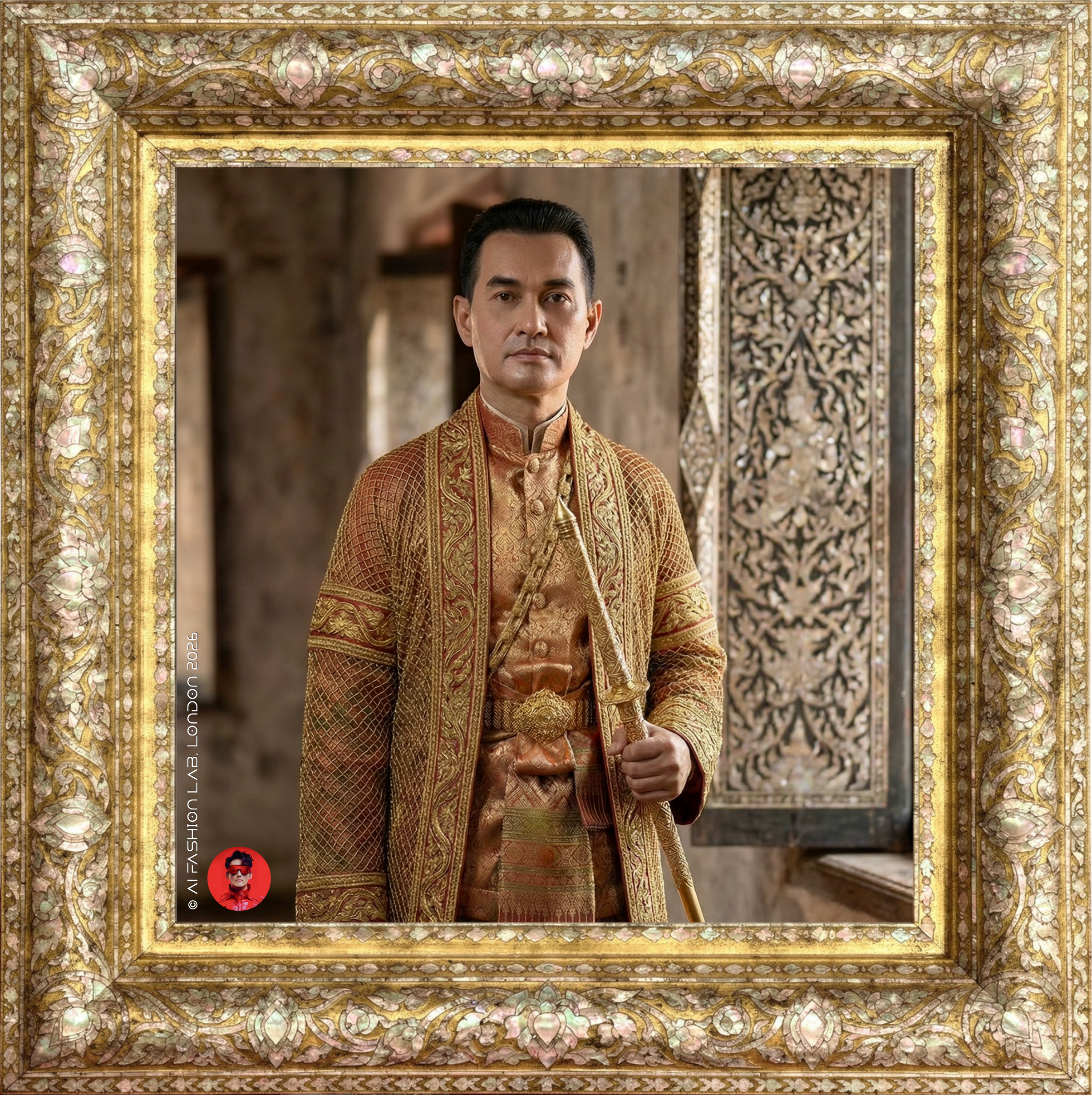
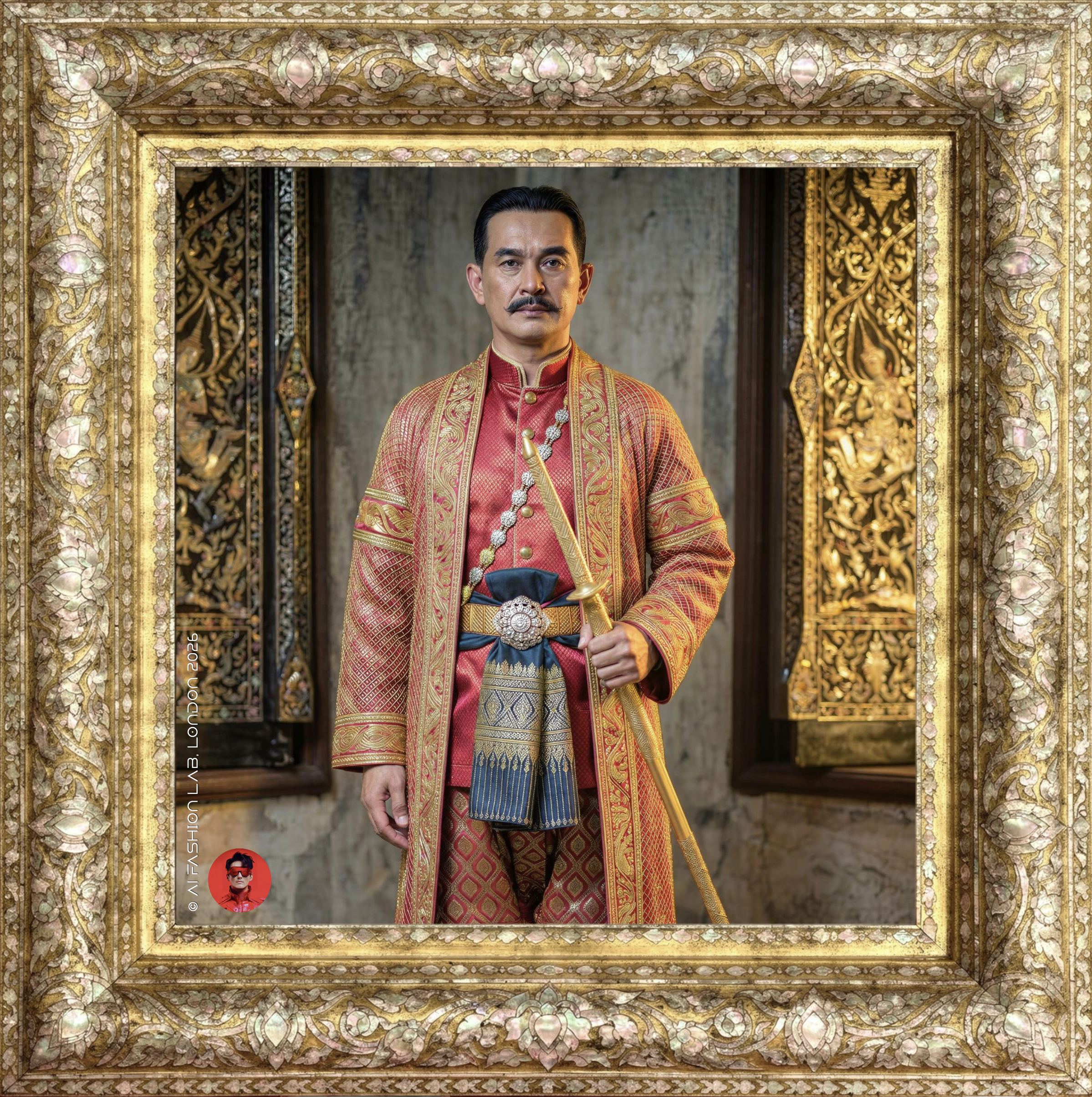
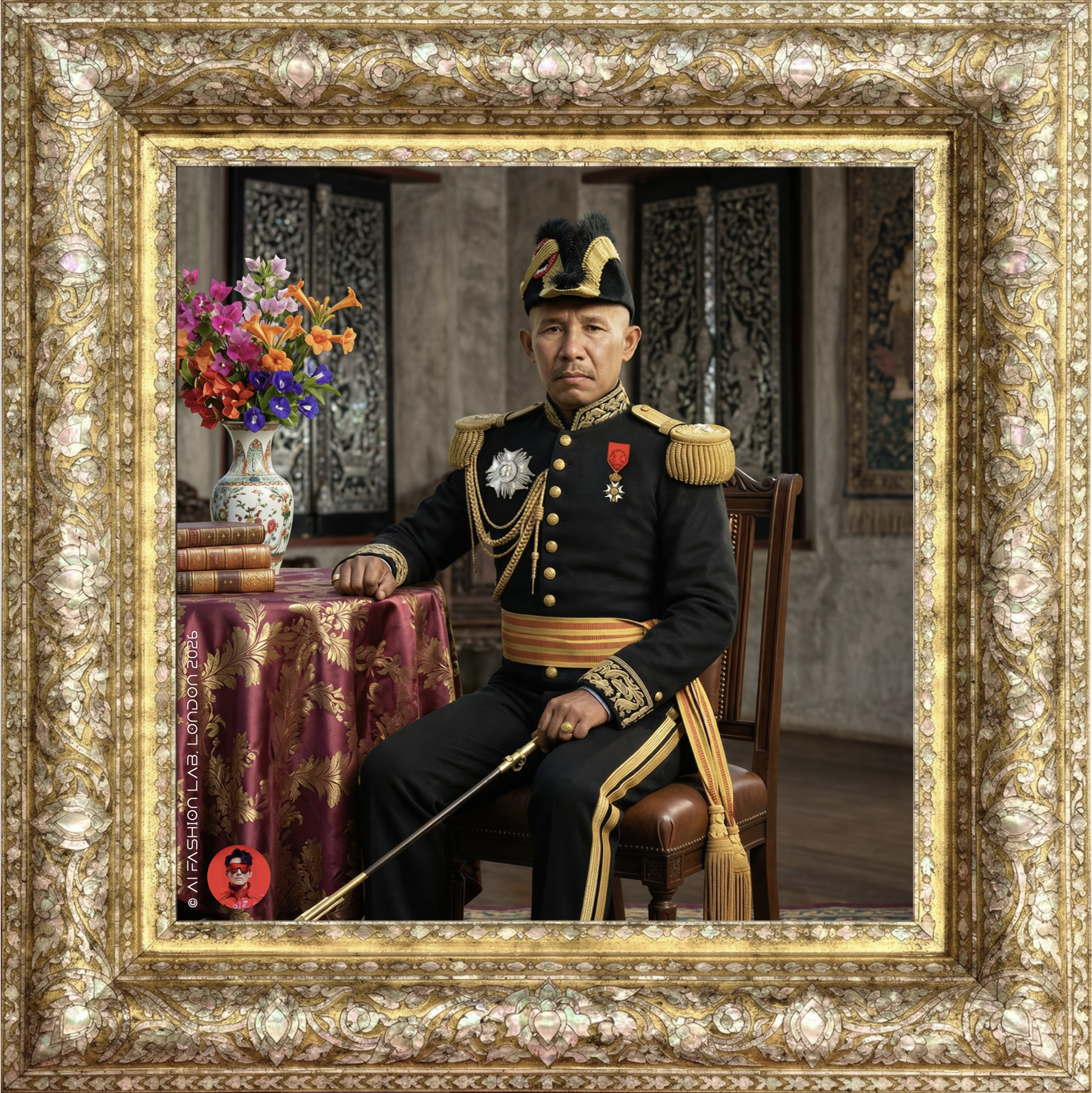
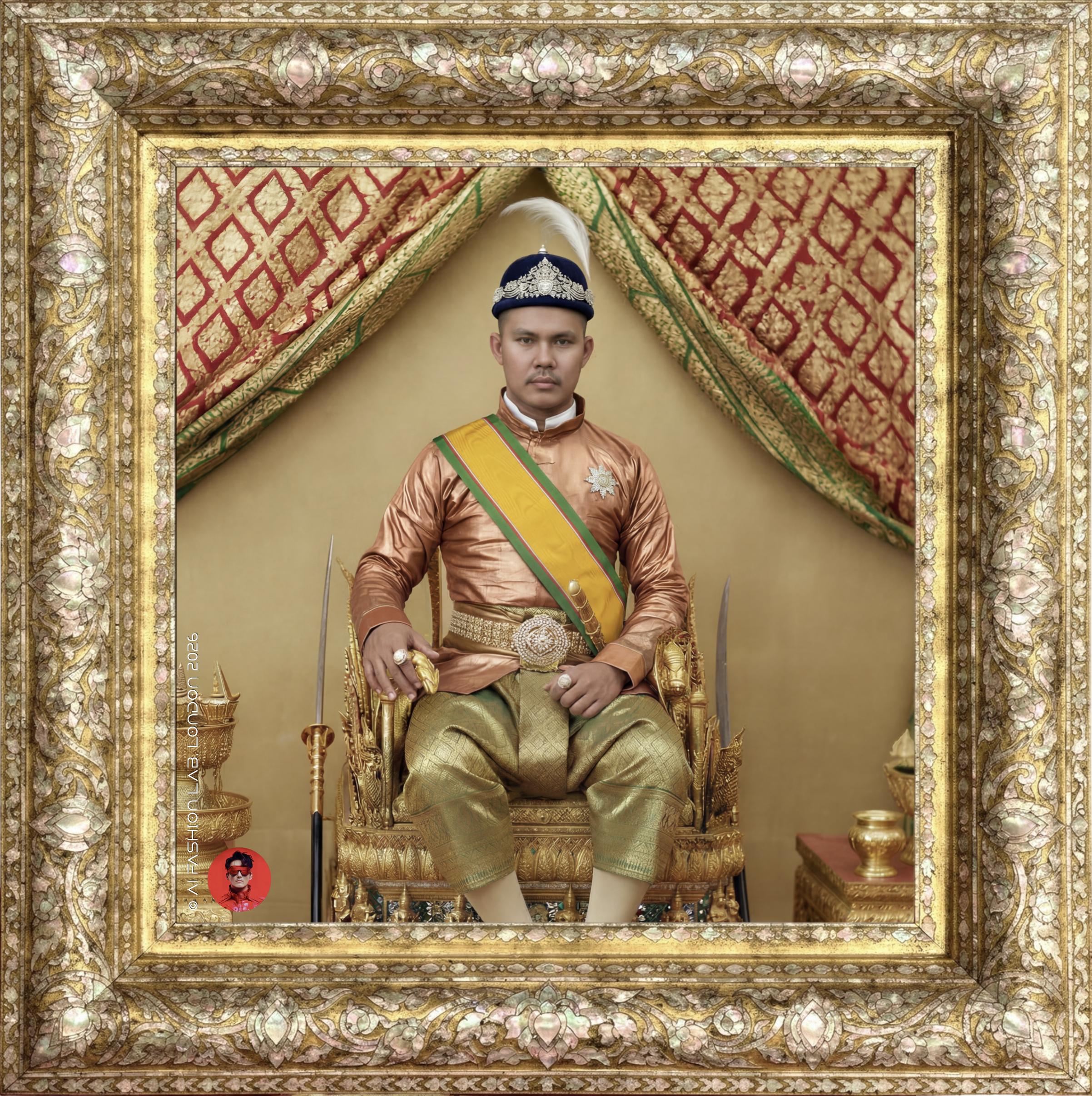
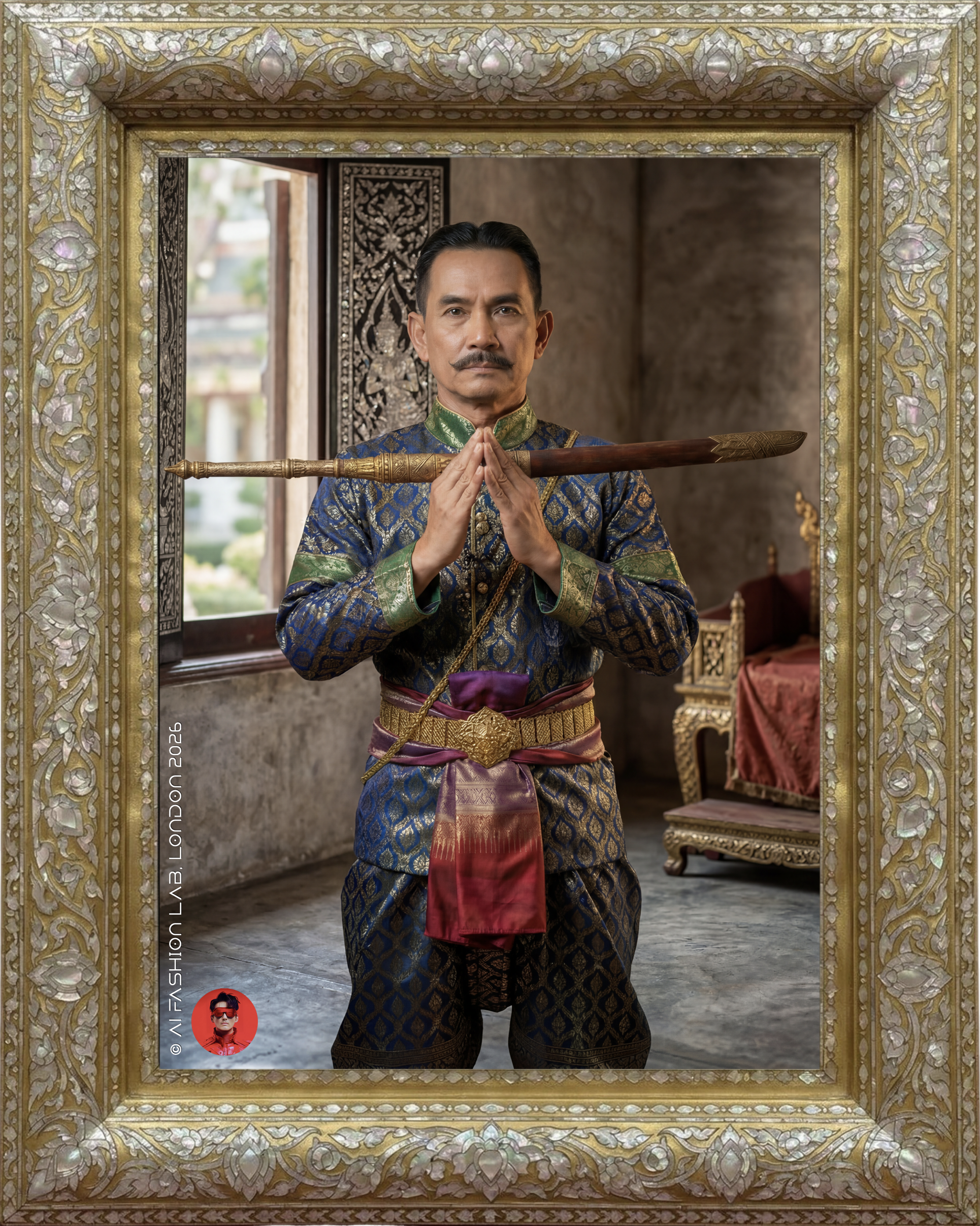
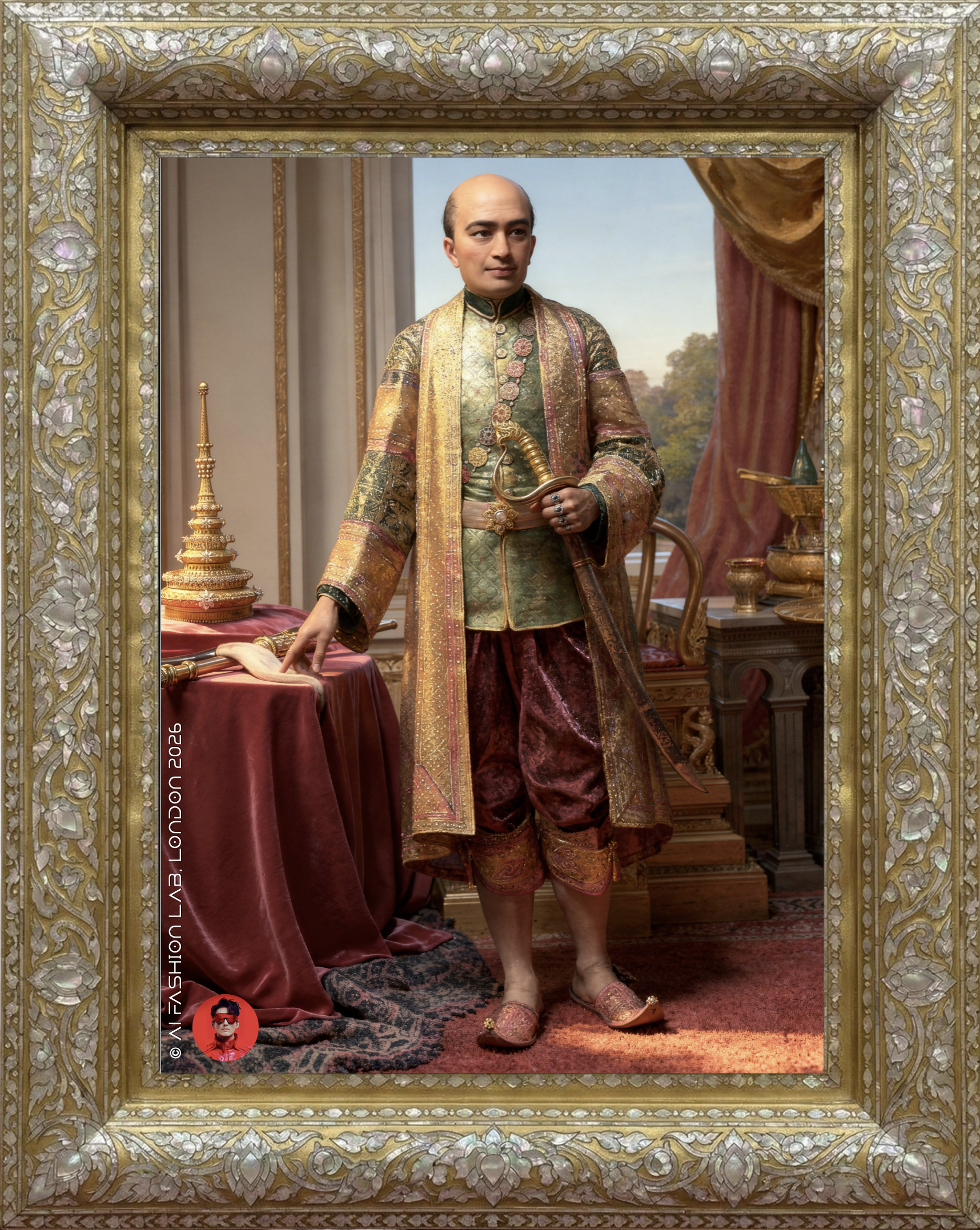
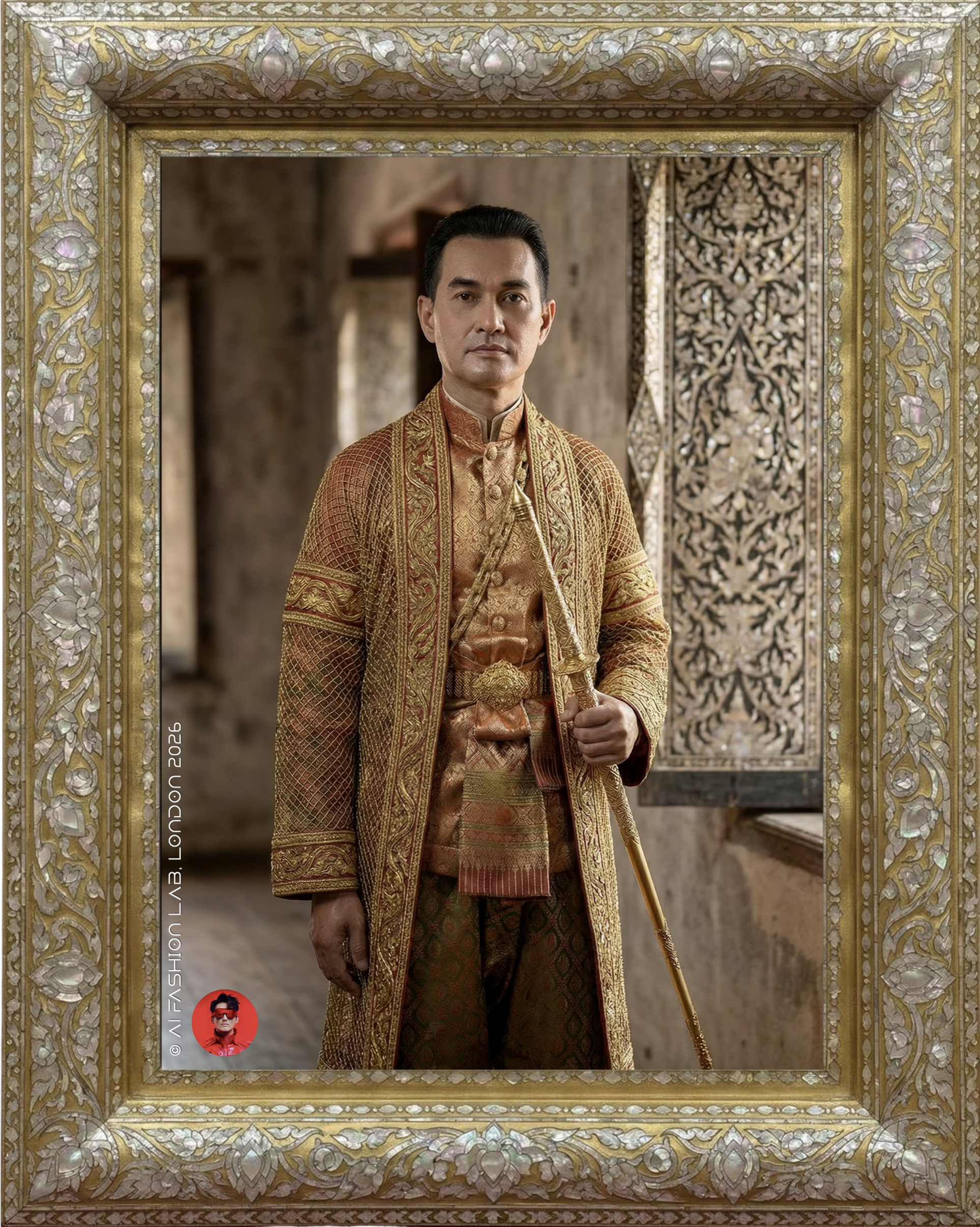
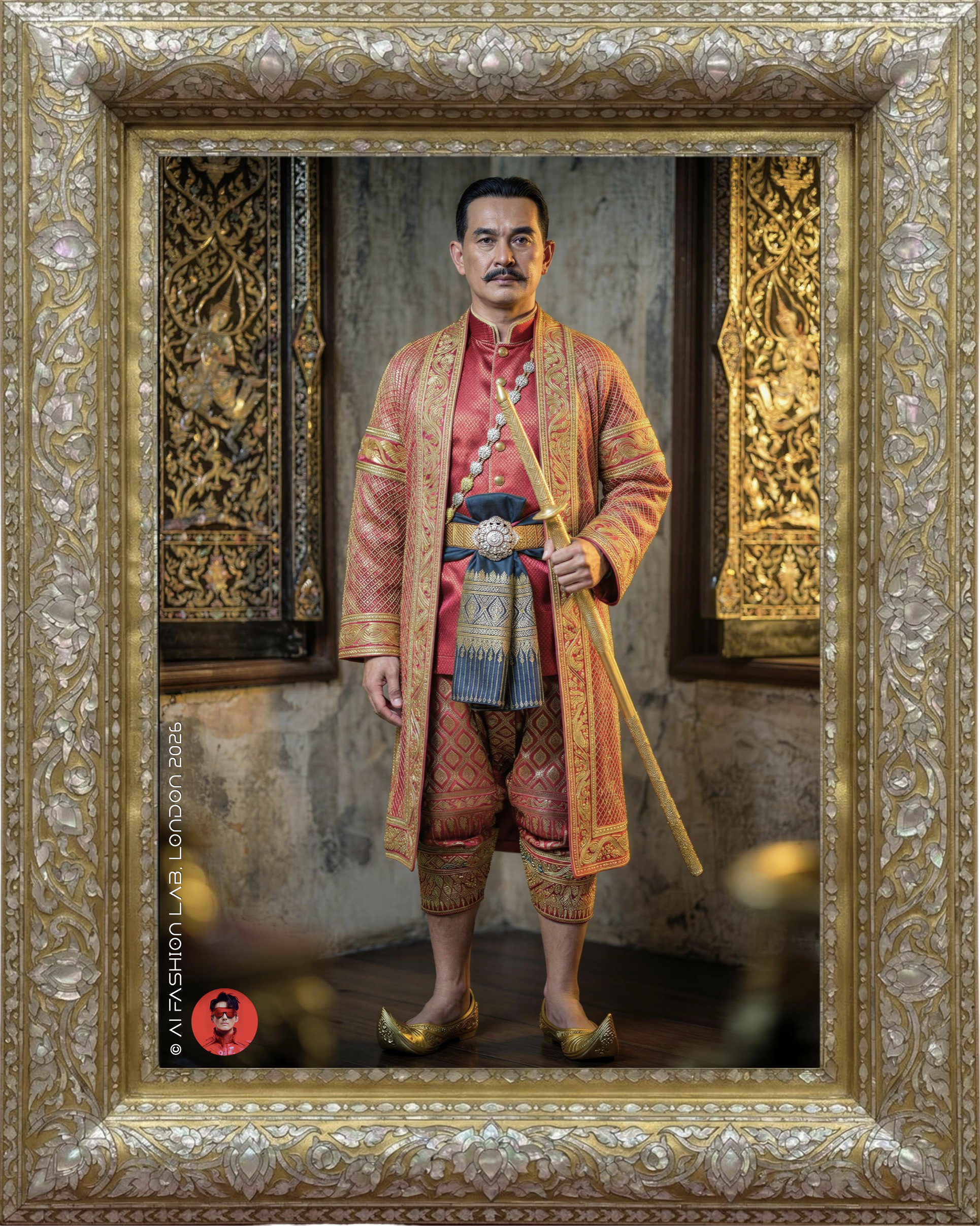
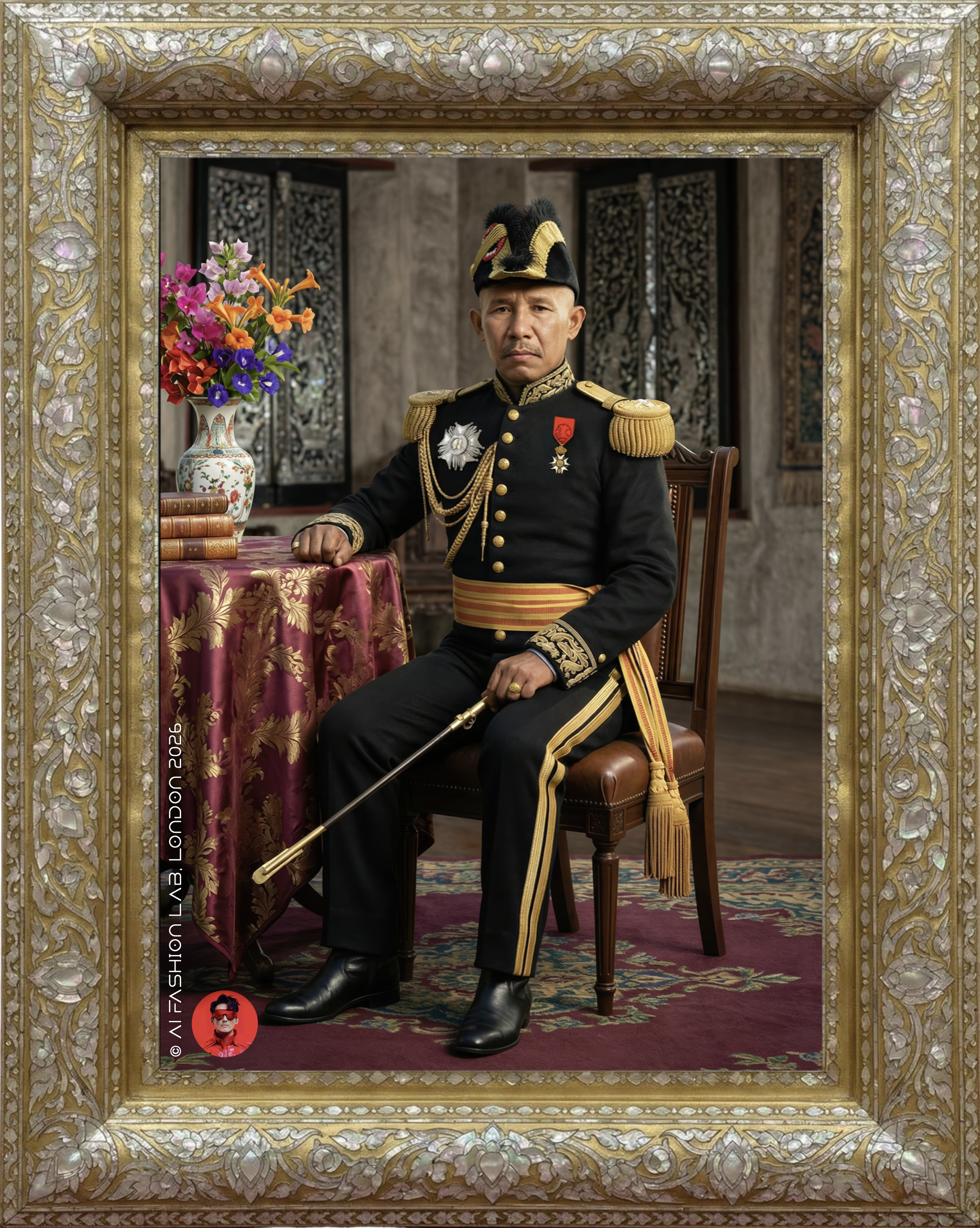
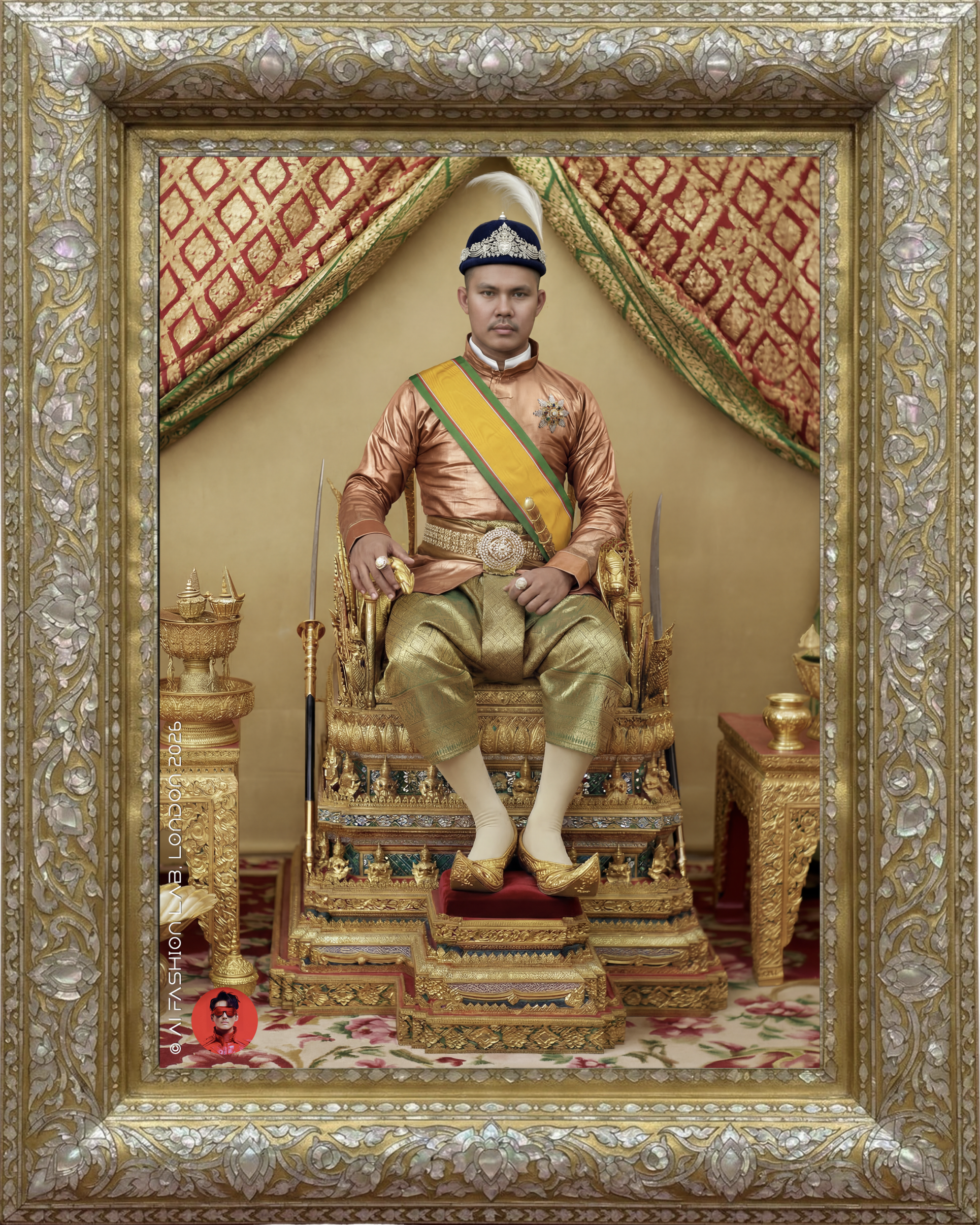
ภาพที่ได้รับการบูรณะและสร้างสรรค์ขึ้นด้วยเทคโนโลยี AI นี้ เป็นพระรูปของกรมพระราชวังบวรสถานมงคล หรือ “วังหน้า” เป็นตำแหน่งพระมหาอุปราชและรัชทายาทที่มีอำนาจสูงที่สุดรองจากกษัตริย์ มีมาตั้งแต่สมัยอยุธยาจนถึงรัชกาลที่ ๕ เพื่อช่วยบริหารราชการและปกครองเมืองสำคัญ วังหน้าประทับที่พระราชวังบวรสถานมงคล และมักเป็นพระอนุชาหรือพระราชโอรสองค์สำคัญ
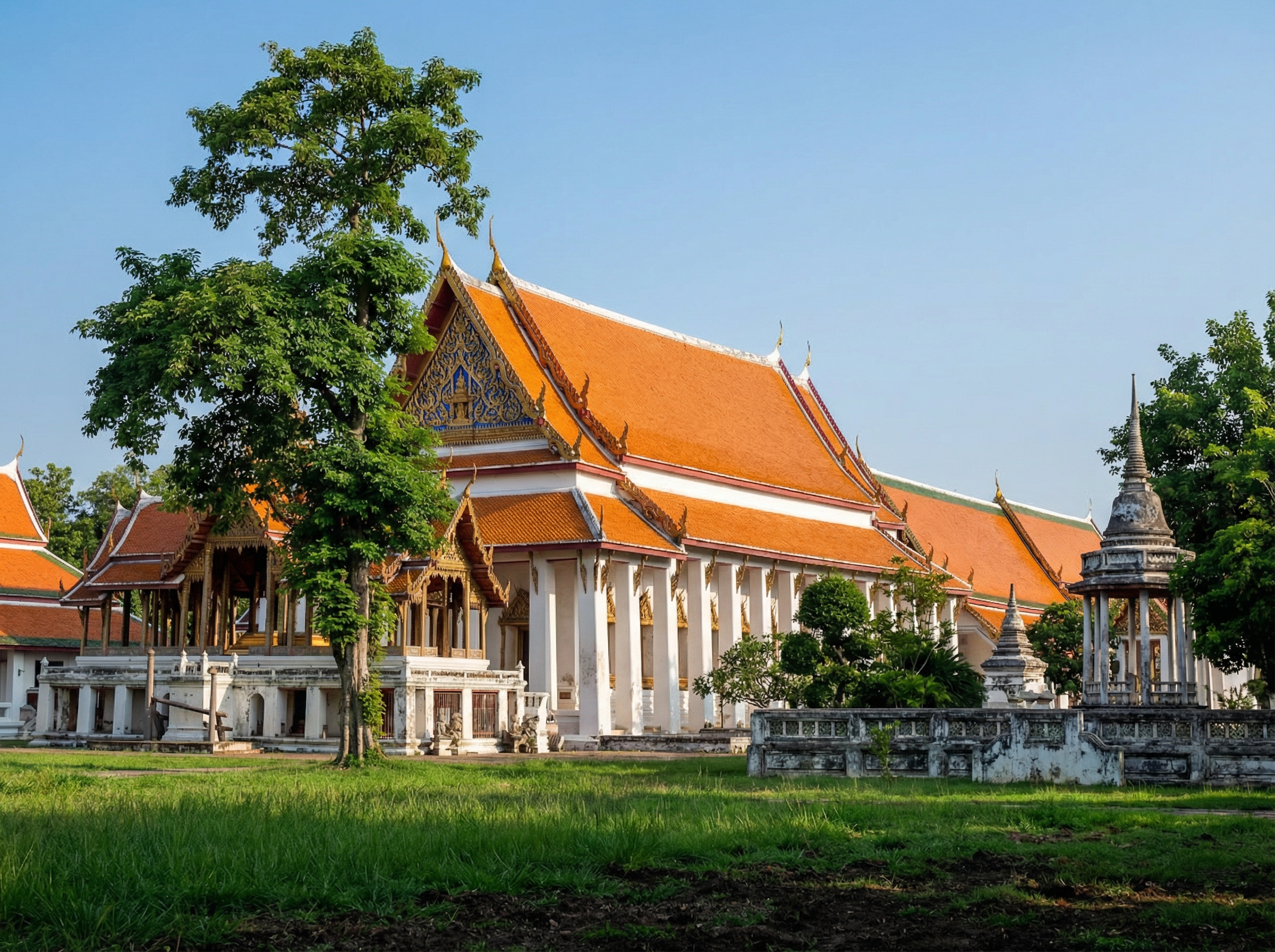
พระราชวังบวรสถานมงคล หรือ พระบวรราชวัง ตั้งอยู่ที่เขตพระนคร กรุงเทพมหานคร เป็นพระราชวังที่ประทับของกรมพระราชวังบวรสถานมงคลหรือวังหน้า สมเด็จพระบวรราชเจ้ามหาสุรสิงหนาท ซึ่งทรงดำรงพระอิสริยยศกรมพระราชวังบวรสถานมงคลพระองค์แรกแห่งกรุงรัตนโกสินทร์ โปรดให้สร้างขึ้น โดยเริ่มสร้างพร้อม ๆ กับพระบรมมหาราชวังใน พ.ศ. ๒๓๒๕ การก่อสร้างพระราชวังแห่งนี้ใช้พื้นที่ตั้งแต่ทิศเหนือของวัดสลัก (ปัจจุบันคือวัดมหาธาตุยุวราชรังสฤษฎิ์ราชวรมหาวิหาร) ขึ้นไปจรดคลองคูเมืองเดิม และได้ทำผาติกรรมที่ดินส่วนหนึ่งทางด้านเหนือของวัดสลักเข้ามาเป็นเขตพระราชวังบวรสถานมงคลด้วย
อาณาเขตของพระราชวังบวรสถานมงคลเดิมกว้างขวางมาก แต่ปัจจุบันได้ดัดแปลงส่วนหนึ่งเป็นสนามหลวง และถนน รวมทั้งเป็นที่ตั้งของสถาบันบัณฑิตพัฒนศิลป์ โรงละครแห่งชาติ พิพิธภัณฑสถานแห่งชาติ พระนคร และมหาวิทยาลัยธรรมศาสตร์
๑. สมเด็จพระบวรราชเจ้ามหาสุรสิงหนาท
(ดำรงพระยศ พ.ศ. ๒๓๒๕ – ๓ พฤศจิกายน พ.ศ. ๒๓๔๖)
หลังจากพระบาทสมเด็จพระพุทธยอดฟ้าจุฬาโลกมหาราชขึ้นครองราชย์สมบัติเป็นปฐมกษัตริย์แห่งราชวงศ์จักรี และโปรดเกล้าฯ สถาปนาสมเด็จพระอนุชาธิราช เจ้าพระยาสุรสีห์ ขึ้นเป็นกรมพระราชวังบวรสถานมงคล (ภายหลังพระบาทสมเด็จพระมงกุฎเกล้าเจ้าอยู่หัวทรงให้ออกพระนามว่า สมเด็จพระบวรราชเจ้ามหาสุรสิงหนาท) ได้มีการย้ายราชธานีจากกรุงธนบุรีมายังกรุงเทพมหานคร และโปรดเกล้าฯ ให้สร้างพระบรมมหาราชวังและพระราชวังบวรสถานมงคลขึ้นในคราวเดียวกัน
๒. เจ้าฟ้ากรมหลวงอิศรสุนทร (ดำรงพระยศ พ.ศ. ๒๓๕๐ – ๗ กันยายน ๒๓๕๒)
ถึงวันวันที่ ๑๕ มีนาคม พ.ศ. ๒๓๕๐ เมื่อสมเด็จพระบวรราชเจ้ามหาสุรสิงหนาทเสด็จสวรรคต พระบาทสมเด็จพระพุทธยอดฟ้าจุฬาโลกมหาราชจึงโปรดให้อุปราชาภิเษก “เจ้าฟ้ากรมหลวงอิศรสุนทร” เป็น กรมพระราชวังบวรสถานมงคล เมื่อพระบาทสมเด็จพระพุทธยอดฟ้าจุฬาโลกมหาราชประชวรพระโสภะอยู่ ๓ ปีก็เสด็จสวรรคตในวันที่ ๗ กันยายน พ.ศ. ๒๓๕๒ ขณะมีพระชนมพรรษาได้ ๗๓ พรรษา นับเวลาในการเสด็จครองราชย์ได้นานถึง ๒๗ ปี กรมพระราชวังบวรสถานมงคลจึงสำเร็จราชการแผ่นดินต่อมา เมื่อจัดการพระบรมศพเสร็จแล้ว พระบรมวงศานุวงศ์ขุนนางและพระราชาคณะจึงกราบบังคมทูลเชิญเสด็จขึ้นผ่านพิภพ เมื่อทรงรับการบรมราชาภิเษกแล้วมีพระนามเต็มว่า พระบาทสมเด็จพระพุทธเลิศหล้านภาลัย
๓. สมเด็จพระบวรราชเจ้ามหาเสนานุรักษ์
(ดำรงพระยศ ๒๒ กันยายน พ.ศ. ๒๓๕๒ – ๑๖ กรกฎาคม พ.ศ. ๒๓๖๐)
ในรัชสมัยพระบาทสมเด็จพระพุทธเลิศหล้านภาลัย โปรดเกล้าฯ สถาปนาสมเด็จพระอนุชาธิราช เจ้าฟ้ากรมหลวงเสนานุรักษ์ ขึ้นเป็นกรมพระราชวังบวรสถานมงคล (ภายหลังพระบาทสมเด็จพระมงกุฎเกล้าเจ้าอยู่หัวทรงให้ออกพระนามว่า สมเด็จพระบวรราชเจ้ามหาเสนานุรักษ์) พระองค์ทรงสมรสกับพระธิดาในสมเด็จพระบวรราชเจ้ามหาสุรสิงหนาท และได้เสด็จเข้าประทับที่พระราชวังบวรสถานมงคล
๔. สมเด็จพระบวรราชเจ้ามหาศักดิพลเสพ
(ดำรงพระยศ พ.ศ. ๒๓๖๗ – พ.ศ. ๒๓๗๕)
ในรัชสมัยพระบาทสมเด็จพระนั่งเกล้าเจ้าอยู่หัว ได้สถาปนาพระเจ้าบรมวงศ์เธอ กรมหมื่นศักดิพลเสพ ขึ้นเป็นกรมพระราชวังบวรสถานมงคล (ภายหลังพระบาทสมเด็จพระมงกุฎเกล้าเจ้าอยู่หัวทรงให้ออกพระนามว่า สมเด็จพระบวรราชเจ้ามหาศักดิพลเสพ) หลังจากนั้น พระองค์ทรงประทับอยู่ที่พระราชวังบวรสถานมงคลตลอดพระชนม์ชีพ
๕. พระบาทสมเด็จพระปิ่นเกล้าเจ้าอยู่หัว
(ดำรงพระยศ ๒ เมษายน พ.ศ. ๒๓๙๔ – ๗ มกราคม พ.ศ. ๒๔๐๘)
พระบาทสมเด็จพระจอมเกล้าเจ้าอยู่หัว โปรดเกล้าฯ ให้สถาปนาสมเด็จพระเจ้าน้องยาเธอ เจ้าฟ้าจุฑามณี กรมขุนอิศเรศรังสรรค์ ขึ้นดำรงตำแหน่งกรมพระราชวังบวรสถานมงคล และรับพระบวรราชโองการให้มีพระเกียรติยศเสมอด้วยพระเจ้าแผ่นดินองค์ที่ ๒ มีพระนามว่า พระบาทสมเด็จพระปิ่นเกล้าเจ้าอยู่หัว พร้อมทั้งโปรดเกล้าฯ ให้เรียกพระราชวังบวรสถานมงคลว่า พระบวรราชวัง ขณะที่วังหลวงเรียกว่าพระบรมมหาราชวัง
๖. กรมพระราชวังบวรวิไชยชาญ
(ดำรงพระยศ ๒ ตุลาคม พ.ศ. ๒๔๑๑ – ๒๘ สิงหาคม พ.ศ. ๒๔๒๘)
ในรัชสมัยพระบาทสมเด็จพระจุลจอมเกล้าเจ้าอยู่หัว กรมพระราชวังบวรวิไชยชาญทรงดำรงตำแหน่งกรมพระราชวังบวรสถานมงคล หลังจากการเสด็จทิวงคตของกรมพระราชวังบวรวิไชยชาญ พระบาทสมเด็จพระจุลจอมเกล้าเจ้าอยู่หัวมิได้สถาปนาเจ้านายพระองค์ใดขึ้นดำรงตำแหน่งกรมพระราชวังบวรสถานมงคลอีก
ต่อมา พระองค์ทรงพระกรุณาโปรดเกล้าฯ สถาปนาสมเด็จพระเจ้าลูกยาเธอ เจ้าฟ้ามหาวชิรุณหิศ ขึ้นเป็นสมเด็จพระบรมโอรสาธิราช เจ้าฟ้ามหาวชิรุณหิศ สยามมกุฎราชกุมาร เมื่อ พ.ศ. ๒๔๒๙ ทำให้ตำแหน่งกรมพระราชวังบวรสถานมงคลถูกยกเลิกไป
ดังนั้น พระราชวังบวรสถานมงคลจึงไม่ได้เป็นที่ประทับของกรมพระราชวังบวรสถานมงคลนับตั้งแต่นั้นมา พระบาทสมเด็จพระจุลจอมเกล้าเจ้าอยู่หัวจึงทรงพระกรุณาโปรดเกล้าฯ ให้ดัดแปลงสนามวังหน้าเป็นส่วนหนึ่งของท้องสนามหลวง และรื้อป้อมปราการต่าง ๆ ลง
ต่อมาในปี พ.ศ. ๒๔๓๐ ได้ทรงพระกรุณาโปรดเกล้าฯ ให้ย้ายพิพิธภัณฑสถานไปไว้ที่ พระที่นั่งศิวโมกข์พิมาน พระที่นั่งพุทไธสวรรย์ และพระที่นั่งอิศราวินิจฉัย
ในรัชสมัยพระบาทสมเด็จพระปกเกล้าเจ้าอยู่หัว ได้ทรงพระกรุณาโปรดเกล้าฯ พระราชทานพระราชมณเฑียรในพระราชวังบวรสถานมงคลให้จัดตั้งขึ้นเป็น พิพิธภัณฑสถานแห่งชาติ พระนคร ในปี พ.ศ. ๒๔๖๙
ปัจจุบัน พื้นที่ส่วนใหญ่ของพระราชวังบวรสถานมงคลเป็นที่ตั้งของ
มหาวิทยาลัยธรรมศาสตร์ ท่าพระจันทร์
พิพิธภัณฑสถานแห่งชาติ พระนคร
สถาบันบัณฑิตพัฒนศิลป์
โรงละครแห่งชาติ
และพื้นที่ด้านเหนือฝั่งตะวันตกของท้องสนามหลวง
________________
This AI-restored and creatively reconstructed image depicts the princes who held the title of Krom Phra Ratchawang Bovorn Sathan Mongkhon (กรมพระราชวังบวรสถานมงคล), commonly known as the “Front Palace” (Wang Na – วังหน้า).
The Front Palace was the position of the Uparaja, or Vice King, who functioned as the most powerful royal figure after the reigning monarch and was often regarded as the heir apparent. The institution existed from the Ayutthaya period and continued until the reign of King Chulalongkorn (พระบาทสมเด็จพระจุลจอมเกล้าเจ้าอยู่หัว, Rama V).
The holder of this office assisted the king in governing the kingdom and often supervised important military and administrative affairs, including the governance of strategic cities. The Front Palace resided at the Front Palace complex (Phra Ratchawang Bovorn Sathan Mongkhon – พระราชวังบวรสถานมงคล), and the office was typically held by a royal younger brother of the king or a prominent royal prince.
During the early Rattanakosin period, six princes held this important position.
The Front Palace (Phra Ratchawang Bovorn Sathan Mongkhon – พระราชวังบวรสถานมงคล)
The Front Palace, also known as the Bovorn Royal Palace (Phra Bovorn Ratchawang – พระบวรราชวัง), is located in the Phra Nakhon district of Bangkok. It served as the residence of the Krom Phra Ratchawang Bovorn Sathan Mongkhon, the Vice King of Siam.
The palace was first constructed by Somdet Phra Bovorn Ratchao Maha Sura Singhanat (สมเด็จพระบวรราชเจ้ามหาสุรสิงหนาท), who was the first holder of the title during the Rattanakosin Kingdom. Construction began in 1782, at the same time as the Grand Palace (Phra Borom Maha Ratchawang – พระบรมมหาราชวัง), when King Phutthayotfa Chulalok (พระบาทสมเด็จพระพุทธยอดฟ้าจุฬาโลกมหาราช, Rama I) moved the capital from Thonburi to Bangkok.
The palace complex originally extended from the northern side of Wat Salak (วัดสลัก)—now known as Wat Mahathat Yuwaratrangsarit Ratchaworamahawihan (วัดมหาธาตุยุวราชรังสฤษฎิ์ราชวรมหาวิหาร)—northwards to the old city moat canal (Khlong Khu Mueang Doem – คลองคูเมืองเดิม). Additional land to the north of Wat Salak was also incorporated into the palace grounds.
The original Front Palace complex was extremely extensive. Today, portions of the former grounds have been transformed into Sanam Luang, public roads, and the sites of several major institutions including:
Bunditpatanasilpa Institute (สถาบันบัณฑิตพัฒนศิลป์)
The National Theatre (โรงละครแห่งชาติ)
The National Museum Bangkok (พิพิธภัณฑสถานแห่งชาติ พระนคร)
Thammasat University, Tha Phra Chan Campus (มหาวิทยาลัยธรรมศาสตร์ ท่าพระจันทร์)
The Six Front Palace Princes of Early Rattanakosin
1. Somdet Phra Bovorn Ratchao Maha Sura Singhanat
(สมเด็จพระบวรราชเจ้ามหาสุรสิงหนาท)
Tenure: 1782 – 3 November 1803
After King Phutthayotfa Chulalok (Rama I) ascended the throne as the founding monarch of the Chakri Dynasty, he appointed his younger brother Chao Phraya Surasi (เจ้าพระยาสุรสีห์) as Krom Phra Ratchawang Bovorn Sathan Mongkhon.
Later, during the reign of King Vajiravudh (พระบาทสมเด็จพระมงกุฎเกล้าเจ้าอยู่หัว, Rama VI), he was retrospectively granted the royal title Somdet Phra Bovorn Ratchao Maha Sura Singhanat.
At the same time that the capital was relocated from Thonburi to Bangkok, both the Grand Palace and the Front Palace were constructed simultaneously.
2. Prince Isarasundhorn, the Prince Krom Luang Isarasundhorn
(Held the title 1807 – 7 September 1809)
On 15 March 1807, following the death of Somdet Phra Bowon Ratchao Maha Sura Singhanat, King Phra Phutthayotfa Chulalok Maharaj (Rama I) appointed Prince Krom Luang Isarasundhorn as Krom Phra Ratchawang Bowon Sathan Mongkhon, the Front Palace or Vice-King of Siam.
Later, after King Phra Phutthayotfa Chulalok Maharaj had suffered from illness for three years, he passed away on 7 September 1809 at the age of 73, having reigned for 27 years.
During this period, the Front Palace (Krom Phra Ratchawang Bowon Sathan Mongkhon) assumed responsibility for the administration of the kingdom. After the royal cremation ceremonies were completed, members of the royal family, senior officials, and the ecclesiastical hierarchy formally invited him to ascend the throne.
Upon receiving the royal coronation, he assumed the full regnal title:
King Phra Phutthaloetla Naphalai (Rama II of Siam).
3. Somdet Phra Bovorn Ratchao Maha Senanurak
(สมเด็จพระบวรราชเจ้ามหาเสนานุรักษ์)
Tenure: 22 September 1809 – 16 July 1817
During the reign of King Phutthaloetla Naphalai (พระบาทสมเด็จพระพุทธเลิศหล้านภาลัย, Rama II), the king appointed his younger brother Prince Senanurak (เจ้าฟ้ากรมหลวงเสนานุรักษ์) to the office of Krom Phra Ratchawang Bovorn Sathan Mongkhon.
Later, under King Vajiravudh (Rama VI), he was formally granted the name Somdet Phra Bovorn Ratchao Maha Senanurak.
He married a daughter of Somdet Phra Bovorn Ratchao Maha Sura Singhanat and subsequently took up residence in the Front Palace.
4. Somdet Phra Bovorn Ratchao Maha Sakdipolsep
(สมเด็จพระบวรราชเจ้ามหาศักดิพลเสพ)
Tenure: 1824 – 1832
During the reign of King Nangklao (พระบาทสมเด็จพระนั่งเกล้าเจ้าอยู่หัว, Rama III), Prince Krom Muen Sakdipolsep (กรมหมื่นศักดิพลเสพ) was appointed to the office of Krom Phra Ratchawang Bovorn Sathan Mongkhon.
Later, King Vajiravudh (Rama VI) posthumously granted him the royal title Somdet Phra Bovorn Ratchao Maha Sakdipolsep.
He resided at the Front Palace for the remainder of his life.
5. King Pinklao
(พระบาทสมเด็จพระปิ่นเกล้าเจ้าอยู่หัว)
Tenure: 2 April 1851 – 7 January 1865
During the reign of King Mongkut (พระบาทสมเด็จพระจอมเกล้าเจ้าอยู่หัว, Rama IV), his younger brother Prince Chutamani (เจ้าฟ้าจุฑามณี), who held the title Krom Khun Itsarangsarn (กรมขุนอิศเรศรังสรรค์), was appointed to the Front Palace.
In an unprecedented royal decision, King Mongkut elevated him to royal status equal to that of a second king, granting him the title King Pinklao (พระบาทสมเด็จพระปิ่นเกล้าเจ้าอยู่หัว).
At this time, the Front Palace complex was officially referred to as the Bovorn Royal Palace (พระบวรราชวัง), while the king’s residence became known as the Grand Palace (พระบรมมหาราชวัง).
6. Krom Phra Ratchawang Bovorn Wichaichan
(กรมพระราชวังบวรวิไชยชาญ)
Tenure: 2 October 1868 – 28 August 1885
During the reign of King Chulalongkorn (พระบาทสมเด็จพระจุลจอมเกล้าเจ้าอยู่หัว, Rama V), Prince Wichaichan held the position of Krom Phra Ratchawang Bovorn Sathan Mongkhon.
After his death in 1885, King Chulalongkorn chose not to appoint another Front Palace prince. Instead, in 1886, he established the modern succession system by appointing Prince Vajirunhis (สมเด็จพระเจ้าลูกยาเธอ เจ้าฟ้ามหาวชิรุณหิศ)as Crown Prince of Siam (Sayam Makutrajakuman – สยามมกุฎราชกุมาร)
This reform effectively abolished the institution of the Front Palace.
Following this change, the Front Palace ceased to serve as the residence of the Vice King. King Chulalongkorn subsequently ordered the Front Palace parade ground to be incorporated into Sanam Luang, and several defensive fortifications were dismantled.
In 1887, the king relocated the royal museum collections to several buildings within the former Front Palace complex, including:
Phra Thinang Siwamokhaphiman (พระที่นั่งศิวโมกข์พิมาน)
Phra Thinang Phutthaisawan (พระที่นั่งพุทไธสวรรย์)
Phra Thinang Itsarawinitchai (พระที่นั่งอิศราวินิจฉัย)
Later, during the reign of King Prajadhipok (พระบาทสมเด็จพระปกเกล้าเจ้าอยู่หัว, Rama VII), the royal buildings of the former Front Palace were formally designated as the National Museum Bangkok in 1926.
Today, much of the former Front Palace grounds is occupied by:
Thammasat University, Tha Phra Chan Campus (มหาวิทยาลัยธรรมศาสตร์ ท่าพระจันทร์)
The National Museum Bangkok (พิพิธภัณฑสถานแห่งชาติ พระนคร)
Bunditpatanasilpa Institute (สถาบันบัณฑิตพัฒนศิลป์)
The National Theatre (โรงละครแห่งชาติ)
The western northern section of Sanam Luang (ท้องสนามหลวง)
________________
เรียนเชิญกด Subscribe ได้ที่ลิงก์นี้ครับ เพื่อร่วมติดตามงานสร้างสรรค์ต้นฉบับ งานวิจัยประวัติศาสตร์แฟชั่น และผลงานอนุรักษ์มรดกวัฒนธรรมด้วยเทคโนโลยี AI ของ AI Fashion Lab, London ซึ่งมุ่งตีความอดีตผ่านมิติใหม่ของการบูรณะภาพ การสร้างสรรค์ภาพ และการเล่าเรื่องด้วยศิลปะเชิงดิจิทัล https://www.facebook.com/aifashionlab/subscribe
#aifashionlab#AI#aiartist#aiart#aifashion#aifashiondesign#aifashionstyling#aifashiondesigner#fashion#fashionhistory#historyoffashion#fashionstyling#fashionphotography#digitalfashion#digitalfashiondesign#digitalcostumedesign#digitaldesign#digitalaiart#ThaiFashionHistory#ThaiFashionAI#thailand #UNESCO