คุณหญิงเนื่อง สุรินทราชา
คุณหญิงเนื่อง สุรินทราชา
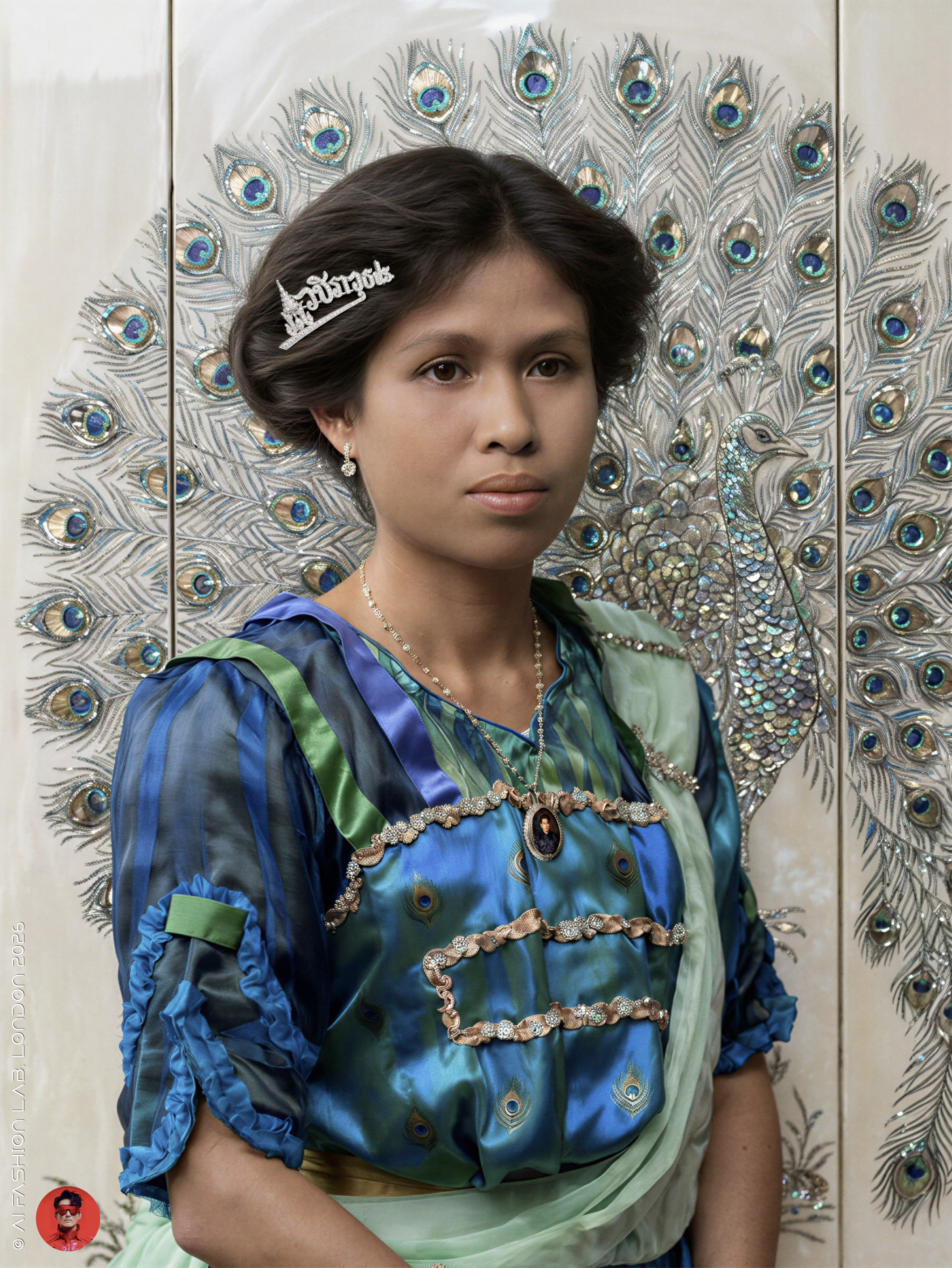
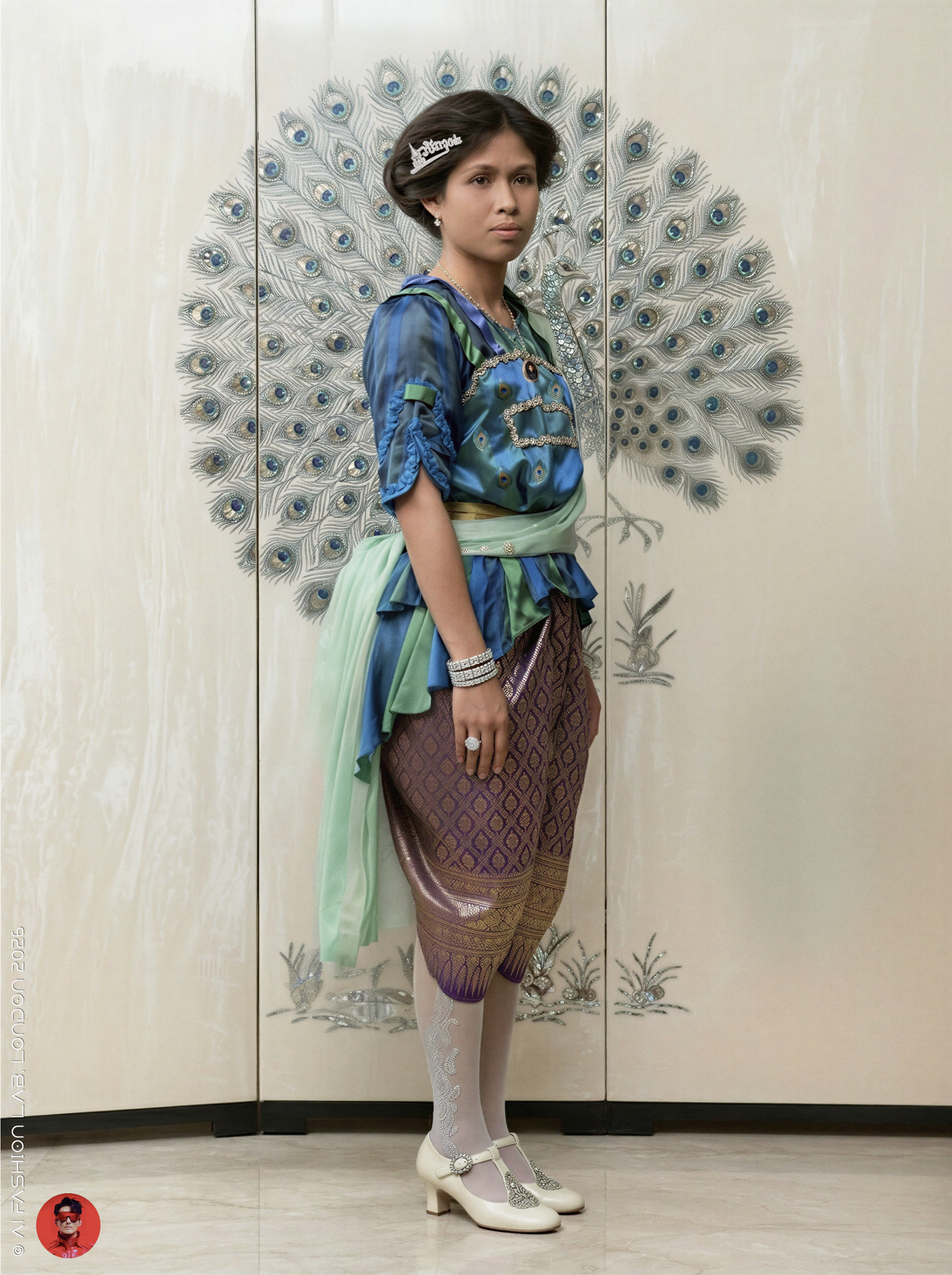
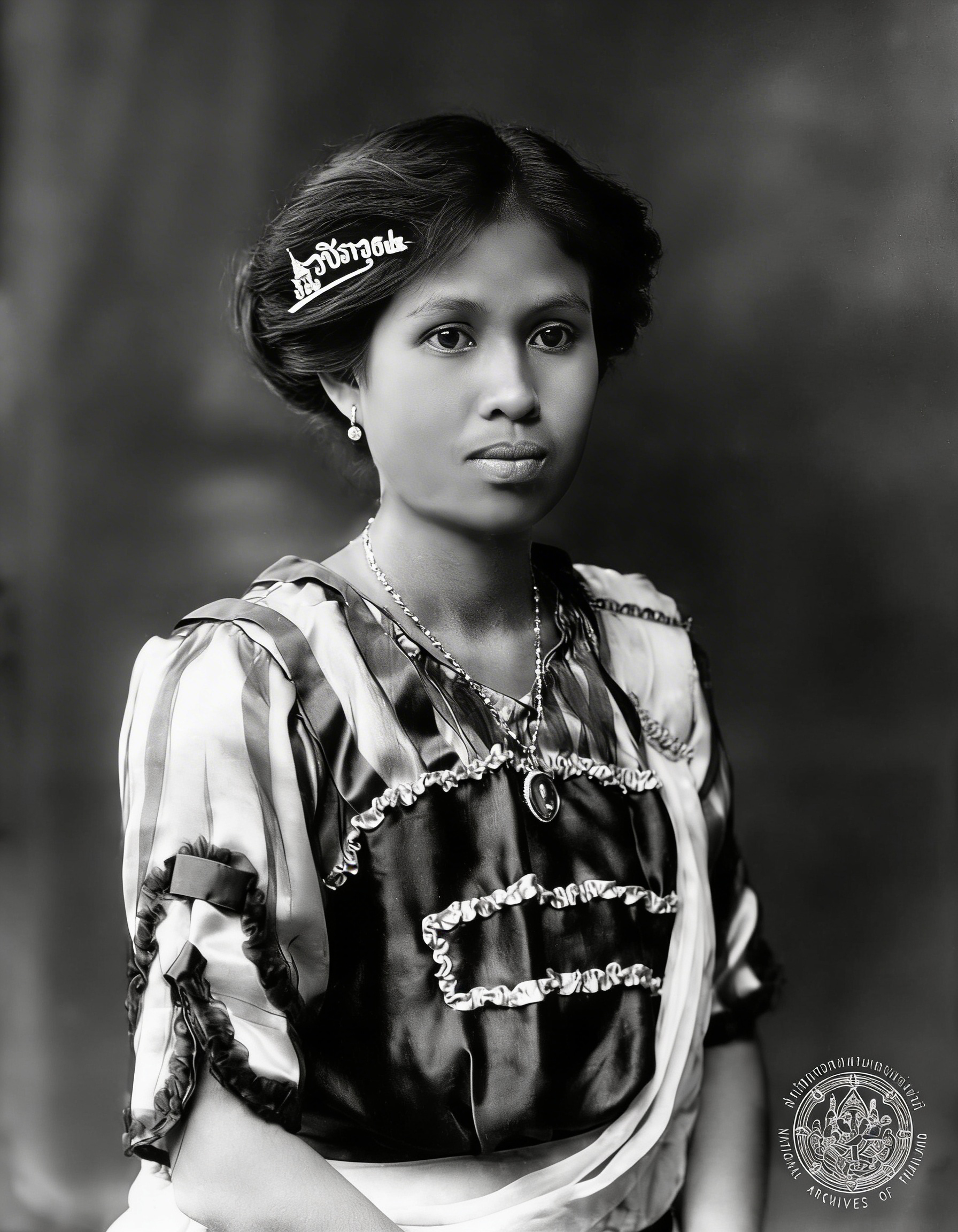
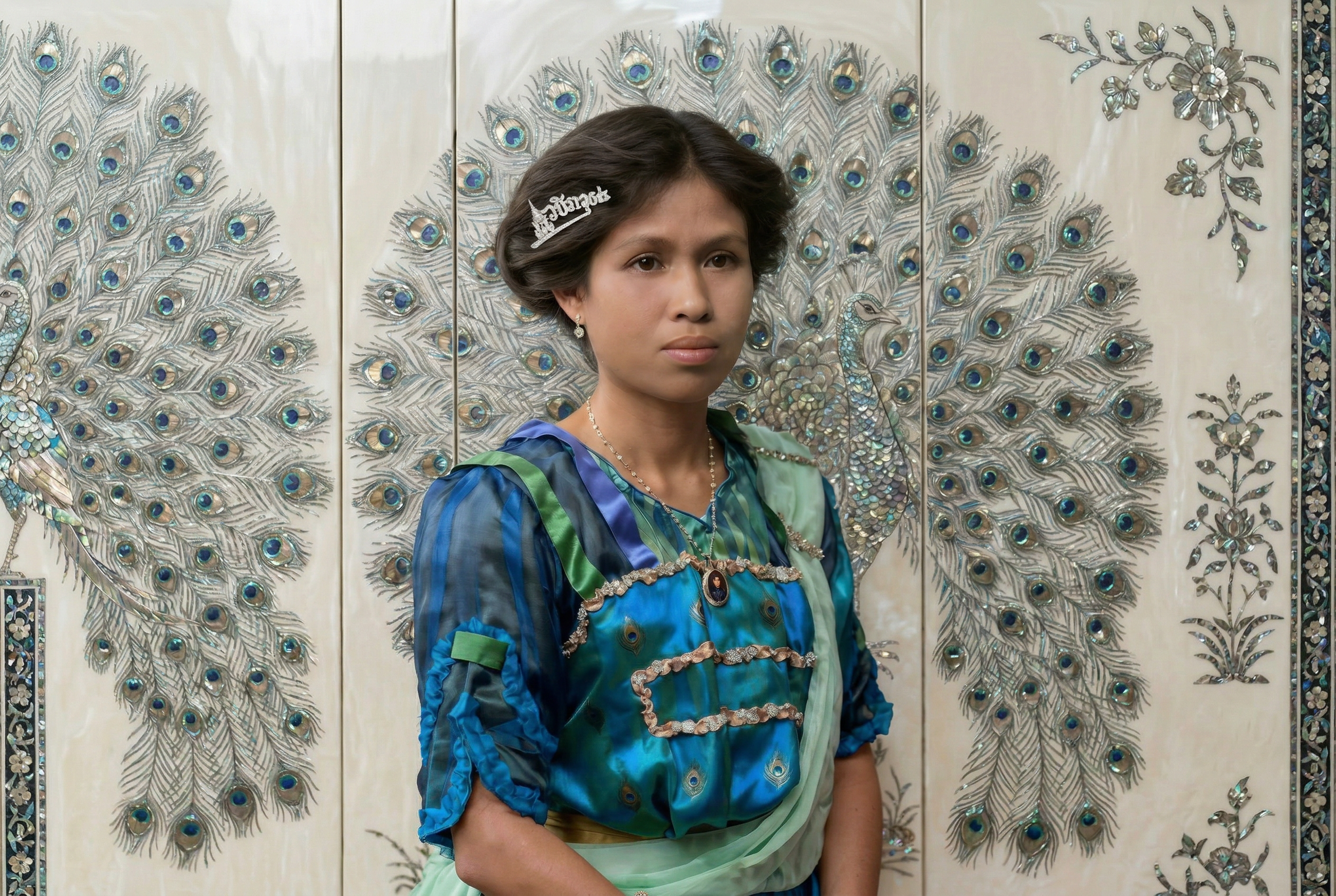
ภาพที่ได้รับการบูรณะและสร้างสรรค์ขึ้นใหม่ด้วยเทคโนโลยี AI นี้ คือภาพของ คุณหญิงเนื่อง สุรินทราชา สตรีชั้นสูงผู้มีความสัมพันธ์ใกล้ชิดกับข้าราชการสำคัญและราชสำนักสยามในช่วงต้นคริสต์ศตวรรษที่ ๒๐
คุณหญิงเนื่อง สุรินทราชา สมรสกับ พระยาสุรินทราชา (นกยูง วิเศษกุล) อดีตมหาดเล็กข้าหลวงเดิมใน พระบาทสมเด็จพระมงกุฎเกล้าเจ้าอยู่หัว โดยท่านมีราชทินนามเต็มว่า
“มหาเสวกโท พระยาสุรินทราชา สยามราชภักดี พิริยะพาหะ”
พระยาสุรินทราชา มีนามเดิมว่า นกยูง วิเศษกุล เคยดำรงตำแหน่งสำคัญในราชการ ได้แก่ อธิบดีกรมไปรษณีย์โทรเลข และ สมุหเทศาภิบาลมณฑลภูเก็ต นอกจากบทบาทในราชการแล้ว ท่านยังมีความสำคัญในประวัติศาสตร์วรรณกรรมไทยในฐานะผู้แปลนวนิยายเรื่อง ความพยาบาท จากเรื่อง Vendetta ของ มารี คอเรลลี โดยใช้นามปากกาว่า “แม่วัน” ซึ่งถือกันโดยทั่วไปว่าเป็น นวนิยายแปลเล่มแรกของประเทศไทย
ด้วยผลงานอันเป็นจุดเริ่มต้นของวรรณกรรมแปลไทยนี้ จึงได้รับการยกย่องจาก สมาคมนักแปลและล่ามแห่งประเทศไทย โดยได้ตั้งชื่อรางวัลประจำปีสำหรับนักแปลและล่ามดีเด่นว่า “รางวัลสุรินทราชา”
นอกจากนี้ ยังมี ถนนวิเศษกุล ในเขตอำเภอเมือง จังหวัดตรัง ที่ตั้งขึ้นเพื่อเป็นเกียรติแก่ท่าน
พระยาสุรินทราชา และคุณหญิงเนื่อง สุรินทราชา มีธิดา ๔ คน โดยธิดาคนสุดท้องคือ หม่อมกอบแก้ว อาภากร ณ อยุธยาหม่อมใน พระเจ้าวรวงศ์เธอ พระองค์เจ้าอาทิตย์ทิพอาภา ผู้ซึ่งต่อมาทรงดำรงตำแหน่ง ประธานคณะผู้สำเร็จราชการแทนพระองค์ในพระบาทสมเด็จพระปรเมนทรมหาอานันทมหิดล พระอัฐมรามาธิบดินทร
ดังนั้น พระยาสุรินทราชา และคุณหญิงเนื่อง สุรินทราชา จึงเป็น พระสสุระและพระสัสสุ ของ พระเจ้าวรวงศ์เธอ พระองค์เจ้าอาทิตย์ทิพอาภา
หม่อมกอบแก้ว อาภากร ณ อยุธยา ยังเป็น มารดาอุปถัมภ์ ของ เจ้ากอแก้วประกายกาวิล ณ เชียงใหม่
(๑๖ พฤษภาคม พ.ศ. ๒๔๗๘ – ๑๓ มีนาคม พ.ศ. ๒๕๔๘) ธิดาคนสุดท้องในจำนวน ๓ คน ของ เจ้ากาวิละวงศ์ ณ เชียงใหม่ และ เจ้าศิริประกาย ณ เชียงใหม่ ซึ่งเป็นพระธิดาของ พลตรีเจ้าแก้วนวรัฐ (เจ้าหลวงเชียงใหม่ องค์ที่ ๙)
_______
บริบททางแฟชั่นของภาพ
จากลักษณะเครื่องแต่งกาย ภาพนี้คาดว่าถ่ายขึ้นในช่วง พ.ศ. ๒๔๕๓–๒๔๕๗ (ค.ศ. 1910–1914) ซึ่งเป็นช่วง แฟชั่นก่อนสงครามโลกครั้งที่ ๑ ในสมัย พระบาทสมเด็จพระมงกุฎเกล้าเจ้าอยู่หัว (รัชกาลที่ ๖)
เครื่องแต่งกายในภาพสะท้อนแฟชั่นแบบ Early Teens ซึ่งเป็นช่วงเปลี่ยนผ่านจากแฟชั่นปลายยุคเอ็ดเวิร์เดียนไปสู่แฟชั่นของทศวรรษ 1910 หนึ่งในรายละเอียดที่น่าสนใจคือการ ประดับเข็มพระปรมาภิไธยหรือพระนามาภิไธยของเจ้านายบนเรือนผมแทนการกลัดติดกับเสื้อ ซึ่งเป็นแฟชั่นที่พบได้ในสตรีชั้นสูงของราชสำนักในช่วงเวลานั้น
แฟชั่นสตรีในช่วงต้นรัชกาลที่ ๖ โดยเฉพาะก่อนสงครามโลกครั้งที่ ๑ เป็นช่วงเปลี่ยนผ่านสำคัญจาก Late Edwardian Styleมาสู่ยุคที่นักประวัติศาสตร์แฟชั่นตะวันตกเรียกว่า Teens Fashion (ค.ศ. 1911–1919)
ลักษณะเด่นของแฟชั่นยุคนี้คือ
คอเสื้อสตรีเปลี่ยนจากคอสูงมาเป็นคอเสื้อเปิดต่ำ
พบทั้งคอเสื้อทรงสามเหลี่ยม สี่เหลี่ยม และปกกลาสี
แขนเสื้อสั้นลงเป็นแขนสามส่วนหรือระดับข้อศอก
ผ้าไม่ใช้ลูกไม้ทั้งตัว แต่ผสม ผ้าซาติน ผ้าชีฟอง และริบบิ้นผ้าไหม
รูปทรงเสื้อผ้าหลวมพอดีตัว ไม่รัดแน่นแบบคอร์เซ็ตของยุคเอ็ดเวิร์เดียน
สำหรับผู้อ่านที่อาจไม่คุ้นกับศัพท์ประวัติศาสตร์แฟชั่น คำว่า Teens Fashion มิได้หมายถึงแฟชั่นของวัยรุ่น หากแต่เป็นคำเรียกแฟชั่นของ ทศวรรษ 1910 โดยคำว่า Teens มาจากตัวเลขปี 1911–1919 ซึ่งลงท้ายด้วยคำว่า “-teen” ในภาษาอังกฤษ เช่น thirteen, fourteen, และ fifteen เป็นต้น
_______
อิทธิพลศิลปะและแฟชั่นโลก
แม้ว่ายุค Edwardian Era จะสิ้นสุดลงเมื่อ สมเด็จพระเจ้าเอ็ดเวิร์ดที่ ๗ เสด็จสวรรคตในปี ค.ศ. 1910 (ซึ่งตรงกับปีแห่งการเสด็จสวรรคตของ พระบาทสมเด็จพระจุลจอมเกล้าเจ้าอยู่หัว) แต่รูปแบบศิลปะและแฟชั่นของยุคนั้นยังคงมีอิทธิพลต่อเนื่องไปจนถึงช่วง สงครามโลกครั้งที่ ๑
หนึ่งในกระแสศิลปะสำคัญของยุคนั้นคือ อาร์ตนูโว (Art Nouveau) ซึ่งโดดเด่นด้วยเส้นสายโค้งอ่อนช้อย แรงบันดาลใจจากธรรมชาติ ดอกไม้ ผีเสื้อ และทรงผมแบบเกล้ามวยของสตรี ส่งผลให้เสื้อผ้ามีรูปทรงอ่อนนุ่ม เน้นเส้นโค้งของลำตัวแบบ S-curve silhouette และตกแต่งด้วยลูกไม้ จีบระบาย และงานปักละเอียดอ่อน
แฟชั่นของสตรีชั้นสูงในราชสำนักสยามช่วงปลายรัชกาลที่ ๕ ต่อเนื่องถึงต้นรัชกาลที่ ๖ จึงสะท้อนรสนิยมแบบผู้ดีสมัยเอ็ดเวิร์เดียนอย่างชัดเจน ทั้งในรูปทรงเสื้อผ้า ความประณีตของวัสดุ และเครื่องประดับ
ต่อมาเมื่อโลกก้าวเข้าสู่ยุคหลังสงคราม กระแสศิลปะแบบ อาร์ตเดโค (Art Deco) เริ่มเข้ามาแทนที่อาร์ตนูโว รูปแบบศิลปะเปลี่ยนจากเส้นโค้งอ่อนช้อยไปสู่ รูปทรงเรขาคณิตที่เรียบง่ายและชัดเจน สะท้อนจิตวิญญาณแห่งความทันสมัยของโลกอุตสาหกรรม
กระแสนี้ส่งผลโดยตรงต่อแฟชั่นสตรีในช่วงทศวรรษ 1920 ซึ่งเสื้อผ้าเริ่มเปลี่ยนจากรูปทรงคอดรับรูปร่างไปสู่ straight silhouette ลดการใช้คอร์เซ็ต และนำไปสู่การเกิดของ drop-waist dress ที่สะท้อนเสรีภาพของผู้หญิงยุคใหม่
_______
แฟชั่นโลกและสยามในช่วงเวลาเดียวกัน
หากพิจารณาตามเส้นเวลาทางประวัติศาสตร์แฟชั่น จะพบว่ายุค Edwardian Era (ค.ศ. 1901–1910) ของอังกฤษ ซึ่งกินเวลาประมาณ ๑๐ ปี นั้น สอดคล้องกับช่วงทศวรรษสุดท้ายแห่งรัชสมัยของ พระบาทสมเด็จพระจุลจอมเกล้าเจ้าอยู่หัว รัชกาลที่ ๕
ทั้งสองช่วงเวลานี้ถือเป็นยุคแห่งความรุ่งเรืองทางวัฒนธรรม เทคโนโลยี และการเปิดรับอารยธรรมตะวันตก
เมื่อสิ้นสุดยุคเอ็ดเวิร์เดียน ซึ่งตรงกับช่วงปลายรัชกาลที่ ๕ และการเริ่มต้นรัชกาลที่ ๖ แฟชั่นของโลกตะวันตกได้ก้าวเข้าสู่ยุค Teens Fashion (ค.ศ. 1911–1919) ซึ่งสะท้อนการเปลี่ยนแปลงทางสังคม ศิลปะ และบทบาทของสตรีในสังคมสมัยใหม่
ในบริบทของสยาม ช่วงเวลานี้จึงเป็นยุคที่แฟชั่นของสตรีชั้นสูงในราชสำนักสะท้อน การผสมผสานระหว่างขนบเดิมของสยามกับอิทธิพลแฟชั่นตะวันตก อย่างชัดเจน ทั้งในรูปแบบเครื่องแต่งกาย ทรงผม และเครื่องประดับ
_______
Khunying Nueang Surintaraja (คุณหญิงเนื่อง สุรินทราชา)
This image, restored and artistically re-created using AI technology, depicts Khunying Nueang Surintaraja (คุณหญิงเนื่อง สุรินทราชา).
Khunying Nueang Surintaraja was married to Phraya Surintaraja (Nokyung Wisetkul) (พระยาสุรินทราชา (นกยูง วิเศษกุล)), a former royal page in attendance to His Majesty King Vajiravudh (พระบาทสมเด็จพระมงกุฎเกล้าเจ้าอยู่หัว, King Rama VI). His full noble title was:
Mahasewak Tho Phraya Surintaraja Siamrajabhakdi Phiriyaphaha
(มหาเสวกโท พระยาสุรินทราชา สยามราชภักดี พิริยะพาหะ)
Born Nokyung Wisetkul (นกยูง วิเศษกุล), he later served as Director-General of the Post and Telegraph Departmentand Monthon Commissioner of Phuket. He is also remembered for his significant contribution to Thai literary history as the translator of the novel Khwam Phayabat (ความพยาบาท), adapted from Vendetta by Marie Corelli, published under the pen name “Mae Wan” (แม่วัน). This work is widely regarded as the first translated novel in Thai literary history.
Because of his pioneering role in introducing translated fiction to Thailand, he was later honoured by the Translators and Interpreters Association of Thailand, which established an annual award for outstanding translators and interpreters known as the Surintaraja Award.
Today, Wisetkul Road (ถนนวิเศษกุล) in Mueang District, Trang Province is named in his honour.
Phraya Surintaraja and Khunying Nueang Surintaraja had four daughters, the youngest being Mom Kobkaeo Aphakon Na Ayutthaya (หม่อมกอบแก้ว อาภากร ณ อยุธยา). She became a consort of His Serene Highness Prince Athit Thipapha (พระเจ้าวรวงศ์เธอ พระองค์เจ้าอาทิตย์ทิพอาภา), who later served as President of the Regency Council during the reign of King Ananda Mahidol (พระบาทสมเด็จพระปรเมนทรมหาอานันทมหิดล, King Rama VIII).
Through this marriage, Phraya Surintaraja and Khunying Nueang Surintaraja became the parents-in-law of Prince Athit Thipapha.
Mom Kobkaeo Aphakon Na Ayutthaya (หม่อมกอบแก้ว อาภากร ณ อยุธยา) later became the patron mother of Chao Kokaeo Prakai Kawan Na Chiang Mai (เจ้ากอแก้วประกายกาวิล ณ เชียงใหม่)
(๑๖ May B.E. ๒๔๗๘ – ๑๓ March B.E. ๒๕๔๘). She was the youngest of three daughters of Chao Kawilawong Na Chiang Mai (เจ้ากาวิละวงศ์ ณ เชียงใหม่) and Chao Siriprakai Na Chiang Mai (เจ้าศิริประกาย ณ เชียงใหม่), herself a daughter of Major-General Chao Kaew Nawarat (พลตรีเจ้าแก้วนวรัฐ), the 9th Ruler (Chao Luang) of Chiang Mai.
Based on the style of dress, the photograph is believed to have been taken between B.E. ๒๔๕๓–๒๔๕๗ (1910–1914), during the pre–World War I fashion era, in the reign of King Vajiravudh (Rama VI).
The fashion seen in this image reflects the Early Teens fashion period, a transitional moment in Western fashion history between the Late Edwardian style and what historians refer to as Teens Fashion (1911–1919). One distinctive detail is the practice of wearing royal cypher or princely monogram pins in the hair, rather than attaching them to the bodice of the dress, a fashionable accessory among elite women of the Siamese court during this period.
Women’s fashion in the early reign of King Vajiravudh, particularly before World War I, illustrates the gradual shift from the structured elegance of the Edwardian era towards the lighter and more relaxed silhouettes of the 1910s. High collars gave way to lower necklines—often triangular or square in shape—and sometimes sailor-style collars. Sleeves shortened to three-quarter or elbow length, and garments were increasingly made from a combination of fabrics such as satin, chiffon, and silk ribbons rather than being entirely constructed from lace. The overall silhouette became softer and less tightly corseted than in the earlier Edwardian period.
For readers unfamiliar with fashion terminology, the term “Teens Fashion” does not refer to teenage clothing. Instead, it is a historical term used to describe fashion during the 1910s decade, derived from the English numerical suffix “-teen,” which appears in the years 1911–1919.
Although the Edwardian Era formally ended with the death of King Edward VII in 1910, its artistic and stylistic influence continued into the years leading up to World War I. One of the defining artistic movements of this period was Art Nouveau, characterised by flowing organic lines inspired by nature—flowers, butterflies, and the graceful forms of women’s hairstyles. These influences shaped the soft curves and decorative elements of Edwardian dress, particularly the well-known S-curve silhouette, lace embellishments, delicate embroidery, and layered fabrics.
In the Siamese royal court during the late reign of King Chulalongkorn (Rama V) and the early reign of King Vajiravudh (Rama VI), women’s fashion often reflected these Edwardian influences, combining Western dress styles with refined courtly aesthetics.
After the war, the artistic movement of Art Deco gradually replaced Art Nouveau, shifting from flowing organic lines to cleaner geometric forms. This transformation had a direct impact on women’s fashion during the 1920s, when silhouettes became straighter and less constrained by corsetry. The emergence of the drop-waist dress symbolised greater freedom of movement and reflected the changing social role of women in the modern world.
In the Siamese context, the Edwardian period (1901–1910) in Britain coincided with the final decade of the reign of King Chulalongkorn (Rama V). Both eras represented a time of cultural prosperity, technological progress, and increased engagement with Western civilisation.
With the end of the Edwardian era and the beginning of the reign of King Vajiravudh, global fashion moved into the Teens Fashion period (1911–1919). In Siam, this moment vividly illustrates the blending of traditional court culture with Western fashion influences, visible in the clothing, hairstyles, and accessories worn by elite women of the royal court.
_______
เรียนเชิญกด Subscribe ได้ที่ลิงก์นี้ครับ เพื่อร่วมติดตามงานสร้างสรรค์ต้นฉบับ งานวิจัยประวัติศาสตร์แฟชั่น และผลงานอนุรักษ์มรดกวัฒนธรรมด้วยเทคโนโลยี AI ของ AI Fashion Lab, London ซึ่งมุ่งตีความอดีตผ่านมิติใหม่ของการบูรณะภาพ การสร้างสรรค์ภาพ และการเล่าเรื่องด้วยศิลปะเชิงดิจิทัล https://www.facebook.com/aifashionlab/subscribe
#aifashionlab#AI#aiartist#aiart#aifashion#aifashiondesign#aifashionstyling#aifashiondesigner#fashion#fashionhistory#historyoffashion#fashionstyling#fashionphotography#digitalfashion#digitalfashiondesign#digitalcostumedesign#digitaldesign#digitalaiart#ThaiFashionHistory#ThaiFashionAI#thailand #UNESCO