สวัสดีปีใหม่ พ.ศ. 2569 / ค.ศ. 2026
สวัสดีปีใหม่ พ.ศ. 2569 / ค.ศ. 2026
Happy New Year 2026 ครับทุกท่าน
ผมขอขอบคุณทุกท่านอย่างจริงใจ สำหรับการติดตามและการสนับสนุนเพจ AI Fashion Lab มาโดยตลอด ปีใหม่นี้นับเป็นปีที่ 4 ที่ผมได้อุทิศตนให้กับการศึกษา อนุรักษ์ และเผยแพร่ประวัติศาสตร์แฟชั่นไทยผ่านการใช้เทคโนโลยี AI
เพจนี้เริ่มต้นขึ้นตั้งแต่ปี พ.ศ. 2566 ในช่วงเวลาที่เทคโนโลยี AI ยังไม่เป็นที่เข้าใจหรือแพร่หลายเท่าปัจจุบัน ตั้งแต่วันแรก ผมเชื่อมั่นว่า AI ไม่ได้เป็นเพียงเครื่องมือสร้างภาพ หากแต่สามารถนำมาใช้เพื่อการศึกษา การอนุรักษ์ และการถ่ายทอดองค์ความรู้ด้านประวัติศาสตร์แฟชั่นได้อย่างมีความหมาย
วัตถุประสงค์ของเพจ AI Fashion Lab
ผมใคร่ขอใช้โอกาสนี้อธิบายวัตถุประสงค์ของเพจให้ชัดเจนยิ่งขึ้น เนื่องจากมีหลายท่านเข้าใจว่าเพจนี้เพิ่งถูกสร้างขึ้นไม่นานมานี้ แท้จริงแล้วเพจนี้ดำเนินงานมาอย่างต่อเนื่องเป็นเวลากว่า 4 ปีแล้ว โดยมีเป้าหมายหลักไม่ใช่เพียงการสร้างภาพแฟชั่นที่สวยงาม แต่เป็นการสำรวจว่า AI สามารถช่วยในการศึกษาประวัติศาสตร์แฟชั่นได้อย่างไร
AI ถูกนำมาใช้เพื่อ
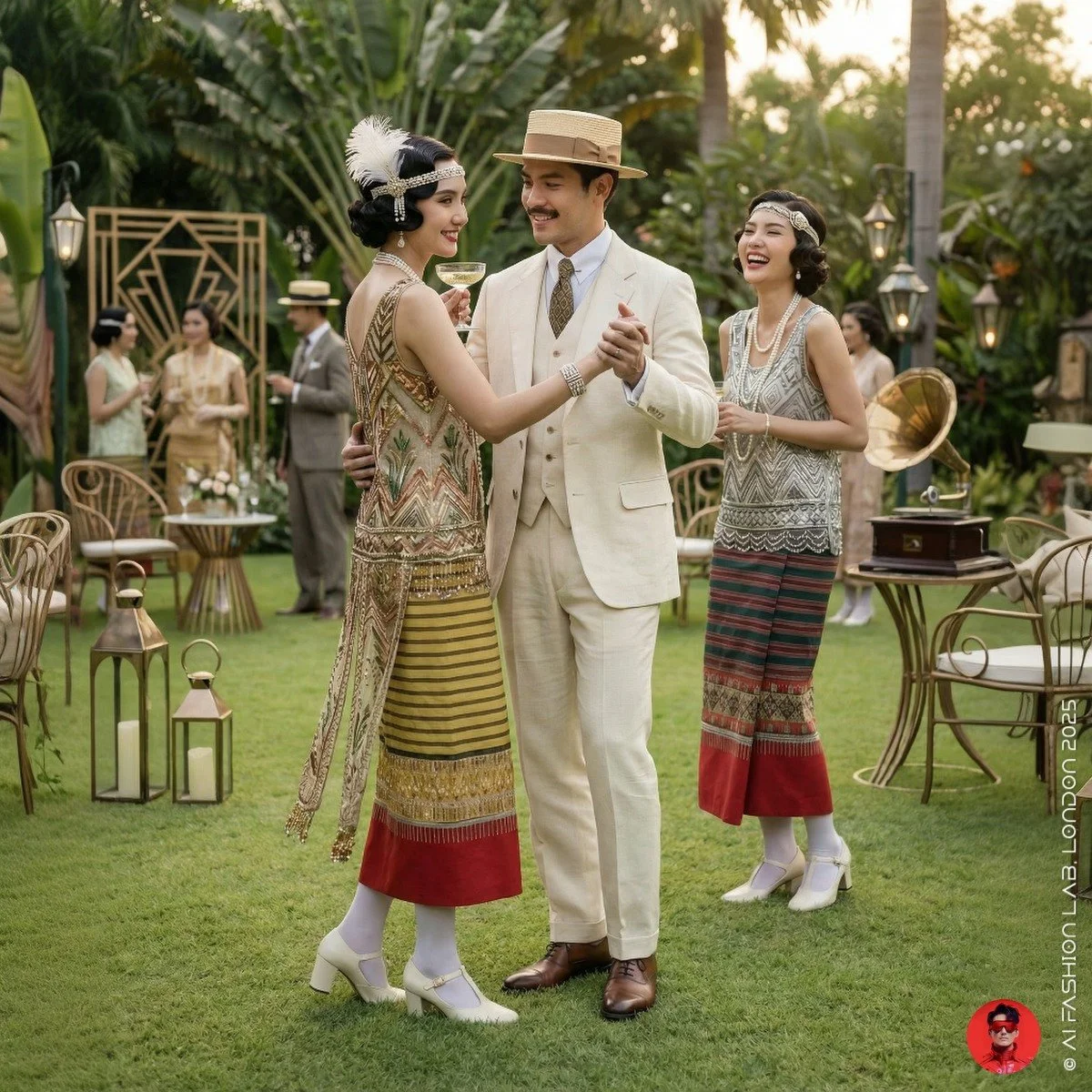
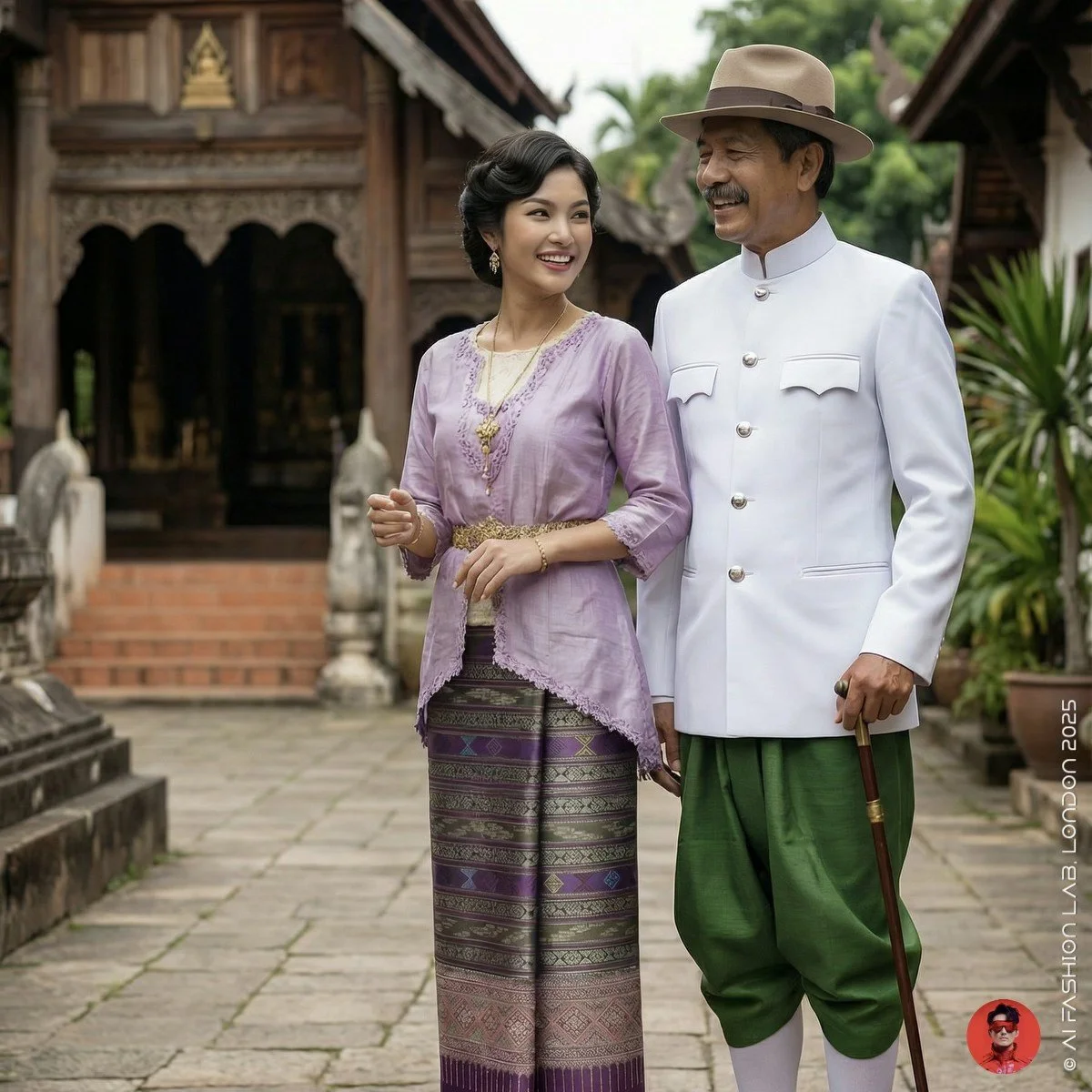
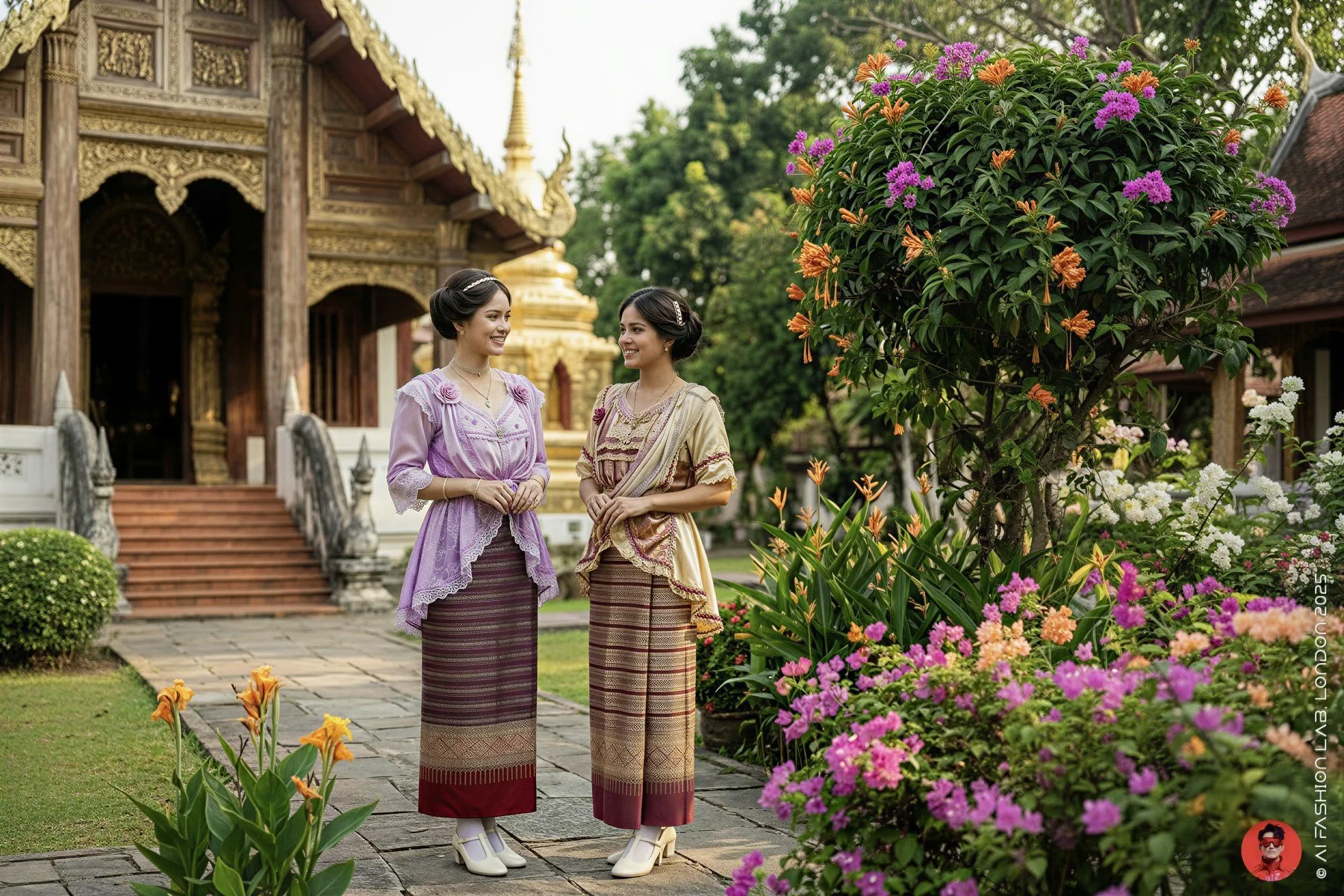
สร้างภาพจำลองของเครื่องแต่งกายในอดีต
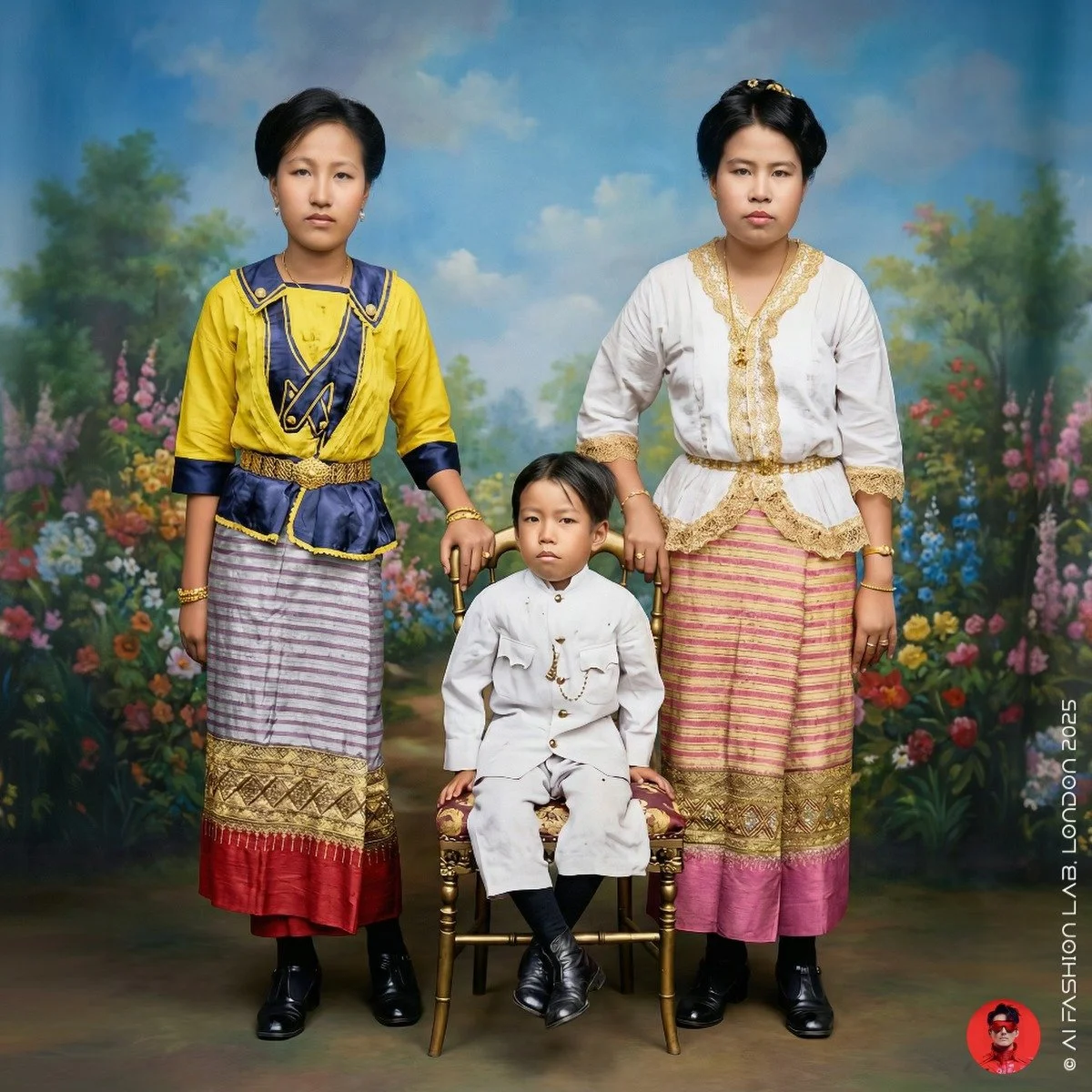
เติมเต็มรายละเอียดที่สูญหายไปจากภาพถ่ายเก่า
เปิดมุมมองใหม่ในการทำความเข้าใจแฟชั่นในบริบททางประวัติศาสตร์
ทั้งหมดนี้มิใช่เพื่อทดแทนการวิจัยแบบดั้งเดิม หากแต่เป็น เครื่องมือเสริม ที่ช่วยให้ประวัติศาสตร์แฟชั่นเข้าถึงได้ง่ายขึ้น และมีมิติที่จับต้องได้มากยิ่งขึ้น
ไฮไลต์จากผลงานปีที่ผ่านมา: Being Thai
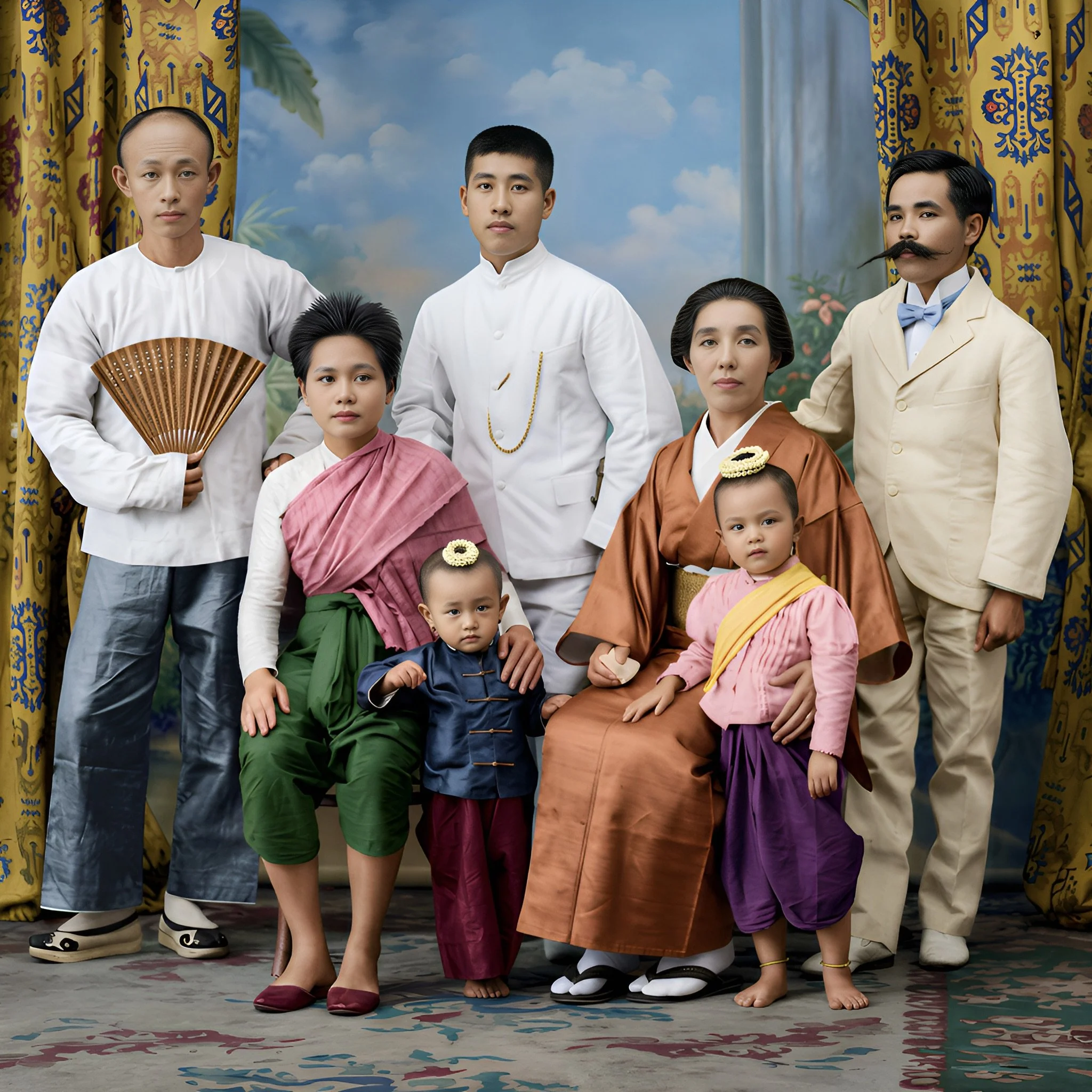
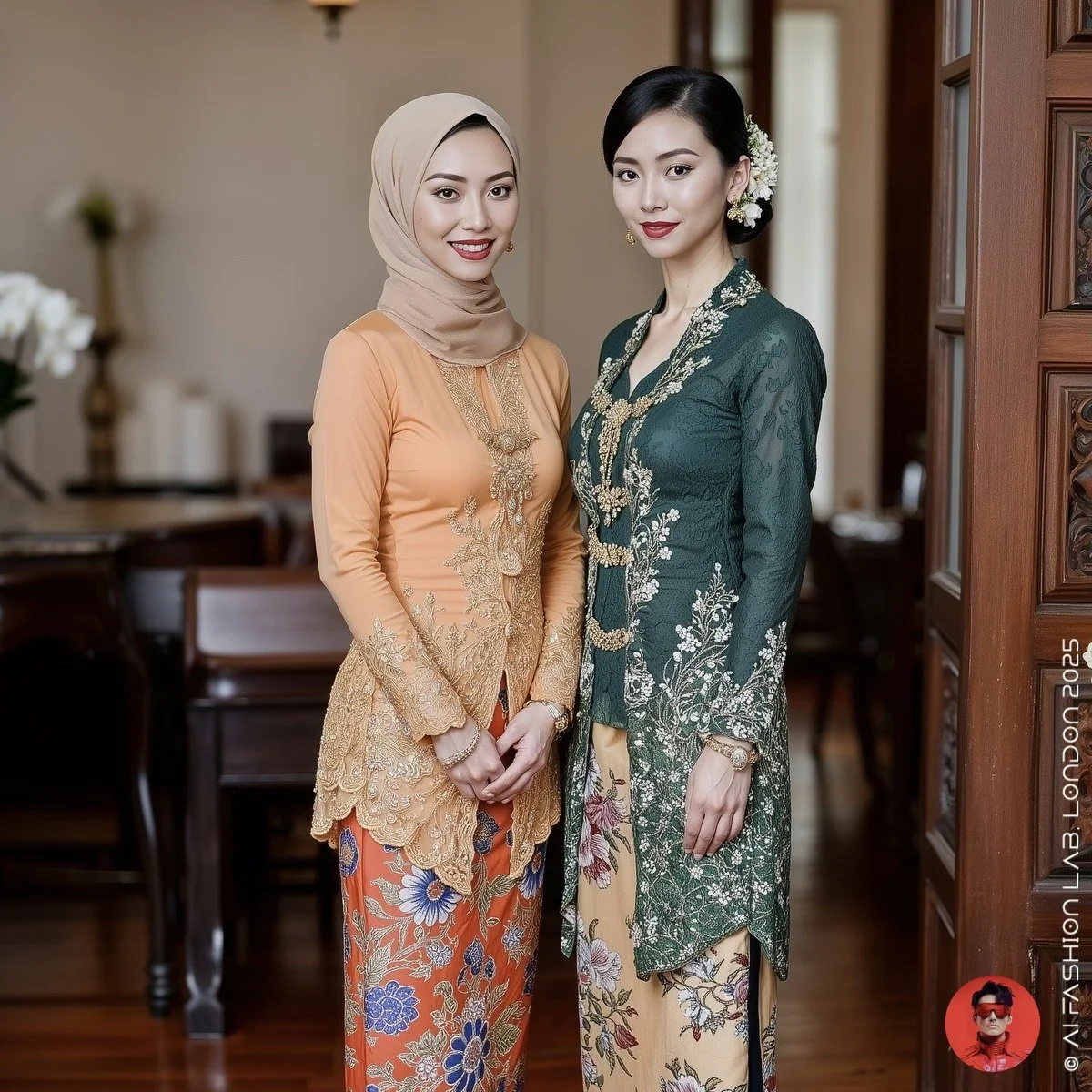
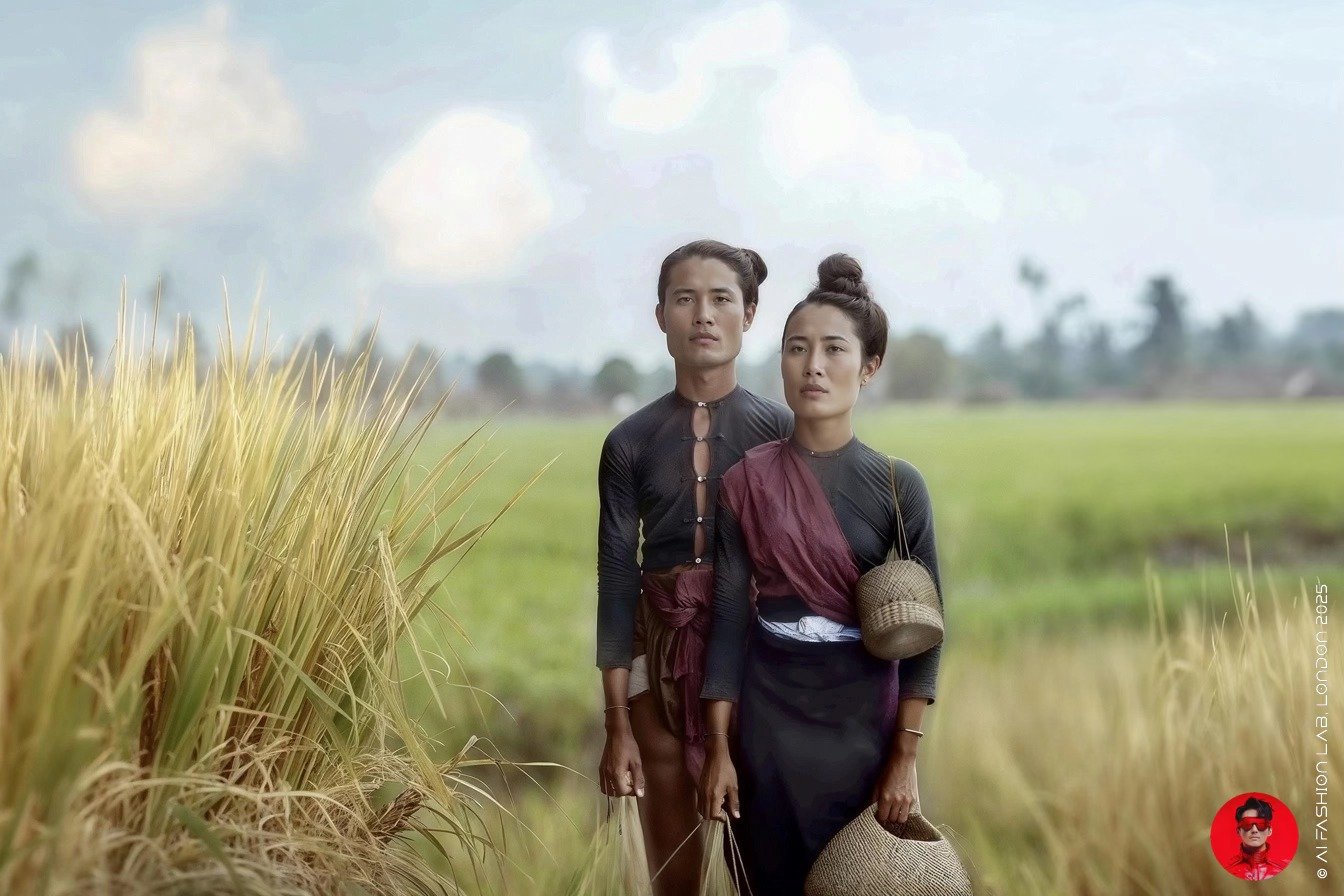
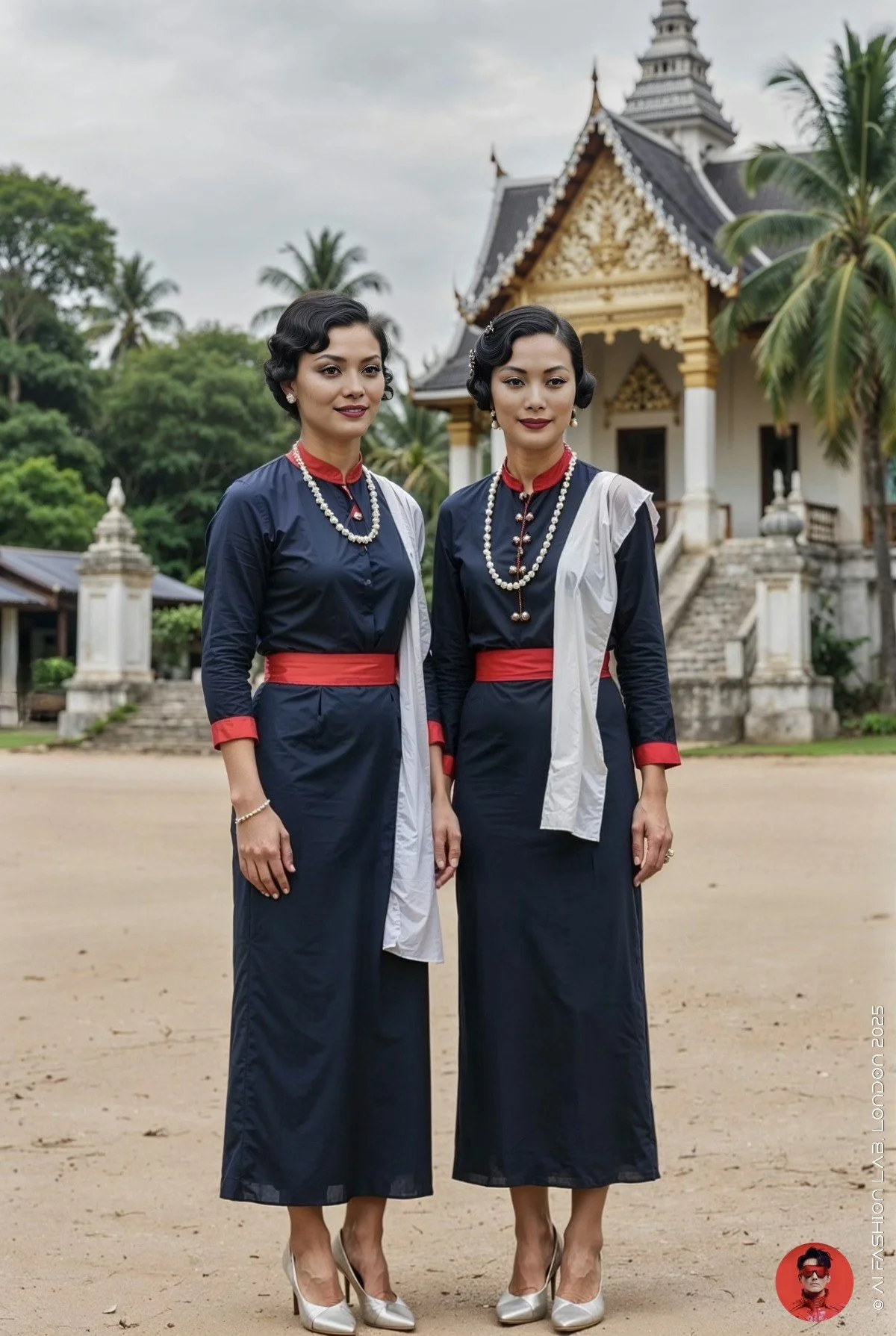
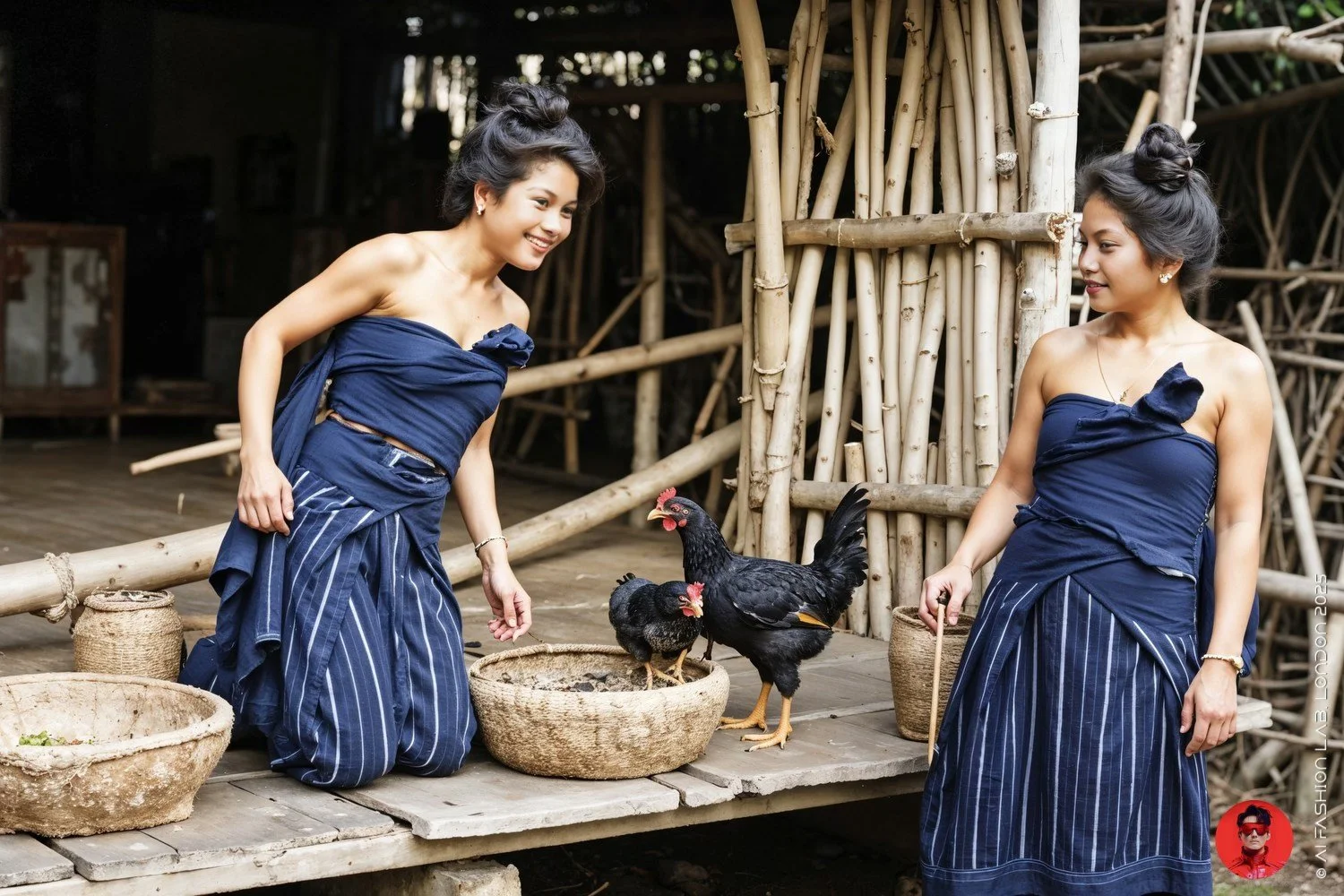
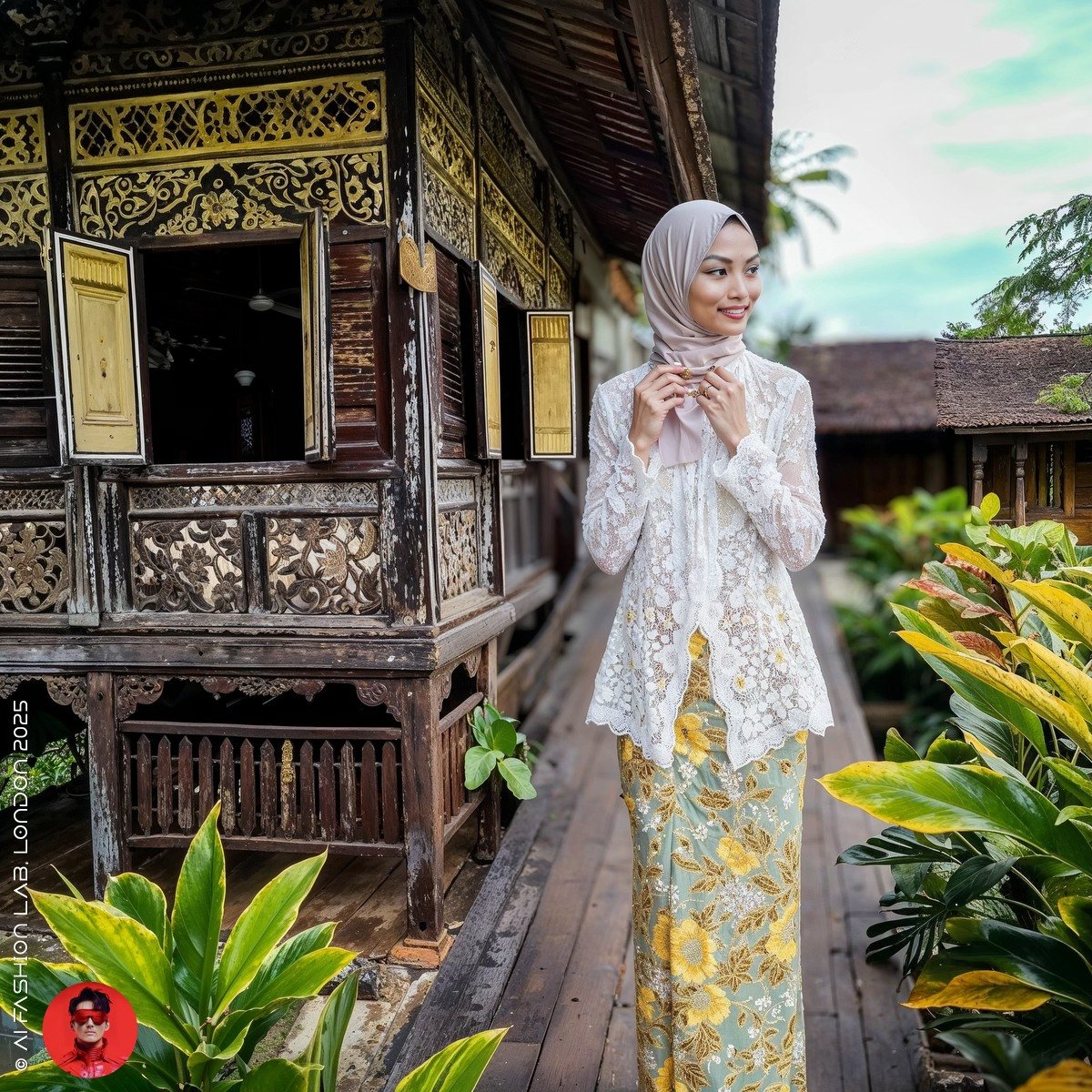
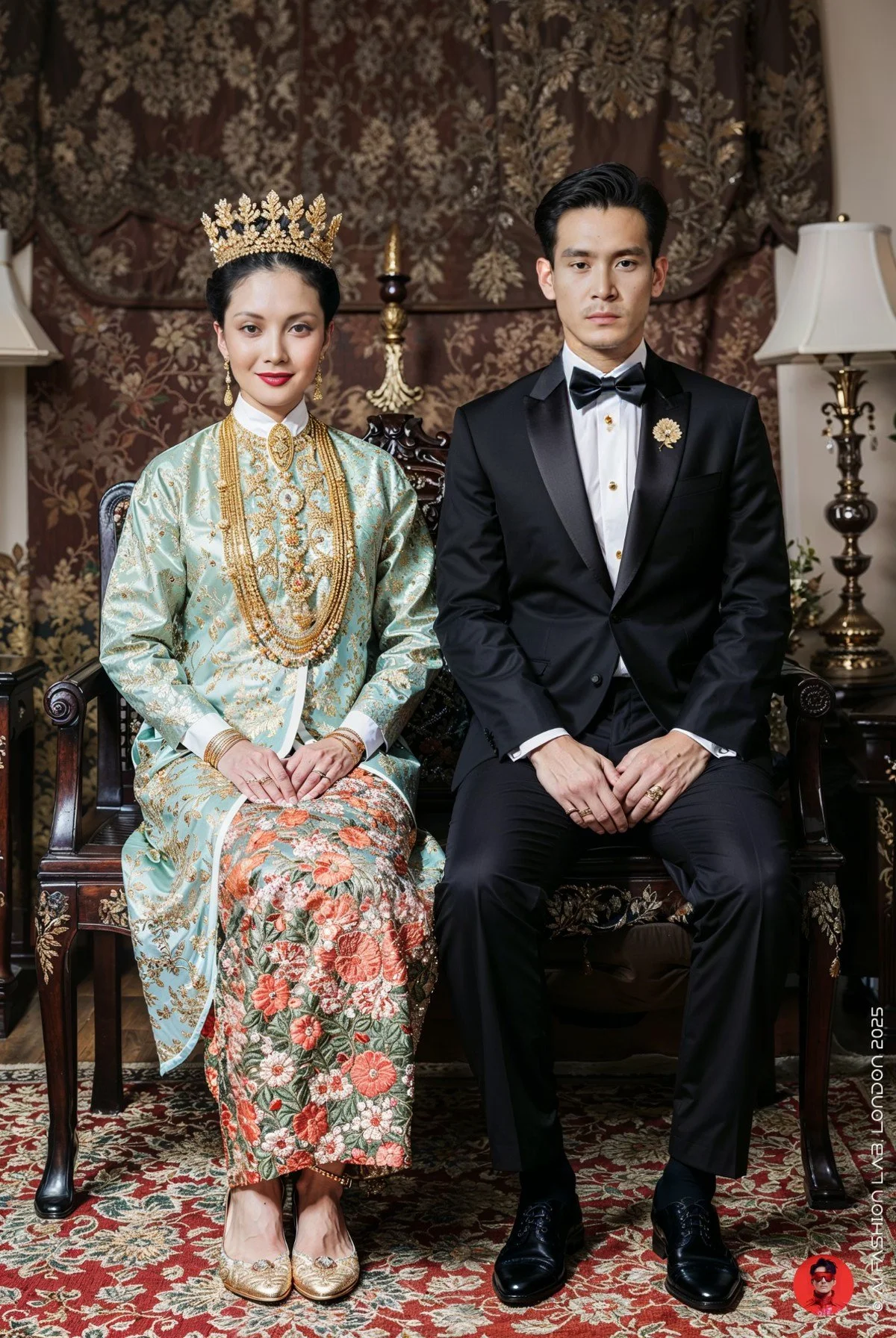
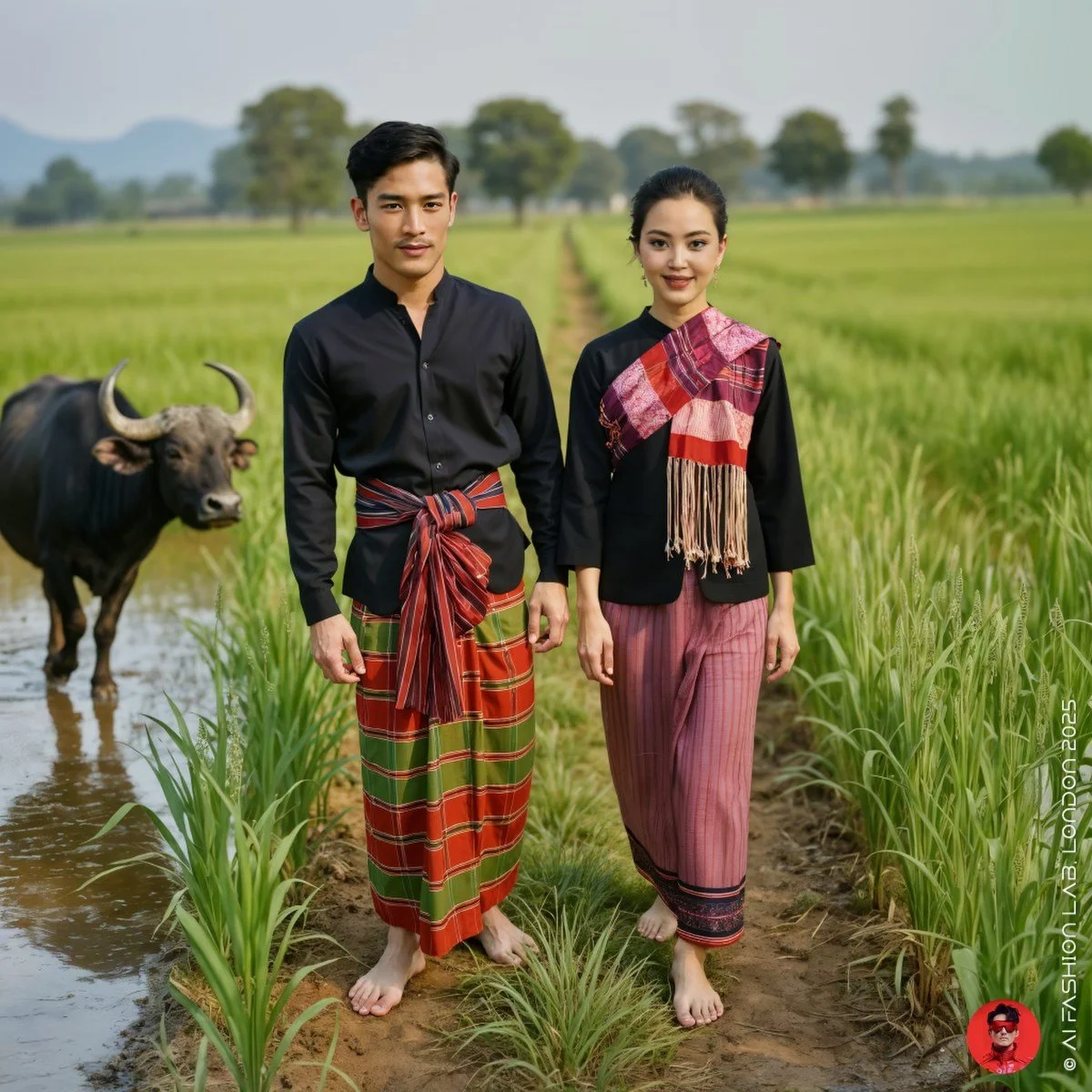
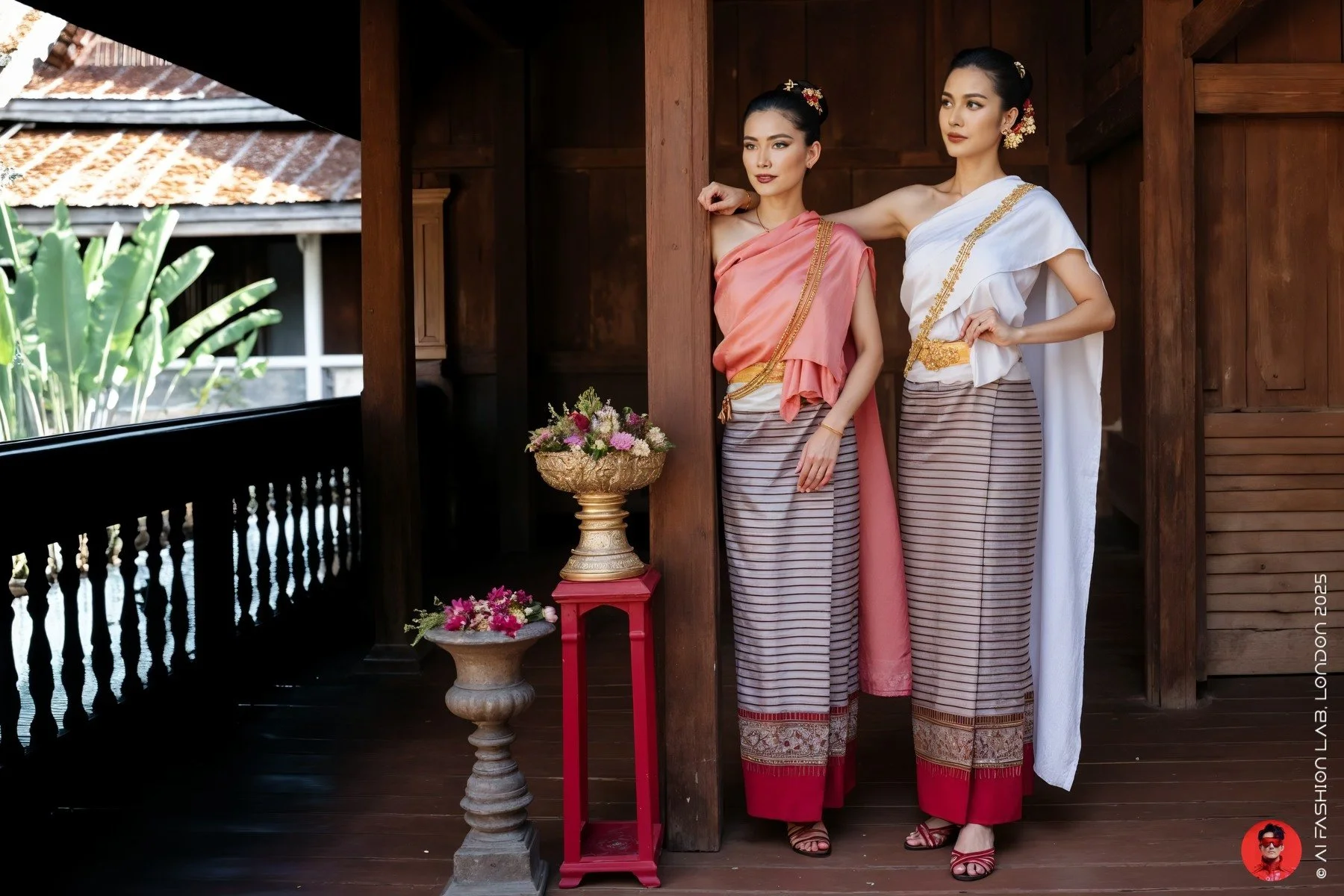
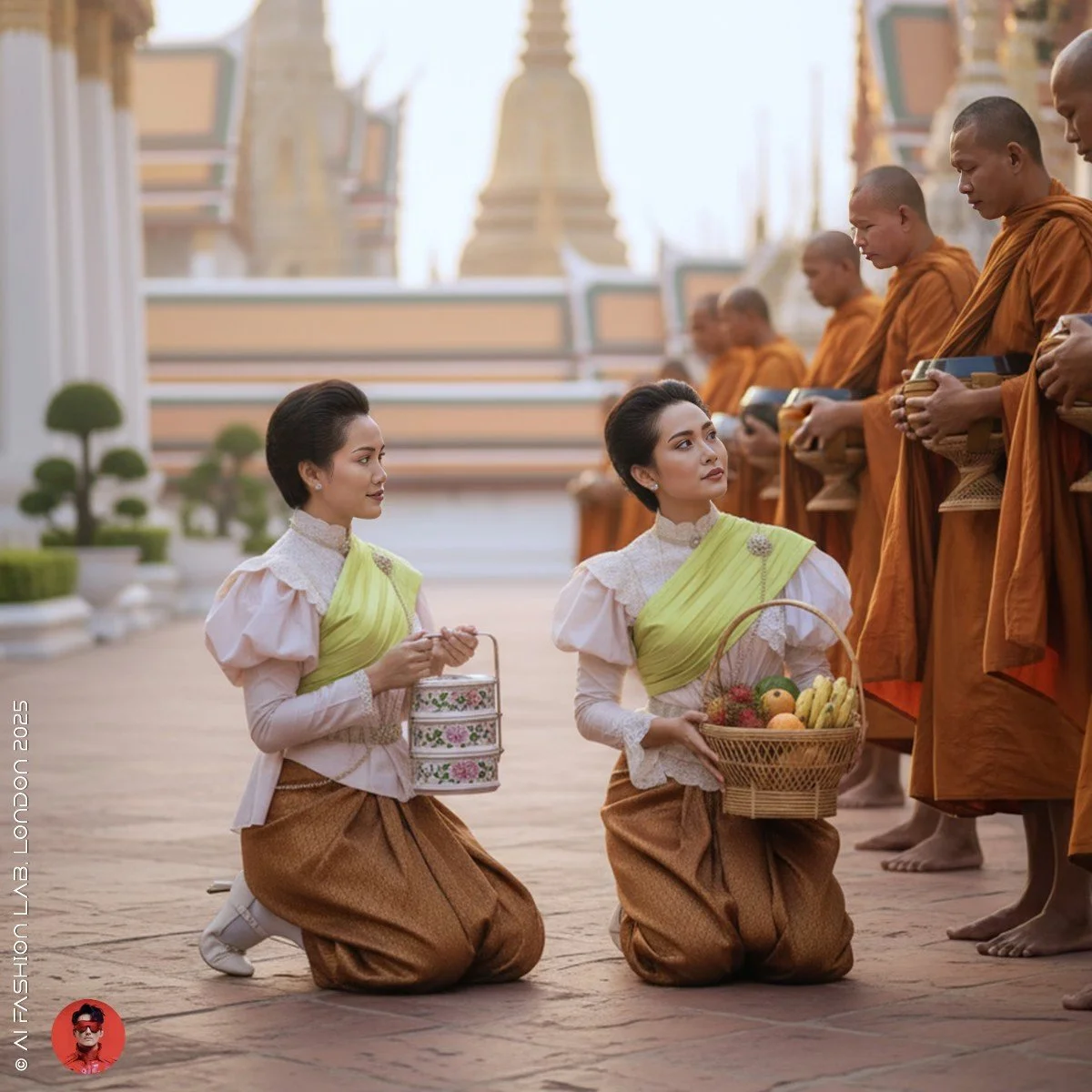
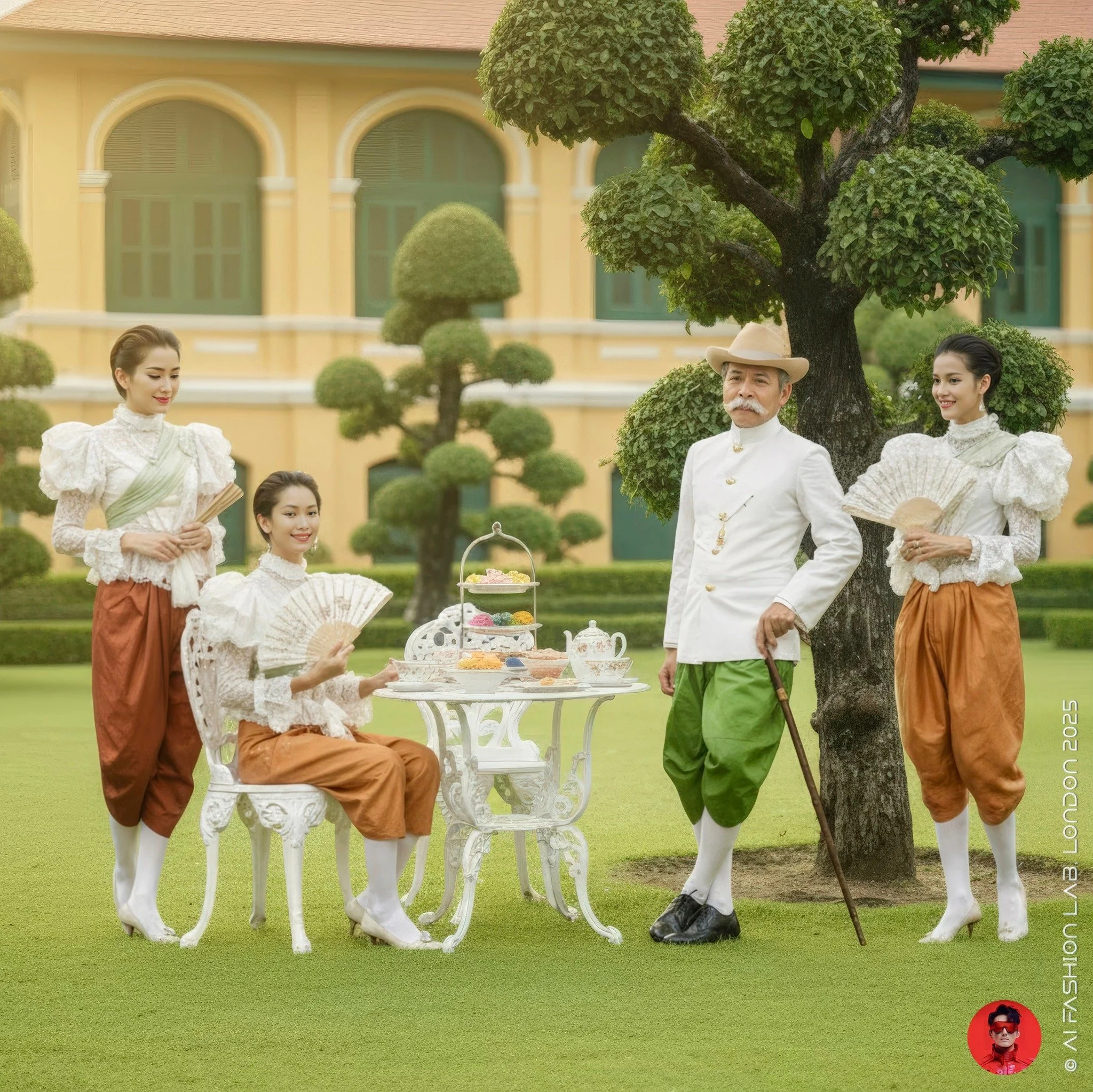
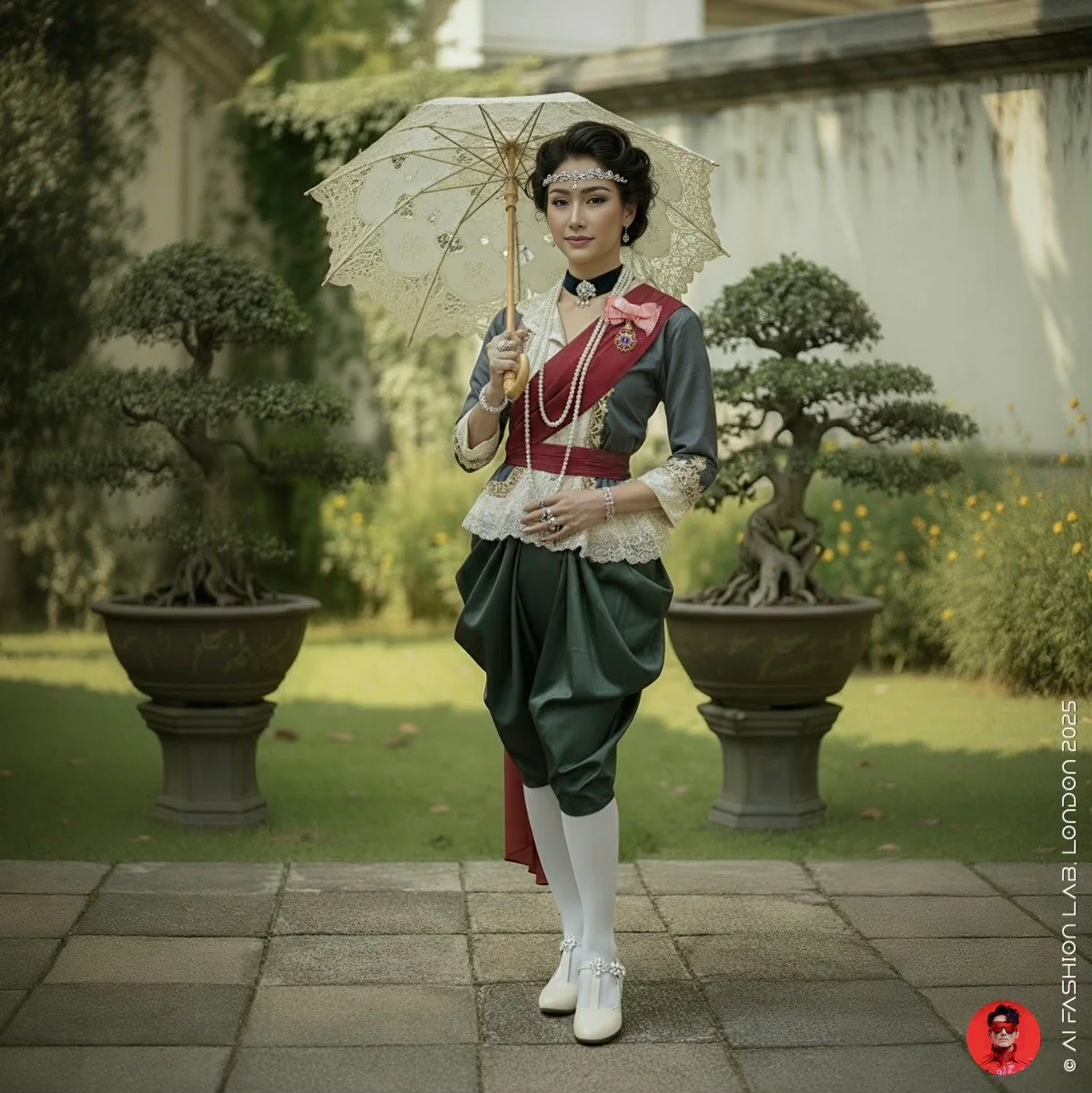
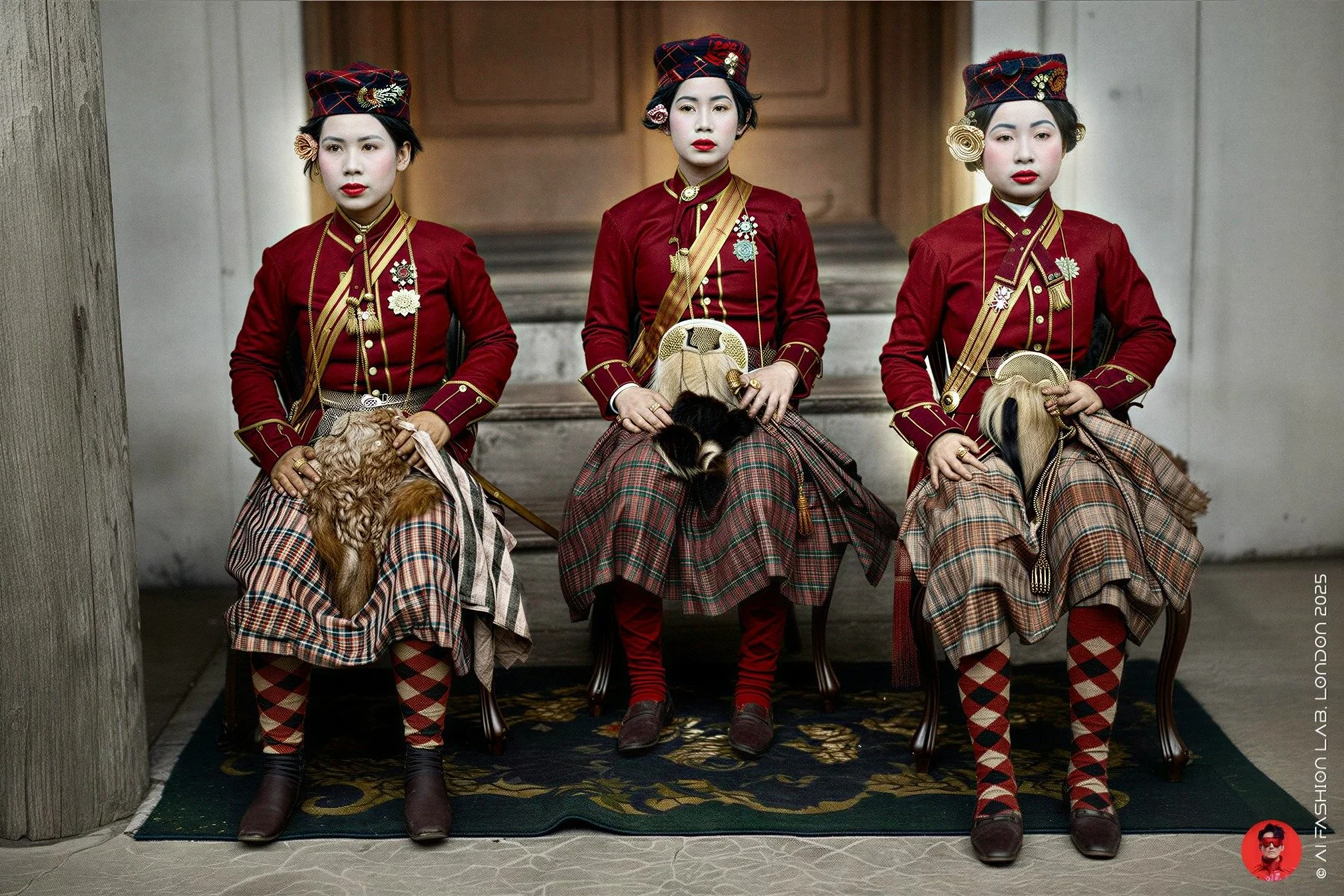
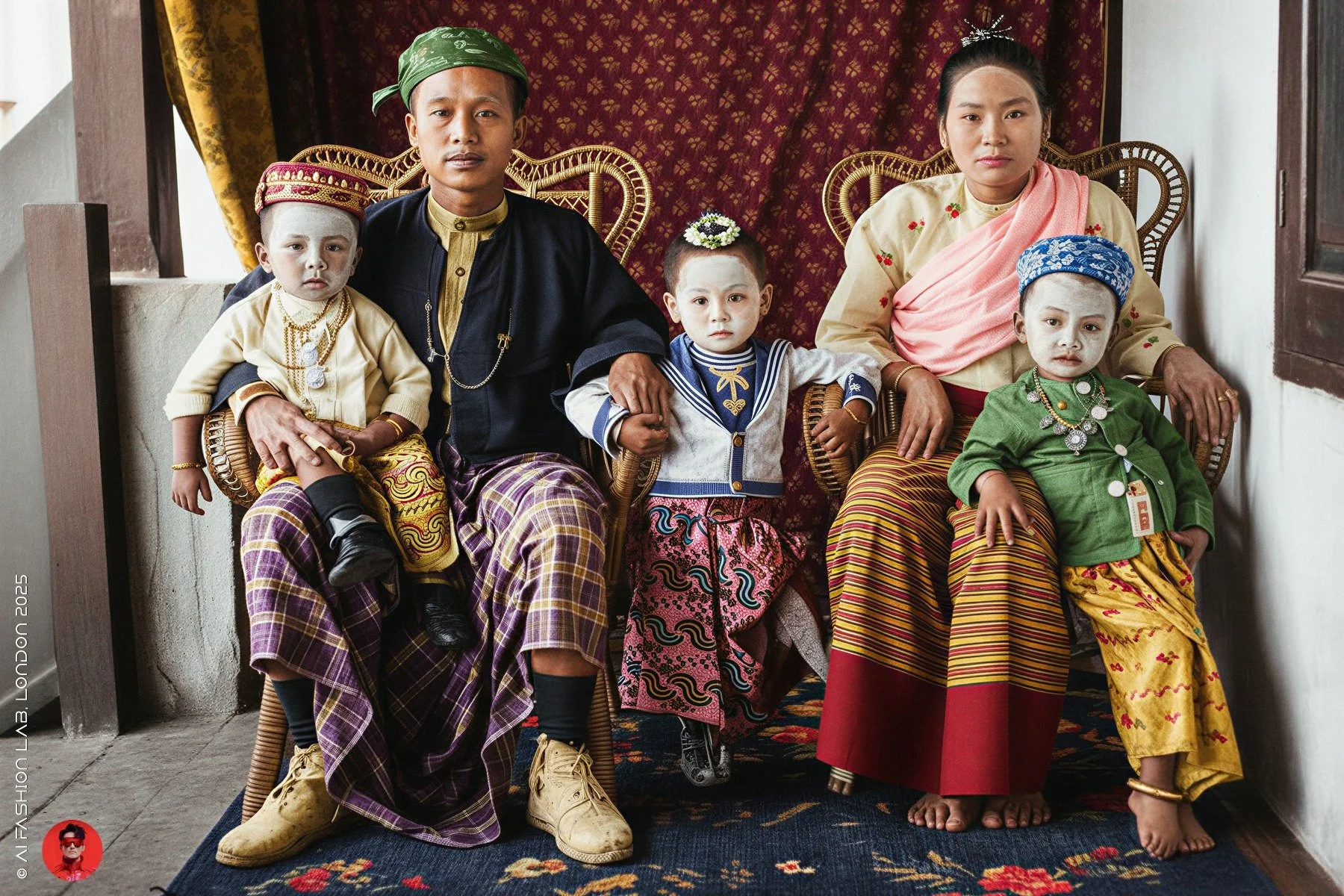
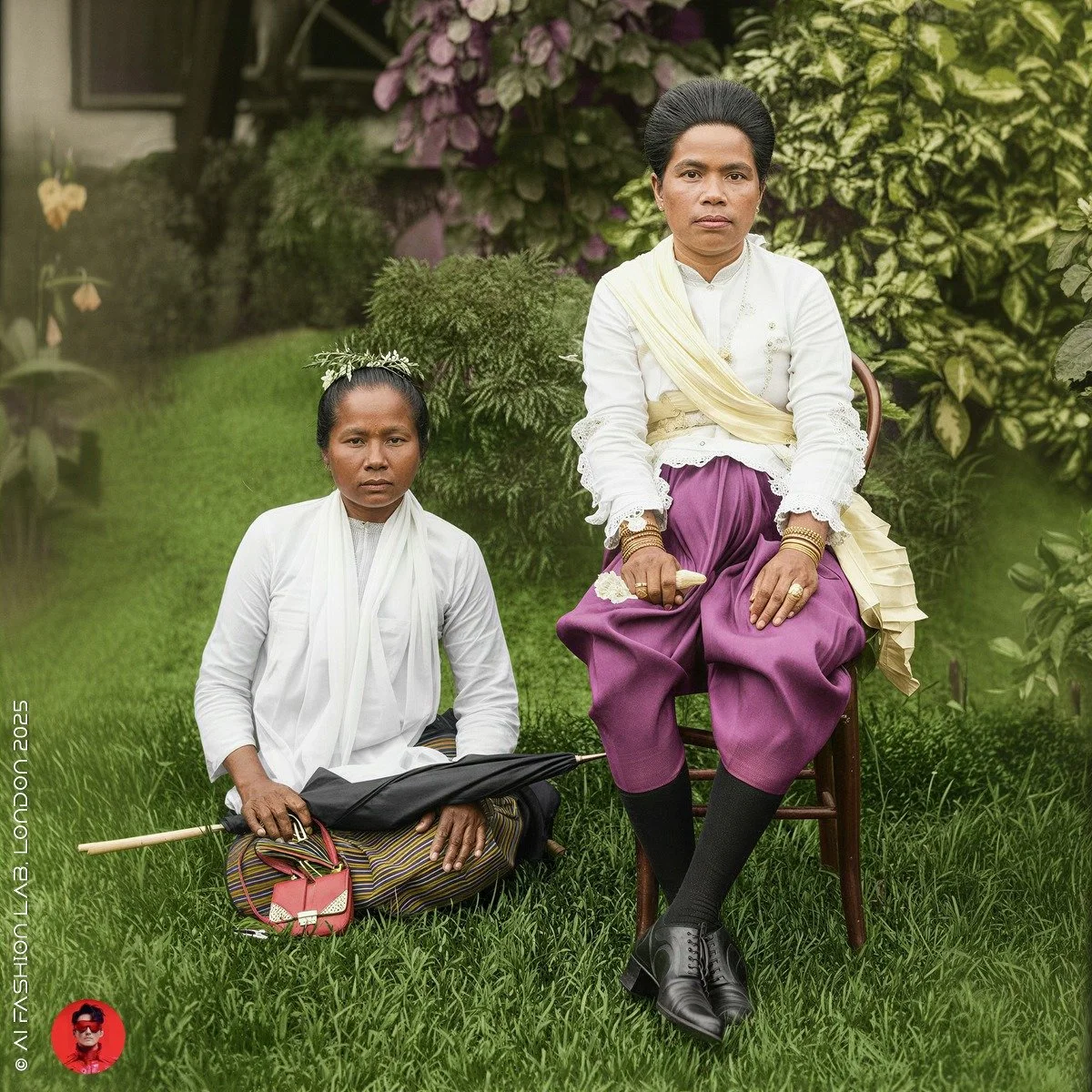
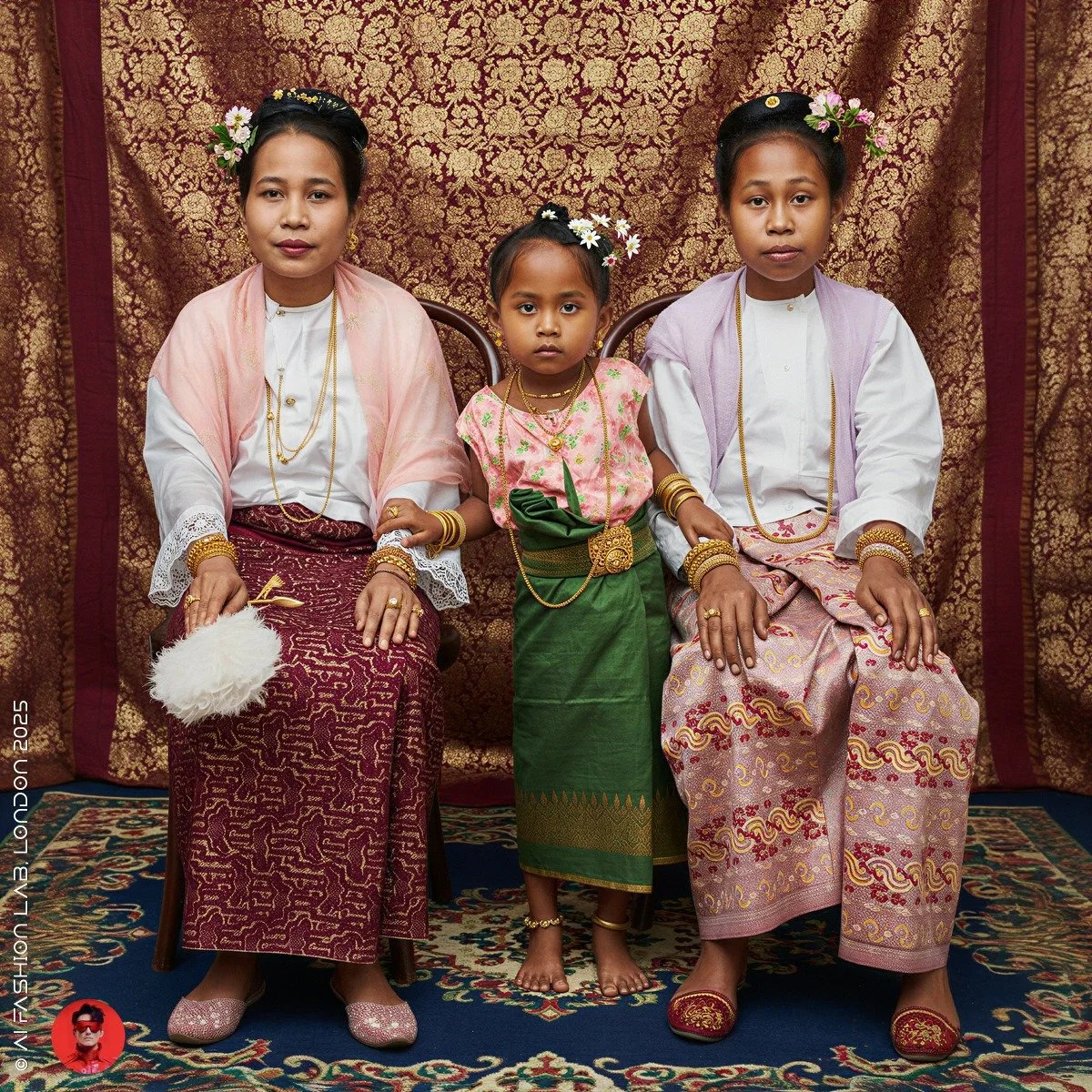
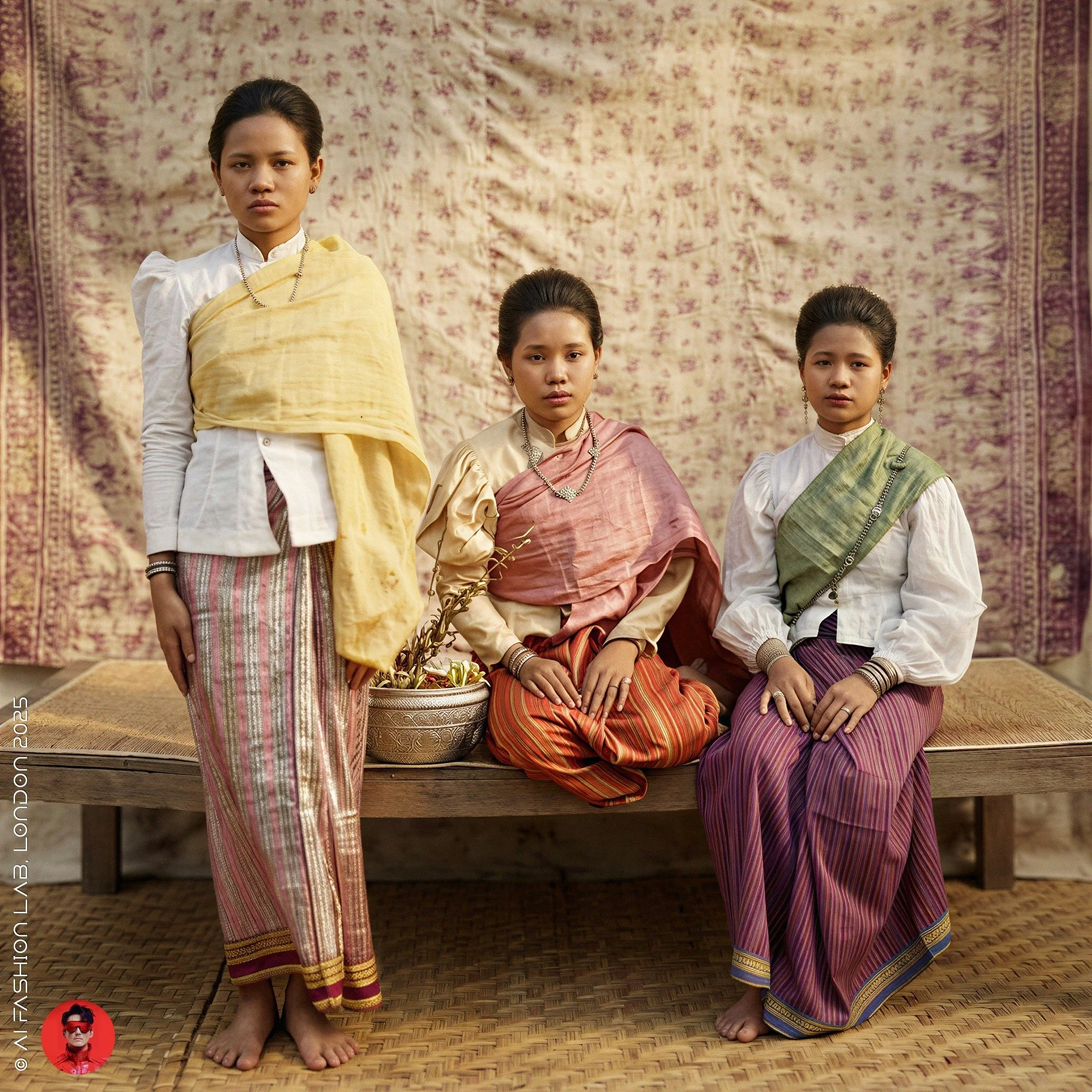
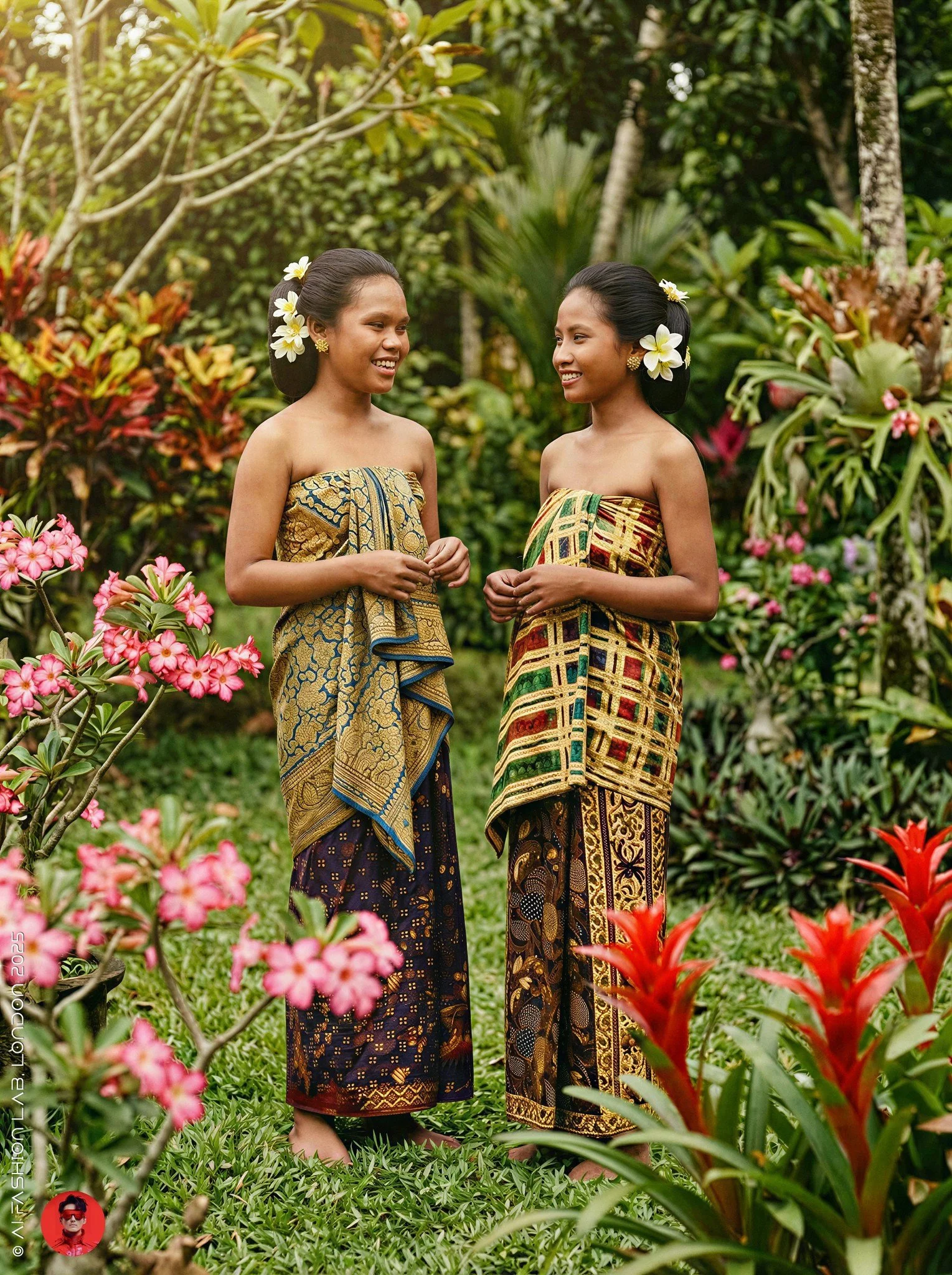
หนึ่งในผลงานสำคัญของปีที่ผ่านมา คือคอนเซ็ปต์ “Being Thai” ซึ่งมักถูกเข้าใจผิดว่าเป็นการนิยาม “ความเป็นไทย” ในเชิงเชื้อชาติ แท้จริงแล้ว แนวคิดนี้ต้องการสะท้อนว่า ความเป็นไทยคืออัตลักษณ์ร่วม ที่ประกอบขึ้นจากความหลากหลายของผู้คน วัฒนธรรม และรากเหง้า
คอลเลกชันนี้นำเสนอผู้คนจากทุกภูมิภาคของประเทศ ตั้งแต่เหนือ อีสาน ใต้ ตะวันออก และตะวันตก รวมถึงผู้คนจากหลากหลายชาติพันธุ์ที่อาศัย เติบโต หรือเลือกที่จะเรียกตนเองว่า “คนไทย”
ชาติเป็นแนวคิดเชิงนามธรรม แต่ผู้คนคือความจริงที่มีชีวิต และแฟชั่นคือหนึ่งในภาษาที่สะท้อนความจริงนั้นได้อย่างชัดเจน
บทบาทของ AI ในการศึกษาประวัติศาสตร์แฟชั่น
วัตถุประสงค์สำคัญประการหนึ่งของเพจนี้ คือการแสดงให้เห็นว่า เมื่อ AI ถูกใช้อย่างมีจริยธรรมและสร้างสรรค์ จะสามารถช่วยให้การศึกษาประวัติศาสตร์แฟชั่นมีความลึกซึ้งและมีชีวิตชีวามากขึ้น
ในบางช่วงเวลาทางประวัติศาสตร์ที่ขาดหลักฐานภาพถ่ายโดยสมบูรณ์ AI สามารถช่วยสร้างภาพจำลองที่มีความเป็นไปได้ เพื่อเปิดพื้นที่ให้เกิดการตั้งคำถาม การวิเคราะห์ และการจินตนาการอย่างมีเหตุผล
นอกจากนี้ เพจนี้ยังมุ่งศึกษาพัฒนาการของแฟชั่นไทยตั้งแต่ยุคแรกของการถ่ายภาพในสมัยรัชกาลที่ 4 (พ.ศ. 2394–2411) จนถึงยุคปัจจุบัน โดยอาศัยการวิเคราะห์ภาพถ่ายต้นฉบับควบคู่กับการสร้างภาพจำลองด้วย AI เพื่อทำความเข้าใจการเปลี่ยนแปลงทางแฟชั่นและอิทธิพลจากวัฒนธรรมโลก
ในแง่นี้ งานของผมคือการช่วย สร้างประวัติศาสตร์นิพนธ์เชิงภาพ (visual historiography) ขึ้นมาใหม่ โดยใช้ AI เป็นเครื่องมือในการตีความและเล่าเรื่องเครื่องแต่งกายในอดีตอย่างรอบด้าน
แนวทางใหม่ในการศึกษาประวัติศาสตร์แฟชั่นไทย
เป้าหมายอีกประการหนึ่งของเพจ คือการเสนอกรอบแนวคิดใหม่ (New Historiography) ในการศึกษาประวัติศาสตร์แฟชั่นไทย โดยเชื่อมโยงแฟชั่นเข้ากับบริบททางสังคม วัฒนธรรม และประวัติศาสตร์ในภาพรวม
แม้ว่าประวัติศาสตร์แฟชั่นไทยจะมีงานศึกษาที่สำคัญอยู่แล้ว แต่ยังมีช่องว่างอีกมากที่สามารถสำรวจเพิ่มเติมได้ AI จึงเปิดโอกาสให้เราตั้งคำถามใหม่ วิเคราะห์อิทธิพลทางวัฒนธรรม และทดลองวิธีการนำเสนอองค์ความรู้ในรูปแบบที่ไม่เคยมีมาก่อน
แนะนำตัวผู้สร้างสรรค์เพจ
ผมเป็นนักออกแบบเครื่องแต่งกายมืออาชีพ มีประสบการณ์ทำงานในอุตสาหกรรมภาพยนตร์ที่กรุงลอนดอนมากกว่า 25 ปีสำเร็จการศึกษาระดับ ปริญญาโทด้าน History of Design จาก Royal College of Art โดยมุ่งเน้นการศึกษาด้าน วัฒนธรรมวัตถุเอเชียและประวัติศาสตร์เครื่องแต่งกาย โดยเฉพาะประวัติศาสตร์แฟชั่นในบริบท ยุคอาณานิคมแห่งคริสต์ศตวรรษที่ 19การศึกษาในระดับนี้ดำเนินควบคู่กับการทำงานด้านวิจัยและการเข้าถึงคอลเลกชันของ The Victoria and Albert Museum (V&A)
ผมเป็น คนไทยคนแรกที่ได้รับทุนการศึกษาของ V&A ในสาขาประวัติศาสตร์แฟชั่น ซึ่งเป็นโอกาสสำคัญที่มีบทบาทอย่างยิ่งต่อการหล่อหลอมแนวคิดทางวิชาการและเส้นทางวิชาชีพของผม
ต่อมา ผมได้เริ่มต้นการทำวิจัยระดับปริญญาเอกที่ SOAS, University of London แม้โครงการวิจัยนี้จะไม่ได้ดำเนินการจนสำเร็จตามหลักสูตร แต่การฝึกฝนด้าน ระเบียบวิธีวิจัยและการวิเคราะห์เชิงวิชาการ ยังคงเป็นรากฐานสำคัญที่กำหนดแนวทางการศึกษาประวัติศาสตร์แฟชั่นของผมมาจนถึงปัจจุบัน ผมยังคงทำงานวิจัยอิสระและเผยแพร่องค์ความรู้ผ่านการปฏิบัติงานเชิงสร้างสรรค์และเชิงวิชาการ โดยเฉพาะผ่านแพลตฟอร์ม AI Fashion Lab
ในปี พ.ศ. 2552 (ค.ศ. 2009) ผมได้รับการเสนอชื่อเข้าชิง รางวัล Emmy Award สาขาออกแบบเครื่องแต่งกายยอดเยี่ยม จากผลงานโครงการร่วมสร้างระหว่าง BBC และ HBO แม้จะไม่ได้รับรางวัล แต่การได้รับการเสนอชื่อในช่วงที่ผมยังอยู่ในวัยต้นสามสิบถือเป็นเกียรติอย่างสูง และเป็นแรงบันดาลใจสำคัญที่ทำให้ผมมุ่งมั่นพัฒนางานด้านการออกแบบเครื่องแต่งกายและการศึกษาประวัติศาสตร์แฟชั่นอย่างต่อเนื่อง
นอกเหนือจากงานวิชาชีพ ผมยังมีโอกาสทำหน้าที่เป็น อาจารย์พิเศษในมหาวิทยาลัยชั้นนำของประเทศไทย สอนรายวิชาประวัติศาสตร์แฟชั่น การออกแบบเครื่องแต่งกายสำหรับภาพยนตร์ และการออกแบบแฟชั่นด้วย AI บทบาทเหล่านี้เปิดโอกาสให้ผมบูรณาการองค์ความรู้เชิงวิชาการ ประสบการณ์จากอุตสาหกรรมภาพยนตร์ และการทดลองเชิงสร้างสรรค์ เข้าด้วยกัน และถ่ายทอดออกมาเป็นผลงาน AI ที่มีทั้งความคิดสร้างสรรค์และคุณค่าทางวิชาการ
ผมเชื่อมั่นว่า องค์ความรู้ไม่ควรถูกจำกัดอยู่เพียงในสถาบันการศึกษา หากควรถูกแบ่งปัน แลกเปลี่ยน และเปิดให้สาธารณชนเข้าถึงได้ การเรียนรู้สามารถเกิดขึ้นได้ทุกที่ และทุกคนควรมีส่วนร่วมในกระบวนการนี้ ความเชื่อนี้คือหัวใจสำคัญของสิ่งที่ผมพยายามสร้างสรรค์ผ่าน AI Fashion Lab ครับ
AI ไม่ใช่ภาพถ่ายจริง แต่คือภาพจำลองเพื่อการศึกษา
ผมขอชี้แจงอย่างชัดเจนว่า ภาพที่สร้างด้วย AI ไม่ใช่ภาพถ่ายจริงของอดีต แต่เป็นภาพจำลองที่ช่วยให้เราเข้าใจแฟชั่นในอดีตได้ดีขึ้น
จุดประสงค์ของงานนี้ไม่ใช่เพื่อสร้างกระแสบนโซเชียลมีเดีย แต่เพื่อแบ่งปันความรู้ และเปิดพื้นที่สำหรับการสนทนาอย่างมีเหตุผลเกี่ยวกับประวัติศาสตร์การแต่งกาย
AI เป็นส่วนหนึ่งของเวิร์กโฟลว์การทำงานของผมในสายอาชีพ ทั้งในด้านการออกแบบคอสตูมและการวิจัย ช่วยให้สามารถทดลองแนวคิดและนำเสนอประวัติศาสตร์แฟชั่นในรูปแบบที่มีชีวิตและเข้าถึงได้มากขึ้น
ร่วมสำรวจและเรียนรู้ไปด้วยกัน
ท้ายที่สุด เพจนี้ไม่ได้เป็นเพียงพื้นที่เผยแพร่ภาพ AI แต่เป็นพื้นที่สำหรับการสังเกต การตั้งคำถาม และการแลกเปลี่ยนความคิดเห็น
ประวัติศาสตร์แฟชั่นเป็นศาสตร์ที่มีชีวิต และ AI คือหนึ่งในเครื่องมือที่ช่วยให้เรามองเห็นอดีตในมุมใหม่
ผมหวังเป็นอย่างยิ่งว่า ผลงานของผมจะช่วยเปิดบทสนทนาเกี่ยวกับการตีความแฟชั่นในฐานะเอกสารทางประวัติศาสตร์ และช่วยให้เราเข้าใจเครื่องแต่งกายในฐานะหลักฐานทางวัฒนธรรมที่ทรงคุณค่า
ขอขอบคุณทุกท่านจากใจจริงครับ
ที่ร่วมเดินทางไปกับผมในการสำรวจและเรียนรู้ประวัติศาสตร์แฟชั่นผ่าน AI 🙏
_____________
Happy New Year 2026
I would like to extend my heartfelt thanks to everyone for your continued support and for following AI Fashion Lab. This New Year marks the fourth year of my commitment to the preservation, study, and promotion of Thai fashion history through the use of AI.
This page was established in 2023, at a time when AI was still poorly understood and far from widely accepted. From the very beginning, I believed that this technology could be used not merely to generate images, but as a meaningful tool for education, historical interpretation, and cultural preservation, particularly within the field of fashion history.
The Purpose of AI Fashion Lab
I would like to take this opportunity to clarify the purpose of this page, as some followers may assume it was created only recently. In fact, AI Fashion Lab has been active for over four years. Its objective has never been simply to create visually appealing fashion images, but rather to explore how AI can contribute to the study of fashion history.
AI is used here to:
Reconstruct and visualise historical garments
Restore missing or unclear details from archival photographs
Offer new perspectives on how fashion functioned within historical contexts
This work is not intended to replace traditional academic research. Instead, AI serves as a complementary tool, allowing scholars, designers, students, and the general public to engage with fashion history in a more tangible and accessible way.
Highlight of the Past Year: Being Thai
One of the most significant collections from the past year is Being Thai, a concept that is often misunderstood as referring to Thai ethnicity or race. In reality, this project explores Thai identity as a shared cultural condition, shaped by diversity rather than uniformity.
The collection presents people from every region of the country—North, Northeast, South, East, and West—as well as individuals of many ethnic backgrounds who were born here, live here, or have chosen to identify as Thai.
A nation is an abstract idea; people are real. Fashion, in this context, becomes a powerful visual language through which lived identity is expressed.
The Role of AI in Fashion History
One of the primary aims of this page is to demonstrate that when used ethically and creatively, AI can deepen our understanding of fashion history.
In periods where visual documentation is incomplete or entirely absent, AI can assist in producing historically plausible reconstructions. These images are not presented as facts, but as informed visual hypotheses—tools for questioning, discussion, and further research.
In addition, this page examines the development of Thai fashion from the earliest photographic records of the reign of King Rama IV (1851–1868) to the present day. By analysing original photographs alongside AI-generated reconstructions, it becomes possible to better understand stylistic evolution and the influence of global cultures on Thai dress.
In this sense, my work contributes to a form of visual historiography, using AI to help interpret and narrate historical clothing in a way that is both rigorous and engaging.
A New Approach to Thai Fashion Historiography
Another key objective of this page is to propose a new historiographical framework for studying Thai fashion—one that situates dress within broader historical, social, and cultural contexts.
While Thai fashion history has been the subject of valuable scholarship, significant gaps remain. AI offers an opportunity to explore these areas in new ways: reconstructing lost garments, examining cross-cultural influences, and asking fresh questions about how people dressed in the past.
About the Page Curator
I am a professional costume designer with over 25 years of experience working in the film industry in London. I hold an MA in History of Design from the Royal College of Art, where my research focused on Asian material culture and dress history, with particular attention to nineteenth-century colonial fashion. My studies were undertaken in close association with The Victoria and Albert Museum (V&A), and I was the first Thai recipient of the prestigious V&A scholarship in fashion history, an opportunity that significantly shaped my academic and professional path.
I subsequently undertook doctoral research at SOAS, University of London. Although the programme was not completed, the rigorous training in research methodology and academic analysis continues to inform my approach to historical fashion study. I remain actively engaged in independent research and public scholarship, most notably through the AI Fashion Lab platform, where academic enquiry and creative practice intersect.
In 2009, I was honoured to be nominated for an Emmy Award for Outstanding Costume Design for a collaborative BBC/HBO production. While the award itself was not won, the nomination—received in my early thirties—was a significant professional milestone and remains a lasting source of motivation in my continued work in costume design and historical research.
Alongside my professional practice, I serve as a visiting lecturer at leading universities in Thailand, teaching fashion history, costume design for film, and AI-assisted fashion design. These roles allow me to integrate academic research, industry experience, and creative experimentation, translating them into AI-based work that is both conceptually innovative and academically grounded.
I firmly believe that knowledge should not be confined to academic institutions, but shared openly and made accessible to the wider public. Learning can take place anywhere, and everyone should be able to participate in the process. This belief lies at the core of what I seek to achieve through AI Fashion Lab.
AI Images Are Not Historical Photographs
I would like to clearly emphasise that AI-generated images are not real photographs of the past. They are visual reconstructions created to support historical understanding, not to replace archival evidence.
While some may view AI imagery as merely a tool for social media engagement, my primary intention is to share knowledge and encourage informed discussion about fashion history. AI is now part of my professional workflow, enabling experimentation and visualisation that enhance both research and design practice.
An Invitation to Explore Together
Finally, this page is not simply a platform for displaying AI-generated images. It is a space for observation, discussion, and discovery.
Fashion history is a living field—constantly evolving as new questions are asked and new methods emerge. AI is one of the tools that allows us to revisit the past from fresh perspectives and to better understand clothing as a vital form of historical and cultural evidence.
Thank you sincerely for accompanying me on this journey of exploration and learning through AI and fashion history.
_____________
เรียนเชิญกด Subscribe ได้ที่ลิงก์นี้ครับ เพื่อร่วมติดตามงานสร้างสรรค์ต้นฉบับ งานวิจัยประวัติศาสตร์แฟชั่น และผลงานอนุรักษ์มรดกวัฒนธรรมด้วยเทคโนโลยี AI ของ AI Fashion Lab, London ซึ่งมุ่งตีความอดีตผ่านมิติใหม่ของการบูรณะภาพ การสร้างสรรค์ภาพ และการเล่าเรื่องด้วยศิลปะเชิงดิจิทัล 🔗 https://www.facebook.com/aifashionlab/subscribe/
#aifashionlab #AI #aiartist #aiart #aifashion #aifashiondesign #aifashionstyling #aifashiondesigner #fashion #fashionhistory #historyoffashion #fashionstyling #fashionphotography #digitalfashion #digitalfashiondesign #digitalcostumedesign #digitaldesign #digitalaiart #ThaiFashionHistory #ThaiFashionAI #thailand #UNESCO