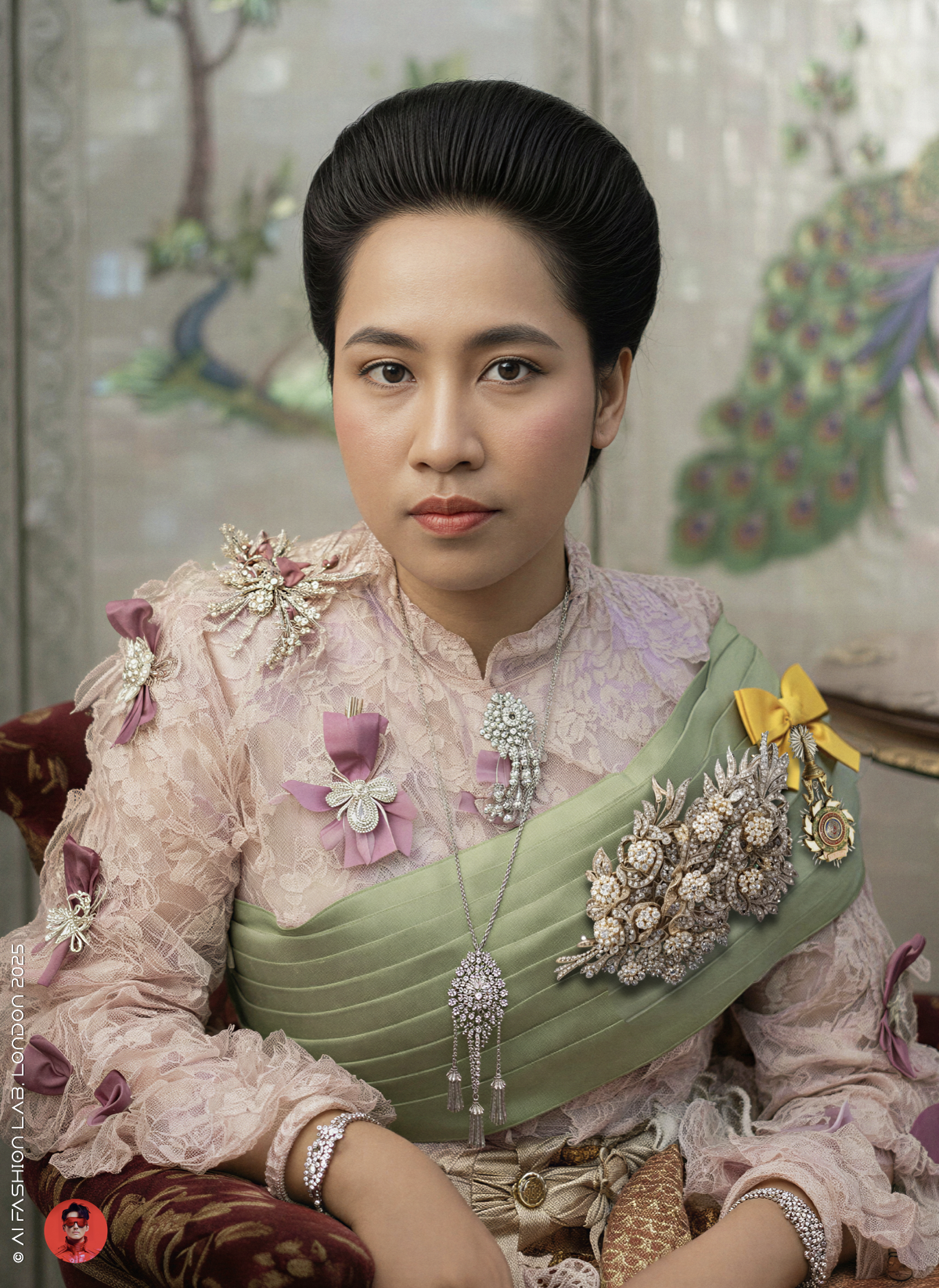
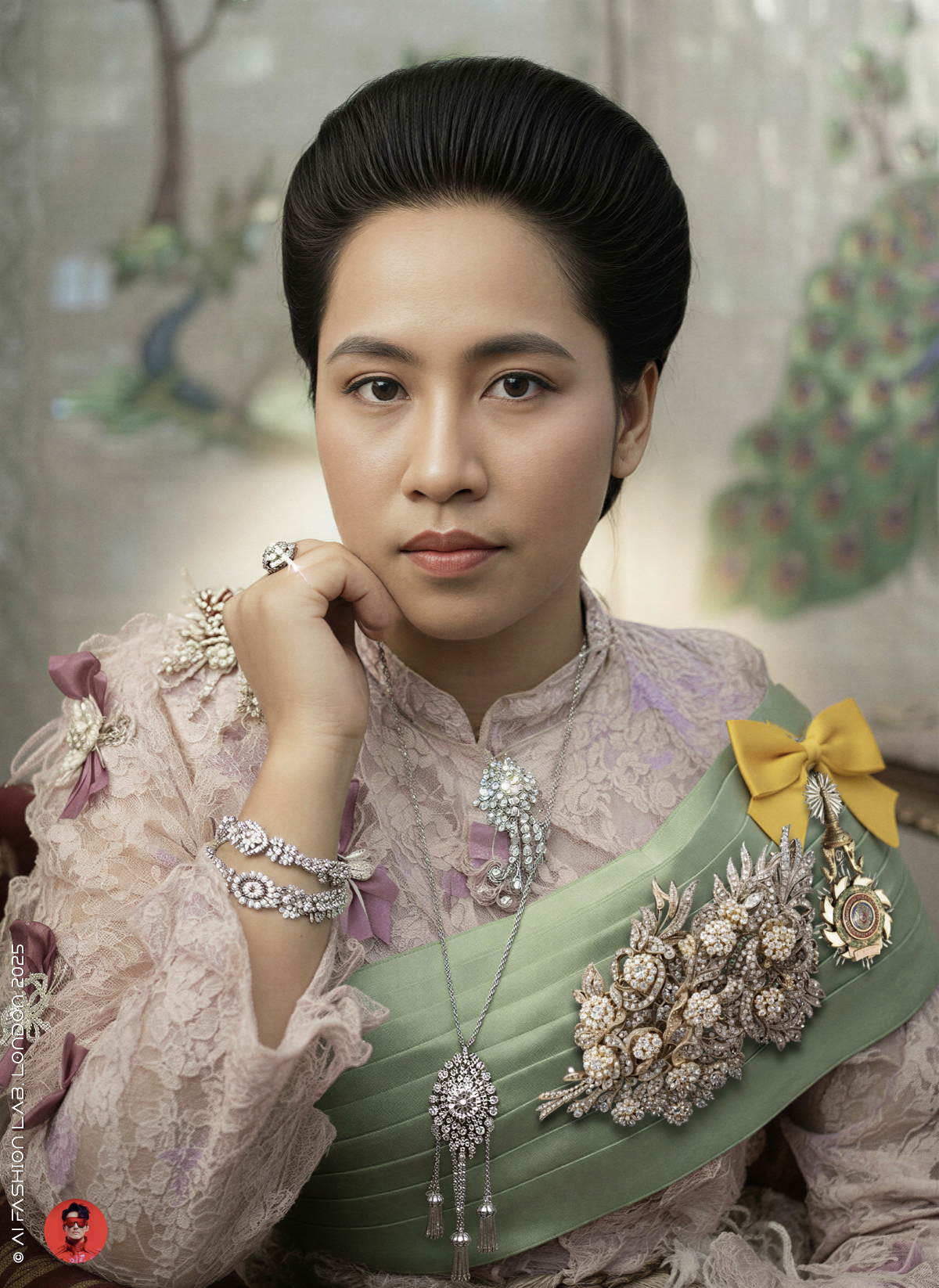
พระเจ้าบรมวงศ์เธอ พระองค์เจ้าศรีวิไลยลักษณ์ สุนทรศักดิ์กัลยาวดี กรมขุนสุพรรณภาควดี
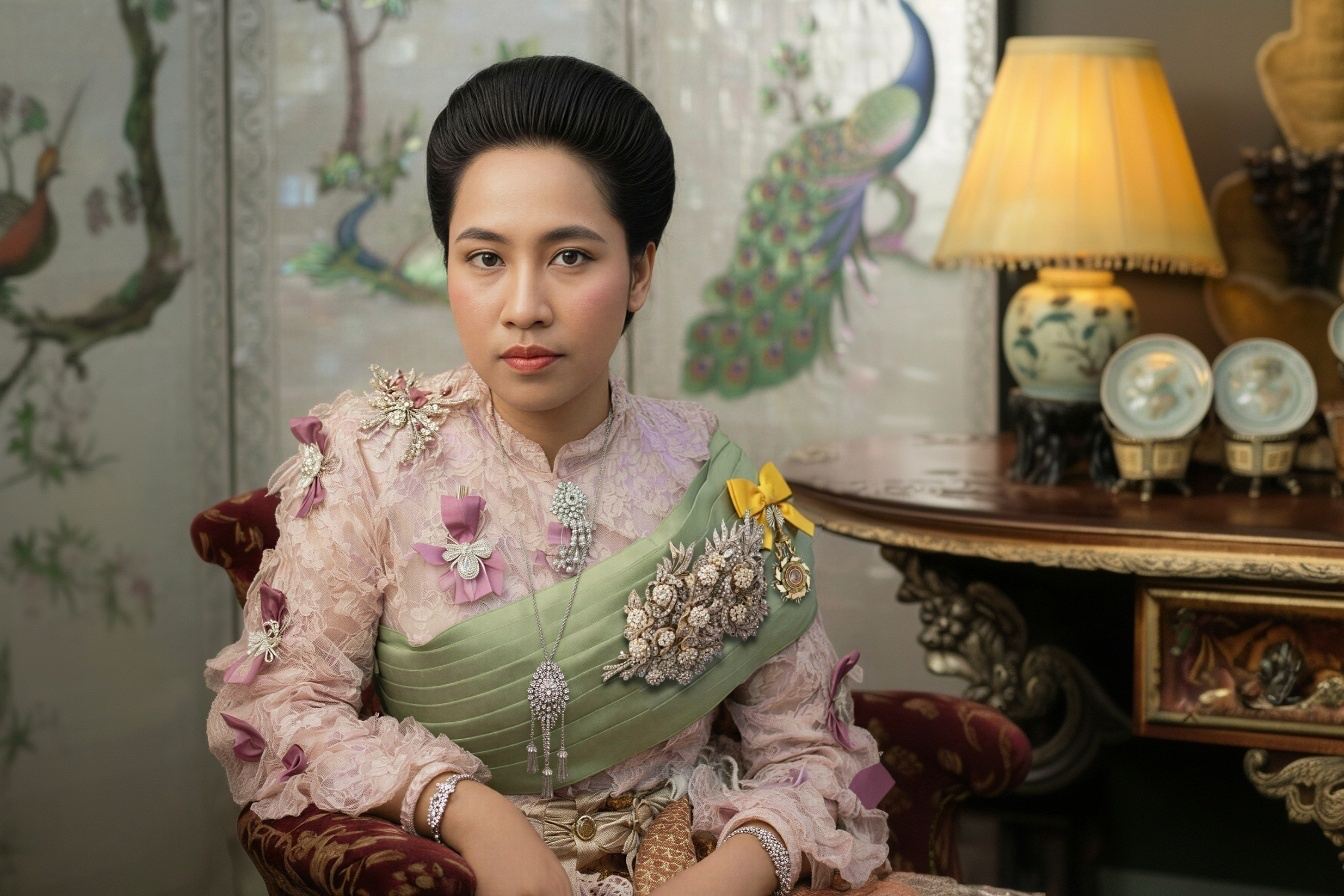
พระเจ้าบรมวงศ์เธอ พระองค์เจ้าศรีวิไลยลักษณ์ สุนทรศักดิ์กัลยาวดี กรมขุนสุพรรณภาควดี
คอลเลกชันภาพที่ได้รับการบูรณะและสร้างสรรค์ขึ้นใหม่ด้วยเทคโนโลยี AI ชุดนี้ คือพระรูปของ พระเจ้าบรมวงศ์เธอ พระองค์เจ้าศรีวิไลยลักษณ์ สุนทรศักดิ์กัลยาวดี กรมขุนสุพรรณภาควดี ในแฟชั่นสมัยรัชกาลที่ ๕ ตอนกลาง ประมาณพุทธศักราช ๒๔๒๐ (ค.ศ. 1880)
เราจะเห็นได้ว่า พระองค์ทรงสไบแพรจีบแบบพับครึ่งให้แคบลง พร้อมกับเสื้อลูกไม้ที่ประดับไปด้วยโบทั้งตัว และนุ่งโจงกระเบน ซึ่งเป็นสไตล์การแต่งตัวที่ได้รับความนิยมอย่างยิ่งในสมัยรัชกาลที่ ๕ ตอนกลาง หรือสมัย Belle Epoque ก่อนที่จะวิวัฒนาการต่อมาเป็น “แพรสะพาย” และ “แพรปัก” ในช่วงปลายรัชสมัย
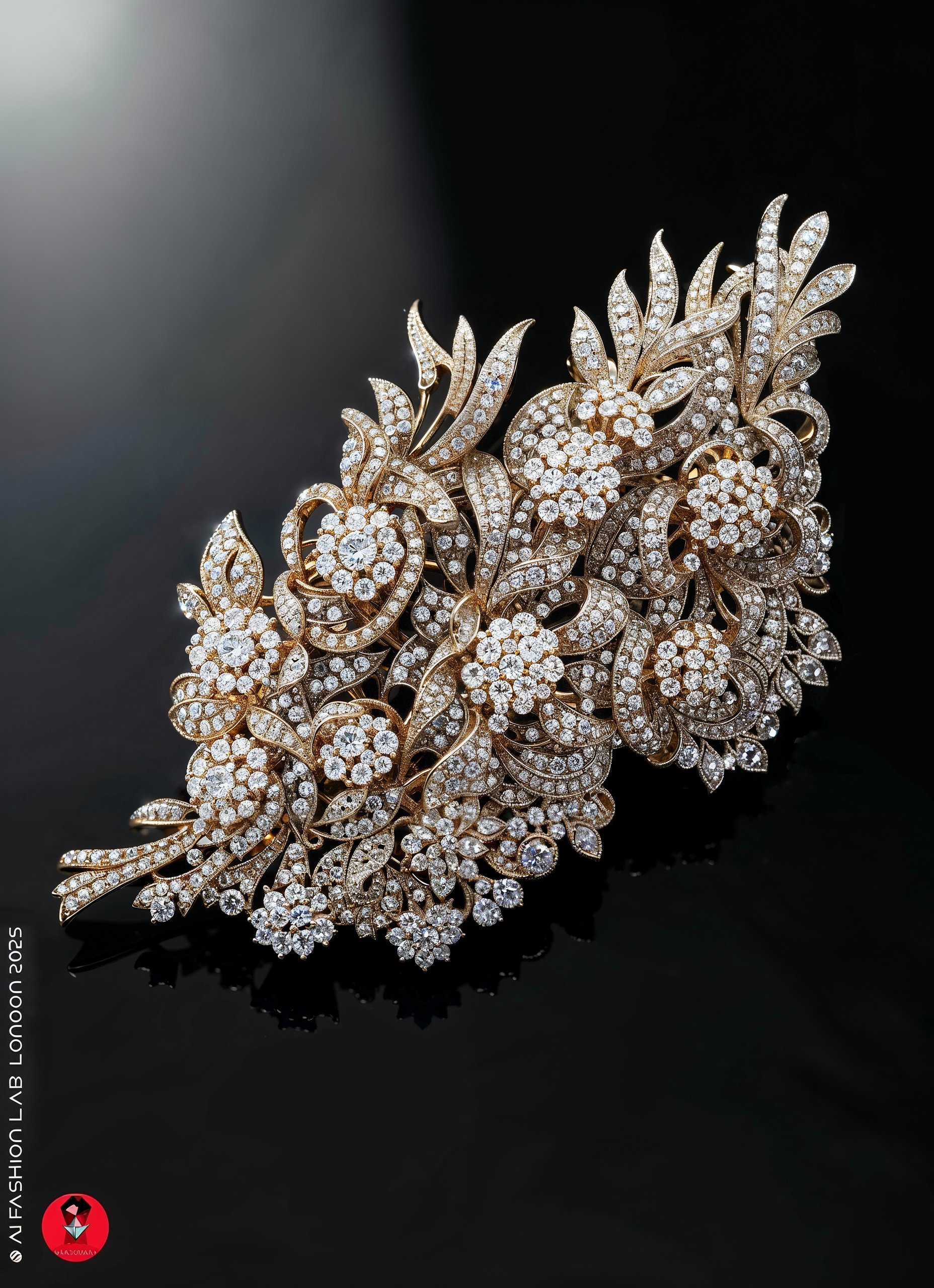
สิ่งที่โดดเด่นในพระรูปเหล่านี้คือ เข็มกลัดเพชรและอัญมณีลวดลายพฤกษาและดอกไม้ ที่ประดับอยู่บนผ้าสไบแพรจีบ ซึ่งช่วยขับเน้นความงามให้แก่ทั้งเครื่องประดับและเครื่องแต่งกายอย่างกลมกลืน สะท้อนให้เห็นถึงรสนิยมอันประณีตละเมียดละไมของแฟชั่นราชสำนักสยามในช่วงปลายคริสต์ศตวรรษที่ ๑๙ — ยุคแห่งการผสมผสานระหว่างศิลปะแบบตะวันตกและเอกลักษณ์ของความงามแบบสยามอย่างลงตัว
พระเจ้าบรมวงศ์เธอ กรมขุนสุพรรณภาควดี เป็นพระราชธิดาพระองค์แรกในพระบาทสมเด็จพระจุลจอมเกล้าเจ้าอยู่หัวที่ประสูติแต่เจ้าคุณพระประยุรวงศ์ และเป็นเหลนของ สมเด็จเจ้าพระยาบรมมหาศรีสุริยวงศ์ (ช่วง บุนนาค) ผู้สำเร็จราชการแผ่นดินในรัชกาลที่ 5 พระองค์ประสูติเมื่อวันศุกร์ ขึ้น 5 ค่ำ เดือน 9 ปีมะโรง สัมฤทธิศก จ.ศ. 1230 ตรงกับวันที่ 24 กรกฎาคม พ.ศ. 2411 พระบาทสมเด็จพระจุลจอมเกล้าเจ้าอยู่หัวตรัสเรียกพระองค์ว่า "เจ้าหนู" พระเจ้าน้องทั้งหลายทรงเรียกว่า "พี่หนู" และชาววังเรียกว่า "เสด็จพระองค์ใหญ่"
พระองค์มีพระขนิษฐาที่ประสูติร่วมพระมารดาอีก 2 พระองค์ ซึ่งมีพระนามที่คล้องจองกัน ได้แก่ ศรีวิไลยลักษณ์ สุวพักตร์วิไลยพรรณ และบัณฑรวรรณวโรภาษ
พระองค์เป็นพระเจ้าลูกเธอที่ประสูติตั้งแต่พระบาทสมเด็จพระจุลจอมเกล้าเจ้าอยู่หัวยังทรงดำรงพระอิสริยยศเป็นสมเด็จพระเจ้าลูกยาเธอในรัชกาลที่ 4 ประทับอยู่ ณ พระตำหนักสวนกุหลาบ ภายในพระบรมมหาราชวัง เมื่อหม่อมแพใกล้จะคลอดพระหน่อ จึงต้องหาสถานที่คลอดนอกพระบรมมหาราชวัง เนื่องจากตามพระราชประเพณีนั้น นอกจากจะประสูติพระราชโอรสและพระราชธิดาแล้ว จะให้หญิงใดคลอดลูกภายในพระบรมมหาราชวังไม่ได้ โดยพระบาทสมเด็จพระจอมเกล้าเจ้าอยู่หัวได้จัดวังนันทอุทยาน พระราชทานให้เป็นสถานที่ในการคลอดพระหน่อ
หม่อมแพทรงครรภ์เพียง 7 เดือนก็ประสูติพระหน่อก่อนกำหนด เมื่อประสูตินั้นพระองค์ยังอยู่ในถุงน้ำคร่ำ ทำให้หมอเข้าใจว่าพระองค์คงสิ้นพระชนม์ จึงให้หาหม้อขนันจะเอาใส่ไปถ่วงน้ำตามประเพณี แต่เจ้าพระยาสุรวงษ์ไวยวัฒน์ (วร บุนนาค) ขรัวตาอยากรู้ว่าเป็นพระองค์หญิงหรือพระองค์ชายจึงให้ฉีกถุงน้ำคร่ำออก พบว่ายังหายพระทัยอยู่ จึงช่วยกันประคบประหงมเลี้ยงดูจนสามารถมีพระชนม์อยู่ได้ต่อมา หม่อมแพและพระธิดาจึงย้ายกลับเข้ามาประทับ ณ พระตำหนักสวนกุหลาบตามเดิม เมื่อแรกประสูตินั้นพระองค์มีพระอิสริยยศที่ หม่อมเจ้าศรีวิไลยลักษณ์ ต่อมา เมื่อพระราชบิดาขึ้นครองราชสมบัติแล้ว พระองค์จึงได้รับการสถาปนาขึ้นเป็น พระเจ้าลูกเธอ พระองค์เจ้าศรีวิไลยลักษณ์ สุนทรศักดิกัลยาวดี
ตั้งแต่ทรงพระเยาว์ พระเจ้าบรมวงศ์เธอ กรมขุนสุพรรณภาควดี ทรงเป็นที่โปรดปรานและไว้วางพระราชหฤทัยของพระราชบิดาเป็นอย่างยิ่ง ถึงกับทรงรับสั่งเรียกพระองค์ว่าเป็น “ลูกคู่ทุกข์คู่ยาก” อันเป็นคำที่สะท้อนถึงความผูกพันแน่นแฟ้นระหว่างพระบิดากับพระราชธิดาในช่วงเวลาที่ยากลำบากของการเปลี่ยนแปลงประเทศ พระองค์ทรงเติบโตขึ้นภายในพระบรมมหาราชวัง ท่ามกลางขนบธรรมเนียมอันเคร่งครัดของฝ่ายใน แต่ก็ได้รับการอบรมให้ทรงมีความรู้ ความเข้าใจในกิจการบ้านเมืองและหน้าที่ของสตรีชั้นสูงในราชสำนัก
ด้วยความไว้วางพระราชหฤทัยจากพระราชบิดา พระเจ้าบรมวงศ์เธอ กรมขุนสุพรรณภาควดี ทรงได้รับมอบหมายให้ดูแลพระขนิษฐาที่ยังทรงพระเยาว์ โดยเฉพาะอย่างยิ่งทรงได้รับพระราชทานเกียรติให้เป็นผู้ “สั่งพระขนิษฐาให้เป็นสาว” ซึ่งเป็นหน้าที่สำคัญตามขนบธรรมเนียมฝ่ายในของราชสำนักสยาม การที่สตรีฝ่ายในจะได้รับอนุญาตให้เข้าสู่วัยสาวได้นั้น ต้องได้รับอนุญาตจากผู้ใหญ่ผู้ทรงเกียรติในราชสำนักก่อน ซึ่งการที่พระบาทสมเด็จพระจุลจอมเกล้าเจ้าอยู่หัวทรงมอบหมายหน้าที่นี้ให้พระเจ้าบรมวงศ์เธอ กรมขุนสุพรรณภาควดี จึงแสดงถึงความไว้วางพระราชหฤทัยอย่างสูงสุด
นอกจากบทบาทในราชสำนัก พระองค์ยังทรงมีส่วนสำคัญในกิจการสาธารณกุศลของแผ่นดิน โดยทรงดำรงตำแหน่ง อุปนายิกาสภาอุณาโลมแดง (ซึ่งต่อมาเปลี่ยนชื่อเป็น “สภากาชาดไทย”) ร่วมกับเจ้านายฝ่ายในพระองค์อื่น ๆ พระองค์ทรงทุ่มเทพระวรกายเพื่อช่วยเหลือผู้ยากไร้และผู้เจ็บป่วย เป็นการปฏิบัติพระกรณียกิจที่สะท้อนถึงพระทัยอันเปี่ยมด้วยเมตตาและความรับผิดชอบต่อส่วนรวม
มื่อครั้งโสกันต์ เมื่อปี พ.ศ. 2446 พระราชบิดาโปรดเกล้าฯ ให้ประกอบพระราชพิธีที่เขาไกรลาสจำลอง เช่นเดียวกับเจ้านายในพระยศชั้นเจ้าฟ้า และยังพระราชทานพระอิสริยยศด้วยการทรงกรมเสมอด้วยพระราชธิดาที่มีพระอิสริยยศชั้นเจ้าฟ้า โดยทรงพระกรุณาโปรดเกล้าฯ สถาปนาขึ้นเป็น พระเจ้าลูกเธอ กรมขุนสุพรรณภาควดี นับเป็นพระเจ้าลูกเธอชั้นพระองค์เจ้าพระองค์เดียวในรัชกาลที่ ๕ ที่ทรงได้รับการสถาปนาเป็นเจ้าต่างกรม ซึ่งถือเป็นเกียรติยศสูงสุดและหายากยิ่งในราชประเพณี
อย่างไรก็ตาม หลังจากการสถาปนาเพียงหนึ่งปี พระองค์ก็สิ้นพระชนม์ลงเมื่อวันที่ 26 ตุลาคม พ.ศ. 2447 สิริพระชันษา 36 ปี การสิ้นพระชนม์ของพระองค์นับเป็นความสูญเสียอันใหญ่หลวงในราชสำนัก เนื่องจากพระองค์ทรงเป็นที่รักของทั้งพระราชบิดาและเจ้านายฝ่ายใน
พระบาทสมเด็จพระจุลจอมเกล้าเจ้าอยู่หัวทรงมีพระราชดำริให้จัดพระราชพิธีถวายพระเพลิงพระศพอย่างสมพระเกียรติ ณ วัดนิเวศธรรมประวัติราชวรวิหาร พระอารามหลวงประจำพระราชวังบางปะอิน โดยโปรดให้ตั้งพระศพใต้ต้นพระศรีมหาโพธิ์ และโปรดเกล้าฯ ให้บำเพ็ญพระราชกุศลที่พระราชวังบางปะอินเป็นเวลาหลายวัน เพื่อเป็นการถวายพระเกียรติยศแด่พระราชธิดาผู้ทรงเป็นที่รักอย่างหาที่สุดมิได้
การพระศพดำเนินไปตามโบราณราชประเพณี โดยพระบาทสมเด็จพระจุลจอมเกล้าเจ้าอยู่หัวทรงพระภูษานวล เพื่อทรงแสดงออกถึงความอาลัยในพระราชธิดาพระองค์นี้ เช่นครั้งพระบาทสมเด็จพระพุทธยอดฟ้าจุฬาโลกฯ ก็เคยทรงพระภูษาขาว ในงานพระศพเจ้าฟ้ากรมขุนศรีสุนทรเทพ พระเจ้าลูกเธอที่ทรงรักยิ่ง ถึงกับมีพระราชดำรัสว่า “ลูกคนนี้รักมากต้องนุ่งขาวให้”
_________________________________________
Her Royal Highness Princess Suphanpakhawadi (พระเจ้าบรมวงศ์เธอ กรมขุนสุพรรณภาควดี)
This AI-restored and artistically re-imagined collection of portraits features Her Royal Highness Princess Suphanpakhawadi (พระเจ้าบรมวงศ์เธอ กรมขุนสุพรรณภาควดี) depicted in mid-Reign of King Chulalongkorn (Rama V) fashion, around circa 1880 (พ.ศ. ๒๔๒๐).
In these portraits, she appears wearing a pleated silk sabai (สไบแพรจีบ) folded into a narrow band, paired with a lace blouse trimmed with decorative bows, and a jongkraben (โจงกระเบน). This ensemble was highly fashionable during the middle period of King Chulalongkorn’s reign—Siam’s own Belle Époque—before evolving into the later court styles of the embroidered shoulder sash (แพรสะพาย) and ornamented ceremonial sabai (แพรปัก) in the late reign.
One of the most striking features in these portraits is the floral diamond and gemstone brooches adorning her pleated sabai. These pieces harmoniously complement the outfit while reflecting the refined aesthetic of late nineteenth-century Siamese court fashion—a period that blended Western artistic influences with the elegance of traditional Siamese identity.
Early Life and Birth
Her Royal Highness Princess Suphanpakhawadi was the first daughter of King Chulalongkorn (Rama V) [พระบาทสมเด็จพระจุลจอมเกล้าเจ้าอยู่หัว] born to Chao Khun Phra Prayurawong (เจ้าคุณพระประยูรวงศ์; née Pae Bunnag แพ บุนนาค). She was also a great-granddaughter of Somdet Chao Phraya Borom Maha Sri Suriwongse (สมเด็จเจ้าพระยาบรมมหาศรีสุริยวงศ์; Chuang Bunnag ช่วง บุนนาค), the powerful Regent during the early reign of King Chulalongkorn.
She was born on Friday, 24 July 1868 (๒๔ กรกฎาคม พ.ศ. ๒๔๑๑), corresponding to 5th day of the waxing moon, 9th lunar month, Year of the Dragon, at Wang Nanta-Uthayan (วังนันทอุทยาน), which King Mongkut (Rama IV) had designated as the place for her mother to give birth. This followed the strict court regulation that women, unless bearing a royal child, could not give birth inside the Grand Palace.
Her difficult birth was premature—only seven months—and upon delivery she remained enclosed in the amniotic sac. The attending physician presumed the infant had died and asked for a pot to perform the customary water burial. However, her maternal grandfather, Chao Phraya Surawongwaiwat (Worn Bunnag) [เจ้าพระยาสุรวงศ์ไวยวัฒน์ (วร บุนนาค)], wished to see whether the infant was male or female, and ordered the sac to be torn open. He discovered she was still breathing, and she was immediately revived and carefully nursed until her strength returned.
At birth, she bore the title Mom Chao Sriwilailak (หม่อมเจ้าศรีวิไลยลักษณ์). Upon the accession of her father, she was elevated to Phra Chao Luk Ther, Phra Ong Chao Sriwilailak Sunthonsakdigalayaowadi (พระเจ้าลูกเธอ พระองค์เจ้าศรีวิไลยลักษณ์ สุนทรศักดิกัลยาวดี).
Within the palace, King Chulalongkorn affectionately called her “Chao Nu” (เจ้าหนู), while her younger siblings referred to her as “Phi Nu” (พี่หนู), and palace attendants knew her as “Sadet Phra Ong Yai” (เสด็จพระองค์ใหญ่).
She had two full sisters—both sharing rhyming names—in accordance with palace naming customs:
Princess Sriwilaiyakon (ศรีวิไลยลักษณ์)
Princess Suwapak Wilaiphan (สุวพักตร์วิไลยพรรณ)
Princess Bandrawannawerophat (บัณฑรวรรณวโรภาษ)
Upbringing and Role Within the Palace
From childhood, Princess Suphanpakhawadi was greatly beloved by her father and entrusted with responsibilities far beyond her years. King Chulalongkorn referred to her as “my companion in hardship” (ลูกคู่ทุกข์คู่ยาก), a tender phrase that reflected their profound bond formed during a challenging time of Siam’s national transformation.
Raised amid the formality of the Inner Court, she received rigorous training suitable for a high-ranking Siamese princess. She became a figure of maturity, discipline, and grace.
One of her most significant duties was being entrusted with the role of “bringing her younger sisters into womanhood”—a formal, ceremonial responsibility in the Inner Court. Only a senior, respected princess could grant permission for younger royal ladies to be officially recognised as entering adulthood. King Chulalongkorn bestowing this honour upon her signifies his deep confidence in her character and judgement.
Public Service and Humanitarian Work
Beyond her palace duties, she played a substantial role in national charitable work. She served as a Vice-President of the Red Unalom Society (สภาอุณาโลมแดง)—the precursor of today’s Thai Red Cross Society—together with other senior royal ladies. She dedicated herself to aiding the poor and the ill, embodying the compassionate ethos of the era’s philanthropic royal women.
Elevation to “Krom” Rank
In 1903 (พ.ศ. ๒๔๔๖), during her tonsure ceremony, King Chulalongkorn ordered this important rite to be held upon the artificial Mount Kailasa—an honour typically reserved for children of Chao Fa (เจ้าฟ้า) rank. In recognition of her lifelong service and her father’s affection, she was elevated to Krom rank, becoming:
Her Royal Highness Princess Suphanpakhawadi (พระเจ้าลูกเธอ กรมขุนสุพรรณภาควดี)
She was the only Phra Ong Chao daughter of King Chulalongkorn to be elevated to a Krom title during his reign—an exceedingly rare and prestigious distinction.
Passing and Royal Cremation
Tragically, only one year after her elevation, the Princess passed away on 26 October 1904 (๒๖ ตุลาคม พ.ศ. ๒๔๔๗) at the age of 36.
Her death was a profound loss to the court. King Chulalongkorn, who cherished her deeply, ordered a full royal cremation ceremony at Wat Niwet Thammaprawat Ratchaworawihan (วัดนิเวศธรรมประวัติราชวรวิหาร), the royal temple associated with Bang Pa-In Palace.
Her royal remains were placed beneath the Bodhi Tree, and the King commanded several days of ceremonies at Bang Pa-In Palace in her honour.
The funeral rites followed ancient royal tradition. King Chulalongkorn wore white mourning garments (พระภูษานวล) to express his grief—echoing an earlier precedent when King Rama I donned white while mourning Princess Sri Sunthorn Thep (เจ้าฟ้ากรมขุนศรีสุนทรเทพ). He expressed his sorrow with the same poignant sentiment:
“I loved this child dearly; I must wear white for her.”
(ลูกคนนี้รักมาก ต้องนุ่งขาวให้)
#aifashionlab #AI #aiartist #aiart #aifashion #aifashiondesign #aifashionstyling #aifashiondesigner #fashion #fashionhistory #historyoffashion #fashionstyling #fashionphotography #digitalfashion #digitalfashiondesign #digitalcostumedesign #digitaldesign #digitalaiart #ThaiFashionHistory #ThaiFashionAI #thailand #UNESCO