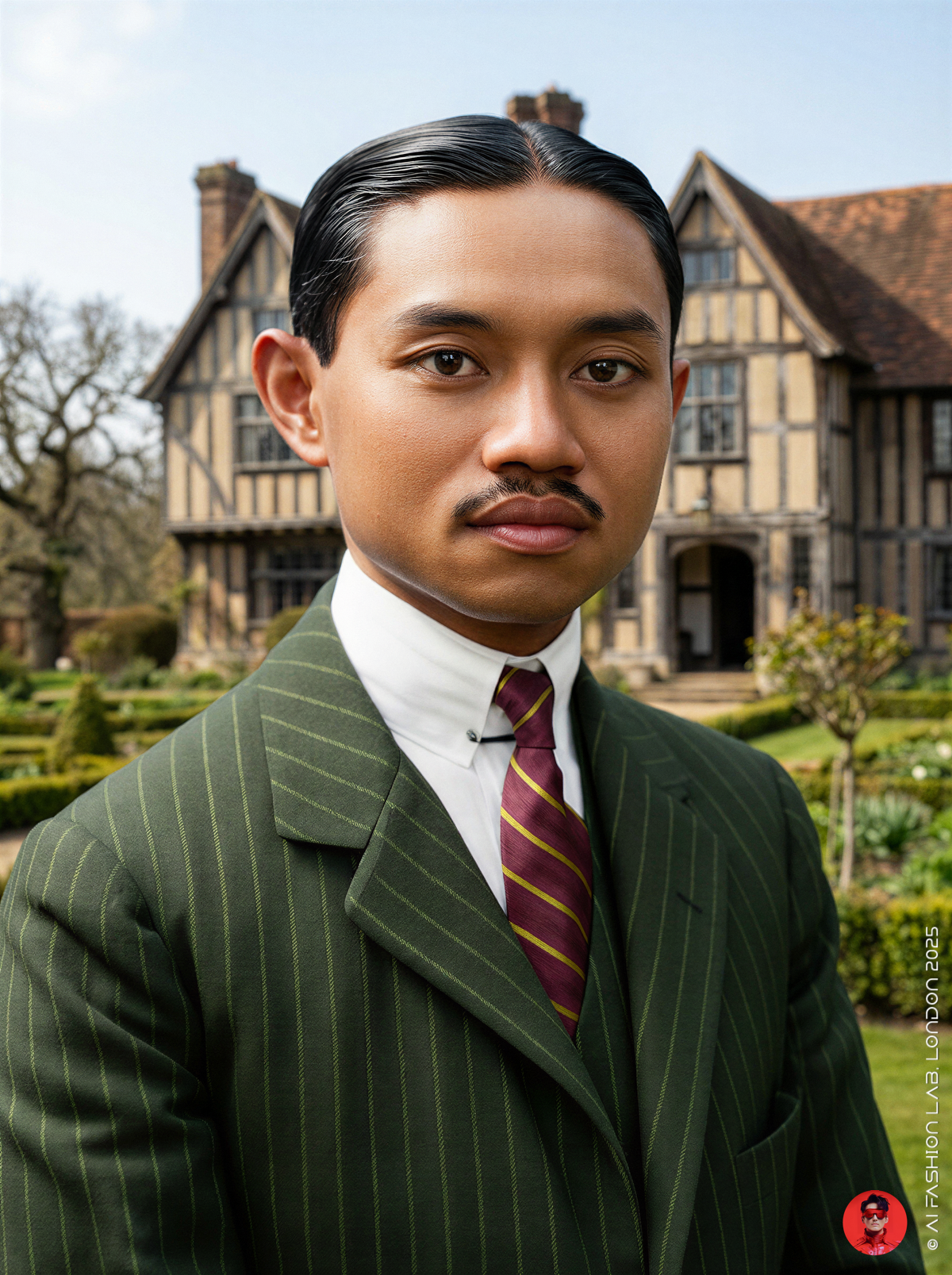
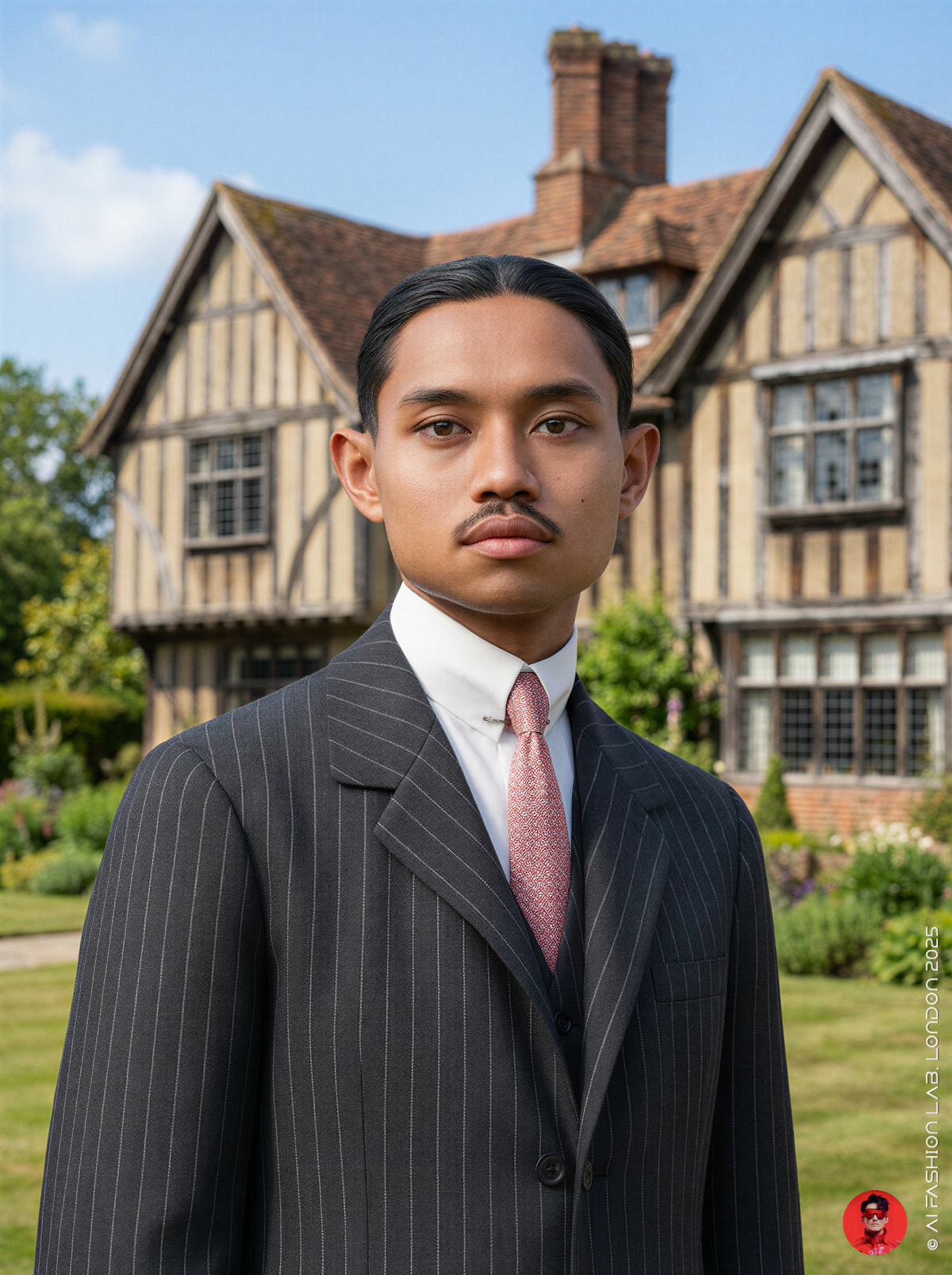
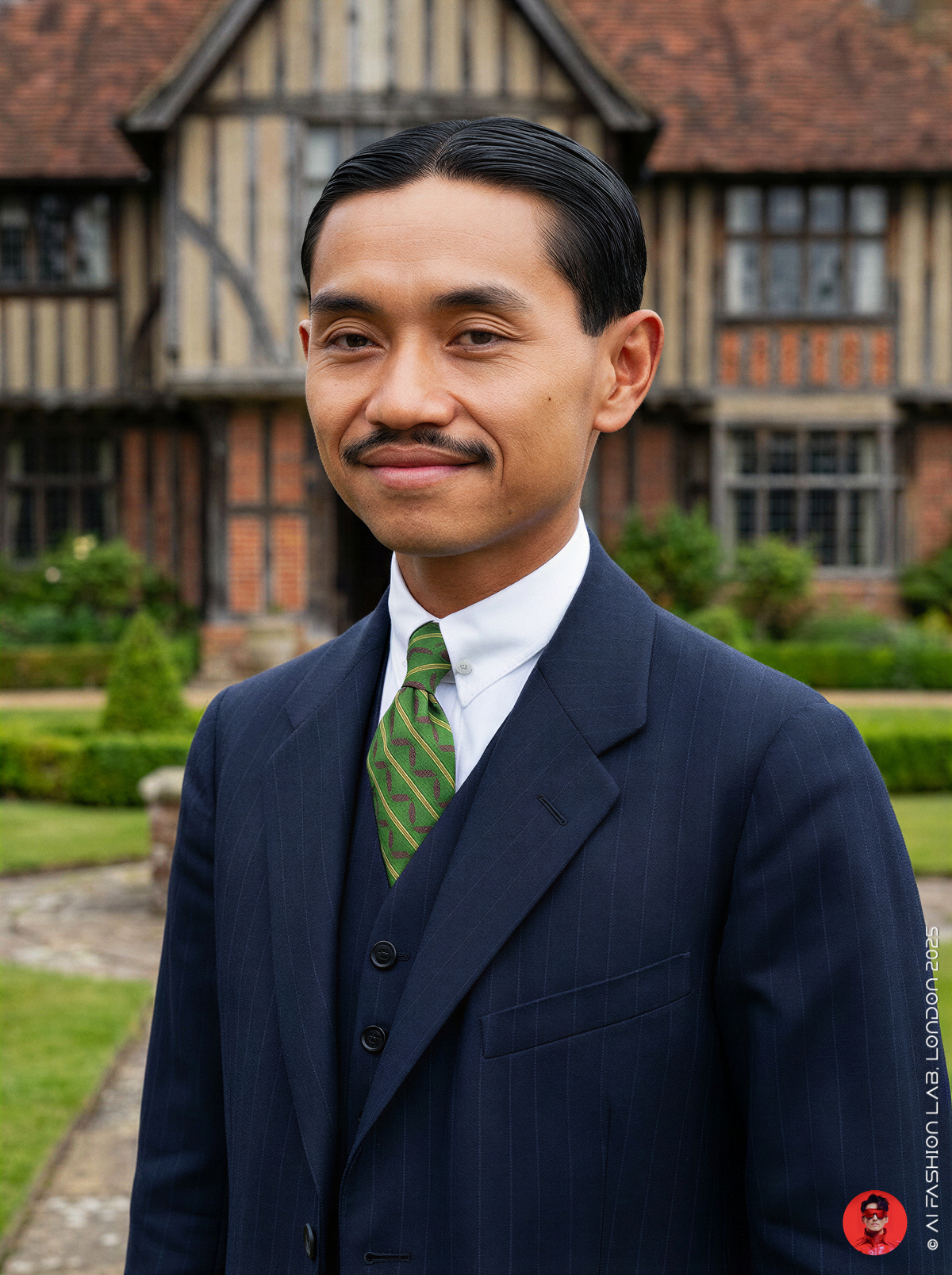
พระบาทสมเด็จพระปรมินทรมหาประชาธิปก พระปกเกล้าเจ้าอยู่หัว ทรงฉลองพระองค์ชุดสูท แบบคลาสสิค 1930s
สูทบุรุษในทศวรรษ 1930s: รูปทรง อำนาจ และต้นแบบของความคลาสสิก
ภาพที่ผ่านการบูรณะและสร้างสรรค์ด้วยเทคโนโลยี AI นี้ เป็นพระบรมฉายาลักษณ์ พระบาทสมเด็จพระปรมินทรมหาประชาธิปก พระปกเกล้าเจ้าอยู่หัว ทรงฉลองพระองค์ชุดสูท แบบคลาสสิค 1930s
ทศวรรษที่ 1930 ถือเป็นช่วงเวลาสำคัญอย่างยิ่งในประวัติศาสตร์แฟชั่นบุรุษตะวันตก เพราะเป็นยุคที่ “สูทสมัยใหม่” ได้รับการตกผลึกอย่างแท้จริง ทั้งในเชิงรูปทรง หน้าที่ และความหมายทางสังคม สูทในยุคนี้มิได้เป็นเพียงเครื่องแต่งกาย หากแต่เป็นภาษาทางวัฒนธรรมที่สะท้อนอำนาจ ความสุภาพ และเสถียรภาพ ท่ามกลางโลกที่กำลังเผชิญความไม่แน่นอนทางการเมืองและเศรษฐกิจ
สูทที่ปรากฏในภาพถ่ายเหล่านี้เป็นตัวอย่างอันชัดเจนของสูทแบบทศวรรษ 1930 อย่างแท้จริง รูปทรงโดยรวมมีความสมดุล สง่างาม และสุขุม — ไหล่กว้างอย่างเป็นธรรมชาติ เอวคอดเล็กน้อยโดยไม่รัดตัวจนเกินไป และกางเกงที่ทิ้งตัวอย่างมีน้ำหนัก แตกต่างจากความรัดตัวของยุคเอ็ดเวิร์ดเดียน หรือความผ่อนคลายเกินไปของทศวรรษ 1920
โครงสร้างของสูท 1930s: สถาปัตยกรรมแห่งการแต่งกาย
หัวใจของสูทยุคนี้อยู่ที่เสื้อแจ็กเก็ต ซึ่งถูกออกแบบอย่างประณีตในเชิงโครงสร้าง,ไหล่เสริมฟองน้ำเพียงเล็กน้อย เพื่อให้รูปทรงมั่นคงแต่ไม่แข็งกระด้าง, ความยาวเสื้อค่อนข้างยาว ช่วยยืดลำตัวให้ดูสง่า, เอวเข้ารูปอย่างนุ่มนวล ผ่านการตัดเย็บและการเก็บทรง มิใช่การรัดตัว, เมื่อสวมใส่แล้ว สูทจะช่วยส่งเสริมภาพลักษณ์ทางกายภาพของผู้สวมใส่ ภาพรวมจึงให้ความรู้สึกมั่นคง สุภาพ และน่าเชื่อถือ นี่คือเหตุผลสำคัญที่ทำให้สูทลักษณะนี้กลายเป็นต้นแบบของสูททำงาน สูทนักการทูต และสูทของผู้นำมาจนถึงปัจจุบัน
_______________
ปกสูทในทศวรรษ 1930: ภาษาแห่งสถานะ ความสุภาพ และอำนาจ
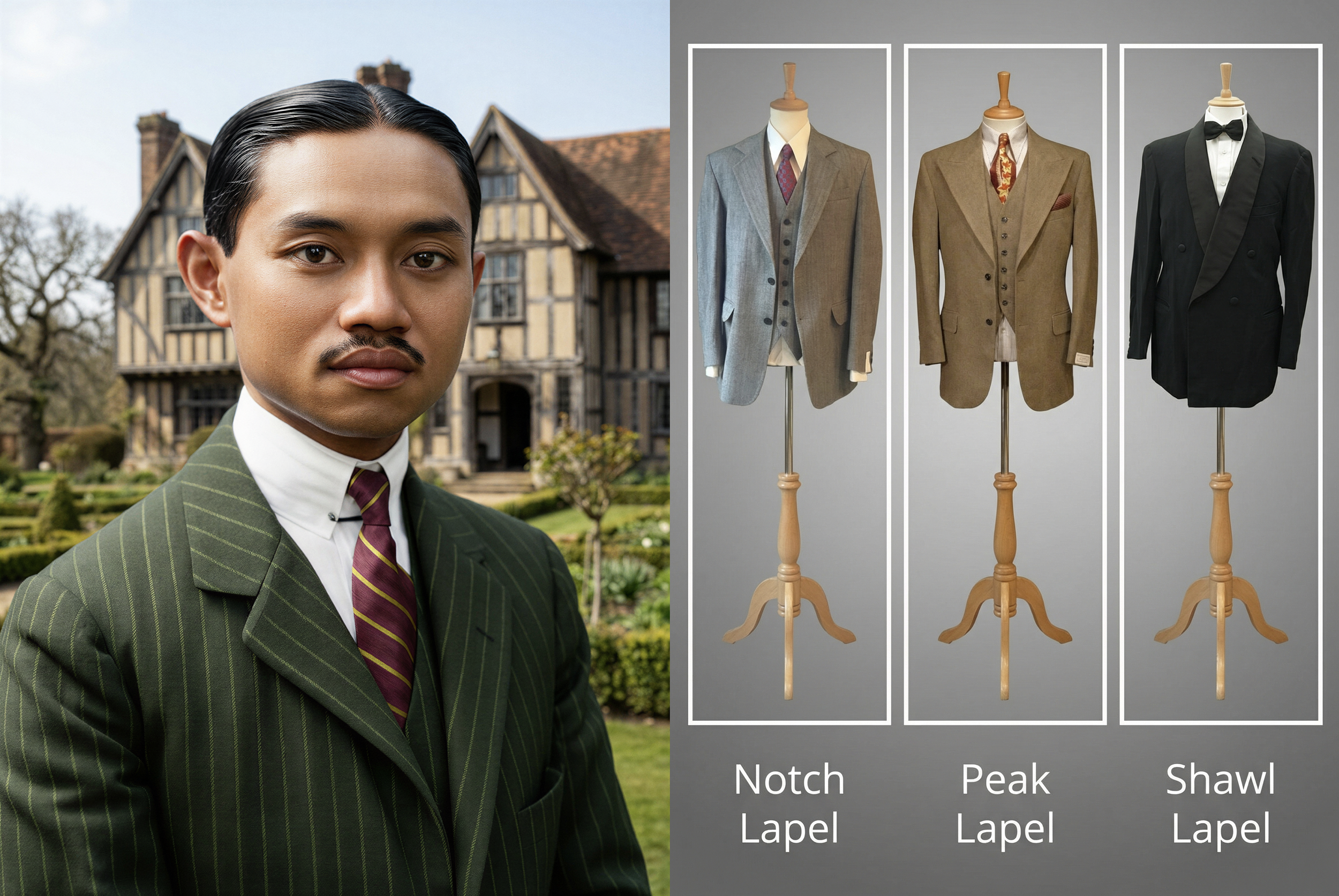
ในทศวรรษ 1930 ปกสูท (lapel) มิได้เป็นเพียงรายละเอียดทางเทคนิคของการตัดเย็บ หากแต่เป็น “ภาษาเชิงสังคม” ที่สื่อถึงบทบาท สถานะ และความเหมาะสมของผู้สวมใส่ในบริบทต่าง ๆ อย่างชัดเจน รูปแบบของปกสูทที่นิยม และเป็นมาตราฐาน มีอยู่สามแบบ ซึ่งยังคงเป็นรากฐานของสูทบุรุษมาจนถึงปัจจุบัน ได้แก่ Notch lapel, Peak lapel และ Shawl lapel
“Notch Lapel (น็อตช์ ลาเพ็ล / ปกสูทแบบป้าน)”
Notch lapel คือรูปแบบปกสูทที่พบเห็นได้แพร่หลายที่สุดในสูทบุรุษตั้งแต่ต้นคริสต์ศตวรรษที่ 20 ลักษณะเด่นคือรอยบากเล็ก ๆ ระหว่างปกคอและปกเสื้อ ให้ภาพลักษณ์สุภาพ เรียบง่าย และไม่ดึงความสนใจมากเกินไป
ในบริบทของทศวรรษ 1930 Notch lapel กลายเป็นสัญลักษณ์ของ “ความเหมาะสม” และ “ความมั่นคง” เป็นปกสูทที่ไม่แสดงอำนาจอย่างโจ่งแจ้ง แต่แฝงความน่าเชื่อถือ จึงถูกใช้อย่างกว้างขวางในสูททำงาน สูทนักการทูต และสูทของชนชั้นนำที่ต้องการภาพลักษณ์สุขุม
สูทแบบ Notch lapel จึงเป็นปกที่สามารถสวมใส่ได้ในหลากหลายโอกาส ตั้งแต่งานพิธี งานสังคม ไปจนถึงการพบปะอย่างเป็นทางการ และยังคงเป็น “ต้นแบบของความคลาสสิก” ที่ไม่ขึ้นกับยุคสมัย
ในกรณีของ พระบาทสมเด็จพระปกเกล้าเจ้าอยู่หัว ในช่วงประทับ ณ ประเทศอังกฤษ ภายหลังการสละราชสมบัติ สูทแบบ Notch lapel สะท้อนสถานะอันละเอียดอ่อนของพระองค์ได้อย่างเหมาะสม — สุภาพ ภูมิฐาน แต่ยังคงไว้ซึ่งศักดิ์ศรีและความเป็นผู้นำไว้อย่างครบถ้วน
“Peak Lapel (พีค ลาเพ็ล / ปกแหลม)”
Peak lapel คือปกสูทที่ปลายปกชี้ขึ้นไปทางแนวไหล่อย่างชัดเจน เป็นรูปแบบที่ให้ความรู้สึกทรงพลัง เป็นทางการ และโดดเด่นกว่าปกแบบ Notch lapel อย่างเห็นได้ชัด
ในทศวรรษ 1930 Peak lapel กลายเป็นเอกลักษณ์ของสูทแบบกระดุมสองแถว (double-breasted) และสูทของชนชั้นนำ นักการเมือง และบุคคลสาธารณะที่ต้องการแสดงอำนาจผ่านการแต่งกาย โดยเฉพาะในยุโรปแผ่นดินใหญ่ เช่น อิตาลีและฝรั่งเศส
“Shawl Lapel (ชอล์ ลาเพ็ล / ปกกล้วย)”
Shawl lapel เป็นปกสูทที่ทำจากผ้าชิ้นเดียว โค้งต่อเนื่องจากปกคอโดยไม่มีรอยบากหรือรอยหยักใด ๆ ทำให้รูปทรงดูเรียบเนียน เป็นระเบียบ และมีความพิธีการสูง
ในเชิงประวัติศาสตร์ Shawl lapel ถูกใช้เกือบทั้งหมดกับชุดแบบราตรีสโมสรและทักสิโด้ โดยเฉพาะในงานเลี้ยงยามค่ำคืนที่มีความเป็นทางการสูง เช่น งานเลี้ยงรับรองทางการทูต หรืองานราชพิธีในบริบทยุโรป
ในทศวรรษ 1930 ปกแบบนี้ถือเป็นปกที่เป็นทางการที่สุดในบรรดาปกสูททั้งสามประเภท และแทบไม่ถูกใช้ในชีวิตประจำวันหรือการทำงานทั่วไป เพราะจะให้ภาพลักษณ์ที่ “พิธีการ” เกินความจำเป็น
ปกสูทในฐานะสัญลักษณ์ของยุคสมัย
เมื่อพิจารณารูปแบบปกสูทเหล่านี้ร่วมกับบริบททางประวัติศาสตร์ จะเห็นได้ว่าสูทในทศวรรษ 1930 มิได้ถูกออกแบบเพื่อแฟชั่นเพียงอย่างเดียว หากแต่เพื่อรองรับบทบาททางสังคมที่ซับซ้อน ตั้งแต่การดำรงอำนาจ การปรับตัว ไปจนถึงการรักษาศักดิ์ศรีในยามเปลี่ยนผ่าน
สำหรับ พระบาทสมเด็จพระปกเกล้าเจ้าอยู่หัว สูทแบบตะวันตก โดยเฉพาะสูทที่มีปกแบบคลาสสิกเหล่านี้ จึงทำหน้าที่เป็นทั้งเครื่องแต่งกายและ “ภาษาแห่งอัตลักษณ์” ที่เชื่อมโยงระหว่างอดีตของการทรงเป็นพระมหากษัตริย์ กับชีวิตในต่างแดนอย่างสง่างามและสมศักดิ์ศรี
_______________
ผ้า ลวดลาย และสีสัน
สูทในยุค 1930 นิยมใช้ผ้าวูลคุณภาพสูง ลวดลายสุภาพ เช่น ลายพินสไตรป์ (pinstripes) หรือลายชอล์กสไตรป์ (chalk stripes) สีที่ใช้มักเป็นกรมท่า เทาเข้ม เขียวเข้ม หรือดำ สีเหล่านี้ไม่เพียงให้ความสุภาพ หากยังสะท้อนอารมณ์ของยุคสมัยที่ต้องการความมั่นคงและความจริงจัง
เนคไทผ้าไหมทำหน้าที่เพิ่มสีสันให้กับการแต่งกาย มักเป็นลายทแยง ลายเรปป์ (repp stripes) หรือโทนสีเข้ม ตัดกับเสื้อเชิ้ตสีขาวหรือสีงาช้างอย่างลงตัว
_______________
สูทกับการเสด็จลี้ภัย: พระบาทสมเด็จพระปกเกล้าเจ้าอยู่หัว ในอังกฤษ
เมื่อพิจารณาสูทเหล่านี้ควบคู่กับพระราชประวัติของ พระบาทสมเด็จพระปรมินทรมหาประชาธิปก พระปกเกล้าเจ้าอยู่หัว ภาพความหมายจะยิ่งชัดเจนขึ้น
หลังการเปลี่ยนแปลงการปกครอง พ.ศ. ๒๔๗๕ พระองค์ทรงเป็นพระมหากษัตริย์สยามพระองค์สุดท้ายในระบอบสมบูรณาญาสิทธิราชย์ แม้จะทรงดำรงสถานะพระมหากษัตริย์ภายใต้รัฐธรรมนูญต่อมา แต่ในที่สุดทรงสละราชสมบัติใน พ.ศ. ๒๔๗๘ และเสด็จไปประทับ ณ ประเทศอังกฤษ
ตั้งแต่ พ.ศ. ๒๔๘๐ พระองค์ประทับที่ Vane Court เมือง Biddenden มณฑล Kent คฤหาสน์เก่าแก่ซึ่งสร้างขึ้นเมื่อ ค.ศ. ๑๔๑๙ และต่อมาได้รับการขึ้นทะเบียนเป็นอาคารอนุรักษ์ระดับ Grade II อีกทั้งเคยปรากฏในนิตยสาร The Tatler ฉบับปี ค.ศ. ๑๙๓๘
แม้จะทรงพ้นจากราชบัลลังก์แล้ว พระองค์ยังคงรักษาธรรมเนียมราชสำนักบางประการไว้ มีเรื่องเล่าว่าทรงประทับบนชั้นบนสุดของบ้านตามคติแบบสยามที่ไม่ให้ผู้ใดอยู่สูงกว่าพระมหากษัตริย์ ขณะเดียวกัน พระองค์และ สมเด็จพระนางเจ้ารำไพพรรณี ก็ทรงใช้ชีวิตอย่างกลมกลืนกับชุมชน ทรงขี่จักรยาน เสด็จไปจับจ่าย และร่วมงานเทศกาลท้องถิ่น
สูทแบบอังกฤษในทศวรรษ 1930 จึงมิใช่เพียงการแต่งกาย หากแต่เป็น สัญลักษณ์ของศักดิ์ศรี ความต่อเนื่อง และอัตลักษณ์ในยามที่อำนาจทางการเมืองเปลี่ยนผ่าน
_______________
เหตุใดสูท 1930s จึงยังคงเป็นต้นแบบ
สูททศวรรษ 1930 มิได้ยืนยงเพราะความหรูหรา หากแต่เพราะความพอดี สุขุม และเรียบหรู แฟชั่นแบบไม่หวือหวา แต่เหนือกาลเวลา
นี่คือสูทที่ถูกออกแบบมาเพื่อ “คงอยู่ในประวัติศาสตร์” และยังคงเป็นแม่แบบของสูทบุรุษทั่วโลกมาจนถึงทุกวันนี้
_______________
Men’s Suits in the 1930s: Silhouette, Authority, and the Blueprint of Classic Style
This AI-restored and creatively enhanced image is a royal portrait of His Majesty King Prajadhipok of Siam (พระบาทสมเด็จพระปรมินทรมหาประชาธิปก พระปกเกล้าเจ้าอยู่หัว), depicted wearing a classic 1930s suit.
The 1930s represent a pivotal decade in the history of Western menswear. It was during this period that the modern suitbecame fully crystallised—formally, functionally, and socially. The suit of this era was no longer merely an item of clothing; it evolved into a cultural language, expressing authority, restraint, and stability at a time when the world was facing profound political and economic uncertainty.
The suits seen in these photographs are exemplary of true 1930s tailoring. Their overall silhouette is balanced, dignified, and composed: naturally broad shoulders, a gently shaped waist without excessive constriction, and trousers that fall with weight and authority. This marked a clear departure from the tightly structured Edwardian silhouette and the overly relaxed experimentation of the 1920s.
The Structure of the 1930s Suit: An Architecture of Dress
The essence of the 1930s suit lies in the jacket, which was designed with great architectural care. Shoulders were lightly padded to provide stability without stiffness. Jacket lengths were slightly extended, visually elongating the torso and reinforcing a sense of gravitas. The waist was softly suppressed through expert cutting and shaping rather than tight tailoring.
When worn, the suit enhanced the wearer’s physical presence rather than dominating it. The overall impression was one of confidence, composure, and credibility. This is precisely why the 1930s suit became the enduring model for business attire, diplomatic dress, and the clothing of political leadership well into the present day.
Suit Lapels in the 1930s: A Language of Status, Restraint, and Authority
In the 1930s, lapels were far more than technical tailoring details. They functioned as a social language, clearly signalling role, status, and appropriateness in different contexts. Three lapel styles emerged as dominant and standardised, forming the foundation of men’s suits to this day: the Notch lapel, the Peak lapel, and the Shawl lapel.
1. Notch Lapel
The Notch lapel is the most widely used lapel style in men’s suits since the early twentieth century. Its defining feature is the small notch between the collar and the lapel, producing a restrained and unobtrusive appearance.
In the context of the 1930s, the Notch lapel became a symbol of appropriateness and stability. It conveyed authority without overt display and was therefore widely adopted for business suits, diplomatic attire, and the dress of social elites who valued discretion and composure.
As a result, the Notch lapel proved suitable for a wide range of occasions—from formal ceremonies and social events to official meetings—and remains a timeless model of classic menswear.
In the case of King Prajadhipok during his residence in England following abdication, the Notch lapel was particularly apt. It reflected the subtlety of his position: dignified and reserved, yet firmly maintaining royal authority and personal stature.
2. Peak Lapel
The Peak lapel is characterised by lapel points that rise sharply toward the shoulders. It projects strength, formality, and visual authority, making it more assertive than the Notch lapel.
During the 1930s, the Peak lapel became closely associated with double-breasted suits, as well as with political leaders, public figures, and members of the elite who wished to express authority through dress—particularly in continental Europe, including Italy and France.
3. Shawl Lapel
The Shawl lapel is cut from a single piece of fabric, forming a continuous curve from collar to lapel without any notch or break. This creates a smooth, refined line with a strong sense of ceremony.
Historically, the Shawl lapel was used almost exclusively for evening wear and tuxedos, especially for highly formal night-time occasions such as diplomatic banquets and court ceremonies within European society.
In the 1930s, it was regarded as the most formal of all lapel styles and was rarely worn in everyday or professional contexts, as it conveyed a level of ceremony beyond practical necessity.
The Lapel as a Symbol of Its Time
When viewed within their historical context, these lapel styles reveal that the 1930s suit was never designed solely for fashion. Instead, it was created to accommodate complex social roles—asserting authority, enabling adaptation, and preserving dignity during times of political transition.
For King Prajadhipok, Western suits—particularly those featuring classic lapel forms—functioned as both attire and a language of identity, bridging his past as a reigning monarch with a dignified life abroad.
Fabric, Pattern, and Colour
Suits of the 1930s typically employed high-quality wool fabrics with restrained patterns such as pinstripes or chalk stripes. Favoured colours included navy, charcoal, deep green, and black—tones that conveyed seriousness and stability while ageing gracefully.
Silk ties added controlled accents of colour, often featuring diagonal stripes, repp patterns, or deep hues, set against crisp white or ivory shirts for a balanced and refined appearance.
The Suit and Exile: King Prajadhipok in England
When these suits are considered alongside the life of
His Majesty King Prajadhipok of Siam (King Prajadhipok, Rama VII),
their symbolic meaning becomes even more pronounced.
Following the Siamese Revolution of 1932, King Prajadhipok became the last absolute monarch of Siam. Although he later continued briefly as a constitutional monarch, he ultimately abdicated in 1935 and relocated to England.
From 1937 onwards, he resided at Vane Court in Biddenden, Kent, a historic house built in 1419, later designated a Grade II listed building and featured in The Tatler in 1938.
Despite abdication, the King maintained certain royal traditions. It is said that he occupied the uppermost floor of the house, in accordance with a Siamese belief that no one’s head should be higher than the King’s. At the same time, he and Queen Rambhai Barni integrated warmly into local life—cycling, shopping, and attending village events.
In this context, the British suit of the 1930s was not merely clothing. It became a symbol of dignity, continuity, and identity at a moment of profound political transition.
Why the 1930s Suit Endures
The longevity of the 1930s suit lies not in extravagance, but in balance—measured, composed, and refined. It is understated rather than ostentatious, elegant rather than fashionable, and timeless rather than trend-driven.
Designed to endure within history, the 1930s suit remains the enduring blueprint for men’s tailoring across the world today.
_______________
เรียนเชิญกด Subscribe ได้ที่ลิงก์นี้ครับ เพื่อร่วมติดตามงานสร้างสรรค์ต้นฉบับ งานวิจัยประวัติศาสตร์แฟชั่น และผลงานอนุรักษ์มรดกวัฒนธรรมด้วยเทคโนโลยี AI ของ AI Fashion Lab, London ซึ่งมุ่งตีความอดีตผ่านมิติใหม่ของการบูรณะภาพ การสร้างสรรค์ภาพ และการเล่าเรื่องด้วยศิลปะเชิงดิจิทัล 🔗 https://www.facebook.com/aifashionlab/subscribe/
#aifashionlab #AI #aiartist #aiart #aifashion #aifashiondesign #aifashionstyling #aifashiondesigner #fashion #fashionhistory #historyoffashion #fashionstyling #fashionphotography #digitalfashion #digitalfashiondesign #digitalcostumedesign #digitaldesign #digitalaiart #ThaiFashionHistory #ThaiFashionAI #thailand #UNESCO