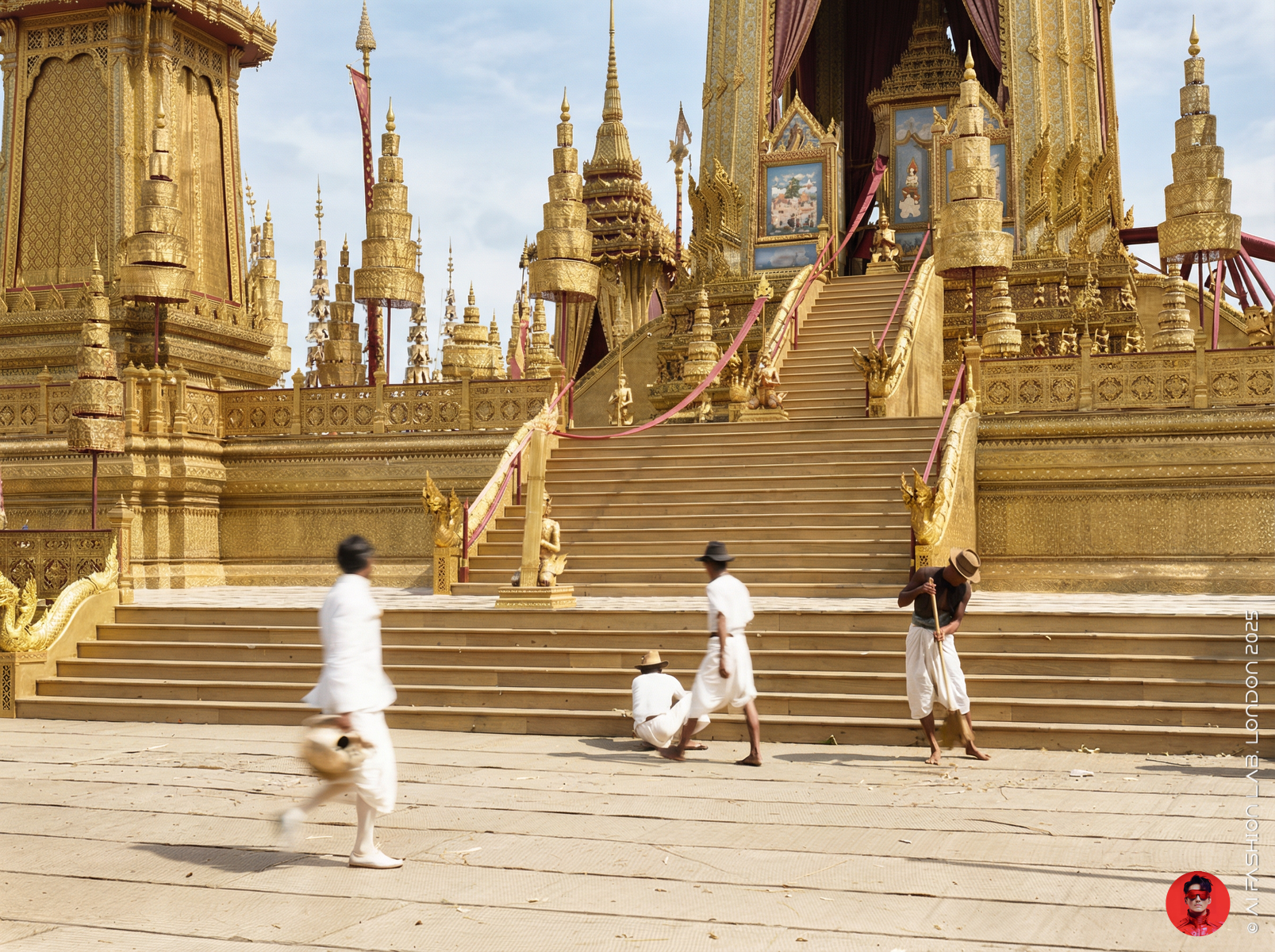
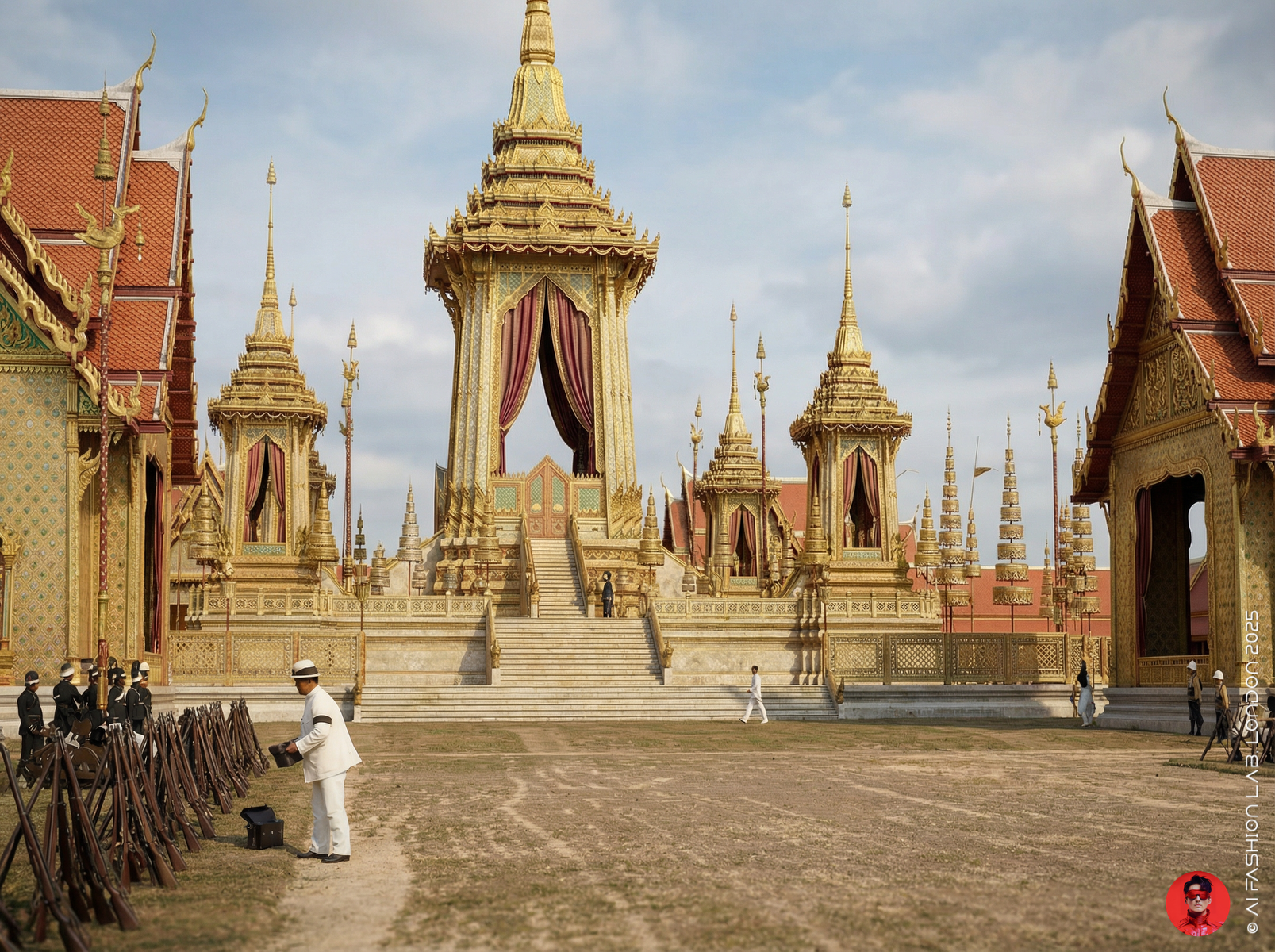
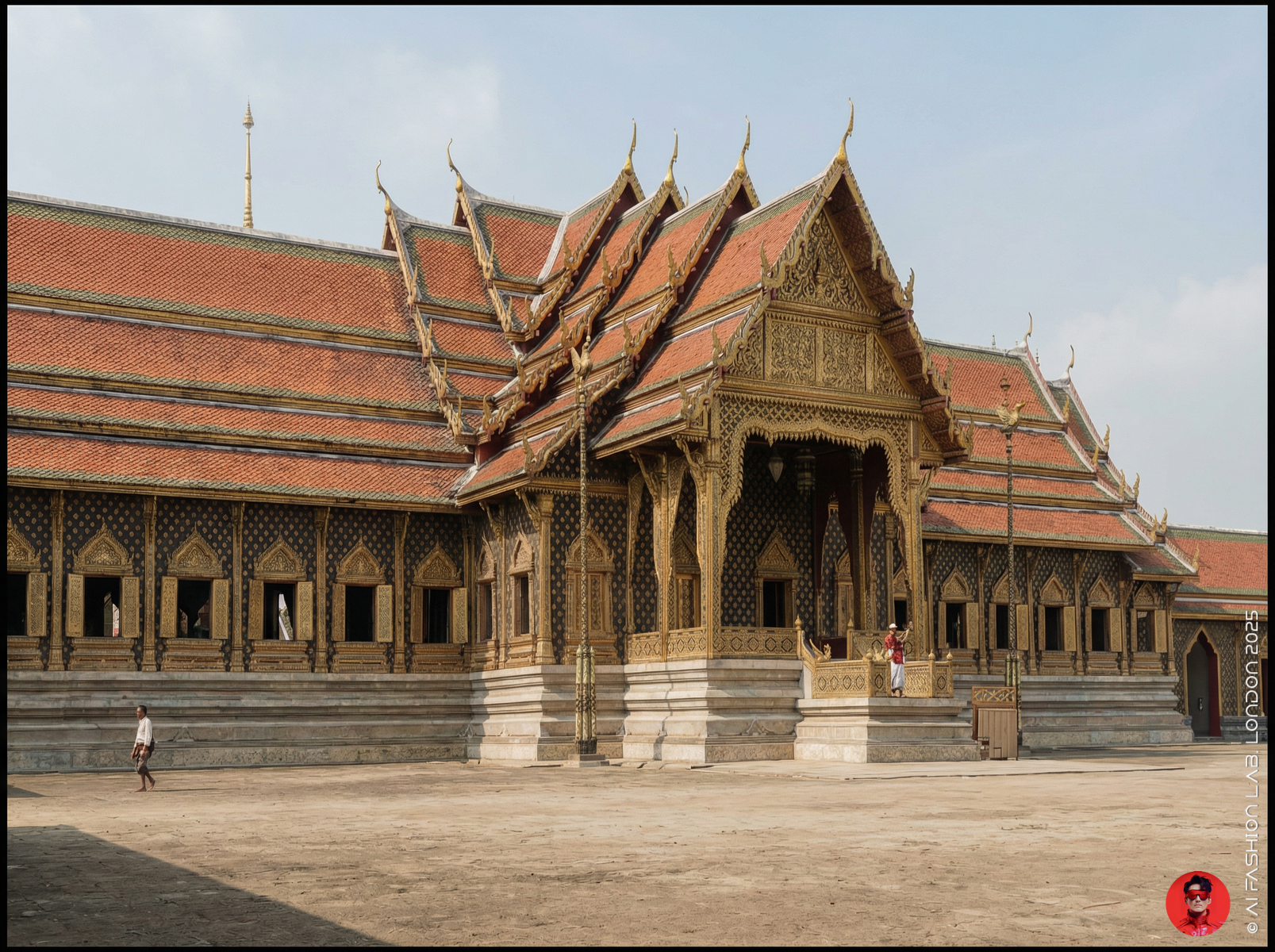
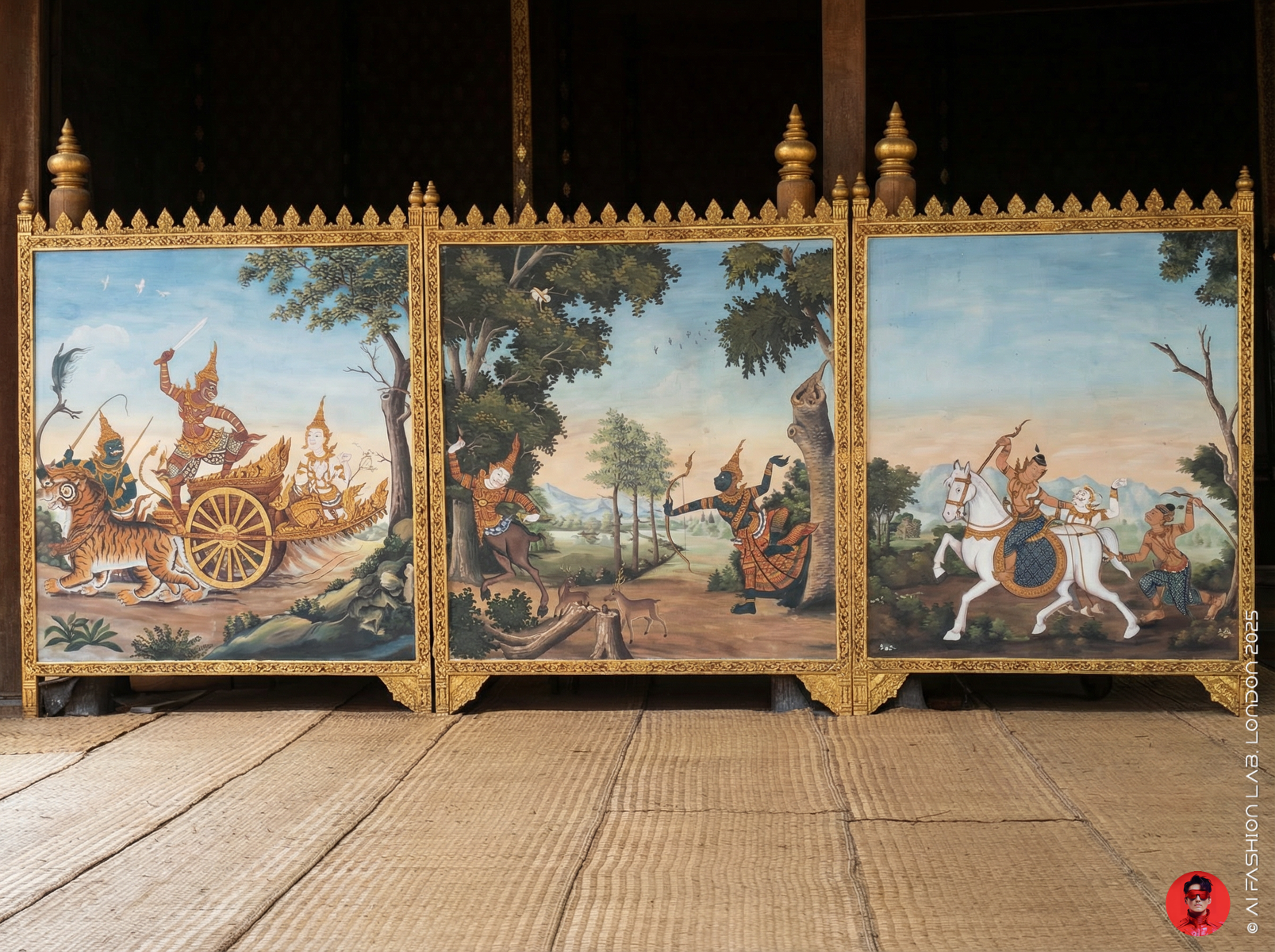
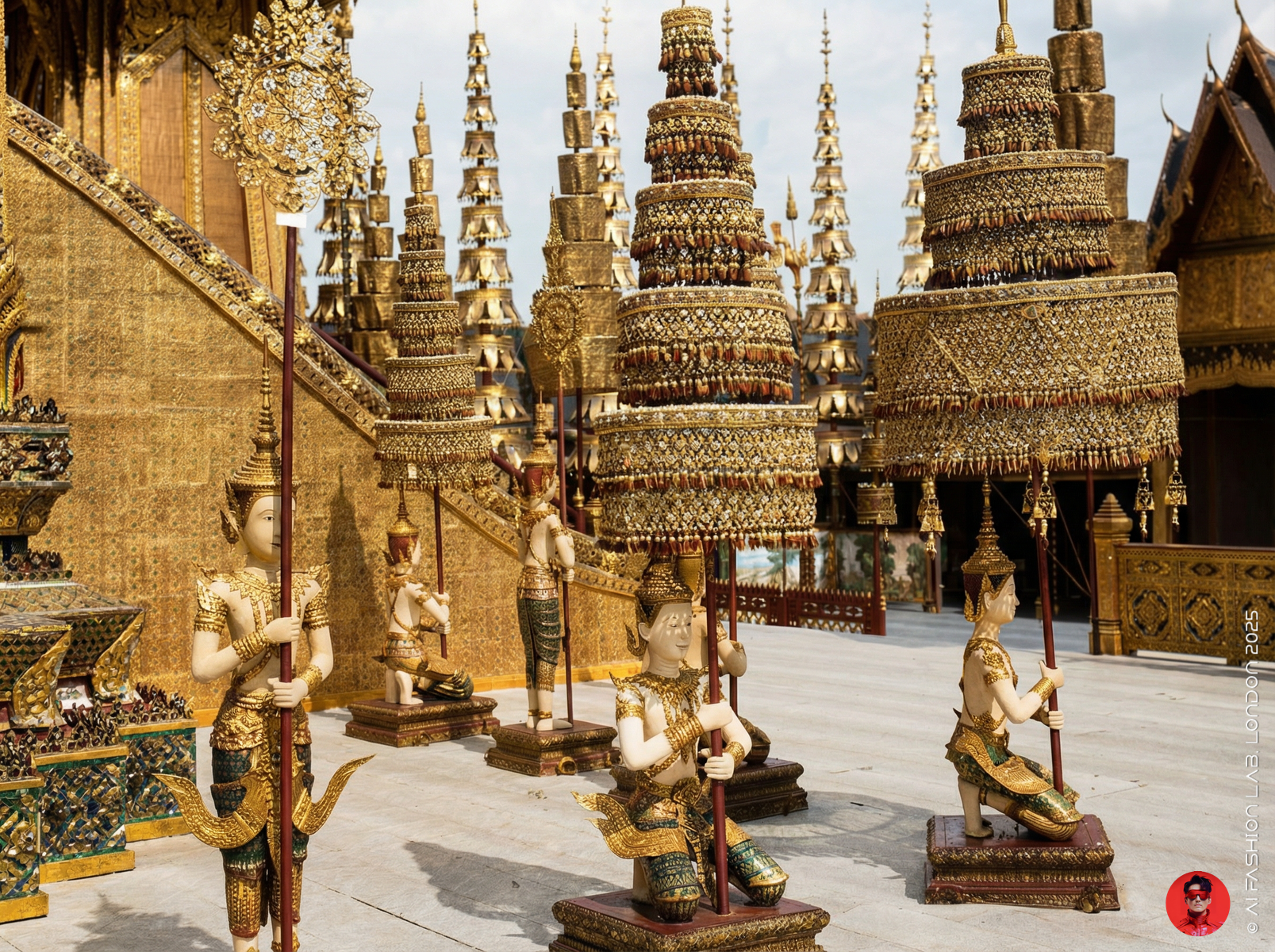
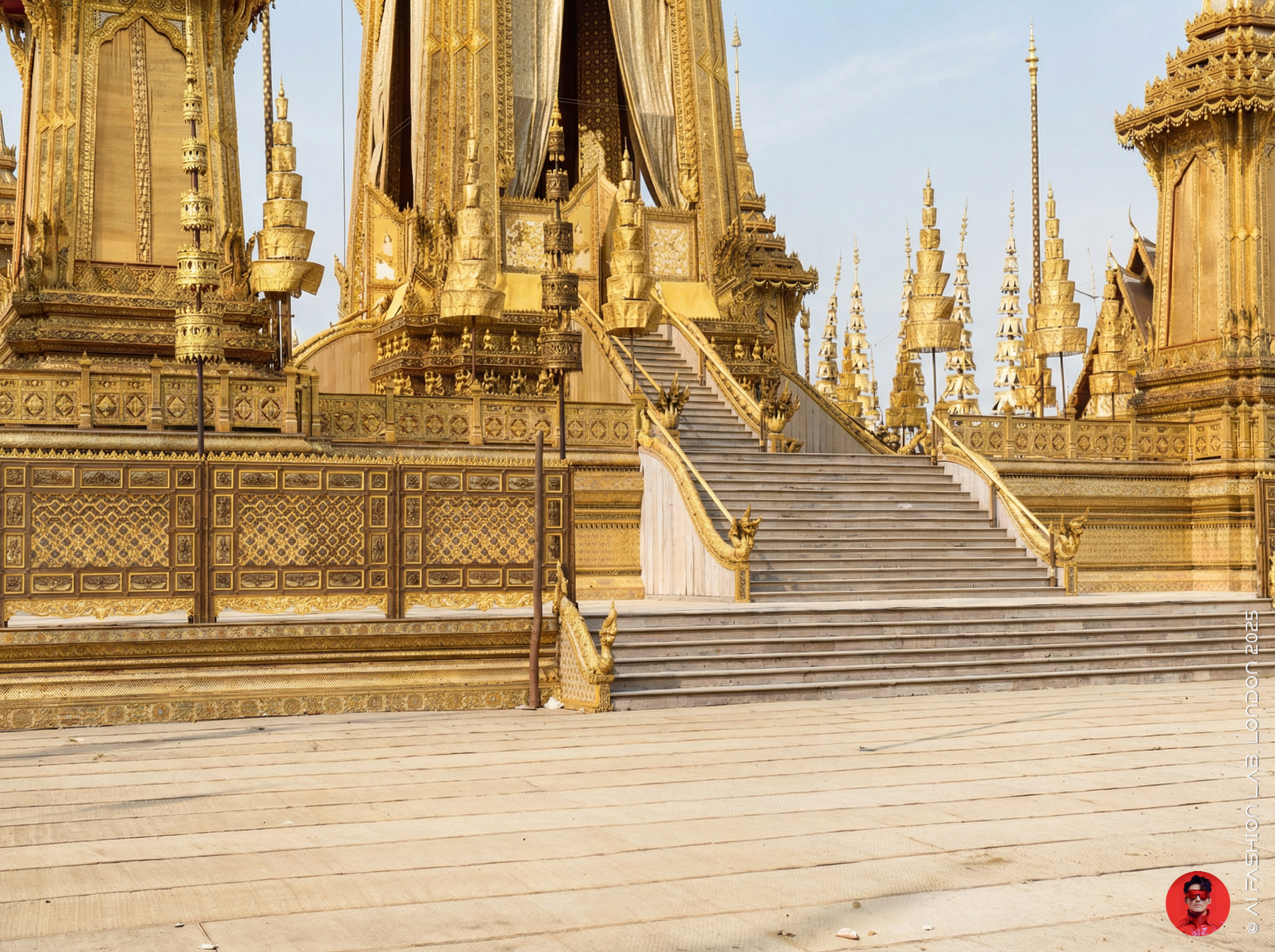
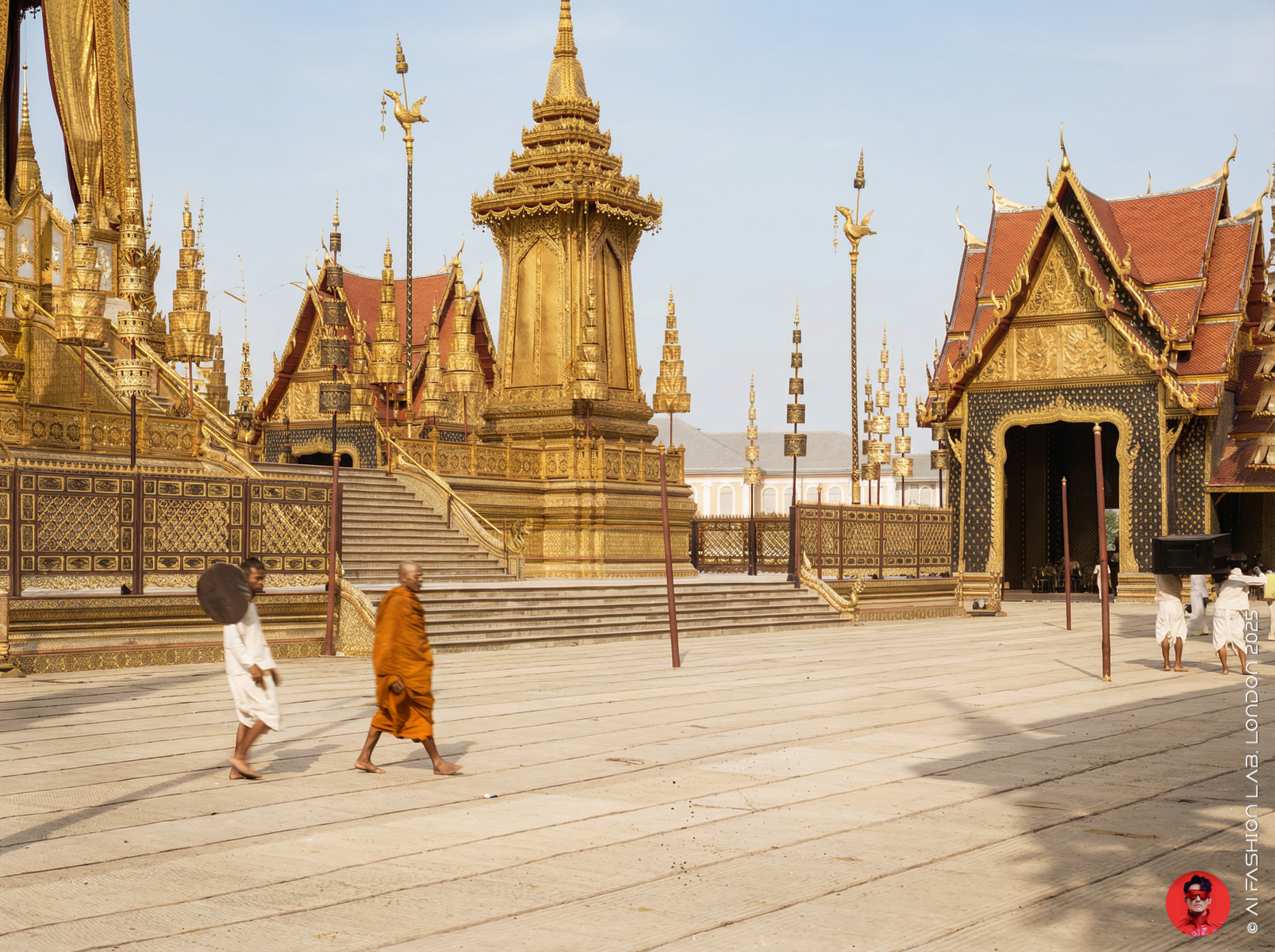
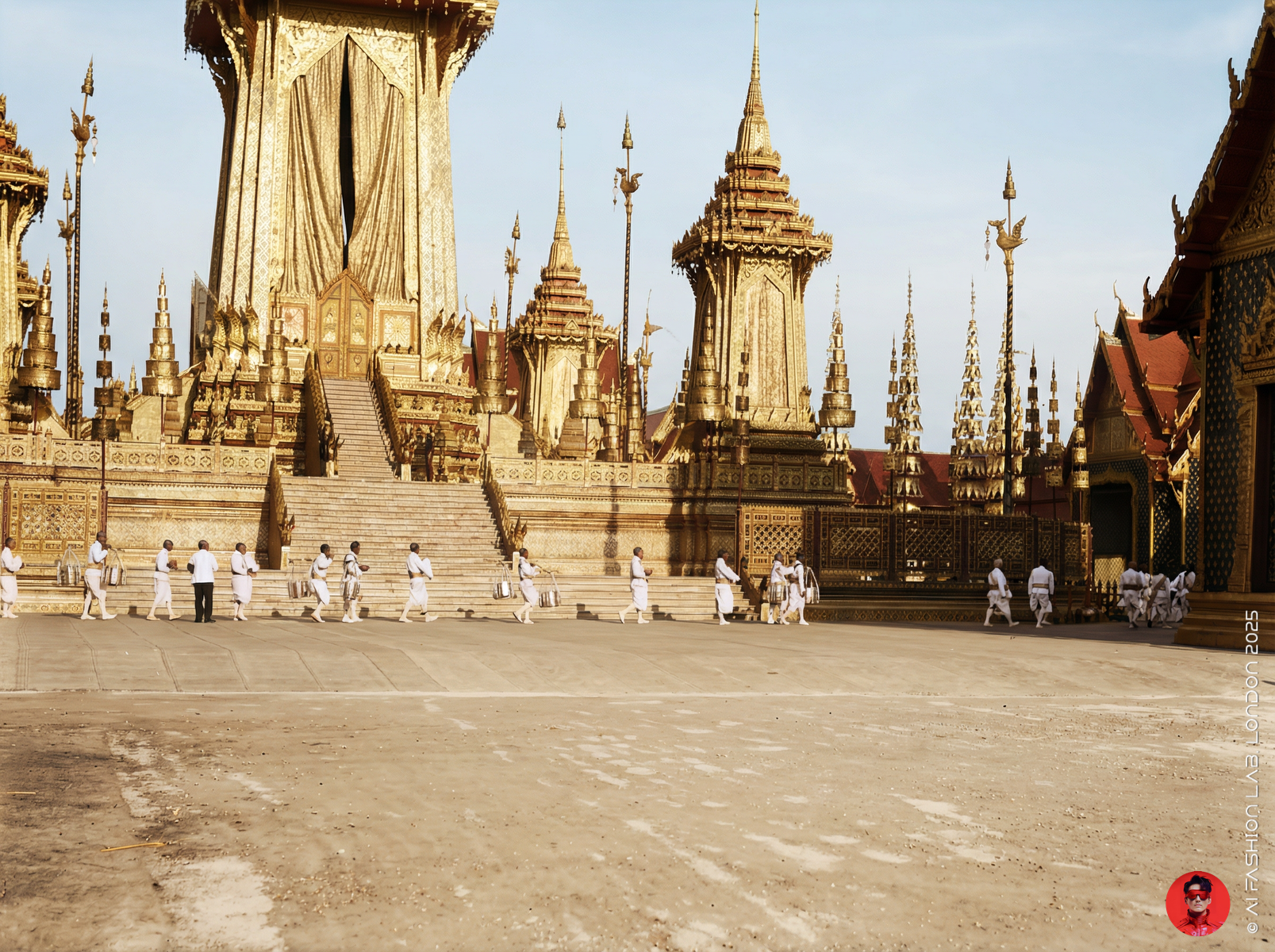
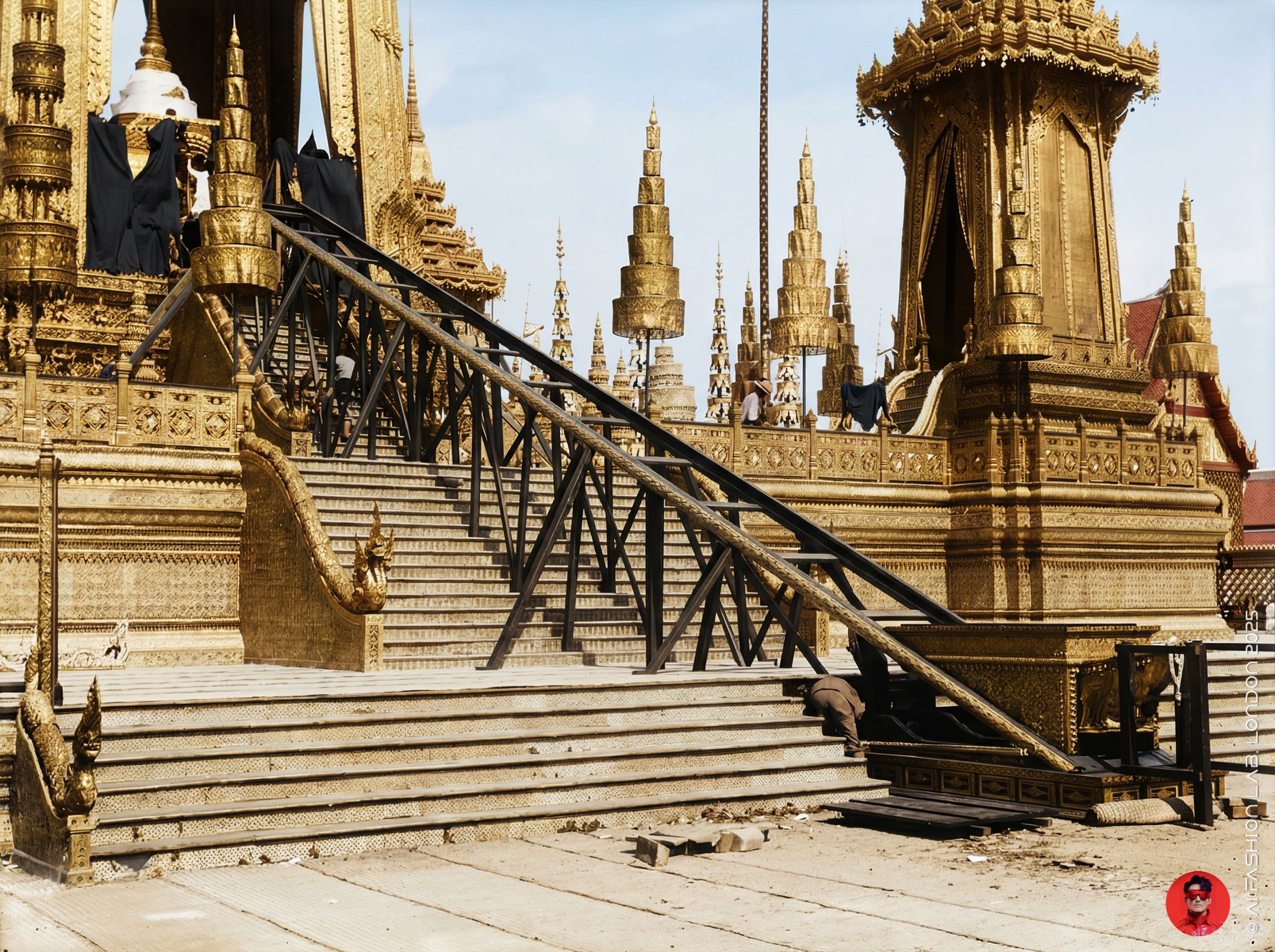
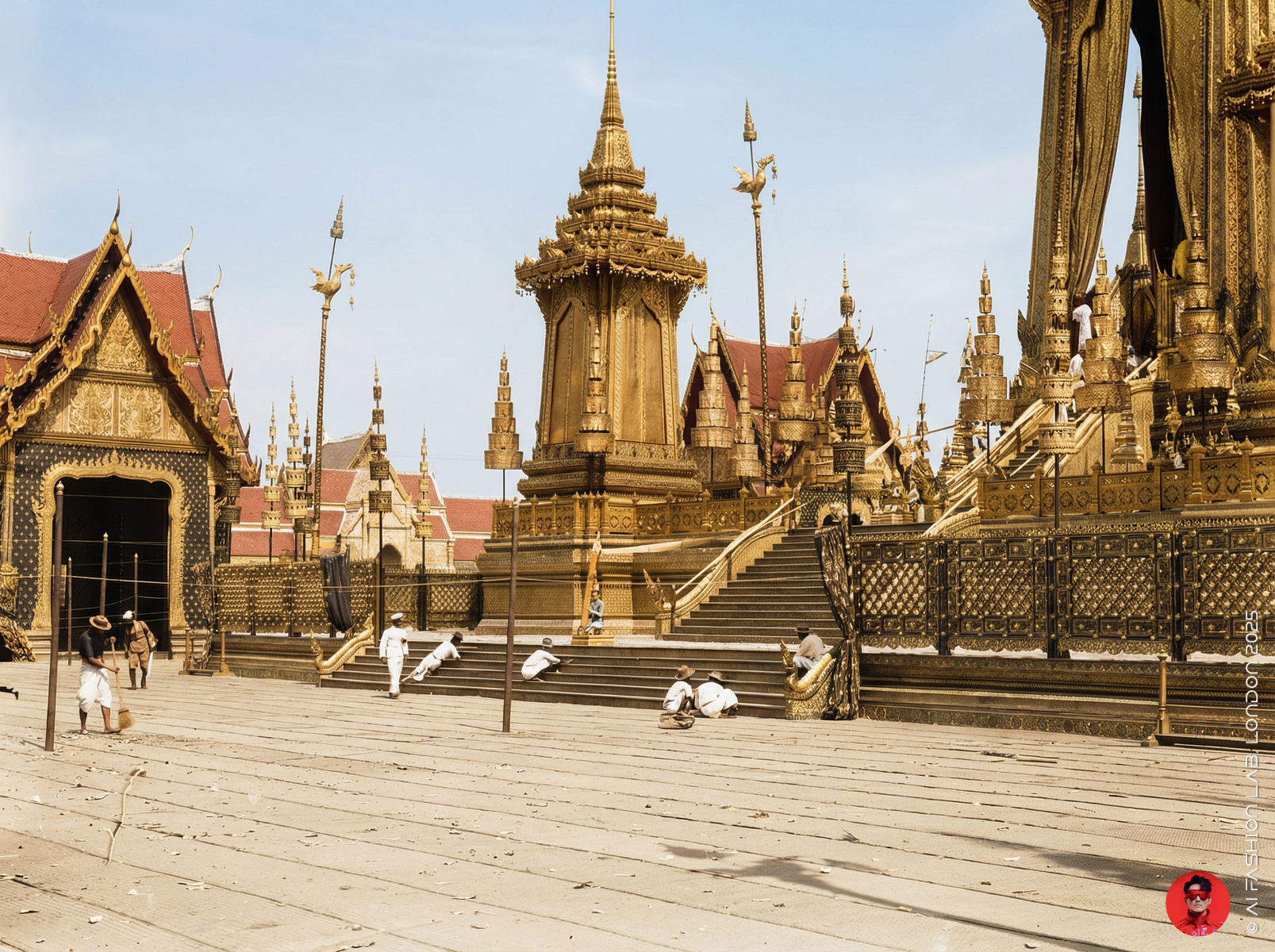
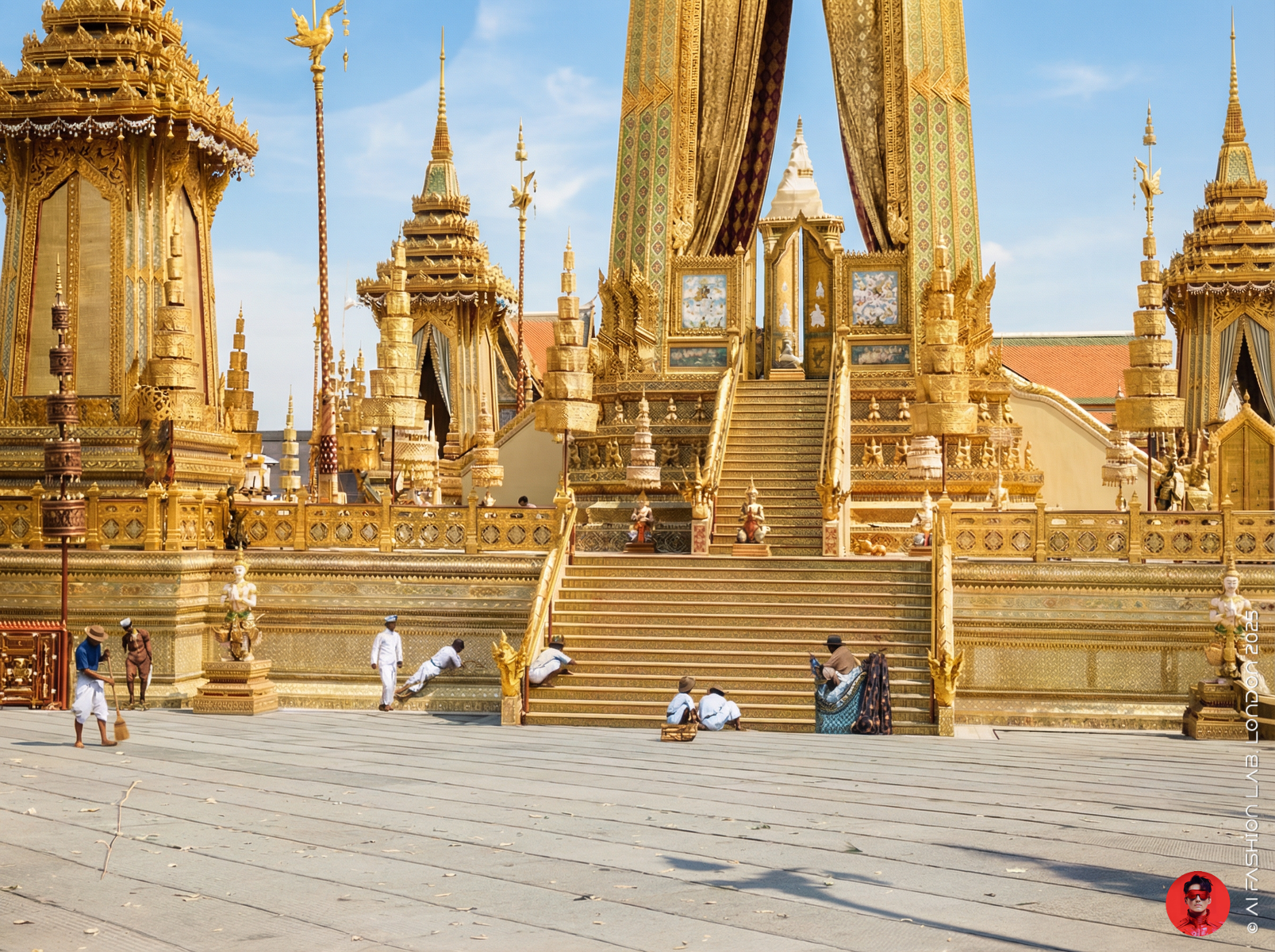
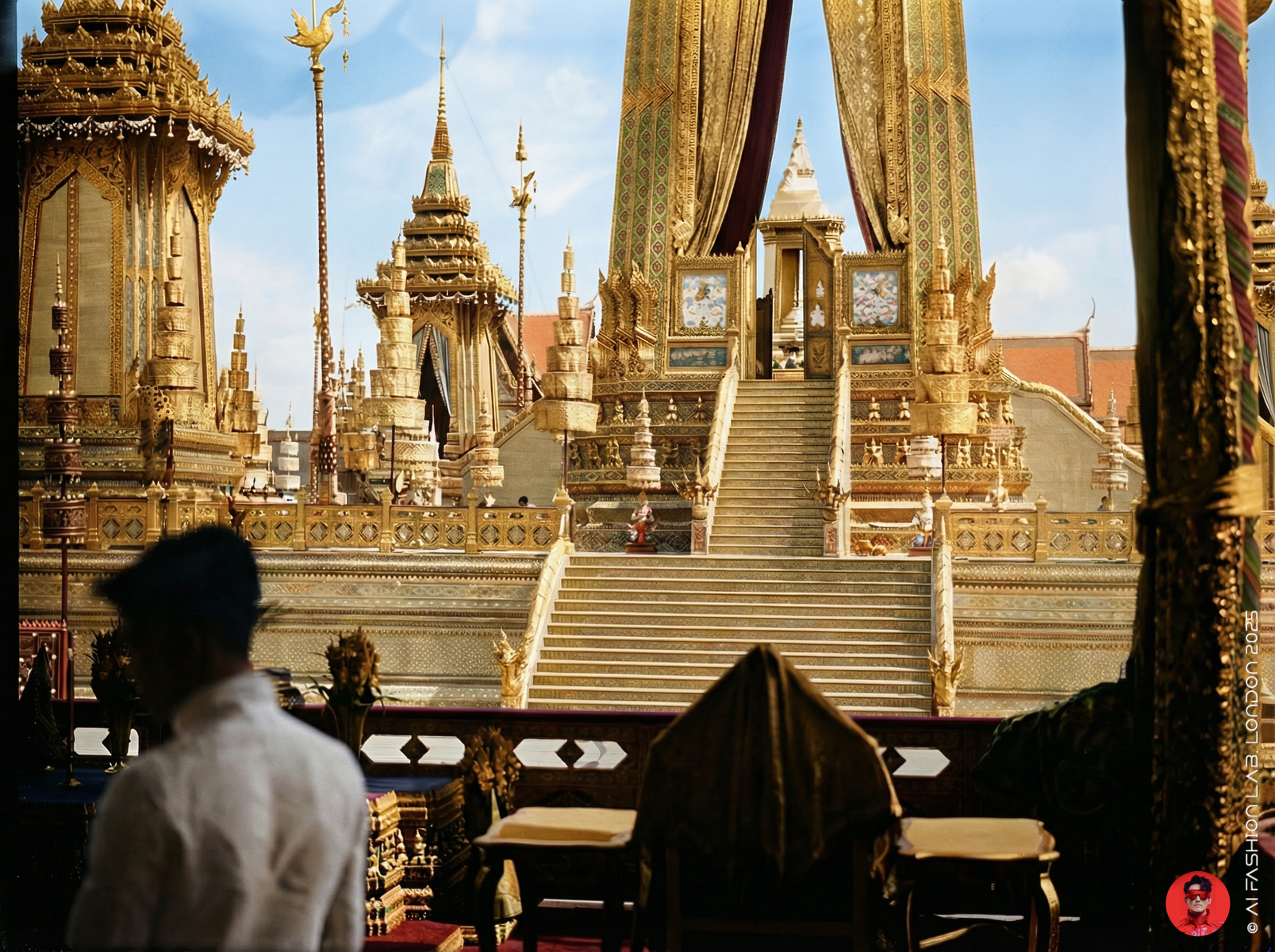
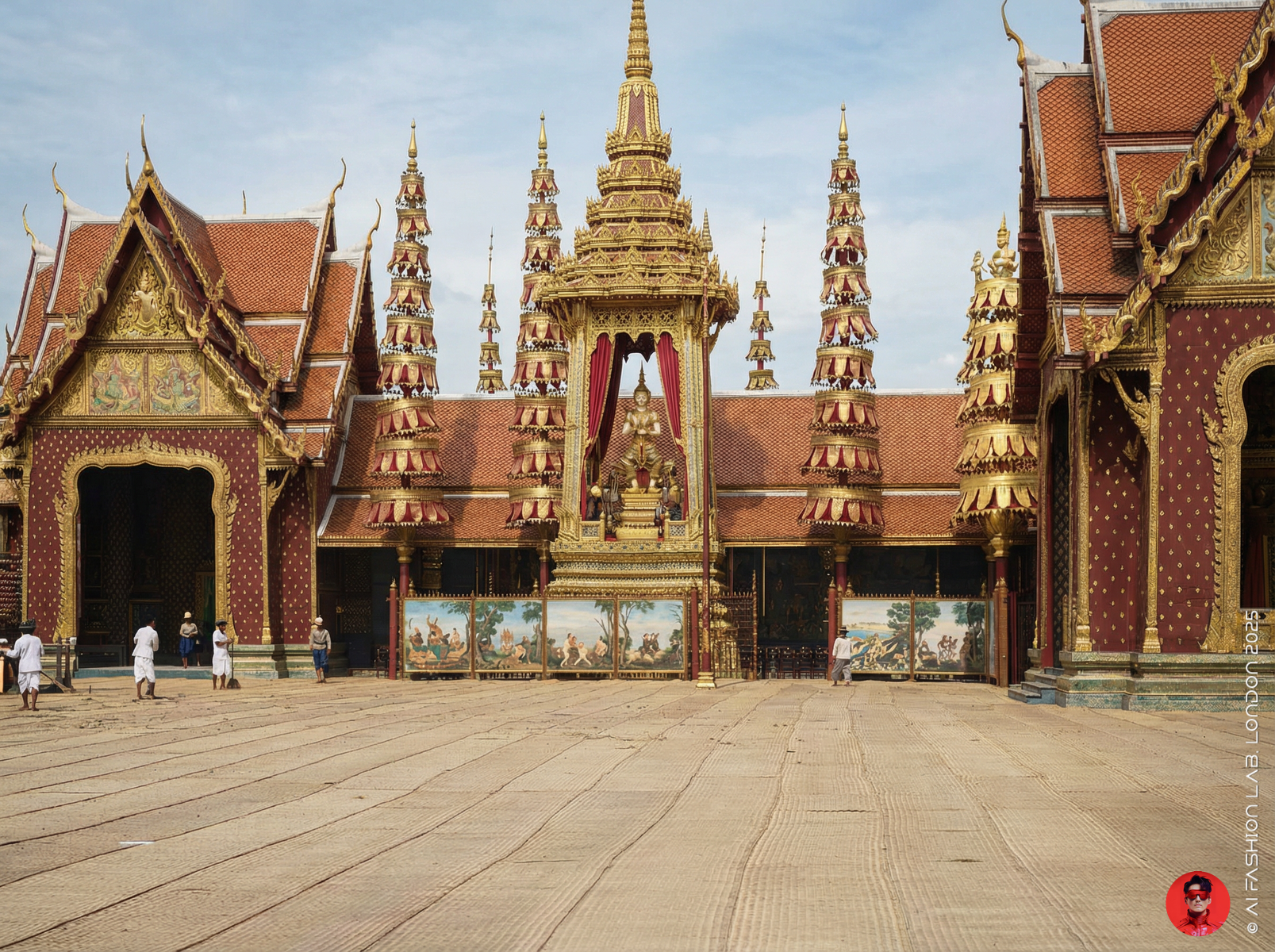
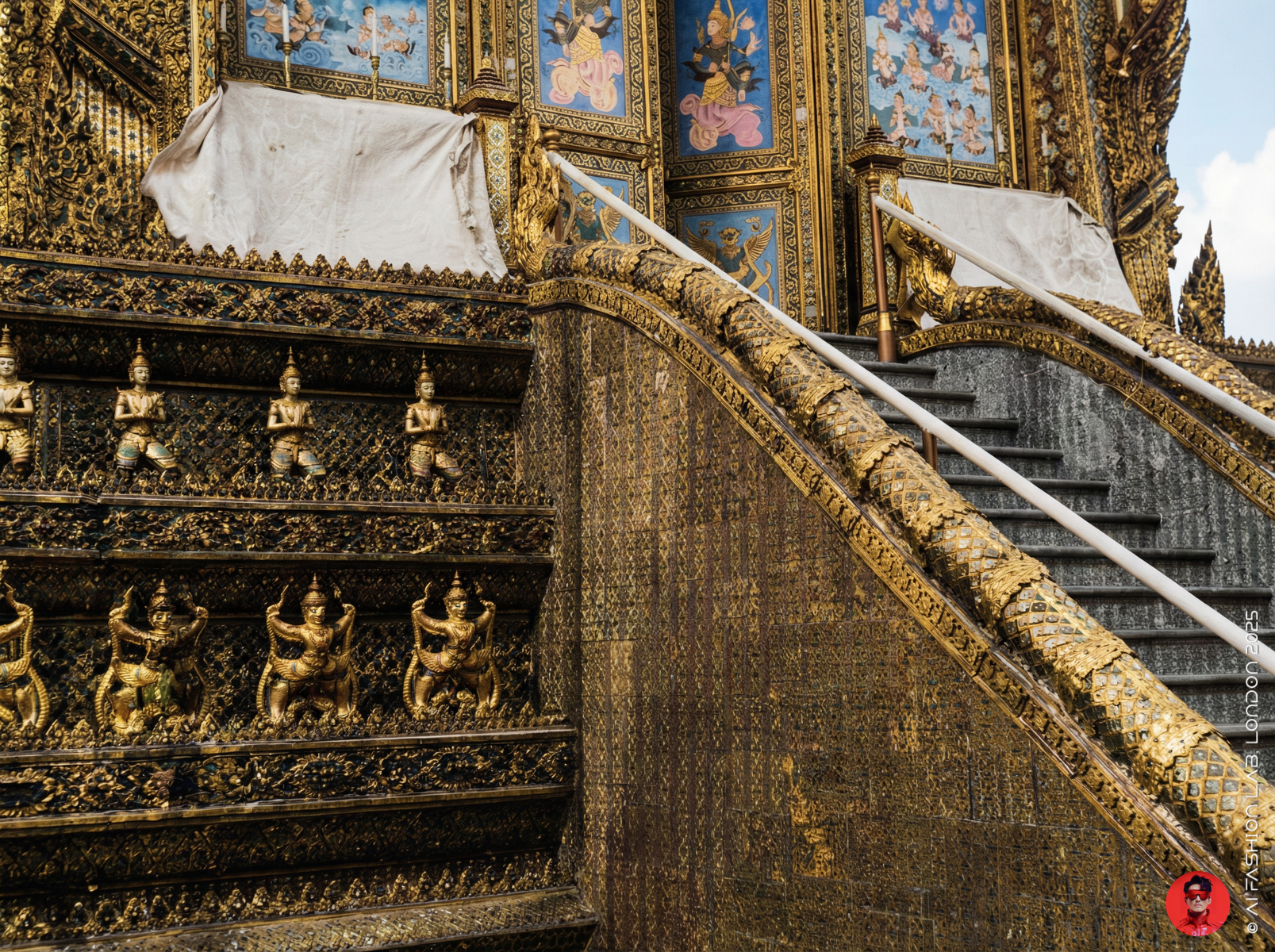
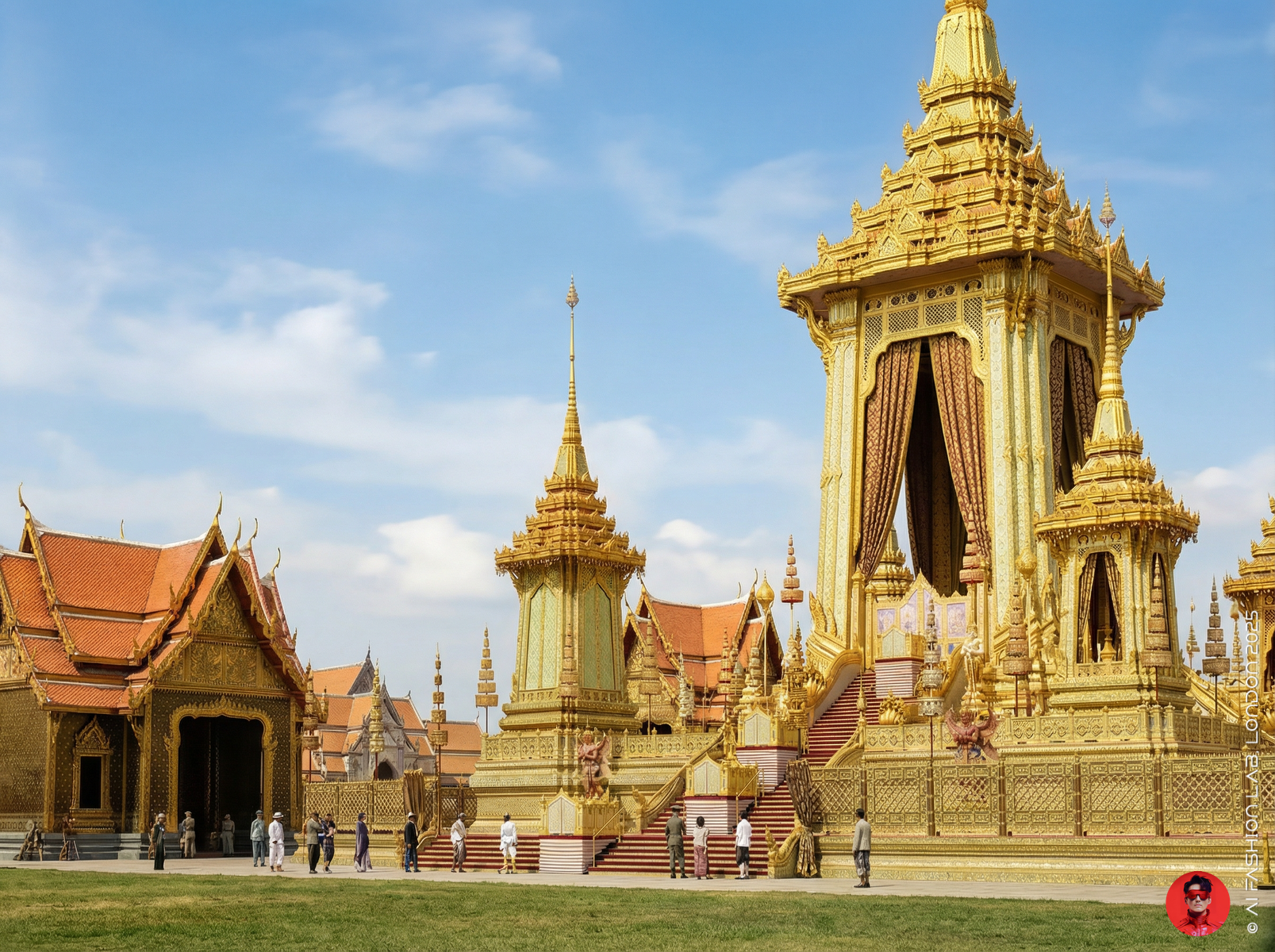
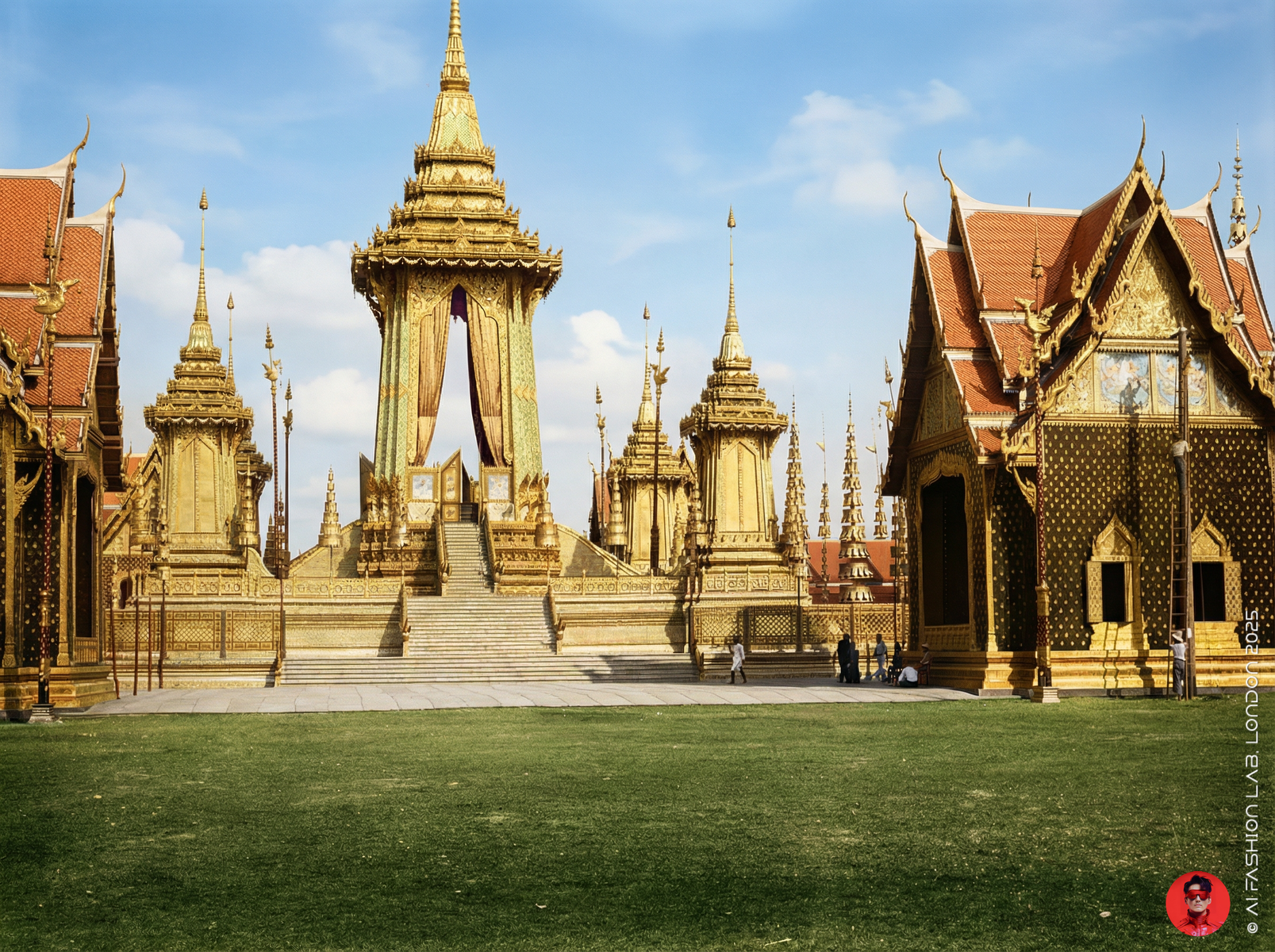
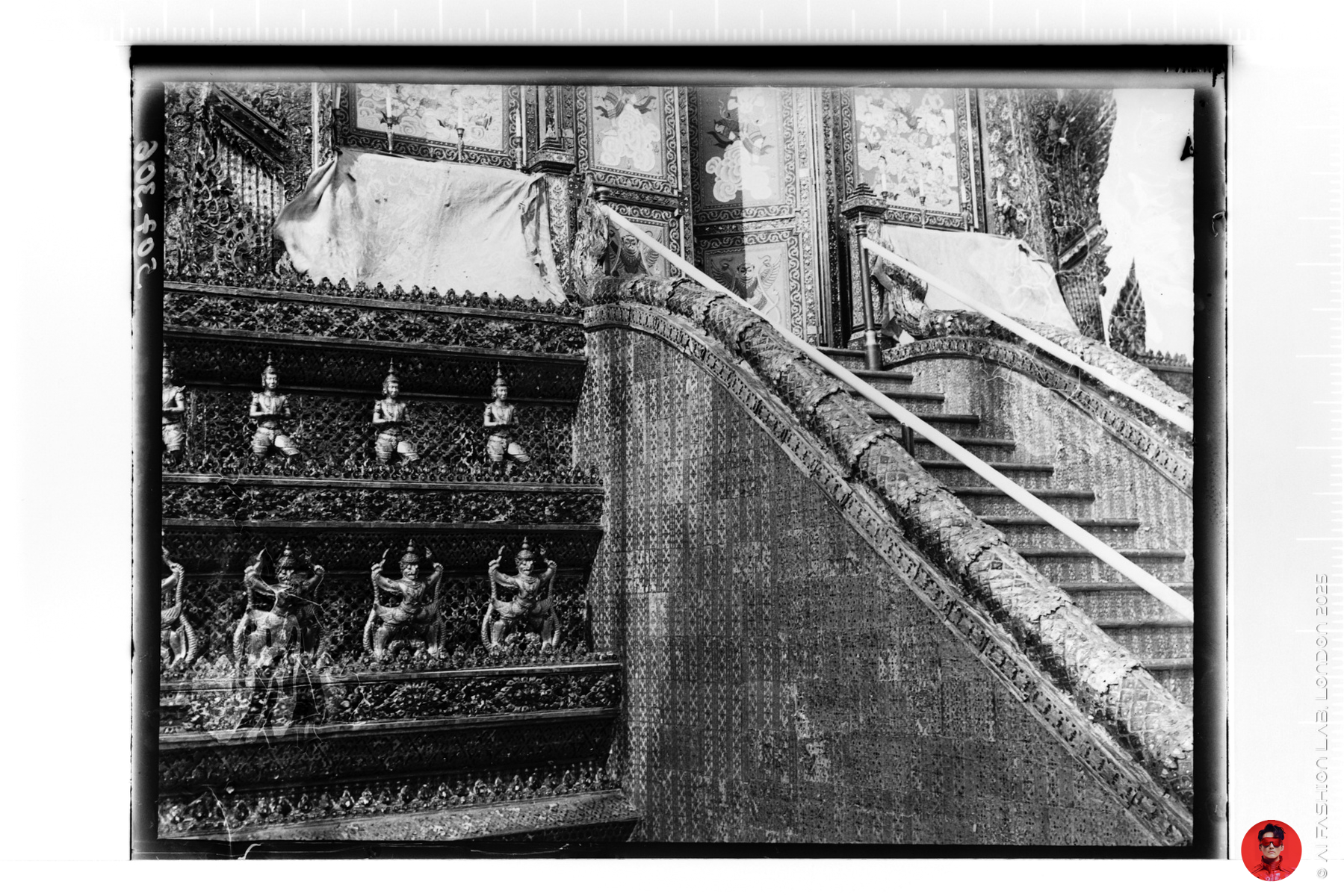
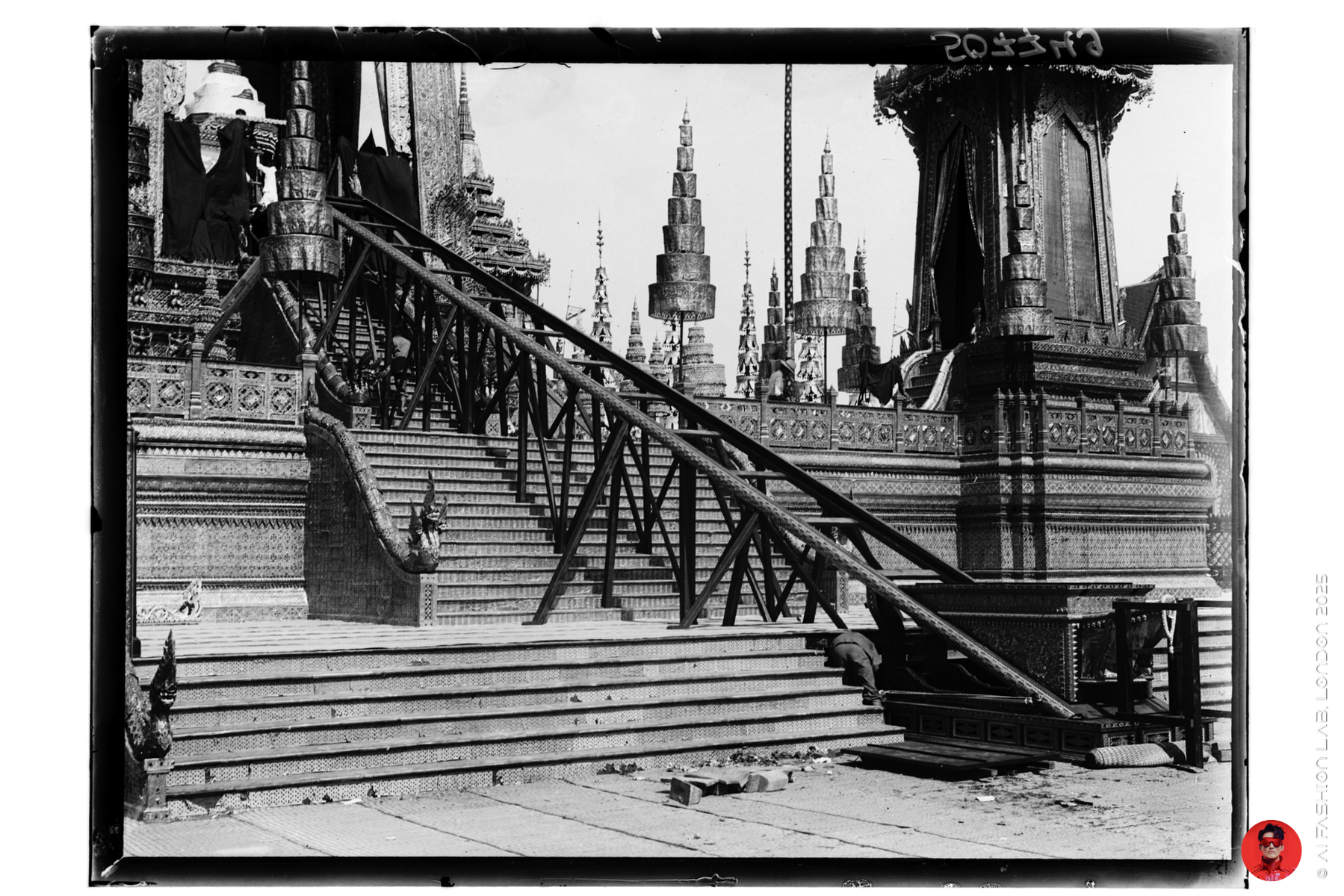
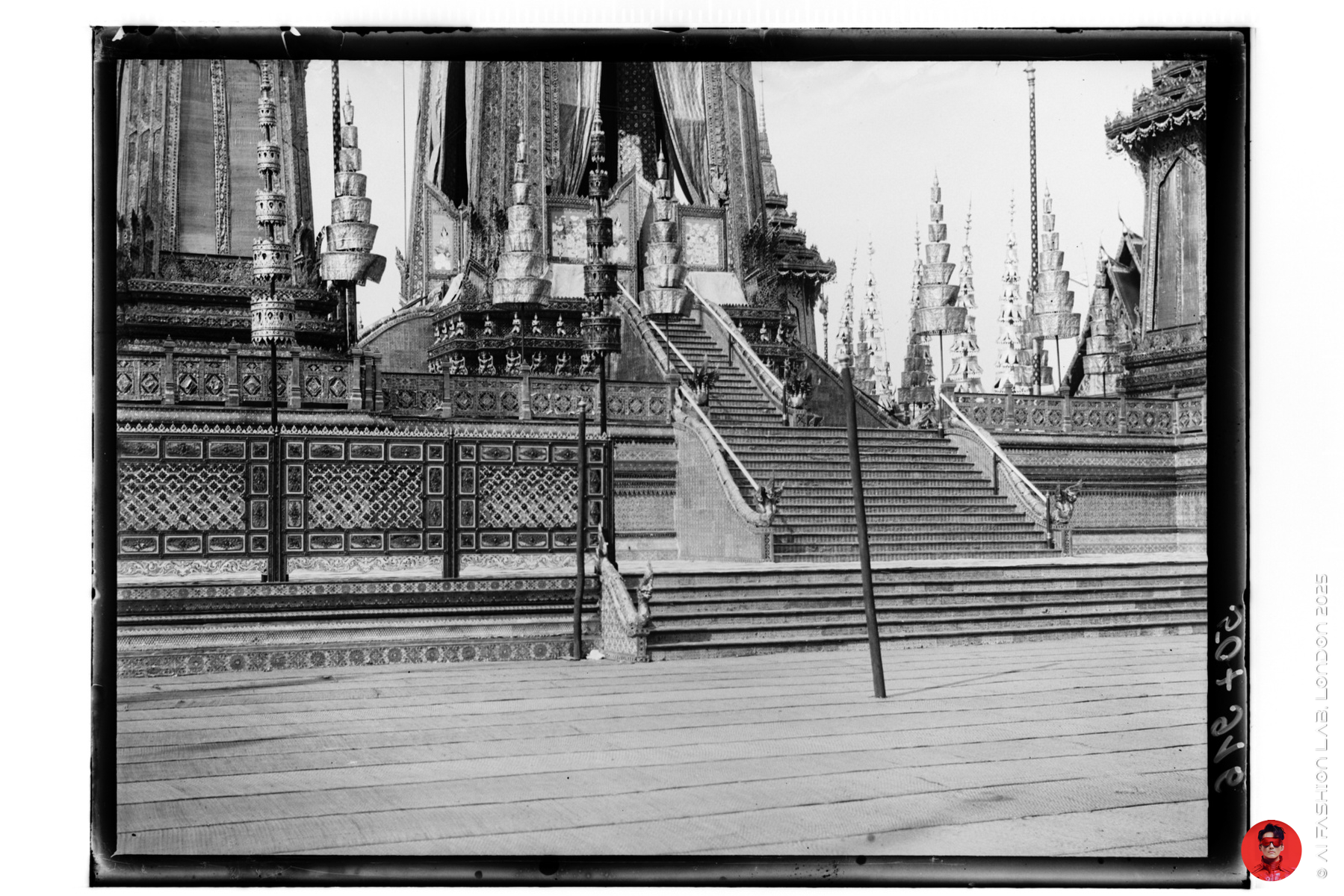
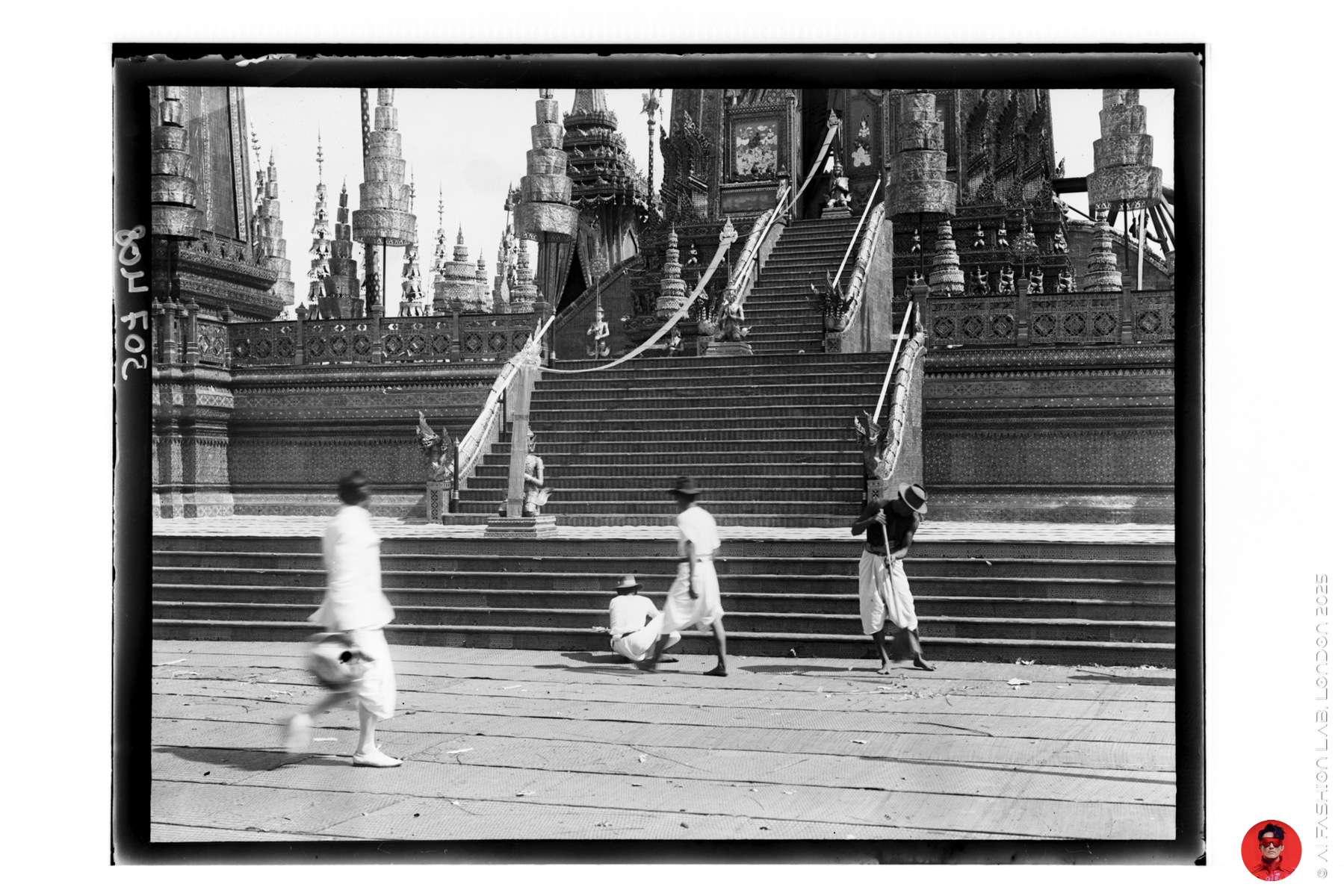
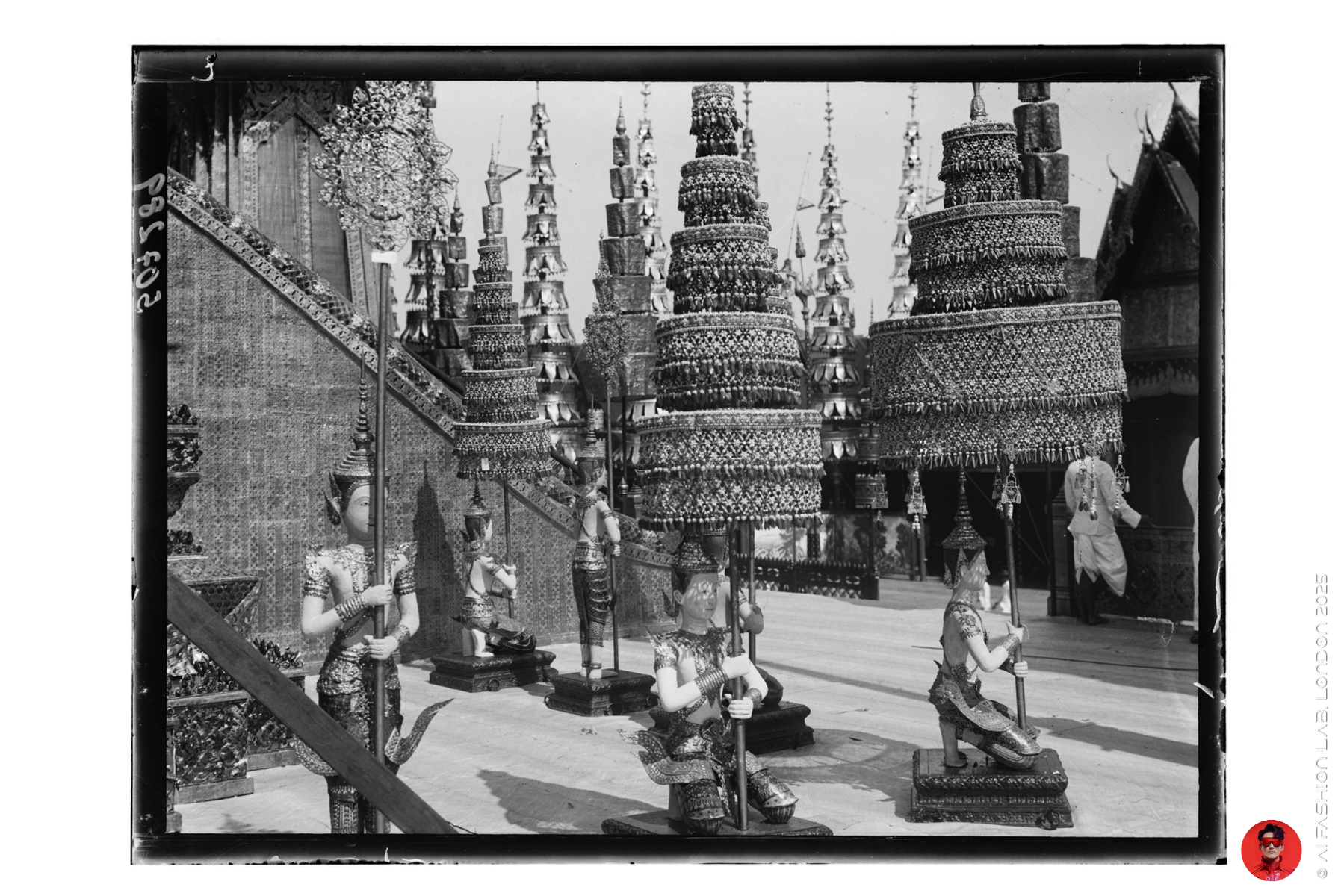
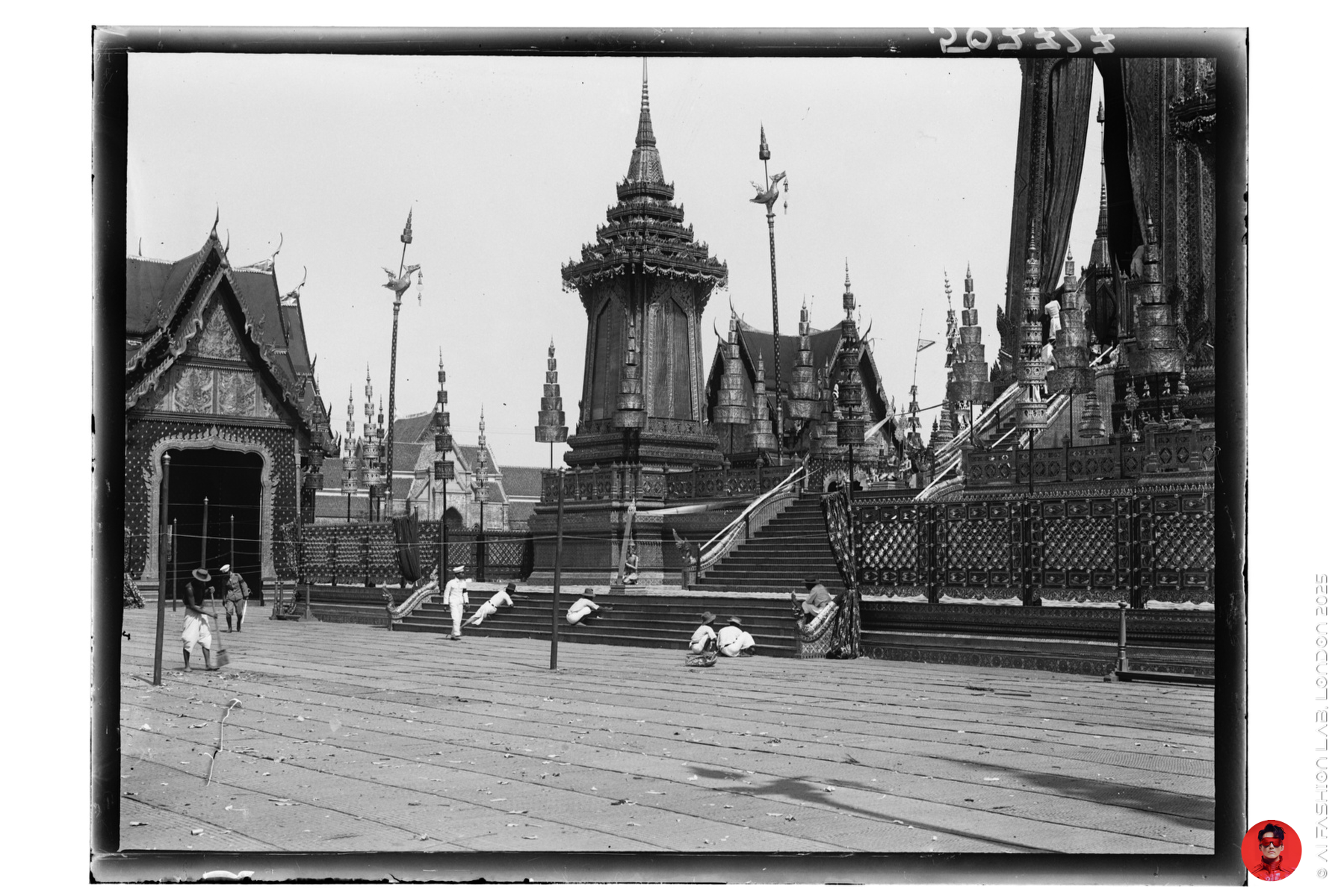
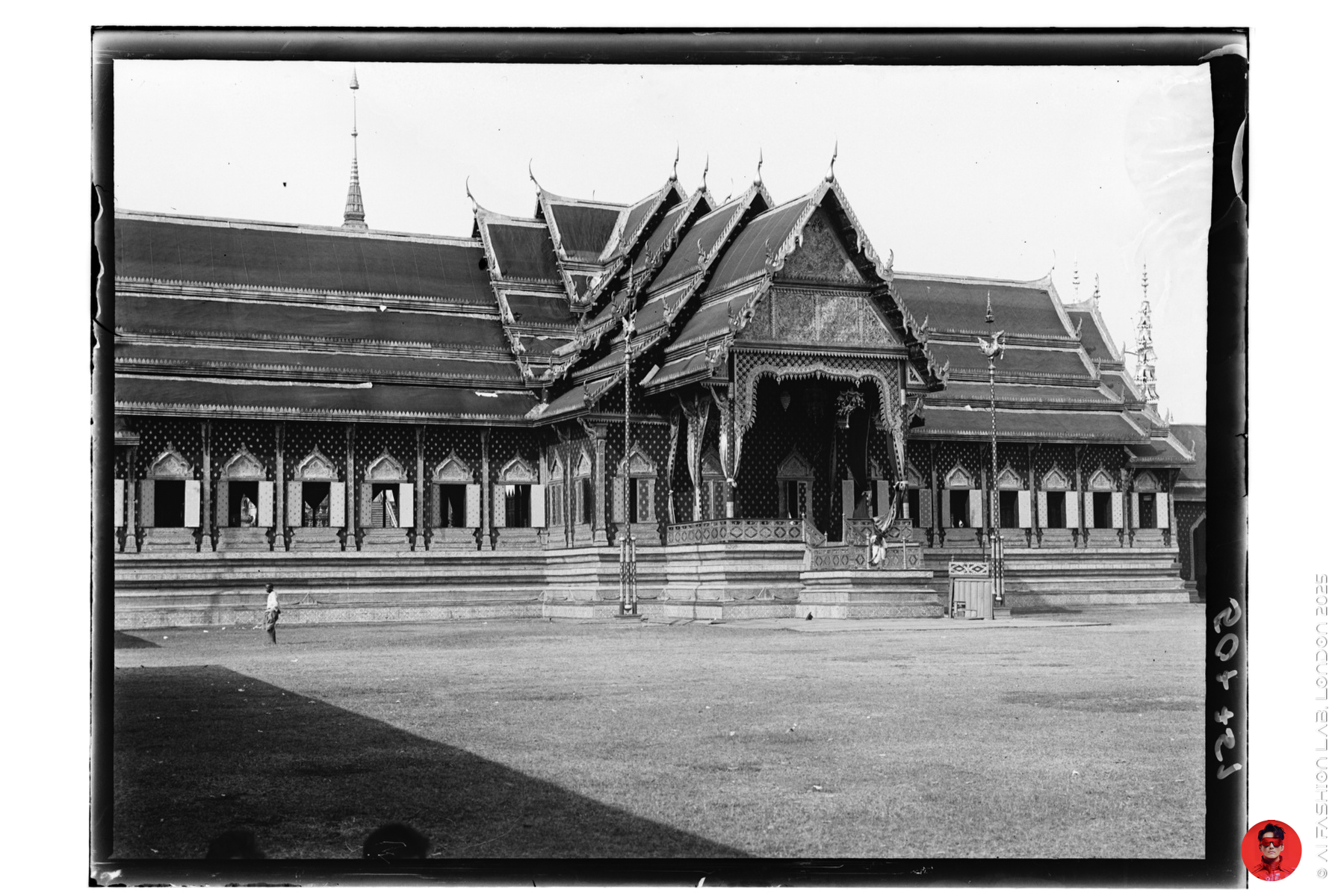
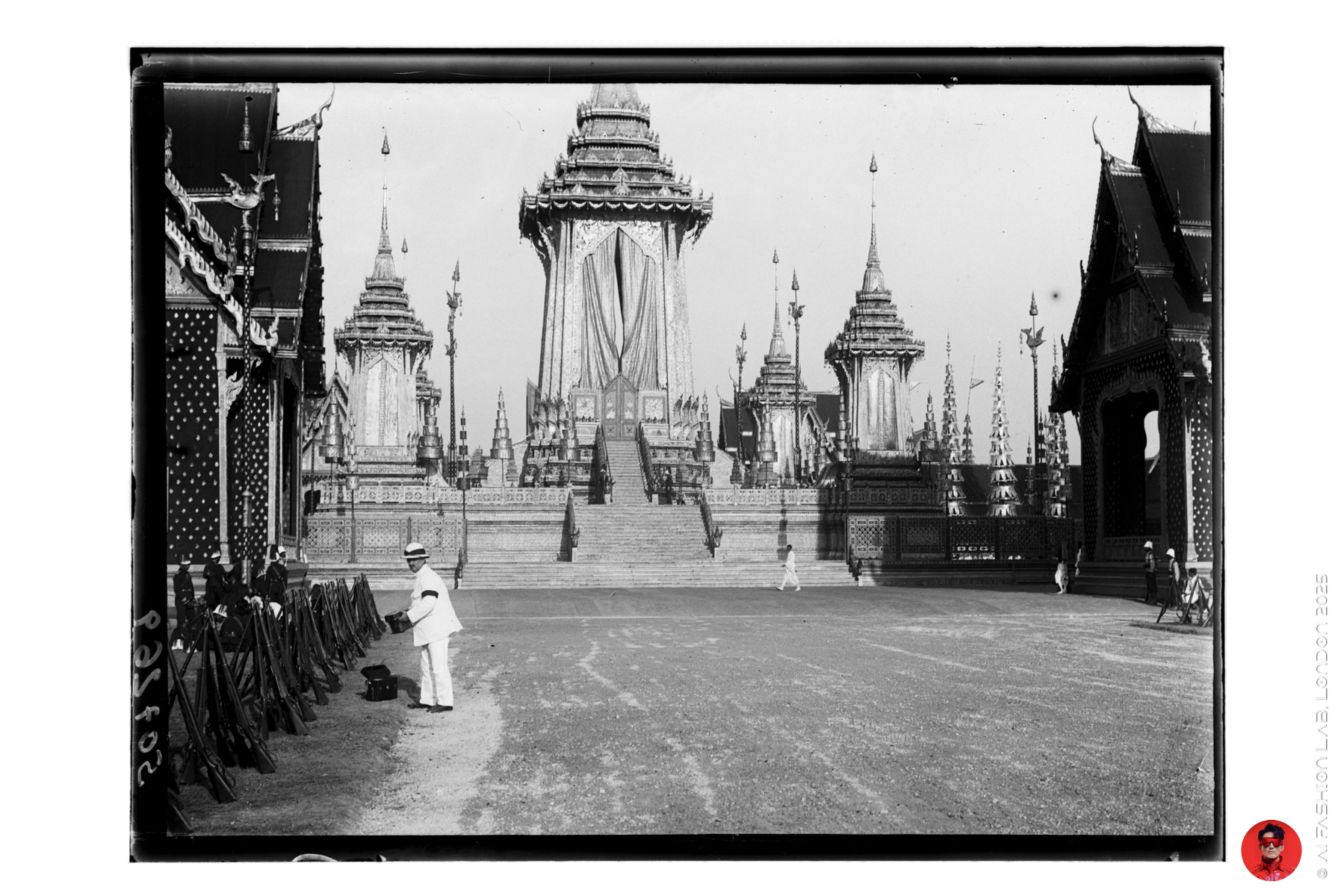
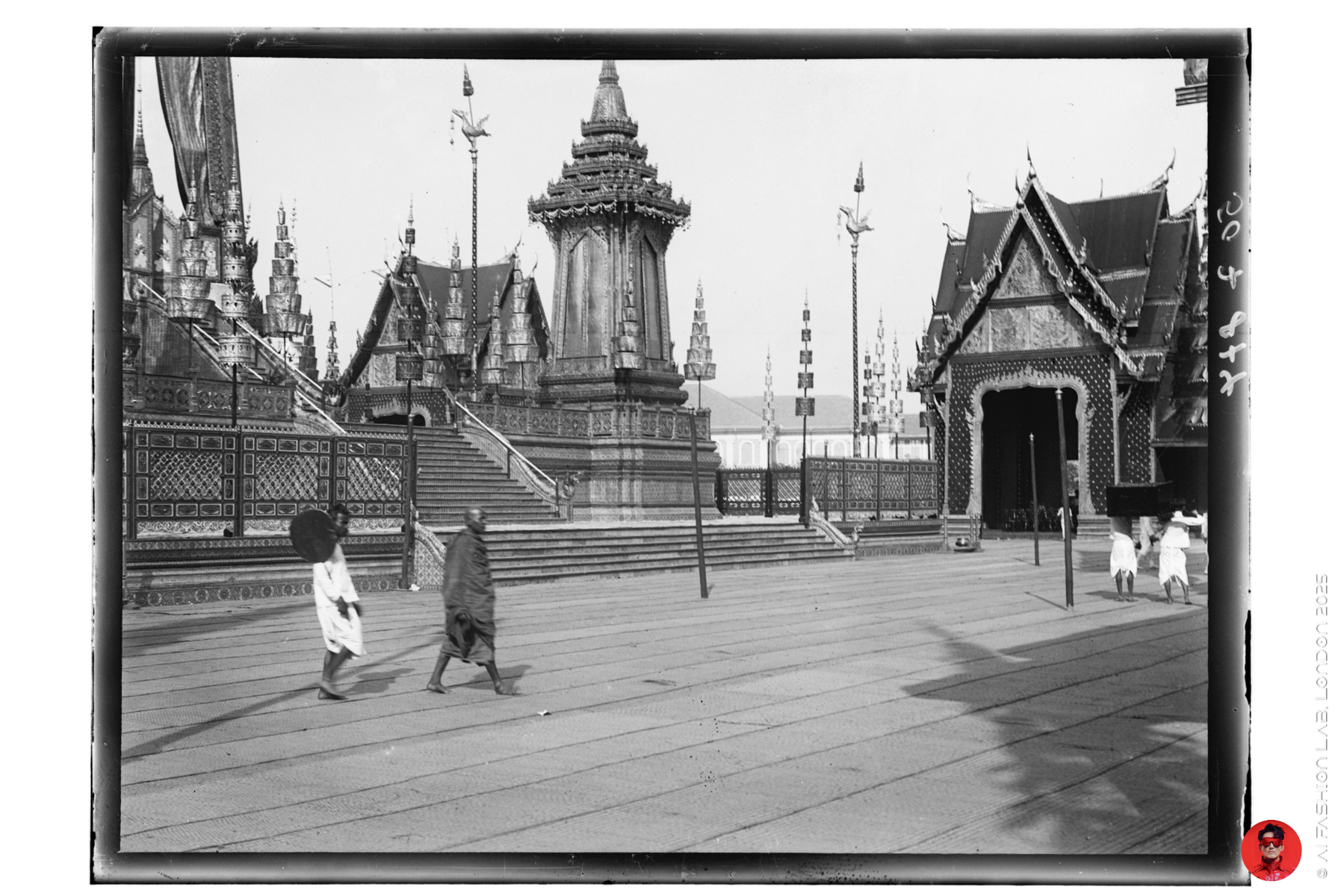
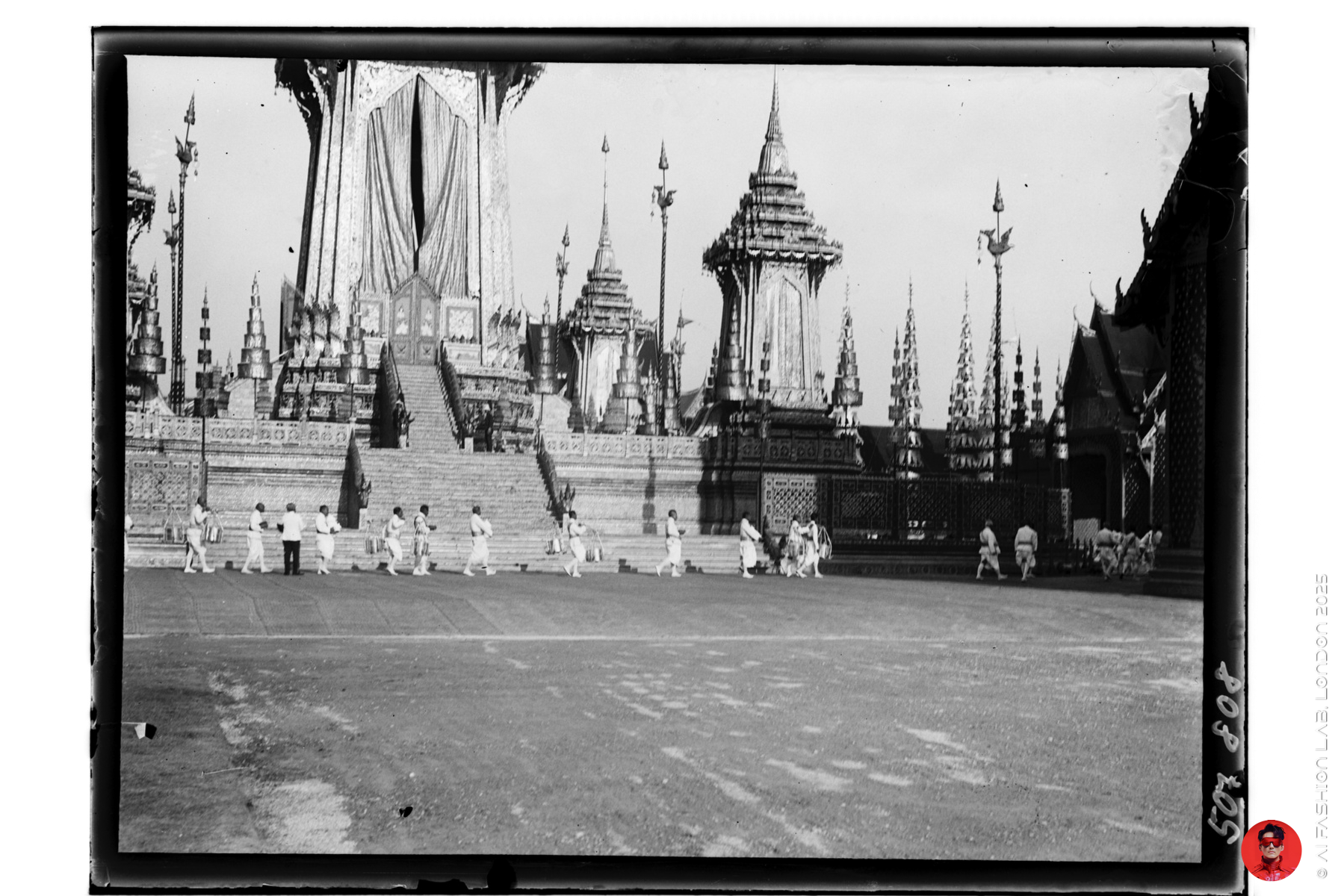
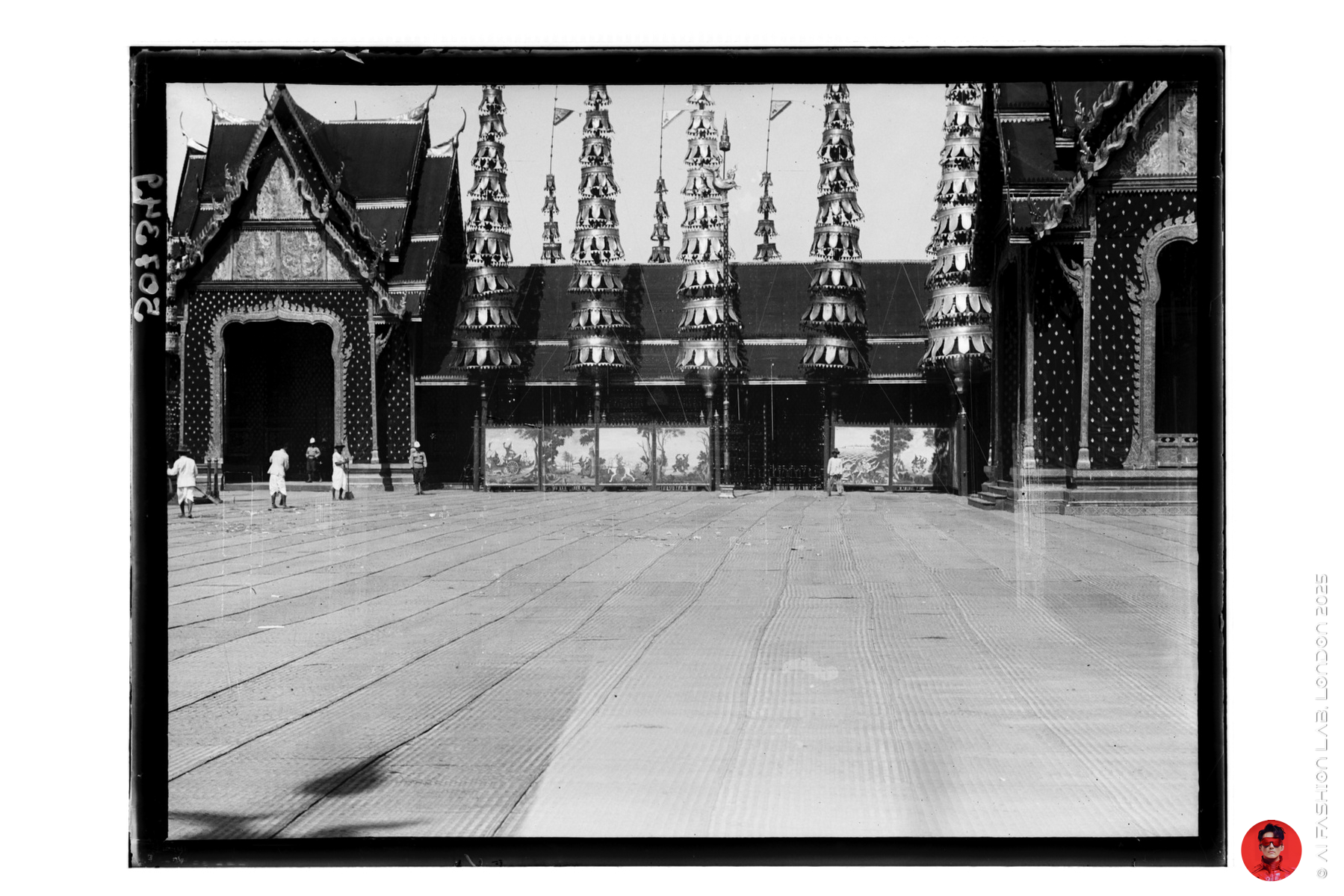
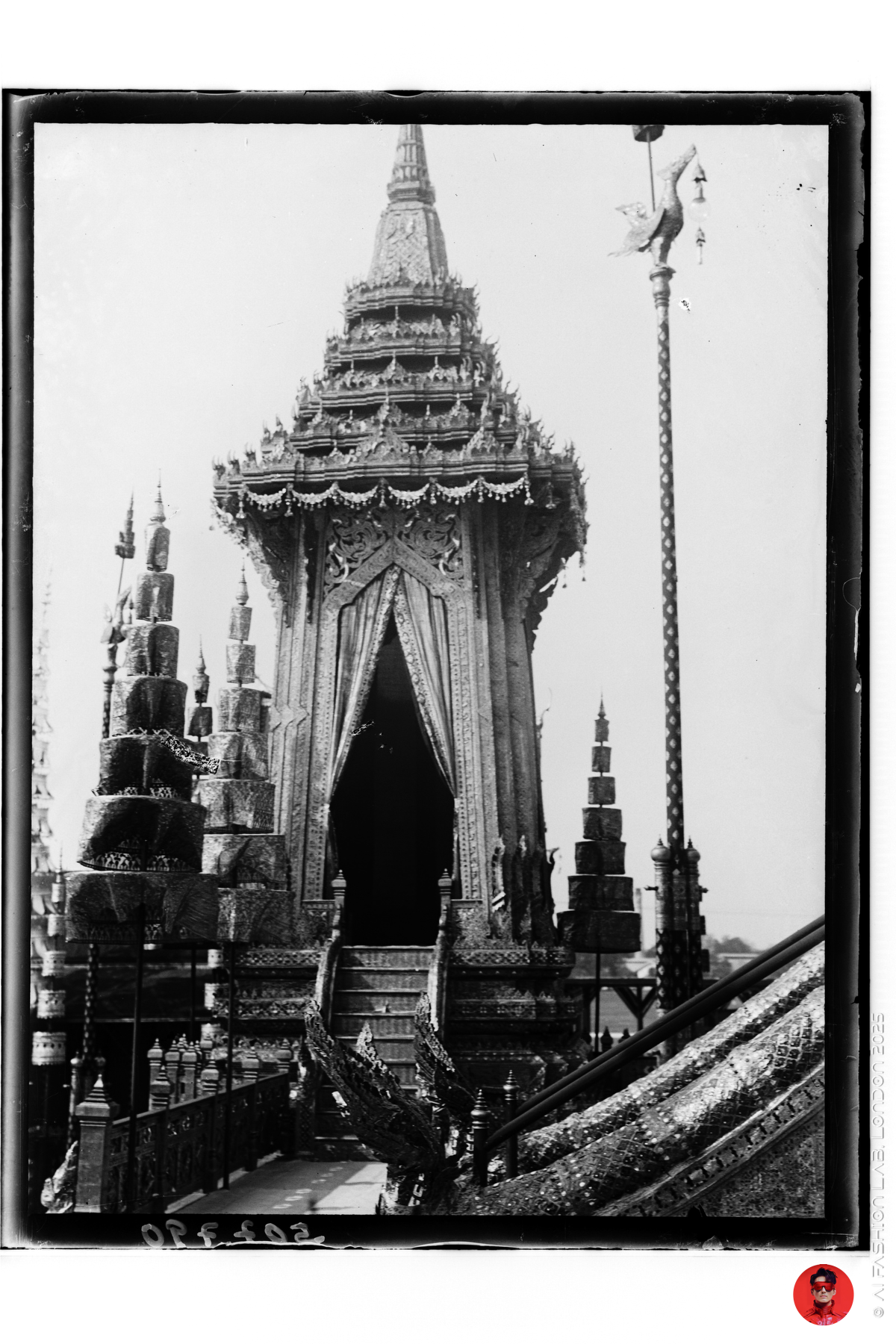
การเตรียมงานพระราชพิธีถวายพระเพลิงพระบรมศพ พระบาทสมเด็จพระจุลจอมเกล้าเจ้าอยู่หัว รัชกาลที่ ๕ โดยแสดงให้เห็นการจัดเตรียม พระเมรุมาศทรงบุษบก ณ ท้องสนามหลวง
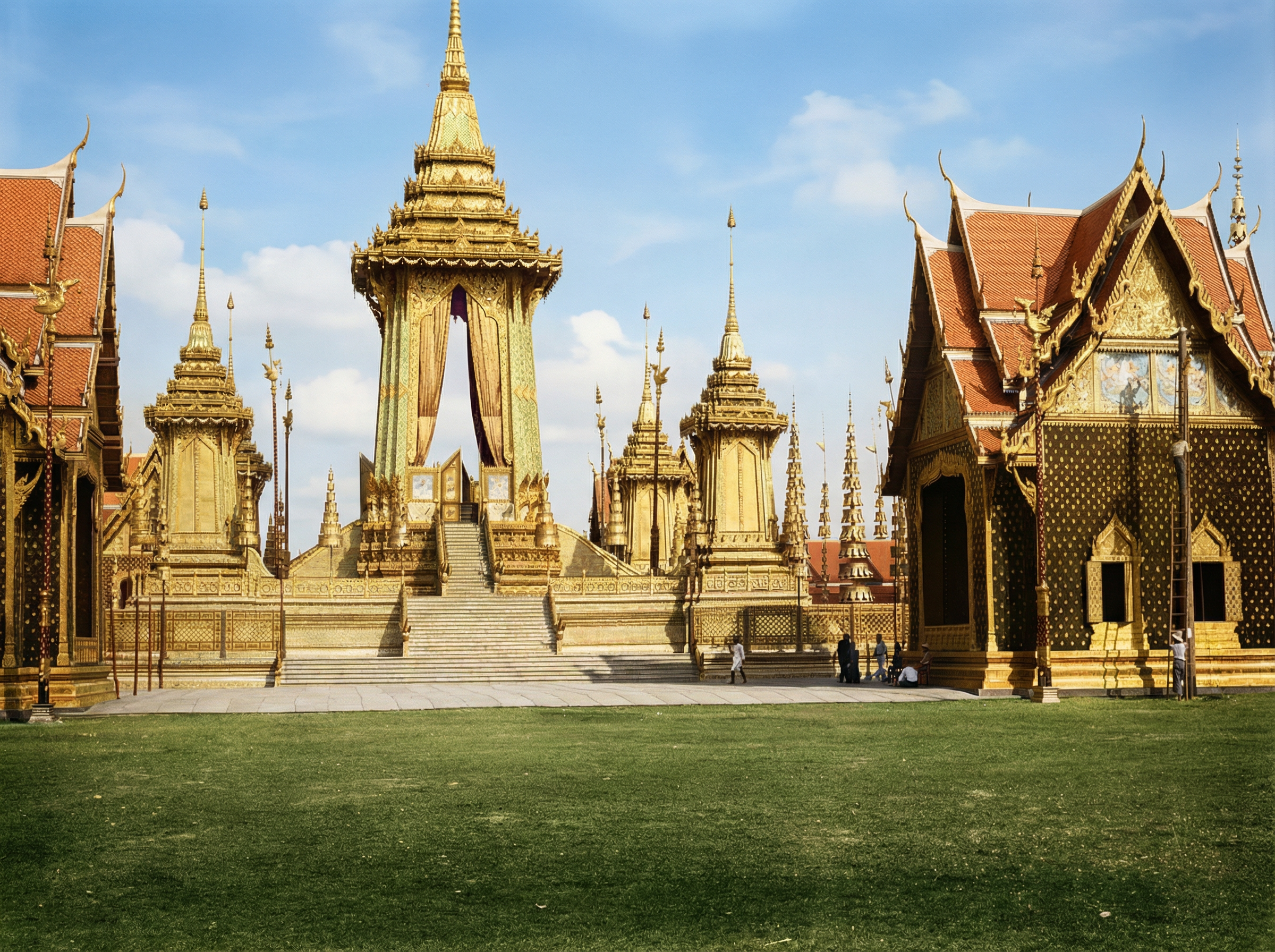
การจัดเตรียม พระเมรุมาศทรงบุษบก ร.๕ ณ ท้องสนามหลวง
การเตรียมงานพระราชพิธีถวายพระเพลิงพระบรมศพ พระบาทสมเด็จพระจุลจอมเกล้าเจ้าอยู่หัว รัชกาลที่ ๕ โดยแสดงให้เห็นการจัดเตรียม พระเมรุมาศทรงบุษบก ณ ท้องสนามหลวง
ภาพที่ผ่านการบูรณะและสร้างสรรค์ด้วยเทคโนโลยี AI นี้ เป็นภาพบันทึกเหตุการณ์สำคัญของประวัติศาสตร์สยาม ว่าด้วย การเตรียมงานพระราชพิธีถวายพระเพลิงพระบรมศพ พระบาทสมเด็จพระจุลจอมเกล้าเจ้าอยู่หัว รัชกาลที่ ๕ โดยแสดงให้เห็นการจัดเตรียม พระเมรุมาศทรงบุษบก ณ ท้องสนามหลวง
ภาพต้นฉบับถ่ายโดย ศาสตราจารย์ ดร. เคิร์ต เบเยอร์ (Professor Dr. Kurt Beyer) วิศวกรโยธาชาวเยอรมัน ซึ่งเข้ามาทำงานในสยามในช่วงปลายรัชกาลที่ ๕ ต่อเนื่องถึงต้นรัชกาลที่ ๖ และเป็นเจ้าของผลงานภาพถ่ายชุดสำคัญที่เก็บรักษาอยู่ ณ Deutsche Fotothek
ภาพถ่ายชุดนี้ ผมได้ค้นพบครั้งแรกเมื่อประมาณ ๑๐ ปีก่อน ในระหว่างการทำวิจัยและรวบรวมเอกสารประกอบการศึกษาในระดับ ปริญญาเอก (PhD) ซึ่งในขณะนั้น ภาพถ่ายต้นฉบับของเคิร์ต เบเยอร์ ยังคงอยู่ในสภาพขาวดำ และมีข้อจำกัดทั้งด้านรายละเอียดเชิงสถาปัตยกรรมที่ไม่อาจถ่ายทอดออกมาได้ครบถ้วน
ต่อมา เมื่อเทคโนโลยีด้านการบูรณะภาพและการสร้างสรรค์ภาพด้วย ปัญญาประดิษฐ์ (AI) ได้พัฒนาไปอย่างก้าวกระโดด ผมจึงมีโอกาสนำภาพถ่ายประวัติศาสตร์ชุดนี้กลับมาศึกษา วิเคราะห์ และบูรณะขึ้นมาใหม่ โดยตั้งใจรักษาองค์ประกอบดั้งเดิมของภาพต้นฉบับไว้ให้มากที่สุด ทั้งในด้านสัดส่วน รายละเอียดทางสถาปัตยกรรม และบรรยากาศของช่วงเวลานั้น
การบูรณะภาพชุดนี้มิได้มีเจตนาเพื่อดัดแปลงหรือแทนที่ภาพถ่ายต้นฉบับ หากแต่เป็นความพยายามในการ เปิดมิติการมองเห็นใหม่ ให้แก่ภาพประวัติศาสตร์ เพื่อช่วยให้ผู้สนใจสามารถเข้าใจรายละเอียดของพระราชพิธี สถาปัตยกรรม และบริบทของสยามในช่วงปลายรัชกาลที่ ๕ ได้ชัดเจนยิ่งขึ้น
ด้วยเหตุนี้ ผมจึงใคร่ขอแบ่งปันภาพที่ผ่านการบูรณะและภาพต้นฉบับควบคู่กัน หวังเป็นอย่างยิ่งว่าจะเป็นประโยชน์ต่อการศึกษา ค้นคว้า และการทำความเข้าใจประวัติศาสตร์สยามในเชิงลึกต่อไป
________________
Friedrich August Kurt Beyer (ฟรีดริช ออกัสต์ เคิร์ต เบเยอร์)
เกิดเมื่อวันที่ ๒๗ ธันวาคม พ.ศ. ๒๔๒๔ – ถึงแก่อสัญกรรมเมื่อวันที่ ๙ พฤษภาคม พ.ศ. ๒๔๙๕ เป็นวิศวกรโยธาและอาจารย์มหาวิทยาลัยชาวเยอรมัน
ระหว่างปี พ.ศ. ๒๔๕๑–๒๔๕๖ เคิร์ต เบเยอร์ ได้ปฏิบัติงานในสยามในฐานะวิศวกรโครงสร้าง โดยมีบทบาทสำคัญในการควบคุมและนำการก่อสร้างบางส่วนของ ทางรถไฟสายเหนือ ของสยาม ในเส้นทางจาก พิษณุโลก – อุตรดิตถ์ – สวรรคโลกนอกจากนี้ยังเคยดำรงตำแหน่งที่ปรึกษาด้านวิศวกรรมโครงสร้างใน กระทรวงมหาดไทย
ผลงานด้านวิศวกรรมที่สำคัญของเขาในสยาม ได้แก่
พระรามราชนิเวศน์ (วังบ้านปืน) จังหวัดเพชรบุรี
สะพานปรมินทร์ บ้านดารา อำเภอพิชัย จังหวัดอุตรดิตถ์
ในปี พ.ศ. ๒๔๕๑ เขาเริ่มทำงานในตำแหน่งวิศวกรประจำแผนกการรถไฟแห่งประเทศไทย ดูแลโครงการก่อสร้างขนาดใหญ่หลายโครงการ ก่อนจะต้องเดินทางกลับประเทศเยอรมนีในปี พ.ศ. ๒๔๕๖ เนื่องจากล้มป่วย
นอกจากบทบาทในฐานะวิศวกรโยธาแล้ว เคิร์ต เบเยอร์ ยังเป็น ช่างภาพสมัครเล่น ผู้ใช้การถ่ายภาพเป็นเครื่องมือบันทึกงานด้านวิศวกรรมของตนเอง ตลอดระยะเวลาที่พำนักอยู่ในสยาม เขาได้บันทึกภาพถ่ายไว้ประมาณ ๑,๐๐๐ ภาพ ซึ่งนับเป็นหลักฐานภาพถ่ายทางประวัติศาสตร์ที่ทรงคุณค่าอย่างยิ่ง
หนึ่งในผลงานภาพถ่ายชุดสำคัญของเขา คือภาพ 15 ภาพ ของการเตรียมงานพระราชพิธีถวายพระเพลิงพระบรมศพ พระบาทสมเด็จพระจุลจอมเกล้าเจ้าอยู่หัว และการก่อสร้าง พระเมรุมาศทรงบุษบก ในปี พ.ศ. ๒๔๕๔ ภาพทั้งหมดในชุดนี้ได้นำมาบูรณะและเผยแพร่ควบคู่กับภาพต้นฉบับ เพื่อเป็นประโยชน์แก่ผู้สนใจศึกษาประวัติศาสตร์สยามในเชิงสถาปัตยกรรมและพระราชพิธี
________________
พระบาทสมเด็จพระจุลจอมเกล้าเจ้าอยู่หัว เสด็จสวรรคตด้วยโรคพระวักกะ (โรคไต) เมื่อวันที่ ๒๓ ตุลาคม พ.ศ. ๒๔๕๓ เวลา ๒ นาฬิกา ๔๕ นาที ณ พระที่นั่งอัมพรสถาน พระราชวังดุสิต สิริพระชนมพรรษา ๕๗ พรรษา
พระราชพิธีถวายพระเพลิงพระบรมศพจัดขึ้นในวันที่ ๑๖ มีนาคม พ.ศ. ๒๔๕๔
________________
พระเมรุมาศทรงบุษบก
พระเมรุมาศพระบาทสมเด็จพระจุลจอมเกล้าเจ้าอยู่หัว รัชกาลที่ ๕ พระเมรุมาศทรงบุษบก เริ่มใช้เป็นครั้งแรกในสมัยรัตนโกสินทร์
รัชกาลที่ ๕ มีพระราชดำรัสว่าพระเมรุมาศทรงปราสาทสิ้นเปลืองเกินความจำเป็น จึงเริ่มใช้พระเมรุมาศทรงบุษบก ในพระราชพิธีของพระองค์เอง
ความยิ่งใหญ่ของพระเมรุมาศตามแบบแผนกรุงศรีอยุธยา เกิดการเปลี่ยนแปลงในงานพระบรมศพพระบาทสมเด็จพระจุลจอมเกล้าเจ้าอยู่หัว รัชกาลที่ ๕ รูปแบบพระเมรุมาศทรงบุษบก ได้นำมาจัดสร้างในพระราชพิธีพระบรมศพพระเจ้าแผ่นดิน ตามพระราชปณิธานของพระเจ้าอยู่หัว รัชกาลที่ ๕ พระองค์มีพระราชดำริที่จะไม่ก่อสร้างพระเมรุมาศยิ่งใหญ่เช่นแต่ก่อน มองว่าการก่อสร้างปราสาทเป็นเรื่องสิ้นเปลืองเกินความจำเป็น ความว่า
"แต่ก่อนมา ถ้าเป็นพระเจ้าแผ่นดินสวรรคตลง ก็ต้องปลูกเมรุใหญ่ซึ่งคนไม่เคยเห็น แล้วจะนึกเดาไม่ถูกกว่าใหญ่โตสักเพียงใด เปลืองทั้งแรงคน เปลืองทั้งพระราชทรัพย์ ถ้าจะทำในเวลานี้ก็ดูจะไม่สมควรกับการเปลี่ยนแปลงของบ้านเมือง ไม่เป็นเกียรติยศยืนยาวไปได้เท่าใด ไม่เป็นประโยชน์แก่คนทั้งปวง กลับเป็นความเดือดร้อน"
"ถ้าเป็นการศพท่านผู้มีพระคุณ หรือผู้มีบรรดาศักดิ์ใหญ่อันควรจะได้เป็นเกียรติยศ ฉันก็ไม่อาจจะลดทอนด้วยเกรงว่าคนจะไม่เข้าใจ เพราะผู้นั้นประพฤติไม่ดีอย่างหนึ่งอย่างใด จึงไม่ทำศพให้สมพระเกียรติสมควรจะได้ แต่เมื่อถึงตัวฉันเองแล้ว เห็นว่าไม่มีข้อขัดข้องอันใด เป็นข้อคำที่จะพูดได้ถนัด จึงขอให้ยกเลิกงานพระเมรุใหญ่นั้นเสีย ปลูกแต่ที่เผาพอสมควร ในท้องสนามหลวง แล้วแต่จะเห็นสมควรกันต่อไป”
งานพระบรมศพของ รัชกาลที่ ๕ จึงไม่ได้สร้างเขาพระสุเมรุตามแบบโบราณราชประเพณี เปลี่ยนมาก่อสร้างพระเมรุมาศทรงบุษบก บนพื้นราบ ดัดแปลงอาคารปราสาทเป็นเรือนบุษบกบัลลังก์ หรือเป็นการขยายพระเมรุทอง ในปราสาทเป็นเรือนบุษบกบัลลังก์แต่เดิมให้ใหญ่ขึ้น แวดล้อมด้วยเมรุราย ๔ ทิศ ลดรูปเป็นคดซ่าง ระเบียง ทับเกษตร อย่างไรก็ตาม ยังคงสถาปัตยกรรมวิจิตรงดงาม เป็นต้นแบบพระเมรุมาศแบบใหม่แห่งกรุงรัตนโกสินทร์
________________
Preparation of the Royal Crematorium (Phra Merumas) in the Busabok Style
Reign of King Chulalongkorn (Rama V), Sanam Luang
This series of images documents the preparation for the Royal Cremation Ceremony of His Majesty King Chulalongkorn (Rama V), showing in detail the construction and arrangement of the Phra Merumas in the Busabok style at Sanam Luang.
The images restored and re-created using AI technology presented here record a significant moment in Siamese history: the preparation of the Royal Cremation Ceremony of King Chulalongkorn, Rama V, with particular focus on the construction of the Busabok-style Royal Crematorium at Sanam Luang.
The original photographs were taken by Professor Dr Kurt Beyer, a German civil engineer who worked in Siam during the late reign of King Chulalongkorn and into the early reign of King Vajiravudh (Rama VI). His photographic archive is preserved at the Deutsche Fotothek.
Discovery and Restoration of the Images
I first encountered this photographic series approximately ten years ago, while conducting research and compiling archival material for my doctoral (PhD) studies. At that time, the original photographs by Kurt Beyer existed only in black-and-white form, with limitations in clarity and architectural detail that prevented a full visual understanding of the structures depicted.
As image-restoration and generative artificial intelligence (AI) technologies have advanced significantly in recent years, I was finally able to return to this remarkable body of work and undertake a careful process of study, analysis, and restoration. Throughout this process, my intention has been to preserve the original composition as faithfully as possible—maintaining proportions, architectural accuracy, and the atmosphere of the historical moment.
This restoration does not seek to alter or replace the original photographs. Rather, it aims to open a new visual dimension through which viewers may more clearly understand the Royal Ceremony, the architectural sophistication of the Phra Merumas, and the broader cultural context of Siam in the late reign of King Chulalongkorn.
For this reason, I have chosen to present the restored images alongside the original photographs, in the hope that they may contribute meaningfully to historical study, research, and a deeper appreciation of Siamese history.
Friedrich August Kurt Beyer
(ฟรีดริช ออกัสต์ เคิร์ต เบเยอร์)
Born 27 December 1881 – Died 9 May 1952
German civil engineer and university professor
Between 1908 and 1913, Kurt Beyer worked in Siam as a structural engineer. He played a significant role in supervising and directing sections of the Northern Railway Line, particularly the route connecting Phitsanulok – Uttaradit – Sawankhalok. He also served as a structural engineering consultant to the Ministry of the Interior.
Major Engineering Works in Siam
Phra Ram Ratchaniwet (Ban Puen Palace), Phetchaburi
Pramin Bridge, Ban Dara, Phichai District, Uttaradit Province
In 1908, he formally joined the Railway Department of Siam as a civil engineer, overseeing several large-scale infrastructure projects. In 1913, he was forced to return to Germany due to illness.
In addition to his professional engineering work, Kurt Beyer was an amateur photographer, using photography as a primary means of documenting his engineering activities. During his years in Siam, he produced approximately 1,000 photographs, now recognised as an invaluable visual archive of early twentieth-century Siam.
Among his most significant photographic works is a set of 15 photographs documenting the preparation of the Royal Cremation Ceremony of King Chulalongkorn (Rama V) and the construction of the Busabok-style Phra Merumas in 1911. This complete series has now been restored and published alongside the original images for the benefit of those studying Siamese architecture and royal ceremonial traditions.
The Passing of King Chulalongkorn
His Majesty King Chulalongkorn (Rama V) passed away from renal illness on 23 October 1910, at 2:45 a.m., at the Amphorn Sathan Residential Hall, Dusit Palace. He was 57 years of age.
The Royal Cremation Ceremony was held on 16 March 1911.
The Busabok-Style Royal Crematorium (Phra Merumas)
The Royal Crematorium of King Chulalongkorn marked the first use of the Busabok-style Phra Merumas in the Rattanakosin period.
King Chulalongkorn had expressed the view that the traditional palace-style crematoria, modelled after Mount Meru according to Ayutthaya-era royal customs, were excessively elaborate and wasteful. He therefore resolved that his own Royal Funeral should adopt a more restrained form.
This decision represented a major shift in royal funerary architecture. Instead of constructing an immense Mount Meru structure, the Royal Crematorium was built on flat ground, transforming the traditional palace form into a Busabok pavilion or throne-shrine, effectively enlarging and adapting the existing concept of the Phra Meru Thong.
Although reduced in scale, the structure retained exceptional architectural refinement. It was surrounded by four subsidiary crematoria aligned with the cardinal directions, with simplified cloisters, galleries, and decorative elements. The result was a new architectural model—both dignified and restrained—that became the prototype for modern Royal Crematoria in the Rattanakosin era, in accordance with King Chulalongkorn’s royal intentions.
________________
เรียนเชิญกด Subscribe ได้ที่ลิงก์นี้ครับ เพื่อร่วมติดตามงานสร้างสรรค์ต้นฉบับ งานวิจัยประวัติศาสตร์แฟชั่น และผลงานอนุรักษ์มรดกวัฒนธรรมด้วยเทคโนโลยี AI ของ AI Fashion Lab, London ซึ่งมุ่งตีความอดีตผ่านมิติใหม่ของการบูรณะภาพ การสร้างสรรค์ภาพ และการเล่าเรื่องด้วยศิลปะเชิงดิจิทัล 🔗 https://www.facebook.com/aifashionlab/subscribe/
#aifashionlab #AI #aiartist #aiart #aifashion #aifashiondesign #aifashionstyling #aifashiondesigner #fashion #fashionhistory #historyoffashion #fashionstyling #fashionphotography #digitalfashion #digitalfashiondesign #digitalcostumedesign #digitaldesign #digitalaiart #ThaiFashionHistory #ThaiFashionAI #thailand #UNESCO