รัชกาลที่ ๔ กับพระมาลาเกลนแกร์รี (Glengarry): ความหมายทางการเมืองและการทูตระหว่างประเทศ
รัชกาลที่ ๔ กับพระมาลาเกลนแกร์รี (Glengarry): ความหมายทางการเมืองและการทูตระหว่างประเทศ
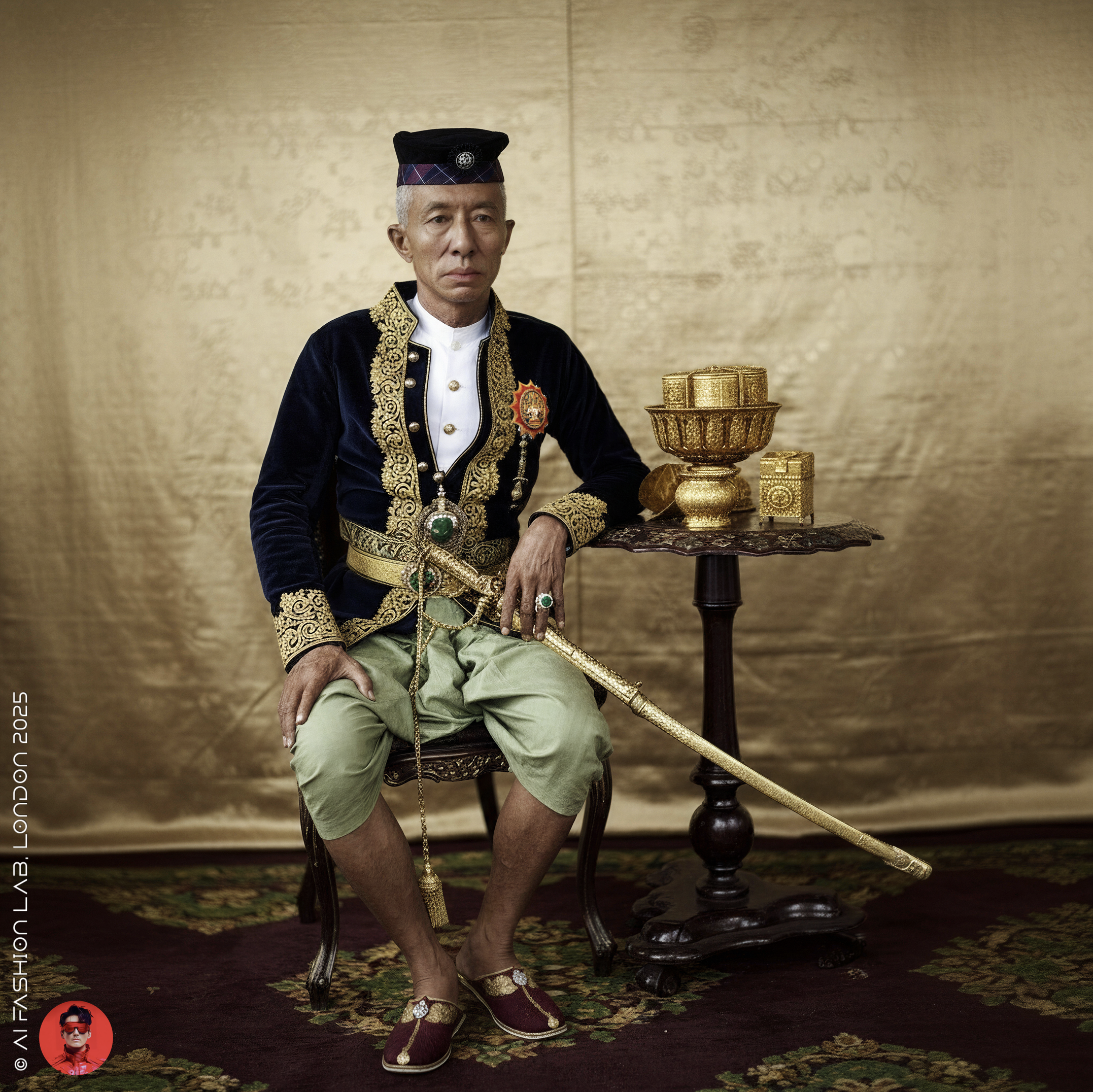
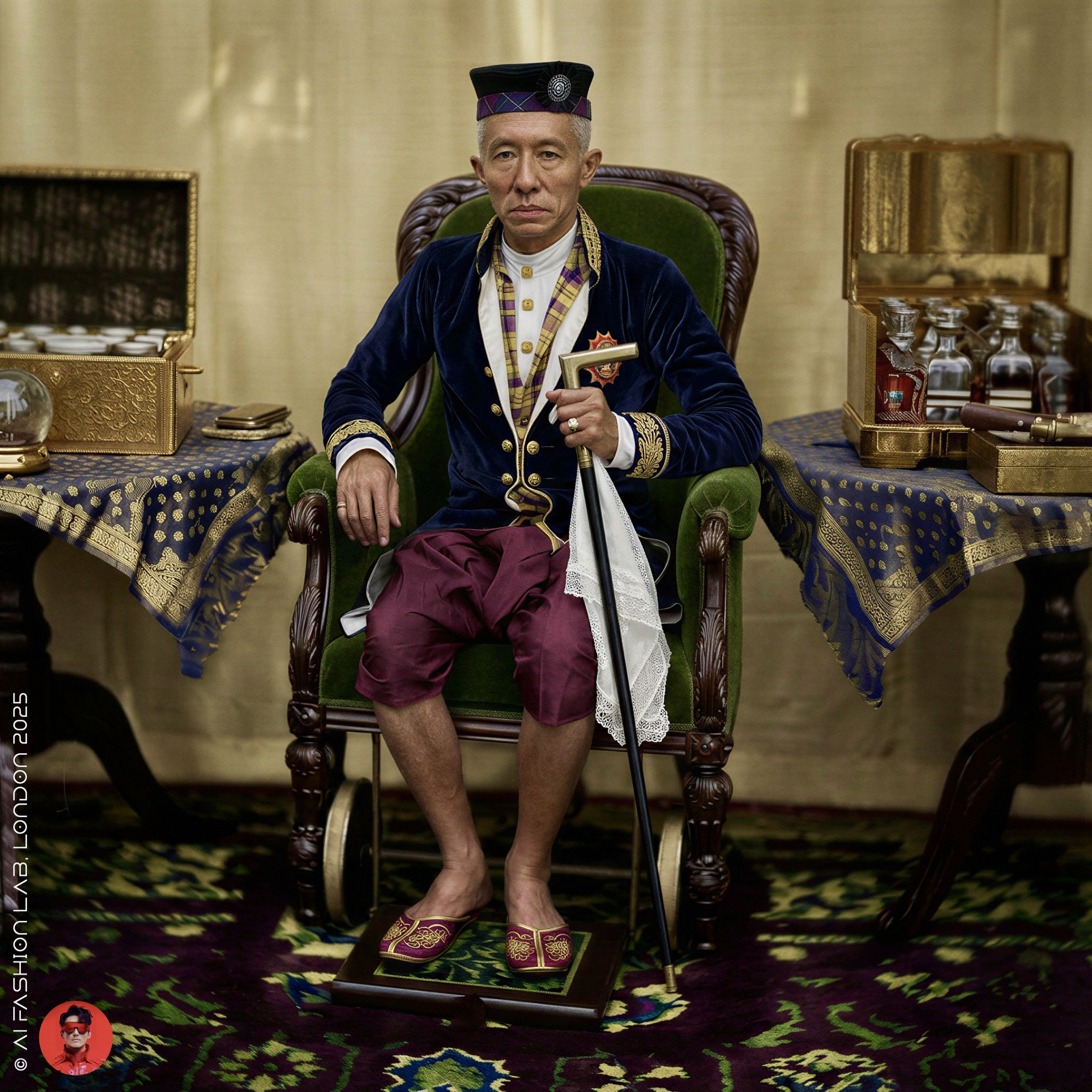
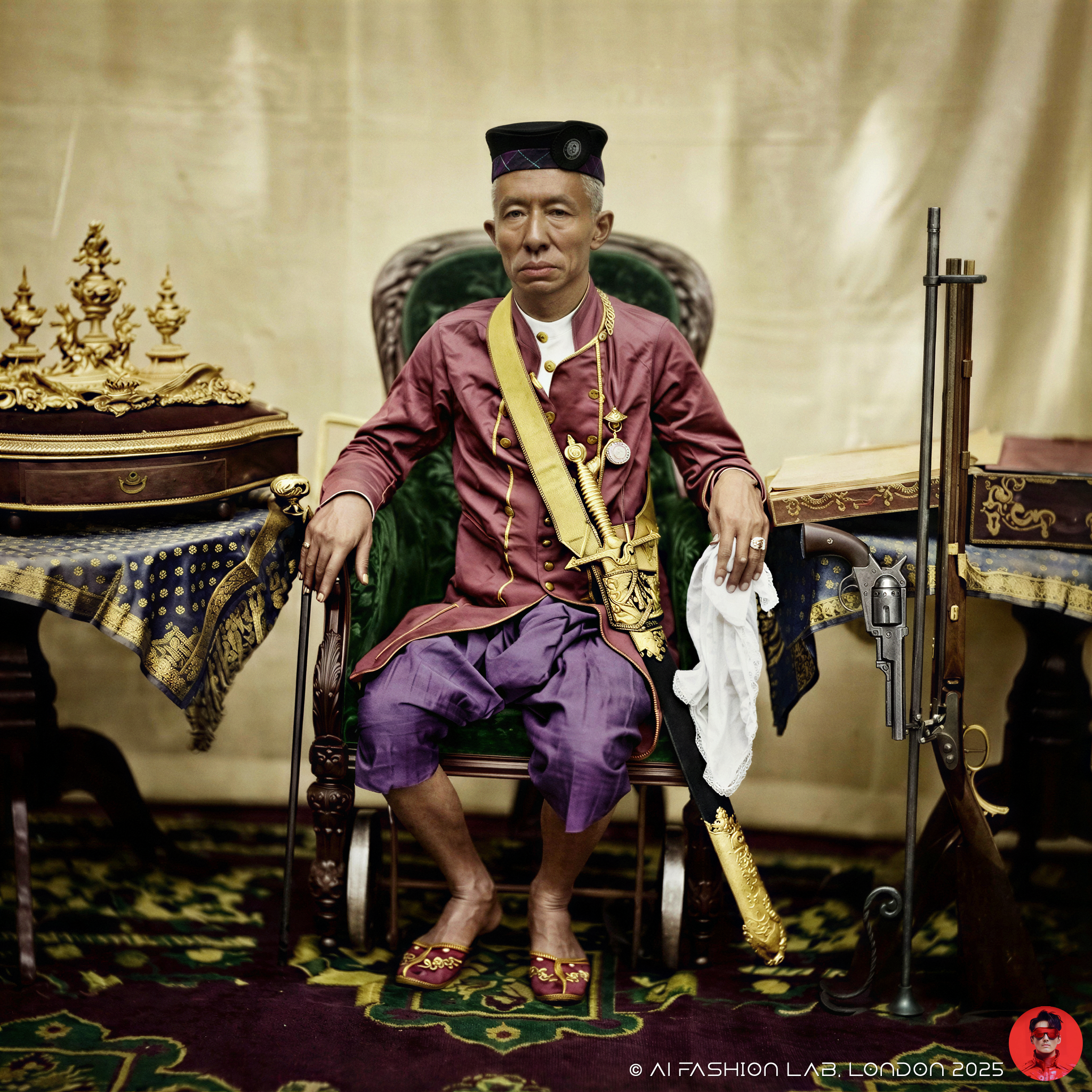
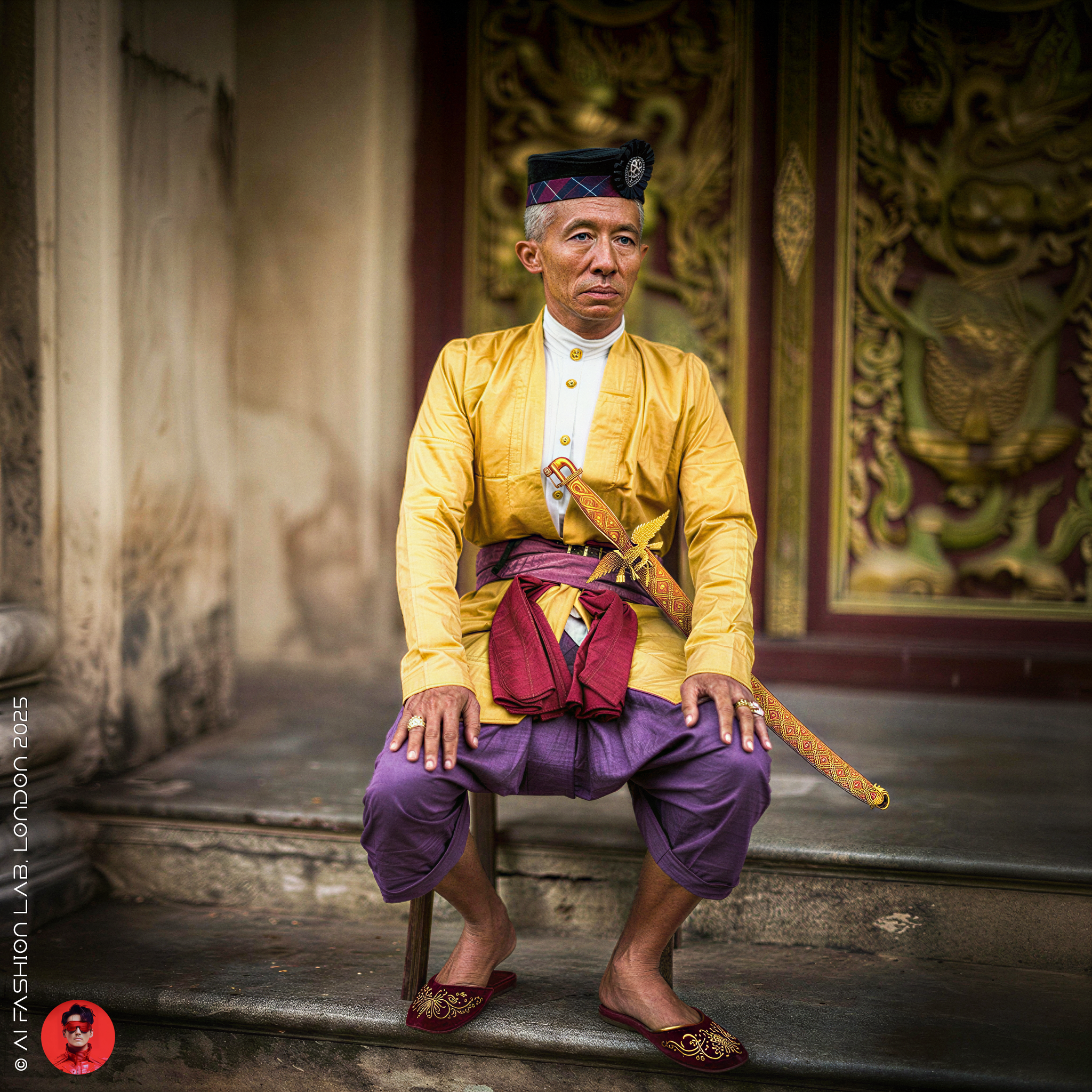
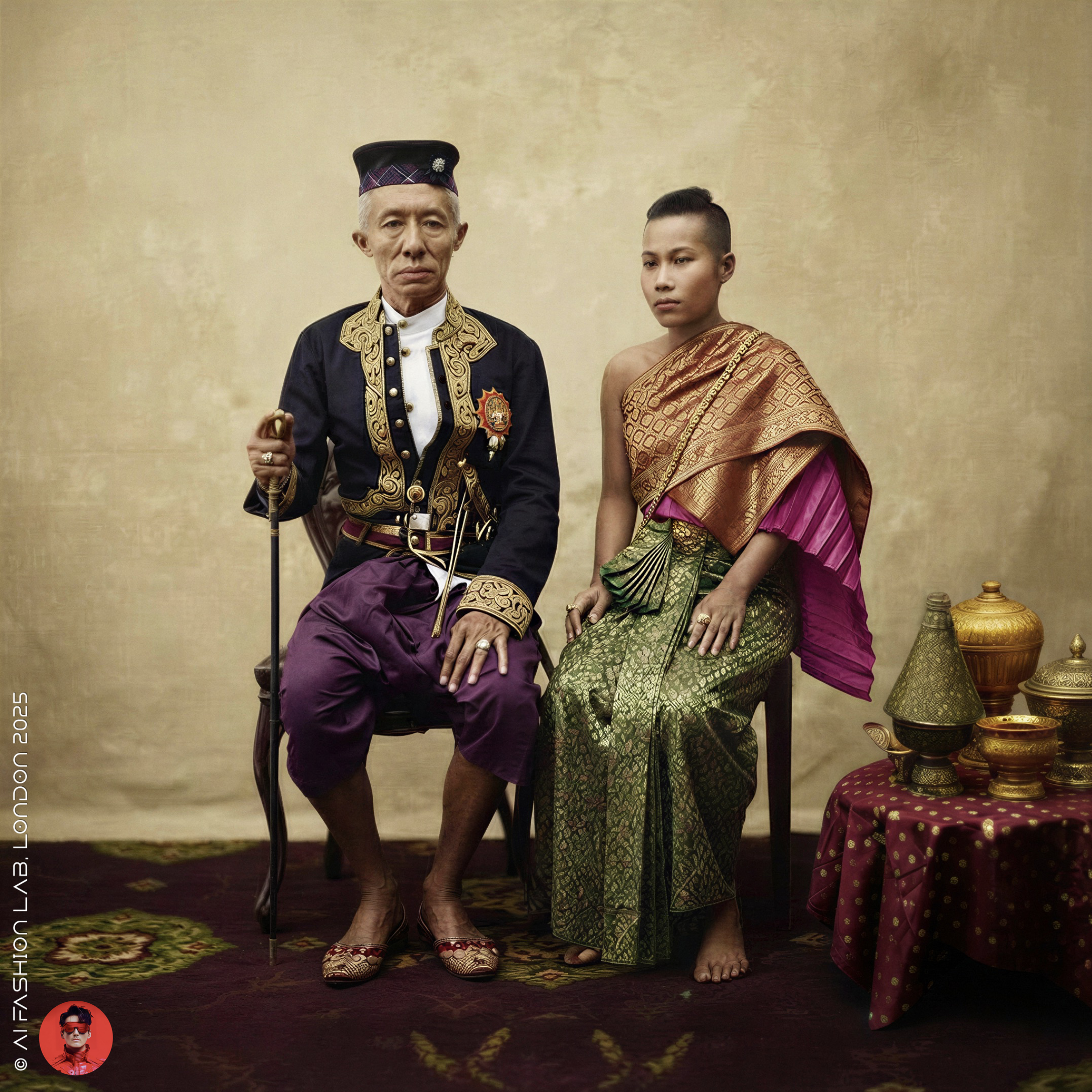
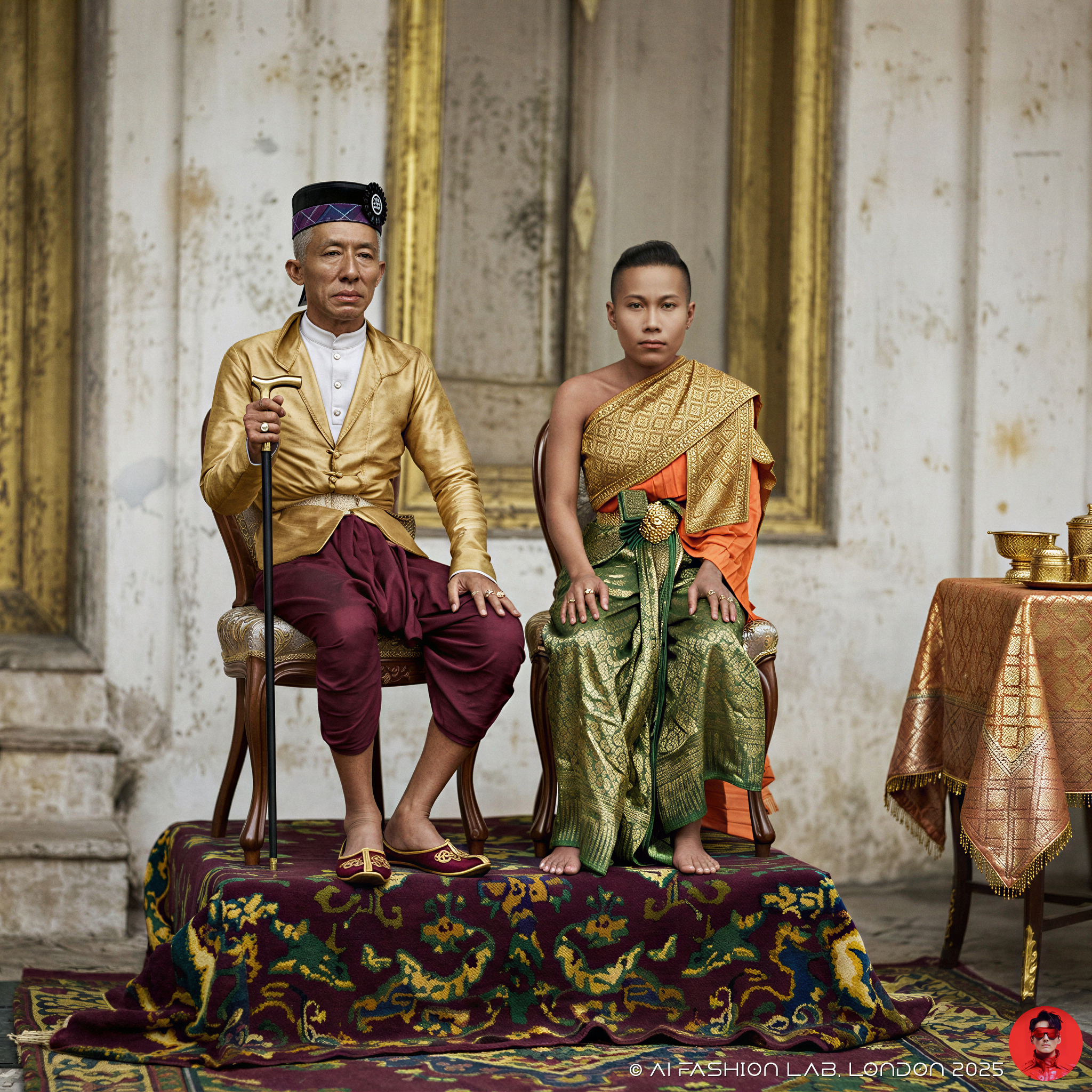
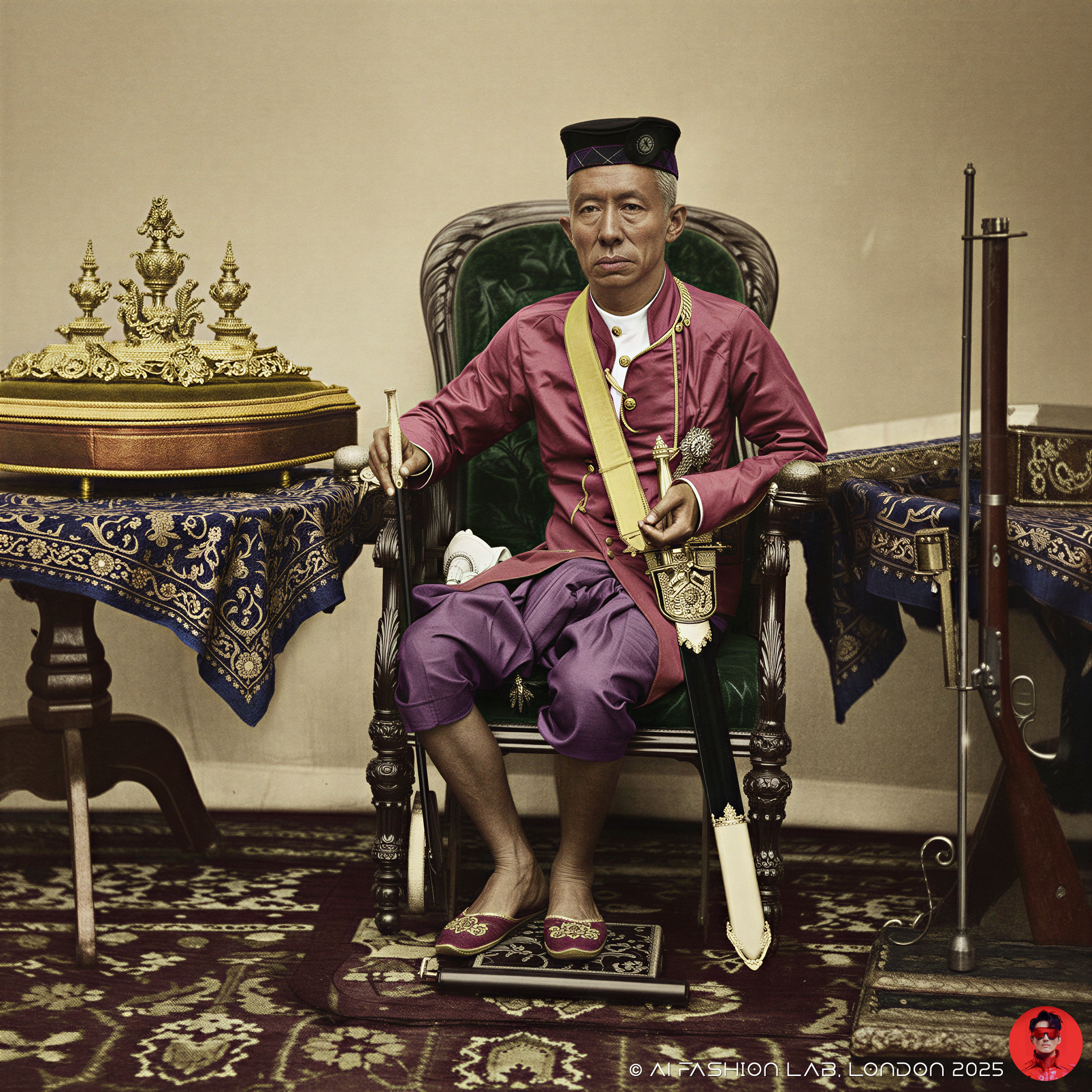
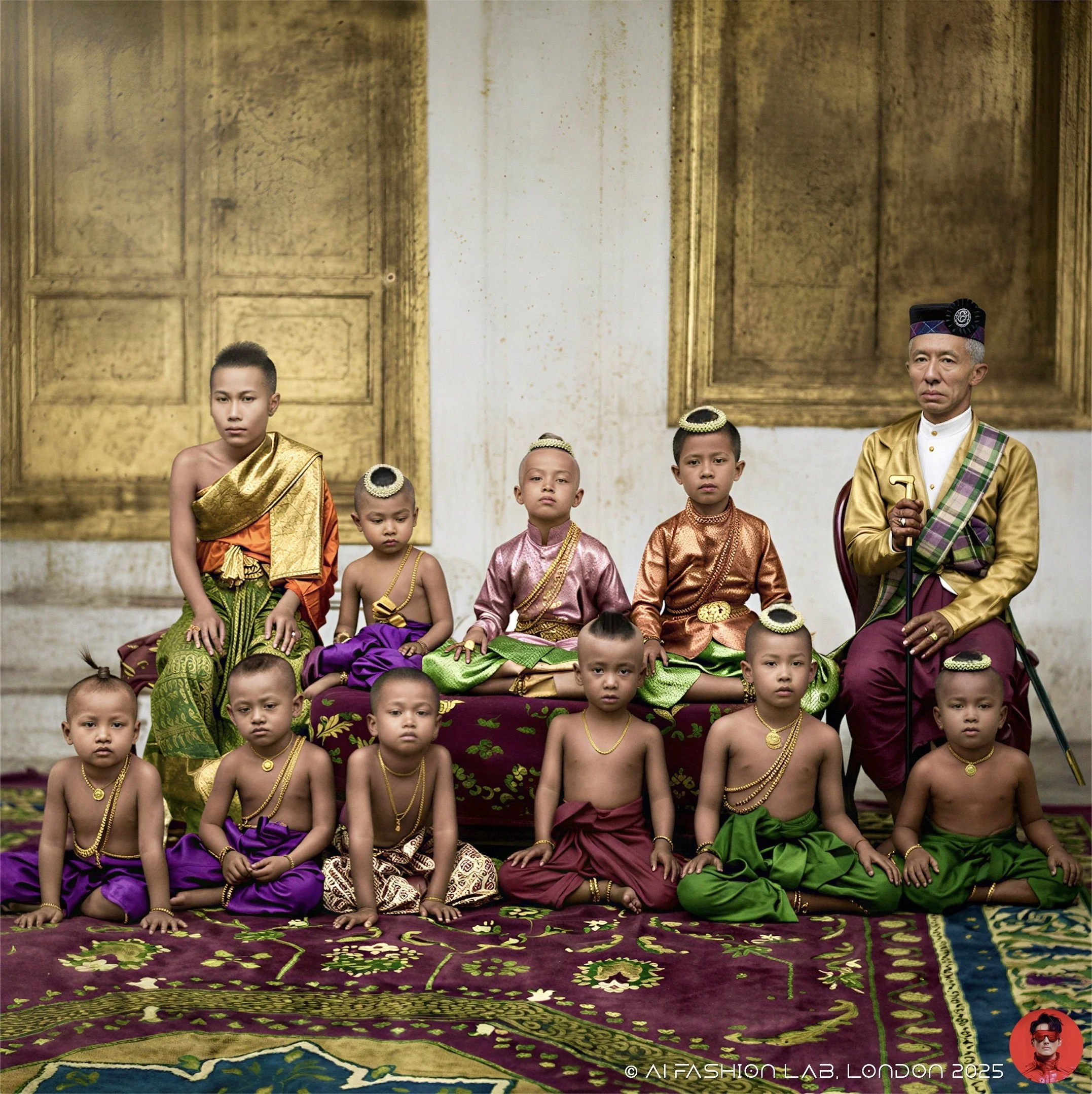
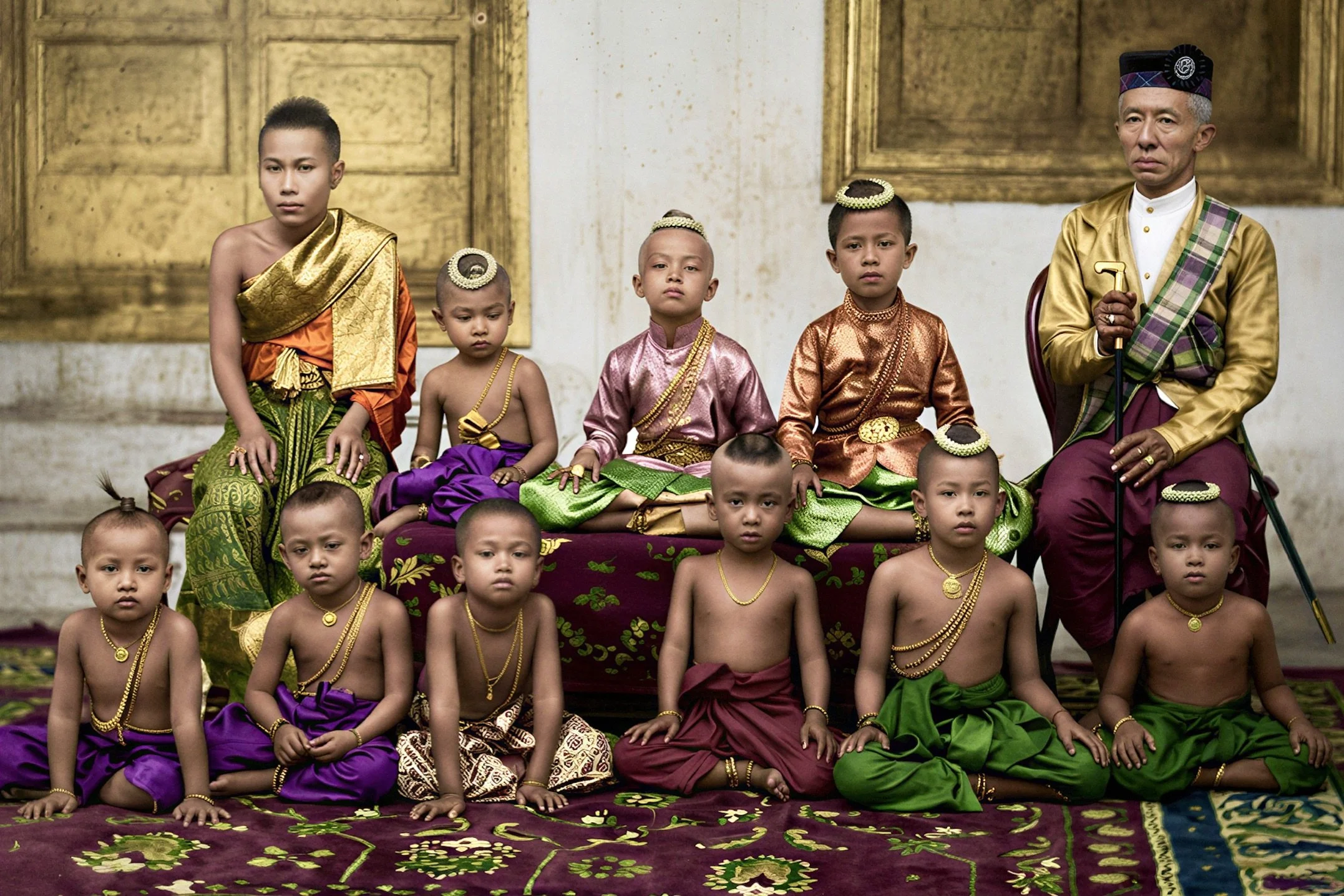
ภาพที่ผ่านการบูรณะและสร้างสรรค์ด้วยเทคโนโลยี AI นี้ เป็นพระบรมฉายาลักษณ์ที่มีนัยสำคัญยิ่งของ พระบาทสมเด็จพระจอมเกล้าเจ้าอยู่หัว ไม่ใช่เพียงในฐานะหลักฐานด้านการแต่งกาย หากแต่ในฐานะ “ถ้อยแถลงทางการเมือง” ที่ถูกสื่อสารผ่านภาพลักษณ์อย่างจงใจ พระมาลา glengarry ของสก๊อตแลนด์ที่ปรากฏ มิได้เป็นเพียงเครื่องประดับตามแฟชั่นตะวันตก หากเป็นสัญลักษณ์เชิงรหัส (visual code) ที่ชนชั้นนำยุโรปในคริสต์ศตวรรษที่ 19 สามารถอ่านและตีความความหมายได้ทันที โดยเฉพาะในบริบทของการทูตระหว่างรัฐและการจัดลำดับอำนาจในระบบโลกสมัยใหม่
จากการค้นคว้าของผม พบพระบรมฉายาลักษณ์อย่างน้อย 8 ภาพ ที่รัชกาลที่ ๔ ทรงพระมาลา glengarry ซึ่งล้วนเป็นภาพที่มีนัยทางการเมืองอย่างชัดเจน ภาพเหล่านี้มิได้ถูกจัดทำขึ้นเพื่อการสะสมส่วนพระองค์ หากแต่เป็นภาพที่ทรงฉายและพระราชทานไปยังประมุขประเทศสำคัญในยุโรป เช่น จักรพรรดินโปเลียนที่ 3 แห่งจักรวรรดิฝรั่งเศส และ สมเด็จพระราชินีนาถวิกตอเรีย แห่งสหราชอาณาจักร เพื่อแสดงคำขอบพระทัย ตอบรับพระราชไมตรี และเป็นการสื่อสารเชิงสัญลักษณ์ต่อของขวัญหรือไมตรีจิตที่ได้รับการถวายจากราชสำนักตะวันตก
นอกจากนี้ พระบรมฉายาลักษณ์ชุดดังกล่าวยังสัมพันธ์กับการเข้ามาของช่างภาพและนักเดินทางชาวยุโรปในสยาม อาทิ Abbé Launardie, Pierre Rossier และ Fedor Jagor ซึ่งต่างเป็นบุคคลที่ทำงานอยู่ในเครือข่ายความรู้ วิทยาศาสตร์ และการทูตของยุโรป ภาพถ่ายที่เกิดขึ้นในบริบทนี้จึงไม่ใช่เพียงภาพเหมือนของกษัตริย์สยาม หากเป็นสื่อกลางที่เชื่อมโยงสยามเข้าสู่สายตาและจินตนาการทางการเมืองของโลกตะวันตก
ด้วยเหตุนี้ พระมาลา glengarry ที่ปรากฏในพระบรมฉายาลักษณ์ของรัชกาลที่ ๔ จึงควรถูกอ่านในฐานะองค์ประกอบที่ผ่านการเลือกสรรอย่างมีชั้นเชิง เป็นส่วนหนึ่งของภาษาภาพ (visual diplomacy) ที่ใช้สื่อสารว่า สยามมิได้ยืนอยู่นอกระเบียบโลกใหม่ หากเป็นรัฐที่เข้าใจกลไกของอำนาจ การทูต และสัญลักษณ์สมัยใหม่อย่างลึกซึ้ง—และพร้อมจะเจรจาในฐานะ “ผู้รู้เท่าทัน” มิใช่ผู้ถูกกำหนดความหมายจากภายนอก
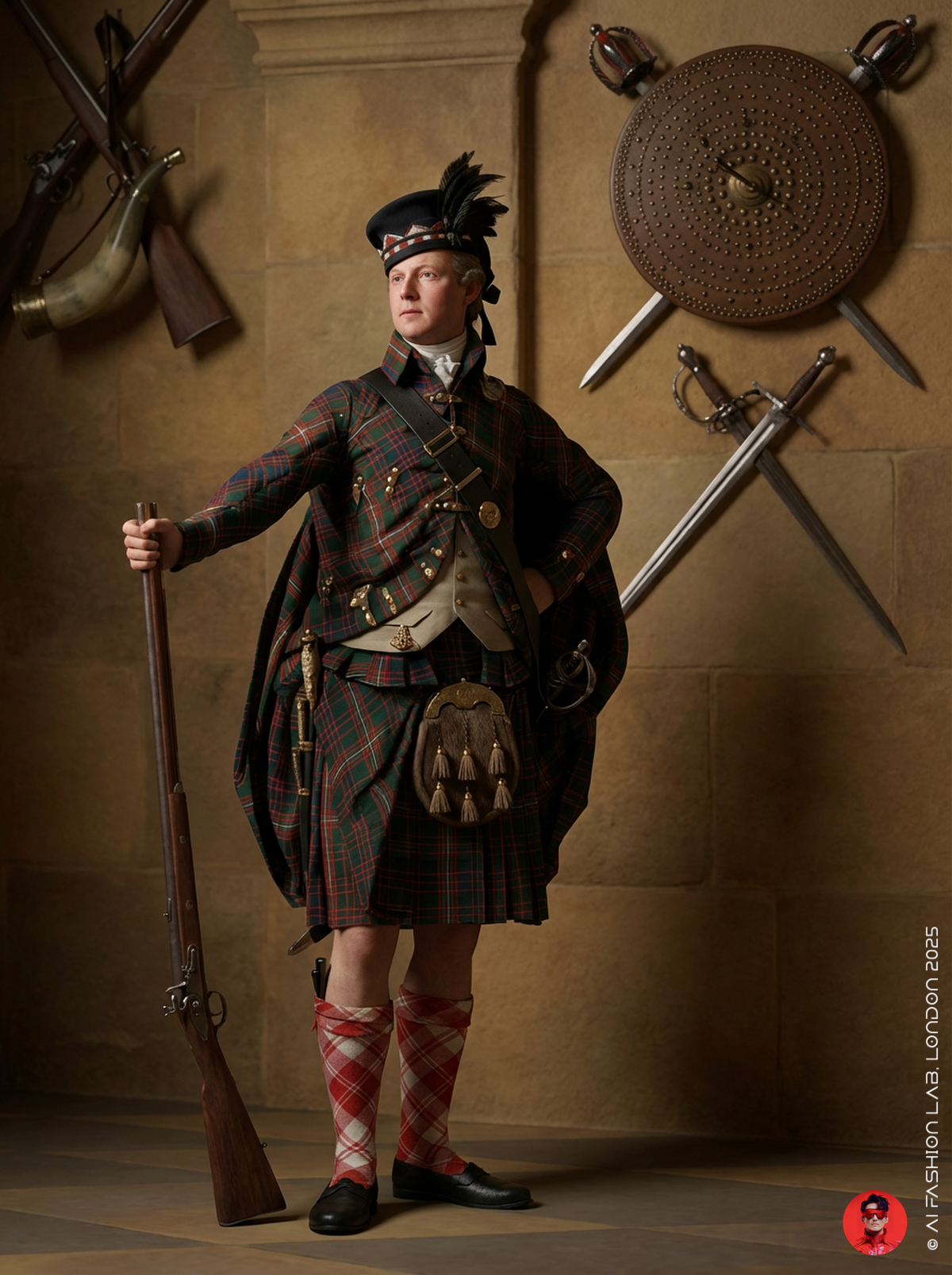
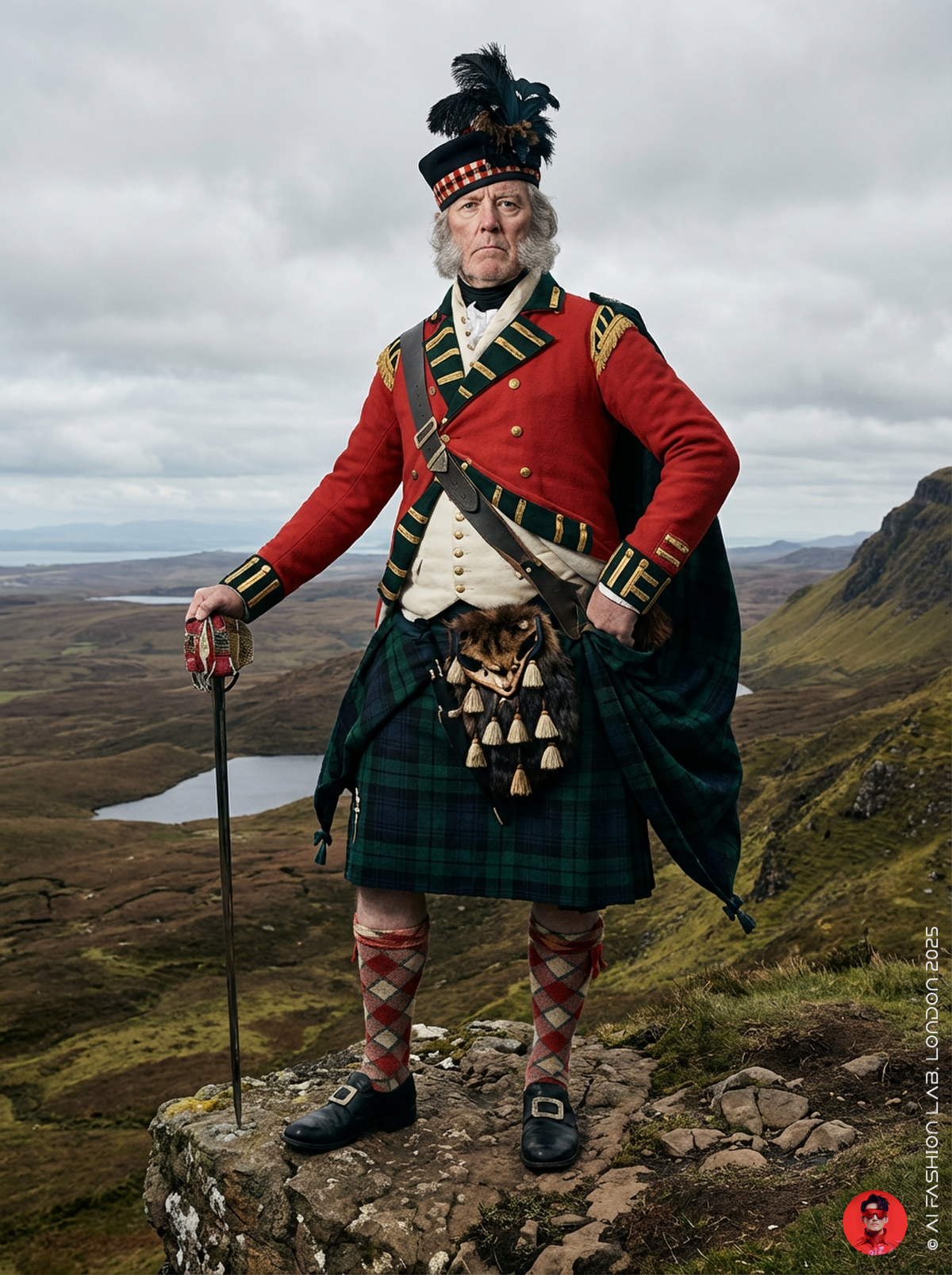
พระมาลา glengarry มิได้เป็นเพียงหมวกทหารของสก๊อตแลนด์ในเชิงรูปแบบ หากแต่เป็นผลผลิตทางการเมืองของความสัมพันธ์อันซับซ้อนระหว่างสก๊อตแลนด์กับอังกฤษภายหลังการรวมราชอาณาจักรในคริสต์ศตวรรษที่ 18 หลังเหตุการณ์ Act of Union (ค.ศ. 1707) สก๊อตแลนด์มิได้ถูกผนวกรวมในฐานะผู้พ่ายแพ้อย่างสิ้นเชิง หากถูก “จัดระเบียบใหม่” ให้เป็นส่วนหนึ่งของรัฐจักรวรรดิอังกฤษ โดยยังคงรักษาอัตลักษณ์บางประการไว้ภายใต้กรอบอำนาจส่วนกลาง เครื่องแบบทหาร โดยเฉพาะของกองทหารไฮแลนด์ จึงกลายเป็นพื้นที่ต่อรองเชิงสัญลักษณ์ระหว่าง “ความเป็นสก๊อต” กับ “ความเป็นจักรวรรดิ”
ในบริบทนี้ พระมาลา glengarry ทำหน้าที่แตกต่างจากหมวกไฮแลนด์แบบดั้งเดิมอย่าง bonnet ซึ่งเน้นความเป็นเผ่าและอัตลักษณ์ท้องถิ่น หมวกทรงพับที่เรียบ กระชับ และอยู่ภายใต้กฎระเบียบของกองทัพจักรวรรดิ สะท้อนกระบวนการที่สก๊อตแลนด์ถูกทำให้เป็น “กำลังมืออาชีพของจักรวรรดิ” มากกว่าจะเป็นชนชายขอบที่ต่อต้านอำนาจรัฐ ภายใต้โครงสร้างใหม่นี้ ชาวสก๊อต—ซึ่งเคยเป็นคู่ขัดแย้งกับอังกฤษ—กลับกลายเป็นกำลังสำคัญในการขยายอำนาจของจักรวรรดิไปยังอินเดีย แอฟริกา และเอเชียตะวันออกเฉียงใต้
ดังนั้น glengarry จึงไม่ใช่สัญลักษณ์ของการยอมจำนน หากเป็นสัญลักษณ์ของการ “เข้าไปอยู่ในระบบอำนาจ” อย่างมีเงื่อนไข สก๊อตแลนด์ยังคงปรากฏตัวในจักรวรรดิด้วยเครื่องหมายเฉพาะของตน แต่เครื่องหมายนั้นถูกปรับให้สอดคล้องกับวินัย ความเป็นสากล และเหตุผลแบบรัฐสมัยใหม่ ภาพเหมือนของ Alexander Ranaldson MacDonell of Glengarry หรือภาพทหารสก๊อตในกองทัพอังกฤษ จึงสื่อถึงอำนาจที่สงบ มีระเบียบ และถูกทำให้ชอบธรรมผ่านโครงสร้างจักรวรรดิ
ความหมายเชิงการเมืองของ glengarry ในบริบทอังกฤษ–สก๊อตแลนด์นี้ มีนัยที่สะท้อนถึงสยามอย่างลึกซึ้ง ในคริสต์ศตวรรษที่ 19 โลกกำลังถูกจัดระเบียบใหม่ด้วยจักรวรรดินิยม สยามมิได้เผชิญแรงกดดันจากอำนาจตะวันตกในฐานะรัฐที่ล้าหลัง หากถูกประเมินว่า “เข้าใจระเบียบโลกใหม่เพียงใด” การสื่อสารผ่านภาพลักษณ์จึงเป็นเรื่องสำคัญไม่แพ้สนธิสัญญา
สำหรับ พระบาทสมเด็จพระจอมเกล้าเจ้าอยู่หัว พระมาลา glengarry มิได้สื่อถึงความเป็นสก๊อตแลนด์ หากสื่อถึง “แบบแผนของจักรวรรดิที่ประสบความสำเร็จ” นั่นคือ จักรวรรดิที่สามารถรวมความหลากหลายทางชาติพันธุ์และวัฒนธรรมไว้ภายใต้โครงสร้างเดียว โดยไม่ลบล้างอัตลักษณ์ทั้งหมด การเลือกสวม glengarry ในพระบรมฉายาลักษณ์จึงอาจตีความได้ว่าเป็นการแสดงความเข้าใจกลไกของจักรวรรดิ มากกว่าการแสดงความจงรักภักดีต่อจักรวรรดิใด
ในทางการเมืองระหว่างประเทศ สยามกำลังดำเนินยุทธศาสตร์ที่คล้ายคลึงกัน กล่าวคือ การรักษาอัตลักษณ์และอธิปไตยของตนไว้ ขณะเดียวกันก็ปรับตัวให้สอดคล้องกับภาษาทางอำนาจของโลกตะวันตก Glengarry ซึ่งเป็นสัญลักษณ์ของการปรับตัวของสก๊อตแลนด์ภายในจักรวรรดิอังกฤษ จึงทำหน้าที่เป็นภาพสะท้อนเชิงเปรียบเทียบของสยาม—รัฐที่มิได้เป็นอาณานิคม แต่เลือกจะ “อ่านเกมจักรวรรดิออก” และวางตำแหน่งตนเองอย่างสุขุม
ท้ายที่สุด พระมาลา glengarry ในบริบทของรัชกาลที่ ๔ จึงมิใช่เพียงวัตถุจากยุโรป หากเป็นสัญลักษณ์ของโลกการเมืองแบบใหม่ ที่อำนาจไม่ได้แสดงผ่านการพิชิตเพียงอย่างเดียว แต่ผ่านความรู้ การจัดระเบียบ และการใช้สัญลักษณ์อย่างมีชั้นเชิง ในโลกเช่นนี้ สยามมิได้ยืนอยู่นอกจักรวรรดิ หากยืนอยู่ “ข้างจักรวรรดิ” อย่างเท่าเทียมในเชิงปัญญา—และนั่นคือความหมายทางการเมืองที่ลึกซึ้งที่สุดของพระมาลา glengarry ในประวัติศาสตร์สยาม.
_________________
King Rama IV and the Glengarry: Political Meaning and International Diplomacy
The AI-restored and creatively reinterpreted image presented here is a historically significant royal portrait of King Mongkut (Rama IV)—not merely as evidence of dress or personal taste, but as a deliberately constructed political statement communicated through visual form. The Scottish glengarry cap that appears in the portrait is not a fashionable Western accessory; rather, it functions as a symbolic code (visual code) that Europe’s ruling elites in the nineteenth century could immediately recognise and interpret, particularly within the context of diplomacy between states and the hierarchical ordering of power in the modern world system.
Based on my research, at least six royal portraits show King Rama IV wearing the glengarry, and all of these images carry clear political implications. They were not produced for private keeping, but were formal portraits intended for circulation and diplomatic exchange. Several were presented to European heads of state—most notably Napoleon III of the French Empire and Queen Victoria of the United Kingdom—as gestures of gratitude, reciprocity, and royal goodwill, often in response to diplomatic gifts or expressions of friendship from Western courts. In this sense, the portraits functioned as diplomatic documents rather than personal likenesses.
These images are also closely connected to the presence of European photographers and travellers working in Siam during the mid-nineteenth century, including Abbé Launardie, Pierre Rossier, and Fedor Jagor. All were embedded within European networks of knowledge, science, exploration, and diplomacy. As a result, the photographs produced in this context were not simply portraits of a Siamese monarch; they were visual instruments that positioned Siam within the political imagination of the Western world.
For this reason, the glengarry in King Rama IV’s portrait must be read as a carefully chosen element within a broader strategy of visual diplomacy. It communicates that Siam did not stand outside the emerging global order, but understood its mechanisms of power, representation, and symbolism—and was prepared to engage with them on informed and confident terms, rather than as a passive subject defined by others.
The glengarry itself was not merely a Scottish military cap in a stylistic sense, but a political product of the complex relationship between Scotland and England following the unification of the kingdoms in the eighteenth century. After the Act of Union in 1707, Scotland was not absorbed simply as a defeated territory; instead, it was reorganised as a constituent part of the British imperial state. Certain markers of Scottish identity were preserved, but they were reframed within the authority of a centralised imperial structure. Military dress—especially that of the Highland regiments—became a key site of symbolic negotiation between “Scottishness” and “imperial Britishness.”
In this context, the glengarry differed markedly from traditional Highland bonnets, which emphasised clan affiliation and local identity. Its folded, compact, regulated form reflected the transformation of Scotland into a disciplined, professional force within the imperial system, rather than a peripheral culture resisting state power. Under this new arrangement, the Scots—once historic rivals of England—became among the most effective agents of imperial expansion in India, Africa, and Southeast Asia.
The glengarry, therefore, was not a symbol of submission, but of conditional inclusion within power. Scotland continued to appear within the empire through recognisable signs of its identity, yet those signs were reshaped to conform to discipline, universality, and rational order—the values of the modern state. Portraits of figures such as Alexander Ranaldson MacDonell of Glengarry, or images of Scottish soldiers in British service, project an image of authority that is calm, orderly, and legitimised through imperial structure.
This political meaning of the glengarry in the Anglo-Scottish context resonates profoundly with Siam’s position in the nineteenth century. As the world was being reorganised by imperialism, Siam was not judged simply on whether it was “traditional” or “backward,” but on whether it understood the rules of the new global order. In this environment, visual communication was as crucial as treaties and formal negotiations.
For King Mongkut, the glengarry did not signify Scotland per se, but rather a successful imperial model: an empire capable of integrating ethnic and cultural diversity within a single political framework without erasing all difference. To wear the glengarry in a royal portrait can therefore be interpreted as a demonstration of imperial literacy—an understanding of how modern power operates—rather than an expression of loyalty to any particular empire.
In international political terms, Siam was pursuing a comparable strategy: preserving its own identity and sovereignty while adapting selectively to the language and symbols of Western power. The glengarry, as a symbol of Scotland’s negotiated position within the British Empire, thus becomes a powerful comparative mirror for Siam—a state that was never colonised, yet consciously chose to read the imperial game and position itself with restraint, intelligence, and strategic awareness.
Ultimately, the glengarry in the context of King Rama IV is not simply a European object, but a symbol of a new political world—one in which power is exercised not only through conquest, but through knowledge, organisation, and the sophisticated use of symbols. In such a world, Siam did not stand outside empire; it stood alongside it, equal in intellectual terms. That, above all, is the deepest political meaning of the glengarry in Siamese history.
_________________
เรียนเชิญกด Subscribe ได้ที่ลิงก์นี้ครับ เพื่อร่วมติดตามงานสร้างสรรค์ต้นฉบับ งานวิจัยประวัติศาสตร์แฟชั่น และผลงานอนุรักษ์มรดกวัฒนธรรมด้วยเทคโนโลยี AI ของ AI Fashion Lab, London ซึ่งมุ่งตีความอดีตผ่านมิติใหม่ของการบูรณะภาพ การสร้างสรรค์ภาพ และการเล่าเรื่องด้วยศิลปะเชิงดิจิทัล 🔗 https://www.facebook.com/aifashionlab/subscribe/
#aifashionlab #AI #aiartist #aiart #aifashion #aifashiondesign #aifashionstyling #aifashiondesigner #fashion #fashionhistory #historyoffashion #fashionstyling #fashionphotography #digitalfashion #digitalfashiondesign #digitalcostumedesign #digitaldesign #digitalaiart #ThaiFashionHistory #ThaiFashionAI #thailand #UNESCO