รัชกาลที่ ๔ กับพระมาลาเกลนแกร์รี (Glengarry) ของสก๊อตแลนด์, พระแสงดาบฝักทองคำจากสหรัฐอเมริกา และการเปลี่ยนผ่านเครื่องแต่งกายในราชสำนักสยาม
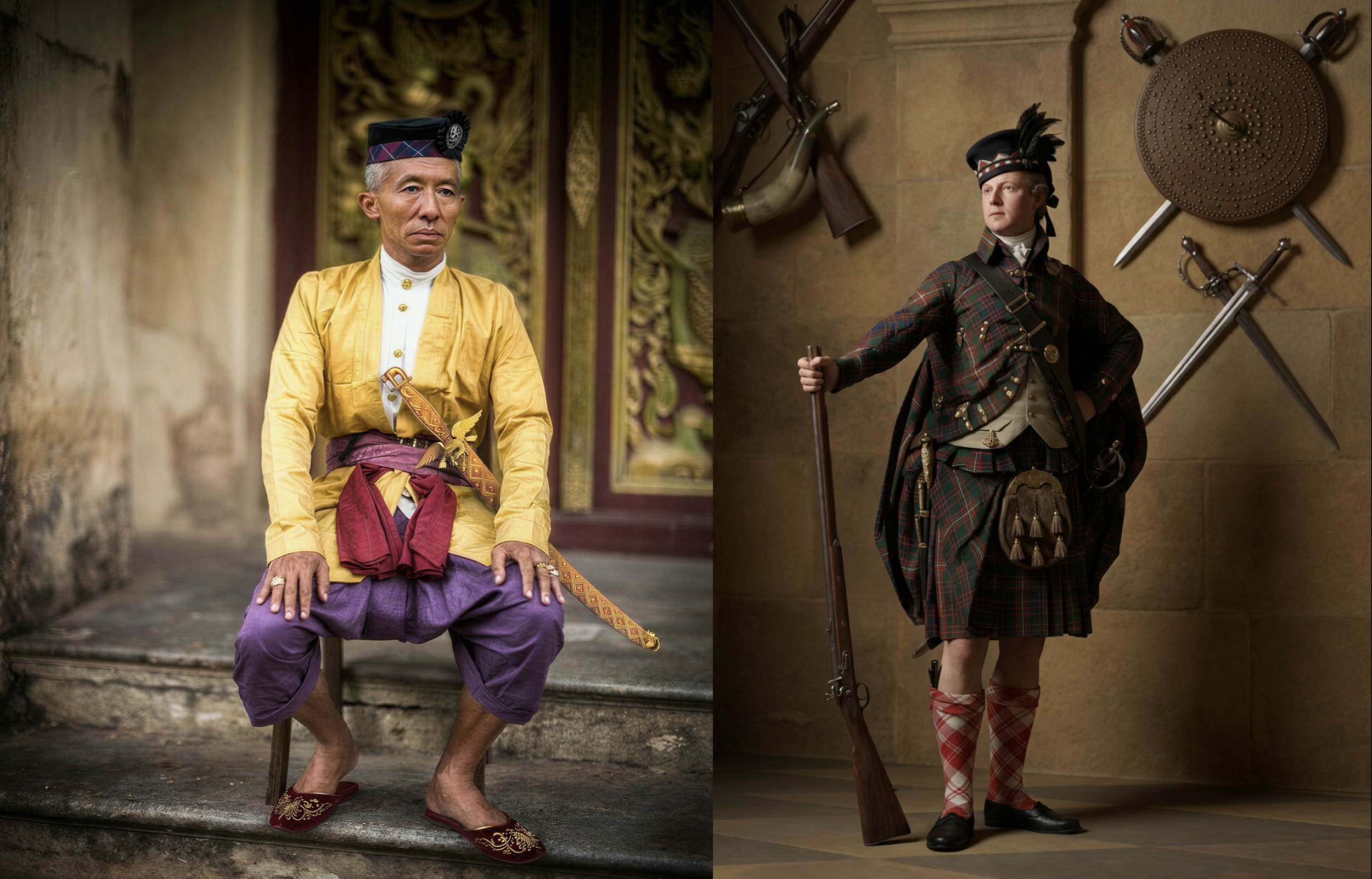
รัชกาลที่ ๔ กับพระมาลาเกลนแกร์รี (Glengarry) ของสก๊ตแลนด์, พระแสงดาบฝักทองคำจากสหรัฐอเมริกา และการเปลี่ยนผ่านเครื่องแต่งกายในราชสำนักสยาม
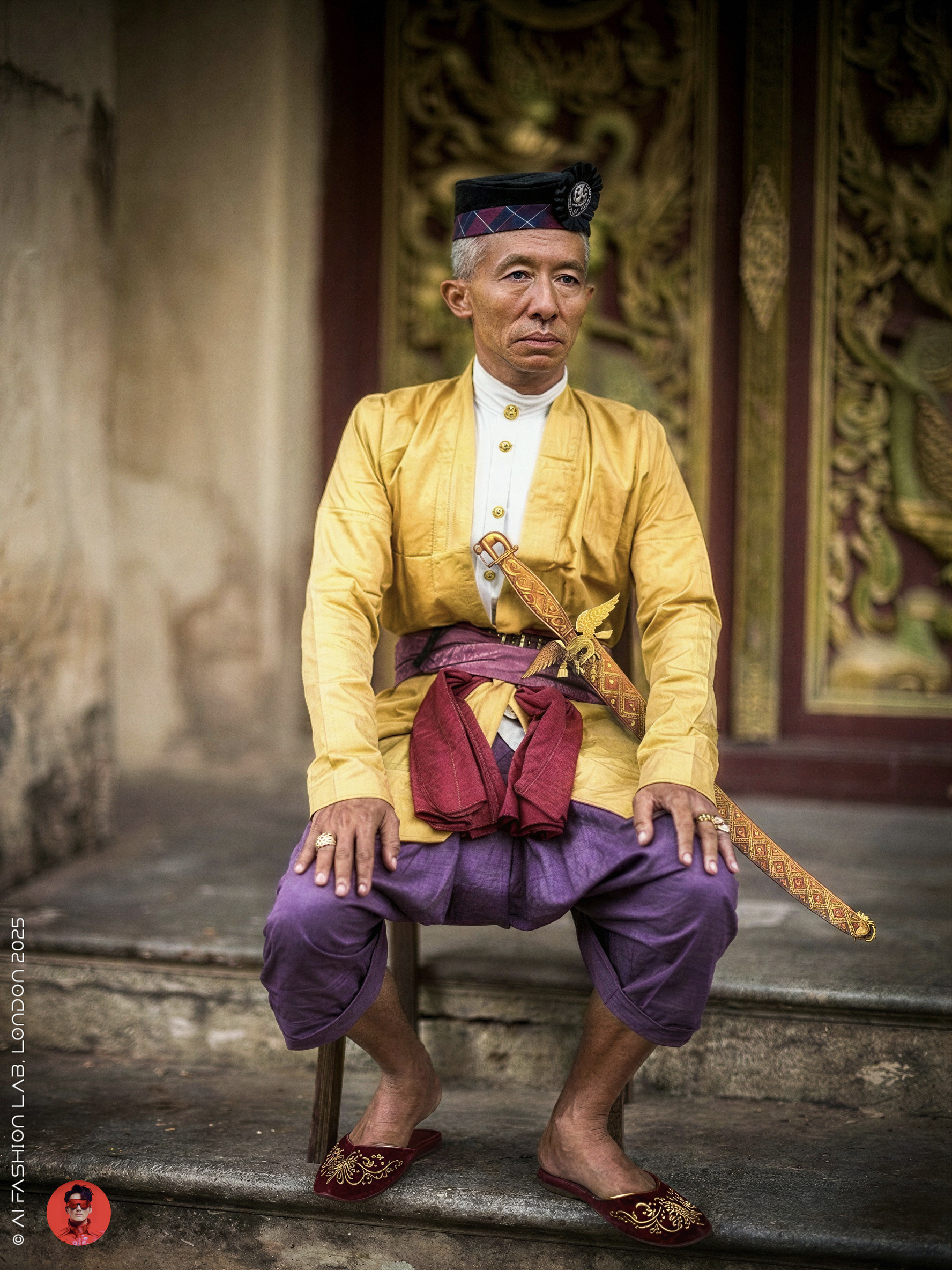
ภาพที่ผ่านการบูรณะและสร้างสรรค์ด้วยเทคโนโลยี AI นี้ เป็นพระบรมฉายาลักษณ์ที่สำคัญทางประวัติศาสตร์ของ พระบาทสมเด็จพระจอมเกล้าเจ้าอยู่หัว ซึ่งน่าสนใจเป็นพิเศษ เพราะปรากฏ 3 องค์ประกอบสำคัญ พร้อมกัน ได้แก่ พระมาลา glengarry ของสก๊อตแลนด์, พระแสงดาบฝักทองคำจากสหรัฐอเมริกา, และ รูปแบบฉลองพระองค์แบบใหม่ของชายสยามในราชสำนัก อันสะท้อนช่วงเวลาของการเปลี่ยนผ่านทางวัฒนธรรม การเมือง และภาพลักษณ์ของรัฐสยามในคริสต์ศตวรรษที่ 19
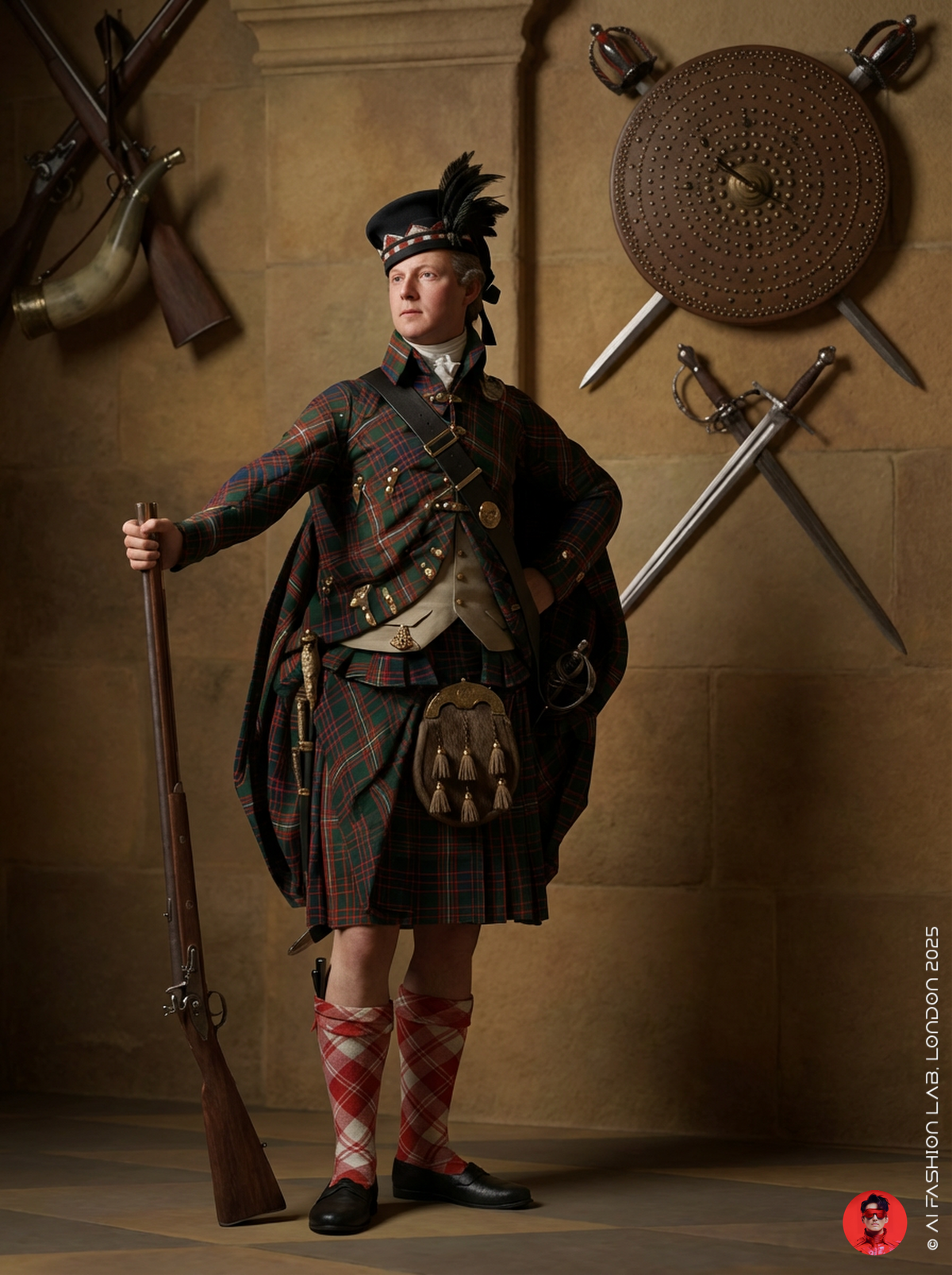
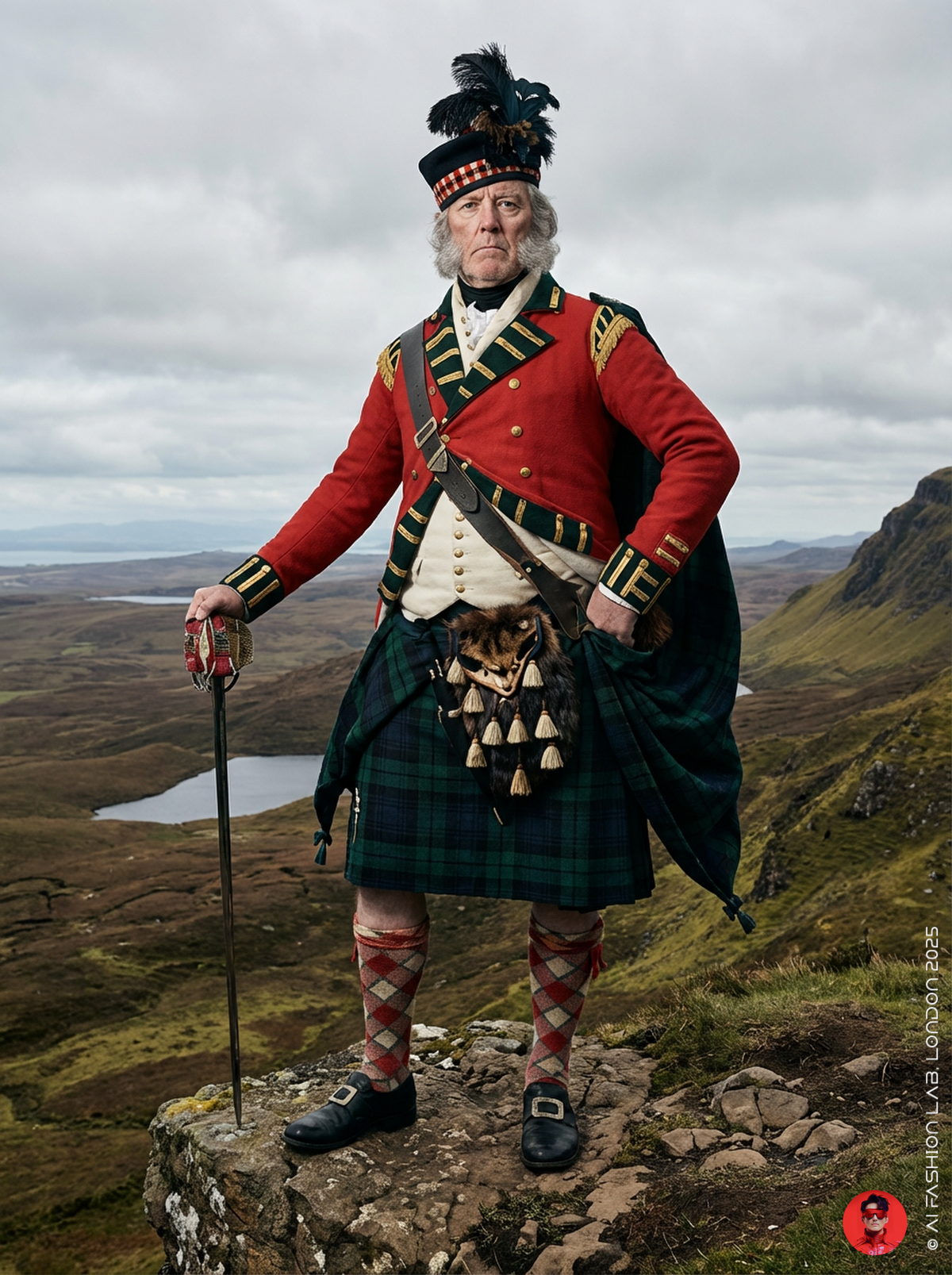
พระมาลา glengarry เป็นหมวกทหารทรงพับที่ถือกำเนิดขึ้นในช่วงปลายคริสต์ศตวรรษที่ 18 ในบริบทที่กองทหารไฮแลนด์ของสหราชอาณาจักรกำลังถูกปรับโครงสร้างจากกองกำลังท้องถิ่น สู่ระบบกองทัพสมัยใหม่ของจักรวรรดิอังกฤษ หมวกชนิดนี้มิได้เกิดจากความต้องการด้านสุนทรียะ หากเป็นผลจากความจำเป็นด้านการใช้งาน ความคล่องตัว และวินัยทางทหาร โดยมักเชื่อมโยงกับ Alexander Ranaldson MacDonell of Glengarry (ค.ศ. 1773–1828) ผู้มีบทบาทในการกำหนดรูปแบบหมวกทรงพับที่แตกต่างจากหมวก bonnet แบบไฮแลนด์ดั้งเดิมซึ่งมีขนาดใหญ่และเน้นอัตลักษณ์เผ่าพันธุ์
ภาพเหมือนของ พันเอก Alastair Ranaldson MacDonell of Glengarry โดย Sir Henry Raeburn และภาพของ Ranald MacKinnon นายทหารแห่งกรมทหารไฮแลนด์ที่ 84 ในปี ค.ศ. 1805 แสดงให้เห็นบทบาทของหมวก glengarry ในฐานะเครื่องหมายของอำนาจที่สุขุม เป็นส่วนหนึ่งของระบบการแต่งกายที่ควบคุมอัตลักษณ์ของนายทหารให้สอดคล้องกับอุดมการณ์ของรัฐชาติและจักรวรรดิ ในคริสต์ศตวรรษที่ 19 หมวก glengarry แพร่หลายอย่างมากในกองทหารสก๊อตที่ประจำการในดินแดนอาณานิคม โดยเฉพาะใน อินเดีย และต่อเนื่องไปยังเอเชียตะวันออกเฉียงใต้ แอฟริกา และตะวันออกกลาง จนกลายเป็นสัญลักษณ์สากลของวินัย ความเป็นมืออาชีพ และอำนาจแบบตะวันตก
อีกองค์ประกอบหนึ่งที่สำคัญยิ่งในภาพนี้คือ พระแสงดาบที่ห้อยอยู่ข้างพระวรกาย ซึ่งคือ พระแสงดาบฝักทองคำ ด้ามสลักเป็นรูป นกอินทรีและช้าง อันเป็นของจาก ประธานาธิบดี Andrew Jackson แห่งสหรัฐอเมริกา โดยมอบให้นาย Edmund Roberts นำมาทูลเกล้าฯ ถวายแด่ พระบาทสมเด็จพระนั่งเกล้าเจ้าอยู่หัว รัชกาลที่ ๓ เมื่อปี พ.ศ. ๒๓๗๕ (ค.ศ. 1833) นับเป็นหลักฐานสำคัญของความสัมพันธ์ทางการทูตระหว่างสยามกับโลกตะวันตก ก่อนที่รัชกาลที่ ๔ จะเสด็จขึ้นครองราชสมบัติในปี พ.ศ. ๒๓๙๔
ขณะเดียวกัน ฉลองพระองค์ที่ปรากฏยังสะท้อนการเปลี่ยนแปลงครั้งสำคัญของเครื่องแต่งกายบุรุษในราชสำนักสยาม เป็นเสื้อทรงคอตั้ง แขนกระบอก ตัวคับ ชายสั้น ซึ่งมักเรียกกันในเวลาต่อมาว่า เสื้อบะบ๋า หรือเสื้อแบบใหม่ที่อาจได้รับอิทธิพลจากชาวจีนโพ้นทะเลในมลายู ปัตตาเวีย หรือชวา รูปแบบนี้มีการอธิบายไว้ในหนังสือ อายะติวัฒน์ ของ ก.ศ.ร. กุหลาบ เล่มที่ ๓ พิมพ์เมื่อ ร.ศ. ๑๓๐ ว่า
“ทรงพระกรุณาโปรดเกล้าพระราชทานให้ข้าราชการสวมเสื้อผ้าขาวเทศรูปกระบอก (แขนคับ ตัวตึง ชายสั้นเพียงบั้นเอว) เข้าเฝ้าฤดูร้อนฤดูฝน ๘ เดือน”
แนวคิดเรื่องการสวมเสื้อเข้าเฝ้าได้รับการตอกย้ำอย่างชัดเจนใน พระราชพงศาวดาร กรุงรัตนโกสินทร์ รัชกาลที่ ๔ ฉบับ เจ้าพระยาทิพากรวงศ์ ซึ่งบันทึกพระราชดำรัสสำคัญไว้ว่า
“ประเทศอื่น ๆ ที่เป็นประเทศใหญ่เขาก็สวมเสื้อหมดทุกภาษา... ประเทศสยามนี้ก็เป็นประเทศใหญ่รู้ขนบธรรมเนียมมากอยู่แล้ว ไม่ควรจะถือเอาอย่างโบราณที่เป็นชาวป่ามาแต่ก่อน...”
จากพระราชดำรัสดังกล่าว การสวมเสื้อจึงกลายเป็นธรรมเนียมใหม่ของข้าราชการและชนชั้นนำ และนำไปสู่การปรับรูปแบบเสื้อไทยดั้งเดิมให้กลายเป็นเสื้อกระบอกแบบบะบ๋า ซึ่งใช้สืบต่อมาจนกลายเป็นภาพจำของชายสยามในช่วงปลายคริสต์ศตวรรษที่ 19
เมื่อพิจารณาร่วมกัน พระมาลา glengarry พระแสงดาบจากโลกตะวันตก และฉลองพระองค์แบบใหม่ของบุรุษสยามในภาพนี้ มิได้เป็นเพียงรายละเอียดเชิงเครื่องแต่งกาย หากเป็นภาพสะท้อนของกระบวนการสร้าง ภาพลักษณ์รัฐสยามสมัยใหม่ ในคริสต์ศตวรรษที่ 19 อย่างเป็นระบบ แต่ละองค์ประกอบทำหน้าที่ของตนในฐานะ “ภาษาเชิงสัญลักษณ์” ที่สยามใช้สื่อสารกับโลกภายนอก—หมวกทหารจากกองทัพอาณานิคมตะวันตกสะท้อนความเข้าใจในวินัยและระเบียบแบบแผนสมัยใหม่ ดาบจากสหรัฐอเมริกาบ่งชี้ถึงการยอมรับซึ่งกันและกันในระดับรัฐต่อรัฐ ขณะที่ฉลองพระองค์แบบบะบ๋าแสดงให้เห็นการปรับรูปแบบการแต่งกายดั้งเดิมให้สอดคล้องกับบรรทัดฐานสากล โดยไม่ละทิ้งรากเหง้าทางวัฒนธรรมของตนเอง
ในบริบทนี้ พระบาทสมเด็จพระจอมเกล้าเจ้าอยู่หัว มิได้ทรงเป็นเพียงผู้รับอิทธิพลจากตะวันตก หากทรงเป็น ผู้คัดเลือกและจัดวางความหมาย ของวัตถุและรูปแบบเหล่านั้นอย่างมีพระราชวิจารณญาณ เครื่องแต่งกายและเครื่องประกอบในภาพจึงมิได้ทำหน้าที่เลียนแบบโลกอาณานิคม แต่กลับทำหน้าที่ต่อรองอำนาจเชิงสัญลักษณ์ แสดงให้เห็นว่าสยามสามารถเข้าใจภาษาแห่งความทันสมัยของตะวันตกได้อย่างถ่องแท้ และพร้อมจะใช้ภาษานั้นเพื่อยืนยันอธิปไตยของตนเอง
ดังนั้น พระบรมฉายาลักษณ์นี้จึงควรถูกอ่านในฐานะเอกสารทางวัฒนธรรม มากกว่าภาพถ่ายเชิงแฟชั่น เป็นภาพของช่วงเวลาที่สยามกำลังวางตำแหน่งตนเองในโลกที่เชื่อมโยงกันมากขึ้น ผ่านวัตถุเล็ก ๆ ที่เปี่ยมด้วยความหมาย—หมวกหนึ่งใบ ดาบหนึ่งเล่ม และเสื้อหนึ่งตัว—ซึ่งร่วมกันบอกเล่าเรื่องราวของการปรับตัว ความรอบรู้ และการยืนหยัดอย่างสง่างามของสยาม ในฐานะประเทศเอกราช ท่ามกลางกระแสจักรวรรดินิยมในศตวรรษที่ 19
______________
King Rama IV, the Scottish Glengarry, the American Gold-Mounted Sword, and the Transformation of Court Dress in Siam
This AI-restored and creatively reconstructed image presents a historically significant royal portrait of His Majesty King Mongkut (Rama IV). It is particularly compelling because it brings together three key elements within a single composition: a Scottish glengarry cap, a gold-mounted sword from the United States, and a new form of male court dress in Siam. Together, these elements reflect a pivotal moment of cultural, political, and representational transition in nineteenth-century Siam.
The glengarry is a foldable military cap that emerged in the late eighteenth century, at a time when the Highland regiments of the United Kingdom were being reorganised from local forces into a modern army of the British Empire. This form of headwear was not driven by aesthetic ambition, but by practical considerations—mobility, convenience, and military discipline. It is commonly associated with Alexander Ranaldson MacDonell of Glengarry (1773–1828), who played a key role in defining the compact, foldable design that differed markedly from the traditional Highland bonnet, which was larger and emphasised clan and ethnic identity.
Portraits of Colonel Alastair Ranaldson MacDonell of Glengarry by Sir Henry Raeburn, together with representations of Ranald MacKinnon, an officer of the 84th Highland Regiment in 1805, illustrate the glengarry’s role as a marker of composed authority. The cap formed part of a regulated system of dress that shaped the identity of Highland officers in accordance with the ideology of the nation-state and empire. During the nineteenth century, the glengarry became widespread among Scottish regiments stationed throughout colonial territories—particularly in India, and subsequently across Southeast Asia, Africa, and the Middle East—ultimately evolving into a global symbol of discipline, professionalism, and Western military authority.
Another element of major significance in this image is the sword suspended at the King’s side: a gold-mounted sword, the hilt decorated with motifs of an eagle and an elephant. This was a diplomatic gift from President Andrew Jackson of the United States, entrusted to Edmund Roberts to be presented to King Nangklao (Rama III) in 1833 (B.E. 2375). The sword stands as an important testament to early diplomatic relations between Siam and the Western world, several years before King Mongkut ascended the throne in 1851 (B.E. 2394).
At the same time, the King’s attire reflects a significant transformation in male dress within the Siamese royal court. The garment shown—a short, fitted jacket with a standing collar and narrow sleeves—later became known as the baba jacket. This new style is thought to have been influenced by overseas Chinese communities in Malaya, Batavia, or Java. Its form is described in Ayatiwat by K.S.R. Kulap, Volume 3, published in R.S. 130, which records:
“His Majesty graciously commanded that officials wear white foreign-style cylindrical jackets (tight sleeves, fitted body, short length at the waist) when attending audiences during the hot and rainy seasons for eight months.”
The principle of wearing shirts when attending royal audiences was further reinforced in the Royal Chronicles of Rattanakosin, Reign of King Rama IV, edited by Chao Phraya Thiphakorawong, which records a significant royal statement:
“Other great countries all wear shirts in every language… Siam itself is a great country, well versed in customs and traditions; it should not continue to follow the ancient practices of forest peoples of the past…”
Following this royal pronouncement, the wearing of shirts became a new norm among officials and elites, leading to the adaptation of traditional Thai garments into the cylindrical baba-style jacket, which eventually became a defining image of Siamese male dress in the late nineteenth century.
When considered together, the glengarry, the Western sword, and the new form of Siamese male attire in this image are far more than decorative details. They reflect a systematic process of constructing the image of the modern Siamese state in the nineteenth century. Each element operates as a form of symbolic language through which Siam communicated with the outside world: the military cap of a Western colonial army signalling an understanding of modern discipline and order; the American sword indicating mutual recognition at the level of state-to-state diplomacy; and the baba jacket demonstrating the adaptation of traditional dress to international norms without abandoning cultural roots.
In this context, King Mongkut should not be seen merely as a recipient of Western influence, but as an active selector and interpreter of meaning, exercising discernment in the adoption and placement of foreign objects and forms. The dress and accoutrements depicted do not imitate the colonial world; rather, they negotiate symbolic power, demonstrating Siam’s deep comprehension of Western modernity and its readiness to use that language to assert its own sovereignty.
This royal portrait should therefore be read as a cultural document, rather than a fashion image alone. It captures a moment when Siam was positioning itself within an increasingly interconnected world—through small yet meaningful objects: a hat, a sword, and a jacket—which together narrate a story of adaptation, intellectual acuity, and dignified self-assertion by Siam as an independent nation amid the currents of nineteenth-century imperialism.
_____________
เรียนเชิญกด Subscribe ได้ที่ลิงก์นี้ครับ เพื่อร่วมติดตามงานสร้างสรรค์ต้นฉบับ งานวิจัยประวัติศาสตร์แฟชั่น และผลงานอนุรักษ์มรดกวัฒนธรรมด้วยเทคโนโลยี AI ของ AI Fashion Lab, London ซึ่งมุ่งตีความอดีตผ่านมิติใหม่ของการบูรณะภาพ การสร้างสรรค์ภาพ และการเล่าเรื่องด้วยศิลปะเชิงดิจิทัล 🔗 https://www.facebook.com/aifashionlab/subscribe/
#aifashionlab #AI #aiartist #aiart #aifashion #aifashiondesign #aifashionstyling #aifashiondesigner #fashion #fashionhistory #historyoffashion #fashionstyling #fashionphotography #digitalfashion #digitalfashiondesign #digitalcostumedesign #digitaldesign #digitalaiart #ThaiFashionHistory #ThaiFashionAI #thailand #UNESCO