วิธีการบูรณะภาพถ่ายขาวดำโบราณ โดยเฉพาะภาพที่เต็มไปด้วยเครื่องราชอิสริยาภรณ์ (ตอนที่ ๒)
วิธีการบูรณะภาพถ่ายขาวดำโบราณ โดยเฉพาะภาพที่เต็มไปด้วยเครื่องราชอิสริยาภรณ์ (ตอนที่ ๒)
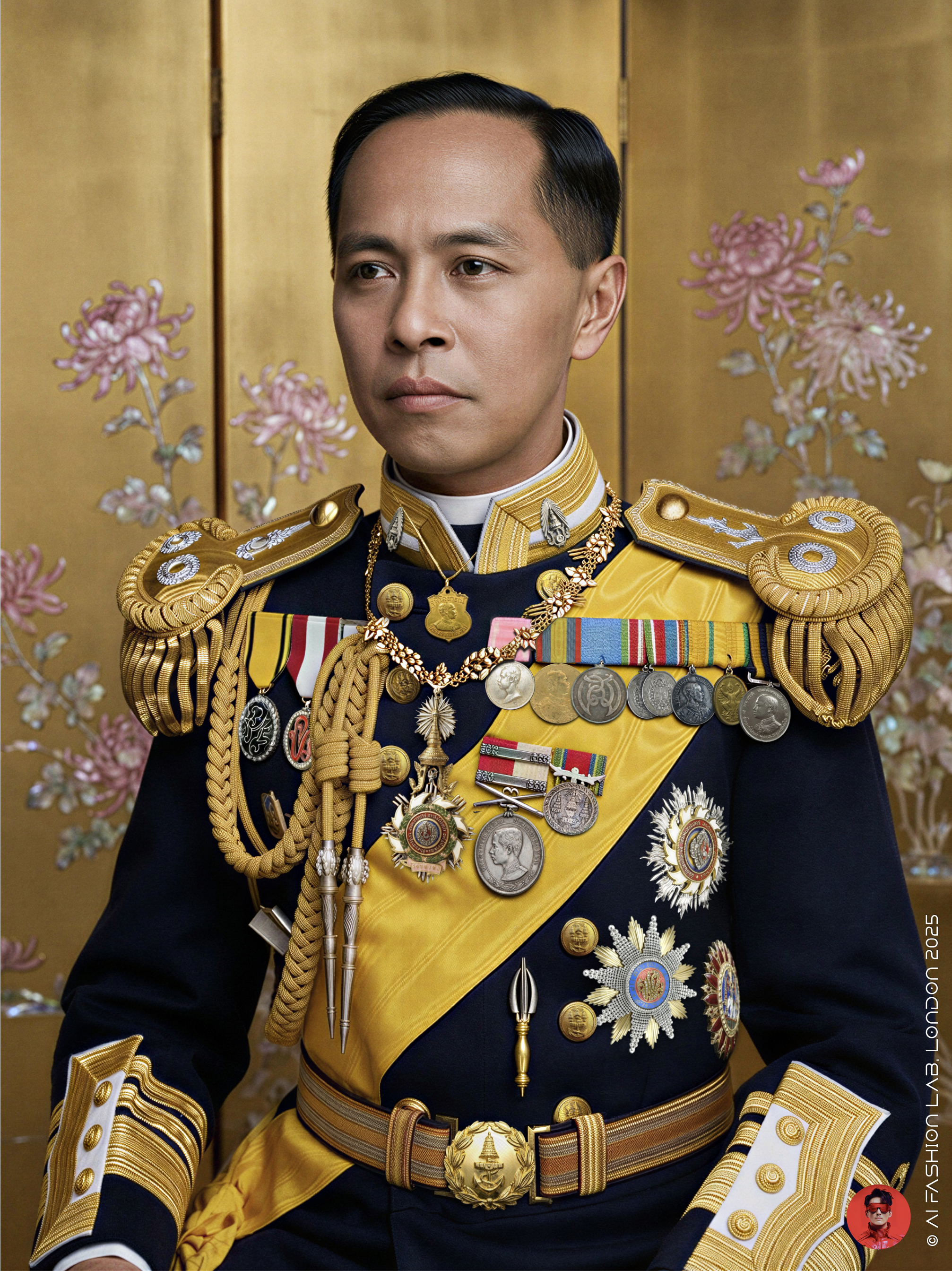
ภาพที่ผ่านการบูรณะและสร้างสรรค์ด้วยเทคโนโลยี AI นี้ เป็นพระรูปของพระเจ้าบรมวงศ์เธอ พระองค์เจ้าอาภากรเกียรติวงศ์ กรมหลวงชุมพรเขตอุดมศักดิ์ “องค์บิดาของทหารเรือไทย"
ในการสร้างสรรค์ครั้งนี้ ผมอยากจะมาทบทวนวิธีการบูรณะภาพถ่ายขาวดำโบราณ โดยเฉพาะภาพที่เต็มไปด้วยเครื่องราชอิสริยาภรณ์และเหรียญตราอีกครั้งนะครับ สำหรับผู้ที่สนใจการบูรณะภาพขาวดำด้วย AI
ช่วงหลังมีหลายท่านถามผมบ่อยมากครับว่า เวลาบูรณะภาพถ่ายเก่า ๆ ด้วยเทคโนโลยี AI—โดยเฉพาะภาพที่เต็มไปด้วยเหรียญตรา เครื่องราชอิสริยาภรณ์ ลวดลายดิ้นทอง และเครื่องแบบราชสำนักที่มีความซับซ้อน—ผมทำอย่างไรให้ สีถูกต้อง ลำดับเหรียญไม่ผิด และผิวสัมผัสของผ้า–โลหะ–เครื่องประดับดูสมจริง ทั้งที่ตัว AI เองก็ไม่ได้ “รู้” อยู่แล้วว่าสีจริงควรเป็นอย่างไร หรือแม้แต่การสะท้อนแสงของดิ้นทองแบบสยามในสมัยรัชกาลที่ ๕–๖ มีลักษณะเฉพาะอย่างไร
ความจริงคือ มันไม่ได้ยากเลยครับ แต่ต้องละเอียดและใจเย็นมาก
และต้องใช้ “ความรู้ทางประวัติศาสตร์แฟชั่น” ร่วมกับ “การคุมทิศทางของ AI” อย่างใกล้ชิด
วันนี้ผมเลยอยากแบ่ง “กระบวนการที่ผมใช้จริง ๆ” ซึ่งหลายคนอาจนำไปประยุกต์ได้ ไม่ว่าจะทำงานบูรณะภาพครอบครัว ภาพโบราณ หรือใช้เพื่อทำงานเชิงวิชาชีพก็ได้เช่นกัน
และต้องบอกไว้ก่อนว่า กระบวนการนี้เป็นวิธีที่ผมนำไปใช้ ในงานอาชีพจริงของผมที่ลอนดอน
ในฐานะ นักออกแบบเครื่องแต่งกายสำหรับภาพยนตร์ ผมใช้เทคนิคเดียวกันนี้ในการสร้างแบบร่างเสื้อผ้าจากภาพขาวดำเก่า ๆ เพื่อศึกษาผิวสัมผัสของผ้า เทคนิคการทอ ลวดลายดิ้นทอง และโครงสร้างเครื่องแบบโบราณในระดับที่ละเอียดแบบงานภาพยนตร์ฮอลลีวูด
ดังนั้นจึงขอเล่า “วิธีที่ผมทำจริง ๆ” ให้ฟัง เผื่อเป็นประโยชน์สำหรับเพื่อน ๆ ที่อยากลองบูรณะภาพคุณภาพสูง โดยกระบวนการเหล่านี้สามารถใช้ได้กับ Google Nano Banana Pro หรือเอ็นจินอื่นที่ออกแบบมาเป็น editing suite แนวเดียวกันครับ
_________
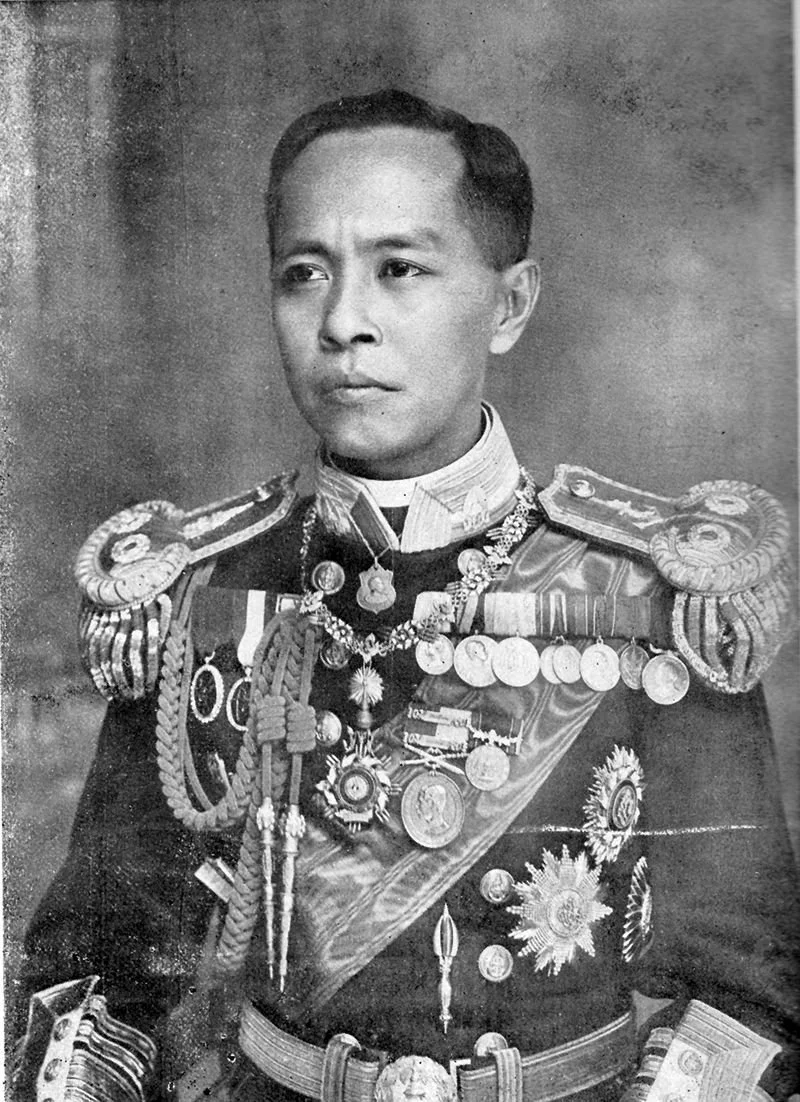
1️⃣ ขั้นแรก—ผมจะบูรณะภาพขาว–ดำก่อนเป็นอันดับแรก
ก่อนจะสร้างสรรค์ภาพสี ผมต้องทำให้ภาพต้นฉบับ “สะอาดที่สุด”
ผมจะลบทุกอย่าง—รอยขีดข่วน, คราบ, ฝุ่น, รอยพับ, คราบเคมีเก่า ๆ
เพราะถ้าฐานภาพไม่ดี การเพิ่มสีสันจะไม่ดีเช่นกัน
แต่ถ้าฐานภาพคมชัด ภาพสีที่ได้จะดูเหมือน “ถ่ายใหม่เมื่อวานนี้”
_________
2️⃣ ขั้นต่อมา—ผมจะระบุเหรียญ เครื่องราชฯ ทุกชิ้นแบบละเอียดที่สุด
อันนี้แหละที่หลายคนมักมองข้าม แต่เป็น หัวใจของงานบูรณะภาพการแต่งกายแบบราชสำนัก
ผมจะตรวจทีละชิ้นว่า:
เหรียญอะไร ชั้นอะไร
ลงยาสีอะไร
ริบบิ้นลายอะไร
ดวงดาราต้องอยู่ตำแหน่งไหน
สายสะพายควรพาดอยู่ฝั่งไหน
ตัวเรือนเป็นทอง เงิน นาก หรือฝังเพชรแบบใด
สายสร้อยแต่ละเส้นเป็นลายอะไร
ตำแหน่งที่ถูกต้องตามแบบแผนการแต่งกาย
ผมจะบูรณะเหรียญแต่ละชิ้นให้คมชัดก่อนเสมอ
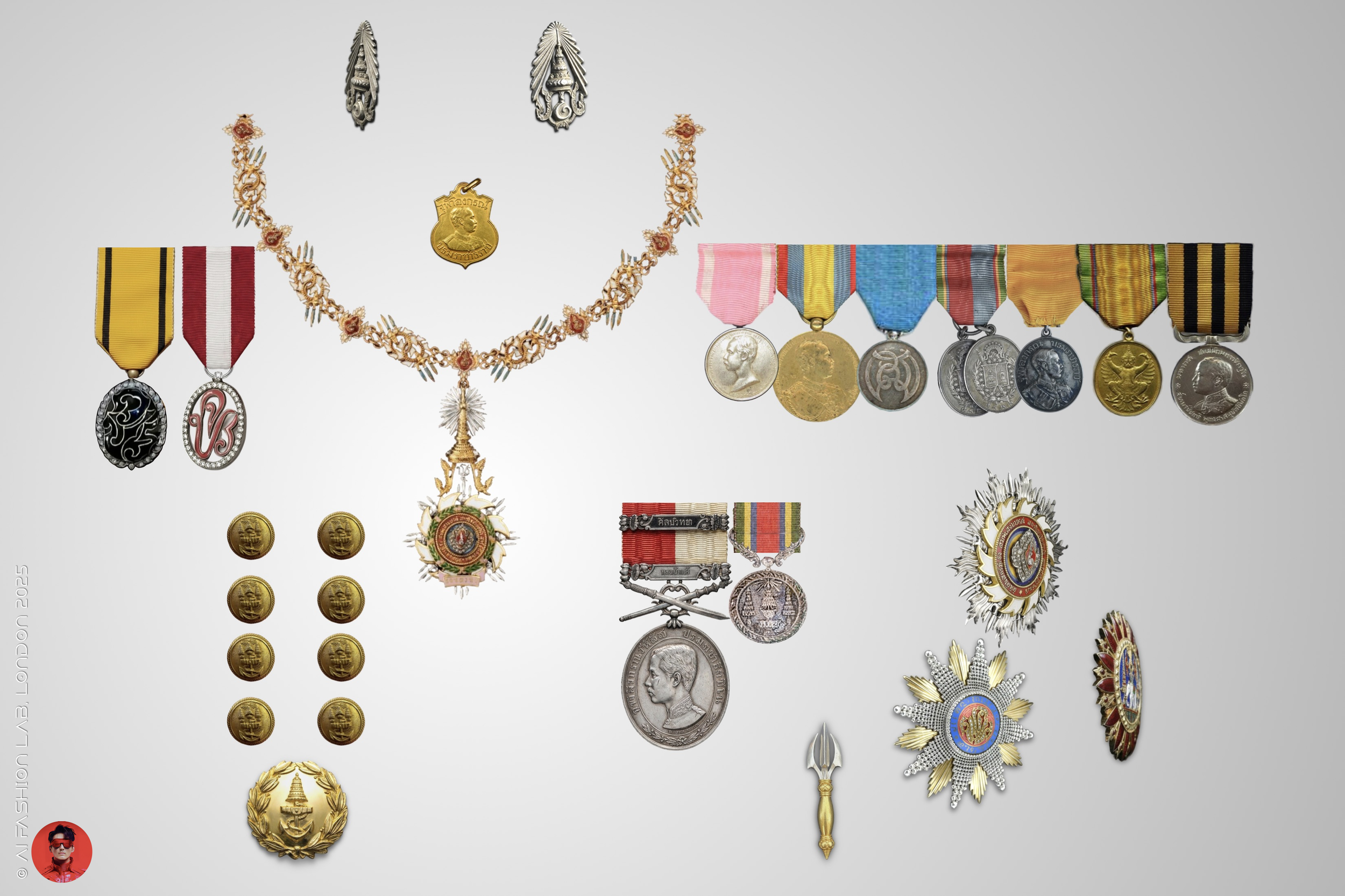
หรือบางครั้งนำเหรียญต้นแบบจากแหล่งข้อมูลที่ถูกต้องที่เรามาสมารถหาได้จากอินเตอร์เน็ต (เหมือนชุด medal board) มาใช้ประกอบ
_________
3️⃣ ต่อด้วยการสร้าง “Mapping Board” — แผงจัดตำแหน่งเหรียญ
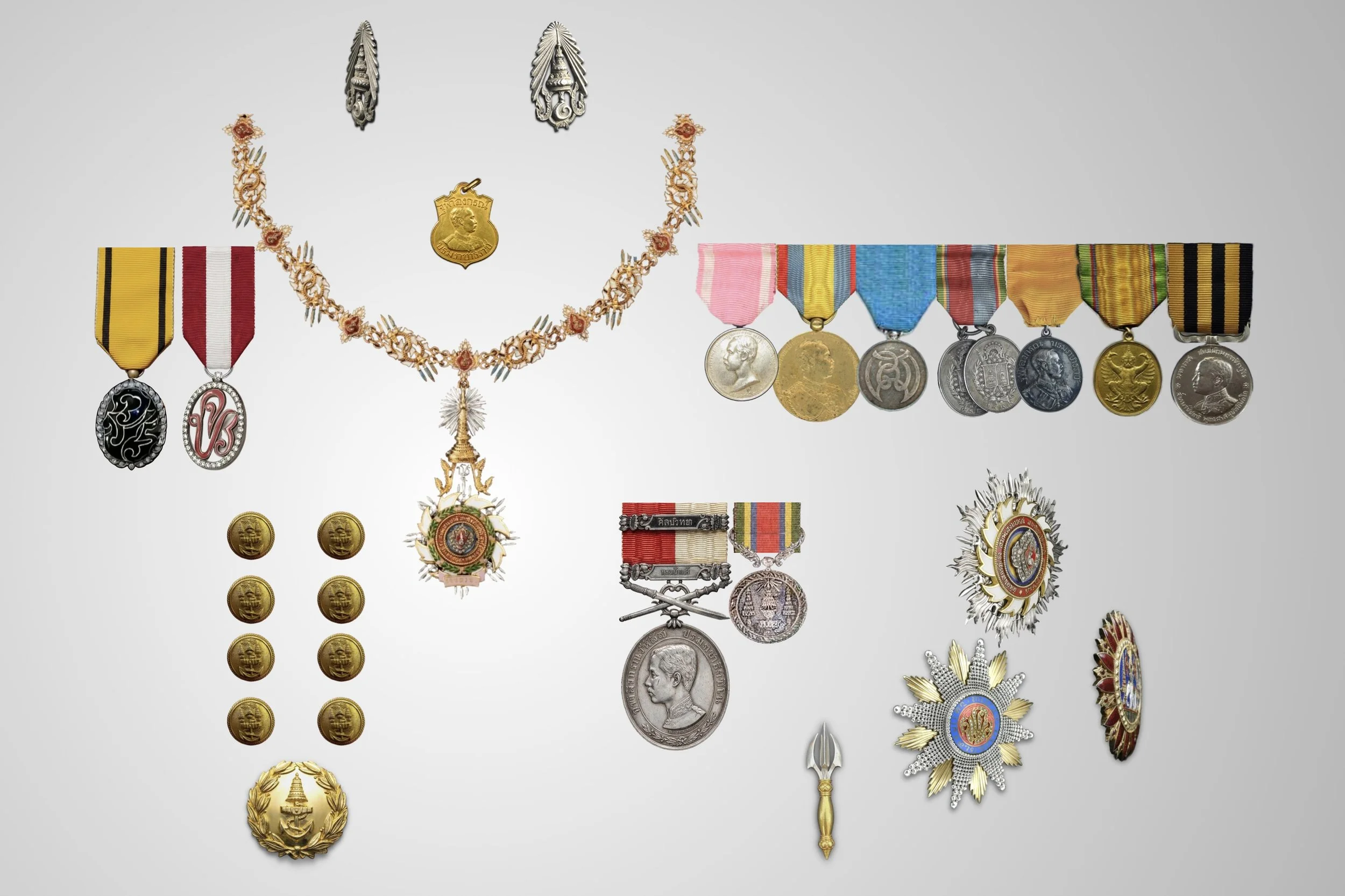
หลังจากระบุชนิดและรายชื่อเหรียญครบถ้วนแล้ว ขั้นตอนสำคัญในการบูรณะภาพด้วย AI คือการสร้าง Mapping Board หรือแผงจัดตำแหน่งเหรียญ ซึ่งทำหน้าที่กำหนดว่าเหรียญแต่ละชิ้นควรอยู่ตรงตำแหน่งใดบนเครื่องแบบจริง ไม่ใช่เพียงเรียงตามรายชื่อ
หลักการของ Mapping Board
แบ่งพื้นที่ตามตำแหน่งจริงบนร่างกาย: กลางลำตัว, อกขวา, อกซ้าย (บน–กลาง–ล่าง)
กำหนดลำดับความสำคัญของเหรียญ (เหรียญใหญ่ก่อน เหรียญรองตามลำดับ)
เว้นระยะห่างให้ตรงตามระเบียบ ไม่ชิดหรือห่างเกินจริง
ระบุจุดเสี่ยงที่ AI มักทำผิด เช่น คอเสื้อ เข็ม กลุ่มเหรียญที่ซ้อนกัน
ประโยชน์
Mapping Board ช่วยให้
วางเหรียญถูกตำแหน่งและสัดส่วน
ลดความผิดพลาดในการซ้อนทับและลำดับเกียรติยศ
ใช้เป็นเอกสารอ้างอิงสำหรับ prompt, การเทรน AI และการตรวจความถูกต้องภายหลัง
กล่าวโดยสรุป Mapping Board คือขั้นตอนที่ทำให้งานบูรณะภาพจาก “ภาพสวย” กลายเป็น “ภาพที่ถูกต้องทางประวัติศาสตร์”
จากนั้นจึงนำ Mapping Board มาใช้เป็นภาพอ้างอิงเชิงภาพ (visual reference) ร่วมกับการเขียน prompt และภาพต้นฉบับ
การกำหนดตำแหน่งเหรียญ เครื่องหมาย และเครื่องราชอิสริยาภรณ์อย่างชัดเจนผ่าน Mapping Board จะช่วยชี้นำให้ AI สร้างรายละเอียดได้อย่างถูกต้องและแม่นยำมากขึ้น ในทางปฏิบัติ วิธีการนี้ให้ผลลัพธ์ที่มีประสิทธิภาพสูง โดยทั่วไปใช้การสร้างภาพด้วย AI ไม่เกิน ๕ ครั้ง และในหลายกรณี ภาพที่สร้างขึ้นในครั้งแรกก็มีความถูกต้องสมบูรณ์แล้ว โดยเฉพาะเมื่อใช้ Google Nano Banana Pro
_________
4️⃣ จากนั้น—ผมจะเขียนพรอมต์แบบละเอียดมากในระดับการถ่ายทำภาพยนตร์หรือถ่ายงานแฟชั่นชู๊ต
พรอมต์ที่ดีต้องเล่าทุกอย่าง:
✔ รายละเอียดชุดและสิ่งทอ
ลายดิ้นทอง, moiré, ผ้าแพร, ผ้ากำมะหยี่, การปักแบบปลายรัชกาลที่ 5
ในกระบวนการนี้เราสามารภใช้ภาพตัวอย่างของผ้าหรือเครื่องแต่งการที่ถูกต้องเป็นตัวช่วยการสร้างสรรค์ให้ถูกต้องได้เช่นกัน
✔ รายละเอียดเหรียญทุกชิ้น
สีลงยา, ริบบิ้น, โลหะ, เพชร, ลำดับการติด, ตำแหน่งทางซ้าย–ขวาตามภาพจริง
✔ ฉากหลัง
ผมมักใช้ฉากทองลงรัก, ลายมุก, หรือฉากแบบภาพถ่ายสตูดิโอเก่า
✔ แสง
ผมนึกเหมือนกำลังถ่ายแฟชั่นหรือถ่ายหนัง:
แสงหลักนุ่มหรือแข็ง?
ต้องมี rim light ไหม?
เหรียญต้องสะท้อนอย่างไร?
ต้องการเงาหรือความลึกระดับไหน?
✔ กล้องมืออาชีพ
ผมมักระบุคุณภาพแบบ:
“16K Ultra-Definition Royal Archival Quality”
พร้อมตัวอย่างกล้องโปรระดับโลก เช่น:
Nikon D6
Canon EOS-1D X Mark III
Sony A9 III
เพื่อให้ภาพออกมาคมชัดแบบภาพพิพิธภัณฑ์
_________
5️⃣ ขั้นสุดท้าย—ประกอบชิ้นงาน และถ้าจำเป็นก็ซ้อนเหรียญจริงทับอีกชั้น
บางครั้ง AI ทำเหรียญให้ดูนุ่มไปหรือไม่คมชัดเท่าที่ต้องการ ผมจะซ้อนเหรียญที่บูรณะเองแบบชัด 100% ลงไปอีกชั้นหนึ่ง
ผลลัพธ์คือภาพที่ “เหมือนยืนอยู่ต่อหน้าเครื่องราชฯ จริง ๆ”
_________
สำหรับพระรูปของ กรมหลวงชุมพรเขตอุดมศักดิ์ นั้นค่อนข้างจะซับซ้อนเล็กน้อย เพราะนอกจากเหรียญตราแล้ว ยังมีเข็มที่คอเสื้อ กระดุม และหัวเข็มขัดอีกหลายจุดที่ต้องทำให้ถูกต้องตามยุคสมัย และต้องเป็นแบบของทหารเรือโดยเฉพาะ
เหรียญและเครื่องราชอิสริยาภรณ์ที่ปรากฏในพระรูป ได้แก่
“กลางลำตัว”
๑. เหรียญรัชกาลที่ ๕ ที่ระลึกเสด็จกลับจากยุโรป เนื้อทองคำ (ใบเสมา)
๒. สายสร้อยและตรามหาจักรี ของเครื่องขัตติยราชอิสริยาภรณ์อันมีเกียรติคุณรุ่งเรืองยิ่งมหาจักรีบรมราชวงศ์
“อกขวา บน (จากซ้ายไปขวา)”
๑. เหรียญรัตนาภรณ์ รัชกาลที่ ๖ ชั้นที่ ๒
๒. เหรียญรัตนาภรณ์ รัชกาลที่ ๕ ชั้นที่ ๒
“อกซ้าย บน (จากซ้ายไปขวา)”
๑. เหรียญรัชฎาภิเศกมาลา สร้างขึ้นเป็นที่ระลึกเนื่องในโอกาสพระราชพิธีรัชฎาภิเศก ฉลองสิริราชสมบัติครบ ๒๕ ปี ในพระบาทสมเด็จพระจุลจอมเกล้าเจ้าอยู่หัว เมื่อ พ.ศ. ๒๔๓๖ (ร.ศ. ๑๑๒)
๒. เหรียญประพาสมาลา พ.ศ. ๒๔๔๐ (ร.ศ. ๑๑๖) เป็นเหรียญราชอิสริยาภรณ์พระราชทานเป็นที่ระลึก เนื่องในการเสด็จประพาสยุโรปเป็นครั้งแรก เพื่อเจริญพระราชไมตรี ตั้งแต่วันที่ ๗ เมษายน ถึงวันที่ ๑๖ ธันวาคม พ.ศ. ๒๔๔๐ (ร.ศ. ๑๑๖) นับเป็นพระมหากษัตริย์องค์แรกในประวัติศาสตร์ไทยที่ได้เสด็จประพาสประเทศต่าง ๆ ในยุโรป
๓. เหรียญราชินี สผ. (ส.ผ.) คือเหรียญราชินี ซึ่งเป็นเหรียญที่ระลึกในสมัยพระบาทสมเด็จพระจุลจอมเกล้าเจ้าอยู่หัว พระราชทานโดยสมเด็จพระศรีพัชรินทราบรมราชินีนาถ (พระอัครมเหสีในรัชกาลที่ ๕) เพื่อเป็นที่ระลึกในการเสด็จประพาสยุโรปครั้งที่ ๑ ในปี พ.ศ. ๒๔๔๐ (ร.ศ. ๑๑๖) และปัจจุบันถือเป็นเหรียญที่พ้นสมัยพระราชทานแล้ว (สิ้นสุดการมอบในปี พ.ศ. ๒๔๔๑ / ร.ศ. ๑๑๗)
๔. เหรียญที่ระลึกรัชกาลที่ ๕ เสมอ ๒ เท่ารัชกาลที่ ๔ รัตนโกสินทร์ศก ๑๒๒ (ร.ศ. ๑๒๒) เป็นเหรียญที่ออกในวโรกาสที่รัชกาลที่ ๕ ครองราชย์เสมอเป็น ๒ เท่าของรัชกาลที่ ๔ เรียกกันสั้น ๆ ว่า “เหรียญเสมอ” จัดเป็นเหรียญหายาก
๕. เหรียญที่ระลึกรัชมังคลาภิเษก หรือเหรียญพระบรมรูปทรงม้า พ.ศ. ๒๔๕๑ (ร.ศ. ๑๒๗) สร้างขึ้นเนื่องในพระราชพิธีรัชมังคลาภิเษก ครองราชย์ ๔๐ พรรษา และในคราวเดียวกันนั้นได้มีการเปิดพระราชานุสาวรีย์พระบรมรูปทรงม้า เหรียญนี้จึงมี ๒ ลักษณะ ได้แก่
แบบรูปไข่ ด้านหลังเป็นตราครุฑ สร้างในวโรกาสพระราชพิธีรัชมังคลาภิเษก
แบบรูปกลมรี ด้านหน้าเป็นพระบรมรูปทรงม้าบนฐานอนุสาวรีย์ ด้านหลังมีข้อความว่า “ที่ระฤก ที่ได้ฉลองพระเดชพระคุณในงานรัชมังคลาภิเษก รัตนโกสินทร์ ๑๒๗”
๖. เหรียญรัชมงคล (ตราครุฑ) รัชกาลที่ ๕ พ.ศ. ๒๔๕๐ (ร.ศ. ๑๒๖) สร้างขึ้นในวโรกาสที่พระบาทสมเด็จพระจุลจอมเกล้าเจ้าอยู่หัวทรงครองราชย์ครบ ๔๐ ปี เสมอด้วยสมเด็จพระรามาธิบดีที่ ๒ แห่งกรุงศรีอยุธยา
๗. เหรียญที่ระลึกงานบรมราชาภิเษก รัชกาลที่ ๖ ปี พ.ศ. ๒๔๕๔ (ร.ศ. ๑๓๐)
“อกซ้าย กลาง (จากซ้ายไปขวา)”
๑. เหรียญดุษฎีมาลา หรือที่เรียกกันอย่างไม่เป็นทางการว่า “เหรียญแพรแถบ” เป็นเหรียญบำเหน็จความชอบในราชการ สร้างขึ้นในปี พ.ศ. ๒๔๒๕ (ร.ศ. ๑๐๑) เนื่องในมหามงคลครบรอบ ๑๐๐ ปีแห่งการสถาปนากรุงเทพมหานคร
๒. เหรียญจักรมาลา (ร.จ.ม.) สถาปนาขึ้นในปี พ.ศ. ๒๔๑๒ (ร.ศ. ๘๘) เป็นเหรียญสำหรับพระราชทานแก่ข้าราชการทหารและตำรวจที่ปฏิบัติราชการไม่น้อยกว่า ๑๕ ปี
“อกซ้าย ล่าง (จากซ้ายไปขวา)”
๑. เข็มพระวชิราวุธ หรือเข็มข้าหลวงเดิม
๒. เครื่องราชอิสริยาภรณ์จุลจอมเกล้า ชั้นที่ ๑ ปฐมจุลจอมเกล้า
๓. เครื่องขัตติยราชอิสริยาภรณ์มหาจักรีบรมราชวงศ์
๔. เครื่องราชอิสริยาภรณ์อันเป็นที่เชิดชูยิ่งช้างเผือก ชั้นที่ ๑ ประถมาภรณ์ช้างเผือก (ป.ช.)
“เครื่องแบบ”
๑. ตราพระมหามงกุฎเปล่งรัศมี ติดตรงปกเสื้อทั้งสองข้าง
๒. กระดุมทองรูปสมอ มีพระเกี้ยวรัศมีบนพานประกอบฉัตรสองข้าง กรมทหารเรือ ร.ศ. ๑๑๒ (พ.ศ. ๒๔๓๖) ยุครัชกาลที่ ๕
๓. หัวเข็มขัดทหารเรือพระเกี้ยว ยุครัชกาลที่ ๕ (ปลายคริสต์ศตวรรษที่ ๑๙ – ต้นคริสต์ศตวรรษที่ ๒๐)
ผมหวังเป็นอย่างยิ่งว่ากระบวนการทำงานและแนวทางที่ได้นำเสนอไว้ทั้งหมดนี้ จะเป็นประโยชน์ต่อผู้ที่สนใจการบูรณะภาพถ่ายประวัติศาสตร์ โดยเฉพาะภาพที่มีรายละเอียดซับซ้อน เช่น เครื่องราชอิสริยาภรณ์ เหรียญตรา และเครื่องหมายเฉพาะทางบนเครื่องแบบ วิธีการดังกล่าวไม่เพียงช่วยลดความคลาดเคลื่อนในการสร้างภาพด้วย AI เท่านั้น แต่ยังช่วยให้ผู้สร้างสรรค์สามารถถ่ายทอดลำดับเกียรติยศ รายละเอียด และบริบททางประวัติศาสตร์ได้อย่างถูกต้องและน่าเชื่อถือ อันจะนำไปสู่การสร้างภาพที่ไม่เพียงงดงามทางสายตา หากแต่ยังเคารพและซื่อตรงต่อข้อเท็จจริงทางประวัติศาสตร์อีกด้วย
_________
Methods of Restoring Historic Black-and-White Photographs,
Especially Images Rich in Orders and Decorations (Part II)
The AI-restored and artistically re-created image presented here depicts His Royal Highness Prince Abhakara Kiartivongse, Prince of Chumphon Khet Udomsak
(พระเจ้าบรมวงศ์เธอ พระองค์เจ้าอาภากรเกียรติวงศ์ กรมหลวงชุมพรเขตอุดมศักดิ์),
revered as “the Father of the Royal Thai Navy”.
In this project, I would like to revisit my approach to restoring historic black-and-white photographs—particularly those containing a dense array of royal orders, decorations, medals, and ceremonial insignia. This article is intended for those interested in using AI for photographic restoration.
In recent months, I have frequently been asked how I approach the restoration of old photographs using AI—especially images filled with medals, royal decorations, gold embroidery, and complex court or military uniforms—and how I ensure that colours are accurate, the order of decorations is correct, and the textures of textiles, metals, and jewellery appear convincing. This is particularly challenging given that AI systems do not inherently “know” the correct historical colours, nor the distinctive way Siamese gold thread embroidery reflected light during the reigns of King Rama V and King Rama VI.
In truth, the process is not difficult—but it does require great care, patience, and precision. Most importantly, it demands a close integration of historical knowledge of dress and decoration with careful, controlled guidance of the AI.
Today, I would therefore like to share the actual working process that I use—one that can be adapted for restoring family photographs, historic images, or even applied in a professional context.
It should be noted from the outset that this methodology is drawn directly from my professional practice in London. As a costume designer for film, I use the same techniques when reconstructing garments from historic black-and-white photographs, analysing textile surfaces, weaving techniques, gold-thread embroidery, and the structural construction of historic uniforms at a level suitable for Hollywood film production.
What follows, therefore, is a practical explanation of how I actually work, which I hope will be useful for those wishing to attempt high-quality restorations. This workflow is compatible with Google Nano Banana Pro as well as other AI engines designed as advanced editing suites.
1️⃣ Step One — Restoring the Black-and-White Image First
Before adding colour, I always ensure that the original photograph is as clean as possible.
This means removing all scratches, stains, dust, creases, and chemical residue from ageing.
If the foundational image is weak, colourisation will never succeed.
However, when the base image is sharp and clean, the final coloured result can appear as if it were photographed only yesterday.
2️⃣ Step Two — Identifying Every Medal and Decoration in Detail
This step is often overlooked, yet it is the core of court and ceremonial dress restoration.
Each item is analysed individually:
The name and class of the medal
Enamel colours
Ribbon patterns
Correct placement of stars and insignia
The correct direction of sashes
The material of the decoration (gold, silver, niello, gemstones)
Chain patterns and construction
Historically correct placement according to court dress regulations
I always restore or clarify each medal individually first. In many cases, I also assemble reference images from reliable historical sources—similar to a traditional medal board—to ensure absolute accuracy.
3️⃣ Creating the “Mapping Board” — A Medal Placement Guide
Once all medals and decorations have been identified, the next crucial step is creating a Mapping Board, a positional guide that defines exactly where each decoration should sit on the actual uniform—not merely listed by name.
Principles of the Mapping Board
Dividing the body into accurate zones: centre line, right chest, left chest (upper, middle, lower)
Establishing hierarchy: major orders first, secondary medals thereafter
Maintaining correct spacing according to regulations
Identifying high-risk areas where AI frequently makes errors (collars, pins, overlapping medal groups)
Benefits
The Mapping Board:
Ensures correct placement and proportion
Reduces errors in overlap and precedence
Serves as a visual reference for prompting, AI training, and final verification
In short, the Mapping Board is what transforms a restoration from merely visually pleasing into one that is historically responsible.
The Mapping Board is then used as a visual reference alongside the original photograph when prompting the AI. By clearly defining the placement of medals, insignia, and decorations, the AI is guided towards significantly greater accuracy. In practice, this method is highly effective: usually no more than five AI image generations are required, and in many cases the first generated image is already correct—particularly when using Google Nano Banana Pro.
4️⃣ Writing Highly Detailed Prompts — At Film and Fashion Editorial Level
A strong prompt must describe everything in detail:
✔ Garments and textiles
Gold thread embroidery, moiré silk, velvet, court fabrics, and late–Rama V embroidery techniques. Reference images of authentic textiles can also be used to guide the AI.
✔ Every medal and decoration
Enamel colours, ribbons, metals, gemstones, hierarchy, and exact left–right placement.
✔ Background
I often use lacquered gold, mother-of-pearl patterns, or early studio photography backdrops.
✔ Lighting
I approach lighting as if shooting a film or fashion editorial:
Soft or hard key light?
Rim lighting?
How should metal reflect?
Desired depth and shadow?
✔ Professional camera specification
I frequently specify output quality such as
“16K Ultra-Definition Royal Archival Quality”,
with reference to professional cameras such as:
Nikon D6
Canon EOS-1D X Mark III
Sony A9 III
to achieve museum-grade clarity.
5️⃣ Final Step — Compositing and Overlaying Restored Medals if Necessary
Occasionally, AI renders medals too softly or without sufficient clarity. In such cases, I overlay fully restored medals manually as an additional layer.
The result is an image that feels as if one is standing directly before the actual decorations.
Decorations and Orders Visible in the Portrait
Due to its complexity, the portrait of Prince of Chumphon Khet Udomsak (กรมหลวงชุมพรเขตอุดมศักดิ์) requires particular care. In addition to numerous medals, there are collar pins, buttons, and a naval belt buckle that must be correct to period and specific to the Royal Siamese Navy.
Centre Line
King Rama V European Return Commemorative Gold Medal (Leaf-shaped)
(เหรียญรัชกาลที่ ๕ ที่ระลึกเสด็จกลับจากยุโรป เนื้อทองคำ ใบเสมา)Chain and Badge of the Most Illustrious Order of the Royal House of Chakri
(เครื่องขัตติยราชอิสริยาภรณ์มหาจักรีบรมราชวงศ์)
Right Chest – Upper (left to right)
Royal Cypher Medal of King Rama VI, Second Class
(เหรียญรัตนาภรณ์ รัชกาลที่ ๖ ชั้นที่ ๒)Royal Cypher Medal of King Rama V, Second Class
(เหรียญรัตนาภรณ์ รัชกาลที่ ๕ ชั้นที่ ๒)
Left Chest – Upper (left to right)
Silver Jubilee Medal of King Rama V, 25th Anniversary of the Reign, BE 2436 (R.S. 112)
(เหรียญรัชฎาภิเษกมาลา)First European Tour Commemorative Medal, BE 2440 (R.S. 116)
(เหรียญประพาสมาลา)Queen’s Medal “Sor Por” (ส.ผ.), granted by Queen Saovabha Phongsri
(เหรียญราชินี สผ.)Double-Reign Equivalence Medal, Rattanakosin Era 122
(เหรียญเสมอ รัชกาลที่ ๕)Royal Jubilee / Equestrian Statue Commemorative Medal, BE 2451 (R.S. 127)
(เหรียญรัชมังคลาภิเษก / เหรียญพระบรมรูปทรงม้า)Royal Auspicious Medal (Garuda Type), BE 2450 (R.S. 126)
(เหรียญรัชมงคล ตราครุฑ)Coronation Medal of King Rama VI, BE 2454 (R.S. 130)
(เหรียญที่ระลึกบรมราชาภิเษก รัชกาลที่ ๖)
Left Chest – Middle
Dussadee Mala Medal (Merit Ribbon Medal), BE 2425 (R.S. 101)
(เหรียญดุษฎีมาลา / เหรียญแพรแถบ)Chakramala Medal (R.J.M.), BE 2412 (R.S. 88)
(เหรียญจักรมาลา)
Left Chest – Lower
Vajiravudh Royal Page Pin
(เข็มพระวชิราวุธ / เข็มข้าหลวงเดิม)The Most Noble Order of the Crown of Thailand, First Class
(เครื่องราชอิสริยาภรณ์จุลจอมเกล้า ปฐมจุลจอมเกล้า)The Most Illustrious Order of the Royal House of Chakri
(เครื่องขัตติยราชอิสริยาภรณ์มหาจักรีบรมราชวงศ์)The Most Exalted Order of the White Elephant, First Class
(เครื่องราชอิสริยาภรณ์ช้างเผือก ประถมาภรณ์)
Uniform Details
Radiant Great Crown insignia on both collar tabs
(ตราพระมหามงกุฎเปล่งรัศมี)Gilt naval buttons with anchor and royal cipher, R.S. 112 (BE 2436), Rama V period
(กระดุมกรมทหารเรือ)Royal Siamese Navy belt buckle with Chakri cipher, Rama V period
I sincerely hope that the methodology and working process outlined here will prove useful to those interested in restoring historic photographs—especially images involving complex elements such as orders, medals, and specialised uniforms. Beyond improving visual quality, this approach helps creators convey correct precedence, detail, and historical context, enabling the production of images that are not only visually compelling, but also truthful and respectful to historical fact.
_________
เรียนเชิญกด Subscribe ได้ที่ลิงก์นี้ครับ เพื่อร่วมติดตามงานสร้างสรรค์ต้นฉบับ งานวิจัยประวัติศาสตร์แฟชั่น และผลงานอนุรักษ์มรดกวัฒนธรรมด้วยเทคโนโลยี AI ของ AI Fashion Lab, London ซึ่งมุ่งตีความอดีตผ่านมิติใหม่ของการบูรณะภาพ การสร้างสรรค์ภาพ และการเล่าเรื่องด้วยศิลปะเชิงดิจิทัล 🔗 https://www.facebook.com/aifashionlab/subscribe/
#aifashionlab #AI #aiartist #aiart #aifashion #aifashiondesign #aifashionstyling #aifashiondesigner #fashion #fashionhistory #historyoffashion #fashionstyling #fashionphotography #digitalfashion #digitalfashiondesign #digitalcostumedesign #digitaldesign #digitalaiart #ThaiFashionHistory #ThaiFashionAI #thailand #UNESCO