ลำปาง และแฟชั่นยุครัชกาลที่ ๖ ตอนต้น

ลำปาง และแฟชั่นยุครัชกาลที่ ๖ ตอนต้น
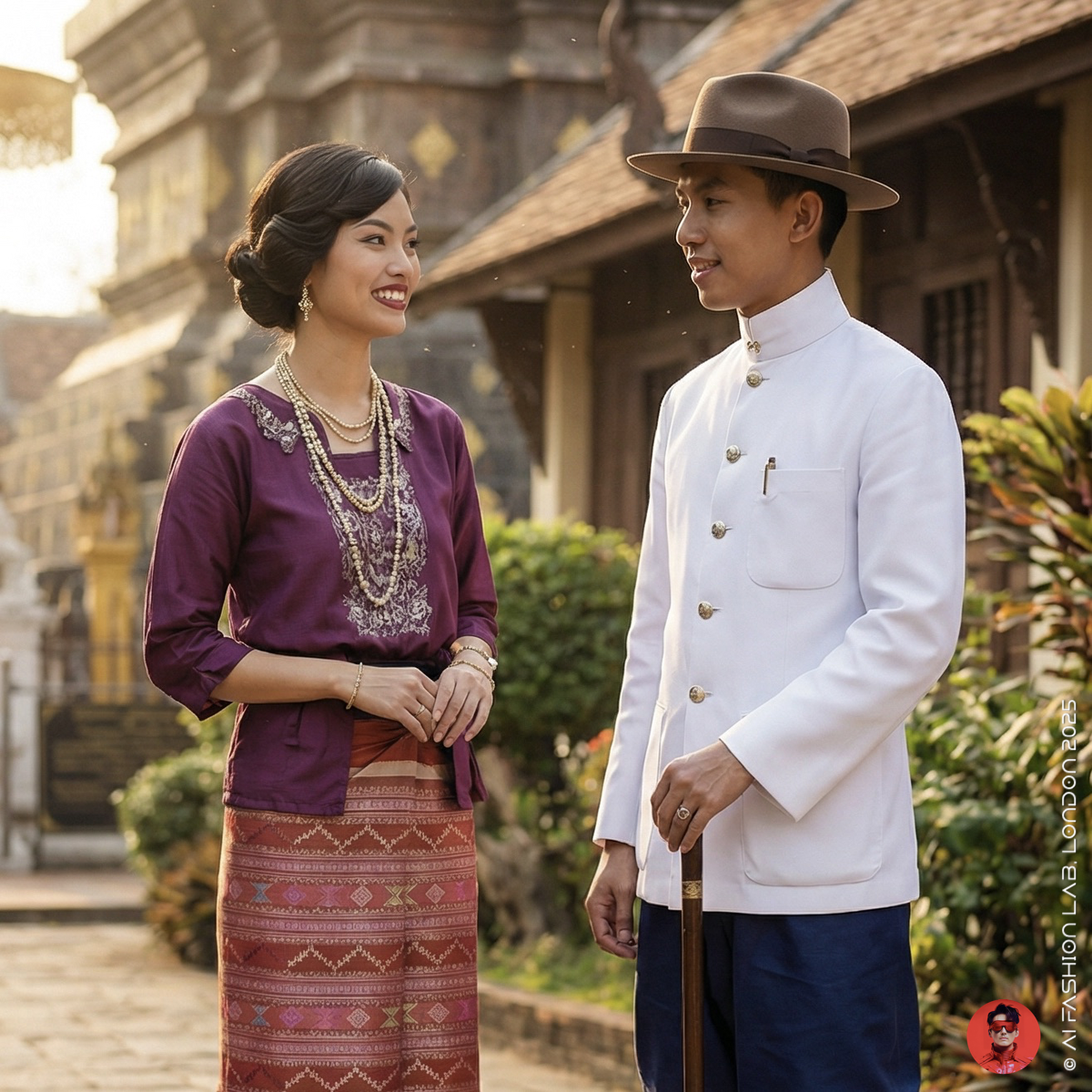
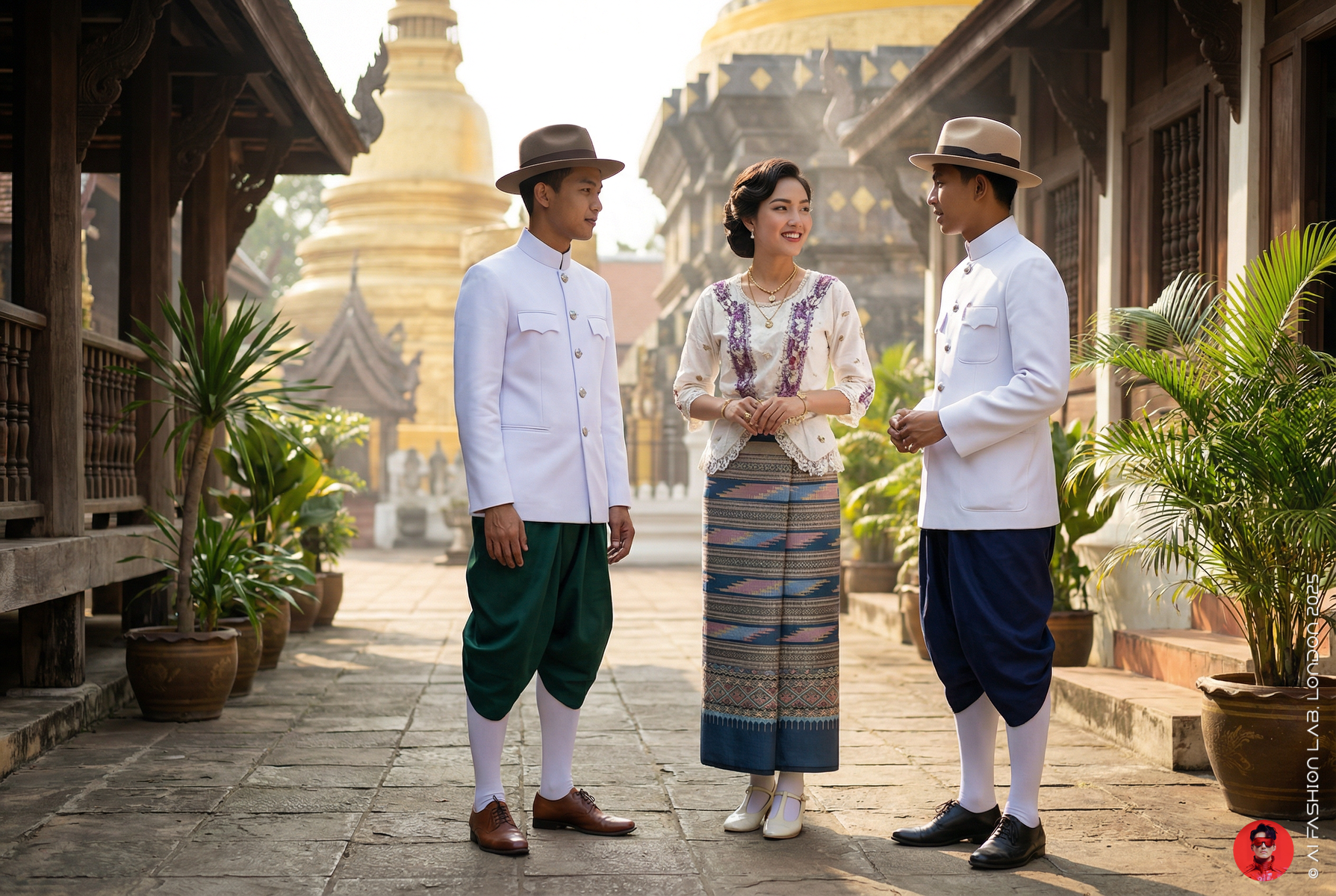
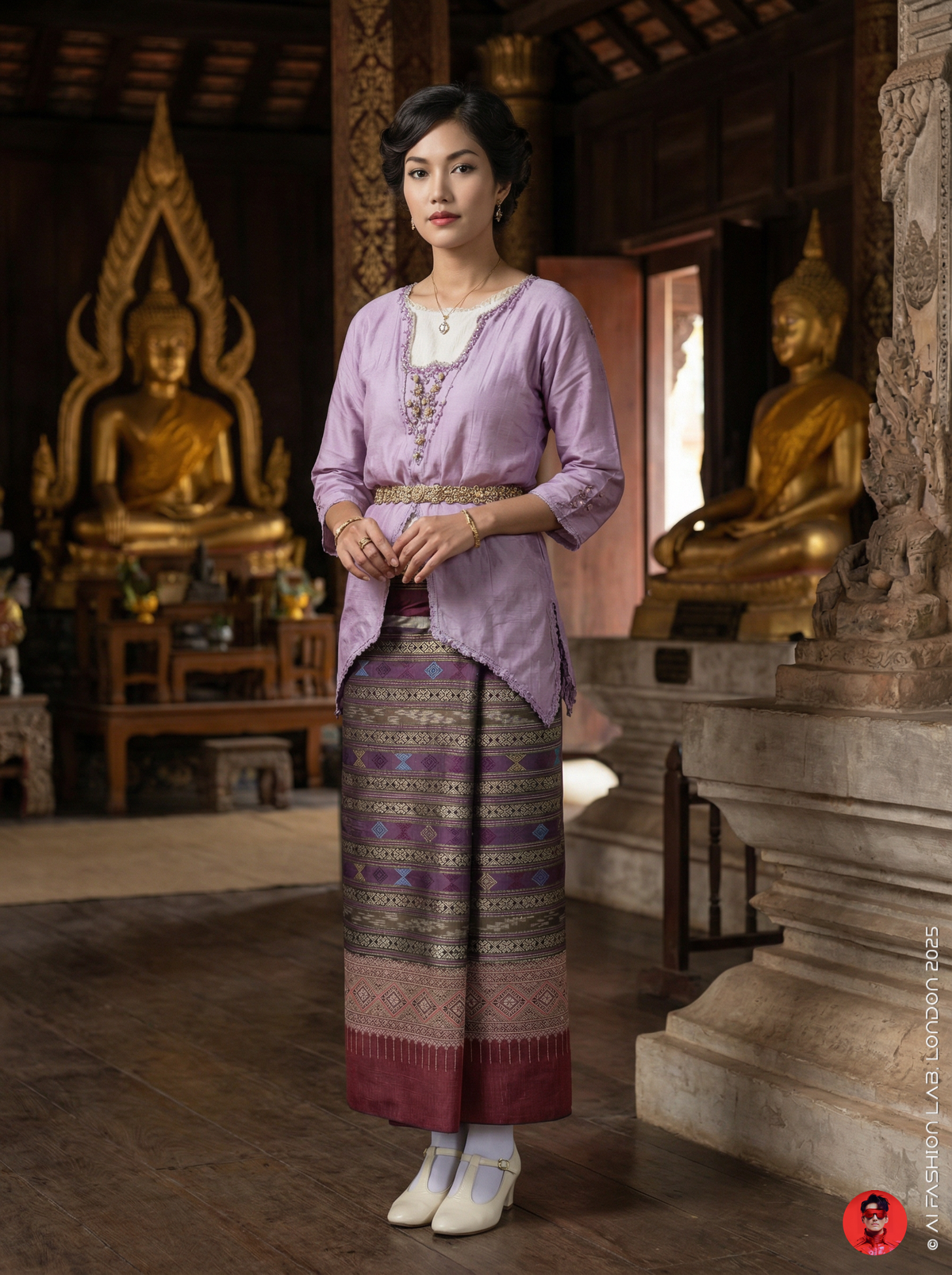
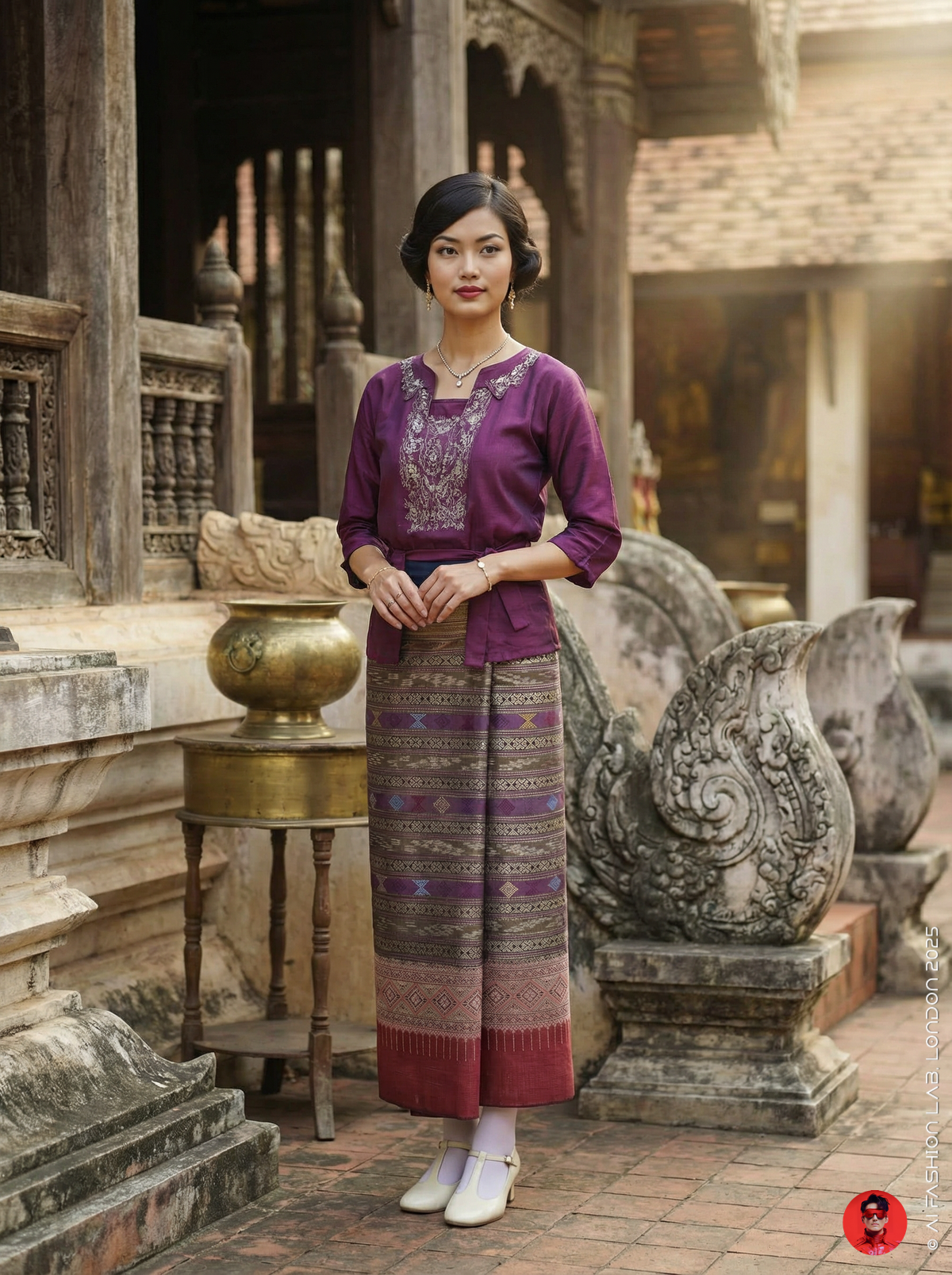
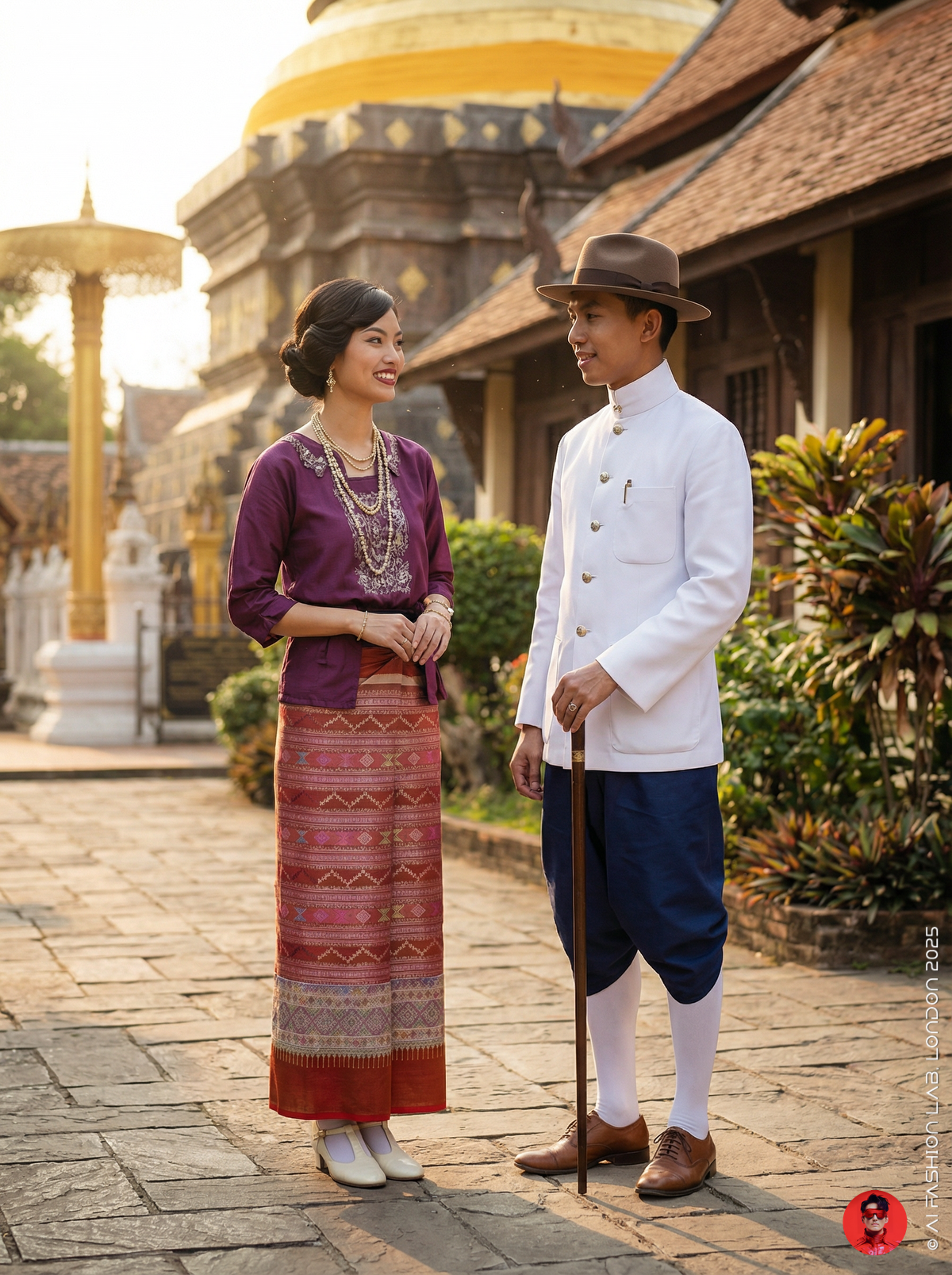
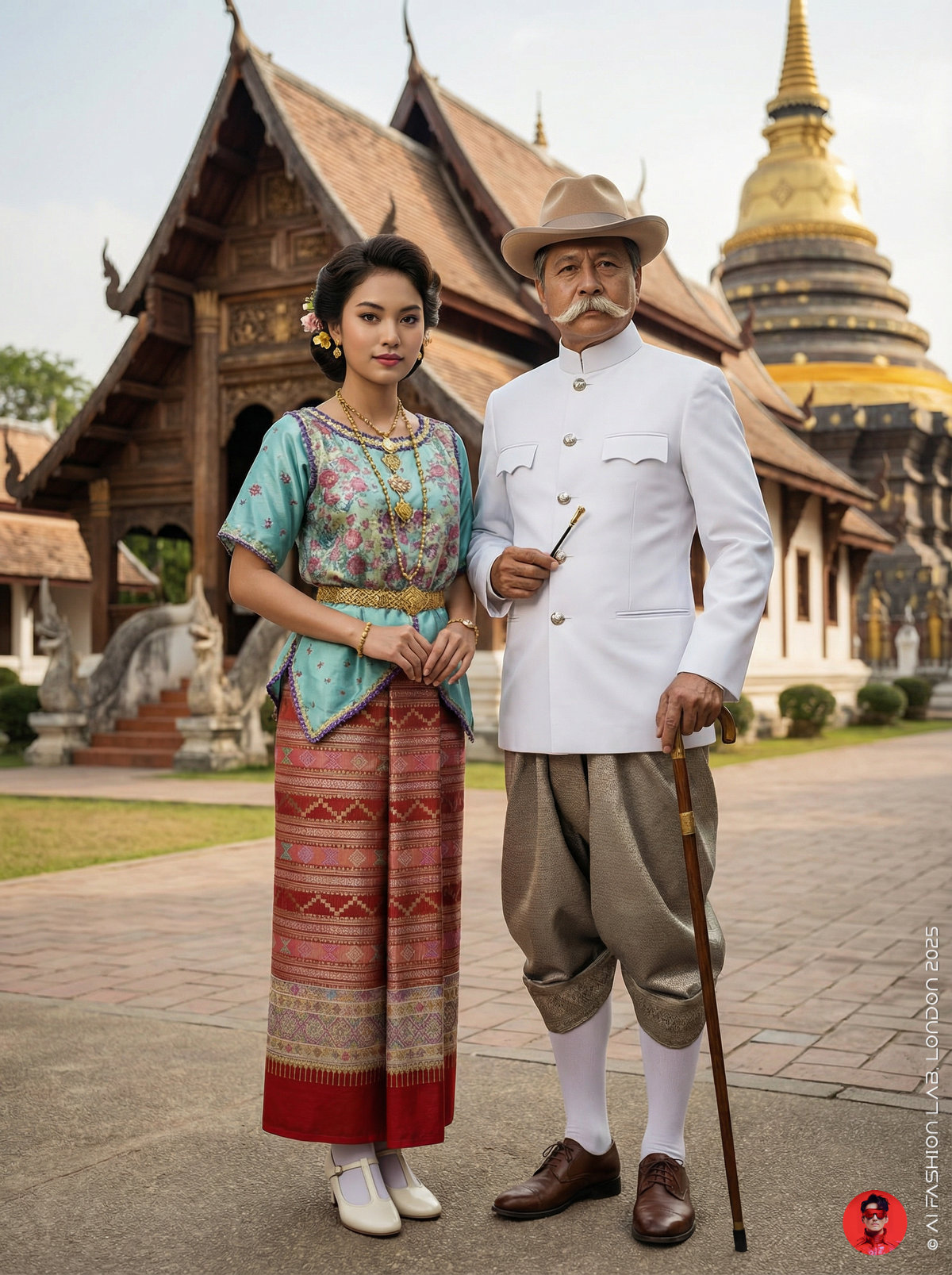
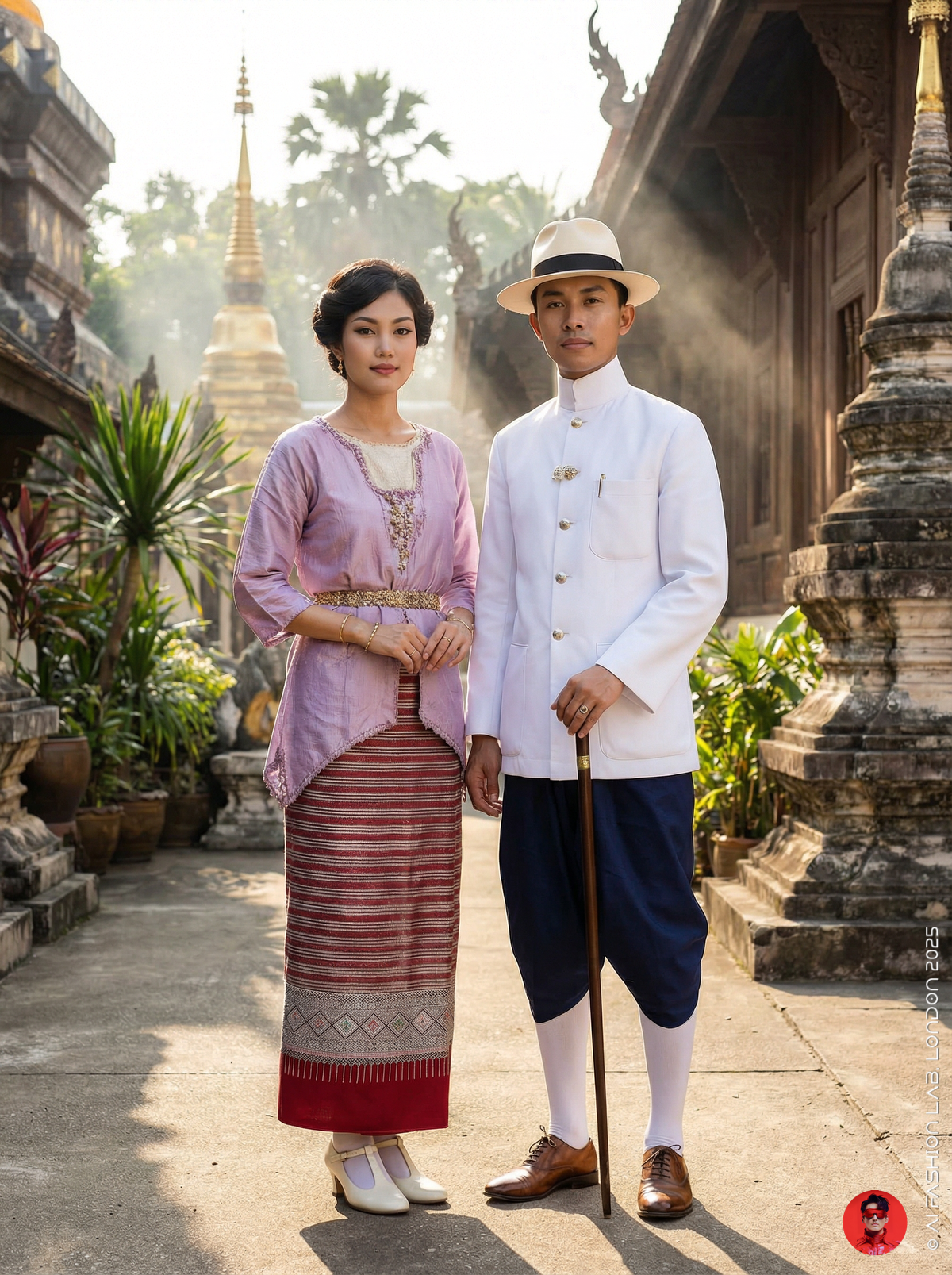
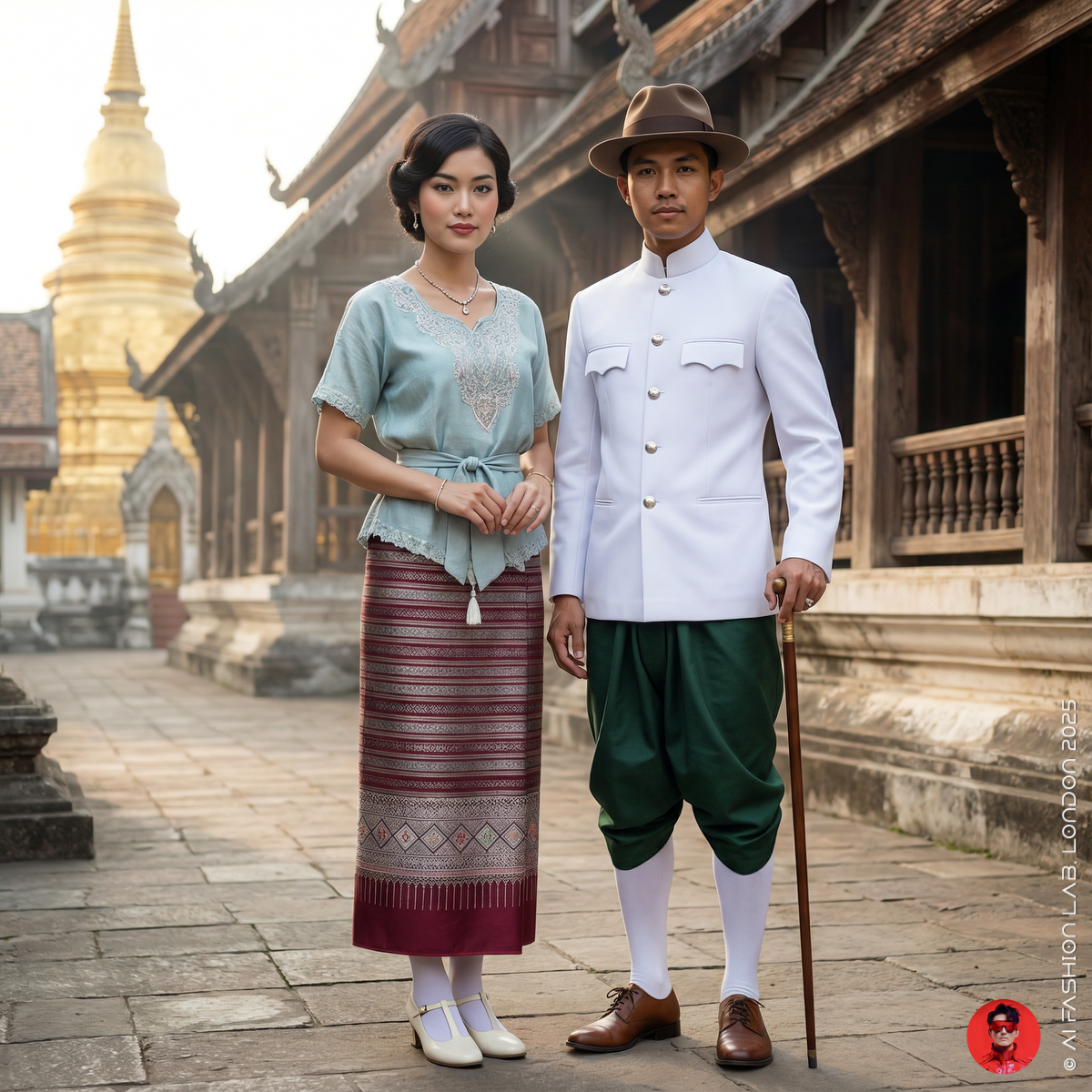
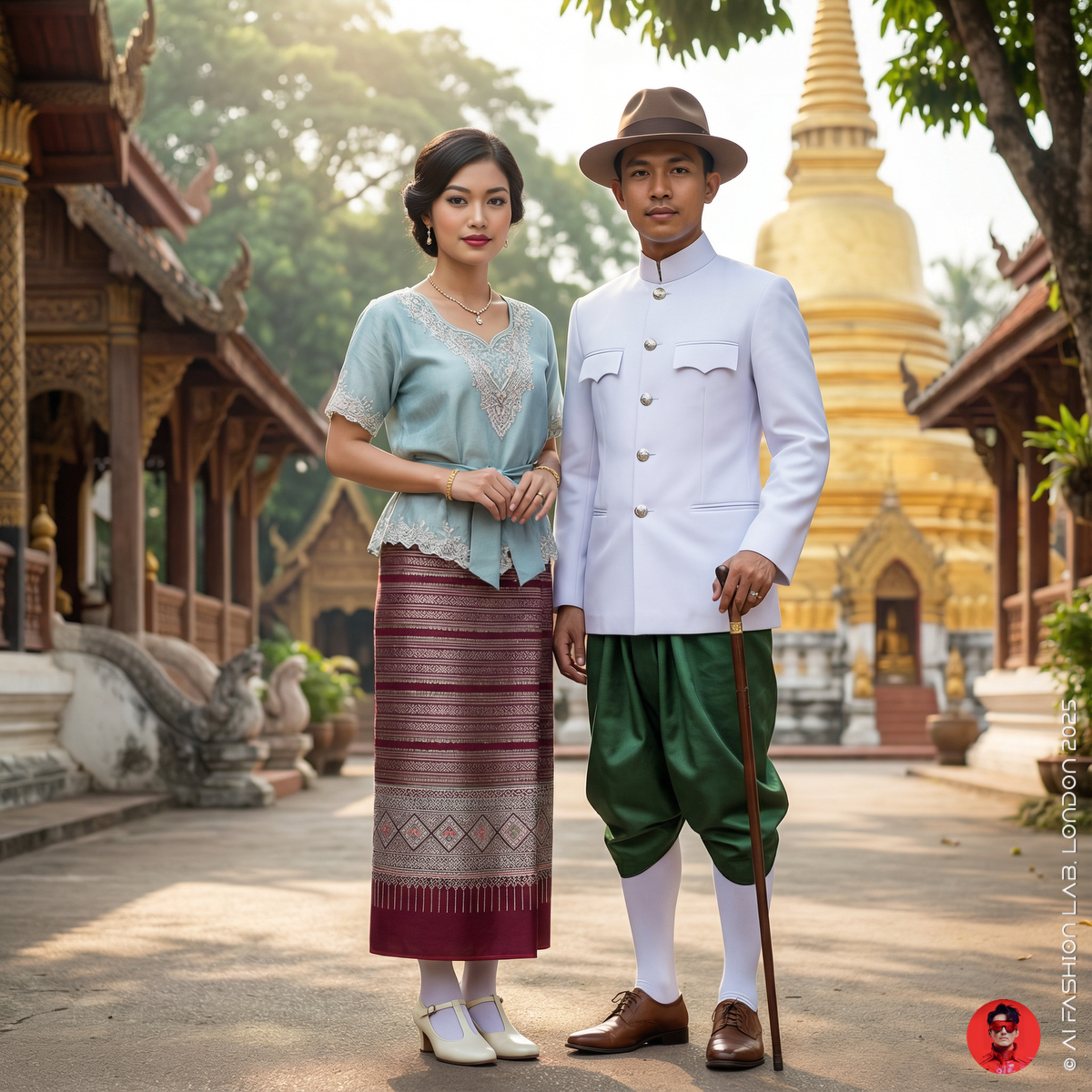
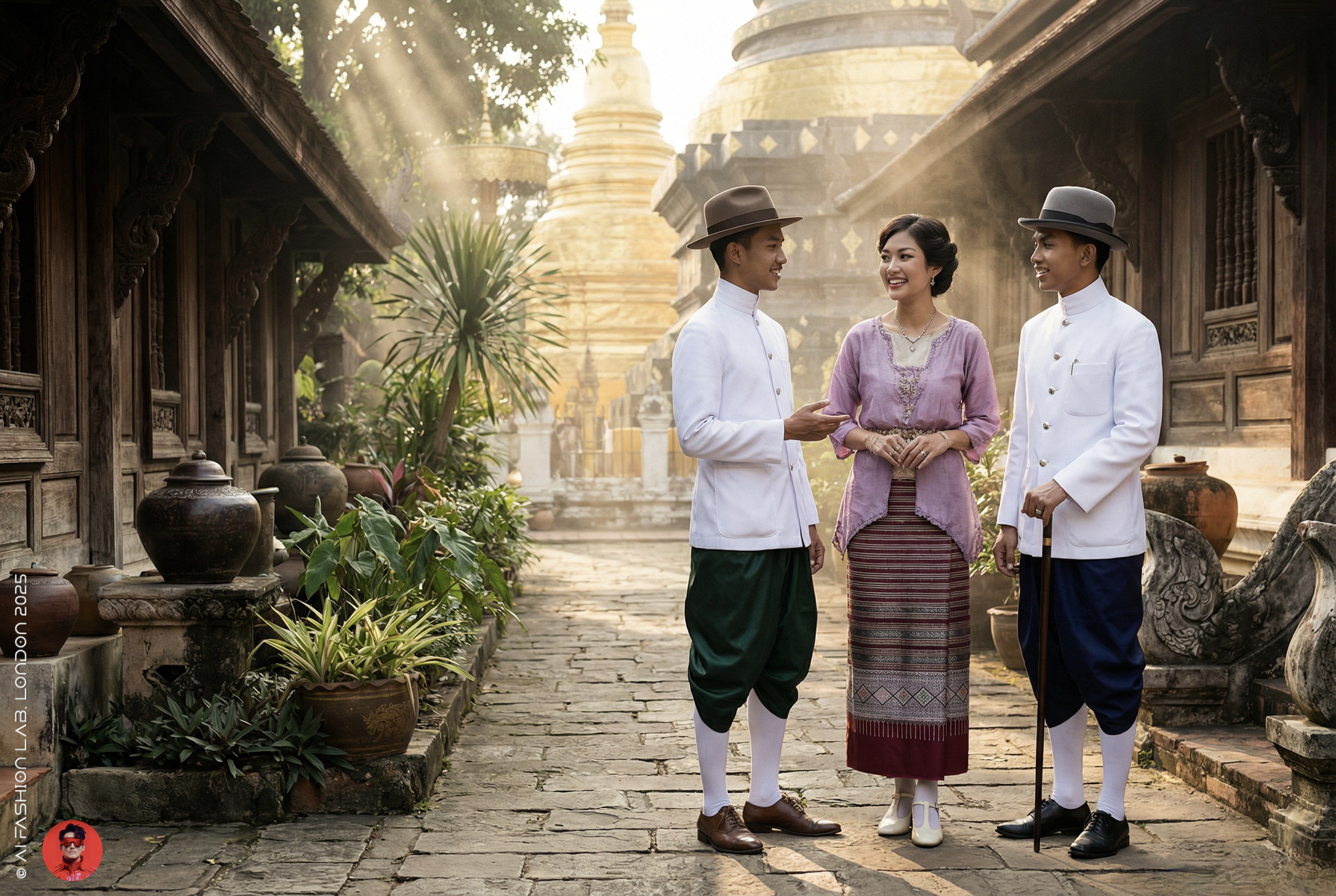
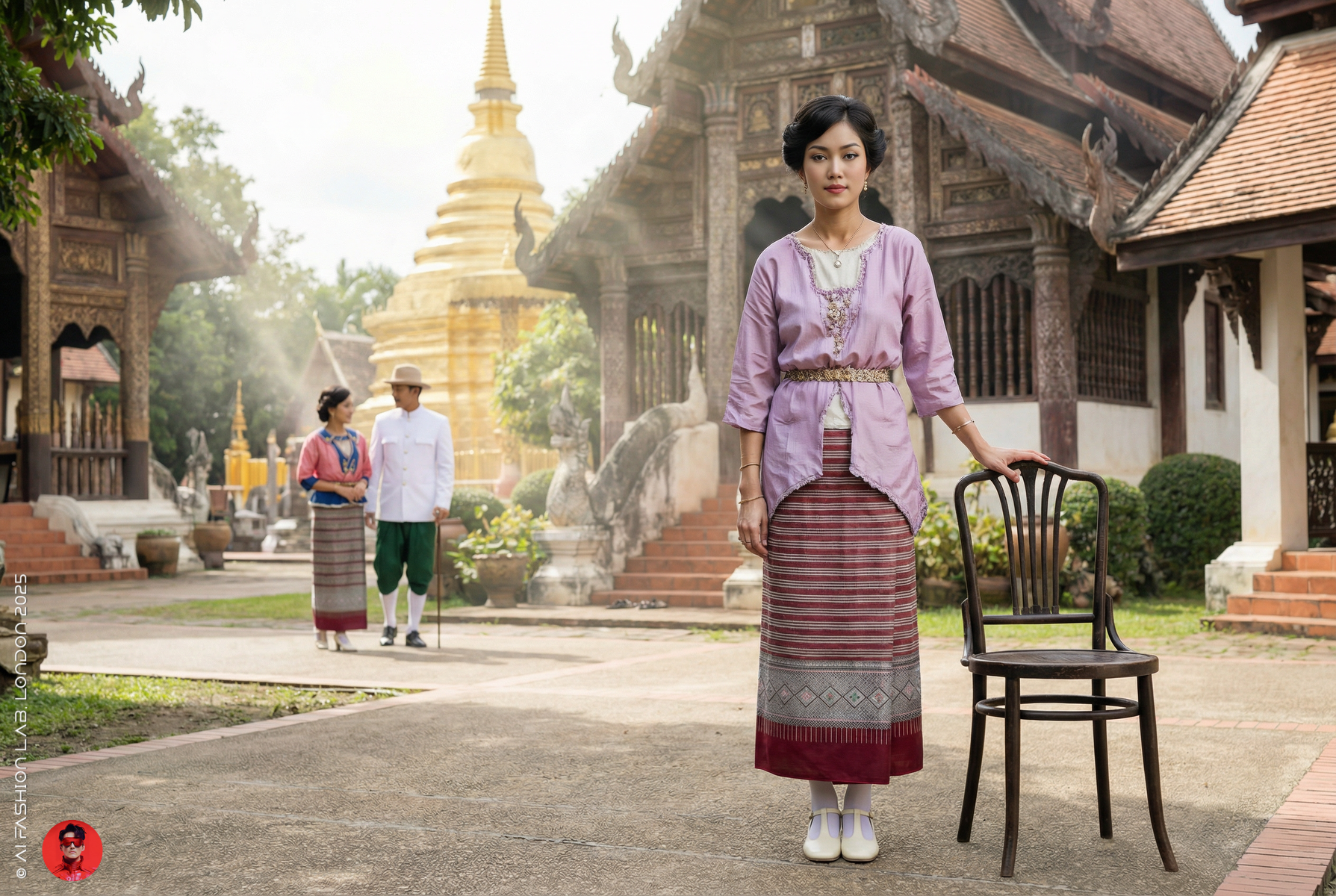
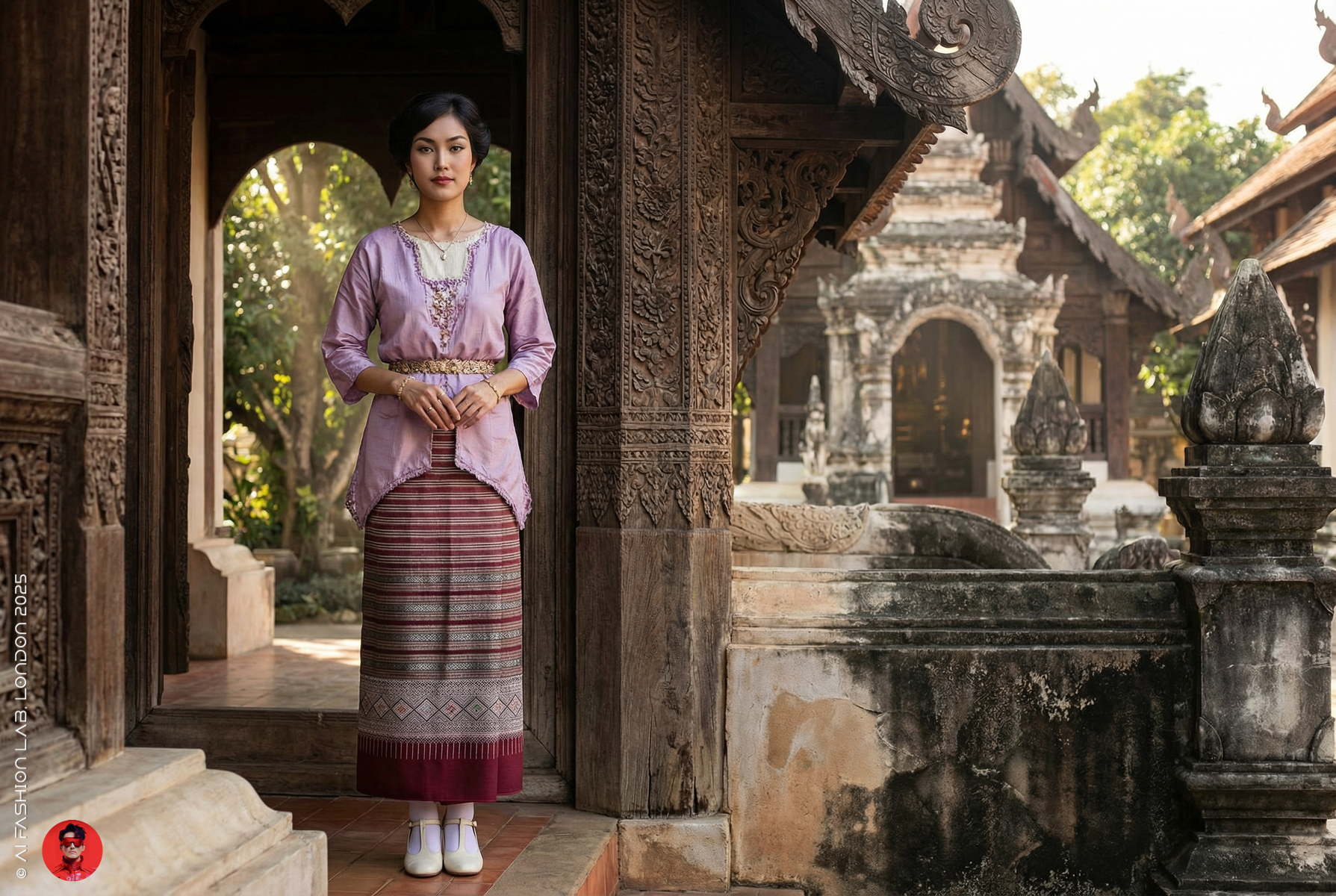
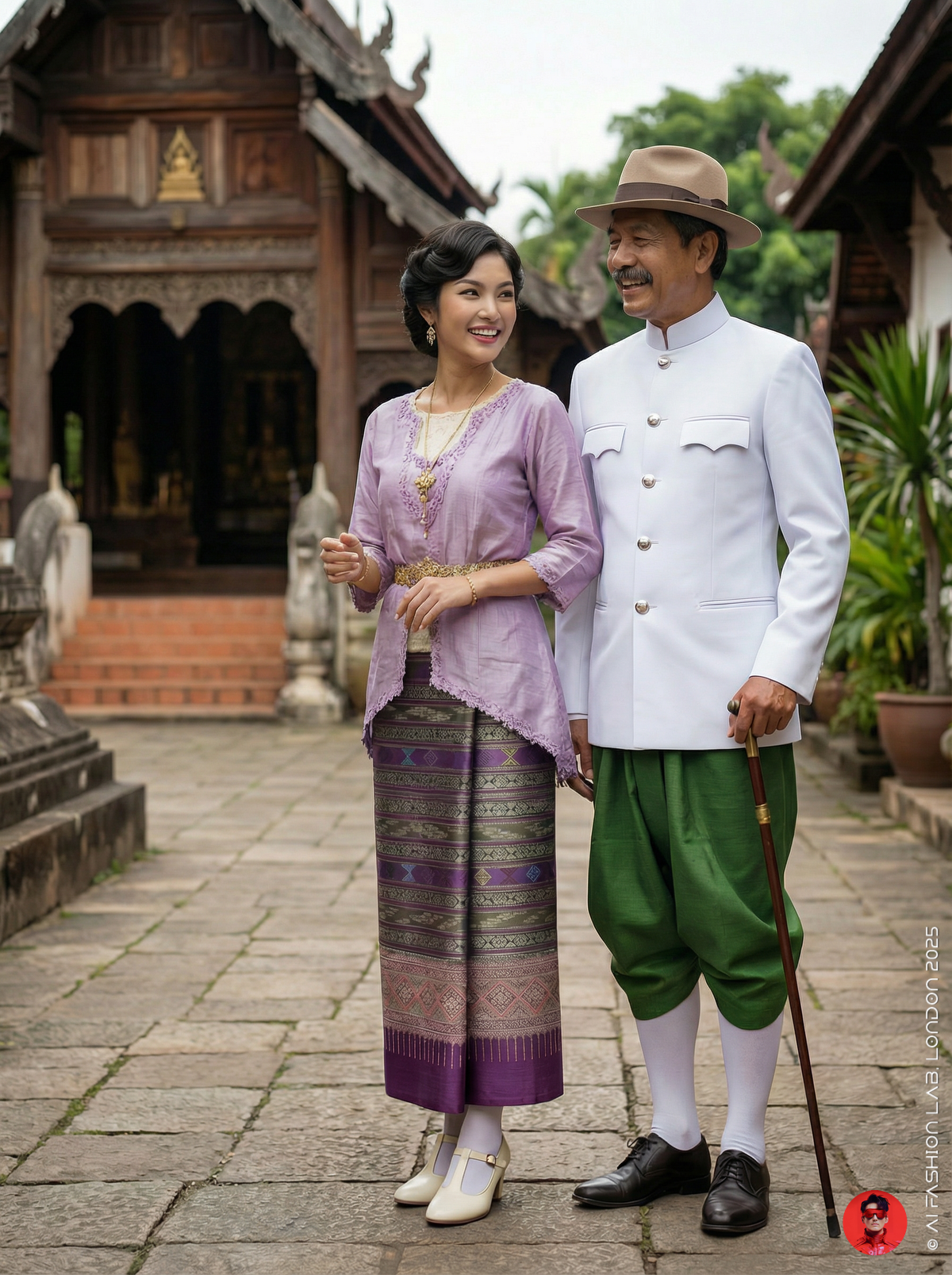
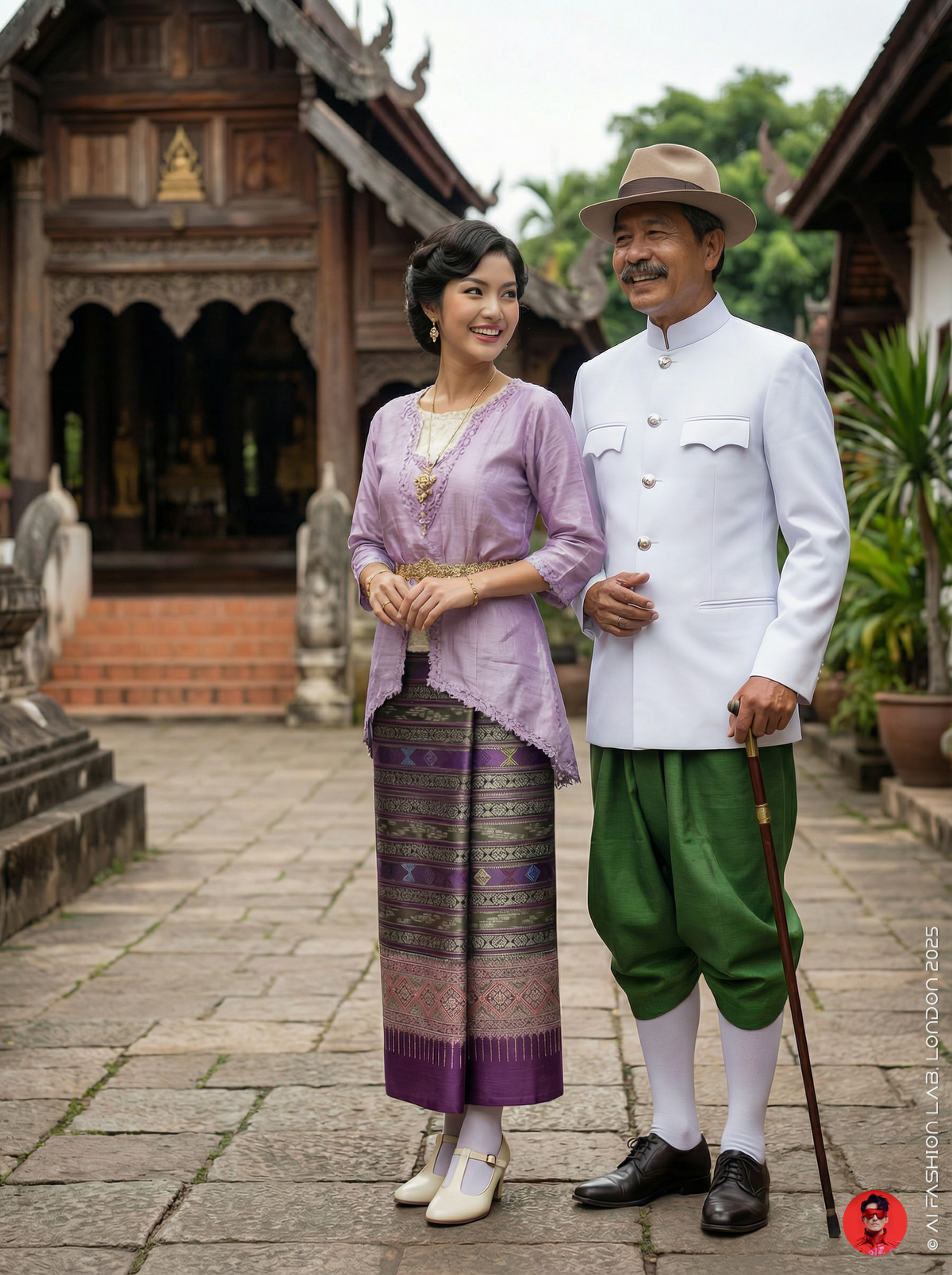
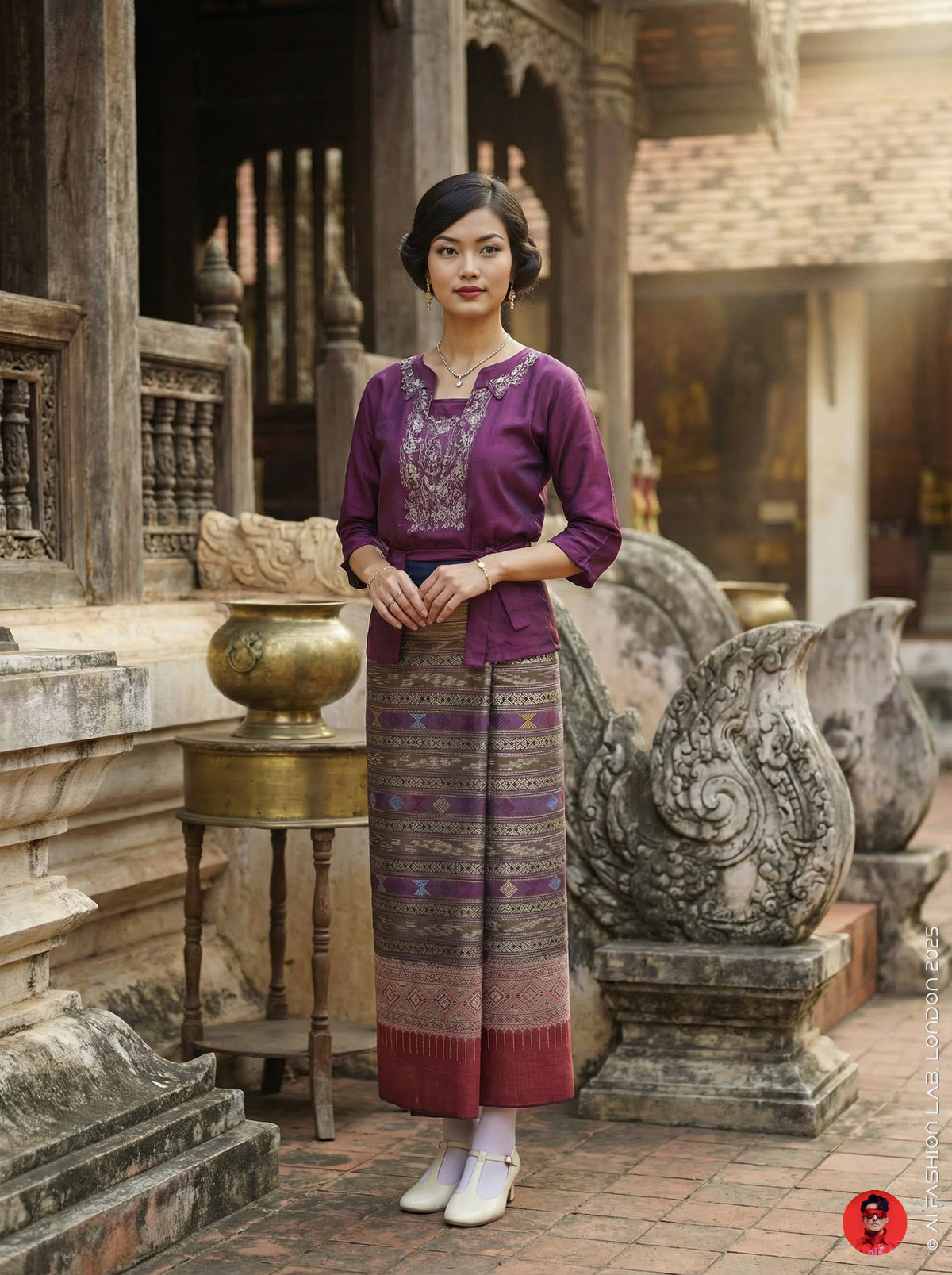
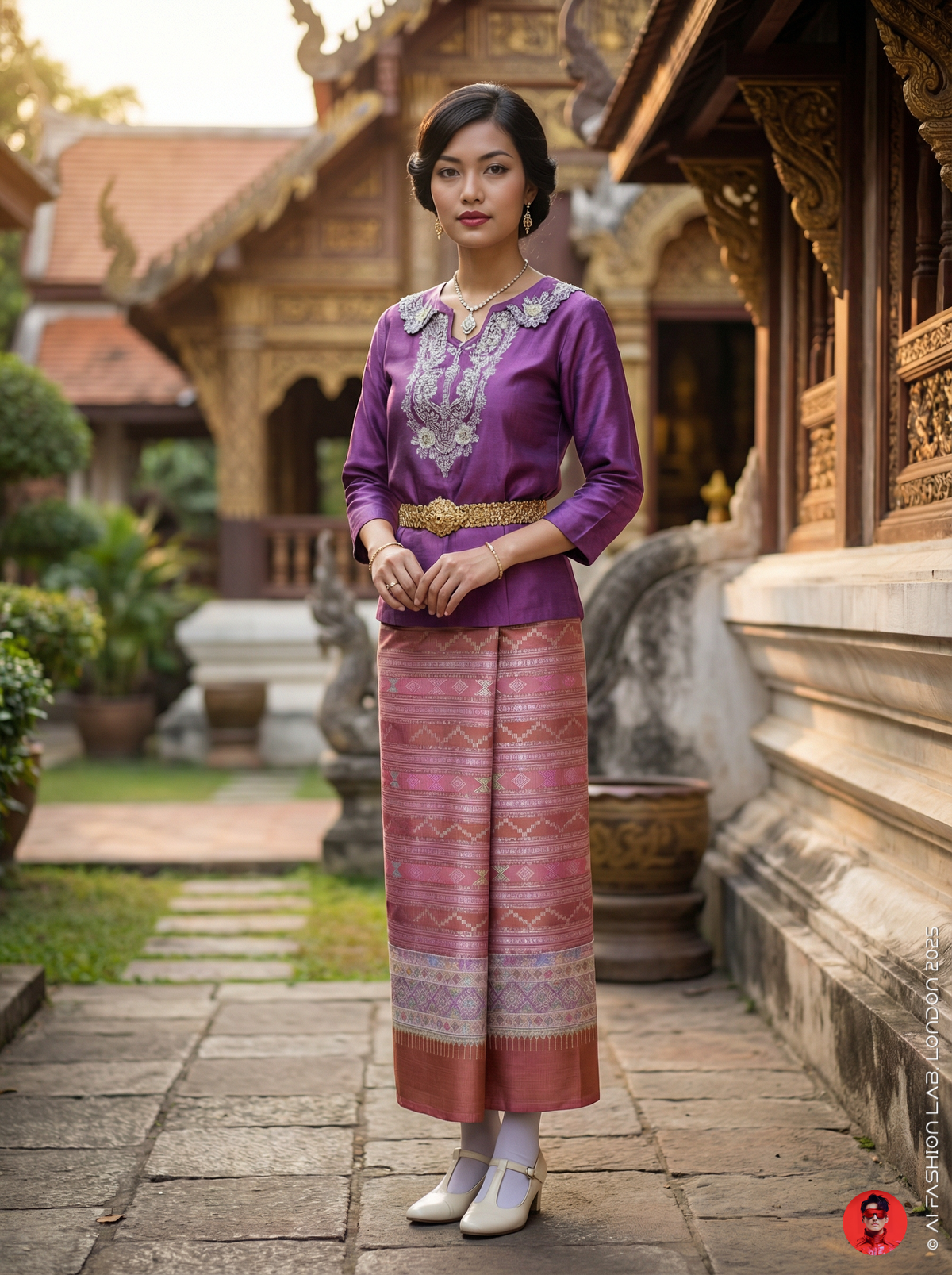
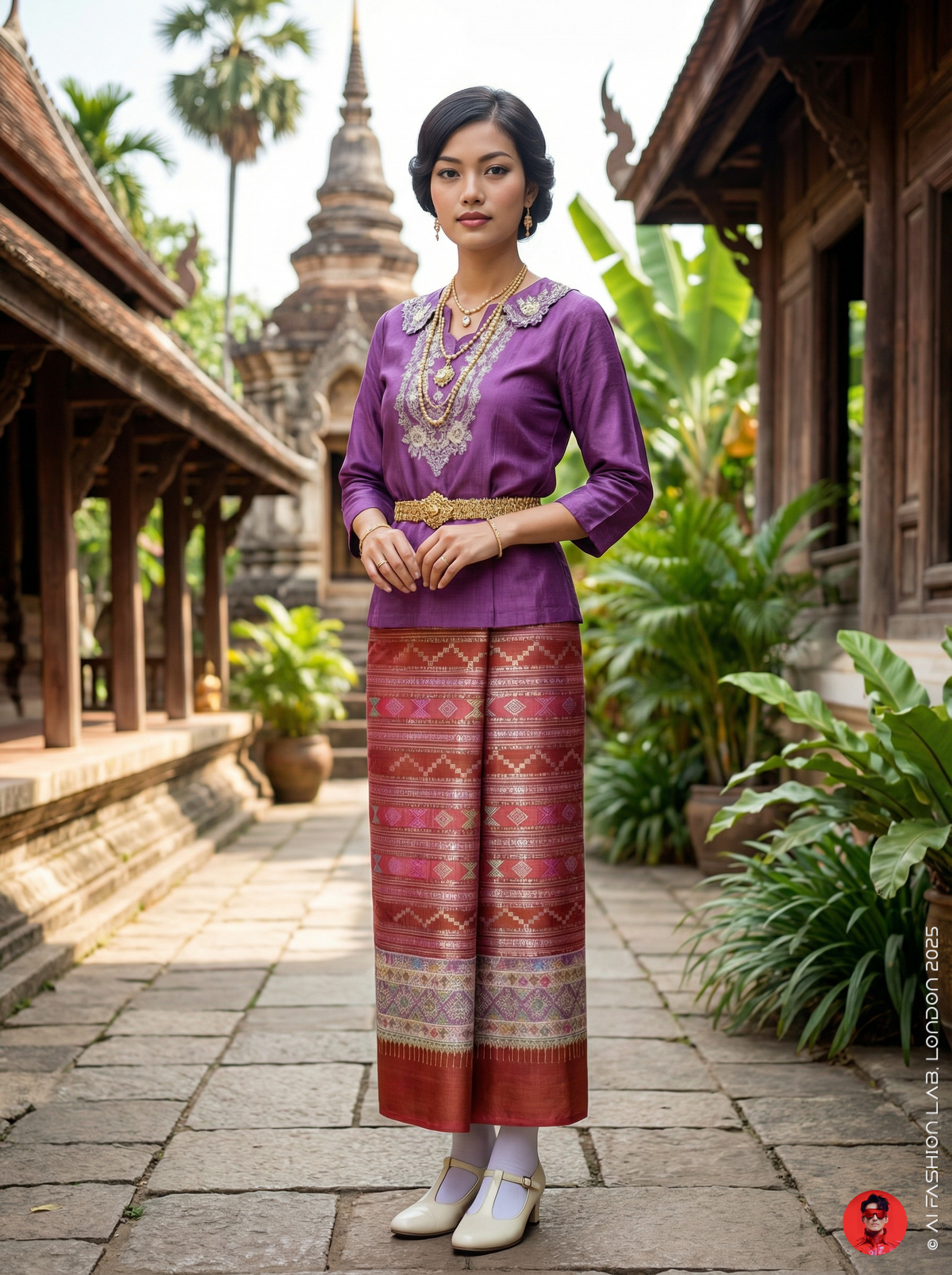
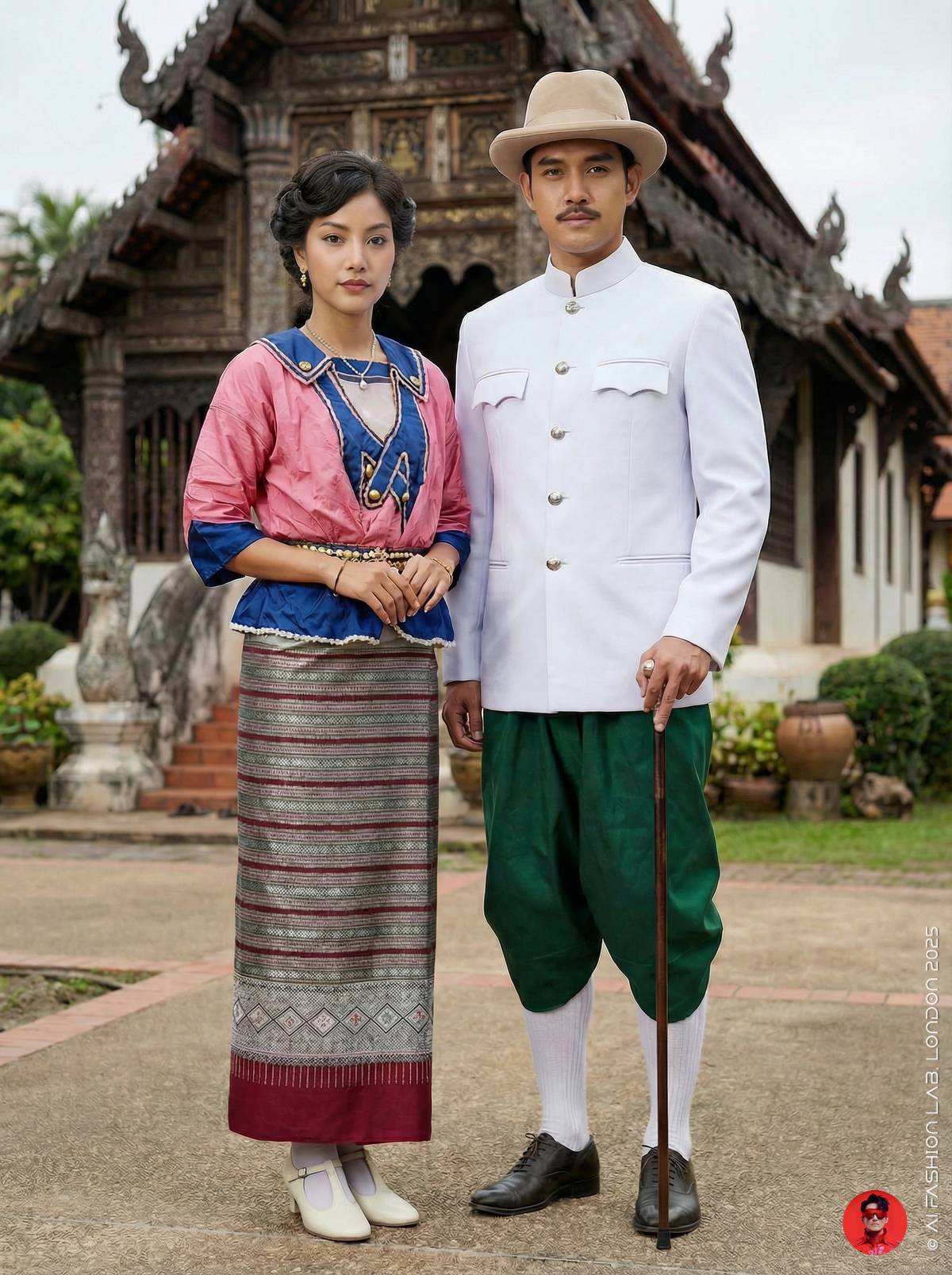
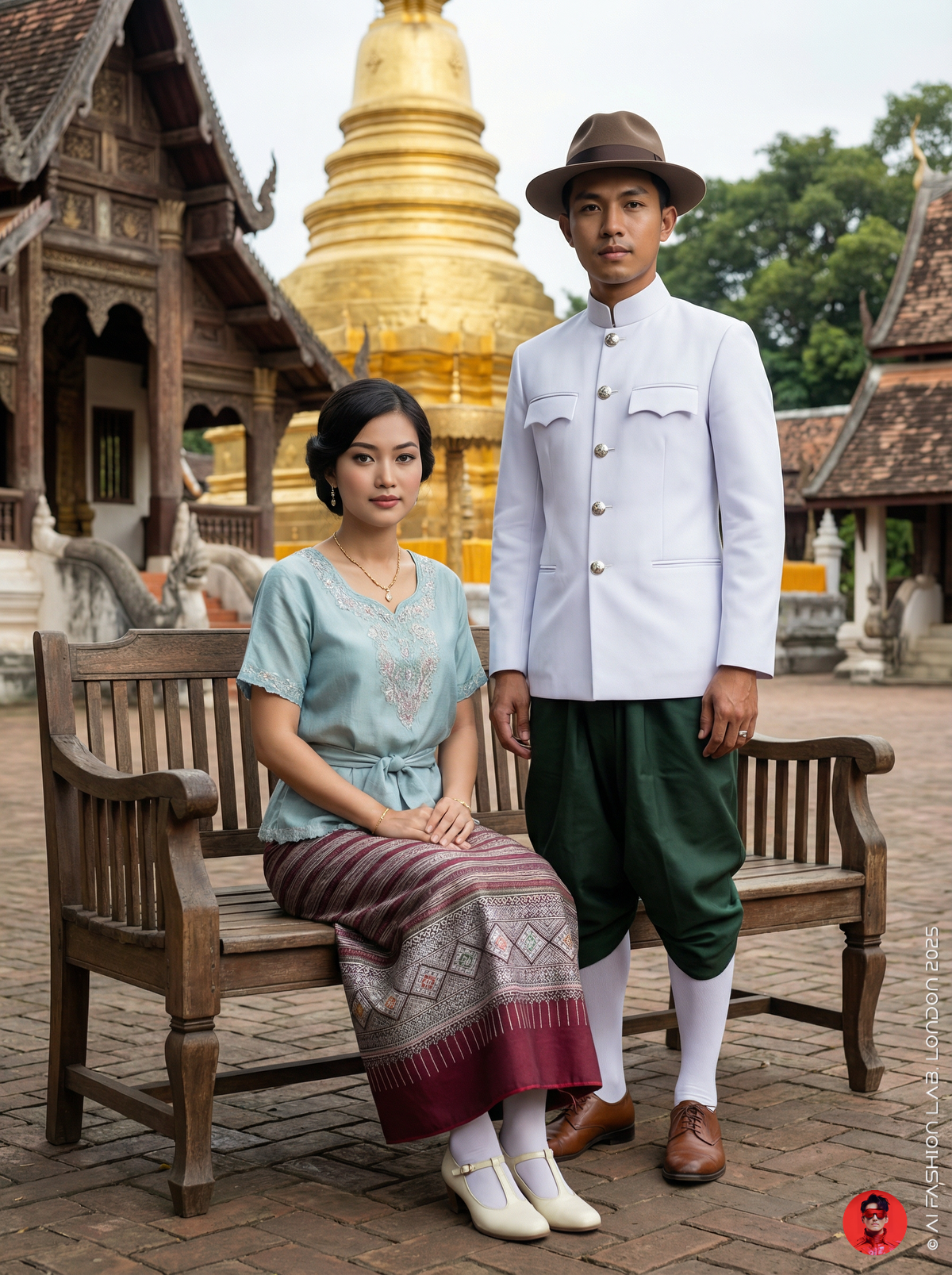
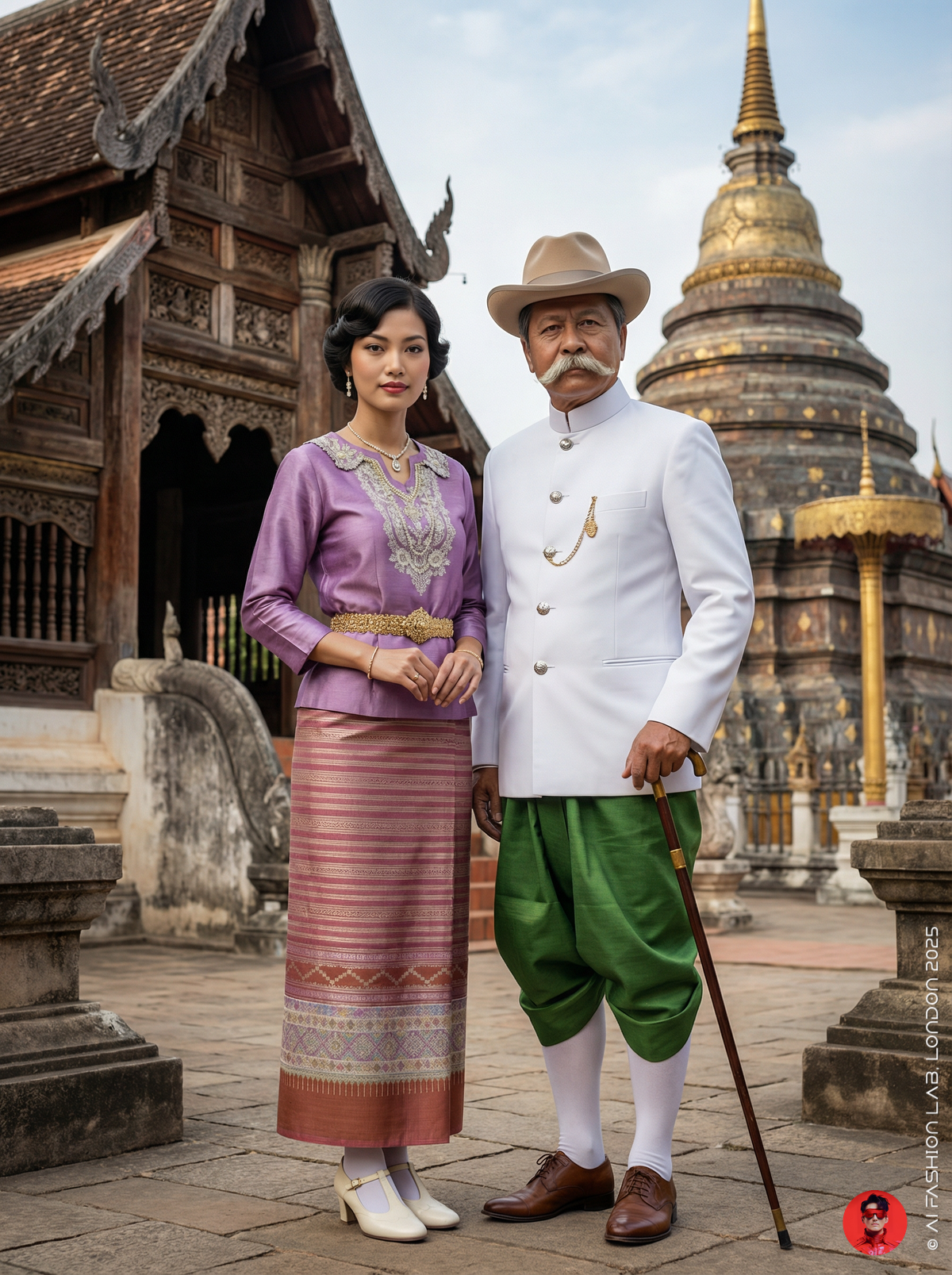
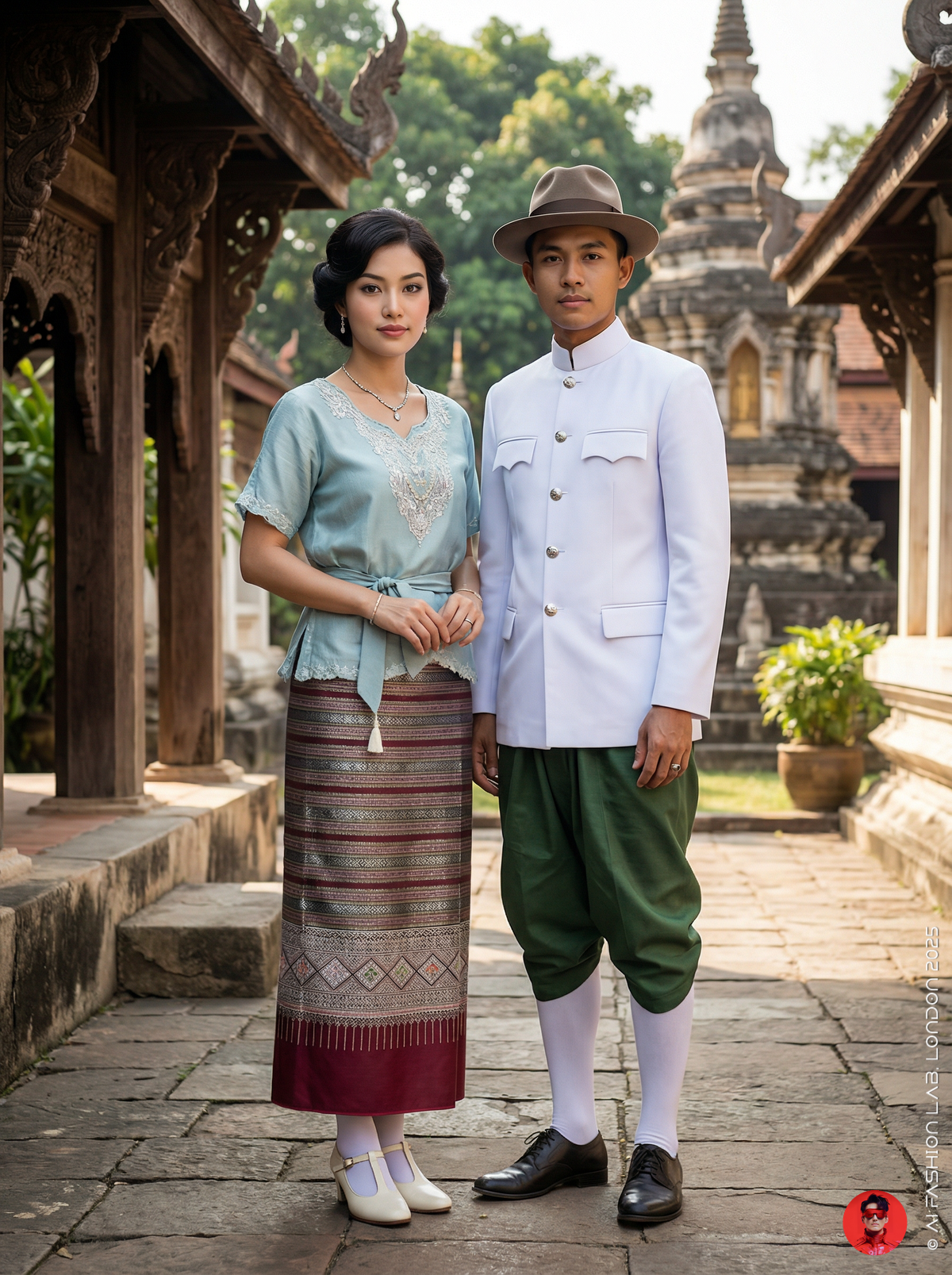
คอลเลกชันภาพที่ได้รับสร้างสรรค์ขึ้นใหม่ด้วยเทคโนโลยี AI ชุดนี้ คืvโลกทัศน์ของ “สยามเหนือ” หรือ “ล้านนา” โดยเฉพาะลำปาง ในปี พ.ศ. 2456 ซึ่งเป็นช่วงเวลาที่ยังคงมีหลักฐานทางภาพถ่ายอยู่อย่างจำกัด โดยเฉพาะด้านแฟชั่นของสตรีชนชั้นสูงในล้านนา แม้ยุคเอ็ดเวิร์เดียนจะสิ้นสุดลงในอังกฤษเมื่อ พ.ศ. 2453 หลังการสิ้นพระชนม์ของพระเจ้าเอ็ดเวิร์ดที่ 7 แต่ความงามสง่างามแบบเอ็ดเวิร์เดียนยังคงมีอิทธิพลต่อแฟชั่นในช่วงต้นทศวรรษ 1910 และค่อย ๆ เปลี่ยนผ่านสู่รูปทรงก่อนสงคราม
ในบริบทของสยาม ช่วงเวลานี้ตรงกับ ต้นรัชสมัยพระบาทสมเด็จพระมงกุฎเกล้าเจ้าอยู่หัว (รัชกาลที่ 6) ซึ่งเป็นยุคของความผสมผสานทางวัฒนธรรม ความทันสมัยชาตินิยม และการทูตระหว่างประเทศ จากมุมมองด้านประวัติศาสตร์แฟชั่น เราเรียกช่วงนี้ว่า "ยุค Teen Fashion " (1911–1919) ซึ่งมีลักษณะเฉพาะที่แสดงถึงช่วงเปลี่ยนผ่านของยุคสมัย อาทิ:
โครงสร้างของเสื้อผ้าเริ่มอ่อนนุ่มลง: คอเสื้อสูงแบบเอ็ดเวิร์เดียนเริ่มลดความนิยมลง เปลี่ยนเป็นคอปกเหลี่ยมหรือคอปกกะลาสี แขนเสื้อเป็นแบบสามส่วน หรือมีการซ้อนชั้นด้วยลูกไม้
ทรงผมมีขนาดเล็กลง: แม้ยังนิยมเกล้ามวยสูง แต่กลับดูเล็กลงและเป็นธรรมชาติมากขึ้น
แนวเอวสูงขึ้น: มักอยู่ใต้หน้าอกตามสไตล์ของนักออกแบบอย่าง Paul Poiret ที่เน้นเส้นสายอ่อนช้อยแบบโรแมนติก
กระโปรงแคบลง: รูปทรงเข้ารูป สวมคู่กับเสื้อแจ็กเก็ตทรงเป๊บลัม เสื้อผ้าลูกไม้ หรือแขนเสื้อแบบกิโมโน
สไตล์ “Lanna Early Teens”: นิยามใหม่แห่งล้านนา
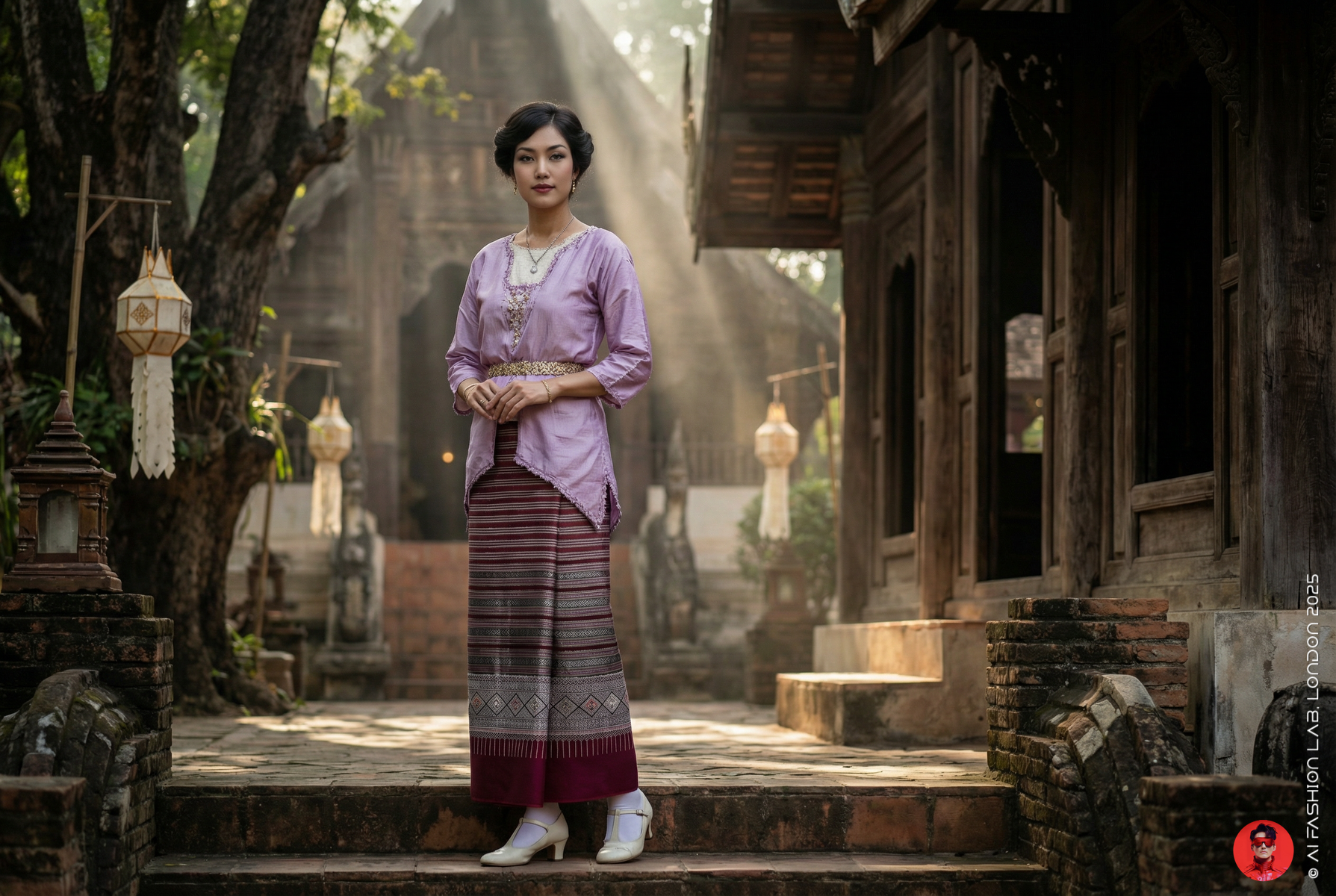
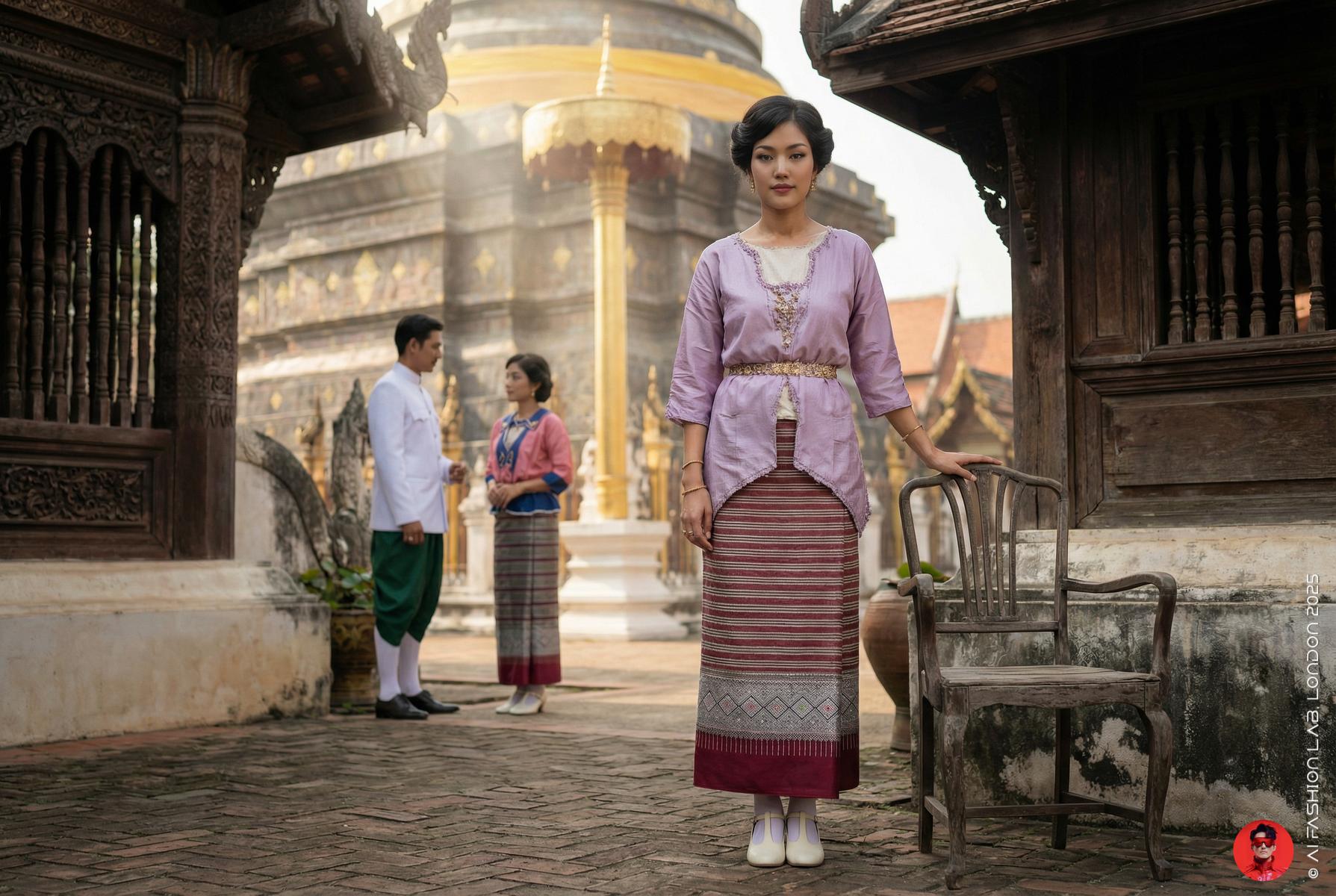
ในการออกแบบโลกของ เอื้อง ผมได้เสนอแนวคิดใหม่ภายใต้ชื่อ “Lanna Early Teens Style” ซึ่งเป็นการตีความเชิงสร้างสรรค์ที่ผสานระหว่าง เครื่องแต่งกายล้านนาโบราณ กับวิวัฒนาการของแฟชั่นโลกในช่วงต้นคริสต์ศตวรรษที่ 20 ขณะที่สตรีชั้นสูงในกรุงเทพฯ เริ่มหันมาสวมเสื้อฝรั่งจับคู่กับโจงกระเบนและลูกไม้แบบตะวันตก สตรีชั้นสูงแห่งล้านนา—โดยเฉพาะผู้ได้รับอิทธิพลจาก เจ้าดารารัศมี—ยังคงนิยมมวยผมแบบญี่ปุ่น (ทรงผมทรงญี่ปุ่น) และสวมเสื้อแบบฝรั่งคู่กับ ผ้าซิ่นตีนจก
ลักษณะสำคัญของ “Lanna Early Teens Style” ได้แก่:
เสื้อผ้าลูกไม้ละเอียด เสื้อคอตั้งแบบเอ็ดเวิร์เดียน ตัดเย็บด้วยผ้าฝ้ายหรือผ้าไหม มีการจับจีบหรือเสริมเลเยอร์ลูกไม้ที่แขน และแขนยาวแบบสามส่วน
ผ้าซิ่นตีนจกทรงกระบอก ลวดลายแบบดั้งเดิม สีสันเข้าชุดกับเสื้อฝรั่งและเข็มขัดเส้นสูง
ทรงผมเกล้ามวยแบบผมเป็นล่อนอ่อน หรือปล่อยสยายเป็นลอนอ่อนในกลุ่มหญิงสาว เพื่อสะท้อนความเป็นธรรมชาติและอิทธิพลจากโลกตะวันตก
เครื่องประดับ เช่น ร่มงาช้าง เข็มกลัดคาเมโอ กระเป๋าผ้าปักลาย
เรียนเชิญกด Subscribe ได้ที่ลิงก์นี้ครับ เพื่อร่วมติดตามงานสร้างสรรค์ต้นฉบับ งานวิจัยประวัติศาสตร์แฟชั่น และผลงานอนุรักษ์มรดกวัฒนธรรมด้วยเทคโนโลยี AI ของ AI Fashion Lab, London ซึ่งมุ่งตีความอดีตผ่านมิติใหม่ของการบูรณะภาพ การสร้างสรรค์ภาพ และการเล่าเรื่องด้วยศิลปะเชิงดิจิทัล 🔗 https://www.facebook.com/aifashionlab/subscribe/
________________________
Lampang and Early-Rama VI Fashion
This AI-generated image collection reimagines the visual world of “Northern Siam” or “Lanna,” with particular focus on Lampang in 1913 (B.E. 2456), a period for which photographic evidence—especially relating to the dress of high-ranking Lanna women—remains limited. Although the Edwardian era ended in Britain in 1910 with the death of King Edward VII, the refined elegance of Edwardian fashion continued to influence styles well into the early 1910s, gradually transitioning towards the silhouettes of the pre-war years.
Within the Siamese context, this period corresponds to the early reign of King Vajiravudh (Rama VI), a time characterised by cultural hybridity, modern nationalism, and increased international diplomacy. From a fashion-historical standpoint, this era is known as the “Teens Fashion” period (1911–1919)—a transitional moment defined by several distinctive features, including:
Softened garment structure: The high Edwardian collar began to fade in popularity, replaced by angular collars or sailor-style necklines. Sleeves often became three-quarter length, sometimes layered with lace.
Smaller hairstyles: Although high chignons remained fashionable, they became more natural and less voluminous.
Raised waistlines: Frequently positioned just beneath the bust, influenced by designers such as Paul Poiret and his romantic, elongated silhouettes.
Narrower skirts: Slim-line forms paired with peplum jackets, lace blouses, or kimono-inspired sleeves.
The “Lanna Early Teens” Style: A Re-Imagined Identity of the North
In designing the world of Euang, I introduced a conceptual framework called “Lanna Early Teens Style”, a creative interpretation blending traditional Northern Thai dress with the global fashion developments of the early twentieth century. While high-ranking women in Bangkok increasingly embraced Western blouses paired with chong kraben and lace, elite women in Lanna—particularly those influenced by Princess Dara Rasami—continued to favour the Japanese-inspired chignon and Western blouses worn with sin teen chok (traditional Lanna tubular skirts with intricate woven borders).
Key characteristics of this Lanna Early Teens Style include:
Fine lace blouses: High Edwardian collars, crafted from cotton or silk, often pleated or layered with lace sleeves, and typically finished with three-quarter length.
Tubular sin teen chok skirts: Featuring traditional patterns and colour harmonies coordinated with Western blouses and high belts.
Hairstyles: Smaller, softly curled chignons, or loose natural waves among younger women, reflecting a balance between local tradition and Western influence.
Accessories: Ivory-handled parasols, cameo brooches, embroidered handbags, and other refined personal items.
You are warmly invited to Subscribe via this link, to follow original creative works, fashion-history research, and cultural-heritage restoration projects using AI by AI Fashion Lab, London—dedicated to interpreting the past through a new dimension of image restoration, creative image-making, and digital storytelling.
🔗 https://www.facebook.com/aifashionlab/subscribe/
#aifashionlab #AI #aiartist #aiart #aifashion #aifashiondesign #aifashionstyling #aifashiondesigner #fashion #fashionhistory #historyoffashion #fashionstyling #fashionphotography #digitalfashion #digitalfashiondesign #digitalcostumedesign #digitaldesign #digitalaiart #ThaiFashionHistory #ThaiFashionAI #thailand #UNESCO