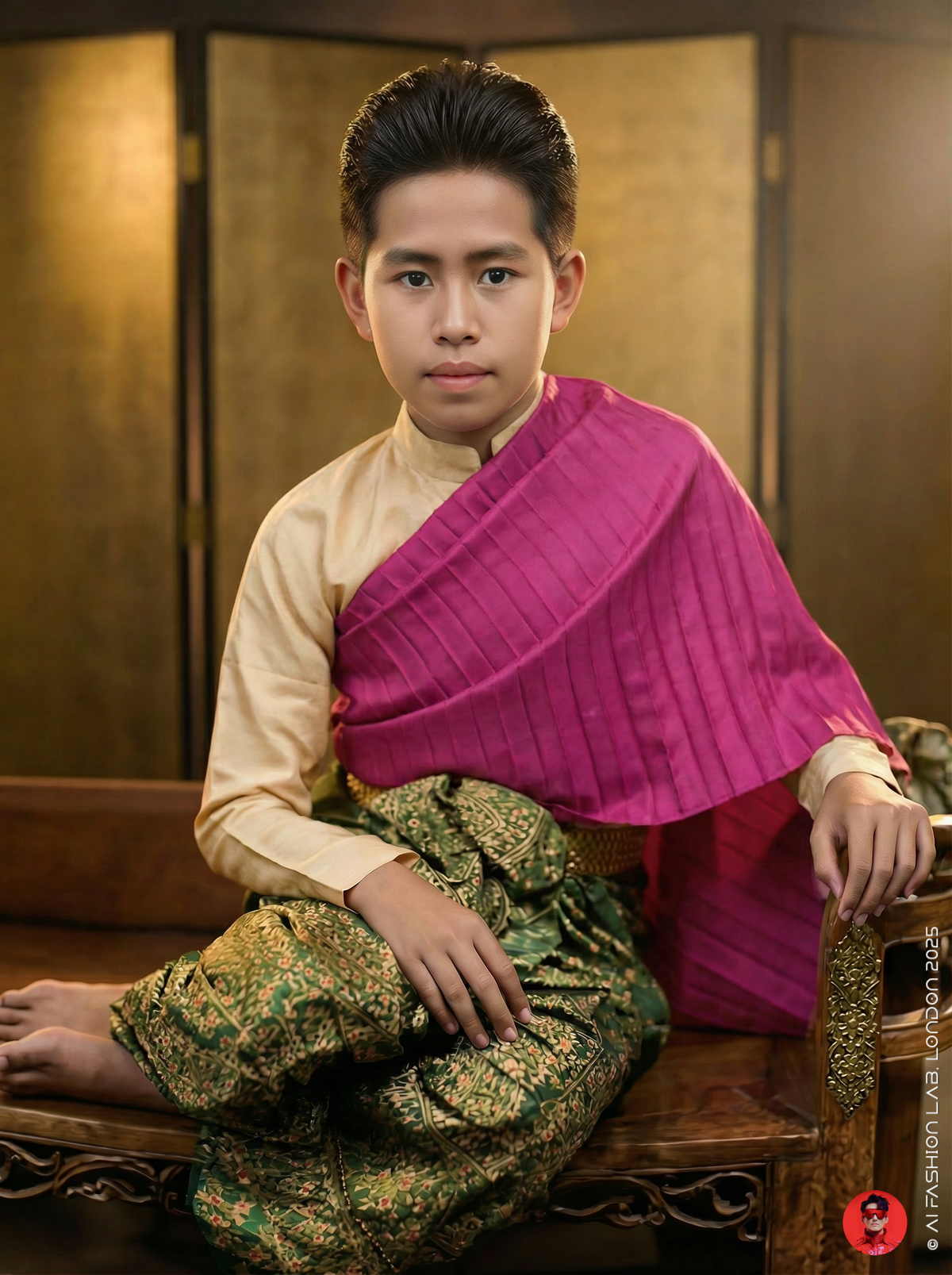
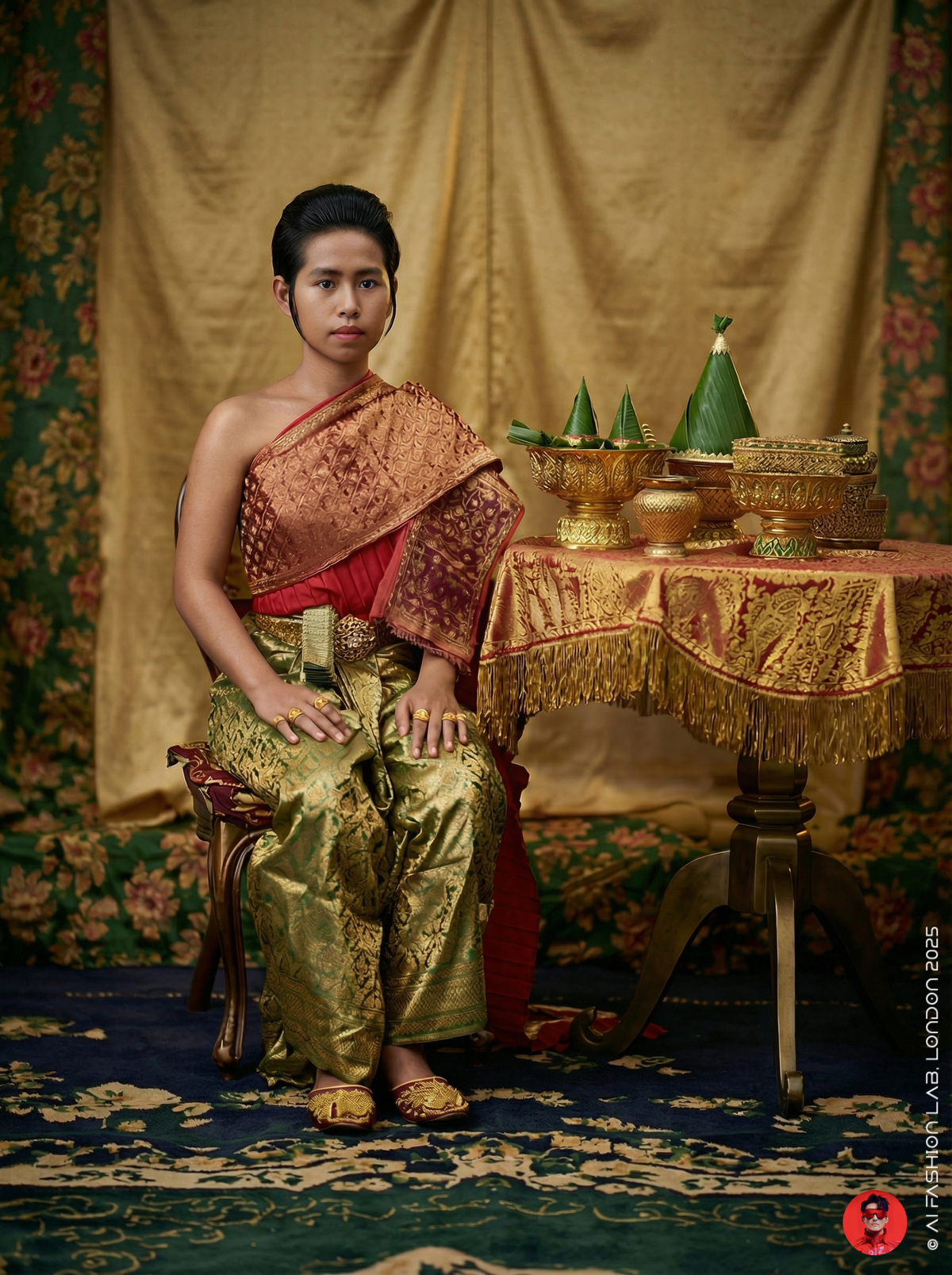
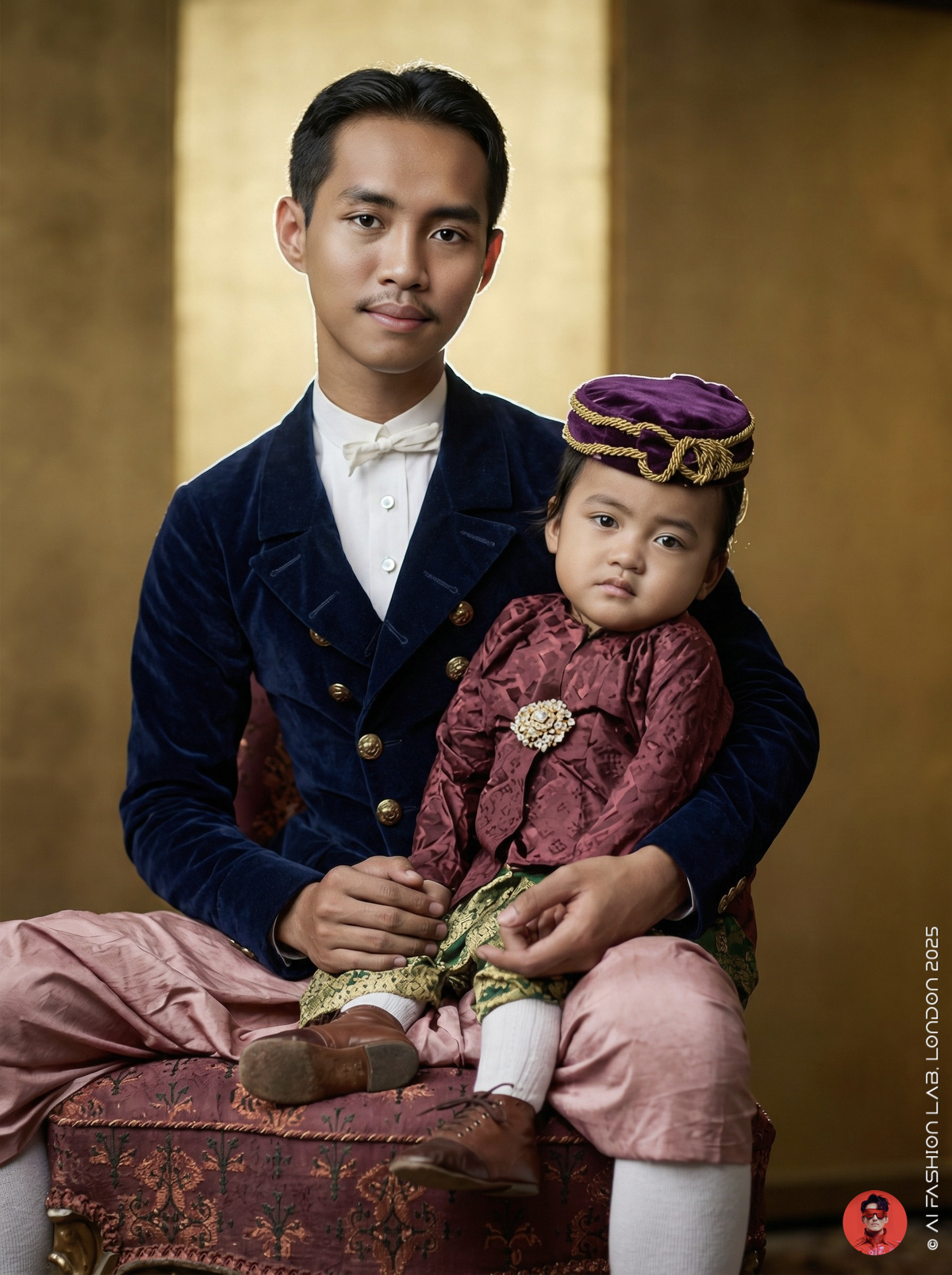
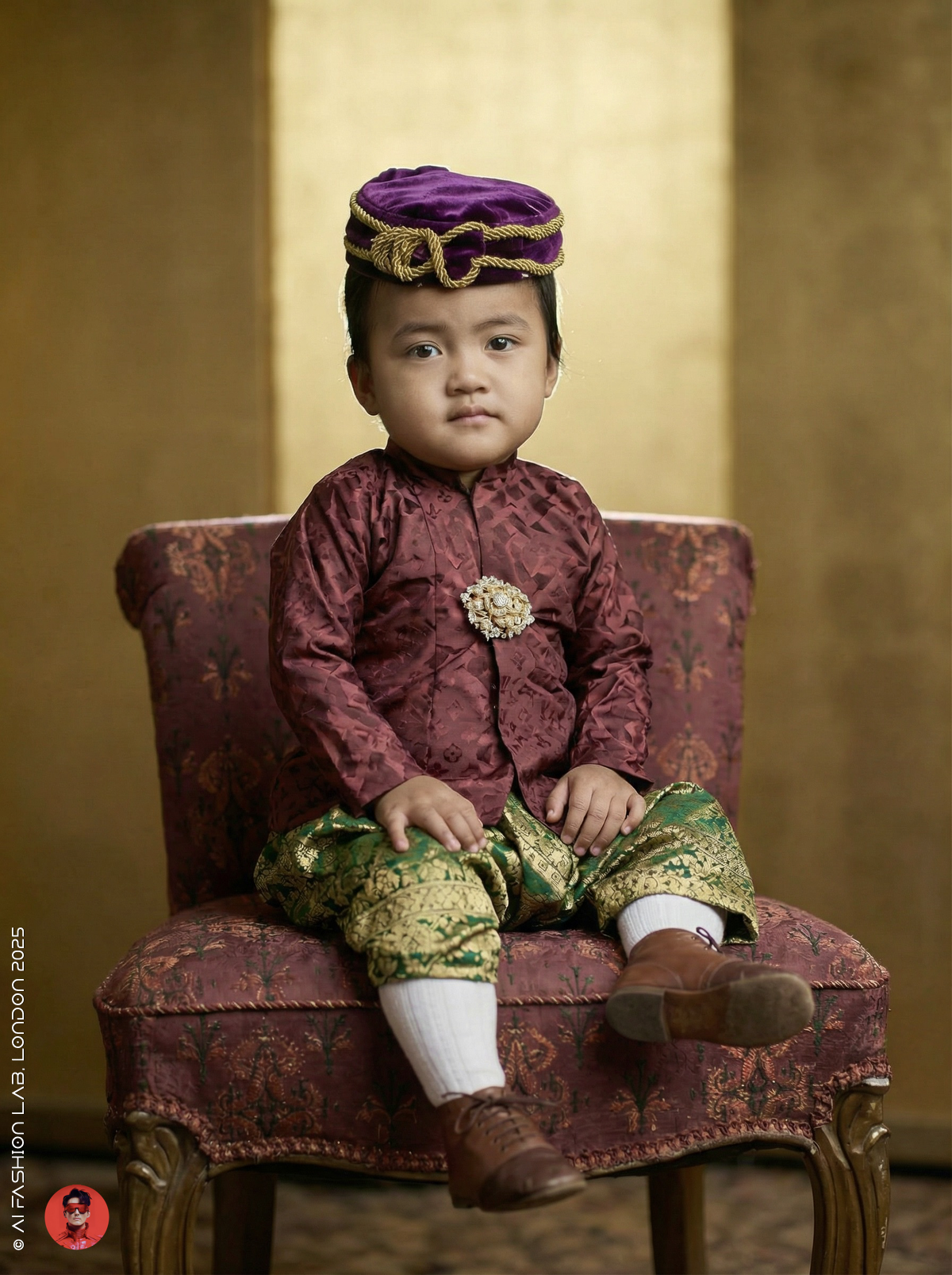
รักแรกของ ร. ๕ ขณะพระชนมพรรษา ๑๔ พรรษา “คุณแพ” ฝันว่ามีงูใหญ่มาคาบกลางตัว
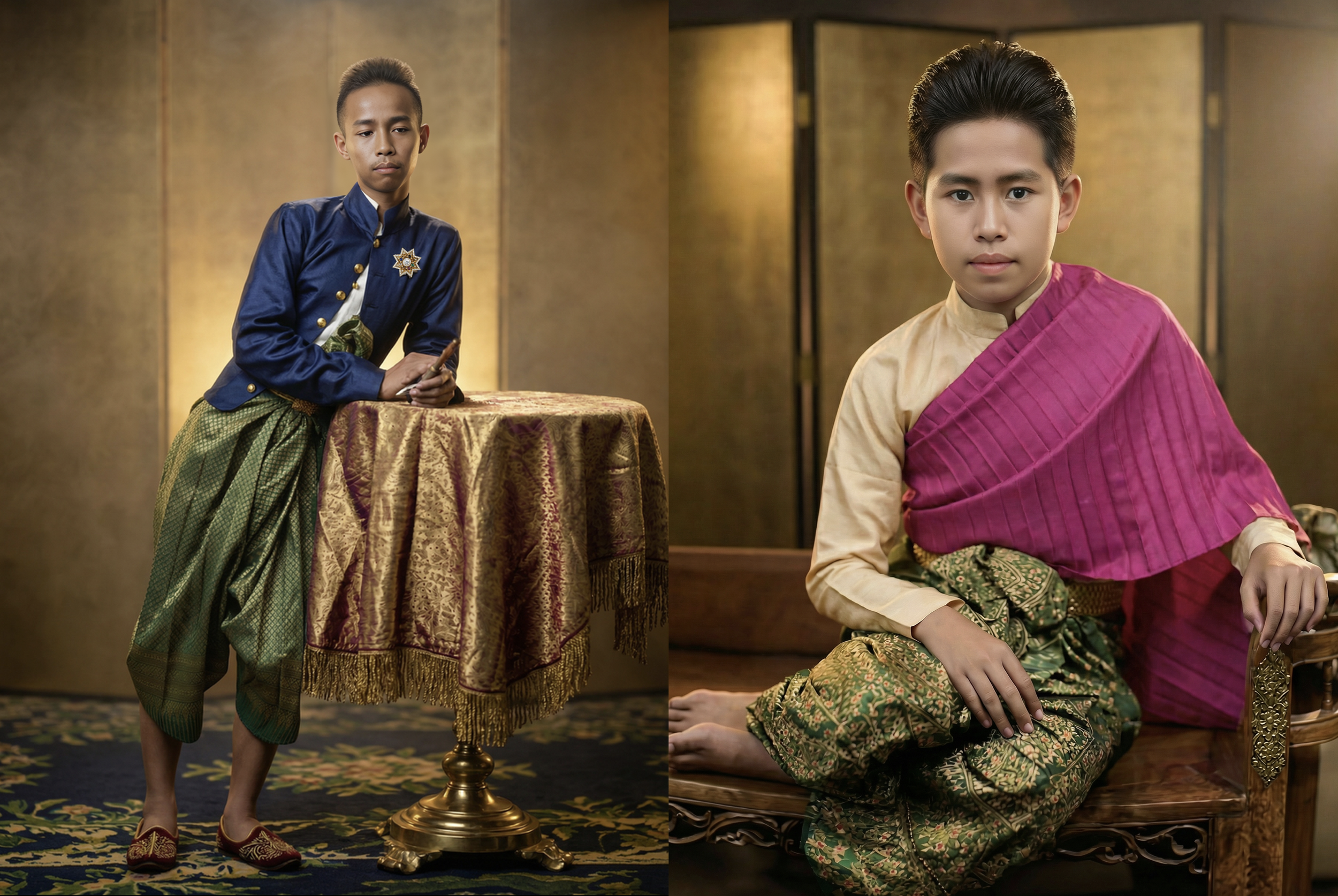
รักแรกของ ร. ๕ ขณะพระชนมพรรษา ๑๔ พรรษา “คุณแพ” ฝันว่ามีงูใหญ่มาคาบกลางตัว
เผยแพร่: 26 ก.พ. 2559 10:13 โดย: โรม บุนนาค
ในราวเดือน ๕ ปีเถาะ พ.ศ. ๒๔๑๐ พระบาทสมเด็จพระจอมเกล้าเจ้าอยู่หัวรัชกาลที่ ๔ ได้เสด็จไปประทับที่วังหน้าชั่วคราว และนำละครจากวังหลวงไปแสดงให้ชาววังหน้าได้ชม คืนนั้นจึงเป็นความบันเทิงของทั้งชาววังหลวงและวังหน้าที่ไม่ค่อยจะมีโอกาสได้เห็นแสงสี นอกจากจะมีงาน
ในงานนี้พระเจ้าลูกยาเธอ เจ้าฟ้าจุฬาลงกรณ์ ในวัย ๑๔ พรรษาได้เสด็จไปดูละครด้วย แต่การแสดงบนเวทีไม่ทำให้พระองค์สนพระทัยมากไปกว่าสาวหน้าตาคมขำในวัยไล่เลี่ยกัน ซึ่งนั่งอยู่ใกล้กับคนบอกบทหน้าพลับพลาที่ประทับ
ละครลาโรงไปแล้ว แต่เจ้าฟ้าชายยังคงเฝ้าครุ่นคิดคำนึงถึงสาวน้อยผู้นั้น ซึ่งรู้แต่ว่ามากับพระองค์เจ้าหญิงโสมาวดี พระพี่นางต่างพระมารดา รอจนรุ่งเช้าจึงตรัสถามพระองค์โสมก็ทรงทราบว่า กุลสตรีผู้นั้นเป็นธิดาของพระยาสุรวงศ์ไวยวัฒน์ (วร บุนนาค) หลานปู่ของเจ้าพระยาศรีสุริยวงศ์ (ช่วง บุนนาค) เกิดที่เรือนแพริมคลองสะพานหัน จึงได้ชื่อว่า “แพ” บิดาส่งเข้ามาฝึกกิริยามารยาทในวัง และพักอยู่กับพระองค์โสม เจ้าฟ้าชายจึงขอให้พระพี่นางช่วยหาทางให้ได้ทอดพระเนตรอีกสักครั้ง ซึ่งพระองค์โสมก็รับจะนัดหมายให้
ฝ่ายคุณแพขณะนั้นอยู่ในวัย ๑๓ แม้เธอจะเห็นเจ้าฟ้าจุฬาลงกรณ์ทอดพระเนตรมาทางเธอบ่อยครั้ง แต่ก็ไม่คิดว่าเป้าหมายอยู่ที่ตัว เมื่อกลับไปพักบ้านในคืนนั้นก็เกิดนิมิตประหลาด ฝันว่ามีงูตัวใหญ่หัวเหมือนพระยานาค เกล็ดเหลืองทั้งตัว ตรงมาคาบที่กลางตัวเธอและพาไปทิ้งไว้ตรงหน้าเรือนเก่าที่เคยอยู่ รุ่งเช้าเมื่อไปเรือนพี่สาวคนโตที่เพิ่งแต่งงานจึงเล่าฝันให้ฟังตามซื่อ หลายคนที่ฟังต่างพากันหัวเราะครื้นเครง คุณแพก็ไม่เข้าใจ ฝันของเธอไม่เห็นมีเรื่องขำ แต่ทำไมเขาจึงพากันหัวเราะ
การที่คุณแพเข้าไปอยู่ในวังนั้น สมเด็จฯกรมพระยาดำรงราชานุภาพได้ทรงนิพนธ์ไว้ในหนังสืองานศพเจ้าคุณพระประยูรวงศ์ หรือเด็กหญิงแพคนนั้นไว้ว่า เจ้าคุณพระประยูรวงศ์ได้เล่าไว้เองที่เจ้าคุณปู่ได้ปรารภกับบิดาของท่านว่า ผู้ใหญ่ในตระกูลเคยถวายลูกหญิงทำราชการฝ่ายในมาทุกชั้นตั้งแต่เจ้าคุณพระอัยยิกานวลในรัชกาลที่ ๑ มาถึงท่านมีลูกสาวคนเดียวก็แต่งงานไปตั้งแต่สมัยรัชกาลที่ ๓ แล้ว ไม่มีลูกจะถวายตามประเพณีตระกูล จึงขอตัวท่านถวายทำราชการฝ่ายในแทนลูกสักคนหนึ่ง บิดาของท่านไม่ขัดข้อง แต่เรียนเจ้าคุณปู่ว่า ตัวท่านนั้นตั้งแต่เกิดมาก็อยู่แต่ที่บ้าน กิริยามารยาทยังเป็นชาวนอกวัง จะส่งเข้าไปฝากเจ้าจอมมารดาเที่ยง พระสนมเอก ซึ่งชอบพอกันให้ฝึกอบรมก่อน เมื่อกิริยามารยาทเรียบร้อยแล้วจึงค่อยถวายตัว คุณปู่ก็เห็นชอบด้วย แต่ทว่าไม่มีใครบอกเรื่องนี้ให้ท่านทราบ
อยู่มาวันหนึ่ง บิดาของท่านปรารภกับท่านเปรยๆ ว่า
“แม่หนูโตแล้ว อยู่แต่กับบ้านก็จะเป็นคนเถื่อนไม่รู้จักขนมธรรมเนียมเข้าเฝ้าเจ้านายกับเขาบ้าง พ่อคิดจะส่งเข้าไปไว้ในวัง” แล้วก็หันมาถามท่านว่า “อยากไปหรือไม่”
เจ้าคุณพระประยูรวงศ์ก็ตอบว่า
“ดิฉันไม่อยากไปอยู่ในวัง ไม่เห็นจะสบายเหมือนอยู่กับบ้าน”
บิดาของท่านได้ฟังก็หัวเราะ แล้วบอกว่าให้เข้าไปอยู่ในวังก็เพราะตัวท่านต้องเป็นราชทูตไปฝรั่งเศส พี่สาวคนใหญ่ก็แต่งงานมีเหย้าเรือนไปแล้วไม่มีใครอยู่เป็นเพื่อน ทิ้งไว้ที่บ้านก็เป็นห่วง เจ้าคุณพระประยูรวงศ์ก็ยังยืนคำที่ไม่สมัครใจจะเข้าไปอยู่ในวัง จนบิดาบอกให้เข้าใจว่า ไม่ใช่จะถวายตัวให้เข้าไปอยู่ในวังเลย เป็นแต่ส่งไปให้เจ้าจอมมารดาเที่ยงฝึกสอนกิริยามารยาท เมื่อกลับจากฝรั่งเศสแล้วก็จะรับกลับมาอยู่บ้านตามเดิม ท่านจึงจำใจยอมเข้าไปอยู่ในวัง
เจ้าจอมมารดาเที่ยงรับคุณแพไปอยู่ในตำหนักแล้วก็เกรงว่าจะอึดอัดที่ต้องเกรงใจท่านเสมอ จึงส่งไปให้อยู่กับพระองค์เจ้าหญิงโสมาวดี พระธิดาองค์ใหญ่ของท่าน ซึ่งเรียกกันว่า “พระองค์โสมใหญ่” ที่พระที่นั่งมูลมณเฑียร เพราะเห็นว่าอยู่ในวัยรุ่นราวคราวเดียวกัน พระองค์โสมพระชันษาแก่กว่า ๒ ปี อีกทั้งยังเห็นว่าพระบาทสมเด็จพระจอมเกล้าฯโปรดใช้สอยพระราชธิดาองค์นี้อยู่เสมอ
พออยู่ด้วยกันไม่นาน พระองค์โสมกับคุณแพก็ชอบชิดสนิทสนมกัน พระองค์โสมใหญ่ทรงฝึกกิริยามารยาท และเมื่อเสด็จไปสมาคมฝ่ายในก็ให้ถือหีบหมากเสวยตามไปด้วย แต่คุณแพก็ไม่ได้อยู่ในวังตลอด เมื่อเวลามารดาคิดถึงก็ให้มารับไปอยู่บ้านบ้าง
เมื่อพระองค์โสมรับที่จะให้เจ้าฟ้าชายจุฬาลงกรณ์ได้ทอดพระเนตรคุณแพอีกครั้ง แต่หนุ่มสาวในยุคนั้นก็ใช่ว่าจะมีโอกาสพบกันได้ง่ายๆ ต้องรอไปอีกจนถึงกลางเดือน ๖ วันวิสาขบูชา พระองค์โสมจึงชวนคุณแพไปดูเจ้านายเวียนเทียนกันที่วัดพระแก้ว แล้วให้พี่เลี้ยงพาไปนั่งที่บันไดหลังพระอุโบสถ เมื่อเจ้าฟ้าจุฬาลงกรณ์ทรงรู้ที่หมายแล้ว เมื่อเวียนเทียนผ่านไปถึงจุดนั้นก็เพ่งมองทุกรอบ จนคุณแพรู้ตัวและเกิดความรู้สึกประหลาดๆเมื่อสบพระเนตร
หลังคืนวันวิสาขบูชา เจ้าฟ้าชายก็กระซิบพระองค์โสมขอคุณแพ ซึ่งพระองค์โสมก็ไม่ขัดข้องยอมถวาย และยังตรัสบอกคุณแพด้วยว่าเจ้าฟ้าชายใคร่จะได้เป็นหม่อมห้าม เมื่อคุณแพได้รับทราบว่าตัวเองเป็นที่หมายปองเช่นนั้นก็นิ่งอยู่
สมเด็จฯ กรมพระยาดำรงฯ ทรงนิพนธ์ตอนนี้ไว้ว่า
“...ตรงนี้คิดดูก็ชอบกล ถ้าหากเจ้าคุณพระประยูรวงศ์ไม่รักพระบาทสมเด็จพระจุลจอมเกล้าฯ เมื่อพระองค์ใหญ่โสมตรัสบอกให้รู้ตัว ก็คงบอกแก่ผู้ใหญ่ในสกุลให้มารับไปบ้านเสียให้พ้นภัย ที่รู้แล้วนิ่งอยู่ชวนให้เห็นว่าฝ่ายท่านก็เกิดรักใคร่ในพระบาทสมเด็จพระจุลจอมเกล้าฯ ตั้งแต่วันเดินเทียนวิสาขบูชาเหมือนกัน จึงเริ่มเรื่องติดพันกันมา...”
เมื่อตรัสขอแล้ว ๒-๓ วัน เจ้าฟ้าจุฬาลงกรณ์ก็โปรดให้พี่เลี้ยงชื่อ กลาง นำหีบน้ำหอมฝรั่งไปประทานคุณแพ ตอนนั้นน้ำหอมฝรั่งเพิ่งเข้ามาเมืองไทย เป็นที่นิยมกันมากในวงสังคมชั้นสูง เรียกกันว่าน้ำอบฝรั่ง หีบน้ำอบที่ประทานนั้นทำเป็น ๒ ชั้น เปิดฝาออกก็เห็นพระรูปฉายวางไว้ชั้นบน ส่วนชั้นล่างมีน้ำอบฝรั่ง ๒ ขวดกับสบู่หอมก้อนหนึ่งวางเรียงกัน เมื่อพระพี่เลี้ยงส่งให้คุณแพท่านไม่ยอมรับ คงเพราะเขิน แม้พระพี่เลี้ยงอ้อนวอนให้รับท่านก็ไม่ยอม จนพี่เลี้ยงของคุณแพที่ชื่อสุ่น ซึ่งพระองค์โสมประทานมา อดรนทนไม่ได้รับไว้แทน ต่อมาพระพี่เลี้ยงกลางกับพี่เลี้ยงสุ่นเลยเป็นแม่สื่อประสานงานกัน
ต่อมาพระพี่เลี้ยงกลางก็มาชวนคุณแพให้ไปดูซ้อมแห่โสกันต์พระเจ้าลูกเธอที่บริเวณสวนกุหลาบ ซึ่งเจ้าฟ้าจุฬาลงกรณ์ได้เสด็จมาคอยอยู่ที่นั่น ก็ได้พบกันเป็นครั้งแรก
ต่อมาเจ้าฟ้าชายรับสั่งให้พระองค์เจ้าชายกมลาสเลอสรรค์ พระอนุชาพระองค์โสม ไปรับคุณแพจากพระที่นั่งมูลมนเฑียรไปพบที่สวนกุหลาบอีก ครั้งนี้เจ้าฟ้าชายยื่นประทานน้ำอบฝรั่งขวดหนึ่งให้ด้วยพระองค์เอง แต่คุณแพอายไม่ยอมรับ จึงประทานให้พระองค์กมลาสฯช่วยส่งให้ คุณแพทำอิดๆเอื้อนๆ พระองค์กมลาสฯนึกว่ารับเลยปล่อย ผลก็คือขวดน้ำอบฝรั่งหล่นแตก ความผิดเลยมาลงที่พระองค์กมลาสฯ เมื่อทั้ง ๒ ฝ่ายต่างก็โกรธกริ้วพระองค์
ความสัมพันธ์ระหว่างเจ้าฟ้าจุฬาลงกรณ์กับคุณแพซึ่งนัดพบกันอีกหลายครั้ง ล่วงรู้ไปถึงเจ้าพระยาศรีสุริยวงศ์ เจ้าคุณปู่เลยสั่งให้ท่านผู้หญิงอิ่ม มารดารับคุณแพกลับมาอยู่บ้านเสียเพื่อกันข้อครหา
เมื่อเจ้าฟ้าชายทรงทราบข่าวก็ตรัสให้พระพี่เลี้ยงกลางไปทูลพระองค์โสม ขอพบคุณแพอีกครั้งก่อนไป ซึ่งพระองค์โสมก็ให้นางสุ่นพี่เลี้ยงพาไป ซึ่งกรมพระยาดำรงฯ นิพนธ์ตอนนี้ไว้ว่า
“...เจ้าคุณพระประยูรวงศ์ท่านเล่าว่า เมื่อพบกันเป็นแต่รันทดกำสรดโศก หาได้ปรึกษาหารือคิดอ่านกันอย่างไรไม่ แต่ส่วนตัวท่านเองเมื่อกลับออกไปอยู่บ้าน ได้ตั้งใจมั่นคงว่าจะมิให้ชายอื่นเป็นสามีเป็นอันขาด ถ้าหากผู้ใหญ่ในสกุลจะเอาไปยกให้ผู้อื่น ท่านก็จะหนีตามเสด็จพระบาทสมเด็จพระจุลจอมเกล้าฯมา จะเป็นอย่างไรก็ให้เป็นไป”
เมื่อคุณแพกลับไปอยู่บ้านแล้ว เจ้าฟ้าชายก็ได้แต่ทรงเศร้าโศก ไม่เป็นอันจะสรง จะเสวย หรือเข้าเฝ้าพระชนกนารถ จนสมเด็จกรมพระสุดารัตน์ราชประยูร ผู้อุปถัมภ์ค้ำชูมาตั้งแต่พระราชชนนีสิ้นพระชนม์ ก็ตกพระทัย เสด็จไปปรึกษากับเจ้าจอมมารดาเที่ยงว่าจะทำอย่างไร เจ้าจอมมารดาเที่ยงมีความรักใครเจ้าฟ้าชายมาแต่ทรงพระเยาว์เช่นกัน จึงไปที่ตำหนักสวนกุหลาบทูลปลอบว่าอย่าได้ทรงเป็นทุกข์ไปเลย จะไปกราบทูลพระราชบิดาให้สู่ขอมาพระราชทาน
เจ้าจอมมารดาเที่ยงทูลแล้วก็รีบไปทำตามที่ทูล พระบาทสมเด็จพระจอมเกล้าเจ้าอยู่หัวก็ทรงสงสารพระราชโอรส จึงทรงหาโอกาสตรัสขอต่อเจ้าพระยาศรีสุริยวงศ์ในที่รโหฐานก่อน เจ้าพระยาศรีสุริยวงศ์ก็ยอมถวาย จึงมีพระราชหัตถเลขาให้พระเจ้าลูกเธอพระองค์เจ้าโสมาวดีพร้อมกับท้าววรจันทร์และท้าวสมศักดิ์ เชิญไปถึงเจ้าพระยาศรีสุริยวงศ์อย่างเป็นทางการ สู่ขอคุณแพมาเป็นสะไภ้หลวง ซึ่งเจ้าพระยาศรีสุริยวงศ์ก็ทูลถวายตามพระราชประสงค์ แต่ต้องคอยให้พระยาสุรวงศ์ไวยวัฒน์ ผู้บิดากลับมาจากยุโรปก่อน และหาฤกษ์เตรียมถวายตัว ซึ่งช่วงนี้เป็นเวลาหลายเดือน แต่เจ้าฟ้าชายและคุณแพก็ให้คนส่งของไปมาถึงกันได้โดยไม่มีใครขัดขวาง
จนเดือน ๑๐ พระยาสุรวงศ์ไวยวัฒน์กลับมา เข้าเดือน ๑๒ เจ้าพระยาศรีสุริยวงศ์จึงนำตัวคุณแพเข้าไปถวายตัวต่อพระบาทสมเด็จพระจอมเกล้าฯ แล้วพักอยู่กับเจ้าจอมมารดาเที่ยงจนถึงฤกษ์ที่จะพระราชทาน
ในวันพระราชทาน เจ้าจอมมารดาเที่ยงนำคุณแพขึ้นเฝ้ากราบถวายบังคมลา พระบาทสมเด็จพระจอมเกล้าฯทรงพระกรุณาโปรดเกล้าฯ พระราชทานพรและสิ่งของต่างๆ มีขันทองพร้อมพานทองรองขันสำรับหนึ่ง เงิน ๕ ชั่ง กับเครื่องนุ่งห่มแต่งตัวหีบหนึ่ง แล้วตรัสเรียกผ้าห่มเยียระบับสองชั้นมาพระราชทานเพิ่มอีกผืนหนึ่ง
สองทุ่มคืนนั้น เจ้าจอมมารดาเที่ยงกับเถ้าแก่ก็พาไปส่งตัวยังพระตำหนักสวนกุหลาบ เจ้าคุณพระประยูรวงศ์พรรณนาช่วงเวลานั้นว่า เดินออกทางประตูราชสำราญ เหมือนกับกระบวนแห่พระนเรศวร์ พระนารายณ์ มีคนถือเทียนนำหน้าและถือคบรายทางสองข้าง มีคนตามหลังเป็นพวกใหญ่ พวกชาววังก็พากันมานั่งดูแน่นทั้งสองข้างทาง ท่านอายจนแทบเดินไม่ได้
เจ้าคุณพระประยูรวงศ์ไปอยู่พระตำหนักสวนกุหลาบได้ ๓ เดือนก็ทรงครรภ์ ต้องคิดหาที่จะคลอดพระหน่อ เพราะจะคลอดในวังไม่ได้ผิดราชประเพณี จะประสูติในพระบรมหาราชวังได้แต่พระราชโอรสธิดาของพระเจ้าแผ่นดินเท่านั้น พระบาทสมเด็จพระจอมเกล้าฯจึงพระราชทานราชานุญาตให้สร้างตึกขึ้นใหม่ในสวนนันทอุทยานริมคลองมอญ ซึ่งทรงสร้างไว้เป็นที่เสด็จประพาส เมื่อเจ้าคุณพระประยูรวงศ์และเจ้าฟ้าจุฬาลงกรณ์ไปประทับรอคลอดที่นั่น กรมสมเด็จพระสุดารัตน์ฯก็เสด็จไปอยู่ด้วย ขณะนั้นเจ้าฟ้าชายมีหน้าที่ราชการมาก จึงต้องเสด็จข้ามฟากกลับไปในเวลาค่ำ บางวันน้ำในคลองแห้ง ก็ต้องไต่สะพานยาวไปตามริมคลอง
เจ้าคุณพระประยูรวงศ์ทรงครรภ์อยู่ ๗ เดือนก็ประสูติ แต่ก็เกิดผิดปกติ พระกุมารคลอดออกมามีถุงห่อหุ้มอยู่ ซึ่งกรมพระยาดำรงฯทรงกล่าวถึงตอนนี้ไว้ว่า “เมื่อคลอดพระองค์ยังอยู่ในกระเพาะ” เข้าใจว่าน่าจะเป็นถุงน้ำคร่ำ หมอและพยาบาลพากันคิดว่าสิ้นพระชนม์ตั้งแต่อยู่ในครรภ์ ให้หาหม้อขนันจะใส่ถ่วงน้ำตามประเพณี แต่เจ้าคุณตา พระยาสุรวงศ์ไวยวัฒน์อยากรู้ว่าเป็นพระองค์ชายหรือพระองค์หญิง จึงฉีกกระเพาะนั้นออกดู ก็เห็นยังหายพระทัยอยู่รู้ว่ามีพระชนม์ชีพ จึงช่วยกันประคบประหงมจนรอด
เมื่อพระหน่อประสูติได้ ๑๕ วัน เจ้าฟ้าจุฬาลงกรณ์ก็ต้องตามเสด็จพระชนกนาถไปทอดพระเนตรสุริยุปราคาที่หว้ากอเป็นเวลา ๑๙ วัน เมื่อกลับมาเจ้าคุณพระประยูรวงศ์กับพระหน่อจึงกลับไปอยู่พระตำหนักสวนกุหลาบ
พระบาทสมเด็จพระจอมเกล้าฯเสด็จไปทอดพระเนตรสุริยุปราคาที่หว้ากอครั้งนั้น ทั้งพระองค์เองและผู้ตามเสด็จได้รับเชื้อไข้ป่ามาหลายคน ที่ถึงตายก็มี พระบาทสมเด็จพระจอมเกล้าฯเสด็จกลับมาได้ ๕ วันก็ประชวร เจ้าฟ้าจุฬาลงกรณ์เสด็จไปพยาบาลอยู่ข้างพระที่ พอวันที่ ๒ สมเด็จพระชนกนาถยกพระหัตถ์ลูบพระพักตร์สัมผัสความร้อนผิดปกติ ก็ทรงทราบว่าพระราชโอรสประชวรไข้ป่าด้วยเหมือนกัน จึงดำรัสสั่งให้กลับไปรักษาพระองค์ที่พระตำหนักสวนกุหลาบ วันต่อมาไข้ยิ่งกำเริบขึ้นถึงขั้นประชวรหนัก ทั้งพระยอดมีพิษยังขึ้นที่พระศอ อาการเพียบถึงขั้นอันตราย พระบรมวงศานุวงศ์และข้าราชการผู้ใหญ่สั่งห้ามไม่ให้ทูลพระบาทสมเด็จพระจอมเกล้าฯให้ทรงทราบอาการของพระราชโอรส ขณะเดียวกันก็สั่งปิดข่าวมิให้เจ้าฟ้าชายทรงทราบพระอาการของสมเด็จพระชนกนาถ ซึ่งต่างก็ประชวรหนักทั้งสองพระองค์ เจ้าคุณพระประยูรวงศ์ต้องประสบความทุกข์ร้อนอย่างแสนสาหัส ด้วยพระธิดาก็ยังเป็นลูกอ่อน พระสวามีก็ประชวรหนัก ต้องเฝ้าดูแลทั้งสองทาง
หลังจากประชวรหนักอยู่ได้เดือนเศษ พระบาทสมเด็จพระจอมเกล้าเจ้าอยู่หัวก็เสด็จสวรรคตในวันที่ ๑ ตุลาคม ๒๔๑๑ โดยมิได้แต่งตั้งรัชทายาทไว้ ทรงมอบให้พระบรมวงศานุวงศ์และขุนนางข้าราชการพิจารณากันเอง ส่วนเจ้าฟ้าจุฬาลงกรณ์พระอาการทุเลาขึ้น แต่พระกำลังยังอ่อนแรงจนไม่สามารถทรงพระราชยานได้ ต้องเชิญเสด็จขึ้นประทับบนพระเก้าอี้หาม แห่จากพระตำหนักสวนกุหลาบไปยังพระที่นั่งอนันตสมาคม (หลังเดิม) ในพระบรมมหาราชวัง เจ้าพระยาศรีสุริยวงศ์อ่านบันทึกของที่ประชุมพระบรมวงศานุวงศ์และขุนนางอัญเชิญเสด็จเสวยราชย์ให้ทรงทราบ แล้วหามพระเก้าอี้ไปยังพระที่นั่งภาณุมาศจำรูญ เพื่อจะทรงสักการะพระบรมศพอันเป็นหน้าที่ของรัชทายาทจะต้องทำก่อนพระราชกิจอื่น แต่พอพระเจ้าอยู่หัวทอดพระเนตรเห็นพระบรมศพสมเด็จพระบรมชนกนาถ ได้แต่ยกพระหัตถ์ขึ้นถวายบังคมเท่านั้น ก็ทรงสลบแน่นิ่งไป หมอประจำพระองค์แก้ไขจนฟื้น แต่ก็ไม่สามารถเคลื่อนพระองค์ลงจากพระเก้าอี้ได้ จึงตรัสแก่สมเด็จเจ้าฟ้าฯกรมขุนบำราบปรปักษ์ ขอให้ทรงสักการะพระบรมศพแทนพระองค์ ขณะนั้นเจ้านายผู้ใหญ่เห็นว่าถ้าพระเจ้าอยู่หัวประทับอยู่ที่นั่นต่อไปอาการประชวรอาจจะกลับกำเริบขึ้นอีก จึงสั่งให้หามพระเก้าอี้เชิญเสด็จไปยังพระที่นั่งอมรินทรวินิจฉัย ซึ่งจัดห้องในพระฉากไว้เป็นที่ประทับไปจนถึงกำหนดทำพิธีบรมราชาภิเษก
ส่วนทางพระตำหนักสวนกุหลาบ คุณแพซึ่งฐานะเปลี่ยนเป็นเจ้าจอมมารดา และพระธิดาซึ่งเปลี่ยนฐานะเป็นพระเจ้าลูกเธอ พร้อมด้วยกรมสมเด็จพระสุดารัตน์ราชประยูร ก็ย้ายเข้าไปอยู่ในพระราชวังในคืนนั้น กรมสมเด็จพระสุดารัตน์ฯกลับไปอยู่พระตำหนักเดิม เจ้าคุณพระประยูรวงศ์และพระราชธิดานั้น เจ้าพระยาศรีสุริยวงศ์ให้ไปอยู่เรือนเจ้าจอมมารดาผึ้ง ซึ่งคุ้นเคยกันจนกว่าจะมีตำหนัก เพราะขณะนั้นในวังหลวงกำลังชุลมุน ด้วยพระสนมในรัชกาลที่ ๔ แม้แต่พระสนมเอกอย่างเจ้าจอมมารดาเที่ยง ต่างก็หลุดพ้นตำแหน่งกันเป็นแถว สิ้นบุญเหมือนไฟดับ
การไปอยู่เรือนเจ้าจอมมารดาผึ้งนั้น ก็เพื่อให้พระเจ้าลูกเธอมีบ่าวไพร่ช่วยดูแล ส่วนเจ้าคุณพระประยูรวงศ์ต้องไปอยู่ปฏิบัติพระเจ้าอยู่หัวและนอนค้างคืนอยู่ในห้องพระฉากที่พระที่นั่งอมรินทรวินิจฉัย แม้แต่กรมสมเด็จพระสุดารัตน์ฯ ก็ต้องเสด็จไปอยู่ด้วยเสมอทุกวัน
พระที่นั่งอมรินทร์วินิจฉัยนั้นมีท้องพระโรง เป็นที่ทำราชการของฝ่ายหน้า เมื่อพระเจ้าอยู่หัวจำต้องมาประทับเพื่อทรงบำรุงพระกำลังที่ห้องในพระฉาก จึงต้องแบ่งเวลากันระหว่างฝ่ายหน้าและฝ่ายใน เมื่อถึงเวลาของฝ่ายหน้า ผู้หญิงก็กลับเข้าไปอยู่ในวัง ส่วนเจ้าคุณพระประยูรวงศ์ก็กลับไปที่ตำหนัก เมื่อหมดเวลาของฝ่ายหน้า ฝ่ายในก็กลับเข้าประจำหน้าที่ตามเดิม จนถึงเดือน ๑๒ จึงได้ทำพิธีบรมราชาภิเษกแล้วเสด็จเข้าประทับในพระราชมณเฑียรฝ่ายใน
หลังพิธีบรมราชาภิเษกแล้ว เจ้าคุณพระประยูรวงศ์ก็ประสบปัญหายุ่งยากใจพอควร ด้วยพระเจ้าอยู่หัวมีนักสนมนารีปฏิบัติบำเรอเป็นหมู่ใหญ่ ตัวท่านติดพระองค์มาเพียงคนเดียว ก็ต้องไปเข้ากลุ่มนั้น ทั้งยังมีท้าวนางบังคับบัญชาฝึกหัดระเบียบแบบแผนนางในใหม่ซึ่งนำระบบของรัชกาลที่ ๓ กลับมาใช้ ท่านฝึกอบรมมาแต่ระบบรัชกาลที่ ๔ ทั้งยังไม่เคยอยู่ในบังคับบัญชาของท้าวนางเหล่านั้นมาก่อน จึงเกิดความอึดอัดใจ ซึ่งท่านก็แก้ไขสถานการณ์ด้วยการกราบทูลพระเจ้าอยู่หัวโดยตรงว่า พระองค์ท่านเป็นพระมหากษัตริย์ จะมีพระสนมมากเท่าใดท่านไม่เคยหึงหวง และไม่ปรารถนาจะมีอำนาจว่ากล่าวบังคับบัญชาผู้หนึ่งผู้ใด ขอแต่ได้สนองพระเดชพระคุณเหมือนอย่างครั้งอยู่พระตำหนักสวนกุหลาบเท่านั้นก็พอ
พระเจ้าอยู่หัวก็ทรงพระกรุณา ตรัสห้ามมิให้ท้าวนางไปว่ากล่าวรบกวนคุณแพ แล้วทรงสร้างพระที่นั่งเย็นเป็นที่สำราญพระราชอิริยาบทขึ้นอีกหลังหนึ่งทางด้านตะวันออกของพระมหามณเฑียร ให้คุณแพคนเดียวเป็นผู้ปฏิบัติ นอกจากนั้นยังทรงพระกรุณาโปรดให้สร้างตำหนักหมู่ใหญ่ที่ด้านหลังพระราชมณเฑียร พระราชทานคุณแพอีกด้วย
จากนั้น เจ้าคุณพระประยูรวงศ์ถือเป็นหน้าที่ของท่านที่จะต้องปฏิบัติต่อพระเจ้าอยู่หัวตามรายการคือ ในเวลาเช้าเมื่อตื่นบรรทม ท่านจะถวายเครื่องพระสำอางอย่างหนึ่งกับตั้งเครื่องพระกระยาหารต้มอีกอย่าง เมื่อเสวยเสร็จเสด็จออกจากห้องบรรทม ก็สิ้นหน้าที่ของท่านในตอนเช้า กลับลงไปตำหนักเสียครั้งหนึ่ง ถึงเวลากลางวันเมื่อนักสนมตั้งเครื่องเสวยและเสวยเสร็จแล้ว สิ้นคนเฝ้าแหน ท่านจึงขึ้นไปคอยรับใช้ในเวลาพักพระอิริยาบทอีกครั้งหนึ่ง เมื่อเสด็จออกว่าราชการท่านก็กลับตำหนัก จนเวลากลางคืนเมื่อพระเจ้าอยู่หัวเข้าที่บรรทมแล้ว ท่านจึงเข้าไปนอนในห้องบรรทมอยู่จนเช้า ปฏิบัติภารกิจในตอนเช้าต่อไป นอกจากรายการนี้แล้วท่านจะไม่ยุ่งเกี่ยวกับคนอื่น แต่เมื่อพระเจ้าอยู่หัวเสด็จไปหัวเมืองครั้งใด คุณแพก็จะได้ตามเสด็จไปทุกครั้ง
ในสมัยนั้น เมืองไทยมีการติดต่อกับต่างประเทศมากขึ้น แต่ผมทรงมหาดไทยที่โกนรอบหัวไว้แต่ตรงกลางด้านบนและแสกออกสองข้างนั้น ดูเป็นตลกในสายตาของฝรั่ง เมื่อรัชกาลที่ ๕ เสด็จประพาสสิงคโปร์ ผู้ตามเสด็จรวมทั้งพระองค์เองก็ต้องเลิกตัดทรงมหาดไทยก่อนไป เอาไว้ยาวแบบฝรั่ง แต่พอกลับมาหลายคนก็กลับไปไว้ทรงมหาดไทยยอดฮิตอีก ทรงดำริว่าบ้านเมืองเจริญขึ้นมีฝรั่งเข้ามามาก ควรจะเลิกไว้ผมทรงมหาดไทยกันได้แล้ว แต่ก็ไม่จำต้องออกเป็นพระราชกำหนดกฎหมายบังคับ เพียงแต่พระองค์เองไม่ไว้พระเกศาทรงมหาดไทย และพระราชทานพระบรมราชานุญาตให้ไว้ผมยาวเข้าเฝ้าได้ตามสมัครใจ ผู้ใหญ่ทั้งหลายก็เห็นชอบตามพระราชดำริ และมีผู้ไว้ผมยาวตามเสด็จจนทรงมหาดไทยหมดไป
แต่สำหรับผู้หญิงที่ไว้ทรง “ผมปีก” คล้ายทรงมหาดไทย เพียงแต่รอบหัวไม่ใช้โกน แค่ตัดเกรียน และไว้ “ไรจุก” เป็นเส้นรอบวงผมปีก กับไว้ผมเป็นพู่ตรงชายผมทั้งสองข้าง เรียกว่า “ผมทัด” เอาไว้สำหรับห้อยดอกไม้ ผู้หญิงต่างนิยมทรงนี้ ส่วนใหญ่จึงไม่ยอมเลิกไว้ทรงเดิมตามผู้ชาย คุณแพทูลรับอาสาไว้ผมยาวนำสมัยก่อน แรกๆก็ถูกค่อนแคะบ้าง พักเดียวพวกนางในก็เอาอย่าง จนผมปีกหายไปด้วยกันกับทรงมหาดไทย
เมื่อพระบาทสมเด็จพระจุลจอมเกล้าเจ้าอยู่หัว ขึ้นครองราชย์นั้นยังทรงพระเยาว์ เจ้าพระยาศรีสุริยวงศ์จึงต้องรับตำแหน่งผู้สำเร็จราชการ จนใน พ.ศ. ๒๔๑๖ เมื่อทรงบรรลุนิติภาวะจะขึ้นว่าราชการเองแล้ว จึงได้เสด็จออกจากราชสมบัติไปทรงผนวชเป็นพระภิกษุที่วัดพระศรีรัตนศาสดาราม แล้วเสด็จไปจำพรรษาที่วัดบวรนิเวศวิหาร คุณแพได้กราบทูลขอพระราชทานพรให้ได้ตักบาตรถวายพอได้เห็นพระองค์ทรงผนวชเพียงสักครั้ง ฉะนั้นเมื่อเสด็จรับบาตรเจ้านายฝ่ายใน จึงมีแต่คุณแพคนเดียวในเหล่าสนมที่ได้รับอนุญาตให้ไปตักบาตร
พระบาทสมเด็จพระจุลจอมเกล้าฯ ตรัสเรียกพระสนมตามอย่างพระบาทสมเด็จพระจอมเกล้าว่า “นาง” เช่นเรียกเจ้าจอมมารดาเที่ยงว่า “นางเที่ยง” แต่ไม่ทรงเรียกเจ้าคุณพระประยูรวงศ์ว่า “นางแพ” ถ้าตรัสเรียกด้วยพระองค์เองก็เรียกว่า “แม่แพ” ตรัสกับผู้อื่นก็เรียกว่า “คุณแพ” ส่วนพระราชินีจะตรัสสอนให้พระราชโอรสที่เป็นชั้นเจ้าฟ้า ตรัสเรียกคุณแพว่า “คุณป้า” ทุกพระองค์
ถ้าพระเจ้าอยู่หัวเสด็จประพาสหรือแปรพระราชสำนักไปที่ใด คุณแพก็จะตามเสด็จไปเป็นนิจ แต่เวลาอยู่ในกรุงเทพฯท่านจะไปเพียง ๓ แห่ง คือที่ประทับของสมเด็จเจ้าฟ้ากรมพระยาภาณุพันธุวงศ์วรเดช เพราะรักใคร่สนิทสนมกันมาแต่ยังเยาว์ ซึ่งสมเด็จพระเจ้าน้องยาเธอฯก็ทรงเคารพนับถือ ตรัสเรียกท่านว่า “คุณพี่” ตลอดมา อีก ๒ แห่งที่ท่านไปก็คือบ้านของสมเด็จเจ้าพระยาบรมมหาศรีสุริยวงศ์ผู้ปู่ กับบ้านเจ้าพระยาสุรวงศ์ไวยวัฒน์กับท่านผู้หญิงอิ่มบิดามารดา ซึ่งเมื่อครั้งเป็นหม่อมอยู่พระตำหนักสวนกุหลาบ ถ้าจะไปเยี่ยมท่านผู้ใหญ่ทั้ง ๒ แห่งนั้น ท่านทูลลาพระเจ้าอยู่หัวแล้วไปบอกทางบ้านให้ท่านผู้ใหญ่ส่งเรือสำปั้นเก๋งมารับ ท่านก็ไปมากับบ่าวไพร่ตามลำพังเสมอ ครั้นมาอยู่ในพระบรมมหาราชวัง เมื่อท่านจะไปหาท่านผู้ใหญ่ครั้งแรก ท่านทูลลาแล้วบอกท้าวนางที่ในวัง ท้าวนางไปบอกกรมวัง กรมวังก็ออกหมายสั่งให้จัดเรือประเทียบ มีสนมกรมวัง จ่าโขลนห้อมล้อมเป็นหมู่ใหญ่จนน่ารำคาญ
ท่านกลับมาก็ทูลถามพระเจ้าอยู่หัวว่า เมื่อยังเป็นหม่อมเคยทรงไว้วางพระราชหฤทัยให้ไปบ้านได้ตามลำพัง เดี๋ยวนี้เป็นเจ้าจอมไม่ไว้พระราชหฤทัยเหมือนแต่ก่อนหรือไร จึงต้องมีคนคุมไปเป็นกอง พระเจ้าอยู่หัวได้ฟังก็ทรงพระสรวล ดำรัสสั่งท้าวนางว่าต่อไปให้ท่านไปบ้านตามลำพังเหมือนเดิม ไม่ต้องมีพนักงานควบคุมเป็นทางการ แต่ต่อมาเมื่อพระธิดาของท่านทรงพระเจริญขึ้น ท่านจึงเห็นว่าไม่ควรพาพระราชบุตรีไปตามลำพัง คราวใดพระธิดาเสด็จไปด้วย ท่านจึงขอให้มีหมายสั่งพนักงานให้ไปด้วยทุกครั้ง
เจ้าคุณพระประยูรวงศ์มีพระเจ้าลูกเธอ ๓ พระองค์ แต่เป็นพระองค์หญิงทั้งนั้น พระองค์ใหญ่ที่ประสูติที่สวนนันทอุทยาน เมื่อพระบรมชนกนาถเสวยราชย์ ทรง พระราชทานนามว่า “พระองค์เจ้าศรีวิไลลักษณ์สินทรศักดิ์กัลยาวดี” ซึ่งสมเด็จพระบรมชนกนาถทรงพระเมตตาเป็นพิเศษ ดำรัสว่าเป็นพระเจ้าลูกเธอคู่ทุกข์คู่ยากมาแต่เดิม เมื่อเสวยราชย์จึงทรงยกย่องพระเกียรติยิ่งกว่าพระเจ้าลูกเธอพระองค์อื่น เมื่อโสกันต์ก็ให้ทำพิธีเขาไกรลาศใหญ่เหมือนอย่างเป็นชั้นเจ้าฟ้า แต่พระชันษาได้ ๓๗ ปีก็ประชวรสิ้นพระชนม์ พระเจ้าอยู่หัวทรงอาลัยมากถึงทรงภูษาขาวในงานพระศพ ตรัสว่า “ลูกคนนี้รักมากต้องนุ่งขาวให้”
พระธิดาองค์กลางและองค์เล็กประสูติในพระบรมมหาราชวัง เพราะเป็นพระราชธิดาของพระเจ้าแผ่นดิน พระราชทานนามองค์กลางว่า “พระองค์เจ้าสุวพักตร์วิไลพรรณ” ซึ่งสนองคุณพระชนนีมาจนถึงรัชกาลที่ ๗ จนพระชันษาได้ ๕๗ ปีจึงประชวรสิ้นพระชนม์ เมื่อ พ.ศ. ๒๔๗๓
ส่วนพระธิดาองค์เล็กประสูติเมื่อพระชนนีมีบารมีเต็มเปี่ยม สมเด็จพระชนกนาถพระราชทานพระนามว่า “พระองค์เจ้าบัณฑรวรรณโรภาส” แต่บุญน้อยประชวรสิ้นพระชนม์เมื่อ พ.ศ. ๒๔๓๔ ขณะพระชันษาได้ ๑๗ ปี ซึ่งทำให้คุณแพวิปโยคโศกศัลย์อย่างหนัก พระเจ้าอยู่หัวเสด็จไปเยี่ยมถึงกับตกพระทัย เสด็จเข้าพยาบาลพระราชทานยาด้วยพระหัตถ์จนอาการคลาย กล่าวกันว่าการประสบความวิปโยคอย่างสาหัสในชีวิตครั้งนี้ ต่อมาเมื่อญาติมิตรที่สนิทตาย แม้แต่พระธิดาองค์ใหญ่ที่สิ้นพระชนม์ในอีก ๑๓ ปีต่อมา ก็ไม่มีใครเห็นคุณแพร้องไห้อีกเลย จนเมื่อพระเจ้าอยู่หัวสวรรคต ท่านไปเฝ้าพระบรมศพที่พระมหาปราสาท ก็ไม่ได้ร้องไห้สะอึกสะอื้นเหมือนคนอื่น เป็นแต่น้ำตาไหลอาบหน้าไม่ขาดสาย ความรักของท่านที่มีต่อเจ้าฟ้าจุฬาลงกรณ์ยังตรึงแน่นอยู่เช่นเดิมจนดับไปด้วยถึงพิราลัย
คุณแพมีงานอดิเรกที่ท่านชอบอยู่ ๒ อย่าง คือการจัดละคร กับการร้อยดอกไม้เป็นพวงมาลัยหรือบุหงารำไพถวายพระเจ้าอยู่หัวเป็นนิจ นอกจากนั้นก็ส่งไปถวายเจ้านายที่ชอบพอกันเวียนไป ส่วนการแสดงละครนั้น ในรัชกาลที่ ๕ ท่านเกรงว่าพระเจ้าอยู่หัวไม่โปรด จึงเป็นแต่หาครูมาหัดข้าหลวงไว้เล่นดูกันเอง แต่ก็แอบไปเล่นถวายสมเด็จเจ้าฟ้าฯกรมพระยาภาณุพันธุ์วงศ์วรเดชทอดพระเนตรที่วังบูรพาครั้งหนึ่ง จนถึงรัชกาลที่ ๖ ท่านจึงจัดละครอย่างเปิดเผย
เมื่อเข้าวัยสูงอายุ คุณแพก็ทูลขอเปลื้องหน้าที่ให้ผู้อื่นที่ยังเยาว์รับไปทำแทน ตัวท่านรับหน้าที่สมควรแก่วัย อย่างเช่นเป็นผู้เปิดพระโอษฐ์สมเด็จพระเจ้าลูกเธอ คือถวายนมให้ทรงประเดิมดูดเมื่อแรกประสูติ เป็นผู้ประสิทธิ์สิริมงคลต่างๆ แม้แต่สมเด็จเจ้าฟ้ามหาวชิราวุธ หรือพระบาทสมเด็จพระมงกุฎเกล้าเจ้าอยู่หัว รัชกาลที่ ๖ ท่านก็เป็นผู้เปิดพระโอษฐ์ ท่านจึงสมบูรณ์ด้วยเกียรติยศ เป็นที่เคารพนับถือของคนทั้งหลายไม่เสื่อมคลาย
เมื่อพระบาทสมเด็จพระจุลจอมเกล้าฯ ทรงสร้างพระราชวังดุสิตเป็นที่ประทับ ทรงปรารภถึงกาลภายหน้าว่าเมื่อพระองค์สวรรคตแล้ว เจ้าจอมที่มีพระเจ้าลูกยาเธอพระองค์ชาย ก็คงออกไปอยู่วังกับพระโอรส แต่เจ้าจอมที่ไม่มีพระเจ้าลูกเธอก็เป็นอิสระแก่ตัว ไปอยู่ที่ไหนก็ได้ตามใจชอบ แต่เจ้าจอมที่มีแต่พระเจ้าลูกเธอพระองค์หญิงคงตกยาก เพราะไม่มีวังพระโอรสอยู่ และไม่มีอิสระที่จะอยู่ไหนได้ ต้องจำใจอยู่แต่ในพระราชวัง จึงให้ซื้อที่ดินริมคลองสามเสนฝั่งใต้เชื่อมต่อกับบริเวณสวนดุสิต แบ่งเป็นที่พระราชทานแก่บรรดาเจ้าจอมมารดาที่มีแต่พระราชธิดาคนละบ้าน เพื่อเป็นที่อยู่ในวันหน้า คุณแพได้รับพระราชทานก่อนคนอื่น ท่านทูลขอสร้างเรือนและย้ายออกไปอยู่สวน นอกนี้เมื่อเดือนเมษายน พ.ศ. ๒๔๔๗ ขณะอายุได้ ๕๐ ปีเมื่อวันทำบุญขึ้นเรือน พระเจ้าอยู่หัวเสด็จไปพระราชทานน้ำสังข์มงคลแล้วดำรัสสถาปนาคุณแพขึ้นเป็น “เจ้าคุณจอมมารดา” แต่นั้นมา ทั้งยังพระราชทานพระบรมราชานุญาตให้ท่านไปเที่ยวเตร่ไหนๆ ได้ตามอำเภอใจ และสั่งให้กรมทหารเรือจัดเรือพาหนะของหลวงให้ท่านใช้ได้ทุกเมื่อ
พอสิ้นรัชกาลที่ ๕ คุณแพก็สิ้นศักดิ์พระสนมเอก ยศเจ้าคุณจอมมารดาก็เป็นแค่ยศกิตติมศักดิ์ แต่พระพุทธเจ้าหลวงก็ทรงจัดเงินเลี้ยงชีพไว้ให้ท่านจึงไม่เดือดร้อน นอกจากนี้รัชกาลที่ ๖ ที่ทรงนับถือท่านมาแต่ทรงพระเยาว์ ก็ทรงอุปการะท่าน พระราชทานเครื่องยศศักดิ์ เครื่องราชอิสริยาภรณ์ต่างๆ ทั้งพระราชทานพระบรมราชานุญาตให้คงใช้รถหลวง เรือหลวง เหมือนอย่างพระบรมชนกนาถได้พระราชทานมาแต่ก่อน เมื่อมีละครในวังก็เชิญท่านเข้าไปดูเสมอด้วยทรงทราบว่าท่านชอบละคร เจ้าคุณจอมมารดาแพก็มีความสวามิภักดิ์รักใคร่ในพระบาทสมเด็จพระมงกุฎเกล้าฯ การอันใดที่จะสนองพระเดชพระคุณได้ตามกำลังของท่านก็ทำถวายทุกอย่าง แม้แต่การร้อยดอกไม้ที่เคยถวายสมเด็จพระปิยมหาราช ก็ร้อยถวายสมเด็จพระมหาธีรราชเจ้าต่อ
ใน พ.ศ. ๒๔๕๗ เจ้าคุณจอมมารดาแพมีอายุครบ ๖๐ ปี พระบาทสมเด็จพระมงกุฎเกล้าฯ รวมทั้งเจ้าพี่เจ้าน้องหลายพระองค์ ต่างก็ช่วยกันจัดเป็นงานใหญ่ที่บ้านสวนนอก
ต่อมาในวันที่ ๒๖ กันยายน ๒๔๖๔ พระบาทสมเด็จพระมงกุฎเกล้าเจ้าอยู่หัวได้ทรงพระกรุณาโปรดเกล้าฯ ประกาศพระบรมราชโองการในหนังสือราชกิจจานุเบกษา ให้เลื่อนบรรดาศักดิ์เจ้าคุณจอมมารดาแพขึ้นเป็น “เจ้าคุณพระประยูรวงศ์”
อีก ๓ ปีต่อมา เจ้าคุณพระประยูวงศ์มีอายุครบ ๗๐ ปี ในพ.ศ. ๒๔๖๗ พระบาทสมเด็จพระมงกุฎเกล้าฯ โปรดให้จัดพิธีฉลองอายุพระราชทานที่ศาลาสหทัยสมาคมในพระบรมมหาราชวังถึง ๓ วัน ๓ คืน มีทั้งโขนทั้งละคร งานเลี้ยง พระสงฆ์จำนวนเท่าอายุสวดพระปริตร ทั้งยังทรงพระกรุณาโปรดให้พิมพ์ประชุมบทละครดึกดำบรรพ์ พระราชทานผู้ไปร่วมงานด้วย
ในปลายปี พ.ศ. ๒๔๖๗ นั้น พระนางสุวัทนาทรงครรภ์ พระบาทสมเด็จพระมงกุฏเกล้าฯ ดำรัสมอบหน้าที่ให้เจ้าคุณพระประยูรวงศ์เป็นผู้รับและเบิกพระโอษฐ์ในวันประสูติ และตอนที่พระบาทสมเด็จพระมงกุฎเกล้าฯประชวรหนัก เจ้าคุณพระประยูรวงศ์ก็เข้าไปประจำในพระบรมมหาราชวังตามรับสั่ง เมื่อเจ้าฟ้าหญิงเพชรรัตน์ฯประสูติท่านรับและเบิกพระโอษฐ์ถวายแล้ว รุ่งขึ้นก็อุ้มขึ้นไปเฝ้าสมเด็จพระบรมชนกนาถบนพระที่นั่งจักรพรรดิพิมาน ด้วยพวกแพทย์คาดกันว่าจะสวรรคตในไม่ช้า พระบาทสมเด็จพระมงกุฎเกล้าฯ จึงได้ทอดพระเนตรพระราชธิดาเป็นครั้งแรกและครั้งเดียวเท่านั้น
ในสมัยรัชกาลที่ ๗ แม้พระบาทสมเด็จพระปกเกล้าฯ จะทรงเคารพนับถือเจ้าคุณพระประยูรวงศ์มาก แต่พระองค์ไม่ทรงคุ้นกับท่าน เพราะเมื่อท่านอยู่ในวังยังเยาว์นัก เจ้าคุณพระประยูรวงศ์จึงเหินห่างราชสำนัก อีกทั้งท่านยังออกเที่ยวเป็นประจำ เนื่องจากเมื่อตอนอายุ ๖๐ กว่าก็มีอาการป่วยบ่อยขึ้น หมอแนะนำให้ไปเที่ยวทางทะเลหาอากาศบริสุทธิ์ พระบาทสมเด็จพระมงกุฎเกล้าฯส่งเรือรบหลวงให้รับท่านไปเที่ยวทางทะเลตะวันออกจนถึงจันทบุรี ท่านหายป่วยกลับมาก็เลื่อมใสการหาอากาศบริสุทธิ์รักษาตัว พอรู้สึกไม่สบายท่านก็ลงเรือมีเก๋งให้เรือกลไฟลากจูงไปเที่ยว จนรู้สึกสบายแล้วจึงกลับ ถึงตอนนี้เจ้าพระยารามราฆพกับพระยาอนิรุธเทวาพ้นหน้าที่ในราชสำนักแล้ว จึงรับอุปการะ เจ้าพระยารามฯรับเรื่องการเที่ยว พระยาอนิรุธฯรับเรื่องละคร
ในยุคที่พวกผู้ดีบางกอกนิยมไปตากอากาศหัวหิน เจ้าคุณพระประยูรวงศ์ก็ไป แต่ท่านไม่ชอบ ไปถูกใจอ่าวเกาะหลักที่ประจวบคีรีขันธ์ จึงซื้อที่ดินและสร้างเรือนถาวรขึ้น ทั้งสร้างเรือพาหนะของท่านเองไม่ใช้เรือหลวง ขนพวกละครไปอยู่ประจวบคีรีขันธ์ในช่วงเดือนพฤษภาคมจนถึงเดือนสิงหาคมจึงกลับกรุงเทพฯ ในฤดูหนาวท่านก็ไปเที่ยวหัวเมืองไกล ใน พ.ศ. ๒๔๗๐ ขณะที่มีอายุได้ ๗๓ ปี ท่านไปถึงเมืองเชียงราย เชียงแสน เชียงใหม่ แล้วล่องแก่งกลับมากรุงเทพฯ
หลังเปลี่ยนแปลงการปกครอง สมเด็จฯกรมพระยาดำรงราชานุภาพเสด็จไปประทับปีนัง สมเด็จฯกรมพระนครสวรรค์วรพินิตเสด็จลี้ภัยการเมืองไปประทับที่เมืองบันดุง อินโดเนเซีย เจ้าคุณพระประยูรวงศ์ก็ดั้นด้นไปเยี่ยมทั้งสองพระองค์ ขากลับจากบันดุง กรมพระนครสวรรค์ฯ ส่งท่านกลับมาปัตเตเวียทางเครื่องบิน เจ้าคุณพระประยูรวงศ์ก็ไม่กลัว เลยได้นั่งเครื่องบินในวัย ๘๐
ในวัย ๘๐ เศษท่านก็ยังไปเที่ยวไม่หยุด นั่งรถไฟไปหนองคายแล้วข้ามไปเวียงจันทน์ เมื่อ พ.ศ.๒๔๘๕ ขณะที่ท่านล่วงเข้าวัย ๘๘ ปีแล้ว น้ำท่วมใหญ่เจิ่งนองไปทั้งกรุงเทพฯ ผู้เขียนยังมีวาสนาได้เห็นท่านนั่งเรือให้คนพายไปดูน้ำท่วมแถวศาลาเฉลิมกรุง ตอนนั้นท่านชอบลงเรือแปรสถานที่ไปเรื่อยๆ ในเดือนธันวาคม ๒๔๘๕ ท่านมาจอดเรือที่วัดเสาธงทองเหนือปากเกร็ด ซึ่งท่านไปที่นั่นหลายครั้ง พอเดือนมกราคม ๒๔๘๖ เกิดอาการคลื่นไส้และบวมที่ท้อง รักษาจนถึงเดือนกุมภาพันธ์ก็หายป่วย ในเดือนมีนาคมผู้ที่อยู่ด้วยสังเกตเห็นท่านอ่อนเพลียผิดปกติ ขอให้ท่านกลับท่านก็ไม่ยอมกลับ ในที่สุดก็อ้อนวอนกลับมาได้ ในวันที่ ๘ มีนาคม มาจอดเรือที่บ้านพระยาอนิรุธเทวา หมอพยายามแก้ไขอาการอ่อนเพลียก็ไม่ดีขึ้น ถึงวันที่ ๒๑ ไข้ขึ้นสูงถึง ๑๐๓ จึงเชิญท่านขึ้นจากเรือไปอยู่บนเรือนแพ ใครไปเยี่ยมท่านก็พูดจาปราศรัยได้ แต่การอ่อนเพลียก็ยังหนักขึ้น วันที่ ๒๒ มีนาคม ตอนเช้าท่านก็ยังดูแจ่มใสพูดเล่นกับเด็กๆได้ แต่ตอนบ่ายกลับอ่อนเพลียหนัก จนถึงเวลา ๒๐ นาฬิกาก็สิ้นใจอย่างสงบ เหมือนผลไม้ที่งอมหล่นไปตามอายุขัย
เจ้าคุณพระประยูรวงศ์ถึงพิราลัยขณะอายุ ๙๐ ปีหย่อน ๔ เดือน
อ่านข่าวต้นฉบับได้ที่ https://mgronline.com/onlinesection/detail/9590000019792
___________________________
The First Love of King Chulalongkorn (Rama V) at the Age of 14 — “Khun Pae,” Who Dreamed of a Giant Serpent Carrying Her Away
Published: 26 February 2016, 10:13
By: Rom Bunnag (โรม บุนนาค)
Around the fifth lunar month in the Year of the Rabbit, 1867 (พ.ศ. 2410), His Majesty King Mongkut (Rama IV) went to reside temporarily at the Front Palace (วังหน้า) and brought a troupe of court performers from the Grand Palace to stage a play for the residents of the Front Palace. That night became a rare moment of entertainment for both the inner court and the Front Palace ladies, who seldom had the chance to enjoy such festivities unless during special events.
Among those present was His Royal Highness Prince Chulalongkorn (เจ้าฟ้าจุฬาลงกรณ์), then 14 years of age. Yet the performance on stage did not attract his attention nearly as much as a sharp-featured young girl of about the same age, who sat near the prompter in front of the royal pavilion.
Even after the play ended, the young prince continued to ponder over the girl, knowing only that she had accompanied Princess Somawadi (พระองค์เจ้าหญิงโสมาวดี), his elder half-sister. The next morning, he asked Princess Somawadi who the young lady was and learned that she was the daughter of Phraya Surawongwaiwat (Worn Bunnag) — พระยาสุรวงศ์ไวยวัฒน์ (วร บุนนาค) — a paternal granddaughter of Chao Phraya Si Suriwong (Chuang Bunnag) — เจ้าพระยาศรีสุริยวงศ์ (ช่วง บุนนาค). She had been born in a floating house on the Saphan Han Canal (เรือนแพริมคลองสะพานหัน), hence her nickname “Pae” (แพ). Her father had sent her into the palace to learn courtly etiquette under Princess Somawadi’s supervision. The prince then asked his sister to arrange another opportunity for him to see her, to which she agreed.
At that time, Khun Pae was 13 years old. Although she had noticed the prince frequently glancing her way, she never imagined that she was the object of his admiration.
That night, after returning home, she had a strange vision: she dreamed of a huge serpent with the face of a Naga, its entire body covered with golden scales. It approached, clamped its jaws around her midsection, and carried her away—only to leave her in front of the old house where she had once lived.
The next morning, when she visited her newly married elder sister, she innocently recounted the dream. Everyone who heard it burst into laughter, though she herself could not understand why. To her, the dream contained nothing amusing, yet the others laughed heartily.
The reason Khun Pae entered the palace was recorded by Prince Damrong Rajanubhab (สมเด็จฯ กรมพระยาดำรงราชานุภาพ) in the funeral book for Chao Khun Phra Prayurawongse (เจ้าคุณพระประยูรวงศ์), who had once been the young Pae. She herself had recounted that her grandfather had said to her father that the Bunnag family had, for generations, offered their daughters to serve in the inner court—from Lady Nuan (เจ้าคุณพระอัยยิกานวล) in the reign of King Rama I onwards. But her father had only one daughter, who had married during the reign of Rama III, leaving no one to offer according to family tradition. Thus, he asked to send Pae in her stead.
Her father did not object but explained that Pae had lived only at home and lacked palace manners. So he intended to place her first with Chao Chom Manda Thieng (เจ้าจอมมารดาเที่ยง), a principal royal consort whom he knew well, to train her before she would be formally presented. Her grandfather agreed. However, Pae herself had been told nothing.
One day, her father casually said to her:
“My dear child, you’re grown now. Staying only at home will make you ignorant of palace customs. I think I shall send you into the palace.”
Then he asked, “Would you like to go?”
She replied firmly:
“I do not want to live in the palace. It won’t be as comfortable as home.”
Her father laughed and explained that he was soon to be sent as ambassador to France. Her elder sister was now married and could not stay with her, and he would worry if Pae were left alone. Pae still refused to go, until her father clarified that she was not being offered immediately to serve in the inner court — she would only be entrusted to Chao Chom Manda Thieng for training in manners, and once he returned from France, he would bring her home. Hearing this, she reluctantly agreed.
Chao Chom Manda Thieng accepted Pae into her residence but feared the girl might feel intimidated, so she transferred her to the care of her eldest daughter, Princess Somawadi (“Phra Ong Som Yai”) at the Mool Monthian Hall (พระที่นั่งมูลมณเฑียร). Seeing they were only two years apart in age, she believed they would get along, and indeed the King often entrusted Princess Somawadi with many tasks.
Soon enough, the princess and Pae became close companions. Princess Somawadi trained her in courtly manners, and when attending gatherings in the inner palace, Pae carried the royal betel box after her. However, Pae did not stay in the palace continuously; her mother would occasionally take her home when she missed her.
When Princess Somawadi agreed to arrange another meeting between Pae and the prince, they had to wait for the right moment, as young men and women in that era had few opportunities to meet freely. The chance finally arrived on Visakha Bucha Day. The princess invited Pae to watch the royal family perform candle-circumambulation at the Temple of the Emerald Buddha (Wat Phra Kaew). She had Pae sit at the steps behind the ordination hall, and when the prince came around, he looked toward that spot every circuit. Eventually, Pae noticed and felt a strange stirring when their eyes met.
After that night, Prince Chulalongkorn whispered to Princess Somawadi, asking for Pae, and she consented. She even informed Pae that the young prince wished to take her as a minor consort. Pae, hearing this, remained silent.
Prince Damrong wrote:
“...Thinking on this, it is curious. Had Chao Khun Phra Prayurawongse not loved His Majesty King Chulalongkorn, then when Princess Somawadi told her the truth, she would have immediately informed her elders to take her home for safety. The fact that she remained silent shows she, too, had come to love the prince from that night on Visakha Bucha. And thus the bond between them began...”
Two or three days later, Prince Chulalongkorn sent his attendant named Klang (กลาง) to present Pae with a box of “foreign perfume”—at that time a new luxury recently imported to Siam and much admired among the nobility.
The perfume box was crafted with two layers: upon opening the lid, a portrait of the prince rested on the top tier; the lower level contained two bottles of perfume and a bar of fragrant soap.
When the attendant offered it to Pae, she refused from embarrassment. No amount of coaxing persuaded her. At last, her own attendant, Sun (สุ่น), assigned to her by Princess Somawadi, reluctantly accepted it on her behalf. From then on, Attendant Klang and Attendant Sun became the intermediaries between the young lovers.
Later, Klang invited Pae to watch a rehearsal of a royal tonsure procession (โสกันต์) at Suan Kulap garden, where the prince awaited. There, the two saw each other properly for the first time.
Later still, the prince instructed Prince Kamonlasoeroesak (พระองค์เจ้าชายกมลาสเลอสรรค์), Princess Somawadi’s younger brother, to escort Pae again from Mool Monthian Hall to meet him at Suan Kulap.
This time, the prince himself handed Pae a bottle of perfume. But she was too shy to take it, so he gave it to Prince Kamonlas to pass to her. Pae hesitated awkwardly; Prince Kamonlas thought she had accepted it and released his hand. The bottle fell and shattered. Both sides ended up angry with him.
Their meetings continued and eventually came to the attention of Chao Phraya Si Suriwong (เจ้าพระยาศรีสุริยวงศ์), Pae’s grandfather. He ordered Lady Im (ท่านผู้หญิงอิ่ม), Pae’s mother, to bring her home to avoid scandal.
When the prince learned this, he instructed Attendant Klang to ask Princess Somawadi to arrange one last meeting. She sent Attendant Sun to escort Pae. Prince Damrong recorded:
“...She said that when they met, they were overwhelmed with sorrow. They did not discuss any plans or solutions. But she herself resolved firmly that she would never take another man as husband. If the elders intended to give her away, she would flee to follow King Chulalongkorn wherever he went—no matter the consequences...”
When Pae left the palace, the young prince fell into deep despair. He could not bathe, eat, nor attend upon his royal father. Princess Sudarat Ratchaprayoon (สมเด็จกรมพระสุดารัตน์ราชประยูร), who had cared for him since the death of his mother, became alarmed and consulted Chao Chom Manda Thieng.
Chao Chom Manda Thieng, who loved the prince dearly, went to Suan Kulap Pavilion and comforted him, promising to petition His Majesty King Mongkut to ask for Pae’s hand.
She then hurried to the King and presented her plea. King Mongkut, seeing his son’s grief, took pity. He privately spoke with Chao Phraya Si Suriwong, who agreed to the marriage.
A royal letter was issued summoning Princess Somawadi, together with Tao Vorachan and Tao Somsak, to formally request Pae from Chao Phraya Si Suriwong for the prince's marriage.
Chao Phraya Si Suriwong consented, but Pae’s father, Phraya Surawongwaiwat, was still abroad in Europe. They needed to wait for his return and find an auspicious date for the formal presentation. This took several months, though the prince and Pae continued exchanging gifts through their attendants without interference.
In the tenth lunar month, Phraya Surawongwaiwat (พระยาสุรวงศ์ไวยวัฒน์) returned to Siam. In the twelfth month, Chao Phraya Si Suriwong (เจ้าพระยาศรีสุริยวงศ์) brought Khun Pae into the Grand Palace to be formally presented to His Majesty King Mongkut (Rama IV). She then stayed with Chao Chom Manda Thieng (เจ้าจอมมารดาเที่ยง) until the auspicious date for her official presentation arrived.
On the appointed day, Chao Chom Manda Thieng escorted Pae to pay homage and take her leave. His Majesty graciously bestowed blessings upon her and presented various items: a gold bowl with a matching gold tray, five chang (ชั่ง) of silver, and a chest of garments. He then ordered an additional double-layered yerabap blanket (ผ้าห่มเยียระบับสองชั้น) to be brought and presented to her as well.
That night, at around eight o’clock, Chao Chom Manda Thieng and the senior attendants escorted Pae to Suan Kulap Palace (พระตำหนักสวนกุหลาบ). Chao Khun Phra Prayurawongse (เจ้าคุณพระประยูรวงศ์) later described the event, saying that when she walked out through the Ratchasamran Gate (ประตูราชสำราญ), it looked like a procession of Kings Naresuan or Narai — with people holding candles at the front, torches lining both sides, and a large retinue following behind. Palace women crowded both sides of the road to watch. She felt so embarrassed she could hardly walk.
Three months after arriving at Suan Kulap Palace, Pae became pregnant. A problem arose regarding where she could give birth, for by palace tradition, only male or female royal children born to the reigning king could be delivered within the Grand Palace. Pae, not yet the consort of a crowned king, could not give birth there.
Thus, His Majesty King Mongkut granted special permission for a new building to be constructed in Suan Nanta Uthayan (สวนนันทอุทยาน), beside Khlong Mon (คลองมอญ), a garden the King had built for pleasure trips. Pae and Prince Chulalongkorn (พระเจ้าลูกยาเธอ เจ้าฟ้าจุฬาลงกรณ์) moved there to await the birth. Princess Sudarat Ratchaprayoon (สมเด็จกรมพระสุดารัตน์ราชประยูร) also stayed with them.
During this period, the prince had many royal duties and therefore had to cross the canal to return to the palace each evening. On some days, when the water level dropped, he had to walk along a long bridge beside the canal.
Pae’s pregnancy lasted only seven months before she went into labour. The birth was abnormal. The infant emerged still wrapped within the amniotic sac. Prince Damrong wrote that “when born, the royal child was still inside the membrane.” The midwives thought the baby had died in the womb and prepared a pot (หม้อขนัน) to place the body in, as was the custom.
But Pae’s grandfather, Phraya Surawongwaiwat, wished to know whether the child was a boy or a girl. He tore open the membrane and discovered that the baby was still breathing faintly. Realising the infant was alive, they carefully tended to her until she survived.
When the baby was fifteen days old, Prince Chulalongkorn was required to accompany his royal father to observe the solar eclipse at Wako (หว้ากอ), a journey that lasted nineteen days. Upon his return, Pae and the baby moved back to Suan Kulap Palace.
During the expedition to observe the eclipse, His Majesty King Mongkut and many of the retinue contracted malaria. Some died. Five days after returning to Bangkok, His Majesty fell ill. Prince Chulalongkorn attended to him at all times. On the second day, when the King reached out and touched the Prince’s face, he felt an unusual heat and realised his son, too, had contracted malaria. He ordered the prince to return to Suan Kulap Palace to rest.
The next day, the prince’s condition worsened. The fever grew severe, and a rash rose on his neck. His illness became critical. The senior princes and ministers commanded that no one was to inform King Mongkut of his son’s dangerous condition. At the same time, they also forbade informing the prince of his father’s worsening state. Thus, father and son, gravely ill, remained unaware of each other’s suffering.
Pae was tormented beyond measure, for she had an infant to care for and a severely ill husband to watch over, while knowing the King himself was dying.
After more than a month of severe illness, His Majesty King Mongkut passed away on 1 October 1868 (พ.ศ. 2411). He had not appointed a crown prince. He left it to the princes and officials to decide. Prince Chulalongkorn’s fever subsided, but his strength was still so weakened that he was unable to walk or sit on a royal palanquin. He had to be carried in a royal chair from Suan Kulap Palace to Ananta Samakhom Hall (the old building) within the Grand Palace.
There, Chao Phraya Si Suriwong read the resolution of the royal council that invited him to ascend the throne. After hearing it, the chair was carried to Phanumas Jamroen Pavilion (พระที่นั่งภาณุมาศจำรูญ) so that the new monarch might pay respects before the royal remains of his father — the first duty of a successor. But upon seeing the royal coffin, King Chulalongkorn could only raise his hand to pay homage before falling unconscious. The royal physicians revived him, but he could not be moved from the chair.
Thus he commanded Prince Bamrab Porapak (สมเด็จเจ้าฟ้าฯ กรมขุนบำราบปรปักษ์) to perform the prostration rites in his stead. The senior princes, fearing the King’s condition might worsen, ordered that he be carried to Amarin Winitchai Throne Hall (พระที่นั่งอมรินทรวินิจฉัย), where a chamber had been prepared for him until the coronation ceremony.
Meanwhile, at Suan Kulap Palace, Pae — who now held the position of a royal consort — and her daughter, now elevated to the rank of “Phra Chao Luk Thep” (พระเจ้าลูกเธอ), together with Princess Sudarat Ratchaprayoon, all moved into the Grand Palace that same night. Princess Sudarat returned to her residence, while Pae and her daughter were temporarily housed in the residence of Chao Chom Manda Phueng (เจ้าจอมมารดาผึ้ง), who had long been familiar to the family.
At that time, the royal palace was in turmoil, for the consorts of Rama IV — even the senior ones like Chao Chom Manda Thieng — immediately lost their court status upon the King’s death. Their privileges ended abruptly.
Pae and her daughter were placed in Chao Chom Manda Phueng’s residence so that the child would have attendants to care for her. Pae herself had to take up duties attending to the new King, staying overnight in the screened chamber (พระฉาก) in Amarin Winitchai Hall. Princess Sudarat also came daily to help.
Amarin Winitchai Hall had a great chamber used for state matters of the Front Palace. Since the King needed to stay in the inner chamber for treatment, time had to be divided: when it was time for state affairs, women had to withdraw from the area; when that period ended, they returned to their duties.
This continued until the twelfth lunar month, when the coronation ceremony was completed and the King moved into the inner palace.
After the coronation, Pae—now Chao Khun Phra Prayurawongse—encountered difficulties. The King had many consorts serving him. She alone had followed him closely from Suan Kulap and thus had to join the larger group. Moreover, the palace’s chief ladies (ท้าวนาง) reinstated the strict discipline of the reign of Rama III, whereas Pae had been trained under the more relaxed customs of Rama IV. She felt stifled.
She therefore approached the King directly, saying she did not envy his many consorts, nor did she desire authority over anyone. She only asked to serve him as she had in Suan Kulap Palace.
The King was touched. He ordered that no chief lady was to interfere with Pae in any way. He also built the “Phra Thinang Yen” (พระที่นั่งเย็น), an airy pavilion east of the Inner Palace, for the King’s relaxation — and assigned Pae alone to attend him there. Furthermore, he had a large residential compound constructed behind the palace and granted it to her.
From then on, it became her duty to serve the King according to a daily routine: in the morning upon waking, she offered toiletries and prepared a light meal; after he ate and left his bedchamber, her morning duties ended and she returned to her residence. At midday, after the consorts had prepared lunch and the King had eaten, she attended him again during his rest. When he went to conduct state business, she returned home. At night, once the King retired, she lay in the royal bedchamber until morning, repeating her duties.
When the King travelled to the provinces, Pae accompanied him every time.
At that time, Siam had increasing contact with foreign nations. The traditional mohawk-style “Mahatthai haircut” (ผมทรงมหาดไทย), which shaved the entire head except for a patch at the centre that was parted in two directions, appeared comical in the eyes of Westerners. When King Chulalongkorn (พระบาทสมเด็จพระจุลจอมเกล้าเจ้าอยู่หัว) travelled to Singapore, those accompanying him—including the King himself—stopped wearing the Mahatthai hairstyle and grew their hair long in Western fashion. But upon returning, many reverted to the popular old style.
The King reflected that Siam had become more developed and foreigners were visiting frequently; thus, it was time to abandon the outdated hairstyle. He did not issue any formal decree, but simply refrained from wearing the Mahatthai hairstyle himself and allowed the court to appear before him with long Western-style hair. Senior officials approved of this royal inclination, and many followed suit until the Mahatthai hairstyle disappeared.
However, women still favoured their equivalent of the Mahatthai style — the “winged hair” (ผมปีก), in which the hair was cut short around the head but not shaved, leaving a thin ring called “rai chuk” (ไรจุก) encircling the scalp, together with two long locks called “pom that” (ผมทัด) at the temples for holding flowers. This style remained popular, and most women were reluctant to change.
Khun Pae (คุณแพ) volunteered to grow her hair long in the new fashion ahead of others. At first she was teased, but before long, palace women followed her example, and the winged-hair style vanished along with the Mahatthai.
When King Chulalongkorn first ascended the throne, he was still very young, and Chao Phraya Si Suriwong (เจ้าพระยาศรีสุริยวงศ์) served as Regent. In 1873 (พ.ศ. 2416), when the King came of age and assumed full royal duties, he ordained as a monk at Wat Phra Si Rattana Satsadaram, then went to reside at Wat Bowon Niwet. Khun Pae asked permission to offer alms, wishing to see the King in monkhood just once. When the women of the inner court were allowed to present alms to the ordained royal family, she alone among the King’s consorts was permitted to do so.
King Chulalongkorn addressed his consorts as “Nang” (นาง), following the custom of King Mongkut. For example, he would refer to Chao Chom Manda Thieng as “Nang Thieng.” But he never called Chao Khun Phra Prayurawongse (เจ้าคุณพระประยูรวงศ์) “Nang Pae.” When addressing her directly, he used “Mae Pae” (แม่แพ). When speaking of her to others, he used “Khun Pae.” The Queen taught her royal sons (the princes) to call her “Khun Pa” (คุณป้า), meaning “Aunt.”
When the King travelled or moved the court, Pae always accompanied him. But while living in Bangkok, she visited only three places: the residence of Prince Panuphan Wongworadet (สมเด็จเจ้าฟ้ากรมพระยาภาณุพันธุวงศ์วรเดช), with whom she had been close since youth—and whom she always addressed as “Khun Phi” (คุณพี่); the home of her grandfather, Chao Phraya Si Suriwong; and the home of her parents, Phraya Surawongwaiwat and Lady Im (ท่านผู้หญิงอิ่ม).
When she was still a minor consort at Suan Kulap Palace, she would ask permission to visit her elders; her family sent a covered sampan to fetch her, and she travelled modestly with only a few attendants.
After moving into the Grand Palace, her first attempt to visit her family led to an overly formal response: the palace officials prepared a royal barge, accompanied by a crowd of attendants from the Royal Household. It was a grand, inconvenient display, not suited to the simple visits she was accustomed to.
When she returned, she asked the King directly:
“Your Majesty once allowed me to go to my family without escort. Why now am I followed by so many as though I cannot be trusted?”
The King laughed and commanded the palace officials to let her travel alone as she had before. Later, however, when her daughter had grown, Pae felt it inappropriate to take a royal child out without attendance. So whenever her daughter accompanied her, she requested an official escort.
Khun Pae had three children, all daughters. The eldest, born at Suan Nanta Uthayan, received the name “Princess Sri Wilailak Sintharasak Kalyawadi” (พระองค์เจ้าศรีวิไลลักษณ์สินทรศักดิ์กัลยาวดี) when her father ascended the throne. The King loved her deeply, calling her his “child of shared hardship.” He honoured her more than other daughters. When she underwent the royal tonsure ceremony, he ordered it to be performed in the grand style reserved for princesses of higher rank. She passed away at the age of 37. The King mourned so intensely that he wore white robes—signifying grief—during her funeral. He said, “This child I loved dearly; I must wear white for her.”
The second daughter, Princess Suwapak Wilai Phan (พระองค์เจ้าสุวพักตร์วิไลพรรณ), faithfully served her mother through the reign of King Rama VII. She died in 1930 (พ.ศ. 2473), aged 57.
The youngest daughter, Princess Bandharawan Rophas (พระองค์เจ้าบัณฑรวรรณโรภาส), was born at a time when Pae’s status was secure and high. King Chulalongkorn himself bestowed her name. She died young, at 17, in 1891 (พ.ศ. 2434). Pae was devastated beyond measure. When the King visited her, he was alarmed at her condition and tended to her personally, giving her medicine until her grief eased.
It was said that after this cruel loss, Pae was never again seen to weep openly—not even when her eldest daughter died thirteen years later. And when King Chulalongkorn passed away, she did not sob as the others did. Tears silently streamed down her face without ceasing. The love she bore him remained unbroken until her final breath.
Pae had two favourite hobbies: staging theatrical performances and weaving garlands or scented floral pomanders (บุหงารำไพ) to present to the King. She also sent such garlands to other royals she was close to. During King Chulalongkorn’s reign, she feared he might not approve of theatrical performances, so she secretly hired teachers to train her female attendants for private shows. She even once secretly staged a play for Prince Panuphan Wongworadet at Wang Burapha Palace. In the reign of King Vajiravudh (Rama VI), she openly organised theatrical performances.
As she advanced in age, Pae asked to be relieved of duties that younger consorts could manage, taking instead more symbolic responsibilities — such as opening the mouth of newborn royal children to give the first drops of milk, performing auspicious rites, and similar customs. Even for the infant Prince Vajiravudh (later King Rama VI), she was the one who opened his mouth.
Thus, she became a person of great honour, respected by all.
When King Chulalongkorn (พระบาทสมเด็จพระจุลจอมเกล้าเจ้าอยู่หัว) built Dusit Palace (พระราชวังดุสิต) as his new residence, he reflected on the future after his death. He reasoned that consorts who had sons would leave the palace to reside with their princes. Consorts without children would be free to live wherever they wished. But consorts who had only daughters would face hardship: they would have no prince’s palace to move into, yet would not be entirely free to live independently, and thus be forced to remain within the palace.
To prevent such misfortune, the King ordered land to be purchased along the southern bank of Khlong Samsen (คลองสามเสน), adjoining the Dusit Garden. He divided the area into plots to be granted to all royal consorts who had only daughters so they might have a place to live in the future.
Pae (คุณแพ) received her land grant before the others. She asked permission to build a residence and move to Sannok Garden (สวน นอก) in April 1904 (พ.ศ. 2447), when she was 50 years old. On the day of the house-blessing ceremony, the King attended, poured consecrated water upon her hands, and announced her elevation to the rank of Chao Khun Chom Manda (เจ้าคุณจอมมารดา). He also granted her royal permission to travel freely wherever she wished and ordered the Royal Navy to provide her with official vessels whenever she needed transportation.
When King Chulalongkorn passed away, Pae lost the status of royal consort. The title Chao Khun Chom Manda became purely honorary. However, the late King had arranged a pension for her, so she was not in need. King Vajiravudh (พระบาทสมเด็จพระมงกุฎเกล้าเจ้าอยู่หัว), who had known and respected her from childhood, continued to support her. He granted her royal insignia, decorations, and the right to continue using royal vehicles and boats, just as his father had. Whenever there were theatrical performances in the palace, he always invited her, knowing how deeply she loved the theatre.
Pae remained devoted to King Vajiravudh. Whatever service she could offer within her ability, she performed with loyalty. She continued the practice of weaving garlands and floral clusters—garlands she had once offered to King Chulalongkorn—now woven for King Vajiravudh as well.
In 1914 (พ.ศ. 2457), Pae turned 60. King Vajiravudh, along with several princes and princesses, organised a grand celebration at her Sannok residence.
Three years later, on 26 September 1921 (พ.ศ. 2464), the King issued a royal proclamation in the Royal Gazette (ราชกิจจานุเบกษา), elevating Chao Khun Chom Manda Pae to Chao Khun Phra Prayurawongse (เจ้าคุณพระประยูรวงศ์).
Another three years passed. In 1924 (พ.ศ. 2467), when Pae reached the age of 70, King Vajiravudh ordered a magnificent royal birthday celebration at the Sahathai Samakom Pavilion (ศาลาสหทัยสมาคม) within the Grand Palace. The festivities lasted for three days and three nights. There were classical dances, dramatic performances, feasts, and the chanting of protective sutras by a number of monks equal to her age. The King also commissioned the printing of a volume collecting traditional dư̄k-damban (ดึกดำบรรพ์) theatre scripts and presented it to the guests.
Later that same year, Queen Suvadhana (พระนางสุวัทนา) became pregnant. The King entrusted Pae with the duty of receiving and opening the infant’s mouth at birth—the first ceremonial act performed after delivery. When King Vajiravudh fell gravely ill, Pae was summoned to reside within the Grand Palace to serve him. She was present when Princess Bejaratana Rajasuda (สมเด็จพระเจ้าลูกเธอ เจ้าฟ้าเพชรรัตน์ราชสุดา) was born, and Pae performed the ritual of opening the infant princess’s mouth. The next morning, she carried the newborn to the Chakrabhand Phiman Throne Hall (พระที่นั่งจักรพรรดิพิมาน), where the King was lying critically ill so that he might see his daughter for the first—and only—time before his death.
In the reign of King Rama VII (พระบาทสมเด็จพระปกเกล้าเจ้าอยู่หัว), although the King respected Pae greatly, he did not know her well, for she had already been elderly during his youth. Pae gradually became distant from court life. She also travelled frequently, as she began experiencing recurring illnesses in her sixties. Doctors recommended sea air, so King Vajiravudh sent a naval vessel to take her along the eastern coast as far as Chanthaburi. Once she recovered, she became firmly convinced of the benefits of sea air. Whenever she felt unwell, she would board her own boat—by then equipped with a cabin and towed by a steam launch—and sail until she felt better.
By that time, Chao Phraya Ramrakop (เจ้าพระยารามราฆพ) and Phraya Anirutthewa (พระยาอนิรุธเทวา) had left royal service and took on the responsibility of assisting her: the former with travel matters, the latter with theatrical affairs.
When the Bangkok elite began frequenting Hua Hin as a seaside retreat, she went as well. But she found Hua Hin unappealing and instead fell in love with Ao Ko Lak (อ่าวเกาะหลัก) in Prachuap Khiri Khan. She purchased land there and built a permanent residence. She even commissioned her own vessel so that she no longer needed to rely on naval boats. Each year, she brought her troupe to stay in Prachuap from May to August before returning to Bangkok.
In the cool season, she travelled to the northern provinces. In 1927 (พ.ศ. 2470), at the age of 73, she journeyed as far as Chiang Rai, Chiang Saen, and Chiang Mai, then rafted downriver back to Bangkok.
After the 1932 revolution ended absolute monarchy, Prince Damrong Rajanubhab (สมเด็จฯ กรมพระยาดำรงราชานุภาพ) left for Penang, while Prince Nakhon Sawan Woraphinit (สมเด็จฯ กรมพระนครสวรรค์วรพินิต) took political exile in Bandung, Indonesia. Pae travelled to visit both. On her return flight from Bandung, Prince Nakhon Sawan arranged for her to fly back to Batavia. Though she was 80 years old, she showed no fear and thus travelled by airplane for the first time.
Even in her eighties, she never stopped travelling. She took the train to Nong Khai and crossed into Vientiane. In 1942 (พ.ศ. 2485), when she was 88, a great flood inundated Bangkok. The writer recalled seeing her with his own eyes, sitting in a boat, paddled around the flooded area near Sala Chalermkrung Theatre. She delighted in drifting from place to place by boat.
In December 1942, she moored her boat at Wat Saothongthong (วัดเสาธงทอง) near Pak Kret, a location she had visited many times before. In January 1943 (พ.ศ. 2486), she began experiencing nausea and abdominal swelling. She was treated and recovered in February. But in March, those around her noticed unusual fatigue. They begged her to return to her home, which she eventually agreed to. On 8 March, she moored her boat at the residence of Phraya Anirutthewa. Her doctors tried to treat her exhaustion, but her condition did not improve.
On 21 March, she developed a high fever of 103 degrees. She was lifted from her boat to a raft house. She conversed clearly with visitors but remained severely weakened. On the morning of 22 March, she still seemed bright and even joked with the children. But by afternoon, her weakness worsened. At 8 p.m., she passed away peacefully—like a ripe fruit falling by the force of age.
Chao Khun Phra Prayurawongse (เจ้าคุณพระประยูรวงศ์) died at the age of ninety, lacking merely four months.
เรียนเชิญกด Subscribe ได้ที่ลิงก์นี้ครับ เพื่อร่วมติดตามงานสร้างสรรค์ต้นฉบับ งานวิจัยประวัติศาสตร์แฟชั่น และผลงานอนุรักษ์มรดกวัฒนธรรมด้วยเทคโนโลยี AI ของ AI Fashion Lab ซึ่งมุ่งตีความอดีตผ่านมิติใหม่ของการบูรณะภาพ การสร้างสรรค์ภาพ และการเล่าเรื่องด้วยศิลปะเชิงดิจิทัล 🔗 https://www.facebook.com/aifashionlab/subscribe/
#aifashionlab #AI #aiartist #aiart #aifashion #aifashiondesign #aifashionstyling #aifashiondesigner #fashion #fashionhistory #historyoffashion #fashionstyling #fashionphotography #digitalfashion #digitalfashiondesign #digitalcostumedesign #digitaldesign #digitalaiart #ThaiFashionHistory #ThaiFashionAI #thailand #UNESCO