ท้าววรจันทร์ และวัฒนธรรม “Monogram” ในราชสำนักสยาม
ท้าววรจันทร์ และวัฒนธรรม “Monogram” ในราชสำนักสยาม
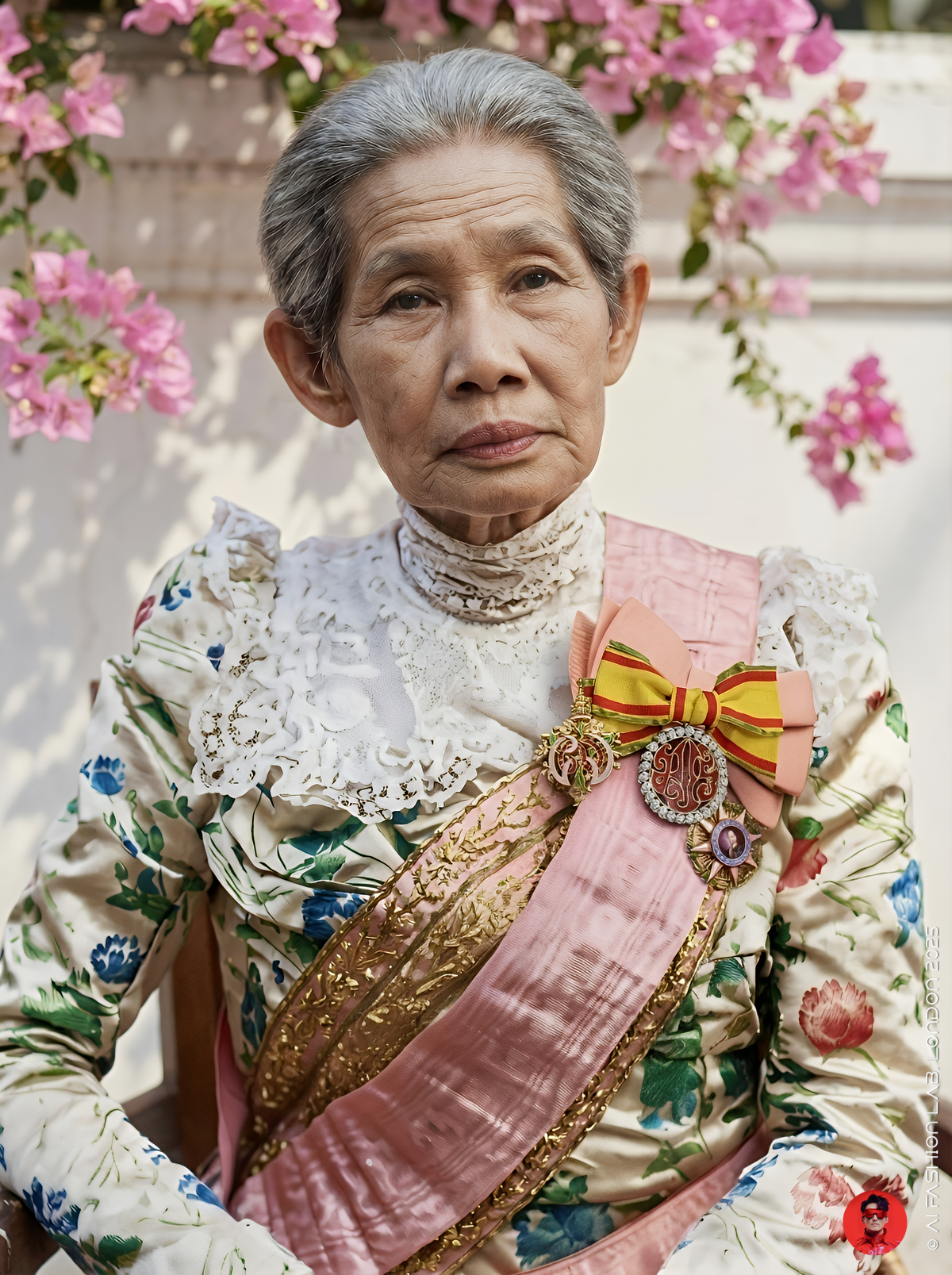
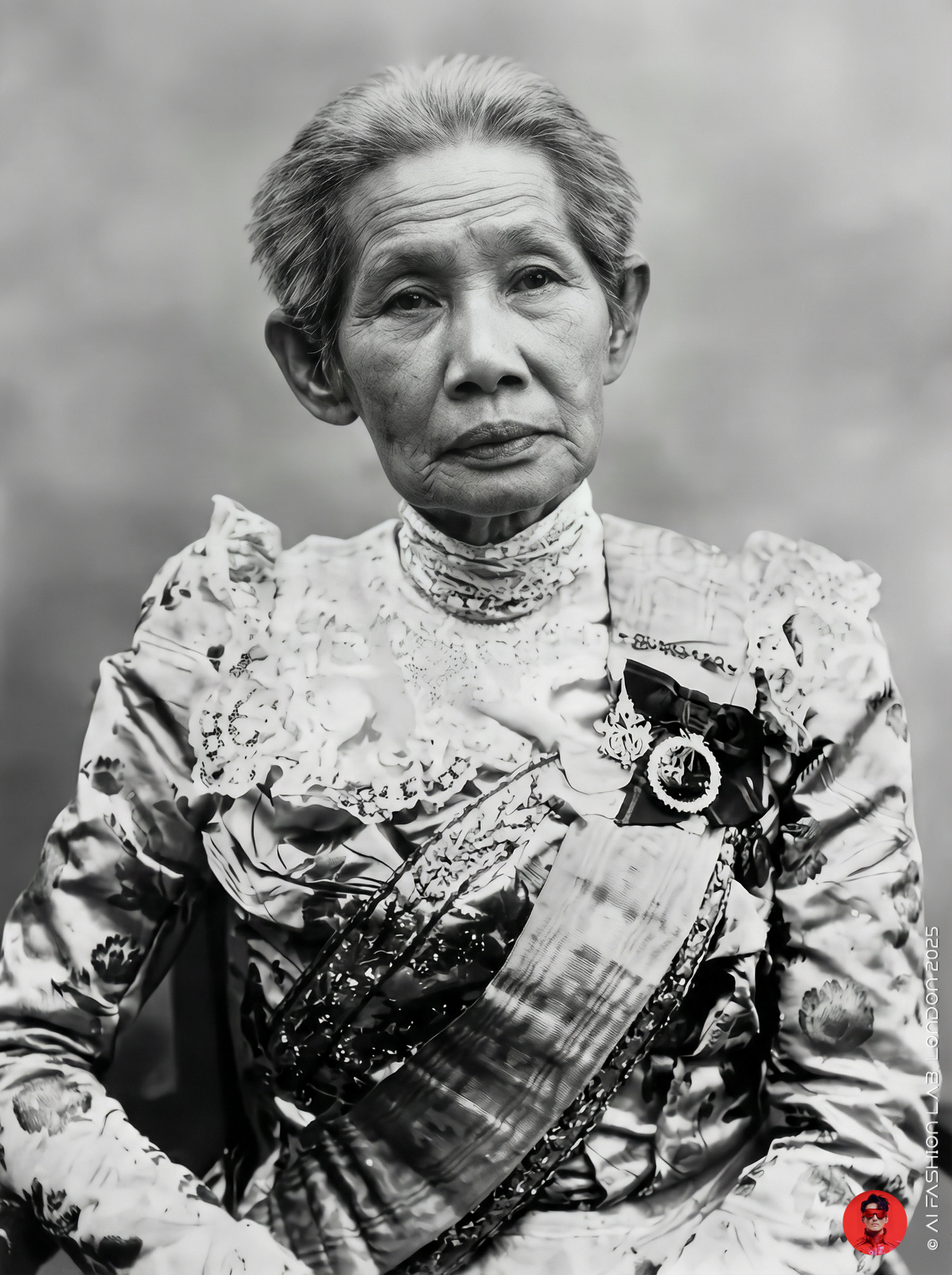
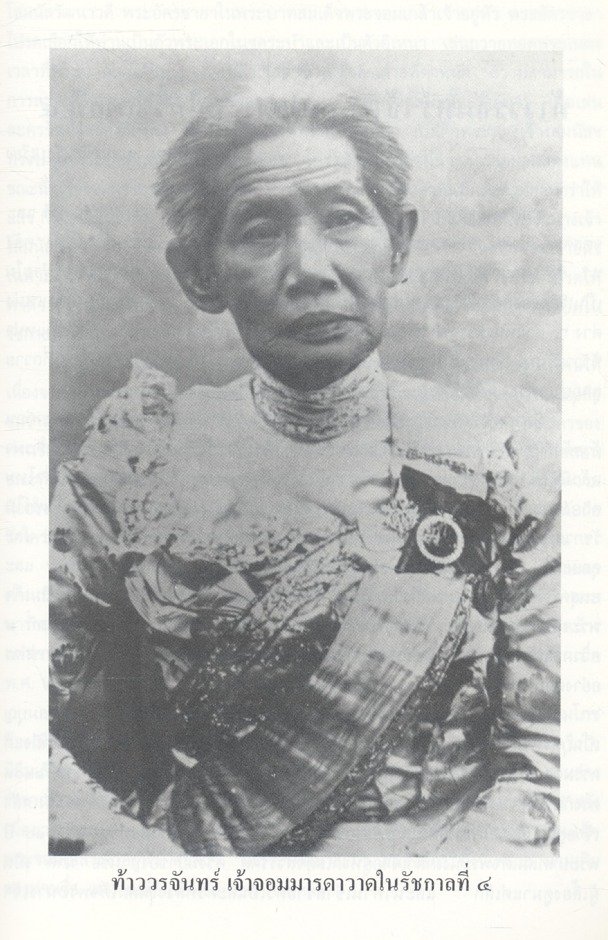
ภาพที่ได้รับสร้างสรรค์ด้วยเทคโนโลยี AI ภาพนี้คือ ท้าววรจันทร บรมธรรมิกภักดี นารีวรคณานุรักษา หรือ เจ้าจอมมารดาวาด มีนามเดิมว่า แมว (11 มกราคม พ.ศ. 2384 – 25 กุมภาพันธ์ พ.ศ. 2483) มีสมญาการแสดงว่า “แมวอิเหนา” เป็นนางละครและพระสนมเอกในพระบาทสมเด็จพระจอมเกล้าเจ้าอยู่หัว เมื่อถวายตัวรับราชการฝ่ายในตำแหน่งบาทบริจาริกาในพระบาทสมเด็จพระจอมเกล้าเจ้าอยู่หัว จึงได้เปลี่ยนนามเป็น วาด ท้าววรจันทร์ประสูติพระโอรสพระองค์หนึ่งคือพระเจ้าบรมวงศ์เธอ กรมขุนพิทยลาภพฤฒิธาดา ต้นราชสกุลโสณกุล ณ อยุธยา ท่านได้เรียนภาษาอังกฤษกับแอนนา เลียวโนเวนส์ พร้อมกับพระเจ้าลูกยาเธอ พระเจ้าลูกเธอทั้งหลาย
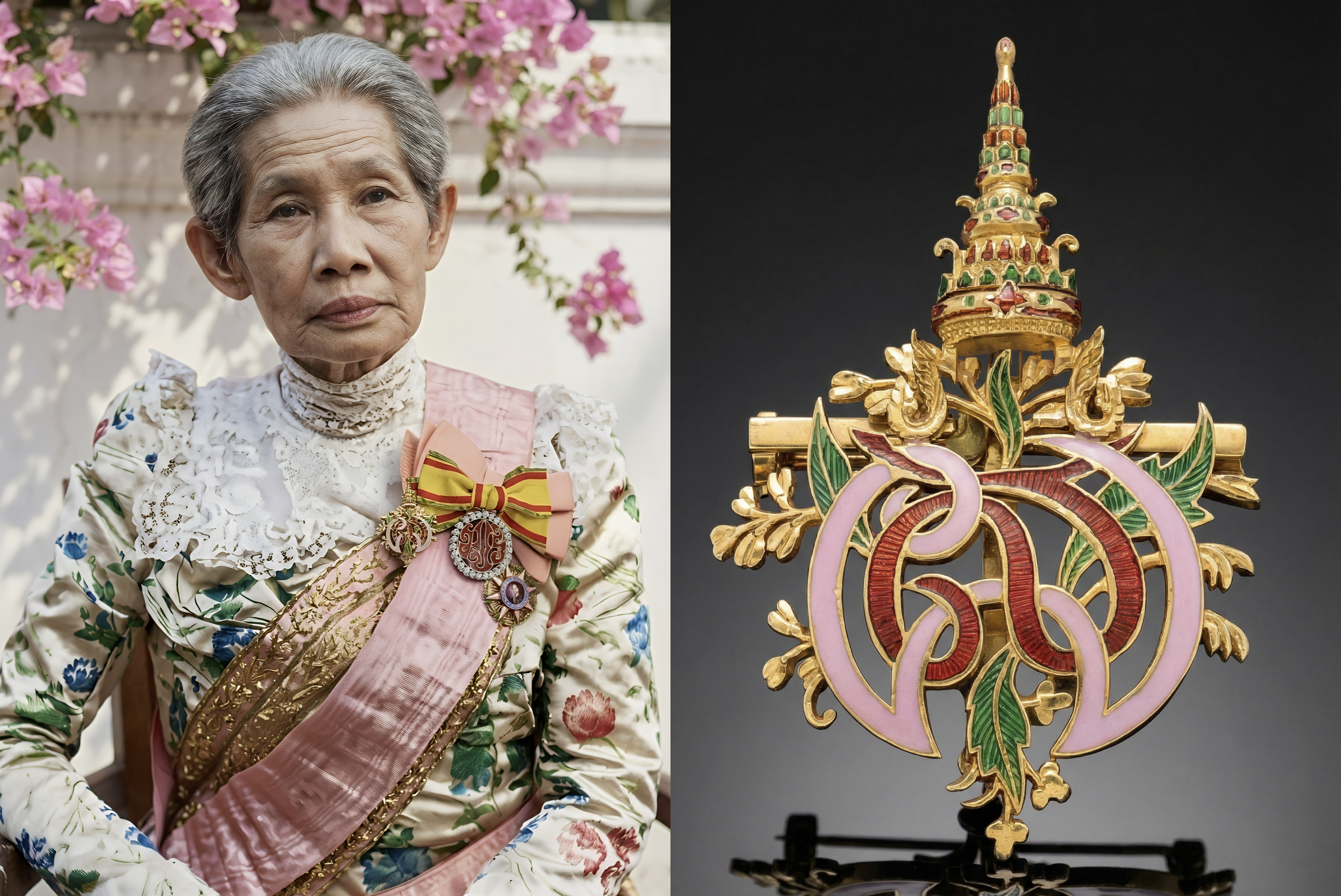
ในคอลเลกชันนี้ เราจะเห็นจากภาพที่สร้างสรรค์ขึ้นใหม่ว่า ไม่เพียงแต่ท่านจะแต่งตัวในสไตล์ปลายยุควิกตอเรีย ซึ่งมักเป็น “เสือลูกไม้คอสูง” แบบช่วงปลายรัชกาลที่ 5 เท่านั้น แต่ยังประดับเครื่องราชอิสริยาภรณ์จุลจอมเกล้า ชั้นที่ 2 ทุติยจุลจอมเกล้าวิเศษ และ เหรียญรัตนาภรณ์ รัชกาลที่ 4 ชั้นที่ 2 พร้อมทั้ง เข็มกลัดพระนามย่อของ สมเด็จพระศรีพัชรินทราบรมราชินีนาถ ที่หาชมได้ยากยิ่งอีกด้วย
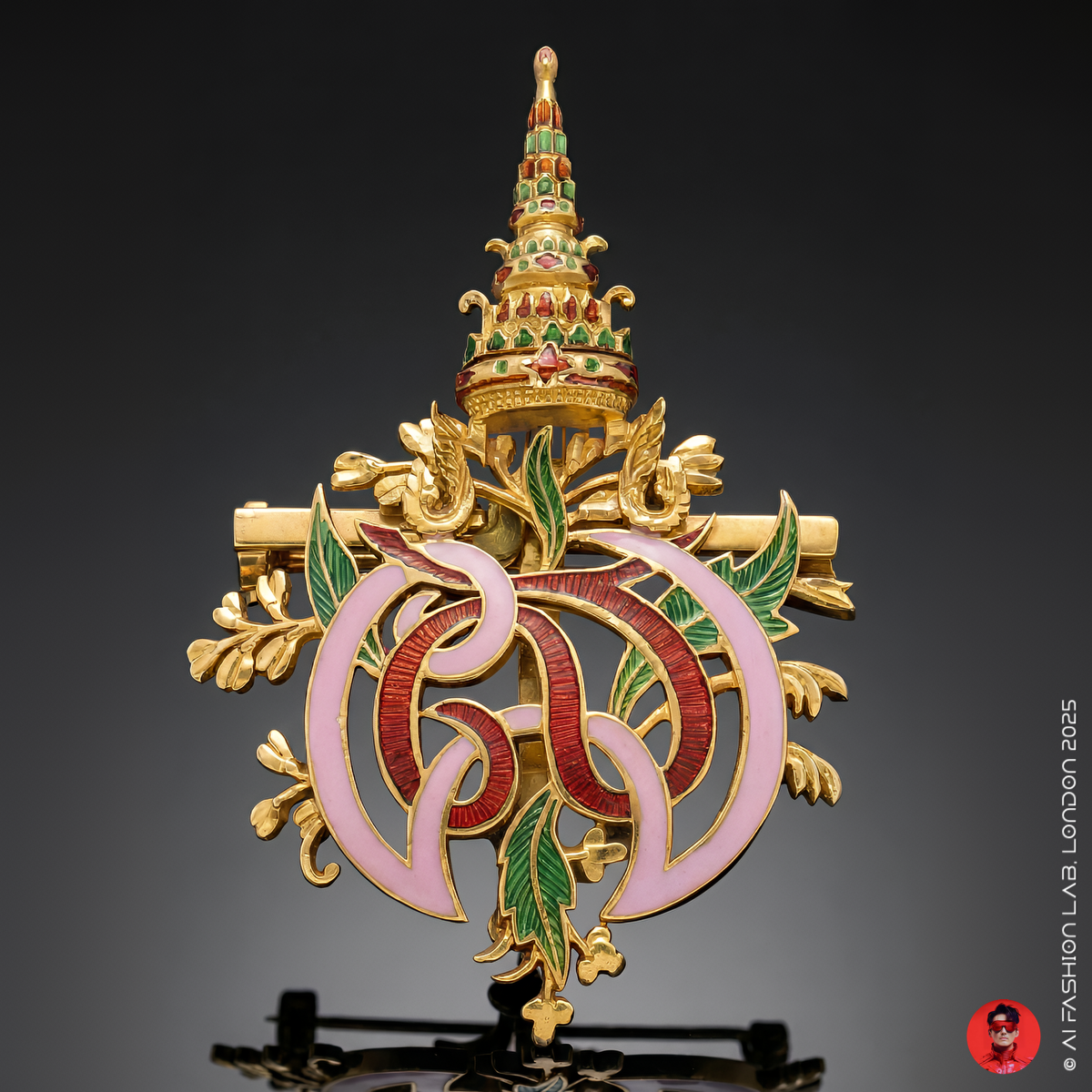
เข็มกลัดทองคำชิ้นนี้ เป็นอักษรพระนามย่อ “ส.ผ.” (สมเด็จพระนางเจ้าเสาวภาผ่องศรี) ลงยาแดง–ชมพู ประดับใต้พระมหามงกุฎ หลังเป็นพรรณพฤกษา
สิ่งที่ทำให้ภาพนี้น่าสนใจเป็นพิเศษคือ เข็มกลัดทองคำอักษรพระนามย่อ “ส.ผ.” ชิ้นนี้ เพราะเป็น “การใช้ Monogram” ซึ่งพบได้อย่างแพร่หลายในเครื่องใช้ส่วนพระองค์ของพระบรมราชินีนาถและพระราชวงศ์ในยุคนั้น ไม่ว่าจะเป็นเข็มกลัด ผ้า เครื่องประดับ หรือวัตถุต่างๆในราชสำนัก
การแพร่หลายของ Monogram และความเชื่อมโยงกับ Marie Antoinette
การใช้ monogram เพื่อประกาศอัตลักษณ์และสถานะส่วนบุคคลเริ่มแพร่หลายอย่างยิ่งในราชสำนักยุโรปช่วงศตวรรษที่ 18 โดยเฉพาะอย่างยิ่งในรัชสมัยของ พระนาง Marie Antoinette แห่งฝรั่งเศส ซึ่งทรงริเริ่มการใช้อักษรย่อ M และ A สำหรับประดับบนสิ่งของส่วนพระองค์ ตั้งแต่กระดาษ เครื่องเขียน ผ้าเช็ดหน้า กล่องเครื่องประดับ ไปจนถึงเครื่องเรือนในพระราชวังแวร์ซายส์ ทำให้ monogram กลายเป็นแนวคิดของ “personal style branding” ในราชสำนักยุโรปอย่างแท้จริง
Affair of the Diamond Necklace — และบทบาทของ Monogram
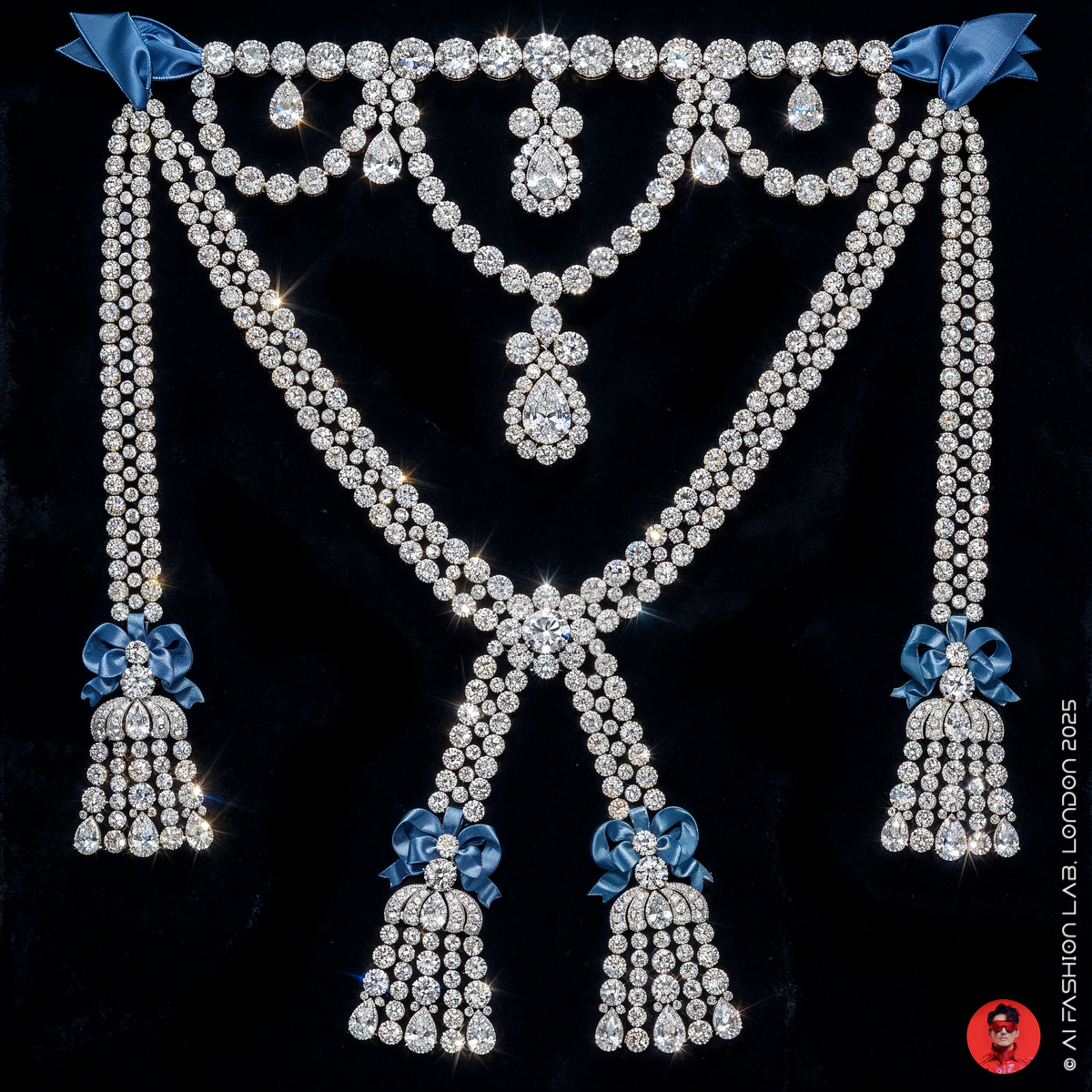
คดีอื้อฉาว “Affair of the Diamond Necklace” (คดีสร้อยพระศอเพชร) ที่เกิดขึ้นในปี ค.ศ. 1785 ก็ยิ่งทำให้ภาพลักษณ์ของ monogram M–A ถูกพูดถึงไปทั่วโลก เรื่องราวเกิดจากความพยายามของ Cardinal de Rohan ร่วมกับ Jeanne de la Motte ที่สร้างเรื่องใส่ร้ายว่าพระนาง Marie Antoinette ทรงต้องการซื้อสร้อยพระศอเพชรขนาดมหึมามูลค่ามหาศาล (2 ล้านฟรัง) จากช่างทองชื่อดัง Böhmer และ Bassenge
แบบของสร้อยเพชรเส้นนี้ ซึ่งประดับเพชรกว่า ๖๐๐ เม็ด ถูกออกแบบด้วยเส้นโค้งและการเรียงเพชรในลายที่คล้ายกับ “M” เชื่อม “A” อันเป็น monogram ของ Marie Antoinette
แม้พระองค์จะไม่เคยเห็นสร้อยนี้ แต่การที่ผู้หลอกลวงใช้ จดหมายปลอมพร้อมอักษรย่อ M–A ประกอบกับแบบสร้อยที่มีลวดลายคล้าย monogram อยู่แล้ว ทำให้คดีนี้ดู “สมจริง” และสร้างความเสียหายต่อพระเกียรติยศอย่างมหาศาล ผลลัพธ์คือ คดีนี้กลายเป็นหนึ่งในเหตุการณ์สำคัญที่เร่งความเสื่อมศรัทธาต่อราชบัลลังก์ฝรั่งเศส และนำไปสู่ความวุ่นวายก่อนการปฏิวัติฝรั่งเศส
ดังนั้น monogram จึงมิใช่เพียงเครื่องหมายประดับสวยงาม แต่เป็นสัญลักษณ์ที่มีพลังทางการเมือง วัฒนธรรม และภาพลักษณ์ส่วนพระองค์ ซึ่งแพร่หลายเข้าไปยังราชสำนักต่าง ๆ รวมถึงสยาม และเป็นที่นิยมแพร่หลายในสมัยรัชกาลที่ 5 และ รัชกาลที่ 6 เป็นต้นมา
Monogram ในราชสำนักสยาม: สัญลักษณ์ของความงามและพระเกียรติ
ราชสำนักไทยนำวัฒนธรรม monogram มาประยุกต์ในแบบสยาม เช่น
• พระนามย่อ “ส.ผ.”, “จ.ป.ร.”, “ส.ก.” บนเครื่องราชูปโภค
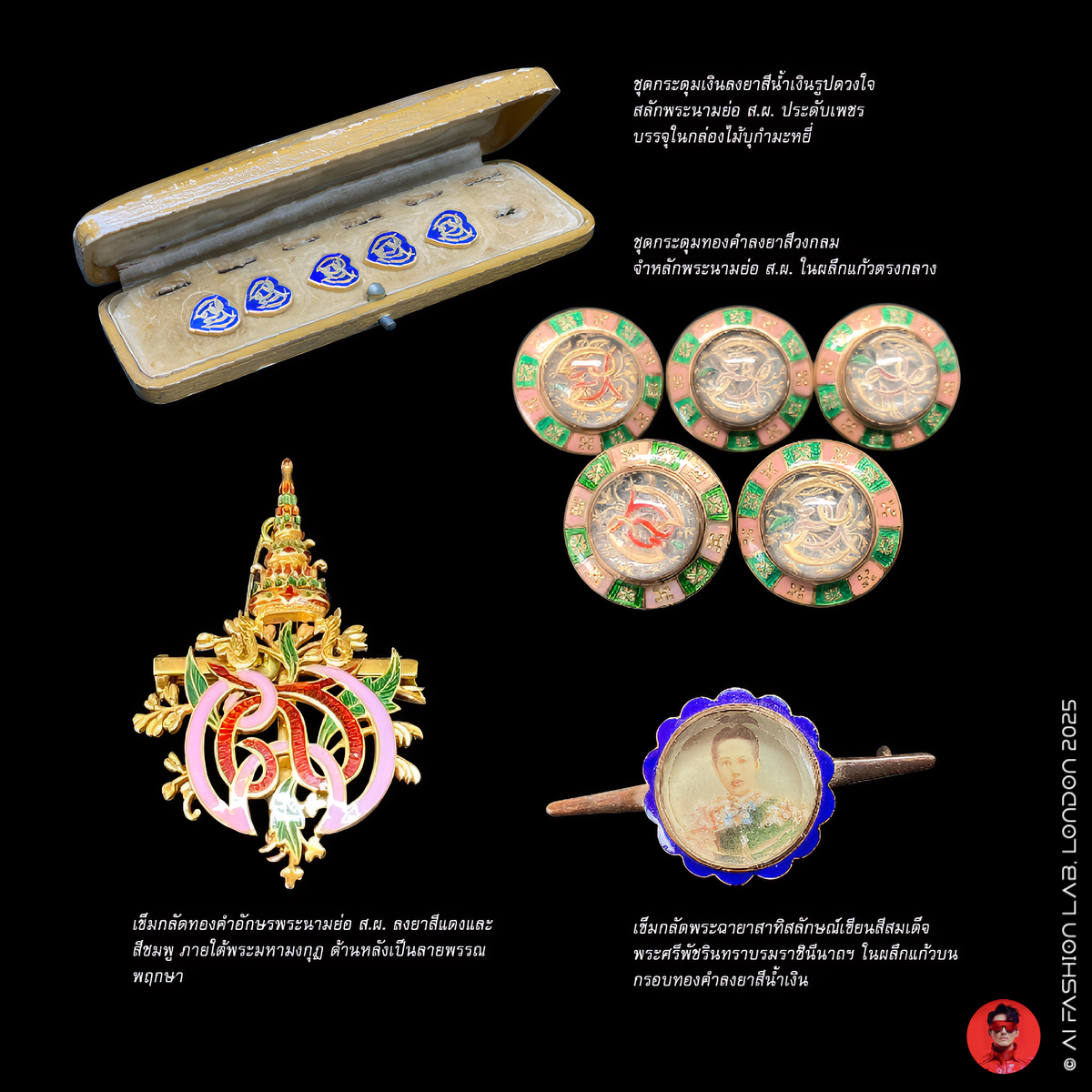
• กระดุมลงยาเป็นพระนามย่อ (ดังที่เห็นในภาพ)
• เข็มกลัดพระฉายาลักษณ์ในกรอบทองลงยา
• เครื่องประดับที่พระราชทานแก่เจ้านายและข้าราชสำนัก
ภาพที่นำเสนอ ทั้งกระดุมลงยาสีน้ำเงิน, ชุดกระดุมทองลายราชวงศ์, เข็มกลัดพระฉายาลักษณ์, และเข็มกลัดทองคำอักษรพระนามย่อ ล้วนเป็นตัวอย่างชั้นเยี่ยมของการผสมผสาน ศิลปะ Monogram แบบยุโรป กับ รสนิยมอันวิจิตรของราชสำนักไทย
ท้าววรจันทร์จึงเป็นตัวแทนของสตรีในราชสำนักผู้สวมใส่ “ภาษาแห่งอัตลักษณ์” นี้อย่างงดงาม ผ่านทั้งเครื่องราชอิสริยาภรณ์และเข็มกลัดทองคำอักษรพระนามย่อ “ส.ผ.” ที่ได้รับพระราชทาน
______________________
Thao Worachan (Lady Vorajan) and the Culture of Royal Monograms in the Siamese Court
(ท้าววรจันทร์ / เจ้าจอมมารดาวาด ในรัชกาลที่ ๔)
AI-generated reimagined portrait
This AI-created portrait depicts Thao Worachan Boromthamikkaphakdi Nariworaknanuraksa (ท้าววรจันทร์ บรมธรรมิกภักดี นารีวรคณานุรักษา), better known as Chao Chom Manda Wat (เจ้าจอมมารดาวาด). She was born Maeo (แมว) on 11 January 1841 and passed away on 25 February 1940. Widely recognised as “Maeo I-nao” (แมวอิเหนา), she was a celebrated classical dancer and a principal royal consort of King Mongkut (พระบาทสมเด็จพระจอมเกล้าเจ้าอยู่หัว, Rama IV).
Upon entering the Inner Court as a royal attendant (batborijarika – บาทบริจาริกา) to the King, she received the name Wat (วาด).
Thao Worachan bore one son, Prince Pittayalap Phritthitada (พระเจ้าบรมวงศ์เธอ กรมขุนพิทยลาภพฤฒิธาดา), the progenitor of the Sonakul family (ราชสกุลโสณกุล ณ อยุธยา). She also studied English under Anna Leonowens, together with several royal children and princes of the court.
Victorian Fashion and Royal Orders in the Portrait
In this AI reimagining, Thao Worachan is portrayed wearing late Victorian attire, most notably the high-necked lace blouse typical of the late reign of King Chulalongkorn (รัชกาลที่ ๕). She is adorned with:
The Most Illustrious Order of Chula Chom Klao, Second Class (ทุติยจุลจอมเกล้าวิเศษ)
The Ratana Varabhorn Medal of King Rama IV, Second Class (เหรียญรัตนาภรณ์ รัชกาลที่ ๔ ชั้นที่ ๒)
A rare royal monogram brooch bearing the initials of Queen Saovabha Phongsri (สมเด็จพระศรีพัชรินทราบรมราชินีนาถ / สมเด็จพระนางเจ้าเสาวภาผ่องศรี).
This precious gold brooch displays the letters “S.P.” (ส.ผ.), finished in red–pink enamel and set beneath the Royal Crown, with a floral repoussé pattern on the reverse.
The Cultural Significance of Monograms
What makes this portrait particularly intriguing is the presence of this monogram brooch. The use of royal monogramswas highly fashionable in the Siamese court. These personalised cyphers appeared on brooches, buttons, fabrics, jewellery, and personal effects owned or bestowed by members of the royal family.
The Spread of Monograms and Their Connection to Marie Antoinette
The use of monograms as expressions of identity and rank became especially prominent in eighteenth-century European courts, notably during the reign of Queen Marie Antoinette of France (Marie Antoinette). She popularised the intertwined letters M and A, which appeared on her stationery, linens, handkerchiefs, jewellery boxes, and even furniture at Versailles.
This made monograms one of the earliest forms of personal style branding in European court culture.
The Affair of the Diamond Necklace — and the Power of a Monogram
The infamous “Affair of the Diamond Necklace” of 1785 further cemented the public association of the M–A monogram with Marie Antoinette.
The scandal involved Cardinal de Rohan, working with Jeanne de la Motte, who deceived jewellers Böhmer and Bassenge into believing that the Queen wished to purchase an enormous diamond necklace valued at 2 million francs.
The design of this elaborate necklace — featuring over 600 diamonds — incorporated curved lines resembling an intertwined M and A, echoing the Queen’s monogram.
Though Marie Antoinette never saw the necklace, forged letters bearing the M–A cipher, combined with the necklace’s monogram-like design, made the deception seem plausible. The scandal severely damaged her reputation and contributed to rising unrest that preceded the French Revolution.
Thus, monograms were not merely decorative motifs; they held real political, cultural, and symbolic power.
Monograms in the Siamese Court: Beauty, Identity, and Status
The Siamese royal court adopted and reinterpreted the monogram tradition in its own refined manner. Examples include:
Royal initials such as “S.P.” (ส.ผ.), “Ch.P.R.” (จ.ป.ร.), “S.K.” (ส.ก.)
Enamelled monogram buttons worn with court dress
Gold portrait brooches featuring royal cyphers
Jewelled insignia bestowed upon high-ranking court ladies and nobility
In the portrait, the blue enamel buttons, gold monogrammed fastenings, portrait brooches, and the “S.P.” monogram brooch exemplify the fusion of European monogram aesthetics with the exquisite taste of the Siamese royal court.
Conclusion
Thao Worachan stands as a representative of the refined women of the Siamese court who wore this symbolic “language of identity” with grace — through decorations, court regalia, and the rare gold monogram brooch bearing the initials “S.P.” (ส.ผ.) bestowed by the Queen.
เรียนเชิญกด Subscribe ได้ที่ลิงก์นี้ครับ เพื่อร่วมติดตามงานสร้างสรรค์ต้นฉบับ งานวิจัยประวัติศาสตร์แฟชั่น และผลงานอนุรักษ์มรดกวัฒนธรรมด้วยเทคโนโลยี AI ของ AI Fashion Lab, London ซึ่งมุ่งตีความอดีตผ่านมิติใหม่ของการบูรณะภาพ การสร้างสรรค์ภาพ และการเล่าเรื่องด้วยศิลปะเชิงดิจิทัล 🔗 https://www.facebook.com/aifashionlab/subscribe/
#aifashionlab #AI #aiartist #aiart #aifashion #aifashiondesign #aifashionstyling #aifashiondesigner #fashion #fashionhistory #historyoffashion #fashionstyling #fashionphotography #digitalfashion #digitalfashiondesign #digitalcostumedesign #digitaldesign #digitalaiart #ThaiFashionHistory #ThaiFashionAI #thailand #UNESCO