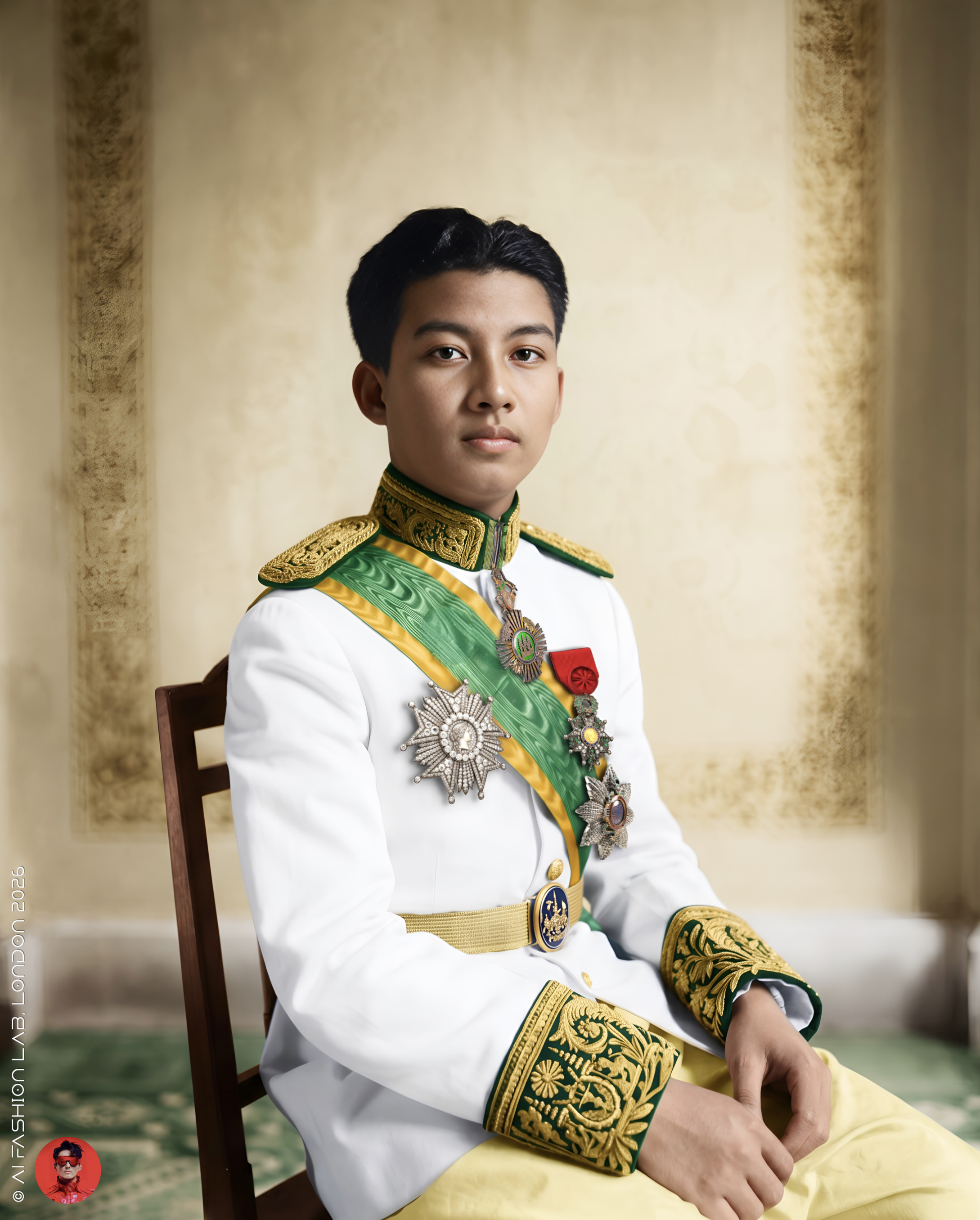
พระบาทสมเด็จพระนโรดม สีหนุ
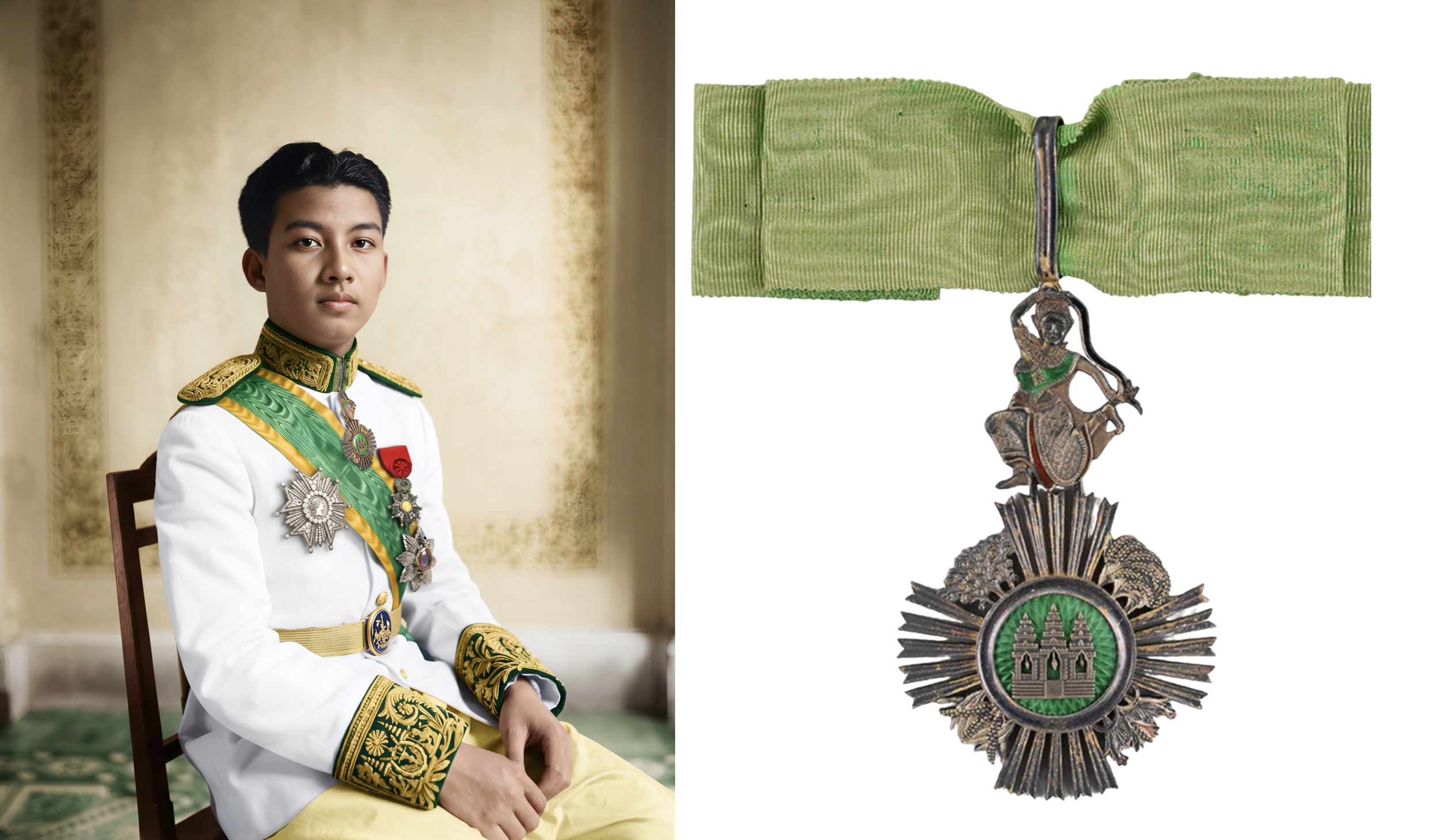
พระบาทสมเด็จพระนโรดม สีหนุ
ภาพที่ได้รับการบูรณะและสร้างสรรค์ขึ้นด้วยเทคโนโลยี AI ในคอลเล็กชันนี้ เป็นพระบรมฉายาลักษณ์ พระบาทสมเด็จพระนโรดม สีหนุ แห่งราชอาณาจักรกัมพูชา
พระบาทสมเด็จพระนโรดม สีหนุ (พ.ศ. 2465–2555 / ค.ศ. 1922–2012) ทรงเป็นหนึ่งในบุคคลสำคัญทางการเมืองที่โดดเด่นที่สุดแห่งเอเชียในคริสต์ศตวรรษที่ 20 ทรงได้รับการสถาปนาเป็นพระมหากษัตริย์แห่งกัมพูชาเมื่อวันที่ 24 เมษายน พ.ศ. 2484 (ค.ศ. 1941) ขณะมีพระชนมายุเพียง 18 พรรษา โดยฝ่ายบริหารอาณานิคมฝรั่งเศสแห่งอินโดจีนเป็นผู้คัดเลือกพระองค์ เนื่องจากเชื่อว่าความเยาว์วัยและความไม่มีประสบการณ์จะทำให้ทรงเป็นผู้ที่ควบคุมได้ง่าย — ซึ่งเป็นการประเมินที่ผิดพลาดอย่างสิ้นเชิง
พระองค์ทรงนำกัมพูชาสู่เอกราชจากฝรั่งเศสในปี พ.ศ. 2496 (ค.ศ. 1953) ทรงดำเนินนโยบายการทูตที่ชาญฉลาดในยุคสงครามเย็น และทรงเป็นบุคคลสำคัญที่กำหนดอัตลักษณ์ของชาติกัมพูชามาตลอดกว่าหกทศวรรษ โดยทรงดำรงตำแหน่งในฐานะกษัตริย์ นายกรัฐมนตรี ประมุขแห่งรัฐ และกษัตริย์อีกครั้งในบั้นปลาย จนกระทั่งสวรรคตที่กรุงปักกิ่งในปี พ.ศ. 2555 (ค.ศ. 2012)
ภาพถ่ายนี้ถ่ายขึ้นราวหนึ่งปีหลังพระราชพิธีบรมราชาภิเษก ซึ่งบันทึกภาพกษัตริย์หนุ่มในช่วงเวลาที่ทรงเปราะบางทางการเมืองที่สุด — ทรงเพิ่งขึ้นครองราชย์ และอยู่ภายใต้การบริหารของฝรั่งเศสวิชี ในกัมพูชาที่ถูกยึดครองโดยกองทัพญี่ปุ่นพร้อมกัน เครื่องราชอิสริยาภรณ์ทุกชิ้นที่ทรงสวมใส่คือถ้อยแถลงทางการเมือง
_____________
บริบททางการเมือง — อินโดจีนของฝรั่งเศส พ.ศ. 2484–2485 (ค.ศ. 1941–42)
กัมพูชาในปี พ.ศ. 2485 (ค.ศ. 1942) ดำรงอยู่ภายในโครงสร้างอาณานิคมที่ซับซ้อนอย่างยิ่ง ในฐานะรัฐในอารักขาของฝรั่งเศสตั้งแต่ปี พ.ศ. 2406 (ค.ศ. 1863) กัมพูชาเป็นส่วนหนึ่งของอินโดจีนฝรั่งเศส — สหพันธ์การบริหารที่ประกอบด้วยเวียดนาม กัมพูชา และลาว — ปกครองจากฮานอยโดยผู้ว่าการใหญ่ชาวฝรั่งเศส หลังจากฝรั่งเศสพ่ายแพ้ในปี พ.ศ. 2483 (ค.ศ. 1940) อินโดจีนตกอยู่ภายใต้การบริหารของรัฐบาลวิชี ขณะเดียวกันก็ถูกยึดครองโดยกองทัพญี่ปุ่นตั้งแต่เดือนกันยายน พ.ศ. 2483 (ค.ศ. 1940) กษัตริย์กัมพูชาจึงอยู่ภายใต้อำนาจที่ทับซ้อนกันถึงสามฝ่าย ได้แก่ ประเพณีราชวงศ์เขมร ฝรั่งเศสวิชี และกองทัพจักรวรรดิญี่ปุ่น
ในบริบทนี้ ลำดับชั้นของเครื่องราชอิสริยาภรณ์แห่งอินโดจีนฝรั่งเศส ไม่ใช่เพียงพิธีการ แต่เป็นเครื่องมืออันแม่นยำของอำนาจอาณานิคม ที่เข้ารหัสการจัดอันดับทางการเมืองของดินแดนและผู้ปกครองในรูปแบบที่มองเห็นได้และสวมใส่ได้
_____________
ลำดับชั้นของเครื่องราชอิสริยาภรณ์ — อำนาจอาณานิคมที่มองเห็นได้
ระบบเครื่องราชอิสริยาภรณ์ของอินโดจีนฝรั่งเศสดำเนินตามลำดับชั้นที่เข้มงวดห้าระดับ:
อันดับหนึ่ง: ฝรั่งเศส — เลฌียงดอเนอร์ สถาปนาโดยนโปเลียนที่ 1 เมื่อปี พ.ศ. 2345 (ค.ศ. 1802) เครื่องราชอิสริยาภรณ์สูงสุดของรัฐฝรั่งเศส มีลำดับความสำคัญเหนือทุกสิ่งในบริบทของอินโดจีน
อันดับสอง: อินโดจีนฝรั่งเศส — เครื่องราชอิสริยาภรณ์ระดับสหพันธ์ ได้แก่ Médaille Coloniale และเหรียญที่ออกในนามของสหพันธ์อินโดจีนโดยรวม ไม่ใช่ในนามของดินแดนใดดินแดนหนึ่ง สะท้อนอัตลักษณ์ของอินโดจีนในฐานะหน่วยการบริหารเดียว
อันดับสาม: เวียดนาม — เครื่องราชอิสริยาภรณ์มังกรแห่งอันนัม สถาปนาปี พ.ศ. 2426 (ค.ศ. 1883) เวียดนามเป็นดินแดนที่เก่าแก่ที่สุด ใหญ่ที่สุด และมีความสำคัญทางเศรษฐกิจมากที่สุดในอินโดจีนฝรั่งเศส
อันดับสี่: กัมพูชา — เครื่องราชอิสริยาภรณ์ของกัมพูชา ได้แก่ เครื่องราชอิสริยาภรณ์ราชวงศ์กัมพูชา และเครื่องราชอิสริยาภรณ์สุวรรถาราชวงศ์ จัดอยู่ในอันดับสี่ กษัตริย์กัมพูชาที่สวมเครื่องราชอิสริยาภรณ์ของตนเองในชั้นที่ต่ำกว่าเครื่องราชอิสริยาภรณ์ฝรั่งเศส อินโดจีน และเวียดนาม กำลังแสดงออกถึงการยอมรับอำนาจที่เหนือกว่าอย่างชัดเจน
อันดับห้า: ลาว — เครื่องราชอิสริยาภรณ์ล้านช้างร่มขาว จัดอยู่ในอันดับสุดท้าย สะท้อนสถานะของลาวในฐานะดินแดนที่เพิ่งถูกรวมเข้ามาล่าสุดและมีขนาดเล็กที่สุดในสหพันธ์
_____________
การอ่านเครื่องราชอิสริยาภรณ์ของพระบาทสมเด็จพระนโรดม สีหนุ ในฐานะข้อความทางการเมือง
สิ่งที่ทำให้ภาพถ่ายนี้มีความสำคัญทางประวัติศาสตร์อย่างผิดธรรมดาคือ พระบาทสมเด็จพระนโรดม สีหนุทรงประดับลำดับตามลำดับชั้นนี้อย่างตรงไปตรงมา และในการทำเช่นนั้น ภาพถ่ายนี้จึงกลายเป็นเอกสารแห่งอำนาจอาณานิคมที่จารึกลงบนร่างกายและภาพถ่ายของกษัตริย์กัมพูชาโดยตรง
1. เลฌียงดอเนอร์ชั้นประถมาภรณ์ ครองพื้นที่หน้าอกขวาในฐานะเครื่องราชอิสริยาภรณ์ที่ใหญ่โตและตระการตาที่สุด — เป็นชิ้นงานอัญมณีพิเศษประดับเพชร สงวนไว้สำหรับประมุขแห่งรัฐต่างประเทศ โดยได้รับพระราชทานเมื่อวันที่ 21 ตุลาคม พ.ศ. 2484 (ค.ศ. 1941)
2. สายสะพายมังกรแห่งอันนัมชั้นประถมาภรณ์ สีเขียวมรกตและทอง — เครื่องราชอิสริยาภรณ์เวียดนามในชั้นสูงสุด ได้รับพระราชทานเมื่อวันที่ 3 เมษายน พ.ศ. 2485 (ค.ศ. 1942) พระมหากษัตริย์กัมพูชาที่ฝรั่งเศสแต่งตั้งทรงสวมเครื่องราชอิสริยาภรณ์เวียดนามในชั้นประถมาภรณ์ก่อนที่จะสวมเครื่องราชอิสริยาภรณ์กัมพูชาในชั้นเดียวกัน
3. เหรียญประดับสร้อยคอเครื่องราชอิสริยาภรณ์โสวัตถารา ชั้นที่สาม (ผู้บัญชาการ) — เครื่องราชอิสริยาภรณ์แห่งราชวงศ์กัมพูชา สถาปนาเมื่อปี พ.ศ. 2466 (ค.ศ. 1923) ปัจจุบันยกเลิกแล้ว — เครื่องราชอิสริยาภรณ์กัมพูชาเพียงชิ้นเดียวในภาพ — สวมในชั้นผู้บัญชาการเท่านั้น ไม่ใช่ชั้นประถมาภรณ์ ไม่ใช่ชั้นที่สอง แต่เป็นชั้นที่สาม กษัตริย์ที่สวมเครื่องราชอิสริยาภรณ์ของประเทศตนเองในชั้นที่สาม ขณะสวมเครื่องราชอิสริยาภรณ์ต่างประเทศในชั้นสูงสุด คือภาพของการยอมจำนนต่ออาณานิคมที่แสดงออกด้วยการประดับเครื่องราชอิสริยาภรณ์
ภายในสิบเอ็ดปี พระบาทสมเด็จพระนโรดม สีหนุจะทรงรื้อถอนโครงสร้างทั้งหมดนี้ และนำกัมพูชาสู่เอกราชอย่างสมบูรณ์ในปี พ.ศ. 2496 (ค.ศ. 1953) ชายหนุ่มในภาพถ่ายนี้ที่สวมเครื่องราชอิสริยาภรณ์ของประเทศตนเองในชั้นที่สาม จะกลายเป็นหนึ่งในนักการเมืองต่อต้านอาณานิคมที่ทรงอิทธิพลที่สุดแห่งคริสต์ศตวรรษที่ 20
_____________
วิธีการบูรณะภาพ
การบูรณะภาพนี้ผลิตขึ้นโดยใช้วิธีการทางประวัติศาสตร์สีของ AI Fashion Lab — กระบวนการหลายขั้นตอนที่ผสมผสานการวิจัยเอกสาร
1. การวิเคราะห์ภาพถ่ายนิติวิทยาศาสตร์จากต้นฉบับขาวดำ
2. การวิจัยเปรียบเทียบวัตถุจากคอลเลกชันพิพิธภัณฑ์และฐานข้อมูลเครื่องราชอิสริยาภรณ์
3. การยืนยันเอกสารจากแหล่งข้อมูลภาษาไทยเกี่ยวกับวันที่ได้รับพระราชทาน
4. การวิเคราะห์พิธีการและการเมืองของลำดับชั้นอาณานิคม
5. การทำแผนที่สีจากวัตถุอ้างอิงทางกายภาพและแหล่งเอกสาร
6. การสร้างภาพสีด้วย AI พร้อมการแก้ไขแบบวนซ้ำตามหลักฐานเอกสาร
_____________
His Majesty Preah Bat Samdech Preah Norodom Sihanouk
The image in this collection has been restored and recreated using AI technology. It is a formal portrait of His Majesty Preah Bat Samdech Preah Norodom Sihanouk, King of the Kingdom of Cambodia.
His Majesty Preah Bat Samdech Preah Norodom Sihanouk (31 October 1922 – 15 October 2012), known to his people as Samdech Euv — "King Father" — was one of the most remarkable political figures of twentieth-century Asia. He ascended to the throne on 24 April 1941, with his formal coronation on 3 May 1941, at the age of 18. He was selected by the French colonial administration of Indochina precisely because they believed his youth and inexperience made him easy to control — a miscalculation of spectacular proportions.
The only child of Prince Norodom Suramarit and Princess Sisowath Kossamak — herself the daughter of King Sisowath Monivong — Sihanouk inherited a throne under French colonial rule, Japanese occupation, and Vichy French administration simultaneously. He led Cambodia to full independence from France in 1953, navigated the Cold War with extraordinary diplomatic intelligence, and remained the defining figure of Cambodian national identity for over six decades — serving at various points as King, Prime Minister, and Head of State until his death in Beijing on 15 October 2012.
This portrait was taken approximately one year after his coronation, documenting a young king at the moment of his most acute political vulnerability — newly enthroned, under Vichy French administration, in a Cambodia simultaneously occupied by Imperial Japanese forces. Every decoration he wears is a political statement.
_____________
Political Context — French Indochina 1941–42
Cambodia in 1942 existed within a layered colonial structure of extraordinary complexity. A French protectorate since 1863, Cambodia formed part of French Indochina — an administrative federation comprising Vietnam, Cambodia, and Laos — governed from Hanoi by a French Governor-General. Following the fall of France in 1940, Indochina came under Vichy French administration, while simultaneously being occupied by Imperial Japanese forces from September 1940. The Cambodian king was therefore subject to three overlapping authorities: Khmer royal tradition, Vichy France, and the Imperial Japanese military.
In this context, the decoration hierarchy of French Indochina was not merely ceremonial. It was a precise instrument of colonial power, encoding the political ranking of territories and their rulers in visible, wearable form.
_____________
The Hierarchy of Decorations — Colonial Power Made Visible
The French Indochina decoration system operated on a strict five-tier ranking:
First: France — The Légion d'honneur, founded by Napoleon I in 1802. The supreme order of the French state, taking absolute precedence over all other decorations in every Indochina context.
Second: French Indochina — Federal-level decorations including the Médaille Coloniale with Indochine clasp, issued in the name of the federation as a whole rather than any individual territory, reflecting Indochina's identity as a single administrative unit under French authority.
Third: Vietnam — The Ordre du Dragon de l'Annam, established 1883. Vietnam was the oldest, largest, and most economically significant territory in French Indochina, and its order ranked accordingly above those of Cambodia and Laos.
Fourth: Cambodia — Cambodian orders including the Ordre Royal du Cambodge and related royal decorations ranked fourth. A Cambodian king wearing his own country's orders at a lower grade than his French, Indochinese, and Vietnamese decorations was making — or being required to make — a precise statement of colonial subordination.
Fifth: Laos — The Ordre du Million d'Éléphants et du Parasol Blanc ranked last, reflecting Laos's status as the most recently incorporated and smallest territory in the federation.
_____________
Reading Sihanouk's Decorations as Political Text
What makes this portrait historically extraordinary is that Sihanouk wears this hierarchy exactly — and in doing so, the portrait becomes a document of colonial power inscribed directly onto the body of a Cambodian king.
1. Légion d'honneur, Grand Cross — The dominant decoration on the left breast, a specially commissioned jewelled presentation piece in gold and diamonds, reserved for foreign heads of state. Awarded 21 October 1941. France is announced first, loudest, and most brilliantly.
2. Ordre du Dragon de l'Annam, Grand Cross — The broad emerald green and gold sash crossing the entire chest. Vietnam's order at the highest grade, visually commanding. Awarded 3 April 1942. A Cambodian king appointed by France wears Vietnam's order at Grand Cross before wearing any Cambodian decoration at the same grade.
3. Ordre Royal du Sowathara, Commander (Third Class) — The neck badge suspended at the throat. A Cambodian royal dynastic order established 1923, now discontinued. The single Cambodian decoration in the portrait — worn only at Commander grade, the third class. Not Grand Cross. Not Grand Officer. The third class. A king wearing his own country's order at the third grade while displaying Grand Cross of foreign orders is a portrait of colonial subordination rendered in metal and ribbon.
Within eleven years, Sihanouk would dismantle this entire structure and lead Cambodia to full independence in 1953. The young man in this portrait, wearing his own country's order at the third class, would become one of the most formidable anti-colonial statesmen of the twentieth century. The decorations he wears in 1942 are the decorations of a king under occupation. The man wearing them was already planning otherwise.
_____________
Restoration Methodology
This restoration was produced using the AI Fashion Lab chromatic historiography methodology — a multi-stage process combining archival research and AI technology, developed by Lupt Utama:
1. Forensic photographic analysis of the original monochrome negative
2. Comparative object research across museum collections and specialist decoration databases
3. Documentary verification of award dates against historical sources
4. Political and protocol analysis of the colonial decoration hierarchy
5. Chromatic mapping from physical reference objects and archival sources
6. AI colorisation with iterative correction at each stage as new archival evidence refined the identification
"This post is part of the AI Fashion Lab Southeast Asian Royal Court Dress series."
_____________
เรียนเชิญกด Subscribe ได้ที่ลิงก์นี้ครับ เพื่อร่วมติดตามงานสร้างสรรค์ต้นฉบับ งานวิจัยประวัติศาสตร์แฟชั่น และผลงานอนุรักษ์มรดกวัฒนธรรมด้วยเทคโนโลยี AI ของ AI Fashion Lab, London ซึ่งมุ่งตีความอดีตผ่านมิติใหม่ของการบูรณะภาพ การสร้างสรรค์ภาพ และการเล่าเรื่องด้วยศิลปะเชิงดิจิทัล https://www.facebook.com/aifashionlab/subscribe/
#aifashionlab #AI #aiartist #aiart #aifashion #aifashiondesign #aifashionstyling #aifashiondesigner #fashion #fashionhistory #historyoffashion #fashionstyling #fashionphotography #digitalfashion #digitalfashiondesign #digitalcostumedesign #digitaldesign #digitalaiart #ThaiFashionHistory #ThaiFashionAI #thailand #UNESCO