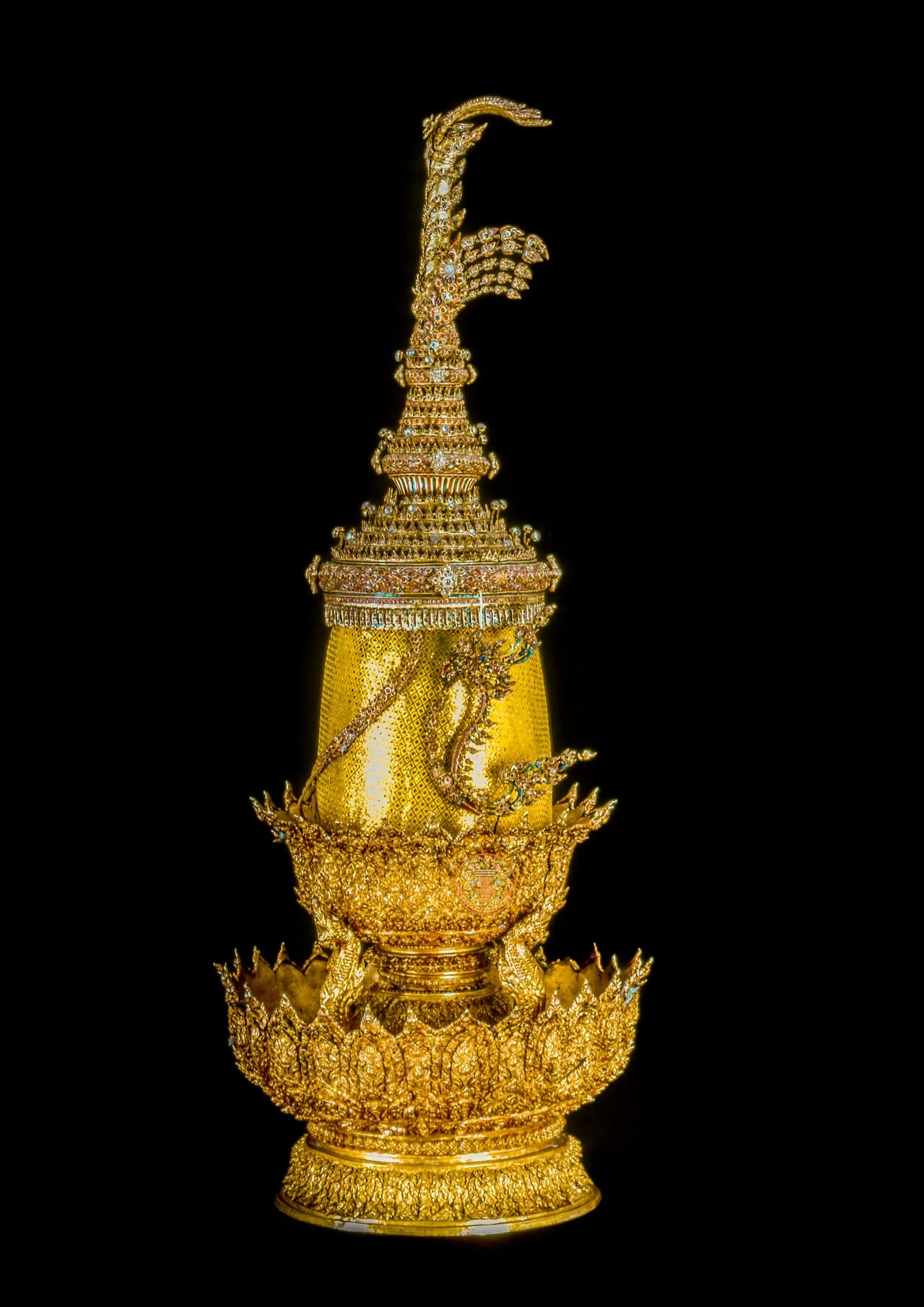
“พระชฎา ๕ ยอด” เครื่องราชศิราภรณ์ที่ทรงแทน “พระมหาพิชัยมงกุฎ” ในบางวาระ
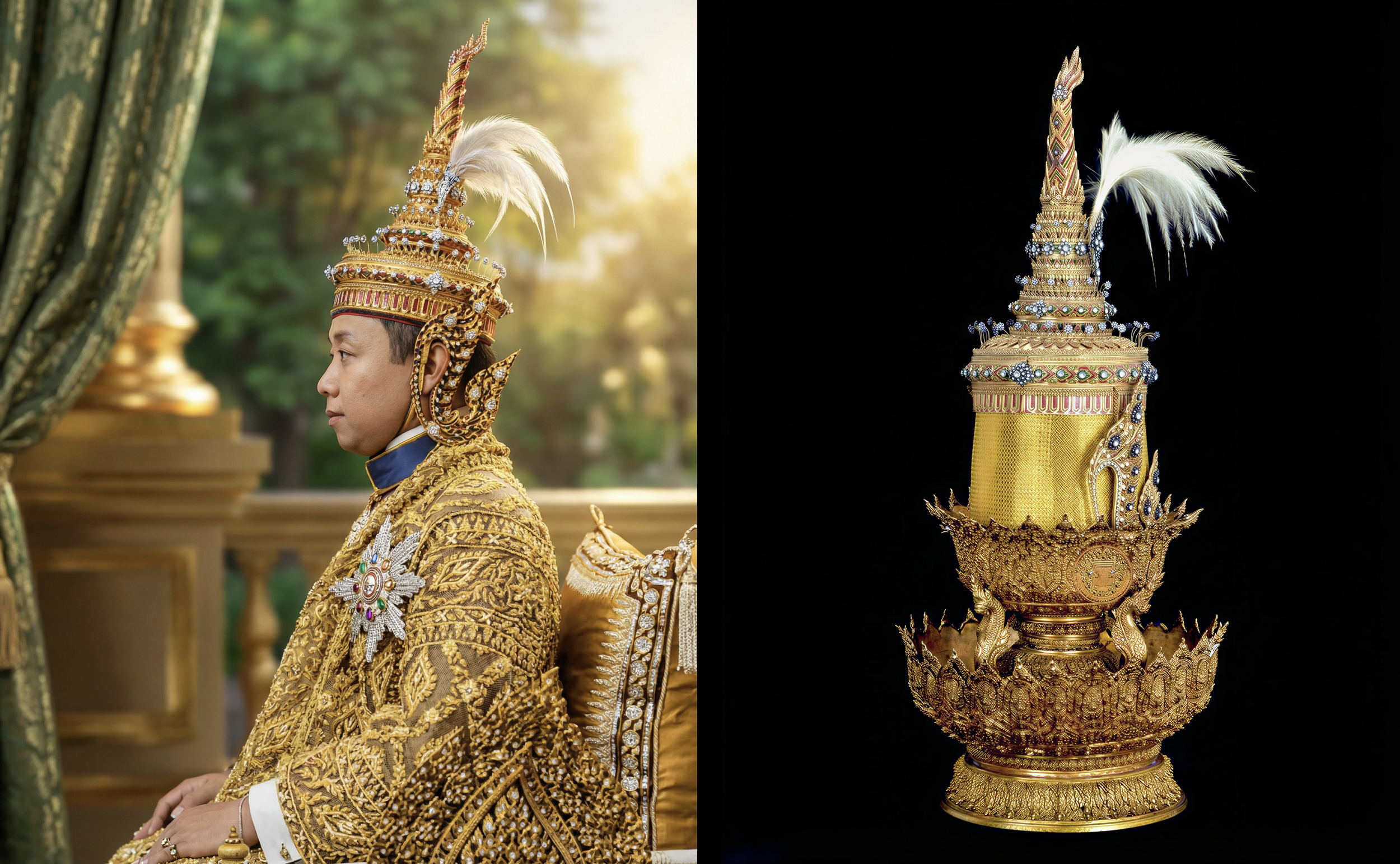
“พระชฎา ๕ ยอด” เครื่องราชศิราภรณ์ที่ทรงแทน “พระมหาพิชัยมงกุฎ” ในบางวาระ
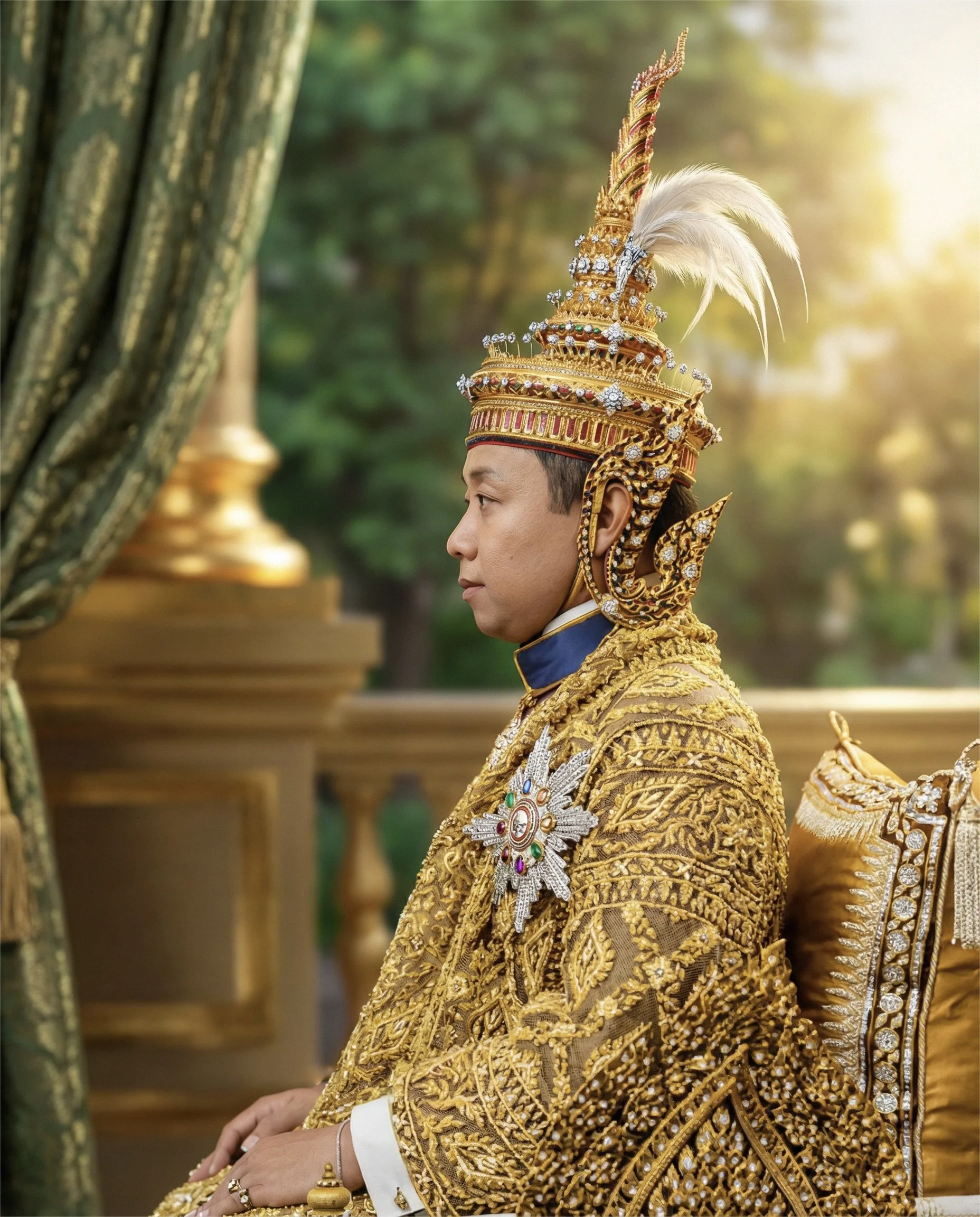
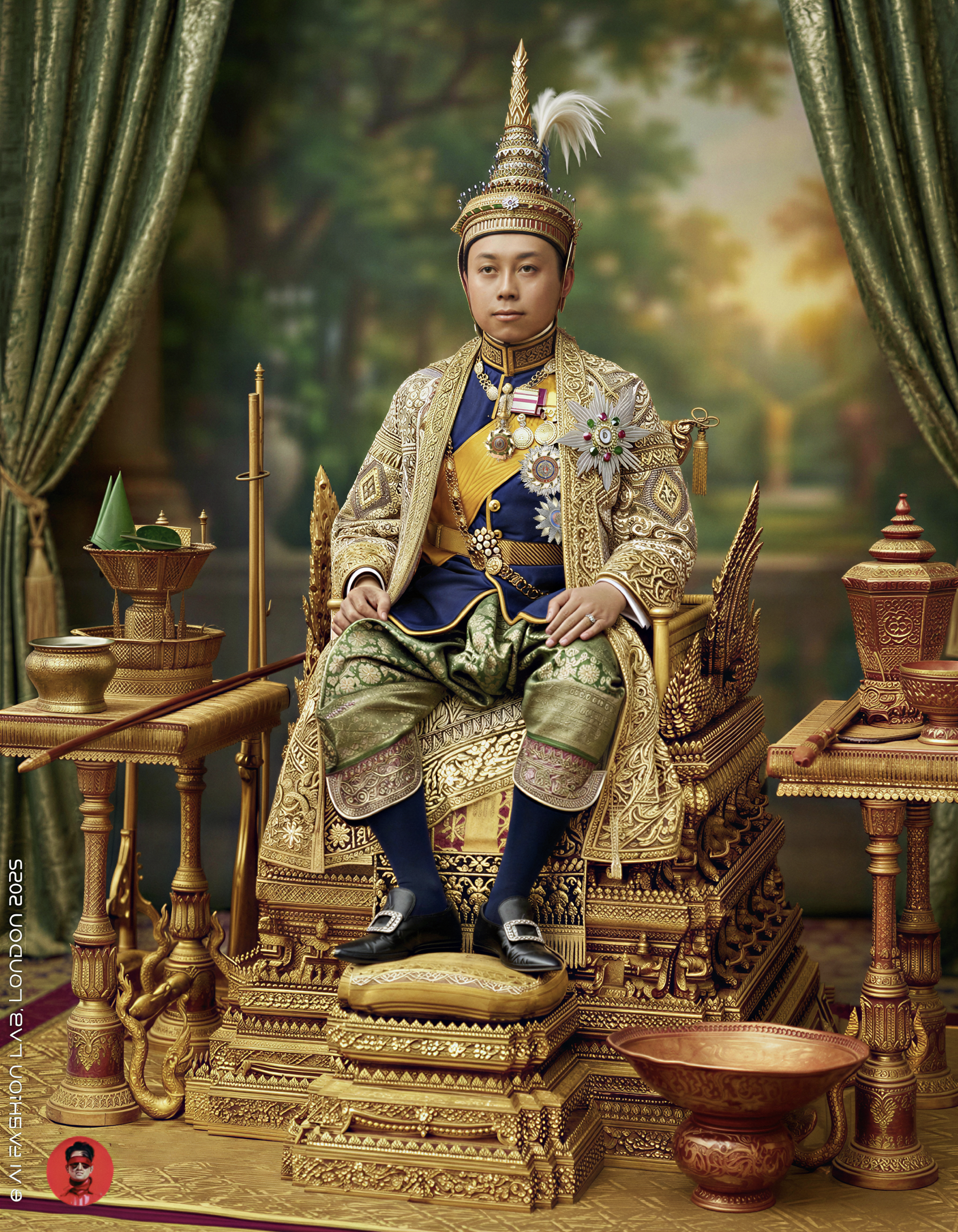
ภาพที่ได้รับการบูรณะและสร้างสรรค์ด้วยเทคโนโลยี AI คอลเล็คชั่นนี้คือพระบรมฉายาลักษณ์ของพระบาทสมเด็จพระมงกุฎเกล้าเจ้าอยู่หัว ในพระราชพิธีบรมราชาภิเษกสมโภช เมื่อพุทธศักราช ๒๔๕๔ ทรงพระชฎาห้ายอด หรือ “พระชฎามหากฐิน”
“พระชฎา ๕ ยอด” เป็นเครื่องราชศิราภรณ์สำหรับพระมหากษัตริย์ทรง และมักจะทรงในงานใหญ่ เช่น เวลาเสด็จพระราชดำเนินขบวนพยุหยาตราเลียบพระนคร หรือ เสด็จพระราชดำเนินขบวนพยุหยาตราไปถวายผ้าพระกฐิน จึงเป็นเหตุให้เรียกพระชฎาองค์นี้ว่า “พระชฎามหากฐิน” มีศักดิ์รองจากพระมหาพิชัยมงกุฎ บางคราวพระราชทานให้พระบรมวงศ์ทรงก็มี สร้างขึ้นในรัชกาลพระบาทสมเด็จพระพุทธยอดฟ้าจุฬาโลกมหาราช
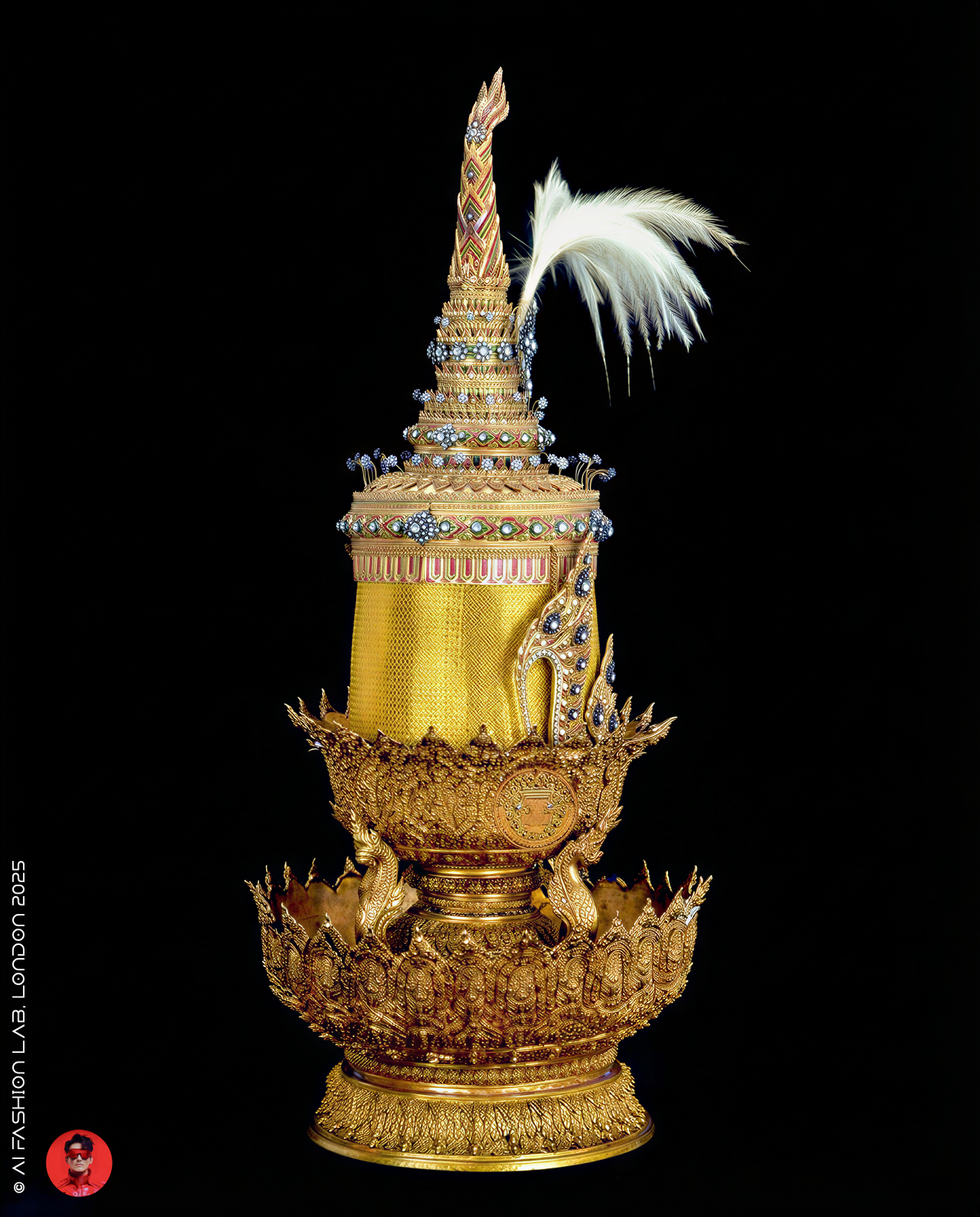
ส่วนที่เรียกพระชฎาว่า “พระชฎา ๕ ยอด” เนื่องจากมีพระยี่ก่า (เครื่องประดับที่มีลักษณะคล้ายขนนก ในที่นี้ทําด้วยทองคําประดับเพชร) สําหรับประดับราชศิราภรณ์ประกอบอยู่ที่เกี้ยว ชั้นบนสุดเบื้องซ้ายปลายแยกเป็น ๕ ช่อ
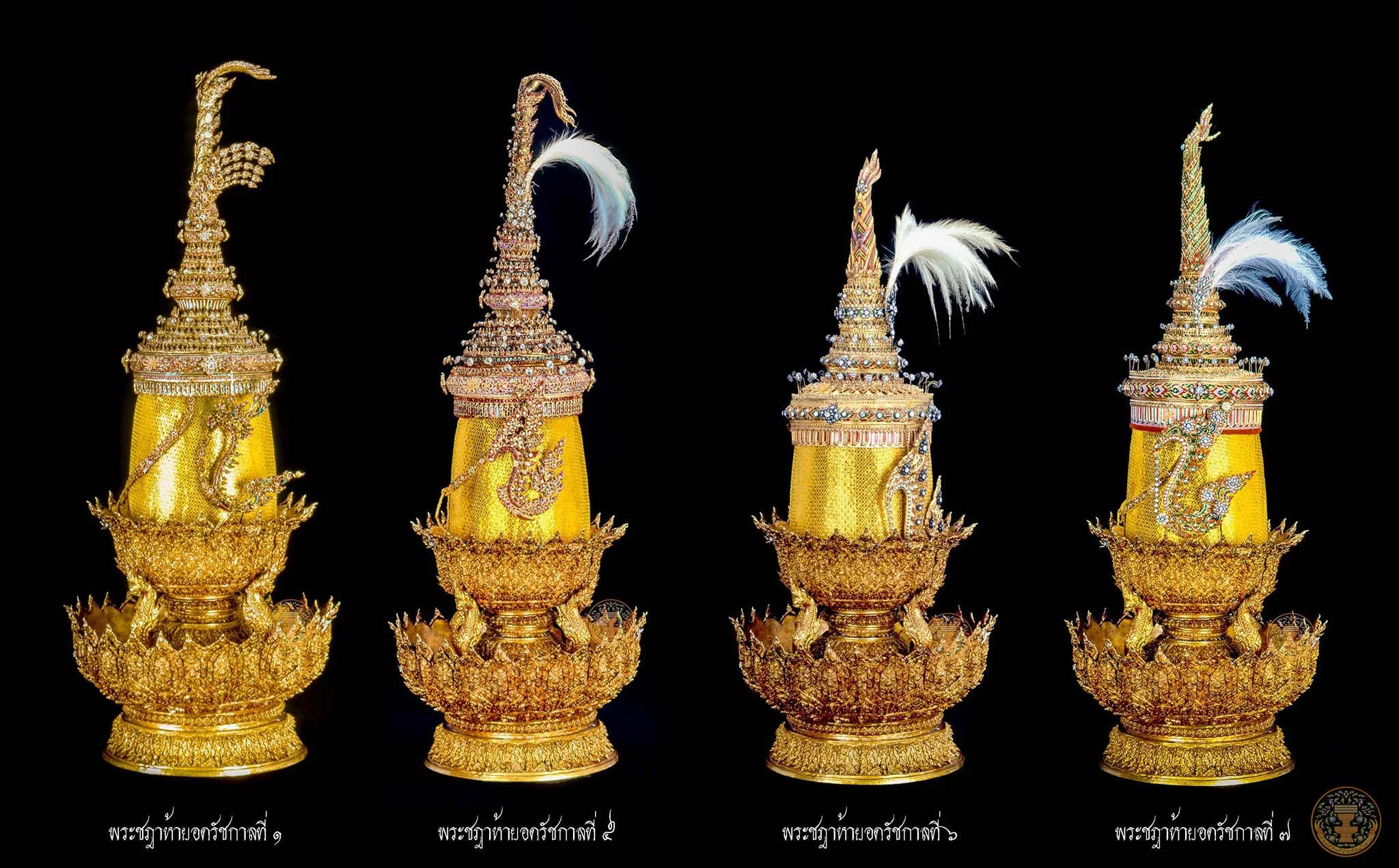
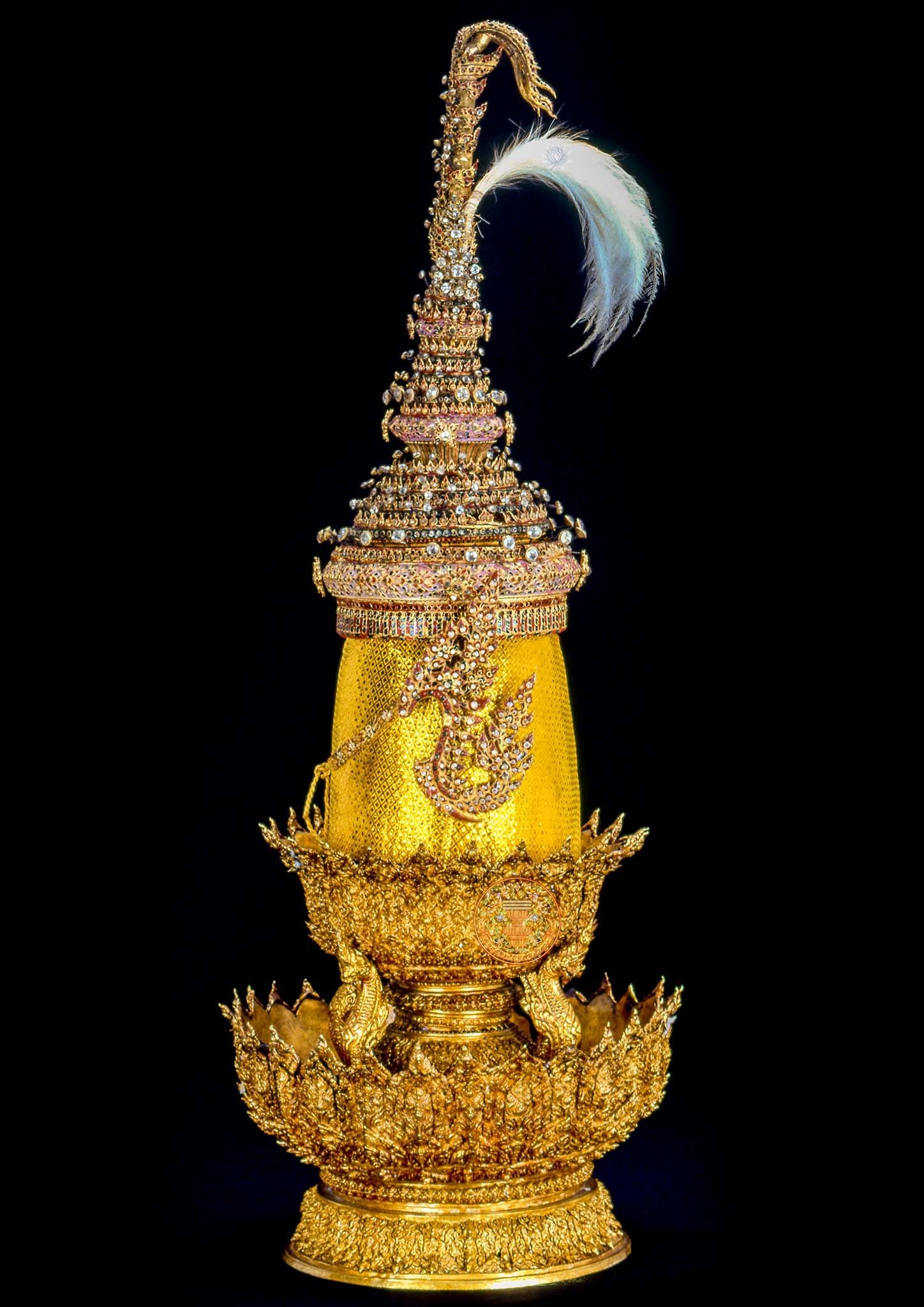
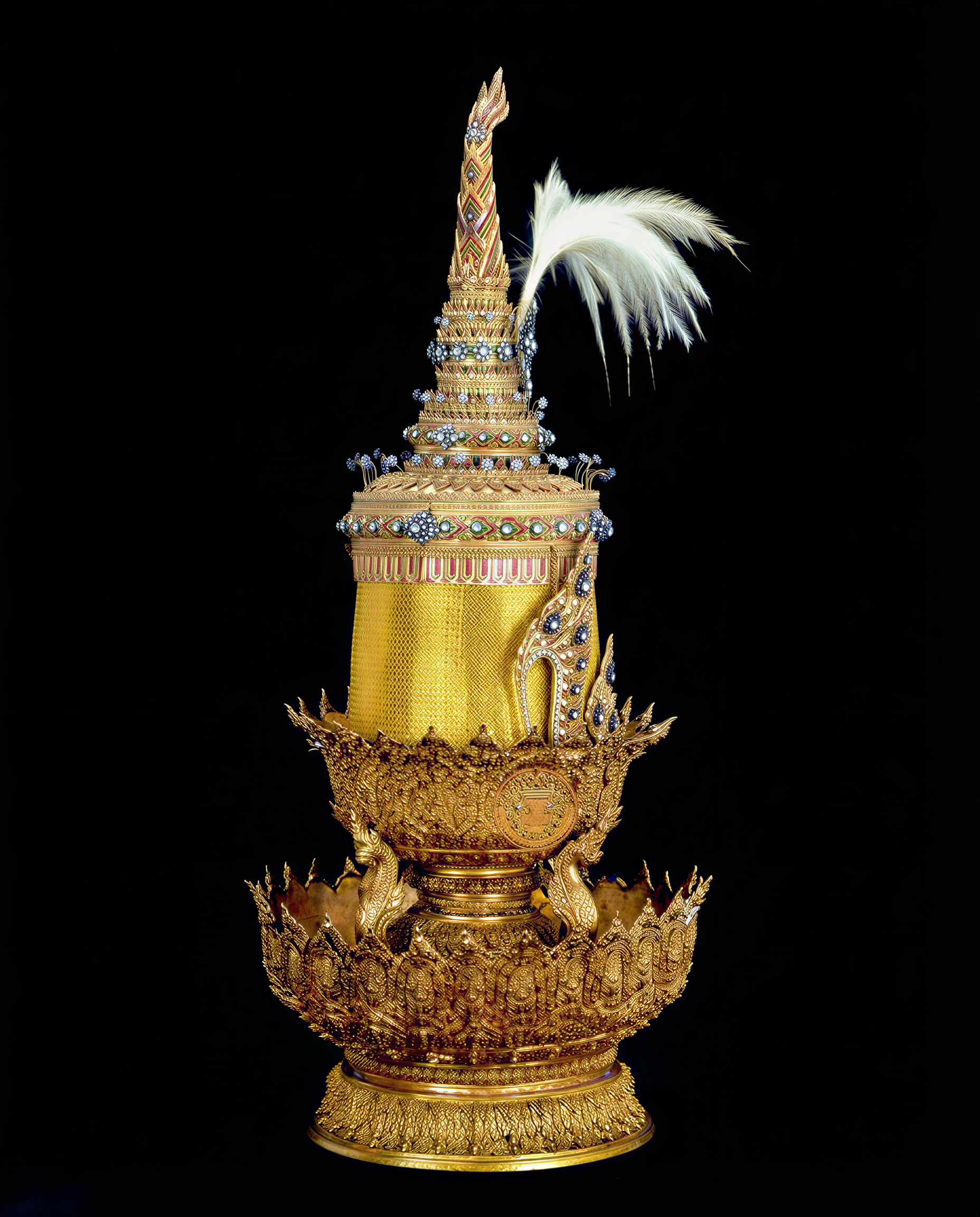
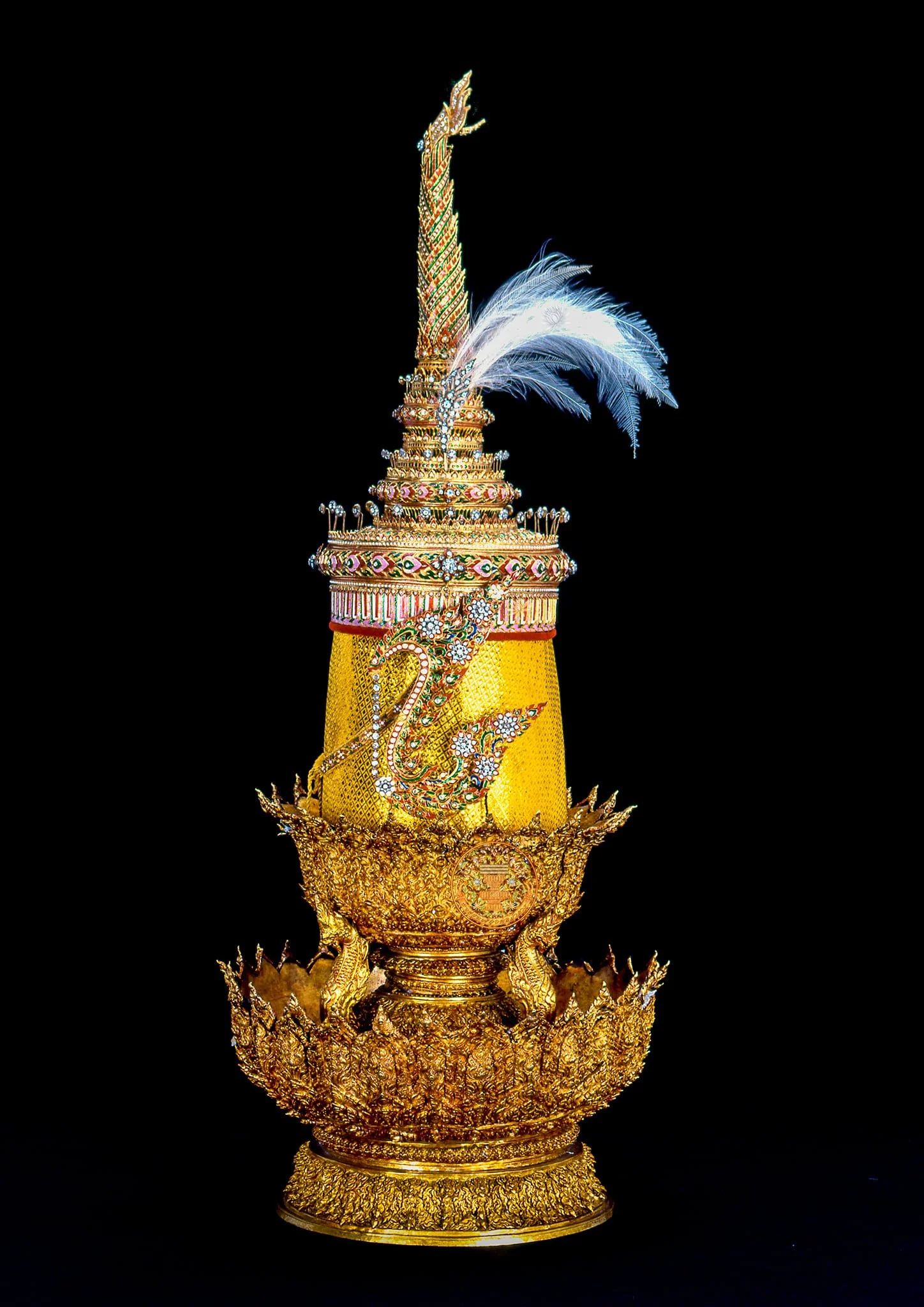
พระชฎาห้ายอด ทำด้วยทองคำลงยาประดับเพชร ปลายเป็น ๕ ยอด มีกรรเจียกและใบสัน หรือบักขนนกวายุภักษ์ สร้างในรัชกาลที่ ๑ องค์หนึ่ง มีน้ำหนักประมาณ ๓ กิโลกรัม ต่อมาสร้างเพิ่มในรัชกาลที่ ๕ องค์หนึ่ง รัชกาลที่ ๖ องค์หนึ่ง และรัชกาลที่ ๗ อีกองค์หนึ่ง พระบาทสมเด็จพระมงกุฎเกล้าเจ้าอยู่หัวมีพระบรมราชาธิบายเรื่องพระชฎาห้ายอดในประวัติต้นรัชกาลที่ ๖ ว่า “พระเจ้าแผ่นดินทุกพระองค์ต้องทรงทำของพระองค์เองขึ้นใหม่, ซึ่งใช้ทรงตลอดพระชนมายุและเมื่อเสด็จสวรรคตก็ทรงพระบรมศพในพระโกศไป จนถึงกำหนดจะถวายพระเพลิงจึ่งเปลื้องออกไปยุบเอาทอง หล่อพระฉลองพระองค์.” ภายหลังก็ไม่ปรากฏว่าสร้างเพิ่มขึ้นอีก
อนึ่ง คำว่า ชฎา มาจากภาษาบาลีและภาษาสันสกฤตว่า “ชฏา” (ชะ-ตา) ซึ่งแปลว่า ผมที่ขมวดเกล้าสูงขึ้น พระชฎาเป็นเครื่องราชศิราภรณ์อย่างหนึ่ง สมเด็จพระเจ้าบรมวงศ์เธอ กรมพระยาดำรงราชานุภาพ ทรงอธิบายเกี่ยวกับชฎาว่า ชฎา เกิดแต่ผ้าโพก ส่วนพระชฎามหากฐิน หมายถึง พระชฎาที่มักทรงเมื่อเสด็จไปถวายผ้าพระกฐิน
________________
พระชฎาห้ายอดรัชกาลที่ ๑
ทำด้วยทองคำสลักดุนลาย ลงยาประดับรัตนชาติ ปลายพระชฎาทำเป็นช่อหางไหล ๕ สาย ทอดปลายสะบัดไปทางด้านหลัง ริมยอดพระชฎาประดับพระยี่ก่า ปักขนนกสีขาว เป็นพู่ มีพระกรรเจียกและสายรัดพระหนุ
พระบาทสมเด็จพระพุทธยอดฟ้าจุฬาโลกมหาราชทรงพระกรุณาโปรดเกล้าโปรดกระหม่อมให้สร้างขึ้นเพื่อทรงใช้ในการเสด็จพระราชดำเนินเลียบพระนคร และในการเสด็จพระราชดำเนินไปถวายผ้าพระกฐิน จึงเรียกอีกชื่อว่า พระชฎามหากฐิน
________________
พระชฎาห้ายอดรัชกาลที่ ๕
ทำจากทองคำ ลงยาประดับเพชร มีลักษณะเช่นเดียวกับพระชฎาห้ายอดรัชกาลที่ ๑ แต่ต่างกันตรงที่พระยี่ก่าปักขนนกการเวก พร้อมทั้งลงยาสีชมพู จึงเรียกว่า “พระชฎามหาชมพู” พระบาทสมเด็จพระจุลจอมเกล้าเจ้าอยู่หัว โปรดให้สมเด็จเจ้าพ้ามหามาลา กรมพระยาบำราบปรบักษ์ สร้างขึ้น
________________
พระชฎาห้ายอดรัชกาลที่ ๖
ทำด้วยทองคำสลักดุนลาย ลงยาประดับรัตนชาติ ส่วนจอมพระชฎาคล้ายลอมพอก พระยี่ก่าทำด้วยเงิน ผูกเป็นช่อ มีพู่ขนนกสีขาวปักที่ด้านข้าง
เจ้าพระยาธรรมาธิกรณาธิบดี (หม่อมราชวงศ์ปุ้ม มาลากุล) สร้างขึ้นทูลเกล้าทูลกระหม่อมถวายพระบาทสมเด็จพระมงกุฎเกล้าเจ้าอยู่หัว เมื่อพุทธศักราช ๒๔๕๔ ในพระราชพิธีบรมราชาภิเษกสมโภช
________________
พระชฎาห้ายอดรัชกาลที่ ๗
ทำด้วยทองคำสลักดุนลาย ลงยาประดับรัตนชาติ ส่วนจอมพระชฎาเรียวแหลม สลักเป็นกาบไผ่ซ้อนกัน
สร้างขึ้นในรัชสมัยพระบาทสมเด็จพระปกเกล้าเจ้าอยู่หัว เพื่อทรงใช้ในการพระราชพิธีบรมราชาภิเษก
Credit : เพจหอสมุดพิกุลศิลปาคา และ ศิลปวัฒนธรรม
________________
“Phra Chada Ha Yot” — The Five-Spired Royal Chada Crown
The Second-Most Exalted Royal Head Regalia of Siam
This AI-restored and creatively generated image collection presents a royal portrait of King Vajiravudh (พระบาทสมเด็จพระมงกุฎเกล้าเจ้าอยู่หัว, Rama VI) taken at his Royal Coronation Ceremony of 1911, in which he wears the Phra Chada Ha Yot (พระชฎา ๕ ยอด)—formally translated as the Five-Spired Royal Chada Crown. In royal terminology this crown is also known as the Phra Chada Maha Kathin (พระชฎามหากฐิน).
The Five-Spired Royal Chada Crown is a form of supreme royal head regalia (ราชศิราภรณ์) reserved exclusively for the King of Siam. In the hierarchy of royal regalia, it stands as the second-most exalted crown, ranking immediately below the Great Crown of Victory (พระมหาพิชัยมงกุฎ), the primary state crown of the kingdom.
Although it is technically the secondary crown, the Phra Chada Ha Yot was worn in place of the Great Crown of Victory on certain grand state occasions—such as the Royal City Procession and, most notably, the King’s presentation of the Royal Kathina Robes. For this reason, it acquired the epithet Phra Chada Maha Kathin, the “Great Kathina Chada Crown.”
The Royal Kathina Ceremony — Cultural and Monastic Context
The association of the Phra Chada Ha Yot with the Kathina ceremony derives from one of the most significant rituals in Theravāda Buddhist culture: the Kathina Robe Offering. This ceremony marks the conclusion of the Vassa, the three-month rainy season retreat when monks remain within a monastery for intensive spiritual practice.
Held once annually within a one-month window following the end of the retreat, the Kathina ceremony has a profound meaning. The term Kathina (Pāli: Kaṭhina) originally referred to a wooden frame used by monks to cut cloth for new robes. Over time, it came to signify both:
the robe offered, and
the ceremony in which it is presented.
In this ritual, lay devotees offer new robes (cīvara) and other monastic requisites to the Sangha. It is considered one of the most meritorious acts a layperson may perform, symbolising gratitude, renewal, and communal harmony between the laity and the monastic community.
For the monarch, leading the Royal Kathina Ceremony represented not only the fulfilment of a sacred duty but also the reaffirmation of kingship, generosity, and religious patronage. In Siamese court tradition, the King presented the robes wearing the Phra Chada Ha Yot, elevating the ceremony to a royal event of profound spiritual and cultural importance.
This royal association is what established the crown’s alternative name, Phra Chada Maha Kathin—the Chada Crown of the Great Kathina.
The Meaning of “Chada” — Royal Crown vs. Dancer’s Headdress
The term chada (ชฎา) derives from the Pali–Sanskrit jata / jataa, referring to a tall knotted coiffure.
Over centuries, it evolved into two distinct traditions:
1. The Royal Chada Crown (พระชฎา / ราชชฎา)
A formal crown of state, worn exclusively by the monarch
Constructed from gold, enamel, diamonds, precious feathers, and repoussé metalwork
A symbol of sovereignty, kingship, and spiritual patronage
The second-most important royal crown of Siam
2. The Dancer’s Chada (ชฎานาฏศิลป์)
A stage headdress used in khon, lakhon, and dramatic arts
Inspired by the silhouette of the royal chada
Made from lighter materials such as lacquer and gilt papier-mâché
Symbolic and decorative, not regalia
The shared name reflects their common origin, but their status, function, materials, ritual context, and ceremonial authority differ entirely.
Thus, in English, the royal item is correctly called the:
“Royal Chada Crown”
not merely a headdress.
Structure and Symbolism of the Five-Spired Crown
The Phra Chada Ha Yot is made of repoussé gold, enamel, and gemstones, comprising:
Five spires rising from a tiered crown structure
Yika (พระยี่ก่า): a plume-like ornament of gold or silver, often with diamonds and five branching sprays
Krachiek (พระกรรเจียก) and baksanan (ใบสัน): stylised Garuda-wing elements
A chin-strap (สายรัดพระหนุ), following ancient regalia forms
King Vajiravudh wrote early in his reign:
“Every king must have one made anew for his lifetime.
After the king passes away, it is placed upon the funeral urn until the cremation,
at which point it is dismantled and the gold melted down to create funerary ornaments.”
After the reign of King Prajadhipok (Rama VII), no further Five-Spired Royal Chada Crowns were made.
The Four Royal Chada Crowns by Reign
1. Phra Chada Ha Yot of King Rama I (พระชฎาห้ายอด รัชกาลที่ ๑)
Crafted from repoussé gold with engraving, fired enamel, and inset gemstones. The five terminal sprays flow gracefully downwards at the back. The rim is decorated with yika plumes set with white feathers, complete with krachiek winged flanges and a chin-strap (สายรัดพระหนุ).
Commissioned by King Rama I (King Buddha Yodfa Chulaloke, พระบาทสมเด็จพระพุทธยอดฟ้าจุฬาโลกมหาราช) for use during the Royal City Procession and the Kathina Robe Presentation, giving rise to the alternative name Phra Chada Maha Kathin.
2. Phra Chada Ha Yot of King Rama V (พระชฎาห้ายอด รัชกาลที่ ๕)
Made of gold with enamel and diamonds, similar to the piece from the reign of Rama I. Its distinctive feature is the yika adorned with karawet feathers and pink enamel decoration, leading to the name “Phra Chada Maha Chomphu”(พระชฎามหาชมพู).
Commissioned by King Chulalongkorn (พระบาทสมเด็จพระจุลจอมเกล้าเจ้าอยู่หัว, Rama V) and created by Prince Pha Mamalā, Krom Phraya Bamrab Porapak (สมเด็จเจ้าพ้ามหามาลา กรมพระยาบำราบปรปักษ์).
3. Phra Chada Ha Yot of King Rama VI (พระชฎาห้ายอด รัชกาลที่ ๖)
Constructed from repoussé gold, enamel, and gemstones. The dome-shaped (lompok-like) crown structure distinguishes it from the earlier versions. The yika is crafted from silver, bound into a decorative spray, with white feather tassels on the sides.
Commissioned for King Vajiravudh (Rama VI) and created in 1911 (พ.ศ. ๒๔๕๔) by Chao Phraya Thammasakmontri (M.R. Pum Malakul) (เจ้าพระยาธรรมาธิกรณาธิบดี (หม่อมราชวงศ์ปุ้ม มาลากุล)), specifically for the Royal Coronation Ceremony.
4. Phra Chada Ha Yot of King Rama VII (พระชฎาห้ายอด รัชกาลที่ ๗)
Crafted from engraved gold with enamel and gemstones. The crown’s spire is slender and sharply pointed, designed in the form of overlapping bamboo sheaths (กาบไผ่). This headdress was created for King Prajadhipok (พระบาทสมเด็จพระปกเกล้าเจ้าอยู่หัว, Rama VII) for use in his Royal Coronation Ceremony.
Final Note
With its towering form, spiritual symbolism, and exclusive royal use—particularly in the Royal Kathina Ceremony—the Phra Chada Ha Yot stands as one of the most culturally significant and visually striking crowns of Siam.
It embodies the convergence of kingship, religion, artistry, and ceremonial authority, second only to the Great Crown of Victory.
Credit: Pikun Sinlapa Archive (เพจหอสมุดพิกุลศิลปาคา) and Silpa Wattanatham Magazine (ศิลปวัฒนธรรม)
เรียนเชิญกด Subscribe ได้ที่ลิงก์นี้ครับ เพื่อร่วมติดตามงานสร้างสรรค์ต้นฉบับ งานวิจัยประวัติศาสตร์แฟชั่น และผลงานอนุรักษ์มรดกวัฒนธรรมด้วยเทคโนโลยี AI ของ AI Fashion Lab, London ซึ่งมุ่งตีความอดีตผ่านมิติใหม่ของการบูรณะภาพ การสร้างสรรค์ภาพ และการเล่าเรื่องด้วยศิลปะเชิงดิจิทัล 🔗 https://www.facebook.com/aifashionlab/subscribe/
#aifashionlab #AI #aiartist #aiart #aifashion #aifashiondesign #aifashionstyling #aifashiondesigner #fashion #fashionhistory #historyoffashion #fashionstyling #fashionphotography #digitalfashion #digitalfashiondesign #digitalcostumedesign #digitaldesign #digitalaiart #ThaiFashionHistory #ThaiFashionAI #thailand #UNESCO