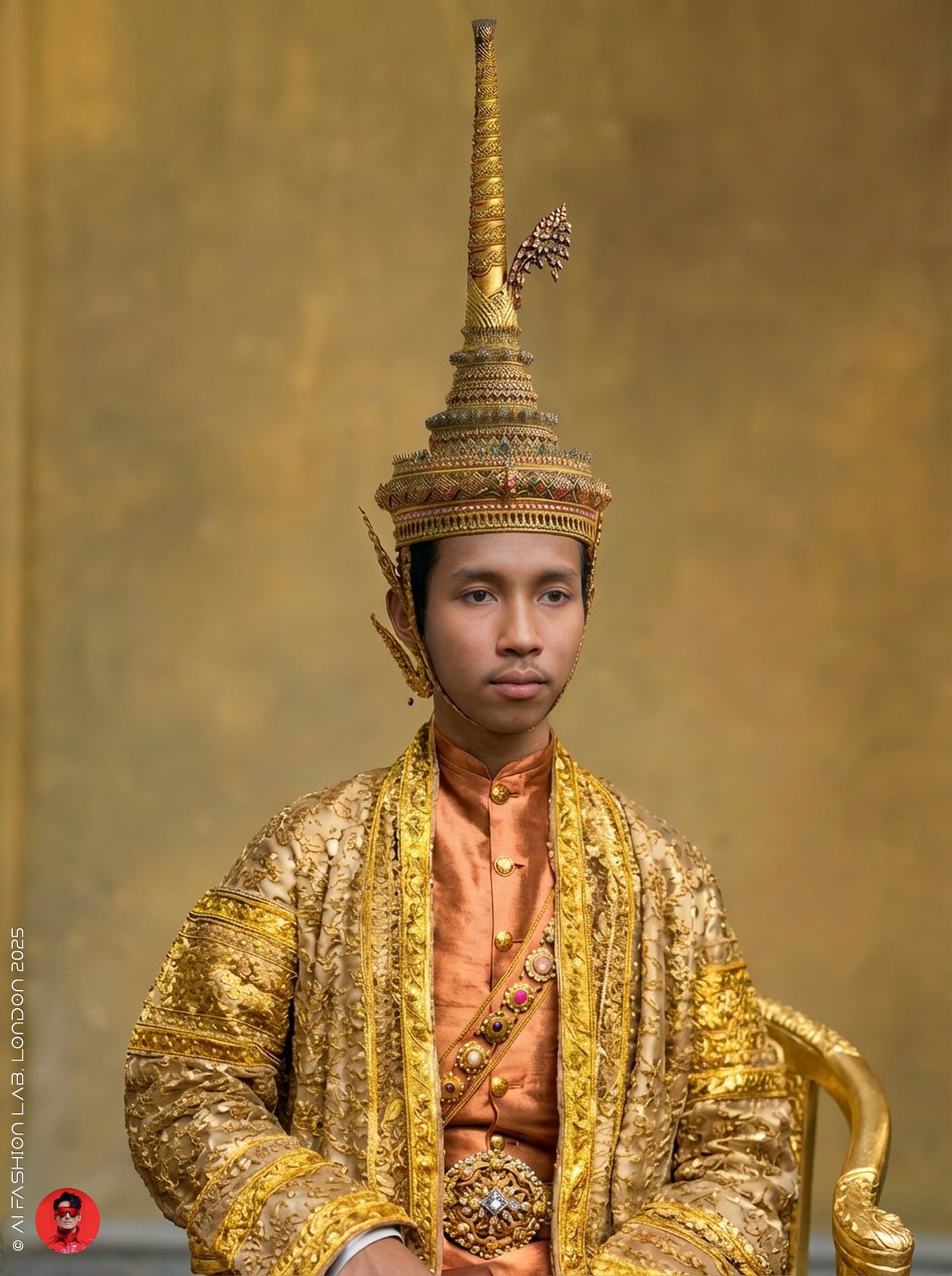
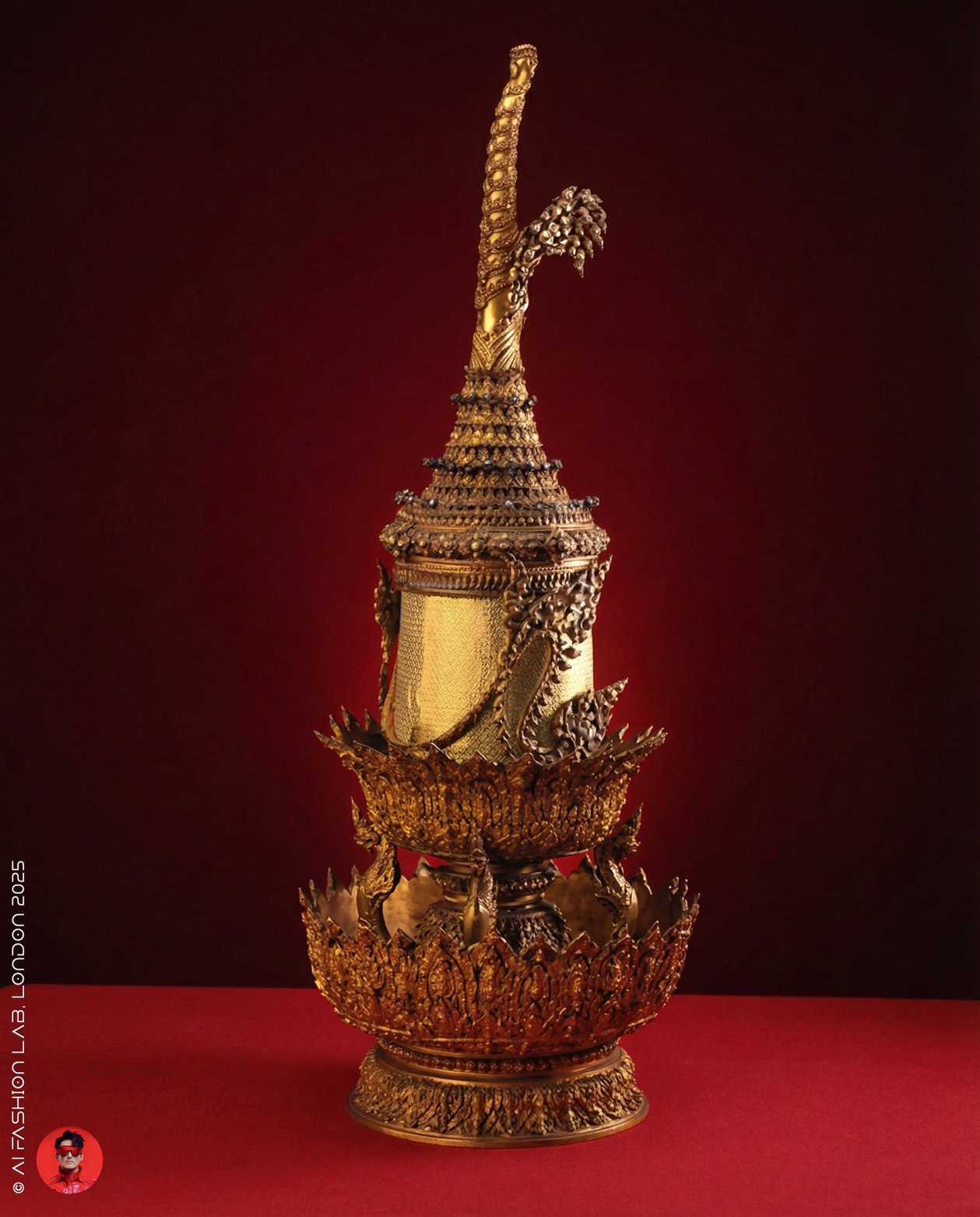
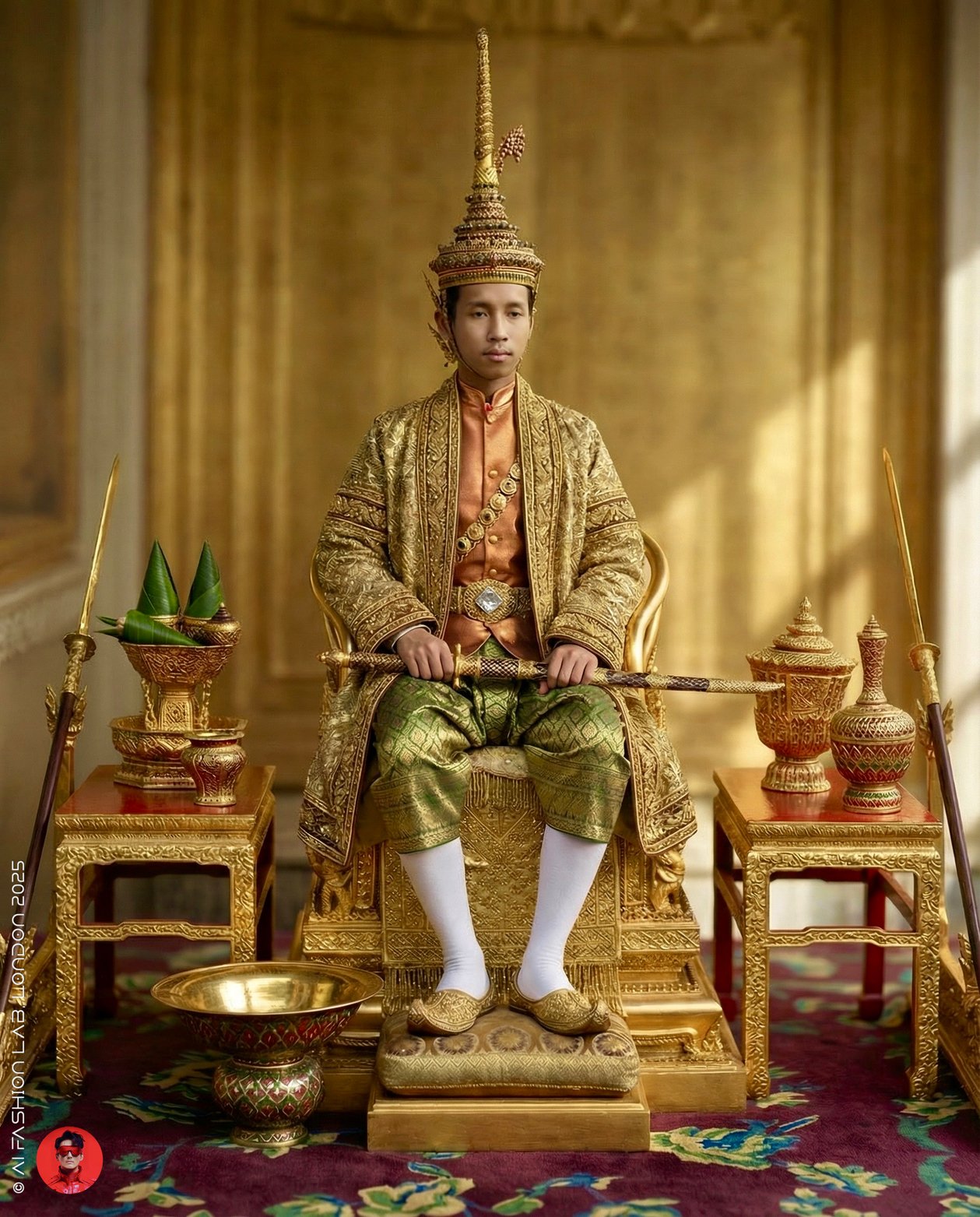
“พระชฎาพระกลีบ” หนึ่งในเครื่องศิราภรณ์สำหรับพระมหากษัตริย์
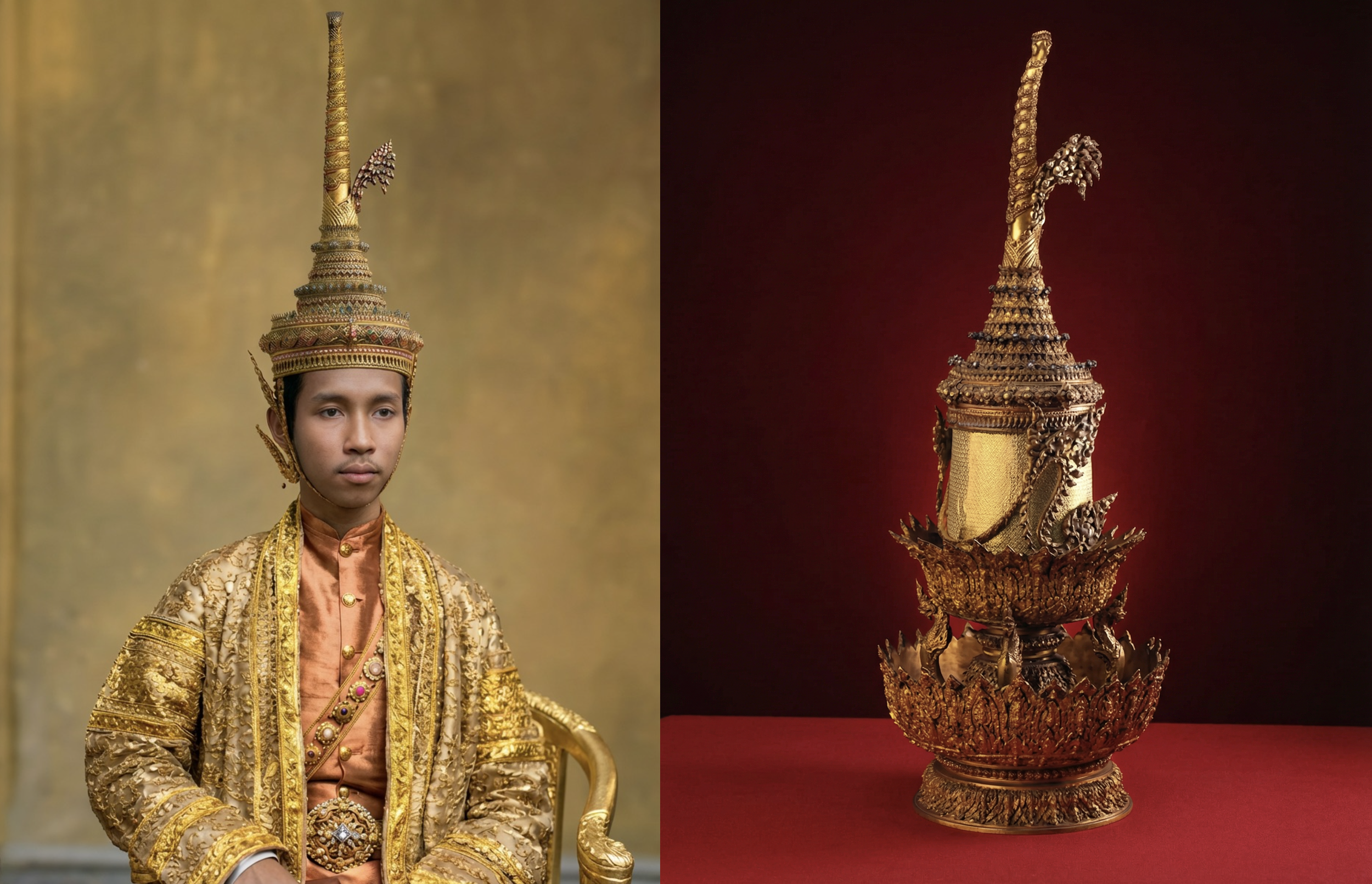
“พระชฎาพระกลีบ” หนึ่งในเครื่องศิราภรณ์สำหรับพระมหากษัตริย์
พระชฎาพระกลีบเป็นเครื่องศิราภรณ์ที่พระบาทสมเด็จพระพุทธยอดฟ้าจุฬาโลกมหาราช รัชกาลที่ 1 ทรงพระกรุณาโปรดเกล้าฯ ให้สร้างขึ้น ทำด้วยทองคำลงยาประดับเพชร มีลักษณะสูงเพรียว มีเกี้ยวประดับดอกไม้ไหว ปลายชฎาปัดไปด้านหลัง ประดับใบสนห้าแฉก มีพระกรรเจียกประดับพระกรรณ สำหรับพระมหากษัตริย์ทรงและในบางโอกาสทรงพระกรุณาโปรดเกล้าฯ ให้พระบรมวงศานุวงศ์ได้ทรงในพระราชพิธีสำคัญ เป็นพระชฎาซึ่งมีลักษณะเดียวกับพระชฎาที่พระบาทสมเด็จพระจุลจอมเกล้าเจ้าอยู่หัว รัชกาลที่ 5 ทรงในพระราชพิธีบรมราชาภิเษกครั้งแรก
“พระมหาชฎา” 3 ลำดับชั้น ราชศิราภรณ์ชั้นสูง ต่างจาก “มงกุฎ” อย่างไร?
“พระมหาชฎา” คือหนึ่งในราชศิราภรณ์หรือเครื่องประดับศีรษะของพระเจ้าแผ่นดิน มีศักดิ์สูงรองจากเครื่องราชศิราภรณ์ประเภทมงกุฎ อย่าง “พระมหาพิชัยมงกุฎ” บางครั้งจึงเรียกว่า “มงกุฎรอง”
แล้ว “ชฎา” ต่างจาก “มงกุฎ” อย่างไร?
คำว่า “ชฎา” สันนิษฐานว่ามาจากคำในภาษาสันสกฤต ว่า “ชฏ” (ชะ-ตะ) แปลว่า กลุ่มผมที่ขดบิดไปมา แบบมุ่นมวยผม (อันยุ่งเหยิง) ของฤษีหรือนักพรตในอินเดีย หรือมุ่นพระเกศาของพระศิวะ ที่รวบขึ้นรัดด้วยประคำ เรียก “ชฏามกุฏ”
แล้ว “ชฎา” ต่างจาก “มงกุฎ” อย่างไร?
คำว่า “ชฎา” สันนิษฐานว่ามาจากคำในภาษาสันสกฤต ว่า “ชฏ” (ชะ-ตะ) แปลว่า กลุ่มผมที่ขดบิดไปมา แบบมุ่นมวยผม (อันยุ่งเหยิง) ของฤษีหรือนักพรตในอินเดีย หรือมุ่นพระเกศาของพระศิวะ ที่รวบขึ้นรัดด้วยประคำ เรียก “ชฏามกุฏ”
สอดคล้องกับข้อสันนิษฐานของ พิทยา บุนนาค นักวิชาการประวัติศาสตร์ศิลปะ ที่ระบุว่า ลอมพอกคงมีที่มาจากศิราภรณ์ของบุรุษชั้นสูงในแถบอิหร่าน ซึ่งสวมผ้าโพกศีรษะพันไว้บนแกนผ้าแข็งทรงสูงมียอดแหลม และเปลี่ยนเป็นโลหะแทนผ้าเมื่อยามออกรบ แกนผ้าหรือโลหะยอดแหลมข้างในก็คือที่มาของลอมพอก
พัฒนาการของ “ชฎา” จึงมาจากลอมพอกและสัมพันธ์กับมุ่นมวยผม ส่วน “มงกุฎ” คือศิราภรณ์แสดงเกียรติยศหรือสถานะของผู้สวมใส่ ไม่ได้เกี่ยวข้องกับผมบนศีรษะโดยตรง
“พระชฎา” หรือชฎาชั้นสูงที่เป็นราชศิราภรณ์สำหรับพระมหากษัตริย์ในสมัยรัตนโกสินทร์ เริ่มสร้างกันมาตั้งแต่สมัยพระบาทสมเด็จพระพุทธยอดฟ้าจุฬาโลกมหาราช รัชกาลที่ 1 ดังปรากฏนาม “พระมหาชฎา” ในการพระราชพิธีบรมราชาภิเษก พ.ศ. 2328 เรียงลำดับตามศักดิ์ของพระชฎา ได้แก่ พระชฎาห้ายอด พระชฎาพระกลีบ และ พระชฎาเดินหน
1. พระชฎาห้ายอด หรือ พระชฎามหากฐิน ปัจจุบันมี 4 องค์ คือ ของรัชกาลที่ 1 รัชกาลที่ 5 รัชกาลที่ 6 และรัชกาลที่ 7 ทั้ง 4 องค์ทำด้วยทองคำลงยาประดับเพชร ประกอบด้วย มาลา เกี้ยว ยอด 5 แฉก (ที่มาของชื่อ) ยอดกลางสูง อีก 4 ยอดเล็กและต่ำกว่า ปลายสะบัดไปข้างหลัง ตรงกระหม่อมติดกระจังโดยรอบเป็นชั้น ๆ มีกรรเจียกจร ยอดส่วนล่างปักใบสน หรือขนนกวายุภักษ์ หรือขนนกการะเวก หรือดอกไม้ทองคำทำคล้ายขนนก ที่เรียกว่า “ยี่ก่า”
พระชฎาห้ายอดใช้สำหรับทรงในพระราชพิธีสำคัญ เช่น เสด็จพระราชดำเนินกระบวนพยุหยาตราเลียบพระนคร หรือเสด็จพระราชดำเนินพระราชทานผ้าพระกฐิน
2. พระชฎากลีบ สร้างในสมัยรัชกาลที่ 1 ทำด้วยทองคำลงยาประดับเพชร ส่วนประกอบคือ มาลา (ไม่มีเกี้ยว) ส่วนยอดค่อนข้างแบน จำหลักเป็นกลีบ ปลายสะบัดไปข้างหลัง ตรงกระหม่อมติดกระจัง มีใบสนและกรรเจียกจร
3. พระชฎาเดินหน สร้างในสมัยรัชกาลที่ 1 ทำด้วยทองคำลงยาประดับเพชร ส่วนประกอบคือ มาลา เกี้ยว ส่วนยอดค่อนข้างแบน มีลวดลาย ปลายสะบัดไปข้างหลัง ตรงกระหม่อมไม่ติดกระจัง แต่มีสาแหรกแปดยึดมาลากับเกี้ยวให้ติดกัน มีใบสนและกรรเจียกจร เป็นพระชฎาที่เคยพระราชทานให้เจ้านายบางพระองค์ทรงด้วย
นอกจาก “พระชฎา” ยังมีชฎาประเภทอื่น ๆ ที่ไม่ใช่เครื่องราชศิราภรณ์สำหรับพระมหากษัตริย์ ได้แก่ ชฎาพอก ทำด้วยผ้าหรือกระดาษ คล้ายลอมพอก แต่มีเกี้ยว ประดับดอกไม้ทองหรือเงิน ใช้สวมพระศพเจ้านายและขุนนางที่ได้รับเกียรติบรรจุโกศ ชฎาแปลง คล้ายพระชฎากลีบ แต่ไม่มีลวดลายจำหลักหรือลายเขียน
นอกจากนี้ ยังมี ชฎาดอกลำโพง ที่เหมือนมงกุฎยอดจีบ ชฎามนุษย์ ที่ยอดพันด้วยผ้า ใช้ในราชการ เหมือนลอมพอก และ ชฎายักษ์ คือชฎารูปทรงอื่น ๆ (นอกจากที่กล่าวไป) สมเด็จฯ เจ้าฟ้ากรมพระยานริศรานุวัดติวงศ์ ทรงเรียกชฎากลุ่มนี้ว่า “ชฎาขอม”
ผู้เขียน ธนกฤต ก้องเวหา
เผยแพร่ วันจันทร์ที่ 1 ธันวาคม พ.ศ.2568
อ่านข่าวต้นฉบับได้ที่ : https://www.silpa-mag.com/culture/article_160075
________________________________
“Phra Chada Phra Klip”: A Royal Thai Ceremonial Coronet in the Court of Rattanakosin
Phra Chada Phra Klip (พระชฎาพระกลีบ) is one of the formal royal Thai ceremonial coronets—a high-ranking category of crown regalia in the Siamese court. It was commissioned by King Phutthayotfa Chulalok the Great (พระบาทสมเด็จพระพุทธยอดฟ้าจุฬาโลกมหาราช, Rama I) and crafted in gold, enamel, and diamonds. Tall and tapering in silhouette, the coronet features a delicate floral kiao ornament that sways gently, a backward-tilting finial, five-pointed pine-leaf motifs, and jewelled kanchan ornaments at the ears.
Although principally reserved for the reigning monarch, it was, on rare ceremonial occasions, bestowed upon certain high-ranking princes for use in major state rituals. Its form corresponds closely to the ceremonial coronet worn by King Chulalongkorn (Rama V) at his First Coronation Ceremony.
The “Royal Thai Ceremonial Coronet”: A Category of Crown Regalia Distinct from the Great Crown of Victory
In the hierarchy of royal regalia, Phra Chada (พระชฎา) refers to a class of formal crown-type head-regalia belonging exclusively to the monarch. Within this system, the highest insignia is the Great Crown of Victory (พระมหาพิชัยมงกุฎ), while the chada coronets form the tier immediately below—conceptually parallel to the tier of coronets in Western courts, which sit beneath the sovereign’s crown.
Thus, the royal Thai ceremonial coronets may be described as: “…a high-ranking form of Thai crown regalia, subordinate only to the Great Crown of Victory and entirely distinct from the theatrical chada used in classical dance.”
Chada vs. Crown: Different Origins and Symbolic Lineages
The term “chada” (ชฎา) is believed to derive from the Sanskrit jaṭa (ชฏ), referring to the coiled or matted hair of Indian ascetics or the piled tresses of Lord Śiva, often tied with prayer beads—known as jaṭā-makuṭa. This relates to hair, height, and sacral symbolism.
By contrast, a “crown” (มงกุฎ) is defined as a headpiece signifying rank, sovereignty, or authority, without any intrinsic connection to coiffure or sacred hair symbolism.
Thai scholar Pithaya Bunnag observes that the development of the chada is linked to the lomphok, a tall, conical head-covering of Persian origin, once formed of cloth wound around an inner stiffened core and later produced in metal for battle. This structural core is considered one of the historical ancestors of the chada form.
Therefore:
Chada → emerged from sacred hairstyles and the Southeast Asian–Persian lomphok tradition
Crown → emerged as insignia of sovereignty with no relation to hair symbolism
In Siam, these two lineages coexist, with chada defining the uniquely Thai category of monarchic coronets.
Historical Development of the Royal Thai Ceremonial Coronets
The tradition of crafting chada-type coronets for kings dates back to 1782 (พ.ศ. 2325) with the establishment of the Rattanakosin dynasty. The term Phra Maha Chada (พระมหาชฎา) first appears in the coronation ceremony of Rama I in 1785 (พ.ศ. 2328).
They are ranked as follows:
1. Phra Chada Ha Yot (พระชฎาห้ายอด) — The Five-Spired Royal Ceremonial Coronet
Also known as Phra Chada Maha Kathin, four extant examples survive today from the reigns of Rama I, Rama V, Rama VI, and Rama VII.
Made of gold, enamel, and diamonds, the coronet comprises:
A golden base ring (mala)
A floral kiao ornament
Five spires: one tall central finial and four smaller surrounding spires
Finials that tilt gracefully backwards
Multi-tiered krachang (foliate crests) around the crown
Pine-leaf or feather ornaments (from vayupaksa, karavek, or gilt flower forms called yi-ka)
This coronet is worn during major state occasions—most notably royal processions and the presentation of the Kathin robes to the monastic community.
2. Phra Chada Phra Klip (พระชฎาพระกลีบ)
Commissioned during the reign of Rama I, this coronet is fashioned in gold enamelled and set with diamonds. It is characterised by:
A mala base
No kiao ornament
A relatively flat finial carved in petal-like segments
A backward-tilting crown tip
Krachang, pine-leaf ornaments, and ear ornaments
3. Phra Chada Dern Hon (พระชฎาเดินหน)
Also created during Rama I’s reign, this coronet includes:
A mala base
A kiao ornament
A flattened finial with carved motifs
A backward-tilting finial
No krachang on the crown tip
A system of eight metal straps securing the base and kiao together
Pine-leaf and ear ornaments
This coronet was, on occasion, bestowed upon certain princes for use in high ceremonies.
Other Forms of Chada (Non-Royal)
(Not crown regalia, but related headgear in Thai court culture)
Chada Pok (ชฎาพอก): made of cloth or paper, resembling a lomphok but with a kiao ornament, used for royal funerary attire.
Chada Plaeng (ชฎาแปลง): similar to Phra Chada Phra Klip but without carved ornamentation.
Chada Dok Lamphong (ชฎาดอกลำโพง): resembles a pleated-spired crown.
Chada Manut (ชฎามนุษย์): the finial wrapped in cloth, used in certain state duties.
Chada Yak (ชฎายักษ์): a variety of non-standard shapes, referred to collectively as “Khmer-style chada” (chada khom) by Prince Narit of Narisaranuwattiwong.
Comparative Note: Understanding Thai Coronet Ranks Through the British System
To help Western readers understand Thai regalia hierarchy, it is useful to compare the chada system with British coronets, which also denote rank below the sovereign crown.
Great Crown of Victory (Thailand) ≈ The Imperial State Crown (UK)
Phra Chada Ha Yot ≈ Princely coronet / coronet of a senior royal duke
Phra Chada Phra Klip / Phra Chada Dern Hon ≈ Coronets of lesser dukes or marquesses
While the symbolism differs, the hierarchical logic is similar:
Thai chada coronets function as the high ceremonial regalia distinct from the ultimate crown, just as coronets in the UK signal high rank beneath the monarch.
Based on the original article by Thanakrit Kongweha (ธนกฤต ก้องเวหา), published 1 December 2025 in Silpa Wattanatham.
เรียนเชิญกด Subscribe ได้ที่ลิงก์นี้ครับ เพื่อร่วมติดตามงานสร้างสรรค์ต้นฉบับ งานวิจัยประวัติศาสตร์แฟชั่น และผลงานอนุรักษ์มรดกวัฒนธรรมด้วยเทคโนโลยี AI ของ AI Fashion Lab, London ซึ่งมุ่งตีความอดีตผ่านมิติใหม่ของการบูรณะภาพ การสร้างสรรค์ภาพ และการเล่าเรื่องด้วยศิลปะเชิงดิจิทัล 🔗 https://www.facebook.com/aifashionlab/subscribe/
#aifashionlab #AI #aiartist #aiart #aifashion #aifashiondesign #aifashionstyling #aifashiondesigner #fashion #fashionhistory #historyoffashion #fashionstyling #fashionphotography #digitalfashion #digitalfashiondesign #digitalcostumedesign #digitaldesign #digitalaiart #ThaiFashionHistory #ThaiFashionAI #thailand #UNESCO