พระยานรเทพปรีดา (จำเริญ สวัสดิ์-ชูโต)
พระยานรเทพปรีดา (จำเริญ สวัสดิ์-ชูโต)
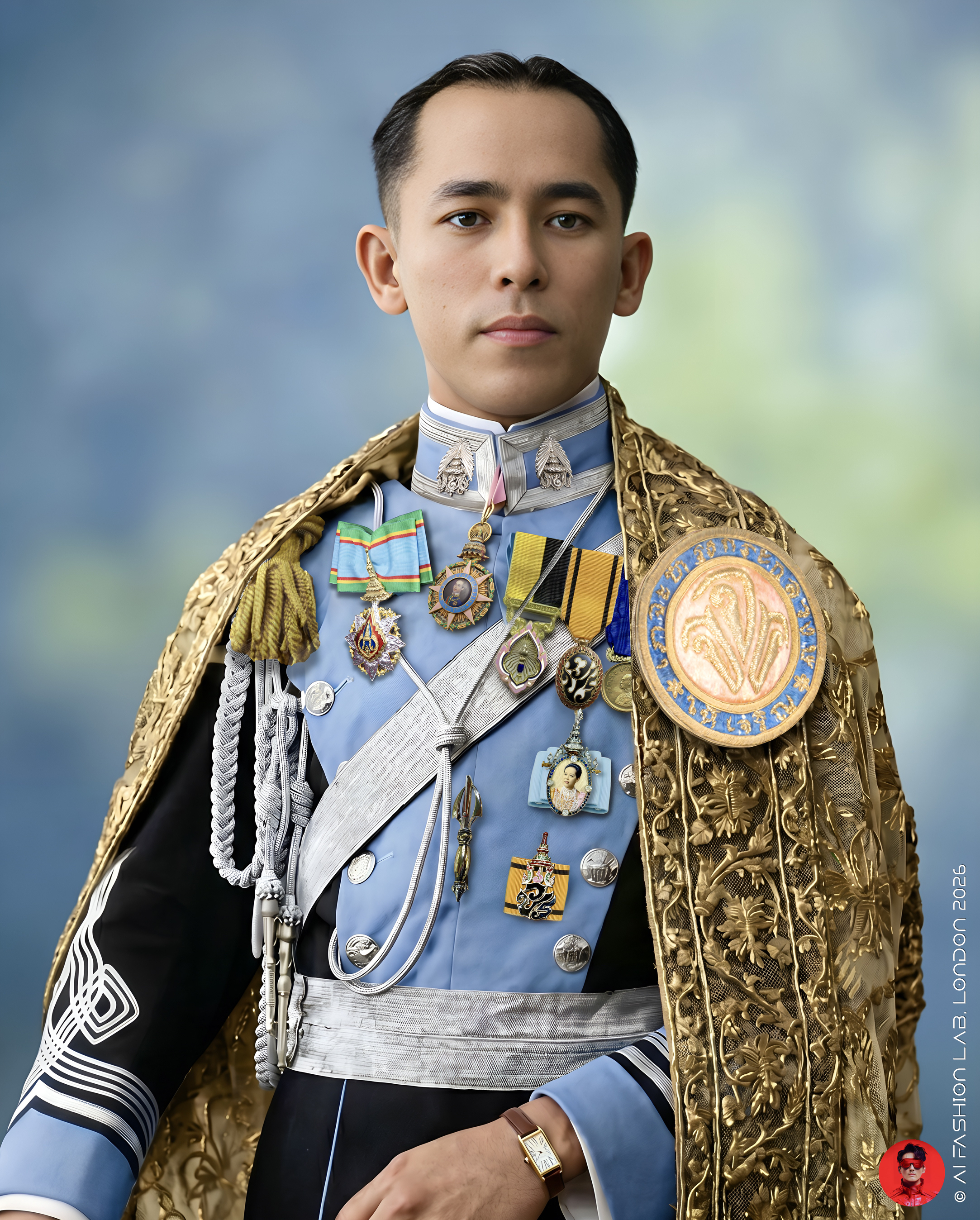
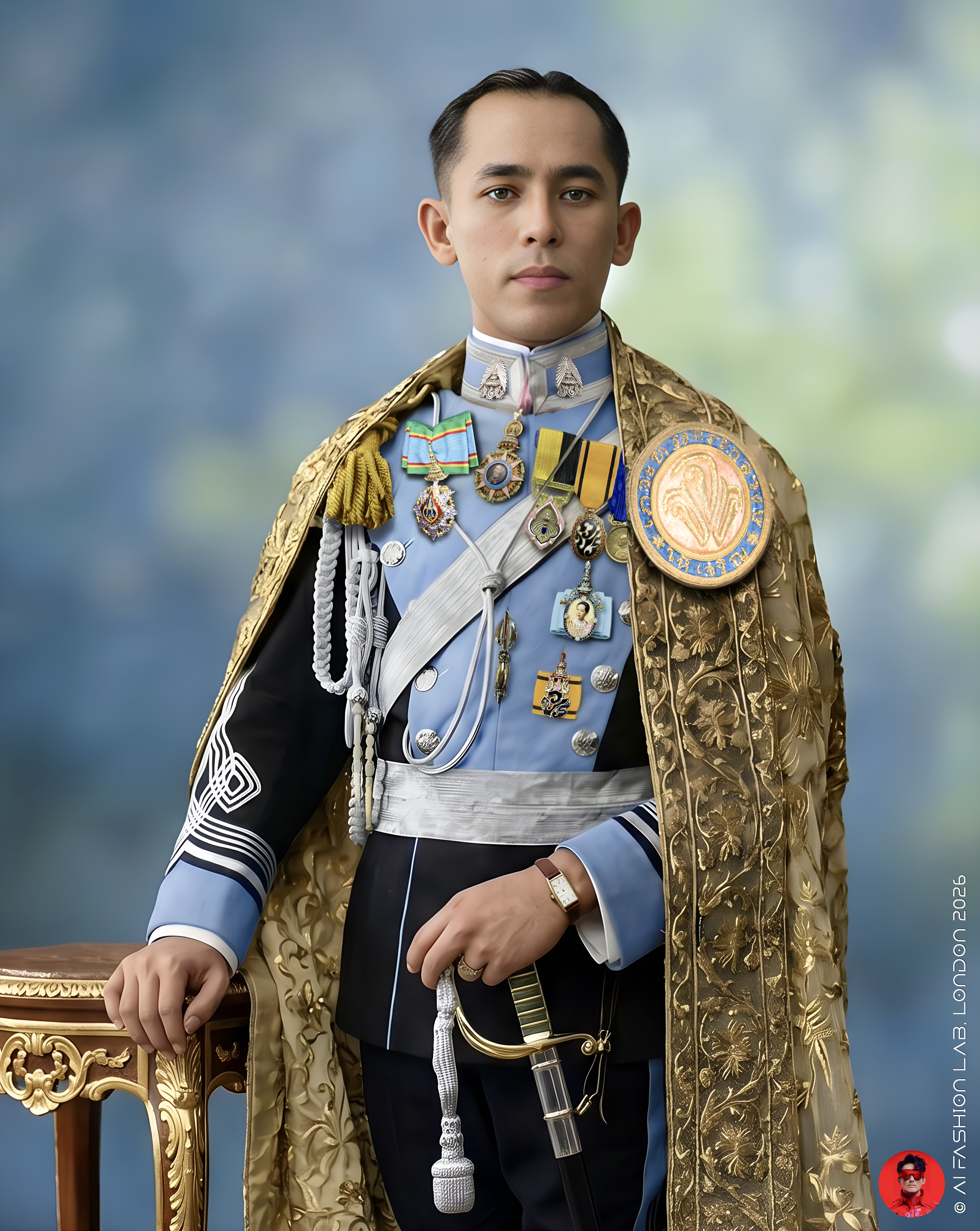
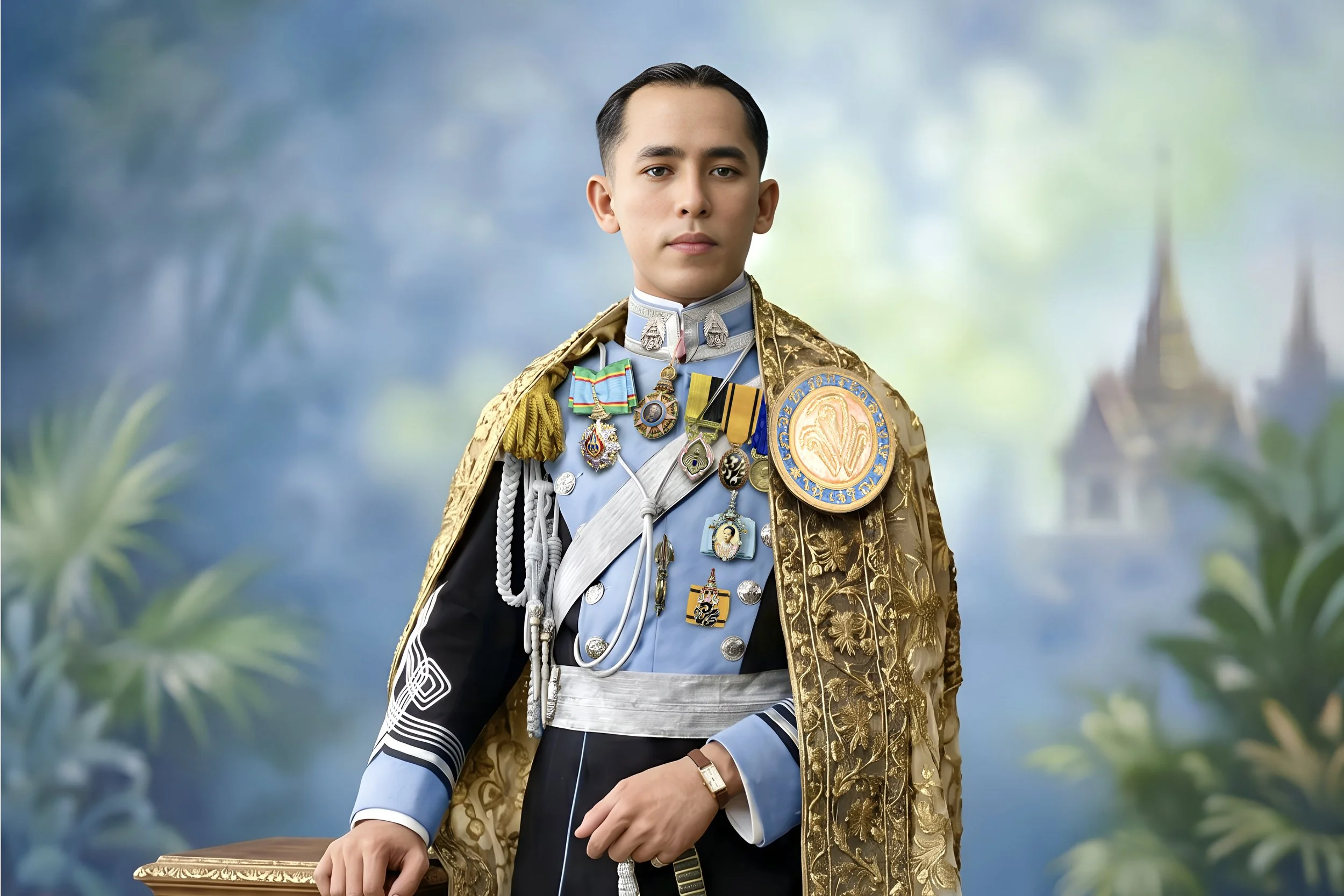
ภาพที่ได้รับการบูรณะและสร้างสรรค์ขึ้นด้วยเทคโนโลยี AI ในคอลเล็กชันนี้ เป็นภาพของ พระยานรเทพปรีดา (จำเริญ สวัสดิ์-ชูโต) ใน เครื่องแบบเต็มยศเสือป่าม้าหลวง ประจำ กรมเสือป่าม้าหลวงรักษาพระองค์ เครื่องเงิน หมายเงิน ซึ่งเป็นรูปแบบเครื่องแบบในช่วงราว พ.ศ. ๒๔๕๖–๒๔๖๐ ก่อนที่ระเบียบเครื่องแบบของหน่วยนี้จะเปลี่ยนแปลงไปในเวลาต่อมา โดยเฉพาะการเปลี่ยนหมวกเป็นแบบอูราล และเปลี่ยนกางเกงเป็นสีน้ำเงินหม่น ข้อมูลเรื่องยศ บรรดาศักดิ์ และลำดับการรับราชการในกองเสือป่าปรากฏอยู่ในหนังสืออนุสรณ์อย่างชัดเจน
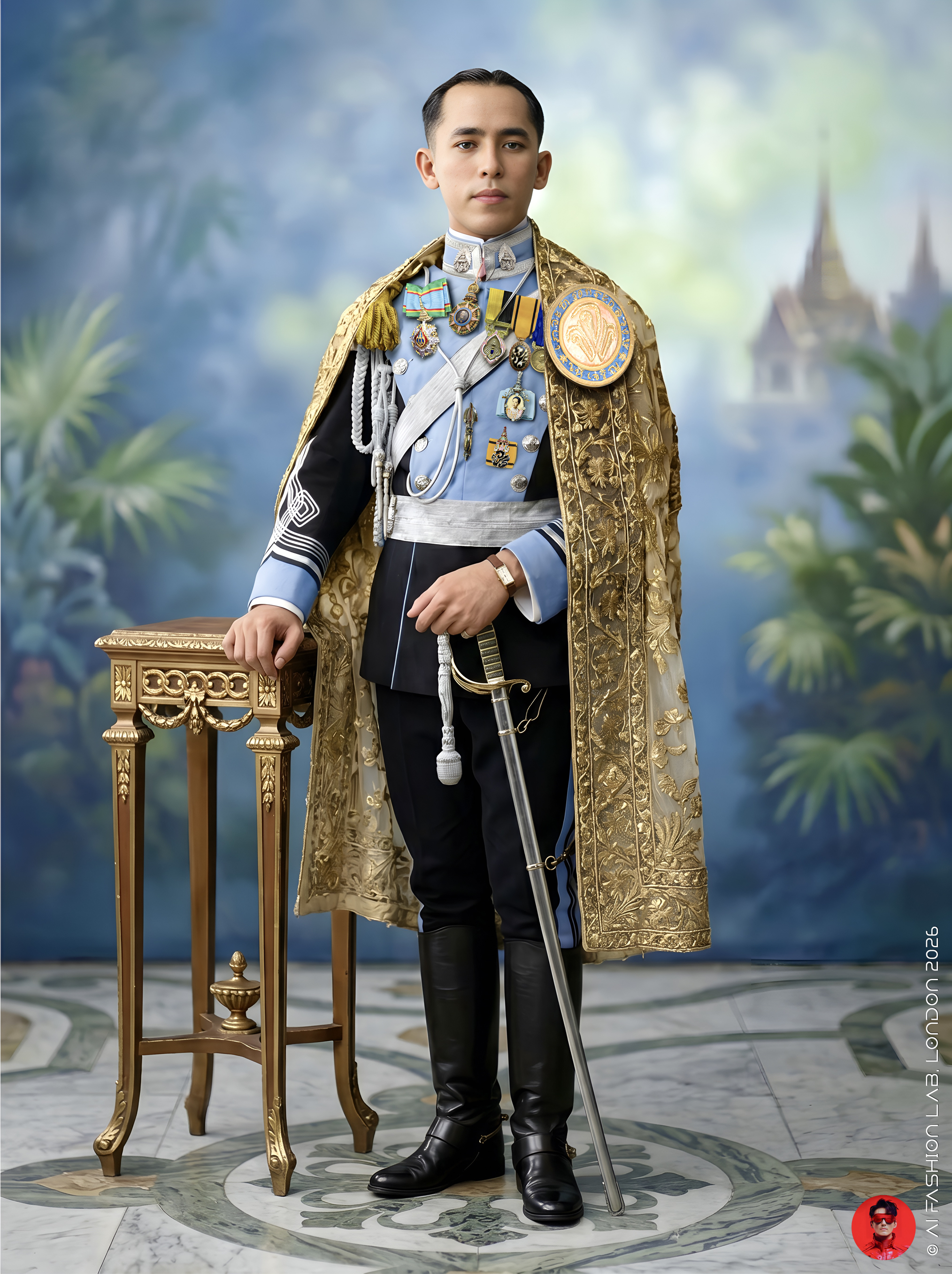
งานสร้างสรรค์ภาพชุดนี้พัฒนาขึ้นจากภาพต้นฉบับแบบครึ่งตัว โดยอาศัยการค้นคว้าเปรียบเทียบอย่างละเอียดทั้งจากหลักฐานเครื่องแบบที่ปรากฏในเอกสารจดหมายเหตุ และจากภาพถ่ายเต็มตัวของเครื่องแบบแบบเดียวกันที่ยังหลงเหลืออยู่ เพื่อให้สามารถต่อเติมภาพให้สมบูรณ์เป็นภาพเต็มตัวได้อย่างมีเหตุผลและน่าเชื่อถือ ทั้งในส่วนของกระบี่ กางเกงที่มีแถบสีฟ้าอ่อนด้านข้าง และรองเท้าบู๊ตทรงสูงแบบทหารม้า กระบวนการนี้จึงสะท้อนศักยภาพของ AI ในระดับที่ดีที่สุด ไม่ใช่เพียงการสร้างภาพจากคำสั่งเท่านั้น หากเป็นการแปลงข้อมูลจากข้อความ งานวิจัย และการวิเคราะห์ภาพประวัติศาสตร์ ให้กลายเป็นภาพเต็มตัวที่มีความต่อเนื่องทางรูปแบบและมีน้ำหนักในเชิงประวัติศาสตร์เครื่องแต่งกายอย่างแท้จริง
ยศเสือป่าสุดท้ายที่ท่านได้รับคือ นายกองใหญ่ เสือป่าม้าหลวง ราชองครักษ์ประจำพระองค์ เมื่อวันที่ ๑๙ มิถุนายน พ.ศ. ๒๔๖๓ ครื่องแต่งกายในภาพประกอบด้วย เสื้อ tunic สีดำ และสีฟ้าอ่อน ที่ลำตัวและขอบแขนเสื้อ อันเป็นลักษณะสำคัญของเครื่องแบบเสือป่าม้าหลวงในระยะแรก ตัดกับ กางเกงสีดำและแถบกางเกงสีฟ้าอ่อน และคาดด้วย สายกระบี่หรือสายคาดสีเงิน พาดเฉียงผ่านลำตัว เสื้อมี ปกตั้งสูง ตกแต่งด้วยเครื่องหมายยศและลวดลายปักอย่างประณีต ด้านบ่ามี อินทรธนูและสายยงยศสีเงิน องค์ประกอบทั้งหมดนี้ทำให้เครื่องแบบชุดนี้มีลักษณะกึ่งทหารกึ่งราชสำนัก อันเป็นรูปแบบที่พบได้ในระบบการแต่งกายของหน่วยเสือป่า ซึ่งมีทั้งความเข้มแข็งแบบกองกำลังและความสง่างามแบบพิธีการในเวลาเดียวกัน
ท่านสวม เสื้อครุยเสนามาตย์ชั้นโท ปักดิ้นทองลายดอกกระจาย คลุมไหล่ไว้ด้านนอก อันเป็นเครื่องประกอบยศสำคัญของข้าราชสำนักฝ่ายหน้า ผู้ได้รับพระราชทานเครื่องราชอิสริยาภรณ์จุลจอมเกล้า ชั้นตติยจุลจอมเกล้าวิเศษ (ต.จ.ว.) ซึ่งหนังสืออนุสรณ์ระบุไว้โดยตรงว่าท่านได้รับใน พ.ศ. ๒๔๕๙
เครื่องประกอบยศชั้นนี้นอกจากจะแสดงฐานันดรศักดิ์ของขุนนางในราชสำนักสยามแล้ว ยังมีนัยสำคัญมากในเชิงประวัติศาสตร์เครื่องแต่งกาย เพราะทำให้ภาพนี้มิได้เป็นเพียงภาพในเครื่องแบบราชการ หากเป็นภาพที่รวมทั้ง เครื่องแบบเต็มยศ และ เครื่องประกอบยศชั้นสูง ไว้ในบุคคลเดียวกันอย่างครบถ้วน
ในส่วนของเครื่องราชอิสริยาภรณ์และเหรียญประดับ ภาพนี้แสดงให้เห็นการประดับเครื่องราชฯ หลายชิ้นอย่างโดดเด่น ซึ่งสอดคล้องกับรายการในหนังสืออนุสรณ์ ได้แก่ เครื่องราชอิสริยาภรณ์ มงกุฎสยาม ชั้นที่ ๒ จุลสุราภรณ์ เครื่องราชอิสริยาภรณ์ตราวชิรมาลา รวมทั้งเหรียญอิสริยาภรณ์ เหรียญรัตนาภรณ์รัชกาลที่ ๖ ชั้นที่ ๓ ว.ป.ร. ๓ และ เหรียญราชรุจิรัชกาลที่ ๖
เมื่อพิจารณาในฐานะภาพประวัติศาสตร์เครื่องแต่งกาย ภาพนี้จึงน่าสนใจมาก เพราะไม่ได้แสดงเพียงความงามของเครื่องแต่งกาย หากยังเผยให้เห็นว่า เครื่องแบบเต็มยศสมัยรัชกาลที่ ๖ ที่มีความหลากหลายและสวยงาม
ในด้านชีวประวัติ พระยานรเทพปรีดามิได้เป็นเพียงข้าราชการผู้มีบรรดาศักดิ์เท่านั้น หากยังมีบทบาทสำคัญในแวดวงการศึกษาด้วย จากบันทึกความทรงจำของผู้ร่วมสมัยในหนังสืออนุสรณ์ ท่านมีความผูกพันอย่างใกล้ชิดกับ วชิราวุธวิทยาลัย และหลังออกจากราชการแล้ว ยังได้นำประสบการณ์จากการศึกษาต่างประเทศมาช่วยอบรมสั่งสอนเยาวชนที่โรงเรียนแห่งนี้ ผู้เขียนคนหนึ่งถึงกับยกย่องท่านว่าเป็น “นักการศึกษา” ผู้หนึ่งของบ้านเมือง มิใช่เพียงข้าราชการผู้ใหญ่ผู้มีเกียรติยศเท่านั้น นอกจากนี้ ความทรงจำของผู้ใกล้ชิดยังสะท้อนด้วยว่าท่านเป็นคนสุภาพ เมตตา ไม่ถือตัว และเป็นที่รักของผู้คนอย่างมาก
ด้วยเหตุนี้ ภาพของพระยานรเทพปรีดาจึงมีคุณค่าในสองระดับพร้อมกัน คือในฐานะ หลักฐานด้านประวัติศาสตร์เครื่องแต่งกายสยามสมัยรัชกาลที่ ๖ และในฐานะ ภาพแทนของข้าราชการผู้เชื่อมโลกของราชสำนัก การศึกษา และอุดมคติของสุภาพบุรุษสยามเข้าด้วยกัน อย่างงดงาม
______________
Phraya Norathep Prida (พระยานรเทพปรีดา) (Chamroen Sawat-Chuto (จำเริญ สวัสดิ์-ชูโต))
This restored and creatively reimagined image in this collection depicts Phraya Norathep Prida (พระยานรเทพปรีดา), Chamroen Sawat-Chuto (จำเริญ สวัสดิ์-ชูโต) in the full-dress uniform of the Royal Mounted Wild Tiger Corps (กรมเสือป่าม้าหลวงรักษาพระองค์), silver grade, with silver insignia, which was the style of uniform worn roughly during 1913–1917, before the regulations of this unit were later altered. Most notably, the headgear was subsequently changed to the Ural-style cap, and the trousers were changed to a muted blue. Information regarding his rank, noble title, and sequence of service in the Wild Tiger Corps is clearly recorded in the memorial volume.
This image in the collection was developed from an original half-length portrait into a full-length composition through careful comparative research. The reconstruction was informed by surviving archival records relating to the uniform, together with close visual study of existing full-length photographs of the same type of dress, so that the final image could be completed in a way that feels both coherent and historically convincing. Particular attention was given to elements such as the sword, the style of trousers with pale blue side stripes, and the riding boots, all of which help give the portrait a more complete and authoritative presence. In this sense, the image reflects AI at its best: not merely generating a picture from a text prompt, but translating historical research, textual evidence, and visual analysis into a plausible full-length photographic reconstruction.
The final Wild Tiger rank he received was Major Commander (นายกองใหญ่) of the Royal Mounted Wild Tiger Corps, Royal Aide-de-Camp in Ordinary, on 19 June 1920. The attire shown in the image consists of a black tunicwith pale blue detailing at the body and cuffs, a defining feature of the early Royal Mounted Wild Tiger uniform, paired with black trousers with pale blue side stripes, and worn with a silver sword belt or cross-belt slanting across the torso. The tunic has a high standing collar, decorated with rank insignia and finely embroidered ornament. At the shoulders are silver epaulettes and aiguillettes. Altogether, these elements give the uniform a distinctly hybrid character, both military and courtly, which was typical of Wild Tiger dress: combining the discipline of a paramilitary corps with the elegance of ceremonial court costume.
He also wears the Senamat robe, second class (เสื้อครุยเสนามาตย์ชั้นโท), embroidered in gold thread with a scattered floral motif and draped over the shoulders, an important insignia of rank for senior male court officials who had been awarded the Third Class of the Most Illustrious Order of Chula Chom Klao, Special Grade (ตติยจุลจอมเกล้าวิเศษ, ต.จ.ว.). The memorial book states directly that he received this honour in 1916.
This grade insignia not only signified the noble standing of a Siamese court official, but also carries considerable importance in the history of dress, because the portrait is not merely an image in official uniform, but one that brings together both full-dress uniform and high-ranking court insignia in a single, complete representation of one individual.
As for the orders and medals, the portrait shows several decorations prominently displayed, in keeping with the list recorded in the memorial volume. These include the Order of the Crown of Siam, 2nd Class (เครื่องราชอิสริยาภรณ์มงกุฎสยาม ชั้นที่ 2), the Chula Surabhorn Ornament (จุลสุราภรณ์), the Order of Vajira Mala (ตราวชิรมาลา), together with commemorative and royal medals including the King Rama VI Royal Cypher Medal, 3rd Class (เหรียญรัตนาภรณ์รัชกาลที่ 6 ชั้นที่ 3 ว.ป.ร. 3) and the Rajaruchi Medal of King Rama VI (เหรียญราชรุจิรัชกาลที่ 6).
Considered as an image in the history of dress, this portrait is especially significant because it reveals not only the beauty of the attire, but also the richness, variety, and splendour of full-dress uniform in the reign of King Rama VI.
In biographical terms, Phraya Norathep Prida (พระยานรเทพปรีดา) was not only a titled official, but also an important figure in the world of education. According to memoirs by his contemporaries in the memorial volume, he had a close connection with Vajiravudh College (วชิราวุธวิทยาลัย), and after leaving government service, he brought the experience he had gained from studying abroad to help guide and educate young students at that institution. One writer even praised him as an “educator” of the nation, not merely a senior official of distinction. Recollections from those close to him also suggest that he was gentle, kind, unassuming, and deeply beloved by those around him.
For this reason, the image of Phraya Norathep Prida (พระยานรเทพปรีดา) holds value on two levels at once: as evidence in the history of Siamese court and uniform dress during the reign of King Rama VI, and as a representation of an official who beautifully bridged the worlds of the royal court, education, and the ideal of the Siamese gentleman.
______________
อ่านเพิ่มเติมพร้อมทั้งบทความบนเพจ AI Fashion Lab ที่ Facebook ได้ที่ :
เรียนเชิญกด Subscribe ได้ที่ลิงก์นี้ครับ เพื่อร่วมติดตามงานสร้างสรรค์ต้นฉบับ งานวิจัยประวัติศาสตร์แฟชั่น และผลงานอนุรักษ์มรดกวัฒนธรรมด้วยเทคโนโลยี AI ของ AI Fashion Lab, London ซึ่งมุ่งตีความอดีตผ่านมิติใหม่ของการบูรณะภาพ การสร้างสรรค์ภาพ และการเล่าเรื่องด้วยศิลปะเชิงดิจิทัล https://www.facebook.com/aifashionlab/subscribe/
#aifashionlab #AI #aiartist #aiart #aifashion #aifashiondesign #aifashionstyling #aifashiondesigner #fashion #fashionhistory #historyoffashion #fashionstyling #fashionphotography #digitalfashion #digitalfashiondesign #digitalcostumedesign #digitaldesign #digitalaiart #ThaiFashionHistory #ThaiFashionAI #thailand #UNESCO