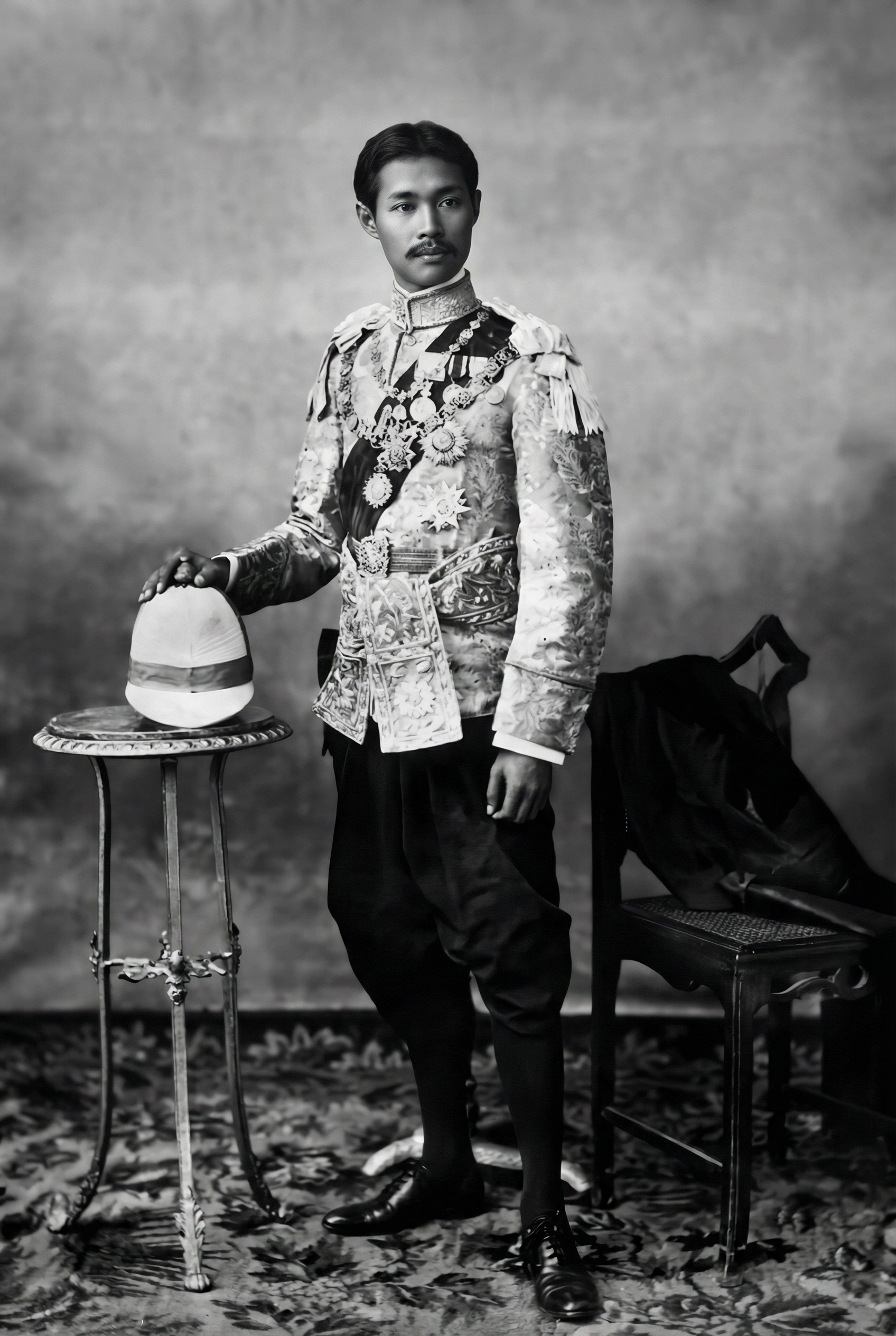
พระเจ้าบรมวงศ์เธอ กรมหมื่นพิไชยมหินทโรดม
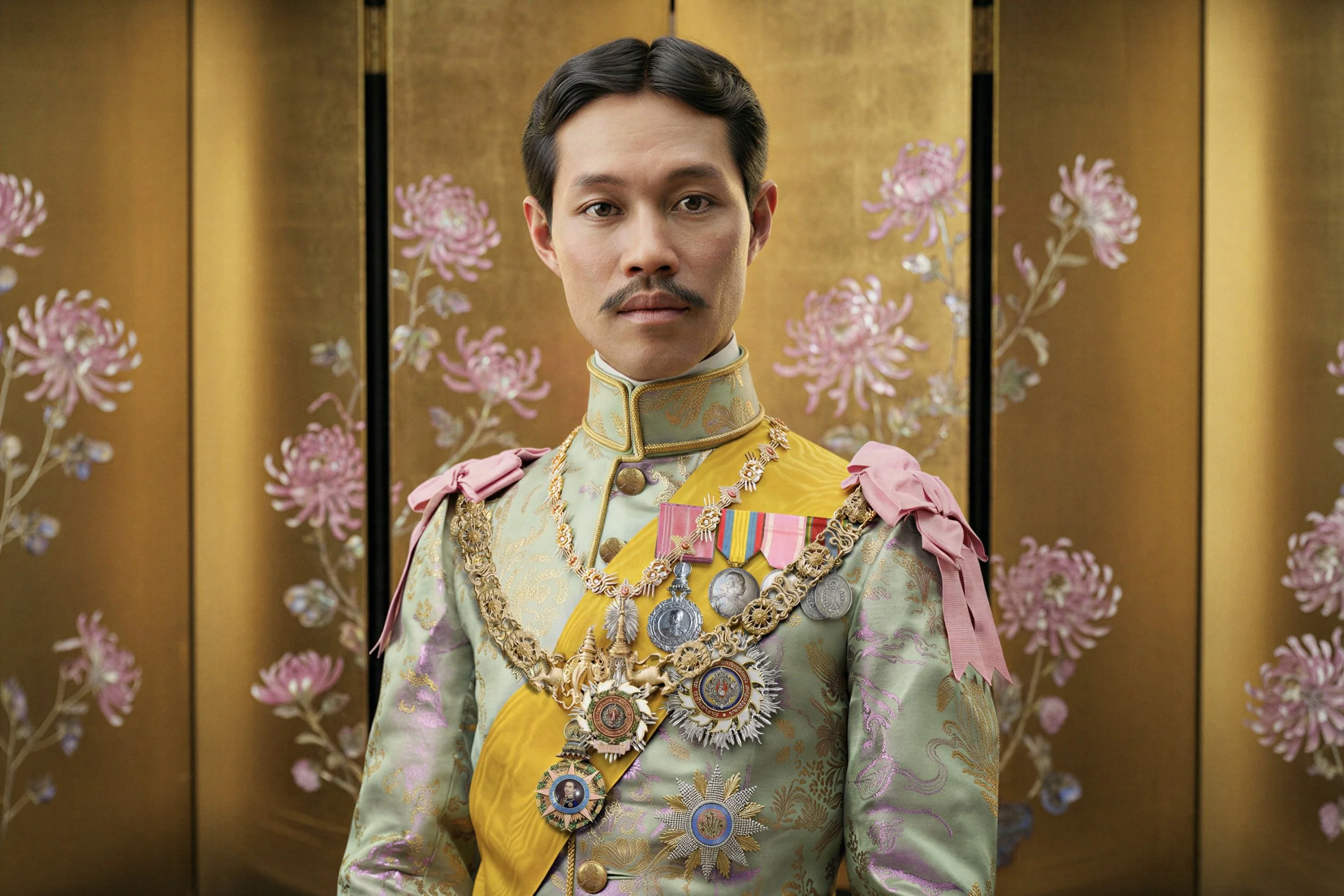
พระเจ้าบรมวงศ์เธอ กรมหมื่นพิไชยมหินทโรดม
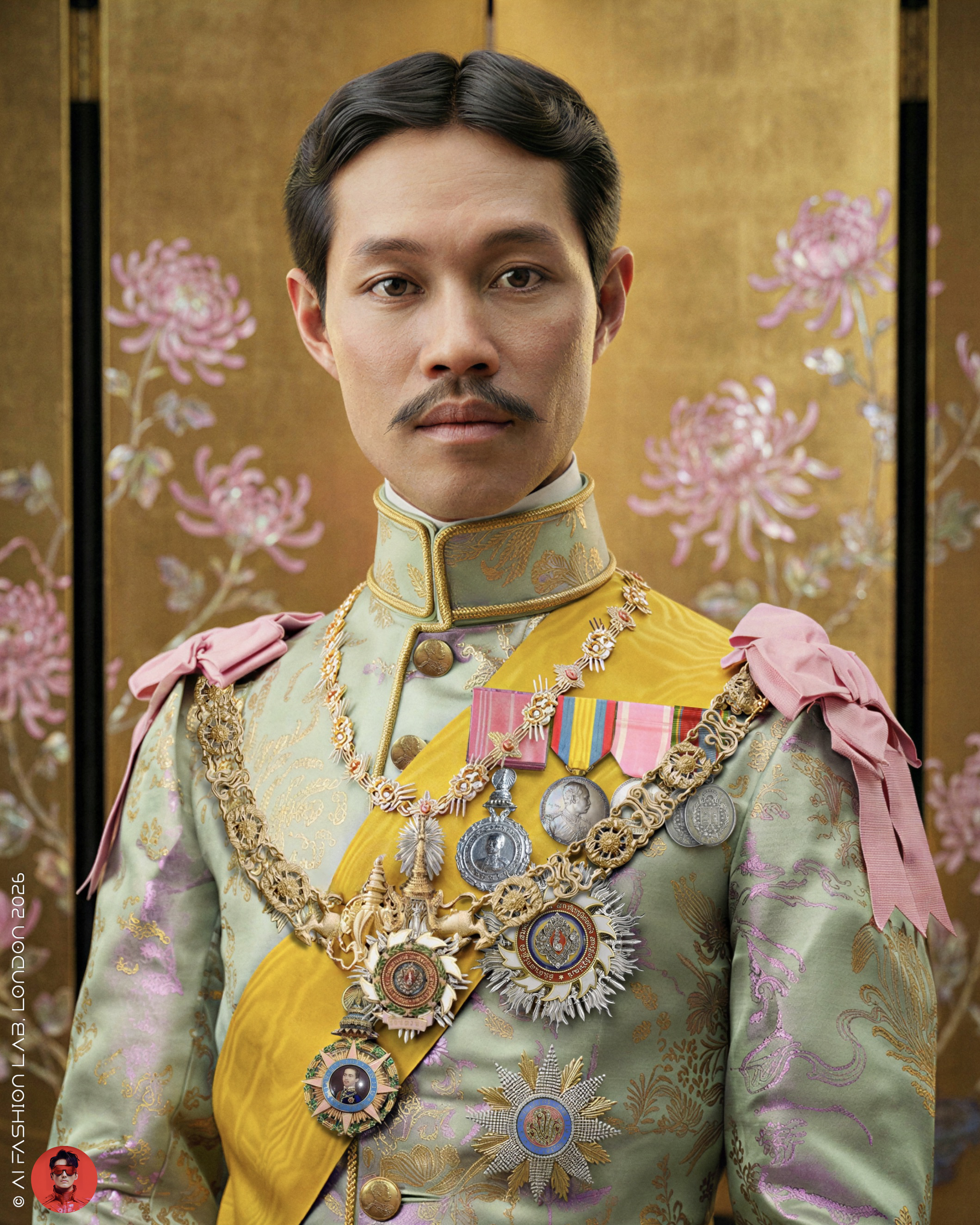
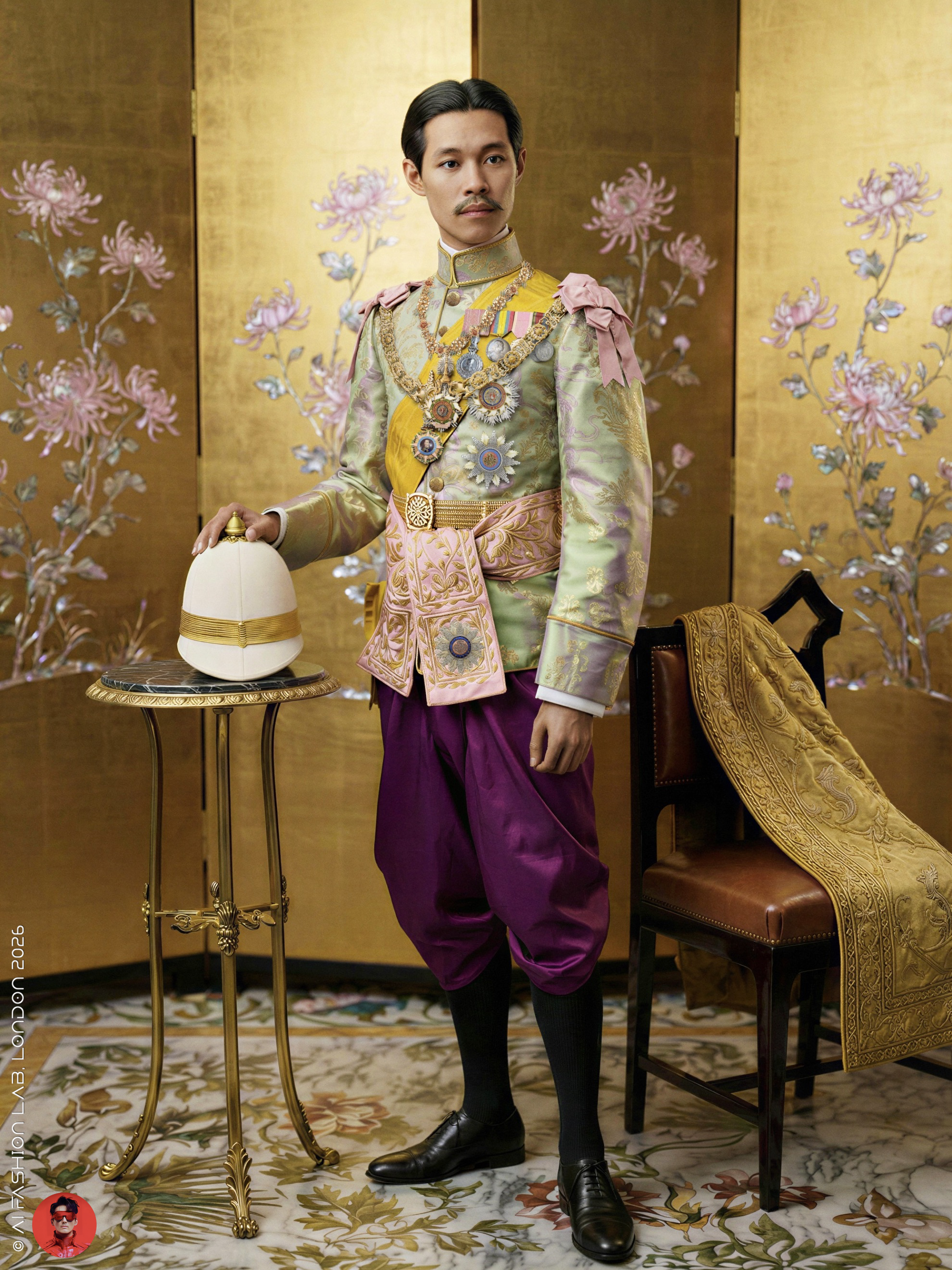
ภาพที่ได้รับการบูรณะและสร้างสรรค์ขึ้นด้วยเทคโนโลยี AI ภาพนี้ เป็นพระรูปของ พระเจ้าบรมวงศ์เธอ กรมหมื่นพิไชยมหินทโรดม (พระองค์เจ้าเพ็ญพัฒนพงศ์) (๑๓ กันยายน พ.ศ. ๒๓๒๕ – ๑๑ พฤศจิกายน พ.ศ. ๒๔๕๒)
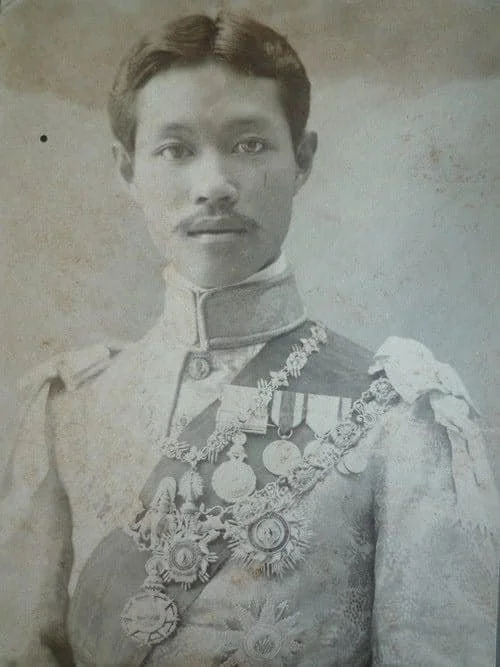
ภาพต้นฉบับคาดว่าถ่ายระหว่าง พ.ศ. ๒๔๔๖ – พ.ศ. ๒๔๕๒ มีความเป็นไปได้ว่าถ่ายขึ้นเพื่อแสดงความยินดีในโอกาสที่ทรงได้รับพระราชทาน เครื่องราชอิสริยาภรณ์จุลจอมเกล้า ชั้นที่ ๑ ปฐมจุลจอมเกล้าวิเศษ (ป.จ.ว.) เมื่อปี พ.ศ. ๒๔๔๖ ขณะมีพระชันษา ๒๐ ปี และเป็นปีเดียวกับที่ทรงสำเร็จการศึกษาด้านเกษตรศาสตร์จากประเทศอังกฤษ ก่อนเสด็จนิวัตกลับมารับราชการเป็น ผู้ช่วยปลัดทูลฉลองกระทรวงเกษตราธิการ
_____
ความสำคัญด้านประวัติศาสตร์แฟชั่น
สิ่งที่น่าสนใจเป็นพิเศษในพระรูปนี้ คือ องค์ประกอบเครื่องแต่งกายและวิธีการประดับเครื่องราชอิสริยาภรณ์จุลจอมเกล้า ซึ่งเป็นหลักฐานที่มีคุณค่าอย่างยิ่งต่อการศึกษาประวัติศาสตร์แฟชั่นและเครื่องแต่งกายฝ่ายหน้าในสมัยรัชกาลที่ ๕
เครื่องราชอิสริยาภรณ์จุลจอมเกล้า จัดสร้างขึ้นเมื่อ พ.ศ. ๒๔๑๖ ในสมัยพระบาทสมเด็จพระจุลจอมเกล้าเจ้าอยู่หัว โดยมีพระราชประสงค์เดิมเพื่อพระราชทานแก่พระบรมวงศานุวงศ์และข้าราชการชั้นผู้ใหญ่ ก่อนจะขยายขอบเขตไปยังผู้ทำคุณประโยชน์ด้านอื่น ๆ ในเวลาต่อมา
_____
การแบ่งชั้นตรา (ฝ่ายหน้า – บุรุษ)
เรียงลำดับจากชั้นต้นสู่ชั้นสูงสุด ดังนี้
๑) ตติยจุลจอมเกล้าพิเศษ (ต.จ.ว.)
๒) ทุติยจุลจอมเกล้า (ท.จ.)
๓) ทุติยจุลจอมเกล้าพิเศษ (ท.จ.ว.)
๔) ปฐมจุลจอมเกล้า (ป.จ.)
๕) ปฐมจุลจอมเกล้าพิเศษ (ป.จ.ว.) (สำหรับพระบรมวงศานุวงศ์)
_____
เครื่องยศและชุดเครื่องแต่งกาย
เครื่องยศของ ปฐมจุลจอมเกล้าวิเศษ และ ปฐมจุลจอมเกล้า ประกอบด้วย กาทองคํา โต๊ะทอง คนโททองคํา พานรอง กระโถนทองคำ พานทอง พร้อมมณฑป ของพลู ซองบุหรี่ ตลับใส่สีผึ้งทอง มีดด้ามทอง จอกหมากทองคำ หีบหมากไม้แดง หุ้มทองคำ
ชุดเครื่องแต่งกาย ประกอบด้วย เสื้อครุยปัก จ.จ.จ., มาลาเข้าเสทิ้น เสื้อทรงประพาสคอบัว รัดประคด ดาบฝักทองคำ
องค์ประกอบของเครื่องราชฯ และการประดับ
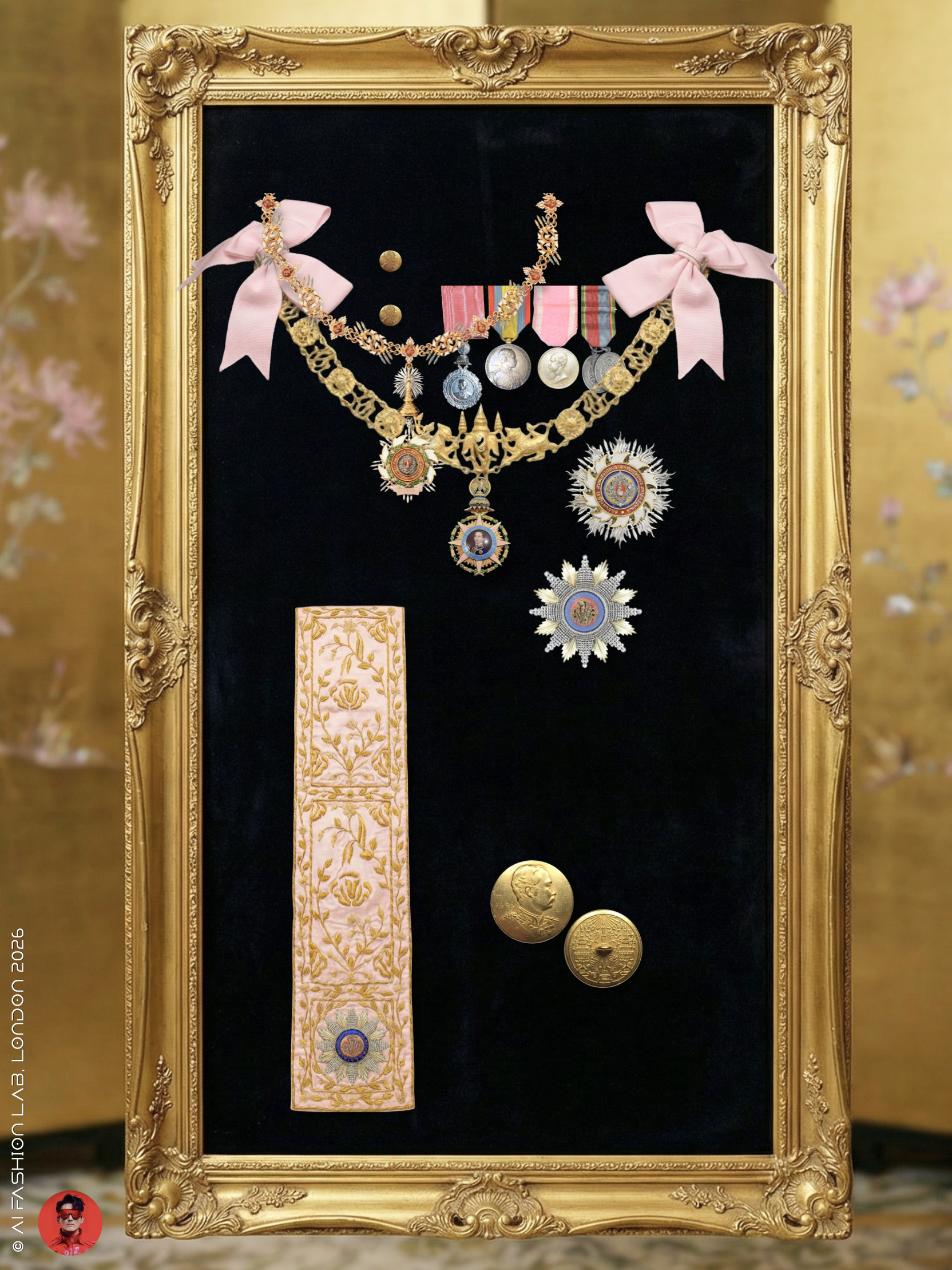
แบบที่ ๑ สายสะพายสีชมพู ห้อยดวงตรา และมีดารา - การประดับ สวมสายสะพายสีชมพู ห้อยดวงตรา และติดดาราที่อกเสื้อ ด้านซ้าย
แบบ ๒ สายสร้อยจุลจอมเกล้า ห้อยดวงตรา และมีดารา - การประดับ สวมสายสะพายอื่นที่ไม่ใช่ สายสะพายจุลจอมเกล้า และสวมสายสร้อยจุลจอมเกล้ามีแพรจีบสีขาวติดที่บ่าสองข้าง และติดดาราที่อกเสื้อด้านซ้าย
การประดับเครื่องราชอิสริยาภรณ์จุลจอมเกล้า ชั้นที่ 1 ปฐมจุลจอมเกล้าวิเศษ (ป.จ.ว.) ของกรมหมื่นพิไชยมหินทโรดม คือแบบที่ ๒ สวมสายสะพายอื่น ในที่นี้ทรงสายสะพายสีเหลือง จากเครื่องราชอิสริยาภรณ์มหาจักรีบรมราชวงศ์ พร้อมกับ สายสร้อยจุลจอมเกล้ามีแพรจีบติดที่บ่าสองข้าง และติดดาราที่อกเสื้อด้านซ้าย
หมายเหตุทางประวัติศาสตร์: ในสมัยรัชกาลที่ ๕ แพรจีบของสายสร้อยจุลจอมเกล้าเป็น สีชมพู ก่อนจะเปลี่ยนเป็น สีขาว ในปี พ.ศ. ๒๔๕๙ (ค.ศ. 1916) สมัยรัชกาลที่ ๖
และสิ่งที่น่าสนใจมากที่สุดในพระรูปนี้คือการรัด รัดประคด สีชมพู ปักดิ้นทอง พร้อมกับลายปักดาราปฐมจุลจอมเกล้า ซึ่งแทบไม่ปรากฏในภาพถ่ายของผู้ได้รับพระราชทานเครื่องราชอิสริยาภรณ์ชั้นเดียวกัน
อีกประการหนึ่งคือ กระดุมทอง ที่เป็นพระรูปพระบาทสมเด็จพระจุลจอมเกล้าเจ้าอยู่หัว จาก เหรียญประพาสมาลา หรือเหรียญที่ระลึกการเสด็จประพาสยุโรปครั้งที่ ๑ เมื่อ พ.ศ. ๒๔๔๐
พระรูปชุดนี้จึงนับเป็น หลักฐานที่สำคัญยิ่ง สำหรับการศึกษาการแต่งกายและการประดับเครื่องราชอิสริยาภรณ์จุลจอมเกล้าชั้นที่ ๑ ปฐมจุลจอมเกล้าวิเศษ (ป.จ.ว.) ของฝ่ายหน้าในสมัยรัชกาลที่ ๕
____________
พระเจ้าบรมวงศ์เธอ กรมหมื่นพิไชยมหินทโรดม (13 กันยายน พ.ศ. 2425 – 11 พฤศจิกายน พ.ศ. 2452) มีพระนามเดิมว่า พระเจ้าลูกยาเธอ พระองค์เจ้าเพ็ญพัฒนพงษ์ เป็นพระราชโอรสในพระบาทสมเด็จพระจุลจอมเกล้าเจ้าอยู่หัว ประสูติแต่เจ้าจอมมารดามรกฎ เป็นอธิบดีกรมเพาะปลูก ต้นราชสกุลเพ็ญพัฒน์ เป็นผู้นิพนธ์เพลงลาวดำเนินเกวียน หรือลาวดวงเดือน
พระเจ้าบรมวงศ์เธอ กรมหมื่นพิชัยมหินทโรดม มีพระนามเดิมว่า พระเจ้าลูกยาเธอ พระองค์เจ้าเพ็ญพัฒนพงษ์ เป็นพระราชโอรสพระองค์ที่ 38 ในพระบาทสมเด็จพระจุลจอมเกล้าเจ้าอยู่หัว อันประสูติแต่เจ้าจอมมารดามรกฎ ธิดาของเจ้าพระยามหินทรศักดิ์ธำรง (เพ็ง เพ็ญกุล) ประสูติเมื่อวันพุธ ขึ้น 1 ค่ำ เดือน 10 ปีมะเมีย จัตวาศก จ.ศ. 1244 ตรงกับวันที่ 13 กันยายน พ.ศ. 2425
เสด็จไปศึกษาทางด้านเกษตรศาสตร์จากประเทศอังกฤษ สำเร็จการศึกษาเมื่อ พ.ศ. ๒๔๔๖ ขณะพระชันษา ๒๐ ปี เสด็จนิวัตกลับมารับราชการเป็น ผู้ช่วยปลัดทูลฉลองกระทรวงเกษตราธิการ
ในปี พ.ศ. ๒๔๔๕ พระบาทสมเด็จพระจุลจอมเกล้าเจ้าอยู่หัวมีพระราชวินิจฉัยให้อุดหนุนการทำไหมและการทอผ้าของประเทศ โดยได้ว่าจ้าง ดร.คาเมทาโร่ โทยาม่า จากมหาวิทยาลัยโตเกียว ทดลองเลี้ยงไหมตามแบบฉบับของประเทศญี่ปุ่น สอนและฝึกอบรมนักเรียนไทยในวิชาการเลี้ยงไหมและการทำไหม พร้อมทั้งสร้างสวนหม่อนและสถานีเลี้ยงไหมขึ้นที่ตำบลศาลาแดง กรุงเทพมหานคร และทรงจัดตั้งกองช่างไหมขึ้นในกระทรวงเกษตราธิการ
ต่อมาในวันที่ ๓๐ กันยายน พ.ศ. ๒๔๔๖ กระทรวงเกษตราธิการได้รวมกองการผลิต กองการเลี้ยงสัตว์ และกองช่างไหม ตั้งขึ้นเป็น “กรมช่างไหม” โดยมี พระเจ้าบรมวงศ์เธอ กรมหมื่นพิไชยมหินทโรดม เป็นอธิบดีกรมช่างไหมพระองค์แรก
งานหลักของกรมช่างไหม คือการดำเนินงานตามโครงการของสถานีทดลองเลี้ยงไหม เริ่มด้วยการก่อตั้งโรงเรียนสอนการทำไหมขึ้นในพระราชวังดุสิต เมื่อเดือนพฤศจิกายน พ.ศ. ๒๔๔๖ และเปิดโรงเรียนสอนการทำไหมขึ้นที่ปทุมวัน เรียกว่า “โรงเรียนกรมช่างไหม” เมื่อวันที่ ๑๖ มกราคม พ.ศ. ๒๔๔๗ โดยมีวัตถุประสงค์เพื่อสร้างผู้เชี่ยวชาญ ศึกษาวิจัย และฝึกพนักงานคนไทยขึ้นแทนคนญี่ปุ่น ต่อมาโรงเรียนแห่งนี้ได้พัฒนาเป็น มหาวิทยาลัยเกษตรศาสตร์ ในเวลาต่อมา
วังที่ประทับของกรมหมื่นพิไชยมหินทโรดม เดิมเป็นบ้านของ เจ้าพระยามหินทรศักดิ์ธำรง (เพ็ง เพ็ญกุล) บิดาของเจ้าจอมมารดามรกฎ มีชื่อเรียกว่า วังท่าเตียน (เรียกชื่อตามสถานที่ตั้งวัง เช่นเดียวกับวังจักรพงษ์ของพระเจ้าวรวงศ์เธอ พระองค์เจ้าจุลจักรพงษ์) ภายในวังมีโรงละครอยู่แห่งหนึ่ง ซึ่งในสมัยนั้นเรียกกันว่า ปรินส์เทียเตอร์
วันที่ ๑๖ พฤศจิกายน พ.ศ. ๒๔๕๑ ได้รับสถาปนาเป็น พระเจ้าลูกยาเธอ กรมหมื่นพิไชยมหินทโรดม ทรงศักดินา ๑,๕๐๐
พระเจ้าบรมวงศ์เธอ กรมหมื่นพิไชยมหินทโรดม ทรงประชวรวัณโรคภายในมาเป็นเวลานาน แม้พระบาทสมเด็จพระจุลจอมเกล้าเจ้าอยู่หัวจะพระราชทานแพทย์หลวงมาถวายการรักษา พระอาการก็ยังทรงและทรุดลง จนสิ้นพระชนม์เมื่อวันที่ ๑๑ พฤศจิกายน พ.ศ. ๒๔๕๒ เวลา ๑๖.๐๘ น. สิริพระชันษา ๒๗ ปี
ในคืนนั้น พระบรมวงศานุวงศ์มี สมเด็จพระศรีพัชรินทราบรมราชินีนาถ พระบรมราชชนนีพันปีหลวง และ สมเด็จพระบรมโอรสาธิราช เจ้าฟ้ามหาวชิราวุธ สยามมกุฎราชกุมาร พร้อมทั้งเสนาบดี เสด็จสรงน้ำพระศพ เจ้าพนักงานเชิญพระศพลงในพระลอง ประดิษฐานบนแว่นฟ้า ๒ ชั้น ประกอบพระโกศมณฑปใหญ่ แวดล้อมด้วยเครื่องสูง ๙ องค์ พระสงฆ์มี หม่อมเจ้าพระศีลวราลังการ (เนตร) เป็นประธานสวดสดับปกรณ์
_____
พระโอรส–พระธิดาของกรมหมื่นพิไชยมหินทโรดม
กรมหมื่นพิไชยมหินทโรดม เสกสมรสกับ หม่อมเจ้าวรรณวิไลย เพ็ญพัฒน์ (ราชสกุลเดิม กฤดากร) พระธิดาในพระเจ้าบรมวงศ์เธอ กรมพระนเรศรวรฤทธิ์ เมื่อวันที่ ๓๐ ตุลาคม พ.ศ. ๒๔๔๖ มีพระโอรสและพระธิดา ดังนี้
หม่อมเจ้าชายไม่มีพระนาม (๒๕ สิงหาคม – ๕ กันยายน พ.ศ. ๒๔๔๗)
พรรณเพ็ญแข กฤดากร (๑๑ กันยายน พ.ศ. ๒๔๔๘ – ๑ กรกฎาคม พ.ศ. ๒๕๑๗) ต่อมาทรงลาออกจากฐานันดรศักดิ์ เพื่อสมรสกับ หม่อมราชวงศ์บรรลือศักดิ์ กฤดากร
นอกจากนี้ กรมหมื่นพิไชยมหินทโรดมยังมีพระโอรสกับ หม่อมเทียม (สกุลเดิม คชเสนี) คือ
หม่อมเจ้าเผ่าเพ็ญพัฒน์ เพ็ญพัฒน์ (๙ พฤษภาคม พ.ศ. ๒๔๔๙ – ๑๐ มกราคม พ.ศ. ๒๕๐๓) ซึ่งปรากฏในภาพในวัยเยาว์ และเป็นหลักฐานสำคัญในการประมาณอายุภาพ
_____
เครื่องราชอิสริยาภรณ์
พ.ศ. 2447 – เครื่องขัตติยราชอิสริยาภรณ์อันมีเกียรติคุณรุ่งเรืองยิ่งมหาจักรีบรมราชวงศ์ (ม.จ.ก.) (ฝ่ายหน้า)
พ.ศ. 2446 – เครื่องราชอิสริยาภรณ์จุลจอมเกล้า ชั้นที่ 1 ปฐมจุลจอมเกล้าวิเศษ (ป.จ.ว.)
พ.ศ. 2451 – เครื่องราชอิสริยาภรณ์อันมีเกียรติยศยิ่งมงกุฎไทย ชั้นที่ 1 ประถมาภรณ์มงกุฎไทย (ป.ม.)
พ.ศ. 2451 – เหรียญรัตนาภรณ์ รัชกาลที่ 5 ชั้นที่ 2 (จ.ป.ร.2)
พ.ศ. 2451 – เหรียญดุษฎีมาลา เข็มศิลปวิทยา (ร.ด.ม.(ศ))
____________
Prince Benbadhanabongse, Prince of Phichai
(Thai: พระเจ้าบรมวงศ์เธอ กรมหมื่นพิไชยมหินทโรดม; Phra Ong Chao Phenphatthanaphong / พระองค์เจ้าเพ็ญพัฒนพงศ์)
AI-Restored Portrait and Historical Context
This AI-restored and artistically recreated image is a portrait of Prince Benbadhanabongse, Prince of Phichai (พระเจ้าบรมวงศ์เธอ กรมหมื่นพิไชยมหินทโรดม; พระองค์เจ้าเพ็ญพัฒนพงศ์), born on 13 September B.E. 2425 (1882) and deceased on 11 November B.E. 2452 (1909).
The original photograph is believed to have been taken between B.E. 2446–2452 (1903–1909). It is highly likely that the portrait was commissioned to commemorate the occasion on which the Prince was bestowed the Order of Chula Chom Klao, First Class, Special Grade (ปฐมจุลจอมเกล้าวิเศษ; P.C.C. Special) in B.E. 2446 (1903), when he was 20 years old. This same year marked his graduation in agricultural studies from the United Kingdom, prior to his return to Siam to enter government service as Assistant Permanent Secretary (Thulachalong) of the Ministry of Agriculture.
Significance for Fashion History
Of particular interest in this portrait is the costume ensemble and the manner in which the Order of Chula Chom Klao is worn, which constitutes exceptionally valuable visual evidence for the study of court dress and male elite fashion during the reign of King Rama V.
The Order of Chula Chom Klao was established in B.E. 2416 (1873) during the reign of King Chulalongkorn (Rama V). Its original purpose was to be bestowed upon members of the royal family and senior officials, before later being extended to individuals who rendered distinguished service in other fields.
Classes of the Order (Male / Front Palace System)
Listed from lower to higher rank:
Third Class, Special Grade (ตติยจุลจอมเกล้าพิเศษ; T.C.C. Special)
Second Class (ทุติยจุลจอมเกล้า; S.C.C.)
Second Class, Special Grade (ทุติยจุลจอมเกล้าพิเศษ; S.C.C. Special)
First Class (ปฐมจุลจอมเกล้า; P.C.C.)
First Class, Special Grade (ปฐมจุลจอมเกล้าวิเศษ; P.C.C. Special – reserved for members of the royal family)
Regalia and Court Dress
The regalia associated with the First Class, Special Grade and First Class of the Order include:
golden spittoon, gold pedestal tray, gold ewer, gold water basin, gold betel tray, gold chamber pot, gold pedestal bowls, gold betel box, gold cigarette case, gold pomade container, gold-hilted knife, gold betel nut cup, and a red-lacquered betel chest overlaid with gold.
The court costume consists of:
an embroidered ceremonial robe bearing the insignia of the Order, a formal court headdress (mala khao sethin), a high-collared travelling jacket (sua song praphat khobua), a ceremonial waist sash (prakat), and a sword with a gold scabbard.
Methods of Wearing the Order
Method 1 – Pink sash with badge and star
The pink sash is worn diagonally across the body, with the badge suspended from the sash and the star affixed to the left breast.
Method 2 – Collar with badge and star
The recipient wears a sash from another order (not the Chula Chom Klao sash), together with the Collar of the Order of Chula Chom Klao (สายสร้อยจุลจอมเกล้า), a gold ceremonial chain with pleated ribbon attachments, and the star affixed to the left breast.
In this portrait, Prince Benbadhanabongse, Prince of Phichai wears a yellow sash of the Order of the Royal House of Chakri, together with the Collar of the Order of Chula Chom Klao (สายสร้อยจุลจอมเกล้า), a gold ceremonial chain with pleated ribbon attachments, with pleated ribbon tabs resting on both shoulders, and the star affixed to the left breast.
Historical Note (revised)
During the reign of King Rama V, the pleated ribbon attachments of the Collar of the Order of Chula Chom Klao (สายสร้อยจุลจอมเกล้า) were pink, before being changed to white in B.E. 2459 (1916) during the reign of King Rama VI.
Unique Fashion Details
The most remarkable detail in this portrait is the pink embroidered waist sash, decorated with gold thread and bearing the embroidered star of the First Class, Special Grade of the Order of Chula Chom Klao. This feature is extremely rare and scarcely appears in other surviving photographs of recipients of the same class.
Another notable element is the gold buttons, each bearing a portrait of King Chulalongkorn, derived from the Prabhas Mala Medal, commemorating the King’s first European tour in B.E. 2440 (1897).
This portrait therefore constitutes an exceptionally important primary source for the study of male court dress and the wearing of the Order of Chula Chom Klao, First Class, Special Grade, during the reign of King Rama V.
Biography
Prince Benbadhanabongse (พระเจ้าบรมวงศ์เธอ กรมหมื่นพิไชยมหินทโรดม) was originally titled Phra Chao Luk Ya Thoe Phra Ong Chao Phenphatthanaphong (พระเจ้าลูกยาเธอ พระองค์เจ้าเพ็ญพัฒนพงศ์). He was the 38th son of King Chulalongkorn (Rama V), born to Chao Chom Manda Morakot (เจ้าจอมมารดามรกฎ), daughter of Chao Phraya Mahintharasakthamrong (Peng Benyakul).
He was born on Wednesday, the first waxing day of the tenth lunar month, Year of the Horse, corresponding to 13 September B.E. 2425 (1882).
He studied agricultural science in the United Kingdom, graduating in B.E. 2446 (1903) at the age of 20, and subsequently returned to Siam to serve as Assistant Permanent Secretary of the Ministry of Agriculture.
In B.E. 2445 (1902), King Chulalongkorn resolved to promote sericulture and textile production in Siam. Dr. Kametarō Toyama of the University of Tokyo was engaged to introduce Japanese methods of silkworm cultivation, train Thai students, and establish mulberry plantations and silkworm stations at Sala Daeng, Bangkok. A silk craftsmen division was established within the Ministry of Agriculture.
On 30 September B.E. 2446 (1903), the Ministry consolidated its production, livestock, and silk divisions into the Department of Sericulture, appointing Prince Benbadhanabongse as its first Director-General.
The department’s primary mission was to operate experimental silk stations and educational institutions. A silk school was first founded within Dusit Palace in November B.E. 2446, followed by the establishment of the Sericulture School at Pathum Wan on 16 January B.E. 2447 (1904). Its purpose was to train Thai specialists and gradually replace Japanese instructors. This institution later developed into Kasetsart University.
The Prince’s residence, known as Tha Tien Palace, was formerly the home of Chao Phraya Mahintharasakthamrong, his maternal grandfather. Within the palace grounds stood a theatre known at the time as the Prince Theatre.
On 16 November B.E. 2451 (1908), he was elevated to the rank of Phra Chao Borom Wong Thoe Krom Muen Phichai Mahintharodom, holding a sakdina of 1,500.
Prince Benbadhanabongse suffered from internal tuberculosis for an extended period. Despite receiving treatment from royal physicians, his condition deteriorated, and he passed away on 11 November B.E. 2452 (1909) at 4:08 p.m., aged 27.
That evening, members of the royal family—including Queen Saovabha Phongsri, the Queen Mother, and Crown Prince Vajiravudh (later King Rama VI)—performed the royal ablution. The body was placed in the ceremonial coffin, elevated on a two-tiered pedestal, enclosed within a grand funerary pavilion, surrounded by nine tiers of royal regalia. The funeral rites were presided over by Mom Chao Phra Silawaralangkara (Net).
Issue
Prince Benbadhanabongse married Mom Chao Wanna Vilaya Benbadhana (หม่อมเจ้าวรรณวิไลย เพ็ญพัฒน์; née Kritakara), daughter of Prince Nares Voraridhi, on 30 October B.E. 2446 (1903). Their children were:
Unnamed Prince (25 August – 5 September B.E. 2447 / 1904)
Princess Phanphenkae Kritakara (พรรณเพ็ญแข กฤดากร; 11 September B.E. 2448 – 1 July B.E. 2517 / 1905–1974), who later relinquished her royal title and married Mom Rajawongse Banluesakdi Kritakara
He also had a son with Mom Thiam (née Kachasen):
Mom Chao Baobenbadhana Benbadhana (หม่อมเจ้าเผ่าเพ็ญพัฒน์ เพ็ญพัฒน์; 9 May B.E. 2449 – 10 January B.E. 2503 / 1906–1960)
Decorations
B.E. 2447 (1904) – Order of the Royal House of Chakri (Mahachakri Order)
B.E. 2446 (1903) – Order of Chula Chom Klao, First Class, Special Grade
B.E. 2451 (1908) – Order of the Crown of Thailand, First Class
B.E. 2451 (1908) – Royal Cypher Medal of King Rama V, Second Class
B.E. 2451 (1908) – Dushdi Mala Medal, Arts and Sciences Division
____________
เรียนเชิญกด Subscribe ได้ที่ลิงก์นี้ครับ เพื่อร่วมติดตามงานสร้างสรรค์ต้นฉบับ งานวิจัยประวัติศาสตร์แฟชั่น และผลงานอนุรักษ์มรดกวัฒนธรรมด้วยเทคโนโลยี AI ของ AI Fashion Lab, London ซึ่งมุ่งตีความอดีตผ่านมิติใหม่ของการบูรณะภาพ การสร้างสรรค์ภาพ และการเล่าเรื่องด้วยศิลปะเชิงดิจิทัล 🔗 https://www.facebook.com/aifashionlab/subscribe/
#aifashionlab #AI #aiartist #aiart #aifashion #aifashiondesign #aifashionstyling #aifashiondesigner #fashion #fashionhistory #historyoffashion #fashionstyling #fashionphotography #digitalfashion #digitalfashiondesign #digitalcostumedesign #digitaldesign #digitalaiart #ThaiFashionHistory #ThaiFashionAI #thailand #UNESCO