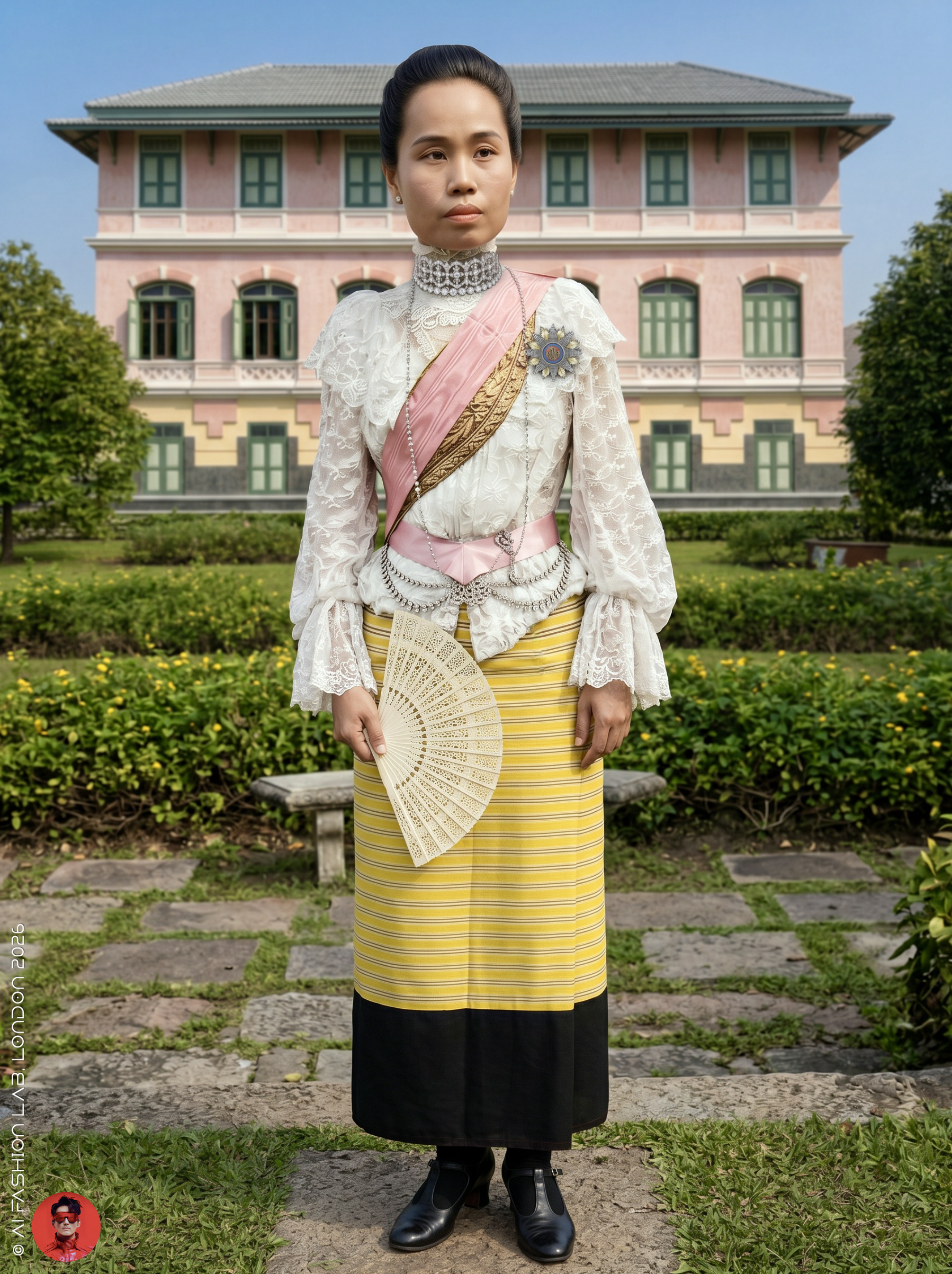
เจ้าดารารัศมี ทรงนุ่งซิ่นต๋ามะนาว
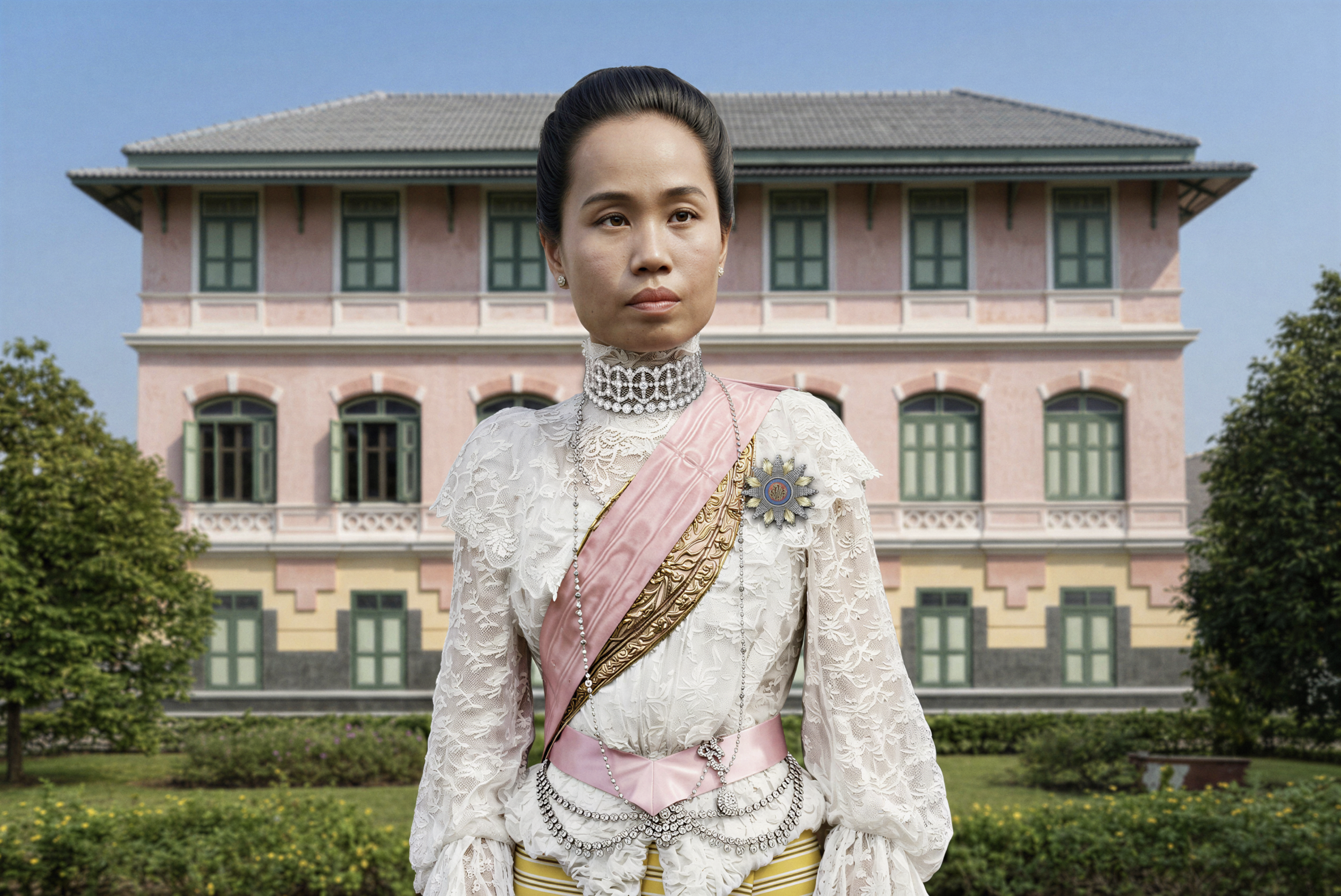
เจ้าดารารัศมี ทรงนุ่งซิ่นต๋ามะนาว
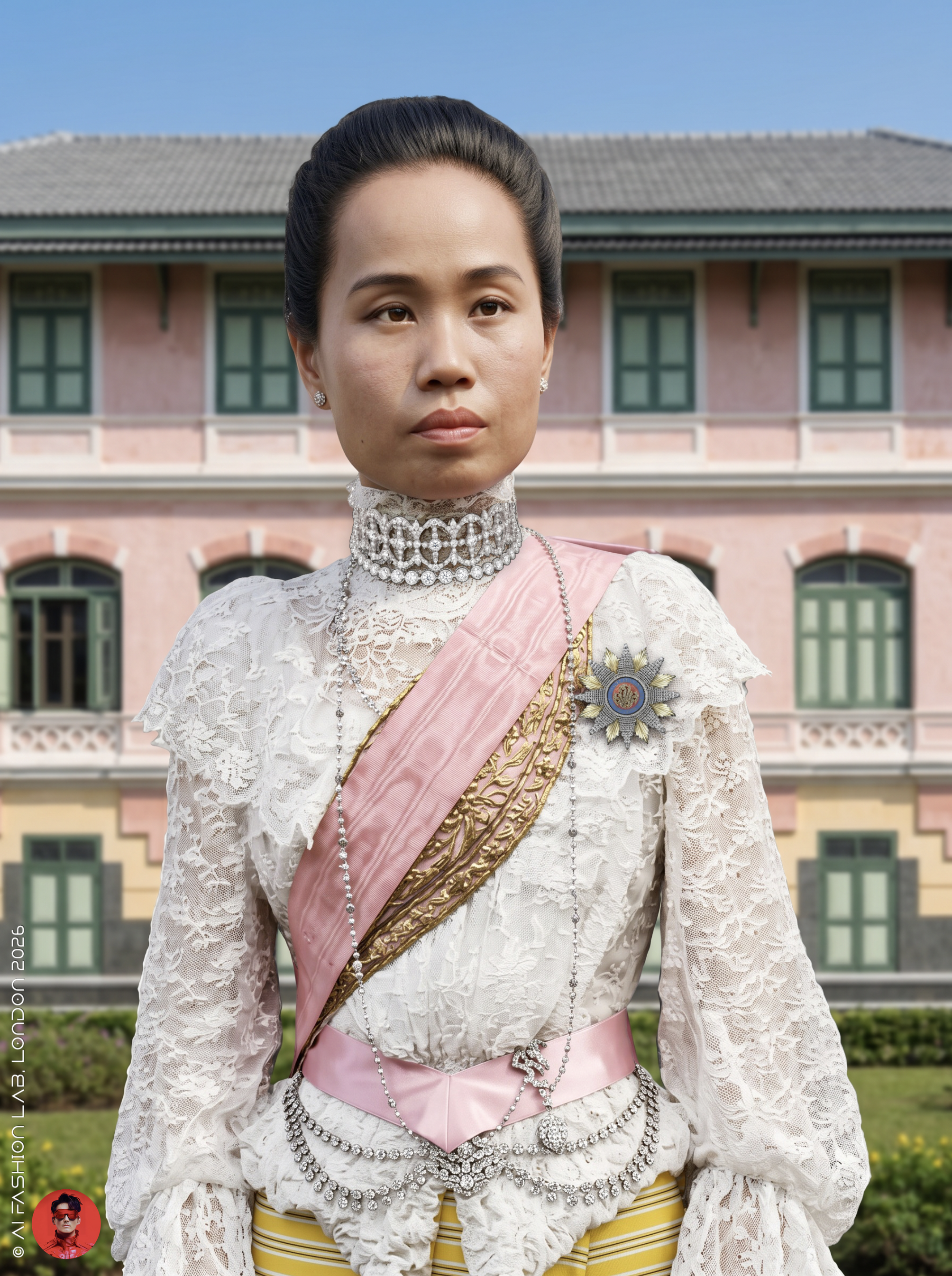
ภาพที่ผ่านการบูรณะและสร้างสรรค์ด้วยเทคโนโลยี AI ภาพนี้เป็นพระรูปเจ้าดารารัศมี ทรงนุ่งซิ่นต๋ามะนาว
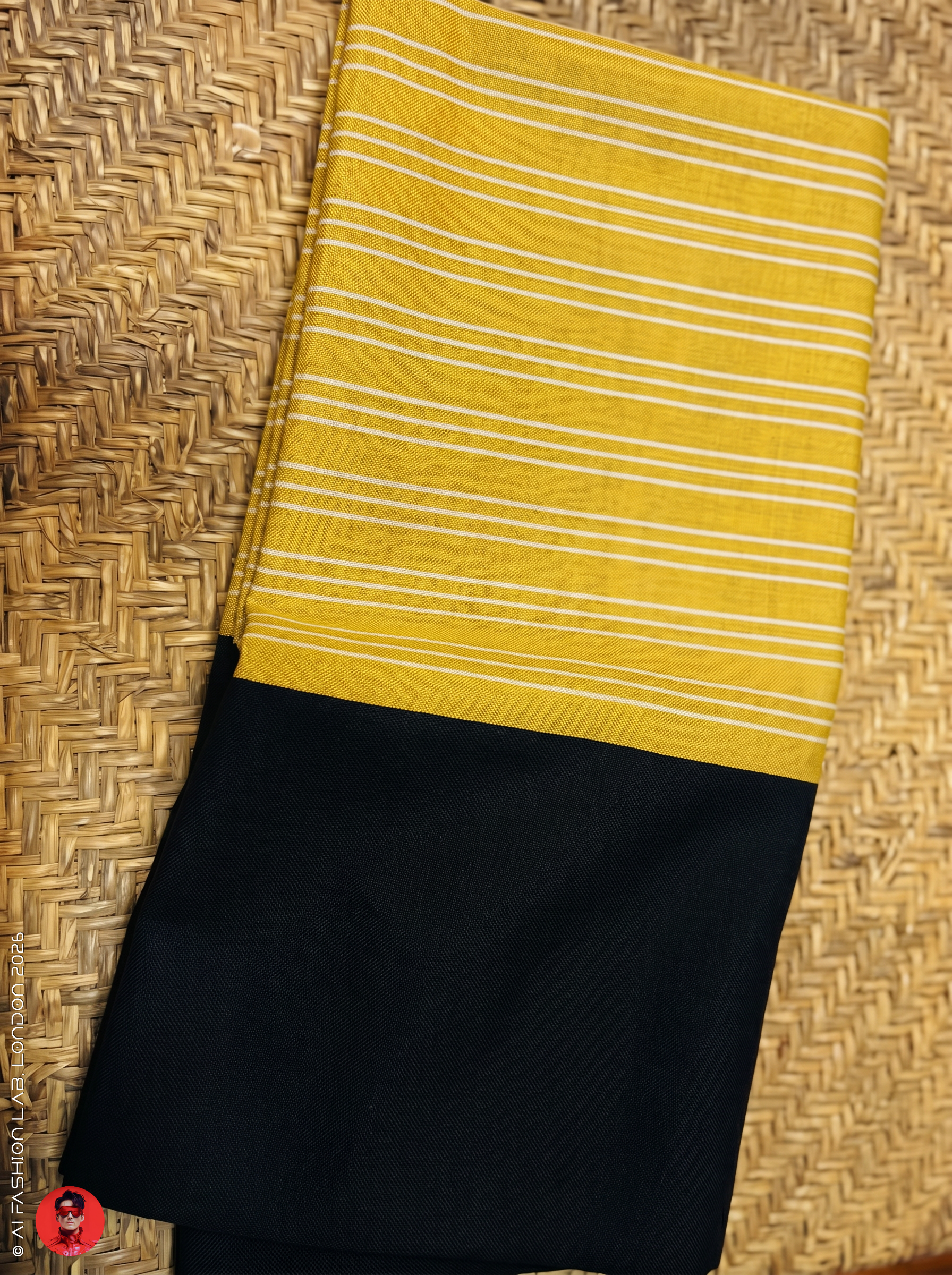
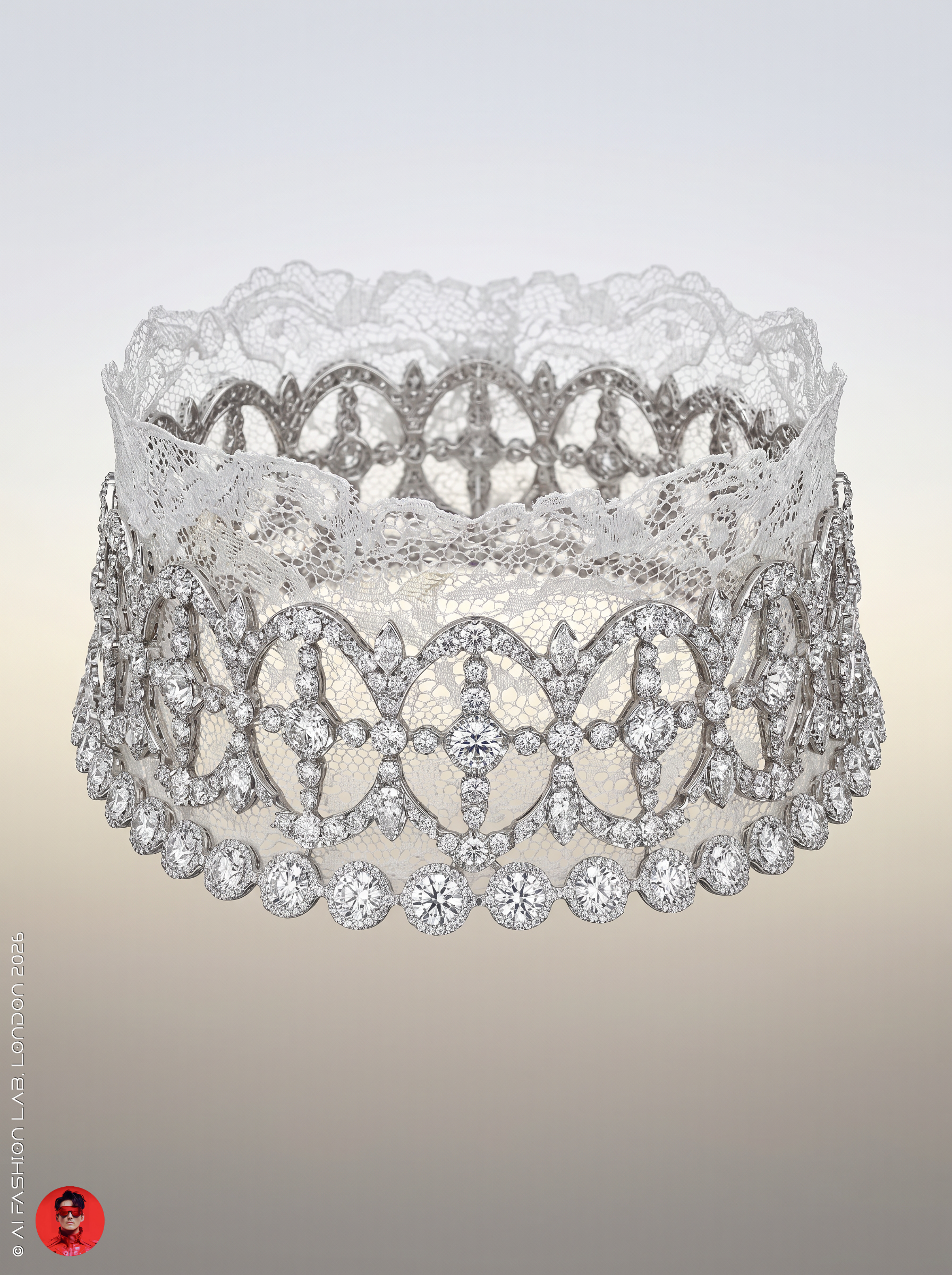
ซิ่นต๋ามะนาว เป็นซิ่นของชาวไทยวน จังหวัดแพร่ เป็นซิ่นสีเหลืองมีริ้วลายขวางสีเข้ม เชิงดำ คราม หรือม่วงสลับ พระองค์ทรงโชกเกอร์มุกและเพชร พร้อมเสื้อลูกไม้คอสูงแบบ Edwardian แฟชั่นสมัยปลายรัชกาลที่ ๕
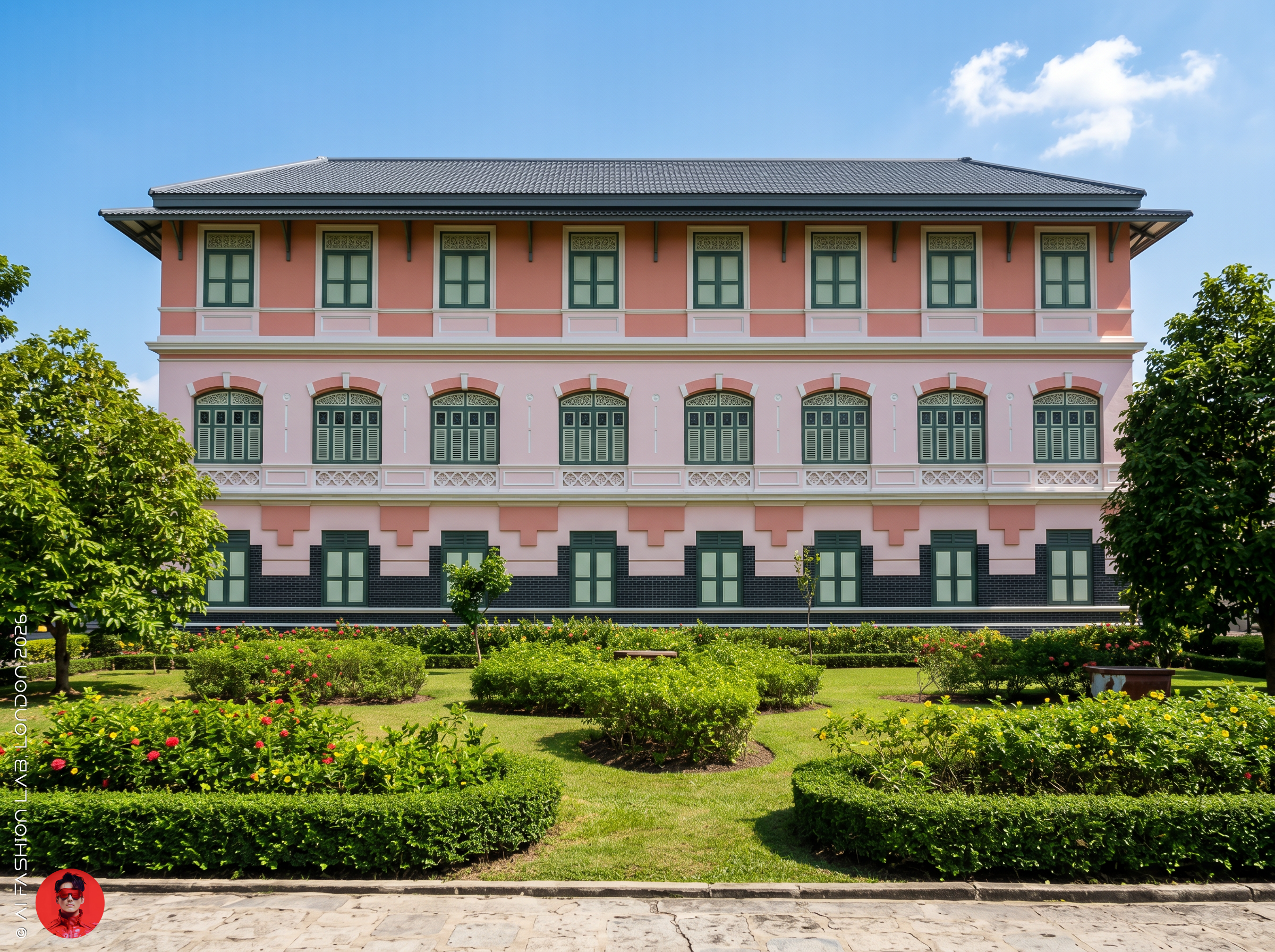
ในการสร้างสรรค์ภาพนี้ได้เพิ่มรายละเอียดฉากหลังเป็นตำหนักของเจ้าดารารัศมี ในเขตพระราชฐานชั้นใน ในพระบรมมหาราชวัง เพื่อเพิ่มบริบท
เขตพระราชฐานชั้นใน ในพระบรมมหาราชวัง เปรียบเสมือนอีกเมืองหนึ่งที่ล้วนมีประชากรเป็นผู้หญิง การดำรงชีวิตเหมือนผู้คนภายนอก เพียงแต่ในเขตพระราชฐานชั้นในนั้นเป็นที่สำหรับเจ้าจอมหม่อมห้ามและพนักงานผู้หญิงที่ทำงานในวัง ซึ่งการเข้า-ออกก็อนุญาตเฉพาะพระมหากษัตริย์ เด็กผู้ชายที่ยังไม่ถึงคราวโกนจุก และบุคคลที่อยู่ในวังเท่านั้น ภายในมีการสร้างตึก อาคาร ที่อยู่อาศัยเป็นสัดเป็นส่วน
ตำหนักของเจ้าดารารัศมีอยู่ในเขตพระราชฐานชั้นในเช่นเดียวกัน และนับได้ว่าเป็นตำหนักหลังแรกของพระองค์ในพระบรมมหาราชวัง โดยเจ้าพ่ออินทวิชายานนท์ได้ทรงทูลขอพระบรมราชานุญาตจากพระบาทสมเด็จพระจุลจอมเกล้าเจ้าอยู่หัว สร้างพระตำหนักด้วยเงินส่วนพระองค์ที่ได้จากการค้าไม้ ถวายเจ้าดารารัศมี และให้พระประยูรญาติที่ตามเสด็จมาจากเชียงใหม่ได้อยู่อาศัยด้วย โดยสร้างเป็นอาคารสี่เหลี่ยมผืนผ้าเต็มพื้นที่ เป็นอาคารปูนผสมโครงสร้างไม้ มีลักษณะแบบอาคารตะวันตก จำนวนสามชั้น อยู่ด้านทิศใต้ของพระตำหนักพระนางเจ้าสุขุมาลมารศรี พระราชเทวี ตัวอาคารทาด้วยสีชมพูและตัดกับขอบหน้าต่างสีเขียวเข้ม ภายในแบ่งเป็นห้องต่าง ๆ ตรงกลางเป็นโถงและบันได ผู้คนที่อาศัยในตำหนักนี้ล้วนแต่งกาย รับประทานอาหาร และดำรงชีวิตอย่างคนล้านนา ถือเป็นเอกลักษณ์ของตำหนักเจ้าดารารัศมี
หลังจากพระราชชายาเจ้าดารารัศมีเสด็จกลับเชียงใหม่ พระองค์เจ้าประดิษฐาสารีได้มาประทับที่ตำหนักหลังนี้จนสิ้นพระชนม์ และบางครั้งจึงเรียกตำหนักหลังนี้ว่า ตำหนักพระองค์ประดิษฐาฯ
____________
Princess Dara Rasami (เจ้าดารารัศมี) in Sin Ta Manao (ซิ่นต๋ามะนาว)
This image of Princess Dara Rasami (เจ้าดารารัศมี) has been restored and recreated using AI technology. She is depicted wearing a sin ta manao (ซิ่นต๋ามะนาว), a traditional skirt of the Tai Yuan (ไทยวน) people of Phrae (แพร่) province. Characterised by a yellow ground with dark horizontal stripes and a hem band in black, indigo, or alternating purple, the sin ta manao is one of the most distinctive textiles of northern Thailand. Princess Dara Rasami wears it here with a pearl and diamond choker and a high-necked Edwardian lace blouse.
The background of this reconstruction depicts the residential palace (ตำหนัก) of Princess Dara Rasami within the Inner Court (เขตพระราชฐานชั้นใน) of the Grand Palace (พระบรมมหาราชวัง), added to contextualise the setting.
The Inner Court of the Grand Palace
The Inner Court (เขตพระราชฐานชั้นใน) of the Grand Palace (พระบรมมหาราชวัง) functioned as a self-contained world populated entirely by women. Daily life within its walls mirrored that of the outside city, yet access was strictly controlled: only the King, boys who had not yet undergone the topknot-cutting ceremony (โกนจุก), and permanent residents were permitted to enter or leave. Within this enclosed precinct, buildings, residences, and quarters were arranged in clearly defined sections.
The Palace of Princess Dara Rasami
The residential palace (ตำหนัก) of Princess Dara Rasami (เจ้าดารารัศมี) stood within the Inner Court and is considered her first residence at the Grand Palace. It was built at the personal request of Chao Inthawichayanon (เจ้าอินทวิชายานนท์), her father, who sought and received royal permission from King Chulalongkorn (พระบาทสมเด็จพระจุลจอมเกล้าเจ้าอยู่หัว, Rama V) to construct the building using his own funds derived from the timber trade. The palace was presented as a gift to Princess Dara Rasami and also provided residence for the members of her retinue who had accompanied her from Chiang Mai (เชียงใหม่).
The building was constructed as a full rectangular block in a mixed masonry and timber structure in the Western architectural style, rising to three storeys. It was situated to the south of the residence of Phra Nang Chao Sukhumalmarsri Phra Ratchathewi (พระนางเจ้าสุขุมาลมารศรี พระราชเทวี). The exterior was painted pink, with deep green window surrounds as a contrasting trim. Internally, the building was divided into a series of rooms arranged around a central hall and staircase.
All who lived within this palace – in dress, food, and daily practice – maintained the customs and traditions of the Lanna (ล้านนา) people, which became the defining character of Princess Dara Rasami's household.
Later History
After Princess Dara Rasami (พระราชชายาเจ้าดารารัศมี) returned to Chiang Mai (เชียงใหม่), Prince Praditsari (พระองค์เจ้าประดิษฐาสารี) took up residence in the palace and remained there until his death. The building subsequently came to be known also as the Palace of Prince Praditsari (ตำหนักพระองค์ประดิษฐาฯ).
____________
อ่านเพิ่มเติมและบทความภาษาอังกฤษได้ที่ :
เรียนเชิญกด Subscribe ได้ที่ลิงก์นี้ครับ เพื่อร่วมติดตามงานสร้างสรรค์ต้นฉบับ งานวิจัยประวัติศาสตร์แฟชั่น และผลงานอนุรักษ์มรดกวัฒนธรรมด้วยเทคโนโลยี AI ของ AI Fashion Lab, London ซึ่งมุ่งตีความอดีตผ่านมิติใหม่ของการบูรณะภาพ การสร้างสรรค์ภาพ และการเล่าเรื่องด้วยศิลปะเชิงดิจิทัล https://www.facebook.com/aifashionlab/subscribe/
#aifashionlab #AI #aiartist #aiart #aifashion #aifashiondesign #aifashionstyling #aifashiondesigner #fashion #fashionhistory #historyoffashion #fashionstyling #fashionphotography #digitalfashion #digitalfashiondesign #digitalcostumedesign #digitaldesign #digitalaiart #ThaiFashionHistory #ThaiFashionAI #thailand #UNESCO