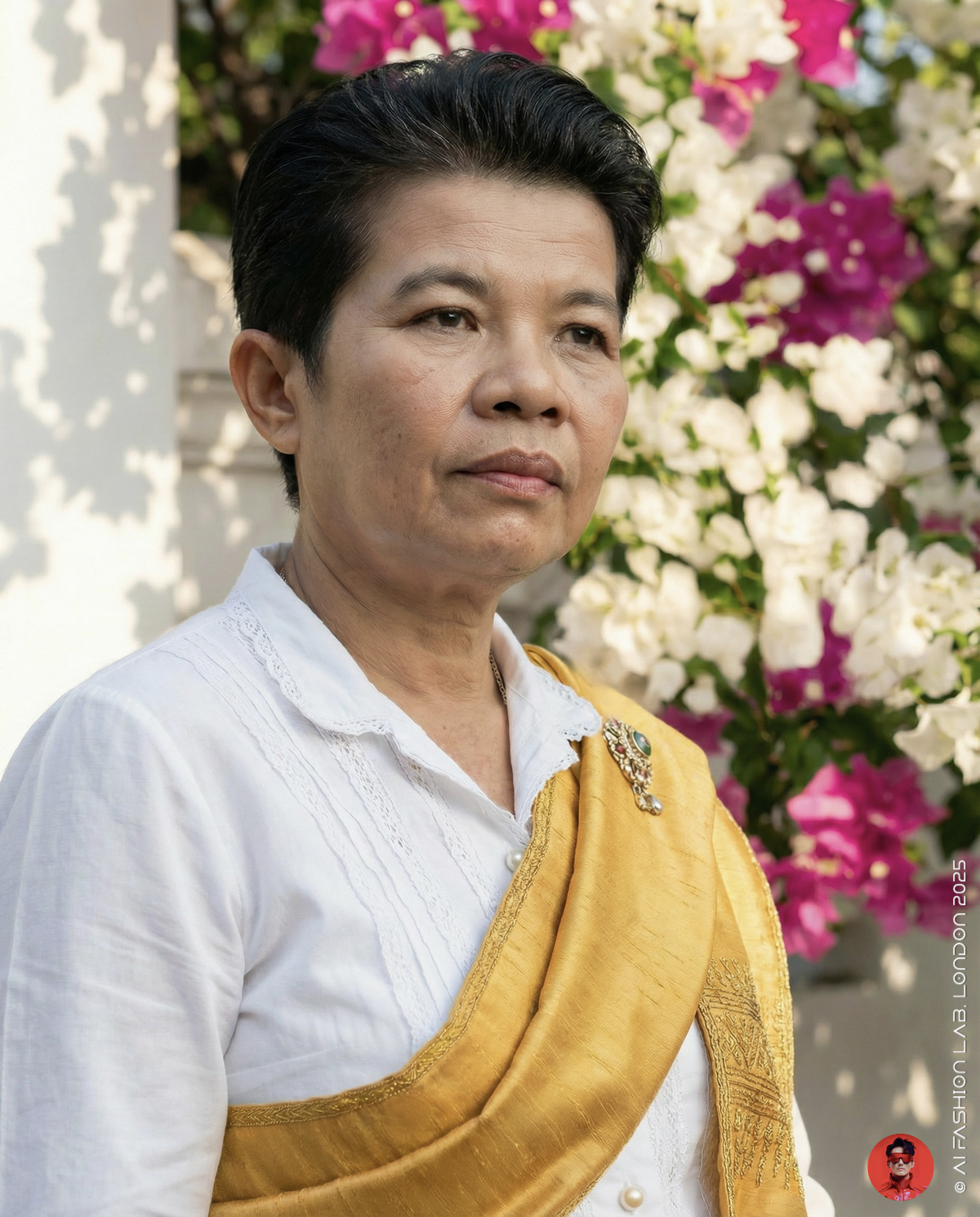
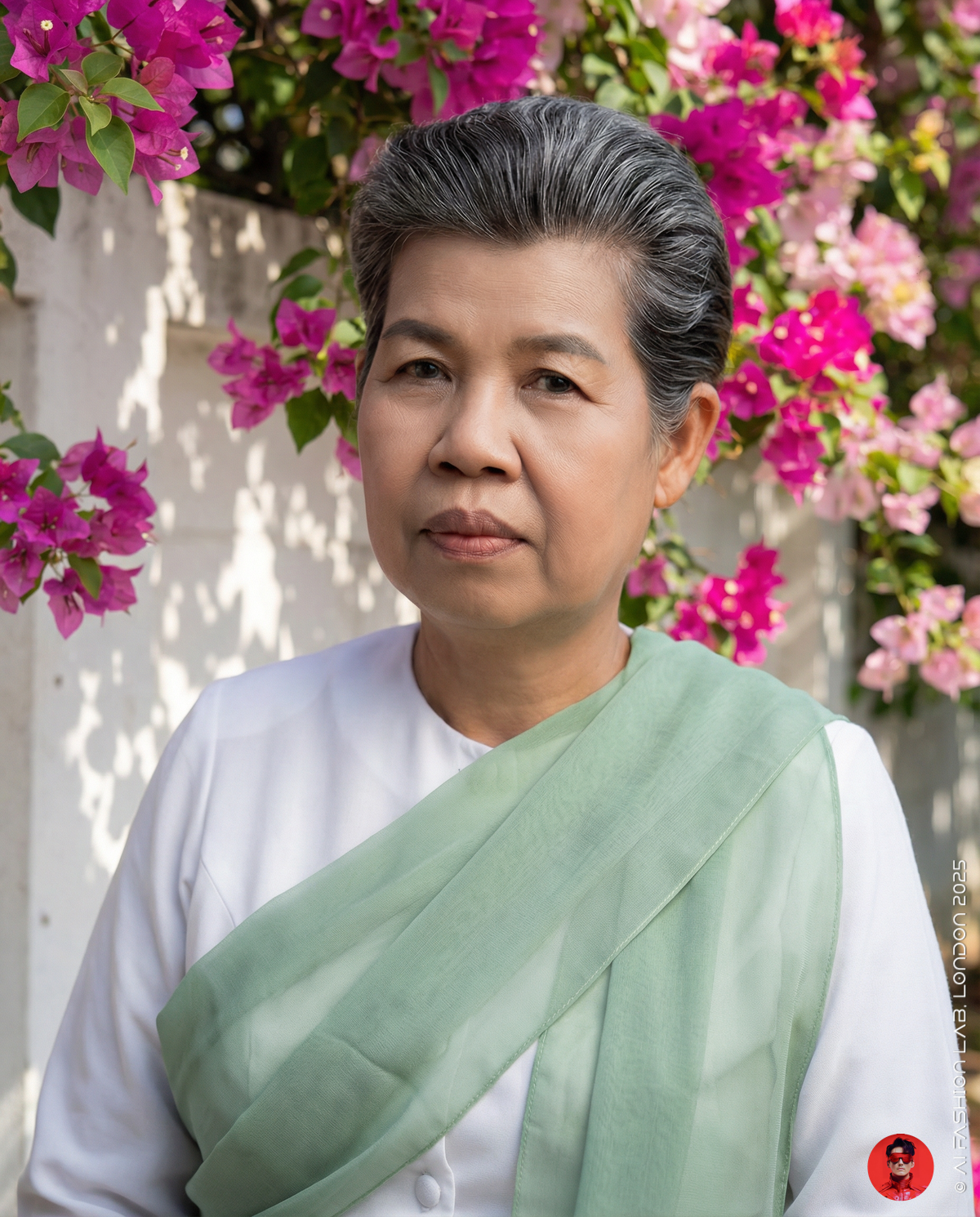
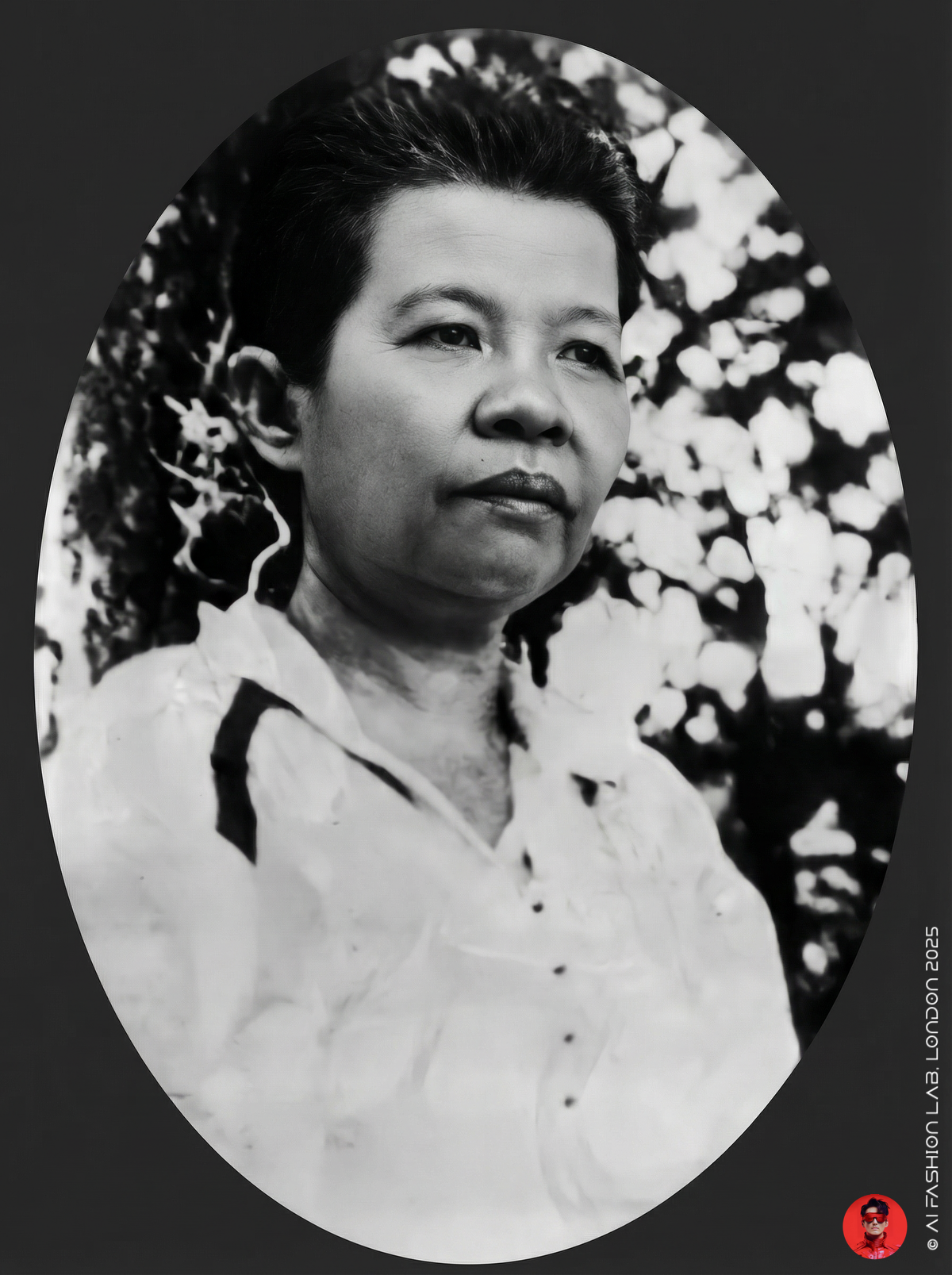
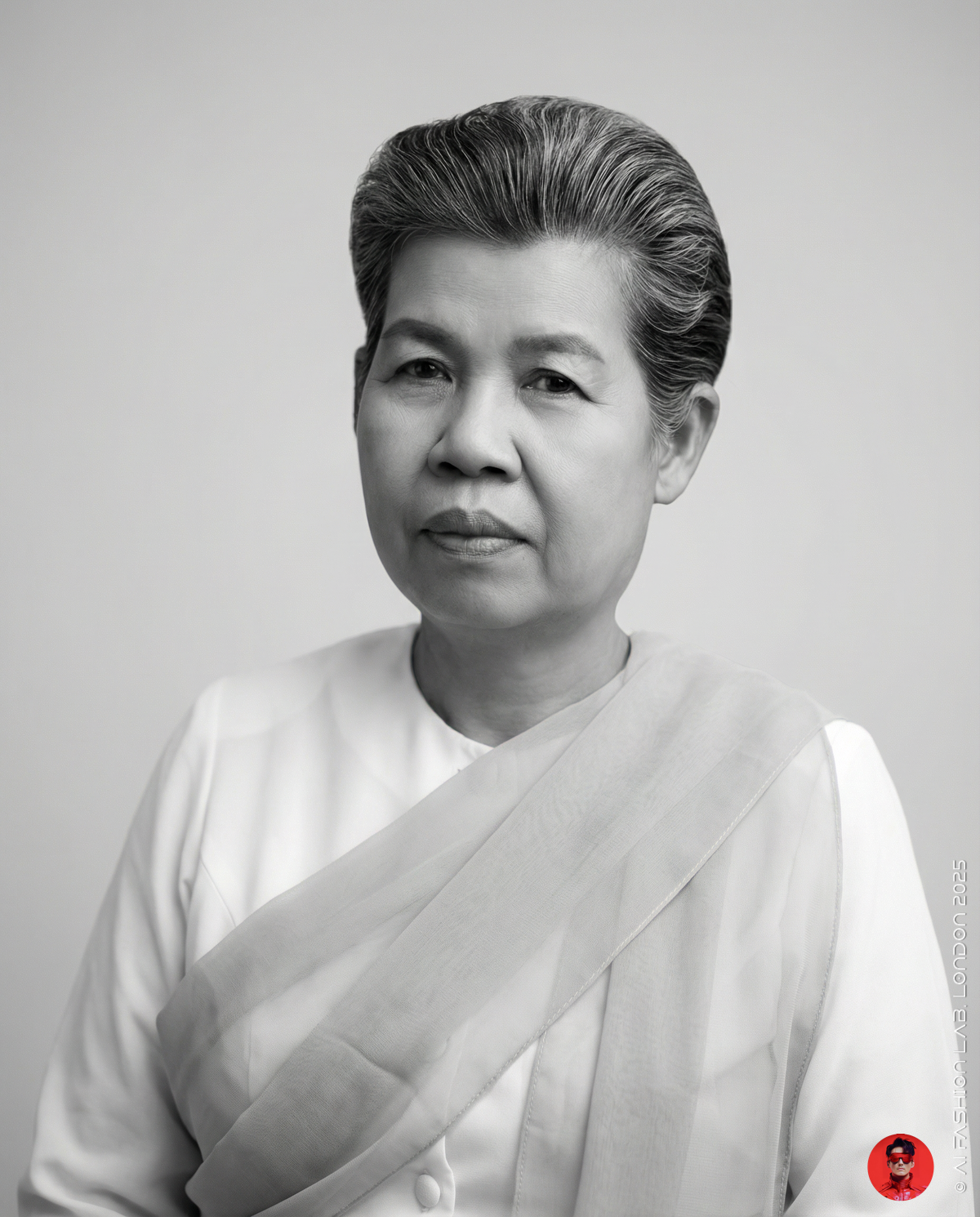
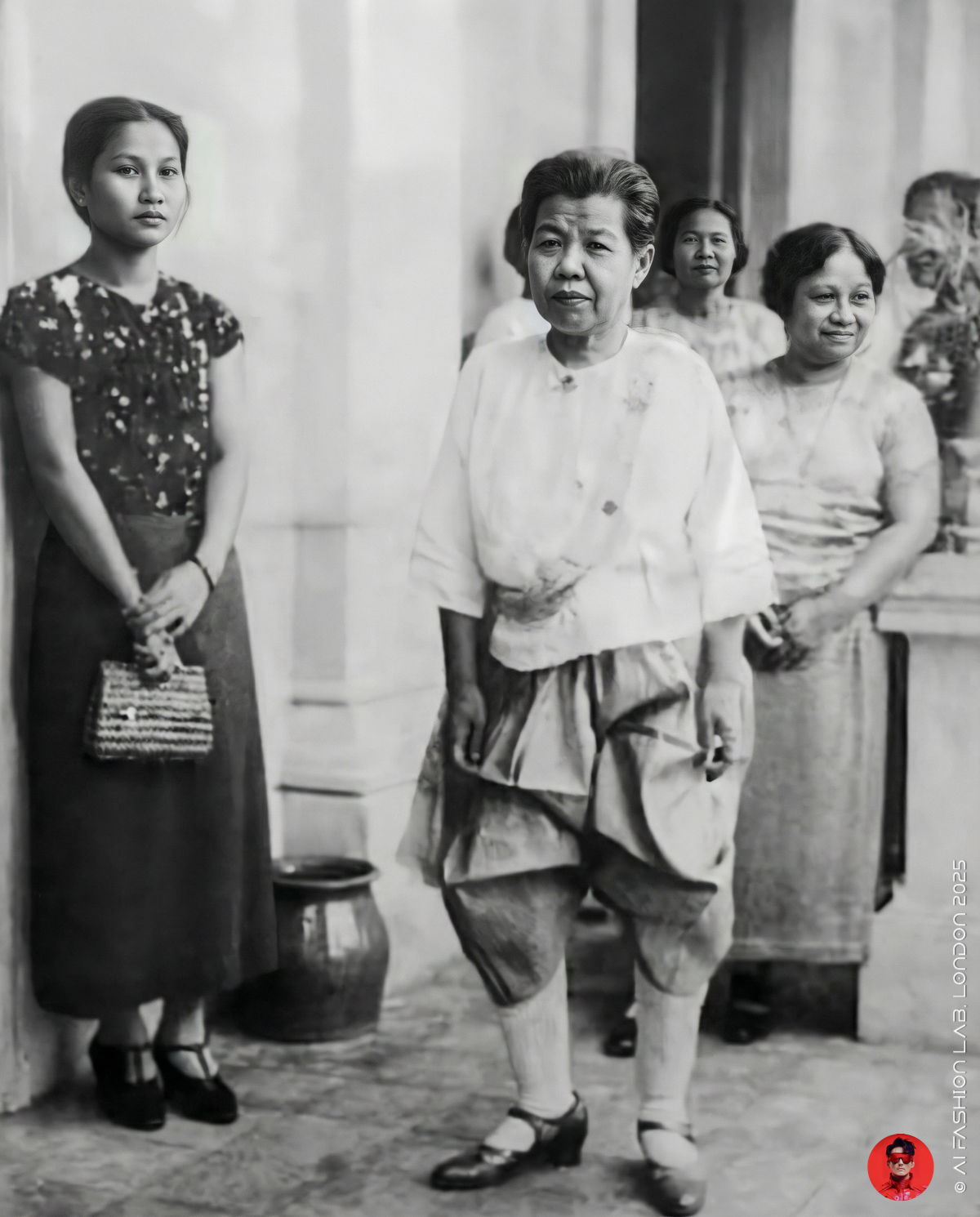
พระเจ้าบรมวงศ์เธอ พระองค์เจ้าผ่องประไพ พระราชธิดาพระองค์แรกในพระบาทสมเด็จพระจุลจอมเกล้าเจ้าอยู่หัว ‘ที่ไม่ทรงโปรด’
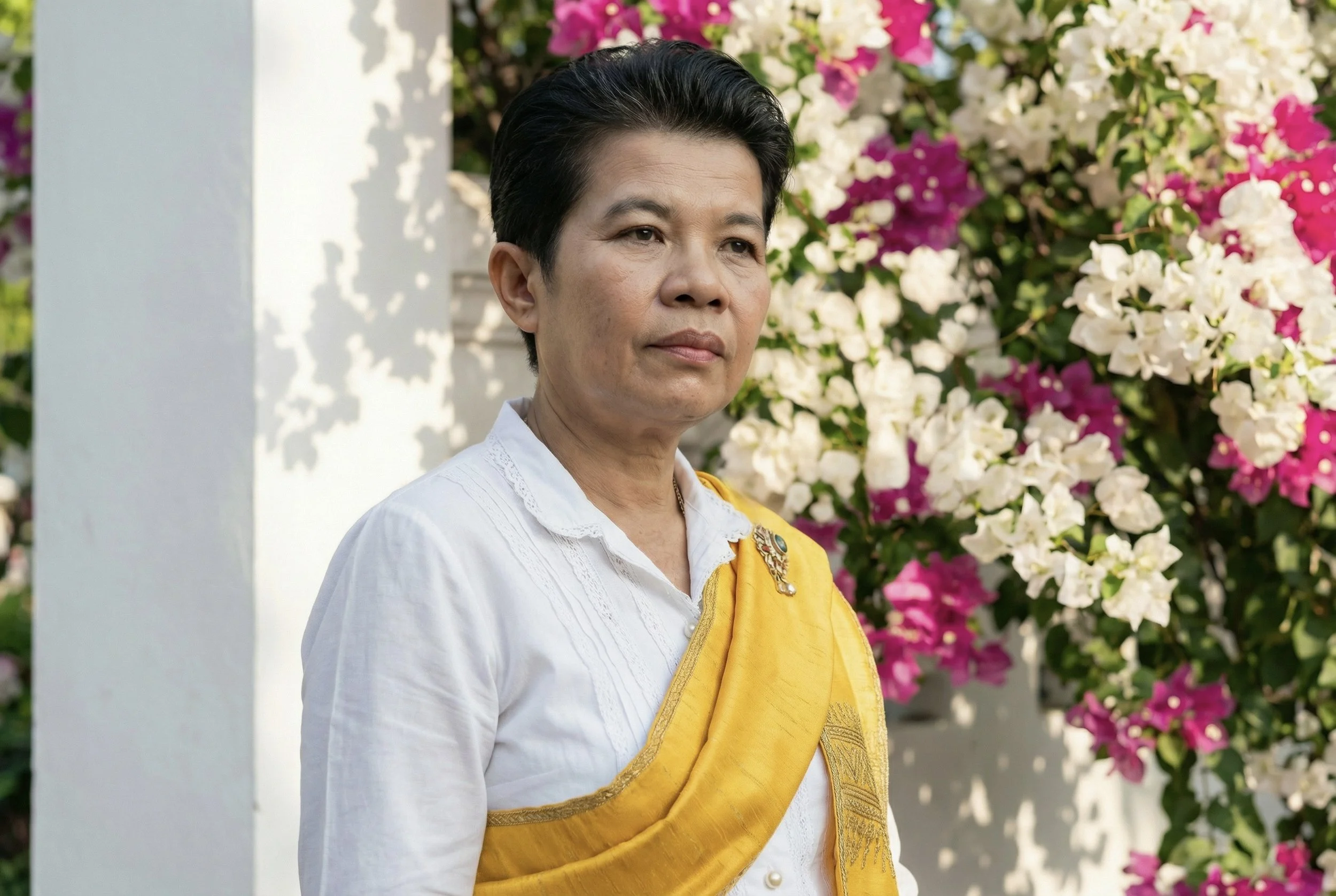
พระเจ้าบรมวงศ์เธอ พระองค์เจ้าผ่องประไพ พระราชธิดาพระองค์แรกในพระบาทสมเด็จพระจุลจอมเกล้าเจ้าอยู่หัว ‘ที่ไม่ทรงโปรด’
พระเจ้าบรมวงศ์เธอ พระองค์เจ้าผ่องประไพ เป็นพระเจ้าลูกเธอในพระบาทสมเด็จพระจุลจอมเกล้าเจ้าอยู่หัว ‘ที่ไม่ทรงโปรด’ หรือ ทรงโปรดน้อยกันบ้าง ซึ่งบันทึกเกี่ยวกับพระองค์มีน้อยมาก แม้จะเป็นพระราชธิดาพระองค์โต แต่ก็ไม่ได้รับการยกย่องอะไรนัก
พระเจ้าบรมวงศ์เธอ พระองค์เจ้าผ่องประไพ หรือ พระองค์เจ้าผ่อง เป็นพระราชธิดาพระองค์แรกในพระบาทสมเด็จพระจุลจอมเกล้าเจ้าอยู่หัว (ก่อนขึ้นครองราชย์) ประสูติแต่เจ้าจอมมารดาหม่อมราชวงศ์แข (มรว.แข พึ่งบุญ) เมื่อวันพฤหัสบดีที่ 19 ธันวาคม พ.ศ. 2410 ขณะนั้นพระบิดาดำรงพระอิสริยยศเป็นสมเด็จพระเจ้าลูกยาเธอ เจ้าฟ้าจุฬาลงกรณ์ กรมขุนพินิตประชานาถ ส่วนพระมารดาเป็นพระพี่เลี้ยงของพระบิดา ขณะพระบิดามีพระชนมายุเพียง 14-15 พรรษา ส่วนพระมารดามีอายุมากกว่าพระบิดาประมาณ 3 ปี
ซึ่งความสัมพันธ์ในครั้งนั้น พระจอมเกล้าเจ้าอยู่หัวไม่ทรงทราบ จนเมื่อประสูติเป็นพระธิดา เจ้าจอมมารดาเที่ยง ซึ่งเป็นเจ้าจอมที่ทรงโปรดปราน ได้อุ้มพระกุมารีขึ้นให้ทอดพระเนตรเป็นการกราบทูลให้ทรงทราบ เมื่อตรัสถามว่าพระกุมารีนี้เป็นธิดาของใคร เจ้าจอมมารดาเที่ยงมิได้ทูลตอบทันที กลับกราบทูลเลี่ยง ๆ ให้ทอดพระเนตรเองว่า พระกุมารีนั้นพระพักตร์เหมือนผู้ใด จึงตรัสว่า “เหมือนแม่เพย” คือสมเด็จพระเทพศิรินทรามาตย์ พระอัครมเหสี พระบรมราชชนนีในพระบาทสมเด็จพระจุลจอมเกล้าเจ้าอยู่หัวนั่นเอง
'พระองค์เจ้าผ่องประไพ' ตลอดพระชนม์ชีพของพระองค์ทรงอาภัพมาก ๆ เพราะพระองค์อาศัยอยู่ในตำหนักเก่า ๆ ต่างจากตำหนักของเจ้าน้อง ๆ ที่มีขนาดใหญ่โตหรูหรา เล่ากันว่าพระองค์เป็นพระบรมวงศ์ศานุวงศ์เพียงพระองค์เดียวที่เก็บตัวอยู่แต่ในพระตำหนัก แทบจะไม่ได้ย่างก้าวออกจากประตูพระบรมมหาราชวังตั้งแต่วันประสูติจนถึงวันสิ้นพระชนม์เลย อย่าเพิ่งดราม่านะ!!! มาลองมาดูปัจจัยที่น่าจะทำให้ไม่ทรงโปรดกันก่อน
เริ่มจากการที่พระมารดาเจ้าจอมมารดาหม่อมราชวงศ์แข มีปัญหากับพระบิดาโดยสาเหตุมาจากเมื่อ พระองค์เจ้าผ่องฯ ขณะทรงพระเยาว์ประชวรหวัด พระพุทธเจ้าหลวงเสด็จ ฯ เยี่ยมพระธิดา ตรัสถามเจ้าจอมมารดาแข ถึงพระอาการประชวรของพระธิดาถึง 3 ครั้ง เจ้าจอมมารดาแขก็มิได้ทูลตอบ จึงทรงพิโรธมิได้ตรัสด้วยอีกต่อไป และโปรดมอบพระองค์เจ้าผ่อง ฯให้ “สมเด็จพระเจ้าบรมวงศ์เธอ กรมพระยาสุดารัตนราชประยูร” หรือ “ทูลกระหม่อมแก้ว” เป็นผู้ทรงอภิบาลพระราชธิดาแทน เมื่อไม่ทรงโปรดเจ้าจอมมารดาหม่อมราชวงศ์แข จึงน่าจะทำให้ไม่ได้ทรงมีความใกล้ชิดกับพระราชธิดาพระองค์นี้
เหตุต่อมาเมื่อพระองค์เจ้าผ่องฯ มีพระชนมายุ 6 พรรษา รัชกาลที่ 5 ทรงลาผนวช ในวันที่เสด็จออกผนวชนั้นพระราชวงศ์ ขุนนาง ข้าราชการก็ต่างพากันมาหมอบเข้าเฝ้าตามธรรมเนียมชาววัง แต่รัชกาลที่5 ทรงรับสั่งให้ทุกคนยืนเข้าเฝ้าได้ตามธรรมเนียมฝรั่ง ดังนั้นบรรดาพระราชวงศ์ ขุนนาง และข้าราชการจึงพากันยืนเข้าเฝ้า แต่ทว่า พระองค์เจ้าผ่องฯ ผู้เป็นเด็กที่ยึดมั่นตามโบราณประเพณีจึงไม่ยอมยืนขึ้น ยังคงหมอบกราบอยู่ รัชกาลที่ 5 เห็นดังนั้นก็ทรงกริ้ว ถึงกับเสด็จฯ ไปดึงพระเมาลี (จุกผม) ให้ยืน แต่พระองค์เจ้าผ่องฯ ก็มิทรงยืน เหตุนี้พระพุทธเจ้าหลวงจึงน่าจะไม่โปรดพระเจ้าลูกเธอพระองค์นี้มากนัก ถึงแม้จะเป็นพระราชธิดาพระองค์แรกก็ตาม อันนี้ว่ากันว่าคือการยึดมั่นของพระองค์ที่ทรงมีอยู่ตลอดพระชนม์ชีพ
นอกจากนี้ด้วยพระอัธยาศัยเงียบขรึมเก็บพระองค์ ไม่โปรดปรานการสังสรรค์กับผู้ใด เล่าลือกันว่าทรง “ดื้อเงียบ” หากทรงไม่พอพระทัยสิ่งใดแล้วจะไม่ทรงปฏิบัติเด็ดขาด แม้จะทรงถูกกริ้วหรือถูกลงโทษก็ทรงเงียบเฉย จึงทำให้ไม่ทรงสนิทชิดเชื้อกับผู้ใดรวมทั้งพระบรมราชชนก นอกจากพระอุปนิสัย ก็ว่ากันว่าพระองค์ไม่ได้ทรงฉลาดนัก อีกทั้งพระโฉมไม่ค่อยงาม
ในบันทึกจดหมายเหตุรายวันของสมเด็จพระบรมราชปิตุลาธิบดี เจ้าฟ้ามหาวชิรุณหิศ สยามมกุฎราชกุมาร ได้บันทึกเหตุการที่พระองค์เจ้าหญิงผ่อง เสด็จร่วมงานเลี้ยงแฟนซี อันแสดงให้เห็นถึงความอนุรักษ์นิยมของพระองค์เจ้าหญิงผ่อง ดังนี้ว่า
วันอาทิตย์ วันที่ 23 กันยายน พ.ศ. 2426
"สี่โมงเช้าเราแต่งตัวไปบน เลี้ยงพระที่พระที่นั่งจักรีสามสิบรูป เราขึ้นไปถึงยังไม่เสด็จออก ห้าโมงนานเสด็จออกเลี้ยงพระ พระฉันแล้วพระศรีสุนทรมายืนอ่านประกาศหน้าเครื่องสังเวย แล้วเสด็จขึ้น เกือบบ่ายโมงเรากลับตำหนัก กินข้าวกลางวัน บ่ายสี่โมงนานเราไปบน เห็นคนนั่งเวียนเทียนรอบพระที่นั่งข้างล่าง เราขอหลีกไป ทูลหม่อมบนกำลังเสวยอยู่ในห้องเขียว ห้าโมงเจ้านายพี่น้องแต่งตัวแฟนซีไปตามก๊าดเราเชิญ เราแต่งทหารบก น้องชายโตแต่งทหารเรือ แต่งไทยแต่พี่ผ่ององค์เดียว ย่ำค่ำแล้วทูลหม่อมบนทรงพาไปนั่งโต๊ะพร้อมกันที่พระที่นั่งมูลสถานบรมอาศน์ เรานั่งตรงกับน้องชายโต รวมพี่น้องซึ่งนั่งโต๊ะทั้งตัวเราด้วยยี่สิบคน ที่นั่งโต๊ะไม่ได้ก็ไปพร้อมกัน เลี้ยงเสร็จแล้วหมายจะมีเซอคัสเหมือนคราวก่อน ไม่มี เพราะทูลหม่อมบนท่านไม่ได้รับสั่งไว้ เรากลับตำหนัก ถอดเสื้อแล้วไปเที่ยวดูซุ้ม"
ในเวลาที่ ในหลวง ร. 5 เสด็จฯ ไปที่ใด พระราชโอรสและพระราชธิดาต่างๆ ก็จะได้รับพระบรมราชานุญาตให้ตามเสด็จอยู่เสมอๆ แต่มีเพียงพระองค์เจ้าผ่องฯ ที่ไม่เคยได้ตามเสด็จพระราชบิดาไปไหนเลย อย่างคราวสร้างพระราชวังดุสิต บรรดาพระราชโอรสและพระราชธิดาก็ได้รับพระราชทานตำหนักใหญ่น้อยอยู่ในพระราชวังดุสิต แต่พระองค์เจ้าผ่องฯ ก็ไม่เคยได้รับพระราชทานตำหนักในพระราชวังดุสิต และพระองค์ก็พอพระทัยที่จะประทับอยู่แต่ในเขตพระราชฐานชั้นใน พระบรมมหาราชวังนั่นเอง ทำให้ห่างเหินกับพระราชบิดาจนกระทั่งสวรรคต
อีกเรื่องที่น่าสนใจคือการ ‘ตรัสอย่างตรงไปตรงมา’ อย่างที่เรียกกันว่า ‘ขวานผ่าซาก’ จนเป็นที่กล่าวขวัญร่ำลือกันถึงพระอัธยาศัยนี้ ตัวอย่างเช่น เมื่อครั้งการไป ‘ตากอากาศ’ กำลังเป็นที่นิยมของสังคมชั้นสูงในสมัยนั้น พระองค์เจ้าผ่องก็มิเคยเสด็จฯ ด้วย เมื่อมีพระญาติตรัสถามว่า ไม่เสด็จไปทรงตากอากาศบ้างหรือ ? ก็จะทรงตอบว่า “ไปตากอากาศ ฉันก็เห็นพวกเธอตายกันโครมๆ” ซึ่งก็เป็นการตรัสที่มีส่วนของความจริง เพราะทรงเป็นพระราชนารีที่มีพระชนมายุยืนยาวมาถึงรัชสมัยพระบาทสมเด็จพระเจ้าอยู่หัวอานันทมหิดล
ส่วนการยึดมั่นในขนบดั้งเดิมก็มีตัวอย่างที่ฟังแล้วก็อึ้งๆ เรื่องมีอยู่ว่า ในรัชสมัยพระบาทสมเด็จพระมงกุฏเกล้าเจ้าอยู่หัว รัชกาลที่ 6 เป็นเวลาที่เจ้าพระยารามราฆพ (เฟื้อ พึ่งบุญ ณ อยุธยา) ราชสกุล พึ่งบุญ ณ อยุธยา (ซึ่งเป็นสกุลของเจ้าจอมมารดาแข พระมารดา) ซึ่งเป็นที่โปรดปรานและมีอำนาจสูงในแผ่นดิน พระองค์เจ้าผ่องก็ไม่ทรงสนิทสนมด้วย แม้เจ้าพระยารามราฆพ จะทูลเชิญให้เสด็จเป็นเกียรติยศ ณ บ้านของท่าน ก็ทรงปฏิเสธ เพราะทรงยึดถือขนบประเพณีเก่าที่ว่าขุนนางจะต้องเป็นฝ่ายมาเฝ้าเจ้านาย การที่เจ้านายจะเสด็จไปบ้านขุนนางนั้นเป็นการไม่ควร เสื่อมเสียพระเกียรติยศ แม้ลงเอยจะยอมเสด็จ ฯ แต่นั่นก็คือเพียงครั้งเดียว จากนั้นก็ไม่ยอมเสด็จฯ ไปอีก หรืออย่างพิธีถวายน้ำสงกรานต์พระบรมวงศานุวงศ์ชั้นผู้ใหญ่ประจำปี ก็จะเสด็จฯ ไปถวายตามพระอิสริยยศ อิสริยศักดิ์ ตามลำดับอย่างเคร่งครัด โดยไม่ทรงคำนึงถึงความสะดวกหรือระยะทางใกล้ไกล
แต่กระนั้นแม้ว่า ร.5 จะทรงโปรดน้อย แต่เหตุการณ์ประทับใจของความเป็น พ่อ-ลูก ก็มีอยู่เล็กๆ เล่ากันว่าครั้งที่โปรดฯ พระราชทานที่ดินสวนนอกให้เจ้าจอมมารดาและพระราชธิดาบางพระองค์ไป แต่สำหรับพระองค์เจ้าผ่องฯ นั้นโปรดฯ พระราชทานพระราชทรัพย์ 100 ชั่งสำหรับเป็นทุนเลี้ยงพระชนมชีพ ด้วยทรงตระหนักพระราชหฤทัยถึงพระอัธยาศัยของพระราชธิดา ประกอบกับที่ทรงมีพระราชดำริว่าพระราชธิดาไม่ทรงคุ้นเคยกับชีวิตนอกพระบรมมหาราชวังและไม่มีมารดาคอยดูแล เกรงจะทรงได้รับอันตราย (ก็คือทรงตระหนักแล้วว่าพระธิดาพระองค์นี้ไม่ออกจากพระบรมมหาราชวังแน่ๆ)
เรื่องต่อมามีอยู่ว่าคราวนี้พระองค์หญิงมีพระชนมายุราวๆ 40 พรรษาแล้ว พระพุทธเจ้าหลวงมีหมายกำหนดการจะเสด็จฯ จากพระราชวังดุสิตมาวังหลวง ชาววังต่างก็เตรียมการรับเสด็จฯ กันอย่างแช่มชื่น พระองค์เจ้าผ่องฯ ก็เช่นกันพระองค์ทรงทำพัดจากขนนกขนาดใหญ่ เพื่อที่จะทูลเกล้าฯ ถวาย เมื่อถึงวันเสด็จฯ ในหลวง ร.5 ก็ได้เสด็จฯ ไปตามลาดพระบาทพร้อม ทักทายเจ้านายที่ยืนต้อนรับโดยทั่วกัน และทรงทอดพระเนตรเห็นพระองค์เจ้าผ่องฯ ยังคงหมอบรอเฝ้าอยู่เช่นเดิม
ร.5 ไม่ได้ทรงตรัสว่าอะไร แต่หยุดแล้วรับเอาพัดขนนกไว้ พระองค์เจ้าผ่องฯ จึงรีบกราบไปแทบพระบาท พระพุทธเจ้าหลวงทรงรับสั่งถามว่า “ลูกหญิงอยากได้อะไร?” พระองค์เจ้าผ่องฯ จึงกราบทูลว่า "อยากได้ธำมรงค์ (แหวน) เพคะ” ร.5 ทรงตอบว่า “ได้แล้วพ่อจะให้" ซึ่งพระองค์พระราชทานพระธำมรงค์ฝังเพชรเม็ดงามมากๆ แก่พระราชธิดาตามพระประสงค์ พระองค์เจ้าผ่องฯ ทรงกราบอีกครั้งด้วยน้ำพระเนตรไหลคลอ เพราะในชีวิตของพระองค์ไม่มีโอกาสได้รับใช้ใกล้ชิดเบื้องพระยุคบาทเหมือนน้องๆ พระองค์อื่นเลย เจ้านายบางพระองค์ที่อยู่ในเหตุการณ์วันนั้นถึงกับพากันกลั้นน้ำพระเนตรไม่อยู่เลยทีเดียว
เมื่อครั้งที่พระเจ้าพี่นางเธอ พระองค์เจ้าหญิงผ่อง จะทรงบำเพ็ญพระกุศลฉลองพระชันษาครบ 60 ปีบริบูรณ์ในเดือนธันวาคม พ.ศ. 2470 สมเด็จพระศรีสวรินทิราบรมราชเทวี พระพันวัสสามาตุจฉาเจ้า มีพระประสงค์จะพิมพ์หนังสือพระราชทานช่วยสำหรับจะได้ถวายและจ่ายแจกเปนมิตรพลี จึงได้มีรับสั่งมายังราชบัณฑิตยาสภาให้เลือกเรื่องหนังสือและจัดการพิมพ์ถวาย โดยราชบัณฑิตยสภาได้เลือกหนังสือพระราชนิพนธ์พระบาทสมเด็จพระจุลจอมเกล้าเจ้าอยู่หัว พระราชนิพนธ์กลอนเรื่องไดเอรีซึมทราบกับตามเสด็จไทรโยค เพื่อจัดพิมพ์ถวายเป็นพระกุศล
พระองค์เป็นพระเจ้าลูกเธอที่มีพระชนมายุยืน ทรงผ่านการเปลี่ยนแปลงของประเทศมาหลายต่อหลายครั้ง ครั้งสำคัญที่สุดคงไม่พ้นการเปลี่ยนแปลงการปกครอง พ.ศ. 2475 เพราะส่งผลถึงสถาบันพระมหากษัตริย์โดยตรง ว่ากันว่า ครั้งนั้นพระบรมวงศานุวงศ์ทั้งผู้ใหญ่ผู้น้อยล้วนหวั่นหวาดกับเหตุการณ์นี้ โดยมากจะไปทรงหลบภัยอยู่ ณ ที่ซึ่งคิดว่าปลอดภัย จนในพระบรมมหาราชวัง โดยเฉพาะในพระราชสำนักฝ่ายในแทบไม่มีเจ้านายประทับอยู่ แน่นอนว่า พระองค์เจ้าผ่องฯ ไม่ทรงคิดที่จะอพยพไปอยู่ ณ ที่ใด ยังคงทรงประทับอยู่ ณ พระตำหนักเดิม แม้พระญาติวงศ์จะทรงชักชวนให้อพยพหลบภัยก็ตรัสเพียงว่า “อยู่ที่ไหนก็ตายเหมือนกัน” ซึ่งในครั้งนั้นมี พระบรมวงศ์เธอพระองค์เจ้าวาณีรัตนกัญญา พระราชธิดาในพระบาทสมเด็จพระจอมเกล้าเจ้าอยู่หัว ซึ่งทรงพระชันษาสูงและทรงอ้วน เสด็จพระดำเนินไม่สะดวก ประทับอยู่ด้วยกันในพระราชสำนักฝ่ายใน
ในพระตำหนักของพระองค์ ทรงมีข้าหลวงอยู่ด้วยน้อยคน แต่ทรงเอาพระทัยใส่ในชีวิตความเป็นอยู่ โดยเฉพาะเรื่องวิชาความรู้ ที่พระองค์ทรงสอนหนังสือข้าหลวงด้วยพระองค์เอง ในส่วนการทรงพระอักษรโดยมากจะเป็นหนังสือเกี่ยวกับพระพุทธศาสนา งานประดิษฐ์ที่ทรงโปรดมากคือ การประดิษฐ์ลูกปัดเป็นรูปร่างต่างๆ เพื่อทรงนำไปถวายสักการะพระบรมอัฐิ หรือพระบรมรูปของสมเด็จพระอัยกาและพระบรมราชชนก เรื่องการจับจ่ายใช้สอยทรัพย์ส่วนพระองค์ นอกจากเงินปี ก็ยังได้รับพระราชทานพระราชทรัพย์จากพระราชบิดา ทรงใช้ทรัพย์อย่างระมัดระวัง โดยมากจะทรงใช้เนื่องในการกุศล บั้นปลายพระชนมชีพยังทรงมีทรัพย์เหลืออยู่จำนวนหนึ่ง ทรงมีลายพระหัตถ์จดสั่งไว้อย่างละเอียดว่าส่วนใดทรงมีพระประสงค์ประทานแก่ผู้ใด แต่ด้วยการเปลี่ยนแปลงการปกครองทำให้ต้องขึ้นโรงขึ้นศาลพิพากษาการแบ่งมรดก ก็นับว่า “เป็นคดีมรดกคดีแรกของพระบรมวงศานุวงศ์”
แม้พระองค์เจ้าผ่อง ฯ จะทรงเป็นพระราชนารีที่มีพระราชจริยาวัตรผิดแผกจากพระราชนารีในสมัยเดียวกัน พระราชบิดาอาจจะทรงโปรดน้อยจากหลายเหตุปัจจัย แต่สิ่งหนึ่งที่ทรงประพฤติและปฏิบัติอย่างเคร่งครัดตลอดพระชนมชีพ ก็คือการรักษาขนบประเพณีโบราณและพระเกียรติยศของความเป็นพระราชนารี อย่างที่ไม่มีผู้ใดเปรียบเหมือน
พระเจ้าบรมวงศ์เธอ พระองค์เจ้าผ่องประไพ ทรงมีพระชันษายืนยาวถึง 75 ปี ทรงสิ้นพระชนม์ด้วยโรคชรา เมื่อวันที่ 1 มีนาคม พ.ศ. 2485 v
เรื่อง: สถาพร บุญนาจเสวี Content Manager
บทความมาจาก https://thestatestimes.com/post/2022113015 และ https://th.wikipedia.org/wiki/พระเจ้าบรมวงศ์เธอ_พระองค์เจ้าผ่องประไพ
___________________________________________
Princess Phongpraphai: The First Daughter of King Chulalongkorn
(Phra Chao Borom Wong Ther Phra Ong Chao Phongpraphai — พระเจ้าบรมวงศ์เธอ พระองค์เจ้าผ่องประไพ)
Phra Chao Borom Wong Ther Phra Ong Chao Phongpraphai was a royal daughter of King Chulalongkorn [พระบาทสมเด็จพระจุลจอมเกล้าเจ้าอยู่หัว] who was considered “not particularly favoured” or favoured only a little. Records about her are very few, and although she was the eldest royal daughter, she was not given much distinction.
Phra Chao Borom Wong Ther Phra Ong Chao Phongpraphai, or Princess Phong, was the first daughter of King Chulalongkorn (before his accession). She was born to Chao Chom Manda M.R. Kae [เจ้าจอมมารดาหม่อมราชวงศ์แข (ม.ร.ว. แข พึ่งบุญ)] on Thursday, 19 December 1867. At that time, her father held the title Somdet Phra Chao Lukya Ther Chao Fa Chulalongkorn, Krom Khun Phinit Prachanat. Her mother was a royal nurse to her father, who was only 14–15 years old, while her mother was about three years older.
This relationship was unknown to King Mongkut [พระจอมเกล้าเจ้าอยู่หัว] until the child was born. When Chao Chom Manda Thieng [เจ้าจอมมารดาเที่ยง], a favoured consort, carried the baby princess to be shown to the King to inform him, the King asked who the child belonged to. Chao Chom Manda Thieng did not answer immediately but instead asked the King to look and see whom the baby’s face resembled. He then said, “She looks like Mae Poei,” meaning Queen Debsirindra [สมเด็จพระเทพศิรินทรามาตย์], the principal queen and the mother of King Chulalongkorn himself.
Throughout her life, Princess Phongpraphai suffered considerable misfortune, as she lived in an old residence, unlike the spacious and luxurious residences of her younger siblings. It was said that she was the only member of the royal family who secluded herself entirely within her residence, barely ever stepping outside the gates of the Grand Palace from the day she was born until the day she died.
But don’t be dramatic yet — let us look at the factors that may have caused her not to be favoured.
It began with the fact that her mother, Chao Chom Manda M.R. Kae, had a conflict with the King. When Princess Phong was young and suffering from a cold, King Chulalongkorn visited his daughter and asked three times about the child’s condition. Chao Chom Manda Kae did not answer, causing the King to grow angry and never speak to her again. He then entrusted the care of the princess to:
Somdet Phra Chao Borom Wong Ther Krom Phra Suddharatsaraborihan (“Tunkramom Kaew”) [สมเด็จพระเจ้าบรมวงศ์เธอ กรมพระยาสุดารัตนราชประยูร].
Because the King did not favour Chao Chom Manda Kae, it is likely that this affected his closeness with this daughter.
Another incident occurred when the Princess was six years old. King Chulalongkorn finished his novice ordination. On the day he came out of the monkhood, the royal family, officials, and courtiers all prostrated themselves according to palace custom. But King Chulalongkorn ordered everyone to stand, following Western custom. Therefore, the royal family and officials stood — except Princess Phong, who, being a child strongly attached to ancient custom, refused to stand and remained prostrating. The King saw this, grew angry, and even stepped forward to pull her topknot (juk) to make her stand — but she did not stand. This incident is said to have caused the King not to favour her much, even though she was his first daughter. It is said that this strong adherence to old customs remained with her throughout her life.
Furthermore, due to her quiet, withdrawn temperament, she did not enjoy socialising. It was rumoured that she was “silently stubborn”: if she disapproved of something, she would absolutely refuse to comply. Even if reprimanded or punished, she remained silent. This caused her not to be close to anyone, including her father. Apart from this, it was also said that she was not particularly intelligent, and her appearance not notably beautiful.
In the daily diary of Crown Prince Maha Vajirunhis [สมเด็จพระบรมราชปิตุลาธิบดี เจ้าฟ้ามหาวชิรุณหิศ], an incident is recorded showing Princess Phong’s conservatism during a fancy-dress party:
Sunday, 23 September 1883
(full diary entry translated literally)
“Four o’clock in the morning we dressed and went upstairs to offer food to monks at Chakri Throne Hall, thirty monks in total. We arrived before His Majesty came out. At five, His Majesty came out to offer food to the monks. After the monks had eaten, Phra Sri Sunthon came to stand and read the announcement before the sacrificial offerings, then His Majesty went back up. Almost one o’clock we returned to our residence and ate lunch.
At four we went upstairs again, saw people sitting in a candle-circling ceremony below the hall. We excused ourselves. Father was eating in the green room.
At five, the royal siblings dressed in fancy costumes according to the card we were invited with. We dressed as army officers, elder younger brother dressed as navy officer — only Sister Phong dressed Thai.
At dusk Father brought us to sit together at the table at the Moolsathan Boromasat Hall. I sat opposite Elder Younger Brother. Including myself there were twenty siblings at the table. Those who could not sit at the table also came along. After the meal, it was expected that there would be a circus like before, but there was none because Father did not give the order. We returned to the residence, took off our clothing, then went to see the decorative pavilions.”
Whenever King Rama V travelled, his sons and daughters were generally permitted to accompany him. But Princess Phong never once accompanied her father anywhere. When Dusit Palace was being built, the princes and princesses received residences of various kinds, but she was never granted one. She preferred to reside solely within the Inner Court of the Grand Palace, remaining distant from her father until his death.
Another striking example of her blunt and unvarnished speech is often retold:
When “taking the sea air” became fashionable among the aristocracy of that era, Princess Phong never joined. When relatives asked why she did not go, she answered:
“Go to take the sea air? I see all of you dying one after another.”
This was partly true, as she lived a long life and outlived many contemporaries, reaching into the reign of King Ananda Mahidol.
Her strict observance of old customs continued in later reigns. During the reign of King Vajiravudh (Rama VI), when Chao Phraya Ramrakhop (Fua Phuengbun) [เจ้าพระยารามราฆพ (เฟื้อ พึ่งบุญ ณ อยุธยา)], a relative of her mother, held great power, she still did not socialise with him. Even though he invited her to his home as an honour, she refused, because according to ancient custom, nobles must be the ones to come to attend upon royalty, not the other way round. She went only once, and never again.
During the annual Songkran ritual of pouring water for senior royals, she strictly followed the hierarchical order, without regard for convenience or distance.
Even though King Rama V favoured her little, there were small, touching moments of father–daughter affection. When land outside the palace was granted to some consorts and daughters, Princess Phong was instead granted 100 chang of royal funds for her upkeep, as the King understood her temperament and worried she might be unsafe outside the Grand Palace, especially as she had no mother to look after her.
Another story tells that when she was about forty, King Rama V planned to travel from Dusit Palace to the Grand Palace. The palace women joyfully prepared for his arrival. Princess Phong made a large feather fan to present to him. When the King arrived, meeting and greeting the royals, he saw Princess Phong still prostrating as always. He said nothing but stopped to accept the fan.
Princess Phong bowed deeply at his feet.
The King asked:
“What would my daughter like?”
She answered:
“I wish for a ring, Your Majesty.”
The King replied:
“Very well, Father shall give it.”
He later granted her a beautiful diamond ring. The Princess bowed again with tears in her eyes, for she never had the opportunity to serve her father closely like her younger siblings. Many present were moved to tears.
When Princess Phong turned 60 in December 1927, Queen Sri Savarindira (the Queen Grandmother) [สมเด็จพระศรีสวรินทิราบรมราชเทวี พระพันวัสสามาตุจฉาเจ้า] wished to publish a book to be distributed in honour of the occasion. She instructed the Royal Institute to select and print a work. The Institute chose King Chulalongkorn’s poetic diary, “Diary of the Journey to Sai Yok”, to be printed for merit-making.
Princess Phong lived through many major national changes, most notably the 1932 Revolution, which directly impacted the monarchy. The royal family, senior and junior, were frightened by the events and many fled to safer places. The Inner Court was almost empty — but Princess Phong never thought of leaving, and remained in her residence. When relatives urged her to evacuate, she simply said:
“Wherever one stays, one dies all the same.”
One senior princess, Princess Waneeratana Kanya [พระองค์เจ้าวาณีรัตนกัญญา], elderly and overweight, who had difficulty walking, also remained with her.
Her residence had only a few attendants, whom she cared for, particularly in their education, teaching them to read and write herself. She mainly read Buddhist texts. One craft she loved was making beadwork offerings to place before the relics or portraits of her grandfather and father.
She spent money carefully, and most of her funds (from annual allowance and royal grants from her father) were used for merit-making. By the end of her life, she still had savings and wrote detailed instructions on how her estate should be distributed.
Because of the political changes, her estate became the first inheritance case involving a member of the royal familyto be brought before the courts.
Even though Princess Phong had manners and behaviour very different from the royal women of her time and was perhaps little favoured by her father for many reasons, what she upheld steadfastly all her life was the strict preservation of ancient customs and the dignity of a royal lady, more so than anyone else.
Princess Phongpraphai (Phra Chao Borom Wong Ther Phra Ong Chao Phongpraphai — พระเจ้าบรมวงศ์เธอ พระองค์เจ้าผ่องประไพ) lived to the advanced age of seventy-five and passed away from old age on 1 March 1942 (1 March B.E. 2485).
เรียนเชิญกด Subscribe ได้ที่ลิงก์นี้ครับ เพื่อร่วมติดตามงานสร้างสรรค์ต้นฉบับ งานวิจัยประวัติศาสตร์แฟชั่น และผลงานอนุรักษ์มรดกวัฒนธรรมด้วยเทคโนโลยี AI ของ AI Fashion Lab, London ซึ่งมุ่งตีความอดีตผ่านมิติใหม่ของการบูรณะภาพ การสร้างสรรค์ภาพ และการเล่าเรื่องด้วยศิลปะเชิงดิจิทัล 🔗 https://www.facebook.com/aifashionlab/subscribe/
#aifashionlab #AI #aiartist #aiart #aifashion #aifashiondesign #aifashionstyling #aifashiondesigner #fashion #fashionhistory #historyoffashion #fashionstyling #fashionphotography #digitalfashion #digitalfashiondesign #digitalcostumedesign #digitaldesign #digitalaiart #ThaiFashionHistory #ThaiFashionAI #thailand #UNESCO