เจ้าหญิงแห่งตระกูล ณ ลำพูน และแฟชั่นสไตล์ Lanna Early Teens

เจ้าหญิงแห่งตระกูล ณ ลำพูน และแฟชั่นสไตล์ Lanna Early Teens
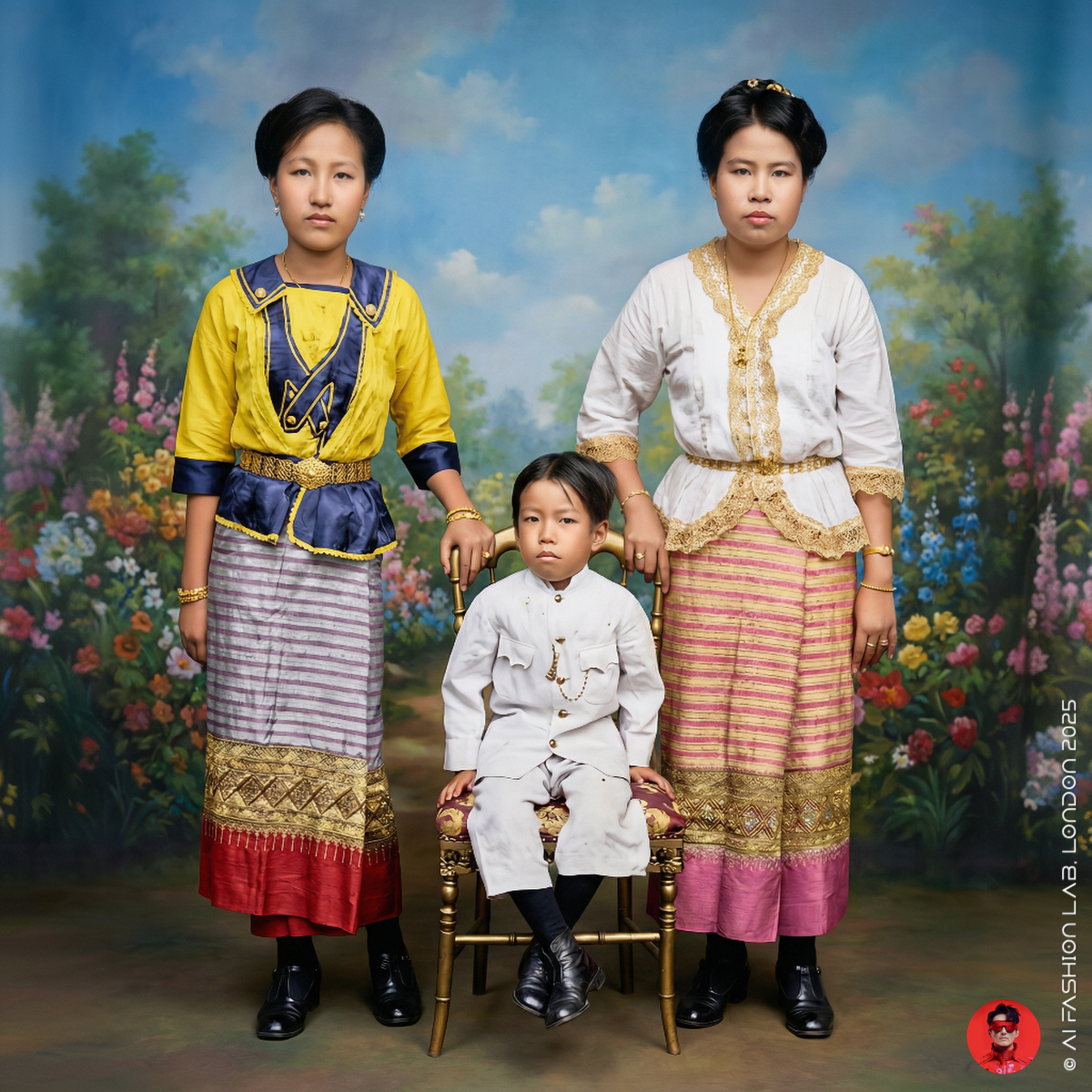
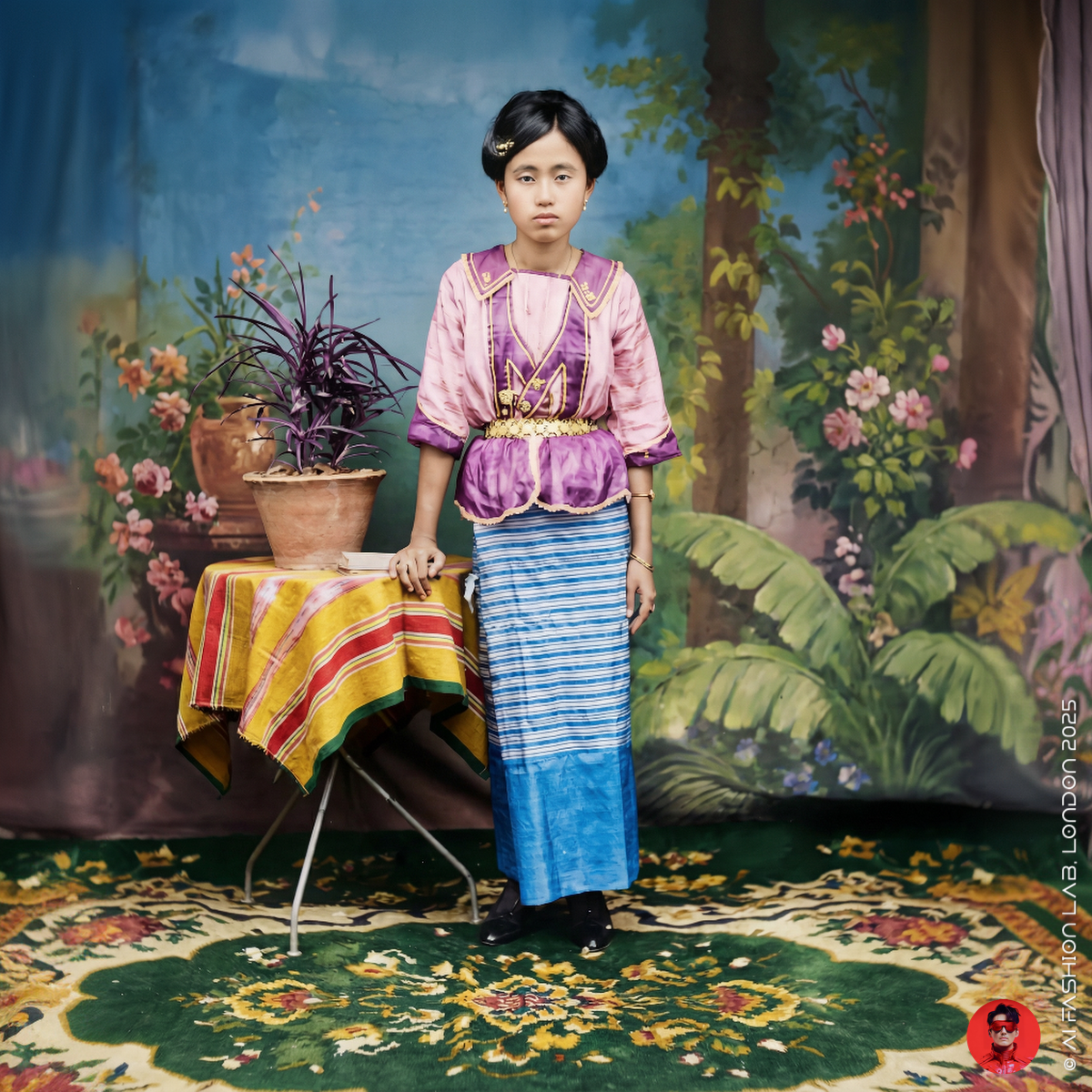
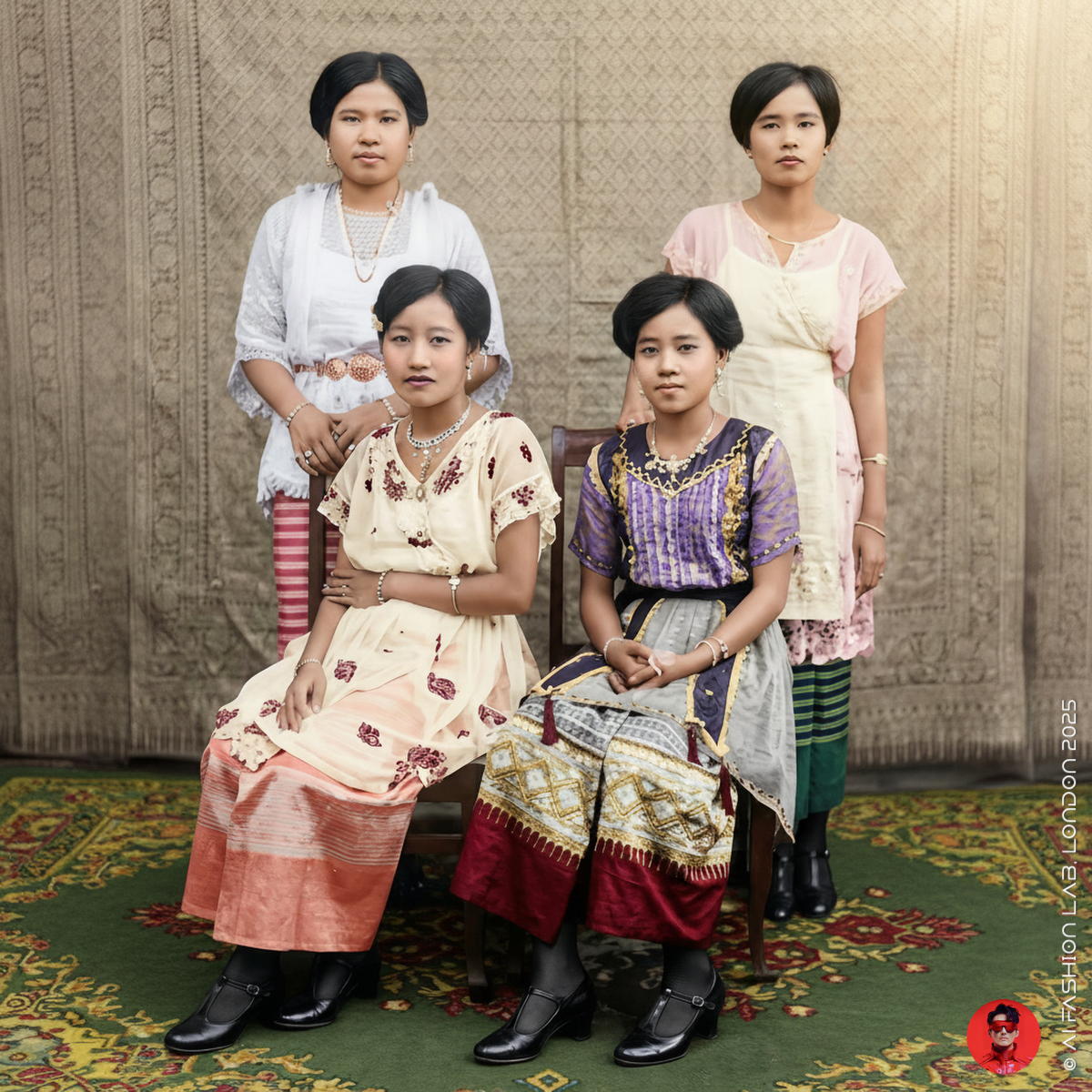
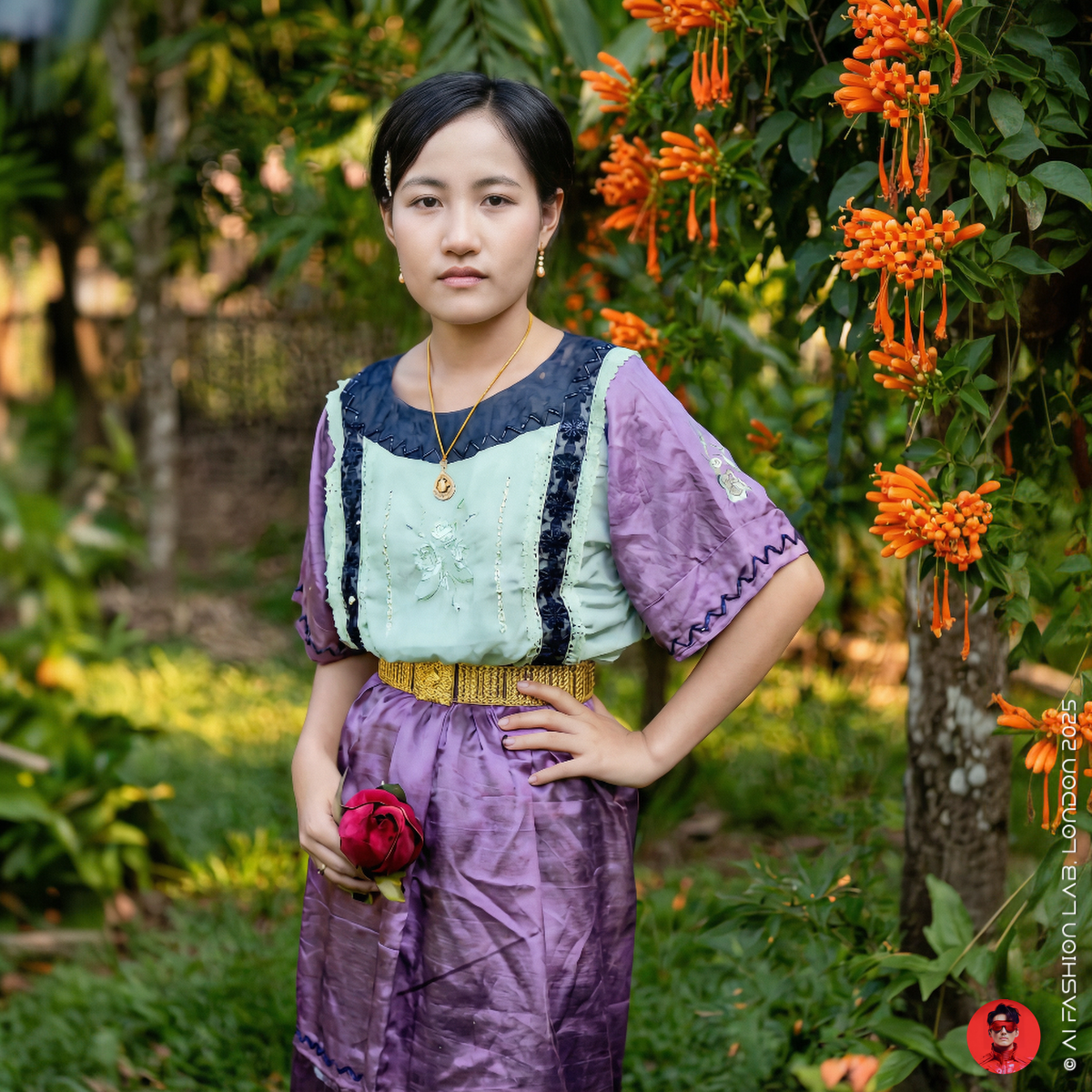
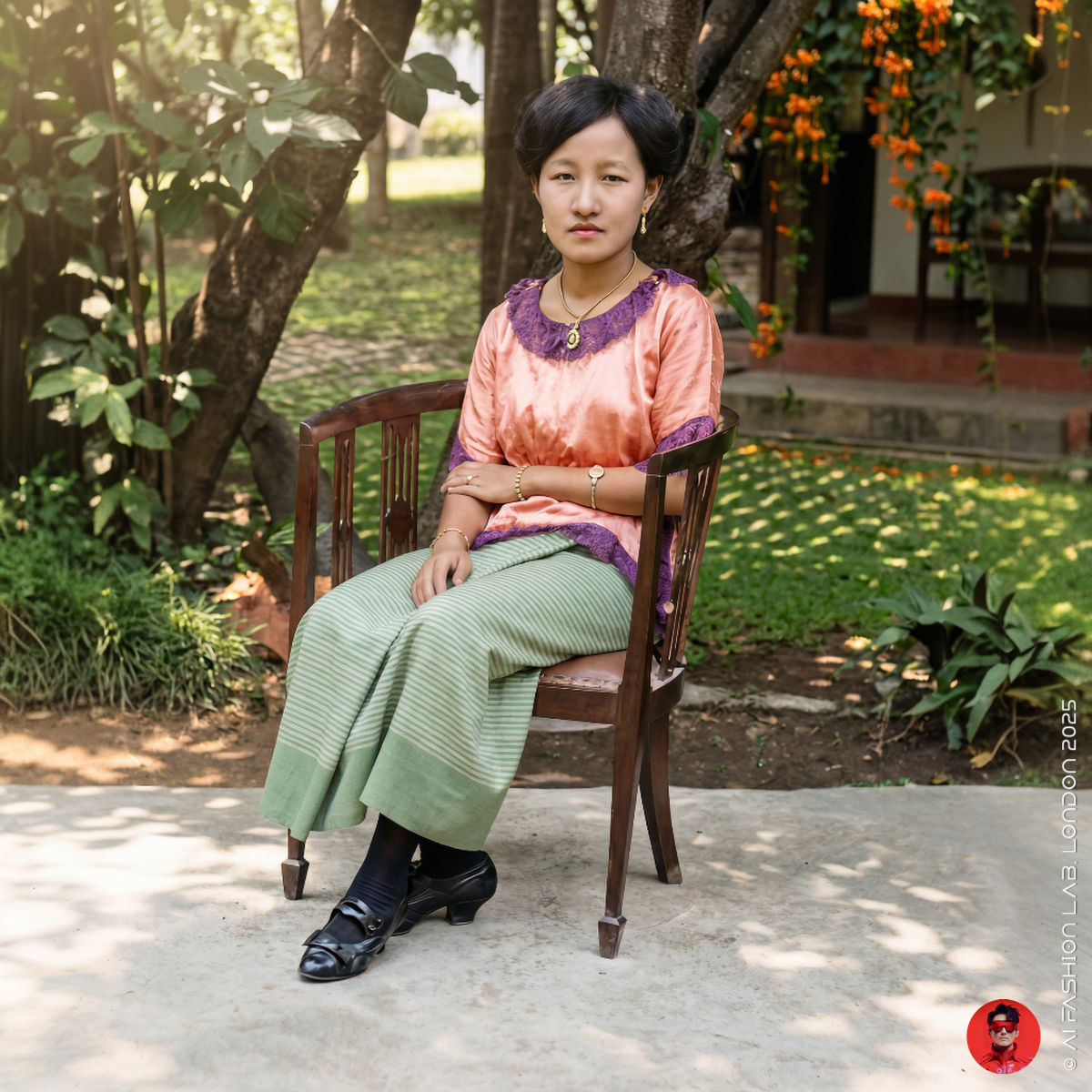
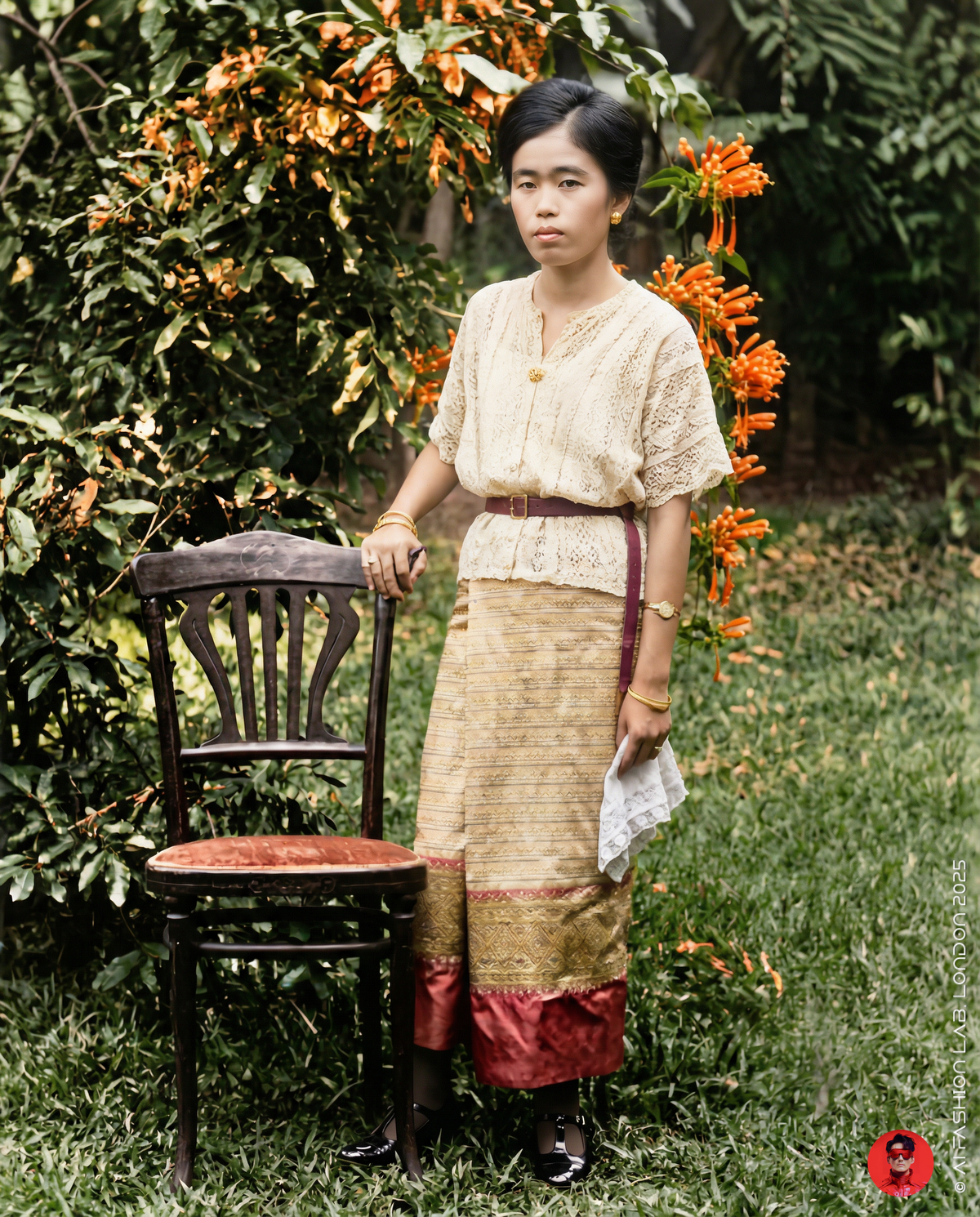
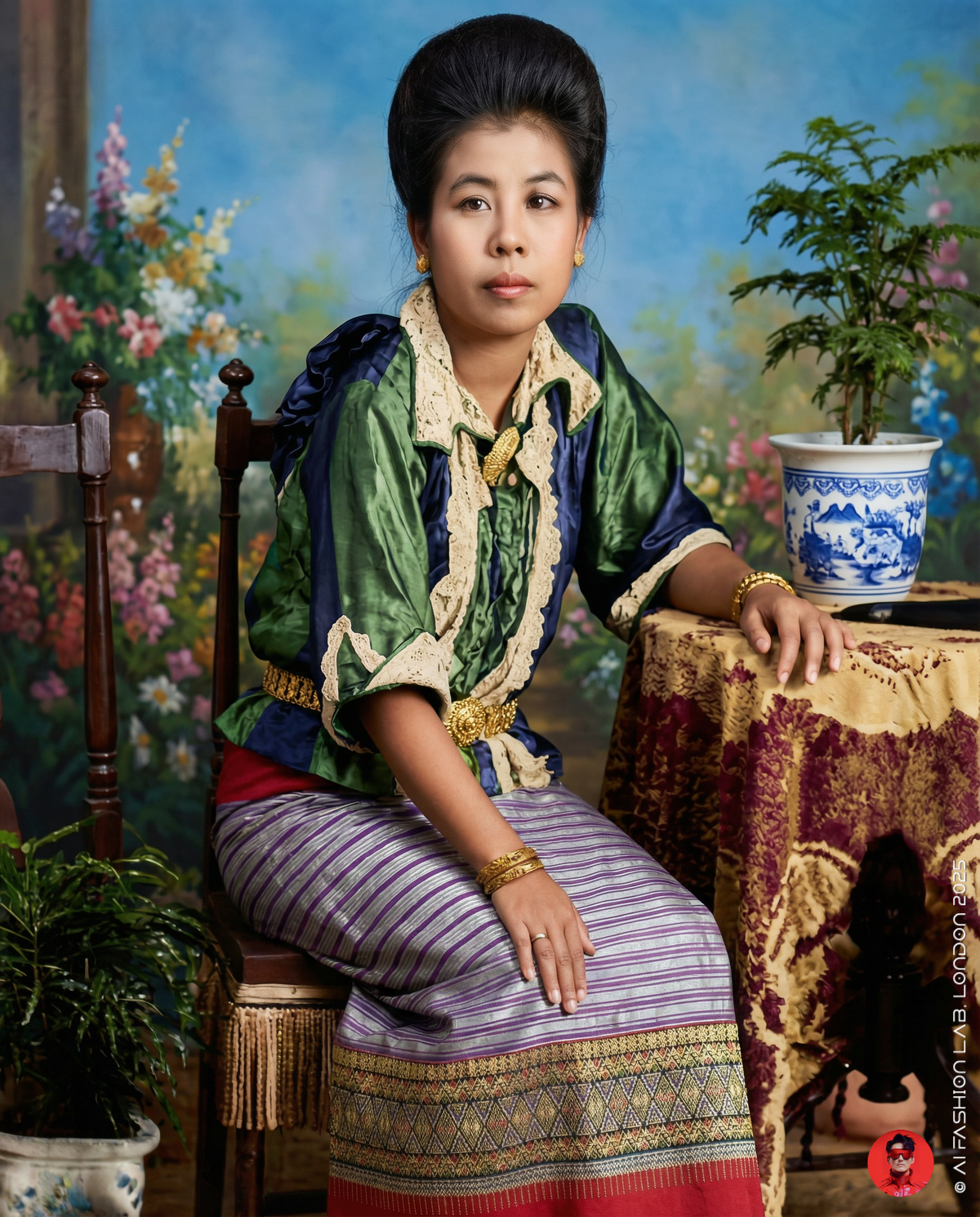
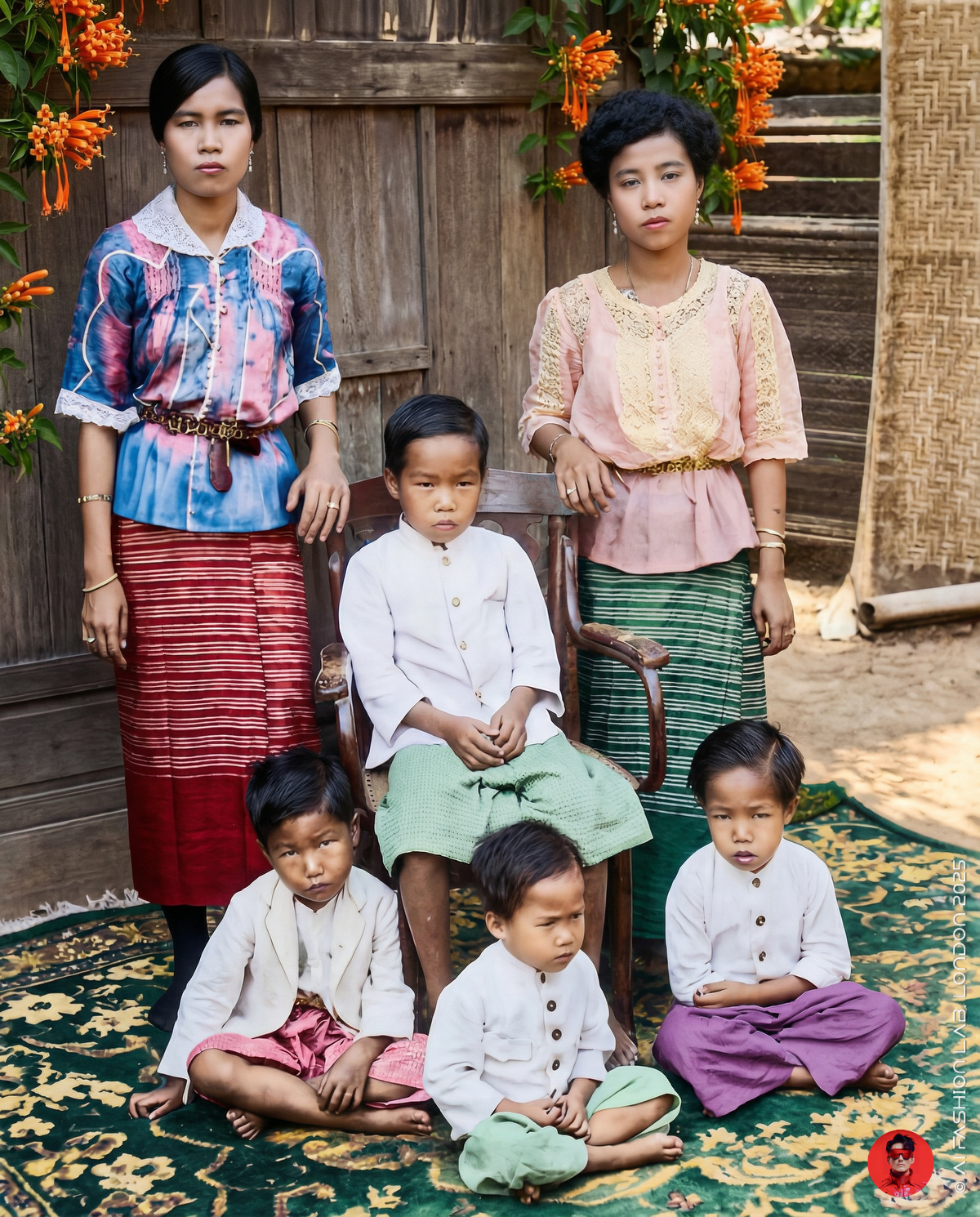
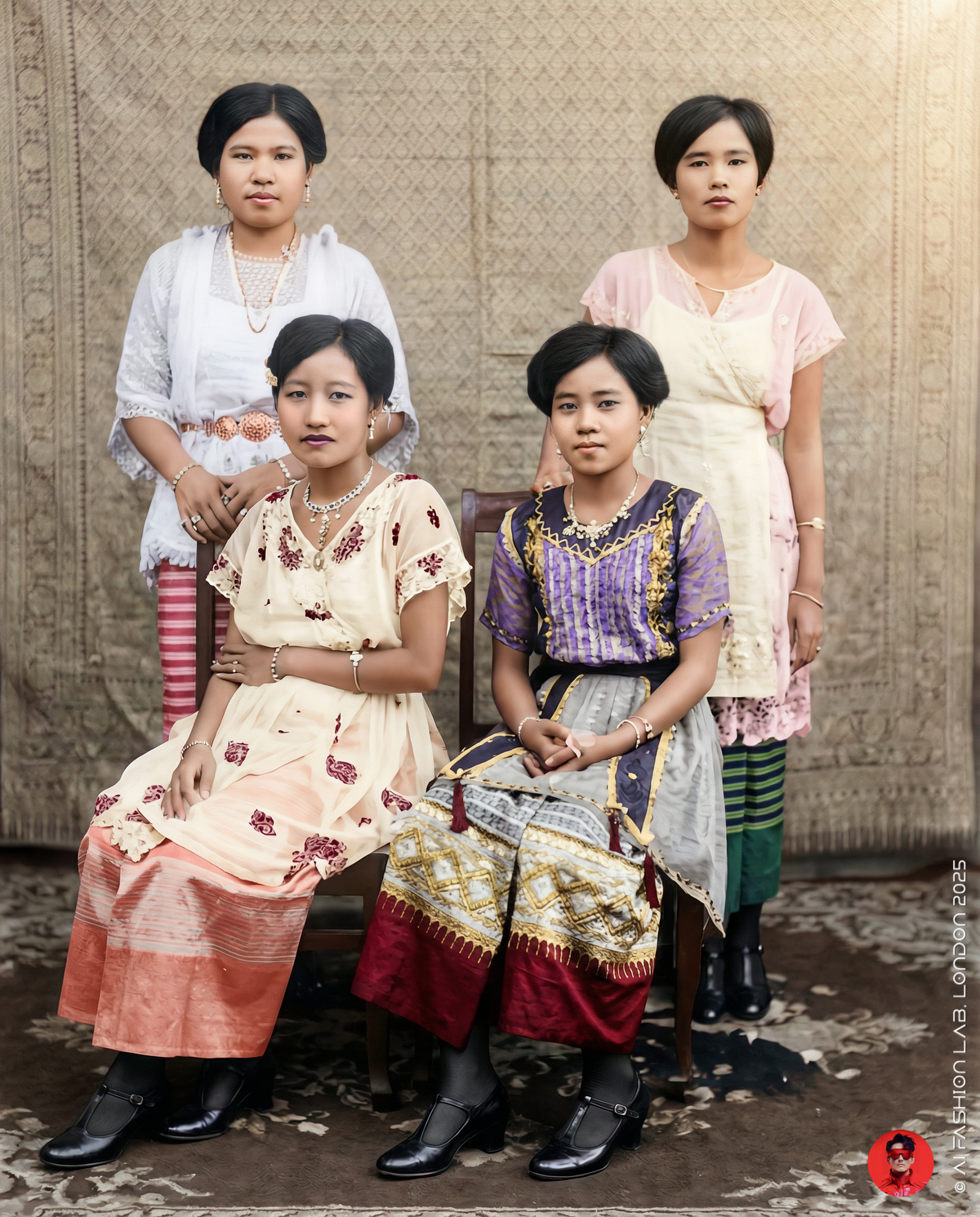
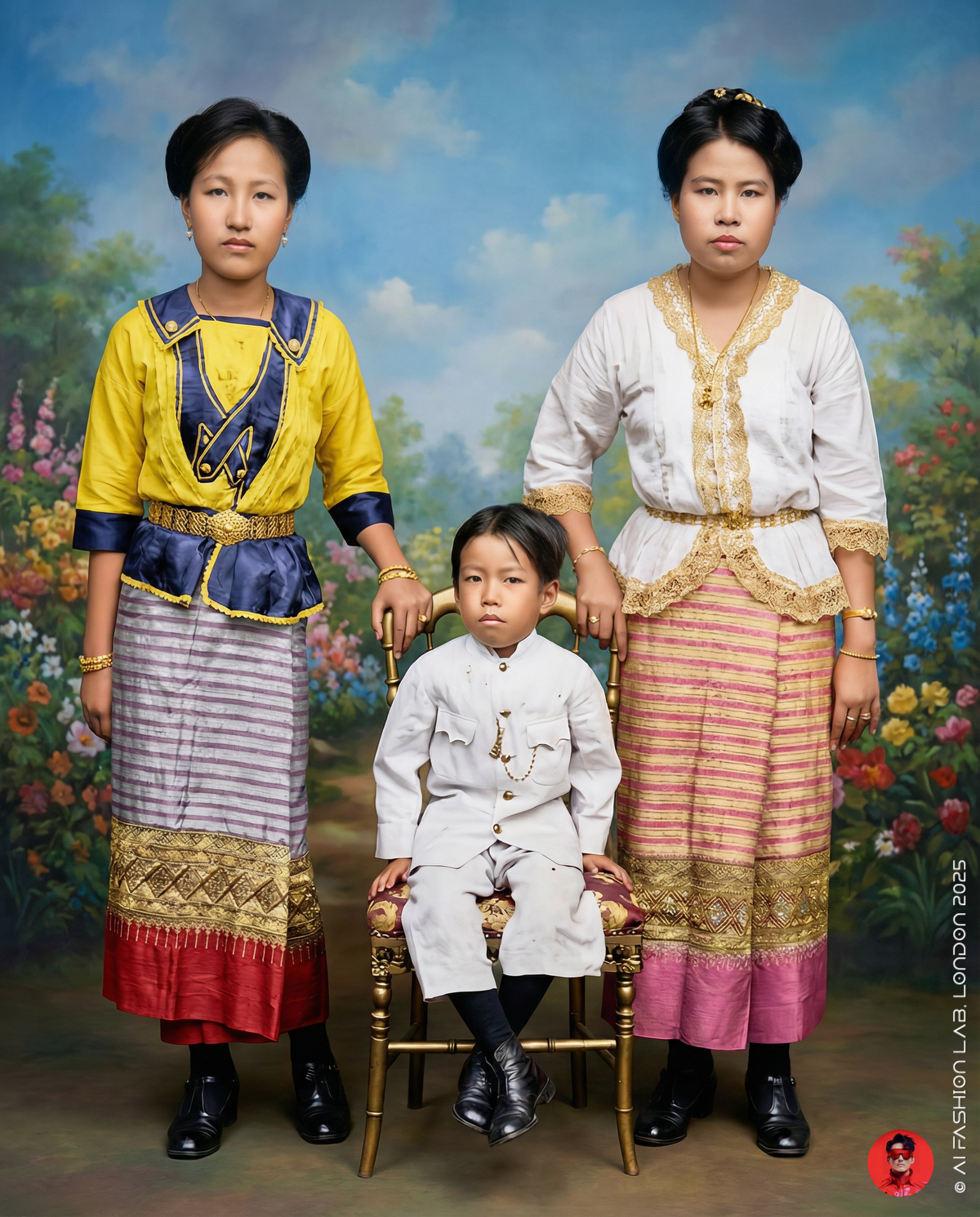
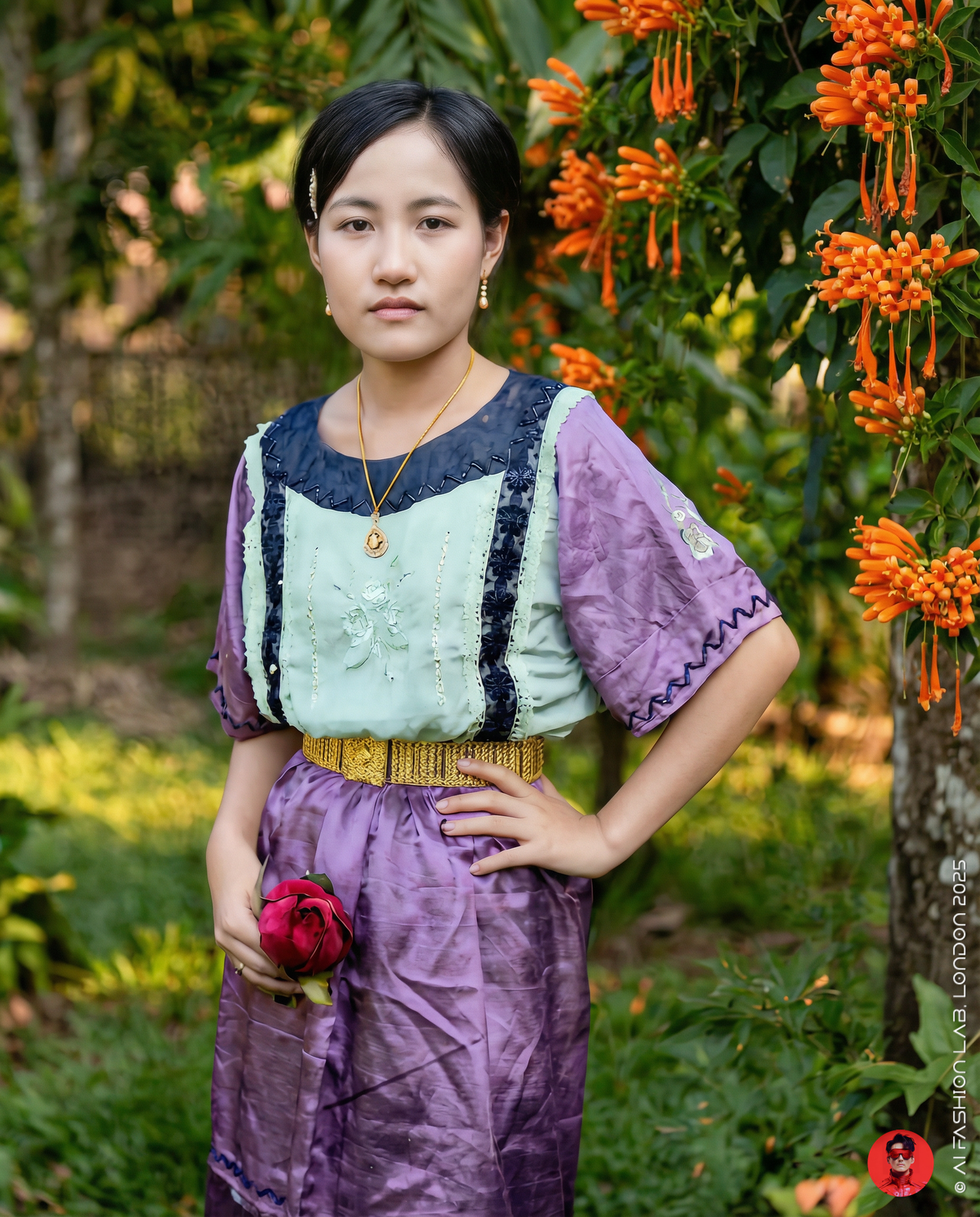
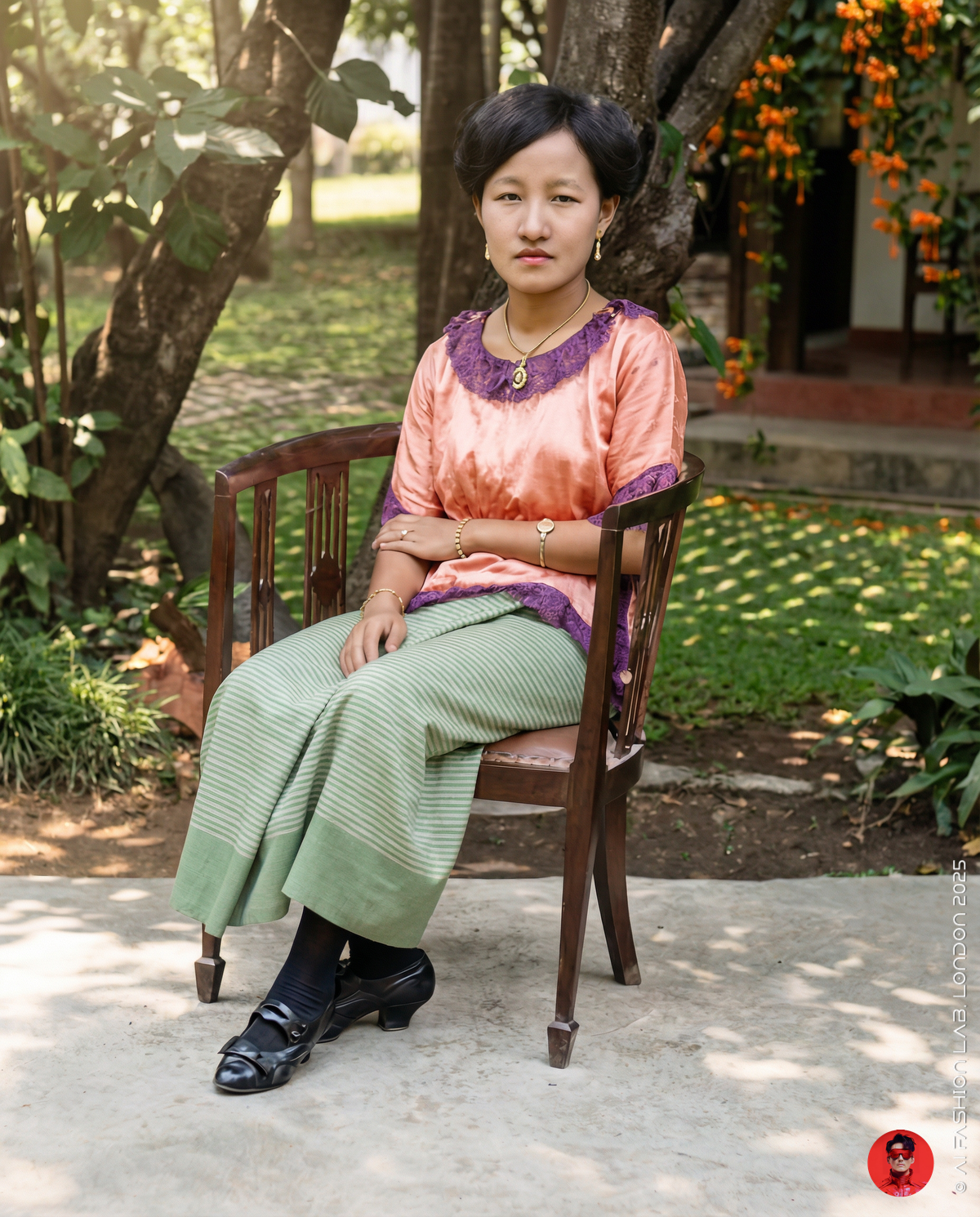
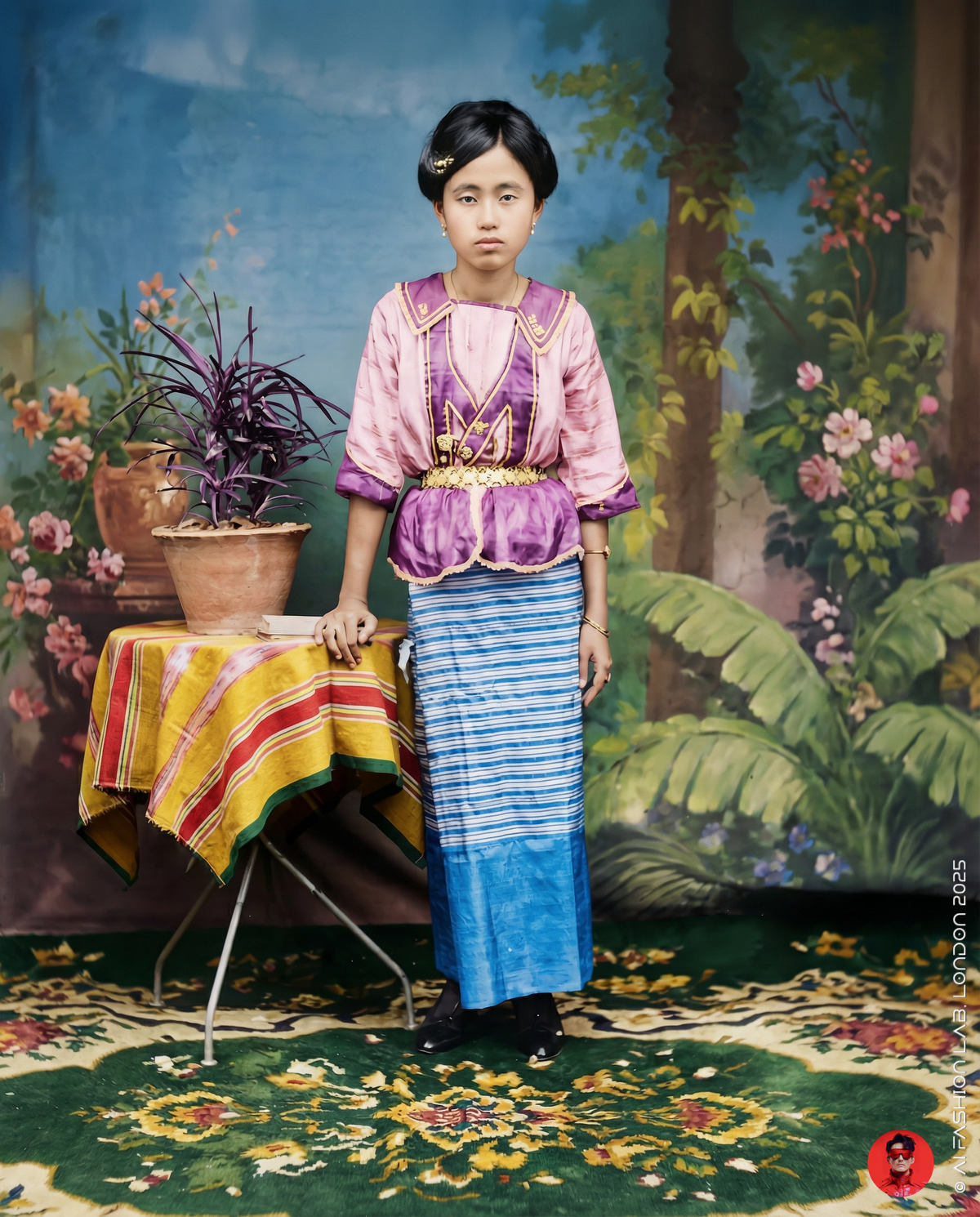
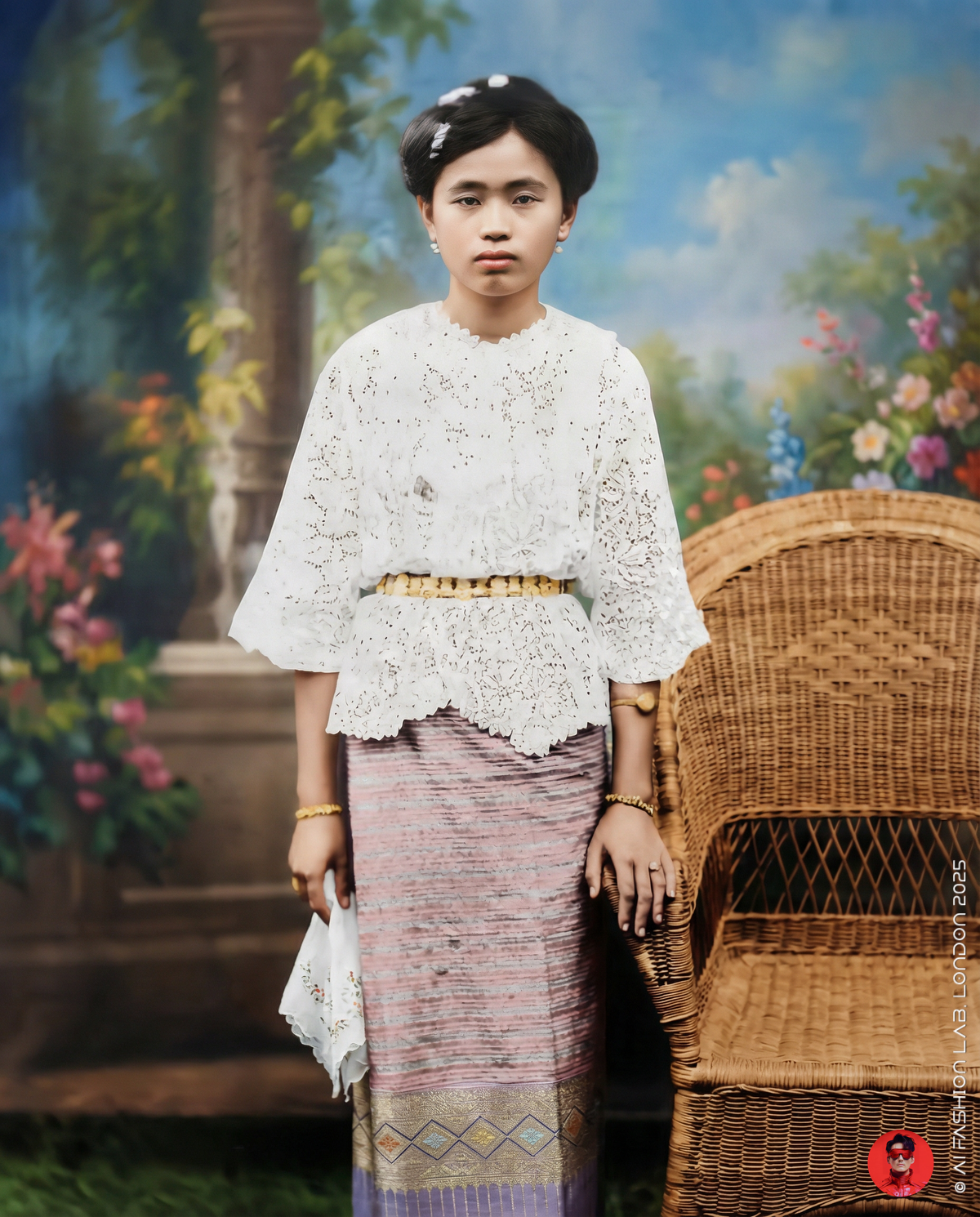
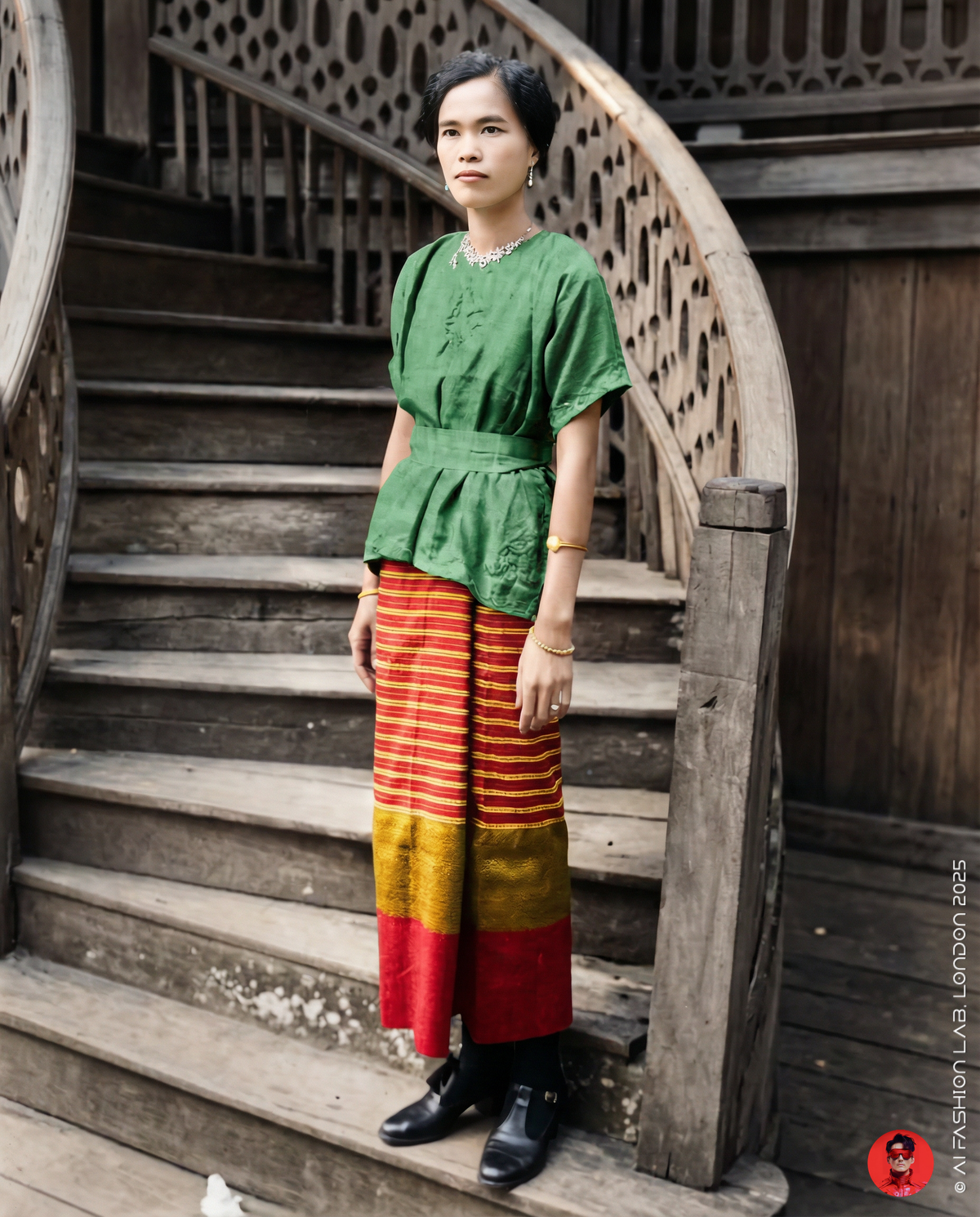
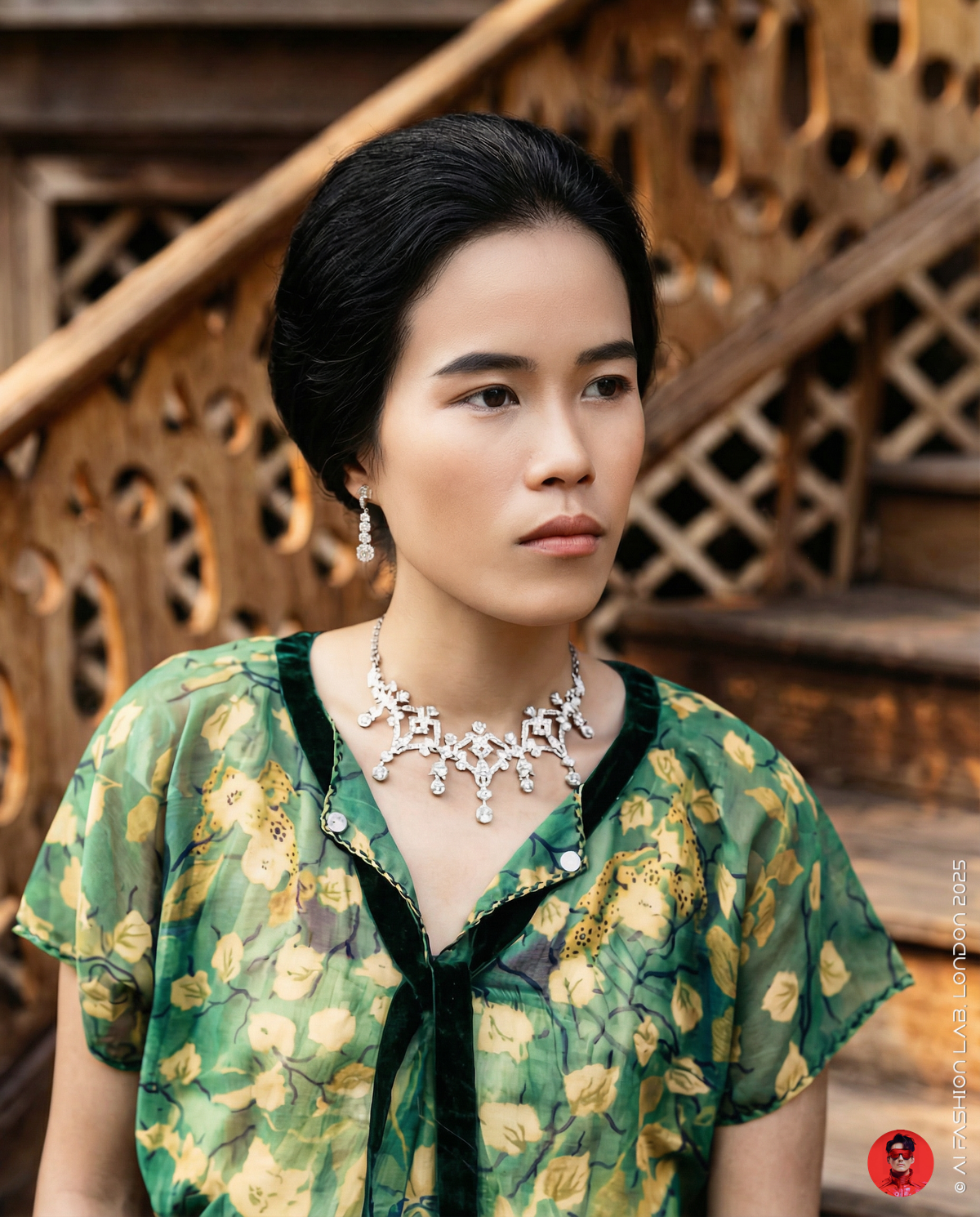
ภาพที่ได้รับการบูรณะและสร้างสรรค์ด้วยเทคโนโลยี AI ชุดนี้ คือภาพของเจ้าหญิงแห่งตระกูล ณ ลำพูน ในช่วงต้นรัชกาลที่ ๖ สะท้อนแฟชั่น ก่อนสงครามโลกครั้งที่ ๑ ระหว่างปี พ.ศ. 2454–2457 (ค.ศ. 1911–1914) ซึ่งเป็นยุคที่หลักฐานภาพถ่ายของแฟชั่นสตรีชั้นสูงล้านนาค่อนข้างหายาก แม้ยุคเอ็ดเวิร์เดียนจะสิ้นสุดลงในอังกฤษเมื่อ พ.ศ. 2453 หลังการสวรรคตของพระเจ้าเอ็ดเวิร์ดที่ 7 แต่ความงามแบบเอ็ดเวิร์เดียนยังคงมีอิทธิพลในช่วงต้นทศวรรษ 1910 และค่อย ๆ เปลี่ยนผ่านสู่รูปทรงก่อนสงคราม
ภาพชุดนี้จึงนับเป็นหลักฐานล้ำค่า เพราะแฟชั่นรูปแบบนี้แทบไม่ถูกบันทึกไว้ในบริบทของล้านนาเลย
ในสยาม ช่วงเวลานี้ตรงกับต้นรัชกาลที่ ๖ ยุคแห่งความทันสมัยและกระแสชาตินิยม จากมุมมองประวัติศาสตร์แฟชั่น เราเรียกช่วงนี้ว่า ยุค Early Teens (พ.ศ. 2454–2462 / ค.ศ. 1911–1919) ซึ่งเป็นช่วงรอยต่อสำคัญ มีลักษณะเด่น ได้แก่:
โครงสร้างเสื้อผ้าอ่อนนุ่มขึ้น: คอเสื้อสูงแบบเอ็ดเวิร์เดียนเริ่มลดความนิยม แทนที่ด้วยคอปกเหลี่ยมหรือคอกะลาสี แขนสามส่วน หรือแขนประดับลูกไม้หลายชั้น ชายเสื้อยาวระดับสะโพก
ทรงผมเล็กลงและเป็นธรรมชาติ: แม้ยังนิยมเกล้ามวยสูง แต่รูปทรงเล็กลงและดูผ่อนคลาย
แนวเอวสูง: มักวางใต้หน้าอก ตามสไตล์ของ Paul Poiret ที่เน้นเส้นสายโรแมนติกอ่อนช้อย
กระโปรงแคบลง: เข้ารูปมากขึ้น มักจับคู่กับเสื้อแจ็กเก็ตชายยาว เสื้อผ้าลูกไม้ หรือแขนกิโมโน
“Lanna Early Teens Style”: อัตลักษณ์ใหม่แห่งแฟชั่นล้านนา
ในขณะที่สตรีชั้นสูงในกรุงเทพฯ เริ่มนิยมเสื้อฝรั่งคู่โจงกระเบนและผ้าลูกไม้แบบตะวันตก สตรีชนชั้นสูงในล้านนา—โดยเฉพาะกลุ่มที่ได้รับอิทธิพลจาก เจ้าดารารัศมี—ยังคงรักษาเอกลักษณ์ล้านนาผสมผสานกับแฟชั่นโลก เช่น มวยผมแบบญี่ปุ่น เสื้อฝรั่งผ้าลูกไม้ และผ้าซิ่นตีนจก
จุดเด่นของ Lanna Early Teens Style ประกอบด้วย:
เสื้อลูกไม้หรือเสื้อคอต่ำ ตัดเย็บด้วยผ้าฝ้ายหรือผ้าไหม มีการจับจีบหรือเสริมลูกไม้บริเวณแขน แขนสามส่วน ชายเสื้อยาวระดับสะโพก
ผ้าซิ่นลายนิยมของล้านนา เช่น ผ้าซิ่นตีนจก สีสันเข้าชุดกับเสื้อฝรั่งและเข็มขัดเอวสูง
ทรงผมเกล้ามวยแบบลอนอ่อน หรือปล่อยลอนอ่อนในหญิงสาว สะท้อนอิทธิพลตะวันตกและความเป็นธรรมชาติ
เครื่องประดับ เช่น ร่มงาช้าง เข็มกลัดคาเมโอ กระเป๋าผ้าปักลาย
รองเท้าหนังทรง Mary Jane หรือ T-bar คู่กับถุงน่องสีดำหรือสีขาว
กล่าวได้ว่า Lanna Early Teens Style คือแฟชั่นที่สร้างอัตลักษณ์ใหม่ให้สตรีล้านนาในยุคแห่งการเปลี่ยนผ่าน สะท้อนทั้งความงาม ความมั่นใจ และการผสมผสานระหว่างวัฒนธรรมตะวันตก สยาม และล้านนาอย่างงดงาม
ภาพเหล่านี้มาจากหนังสือของ เจ้าวรเทวี ณ ลำพูน ประกอบด้วย:
เจ้าหญิงวรรณรา ณ ลำพูน
เจ้าหญิงลำเจียก ณ ลำพูน
เจ้าหญิงส่วนบุญ ชายาเจ้าหลวงจักรคำ
เจ้าหญิงส่วนบุญ ณ ลำพูน
เจ้าหญิงภัทรา ณ ลำพูน (ณ เชียงใหม่)
เด็ก: เจ้าวรทัศน์ ณ ลำพูน และบุตรชายของเจ้าหญิงคำหล้า และเจ้าสัมพันธวงศ์
___________________
Princesses of Na Lamphun: Lanna Early Teens Fashion
This AI-restored and creatively generated image collection presents members of the Na Lamphun princessly lineage during the early reign of King Vajiravudh (Rama VI). The images reflect pre–World War I fashion from 1911–1914 (B.E. 2454–2457), a period in which photographic evidence of upper-class Lanna women’s dress is notably scarce. Although the Edwardian era formally ended in Britain in 1910 with the death of King Edward VII, its graceful aesthetics continued to influence early 1910s fashion, gradually transitioning into the silhouettes that would define the pre-war years.
These photographs are therefore exceptionally valuable, as this style of dress was rarely documented within the Lanna context.
In Siam, this period coincided with the beginning of King Vajiravudh’s reign—a time marked by modernisation, cultural reform, and rising nationalism. In fashion history, this era is known as the Early Teens (1911–1919 / B.E. 2454–2462), a transitional phase characterised by several defining features:
Softened garment structure: High Edwardian collars fell out of favour, replaced by square collars or sailor collars; sleeves became three-quarter length or layered with lace; and bodices extended to the hip.
Smaller, natural hairstyles: High chignons remained popular but appeared smaller and more relaxed.
Raised waistlines: Often positioned under the bust, following the romantic, flowing line championed by Paul Poiret.
Narrower skirts: More fitted silhouettes, frequently paired with long-line jackets, lace blouses, or kimono-style sleeves.
“Lanna Early Teens Style”: A New Fashion Identity for Lanna Women
While upper-class women in Bangkok increasingly adopted Western blouses paired with jongkraben and imported lace, Lanna aristocratic women—particularly those influenced by Princess Dara Rasmi—maintained a distinctive cultural blend. This included Japanese-inspired hair buns, Western lace blouses, and traditional sin tian chok skirts.
Key characteristics of the Lanna Early Teens Style include:
Lace or low-necked blouses crafted from cotton or silk, featuring pleats or lace layering on the sleeves, with three-quarter sleeves and hip-length hems.
Traditional Lanna textiles, such as sin tian chok, harmoniously matched with Western blouses and high belts.
Soft wave chignons or loose soft curls, reflecting both Western influence and natural elegance.
Accessories such as ivory parasols, cameo brooches, and embroidered handbags.
Leather Mary Jane or T-bar shoes, worn with black or white stockings.
Taken together, the Lanna Early Teens Style represents a newly emerging visual identity for Lanna women during a period of rapid social change—expressing beauty, confidence, and a refined fusion of Western, Siamese, and Lanna cultural aesthetics.
Princesses Featured in the Images
These photographs are sourced from the book by Chao Vorathewi Na Lamphun, and depict:
Princess Wannara Na Lamphun
Princess Lamjiak Na Lamphun
Princess Suanboon, consort of Chao Luang Chakkham
Princess Suanboon Na Lamphun
Princess Pattra Na Lamphun (Na Chiang Mai)
Children: Chao Voratas Na Lamphun and the son of Princess Kamla and Chao Sumpanawong
เรียนเชิญกด Subscribe ได้ที่ลิงก์นี้ครับ เพื่อร่วมติดตามงานสร้างสรรค์ต้นฉบับ งานวิจัยประวัติศาสตร์แฟชั่น และผลงานอนุรักษ์มรดกวัฒนธรรมด้วยเทคโนโลยี AI ของ AI Fashion Lab, London ซึ่งมุ่งตีความอดีตผ่านมิติใหม่ของการบูรณะภาพ การสร้างสรรค์ภาพ และการเล่าเรื่องด้วยศิลปะเชิงดิจิทัล 🔗 https://www.facebook.com/aifashionlab/subscribe/
#aifashionlab #AI #aiartist #aiart #aifashion #aifashiondesign #aifashionstyling #aifashiondesigner #fashion #fashionhistory #historyoffashion #fashionstyling #fashionphotography #digitalfashion #digitalfashiondesign #digitalcostumedesign #digitaldesign #digitalaiart #ThaiFashionHistory #ThaiFashionAI #thailand #UNESCO