สมเด็จพระบรมโอรสาธิราช เจ้าฟ้ามหาวชิรุณหิศ สยามมกุฎราชกุมาร และ “เสื้อราชปะแตน”: ภาพสะท้อนความทันสมัยของสุภาพบุรุษสยาม (ตอนที่ ๒)
สมเด็จพระบรมโอรสาธิราช เจ้าฟ้ามหาวชิรุณหิศ สยามมกุฎราชกุมาร และ “เสื้อราชปะแตน”: ภาพสะท้อนความทันสมัยของสุภาพบุรุษสยาม (ตอนที่ ๒)
สมเด็จพระบรมโอรสาธิราช เจ้าฟ้ามหาวชิรุณหิศ สยามมกุฎราชกุมาร (๒๗ มิถุนายน พ.ศ. ๒๔๒๑ – ๔ มกราคม พ.ศ. ๒๔๓๗ นับแบบปัจจุบันตรงกับ พ.ศ. ๒๔๓๘) (27 June 1878 – 4 January 1895) เป็นพระราชโอรสพระองค์ใหญ่ในพระบาทสมเด็จพระจุลจอมเกล้าเจ้าอยู่หัว ทรงเป็นพระราชโอรสที่พระราชสมภพแต่สมเด็จพระศรีสวรินทิราบรมราชเทวี พระพันวัสสาอัยยิกาเจ้า และทรงเป็นพระเชษฐภาดาในสมเด็จพระมหิตลาธิเบศร อดุลยเดชวิกรม พระบรมราชชนก อีกทั้งทรงเป็นสมเด็จพระปิตุลาธิบดีในพระบาทสมเด็จพระปรเมนทรมหาอานันทมหิดล และพระบาทสมเด็จพระมหาภูมิพลอดุลยเดชมหาราช บรมนาถบพิตร
พระองค์ทรงเป็นสยามมกุฎราชกุมารพระองค์แรกของประเทศไทย แม้จะดำรงตำแหน่งเพียง ๘ ปี ก่อนเสด็จสวรรคตเมื่อมีพระชนมายุเพียง ๑๖ พรรษา แต่พระรูปของพระองค์กลับกลายเป็นสัญลักษณ์สำคัญของยุคสมัยที่สยามกำลังเคลื่อนตัวสู่ความเป็นสากลอย่างจริงจัง
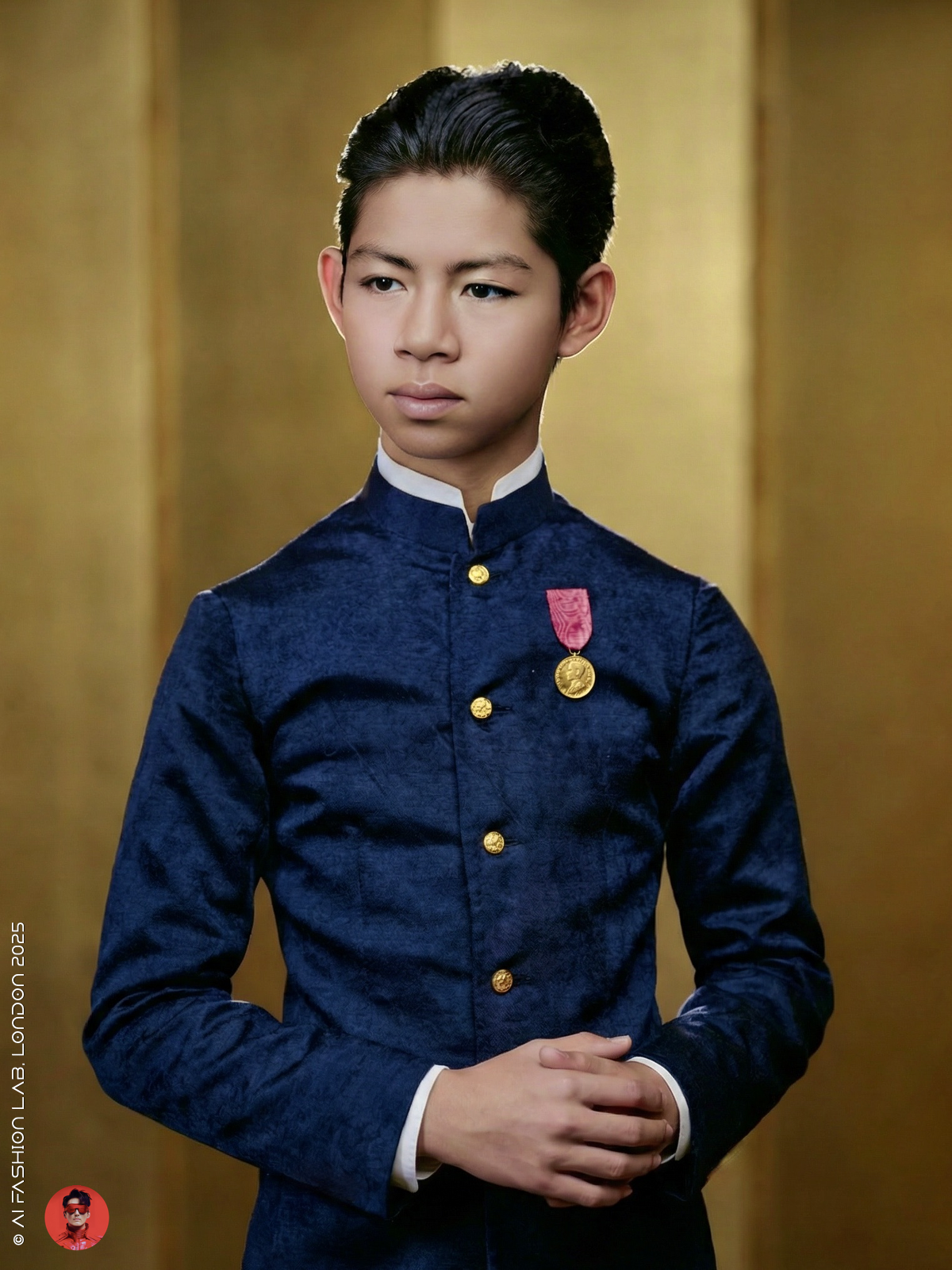
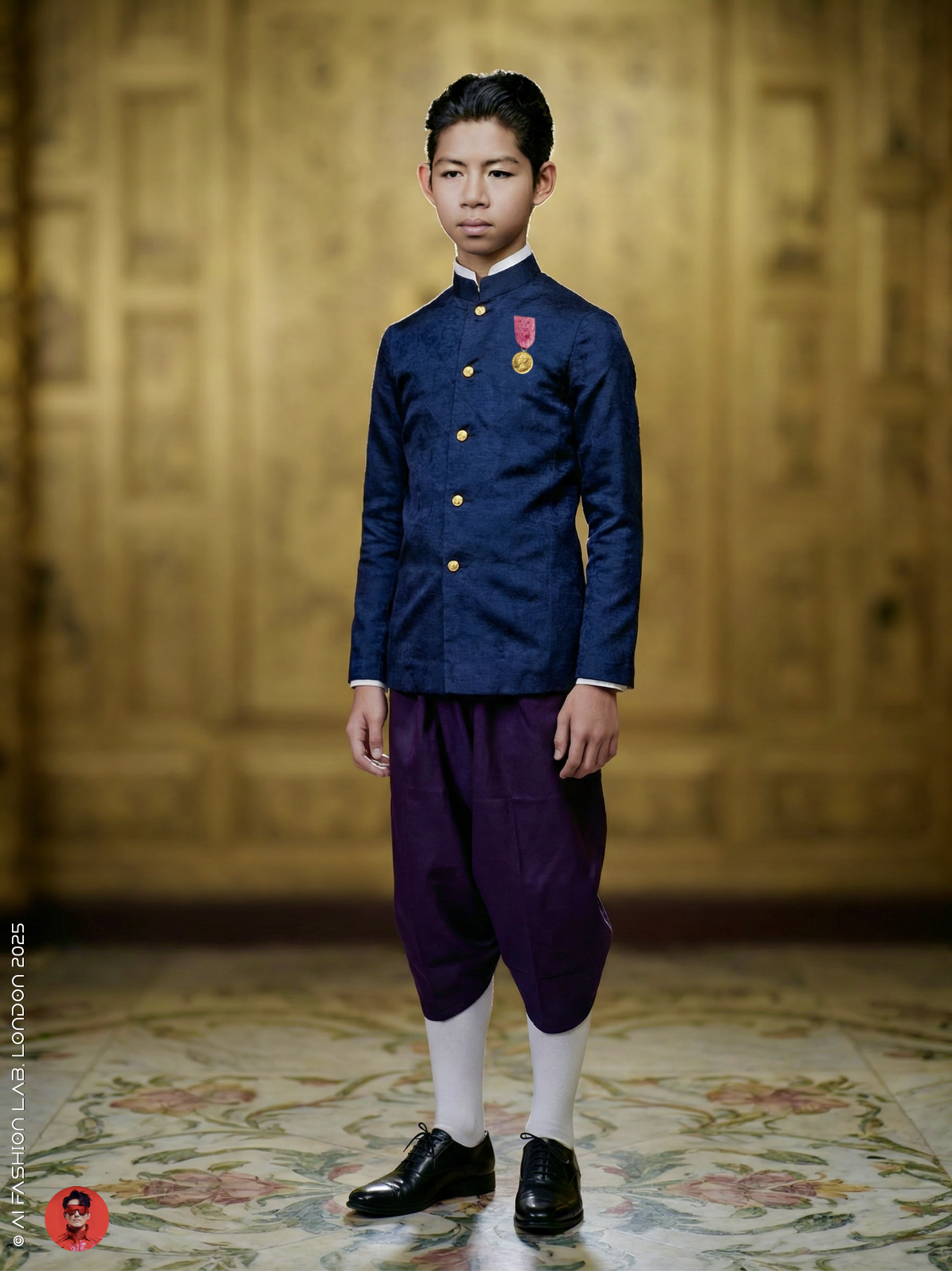
ภาพถ่ายชุดที่ได้รับการบูรณะและสร้างสรรค์ด้วยเทคโนโลยี AI ซึ่งสันนิษฐานว่าถ่ายขึ้นในช่วงระหว่าง พ.ศ. ๒๔๓๔–๒๔๓๘ นั้น เผยให้เห็นพระองค์ทรงฉลองพระองค์ “เสื้อราชปะแตน” ซึ่งเป็นรูปแบบเครื่องแต่งกายที่มีความหมายอย่างยิ่งต่อประวัติศาสตร์การแต่งกายของสุภาพบุรุษไทยในยุครัชกาลที่ ๕
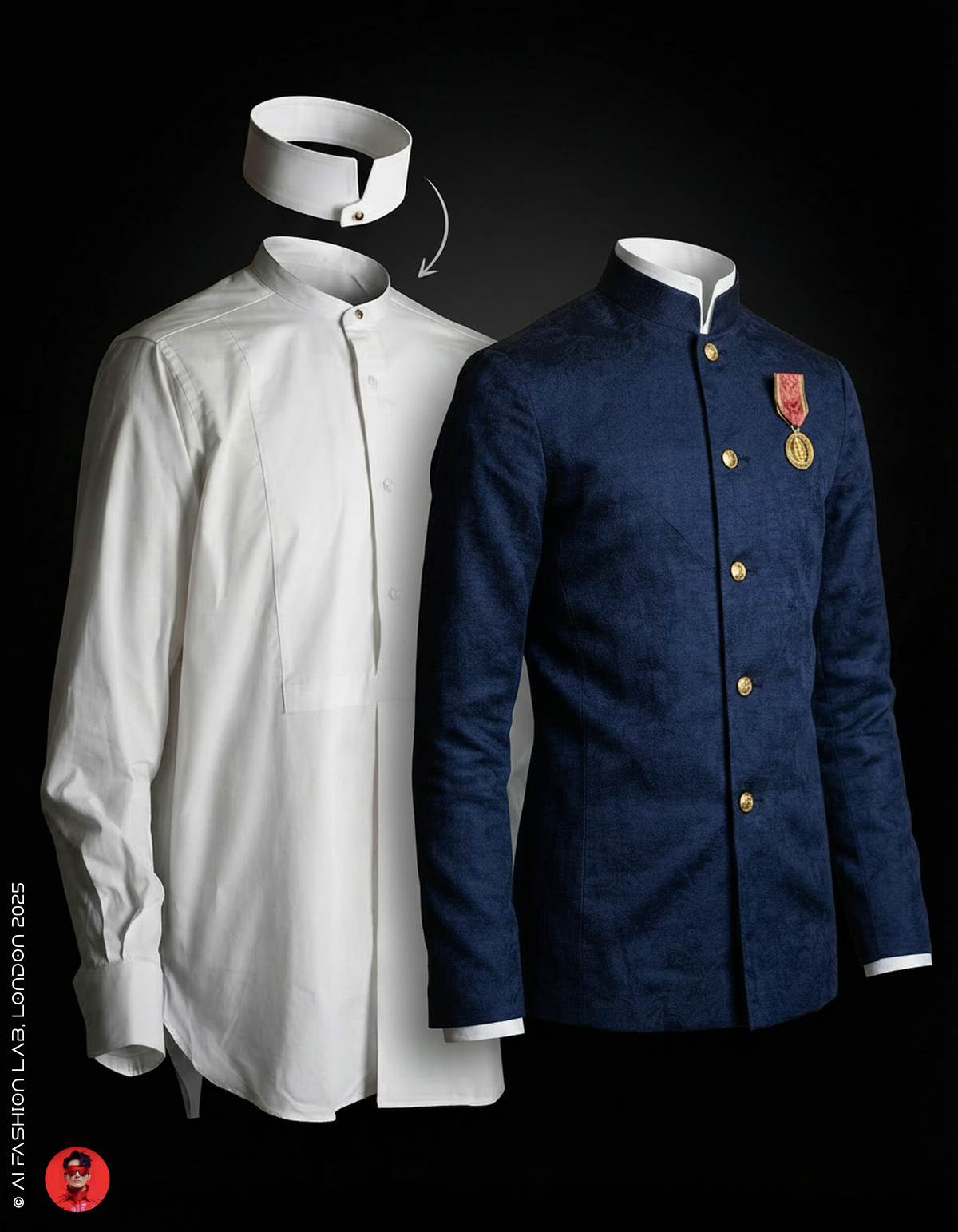
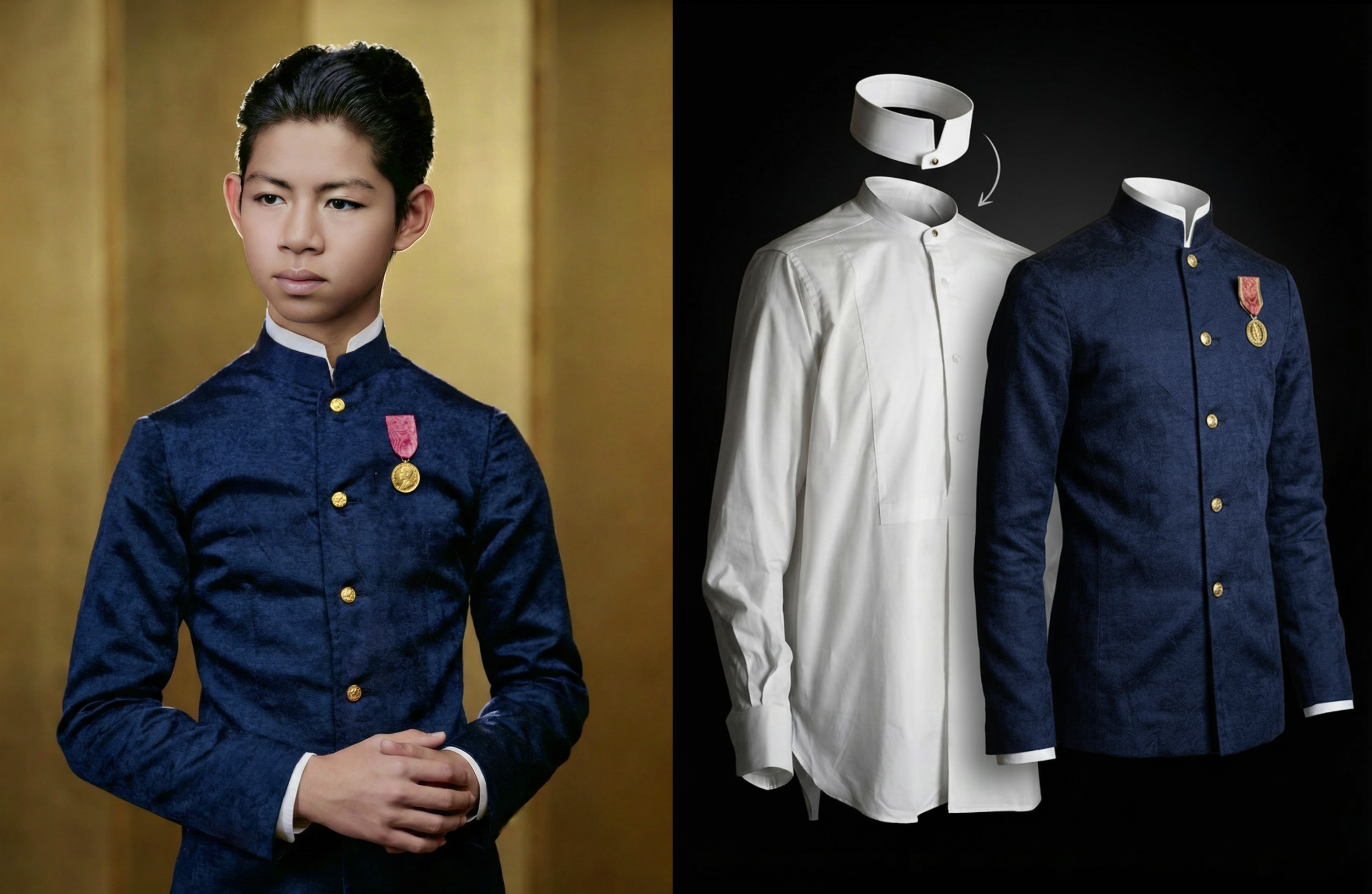
เสื้อราชปะแตน ถูกออกแบบและตัดเย็บตามแบบเสื้อสากลของอังกฤษ และต้องสวมคู่กับ เสื้อรองพื้นสีขาว หรือที่เรียกว่า เสื้อรองข้างในซึ่งเป็นเสื้อปกคอแข็งทรงสูงแบบ imperial collar หรือ detachable stiff collar ออกแบบมาให้รองรับการสวมเสื้อราชปะแตนที่มีคอเสื้อสูงเช่นเดียวกัน จึงเป็นระบบเสื้อชั้นใน–เสื้อนอกที่คล้ายกับการสวมเสื้อเชิ้ตกับเสื้อสูทในปัจจุบัน เสื้อแบบนี้ต้องตัดที่ร้านฝรั่ง หรือร้านคนจีน ในสมัยนั้น
เมื่อพิจารณาอย่างใกล้ชิดในพระรูป จะเห็นว่าที่ ปลายแขนเสื้อ มีทั้งแบบที่ใช้ กระดุมติดแขนเสื้อ และแบบที่ใช้ กระดุมข้อมือ (cufflinks) ซึ่งสะท้อนให้เห็นถึงความยืดหยุ่นและความประณีตของแบบแผนการแต่งกายตะวันตกที่เริ่มถูกนำมาใช้ในราชสำนักสยาม
ภาพเหล่านี้จึงมิได้เป็นเพียงพระรูปในเชิงพิธีการเท่านั้น แต่ยังเป็นหลักฐานเชิงวัฒนธรรมที่แสดงให้เห็นถึงช่วงหัวเลี้ยวหัวต่อสำคัญ—เวลาที่ระเบียบการแต่งกายแบบสยามดั้งเดิมกำลังเปลี่ยนผ่านสู่รูปแบบสากล ซึ่งจะกลายเป็นรากฐานของการแต่งกายของสุภาพบุรุษไทยในอีกหลายทศวรรษถัดมา
เสื้อราชปะแตน บางทีเรียกว่า “เสื้อนอก”
มีเรื่องเล่าว่า ครั้งหนึ่งมี รูปถ่ายเด็กโขนในรัชกาลที่ ๗ ถ่ายร่วมกันเป็นที่ระลึก เมื่อนำรูปไปให้ผู้ใหญ่ท่านหนึ่งดู จึงถามท่านว่า
“พ่อ ทำไมพ่อไม่ถ่ายรูปร่วมด้วยล่ะ?”
ท่านจึงตอบอย่างเรียบง่ายว่า
“พ่อไม่มีเสื้อนอก… ไม่มีราชปะแตนจะใส่ ก็เลยไม่ได้ถ่าย”
คำตอบสั้น ๆ นี้สะท้อนให้เห็นว่า ในยุคนั้น เสื้อราชปะแตน ถือเป็นเสื้อนอกสากลแบบสุภาพบุรุษที่จำเป็นสำหรับการถ่ายภาพหรือการร่วมกิจกรรมที่เป็นทางการ แม้จะเป็นเพียงการถ่ายภาพหมู่กับเด็กโขนก็ตาม เลยทำให้มองเห็นถึงระเบียบการแต่งกายอันเคร่งครัดของสังคมไทยในสมัยรัชกาลที่ ๕–๗ ซึ่งรับอิทธิพลการแต่งกายแบบสากลอย่างจริงจัง
___________________________
เสื้อราชปะแตนเป็นสัญลักษณ์สำคัญของการเปลี่ยนผ่านนั้น เนื่องจากถูกออกแบบมาเพื่อให้เหมาะกับภูมิอากาศร้อนชื้นของสยาม ขณะเดียวกันก็ยังสะท้อนความเป็น “สุภาพบุรุษสากล” ได้อย่างชัดเจน ต้นกำเนิดของเสื้อรูปแบบนี้มาจากความพยายามหาทางออกระหว่างความทันสมัยแบบตะวันตกกับข้อจำกัดด้านสภาพอากาศตามที่ปรากฏในสมัยรัชกาลที่ ๕ ภายหลังเสด็จประพาสอินเดียเมื่อ พ.ศ. ๒๔๑๕ พระองค์ทรงเห็นว่าการแต่งกายอย่างตะวันตก ซึ่งมีหลายชั้น ทั้งเสื้อเชิ้ต กั๊ก และเสื้อนอก ไม่เหมาะกับสยาม จึงมีการปรับรูปแบบขึ้นใหม่ให้เรียบง่าย โปร่งเบา ใช้งานสะดวก แต่ยังดูสุภาพและเป็นทางการ
เจ้าพระยาภาณุวงศ์มหาโกษาธิบดี (ท้วม บุนนาค) นำแบบเสื้อจากช่างชาวกัลกัตตาขึ้นทูลเกล้าฯ ซึ่งมีลักษณะคอตั้ง แขนยาว ติดกระดุมห้าเม็ด และตัดจากผ้าฝ้ายสีขาว เสื้อลักษณะนี้ได้รับคำเรียกทางการว่า “Raj-Pattern” (ราช + Pattern) ก่อนจะกร่อนเป็นคำว่า “ราชปะแตน” ในเวลาต่อมา เสื้อนี้ไม่ได้ถือกำเนิดขึ้นอย่างโดดเดี่ยว หากเกิดจากการผสมผสานทั้งเสื้อคอสูงของยุโรป เช่น เครื่องแบบทหารม้าสมัยนโปเลียน เสื้อคอหนังของกองทัพเรือ รวมทั้งเสื้อ Achkan และ Sherwani ของอินเดีย ตลอดจนเสื้ออย่างเทศของสยามเอง
ในบริบทอาณานิคม เสื้อราชปะแตนยังมีความคล้ายคลึงกับ “Tropical Whites” ของอังกฤษ ฝรั่งเศส และดัตช์ ซึ่งใช้เสื้อผ้าสีขาวและหมวกกะโลเป็นสัญลักษณ์ของความทันสมัยและระเบียบแบบแผน การที่สยามเลือกสร้างรูปแบบเสื้อของตนเองในช่วงเดียวกัน จึงสะท้อนความพยายามที่จะกำหนดภาพลักษณ์ของรัฐสมัยใหม่ โดยไม่จำเป็นต้องเลียนแบบเจ้าอาณานิคมอย่างตรงไปตรงมา
เสื้อราชปะแตนยังคงปรากฏอย่างแพร่หลายในราชสำนักและหมู่ขุนนางสมัยรัชกาลที่ ๖ และ ๗ โดยมักสวมกับโจงกระเบนหรือกางเกงแพร อย่างไรก็ตาม การเปลี่ยนแปลงการปกครอง พ.ศ. ๒๔๗๕ และนโยบายรัฐนิยมสมัยสงครามโลกครั้งที่ ๒ ซึ่งสนับสนุนการแต่งกายแบบตะวันตก ส่งผลให้เสื้อราชปะแตนลดความนิยมลงอย่างมาก และถูกจำกัดให้เป็นเพียงชุดพิธีการหรือสำหรับผู้สูงวัยเท่านั้น ในขณะที่สังคมตะวันตกกลับนำเสื้อคอตั้งกลับมาในช่วงทศวรรษ 1960–1970 ผ่านกระแสแฟชั่นแบบ “Nehru Jacket”
กระแสของเสื้อราชปะแตนกลับมาฟื้นอีกครั้งในสมัยพลเอกเปรม ติณสูลานนท์ โดยได้รับแรงบันดาลใจส่วนหนึ่งจากการที่สมเด็จพระนางเจ้าสิริกิติ์ พระบรมราชินีนาถ ทรงพระราชทาน “ชุดไทยพระราชนิยม” สำหรับสตรี พระบาทสมเด็จพระเจ้าอยู่หัว รัชกาลที่ ๙ จึงทรงพระราชทานแบบเสื้อบุรุษที่มีคอตั้งเป็นเอกลักษณ์ และต่อมาในวันที่ ๒๖ กันยายน พ.ศ. ๒๕๒๓ คณะรัฐมนตรีมีมติให้ “เสื้อพระราชทาน” สามารถใช้แทนชุดสากลในงานทางการได้ เปิดพื้นที่ให้ผ้าท้องถิ่นจากทั่วประเทศมีบทบาทในการออกแบบเสื้อบุรุษร่วมสมัย ทำให้ภาพลักษณ์ของเสื้อราชปะแตนในยุคใหม่กลับมามีชีวิตชีวาและหลากหลายอย่างมาก
แม้รูปแบบเสื้อจะได้รับความนิยมลดลงในบางยุค แต่ก็มักกลับมาในสมัยที่ประเทศไทยให้ความสำคัญกับการนำเสนออัตลักษณ์วัฒนธรรมในเวทีสากล วงจรความนิยมของเสื้อราชปะแตนจึงสะท้อนความสัมพันธ์ระหว่างแฟชั่น อำนาจรัฐ และรสนิยมของสังคมไทยได้อย่างชัดเจน
ท้ายที่สุด เสื้อราชปะแตนคือหลักฐานหนึ่งของกระบวนการสร้าง “สุภาพบุรุษสยามสมัยใหม่” อันเกิดจากการผสมผสานระหว่างเอเชียและยุโรปในช่วงหัวเลี้ยวหัวต่อของการเปลี่ยนแปลงราชอาณาจักรสยาม การปรากฏของเสื้อชนิดนี้ในพระรูปของพระบรมวงศานุวงศ์ เมื่อยังทรงพระเยาว์ ในยุครัชกาลที่ ๕ จึงไม่เพียงเป็นภาพแห่งอดีต แต่ยังเป็นร่องรอยของบทสนทนาทางวัฒนธรรมที่ยาวนานระหว่างสยามกับโลกภายนอก — และเป็นหลักฐานว่าสังคมไทยเคยตอบรับความทันสมัยด้วยวิธีของตนเองอย่างน่าสนใจเพียงใด
ขอขอบคุณ
ขอขอบพระคุณ ครูไก่ ผศ.ดร.สุรัตน์ จงดา ผู้ช่วยอธิการบดี สถาบันบัณฑิตพัฒนศิลป์ เป็นอย่างสูง สำหรับข้อมูลอันทรงคุณค่าเกี่ยวกับ เสื้อราชปะแตน
บทความฉบับนี้จัดเรียบเรียงขึ้นใหม่โดยคงสาระสำคัญจากบทความต้นฉบับของ พันธุ์ชนะ สุนทรพิพิธ ในนิตยสาร GQ Thailand ฉบับวันที่ ๒๔ กรกฎาคม พ.ศ. ๒๕๖๘ พร้อมเพิ่มเติมบริบททางประวัติศาสตร์และแฟชั่นเพื่อความสมบูรณ์ของเนื้อหา
__________________________
His Royal Highness Prince Maha Vajirunhis, the Crown Prince of Siam, and the “Raj Pattern Jacket”: A Reflection of Modern Siamese Gentlemanly Identity (Part 2)
(สมเด็จพระบรมโอรสาธิราช เจ้าฟ้ามหาวชิรุณหิศ สยามมกุฎราชกุมาร)
Somdet Phra Boromma-orasathirat Chao Fa Maha Vajirunhis, Crown Prince of Siam (๒๗ มิถุนายน พ.ศ. ๒๔๒๑ – ๔ มกราคม พ.ศ. ๒๔๓๗ นับแบบปัจจุบันตรงกับ พ.ศ. ๒๔๓๘) (27 June 1878 – 4 January 1895), was the eldest son of King Chulalongkorn (พระบาทสมเด็จพระจุลจอมเกล้าเจ้าอยู่หัว). He was born to Queen Sri Savarindira, the Queen Grandmother (สมเด็จพระศรีสวรินทิราบรมราชเทวี พระพันวัสสาอัยยิกาเจ้า), and became the elder full brother of Prince Mahidol Adulyadej, the Prince Father (สมเด็จพระมหิตลาธิเบศร อดุลยเดชวิกรม พระบรมราชชนก). He was also the paternal uncle of King Ananda Mahidol (พระบาทสมเด็จพระปรเมนทรมหาอานันทมหิดล พระอัฐมรามาธิบดินทร) and King Bhumibol Adulyadej the Great (พระบาทสมเด็จพระมหาภูมิพลอดุลยเดชมหาราช บรมนาถบพิตร).
He was the first Crown Prince of Siam (สยามมกุฎราชกุมารพระองค์แรกของประเทศไทย), and although he held the position for only eight years before his untimely passing at the age of merely sixteen, his portraits became enduring symbols of a transformative era—when Siam was consciously moving towards modernity and international standards.
The AI-restored and creatively enhanced photographs in this collection, believed to date from circa 1891–1895 (พ.ศ. ๒๔๓๔–๒๔๓๘), portray him wearing the Ratcha Patan jacket (เสื้อราชปะแตน), a garment of considerable significance in the history of Thai menswear during the reign of King Chulalongkorn (Rama V).
The Ratcha Patan jacket was designed and tailored in imitation of British-style outerwear and was worn with a white under-shirt (เสื้อรองพื้น หรือ เสื้อรองข้างใน). This under-shirt featured a high, stiff imperial collar or detachable stiff collar, constructed to complement the high collar of the Ratcha Patan. This created a two-layer system—inner shirt and outer jacket—much like the combination of a dress shirt and suit jacket in contemporary menswear. At the time, such garments typically had to be tailored by European dressmakers or Chinese tailors operating in Siam.
A close examination of the photographs reveals that at the shirt cuffs, both buttoned cuffs and cufflinks were used. This illustrates the degree of refinement and flexibility in Western dress codes that were gradually being adopted within the Siamese royal court.
These images are therefore far more than ceremonial portraits: they serve as cultural documents capturing a pivotal moment—when Siamese traditional dress codes were giving way to Western forms of attire, laying the groundwork for the dress norms of Thai gentlemen for decades to come.
The Ratcha Patan jacket was, in some contexts, simply referred to as a “coat” or outer jacket (เสื้อนอก).
There is a story that once, a group photograph of khon (masked dance) children taken during the reign of King Rama VII (รัชกาลที่ ๗) was shown later to a man who was not in the photograph. Someone asked him,
“Why didn’t you join the photograph?”
He replied quite simply:
“I had no coat… no Ratcha Patan to wear, so I didn’t join.”
This brief answer reveals much about the social expectations of the time. The Ratcha Patan jacket was considered an essential form of Western-style outerwear for men—necessary even for something as simple as joining a group photograph with children. It reflects the increasingly strict dress standards of Thai society during the late Fifth to Seventh Reigns, when Western etiquette and attire were being earnestly adopted and normalised.
_________________________
The Raj Pattern Jacket: A Garment of Modernity
(All Thai Buddhist Era dates have been converted into AD years.)
The Raj Pattern Jacket (เสื้อราชปะแตน) emerged as a practical and modern answer to Siam’s tropical climate. While Western men’s fashion of the era required multiple layers—shirt, waistcoat, jacket, and tie—King Chulalongkorn recognised during his visit to India in 1872 (พ.ศ. ๒๔๑๕) that such attire was ill-suited to Siam. What the kingdom needed was a garment that conveyed civility and international refinement without sacrificing comfort.
Chao Phraya Phanuwong Maha Kosathibodi (Tuam Bunnag) (เจ้าพระยาภาณุวงศ์มหาโกษาธิบดี (ท้วม บุนนาค)) thus commissioned a tailor from Calcutta to design a simplified jacket: a standing collar, long sleeves, five buttons, and white cotton fabric. The official name “Raj Pattern”—from Raja (ราชา) + Pattern—would eventually evolve phonetically into “ราชปะแตน”.
The jacket did not arise in isolation. It drew upon:
– European standing-collar designs such as Napoleonic cavalry uniforms,
– the leather-neck naval coats of Britain and the United States,
– Indian Achkan and Sherwani,
– and Siam’s own Suea Yang Tet (เสื้ออย่างเทศ) and Suea Yang Noi (เสื้ออย่างน้อย).
Within the colonial world, its all-white ensemble and formal simplicity paralleled the “Tropical Whites” worn by British, French, and Dutch officials. Yet Siam adopted the garment on its own terms—neither an imitation of colonial powers nor a rejection of traditional identity.
Decline, Resurgence, and Reinvention
The Raj Pattern Jacket remained prevalent among the nobility during the reigns of King Vajiravudh (r. 1910–1925) and King Prajadhipok (r. 1925–1935), paired with jongkraben (โจงกระเบน) or silk trousers. But the political transformation of 1932 (พ.ศ. ๒๔๗๕), and the cultural mandates of Field Marshal Plaek Phibunsongkhram during World War II (1939–1945), accelerated Westernisation. The Raj Pattern became confined to ceremonial or elder attire, while Western suits and ties took precedence.
Ironically, during the 1960s–1970s, the West revived the standing-collar jacket under the name “Nehru Jacket”, popularised by The Beatles and by James Bond films such as Dr. No (1962) and Octopussy (1983).
The Raj Pattern Jacket returned to Thai public life during the premiership of General Prem Tinsulanonda (1977–1988, พ.ศ. ๒๕๒๐–๒๕๓๑), influenced by Queen Sirikit’s (สมเด็จพระนางเจ้าสิริกิติ์ พระบรมราชินีนาถ) Thai National Dress initiative. King Bhumibol Adulyadej (รัชกาลที่ ๙) graciously provided a prototype for men’s wear, leading to the Cabinet’s resolution on 26 September 1980 (๒๖ กันยายน พ.ศ. ๒๕๒๓) introducing the “Phra Ratchathan Shirt” (เสื้อพระราชทาน) as a formal alternative to Western suits.
This revived form embraced local handwoven textiles, turning the jacket into a symbol of national identity that supported regional economies while projecting a modern, culturally rooted appearance on the world stage.
A Cultural Statement Through Clothing
Today, the Raj Pattern Jacket stands as a testament to Siam’s negotiation between global modernity and local identity. It encapsulates the aspirations of a kingdom at the crossroads of East and West, and its appearance in portraits of royal children during King Chulalongkorn’s reign reflects a moment when fashion, politics, and cultural diplomacy converged.
The garment is therefore more than a relic of the past—it is a visual narrative of how Siam embraced modernity in a manner uniquely its own.
Thank you
My sincere thanks to Assistant Professor Dr Surath Jongda (ผศ.ดร.สุรัตน์ จงดา), Assistant to the President of the Bunditpatanasilpa Institute (สถาบันบัณฑิตพัฒนศิลป์), for providing valuable information regarding the Raj Patternjacket.
This article has been restructured and expanded while retaining the core content from the original essay by Phanchana Sunthornpipit (พันธุ์ชนะ สุนทรพิพิธ), published in GQ Thailand on 24 July 2025 (๒๔ กรกฎาคม พ.ศ. ๒๕๖๘), with added historical and fashion-context details for clarity and completeness.
เรียนเชิญกด Subscribe ได้ที่ลิงก์นี้ครับ เพื่อร่วมติดตามงานสร้างสรรค์ต้นฉบับ งานวิจัยประวัติศาสตร์แฟชั่น และผลงานอนุรักษ์มรดกวัฒนธรรมด้วยเทคโนโลยี AI ของ AI Fashion Lab, London ซึ่งมุ่งตีความอดีตผ่านมิติใหม่ของการบูรณะภาพ การสร้างสรรค์ภาพ และการเล่าเรื่องด้วยศิลปะเชิงดิจิทัล 🔗 https://www.facebook.com/aifashionlab/subscribe/
#aifashionlab #AI #aiartist #aiart #aifashion #aifashiondesign #aifashionstyling #aifashiondesigner #fashion #fashionhistory #historyoffashion #fashionstyling #fashionphotography #digitalfashion #digitalfashiondesign #digitalcostumedesign #digitaldesign #digitalaiart #ThaiFashionHistory #ThaiFashionAI #thailand #UNESCO