“ปริศนา” และต้นแบบที่มีตัวตนจริง
“ปริศนา” และต้นแบบที่มีตัวตนจริง
คุณวาสนา กระแสสินธุ์ หญิงสาวชาวหัวหินในโลกวรรณกรรมของ ว. ณ ประมวญมารค
ในบรรดานวนิยายคลาสสิกของไทยช่วงหลังสงครามโลกครั้งที่ ๒ ปริศนา นับเป็นผลงานที่ครองใจนักอ่านมาอย่างยาวนาน ทั้งในรูปแบบหนังสือ ละครโทรทัศน์ และการตีความซ้ำในบริบทสังคมไทยยุคใหม่ นวนิยายเรื่องนี้ประพันธ์โดย ว. ณ ประมวญมารค นามปากกาของ พระเจ้าวรวงศ์เธอ พระองค์เจ้าวิภาวดีรังสิต และได้รับการตีพิมพ์ครั้งแรกในหนังสือพิมพ์ เดลิเมล์ เมื่อวันที่ ๑ ตุลาคม พ.ศ. ๒๔๙๔ โดยมีฉากหลังอยู่ในช่วงปลายรัชกาลที่ ๘ ถึงต้นรัชกาลที่ ๙
ปริศนา ยังเป็นส่วนหนึ่งของนวนิยายไตรภาค ซึ่งประกอบด้วย เจ้าสาวของอานนท์ และ รัตนาวดี ผลงานทั้งสามเรื่องสะท้อนโลกของชนชั้นนำ สตรีสมัยใหม่ และความสัมพันธ์ระหว่างบุคคลในสังคมไทยยุคเปลี่ยนผ่านได้อย่างประณีต
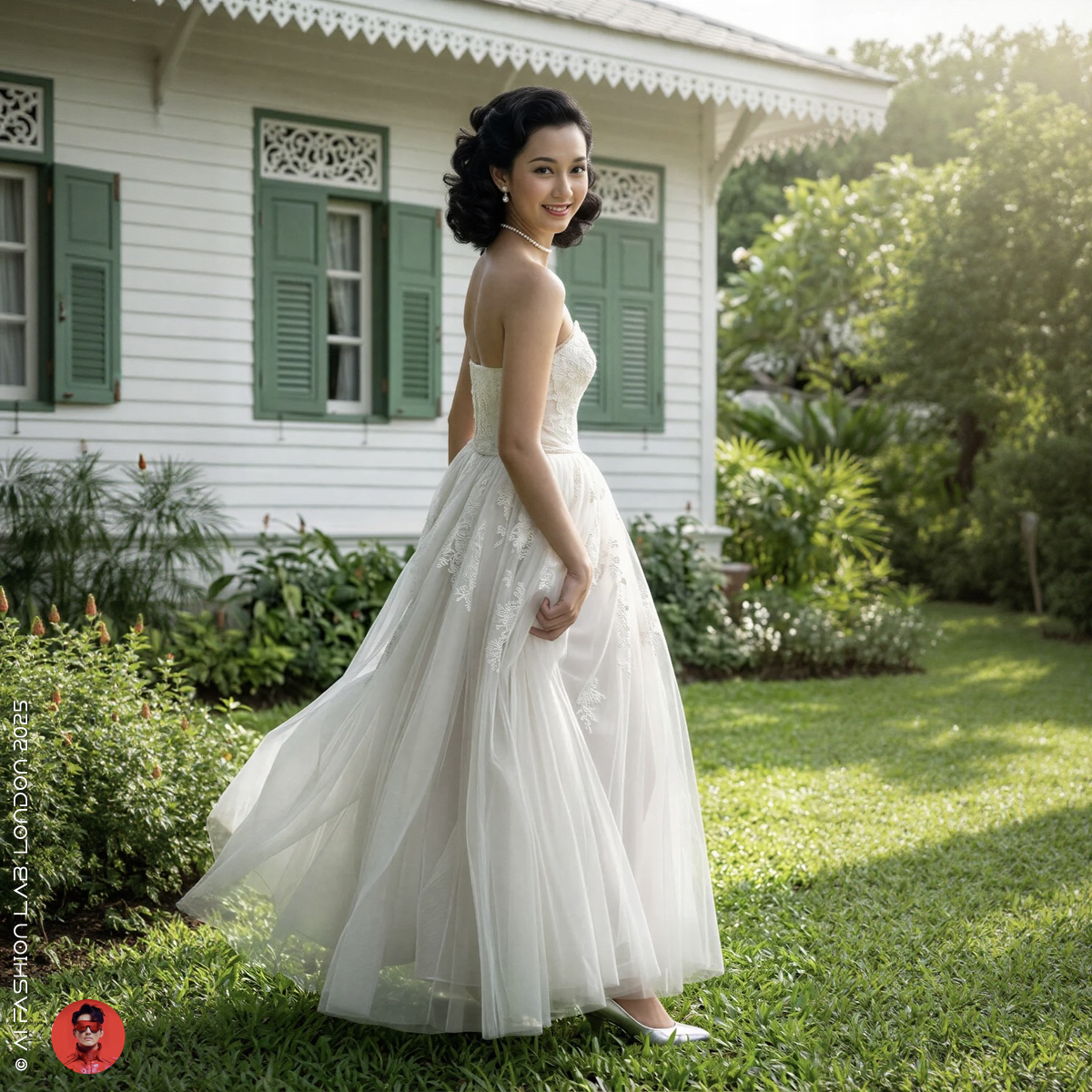
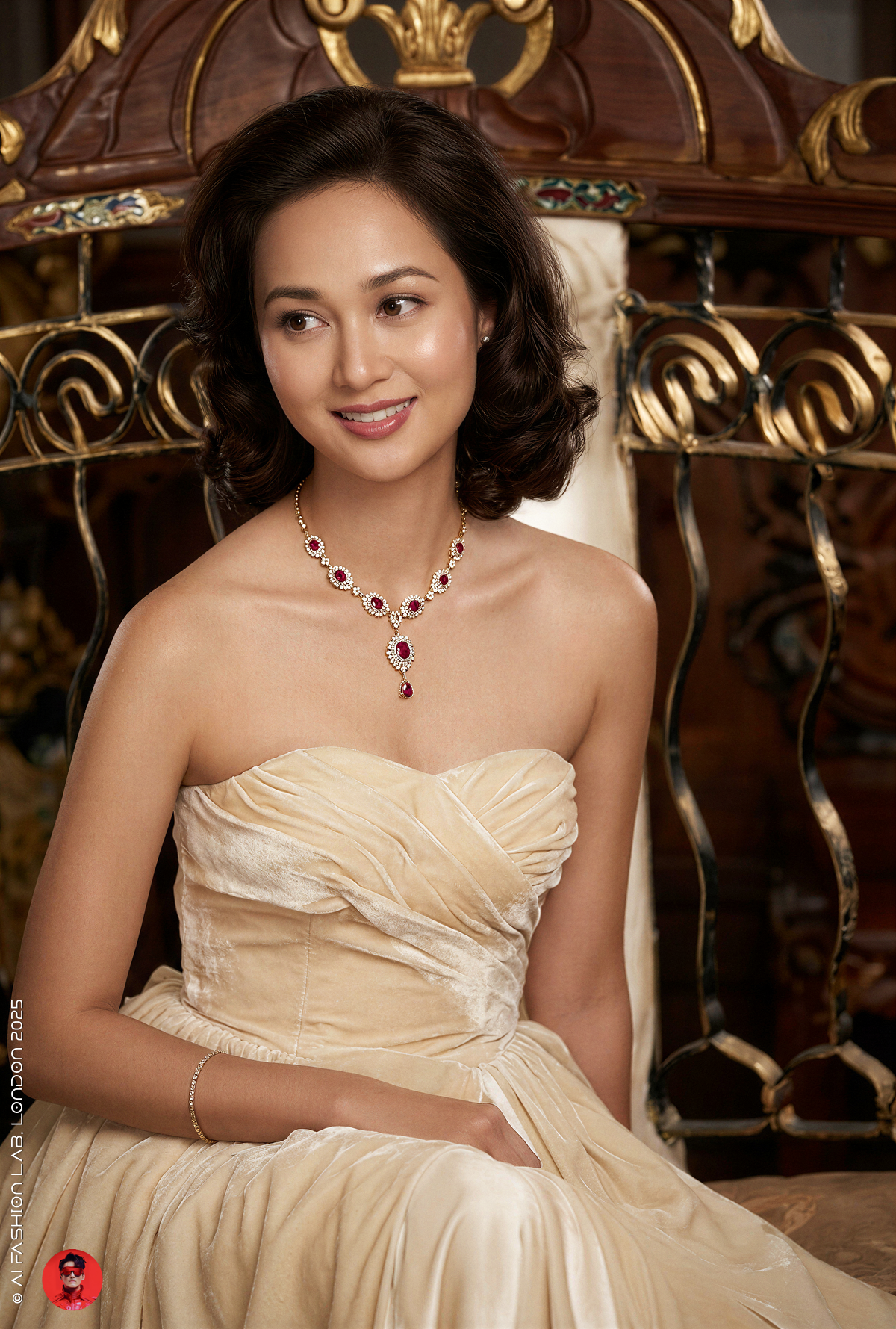
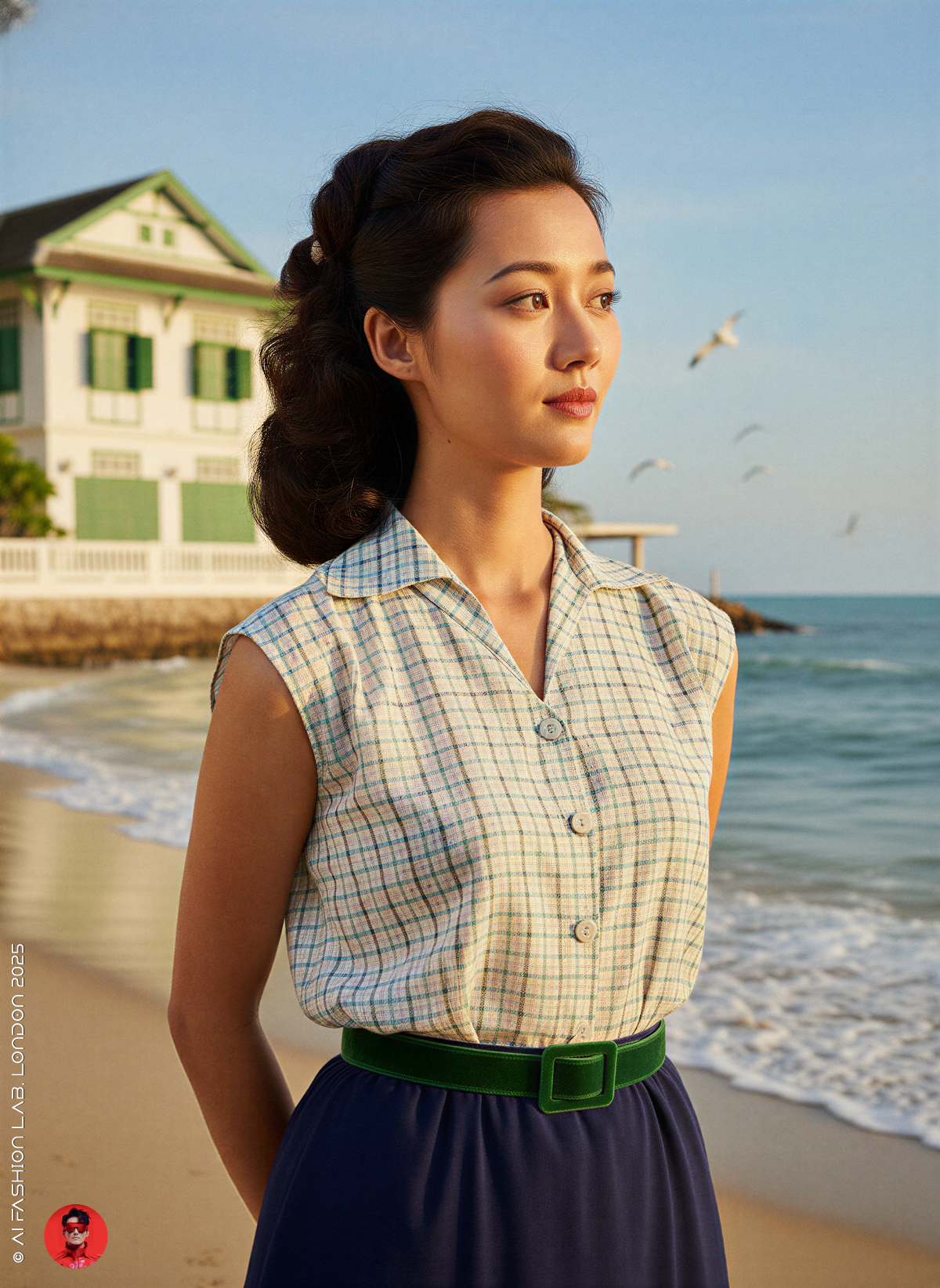
สิ่งที่นักอ่านจำนวนมากอาจไม่เคยทราบมาก่อน คือ “ปริศนา” มิได้เป็นเพียงตัวละครในจินตนาการ หากมีต้นแบบที่เป็นบุคคลจริง นั่นคือ คุณวาสนา กระแสสินธุ์ หญิงสาวซึ่งมีเชื้อสายจากชาวหัวหินดั้งเดิม
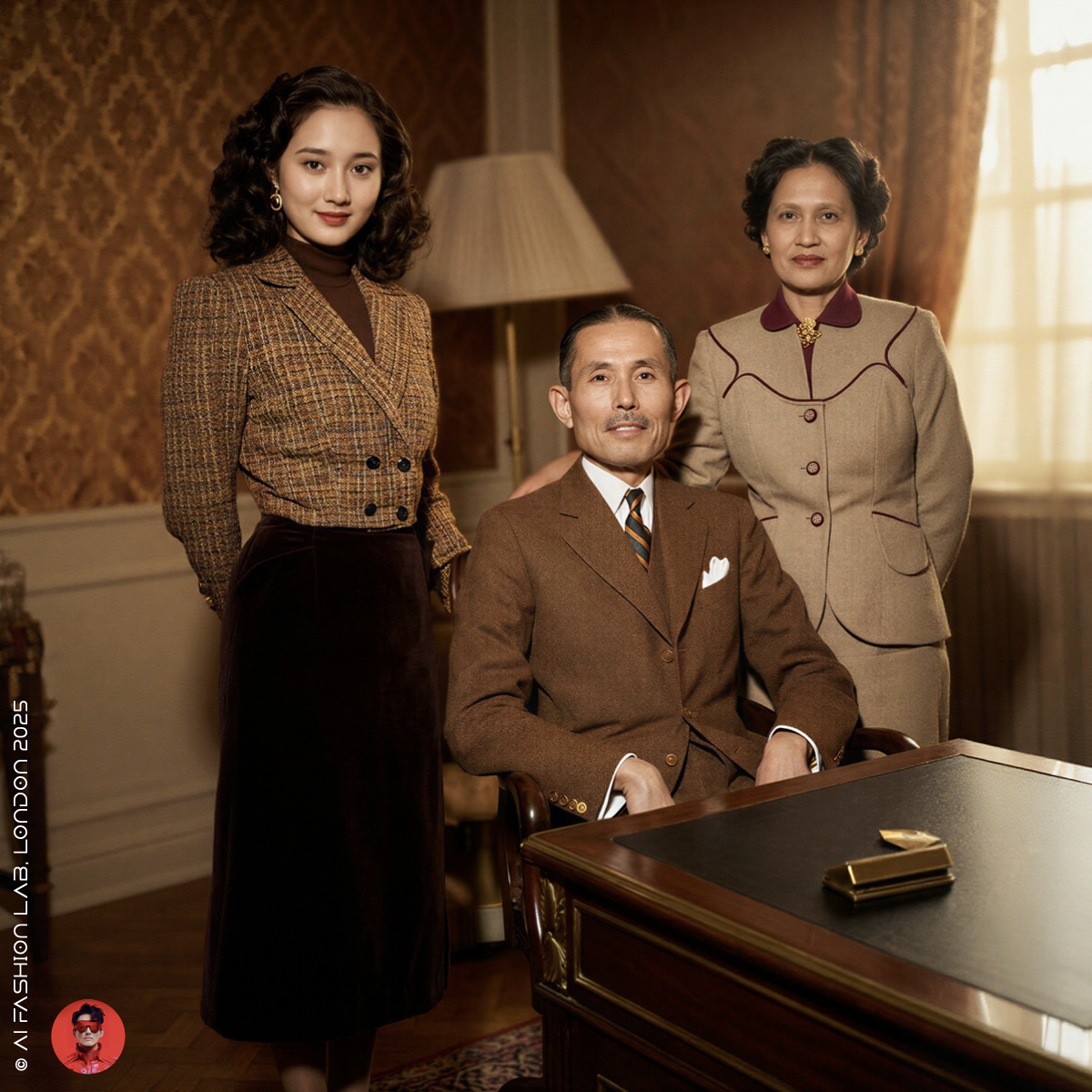
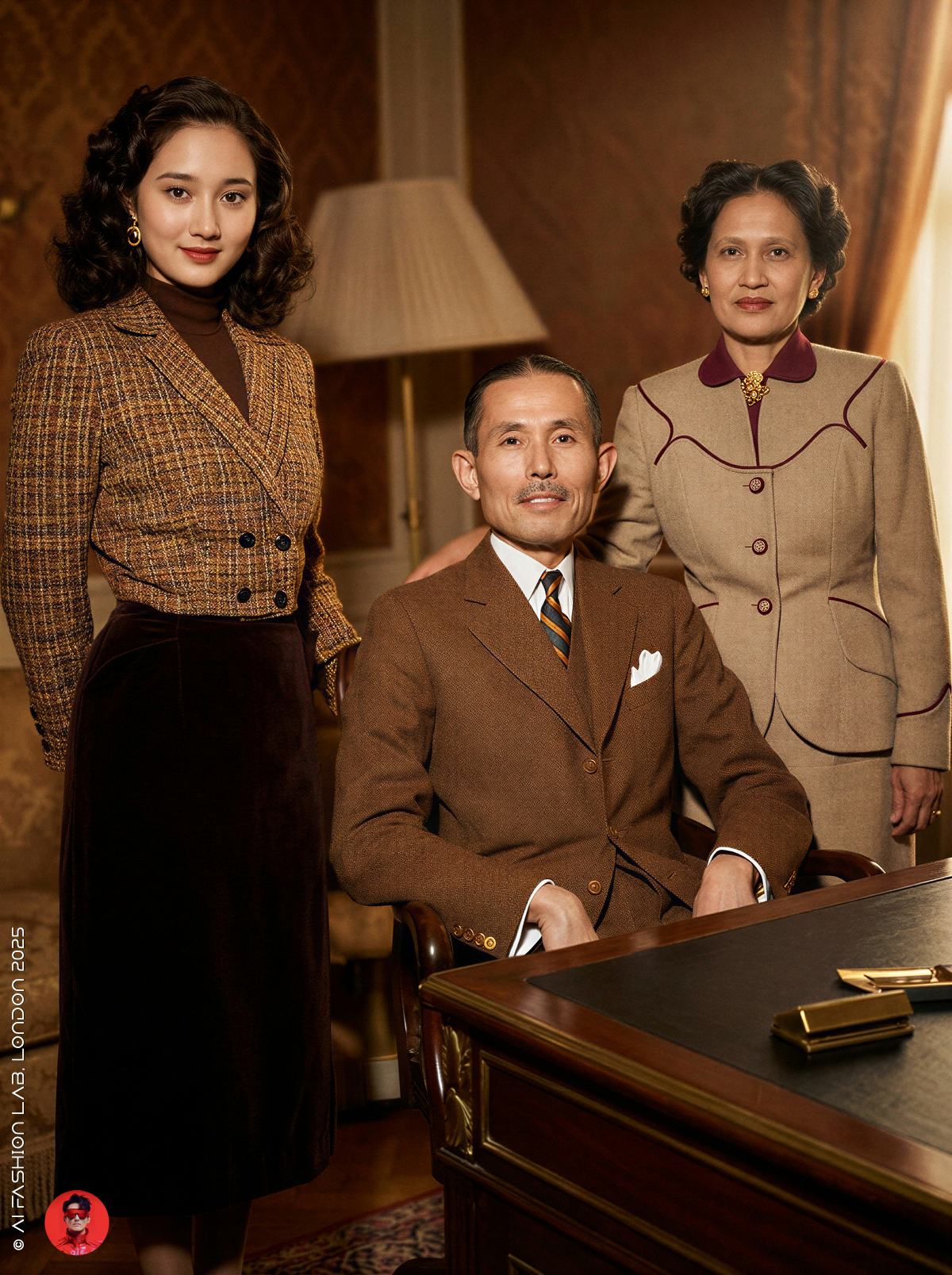
ภาพถ่ายที่เป็นหลักฐานสำคัญคือภาพของคุณวาสนา กระแสสินธุ์ (ซ้ายสุด) ถ่ายร่วมกับบิดาและมารดา ณ กรุงโคเปนเฮเกน ประเทศเดนมาร์ก ในช่วงเวลาที่ ขุนพิพิธวิรัชชการ (วงศ์ กระแสสินธุ์) บิดาของเธอ ดำรงตำแหน่งเอกอัครราชทูตไทยประจำกรุงโคเปนเฮเกน
ขุนพิพิธวิรัชชการ เป็นบุตรของ นายวอน กระแสสินธุ์ ชาวหัวหินดั้งเดิม ส่วนมารดาคือ คุณลำจวน นามสกุลเดิม อยู่อำไพ ชาวศรีราชา
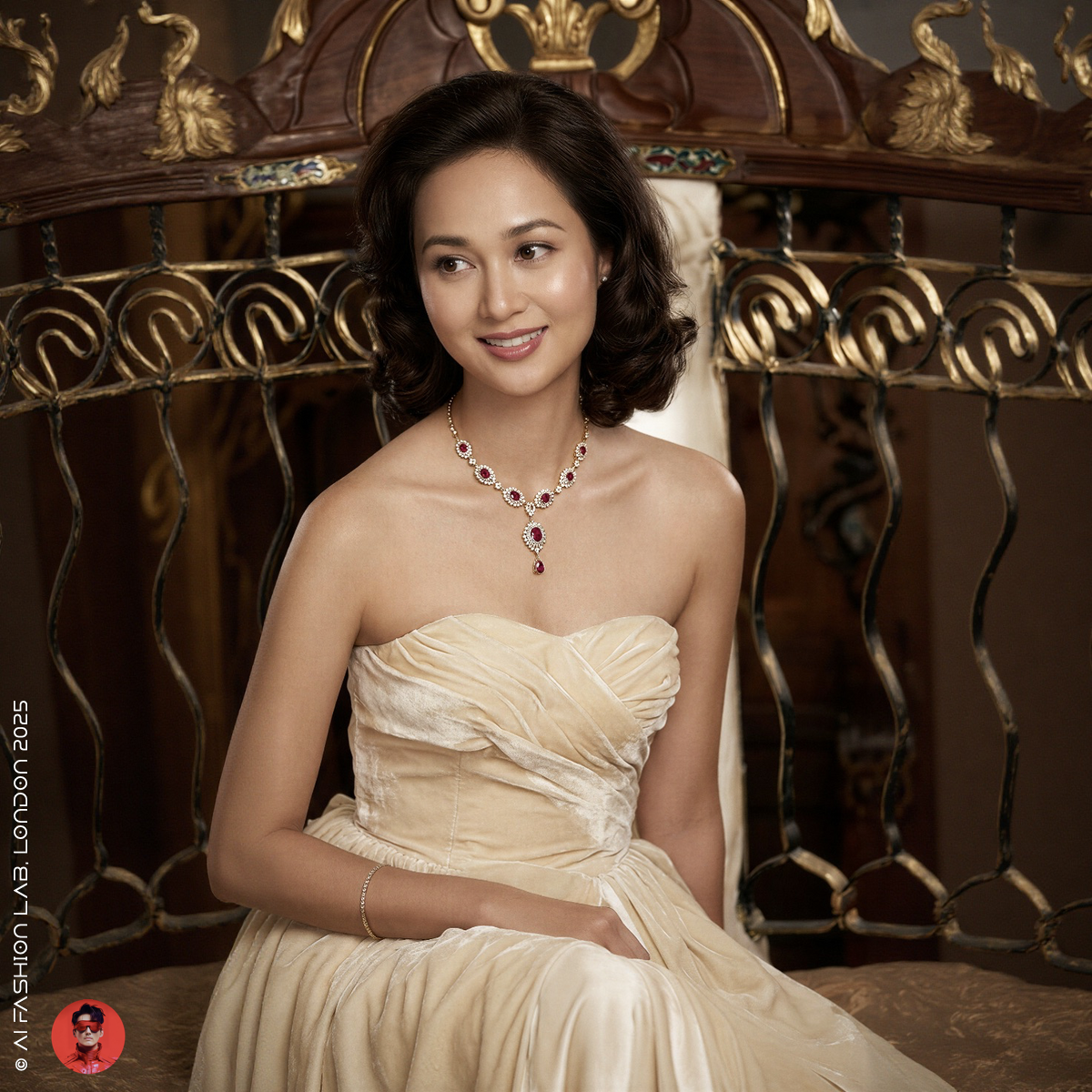
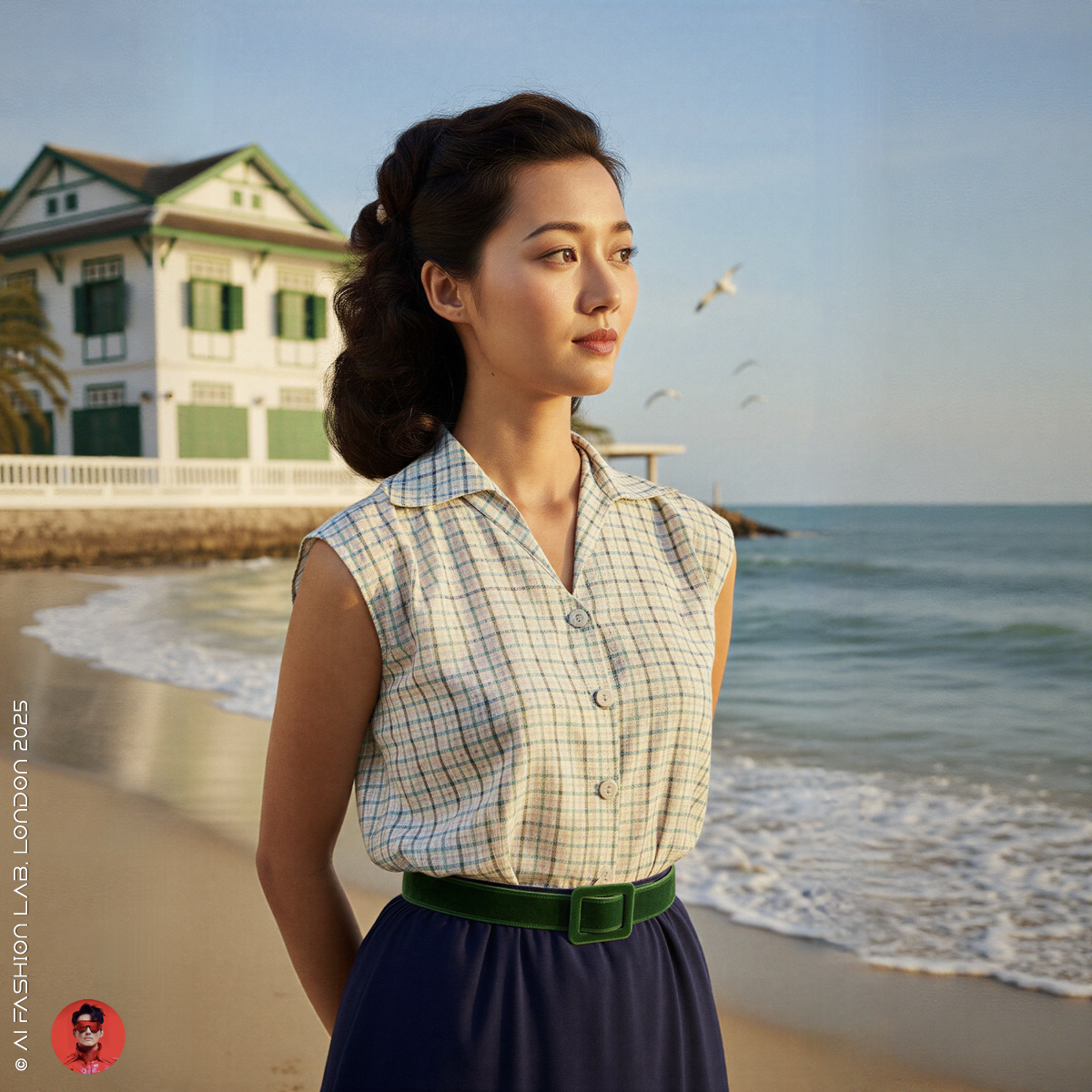
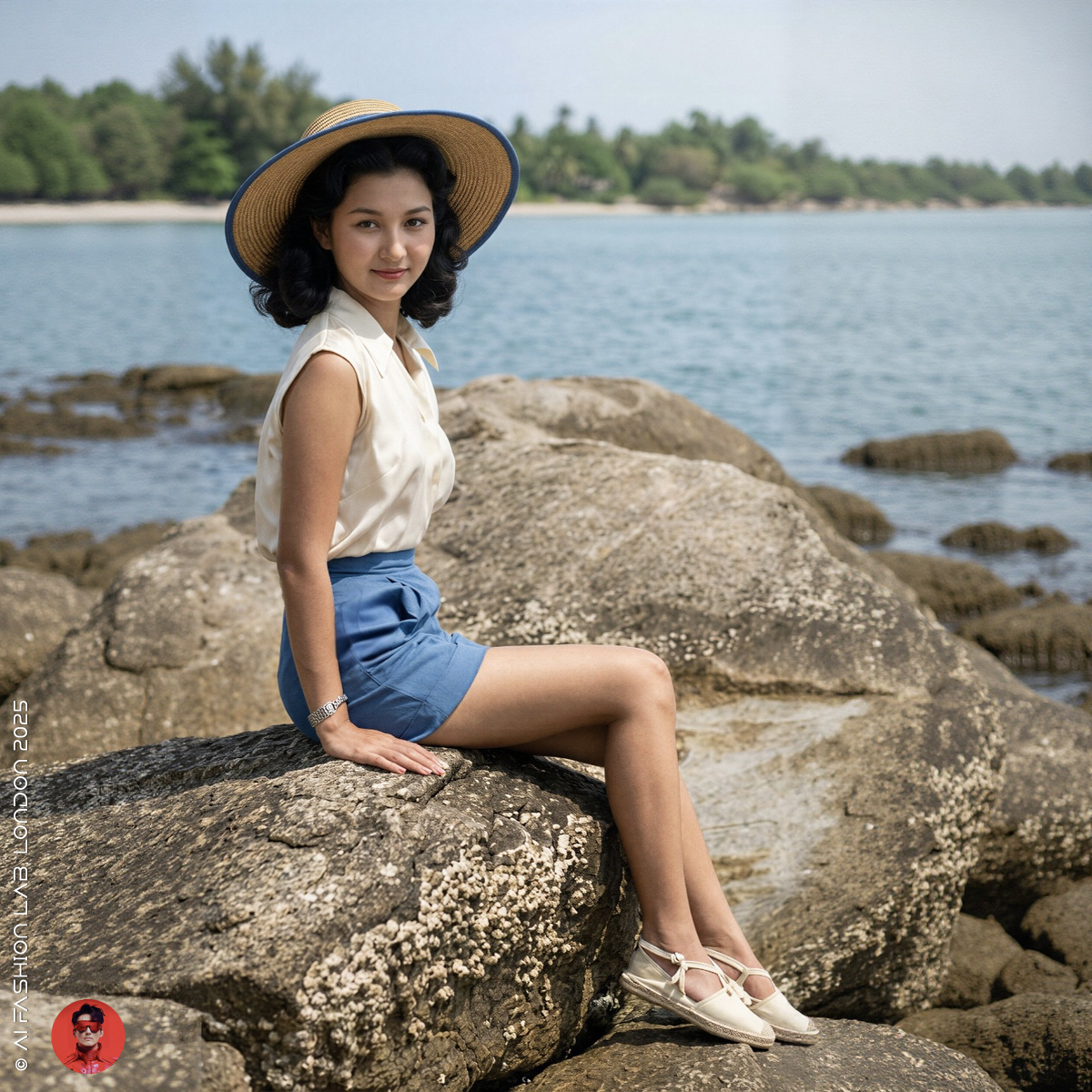
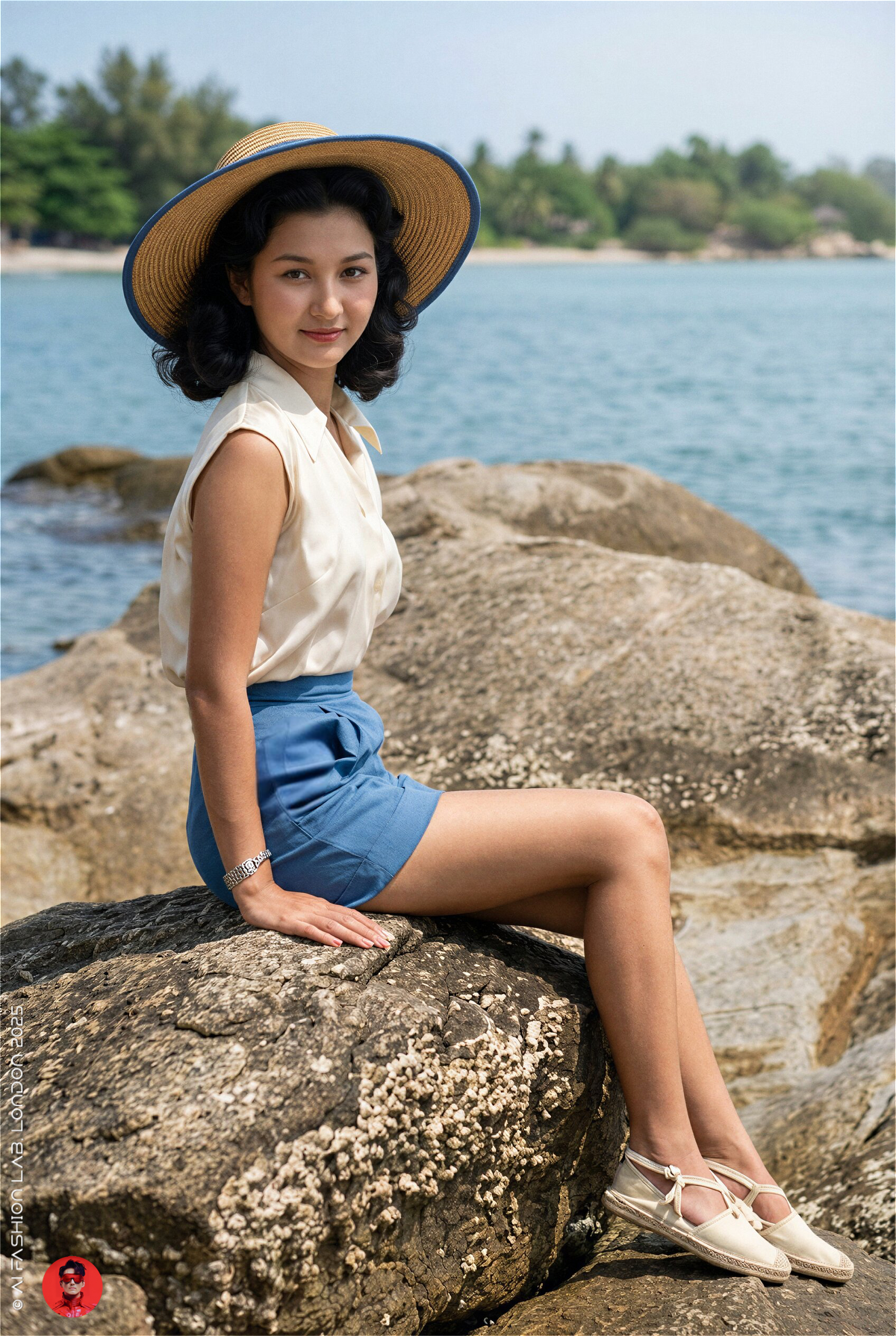
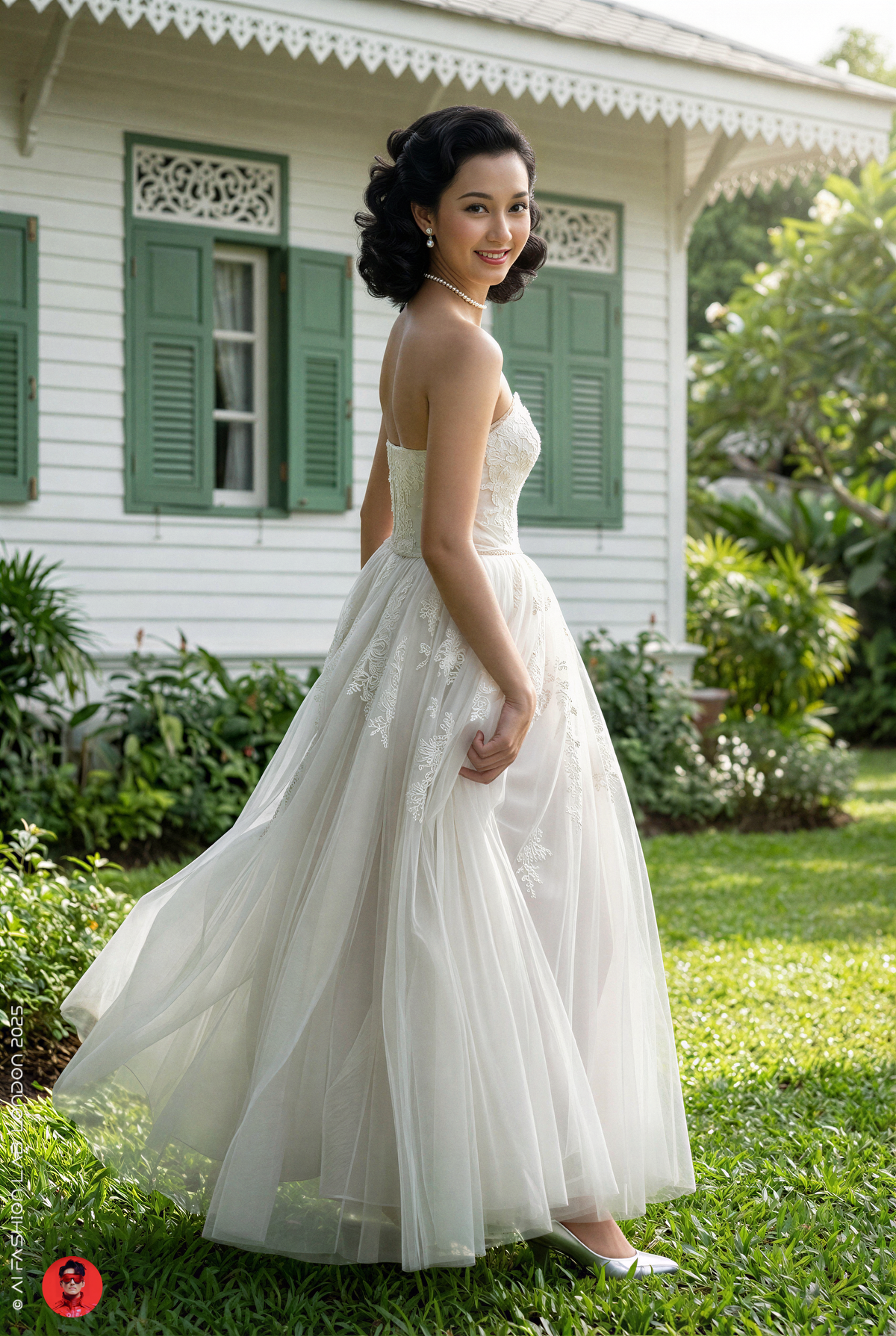
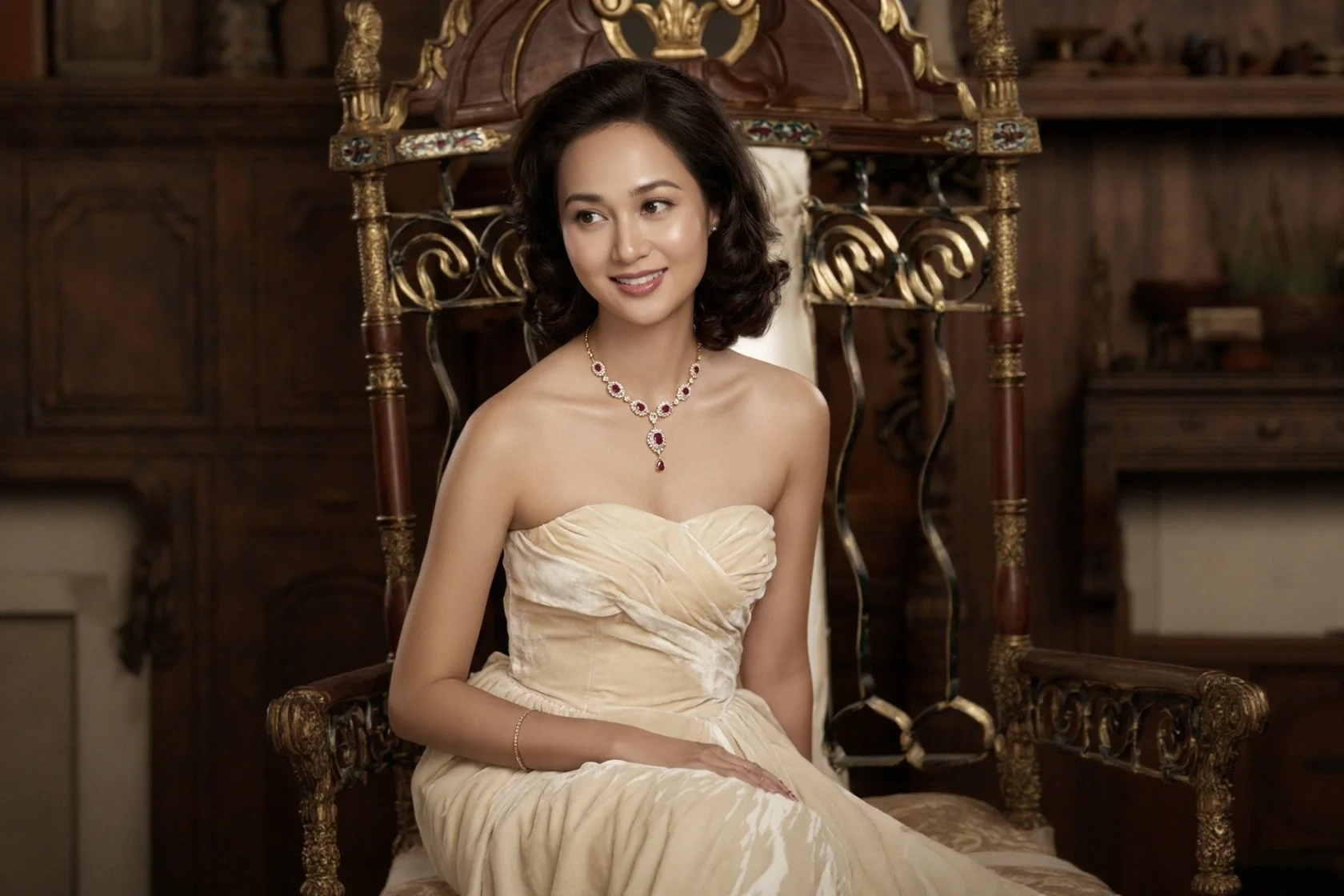
ในช่วงเวลาดังกล่าว พระองค์เจ้าวิภาวดีรังสิต ได้เสด็จไปพบครอบครัวนี้ด้วยพระองค์เอง และทรงขอให้คุณวาสนา กระแสสินธุ์ เป็นแบบภาพถ่ายสำหรับใช้เป็น “ภาพสมมุติของปริศนา” ในการจัดพิมพ์นวนิยายเป็นเล่มครั้งแรก
พระองค์เจ้าวิภาวดีรังสิตทรงเล่าไว้ในคำนำหนังสือ ปริศนา ฉบับพิมพ์เล่มว่า
“รูปที่สมมุติว่าเป็นรูปปริศนาในหนังสือเล่มนี้
ข้าพเจ้าได้เชิญเสด็จหม่อมเจ้ายาใจ จิตรพงศ์
และหม่อมเจ้าถกลไกวัล รพีพัฒน์
มาถ่ายคุณวาสนา กระแสสินธุ์
เพราะว่าคุณวาสนาเป็นผู้ที่ข้าพเจ้าเห็นว่า
มีลักยิ้มและหน้าตา รูปร่าง คล้ายคลึงกับ ‘ปริศนา’
ซึ่งบรรยายไว้ในหนังสือเรื่องนี้
ข้าพเจ้าขอบพระทัยท่านทั้ง ๒ และคุณวาสนาไว้ ณ ที่นี้ด้วย”
ลงพระนาม
ว. ณ ประมวญมารค
๒๐ พฤศจิกายน พ.ศ. ๒๔๙๕
นามปากกา ว. ณ ประมวญมารค มาจากพระนามเดิม หม่อมเจ้าวิภาวดี รัชนี และที่ประทับเดิมซึ่งตั้งอยู่บนถนนประมวญ จึงทรงเลือกใช้คำว่า “วิภาวดี ณ ถนนประมวญ” เป็นที่มาของนามปากกาอันเป็นที่รู้จักในวงการวรรณกรรมไทย
การที่ต้นแบบของ ปริศนา คือหญิงสาวลูกหลานชาวหัวหิน มิใช่สตรีชั้นสูงในราชสำนักโดยตรง หากแต่เป็นผู้ที่ก้าวข้ามพรมแดนภูมิศาสตร์และวัฒนธรรมไปสู่เวทียุโรป สะท้อนภาพของ “สตรีสมัยใหม่” ตามอุดมคติของผู้ประพันธ์ได้อย่างชัดเจน และยิ่งทำให้นวนิยายเรื่องนี้มีมิติทางประวัติศาสตร์และสังคมที่ลึกซึ้งยิ่งขึ้น
เรื่องราวของ คุณวาสนา กระแสสินธุ์ จึงมิใช่เพียงเกร็ดเบื้องหลังวรรณกรรม หากเป็นอีกหนึ่งหน้าประวัติศาสตร์เล็ก ๆ ที่เชื่อมโยงโลกของวรรณศิลป์ ชนชั้นนำ และชุมชนท้องถิ่นอย่างหัวหิน เข้าไว้ด้วยกันอย่างงดงาม
__________________
“Prissana” and Its Real-Life Inspiration
Wasana Krachasin: A Young Woman from Hua Hin Behind the Literary World of Prissana by V. Na Pramuanmak
Among the classic Thai novels of the post–World War II period, Prissana occupies a singular and enduring place in the hearts of readers. Revered across generations, the novel has lived on not only in book form but also through television adaptations and repeated reinterpretations within the evolving contexts of modern Thai society. Prissana was written by V. Na Pramuanmak (ว. ณ ประมวญมารค), the pen name of Her Royal Highness Princess Vibhavadi Rangsit (พระเจ้าวรวงศ์เธอ พระองค์เจ้าวิภาวดีรังสิต), and was first serialised in the newspaper Daily Mail on 1 October 1951 (พ.ศ. ๒๔๙๔). The narrative is set against the historical backdrop spanning the late reign of King Ananda Mahidol (Rama VIII)(พระบาทสมเด็จพระเจ้าอยู่หัวอานันทมหิดล) to the early reign of King Bhumibol Adulyadej (Rama IX) (พระบาทสมเด็จพระเจ้าอยู่หัวภูมิพลอดุลยเดช).
Prissana forms part of a literary trilogy, alongside Chao Sao Khong Anon (The Bride of Anon – เจ้าสาวของอานนท์) and Rattanawadi (รัตนาวดี). Together, these works delicately portray the world of Thailand’s social elite, the emergence of modern womanhood, and the complex web of interpersonal relationships during a period of profound social transition.
What many readers may not realise is that Prissana was not solely a product of imagination. The character was inspired by a real individual: Ms Wasana Krachasin (คุณวาสนา กระแสสินธุ์), a young woman descended from a long-established family of Hua Hin.
A key piece of historical evidence is a photograph showing Wasana Krachasin (far left) together with her parents, taken in Copenhagen, Denmark, during the period when her father, Khun Phiphitwiratchakan (Wong Krachasin) (ขุนพิพิธวิรัชชการ (วงศ์ กระแสสินธุ์)), was serving as Thai Ambassador to Copenhagen.
Khun Phiphitwiratchakan was the son of Mr Won Krachasin (นายวอน กระแสสินธุ์), a native of Hua Hin, while Wasana’s mother, Mrs Lamjuan Yoou-ampai (คุณลำจวน อยู่อำไพ), originated from Si Racha.
During this period, Princess Vibhavadi Rangsit personally visited the family and requested that Wasana Krachasinserve as the photographic model for the imagined likeness of Prissana in the first book edition of the novel.
Princess Vibhavadi later explained this decision in the preface to the published volume of Prissana, writing:
“The photograph assumed to represent Prissana in this book
was taken by inviting
Mom Chao Yaijai Chitrapong
and Mom Chao Thakalakawan Raphiphat
to photograph Ms Wasana Krachasin,
because she is someone whom I felt possessed
the dimples, facial features, and figure
closely resembling ‘Prissana’
as described in this novel.
I wish to express my sincere thanks
to both Their Highnesses and to Ms Wasana
on this occasion.”
Signed
V. Na Pramuanmak (ว. ณ ประมวญมารค)
20 November 1952 (พ.ศ. ๒๔๙๕)
The pen name V. Na Pramuanmak was derived from Princess Vibhavadi’s birth name, Mom Chao Vibhavadi Rajani(หม่อมเจ้าวิภาวดี รัชนี), combined with the location of her former residence on Pramuan Road (ถนนประมวญ). From this, she fashioned the name “Vibhavadi of Pramuan Road”, which became one of the most recognisable literary names in Thai letters.
The fact that the real-life inspiration for Prissana was a woman of Hua Hin descent, rather than a lady of the inner royal court, is particularly significant. Educated, cosmopolitan, and able to cross geographical and cultural boundaries into Europe, Wasana Krachasin embodied the author’s ideal of the modern Thai woman. This reality lends Prissana an added dimension of historical and social resonance.
The story of Wasana Krachasin is therefore more than a literary footnote. It represents a small yet compelling chapter of Thai cultural history—one that bridges literature, the elite social world, and local heritage, weaving them together with quiet elegance.
__________________
เรียนเชิญกด Subscribe ได้ที่ลิงก์นี้ครับ เพื่อร่วมติดตามงานสร้างสรรค์ต้นฉบับ งานวิจัยประวัติศาสตร์แฟชั่น และผลงานอนุรักษ์มรดกวัฒนธรรมด้วยเทคโนโลยี AI ของ AI Fashion Lab, London ซึ่งมุ่งตีความอดีตผ่านมิติใหม่ของการบูรณะภาพ การสร้างสรรค์ภาพ และการเล่าเรื่องด้วยศิลปะเชิงดิจิทัล 🔗 https://www.facebook.com/aifashionlab/subscribe/
#aifashionlab #AI #aiartist #aiart #aifashion #aifashiondesign #aifashionstyling #aifashiondesigner #fashion #fashionhistory #historyoffashion #fashionstyling #fashionphotography #digitalfashion #digitalfashiondesign #digitalcostumedesign #digitaldesign #digitalaiart #ThaiFashionHistory #ThaiFashionAI #thailand #UNESCO