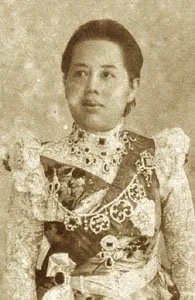
สมเด็จพระศรีพัชรินทราบรมราชินีนาถ และสร้อยพระศอชุดเครื่องมรกต
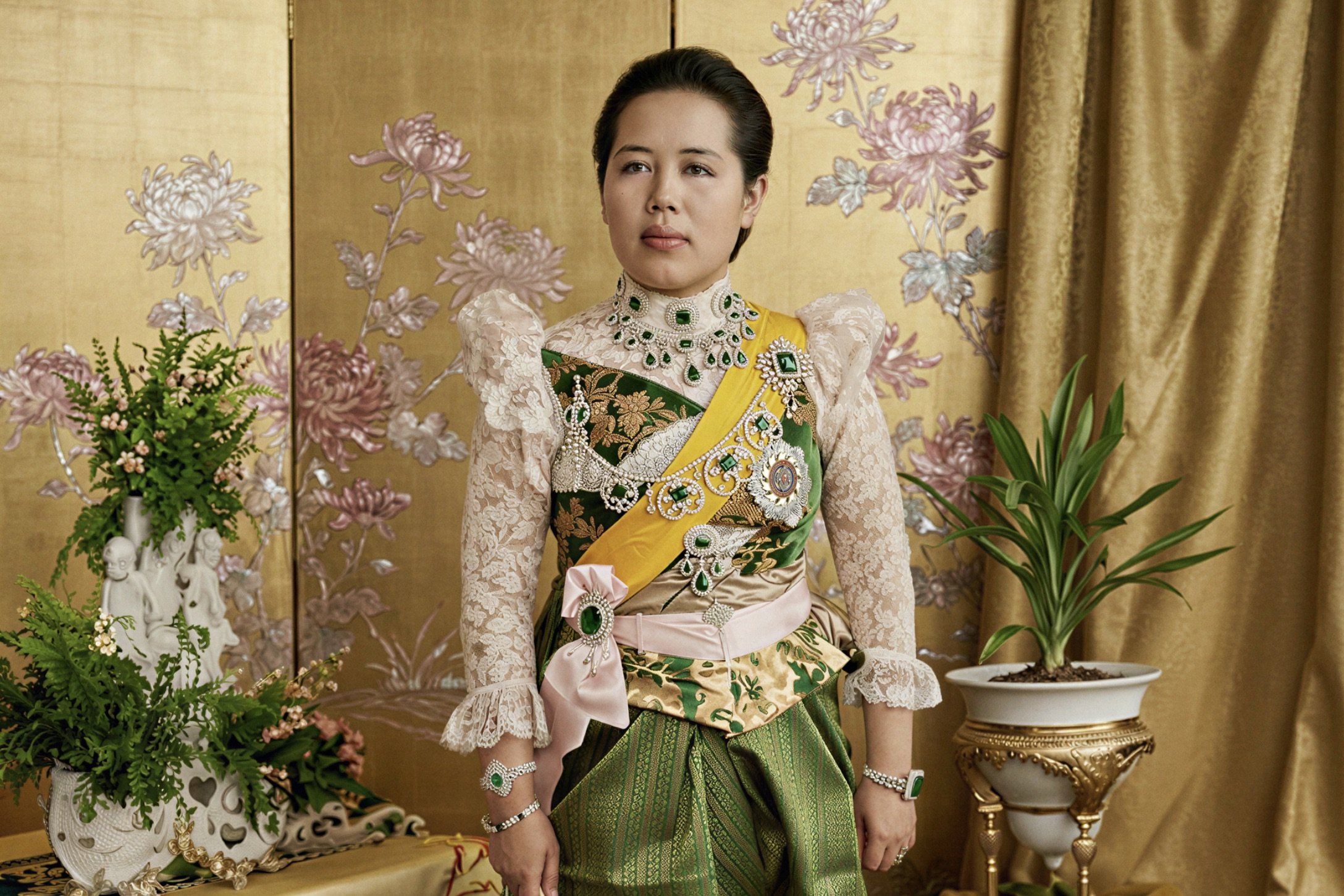
สมเด็จพระศรีพัชรินทราบรมราชินีนาถ และสร้อยพระศอชุดเครื่องมรกต
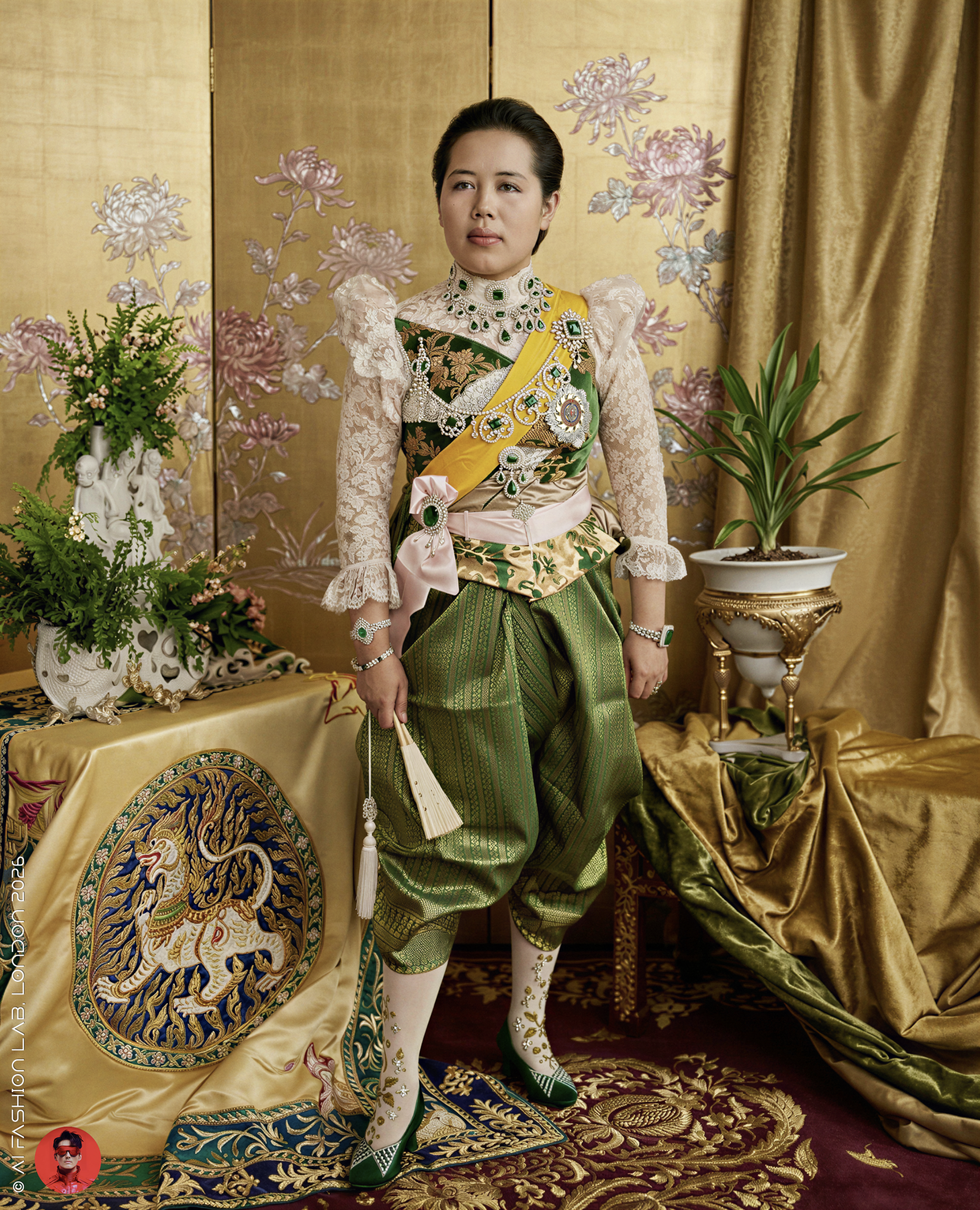
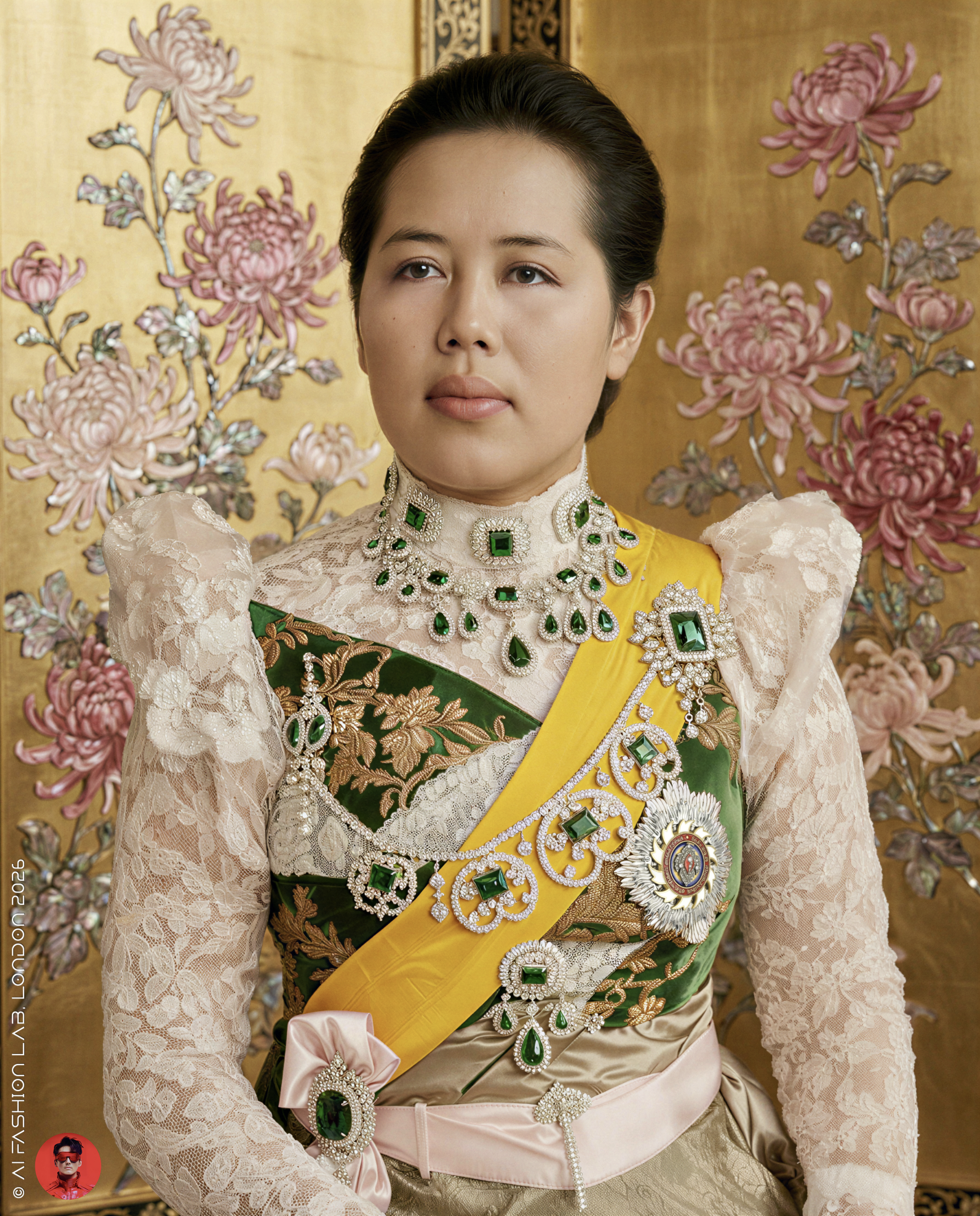
ภาพที่ได้รับการบูรณะและสร้างสรรค์ขึ้นตามจินตนาการด้วยเทคโนโลยี AI นี้ เป็นพระฉายาลักษณ์ของ สมเด็จพระศรีพัชรินทราบรมราชินีนาถ พระบรมราชชนนีพันปีหลวง ซึ่งเป็นภาพที่งดงามและทรงคุณค่าทางประวัติศาสตร์ พระองค์ทรงสวม สร้อยพระศอชุดเครื่องมรกต พร้อม สายสะพายเครื่องราชอิสริยาภรณ์มหาจักรีบรมราชวงศ์
สำหรับฉลองพระองค์ เป็นสไตล์ แขนเสื้อแบบระบายซ้อนชั้น (Manches à volants superposés หรือ Tiered Flounce Sleeves) แฟชั่นสตรีในยุโรปขณะนั้นอยู่ในจุดสูงสุดของ แขนเสื้อทรงแขนหมูแฮม (Leg-of-Mutton หรือ Gigot Sleeve) ซึ่งขยายใหญ่เป็นพิเศษราว ค.ศ. 1895–1896 (พ.ศ. 2438–2439) แต่เมื่อถึงฤดูใบไม้ร่วง ค.ศ. 1897 (พ.ศ. 2440) รูปทรงดังกล่าวเริ่มลดขนาดลง ดีไซเนอร์ในกรุงปารีสจึงเสนอแนวทางใหม่ที่ละเอียดอ่อนกว่า โดยออกแบบแขนเสื้อให้เป็นชั้นระบายซ้อนกันด้วยลูกไม้หรือผ้าบางเบา เรียงลดหลั่นจากหัวไหล่ลงมาตามต้นแขน
แฟชั่นลักษณะนี้ปรากฏอยู่ในนิตยสารแฟชั่นฝรั่งเศส La Mode Illustrée ฉบับ ค.ศ. 1897 (พ.ศ. 2440) ซึ่งสะท้อนให้เห็นถึงการเปลี่ยนผ่านจากความอลังการของแขนหมูแฮมไปสู่ความอ่อนหวานและโรแมนติก อันเป็นแนวทางที่จะนำไปสู่แฟชั่นยุคเอ็ดเวิร์ด (Edwardian Fashion) ในต้นคริสต์ศตวรรษที่ 20 หรือช่วงปลายรัชกาลที่ ๕ ของสยาม
การนำแฟชั่นใหม่นี้เข้าสู่ราชสำนักไทยจึงมิใช่เพียงการติดตามสมัยนิยม หากแต่เป็น สัญลักษณ์แห่งความเป็นสมัยใหม่ (Modernity) และการเชื่อมโยงกับราชสำนักยุโรป การสวมใส่เสื้อผ้าลูกไม้วิคตอเรียทรงแขนเสื้อแบบระบายซ้อนชั้น จึงกลายเป็นการแสดงสถานะและพระบารมีของพระราชสำนักสยาม และฝ่ายใน ในสายตานานาชาติ
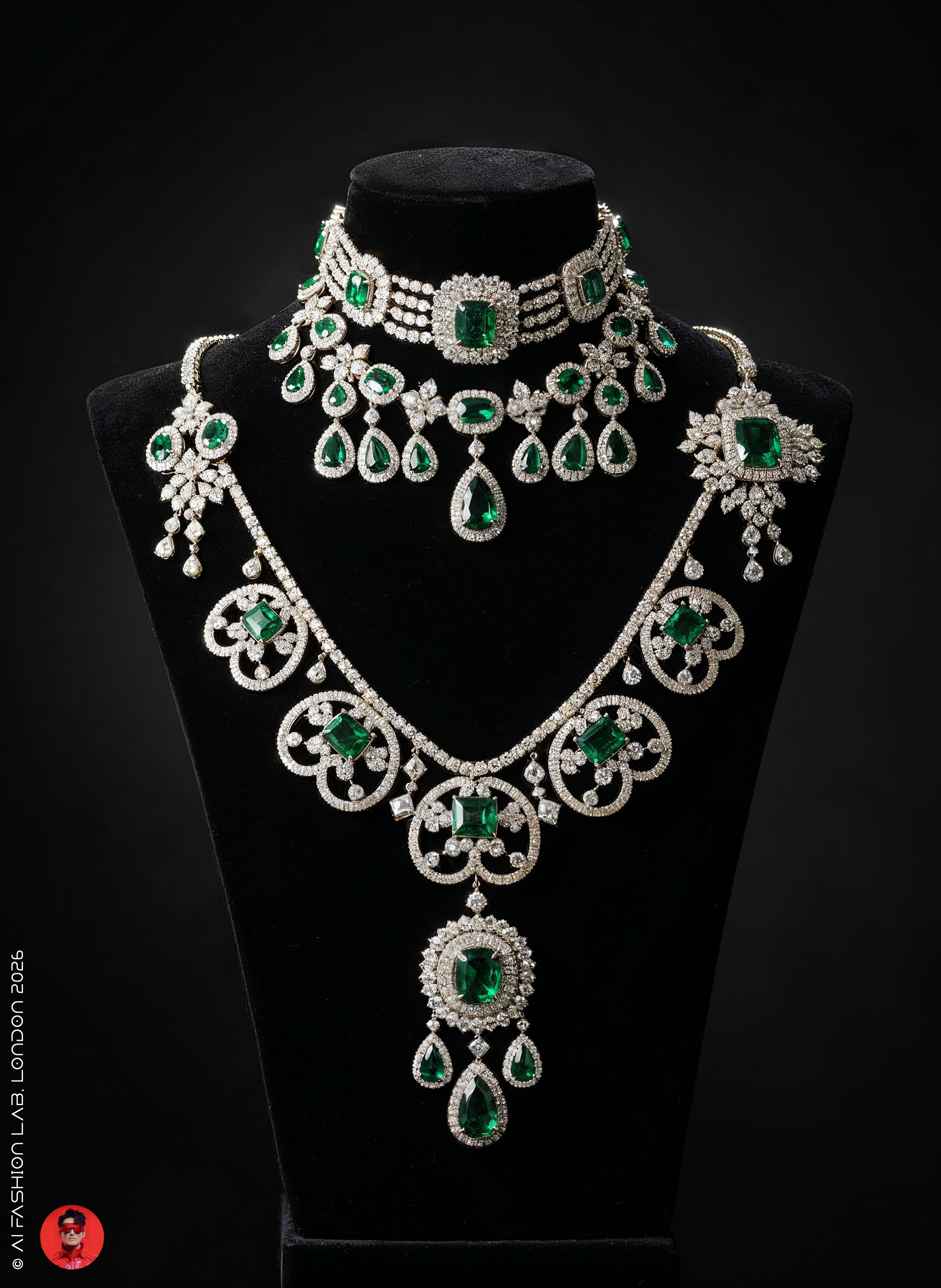
ในคอลเลกชันนี้ ผมตั้งใจนำเสนอการใช้เทคโนโลยี AI ในการออกแบบและสร้างสรรค์เครื่องประดับชั้นสูง (Fine Jewellery) โดยเฉพาะการประยุกต์เทคนิค Upscaling ซึ่งมิได้เป็นเพียงกระบวนการขยายขนาดของภาพเท่านั้น หากยังเป็นเทคนิคที่ช่วย ยกระดับความละเอียดของภาพ เพิ่มคุณภาพของวัสดุ และเผยให้เห็นรายละเอียดของงานจิวเวลรี่ได้อย่างประณีตยิ่งขึ้น
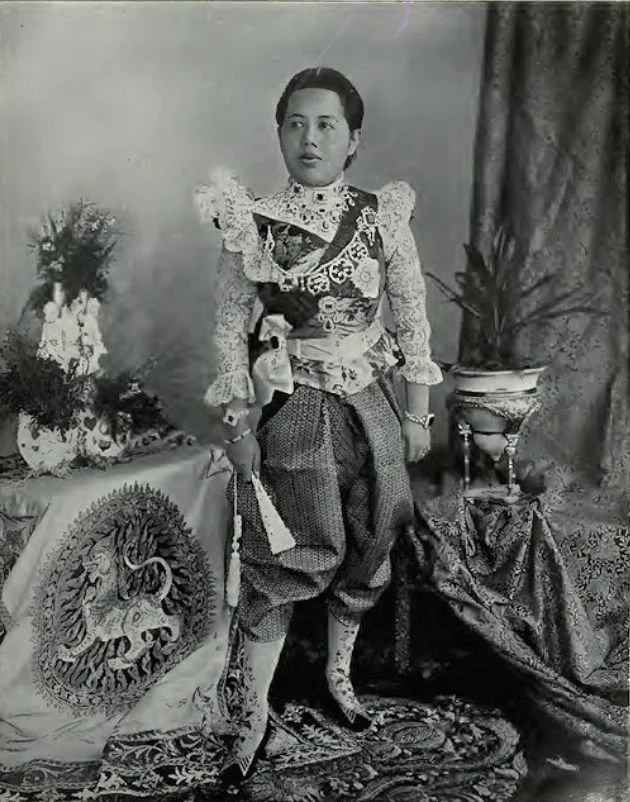
สำหรับ ชุดเครื่องมรกต ที่ปรากฏในภาพนี้ สร้างขึ้นจากภาพถ่ายขาวดำต้นฉบับ โดยอาศัย การตีความเชิงสร้างสรรค์ (Creative Input) เพื่อถ่ายทอดจินตนาการของความงดงามในแบบราชสำนัก มิใช่การจำลองสร้อยพระศอชุดเครื่องมรกตองค์จริง แต่ได้รับแรงบันดาลใจจาก พระฉายาลักษณ์ต้นฉบับ
#เครื่องมรกตของสมเด็จพระพันปี
"วันหนึ่งคุณอาพระยาประเสริฐเดินหิ้วกระเป๋าเครื่องเพชรใบใหญ่ขึ้นมาบนเรือน ฉันเรียนคุณอาว่า
คุณพ่อยังไม่กลับ คุณอาตอบว่า อาไม่ได้มาหาคุณพ่อหรอก จะเอาของกายสิทธิ์มาให้แกดู
แล้วคุณอาก็เข้ามาในห้องแล้วเปิดหีบเครื่องเพชรให้ดู ฉันตาโตถามว่าคุณอาเอามาจากไหนคะ
คุณอาตอบว่า เครื่องมรกตของสมเด็จพระพันปี พระราชทานเป็นมรดกแก่สมเด็จพระปกเกล้า ฯ เพราะท่านทรงพระราชสมภพในวันพุธ สมเด็จพระพันปีมีเครื่องเพชรชุดใหญ่ ๆ หลายชุด
พระบาทสมเด็จพระมงกุฎเกล้า ฯ ได้พระราชมรดกเป็นเพชรทั้งชุด เพราะท่านชื่อวชิราวุธ
ทูลกระหม่อมอัษฎางค์ได้เครื่องทับทิมเพราะท่านเกิดวันอาทิตย์
หรืออย่างไรฉันก็จำไม่ได้แล้ว ส่วนทูลกระหม่อมฟ้าติ๋วจุฑาธุชได้เครื่องนิลเพราะวันศุกร์หรืออย่างไรก็จำไม่ได้เหมือนกัน
ทูลกระหม่อมฟ้าหญิงวไลอลงกรณ์ได้เครื่องไข่มุกด์ที่ท่านโปรด
ฉันถามคุณอาต่อไปว่า แล้วทำไมเครื่องมรกตวิเศษนี้จึงมาอยู่ที่คุณอาล่ะ
คุณอาตอบว่าก็อาไปเอามาจากพระนางลักษมี
โปรดเกล้า ฯ ให้ไปขอคืนมา จะพระราชทานคุณเปรื่องซึ่งจะสถาปนาเป็นพระสุจริตสุดาในวันนี้ เพราะคุณเปรื่องเขาเกิดวันพุธ
ที่อาบอกว่าเป็นของกายสิทธิ์เพราะของนี่เคลื่อนที่ได้ ใครบุญไม่ ก็ไม่อยู่ด้วย
แล้วคุณอาเล่าต่อไปว่า
เมื่อพระบาทสมเด็จพระปกเกล้า ฯ ได้พระราชมรดกเป็นเครื่องมรกตชุดใหญ่นี้แล้ว ก็นำขึ้นทูลเกล้า ฯ ถวายพระบาทสมเด็จพระมงกุฎเกล้า ฯ โดยถ่อมพระองค์ว่าพระองค์เองเป็นแต่สมเด็จพระเจ้าน้องยาเธอ พระชายาก็เป็นหม่อมเจ้า ไม่ควรที่จะใช้เครื่องมรกตชุดสำคัญนี้ ซึ่งเป็นของสำหรับพระยศพระมเหษี
พอรัชกาลที่ ๖ โปรดพระนางลักษมี ก็พระราชทานเครื่องมรกตนี้ให้พระนางลักษมี ซึ่งสมมติว่าจะเป็นพระราชินีต่อไป
แต่พอทรงแน่พระราชหฤทัยว่า จะไม่ทรงตั้งพระนางลักษมีเป็นราชินี ก็ทรงพระราชดำริที่จะพระราชทานบริจาริกาที่เกิดในวันพุธ
คุณอาจึงไปขอคืนมาจากพระนางลักษมี และอุตส่าหอบมาให้ฉันได้ชมเป็นขวัญตา
มรกตชุดนี้มีครบเครื่องทั้งมงกุฎ(หรือกระบังหน้า) สร้อยพระศอ ทองพระกรเป็นสายสร้อย ๒ สาย กับกำไลก้านแข็ง พระธำมรงค์หลายวง และเข็มกลัดหลายอัน"
ขยายความเรื่องเครื่องมรกตที่คุณวันดีเล่าไว้ว่า เป็นของกายสิทธิ์จริงๆ ท่านผู้ใหญ่ในสกุลสุจริตกุลที่เป็นหลาน "คุณพระใหญ่" (พระสุจริตสุดา) ท่านเล่าว่า เมื่อล้นเกล้าฯ สวรรคต เครื่องมรกตชุดนี้ก็ถูกประธานกรรมการจัดพระราชทรัพย์ หรืออีกนัยหนึ่งคือท่านผู้จัดการพระราชมรดก ท่านเรียกคืน นัยว่าให้กลับไปเป็นของหลวง แล้วมีเรื่องเล่ากันต่อมาว่า ในสมัยเชื่อผู้นำชาติพ้นภัยมีคนเห็นสุภาพสตรีหมายเลขอะไรอย่าไปใส่ใจเลย ท่านประดับมรกตชุดนี้ ต่อมาเมื่อสมเด็จเจ้าฟ้าเพชรรัตนฯ เสด็จกลับจากอังกฤษ
เมื่อสิ้นยุคท่านผู้นำแล้ว พระบาทสมเด็จพระเจ้าอยู่หัวทรงพระกรุณาโปรดเกล้าฯ ให้แบ่งพระราชมรดกในสมเด็จพระพันปีหลวงเป็นชุดๆ แล้วโปรดเกล้าฯ ให้ทรงจับสลากกัน ปรากฏว่า สมเด็จเจ้าฟ้าเพชรรัตนฯ ทรงจับสลากได้ชุดเพชร สมเด็จอินทร์ฯ ทรงจับได้ชุดทับทิม ตรงกับวันอังคารวันประสูติ คุณพระใหญ่ท่านจับสลากได้ชุดมรกต ส่วนพระนางเธอลักษมีลาวัณ ทรงจับสลากได้ชุดอะไรจำไม่ได้แล้ว
ใครบุญไม่ ก็ไม่อยู่ด้วยนั้นเห็นจะจริง
ที่มา.....เรื่องของคน ๕ แผ่นดิน ท่านผู้หญิงดุษฏี มาลากุล
______________________
Queen Saovabha Phongsri and the Emerald Parure
(สมเด็จพระศรีพัชรินทราบรมราชินีนาถ และสร้อยพระศอชุดเครื่องมรกต)
This AI-restored and imaginatively reconstructed image presents a royal photograph (พระฉายาลักษณ์) of Her Majesty Queen Saovabha Phongsri (สมเด็จพระศรีพัชรินทราบรมราชินีนาถ), Queen Mother of Siam (สมเด็จพระบรมราชชนนีพันปีหลวง). The image is of considerable historical and visual significance. Her Majesty is shown wearing an emerald parure (ชุดเครื่องมรกตครบชุด), together with the sash of the Most Illustrious Order of the Royal House of Chakri (สายสะพายเครื่องราชอิสริยาภรณ์มหาจักรีบรมราชวงศ์).
The costume depicted features tiered flounce sleeves (Manches à volants superposés). In European women’s fashion of the period, the exaggerated leg-of-mutton or gigot sleeve reached its apogee around 1895–1896 (พ.ศ. 2438–2439), characterised by dramatically enlarged shoulders. By the autumn of 1897 (พ.ศ. 2440), however, this silhouette began to diminish in scale. Parisian designers proposed a more restrained and refined alternative, constructing sleeves from layers of lace or lightweight fabric arranged in graduated flounces descending from the shoulder along the upper arm.
This transitional fashion is documented in the French fashion periodical La Mode Illustrée (1897), reflecting a shift from the theatrical excess of the gigot sleeve towards a softer, more romantic aesthetic. This evolution anticipated the emergence of Edwardian fashion in the early twentieth century and corresponds, in the Siamese context, to the final years of the reign of King Chulalongkorn (รัชกาลที่ ๕).
The introduction of this fashion into the Siamese royal court was not merely an act of emulation. Rather, it functioned as a symbol of modernity (Modernity) and of Siam’s deliberate engagement with European court culture. The wearing of Victorian lace garments with tiered flounce sleeves thus became a visual articulation of royal status and authority, projecting the prestige of the Siamese court—and particularly that of the inner court (ฝ่ายใน)—within an international sphere.
AI, Fine Jewellery, and Creative Interpretation
This collection explores the use of AI technology in the design and visualisation of fine jewellery. Particular emphasis is placed on upscaling techniques, understood not merely as processes of image enlargement, but as methods for enhancing surface resolution, material definition, and structural clarity. Through this approach, the craftsmanship of jewellery—its gemstones, metalwork, and compositional balance—can be examined in heightened detail.
The emerald parure shown here is derived from an original black-and-white photograph. Its colour, materials, and brilliance are the result of creative interpretation (Creative Input), intended to evoke the splendour of royal jewellery rather than to replicate any surviving emerald parure in exact historical detail. The work is inspired by the original royal photograph (พระฉายาลักษณ์ต้นฉบับ) and by documented traditions of Siamese court jewellery.
The Emerald Parure of the Queen Mother
(เครื่องมรกตของสมเด็จพระพันปี)
“One day, Uncle Phraya Prasert (คุณอาพระยาประเสริฐ) arrived at the house carrying a large case of jewellery. I told him that my father had not yet returned. He replied that he had not come to see my father, but had brought something sacred for me to see.
He entered the room and opened the jewellery chest. I stared in astonishment and asked where the jewels had come from. He replied that they were the emerald jewels of the Queen Mother (สมเด็จพระพันปีหลวง), bestowed as an inheritance upon King Prajadhipok (พระบาทสมเด็จพระปกเกล้าเจ้าอยู่หัว) because His Majesty was born on a Wednesday. The Queen Mother possessed several great jewellery sets.
King Vajiravudh (พระบาทสมเด็จพระมงกุฎเกล้าเจ้าอยู่หัว) received a complete diamond parure, as his name was Vajiravudh.
Prince Asdang (ทูลกระหม่อมอัษฎางค์) received rubies, as he was born on a Sunday.
As for Prince Chudadhuj (ทูลกระหม่อมฟ้าติ๋วจุฑาธุช), he received onyx, being born on a Friday—or so I recall.
Princess Valaya Alongkorn (ทูลกระหม่อมฟ้าหญิงวไลยอลงกรณ์) received pearls, which she particularly favoured.
I then asked why this extraordinary emerald parure was in my uncle’s possession. He replied that he had retrieved it from Princess Lakshmi (พระนางลักษมี), having received royal instructions to reclaim it in order to present it to Khun Prueang (คุณเปรื่อง), who was to be elevated that very day as Phra Sujaritsuda (พระสุจริตสุดา), as she too was born on a Wednesday.
My uncle explained that the jewels were considered sacred, for they were said to move of their own accord: those without sufficient merit could not retain them.
He went on to recount that when King Prajadhipok inherited this great emerald parure, he presented it to King Vajiravudh, humbly stating that he himself was only a junior prince and that his consort was merely a Mom Chao; it would therefore be inappropriate for them to possess a parure intended for a queen consort.
When King Vajiravudh favoured Queen Lakshmi, he bestowed the emerald parure upon her, assuming that she would become queen. However, when His Majesty resolved not to elevate her to that position, he determined instead to bestow the parure upon a royal consort born on a Wednesday. My uncle therefore retrieved it from Queen Lakshmi and brought it for me to see.
The emerald parure was complete, comprising a crown (or diadem), a necklace, two chain bracelets and rigid bangles, several rings, and numerous brooches.”
Further elaborating on this account, members of the Sujaritkul family (สกุลสุจริตกุล)—descendants of “Khun Phra Yai” (คุณพระใหญ่ / พระสุจริตสุดา)—confirmed that the emerald parure was indeed regarded as sacred. Following the death of the King, the parure was recalled by the chairman of the Royal Assets Committee, effectively returning it to the Crown.
Later accounts suggest that during the nationalist period, a prominent female figure—identity deliberately left unrecorded—was seen wearing the emerald parure. Subsequently, when Princess Bejaratana (สมเด็จเจ้าฟ้าเพชรรัตนราชสุดา)returned from England, and following the end of that political era, His Majesty the King ordered that the Queen Mother’s jewellery inheritance be divided into sets and allocated by lottery.
Princess Bejaratana drew the diamond set; Princess Indrasakdi (สมเด็จอินทรศักดิศจี) drew the ruby set, corresponding with her Tuesday birth; Phra Sujaritsuda drew the emerald parure; and Queen Lakshmi Vilas (พระนางเธอลักษมีลาวัณ)drew another set, the details of which are no longer recalled.
The belief that “those without merit cannot keep such jewels” appears, in this case, to have endured.
Source:
Five Reigns (เรื่องของคน ๕ แผ่นดิน) by Thanphuying Dusdi Malakul (ท่านผู้หญิงดุษฎี มาลากุล)
______________________
เรียนเชิญกด Subscribe ได้ที่ลิงก์นี้ครับ เพื่อร่วมติดตามงานสร้างสรรค์ต้นฉบับ งานวิจัยประวัติศาสตร์แฟชั่น และผลงานอนุรักษ์มรดกวัฒนธรรมด้วยเทคโนโลยี AI ของ AI Fashion Lab, London ซึ่งมุ่งตีความอดีตผ่านมิติใหม่ของการบูรณะภาพ การสร้างสรรค์ภาพ และการเล่าเรื่องด้วยศิลปะเชิงดิจิทัล 🔗 https://www.facebook.com/aifashionlab/subscribe/
#aifashionlab #AI #aiartist #aiart #aifashion #aifashiondesign #aifashionstyling #aifashiondesigner #fashion #fashionhistory #historyoffashion #fashionstyling #fashionphotography #digitalfashion #digitalfashiondesign #digitalcostumedesign #digitaldesign #digitalaiart #ThaiFashionHistory #ThaiFashionAI #thailand #UNESCO