พระมาลาทรงเบรอตง (Breton hat) แบบขอบลาด (downturned brim)
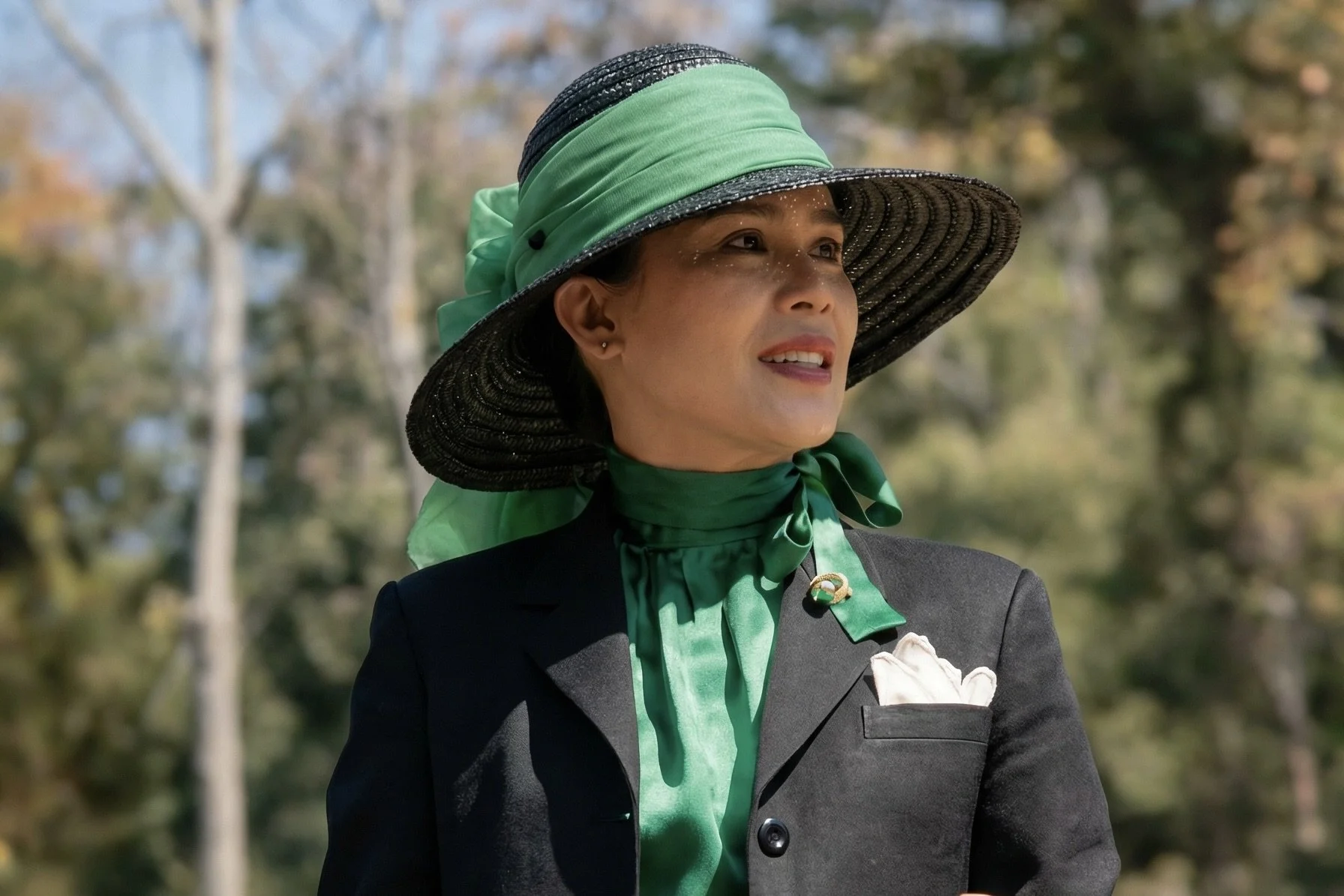
พระมาลาทรงเบรอตง (Breton hat) แบบขอบลาด (downturned brim)
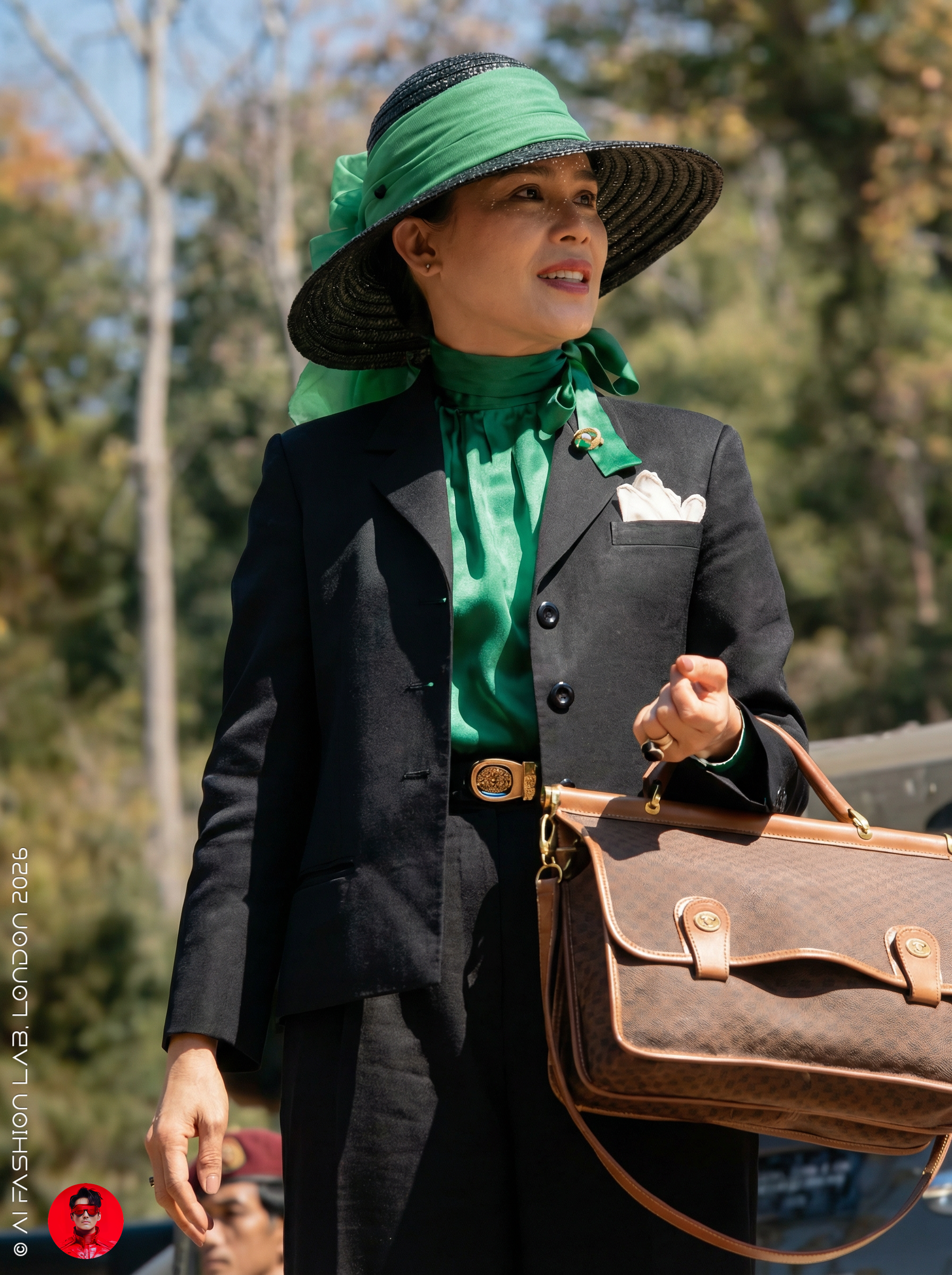
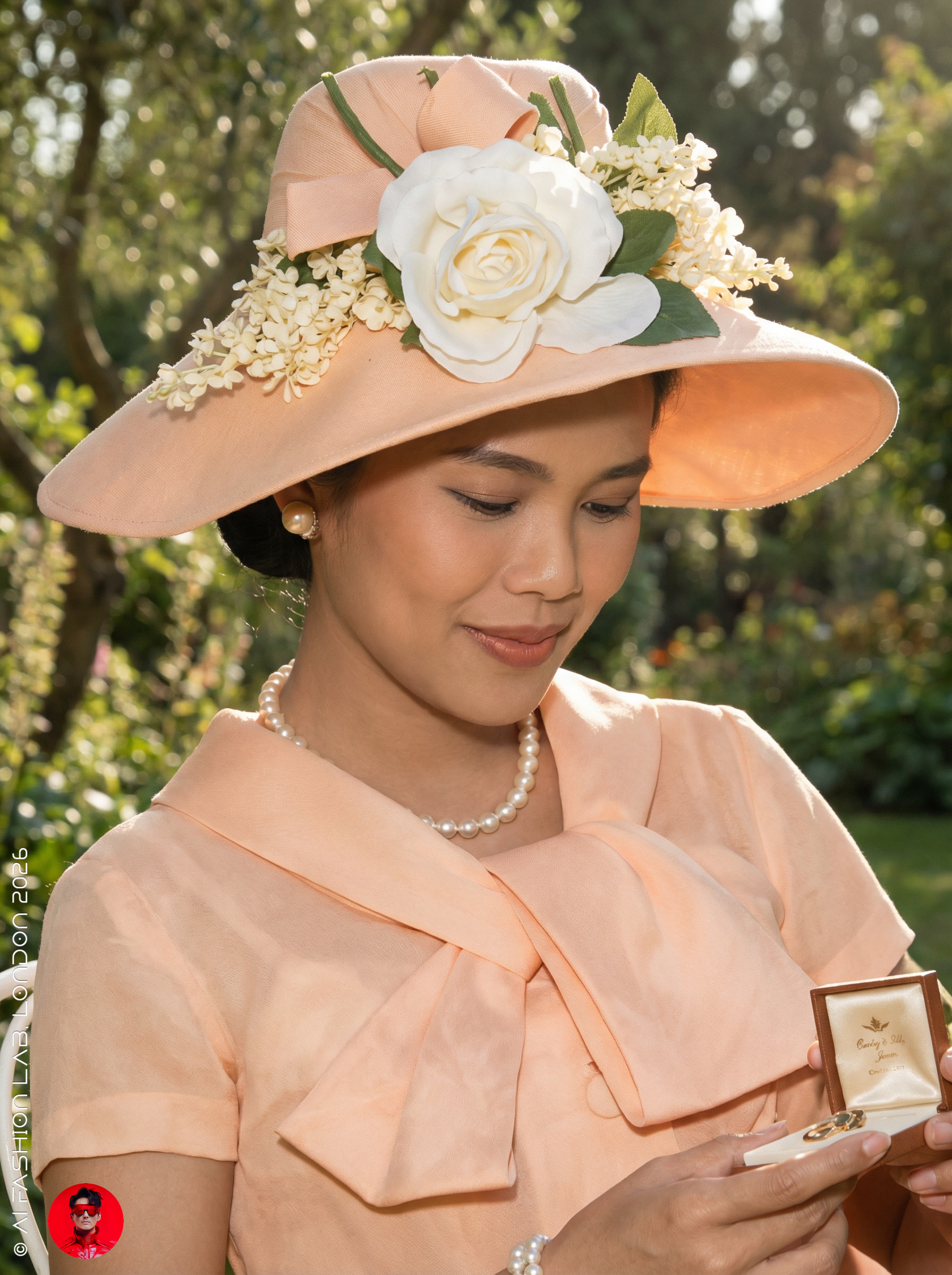
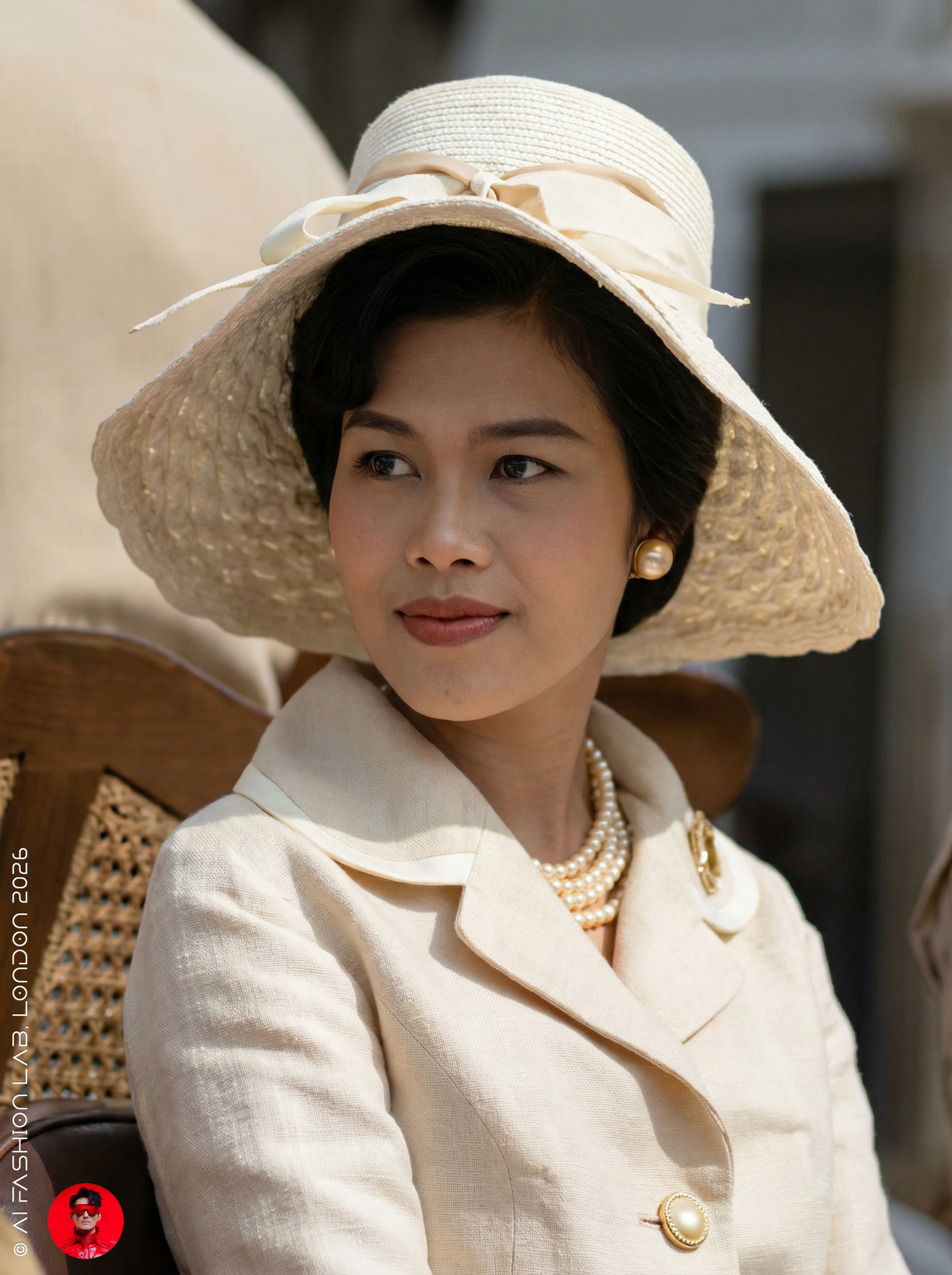
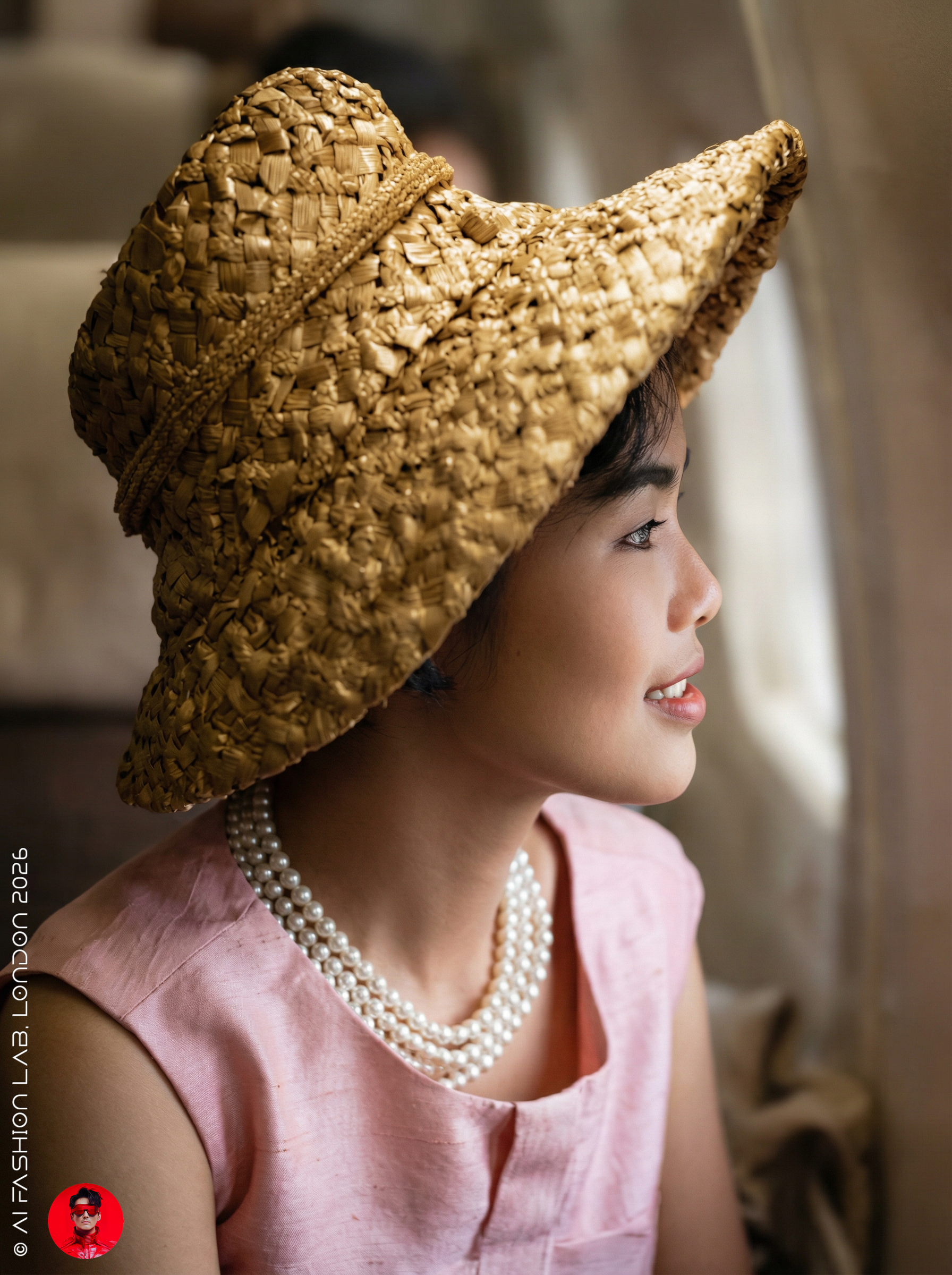
ในช่วงทศวรรษ 1960 เป็นต้นมา สมเด็จพระนางเจ้าสิริกิติ์ พระบรมราชินีนาถ พระบรมราชชนนีพันปีหลวง ทรงมีลักษณะการแต่งพระองค์สำหรับพระราชกรณียกิจในช่วงกลางวันและการเสด็จพระราชดำเนินในที่สาธารณะซึ่งมีความสวยงามและถูกต้องตามบริบทเป็นอย่างยิ่ง หนึ่งในองค์ประกอบที่โดดเด่นและปรากฏซ้ำอยู่ในพระฉายาลักษณ์ คือ พระมาลาทรงเบรอตง (Breton hat) แบบขอบลาด (downturned brim) ซึ่งเป็นพระมาลาที่มีทรงพุ่มมนและขอบหมวกโค้งลงอย่างนุ่มนวล แม้พระมาลาแต่ละองค์จะมีรายละเอียดของการถักฟางหรือการตกแต่งแตกต่างกันไป แต่โครงสร้างโดยรวมกลับสอดคล้องกันอย่างชัดเจน แสดงให้เห็นถึงพระราชนิยมในรูปทรงมากกว่าการเลือกใช้วัสดุหรือแบบเฉพาะของพระมาลาแต่ละองค์
พระมาลาทรงเบรอตงดังกล่าวมีรากศัพท์มาจากแคว้นบริตตานี (Bretagne) ทางตะวันตกเฉียงเหนือของประเทศฝรั่งเศส ศิราภรณ์พื้นถิ่นของภูมิภาคนี้ในอดีตมักมีทรงพุ่มมนและขอบหมวกที่ออกแบบให้เหมาะกับสภาพอากาศชายฝั่ง เมื่อเข้าสู่ปลายคริสต์ศตวรรษที่ 19 ถึงต้นคริสต์ศตวรรษที่ 20 ช่างทำหมวกในกรุงปารีสได้นำรูปทรงพื้นถิ่นเหล่านี้มาปรับให้สอดคล้องกับแฟชั่นสตรี กลายเป็นหมวกที่เรียบ สุภาพ และสง่างาม โดยยังคงความใช้งานได้จริง
ในช่วงทศวรรษ 1930 หมวกทรงเบรอตงได้รับความนิยมอย่างแพร่หลายในหมู่สตรีชั้นกลางและชั้นสูง เนื่องจากตอบรับวิถีชีวิตสมัยใหม่ที่ต้องเดินทางและปรากฏตัวในที่สาธารณะมากขึ้น รูปทรงที่ไม่แข็งกระด้าง ไม่ฟุ่มเฟือยเหมือนหมวกปีกกว้างขนาดใหญ่ และไม่แนบศีรษะเหมือนหมวกคลอช ทำให้หมวกทรงนี้มีความยืดหยุ่นในการใช้งาน อีกทั้งขอบหมวกที่โค้งอย่างอ่อนโยนยังช่วยกรอบใบหน้าได้งดงาม เหมาะแก่การถ่ายภาพ ซึ่งเป็นองค์ประกอบสำคัญของการสร้างมิติให้ใบหน้า
เมื่อเข้าสู่ทศวรรษ 1950–1960 หมวกทรงเบรอตงได้รับการตีความใหม่ โดยเฉพาะในรูปแบบที่ทำมาจากฟางและการออกแบบ ขอบลาด (downturned brim) ที่ให้ความรู้สึกเบาสบาย ร่วมสมัย และสุภาพยิ่งขึ้น พระมาลาที่สมเด็จพระนางเจ้าสิริกิติ์ทรงในช่วงเวลาดังกล่าวสะท้อนแนวโน้มนี้อย่างเด่นชัด แม้ไม่อาจระบุชนิดของฟางได้แน่ชัดทุกใบ แต่ความสม่ำเสมอของรูปทรงกลับสร้างเอกลักษณ์ใหม่ของพระองค์
ในบริบทของพระราชนิยมด้านการแต่งกาย พระมาลาทรงเบรอตง (Breton hat) แบบขอบลาด (downturned brim) จึงมิได้เป็นเพียงเครื่องประกอบฉลองพระองค์ หากแต่เป็นส่วนหนึ่งของภาษาทางแฟชั่นที่สมเด็จพระนางเจ้าสิริกิติ์ทรงใช้สื่อสารภาพลักษณ์ของพระองค์ต่อสายตานานาชาติ เป็นรูปทรงที่ผสานความเป็นสากล ความสุภาพ และความทันสมัยไว้ด้วยกันอย่างกลมกลืน สะท้อนพระอัจฉริยภาพในการเลือกใช้แฟชั่นที่หยั่งรากในประวัติศาสตร์ แต่ยังคงร่วมสมัยและเหมาะสมกับบทบาทของพระราชินีในโลกยุคใหม่
________________
Queen Sirikit and Breton-style hats
During the 1960s, Queen Sirikit developed a remarkably consistent language of daytime dress, and one of its most recognisable elements was her choice of hat. Across numerous photographs from this decade, a particular silhouette appears again and again: a straw hat with a rounded crown and a softly downturned brim, elegant yet restrained. Although individual examples vary in weave, finish, and trimming, the underlying form remains the same, suggesting not coincidence but preference. This style—commonly described in fashion history as a Breton-style hat—seems to have been one of her favoured solutions for public appearances, travel, and outdoor engagements.
The name “Breton” originates from Brittany (Bretagne) in north-western France, where traditional regional headwear was shaped by coastal life and practical necessity. These hats typically featured rounded crowns and brims designed to offer protection from wind and sun. In the late nineteenth and early twentieth centuries, French milliners began adapting such regional forms into fashionable urban headwear. By the interwar period, the Breton hat had become a recognised style in women’s fashion, characterised by a moderate-to-wide brim that might be slightly upturned, angled, or gently sloping downward, combined with a crown that sat neatly on the head without the rigidity of a boater or the tight enclosure of a cloche.
The popularity of the Breton hat during the 1930s was closely tied to changing patterns of modern life. As women travelled more, appeared more frequently in public, and embraced leisure culture, this hat offered a balance between elegance and practicality. It framed the face softly, photographed well, and conveyed modernity without theatrical excess. Unlike large picture hats or highly decorative forms, the Breton silhouette was adaptable and quietly confident—qualities that allowed it to survive beyond its original period of popularity.
By the 1950s and 1960s, the Breton hat experienced a renewed life, particularly in straw versions suited to warmer climates and daytime wear. The brim was often softened and turned downward, creating a gentle, face-framing curve that complemented the clean lines of contemporary tailoring. It was in this refined, modernised form that the style aligned perfectly with Queen Sirikit’s wardrobe. The hats seen in the reference photographs are not identical in material, indicating that they were made from different types of straw rather than a single named variety, yet their shared silhouette creates a strong visual continuity.
For Queen Sirikit, the Breton-style downturned straw hat offered an ideal synthesis of formality and ease. It was sufficiently polished for royal duty, yet never severe; modern in spirit, yet grounded in established fashion history. The hat harmonised effortlessly with Western couture as well as with Thai textiles and silhouettes, reinforcing her image as a queen who moved fluently between cultures. In this sense, the Breton hat became more than an accessory—it functioned as a quiet signature of her 1960s style, embodying composure, modern elegance, and an assured understanding of fashion’s historical language.
________________
เรียนเชิญกด Subscribe ได้ที่ลิงก์นี้ครับ เพื่อร่วมติดตามงานสร้างสรรค์ต้นฉบับ งานวิจัยประวัติศาสตร์แฟชั่น และผลงานอนุรักษ์มรดกวัฒนธรรมด้วยเทคโนโลยี AI ของ AI Fashion Lab, London ซึ่งมุ่งตีความอดีตผ่านมิติใหม่ของการบูรณะภาพ การสร้างสรรค์ภาพ และการเล่าเรื่องด้วยศิลปะเชิงดิจิทัล 🔗 https://www.facebook.com/aifashionlab/subscribe/
#aifashionlab #AI #aiartist #aiart #aifashion #aifashiondesign #aifashionstyling #aifashiondesigner #fashion #fashionhistory #historyoffashion #fashionstyling #fashionphotography #digitalfashion #digitalfashiondesign #digitalcostumedesign #digitaldesign #digitalaiart #ThaiFashionHistory #ThaiFashionAI #thailand #UNESCO