สมเด็จเจ้าพระยาบรมมหาศรีสุริยวงศ์ (ช่วง บุนนาค)
สมเด็จเจ้าพระยาบรมมหาศรีสุริยวงศ์ (ช่วง บุนนาค)
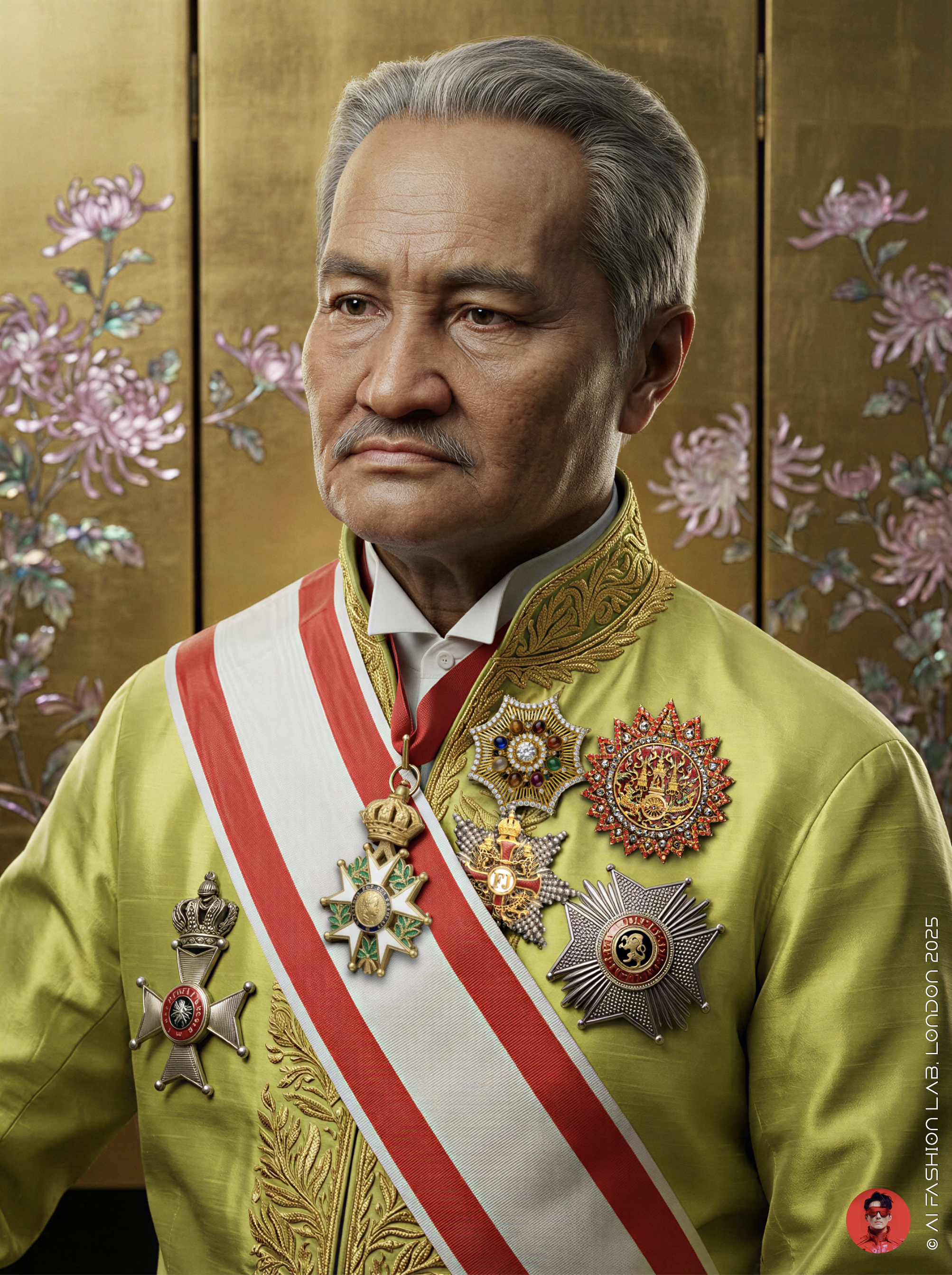
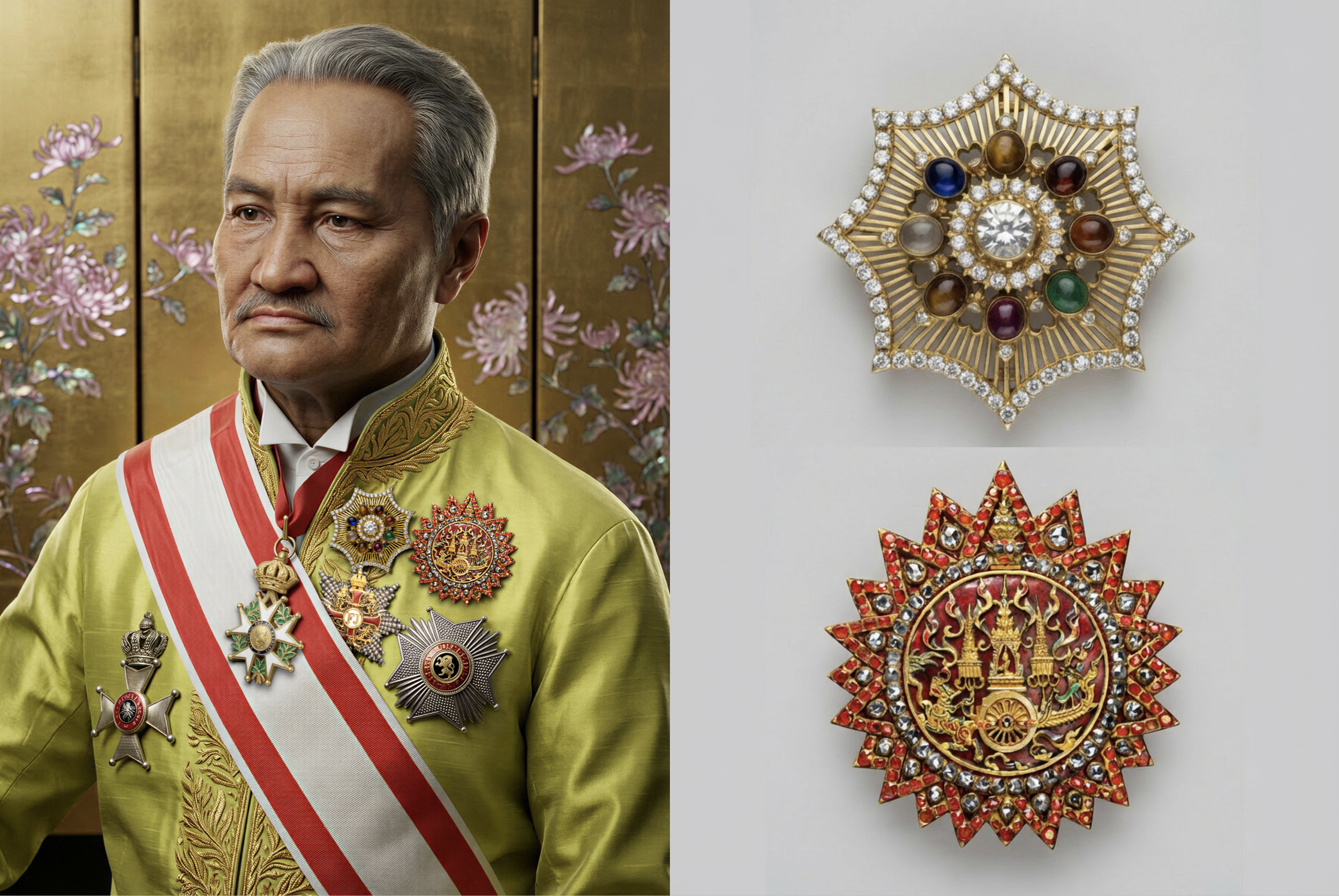
ภาพที่ผ่านการบูรณะและสร้างสรรค์ด้วยเทคโนโลยี AI นี้ เป็นภาพของ สมเด็จเจ้าพระยาบรมมหาศรีสุริยวงศ์ หรือ สมเด็จพระประสาท หรือ สมเด็จพระประสาสน์ นามเดิม ช่วง (23 ธันวาคม พ.ศ. 2351 – 19 มกราคม พ.ศ. 2426) เป็นขุนนางชาวสยาม ผู้ดำรงตำแหน่งผู้สำเร็จราชการแทนพระองค์ในช่วงต้นรัชกาลของพระบาทสมเด็จพระจุลจอมเกล้าเจ้าอยู่หัว
ในภาพนี้สมเด็จเจ้าพระยาบรมมหาศรีสุริยวงศ์ ประดับด้วย เครื่องอิศริยาภรณ์ ต่อไปนี้
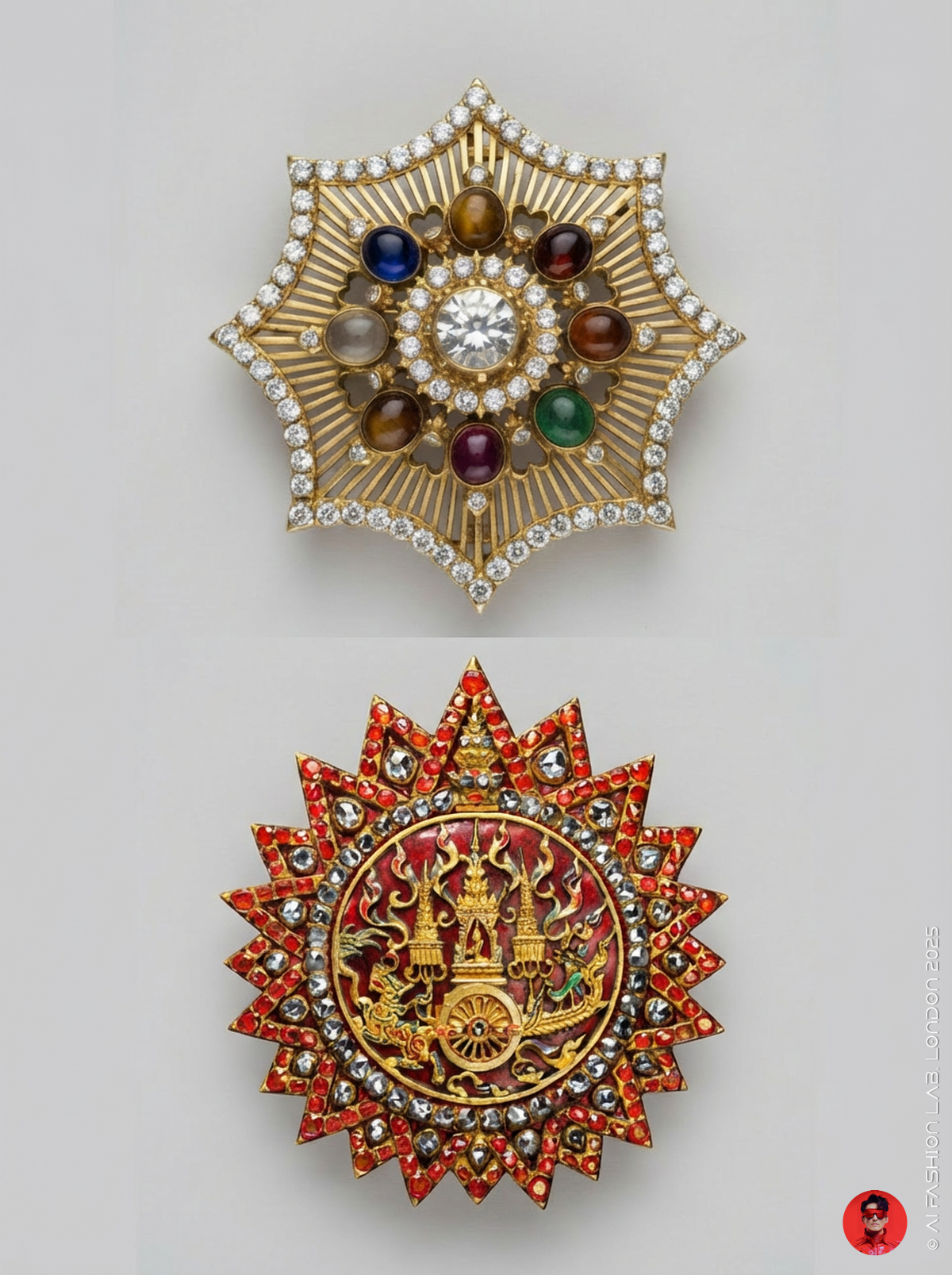
เครื่องราชอิสริยาภรณ์อันเป็นโบราณมงคลนพรัตนราชวราภรณ์ ดารานพรัตน แบบแรก สมัย รัชกาลที่ ๔ เป็นรูปดารา 8 แฉก ทำด้วยเงินจำหลักเป็นเพชรสร่ง กลางเป็นดอกประจำยามฝังพลอย 8 อย่าง ใจกลางเป็นเพชรเหมือนมหานพรัตน ใช้ประดับที่อกเสื้อด้านซ้าย
ตราสุริยมณฑล ซึ่งมีลักษณะเป็นตราเทพบุตรชักรถ ตราสุริยมณฑลนี้ พระบาทสมเด็จพระจอมเกล้าเจ้าอยู่หัว ทรงพระกรุณาโปรดเกล้าฯ ให้สร้างขึ้นเพื่อพระราชทานให้แก่สมเด็จเจ้าพระยาบรมมหาประยูรวงศ์ ในขณะที่ดำรงตำแหน่งผู้สำเร็จราชการแทนพระองค์ทั่วพระราชอาณาจักร ครั้นถึงรัชสมัยพระบาทสมเด็จพระจุลจอมเกล้าเจ้าอยู่หัว พระองค์ได้พระราชทานตราสุริยมณฑลให้แก่สมเด็จเจ้าพระยาบรมมหาศรีสุริยวงศ์ ดังนั้น ท่านจึงใช้ตราสุริยมณฑลเป็นตราประจำตัวตั้งแต่นั้นมา โดยท่านจะใช้ตรานี้ประทับกำกับไว้ที่หนังสือราชการ สิ่งของเครื่องใช้ หรือสถานที่ต่าง ๆ ที่ท่านสร้างไว้
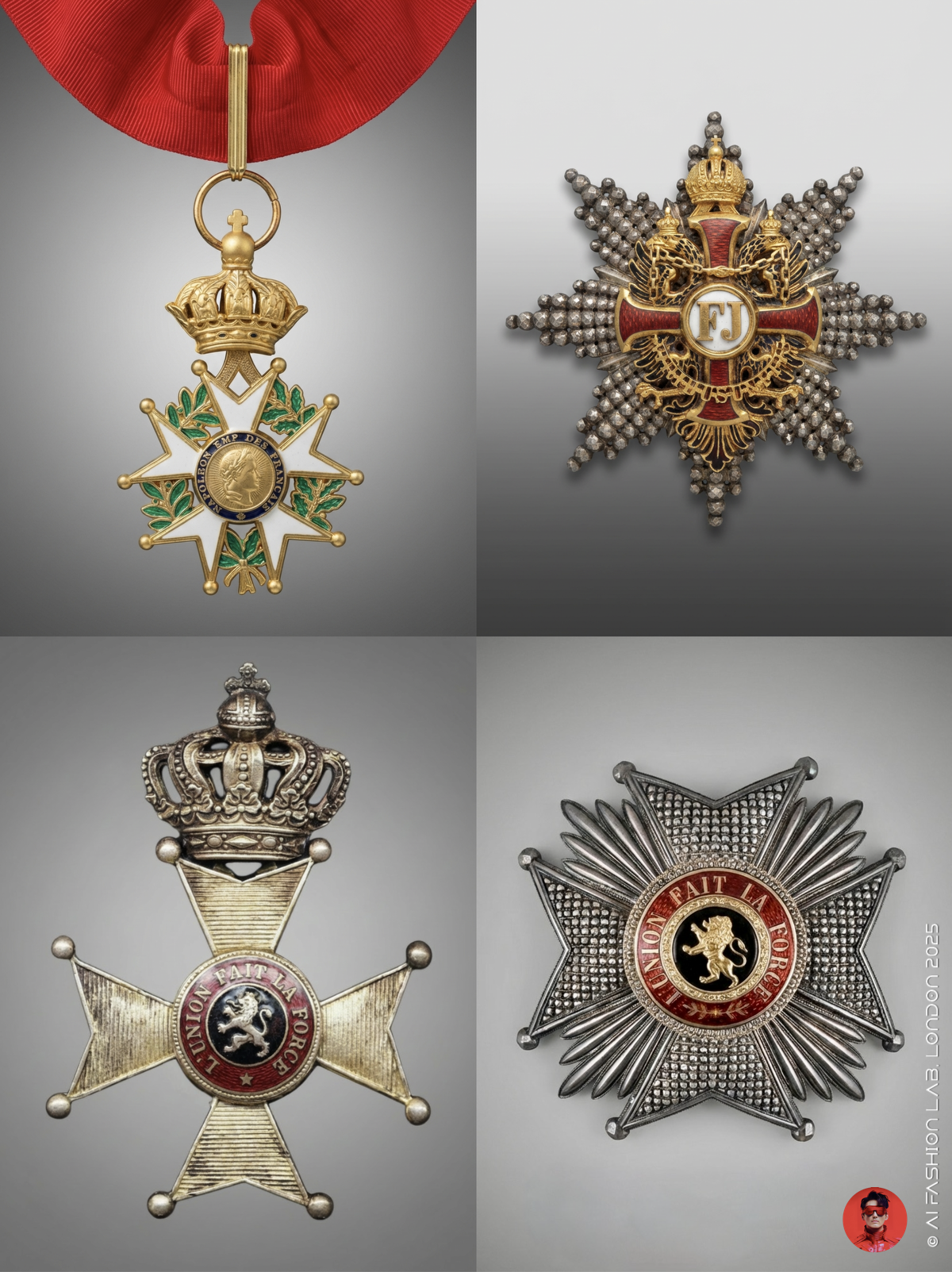
เครื่องอิสริยาภรณ์เลฌียงดอเนอร์ ชั้นเชอวาลิเยร์ แห่งจักรวรรดิฝรั่งเศส สมัยจักรพรรดินโปเลียนที่ ๓ (Legion of Honour, Chevalier Class – Second French Empire, Napoleon III ระหว่าง ค.ศ. 1852–1870) เหรียญเป็นรูปสมเด็จจักรพรรดินโปเลียนที่ ๓ และมีอักษรว่า “NAPOLEON EMPEREUR DES FRANÇAIS”
เครื่องราชอิสริยาภรณ์ฟรันซ์ โยเซฟ แห่งจักรวรรดิออสเตรีย–ฮังการี (Order of Franz Joseph) เป็นเครื่องราชอิสริยาภรณ์แห่งจักรวรรดิออสเตรีย–ฮังการี สถาปนาโดยจักรพรรดิฟรันซ์ โยเซฟที่ ๑ เมื่อปี ค.ศ. 1849 พร้อมกับสายสะพายสีขาวขอบแดง
เครื่องราชอิสริยาภรณ์เลโอปอลด์ แห่งราชอาณาจักรเบลเยียม (Order of Leopold, Belgium) เป็นเครื่องราชอิสริยาภรณ์ที่เก่าแก่และสูงสุดของประเทศเบลเยียม ตั้งชื่อตามพระนามของพระมหากษัตริย์ผู้สถาปนา คือ พระเจ้าเลโอปอลด์ที่ ๑ แบ่งออกเป็นสามฝ่าย ได้แก่ ฝ่ายทหาร ฝ่ายพาณิชยนาวี และฝ่ายพลเรือน โดยฝ่ายพาณิชยนาวีมอบให้แก่บุคลากรในกองเรือพาณิชย์ และฝ่ายทหารมอบให้แก่กำลังพลทหาร เครื่องราชอิสริยาภรณ์นี้สถาปนาเมื่อวันที่ ๑๑ กรกฎาคม ค.ศ. 1832 และพระราชทานโดยพระบรมราชโองการ
สมเด็จเจ้าพระยาบรมมหาศรีสุริยวงศ์ มีนามเดิมว่า ช่วง เป็นบุตรชายคนโตของสมเด็จเจ้าพระยาบรมมหาประยูรวงศ์ (ดิศ บุนนาค) กับท่านผู้หญิงจันทร์ เกิดปีมะโรง วันศุกร์ เดือนยี่ ขึ้น 7 ค่ำ ตรงกับวันที่ 23 ธันวาคม พ.ศ. 2351 ในรัชสมัยพระบาทสมเด็จพระพุทธยอดฟ้าจุฬาโลกมหาราช มีพี่น้องร่วมบิดามารดารวม 9 คน แต่มีชีวิตจนเติบใหญ่มาพร้อมกับท่านเพียง 4 คน ได้แก่ เจ้าคุณหญิงแข (เจ้าคุณตำหนักใหม่) เจ้าคุณหญิงปุก (เจ้าคุณกลาง) เจ้าคุณหรุ่น (เจ้าคุณน้อย) และพระยามนตรีสุริยวงศ์ (ชุ่ม บุนนาค) การศึกษาในวัยเยาว์ของท่านนั้น คงเล่าเรียนที่วัดพระเชตุพนวิมลมังคลารามราชวรมหาวิหาร เนื่องจากการเล่าเรียนของผู้ดีสมัยก่อนนั้นมักจะเรียนกันที่วัด เมื่อเติบใหญ่จึงเล่าเรียนวิชาที่บ้านจากบุคคลในตระกูลของท่านเอง โดยสมเด็จเจ้าพระยาบรมมหาประยูรวงศ์ บิดาของท่านนั้น ดำรงตำแหน่งเป็นพระยาพระคลังเสนาบดีว่าการต่างประเทศ และได้ว่าการปกครองหัวเมืองชายทะเลฝ่ายตะวันออก ดังนั้น ท่านจึงได้ศึกษาราชการต่าง ๆ ที่เกี่ยวข้องกับการต่างประเทศและการปกครองมาจากบิดาของท่านเอง
ท่านสมรสกับท่านผู้หญิงกลิ่น มีบุตรธิดา 4 คน เป็นบุตรชาย 1 คน ได้แก่ เจ้าพระยาสุรวงษ์ไวยวัฒน์ (วร บุนนาค) สมุหพระกลาโหมในรัชสมัยพระบาทสมเด็จพระจุลจอมเกล้าเจ้าอยู่หัว และเป็นบิดาของเจ้าคุณพระประยุรวงศ์และเจ้าจอมมารดาโหมด บาทบริจาริกาในพระบาทสมเด็จพระจุลจอมเกล้าเจ้าอยู่หัว ส่วนธิดาอีก 3 คน ได้แก่ คุณหญิงกลาง ภรรยาพระยาสีหราชฤทธิไกร (แย้ม บุณยรัตพันธุ์) คุณหญิงเล็ก และคุณหญิงปิ๋ว นอกจากนี้ ท่านยังสมรสกับท่านผู้หญิงพรรณและท่านผู้หญิงหยาด (บุตรีพระยาวิชยาธิบดี เจ้าเมืองจันทบุรี ต่อมาเป็นพระยาศรีอรรคราชนารถภักดี (เมือง บุรานนท์) ต้นสกุลบุรานนท์) และท่านปราง บุตรีพระยาดำรงราชพลขันธ์ (จุ้ย คชเสนี) แต่ไม่มีบุตรด้วยกัน
บิดาได้นำท่านเข้าถวายตัวเป็นมหาดเล็กในพระบาทสมเด็จพระพุทธเลิศหล้านภาลัย ชื่อว่า มหาดเล็กช่วง โดยช่วยบิดาทำงานด้านการคลังและกรมท่า รวมทั้งติดต่อกับต่างประเทศด้วย
ในรัชสมัยพระบาทสมเด็จพระนั่งเกล้าเจ้าอยู่หัว มหาดเล็กช่วงได้เลื่อนเป็น นายไชยขรรค์ มหาดเล็กหุ้มแพร ซึ่งท่านเป็นที่โปรดปรานของพระบาทสมเด็จพระนั่งเกล้าเจ้าอยู่หัวตั้งแต่วัยเยาว์ และได้เลื่อนเป็น หลวงสิทธิ์ นายเวรมหาดเล็ก เรียกกันทั่วไปว่า หลวงนายสิทธิ์ ตามลำดับ หลวงนายสิทธิ์ได้ชื่อว่าเป็นพวก “หัวใหม่” ในสมัยนั้น เป็นผู้สนใจศึกษาวิชาการของชาวตะวันตก เนื่องจากจักรวรรดิบริติชและจักรวรรดิฝรั่งเศสเริ่มแผ่อิทธิพลเข้าสู่โลกตะวันออกและประชิดเขตแดนสยามมากขึ้น หากไม่ปรับตัวให้รู้เท่าทันฝรั่ง สยามอาจถูกยึดครองเป็นอาณานิคมได้
ในช่วงเดียวกันนี้ก็มีผู้เล็งเห็นการณ์ไกลในแนวเดียวกัน ได้แก่ วชิรญาณภิกขุ (พระนามขณะนั้น) สมเด็จพระเจ้าน้องยาเธอ เจ้าฟ้ากรมขุนอิศเรศรังสรรค์ (พระยศขณะนั้น) กรมหลวงวงศาธิราชสนิท และท่าน ซึ่งท่านสนใจที่จะศึกษาในวิชาการต่อเรือกำปั่นเป็นพิเศษและได้ศึกษาภาษาอังกฤษพอประมาณ ในรัชสมัยรัชกาลที่ 3 นี้ หลวงนายสิทธิ์ได้รับการเลื่อนบรรดาศักดิ์เป็น จมื่นไวยวรนาถ หัวหมื่นมหาดเล็ก และในปี พ.ศ. 2384 จึงมีการเพิ่มสร้อยนามของท่านเป็น จมื่นไวยวรนาถภักดีศรีสุริยวงศ์ เมื่อปี พ.ศ. 2393 ในปลายรัชกาลที่ 3 นั้น ท่านได้รับการเลื่อนบรรดาศักดิ์เป็น พระยาศรีสุริยวงศ์ จางวางมหาดเล็ก
หลังจากบิดาได้รับการเลื่อนตำแหน่งขึ้นเป็นสมเด็จเจ้าพระยาบรมมหาประยูรวงศ์ พระบาทสมเด็จพระจอมเกล้าเจ้าอยู่หัวทรงตั้ง พระยาศรีสุริยวงศ์ จางวางมหาดเล็ก ขึ้นเป็น เจ้าพระยาศรีสุริยวงศ์ ว่าที่สมุหพระกลาโหม และเนื่องจากสมเด็จเจ้าพระยาบรมมหาประยูรวงศ์ยังคงถือตราคชสีห์สำหรับตำแหน่งสมุหพระกลาโหมอยู่ตามตำแหน่ง ดังนั้น พระบาทสมเด็จพระจอมเกล้าเจ้าอยู่หัวจึงทรงสร้าง “ตราศรพระขรรค์” สำหรับพระราชทานแก่เจ้าพระยาศรีสุริยวงศ์ ต่อมา เมื่อท่านดำรงตำแหน่งสมุหกลาโหมเต็มตำแหน่งแล้ว ท่านก็ได้รับการโปรดเกล้าฯ ให้ใช้ทั้งตราคชสีห์และตราศรพระขรรค์สำหรับตำแหน่งสมุหพระกลาโหม การเข้ามารับตำแหน่งนี้ทำให้ท่านมีบทบาทสำคัญในการปกครองประเทศมากขึ้น โดยเฉพาะหลังจากสมเด็จเจ้าพระยาบรมมหาประยูรวงศ์ (ดิศ บุนนาค) สมเด็จเจ้าพระยาบรมมหาพิไชยญาติ (ทัต บุนนาค) ถึงแก่พิราลัย และพระบาทสมเด็จพระปิ่นเกล้าเจ้าอยู่หัวสวรรคต อำนาจของท่านมีมากจนสมเด็จพระเจ้าบรมวงศ์เธอ กรมพระยาดำรงราชานุภาพ ทรงกล่าวเปรียบเทียบไว้ว่า
“ถ้าพระบาทสมเด็จพระเจ้าอยู่หัวรัชกาลที่ 4 เป็นเสมือนแม่ทัพแล้ว สมเด็จเจ้าพระยาบรมมหาศรีสุริยวงศ์ก็เป็นเสมือนเสนาธิการ ช่วยกันทำงานมาตลอดรัชกาลที่ 4”
ภายหลังการเสด็จสวรรคตของพระบาทสมเด็จพระจอมเกล้าเจ้าอยู่หัวนั้น พระเจ้าน้องยาเธอ กรมหลวงเทเวศร์วัชรินทร์ ได้เสนอสมเด็จพระเจ้าลูกยาเธอ เจ้าฟ้าจุฬาลงกรณ์ กรมขุนพินิตประชานาถ พระราชโอรสพระองค์ใหญ่ในพระบาทสมเด็จพระจอมเกล้าเจ้าอยู่หัวขึ้นครองสิริราชสมบัติเป็นพระมหากษัตริย์พระองค์ที่ 5 แห่งราชวงศ์จักรี ซึ่งที่ประชุมนั้นมีความเห็นพ้องเป็นเอกฉันท์ แต่เนื่องจากพระองค์ยังทรงพระเยาว์ ดังนั้น เจ้าพระยาศรีสุริยวงศ์จึงได้รับเลือกจากที่ประชุมเสนาบดีและพระบรมวงศานุวงศ์ให้เป็นผู้สำเร็จราชการแทนพระองค์ ผู้มีอำนาจสิทธิ์ขาดในราชการแผ่นดินทั่วราชอาณาจักรระหว่าง พ.ศ. 2411–2416 โดยได้จัดพิธีสถาปนาขึ้นเมื่อวันศุกร์ แรม 11 ค่ำ เดือน 6 ปีมะเส็ง จุลศักราช 1231 ตรงกับวันที่ 6 พฤษภาคม พ.ศ. 2412
หลังจากท่านพ้นจากการเป็นผู้สำเร็จราชการแทนพระองค์แล้ว ก็ได้รับพระบรมราชโองการโปรดเกล้าฯ ให้เป็น สมเด็จเจ้าพระยาบรมมหาศรีสุริยวงศ์ มีสร้อยสมญาภิไธยนามตามจารึกในสุพรรณบัตรว่า
“สมเด็จเจ้าพระยาบรมมหาศรีสุริยวงศ์ สมันตพงศ์พิสุทธิ มหาบุรุษยรัตโนดม บรมราชุตมรรคมหาเสนาบดี มหาสุริยมัณฑลีมุรธาธร จักรรัตนสหจรสุรศรขรรค์ วรลัญจธานินทร์ ปริมินทรมหาราชวรานุกูล สรรพกิจจานุกิจมูลประสาท ปรมามาตยกูลประยูรวงศ์วิวัฒน์ สกลรัชวรณาจักโรประสดัมภ์ วรยุติธรรมอาชวาธยาศัยศรีรัตนตรัยคุณาภรณ์ภูษิต อเนกบุยฤทธิประธิสรรค์ มหันตวรเดชานุภาพบพิตร”
โดยมีอำนาจบรมอิสริยยศบรรดาศักดิ์ 30,000 ไร่ ยิ่งกว่าจตุสดมภ์มนตรี 3 เท่า ดำรงตรามหาสุริยมณฑล ได้บังคับบัญชาสิทธิขาดราชการแผ่นดินในกรุงนอกกรุงทั่วพระราชอาณาจักร และสำเร็จสรรพอาญาสิทธิประหารชีวิตคนที่ถึงอุกฤษฏโทษมหันตโทษได้ และนับเป็นบุคคลที่ดำรงบรรดาศักดิ์ระดับ “สมเด็จเจ้าพระยา” เป็นองค์สุดท้ายของประวัติศาสตร์สยาม
หลังพ้นหน้าที่ผู้สำเร็จราชการแทนพระองค์ ท่านก็ชอบออกไปตรวจราชการตามหัวเมืองต่าง ๆ และพำนักอยู่ที่เมืองราชบุรีเป็นส่วนใหญ่ นับเป็นเวลา 9 ปี ในวันที่ 19 มกราคม พ.ศ. 2425 ท่านถึงแก่พิราลัยด้วยโรคลมขณะที่กำลังเดินทางกลับจากราชบุรี รวมสิริอายุได้ 74 ปี 27 วัน โดยเหตุการณ์ในวันถึงแก่พิราลัยของท่านนั้น มีบันทึกไว้ในจดหมายเหตุพระราชกิจรายวัน ดังต่อไปนี้
“วันเสาร์ ขึ้น 12 ค่ำ เดือน 2 ปีมะเมีย จัตวาศก จุลศักราช 1244 เวลาย่ำรุ่ง ท้าวราชกิจวรภัตร เข้ามากราบบังคมทูลพระกรุณาว่า สมเด็จเจ้าพระยาเมื่อป่วยหนักออกไปอยู่ที่ราชบุรีแล้ว ครั้งเมื่อจะไปฉลองศาลาที่ท่านสร้างไว้ที่มะขามเตี้ยไปถึงกลอนโต ขึ้นไปเก็บมะขามป้อมบนบก หามไปกลางแดดเวลาเที่ยง ไม่ให้ไปก็ไม่ฟัง ครั้งไปถึงต้นมะขามป้อมก็ไปนอนหลับตาซึมอยู่ กลับมาถึงเรือตัวร้อนอาการมาก จึงปรึกษาพร้อมกัน เอากลับมาเรือนราชบุรี มานอนท่าพระแท่นดงรังครึ่งคืน แล้วล่องลงมาถึงเมืองราชบุรี เวลาบ่ายโมงเศษหามขึ้นบก พอถึงต้นมะขามหน้าบ้านก็เป็นลมคอพับ จึงหามเข้าไปแก้ไขกันอยู่ในเรือน เวลานั้นลมก็จัดเอาลับแลเข้าบังไว้ ครั้งเจ้าพระยาสุรวงศ์และญาติ ซึ่งตามมาภายหลังมาถึง จึงพร้อมกันพาท่านลงเรือมาเวลาบ่าย 5 โมงเศษวานนี้ เรือไฟจูงมาพ้นคลองดำเนินสะดวกมาแล้ว จะเข้าคลองภาษีเจริญติดน้ำ ๆ แห้ง จึงไปรอน้ำอยู่ปากคลองกระทุ่มแบน ถึงปากคลองเวลา 5 ทุ่มเศษ ชักเยื้องไหล่หน่อยหนึ่ง ก็ถึงแก่พิราลัยที่ปากคลองกระทุ่มแบนั้น ครั้งน้ำขึ้นจึงรีบเอาศพเข้ามาถึงจวนเวลากรุ่น ๆ
ภายหลังการถึงแก่พิราลัย พระบาทสมเด็จพระจุลจอมเกล้าเจ้าอยู่หัวทรงรดน้ำศพพระราชทาน พร้อมทั้งพระราชทานโกศกุดั่นน้อยประกอบลองใน ตั้งบนแว่นฟ้า พร้อมทั้งโปรดเกล้าฯ ให้พระบรมวงศานุวงศ์ไว้ทุกข์เป็นระยะเวลา 7 วัน นอกจากนี้ ในวันชักศพเข้าเมรุ ณ วัดบุปผารามวรวิหารนั้น ทรงพระกรุณาโปรดเกล้าฯ ให้เจ้าหมื่นไวยวรนารถ (ยศขณะนั้น) จัดทหารจำนวน 100 คนไปแห่ศพ พร้อมทั้งพระราชทานเปลี่ยนโกศประกอบลองในเป็นโกศกุดั่นใหญ่เพื่อเป็นเกียรติยศ และเสด็จพระราชทานเพลิงศพ
___________
Somdet Chao Phraya Borom Maha Sri Suriyawongse (Chuang Bunnag)
(สมเด็จเจ้าพระยาบรมมหาศรีสุริยวงศ์ (ช่วง บุนนาค))
This AI-restored and artistically recreated image depicts Somdet Chao Phraya Borom Maha Sri Suriyawongse, also known as Somdet Phra Prasat or Somdet Phra Prasan (สมเด็จพระประสาท / สมเด็จพระประสาสน์). His original name was Chuang (ช่วง). He was born on 23 December 1808 and passed away on 19 January 1883. He was a Siamese nobleman who served as Regent during the early reign of King Chulalongkorn (King Rama V) (พระบาทสมเด็จพระจุลจอมเกล้าเจ้าอยู่หัว).
In this image, Somdet Chao Phraya Borom Maha Sri Suriyawongse is adorned with the following orders and decorations.
The Ancient and Auspicious Order of the Nine Gems, First Type Star, dating from the reign of King Rama IV (เครื่องราชอิสริยาภรณ์อันเป็นโบราณมงคลนพรัตนราชวราภรณ์ ดารานพรัตน แบบแรก สมัยรัชกาลที่ ๔). The insignia takes the form of an eight-pointed star, crafted in chased silver resembling diamonds. At its centre is a floral motif set with eight precious stones, with a central diamond representing the Maha Nopparat. It is worn on the left side of the chest.
The Suriya Mondol Insignia (ตราสุริยมณฑล), characterised by the image of a celestial deity driving a chariot. This insignia was commissioned by King Mongkut (King Rama IV) (พระบาทสมเด็จพระจอมเกล้าเจ้าอยู่หัว) to be bestowed upon Somdet Chao Phraya Borom Maha Prayurawongse (Somdet Chao Phraya Borom Maha Prayurawongse – ดิศ บุนนาค) while he served as Regent of the Kingdom. During the reign of King Chulalongkorn, the insignia was subsequently bestowed upon Somdet Chao Phraya Borom Maha Sri Suriyawongse. From that time onwards, he adopted the Suriya Mondol as his personal emblem, using it to seal official documents and mark personal belongings and buildings he commissioned.
The Legion of Honour, Chevalier Class, of the Second French Empire under Emperor Napoleon III (เครื่องอิสริยาภรณ์เลฌียงดอเนอร์ ชั้นเชอวาลิเยร์ แห่งจักรวรรดิฝรั่งเศส สมัยนโปเลียนที่ ๓). The medal bears the portrait of Emperor Napoleon III and the inscription “NAPOLEON EMPEREUR DES FRANÇAIS”.
The Order of Franz Joseph of the Austro-Hungarian Empire (เครื่องราชอิสริยาภรณ์ฟรันซ์ โยเซฟ แห่งจักรวรรดิออสเตรีย–ฮังการี). This imperial order was founded by Emperor Franz Joseph I in 1849.
The Order of Leopold of the Kingdom of Belgium (เครื่องราชอิสริยาภรณ์เลโอปอลด์ แห่งราชอาณาจักรเบลเยียม). This is the oldest and highest order of Belgium, named after its founder King Leopold I. It is divided into three divisions: military, maritime, and civil. The maritime division is awarded to merchant navy personnel, while the military division is conferred upon members of the armed forces. The order was established on 11 July 1832 and is awarded by Royal Decree.
Somdet Chao Phraya Borom Maha Sri Suriyawongse was originally named Chuang (ช่วง). He was the eldest son of Somdet Chao Phraya Borom Maha Prayurawongse (Dis Bunnag) (สมเด็จเจ้าพระยาบรมมหาประยูรวงศ์ (ดิศ บุนนาค)) and Than Phuying Chan (ท่านผู้หญิงจันทร์). He was born in the Year of the Dragon, on Friday, the seventh day of the waxing moon of the second lunar month, corresponding to 23 December 1808, during the reign of King Rama I (พระบาทสมเด็จพระพุทธยอดฟ้าจุฬาโลกมหาราช).
He had nine siblings in total, but only four survived into adulthood alongside him: Chao Khun Ying Khae (Somdet Chao Khun Tamnak Mai), Chao Khun Ying Puk (Chao Khun Klang), Chao Khun Run (Chao Khun Noi), and Phraya Montri Suriyawongse (Chum Bunnag) (พระยามนตรีสุริยวงศ์ (ชุ่ม บุนนาค)).
In his youth, he was likely educated at Wat Phra Chetuphon Wimon Mangkhalaram (Wat Pho) (วัดพระเชตุพนวิมลมังคลารามราชวรมหาวิหาร), as aristocratic education at the time was commonly conducted in temples. As he matured, he continued his studies privately at home under the tutelage of family members. His father, Somdet Chao Phraya Borom Maha Prayurawongse, served as Minister of the Treasury and was responsible for foreign affairs as well as the administration of the eastern coastal provinces. Consequently, Somdet Chao Phraya Borom Maha Sri Suriyawongse acquired extensive knowledge of diplomacy and governance directly from his father.
He married Than Phuying Klin (ท่านผู้หญิงกลิ่น) and had four children. His only son was Chao Phraya Surawong Waiyawat (Wor Bunnag) (เจ้าพระยาสุรวงษ์ไวยวัฒน์ (วร บุนนาค)), who served as Samuha Kalahom (Minister of Defence) during the reign of King Chulalongkorn and was the father of Chao Khun Phra Prayurawongse and Chao Chom Manda Mod, a royal consort of King Chulalongkorn. His three daughters were Khun Ying Klang, wife of Phraya Siharat Rittikrai (Yaem Boonyaratphan) (พระยาสีหราชฤทธิไกร (แย้ม บุณยรัตพันธุ์)), Khun Ying Lek, and Khun Ying Pio.
He also married Than Phuying Phan and Than Phuying Yat, daughters of Phraya Wichayathibodi, Governor of Chanthaburi, later known as Phraya Si Akkharatchanath Phakdi (Mueang Buranon) (พระยาศรีอรรคราชนารถภักดี (เมือง บุรานนท์)), progenitor of the Buranon family, as well as Than Prang, daughter of Phraya Damrong Ratchaphon Khan (Chui Katchaseni) (พระยาดำรงราชพลขันธ์ (จุ้ย คชเสนี)), though he had no children with these marriages.
His father presented him for service as a royal page to King Rama II (พระบาทสมเด็จพระพุทธเลิศหล้านภาลัย), under the name Mahat Lek Chuang (มหาดเล็กช่วง). He assisted his father in matters relating to the treasury, the port authority, and foreign relations.
During the reign of King Nangklao (King Rama III) (พระบาทสมเด็จพระนั่งเกล้าเจ้าอยู่หัว), Mahat Lek Chuang was promoted to the rank of Nai Chaiyakhank, a senior page of honour (นายไชยขรรค์ มหาดเล็กหุ้มแพร). He enjoyed royal favour from a young age and was subsequently promoted to Luang Sit, serving as a royal attendant officer, commonly referred to as Luang Nai Sit (หลวงนายสิทธิ์). At that time, Luang Nai Sit was regarded as one of the “progressive-minded” nobles, with a keen interest in Western knowledge. As the British and French empires expanded their influence into the Eastern world and approached Siam’s borders, he recognised that without adapting to Western powers, Siam risked falling under colonial domination.
During the same period, other far-sighted individuals shared similar views, including Vajirananabhikkhu (วชิรญาณภิกขุ) (his monastic name at the time), His Royal Highness Prince Isaret Rangsarit (สมเด็จพระเจ้าน้องยาเธอ เจ้าฟ้ากรมขุนอิศเรศรังสรรค์) (his title at the time), Krom Luang Wongsa Dhiraj Sanit (กรมหลวงวงศาธิราชสนิท), and Somdet Chao Phraya Borom Maha Sri Suriyawongse himself. He took a particular interest in the study of ocean-going shipbuilding and acquired a working knowledge of the English language. During the reign of King Rama III, Luang Nai Sit was elevated to the rank of Chamuën Waiyawaranat, Head of the Royal Pages (จมื่นไวยวรนาถ หัวหมื่นมหาดเล็ก). In 1841, his title was further embellished to Chamuën Waiyawaranat Phakdi Si Suriyawongse (จมื่นไวยวรนาถภักดีศรีสุริยวงศ์). In 1850, towards the end of King Rama III’s reign, he was promoted to Phraya Si Suriyawongse, Chief of the Royal Pages (พระยาศรีสุริยวงศ์ จางวางมหาดเล็ก).
After his father was elevated to Somdet Chao Phraya Borom Maha Prayurawongse, King Mongkut (King Rama IV) (พระบาทสมเด็จพระจอมเกล้าเจ้าอยู่หัว) appointed Phraya Si Suriyawongse, Chief of the Royal Pages, to the position of Chao Phraya Si Suriyawongse, Designate Samuha Kalahom (ว่าที่สมุหพระกลาโหม). As Somdet Chao Phraya Borom Maha Prayurawongse still retained the Elephant Seal (ตราคชสีห์) associated with the office of Samuha Kalahom, King Mongkut therefore commissioned the “Arrow and Sword Seal” (ตราศรพระขรรค์) to be bestowed upon Chao Phraya Si Suriyawongse. Later, when he assumed the full office of Samuha Kalahom, he was granted permission to use both the Elephant Seal and the Arrow and Sword Seal for the office.
His assumption of this role significantly increased his influence in state administration, particularly after the passing of Somdet Chao Phraya Borom Maha Prayurawongse (Dis Bunnag), Somdet Chao Phraya Borom Maha Phichaiyat (That Bunnag) (สมเด็จเจ้าพระยาบรมมหาพิไชยญาติ (ทัต บุนนาค)), and the death of King Pinklao (พระบาทสมเด็จพระปิ่นเกล้าเจ้าอยู่หัว). His authority became so extensive that Prince Damrong Rajanubhab (สมเด็จพระเจ้าบรมวงศ์เธอ กรมพระยาดำรงราชานุภาพ) later remarked:
“If King Rama IV was like the commander-in-chief, then Somdet Chao Phraya Borom Maha Sri Suriyawongse was like the chief of staff, working together throughout the entire reign of King Rama IV.”
Following the death of King Mongkut, Prince Devawongse Varopakarn (กรมหลวงเทเวศร์วัชรินทร์) proposed that His Royal Highness Prince Chulalongkorn, Prince of Phinit Prachanat (สมเด็จพระเจ้าลูกยาเธอ เจ้าฟ้าจุฬาลงกรณ์ กรมขุนพินิตประชานาถ), the eldest son of King Mongkut, ascend the throne as the fifth monarch of the Chakri dynasty. The assembly unanimously agreed. However, as the new king was still young, Chao Phraya Si Suriyawongse was selected by the council of ministers and members of the royal family to serve as Regent, holding absolute authority over state affairs throughout the kingdom from 1868 to 1873. His formal installation took place on Friday, the eleventh day of the waning moon of the sixth lunar month in the Year of the Serpent, Chulasakarat 1231, corresponding to 6 May 1869.
After completing his term as Regent, he received a royal command appointing him Somdet Chao Phraya Borom Maha Sri Suriyawongse, with an honorific title recorded on the golden inscription plate as follows:
“Somdet Chao Phraya Borom Maha Sri Suriyawongse, Samantaphong Phisutthi, Mahaburut Yarat Nodom, Borom Rachuttamak Maha Senabodi, Maha Suriyamonthali Murathathorn, Chakkarat Sahachon Surasorakhan, Woranlanchathanin, Parimin Maha Ratchaworanukul, Sarpphakitchanukit Mun Prasat, Paramamatyakun Prayurawong Wiwat, Sakon Ratchaworanachakro Prasadamph, Wora Yutitham Atchawatthayasai Sirattanatrikunaphon Phusit, Anek Bunyarit Prathitsan, Mahanta Woradet Anuphap Bophit.”
He was granted an appanage of 30,000 rai of land, three times that of a Chatusadom minister, and retained the Suriya Mondol Insignia. He exercised supreme authority over civil and criminal administration both within and beyond the capital, including the power to impose capital punishment in cases of the gravest crimes. He is recognised as the last individual in Siamese history to hold the rank of “Somdet Chao Phraya.”
After stepping down from the regency, he frequently undertook inspection tours of provincial administrations and resided primarily in Ratchaburi for approximately nine years. On 19 January 1882, he passed away from a sudden illness while returning from Ratchaburi, at the age of 74 years and 27 days.
The circumstances of his death were recorded in the Royal Daily Chronicle as follows:
“On Saturday, the twelfth day of the waxing moon of the second lunar month in the Year of the Horse, Chulasakarat 1244, at dawn, Thao Ratchakit Woraphat reported that Somdet Chao Phraya, having fallen gravely ill, had gone to reside in Ratchaburi. When he travelled to attend the inauguration of a pavilion he had built at Makham Tia, he proceeded as far as Klon To and went ashore to gather Indian gooseberries. He was carried under the midday sun and would not be dissuaded. Upon reaching the gooseberry tree, he lay down and dozed. Upon returning to the boat, his body became feverish and his condition worsened. After consultation, he was taken back to his residence in Ratchaburi, where he lay at Tha Phra Thaen Dong Rang for half a night before travelling downstream to Ratchaburi town. In the early afternoon, he was carried ashore, but upon reaching the tamarind tree in front of the house, he collapsed. He was taken inside and treated, but strong winds blew and obscured the view. When Chao Phraya Surawongse and relatives arrived later, they escorted him onto a boat at around five in the afternoon. The steamship towed the vessel beyond Damnoen Saduak Canal, but upon reaching Khlong Phasi Charoen, the water was too shallow, so they waited at the mouth of Khlong Krathum Baen. At around eleven at night, after a slight turn, he passed away at the mouth of Khlong Krathum Baen. When the tide rose, the body was hurriedly brought back to the residence.”
Following his passing, King Chulalongkorn graciously presided over the royal water-pouring rite and bestowed a minor gilded urn with an inner coffin, placed upon a ceremonial pedestal. Members of the royal family were instructed to observe mourning for seven days. On the day of the funeral procession to the cremation ground at Wat Buppharam Worawihan (วัดบุปผารามวรวิหาร), His Majesty ordered Chao Muen Waiyawaranat (title at the time) to lead a procession of one hundred soldiers. The urn was then replaced with a large gilded urn as a mark of honour, and the King personally presided over the royal cremation.
___________
เรียนเชิญกด Subscribe ได้ที่ลิงก์นี้ครับ เพื่อร่วมติดตามงานสร้างสรรค์ต้นฉบับ งานวิจัยประวัติศาสตร์แฟชั่น และผลงานอนุรักษ์มรดกวัฒนธรรมด้วยเทคโนโลยี AI ของ AI Fashion Lab, London ซึ่งมุ่งตีความอดีตผ่านมิติใหม่ของการบูรณะภาพ การสร้างสรรค์ภาพ และการเล่าเรื่องด้วยศิลปะเชิงดิจิทัล 🔗 https://www.facebook.com/aifashionlab/subscribe/
#aifashionlab #AI #aiartist #aiart #aifashion #aifashiondesign #aifashionstyling #aifashiondesigner #fashion #fashionhistory #historyoffashion #fashionstyling #fashionphotography #digitalfashion #digitalfashiondesign #digitalcostumedesign #digitaldesign #digitalaiart #ThaiFashionHistory #ThaiFashionAI #thailand #UNESCO