สมเด็จเจ้าฟ้าจุฬาลงกรณ์ กรมขุนพินิตประชานารถ และฉลองพระองค์แบบ “เสื้อบะบ๋า”
สมเด็จเจ้าฟ้าจุฬาลงกรณ์ กรมขุนพินิตประชานารถ และฉลองพระองค์แบบ “เสื้อบะบ๋า”
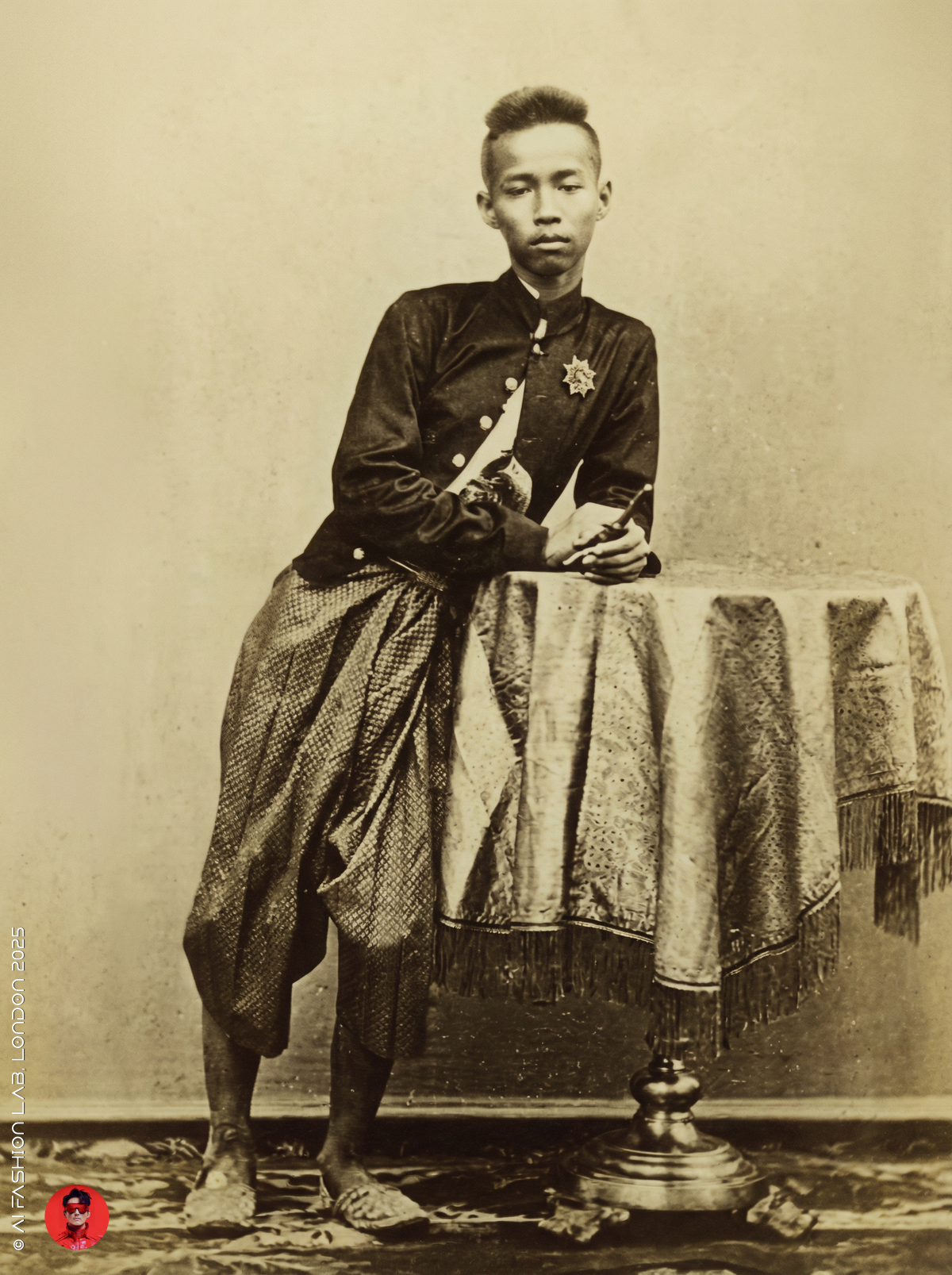
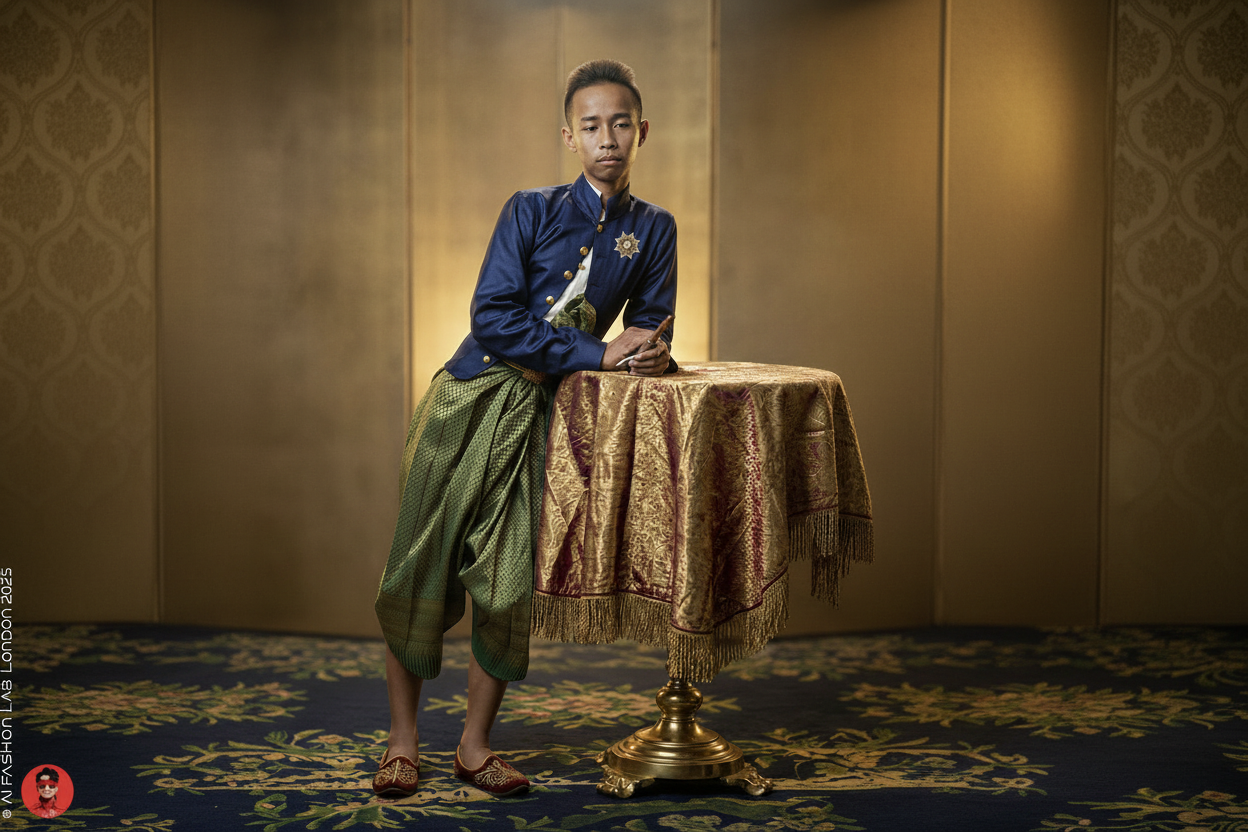
คอลเลกชันภาพที่ได้รับการบูรณะและสร้างสรรค์ขึ้นใหม่ด้วยเทคโนโลยี AI ชุดนี้ คือพระบรมฉายาลักษณ์ของ พระบาทสมเด็จพระจุลจอมเกล้าเจ้าอยู่หัว ขณะทรงพระยศ สมเด็จเจ้าฟ้าจุฬาลงกรณ์ กรมขุนพินิตประชานารถ ในสมัยรัชกาลที่ ๔ ตอนปลาย ขณะพระชันษา ๑๔ ปี (พ.ศ. ๒๔๑๐) ฉายก่อนเสด็จออกทอดพระเนตรสุริยุปราคา เมื่อวันที่ ๑๘ สิงหาคม พ.ศ. ๒๔๑๑
วันพฤหัสบดีที่ ๔ มกราคม พ.ศ. ๒๔๐๘ (นับแบบปัจจุบันเป็น พ.ศ. ๒๔๐๙) พระบาทสมเด็จพระจอมเกล้าเจ้าอยู่หัว โปรดเกล้าฯ ให้โสกันต์สมเด็จเจ้าฟ้าจุฬาลงกรณ์ แล้วผนวชเป็นสามเณร ณ พระอุโบสถวัดพระศรีรัตนศาสดาราม เมื่อวันพฤหัสบดีที่ ๑๙ กรกฎาคม พ.ศ. ๒๔๐๙ โดยมี พระเจ้าวรวงศ์เธอ กรมหมื่นบวรรังษีสุริยพันธุ์ เป็นพระอุปัชฌาย์ ได้ถวายเทศนามหาชาติกัณฑ์สักรบรรพ ณ พระที่นั่งทรงธรรม เมื่อวันอังคารที่ ๒๓ ตุลาคม
ภายหลังจากการผนวช โปรดเกล้าฯ ให้ตั้งพิธีเลื่อนสมเด็จเจ้าฟ้าจุฬาลงกรณ์ขึ้นเป็น กรมขุนพินิตประชานารถ เมื่อวันอาทิตย์ที่ ๑๕ มีนาคม พ.ศ. ๒๔๑๐ (นับแบบปัจจุบันเป็น พ.ศ. ๒๔๑๑) โดยทรงกำกับราชการกรมมหาดเล็ก กรมพระคลังมหาสมบัติ และกรมทหารบกวังหน้า
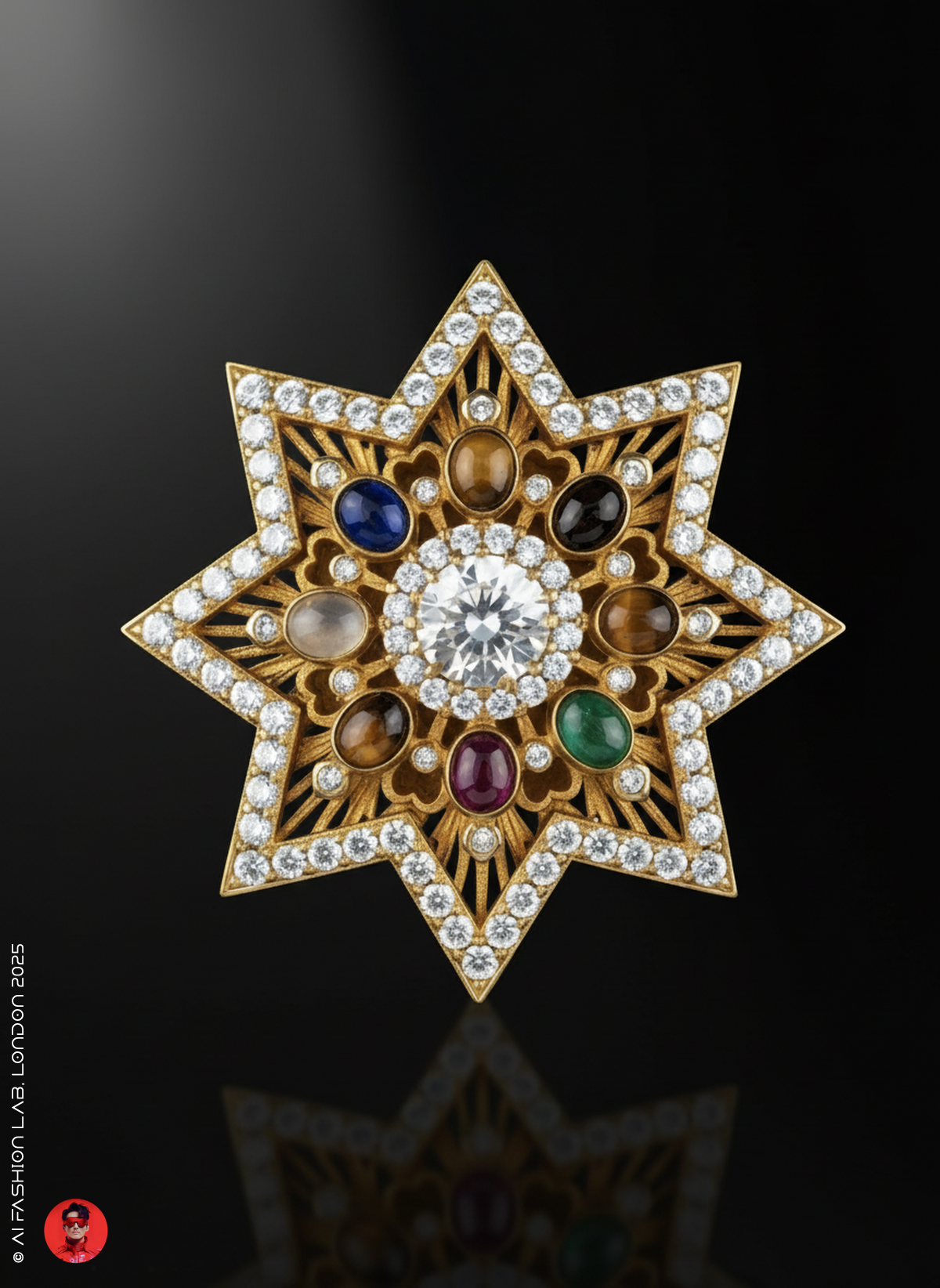
ในบรมฉายาลักษณ์องค์นี้ พระองค์ประดับฉลองพระองค์ด้วย ดาราแห่งเครื่องราชอิสริยาภรณ์อันเป็นโบราณมงคลนพรัตนราชวราภรณ์ และทรงฉลองพระองค์แบบ “เสื้อบะบ๋า” หรือเสื้อแบบคอตั้งเล็กน้อย แขนกระบอก อาจจะเป็นไปได้ว่าสยามได้รับอิทธิพลจากเสื้อสมัยใหม่ที่มาจากจีนโพ้นทะเลในแขวงมลายู ปัตตาเวีย หรือชวา
หลักฐานหนึ่งที่ช่วยให้เห็นภาพคือหนังสือ อายะติวัฒน์ ของ ก.ศ.ร. กุหลาบ เล่มที่ ๓ พิมพ์เมื่อ ร.ศ. ๑๓๐ ได้กล่าวว่า
“ทรงพระกรุณาโปรดเกล้าพระราชทานให้ข้าราชการสวมเสื้อผ้าขาวเทศรูปกระบอก (แขนคับ ตัวตึง ชายสั้นเพียงบั้นเอว) เข้าเฝ้าฤดูร้อนฤดูฝน ๘ เดือน”
นับเป็นหลักฐานที่สอดคล้องกับข้อมูลว่าเสื้อรูปแบบ “กระบอก—บะบ๋า” ได้แพร่เข้ามาในสมัยรัชกาลที่ ๔ ทำให้เสื้อดั้งเดิมของไทยปรับรูปแบบไปมาก ดังที่ปรากฏใน พระราชพงศาวดาร กรุงรัตนโกสินทร์ รัชชกาลที่ ๔ พ.ศ. ๒๓๙๔–๒๔๑๑ ฉบับเจ้าพระยาทิพากรวงศ์ ซึ่งระบุว่า
“เวลาวันหนึ่ง ข้าราชการเข้าเฝ้าที่พลับพลาโรงแสงพร้อมกัน ครั้งนั้นยังไม่มีธรรมเนียมที่จะสวมเสื้อเข้าเฝ้า จึงดำรัสว่า ดูคนที่ไม่สวมเสื้อเหมือนเปลือยกาย ร่างกายจะเป็นเกลื้อนกลากก็ดี หรือเหงื่อออกมาก็ดี โสโครกนัก ประเทศอื่น ๆ ที่เป็นประเทศใหญ่เขาก็สวมเสื้อหมดทุกภาษา... ประเทศสยามนี้ก็เป็นประเทศใหญ่รู้ขนบธรรมเนียมมากอยู่แล้ว ไม่ควรจะถือเอาอย่างโบราณที่เป็นชาวป่ามาแต่ก่อน ขอท่านทั้งหลายจงสวมเสื้อเข้ามาในที่เฝ้าจงทุกคน
ตั้งแต่นั้นมาเข้าและขุนนางก็สวมเสื้ออย่างน้อยเข้าเฝ้าทุกคน ครั้นนานมาเห็นว่าเสื้ออย่างน้อยนั้นจะคาดผ้ากราบก็มิได้ จึงยักย้ายทำเป็นเสื้อกระบอกเหมือนเสื้อบ้าบ๋า ก็เป็นธรรมเนียมติดมาจนทุกวันนี้...”
__________________________
Somdet Chaofa Chulalongkorn, Krom Khun Phinit Phachanart and the Baba jacket
This AI-restored and re-imagined collection presents a royal portrait of King Chulalongkorn (Rama V) during his youth, when he still bore the title Somdet Chaofa Chulalongkorn, Krom Khun Phinit Phachanart, in the late reign of King Mongkut (Rama IV). He was fourteen years old (in A.D. 1867 / B.E. ๒๔๑๐) at the time, and the portrait was taken shortly before he accompanied His Majesty King Mongkut to observe the total solar eclipse on 18 August B.E. ๒๔๑๑ (A.D. 1868).
On Thursday, 4 January B.E. ๒๔๐๘ (which corresponds to B.E. ๒๔๐๙ in modern counting), King Mongkut graciously ordered the tonsure ceremony of Prince Chulalongkorn, after which the Prince was ordained as a novice monk in the ordination hall of Wat Phra Si Rattana Satsadaram on Thursday, 19 July B.E. ๒๔๐๙. His preceptor was Prince Boworrawongse Suriya Phan (Krom Muen Bowor Rangsri Suriyaphan), who delivered the Mahachat Sakkaraphap Sermon at the Phra Thinang Song Tham on Tuesday, 23 October.
After the ordination, His Majesty appointed the young prince to the title Krom Khun Phinit Phachanart on Sunday, 15 March B.E. ๒๔๑๐ (modern B.E. ๒๔๑๑), entrusting him with the supervision of the Royal Pages Department, the Treasury, and the Front Palace Army.
In this portrait, the young prince is depicted wearing the star of the Ancient Auspicious Order of the Nine Gems (Nopparat Ratchawaraphon), together with a form-fitting jacket resembling the Baba jacket, a standing-collar garment with narrow cylindrical sleeves. It is likely that this style was influenced by dress forms introduced to Siam through the Chinese diaspora in the Malay Peninsula, Batavia, or Java, gradually blending with local customs.
A useful description appears in Ayatiwat, Volume 3 (R.S. 130), written by K.S.R. Kulap, which notes:
“His Majesty graciously permitted officials to wear white foreign-style cylindrical jackets (tight sleeves, fitted torso, short hem at the waist) when attending court during the hot and rainy seasons for eight months.”
This aligns with evidence that such cylindrical / Baba-style jackets entered Siam during the reign of King Mongkut, eventually reshaping traditional Thai attire. This development is confirmed in the Royal Chronicle of Rattanakosin, Reign of King Rama IV (B.E. ๒๓๙๔–๒๔๑๑), Prince Dipakorn Wong’s edition:
“One day, during an audience at the Sala Rong Saeng, it was customary for courtiers to appear bare-chested. His Majesty remarked that appearing without shirts looked indecent—exposing the body to ailments, sweat, and filth. Other great nations wore shirts; Siam, being a great nation with refined customs, should no longer follow the old ways of primitive people.
All officials were therefore ordered to wear shirts when attending court. Over time, the simple shirts proved impractical when worn with the pha khrab, so they were adapted into cylindrical jackets similar to the Baba style. This became the standard custom thereafter…”
เรียนเชิญกด Subscribe ได้ที่ลิงก์นี้ครับ เพื่อร่วมติดตามงานสร้างสรรค์ต้นฉบับ งานวิจัยประวัติศาสตร์แฟชั่น และผลงานอนุรักษ์มรดกวัฒนธรรมด้วยเทคโนโลยี AI ของ AI Fashion Lab ซึ่งมุ่งตีความอดีตผ่านมิติใหม่ของการบูรณะภาพ การสร้างสรรค์ภาพ และการเล่าเรื่องด้วยศิลปะเชิงดิจิทัล 🔗 https://www.facebook.com/aifashionlab/subscribe/
#aifashionlab #AI #aiartist #aiart #aifashion #aifashiondesign #aifashionstyling #aifashiondesigner #fashion #fashionhistory #historyoffashion #fashionstyling #fashionphotography #digitalfashion #digitalfashiondesign #digitalcostumedesign #digitaldesign #digitalaiart #ThaiFashionHistory #ThaiFashionAI #thailand #UNESCO