สมเด็จพระมหิตลาธิเบศร อดุลยเดชวิกรม พระบรมราชชนก และแฟชั่น 1920s
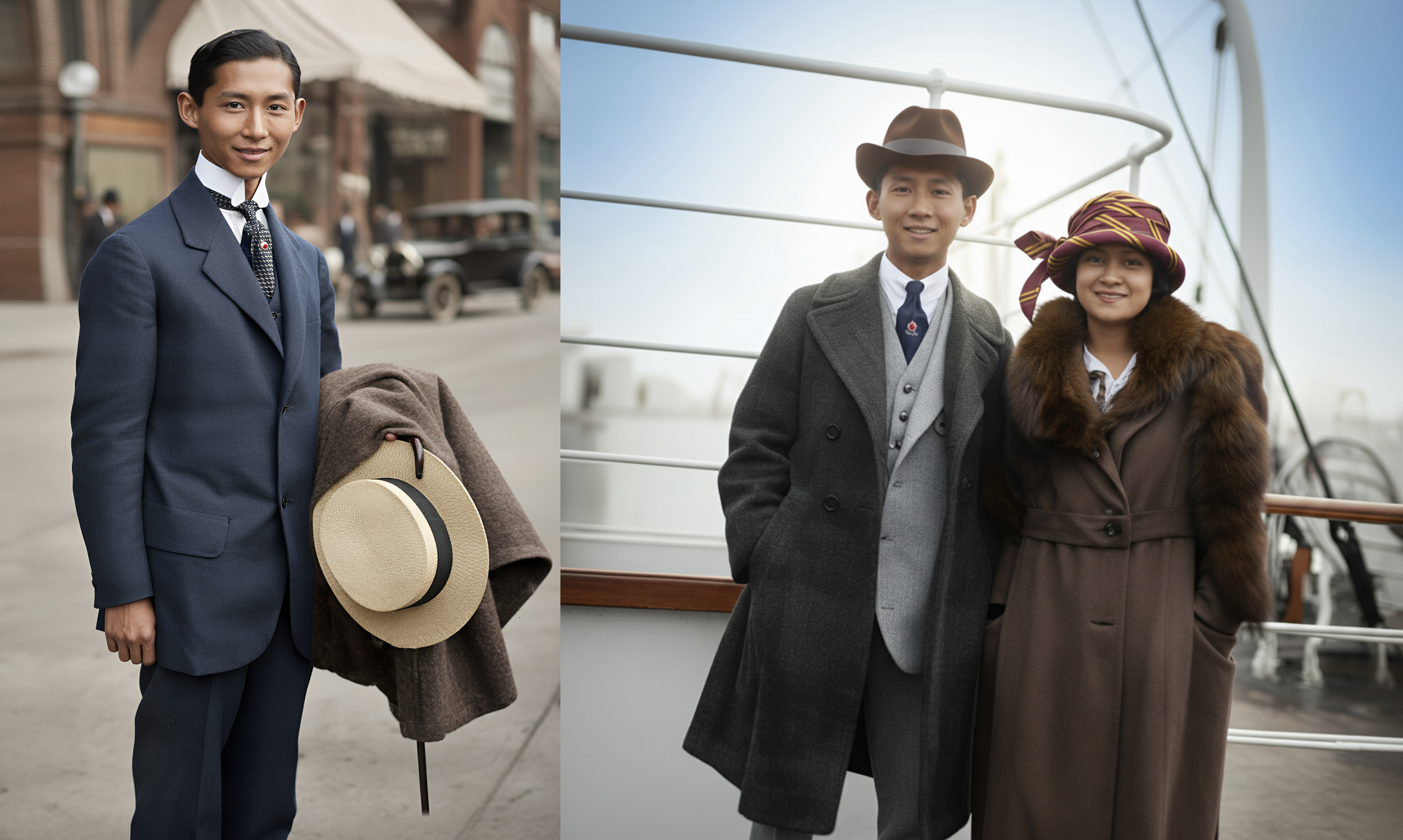
สมเด็จพระมหิตลาธิเบศร อดุลยเดชวิกรม พระบรมราชชนก และแฟชั่น 1920s
พระรูปที่ได้รับการบูรณะด้วยเทคโนโลยี AI ของ สมเด็จพระมหิตลาธิเบศร อดุลยเดชวิกรม พระบรมราชชนก และ สมเด็จพระศรีนครินทราบรมราชชนนี เปิดพื้นที่ให้เราได้มองเห็นพัฒนาการของแฟชั่นบุรุษในช่วงทศวรรษ 1920 อย่างชัดเจน ผ่านสายตาของเจ้านายผู้ทรงศึกษาในต่างประเทศ ภาพเหล่านี้สันนิษฐานว่าถ่ายในช่วงรัชกาลที่ ๖ และรัชกาลที่ ๗ ตรงกับห้วงเวลาที่พระบรมราชชนกเสด็จพระราชดำเนินระหว่างสหรัฐอเมริกาและยุโรปเพื่อทรงศึกษาและรับการรักษาพระอาการประชวร พระองค์เสด็จไปรักษาพระวักกะพิการที่เมืองไฮเดลเบิร์กในปี พ.ศ. ๒๔๖๘ ซึ่งเป็นปีเดียวกับที่สมเด็จพระเจ้าอยู่หัวอานันทมหิดลประสูติ จากนั้นเสด็จกลับไปศึกษาต่อที่มหาวิทยาลัยฮาร์วาร์ดและทรงสำเร็จการศึกษาแพทยศาสตร์เกียรตินิยมในปี พ.ศ. ๒๔๗๐ ก่อนเสด็จนิวัตกลับสยามในปีถัดมา สภาพแวดล้อมที่แปรเปลี่ยนไปมาระหว่างสหรัฐอเมริกา ยุโรป และการเดินเรือไกล ส่งผลให้เครื่องแต่งกายที่ทรงเลือกสวมใส่มีความหลากหลายและสะท้อนบริบททางวัฒนธรรมของโลกตะวันตกในยุคนั้นอย่างเด่นชัด
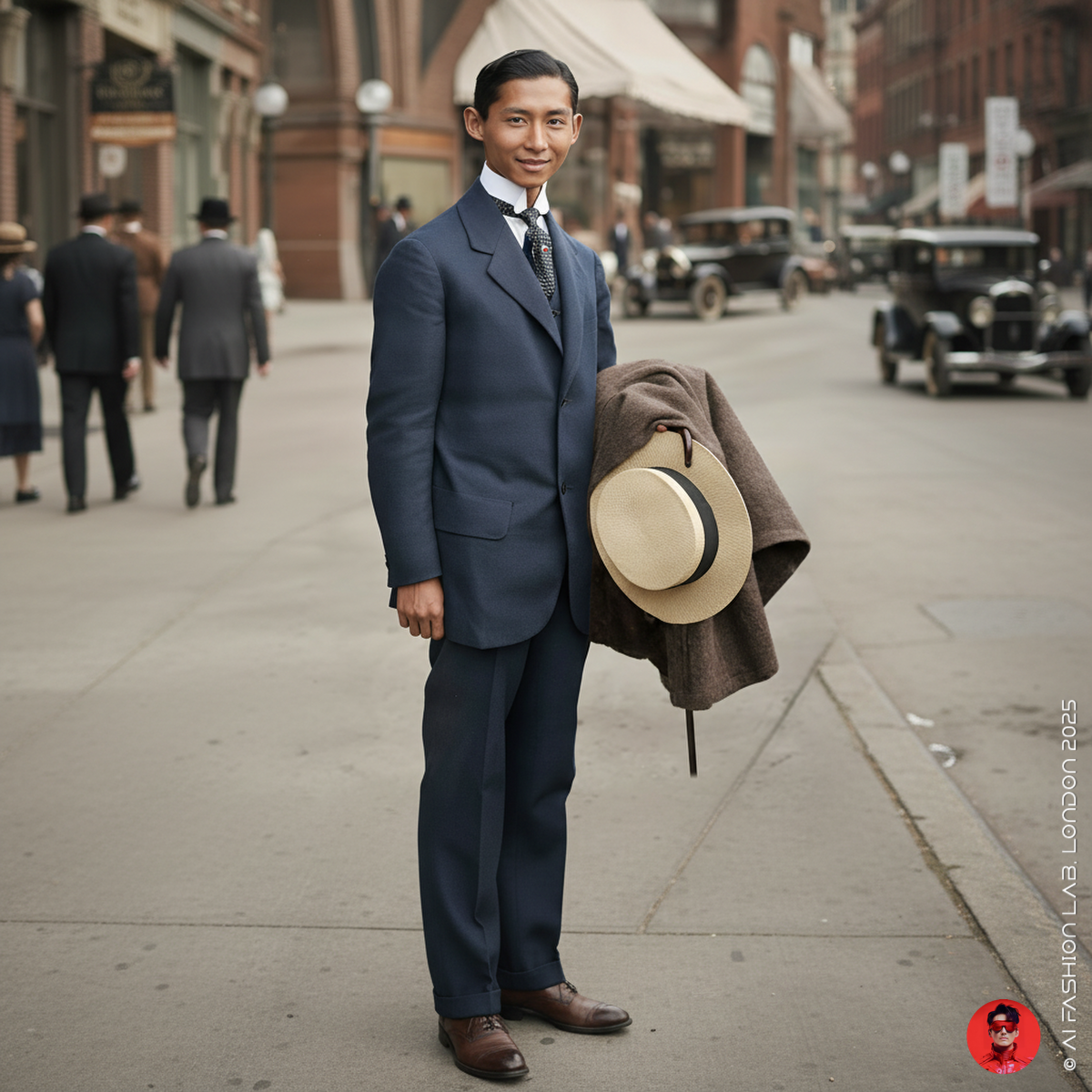
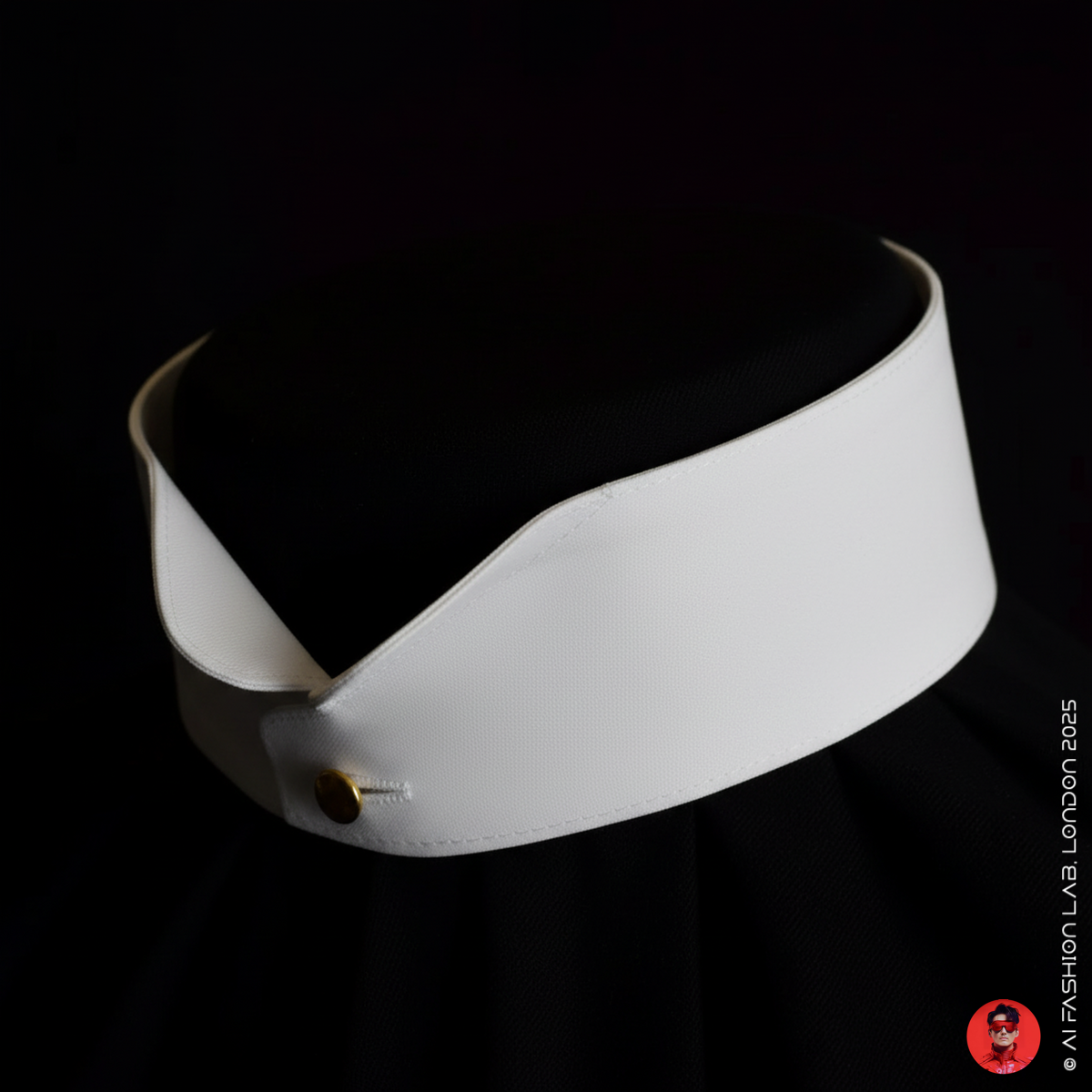
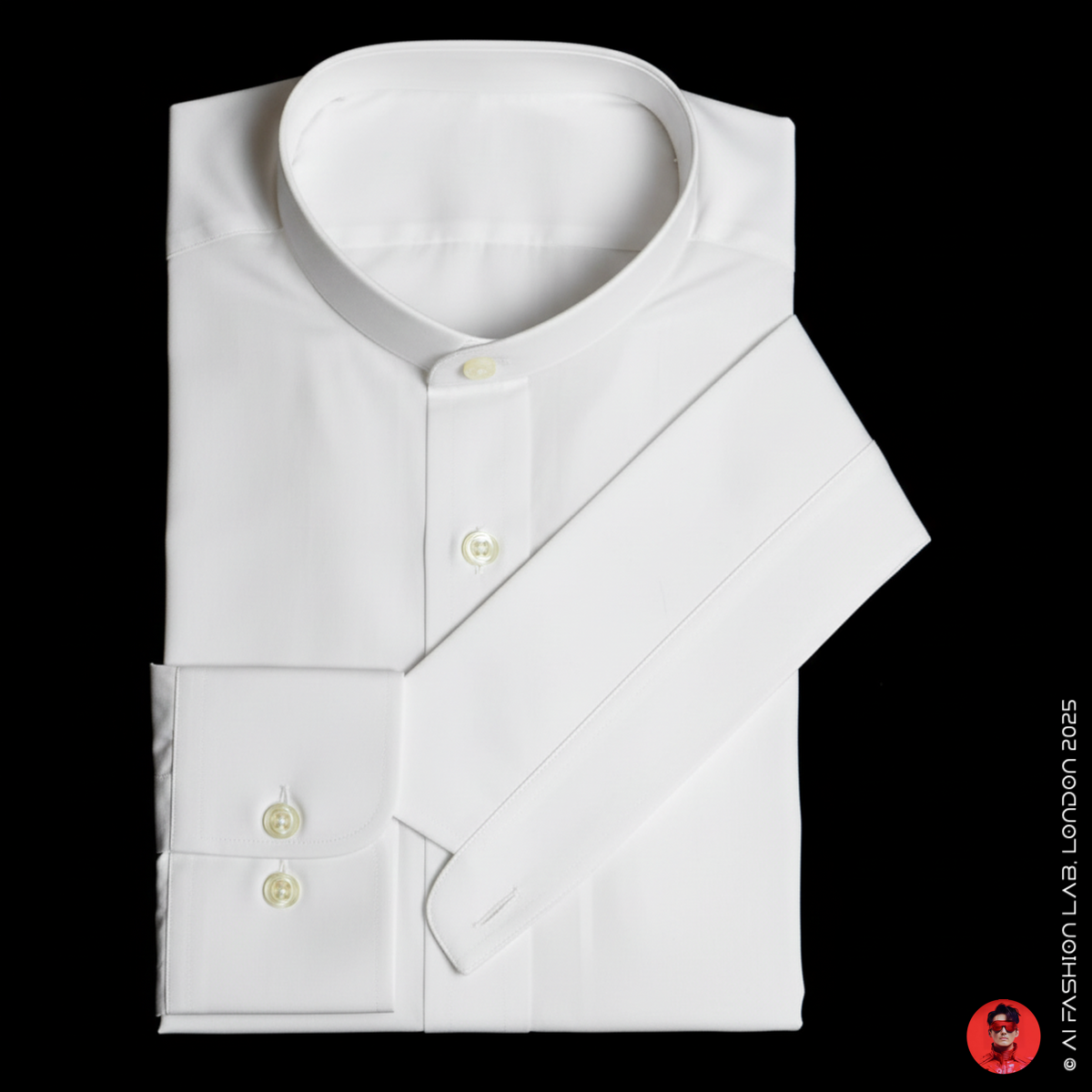
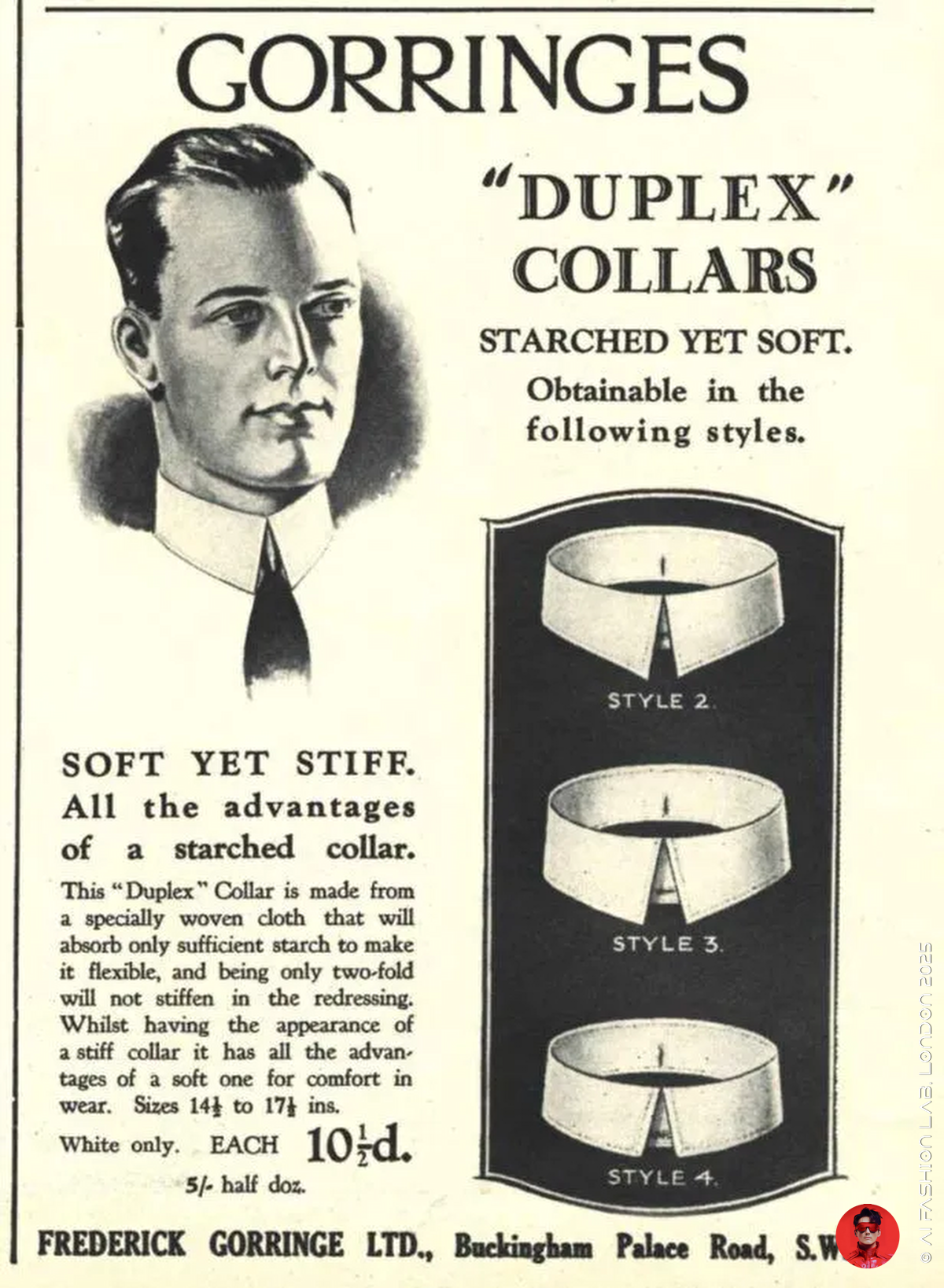
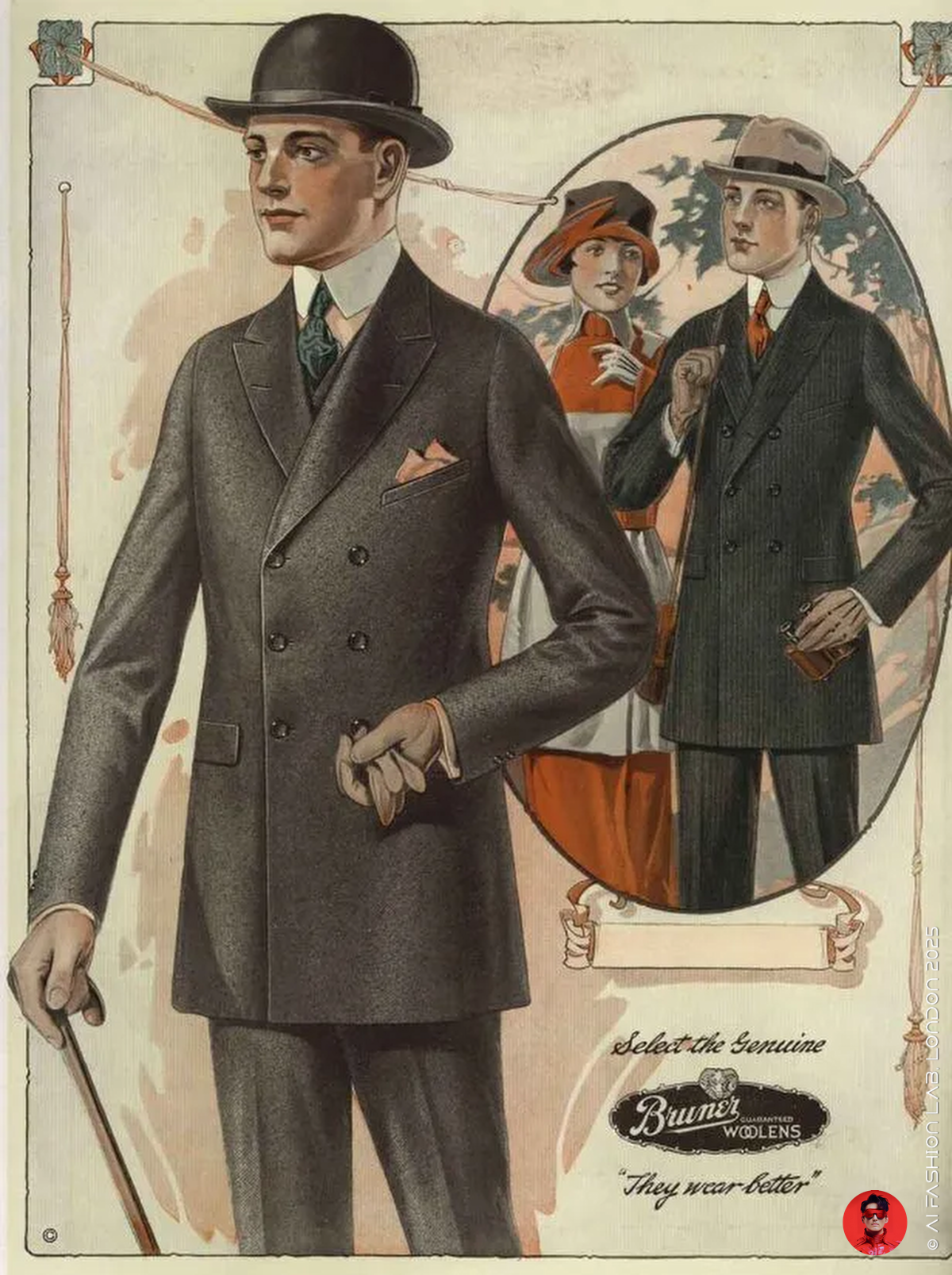
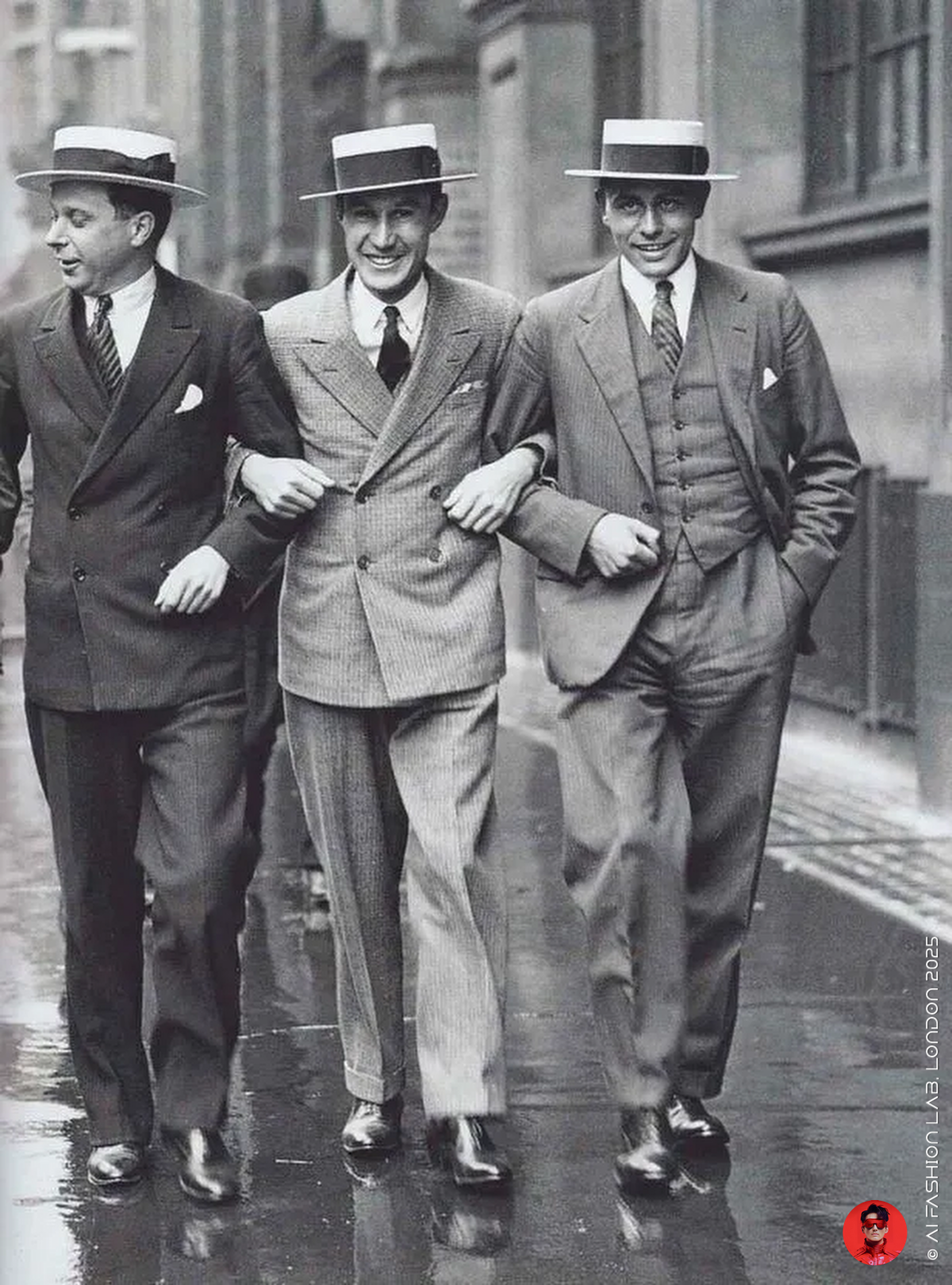
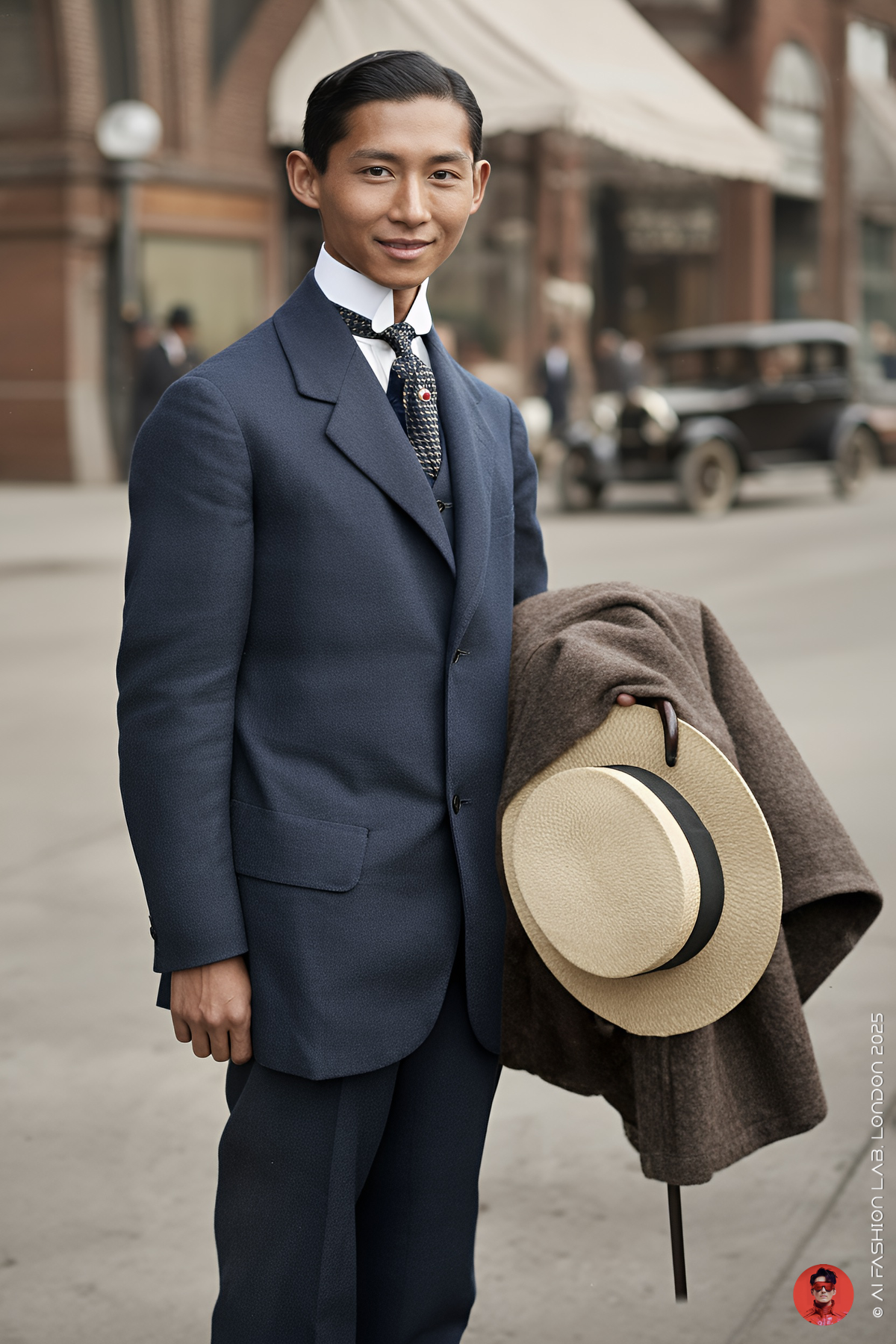
ในพระรูปช่วงต้นทศวรรษ 1920 พระบรมราชชนกทรงฉลองพระองค์ด้วย เสื้อปกคอแข็งแบบ butterfly-wing ซึ่งเป็นหัวใจสำคัญของแฟชั่นบุรุษยุคนี้ คอเสื้อชนิดนี้ทำจากผ้าลินินแข็งรีดจนตั้ง และเป็นหนึ่งในสัญลักษณ์ของความเป็นระเบียบแบบแผนในยุคเอ็ดเวิร์ดเดียน พระองค์ทรงฉลองพระองค์ ชุดสูทสามชิ้นแบบ single-breasted ที่มีแนวเสื้อยาว ช่วงไหล่เป็นธรรมชาติ และทรงเส้นเรียวงามตามแบบฉบับบุรุษชั้นสูงในยุคนั้น พร้อมถือ หมวกฟางแบบ boater ซึ่งเป็นสัญลักษณ์ของฤดูร้อน ชีวิตนักศึกษา และกิจกรรมสันทนาการต่าง ๆ ของสุภาพบุรุษ ภาพลักษณ์นี้สะท้อนช่วงหัวเลี้ยวหัวต่อของแฟชั่น ที่ยังคงความประณีตแบบเดิม แต่ก็กำลังเคลื่อนสู่ความผ่อนคลายและทันสมัยมากขึ้น
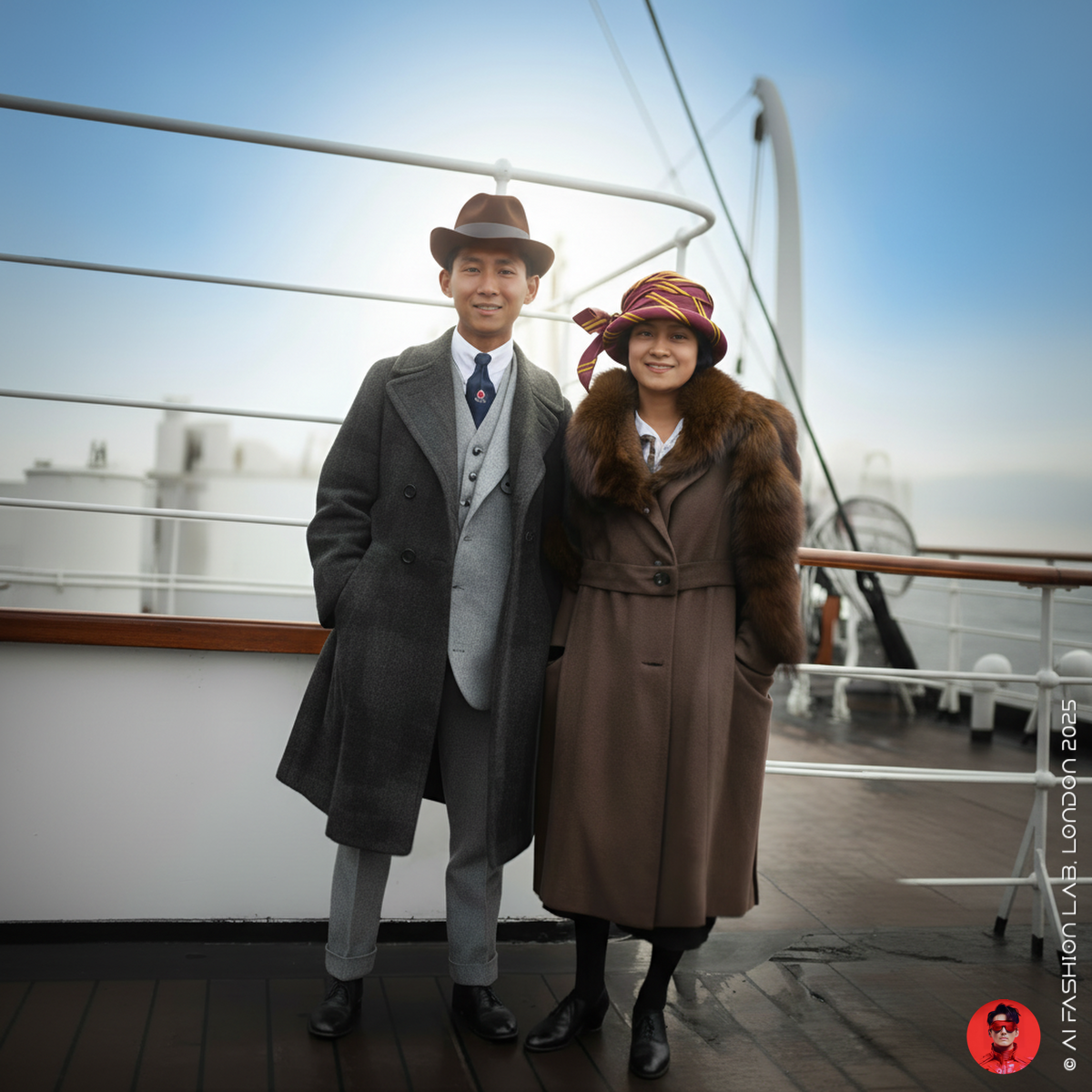
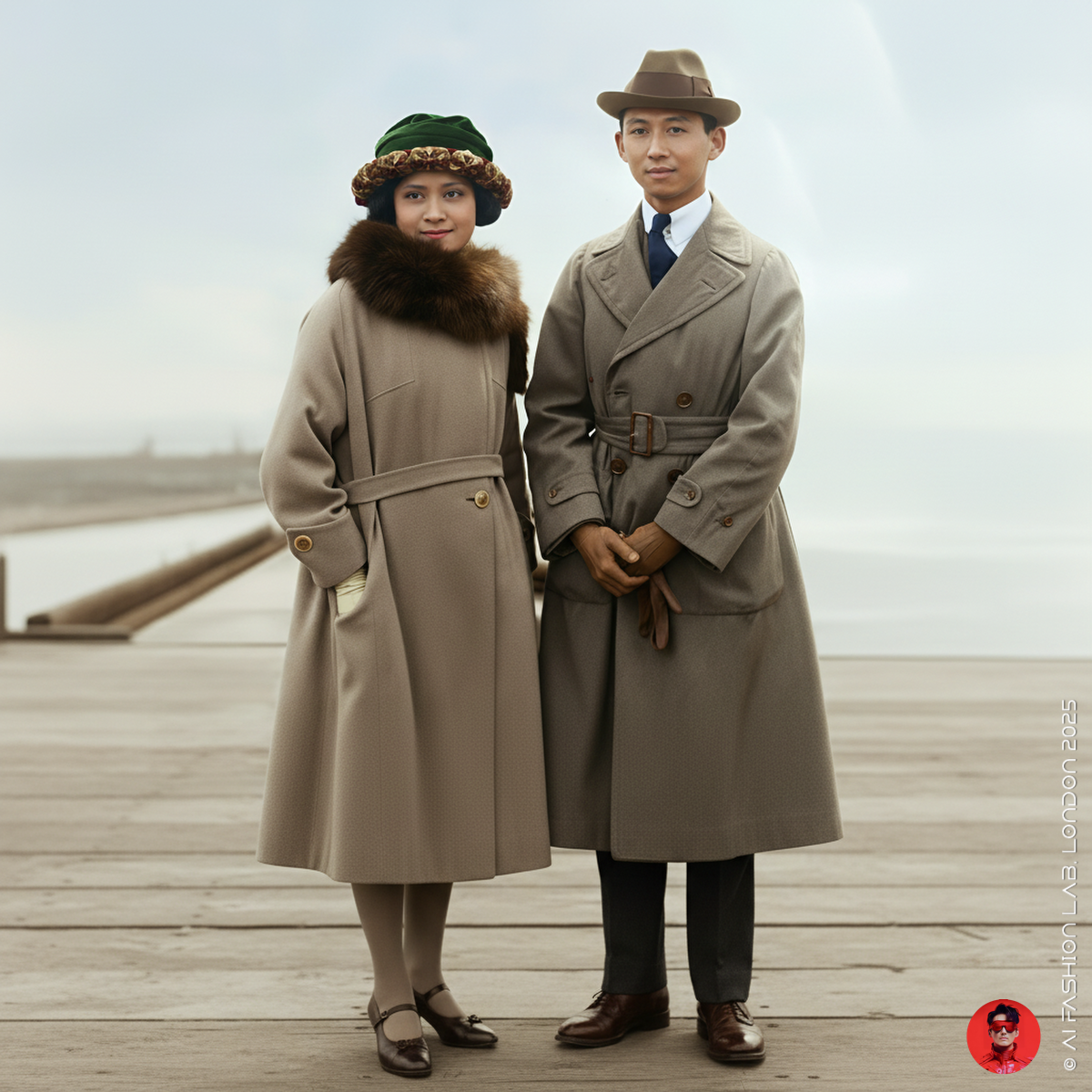
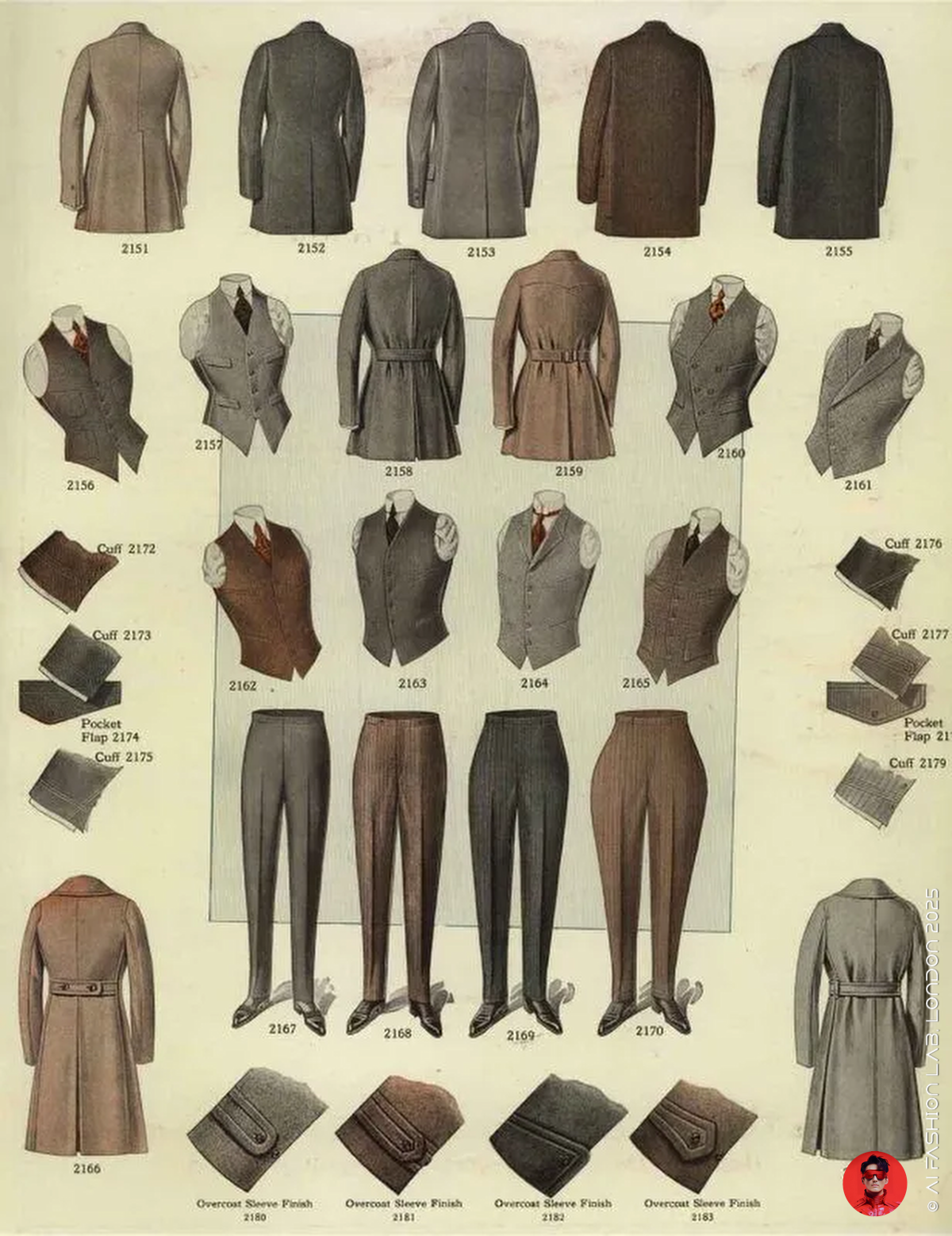
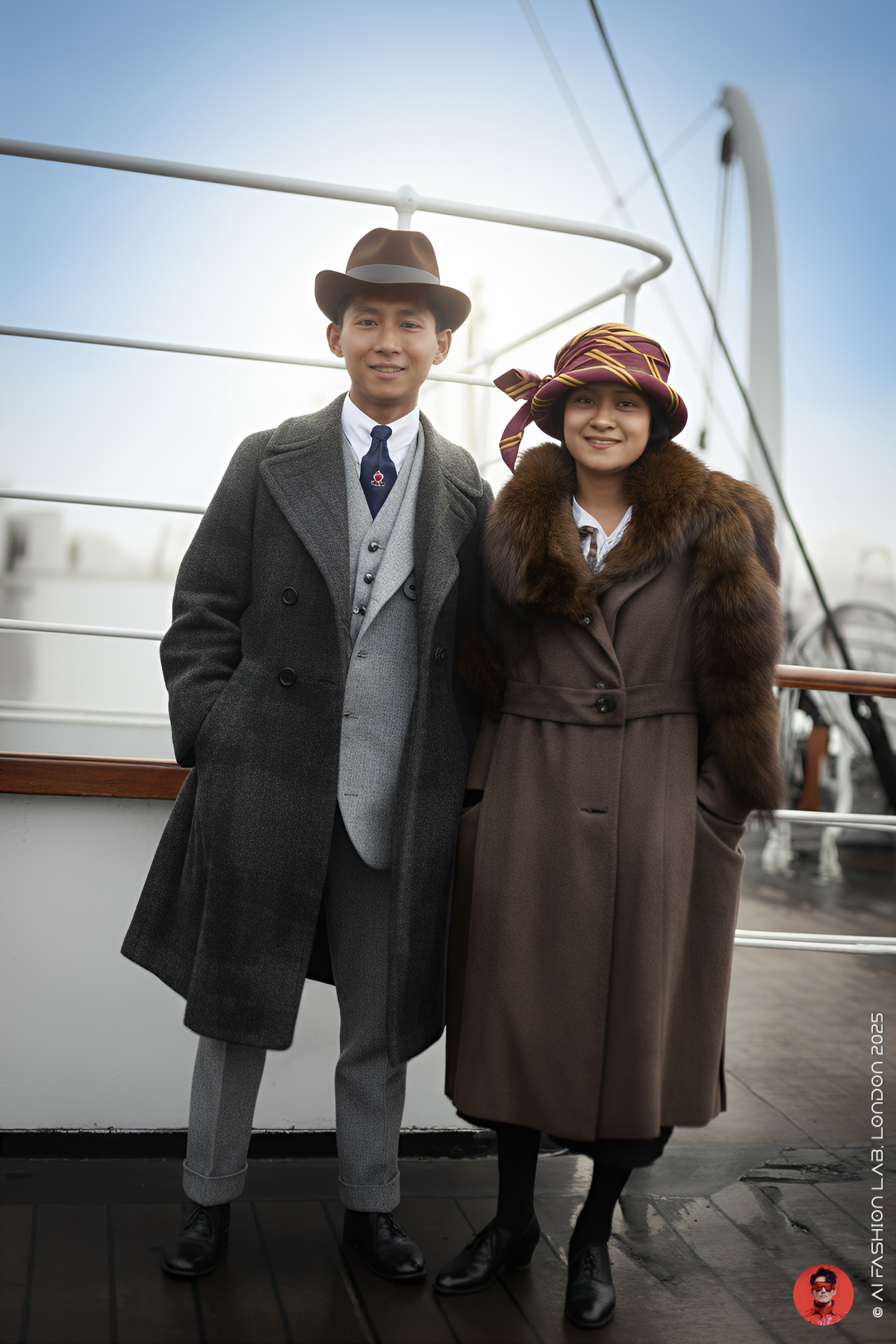
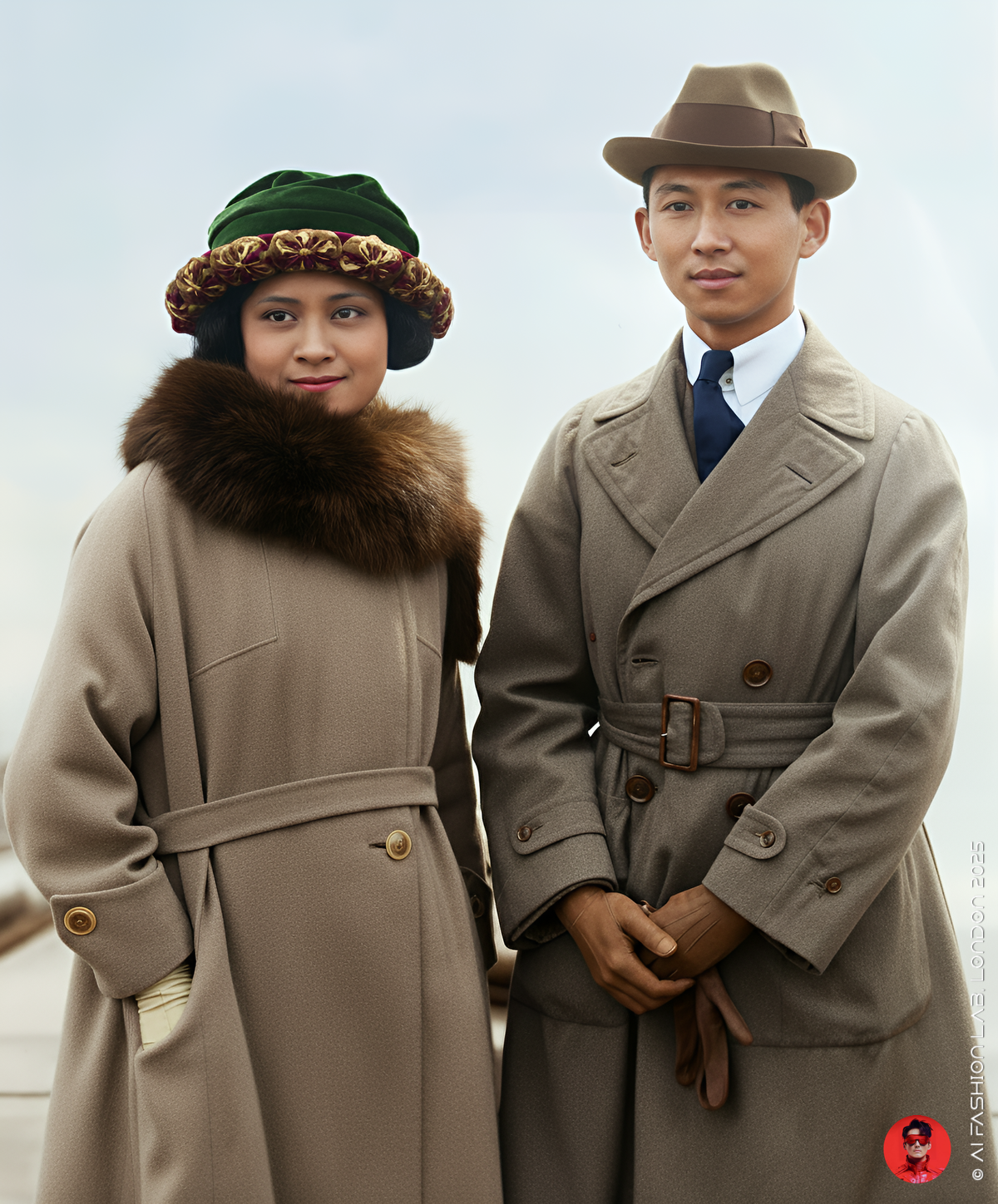
เมื่อพิจารณาพระรูปในช่วงกลางถึงปลายทศวรรษ จะเห็นการเปลี่ยนแปลงชัดเจนยิ่งขึ้น คอเสื้อแบบถอดได้เริ่มเสื่อมความนิยมลง และถูกแทนที่ด้วย ปกคอเสื้อแบบนุ่ม ที่สวมใส่ง่ายคล่องตัวกว่า พระบรมราชชนกทรงเปลี่ยนมาสวม หมวกเฟโดร่า ซึ่งทำจากสักหลาดเนื้อนุ่มและมีปีกโค้งตามรูป ช่วยเสริมภาพลักษณ์ของสุภาพบุรุษยุคใหม่และเหมาะกับภูมิอากาศหนาวในยุโรปและอเมริกา พระองค์ยังทรงสวม เสื้อคลุมหนาวแบบ greatcoat และ ulster coat แบบมีเข็มขัด ซึ่งเป็นเสื้อโค้ตประจำฤดูหนาวในยุคนั้น ผลิตจากขนสัตว์ทอหนาเพื่อกันลมขณะเดินทาง
แม้รายละเอียดเล็ก ๆ จะเปลี่ยนตามกาลเวลา แต่พระบรมราชชนกยังคงทรงฉลองพระองค์ ชุดสูทสามชิ้น อย่างต่อเนื่อง ซึ่งเป็นหัวใจของแฟชั่นบุรุษตลอดทศวรรษ 1920 ในช่วงปลายทศวรรษ กางเกงเริ่มมี การพับปลายกางเกง (turn-ups) ตัวเสื้อสั้นลงเล็กน้อย และเนื้อผ้าอย่างขนสัตว์ ฟลานเนล และทวีดได้รับความนิยมมากขึ้น พระพักตร์และพระเกศาที่ทรงจัดอย่างเรียบง่าย ประกอบกับเครื่องประดับอย่างเนคไทและถุงมือหนัง ล้วนสะท้อนความประณีตและกาลเทศะของเจ้านายฝ่ายหน้าผู้กำลังสร้างชีวิตใหม่ในโลกตะวันตกที่กำลังก้าวสู่ความทันสมัย
ในขณะเดียวกัน สมเด็จพระศรีนครินทราบรมราชชนนี ก็ทรงฉลองพระองค์ตามกระแสแฟชั่นสตรีปลายทศวรรษ 1920 อย่างครบถ้วน ทั้งเสื้อคลุมขนสัตว์ หมวกทรงคลอชประดับโบว์ และถุงมือที่เหมาะกับการเดินทาง เครื่องแต่งกายของพระองค์ช่วยเสริมการตอบรับแฟชั่นตะวันตกของเจ้านายสยามผู้กำลังเปิดโลกทัศน์สู่สากล
โดยสรุป พระรูปชุดนี้ไม่เพียงแค่เป็นบันทึกทางประวัติศาสตร์ แต่ยังเป็นหลักฐานสำคัญของพัฒนาการแฟชั่นยุค 1920 จากปกคอเสื้อแบบแข็ง หมวกโบ๊ตเตอร์ และเสื้อสูททรงยาวในช่วงต้นทศวรรษ สู่ปกคอเสื้อแบบนุ่ม หมวกฟีดอร่า และเสื้อโค้ตแบบมีเข็มขัดในช่วงปลายทศวรรษ ฉลองพระองค์ของพระบรมราชชนกสะท้อนจุดเปลี่ยนสำคัญจากความเป็นทางการในยุคเอ็ดเวิร์ดเดียนไปสู่ความทันสมัยของศตวรรษที่ ๒๐ และยังเป็นภาพสะท้อนของอัตลักษณ์เจ้านายสยาม ผู้ทรงอยู่ท่ามกลางวัฒนธรรมตะวันตกและความเปลี่ยนแปลงของโลกยุคนั้นอย่างสง่างาม
____________________________
Somdet Phra Mahitala Dhibesra Adulyadej Vikrom, Prince Father and 1920s Fashion
The AI-restored photographs of Somdet Phra Mahitala Dhibesra Adulyadej Vikrom, Prince Father (สมเด็จพระมหิตลาธิเบศร อดุลยเดชวิกรม พระบรมราชชนก), and Somdet Phra Srinagarindra Boromarajajonani (สมเด็จพระศรีนครินทราบรมราชชนนี) provide an illuminating window into the evolution of 1920s menswear as experienced by a Siamese royal studying abroad. Taken during the reigns of King Rama VI and King Rama VII, these images correspond to the years when the Prince Father travelled between the United States and Europe for education and medical treatment. In 1925 he entered Heidelberg, Germany, for kidney treatment—where Prince Ananda Mahidol was born—and later returned to Harvard University to complete his medical studies, receiving his M.D. cum laude in 1927 before returning to Siam in 1928. The changing environments, from American campuses to European winters and transatlantic ships, shaped the distinct wardrobe seen in these photographs.
In the earliest portrait, the Prince Father wears the starched butterfly-wing collar, a hallmark of early-1920s men’s fashion. This stiff, detachable collar—made of heavily starched linen—was a refined relic of pre-war Edwardian style, favoured by university scholars, musicians, and professionals. Paired with this is a three-piece single-breasted suit with a longline jacket, soft natural shoulders, and a slim, well-proportioned silhouette. He carries a straw boater hat, a summer essential widely associated with collegiate life, music ensembles, and leisurely outings. The combination of the formal collar and the boater hat reflects the transitional elegance of the early 1920s, when men still embraced formality even as fashion began moving towards comfort.
The later photographs show a clear stylistic shift. By the mid- and late-1920s, detachable collars had fallen from everyday use, replaced by soft attached collars that were far more comfortable and modern. In these portraits, the Prince Father appears in a felt fedora hat, replacing the earlier boater. The fedora, with its shaped brim and soft felt body, became a symbol of the modern male silhouette and was especially suited to winter climates in Europe and North America. His “overcoats—double-breasted greatcoats and belted ulster coats” demonstrate the era’s winter fashion, designed for warmth during travel across cold regions. These coats, often constructed of heavy wool and closed with leather-buckled belts, completed the sophisticated late-1920s travelling attire.
Throughout the photographs, the Prince Father continues to wear elegant three-piece suits, reaffirming their importance in men’s wardrobes during the decade. By the later 1920s, trousers frequently featured turn-ups (cuffs), jackets became slightly shorter, and fabrics such as wool, flannel, and tweed gained greater popularity. His grooming—neatly parted hair, understated tie pins, and well-fitted gloves—further illustrates the polished refinement of a young Siamese royal living and studying abroad during a modernising decade.
Alongside him, Somdet Phra Srinagarindra Boromarajajonani displays women’s fashions of the same period, including fur-trimmed winter coats, cloche-influenced hats with decorative ribbons, and gloves appropriate for travel. Her attire complements the Prince Father’s wardrobe and reinforces the couple’s image as internationally aware, modern, and sophisticated.
Altogether, these photographs capture not merely personal history but the broader transformation of 1920s fashion. From stiff collars and straw boaters to soft collars and felt fedoras, the Prince Father’s wardrobe illustrates the shift from Edwardian formality to the modern, confident silhouette that would define men’s fashion for decades to come. His clothing reflects a unique intersection of Siamese royal identity, Western education, and early twentieth-century style—making these images invaluable records of cultural and sartorial history.
#aifashionlab #AI #aiartist #aiart #aifashion #aifashiondesign #aifashionstyling #aifashiondesigner #fashion #fashionhistory #historyoffashion #fashionstyling #fashionphotography #digitalfashiondesign #digitalcostumedesign #digitaldesign #digitalaiart #ThaiFashionHistory #ThaiFashionAI #thailand