สมเด็จพระพุฒาจารย์ (โต พรหมรังสี) วัดระฆังโฆสิตาราม
สมเด็จพระพุฒาจารย์ (โต พรหมรังสี) วัดระฆังโฆสิตาราม
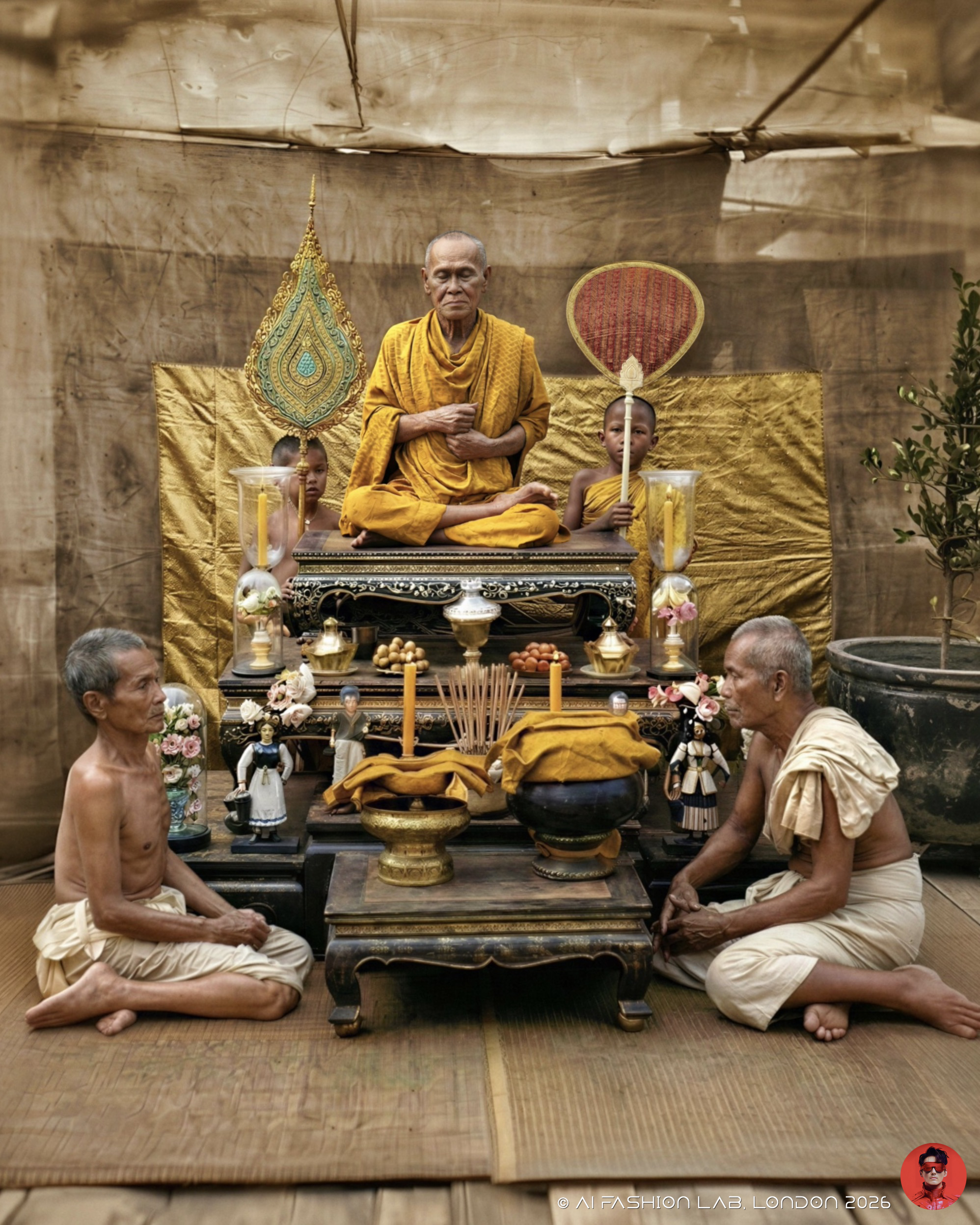
สมเด็จพระพุฒาจารย์ (โต พรหมรังสี) แห่ง วัดระฆังโฆสิตาราม เป็นพระเถระสำคัญในสมัยต้นกรุงรัตนโกสินทร์ ภาพถ่ายนี้สันนิษฐานว่าถ่ายเมื่อพุทธศักราช ๒๔๐๗ ในคราวที่ท่านได้รับสถาปนาเป็นสมเด็จพระราชาคณะ เจ้าคณะใหญ่อรัญวาสี ชั้นหิรัญบัตร ที่สมเด็จพระพุฒาจารย์ ในรัชสมัยรัชกาลที่ ๔
ในภาพ สมเด็จพระพุฒาจารย์ (โต พรหมรังสี) กำลังนั่งสมาธิบริกรรมคาถา ครองจีวรลายดอกพิกุล ขนาบข้างด้วยพัดสองเล่ม
เล่มขวามือ คือ พัดยศประจำตำแหน่งสมเด็จพระราชาคณะ มีศิษย์คอยประคอง โครงพัดที่มองเห็นภายในสันนิษฐานว่าเป็นของใช้มาตั้งแต่ต้นกรุง จึงมีสภาพเก่า
เล่มซ้าย คือ พัดวาลวิชนี มีสามเณรยืนประคองเช่นกัน
จีวรลายดอกพิกุล: การตีความสีจากหลักฐานภาพถ่าย
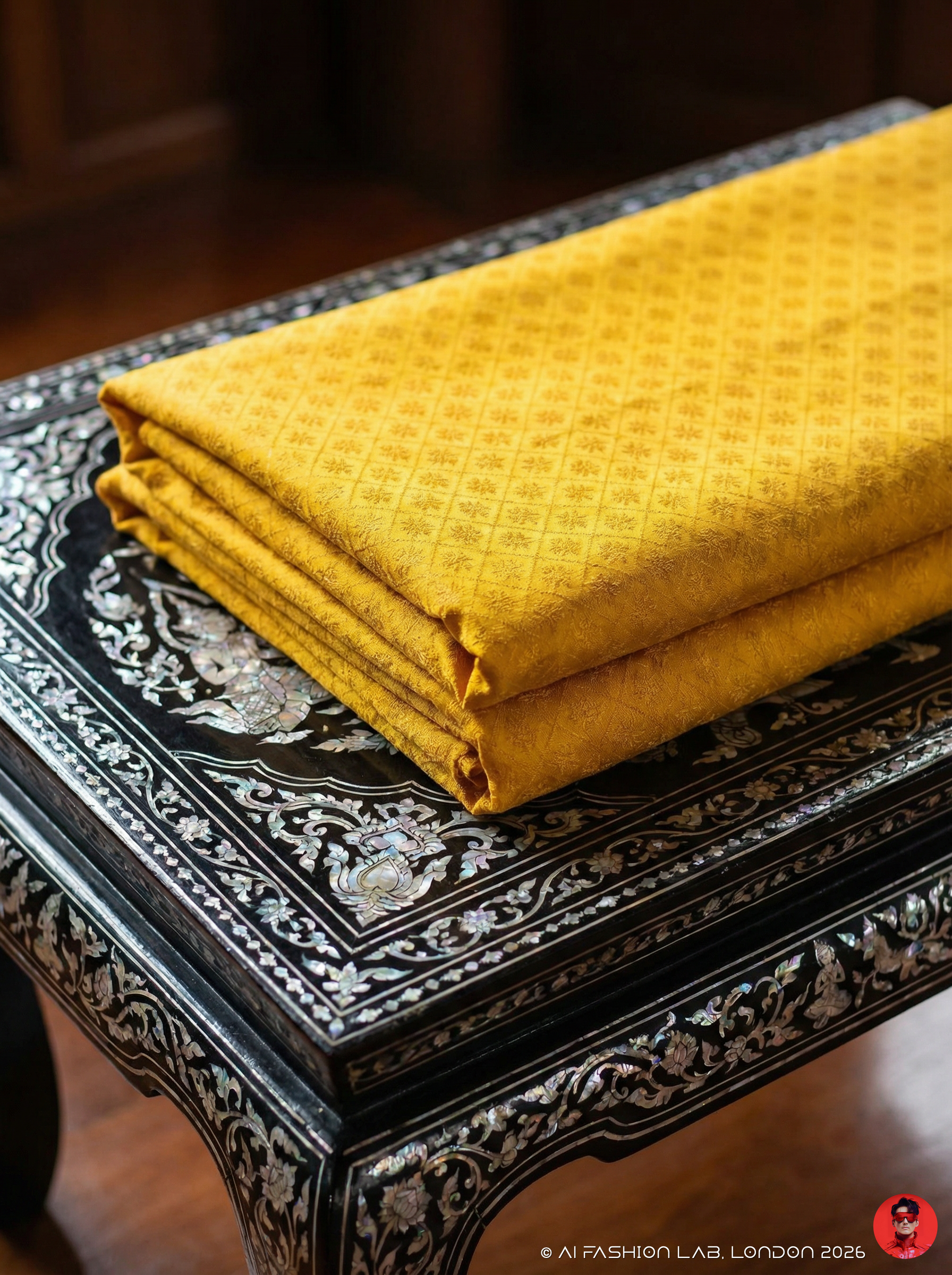
ประเด็นที่น่าสนใจอย่างยิ่งในภาพนี้คือการสร้างสรรค์สีจีวร จากการค้นคว้าเทียบค่า grey scale ของภาพถ่ายขาวดำยุคต้น ประกอบคำปรึกษาจากผู้ทรงคุณวุฒิ ทำให้ได้ข้อสันนิษฐานว่า จีวรลายดอกพิกุลของสมเด็จพระพุฒาจารย์ (โต พรหมรังสี) ควรเป็นสีเหลืองทอง สอดคล้องกับตัวอย่างจีวรผ้าไหมลายดอกพิกุลที่ยังมีหลักฐานหลงเหลืออยู่
ในภาพถ่ายยุครัชกาลที่ ๔–๕ สีเหลืองมักปรากฏเป็นค่าเทาเข้มหรือเกือบเทาเข้ม ซึ่งอาจทำให้เข้าใจคลาดเคลื่อนว่าเป็นสีกรักหรือสีน้ำตาลแดง ดังที่พบเห็นในการสร้างรูปปั้นเหมือนหรือการลงสีทั่วไปในภายหลัง
ที่มาของ “จีวรดอกพิกุล”
จีวรผ้าไหมลายดอกพิกุล บางครั้งพบลายดอกโบตั๋นหรือลายต้นไผ่ ปรากฏหลักฐานในกรุจีวรโบราณของวัดสุทธิวราราม สันนิษฐานว่าในสมัยต้นกรุงรัตนโกสินทร์ นายช่างได้เลียนแบบ “ผ้าต่างประเทศ” ซึ่งมีการทอเนื้อผ้าเป็นลายดอกดวงเล็ก ๆ คล้ายดอกพิกุล อันนับเป็นของแปลกใหม่ในยุคนั้น
ด้วยความงดงามและมีค่าสูง เหล่าทายกทายิกาผู้มีศรัทธา จึงนิยมนำผ้าลายดอกดังกล่าวมาตัดย้อมเป็นจีวรถวายพระภิกษุ ถือเป็น “ประณีตทาน” และแพร่หลายโดยทั่วไป จนกลายเป็นแรงบันดาลใจให้มีการสร้าง “พระพุทธรูปจีวรดอก” ขึ้นด้วย และเชื่อกันว่าเป็นจีวรที่ถวายแด่พระสงฆ์ผู้มีสมณศักดิ์ระดับสูง
การสร้างสรรค์พัดยศและพัดวาลวิชนี
พัดยศทางด้านขวามือของท่าน เนื่องจากพัดยศโบราณของจริงไม่ปรากฏหลงเหลืออยู่ จึงสร้างสรรค์ขึ้นโดยอ้างอิงสีและรูปแบบจากพัดยศของพระราชาคณะในปัจจุบัน
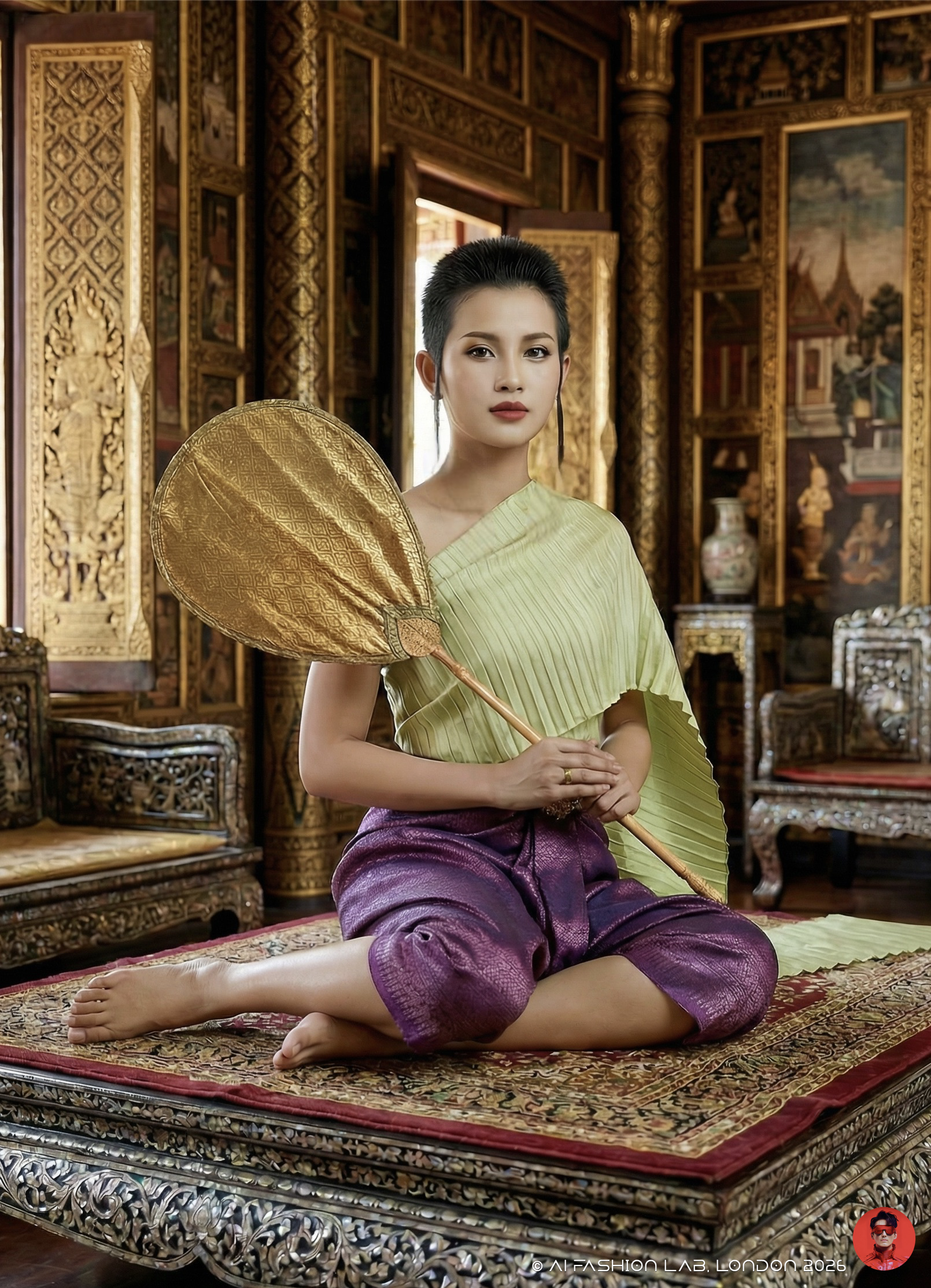
ส่วนพัดทางซ้ายมือ คือ พัดวาลวิชนี ซึ่งพระเถระในสมัยนั้นนิยมใช้แทนตาลปัตร
ประวัติพัดวาลวิชนี
พัดวาลวิชนีถือกำเนิดในราชสำนัก เดิมเป็นเครื่องประกอบยศของเจ้านาย ต่อมาเมื่อเจ้าของถึงแก่กรรม ญาตินำไปถวายพระสงฆ์ใช้แทนตาลปัตร พระสงฆ์เมื่อได้รับเครื่องยศดังกล่าวก็เห็นว่าเป็นของผู้ดี จึงให้ศิษย์ถือปฏิบัติสืบต่อกันมา กลายเป็นธรรมเนียม
ในราชสำนักพัดวาลวิชนี
๑. ใช้ในงานเฝ้าพระบรรทม
๒. ใช้ในงานทรงเครื่องเสวย
๓. ใช้ในงานประทับฝ่ายหน้าและการออกแขกเมือง
๔. ใช้ร่วมขบวนแห่สระสนาน
๕. ใช้ในขบวนแห่ยืนชิงช้า
พัดวาลวิชนีในวังทำโครง ๙ ซี่ ส่วนที่ทำสำหรับพระสงฆ์ใช้โครง ๗ ซี่ ปักลวดลายคล้ายกัน
อย่างไรก็ตาม มีพระราชาคณะรูปหนึ่งคือ “พระญาณสมโพธิ (ด้วง) วัดนาคกลาง” ไม่ถือพัดวาลวิชนี เนื่องจากเห็นว่ารูปร่างโค้งงุ้มคลอบศีรษะและใบหู ดูไม่เหมาะสม แตกต่างจากตาลปัตรลังกาและพม่าที่เป็นทรงตรง อีกทั้งมีรูปร่างคล้าย “จวักตักแกง” ซึ่งคำว่า “จวัก” ถือเป็นคำหยาบ ท่านจึงไม่พอใจและไม่เคยถือพัดดังกล่าว
ต่อมาในสมัยรัชกาลที่ ๔ มีประกาศยกเลิกการใช้พัดวาลวิชนีในหมู่พระสงฆ์ แม้ประกาศจะไม่ได้ระบุศักราชเริ่มต้นชัดเจน แต่กล่าวถึงพระสงฆ์ชั้นราชาคณะ ถานานุกรม และเจ้าอธิการ ที่หันไปถือพัดวาลวิชนีแทนตาลปัตรสืบต่อกันมา
ภาพถ่ายนี้จึงมิได้เป็นเพียงหลักฐานทางประวัติศาสตร์ หากยังสะท้อนพัฒนาการของเครื่องยศ เครื่องประกอบสมณศักดิ์ และรสนิยมทางวัฒนธรรมของสังคมไทยในสมัยรัชกาลที่ ๔ ได้อย่างลุ่มลึก ทั้งในแง่ศิลปกรรม เครื่องแต่งกาย และขนบธรรมเนียมราชสำนักที่ส่งอิทธิพลสู่คณะสงฆ์ในยุคนั้น.
Special Thanks: เพจ พิกุลบรรณศาลา สำหรับข้อมูล พัดยศ พัดวาลวิชนี และ จีวรลายดอกพิกุล, เพจ พัดยศ สมณศักดิ์พระสงฆ์ไทย สำหรับข้อมูล พัดยศ
___________
Somdet Phra Phutthachan (To Phrommarangsi) [สมเด็จพระพุฒาจารย์ (โต พรหมรังสี)]
Wat Rakhang Khositaram [วัดระฆังโฆสิตาราม]
Somdet Phra Phutthachan (To Phrommarangsi), of Wat Rakhang Khositaram Woramahawihan, was one of the most revered monks of the early Rattanakosin period. This photograph is believed to have been taken in Buddhist Era 2407 (1864 CE), on the occasion of his elevation to the rank of Somdet Phra Ratchakhana, Chief of the Aranyawasi (Forest-dwelling) Order, Hiranyabat class, during the reign of King Mongkut (Rama IV).
In the image, Somdet Phra Phutthachan (To Phrommarangsi) is seated in meditation, reciting sacred chants. He is wearing a floral-patterned pikun robe (จีวรลายดอกพิกุล) and is flanked by two ceremonial fans:
On his right is the ecclesiastical fan of rank (พัดยศ) corresponding to his position as Somdet Phra Ratchakhana. It is supported by a disciple. The visible inner framework suggests that the fan may date back to the early Rattanakosin period, showing clear signs of age and prolonged use.
On his left is a Walawichani fan (พัดวาลวิชนี), supported by a novice monk.
The Pikun-Patterned Robe: Interpreting Colour from Early Photography
One of the most significant aspects of this image lies in the reconstruction of the robe’s colour. Through research comparing grey-scale tonal values from early black-and-white photography, combined with consultation with specialists, it has been reasonably concluded that the pikun-patterned silk robe worn by Somdet Phra Phutthachan (To Phrommarangsi) should be interpreted as golden yellow.
This conclusion aligns with surviving examples of pikun-patterned silk monastic robes. In early photographic processes of the reigns of Rama IV and Rama V, yellow tones often appear as dark grey or near-deep grey in black-and-white images. This tonal characteristic has historically led to misinterpretations, with such robes frequently reconstructed as ochre, brownish-red, or dark saffron in later artistic renderings.
The Origins of the “Pikun-Patterned Robe”
Silk robes featuring small floral motifs—most commonly pikun blossoms, though sometimes peonies or bamboo—are documented in the ancient robe repository (กรุจีวรโบราณ) of Wat Sutthiwararam [วัดสุทธิวราราม]. It is believed that during the early Rattanakosin period, Thai craftsmen imitated imported foreign textiles woven with delicate repeating floral motifs resembling pikun blossoms.
At the time, such textiles were considered rare and highly valued luxury goods. Devout lay patrons wishing to offer refined merit-making gifts (ประณีตทาน) would have these patterned fabrics cut, dyed, and tailored into monastic robes for presentation to senior monks. Over time, this practice became widespread and even inspired the creation of “Buddha images wearing floral robes” (พระพุทธรูปจีวรดอก). These robes were generally associated with monks of high ecclesiastical rank.
The Creation of the Ecclesiastical and Walawichani Fans
As the original historic ecclesiastical fan (พัดยศ) no longer survives, its reconstruction in this restoration was based on colour references and stylistic comparisons with contemporary fans of rank used by present-day Phra Ratchakhana
The fan on the left is the Walawichani fan (พัดวาลวิชนี), which senior monks of the period often used in place of the traditional talapat (ตาลปัตร).
Historical Background of the Walawichani Fan
The Walawichani fan originated within the royal court as an emblem of aristocratic status. When its original noble owner passed away, family members would donate the fan to monks for use in place of the talapat. Monks, recognising it as an object associated with refinement and high status, adopted the practice, instructing disciples to carry it, thereby establishing a custom.
Within the royal court, the Walawichani fan was used:
During attendance at the royal sleeping chamber.
During royal dining ceremonies.
During formal audience occasions and receptions of foreign envoys.
In royal bathing processions.
In the Giant Swing ceremony procession (พิธีแห่ยืนชิงช้า).
Court versions were constructed with nine ribs, while those made for monks typically had seven ribs, though embroidered in a similar manner.
However, one senior monk, Phra Yanasombodhi (Duang) [พระญาณสมโพธิ (ด้วง)] of Wat Nak Klang [วัดนาคกลาง], refused to use the Walawichani fan. He considered its curved shape—arching over the head and ears when raised—to be inelegant and inconvenient. He preferred the upright forms of talapat used in Lanka and Burma. Furthermore, he observed that its shape resembled a ladle (จวัก), a term considered vulgar in certain contexts, and therefore declined to carry it.
Subsequently, during the reign of King Mongkut (Rama IV), a royal proclamation discontinued the use of the Walawichani fan among monks. Although the exact year was not specified, the decree addressed the growing custom among ecclesiastical ranks, administrative monks, and abbots of substituting the Walawichani fan for the traditional talapat.
This photograph is therefore not merely a historical record. It reflects the evolution of ecclesiastical regalia, monastic rank insignia, and aesthetic sensibilities in mid-19th-century Siam. It reveals the dynamic interplay between royal court culture and the Buddhist Sangha during the reign of Rama IV, expressed through textiles, ceremonial objects, and visual representation.
___________
เรียนเชิญกด Subscribe ได้ที่ลิงก์นี้ครับ เพื่อร่วมติดตามงานสร้างสรรค์ต้นฉบับ งานวิจัยประวัติศาสตร์แฟชั่น และผลงานอนุรักษ์มรดกวัฒนธรรมด้วยเทคโนโลยี AI ของ AI Fashion Lab, London ซึ่งมุ่งตีความอดีตผ่านมิติใหม่ของการบูรณะภาพ การสร้างสรรค์ภาพ และการเล่าเรื่องด้วยศิลปะเชิงดิจิทัล เรียนเชิญกด Subscribe ได้ที่ลิงก์นี้ครับ เพื่อร่วมติดตามงานสร้างสรรค์ต้นฉบับ งานวิจัยประวัติศาสตร์แฟชั่น และผลงานอนุรักษ์มรดกวัฒนธรรมด้วยเทคโนโลยี AI ของ AI Fashion Lab, London ซึ่งมุ่งตีความอดีตผ่านมิติใหม่ของการบูรณะภาพ การสร้างสรรค์ภาพ และการเล่าเรื่องด้วยศิลปะเชิงดิจิทัล https://www.facebook.com/aifashionlab/subscribe/
#aifashionlab #AI #aiartist #aiart #aifashion #aifashiondesign #aifashionstyling #aifashiondesigner #fashion #fashionhistory #historyoffashion #fashionstyling #fashionphotography #digitalfashion #digitalfashiondesign #digitalcostumedesign #digitaldesign #digitalaiart #ThaiFashionHistory #ThaiFashionAI #thailand #UNESCO